15 Brilliant Small Apartment Living Room Ideas to Maximize Space

Remember that moment when you first walked into your tiny apartment and thought, “Where the heck am I supposed to put a couch, TV, and have room to actually walk?” Yeah, we’ve all been there.
Small living rooms might seem like a curse at first, but I’m here to tell you they’re actually a blessing in disguise – you just need the right tricks up your sleeve.
Living in a small space has taught me more about creativity than any design course ever could. You learn to see potential in every corner, appreciate vertical space like never before, and become a master at making one piece of furniture do the work of three.
Trust me, after years of squeezing life into 400 square feet, I’ve picked up some killer strategies that actually work.
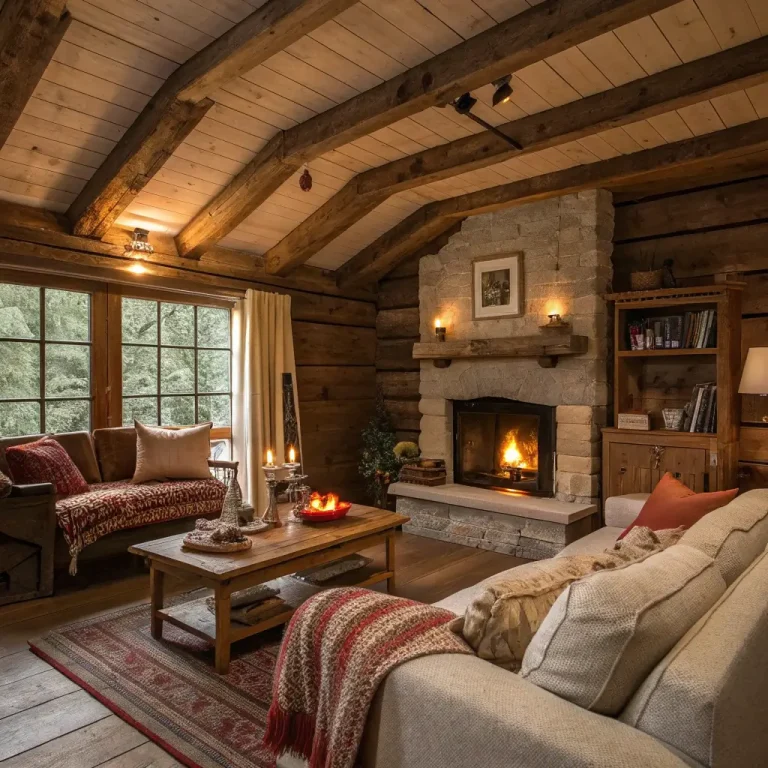
Cozy Minimalist Living Room

Let’s kick things off with my personal favorite – the cozy minimalist approach. You know how everyone thinks minimalism means living in a cold, white box with one sad chair? Total misconception! Cozy minimalism combines the best of both worlds: you get that clean, uncluttered look while still feeling like you’re wrapped in a warm hug.
Start with a neutral color palette – think warm grays, soft beiges, or muted earth tones. I painted my walls in Benjamin Moore’s “Cloud White” and instantly gained what felt like 50 extra square feet. The trick here is choosing furniture pieces that really earn their keep. My sofa? It’s a sleek two-seater in charcoal gray that doesn’t overwhelm the room but still fits two people comfortably for movie nights.
The Secret Sauce: Texture
Here’s where the magic happens – layer different textures to create warmth without clutter. I throw a chunky knit blanket over the sofa, add a jute rug underfoot, and place one or two velvet cushions strategically. See what we’re doing here? Creating visual interest without filling every surface with knick-knacks.
Keep decorative items to a minimum but make them count. One large piece of abstract art above the sofa beats twenty small frames any day. And please, for the love of all that’s holy, resist the urge to fill every shelf. Negative space is your friend in a small room – it lets the eye rest and makes everything feel more expensive than it actually is.
Multi-Functional Furniture Layouts
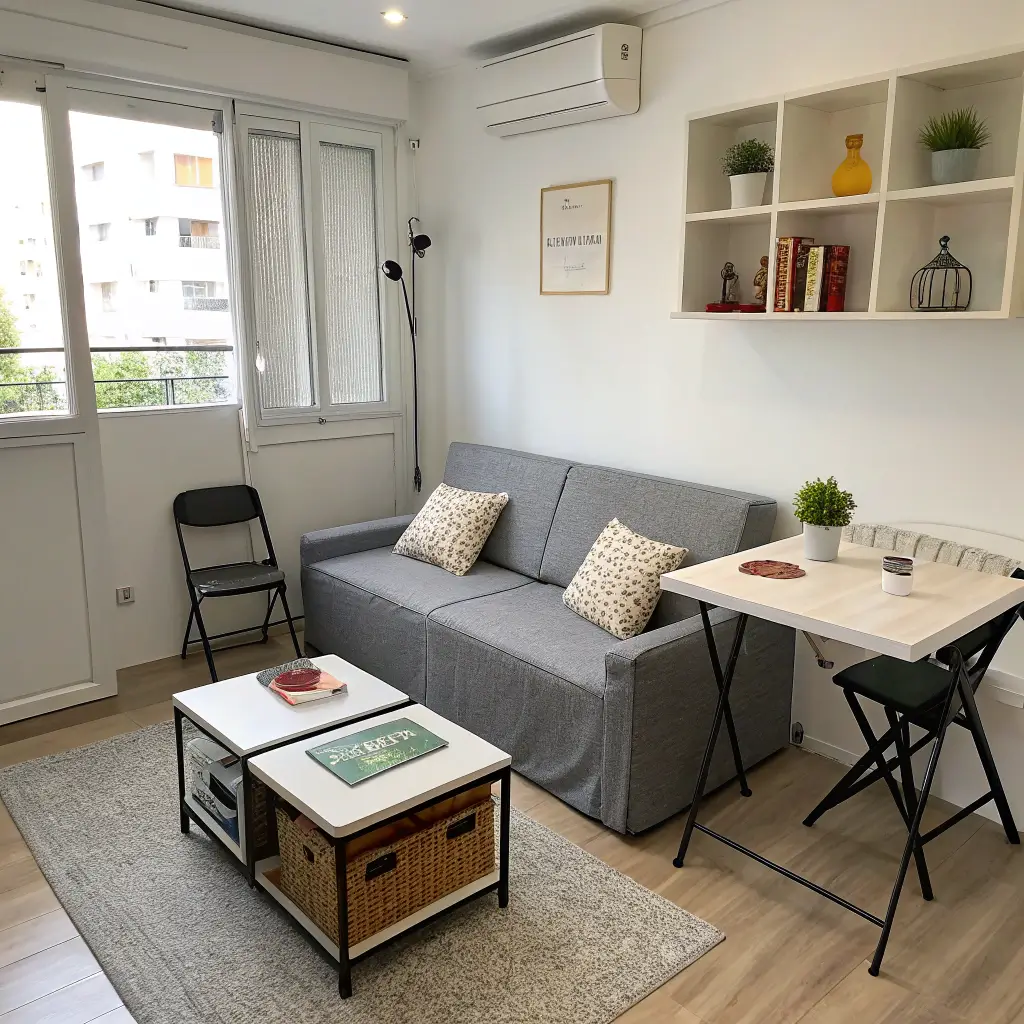
Now we’re talking strategy! Multi-functional furniture isn’t just smart; it’s absolutely essential when you’re working with limited square footage. Ever seen those ottoman storage cubes that serve as seating, footrests, AND hide your collection of throw blankets? Game changers.
My living room setup revolves around pieces that pull double (or triple) duty. The coffee table? It’s actually a lift-top model that transforms into a desk when I need to work from home. Cost me about $200 on Amazon, and honestly, it’s saved my sanity during countless Zoom meetings. The sides have built-in storage for remotes, coasters, and all those random cables we pretend don’t exist.
Strategic Placement Matters
Position your furniture to create distinct zones without walls. Float your sofa in the middle of the room instead of pushing it against the wall – sounds counterintuitive, right? But it actually defines the living area while leaving space behind for a narrow console table that serves as a mini office or bar area.
Consider a sectional with built-in storage if you have the budget. Mine has compartments under each seat where I stash seasonal decorations, extra bedding, and my embarrassingly large collection of board games. The chaise portion even pulls out into a twin bed for overnight guests – talk about earning its keep!
Bright and Airy Small Spaces

Want to know the fastest way to make your tiny living room feel twice its size? Maximize natural light like your life depends on it. I ditched heavy curtains for sheer white panels that let sunlight flood in while maintaining privacy. The transformation was instant – suddenly my cramped box felt like a bright, welcoming space.
Paint colors make or break this look. Stick to light, reflective shades – whites, pale grays, soft blues. But here’s a pro tip: paint your ceiling the same color as your walls, just in a flat finish. It blurs the boundaries and makes the room feel taller. Learned this trick from a designer friend, and wow, what a difference!
Mirror, Mirror on the Wall
Mirrors are basically magical space multipliers. I hung a large rectangular mirror opposite my window, and boom – doubled my natural light and created the illusion of depth. Don’t go overboard though; one or two strategically placed mirrors work better than turning your living room into a fun house.
Keep window treatments minimal and mounted close to the ceiling. This draws the eye upward and makes windows appear larger. I mounted my curtain rod about 6 inches above the window frame and extended it 8 inches on each side – suddenly my standard window looked almost floor-to-ceiling.
Also Read: 15 Cozy Apartment Living Room Ideas to Transform Your Space
Compact Corner Lounge Ideas

Corners are prime real estate in small apartments, yet most people waste them. Why let that awkward angle sit empty when you could create a cozy reading nook or conversation area? Corner sectionals are obvious choices, but let’s think outside the box here.
I transformed my dead corner into a mini lounge with just three pieces: a comfortable accent chair, a small side table, and a floor lamp. Total cost? Under $300. The chair angles toward the room, creating a natural conversation area with the main sofa. Plus, it’s my favorite spot for morning coffee – something about corners just feels naturally cozy.
The L-Shaped Solution
If you’re dealing with a really tight space, consider an L-shaped arrangement using separate pieces instead of a traditional sectional. Place a loveseat along one wall and a matching chair perpendicular to it. This creates the corner seating effect while maintaining flexibility – you can rearrange when needed for parties or just when you’re bored (we’ve all been there at 2 AM, right?).
Add a triangular end table designed specifically for corners. These space-savers tuck perfectly into tight spots while providing surface area for lamps, plants, or your ever-present coffee mug. Mine holds a small succulent garden that brings life to what was once a dead zone.
Stylish Storage Solutions

Let’s be real – storage is the make-or-break factor in small apartment living. You need places to hide your stuff, but traditional storage furniture eats up precious floor space. Time to get creative!
Wall-mounted everything is your new best friend. I installed floating shelves in a grid pattern behind my sofa, creating both storage and a focal point. The key is keeping them styled minimally – a few books, a small plant, maybe a decorative box. Not your entire DVD collection from 2005 (yes, I see you).
Vertical Victory
Think vertical, always. Tall, narrow bookcases take up minimal floor space while providing tons of storage. I have one that’s only 12 inches deep but reaches almost to the ceiling. The top shelves hold stuff I rarely need, middle shelves display pretty things, and bottom shelves hide less attractive necessities in stylish baskets.
Here’s a hack that changed my life: storage benches along unused walls. I placed one under my window, and it serves as extra seating, storage for blankets and pillows, AND a perfect perch for my cat. Win-win-win situation. FYI, IKEA has some great options that won’t destroy your budget.
Modern Scandinavian Small Living Room

The Scandinavians really know what they’re doing when it comes to small spaces. Their design philosophy of “lagom” (not too much, not too little, just right) perfectly suits apartment living. We’re talking clean lines, functional beauty, and that effortlessly cozy vibe they call “hygge.”
Start with a neutral base palette – whites, grays, and natural wood tones. My Scandi-inspired living room uses a white sofa (brave, I know), light oak furniture, and pops of muted blue and green through textiles. The overall effect? Calm, collected, and way bigger than its actual square footage.
Natural Elements Are Key
Incorporate natural materials wherever possible. Wood, wool, linen, leather – these textures add warmth without cluttering. I splurged on a solid oak coffee table that’s become the room’s anchor piece. Its simple design doesn’t overwhelm the space, but the quality shows. Sometimes investing in one great piece beats buying five mediocre ones.
Don’t forget the cozy factor. Scandinavian design isn’t cold or sterile – it’s all about creating warmth through soft lighting and textiles. String lights aren’t just for college dorms anymore; draped thoughtfully, they add instant hygge. Layer in some sheepskin throws, knitted cushions, and you’ve nailed the look.
Also Read: 15 Elegant White Oak Vanity Bathroom Ideas to Transform Spaces
Small Apartment Boho Vibes

Who says small spaces can’t have big personality? Bohemian style brings warmth, color, and character to even the tiniest living room. The trick is editing – you want that collected-over-time feel without looking like a garage sale exploded.
Layer different patterns and textures, but stick to a cohesive color story. I work with a palette of terracotta, mustard, and deep teal against a neutral base. My sofa’s still neutral (gotta have that foundation), but I go wild with patterned throw pillows, a vintage Moroccan-style rug, and macramé wall hangings.
The Art of Controlled Chaos
The secret to boho in small spaces? Create focal points instead of spreading decor everywhere. I designated one wall as my “gallery wall” with a mix of artwork, mirrors, and wall hangings. The other walls stay relatively bare, preventing that overwhelming feeling.
Plants are non-negotiable in boho design. But instead of crowding every surface with pots, I use hanging planters and wall-mounted options. My ceiling-hung pothos cascades down beautifully without taking up any floor or table space. Plus, the vertical greenery draws the eye up, making the room feel taller 🙂
Sleek Monochrome Designs
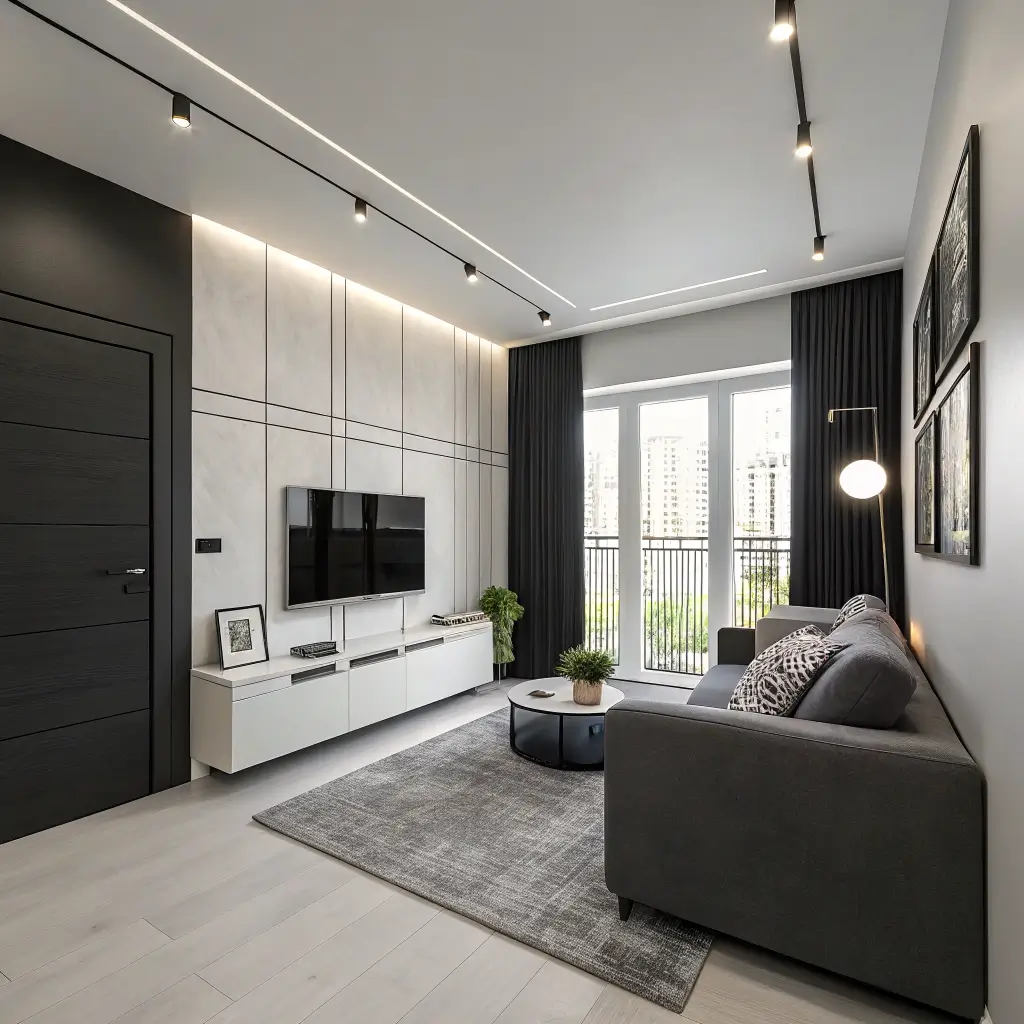
Monochrome doesn’t mean boring – it means sophisticated and spacious. Working with variations of a single color creates visual flow that makes small spaces feel larger and more cohesive. Plus, it’s basically foolproof decorating.
I’ve seen incredible all-gray living rooms that feel like luxury hotel suites. The key is mixing different shades and textures: charcoal sofa, silver cushions, light gray walls, dark gray rug. Add metallics through hardware and lighting fixtures for that extra polish.
Black and White Drama
Want drama? Go black and white. This classic combination never goes out of style and works especially well in small spaces. Keep the ratio about 70% white to 30% black to avoid feeling closed in. My friend’s studio uses white walls and furniture with black accents through artwork, lamp shades, and a stunning black-framed mirror that serves as the focal point.
The beauty of monochrome? Everything automatically matches. You can switch up accessories seasonally without worrying about clashing colors. Just grabbed that random throw pillow on sale? If it’s in your color family, it works!
Space-Saving Foldable Furniture

Foldable furniture has come a long way from those ugly card tables your parents hauled out for Thanksgiving. Today’s options are stylish, sturdy, and seriously space-saving. IMO, every small apartment needs at least one piece that can disappear when not needed.
My favorite find? A wall-mounted drop-leaf table that serves as a console when folded and seats four when extended. It lives behind my sofa, usually holding a lamp and some decorative objects. But when friends come over for game night, boom – instant dining table. Takes literally 30 seconds to transform.
The Disappearing Act
Consider nesting tables instead of a traditional coffee table. I have a set of three that tuck completely under each other. Daily, I just use the largest one, but when entertaining, I pull them all out for extra surface area. When done? They stack back into the footprint of one table.
Don’t overlook folding chairs as stylish seating options. Modern designs in materials like acrylic or sleek metal look intentional, not temporary. I keep two hung on wall hooks that double as art when not in use. Sounds weird, but trust me, it works!
Also Read: 15 Stunning Sage Green and White Bathroom Ideas for Elegant Spaces
Vibrant Accent Wall Inspirations

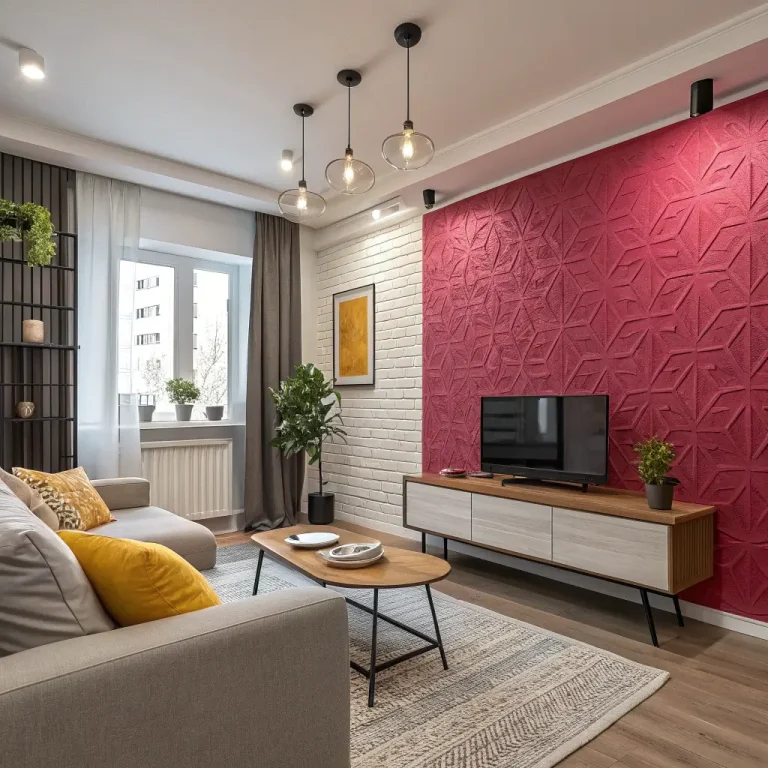
Think you can’t do a bold accent wall in a small space? Think again! A single statement wall actually helps define the room and creates a focal point that distracts from the size. Just choose wisely – this isn’t the time for timid half-measures.
I painted one wall in Benjamin Moore’s “Hale Navy” – a rich, sophisticated blue that makes everything else in the room pop. The key was keeping the other three walls white and the ceiling light. This creates depth without making the room feel smaller. Actually, the contrast makes it feel larger by creating visual interest.
Beyond Paint
Who says accent walls need paint? Removable wallpaper has revolutionized rental living. I’ve used everything from geometric patterns to tropical prints, and removal is actually as easy as they claim. Currently rocking a subtle grasscloth texture that adds dimension without overwhelming.
For commitment-phobes, try a gallery wall as your accent. Mix different frame sizes and styles for that collected-over-time look. The trick is maintaining consistent spacing – I used paper templates first to get the arrangement right. Nothing worse than a wall full of nail holes in the wrong spots, right?
Small Living Room with Indoor Plants
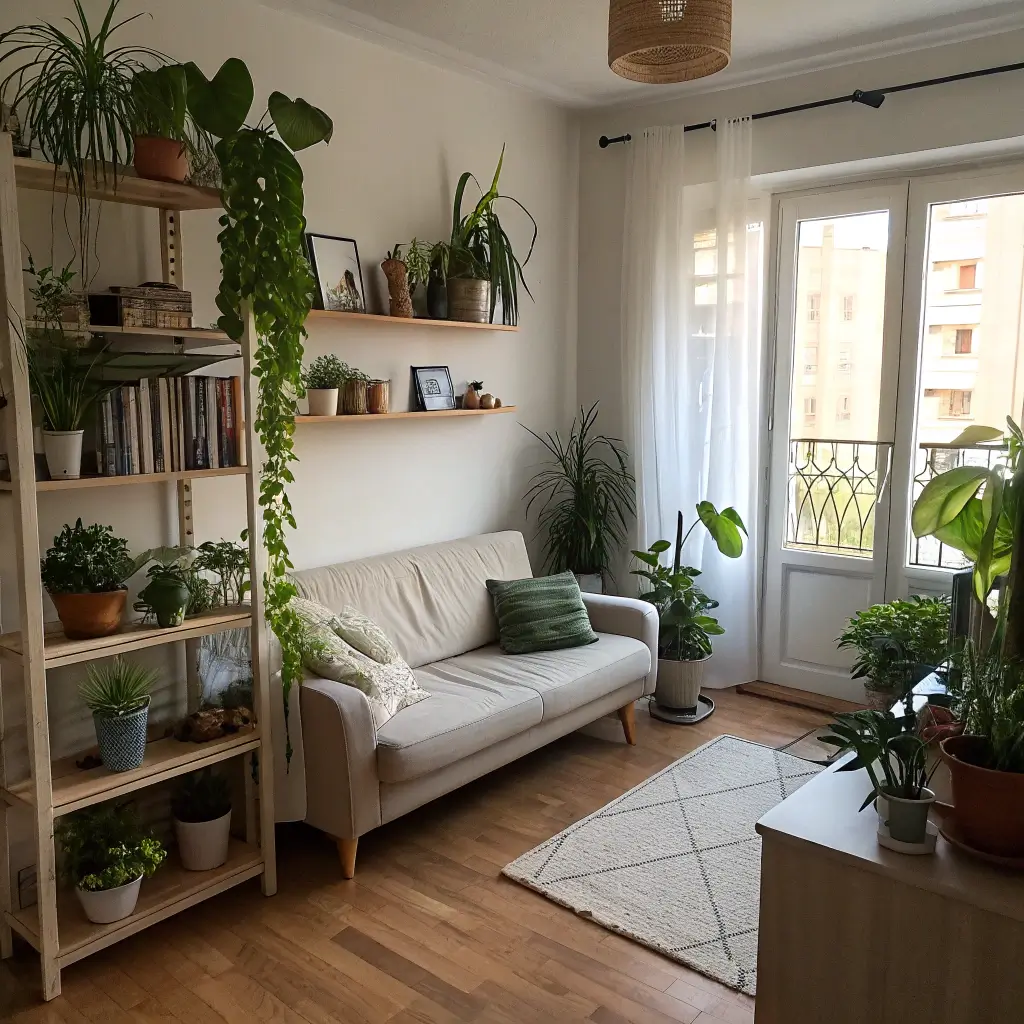
Plants literally bring life to small spaces, and they don’t have to crowd your surfaces. Vertical gardens are having a moment, and for good reason – they’re basically living art that also cleans your air. Win-win!
I installed a simple grid trellis on one wall and filled it with pothos, philodendrons, and small ferns in wall-mounted planters. The whole setup cost under $100 and transformed a boring white wall into a living focal point. Plus, the vertical arrangement draws the eye upward (sensing a theme here?).
Strategic Green Placement
Choose plants that match your lifestyle and light situation. Got a black thumb? Snake plants and ZZ plants are virtually indestructible and look sculptural in modern planters. Place one tall plant in a corner to add height without taking up usable space.
Hanging planters are your secret weapon. I have three at different heights near my window, creating a cascade effect that’s both beautiful and space-efficient. Macramé hangers add that boho touch if that’s your vibe, or go for minimal metal hangers for a modern look.
Tiny Space Entertainment Setups

Just because your living room’s small doesn’t mean you can’t have a killer entertainment setup. The key is scaling appropriately and being smart about placement. That 75-inch TV might be on sale, but will it turn your living room into a Best Buy showroom?
I mounted my 43-inch TV on a swiveling wall bracket – best $50 I ever spent. Now I can angle it toward the kitchen when cooking or toward the bedroom area in my studio. The wall mount also freed up surface space where a TV stand would’ve been, allowing for a narrow console underneath for devices and decor.
Hidden Tech Solutions
Keep tech clutter under control with cable management systems. Those adhesive cable channels that run along baseboards? Game changers. Paint them the same color as your wall and they virtually disappear. I also invested in a universal remote – one remote instead of five makes a surprising difference in visual clutter.
Consider a projector instead of a TV if you’re really tight on space. Mount it on the ceiling, use a blank wall or retractable screen, and you’ve got a huge viewing area that completely disappears when not in use. My neighbor’s setup makes my TV look ancient, not gonna lie.
Chic Industrial Small Living Room

Industrial style and small spaces are actually a match made in heaven. The style’s minimal approach and raw materials naturally prevent clutter while adding tons of character. Exposed brick, metal fixtures, weathered wood – these elements create interest without eating up space.
Start with a neutral color palette heavy on grays, blacks, and browns. Add warmth through leather (or faux leather) seating and wooden elements. My industrial-inspired space uses a brown leather sofa, metal and wood coffee table, and black metal shelving unit. The combination feels intentional and masculine without being cold.
Raw Materials, Refined Look
Exposed elements are your friends. Can’t expose actual brick? Brick-look wallpaper or panels on one wall create the same effect. Embrace visible hardware, metal piping for shelving, and Edison bulb lighting. These details add character without requiring any floor space.
Mix in soft elements to prevent the space from feeling too harsh. A plush area rug, soft throw blankets, and maybe one or two plants soften the industrial edge. The contrast between hard and soft, rough and smooth, creates visual interest that makes people forget they’re in a small room.
Compact Gallery Wall Ideas
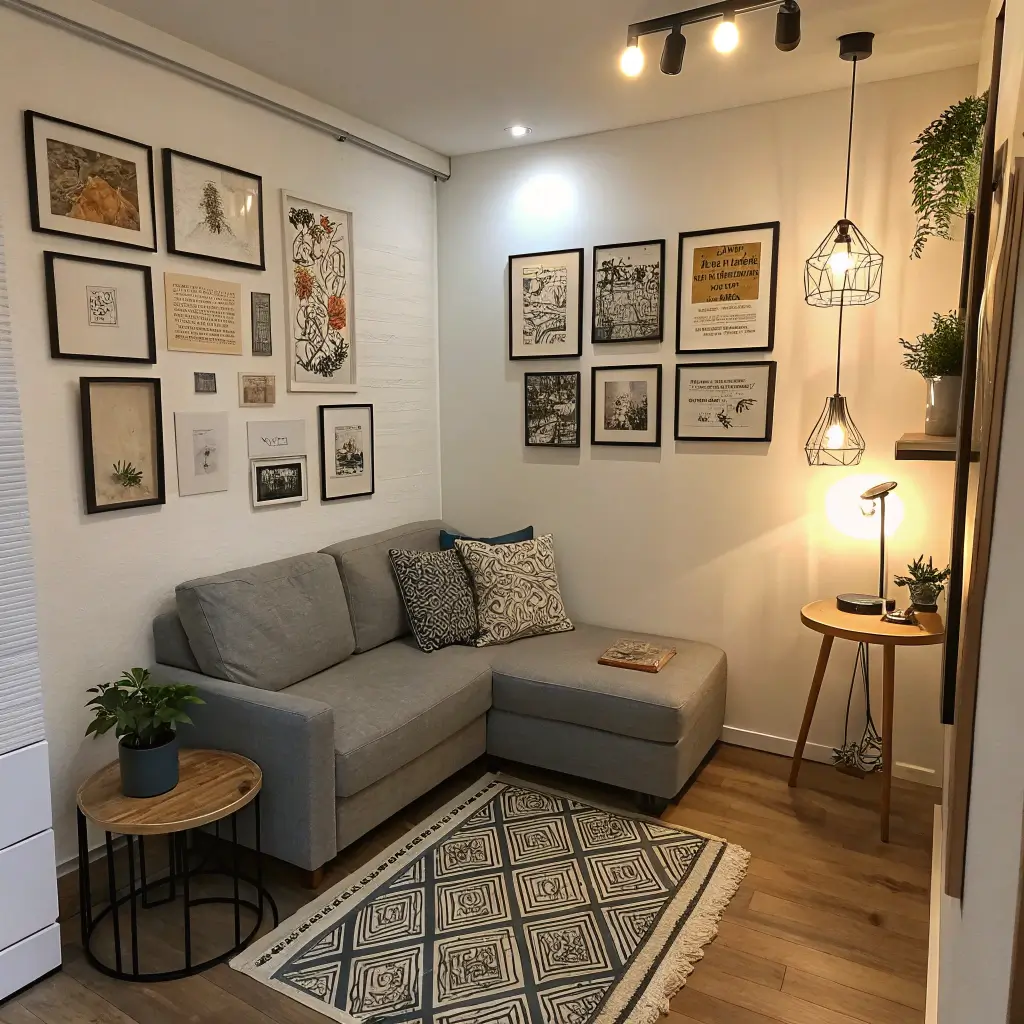
Gallery walls in small spaces might seem counterintuitive, but they actually draw the eye up and out, making rooms feel larger. The trick is planning your layout carefully and maintaining some breathing room between pieces.
Start with paper templates cut to the size of your frames. Tape them to the wall and live with the arrangement for a day or two. This saves you from the heartbreak of realizing your “perfect” layout is actually off-center or too high. Been there, done that, have the spackle to prove it.
Creating Visual Balance
Mix frame sizes but maintain a consistent color palette for frames – all black, all wood, or all gold creates cohesion. The art itself can be eclectic; the frames tie everything together. I combine family photos, abstract prints, and even some pressed plants in floating frames. The variety keeps things interesting without looking chaotic.
Keep the arrangement tight but not crowded. Aim for 2-3 inches between frames. This creates unity while preventing that overwhelming feeling. And please, resist the urge to extend the gallery wall to every available surface. One well-executed gallery wall beats random frames scattered everywhere.
Multi-Zone Living Room Layouts

Small living rooms often need to serve multiple purposes, and that’s where zone planning saves the day. Think of your room as several mini rooms that flow together rather than one space trying to do everything.
I divided my 150-square-foot living room into three zones: lounging (sofa and TV), working (small desk in the corner), and dining (expandable console table). The key was using area rugs to define each space visually without adding walls or room dividers that would make everything feel cramped.
Furniture as Dividers
Use furniture placement to create natural divisions. My sofa floats in the middle of the room with its back to my “office” area, creating separation without blocking light or views. A narrow console table behind the sofa provides extra surface area and reinforces the division.
Lighting helps define zones too. Each area has its own light source – overhead for general illumination, task lighting at the desk, and ambient lighting near the sofa. Being able to light just the zone you’re using makes the space feel larger and more intentional.
Consider different height levels to create distinction. My desk area has a tall bookshelf that reaches toward the ceiling, the lounging area stays low with the sofa and coffee table, and the dining zone falls somewhere in between. This variation creates visual interest and helps each zone feel distinct.
Wrapping It Up
Living in a small apartment doesn’t mean settling for a cramped, cluttered living room. Every single one of these ideas proves that size doesn’t determine style – creativity does. Whether you’re drawn to minimalist serenity, boho warmth, or industrial edge, there’s a way to make it work in your tiny space.
The real secret? Stop fighting your small space and start working with it. Embrace the coziness, celebrate the efficiency, and remember that some of the world’s best design comes from creative constraints. Your small living room isn’t a limitation – it’s an opportunity to get incredibly creative and intentional with every choice you make.
Pick one or two ideas that resonate with you and start there. Rome wasn’t built in a day, and your perfect small living room won’t be either. But with these strategies in your back pocket, you’re already miles ahead of where you started. Now stop reading and start doing – that accent wall isn’t going to paint itself! :/