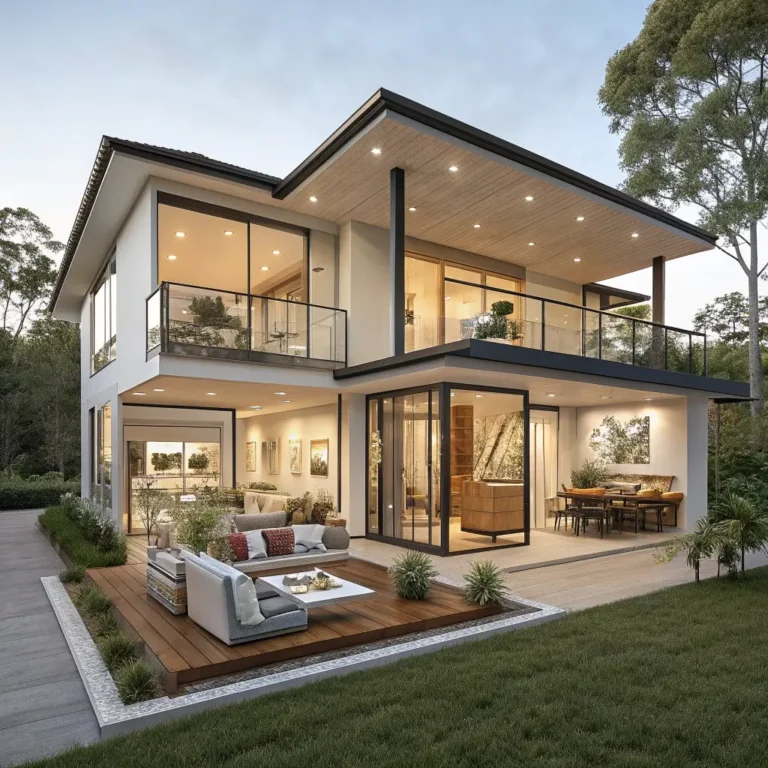
15 Amazing 1000 Sq Ft House Plans Ideas You’ll Love Today

So you’re thinking about downsizing to a 1000 square foot home? Let me tell you, you’re onto something brilliant here. After spending three years in my own 980 square foot space (yes, I’m 20 square feet short of the club), I’ve learned that small living doesn’t mean sacrificing style or comfort—it just means getting ridiculously creative with every single inch you’ve got.
Here’s the thing: most people freak out when they hear “1000 square feet.” They picture cramped quarters and playing furniture Tetris every time they want to walk across the room. But honestly? That’s not how it works when you plan it right.
The secret sauce isn’t just about having less stuff (though Marie Kondo would definitely approve)—it’s about making your space work harder than a coffee-fueled intern on deadline day.
Why 1000 Sq Ft Homes Are Having Their Moment
Remember when everyone wanted McMansions? Yeah, those days are pretty much over. Today’s homeowners want efficiency, lower utility bills, and spaces that actually make sense for how they live. And let me tell you, after helping my sister design her 1000 square foot dream home last year, I’m completely sold on the concept.
The average American home has ballooned to 2,500 square feet, yet studies show we only actively use about 40% of that space. Kind of makes you think, right? Why heat, cool, and maintain rooms you barely step foot in?
Small homes force you to be intentional. Every piece of furniture earns its keep. Every design choice matters. And surprisingly, this constraint breeds incredible creativity. Some of the most stunning homes I’ve toured clock in at exactly 1000 square feet—and you’d never guess it walking through them.
The Open Concept Revolution in Small Spaces
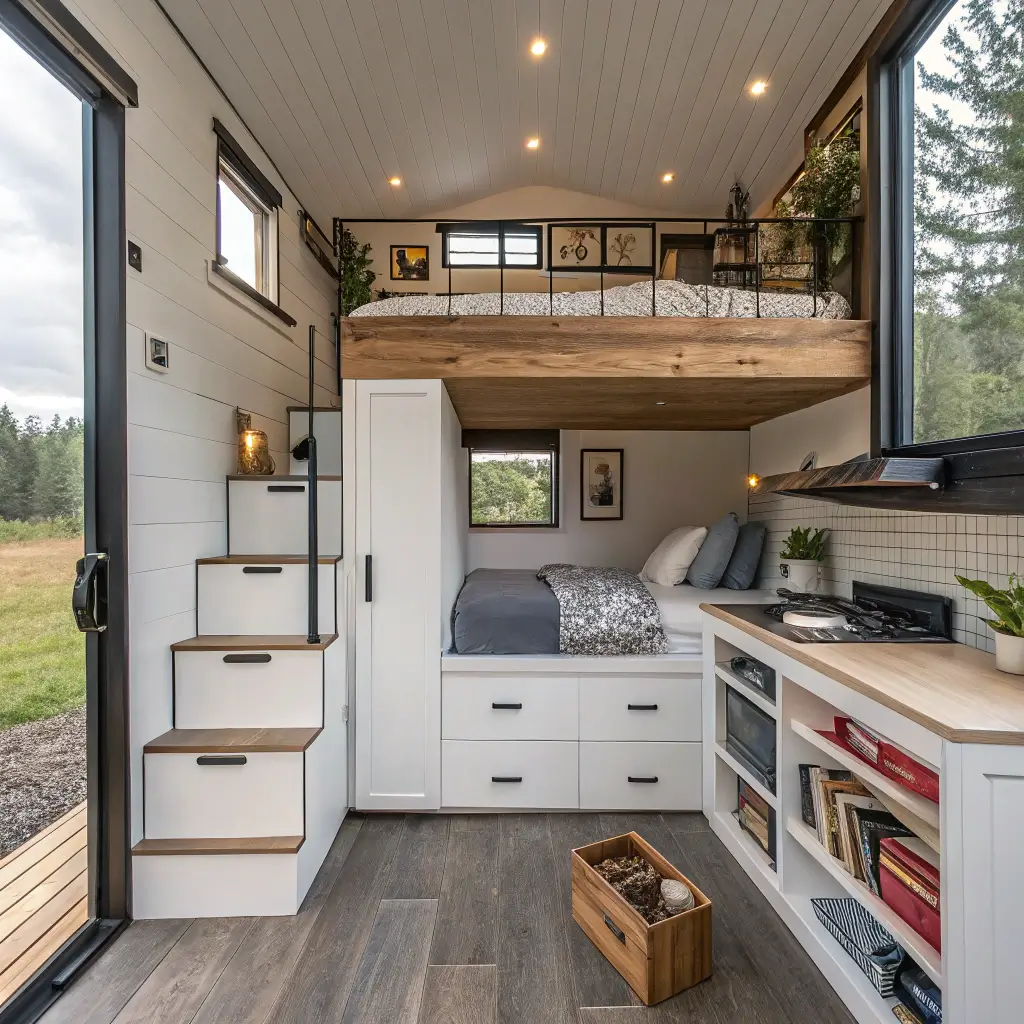
Breaking Down Walls (Literally)
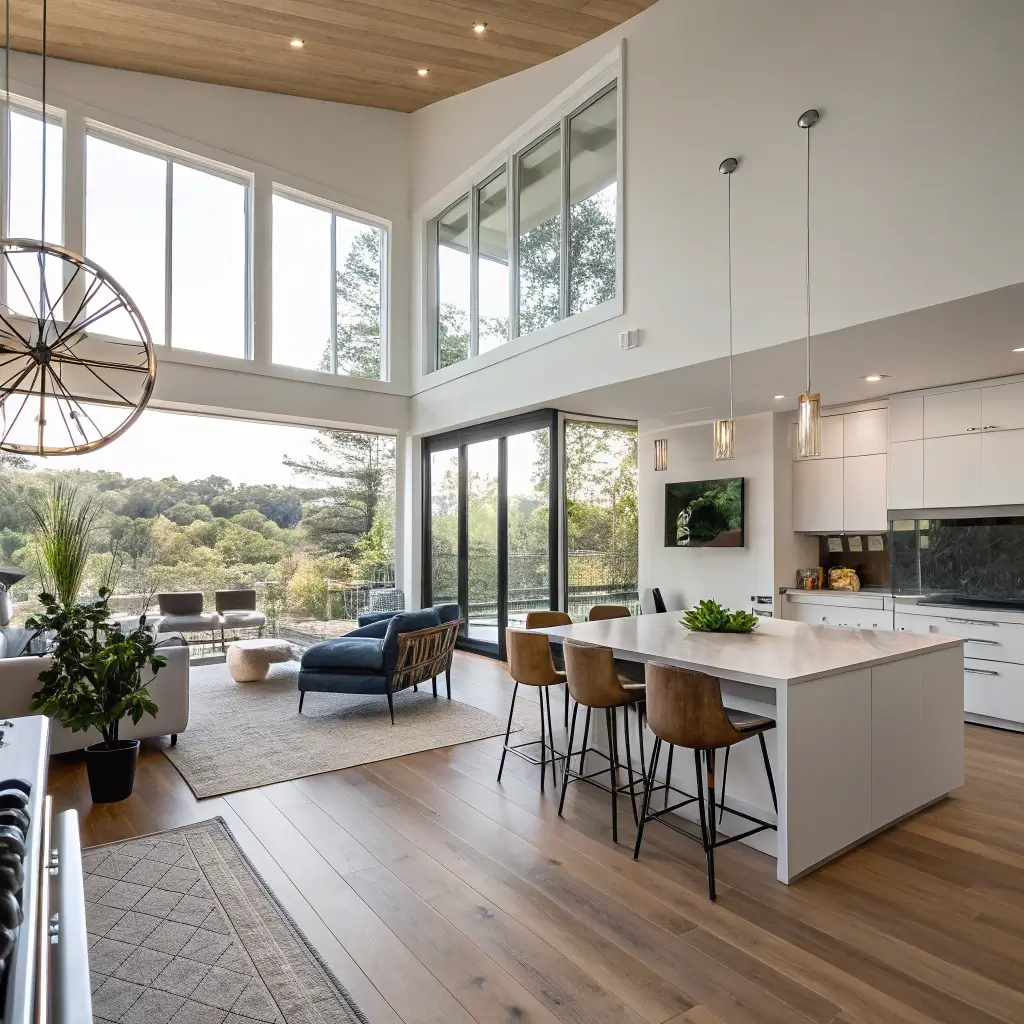
Open floor plans aren’t just trendy—they’re essential for small home living. By eliminating unnecessary walls between your kitchen, dining, and living areas, you create one flowing space that feels twice its actual size. My own place went from feeling like a rabbit warren to a legitimate home just by taking down one non-load-bearing wall between the kitchen and living room.
The psychological impact? Huge. You stop feeling confined and start feeling free. Plus, natural light flows through the entire space, which—trust me on this—makes everything feel bigger and brighter.
Zone Creation Without Walls
Now, just because you’re going open concept doesn’t mean everything becomes one giant blob of space. You need zones, and here’s how you create them without walls:
- Rugs define spaces better than any wall ever could
- Lighting fixtures anchor specific areas (pendant lights over dining tables work wonders)
- Furniture placement creates natural pathways and boundaries
- Different ceiling heights or treatments signal transitions between spaces
- Color changes on accent walls establish distinct areas
I use a large sectional sofa to separate my living area from my workspace. It acts like a soft wall that doesn’t block light or views. Genius? Maybe. Necessary? Absolutely.
Storage Solutions That’ll Make You Look Like a Wizard
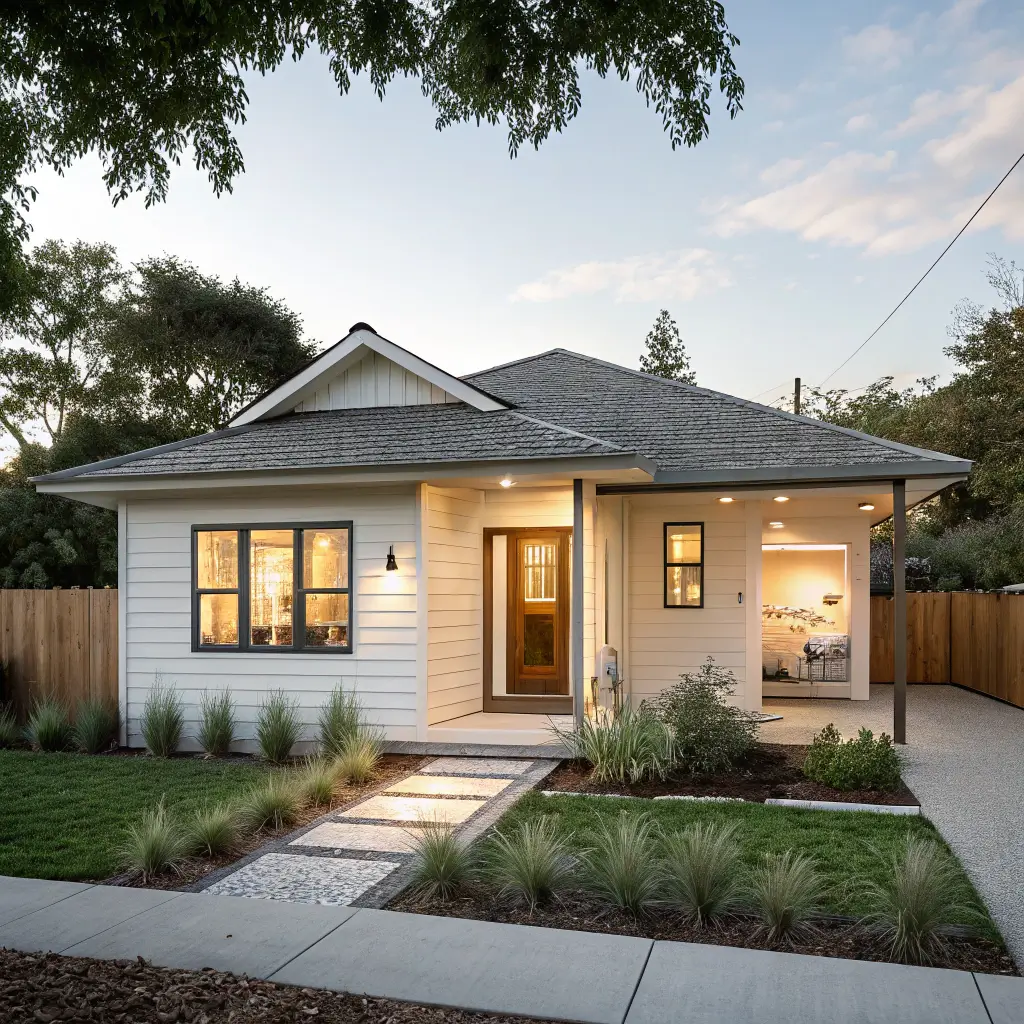
Vertical Storage: Your New Best Friend
Here’s where things get fun. When you can’t spread out, you go up. Ceiling-height storage transforms small homes from cluttered to clean in ways that’ll make your minimalist friends jealous.
My favorite vertical storage hacks:
- Floor-to-ceiling bookcases that double as room dividers
- Wall-mounted desks that fold flat when not in use
- Ceiling-mounted bike storage (yes, even in apartments)
- Hanging pot racks that free up entire cabinets
- Magnetic knife strips and spice racks on walls
- Floating shelves in literally every room
The bathroom alone gained 30% more storage when I installed shelves above the door. Who even looks up there? Nobody, but suddenly I had room for all those bulk toilet paper purchases 🙂
Multi-Functional Furniture Magic
Every furniture piece in a 1000 square foot home needs to work overtime. Single-purpose furniture? That’s luxury thinking for bigger spaces. Here, we need transformers.
My coffee table lifts to become a dining table and has hidden storage underneath. The ottoman at the foot of my bed? Opens up to store extra bedding. Even my dining chairs stack and hang on the wall when I need floor space for yoga. Is it extra work? Sure. Does it mean I can actually do yoga in my living room? You bet.
The MVP of small spaces: storage beds. Mine has built-in drawers that replaced an entire dresser. That freed up 15 square feet of floor space—which might not sound like much until you realize that’s enough for a reading chair or a small desk.
Also Read: 15 Charming 1800 Sq Ft House Plans Ideas for Cozy Interiors
Kitchen Design for Maximum Efficiency
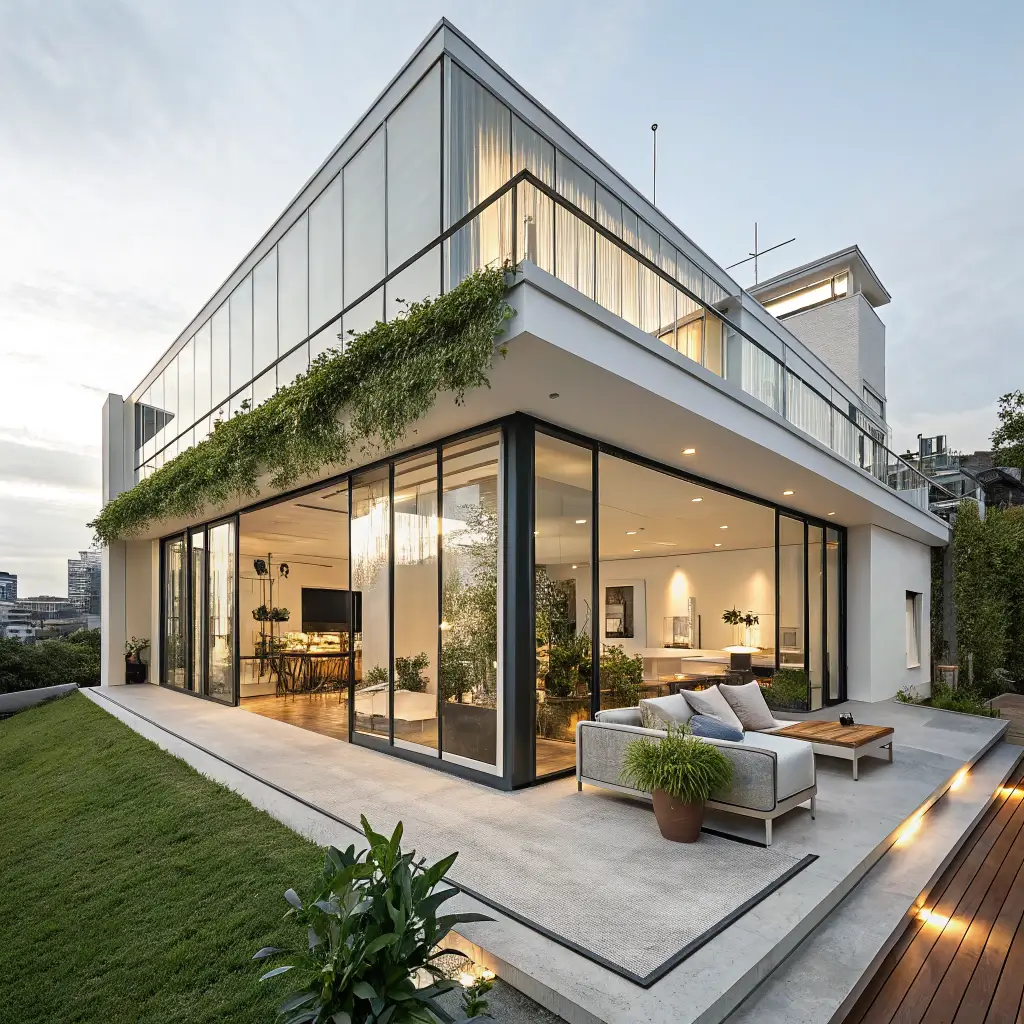
The Galley Kitchen Comeback
Galley kitchens get a bad rap, but in a 1000 square foot home, they’re efficiency personified. Everything you need sits within arm’s reach. No marathon sessions running between the fridge and stove. Just pure, streamlined cooking action.
The key elements that make galley kitchens work:
- Light colors on walls and cabinets (dark colors make narrow spaces feel like tunnels)
- Under-cabinet lighting to eliminate shadows
- One side for prep, one for cooking—never mix the two
- Pull-out drawers instead of deep cabinets
- A mobile kitchen cart for extra prep space that tucks away when done
Smart Appliance Choices
Forget what HGTV tells you—you don’t need professional-grade appliances in a small kitchen. What you need are right-sized, multi-functional appliances that earn their counter space.
My setup? A combination microwave/convection oven mounted above the stove saved me from buying a double oven. The Instant Pot replaced three other appliances. And that fancy stand mixer everyone insists you need? Mine lives in a custom pull-out shelf that rises from a base cabinet—hidden until I actually bake something (which, FYI, happens maybe twice a month).
Consider these space-savers:
- Drawer dishwashers that fit under counters
- Combination washer-dryers for laundry closets
- Counter-depth refrigerators that don’t stick out
- Induction cooktops that store flat against walls
- All-in-one breakfast stations (coffee, toaster, griddle combo)
Bedroom Strategies That Actually Work
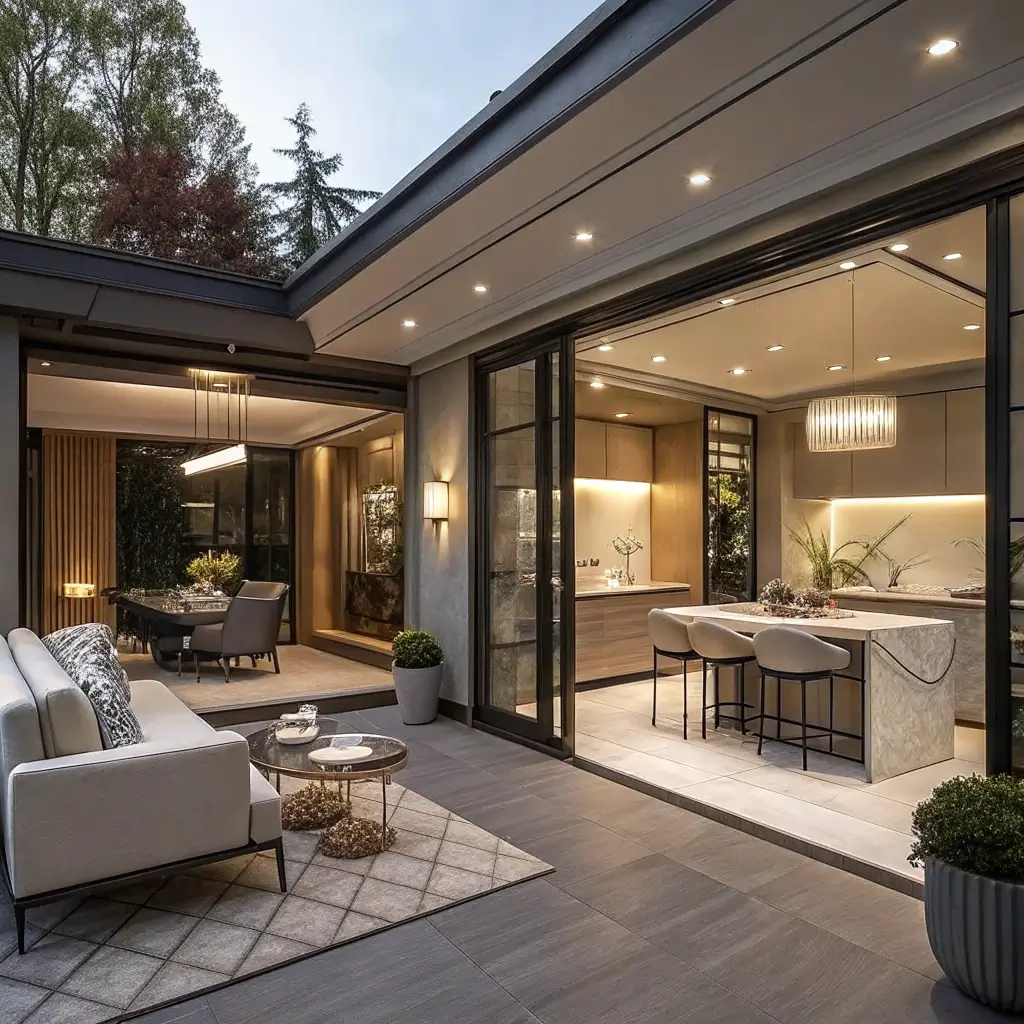
The Master Suite Illusion
Creating a master bedroom feel in 100-150 square feet sounds impossible, right? Wrong. It just takes some creative thinking and a willingness to break traditional bedroom rules.
First, push your bed into a corner or against a wall. I know design magazines say this is a no-no, but those magazines assume you have 200+ square feet to work with. Corner placement frees up the center of the room and creates space for other essentials.
Wall-mounted nightstands save precious floor space while still giving you somewhere to put your phone, water glass, and that book you swear you’ll finish someday. Mine fold down flat against the wall during the day—invisible until needed.
Closet Systems That Change Everything
Standard closets waste approximately 40% of their potential storage. That’s criminal in a small home. Custom closet systems might seem like a splurge, but IMO they’re essential investments for small space living.
Here’s what actually works:
- Double hanging rods for shirts and pants
- Adjustable shelving that moves as your needs change
- Drawer units that slide in and out
- Door-mounted organizers for shoes and accessories
- Clear storage boxes so you can actually find things
My closet went from disaster zone to organization heaven with $300 worth of customizable components from IKEA. Best money I ever spent on this place.
Also Read: 15 Inspiring Barn House Plans Ideas with Wraparound Porches
Bathroom Hacks for Tiny Spaces
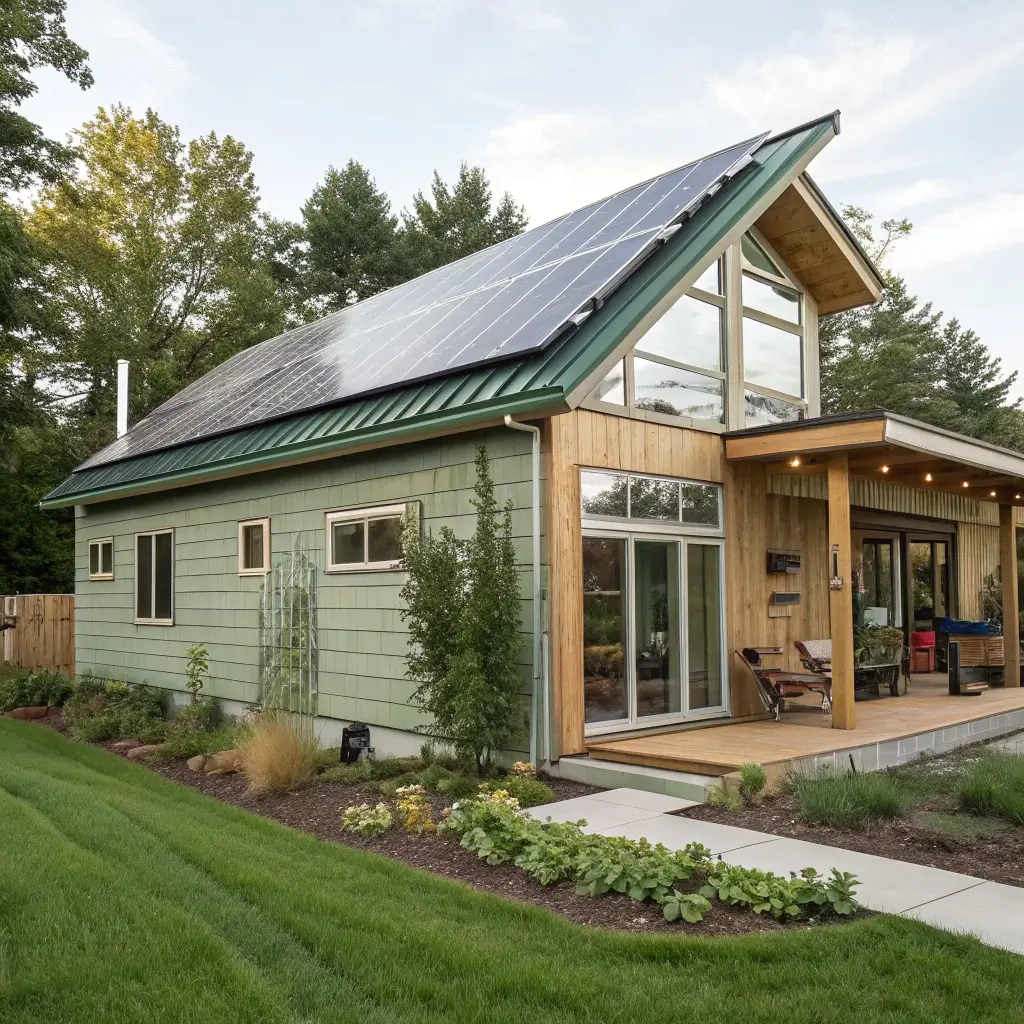
Making 40 Square Feet Feel Luxurious
Small bathrooms get the worst reputation in home design. Everyone wants spa-like sanctuaries, but what if you’re working with a space barely bigger than a closet? You make it work, that’s what.
Large format tiles create fewer grout lines, making spaces feel bigger. Light colors reflect light and open things up. And here’s my controversial opinion: ditch the bathtub. Unless you have kids or actually take baths (be honest, when was your last one?), a well-designed shower gives you more usable space.
My bathroom transformation tricks:
- Floating vanities create the illusion of more floor space
- Medicine cabinets recessed into walls for hidden storage
- Towel warmers that double as space heaters
- Corner sinks when the layout is tight
- Glass shower doors instead of curtains
Storage in Unexpected Places
Ever looked at the space above your toilet? That’s prime real estate going to waste. Over-toilet storage units, floating shelves, or even small cabinets transform dead space into organization central.
Behind-door organizers hold everything from hair tools to cleaning supplies. The inside of vanity doors becomes command central for daily essentials. Even the shower gets storage with corner caddies and hanging organizers that don’t take up floor space.
Also Read: 15 Brilliant 1500 Sq Ft House Plans With Open Layouts
Living Room Layouts That Don’t Feel Cramped
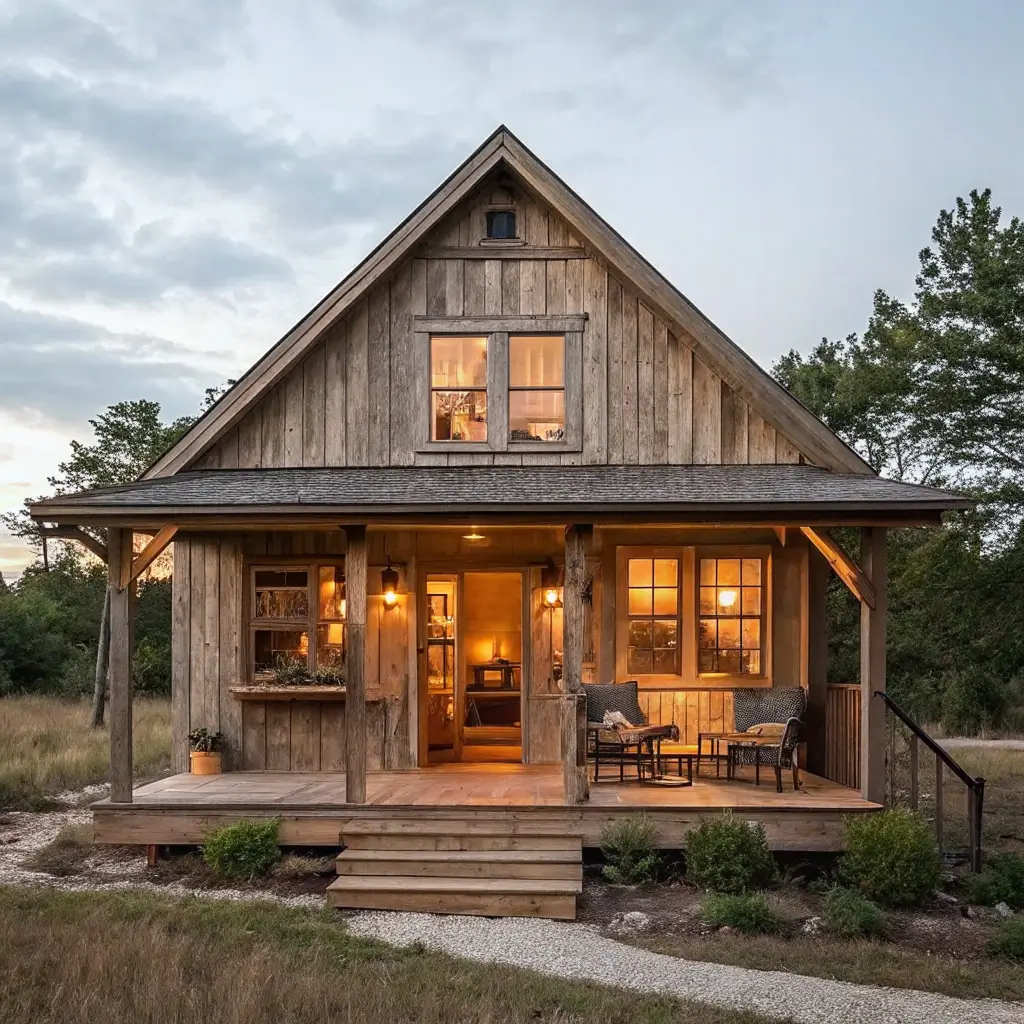
Furniture Scale Matters More Than You Think
The biggest mistake people make in small living rooms? Buying furniture that’s too small. Sounds backwards, right? But hear me out. One properly-scaled sofa looks better than three tiny chairs scattered around the room. It’s about proportion, not size.
My living room has one substantial sectional, one accent chair, and a reasonably-sized coffee table. That’s it. No extra ottomans, side tables everywhere, or random furniture pieces. Each item has a purpose and proper scale for the room.
Creating Conversation Areas
Just because your living room is small doesn’t mean it can’t be social. The trick? Furniture arrangement that promotes conversation rather than everyone staring at the TV like zombies.
Float your sofa away from walls (even just 6 inches makes a difference). Angle chairs toward each other. Use a round coffee table that everyone can reach. These small adjustments create intimacy that bigger rooms often lack.
Home Office Solutions in Minimal Square Footage
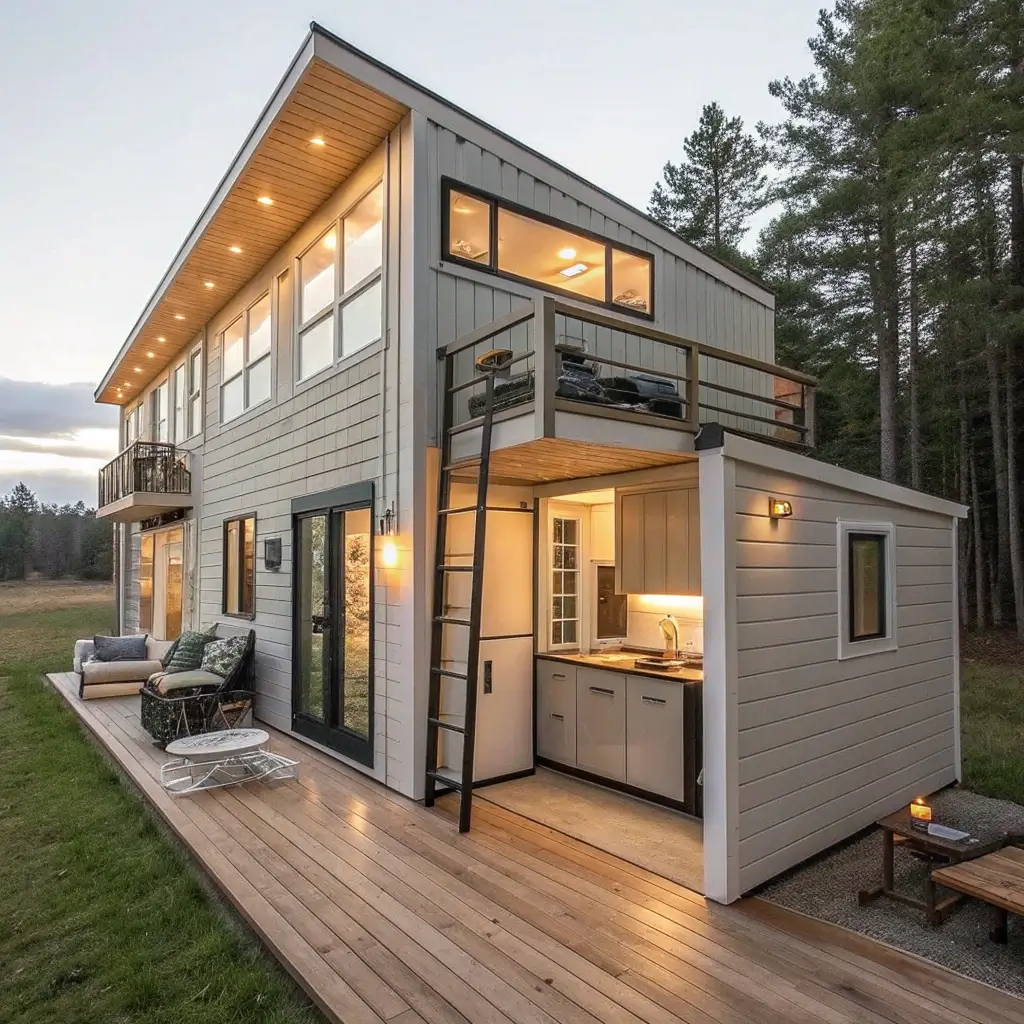
The Closet Office Revolution
That spare bedroom closet? It’s your new office. I’m serious. Remove the doors, add a desktop at elbow height, install some shelving above, and boom—instant home office that disappears when you’re done working.
My closet office fits:
- A 4-foot desk surface
- Three shelves for supplies
- A printer on a pull-out shelf
- Cable management systems
- Even a small filing cabinet
When work ends, I close a curtain across the opening. Office? What office?
Multipurpose Room Magic
The dining room table as desk thing gets old fast (trust me, I tried it). Instead, create dedicated work zones within multipurpose rooms. A secretary desk in the living room closes up to hide work. A murphy desk in the bedroom folds flat against the wall. Even kitchen counters extend with temporary work surfaces.
The key is physical separation between work and life, even in the same room. Your brain needs boundaries, even if your square footage doesn’t provide them.
Outdoor Spaces as Extended Living Areas
Balconies and Patios Count Too
Got a balcony, patio, or even a decent-sized stoop? Congratulations, you just gained extra square footage. Outdoor spaces become crucial extensions of small homes when weather permits.
My 8×10 balcony functions as:
- Morning coffee spot (complete with bistro set)
- Herb garden (vertical planters on the railing)
- Evening entertainment area (string lights make everything better)
- Storage for seasonal items (weatherproof deck box)
Creating Year-Round Usability
Weather doesn’t have to limit outdoor space use. Retractable awnings, outdoor heaters, and weather-resistant furniture extend the season. Even in my northeastern climate, I use my balcony nine months out of twelve.
Outdoor rugs define the space and make it feel like a real room. Weatherproof curtains provide privacy and wind protection. It’s basically an extra room that doesn’t count against your square footage—winning!
Common Mistakes to Avoid
The Overstuffing Trap
Just because something fits doesn’t mean it belongs. Every item needs breathing room to prevent claustrophobic feelings. Leave some walls empty. Keep surfaces partially clear. Your space needs negative space to feel balanced.
Ignoring Traffic Flow
Furniture arrangement that blocks natural pathways creates frustration. You shouldn’t have to shimmy past coffee tables or squeeze between chairs. Map out traffic patterns and respect them. Function beats form every single time in small spaces.
Forgetting About Maintenance
Complex storage solutions that require daily effort fail eventually. If putting something away takes more than two steps, you won’t do it long-term. Simple systems sustained beat complicated solutions abandoned.
Making It All Work Together
Living successfully in 1000 square feet requires shifting your mindset. It’s not about deprivation or constant compromise. It’s about intentional living where every choice enhances your daily experience.
My small home taught me what I actually value. Turns out, it wasn’t more space—it was better space. Rooms I actually use. Storage that makes sense. Design that reflects my personality without overwhelming it.
Sure, sometimes I dream about walk-in closets or dedicated guest rooms. Then I remember my mortgage payment, utility bills, and the five minutes it takes to clean my entire place. The trade-offs? Totally worth it.
The best part about small home living? It forces creativity and personality into every corner. Cookie-cutter solutions don’t work here. Your space becomes uniquely yours because it has to be. Every solution fits your specific needs, habits, and lifestyle.
Whether you’re downsizing by choice or necessity, remember this: 1000 square feet is plenty when you use it wisely. Stop apologizing for your small space and start celebrating its potential. With smart storage, creative design, and a willingness to think differently, your tiny home can live larger than places twice its size.
After all, home isn’t measured in square feet—it’s measured in how well those feet serve your life. And from where I’m sitting in my efficiently designed, perfectly organized, surprisingly spacious 980 square feet? Life is pretty darn good :/