15 Brilliant Simple Ceiling Design Ideas You Must Try

Look, I get it – you’ve been staring at that boring white ceiling for months now, wondering if there’s something more to life than popcorn texture and water stains. Trust me, I’ve been there. My living room ceiling used to be so uninspiring that guests would literally fall asleep mid-conversation just from glancing up at it.
Here’s the thing about ceilings: we totally forget they exist until we’re lying on the couch binge-watching Netflix. Then suddenly, boom – you’re hyperaware of every crack, every imperfection, every missed opportunity to make your space actually interesting. The ceiling is literally the fifth wall of your room, and yet most of us treat it like that forgotten cousin we only acknowledge at family reunions.
After transforming three homes (and making plenty of mistakes along the way), I’ve discovered that ceiling design doesn’t have to break the bank or require an engineering degree. Sometimes the simplest changes create the biggest impact. Ready to turn that ceiling from “meh” to “magnificent”? Let’s talk about 15 game-changing ideas that’ll make your friends wonder if you secretly hired an interior designer.
Minimalist White Ceiling Makeover
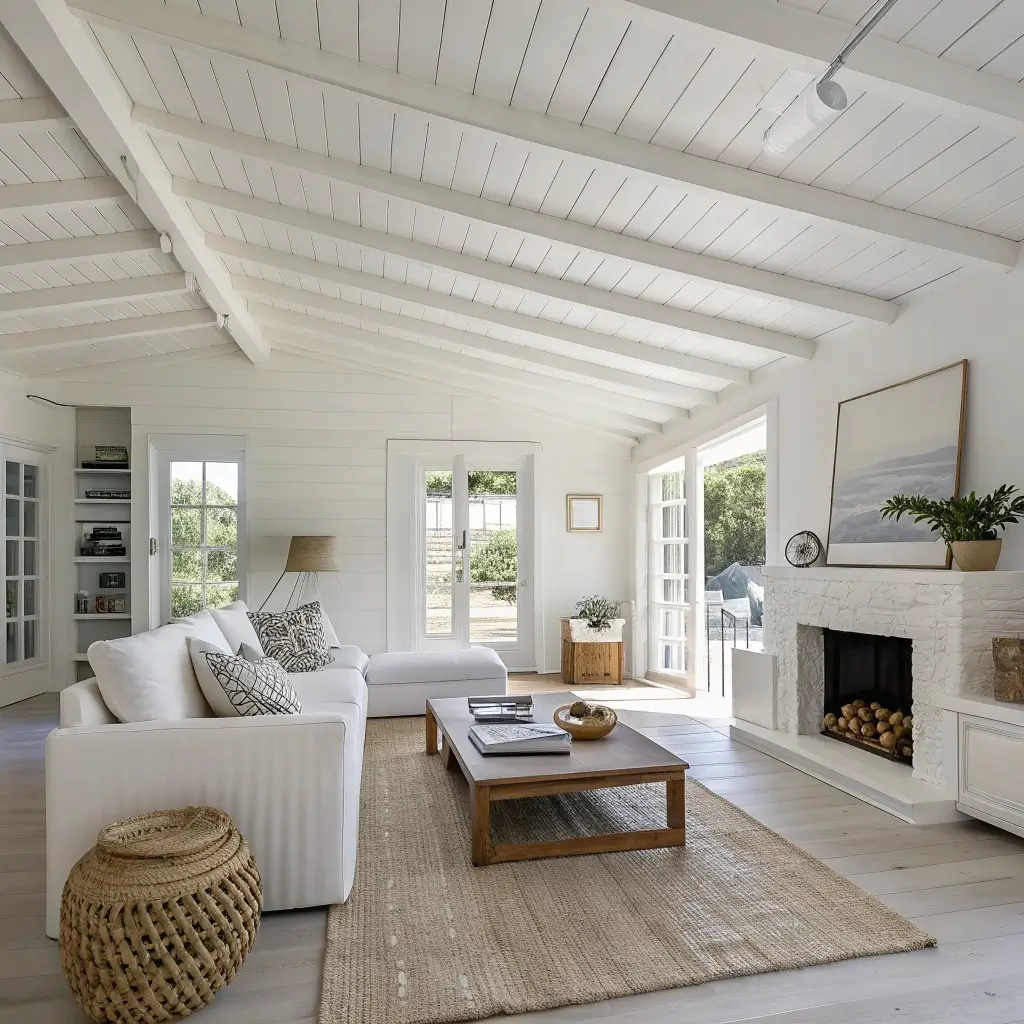
Remember when everyone thought white ceilings were boring? Well, jokes on them because a perfectly executed minimalist white ceiling is having its moment right now. I’m talking about that crisp, clean, gallery-like finish that makes everything else in your room pop.
The secret here isn’t just slapping on any old white paint. You want something with the right undertones – warm whites work magic in north-facing rooms, while cooler whites shine in spaces flooded with natural light. I learned this the hard way when I painted my bedroom ceiling “Arctic White” and ended up feeling like I was sleeping in a hospital ward.
What makes this approach brilliant? It’s the attention to detail. Smooth out those imperfections, use quality primer, and invest in good paint. The minimalist approach means every flaw shows, so prep work becomes your best friend. Add some crown molding if you’re feeling fancy – it creates this beautiful shadow line that adds depth without complexity.
Making White Work for You
Consider using different sheens to create subtle interest. A matte finish absorbs light and hides minor imperfections, while an eggshell sheen reflects just enough light to make your space feel larger. Ever noticed how high-end hotels always nail this look? That’s no accident.
Wooden Beam Accent Ceiling
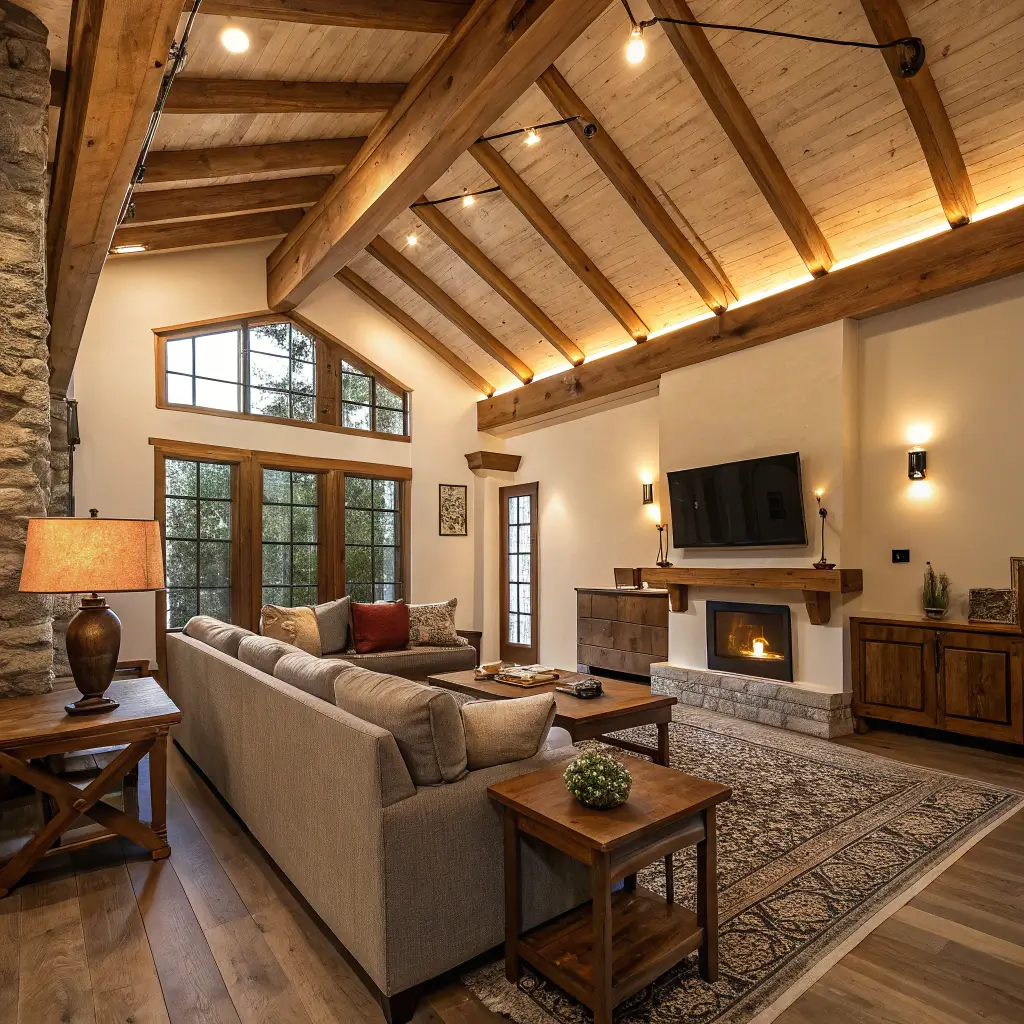
Now we’re talking! Wooden beams instantly add character to any space, whether you’re going for farmhouse chic or industrial cool. The best part? You don’t need actual structural beams to get this look anymore.
I installed faux wooden beams in my kitchen last year, and let me tell you – the transformation was insane. People walk in and immediately comment on them, assuming they’re original to the house. Little do they know I spent a weekend with some polyurethane beams from the home improvement store and a drill. The whole project cost less than a fancy dinner for four.
The trick with beam placement is creating visual balance. Run them perpendicular to your longest wall to make narrow rooms feel wider, or parallel to emphasize length. Dark beams create drama, while lighter woods keep things airy and casual. Mix beam styles for an eclectic vibe – maybe thick rustic beams in the living room and sleeker ones in the dining area.
Installation Tips That Actually Matter
Here’s what nobody tells you: spacing is everything. Too close together and your ceiling looks busy; too far apart and they seem random. I stick to the rule of thirds – divide your ceiling into three sections and place beams accordingly. Works like a charm every time.
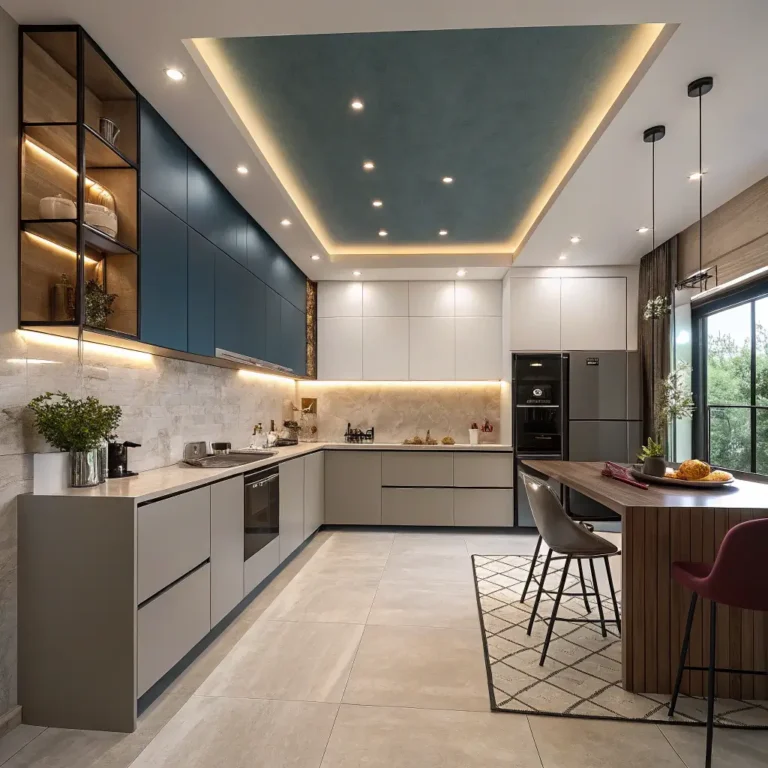
Tray Ceiling with Soft Lighting
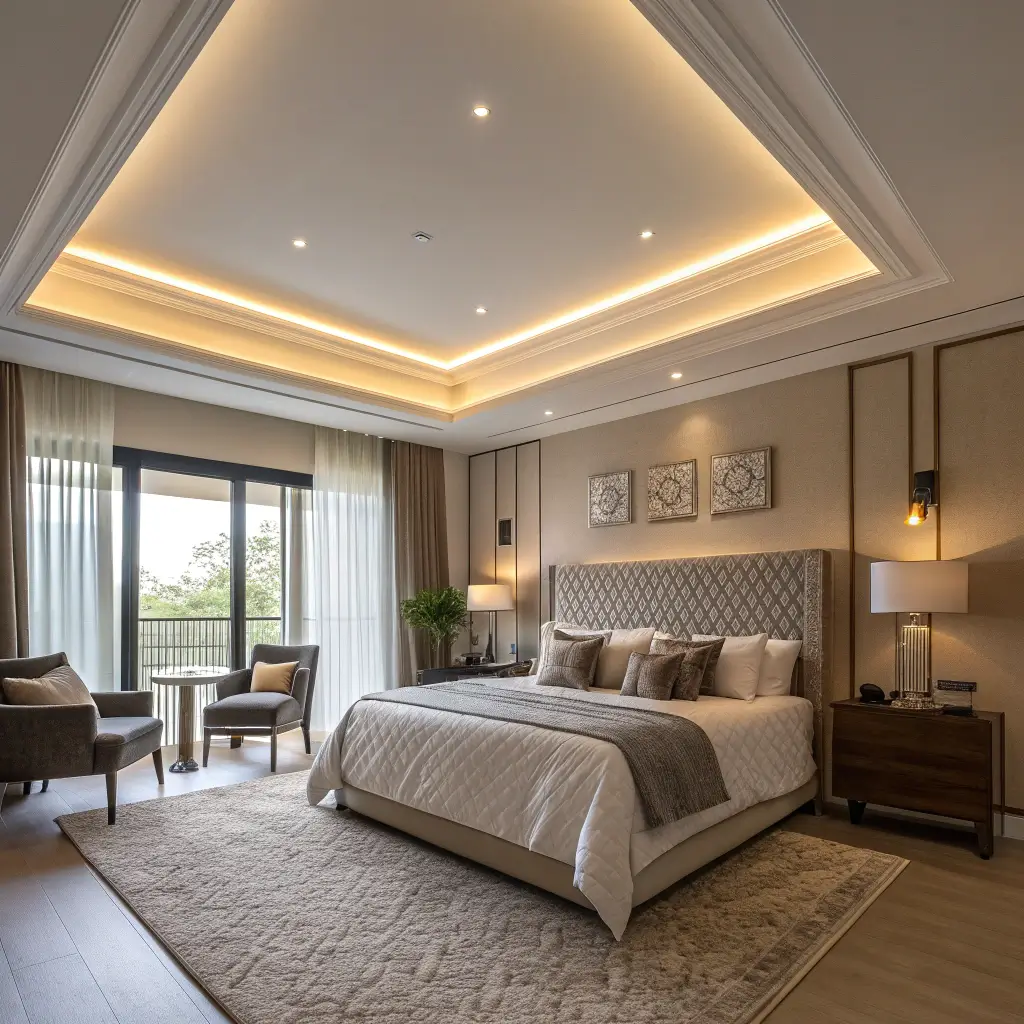
Want to feel like you’re living in a boutique hotel? Tray ceilings with integrated lighting deliver that upscale vibe without the five-star price tag. This design creates depth and draws the eye upward, making even modest spaces feel grand.
The genius of tray ceilings lies in their versatility. Paint the recessed area a shade darker for drama, or go lighter to create an illusion of height. I once helped a friend install LED rope lighting in their tray ceiling border – the ambient glow at night? Chef’s kiss. It completely changed how they use their bedroom.
What really sells this look is the lighting placement. Hide your light sources in the ledge so you get that beautiful indirect glow without any harsh glare. Dimmer switches are non-negotiable here – you want control over the mood. During parties, crank it up; for movie nights, dial it down to barely-there ambiance.
False Ceiling with LED Strips
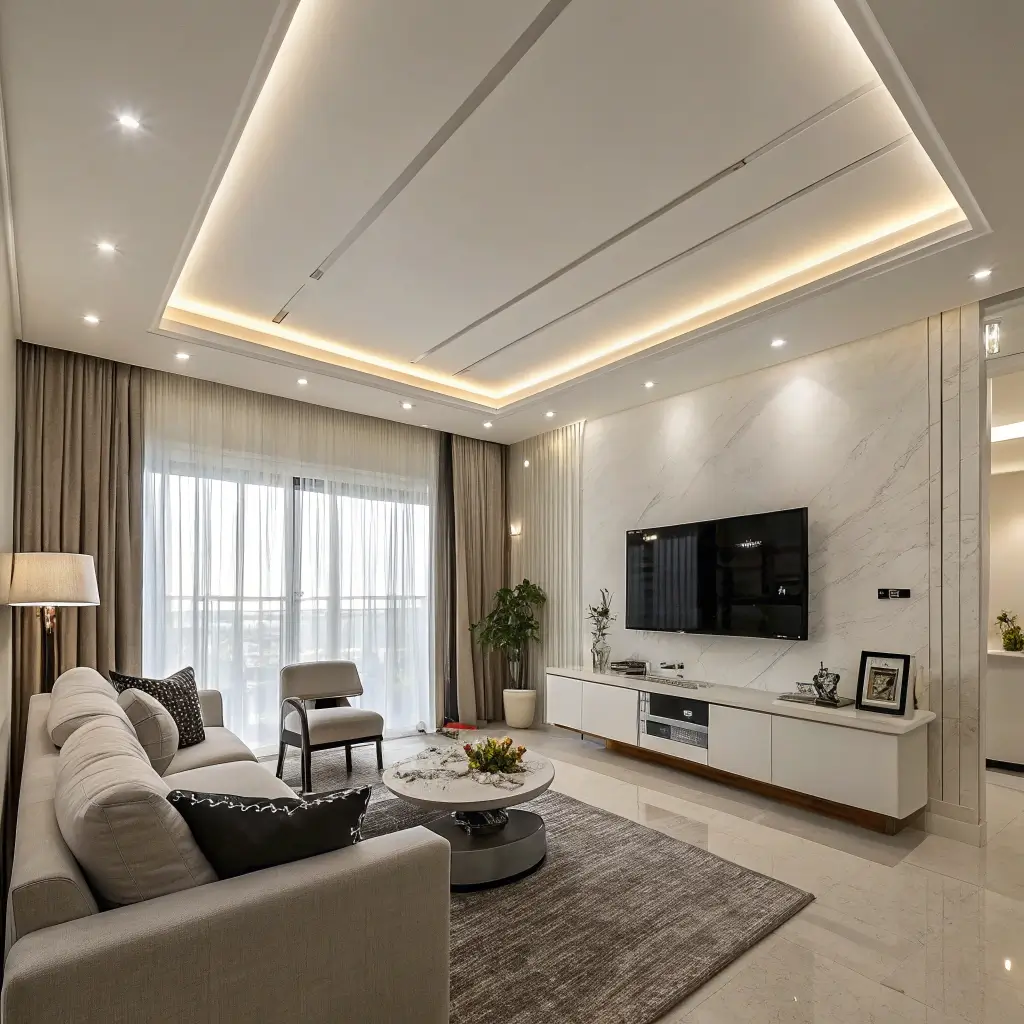
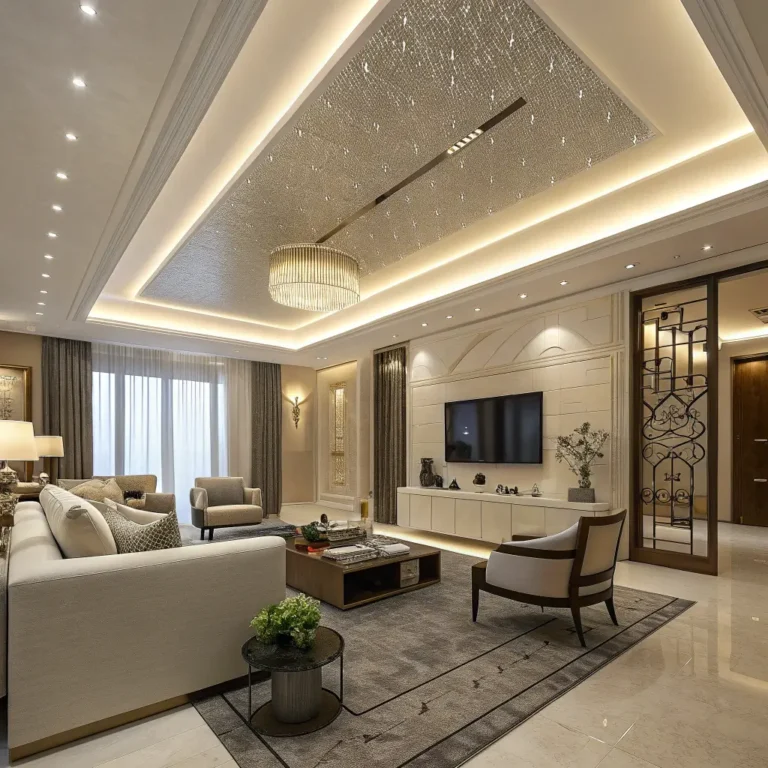
Okay, false ceilings might sound complicated, but hear me out. Modern false ceiling systems have become surprisingly DIY-friendly, and when you add LED strips? Game changer. You’re essentially creating a lighting system that’s both functional and artistic.
I installed one in my home office, and productivity went through the roof (pun intended). The even distribution of light eliminated those annoying shadows on my desk, and the customizable colors mean I can switch from energizing daylight to calming warm tones depending on my mood. FYI, color-changing LEDs aren’t just for teenagers’ bedrooms anymore – they’re legitimately useful.
The beauty of LED strips is their flexibility. Create geometric patterns, outline architectural features, or simply run them around the perimeter for a floating effect. Energy efficiency is the cherry on top – my electricity bill barely noticed the addition. Plus, these things last forever, so you’re not climbing ladders to change bulbs every few months.
Design Patterns That Won’t Look Dated
Stick with classic geometric shapes or clean lines. That zigzag pattern might look cool on Pinterest, but will you still love it in five years? I’m betting on simple rectangles or subtle curves that complement your room’s architecture.
Textured Paint Ceiling Design
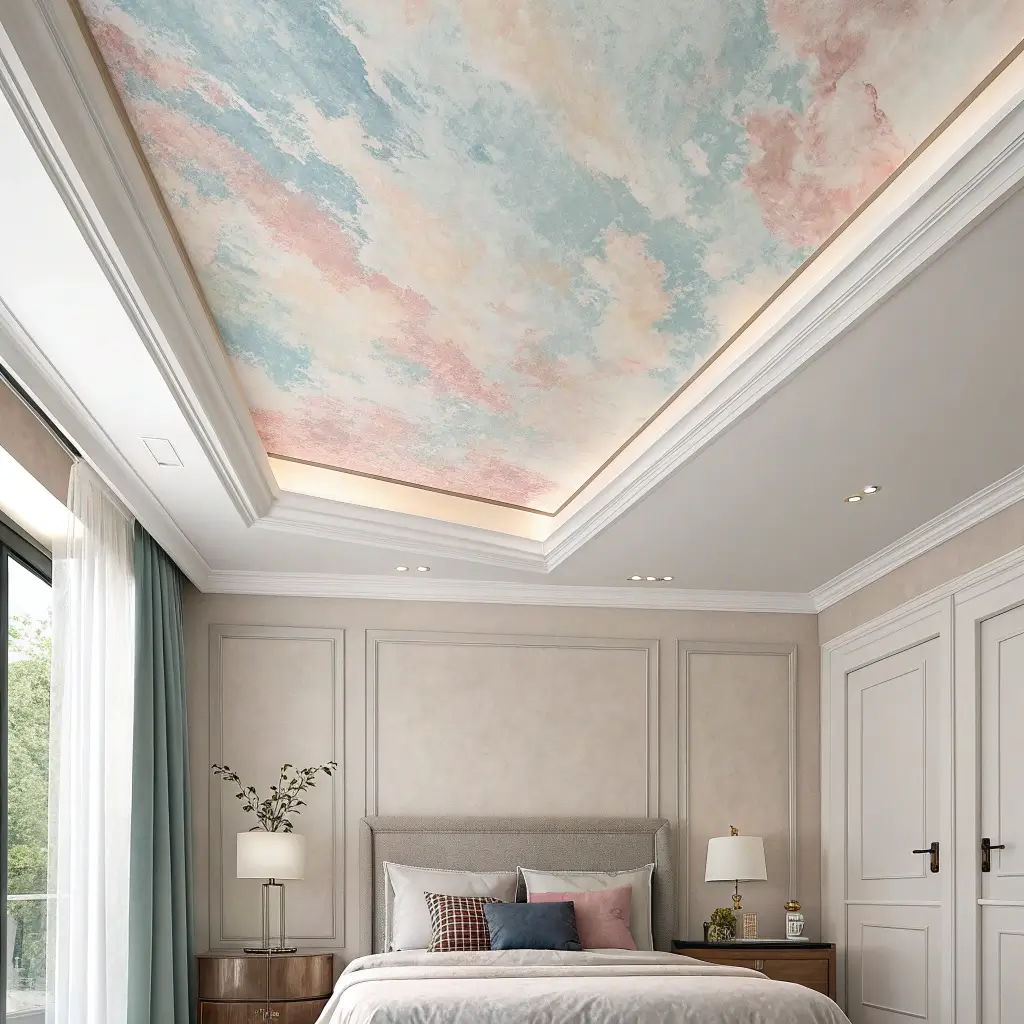
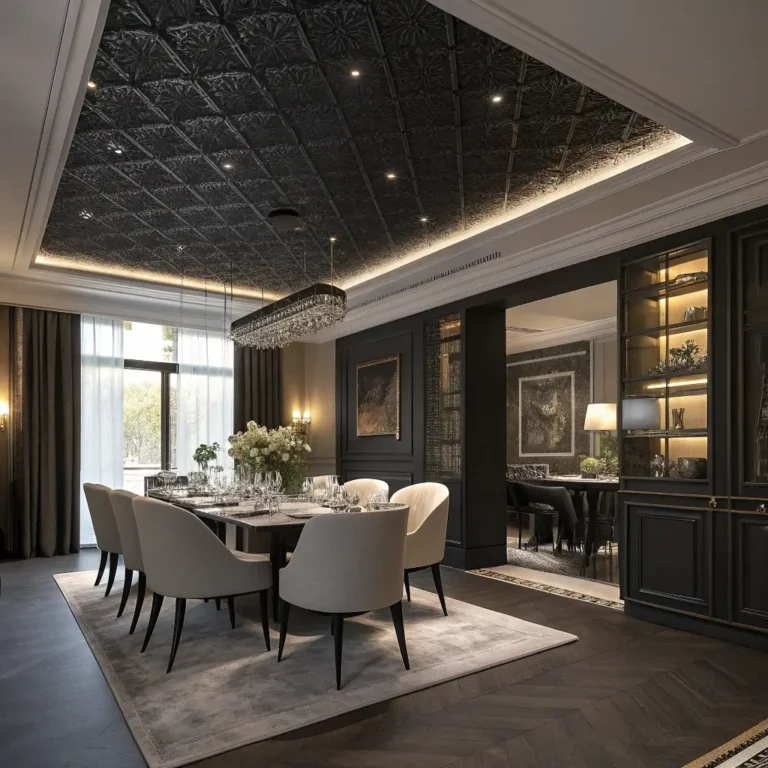
Who says ceilings need to be smooth? Textured paint adds dimension without the commitment (or dust) of structural changes. We’re not talking about that awful popcorn texture from the ’80s – modern texturing techniques create subtle, sophisticated patterns that catch light beautifully.
I experimented with a knockdown texture in my guest bathroom, and it hides every little imperfection while adding visual interest. The technique involves applying joint compound, then partially smoothing it for a stucco-like finish. Sounds fancy, right? It took me one Saturday afternoon and cost less than $50.
Different textures work for different vibes. Skip trowel creates a Mediterranean feel, while orange peel gives you that subtle, barely-there texture that works everywhere. Sand swirl patterns add movement and can actually make low ceilings appear higher. The key is matching the texture scale to your room size – bold patterns in large spaces, subtle ones in smaller rooms.
Coffered Ceiling for Small Rooms
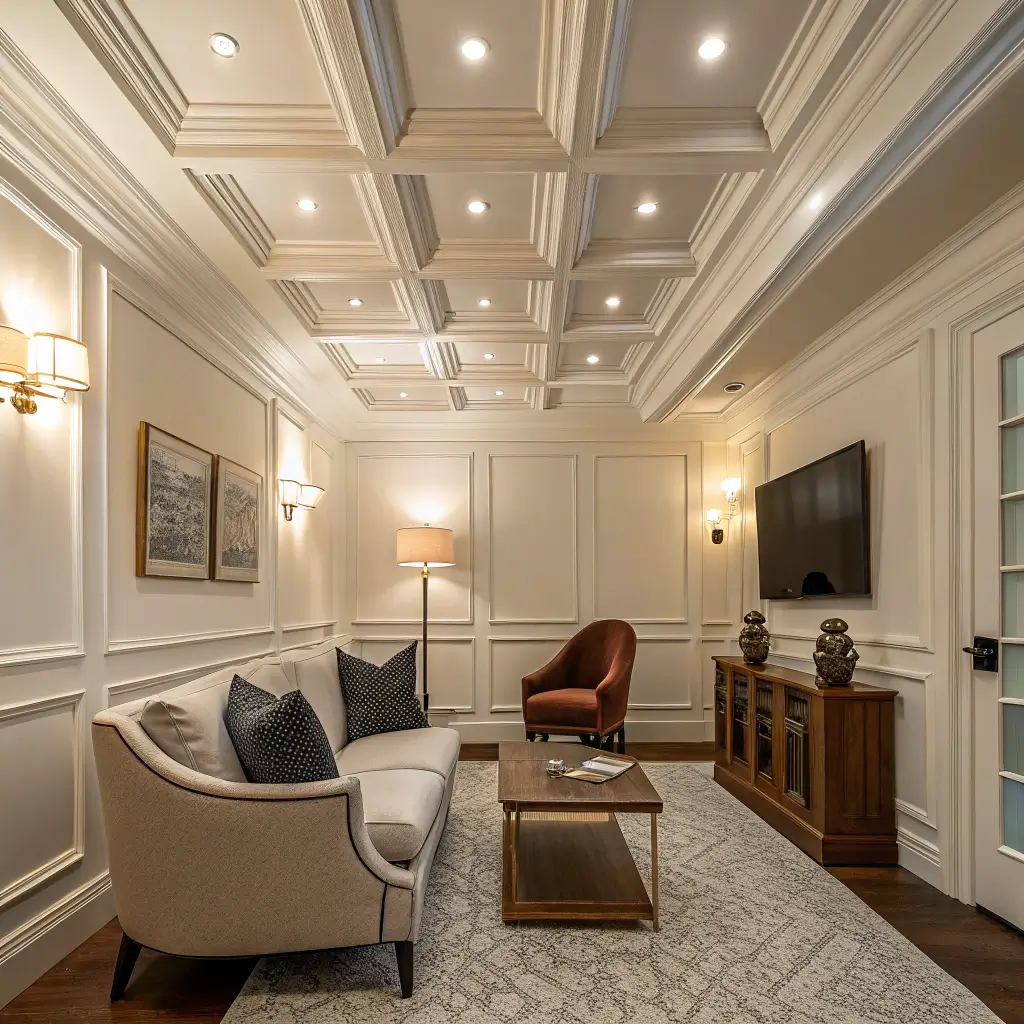
Think coffered ceilings only work in mansions? Think again. Scaled-down coffers can make small rooms feel incredibly sophisticated without overwhelming the space. It’s all about proportion and planning.
My sister’s 10×12 bedroom has a simple nine-panel coffered ceiling that we installed together. Instead of deep, dramatic coffers, we kept them shallow – just 3 inches deep. The result? Her tiny room suddenly feels like a boutique hotel suite. The grid pattern actually helps organize the visual space, making it feel larger and more structured.
Here’s the insider secret: paint the recessed panels the same color as the walls. This creates continuity and prevents the ceiling from feeling heavy. Add a slightly lighter shade on the beams themselves to maintain definition without stark contrast. Small rooms can absolutely handle this treatment – you just need to think proportionally.
Making Coffers Work in Tight Spaces
Consider using foam molding instead of wood for lighter weight and easier installation. Modern foam products look incredibly realistic and won’t sag over time. Plus, they’re way easier to work with when you’re doing this solo.
Also Read: 15 Elegant Gypsum Ceiling Design Ideas for Dream Interiors
Exposed Concrete Modern Ceiling
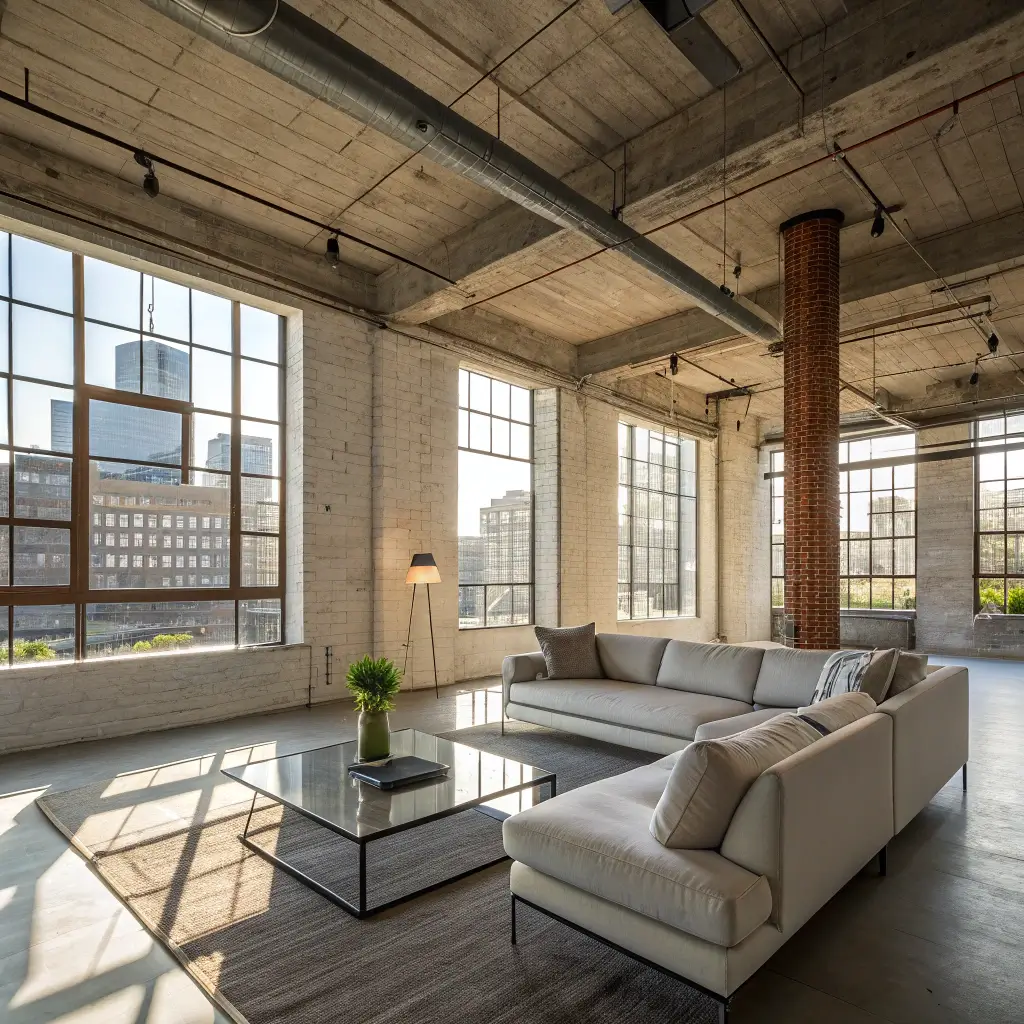
Industrial chic isn’t going anywhere, and exposed concrete ceilings are leading the charge. Whether you’re lucky enough to have actual concrete or you’re faking it with specialized paint techniques, this look screams urban sophistication.
I’ll be honest – my first attempt at a faux concrete ceiling was a disaster. Turns out, randomly slapping gray paint around doesn’t create that refined industrial look :/ But once I learned the proper techniques (involving multiple paint layers, glaze, and strategic sponging), the results were stunning. The key is embracing imperfection while maintaining control over the overall aesthetic.
Real concrete ceilings need proper sealing to prevent dust and moisture issues. But the payoff? Incredible acoustic properties and zero maintenance once properly treated. Faux finishes give you the look without the weight concerns or structural requirements. Either way, this bold choice makes a statement.
Stretch Fabric Ceiling Ideas
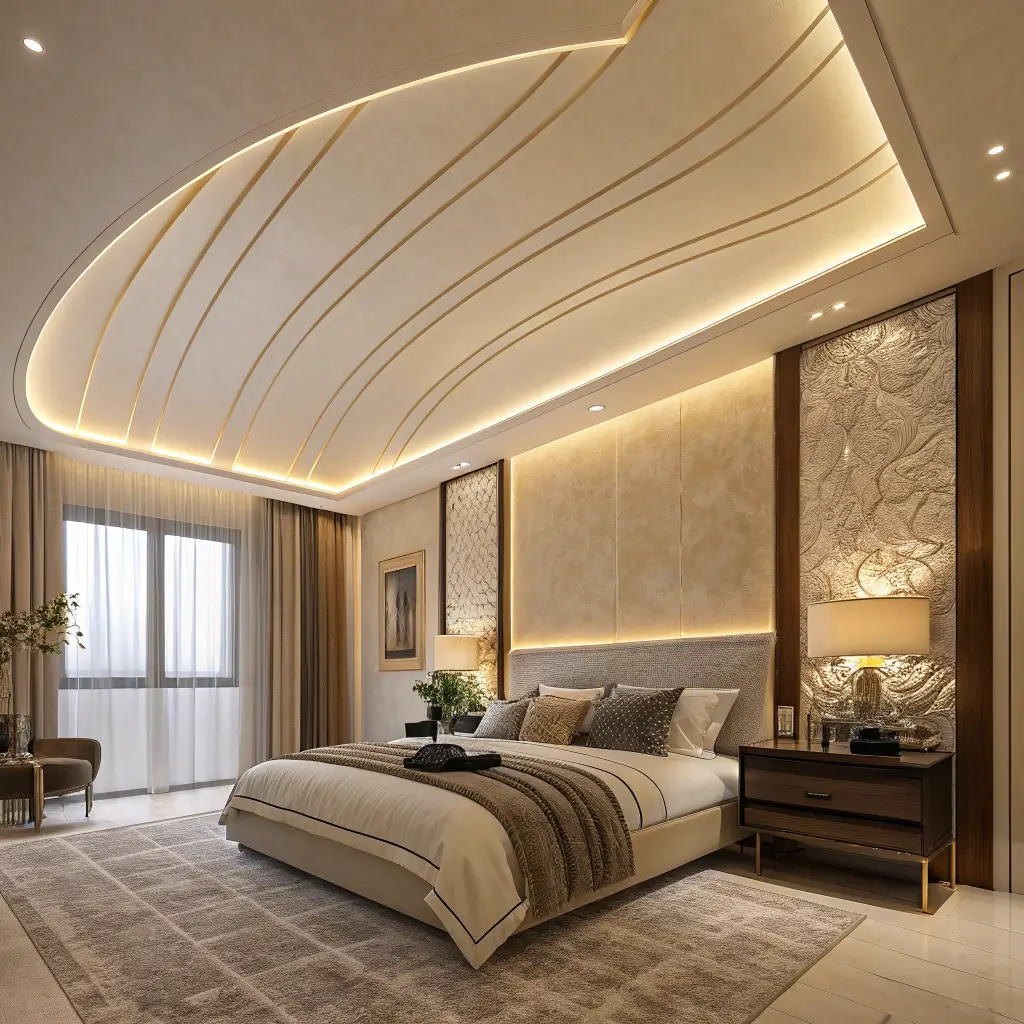
Ever heard of stretch ceilings? These fabric systems create perfectly smooth surfaces that can hide everything from ugly popcorn texture to serious structural issues. They’re huge in Europe and finally catching on here.
A friend of mine installed one in their basement after water damage left their ceiling looking rough. Instead of extensive repairs, they opted for a stretch fabric system. The installation took one day, zero mess, and the result looks like a million bucks. The fabric can even be printed with custom designs – imagine having clouds or stars above your bed.
The practical benefits are impressive too. These ceilings improve acoustics, hide imperfections, and can incorporate lighting behind the translucent fabric for an ethereal glow. They’re also moisture-resistant, making them perfect for bathrooms or basements where traditional materials might struggle.
Choosing the Right Fabric Finish
Matte fabrics create that classic ceiling look, while glossy finishes can make spaces feel larger by reflecting light. Some systems even offer acoustic fabrics that significantly reduce echo – perfect for home theaters or music rooms.
Rustic Ceiling with Natural Wood Panels
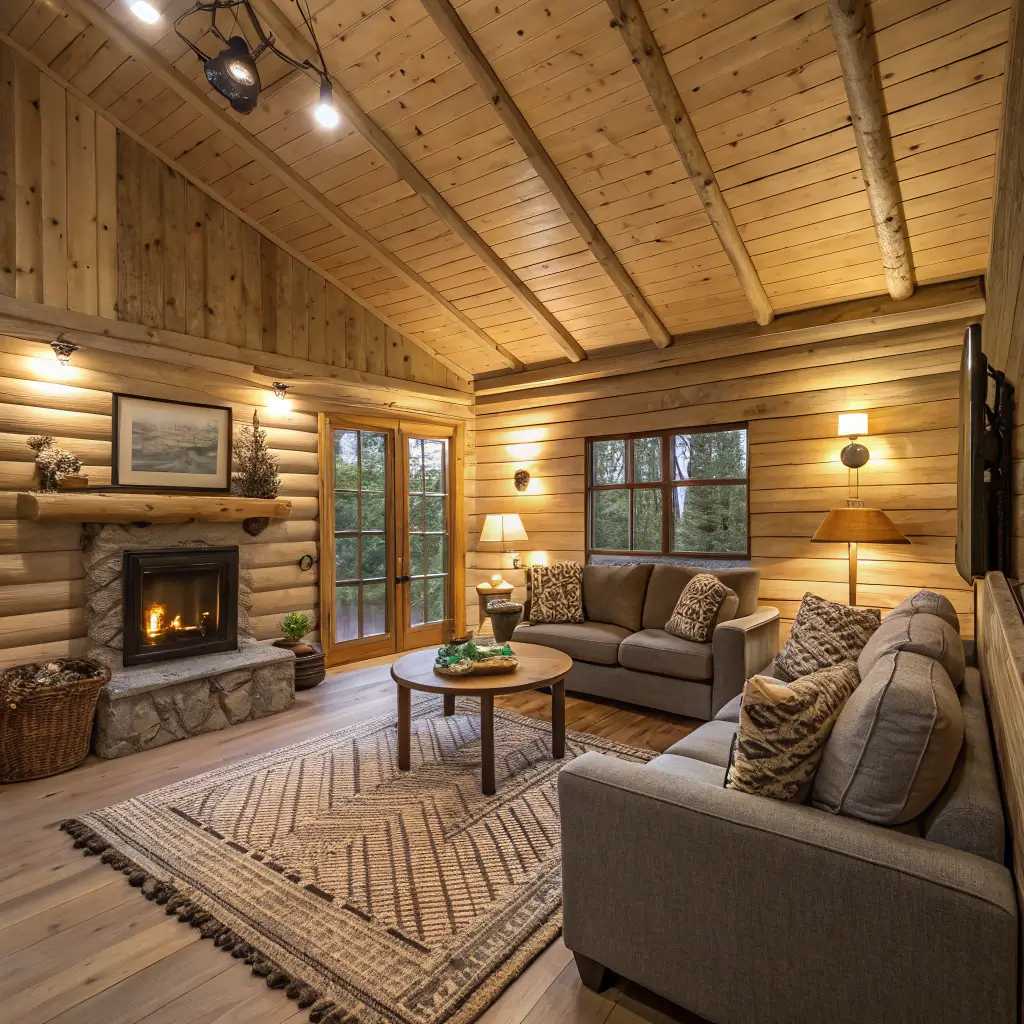
Nothing beats the warmth of real wood paneling on your ceiling. Whether you go with reclaimed barn wood, shiplap, or tongue-and-groove planks, wood brings instant coziness to any space.
I used reclaimed fence boards for my den ceiling, and the character those weathered planks brought was unbelievable. Each board tells a story with its unique grain patterns, nail holes, and weathering. The natural variation in color and texture means no two installations look alike. Sure, it took some extra prep work (hello, de-nailing and sanding), but the authentic rustic vibe was worth every splinter.
Installation tip from experience: run your planks perpendicular to ceiling joists for the strongest mount. Also, leave small gaps between boards for natural expansion – wood moves with humidity changes, and tight installations can buckle. Pre-finishing your boards before installation saves your neck from looking up while staining.
Also Read: 15 Minimalist Simple False Ceiling Design Ideas for Homes
Floating Panel Ceiling Design
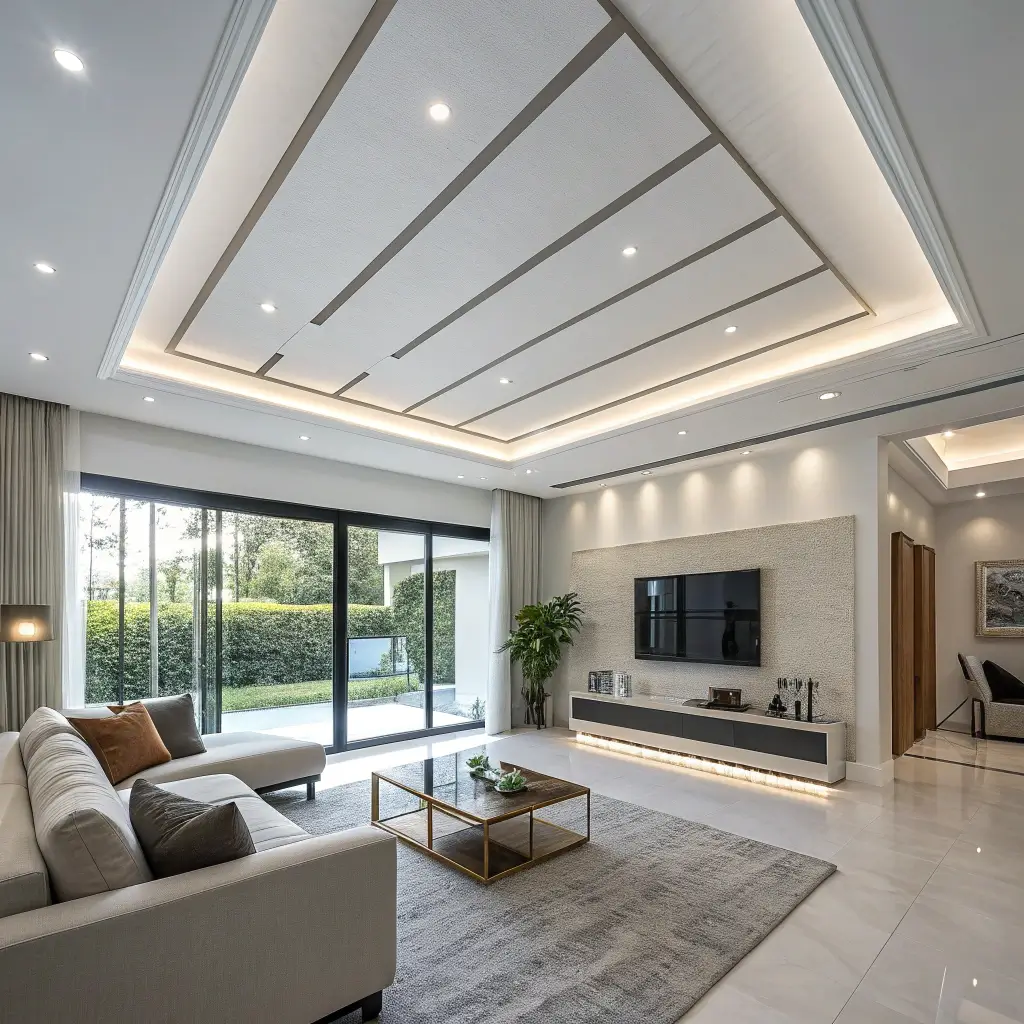
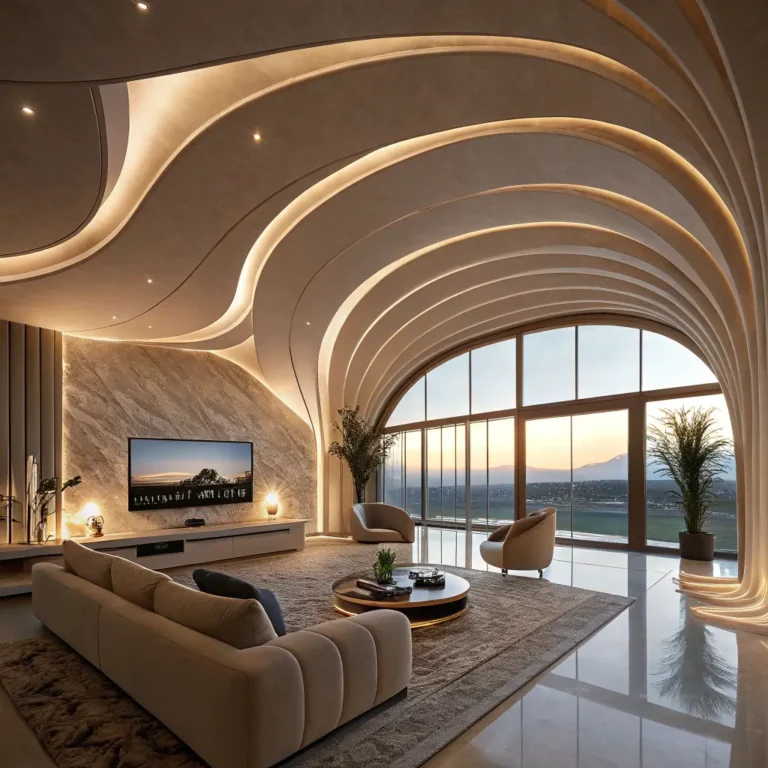
Floating panels create this incredible 3D effect that makes people stop and stare. These suspended elements add architectural interest without the permanence of structural changes. Think of them as ceiling sculpture that happens to improve acoustics too.
My home studio features floating acoustic panels that serve double duty – they look amazing and actually improve sound quality for recording. The panels hang at different heights, creating visual movement while controlling echo. The shadows they cast change throughout the day as light moves through the space, adding dynamic visual interest.
You can DIY this with lightweight materials like foam board wrapped in fabric, or invest in professional acoustic panels that come in gorgeous designs. The key is planning your layout – random placement rarely works as well as a thoughtful pattern. Consider using odd numbers of panels for more visual appeal.
Creating Visual Balance
Map out your design on paper first. I learned this after hanging three panels and realizing they looked completely off-center. Symmetry works in formal spaces, while asymmetrical arrangements suit modern, casual rooms better.
Patterned Wallpaper Ceiling
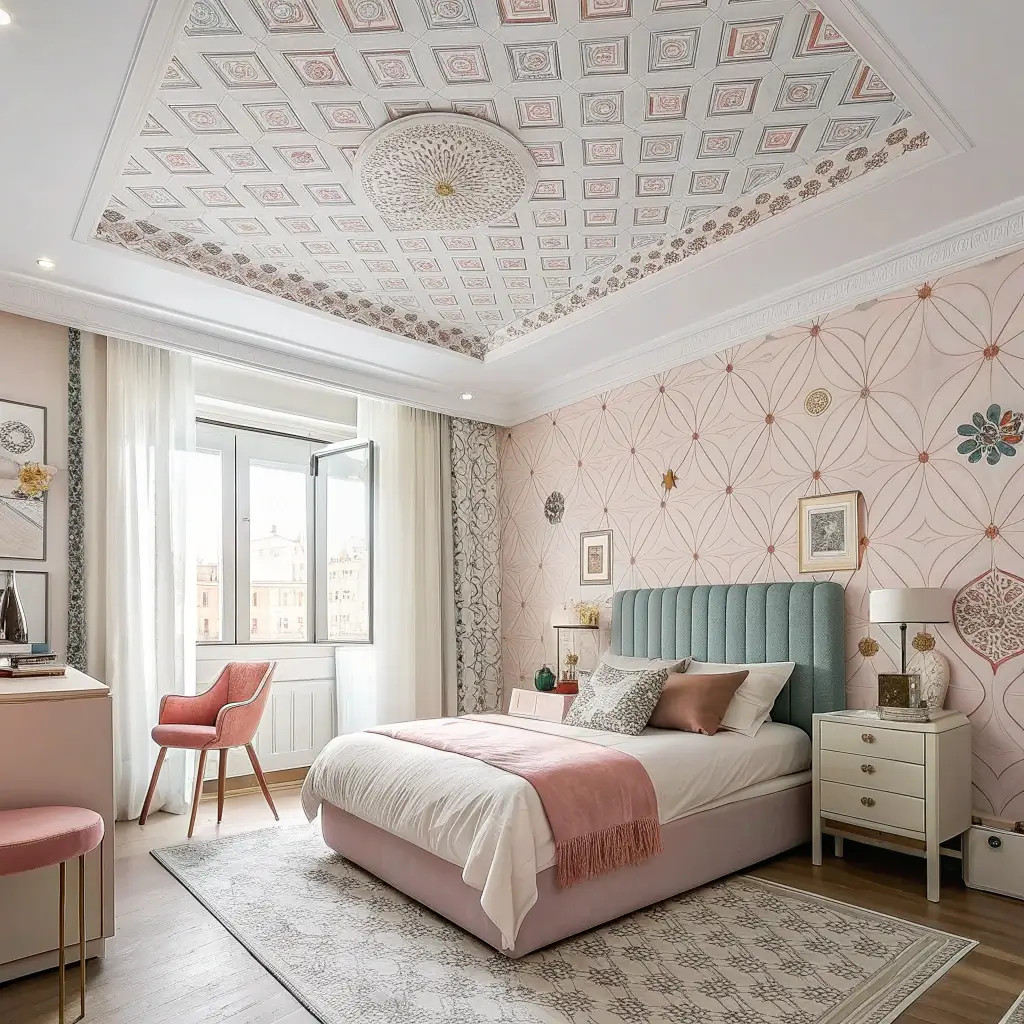
Why should walls have all the fun? Ceiling wallpaper is having a major moment, and honestly, it’s about time. This approach lets you add serious personality without structural changes or special skills.
I wallpapered my powder room ceiling with a bold botanical print last spring. Was I nervous? Absolutely. Did it transform that tiny space into everyone’s favorite room? You bet. The key is choosing patterns that enhance, not overwhelm. Small spaces can handle bold patterns because you’re not surrounded by them – you just get delightful glimpses.
Working overhead is tricky, so grab a friend for this project. Pre-cut your strips, use plenty of adhesive, and work systematically from one side to the other. Booking the paper (folding it adhesive-to-adhesive) makes handling easier. Match those patterns carefully – nothing ruins the effect faster than misaligned seams.
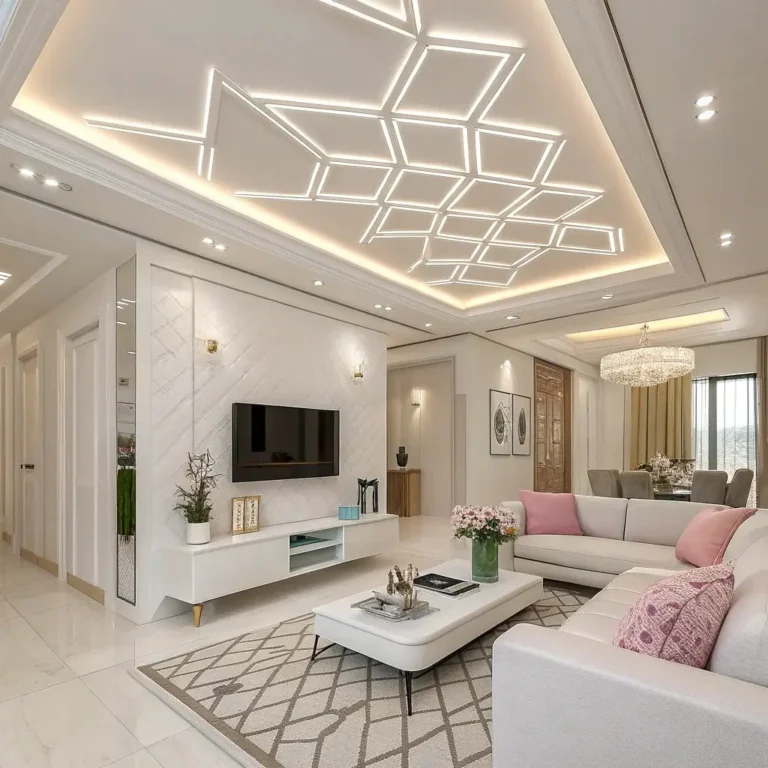
Simple Geometric Ceiling Design
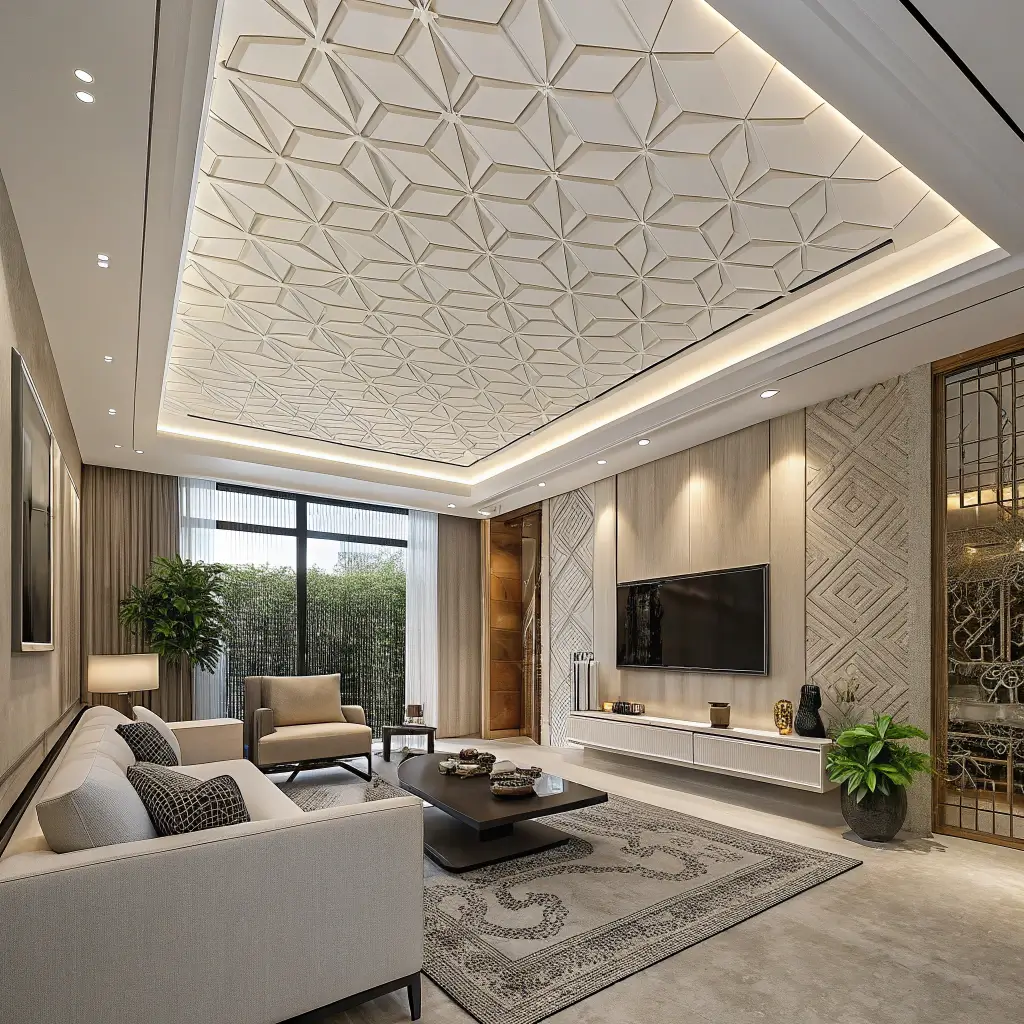
Sometimes simple really is better. Geometric ceiling designs using paint or trim create stunning focal points without breaking the bank. We’re talking triangles, hexagons, or even just strategic stripes that transform boring into brilliant.
I created a diamond pattern on my son’s bedroom ceiling using just painter’s tape and two paint colors. The whole project took a weekend and cost less than $100, but it looks like custom architectural detail. The geometric pattern draws the eye up, making his small room feel larger and more dynamic.
The beauty of geometric designs lies in their scalability. Large patterns work in spacious rooms, while smaller repetitive patterns suit intimate spaces. Use metallic paints for subtle glamour, or stick with tone-on-tone for sophisticated understatement. IMO, this is the perfect solution for renters who want impact without permanent changes.
Planning Your Pattern
Use graph paper to plan your design to scale. This prevents that awkward moment when you realize your pattern doesn’t quite fit and you’re left with weird slivers at the edges. Trust me on this one.
Also Read: 15 Stunning Luxury Ceiling Design Ideas to Elevate Your Home
Mirror Panel Ceiling for Illusion of Space
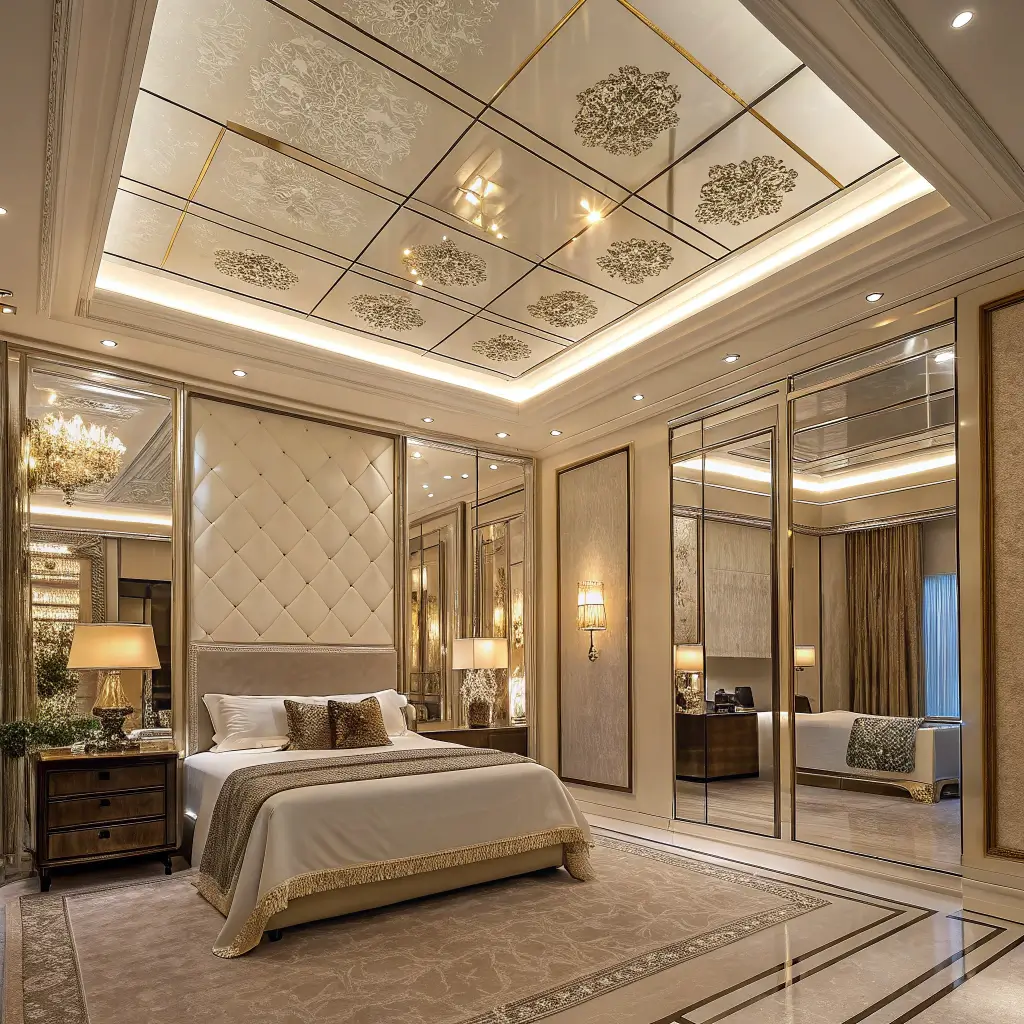
Want to literally double your room’s visual height? Mirror panels on the ceiling create incredible spatial illusions. Before you freak out about safety, modern acrylic mirrors are lightweight, shatterproof, and surprisingly affordable.
I installed mirror tiles in a narrow hallway, and the transformation was mind-blowing. What was once a claustrophobic passage now feels open and airy. The reflected light bounces around, eliminating dark corners and creating this amazing sense of spaciousness. Plus, checking your outfit from every angle before leaving the house? Practical bonus.
Placement matters here. Full coverage can feel overwhelming (and a bit nightclub-ish), so consider strategic placement. Mirror panels work beautifully above dining tables, in small bathrooms, or as accent strips between beams. Just avoid putting them directly above beds – nobody needs that kind of morning shock.
Pastel Color Painted Ceiling
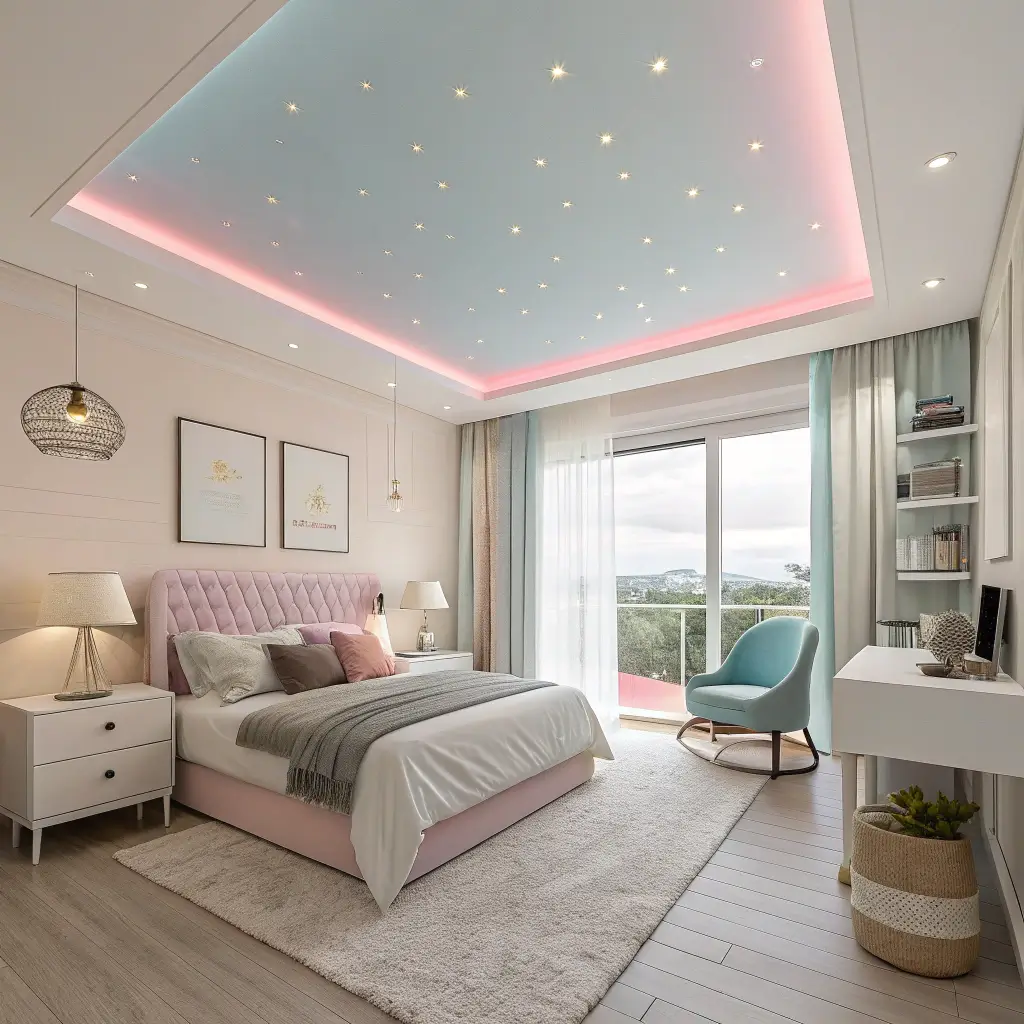
Who decided ceilings must be white? Pastel-painted ceilings add subtle color without overwhelming your space. This trend is huge right now, and for good reason – it’s an easy way to inject personality while maintaining sophistication.
My daughter’s room features a soft lavender ceiling that makes the whole space feel dreamy and calm. The color is light enough that it doesn’t feel oppressive, but distinctive enough to make a statement. Pastel blues create a sky-like effect, soft greens bring nature indoors, and barely-there pinks add warmth without being overly feminine.
The trick is choosing the right undertone for your space’s lighting. North-facing rooms benefit from warm pastels (think peach or soft yellow), while south-facing spaces can handle cooler tones. Test paint samples at different times of day – that perfect mint might look sickly green under your evening lighting.
Color Psychology on Your Ceiling
Soft blues promote relaxation (perfect for bedrooms), while pale yellows energize without overwhelming (great for kitchens). Green tones reduce eye strain – ideal for home offices where you’re looking at screens all day.
Recessed Lighting Ceiling Concept
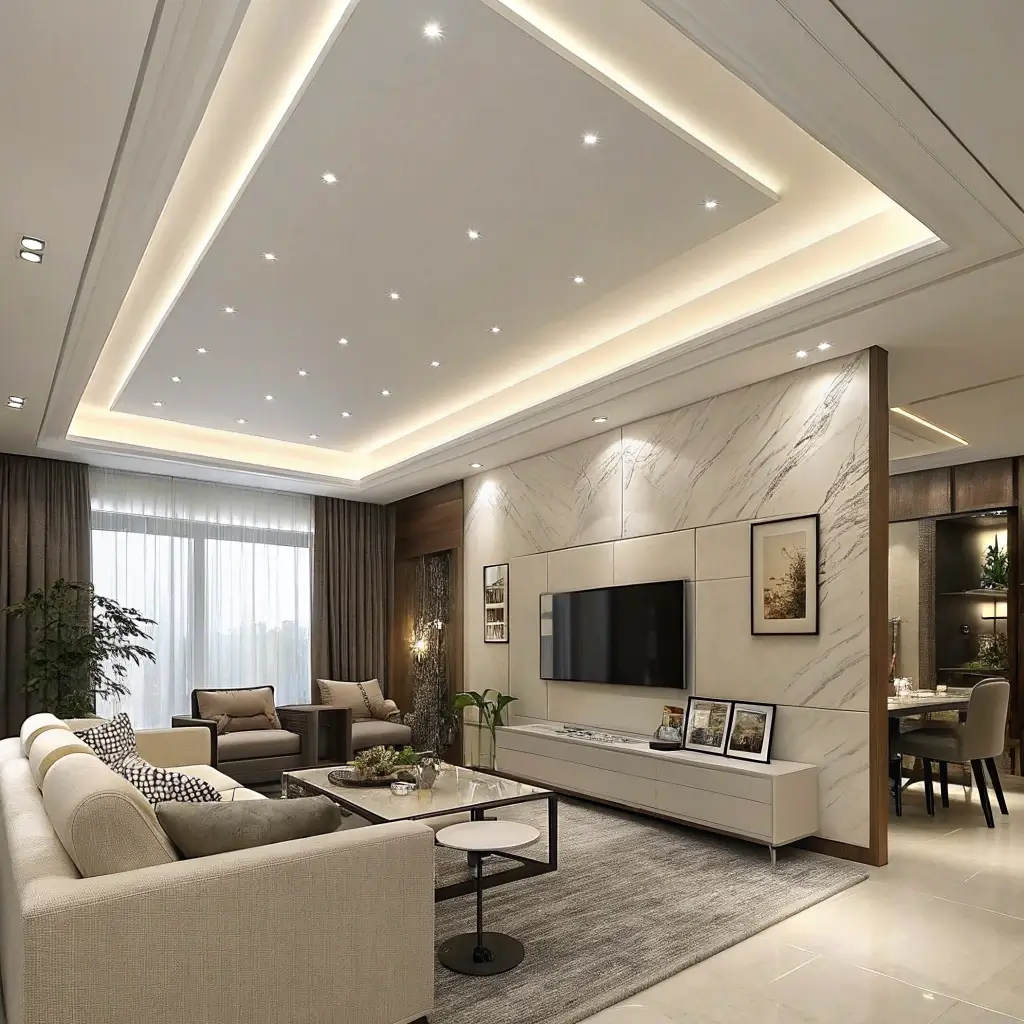
Last but definitely not least, recessed lighting transforms ceilings into functional art. Modern LED options give you incredible flexibility in placement, brightness, and even color temperature. This isn’t your dad’s can lights anymore.
I recently redesigned my living room lighting with a combination of recessed spots and wash lights. The ability to highlight artwork, create task lighting zones, and set different moods with dimming? Total game-changer. Strategic placement eliminates shadows while maintaining a clean, uncluttered ceiling line.
The planning phase is crucial here. Map out your furniture placement first – you want lights where you need them, not randomly scattered. Generally, lights should be 4-6 feet apart and about 18 inches from walls for wash lighting. Consider smart bulbs that let you control everything from your phone. Yes, I’m that person who changes their ceiling color for holidays, and I’m not sorry.
Wrapping It All Up
Look, transforming your ceiling doesn’t require a trust fund or a construction crew. These 15 ideas prove that with a little creativity and some weekend warrior spirit, you can turn that forgotten fifth wall into the star of your space. Whether you’re team minimalist white or ready to go bold with mirrors and geometric patterns, there’s something here for every style and budget.
The biggest mistake people make? Overthinking it. Pick an idea that speaks to you, start small if you’re nervous, and remember – it’s just paint, wallpaper, or panels. Nothing here is permanent, and that’s the beauty of it. Your ceiling is waiting to become something special, so grab your ladder and let’s make some magic happen.
Ready to look up and love what you see? Your ceiling transformation starts now. Which idea are you trying first?