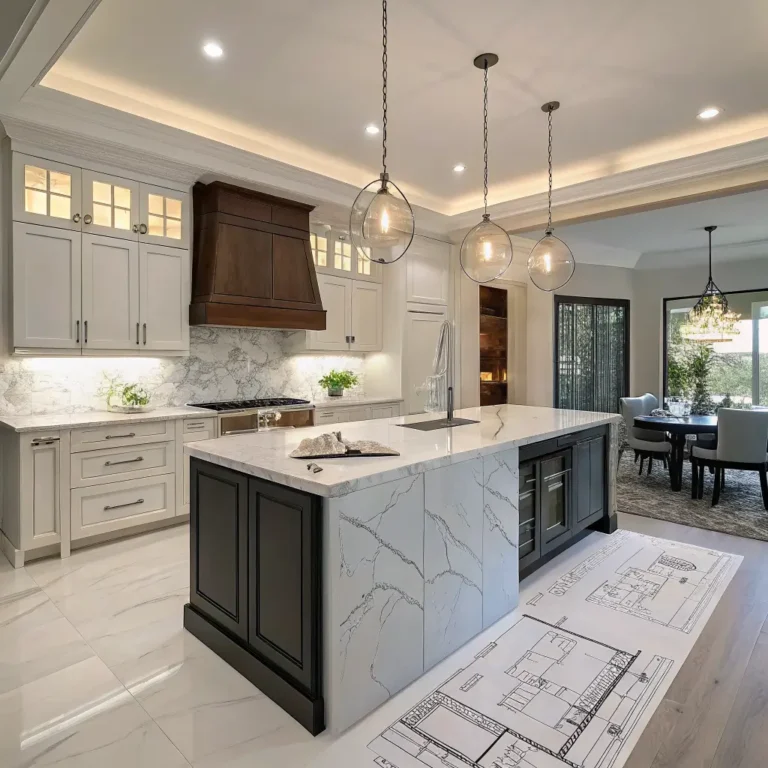
10 Elegant Home Interior Design Ideas and Modern Decor Tips

You know that feeling when you walk into someone’s home and immediately think, “Wow, I need to live here”? Yeah, that’s what we’re going for today.
I’ve spent the last decade obsessing over interior design, making countless mistakes, and finally figuring out what actually works.
Trust me, your space doesn’t need a complete overhaul to look amazing – you just need the right approach.
Let’s chat about 10 killer home interior design ideas that’ll make your friends wonder if you secretly hired a professional designer. Spoiler alert: you won’t need to sell a kidney to make these happen 🙂
Modern Minimalist Home Interiors
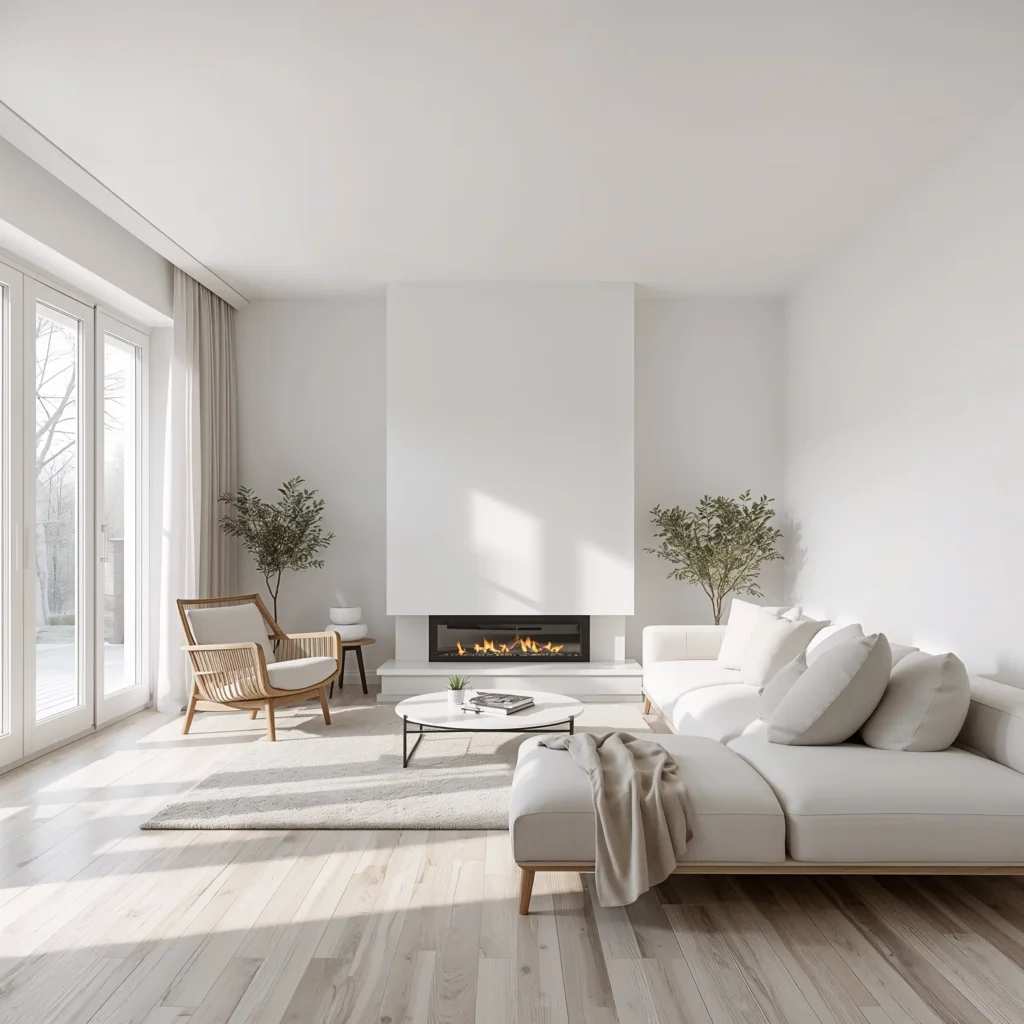
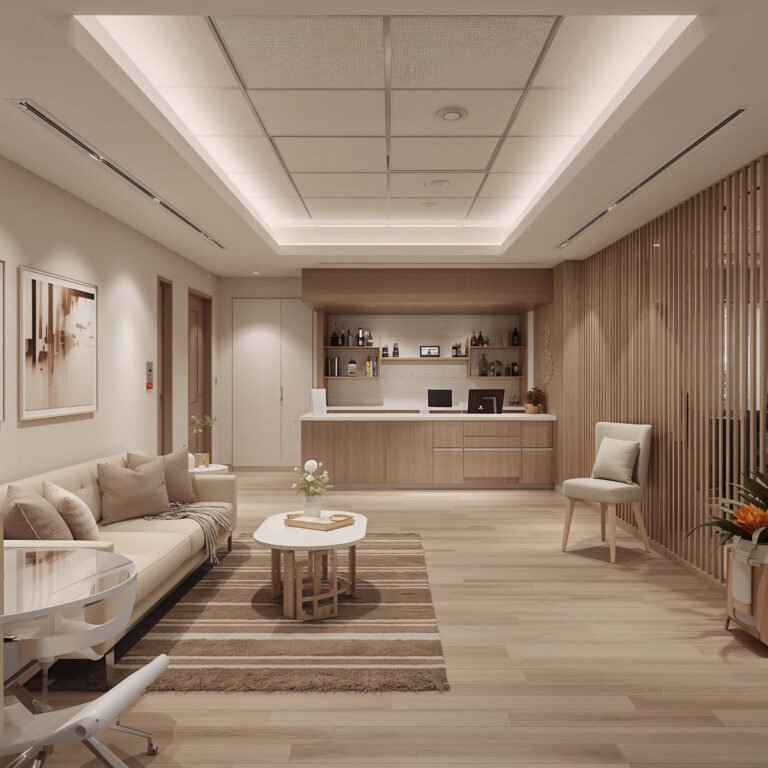
Remember when everyone thought minimalism meant living in a white box with one chair? Thank goodness we’ve evolved past that nonsense. Modern minimalism today focuses on intentional living without sacrificing personality or comfort.
The secret sauce here? Start with a neutral base – think warm grays, soft beiges, or even muted earth tones. I learned this the hard way after painting my entire living room stark white and feeling like I was living in a hospital ward. Not cute.
Here’s what actually works for creating that clean, uncluttered vibe:
• Quality over quantity – Invest in one stunning sofa instead of three mediocre pieces
• Hidden storage solutions – Ottoman with storage, floating shelves with concealed brackets
• Statement lighting – One gorgeous pendant light beats ten random lamps
• Texture variety – Mix smooth surfaces with natural wood, soft fabrics, and maybe some concrete
Want to know the best part about minimalist design? You’ll spend way less time cleaning. Seriously, fewer surfaces mean fewer dust collectors. Your future self will thank you every weekend when you’re not spending three hours dusting random knick-knacks.
Making Minimalism Work in Real Life
Here’s where most people mess up – they think minimalism means getting rid of everything they love. Wrong! Keep the items that spark joy (yes, I went there), but give them breathing room. Display your favorite art pieces with plenty of negative space around them. They’ll actually stand out more this way.
FYI, minimalism doesn’t mean boring. Add personality through carefully chosen accessories like a bold geometric rug or an oversized piece of abstract art. The key? Each item should earn its place in your space.
Cozy Rustic Living Room Designs
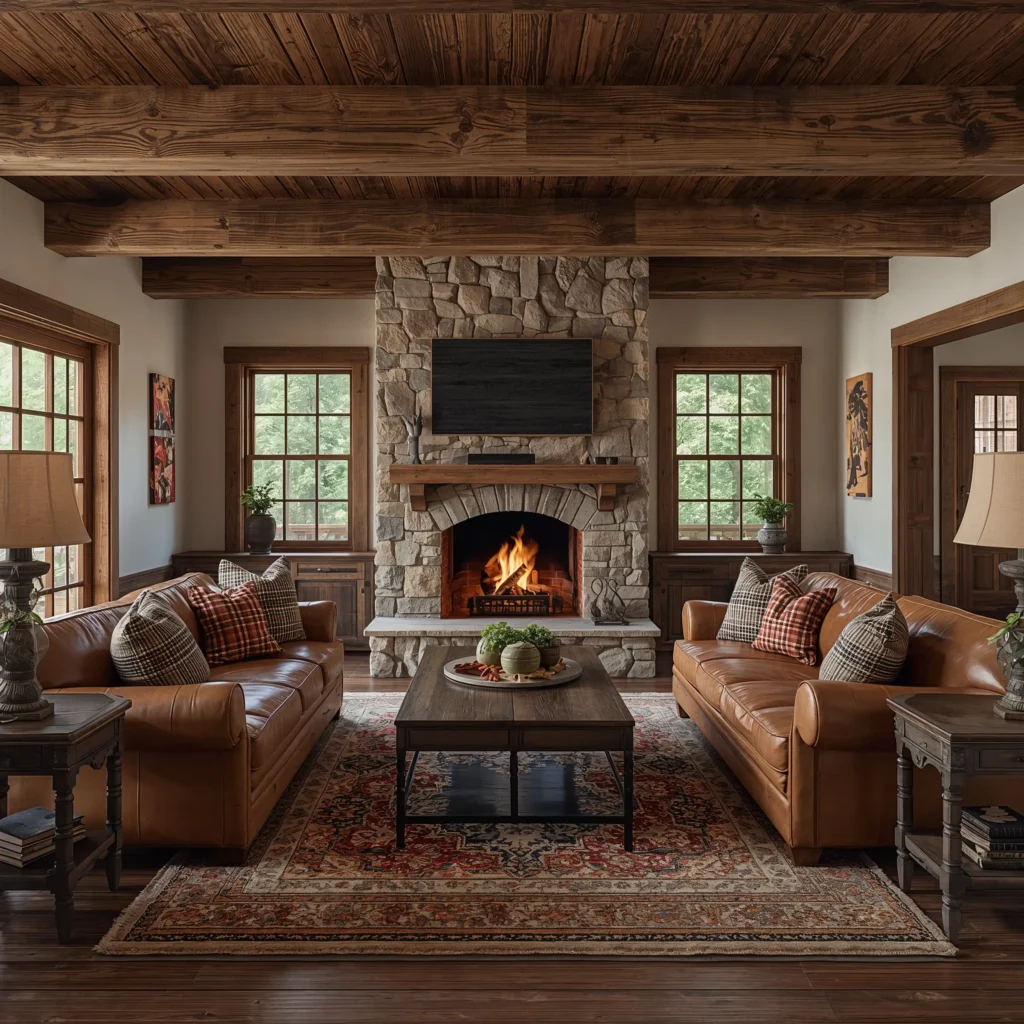
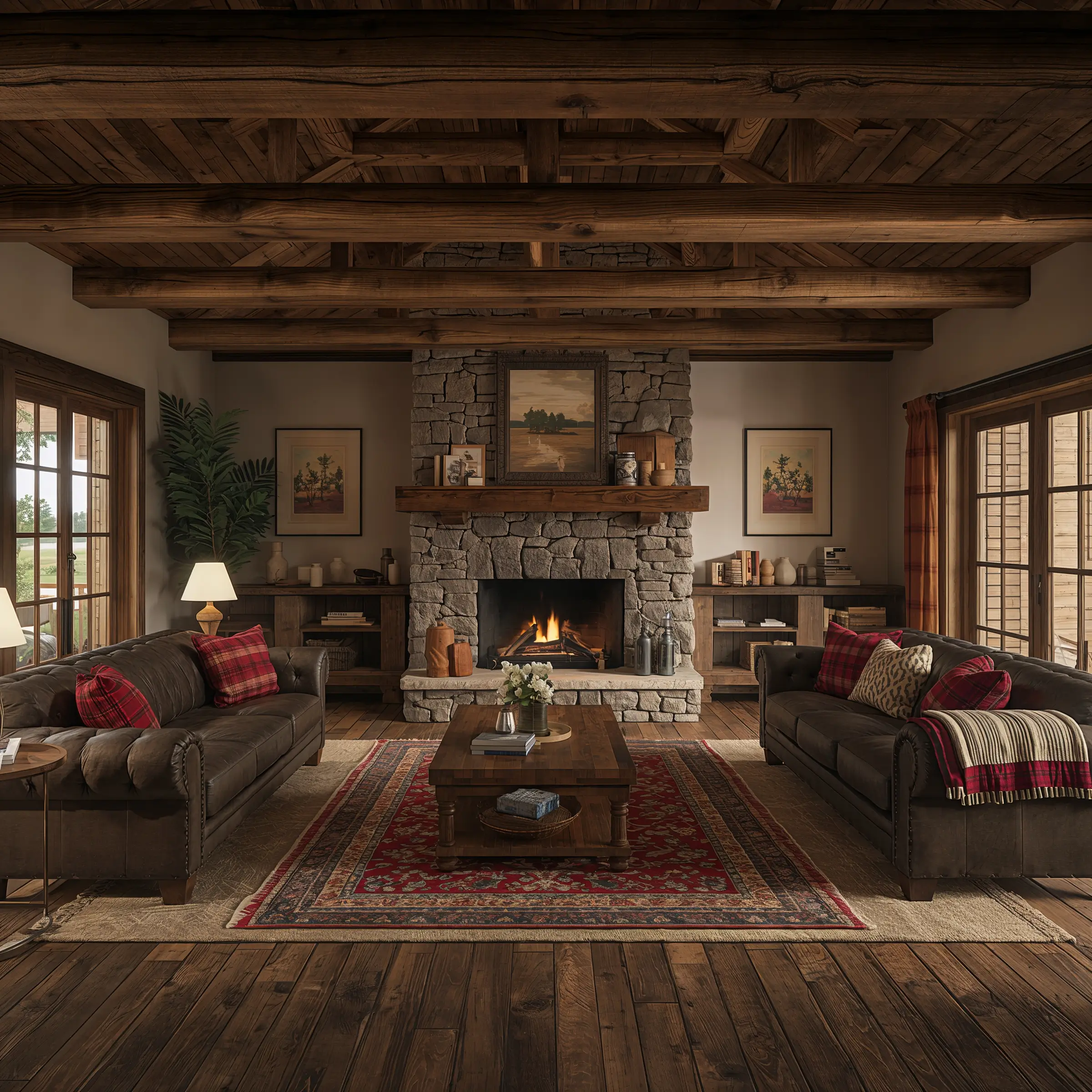
Alright, let’s switch gears completely. Ever walk into a cabin and immediately want to curl up with hot cocoa? That’s the magic of rustic design, and you don’t need to live in the mountains to pull it off.
The foundation of any great rustic living room starts with natural materials. We’re talking exposed wood beams (or faux beams if you’re renting), stone accents, and leather furniture that looks like it has stories to tell. My first attempt at rustic design involved throwing a plaid blanket over everything. Don’t do that – it looked like a lumberjack exploded in my living room.
Essential Elements for Rustic Charm
Wood is your best friend in rustic design, but mix up the finishes. Combine weathered barnwood with polished walnut for depth. Add wrought iron accents through light fixtures or furniture legs to bring in that industrial-rustic hybrid look that’s everywhere right now.
The color palette should feel like autumn decided to move in permanently:
• Deep browns and rich cognacs
• Forest greens and navy blues
• Cream and oatmeal neutrals
• Pops of burnt orange or rust
Texture plays a huge role here. Layer chunky knit throws, sheepskin rugs, and burlap cushions. The goal? Make your guests want to hibernate in your living room. Pro tip: vintage leather chairs instantly add that worn-in, authentic feel without trying too hard.
Chic Scandinavian Bedroom Ideas

Scandinavian design makes me wonder why anyone bothers with complicated decor. These Nordic folks figured out the perfect formula: simple, functional, and ridiculously cozy. Their secret weapon? Something called “hygge” – basically the art of creating a warm atmosphere.
Your Scandinavian bedroom should feel like a cloud made a baby with a forest. Start with a low-profile bed frame in light wood or white. No need for an elaborate headboard – the Scandis keep it simple with maybe a piece of textile art or nothing at all.
The Scandinavian Color Story
Stick to this palette and you literally can’t go wrong:
• Crisp whites and soft grays
• Pale pink or sage green accents
• Natural wood tones (think birch or pine)
• Black details for contrast
What really sells the Scandinavian vibe? Layers of textiles. We’re talking linen bedding (slightly wrinkled is actually the goal here), wool throws, and maybe a sheepskin rug beside the bed. I once tried to iron my linen duvet cover for that “perfect” look. Big mistake – embrace the lived-in aesthetic!
Lighting deserves its own paragraph here. Scandinavian bedrooms worship natural light, so ditch those heavy curtains for sheer panels. Add multiple light sources at different heights – a pendant light, table lamps, and maybe some string lights for that cozy factor.
Also Read: 12 Amazing Interior Design Ideas for Cozy Living Spaces
Elegant Luxury Home Decor
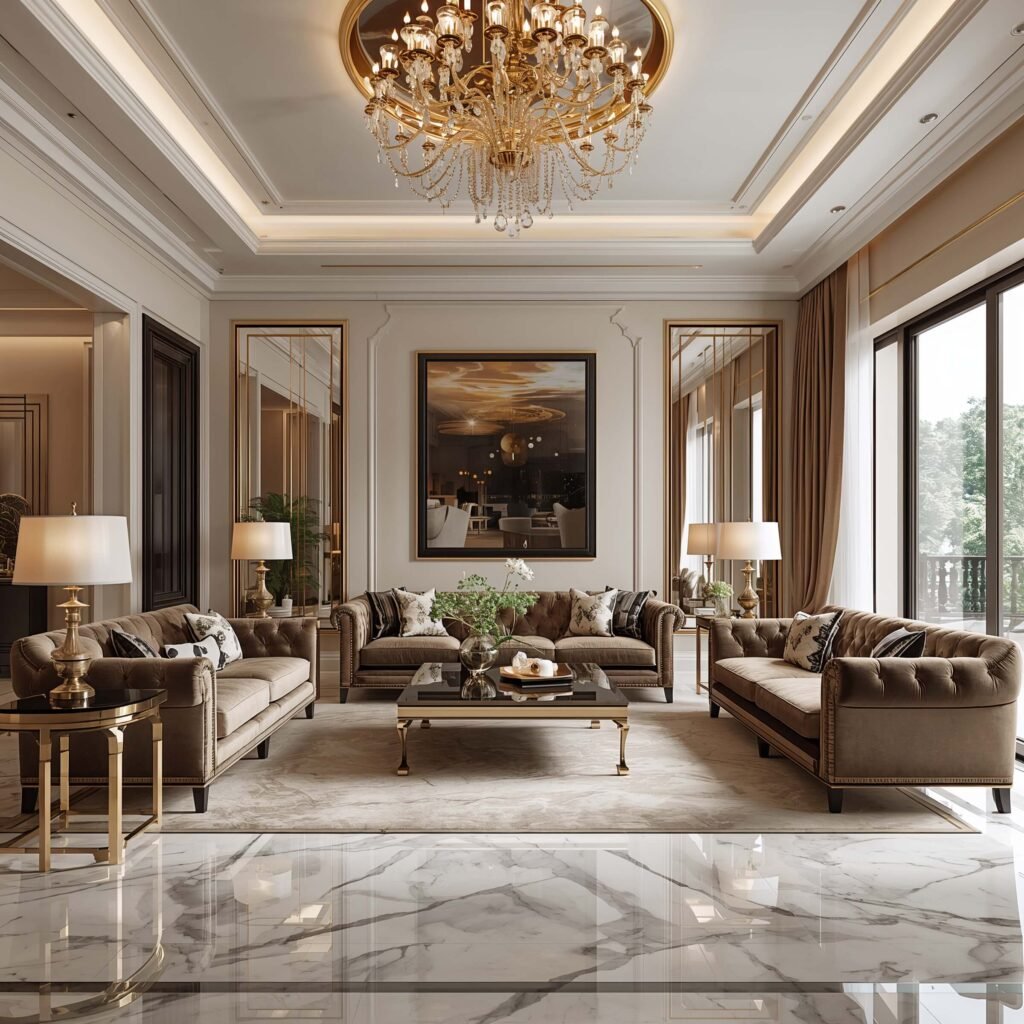
Who says luxury needs to cost a fortune? OK, traditional luxury definitely does, but creating an elegant, upscale look doesn’t require winning the lottery. You just need to know where to splurge and where to save.
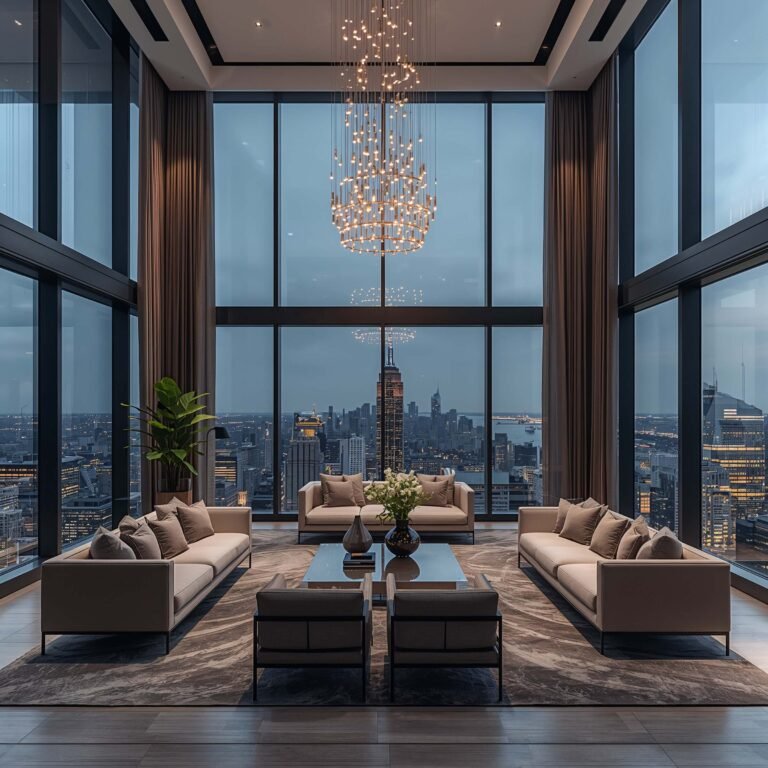
The foundation of luxury design lies in sophisticated color schemes. Think jewel tones like emerald, sapphire, and amethyst paired with metallics. Gold and brass accents scream expensive, even when they’re from discount stores. Just don’t go overboard – nobody wants to feel like they’re living in King Midas’s palace.
Luxury Details That Make the Difference
Here’s what separates elegant spaces from try-hard ones:
• Crown molding and baseboards (even peel-and-stick versions work)
• Velvet or silk textures in pillows and curtains
• Marble accents (contact paper marble counts!)
• Statement chandeliers or sculptural light fixtures
• Oversized mirrors with ornate frames
The biggest luxury secret? Symmetry and balance. Arrange furniture in pairs, center your art perfectly, and keep everything impeccably organized. Clutter instantly kills the luxury vibe faster than you can say “champagne wishes.”
IMO, the easiest way to add instant elegance involves upgrading your hardware. Switch out those builder-grade cabinet pulls for something with weight and presence. Matte black or brushed gold hardware transforms even IKEA furniture into something that looks custom.
Boho-Chic Interior Inspirations
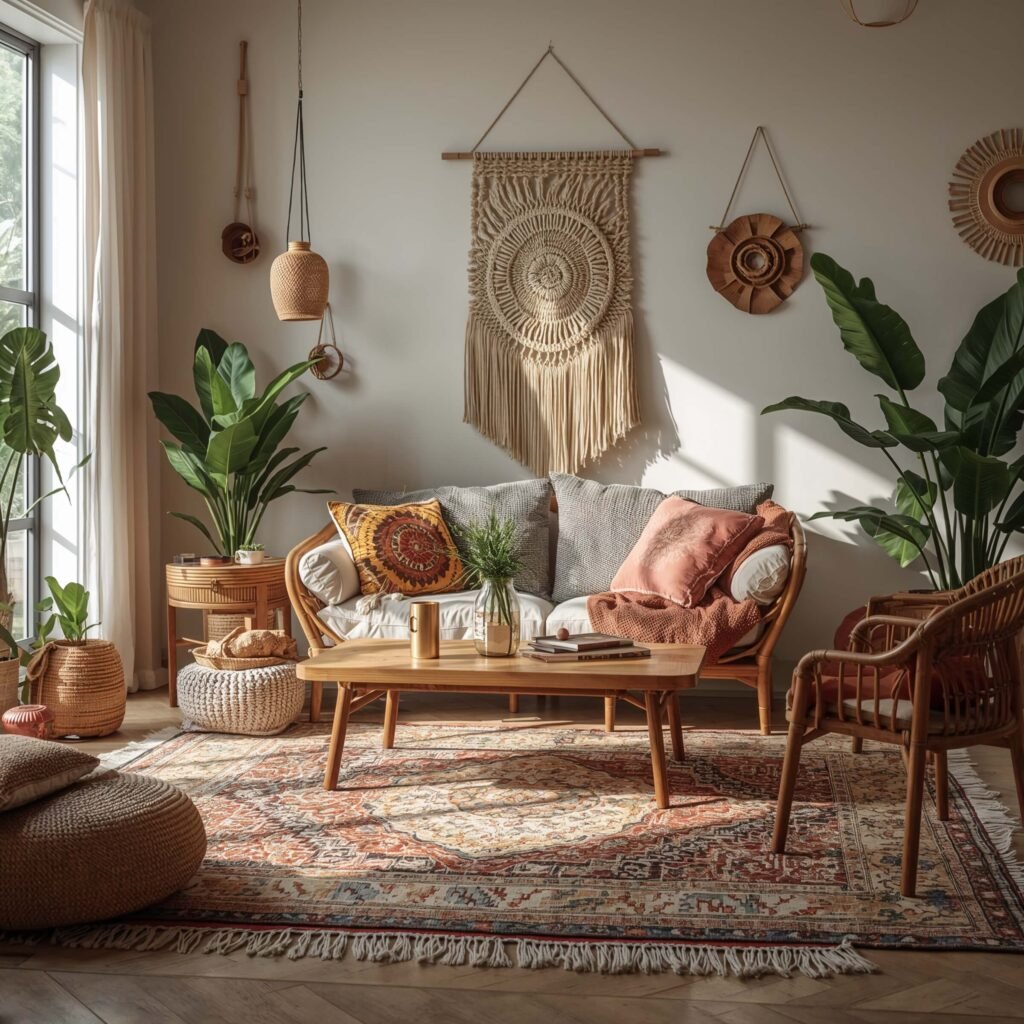
Bohemian design basically gives you permission to break all the rules, and I’m here for it. This style celebrates eclectic mixing, global influences, and that “collected over time” aesthetic that makes spaces feel genuinely lived-in.
The beauty of boho? There’s no wrong way to do it. Mix patterns like nobody’s watching – florals with geometrics, ikats with paisleys. The trick that keeps it from looking chaotic? Stick to a cohesive color story. Pick three to four main colors and let them guide your choices.
Building Your Boho Paradise
Start with these essential elements:
• Layered rugs (yes, multiple rugs on top of each other)
• Macramé wall hangings or plant holders
• Vintage furniture pieces from different eras
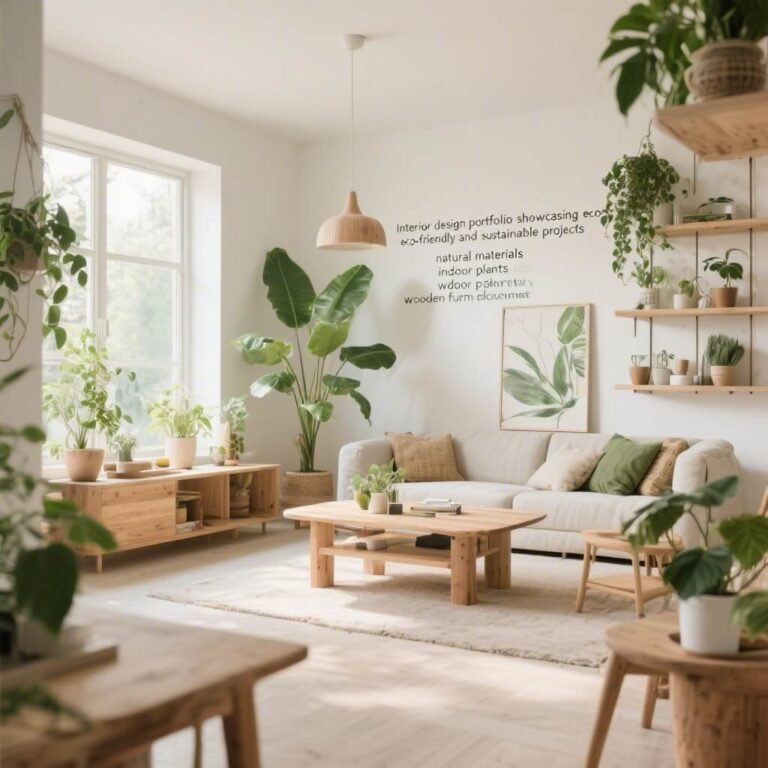
• Plants, plants, and more plants
• Global textiles like Moroccan pillows or Indian throws
Texture reigns supreme in boho design. Combine rough natural fibers with smooth metals, soft velvets with nubby linens. Add fringe, tassels, and pom-poms wherever possible. Too much? There’s no such thing in boho land.
Ever notice how boho spaces always look so relaxed? That’s because low-level seating creates an informal, welcoming vibe. Floor cushions, poufs, and low sofas encourage lounging. My living room has more floor pillows than actual chairs, and guests always gravitate toward them.
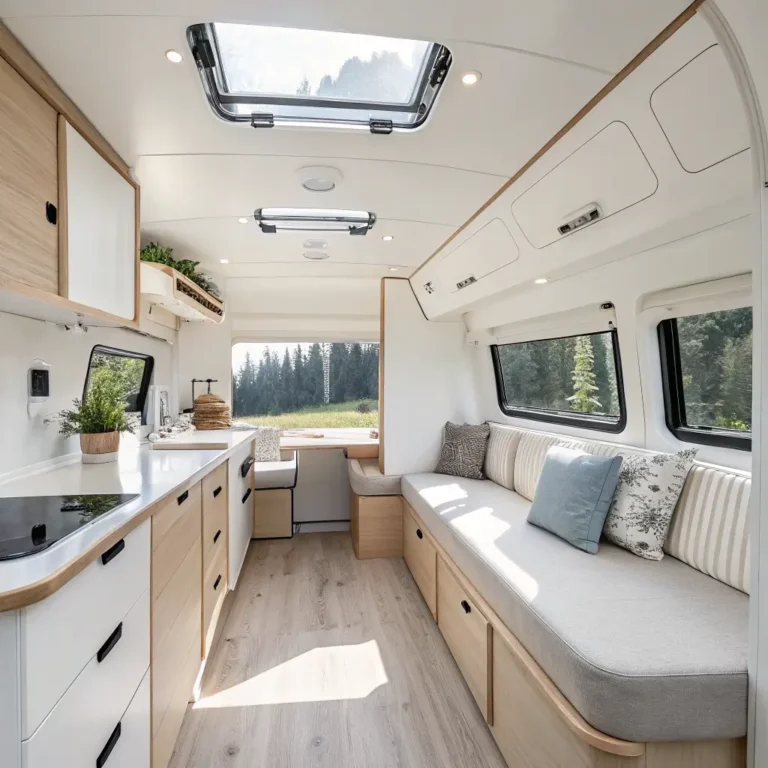
Small Space Apartment Makeovers
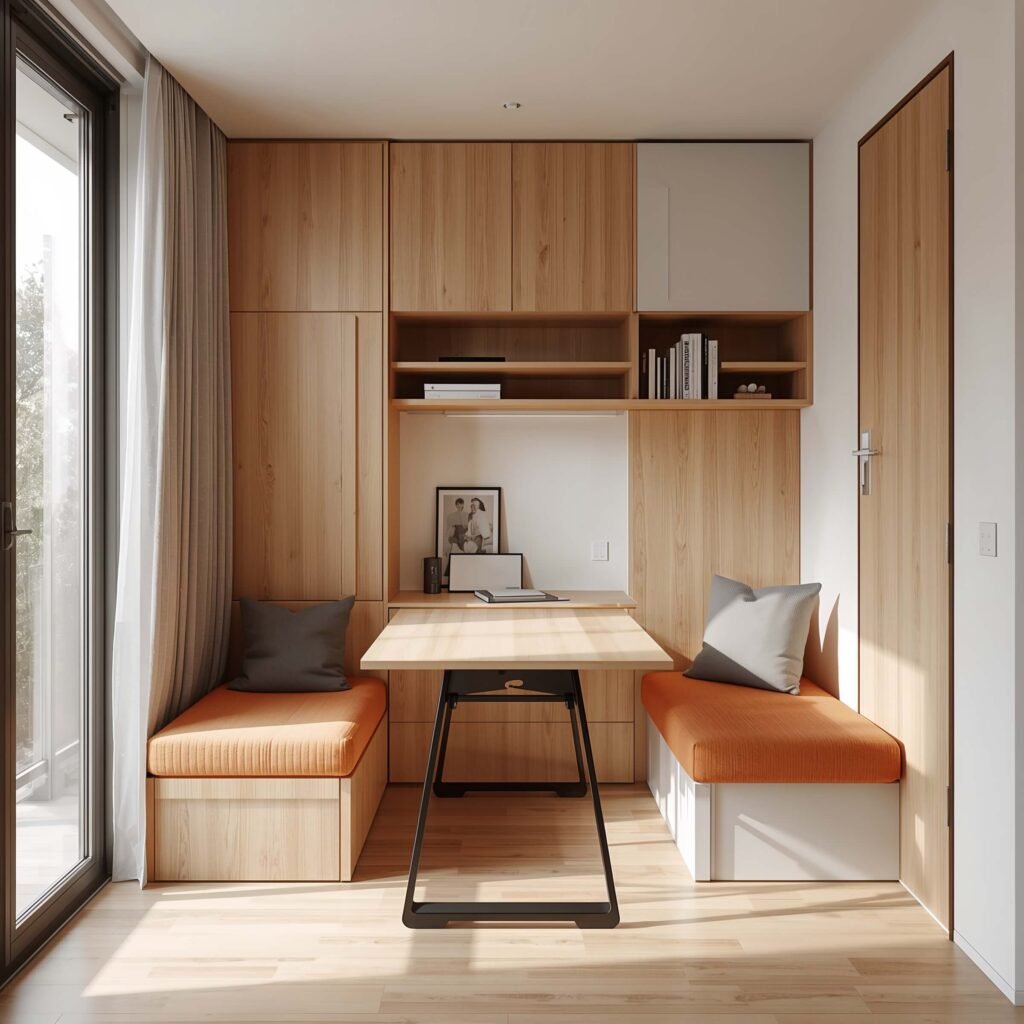
Living in 500 square feet doesn’t mean living without style. Actually, small spaces force creativity in ways that massive homes never do. Every single item needs to earn its keep, which naturally creates more intentional design.
The golden rule of small space living? Everything should serve multiple purposes. That coffee table better have storage. Your dining table should double as a desk. Even your decor can be functional – use pretty baskets for storage instead of purely decorative objects.
Smart Solutions for Tiny Spaces
Here’s how to maximize every square inch:
• Vertical storage – Floor to ceiling shelving units
• Murphy beds or daybeds that don’t dominate the room
• Mirrors strategically placed to double visual space
• Light, bright color schemes to open things up
• Furniture on legs to create visual flow underneath
Avoid sectionals in small spaces – they eat up too much room. Instead, choose a compact sofa with two accent chairs that can move around as needed. I learned this after squeezing a massive sectional into my first studio apartment. Getting to the kitchen required parkour skills.
The secret weapon for small spaces? Consistent color throughout. Paint your walls, ceiling, and even large furniture pieces in similar tones. This creates visual continuity that makes the space feel larger. Bold accent colors should come from easily changeable items like pillows and art.
Also Read: 12 Stunning White Leather Couch Living Room Ideas to Try Now
Vibrant Colorful Home Interiors
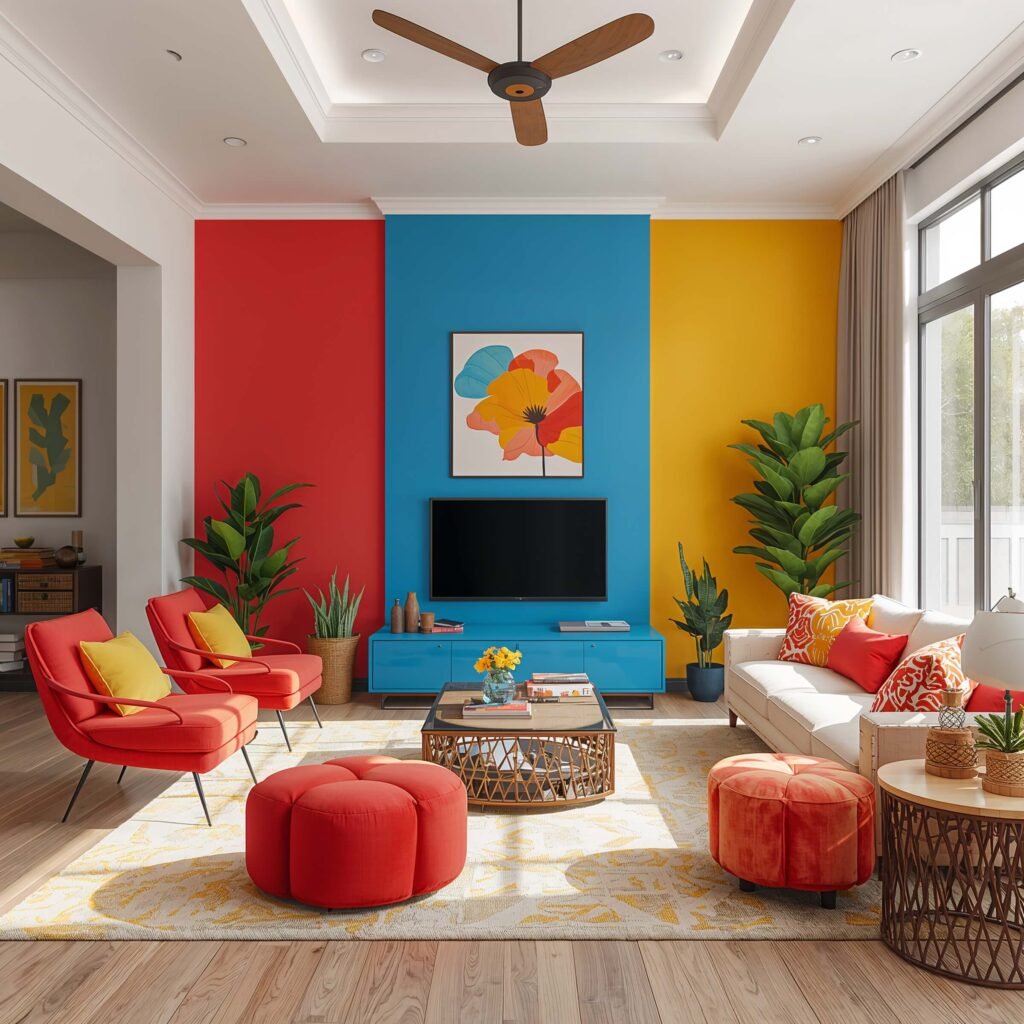
Beige is safe, but who wants to live safely? If you’re tired of neutral everything, let’s talk about embracing color like you mean it. The key to colorful interiors that don’t look like a unicorn threw up? Strategic application and color theory basics.
Start with one hero color that you absolutely love. Build your palette around it using either complementary colors (opposites on the color wheel) or analogous colors (neighbors on the wheel). This prevents that chaotic rainbow effect that makes spaces feel unsettled.
Color Confidence Boosters
Want to go bold without commitment? Try these approaches:
• Colorful artwork as your main color source
• Painted accent walls (easier to change than entire rooms)
• Bright furniture pieces against neutral backgrounds
• Colorful textiles that can swap seasonally
• Statement ceilings painted in unexpected hues
Here’s something nobody tells you: colorful spaces photograph better for social media. Just saying, if you’re into that sort of thing. My bright yellow kitchen gets more compliments online than any neutral space I’ve ever designed.
The bravest color move? Color drenching – painting walls, ceiling, and trim all the same bold color. This creates an immersive experience that actually feels sophisticated rather than overwhelming. Trust the process.
Contemporary Open-Plan Living Ideas
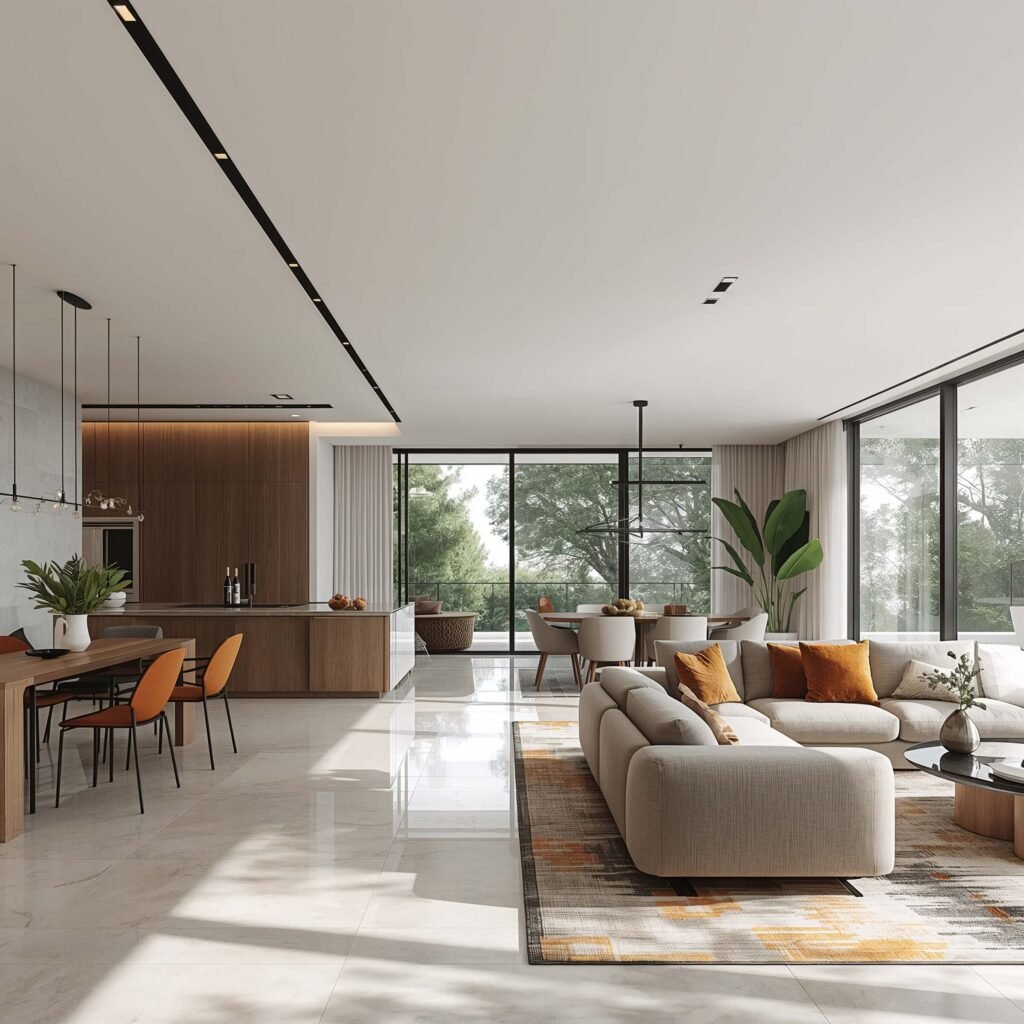
Open-plan living sounds great until you realize your kitchen mess is visible from literally everywhere. But when done right, open-concept spaces create amazing flow and make homes feel twice their actual size.
The biggest challenge? Creating zones without walls. Use furniture placement to define different areas. Float your sofa in the middle of the room to separate living from dining. Add a console table behind it for extra definition and surface space.
Defining Spaces Without Walls
Here’s how to create distinct areas:
• Area rugs to anchor each zone
• Lighting changes to signal different functions
• Ceiling treatments like beams or paint to define spaces
• Open shelving units as room dividers
• Different flooring materials if you’re renovating
Consistency in color palette becomes crucial in open plans. You need visual threads connecting all areas, otherwise it looks like three different rooms crashed into each other. Pick one or two accent colors and repeat them throughout.
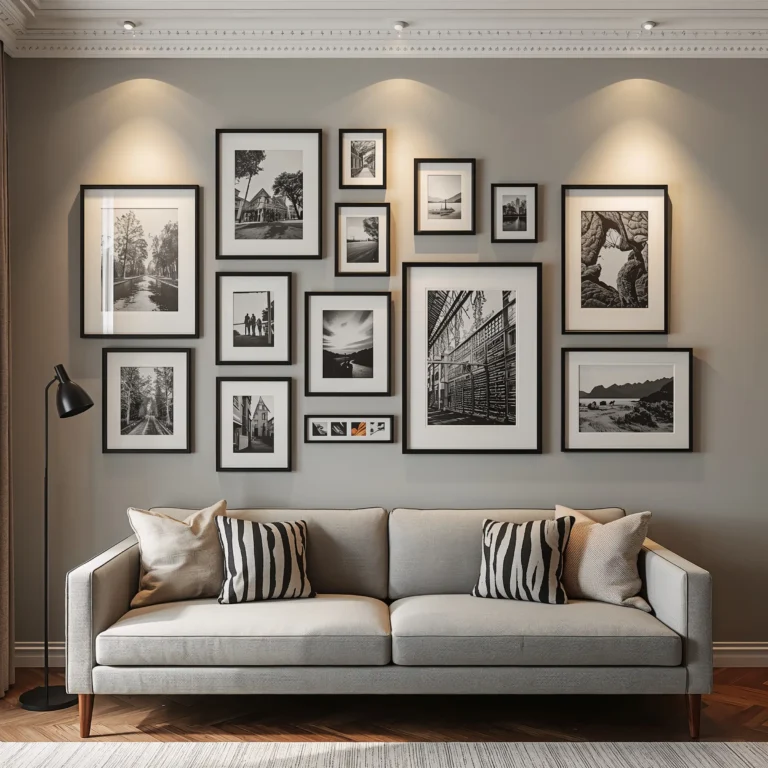
My favorite open-plan trick? Create a focal point in each zone. The living area gets a gallery wall, the dining space gets a statement chandelier, and the kitchen gets bold backsplash. This gives your eye somewhere to land in each area.
Industrial Loft Style Designs
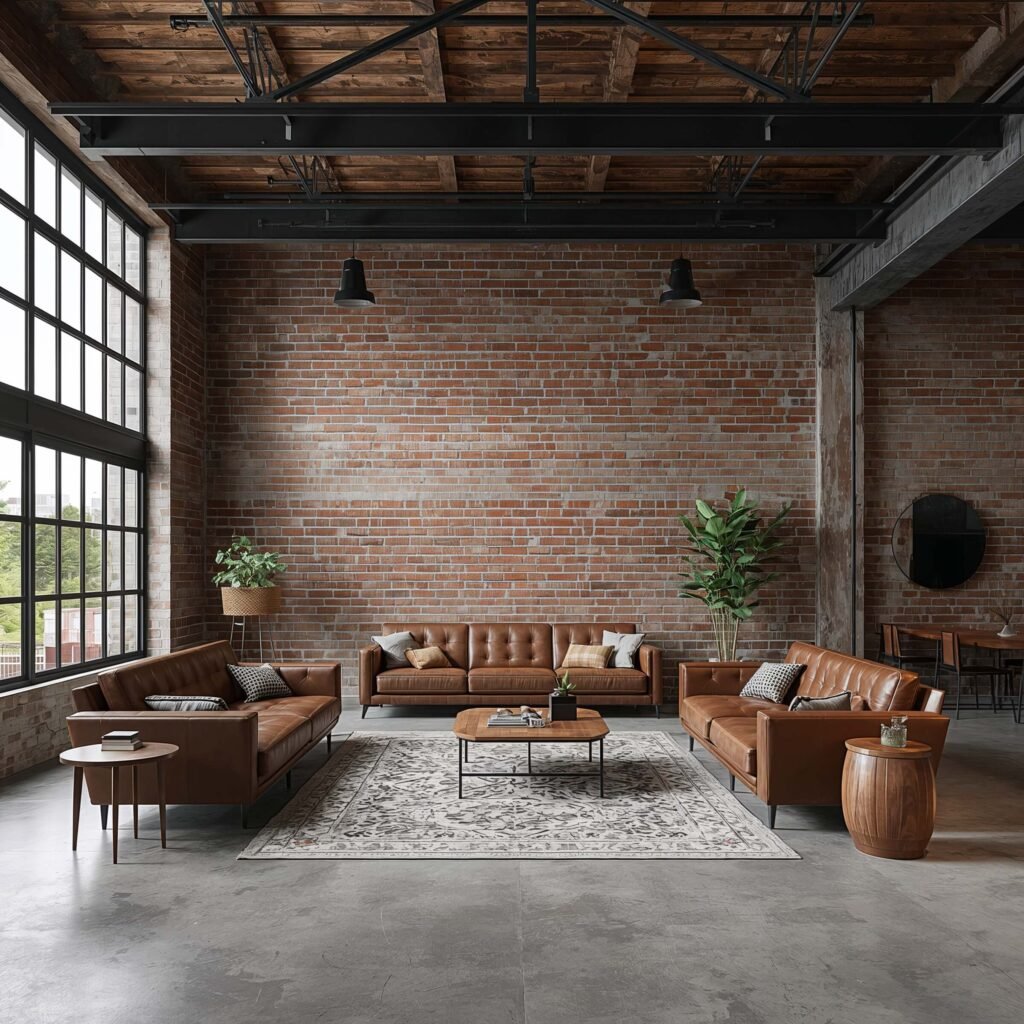
Industrial design started when creative types moved into abandoned warehouses and decided exposed pipes looked cool. Now we’re all trying to recreate that raw, unfinished aesthetic in our regular homes. The irony isn’t lost on me.
The industrial look revolves around honest materials – concrete, metal, glass, and reclaimed wood. Nothing should feel too precious or perfect. In fact, imperfections add character. That scratch in your metal coffee table? That’s not damage, that’s patina.
Industrial Elements That Work
Essential components for nailing the industrial vibe:
• Exposed brick walls (or convincing brick wallpaper)
• Metal and pipe shelving systems
• Edison bulb lighting with visible filaments
• Concrete or dark wood floors
• Leather and metal furniture combinations
Color palette stays pretty restricted here – blacks, grays, browns, and rust tones dominate. Add warmth through rich leather browns and aged wood tones. Without these warmer elements, industrial spaces feel cold and unwelcoming.
Want to soften industrial harshness? Add unexpected soft textures like faux fur throws or velvet pillows. This contrast between hard and soft creates visual interest and makes the space actually liveable. Nobody wants to feel like they’re living in an actual factory.
Also Read: 10 Vibrant Rust Couch Living Room Ideas to Brighten Rooms
Farmhouse Style Cozy Interiors
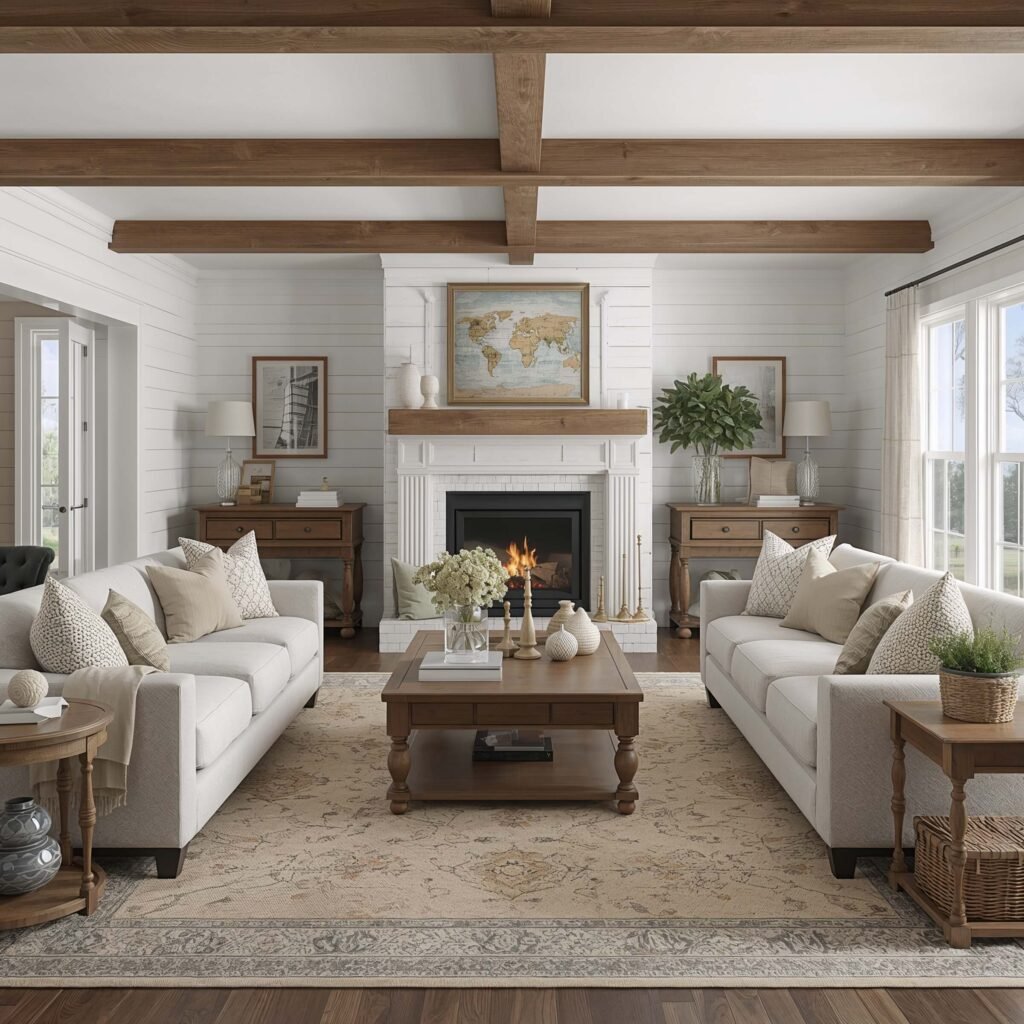
Farmhouse design makes everyone feel like they could bake bread from scratch and raise chickens. Even if you can barely keep a succulent alive (guilty), farmhouse style creates instant homeyness that’s hard to resist.
This isn’t your grandma’s country style though. Modern farmhouse mixes rustic elements with contemporary lines for something fresh. Think shiplap walls with sleek black windows, or antique farm tables paired with modern chairs.
Modern Farmhouse Must-Haves
Key elements for authentic farmhouse feel:
• Shiplap or board-and-batten walls
• Apron-front farmhouse sinks
• Barn doors (sliding or traditional style)
• Mixed metals – black iron with copper or brass
• Natural wood elements in various finishes
• Vintage or vintage-inspired accessories
The color story stays pretty neutral – whites, creams, soft grays, and natural wood tones. Add interest through texture rather than bold colors. Layer different whites and creams for depth that photographs beautifully but doesn’t scream for attention.
Open shelving in the kitchen basically defines farmhouse style. Display your pretty dishes and hide the ugly stuff in closed cabinets. This creates that lived-in, functional beauty that farmhouse design celebrates. Plus, you’ll actually use your nice dishes when they’re easily accessible.
Pulling It All Together
After exploring these ten wildly different design styles, you might wonder which one’s right for you. Here’s the thing – you don’t have to pick just one. The best interiors often blend elements from multiple styles to create something uniquely yours.
Start with the style that makes your heart happy, then steal elements from others that solve specific problems. Love minimalism but need boho’s warmth? Add textured throws and plants to your clean-lined space. Obsessed with industrial vibes but crave farmhouse comfort? Mix metal fixtures with cozy textiles.
The most important rule? Your home should work for your actual life, not some Instagram fantasy. Pick design ideas that match how you really live. No point in having an all-white minimalist space if you have three kids and two dogs, right?
Remember, great design happens gradually. You don’t need to transform everything overnight. Start with one room, or even one corner, and build from there. Every small improvement counts toward creating a home you genuinely love living in.
Whether you’re drawn to Scandinavian simplicity or maximalist boho chaos, the goal remains the same – creating a space that feels authentically, unapologetically you. Now stop reading and start decorating. Your dream space won’t design itself! :/