10 Brilliant Stairs Design Interior Ideas for Modern Homes

stairs can completely transform your home from “meh” to “wow” faster than you can say “interior design.” I’ve spent the last decade obsessing over home design, and I can tell you that nothing makes guests stop and stare quite like a killer staircase.
You know what’s funny? Most people spend thousands on their living room furniture but totally ignore the staircase that literally connects their entire home.
Makes zero sense, right? Your stairs take up serious real estate in your house, and they’re basically a vertical sculpture that everyone sees the moment they walk in.
So I’ve rounded up ten staircase designs that’ll make you rethink everything you thought you knew about stairs. Trust me, after seeing these ideas, you’ll never look at your boring old staircase the same way again.
Floating Glass Staircase with LED Lighting
The Ultimate Showstopper
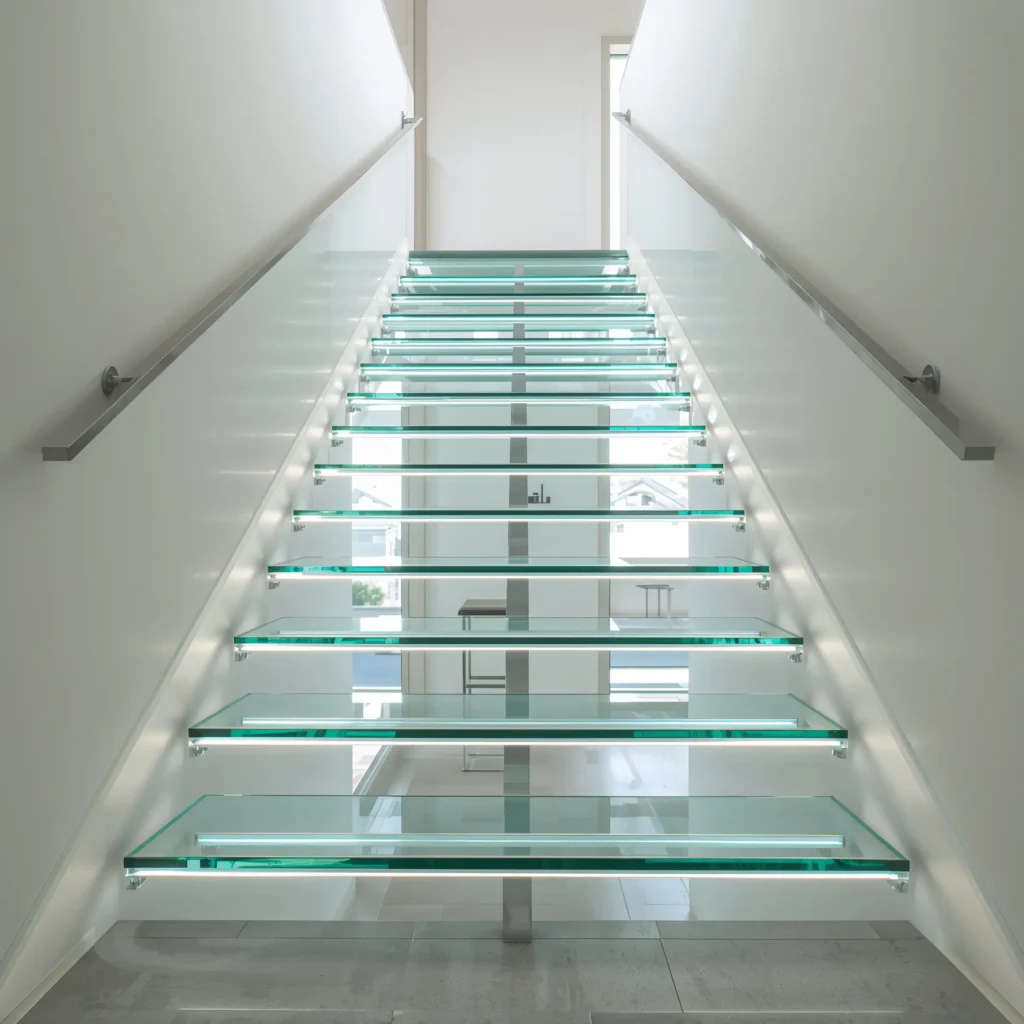
Picture this: you walk into someone’s home, and BAM – there’s this ethereal staircase that seems to float in mid-air, glowing like something out of a sci-fi movie. That’s exactly what floating glass stairs with LED lighting bring to the table. I installed one of these beauties in my friend’s penthouse last year, and honestly, people still won’t shut up about it.
The magic happens when you combine tempered glass treads with hidden steel supports and strategically placed LED strips. The glass creates this incredible sense of openness that makes even small spaces feel massive. And the LED lighting? That’s where things get really fun.
You can install LEDs underneath each tread, along the handrails, or even within the glass itself if you’re feeling fancy. The best part is you can change the colors depending on your mood – warm white for cozy evenings, cool blue when you’re hosting that modern art gallery vibe party (we all have those, right?).
Technical Considerations
Here’s what you need to know before jumping on the floating glass train:
• Load capacity: Each glass tread typically supports 400-500 pounds
• Glass thickness: Usually 1.5 to 2 inches of laminated safety glass
• LED options: RGB strips, warm/cool white, or smart home-integrated systems
• Budget: Expect to drop $15,000-30,000 for a full installation
• Maintenance: Fingerprints show easily (keep that Windex handy!)
The installation process requires serious structural planning. You’ll need steel brackets anchored directly into load-bearing walls, and please, for the love of all that’s holy, hire a professional for this one. DIY is great for painting, not for suspended glass structures.
Minimalist Wooden Stairs with Hidden Storage
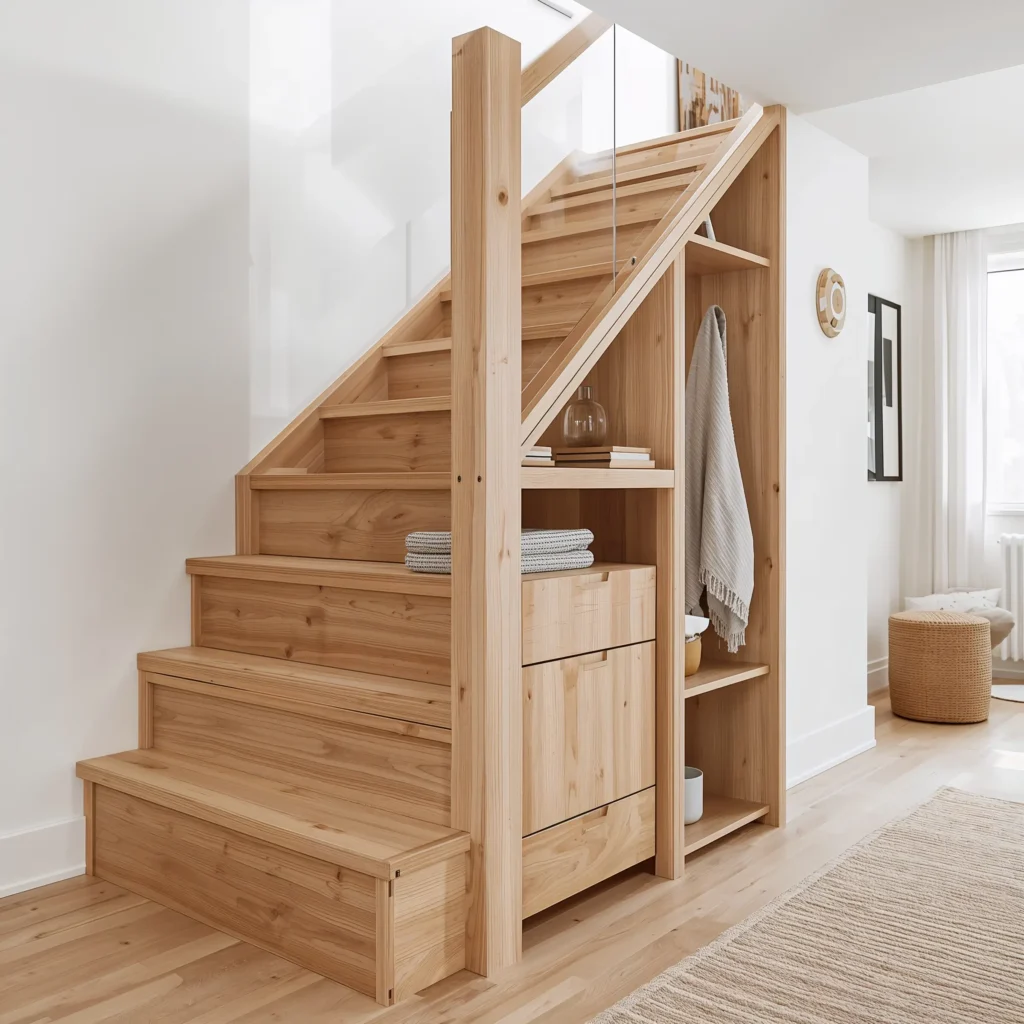
Smart Design Meets Functionality
Who says stairs can only do one job? Minimalist wooden stairs with hidden storage are basically the Swiss Army knife of interior design. I discovered this concept when I moved into my 900-square-foot apartment and realized I had exactly zero storage space. These stairs literally saved my sanity.
The beauty lies in the simplicity. Clean lines, natural wood grain, and not a single wasted inch of space. Each step doubles as a drawer or cabinet, turning that dead space underneath into valuable real estate for everything from shoes to seasonal decorations.
I’ve seen people store wine collections, book libraries, and even create mini pantries under their stairs. One client turned each drawer into a designated storage spot for different family members – genius move that ended the eternal “where’s my stuff?” battles.
Design Elements That Work
The key to nailing this look involves several crucial elements:
• Wood choice: Oak, walnut, or bamboo for durability and aesthetics
• Hardware: Soft-close mechanisms prevent slamming (your upstairs neighbors will thank you)
• Finish: Matte or semi-gloss polyurethane for protection without the plastic look
• Depth: Drawers should be at least 18 inches deep for practical storage
Want to know the best part? This design actually makes your stairs safer. The closed risers mean no accidentally dropping things through gaps, and the solid construction feels way more stable than open designs.
Open-Riser Stairs with Indoor Plants
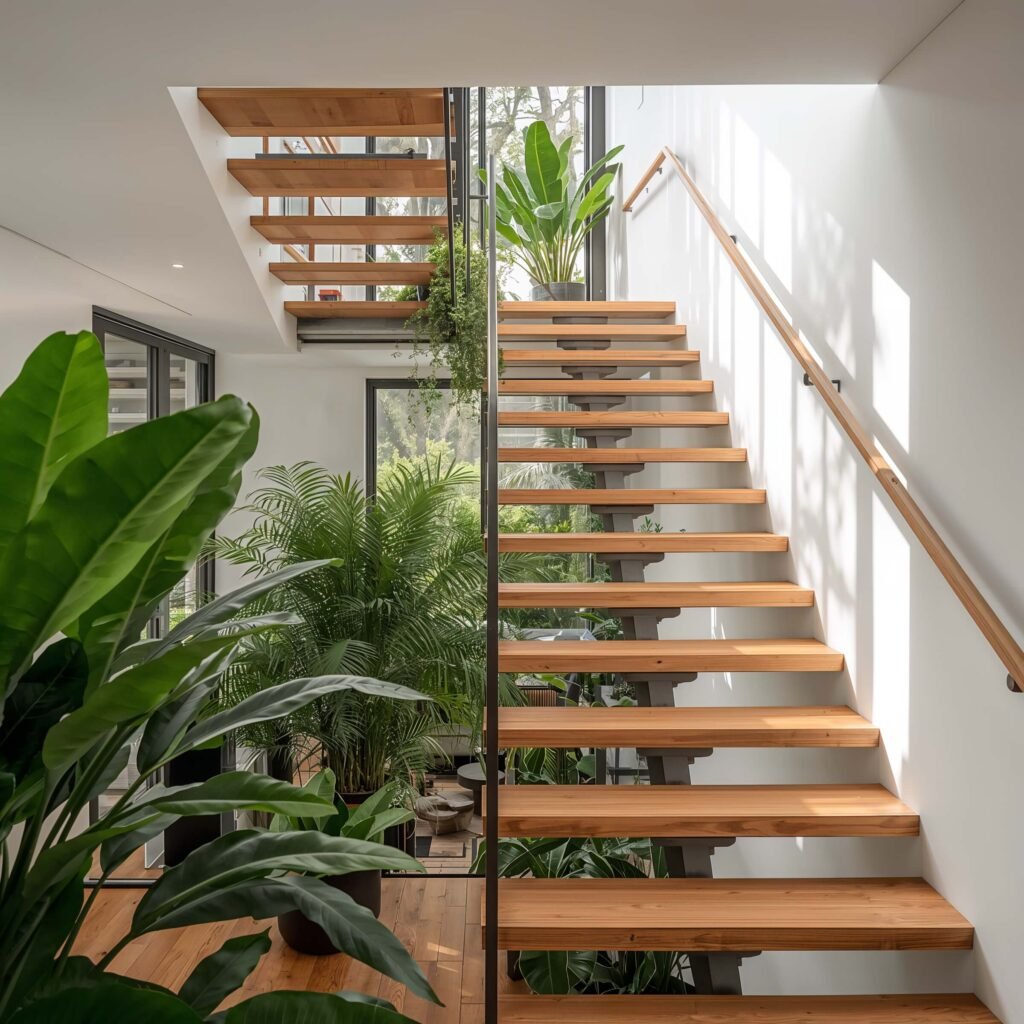
Bringing Nature Inside (Literally)
Ever walked into a space and felt instantly calm? That’s what open-riser stairs with integrated planters do for a home. They create this incredible biophilic design that makes you feel like you’re climbing through a vertical garden.
I tried this in my own home last spring, and let me tell you – it completely changed the energy of the space. The open risers let light filter through, creating beautiful shadows and making the whole area feel larger and airier.
Plant Selection and Placement
Choosing the right plants makes or breaks this design:
• Trailing plants: Pothos, philodendrons, or string of pearls cascade beautifully
• Structural plants: Snake plants or ZZ plants add vertical interest
• Light requirements: Consider north-facing vs. south-facing exposure
• Maintenance access: Make sure you can actually water these babies
FYI, skip the high-maintenance plants unless you’re really committed to the plant parent life. Nobody wants to see dead ferns ruining their aesthetic 🙂
The installation requires built-in planters or strategically placed shelving between risers. Some people go all out with integrated irrigation systems, but honestly, a simple watering can works just fine if you’re not trying to break the bank.
Also Read: 12 Stylish TV Unit Interior Design Ideas to Maximize Space
Spiral Metal Staircase for Small Spaces
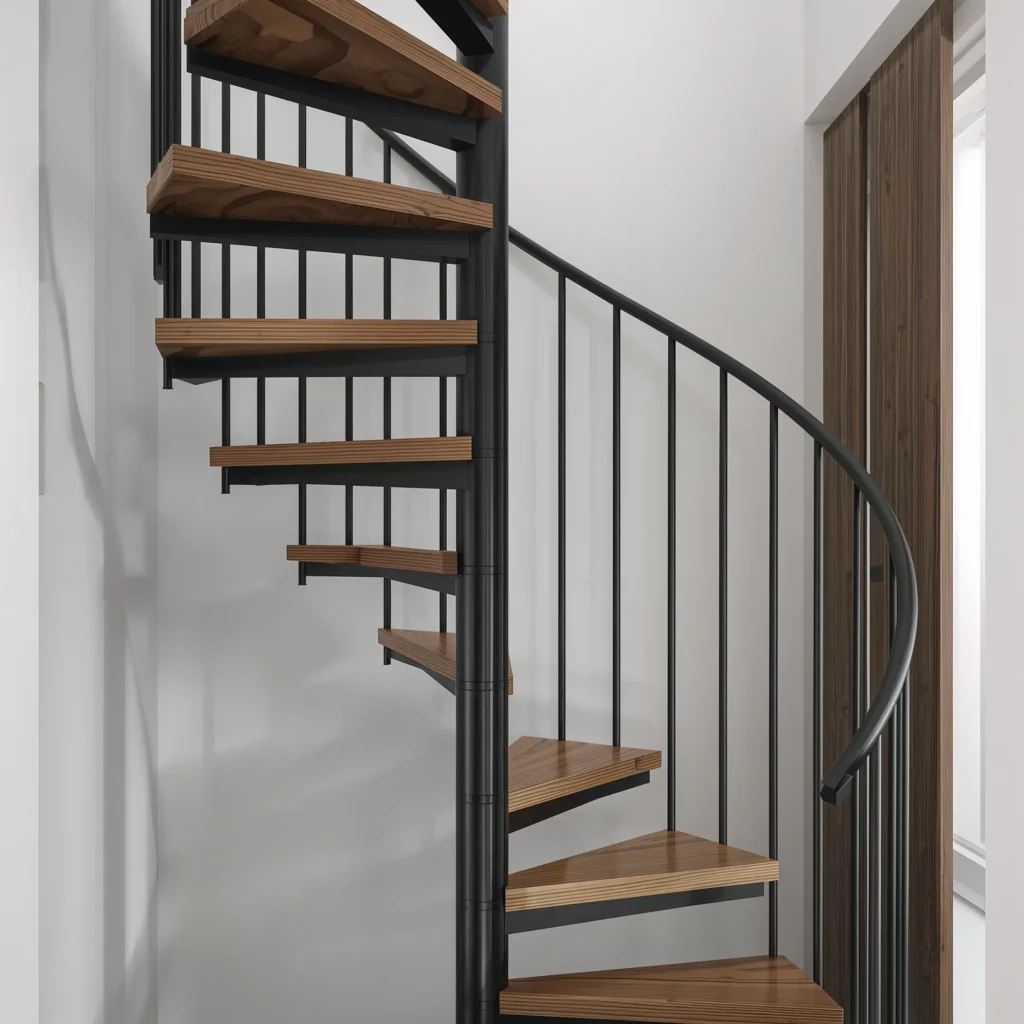
The Space-Saving Marvel
Got a tiny house or loft? Spiral metal staircases are your new best friend. These architectural wonders take up about half the floor space of traditional stairs while adding serious industrial chic to your home.
I installed one in my brother’s 400-square-foot studio, and it literally gave him an extra 30 square feet of living space. That might not sound like much, but when your entire home fits in a suburban garage, every inch counts.
The metal construction means you can go super slim with the structure while maintaining strength. Plus, metal works with literally any design style – paint it black for industrial vibes, white for Scandinavian minimalism, or leave it raw for that authentic workshop feel.
Important Measurements and Specs
Before you spiral out of control (see what I did there?), consider these factors:
• Diameter: Minimum 4.5 feet for comfortable use, 5 feet ideal
• Rise per step: 7-9.5 inches for building code compliance
• Tread depth: At least 7.5 inches at 12 inches from the narrow end
• Headroom: Minimum 6’6″ clearance required
• Weight capacity: Most support 300-400 pounds per step
One word of warning though – carrying furniture up spiral stairs is basically an Olympic sport. Keep that in mind before you commit, especially if you’re the type who rearranges furniture every other month.
Rustic Industrial Stairs with Steel Frames
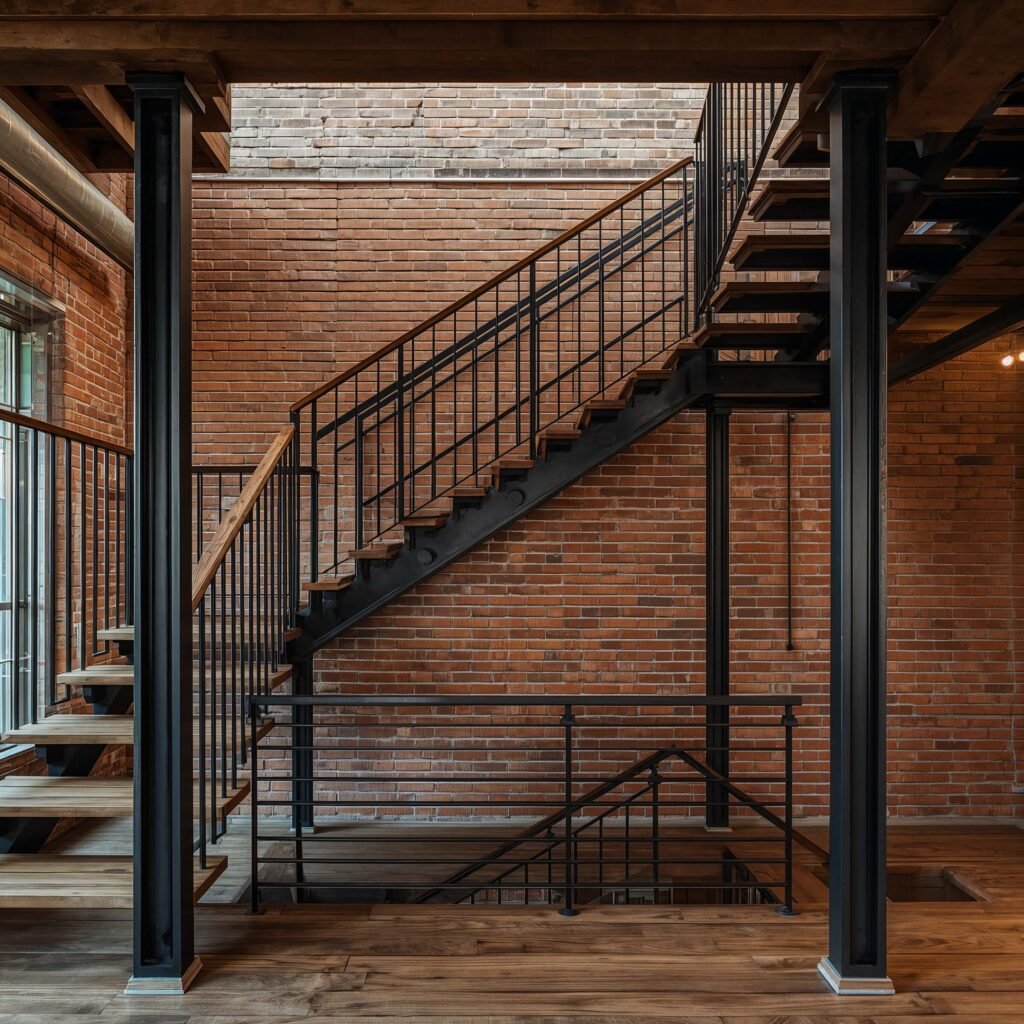
Where Tough Meets Beautiful
Rustic industrial stairs combine the warmth of reclaimed wood with the strength of steel frames, creating this perfect contradiction that somehow just works. Think exposed bolts, visible welds, and wood that tells a story with every scratch and stain.
I fell in love with this style after visiting a converted warehouse in Brooklyn. The stairs looked like they could survive an apocalypse while still being absolutely gorgeous. That’s the magic of industrial design – it celebrates imperfection and functionality equally.
The steel frames provide incredible structural integrity while keeping the visual weight minimal. You see right through them, which maintains that open, loft-like feel even in traditional homes.
Materials and Finishes
Getting the rustic industrial look right requires specific choices:
• Wood options: Reclaimed barn wood, rough-sawn lumber, or distressed new wood
• Steel finishes: Raw steel with clear coat, powder-coated black, or rusted patina
• Hardware: Exposed bolts, rivets, or industrial-grade fasteners
• Railings: Cable systems, horizontal bars, or mesh panels
The contrast between materials creates visual interest that never gets old. Every time light hits those stairs differently, you notice new details – the grain in the wood, the subtle texture of the steel, the way shadows play through the structure.
Black and White Modern Stair Design
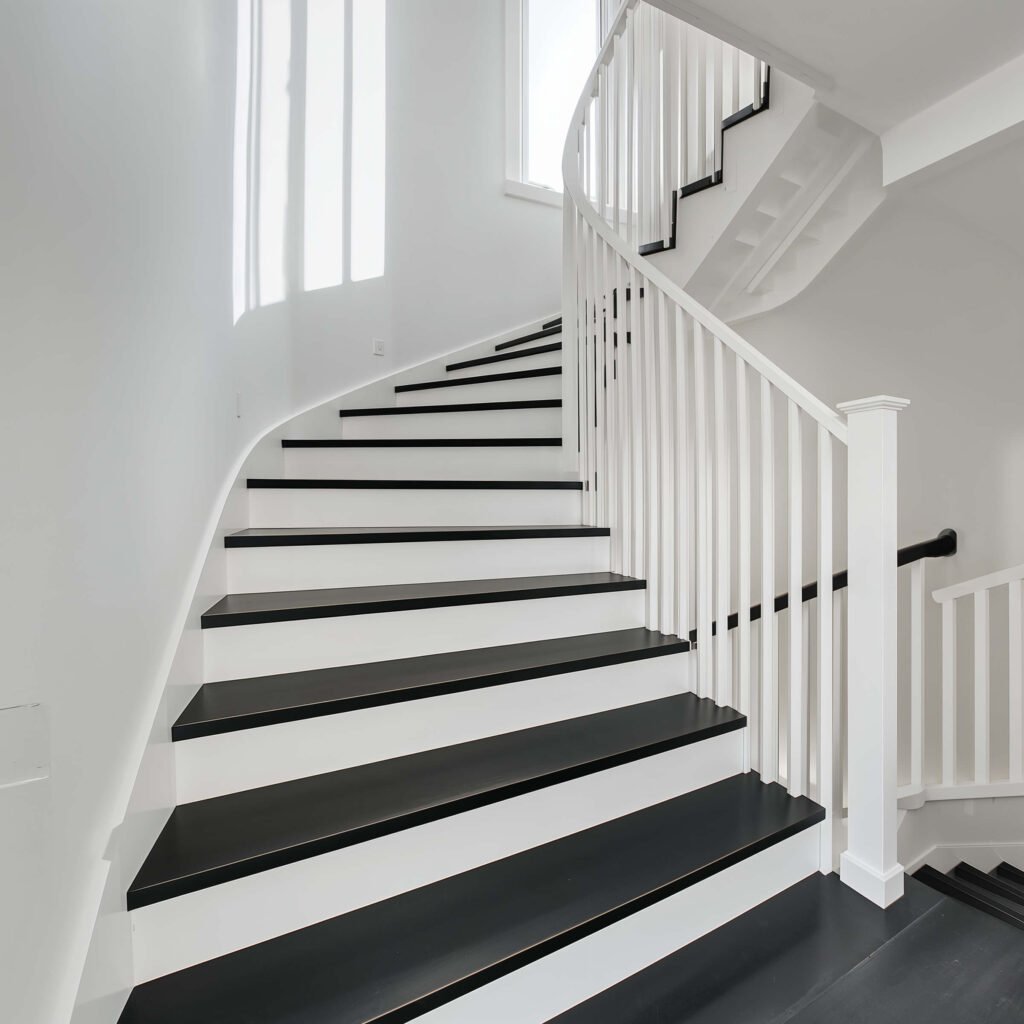
Timeless Contrast That Always Works
Want to know a design secret that literally never fails? Black and white modern stairs work in any home, any style, any decade. They’re like the little black dress of interior design – classic, sophisticated, and always appropriate.
I’ve designed probably a dozen black and white staircases, and each one looks completely different despite using the same color palette. The trick lies in how you play with proportions, materials, and patterns.
You can go full minimalist with solid black treads and white risers, or flip it for a more dramatic look. Add geometric patterns on the risers for visual interest, or keep it clean and let the contrast do all the talking.
Design Variations to Consider
The possibilities within this color scheme are endless:
• Material mix: Black metal with white wood, or vice versa
• Pattern play: Geometric tiles, stripes, or checkerboard designs
• Accent options: Chrome hardware, glass panels, or LED strips
• Finish choices: Matte black vs. glossy white for textural contrast
What really sells this design is the crisp edges and clean lines. Any imperfection shows immediately, so precision during installation is non-negotiable. But when done right? Chef’s kiss.
Also Read: 10 Stunning Interior Design Bedroom Ideas for Cozy Spaces
Compact Staircase with Built-in Drawers
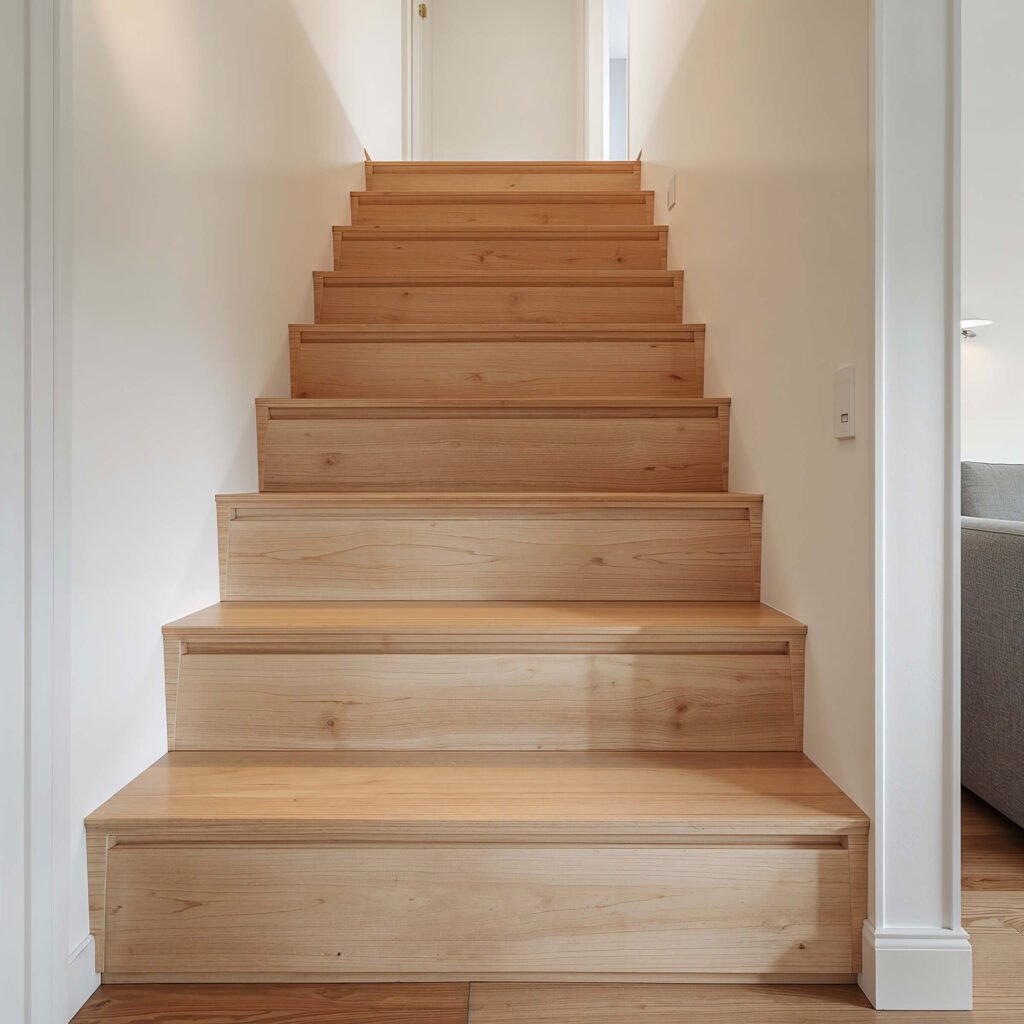
Maximum Storage in Minimum Space
Small space living requires creative solutions, and compact staircases with built-in drawers deliver big time. These aren’t your grandmother’s stairs – they’re engineering marvels that make every cubic inch count.
I recently helped design one for a tiny house, and we managed to fit 16 drawers of varying sizes into a staircase that took up less than 25 square feet. The homeowner now has more storage than some people with full basements.
The key is thinking three-dimensionally. Each tread becomes a drawer front, the sides become shelving, and even the space under the landing transforms into a closet or cabinet.
Organizational Strategies
Here’s how to maximize your drawer staircase:
• Size variation: Shallow drawers up top for daily items, deep ones below for bulky stuff
• Categorization: Assign each drawer a purpose (shoes, cleaning supplies, linens)
• Accessibility: Most-used items in middle steps, seasonal storage at extremes
• Labels: Hidden labels inside drawer fronts keep things organized
The engineering requires careful weight distribution and heavy-duty drawer slides. Don’t cheap out on hardware – you’re essentially building furniture that people walk on.
Curved Staircase with Glass Railings
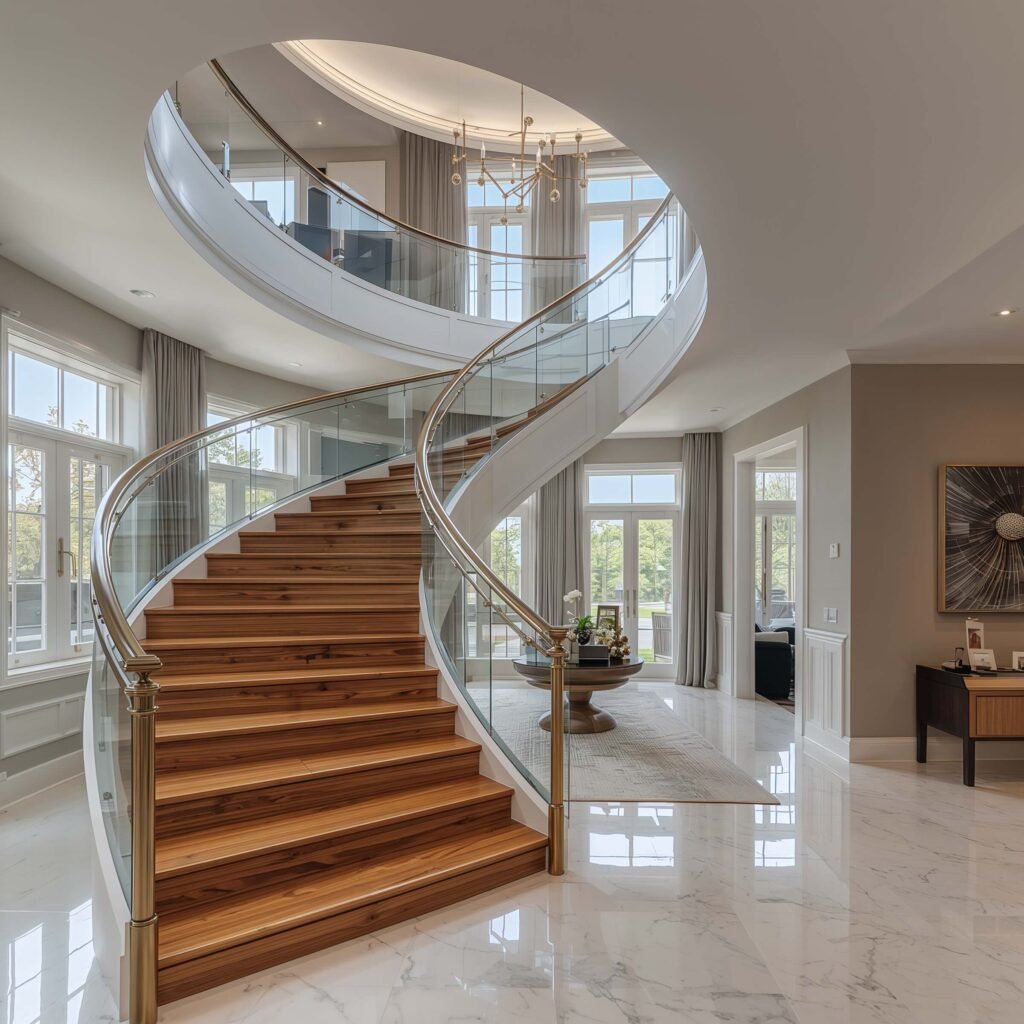
Elegance in Motion
Nothing says luxury quite like a sweeping curved staircase with glass railings. These architectural sculptures transform your home into something that belongs in a magazine spread. They’re not just stairs; they’re a statement.
The curve creates this incredible flow that draws your eye upward, while the glass railings maintain visual openness. Light bounces around the space differently, creating an almost ethereal quality that changes throughout the day.
I’ll be honest – these aren’t cheap or easy to install. But man, when done right, they become the absolute centerpiece of your home. Every single person who enters will comment on them. Every. Single. One.
Technical Challenges and Solutions
Curved stairs require serious planning:
• Structural support: Steel or laminated wood stringers custom-bent to shape
• Glass specifications: Tempered, laminated safety glass minimum 3/8″ thick
• Code compliance: Handrail height, baluster spacing, and tread dimensions
• Budget reality: $30,000-60,000 for a quality installation
The curve radius affects everything from comfort to code compliance. Too tight, and it feels awkward to climb. Too gentle, and you’re eating up unnecessary floor space.
Floating Wooden Steps with Wall Handrail
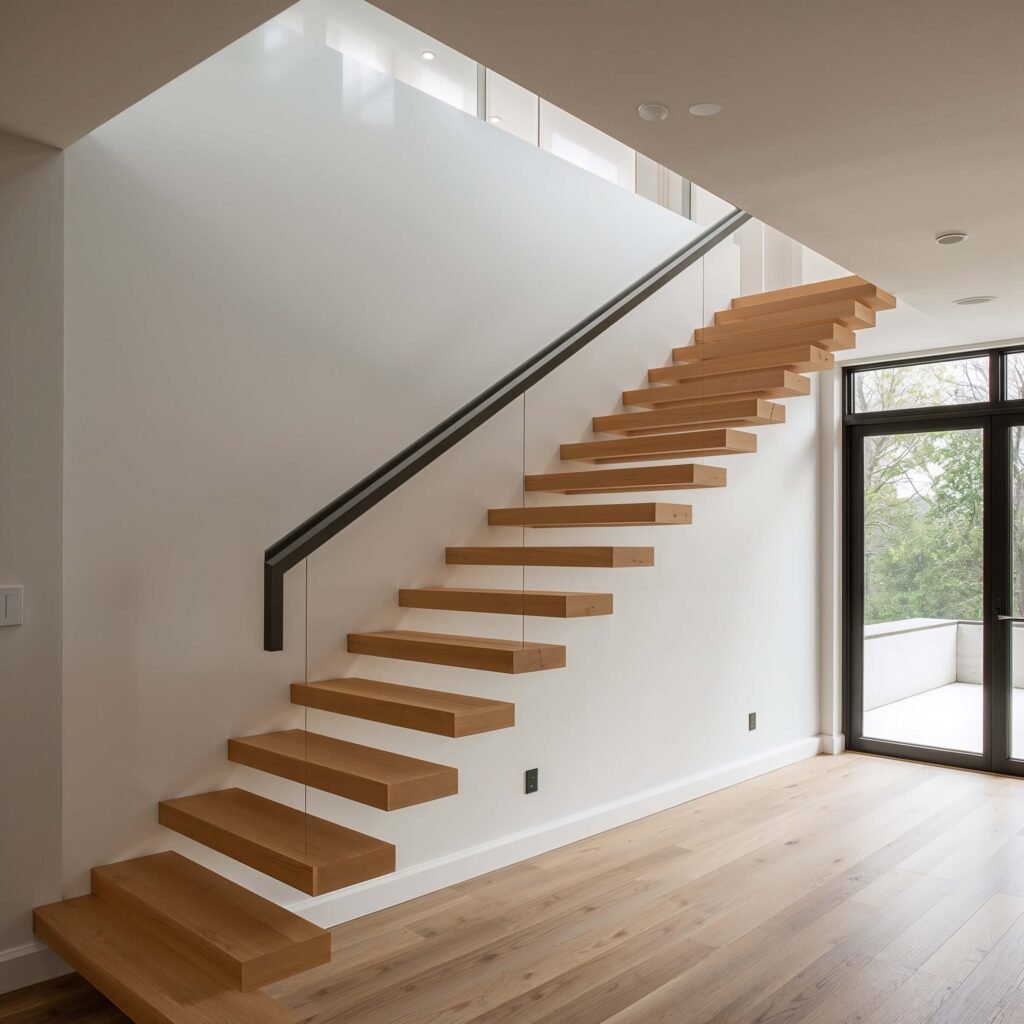
Minimalism at Its Finest
Floating wooden steps create this incredible illusion of defying gravity. Each tread cantilevers from the wall with no visible support underneath, making the stairs look impossibly light despite being rock solid.
The wall-mounted handrail continues this minimalist aesthetic. Instead of traditional balusters cluttering the view, you get a single, clean line that guides you up while maintaining that floating effect.
I installed these in my own home two years ago, and guests still ask if they’re safe to walk on. (Spoiler alert: they’re probably stronger than traditional stairs.)
Installation Requirements
Making wood float requires serious engineering:
• Wall construction: Steel frame or reinforced concrete required
• Mounting system: Hidden steel brackets embedded 6-8 inches into wall
• Wood selection: Hardwoods like oak or maple, minimum 2 inches thick
• Weight limits: Each step typically supports 300-400 pounds
The installation process involves cutting channels into your wall to hide the support brackets. Not exactly a weekend DIY project, but the results are absolutely worth hiring professionals.
Also Read: 12 Elegant Industrial Interior Design Ideas to Transform Rooms
Staircase with Patterned Tiles and Color Pop
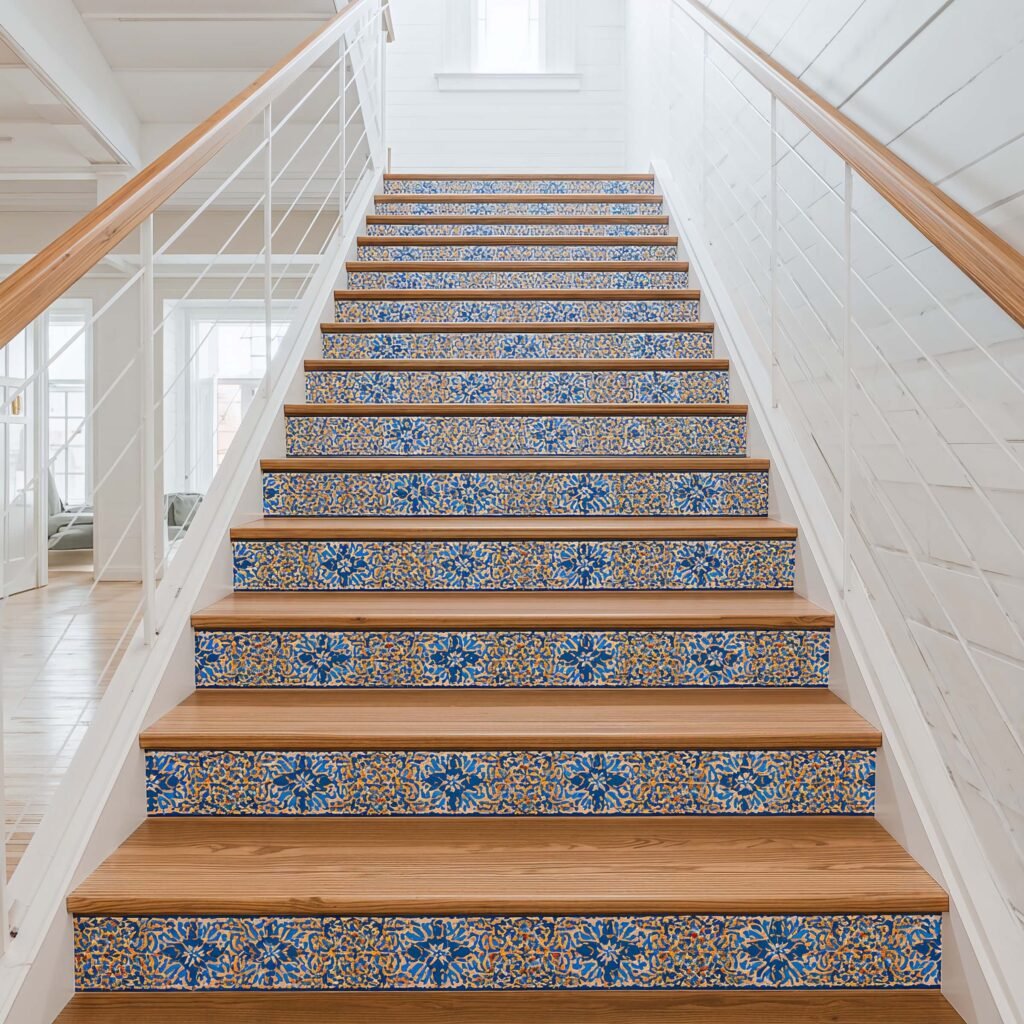
Bold Personality in Every Step
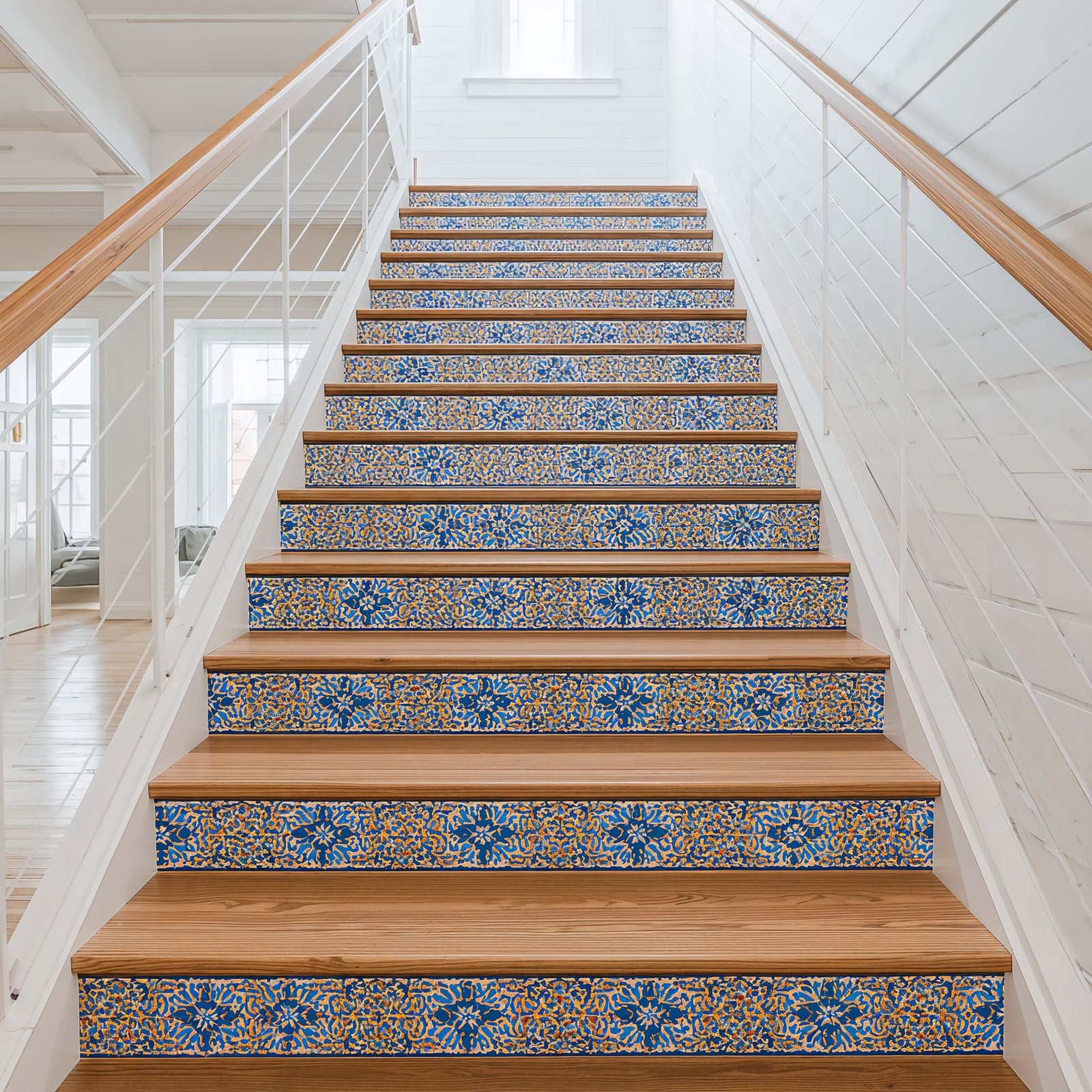
Who says stairs have to be boring? Patterned tile risers with pops of color turn your staircase into functional art. This trend started in Morocco and Spain, but it’s taking over homes everywhere – and for good reason.
Each riser becomes a canvas for pattern and color. You can go full maximalist with different patterns on each step, or choose one stunning design and repeat it for a more cohesive look. Either way, you’re creating something uniquely yours.
IMO, this is the most fun staircase option because you can completely change the look without major construction. Tired of your geometric patterns? Swap them for florals. Over the bright colors? Go monochrome. The possibilities are literally endless.
Design Tips and Tricks
Making patterned stairs work requires some strategy:
• Pattern scale: Larger patterns for wider stairs, smaller for narrow
• Color coordination: Pick 2-3 main colors and stick with them
• Material choices: Ceramic, porcelain, or vinyl tiles all work
• Installation method: Adhesive tiles for renters, permanent for owners
• Maintenance: Sealed grout and regular cleaning keep them looking fresh
The biggest mistake people make is going too crazy with competing patterns. Remember, you’re living with these every day, not just posting them on Instagram once. Choose designs you’ll love long-term.
Wrapping Up Your Stairway to Heaven
So there you have it – ten staircase designs that prove stairs don’t have to be an afterthought. Whether you’re working with a mansion or a micro-apartment, there’s a design here that’ll transform your vertical transportation into vertical temptation.
The best staircase for your home depends on your space, budget, and lifestyle. Love entertaining? Go for the floating glass showstopper. Need storage? Hidden drawers are your answer. Want something that’ll never go out of style? Black and white modern design has your back.
Remember, your staircase is one of the few design elements you interact with multiple times every single day. It deserves more thought than picking it from a builder’s standard options catalog. These ideas prove that stairs can be functional, beautiful, and completely unique to your home.
Take some time to really consider what you want from your stairs. Do they need to save space? Make a statement? Provide storage? Once you know your priorities, choosing the right design becomes much easier. And hey, if you’re still climbing boring old stairs after reading this, at least now you know exactly what you’re missing out on. Time to step up your stair game – pun absolutely intended.