12 Stunning Wardrobe Interior Design Ideas and Space-Saving Hacks

Your wardrobe’s looking a bit… meh, right? Trust me, I get it. I spent years staring at my chaotic closet wondering if there was some secret storage society keeping all the good organizing tips to themselves.
Well, spoiler alert: there isn’t, but I’ve discovered some seriously game-changing wardrobe interior designs that’ll make you actually want to open those doors every morning.
After redesigning three wardrobes in my own home (and helping countless friends with theirs), I’ve learned that the perfect wardrobe setup isn’t just about cramming in more hangers.
It’s about creating a space that works with your lifestyle, looks amazing, and makes getting dressed feel less like a morning battle. So grab your coffee, and let’s chat about these twelve wardrobe ideas that’ll completely revolutionize how you think about storage.
Minimalist Open Wardrobe Layout
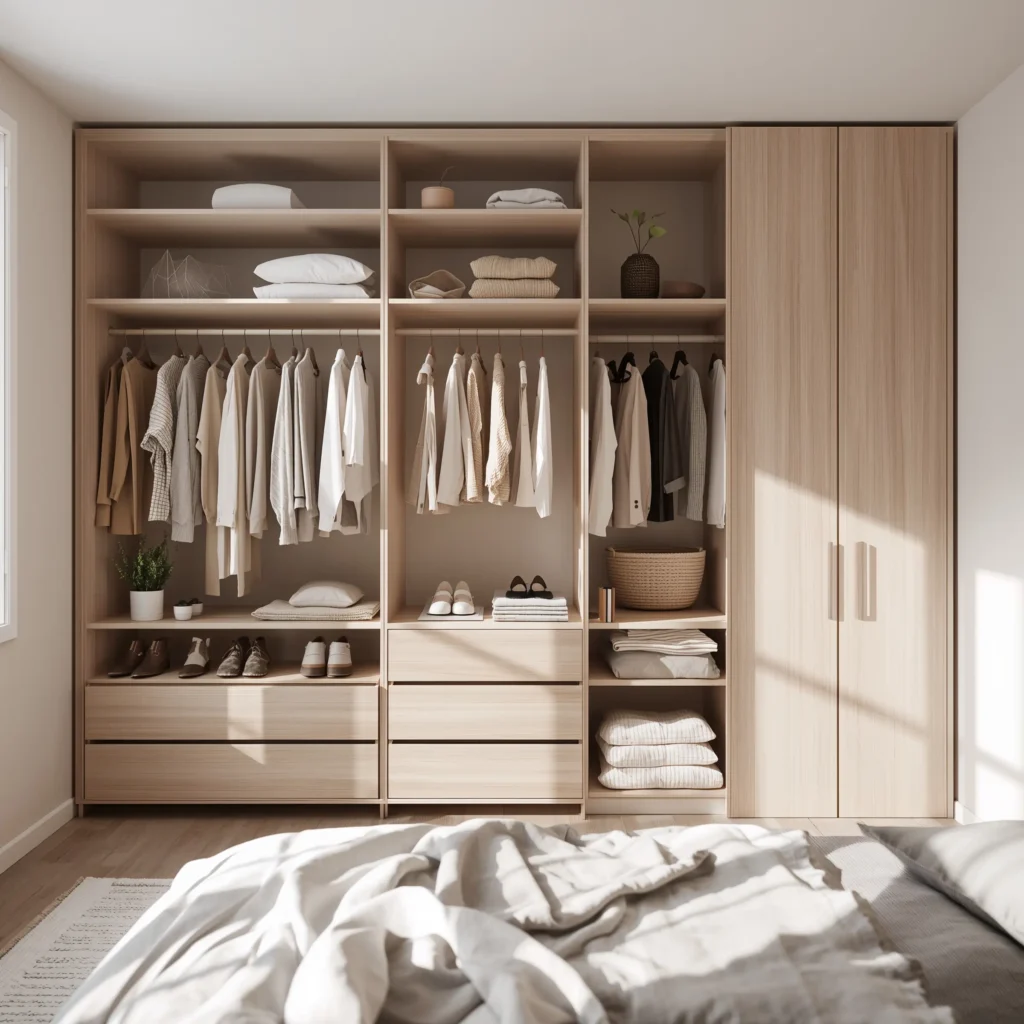
Remember when everyone thought open wardrobes were just for fancy boutiques? Yeah, those days are long gone. The minimalist open wardrobe has become the ultimate flex for organization enthusiasts, and honestly, I’m totally here for it.
The beauty of an open wardrobe layout lies in its brutal honesty. You can’t hide that pile of “I’ll fold these later” clothes when everything’s on display. When I first switched to an open system in my guest room, I thought I’d hate the pressure, but it actually forced me to curate my clothing collection more thoughtfully.
Making It Work in Real Life
Here’s what makes a minimalist open wardrobe actually functional:
- Matching hangers (seriously, this changes everything)
- Strategic use of shelf dividers for folded items
- A designated “staging area” for tomorrow’s outfit
- Limited color palette to maintain visual cohesion
The trick I’ve learned? Keep your most photogenic pieces at eye level. Those ratty college sweatshirts you can’t part with? They go on the top shelf, my friend. And FYI, investing in quality wooden hangers isn’t just bougie – they actually help maintain your clothes’ shape better than those wire nightmares from the dry cleaner.
Want to know the unexpected bonus? Getting ready takes half the time when you can see everything at once. No more excavation missions to find that one specific shirt buried in the back.
Luxury Walk-In Closet Inspiration
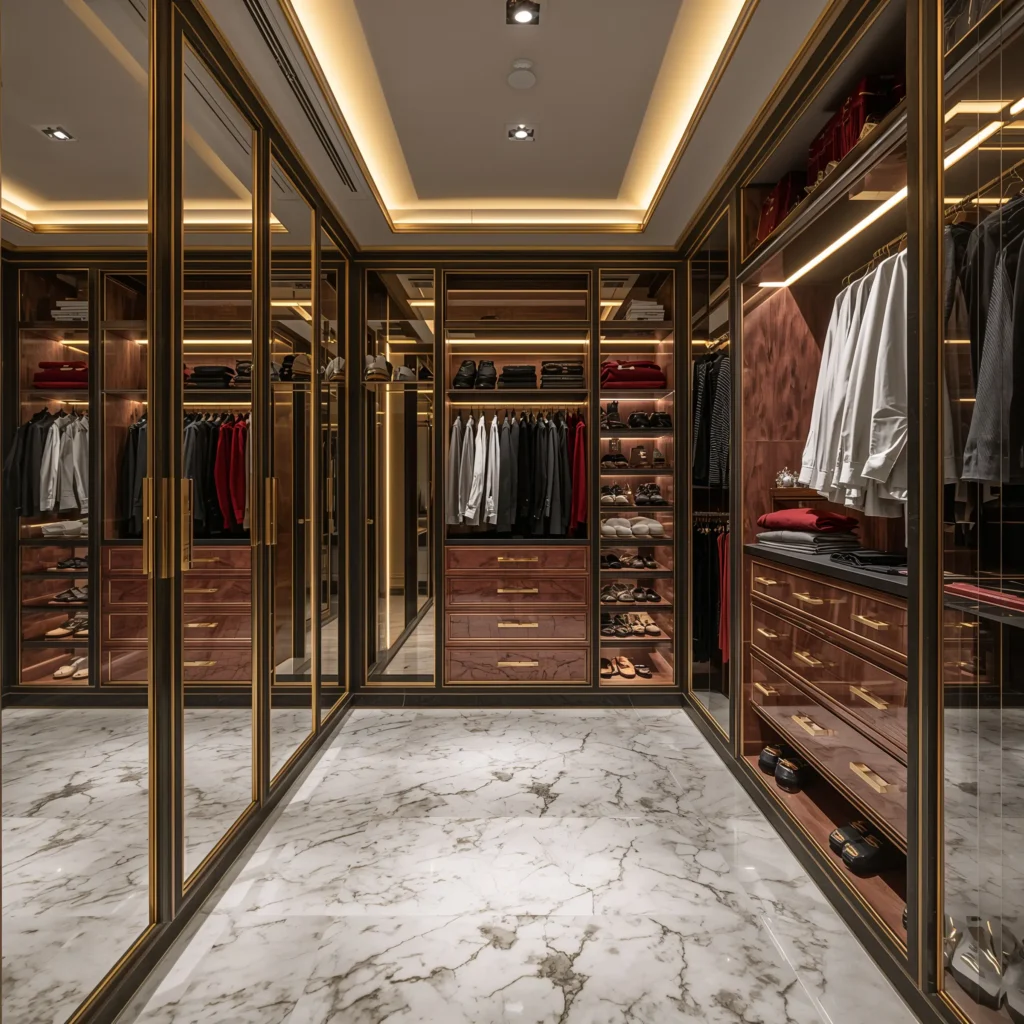
Who hasn’t dreamed of having their own personal boutique at home? A luxury walk-in closet isn’t just storage – it’s basically a shrine to your personal style. And before you roll your eyes thinking this is only for mansion-dwellers, hear me out.
I transformed a spare 8×10 bedroom into a walk-in closet last year, and let me tell you, it’s been life-changing. You don’t need Kardashian-level square footage to create something special. What you need is smart planning and a few luxe touches that make the space feel intentional.
Elements That Scream Luxury
The key components that elevate any walk-in closet:
- A center island with drawer storage (even a small one works wonders)
- Full-length mirrors with proper lighting
- Dedicated shoe display shelving
- Velvet-lined jewelry drawers
- A comfortable ottoman or chair for trying on shoes
My personal game-changer? I installed a chandelier I found at a thrift store for $40. After a good cleaning and some new crystals from the craft store, it looks like something from a five-star hotel. The soft lighting it provides beats harsh overhead lights any day, and it makes even my Target finds look expensive 🙂
Organizational Systems That Actually Work
Here’s where most people mess up – they focus on aesthetics and forget about function. Your luxury closet needs zones: one for everyday wear, another for special occasions, and designated areas for accessories. I organize mine by clothing type first, then by color within each category. Sounds extra? Maybe. But I can put together an outfit in under two minutes now.
Small Space Wardrobe Hacks
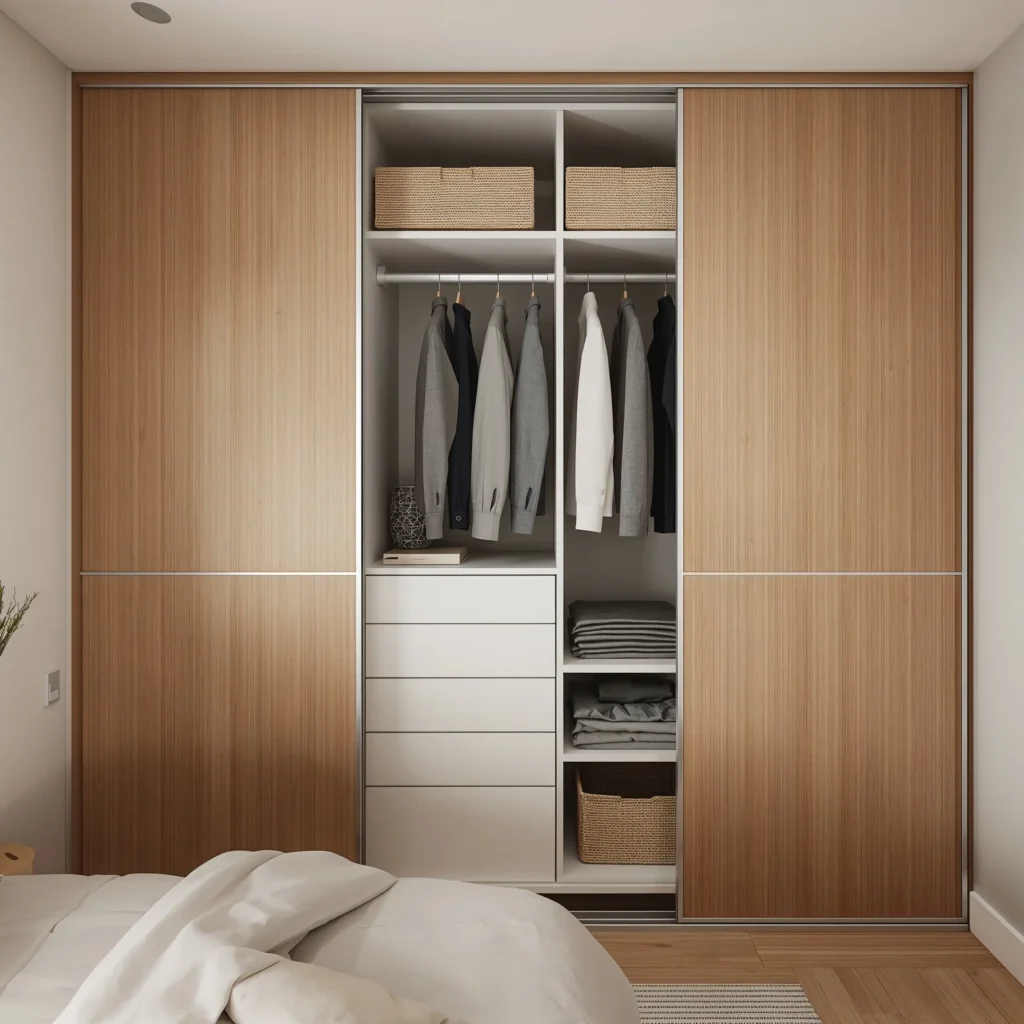
Living in a shoebox apartment doesn’t mean settling for shoebox storage. Some of my cleverest wardrobe solutions came from desperately trying to fit my entire life into a 400-square-foot studio. Necessity really is the mother of invention, especially when you’re tripping over shoes every morning.
The golden rule for small space wardrobes: go vertical or go home. I’m talking floor-to-ceiling solutions that make use of every precious inch. That weird space above your hanging clothes? That’s prime real estate for seasonal storage.
Space-Multiplying Tricks
These hacks have saved my sanity (and my security deposit):
- Double hanging rods for shorter items like shirts and jackets
- Cascading hangers that let you hang multiple items vertically
- Over-the-door organizers for belts, scarves, and ties
- Vacuum storage bags for out-of-season clothing
- Slim velvet hangers that take up 50% less rod space
Want to know my favorite small-space secret? Tension rods. I use them everywhere – creating an extra hanging space in deep shelves, organizing handbags by hanging them from S-hooks, even creating a makeshift shoe rack at the bottom of the wardrobe.
The Illusion Game
Mirrors aren’t just for checking your outfit. Strategic mirror placement can make your wardrobe area feel twice as big. I installed mirror panels on the inside of my wardrobe doors, and suddenly my tiny closet felt like a dressing room. Plus, you can actually see what you’re grabbing without playing the “is this navy or black?” guessing game.
Also Read: 10 Elegant Clinic Interior Design Ideas That Wow Patients
Scandinavian Style Wardrobe Interior
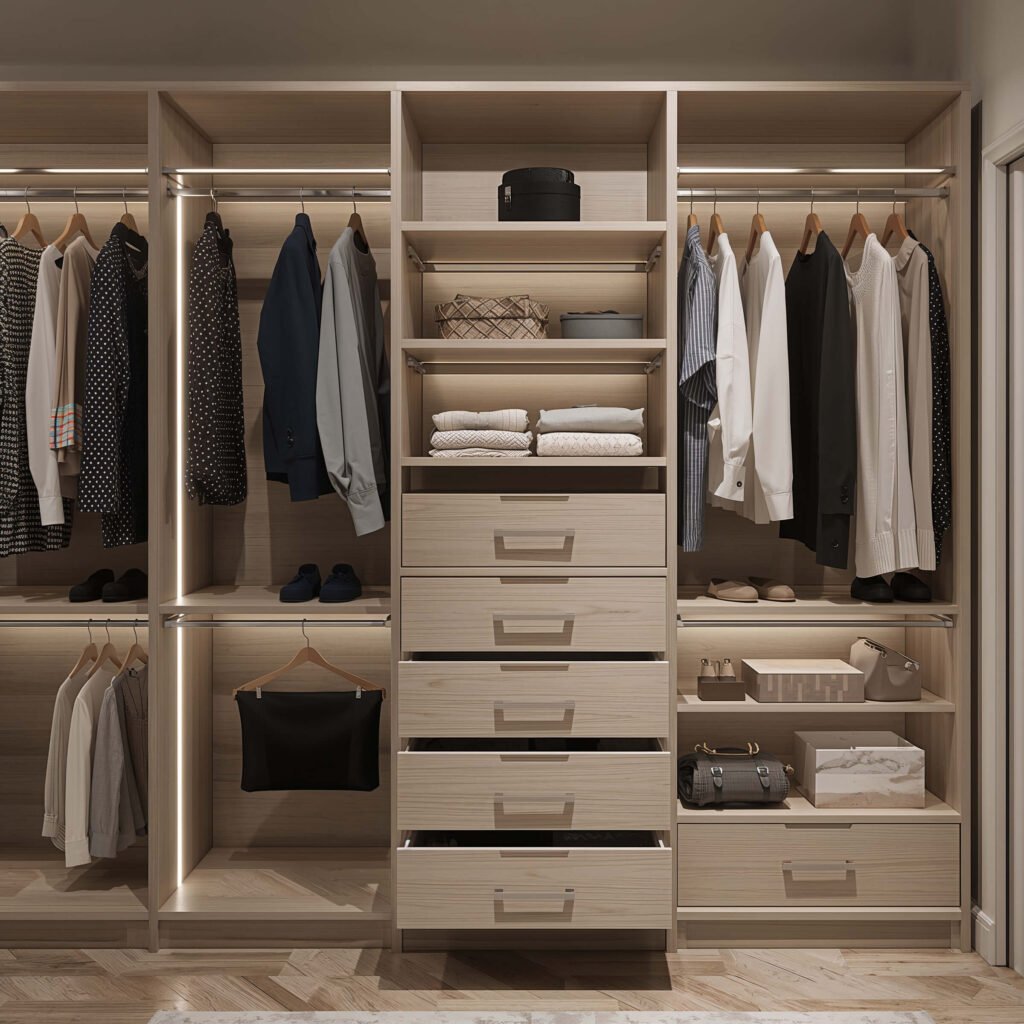
There’s something absolutely calming about Scandinavian design, isn’t there? The whole hygge vibe translates perfectly to wardrobe interiors, creating spaces that feel like a deep breath every time you open them.
I fell in love with Scandi wardrobes after staying at an Airbnb in Copenhagen. The host’s wardrobe was so beautifully simple – light wood, clean lines, and everything had its perfect place. No clutter, no chaos, just pure organizational zen.
Achieving That Nordic Simplicity
The Scandinavian wardrobe formula:
- Light wood finishes (think birch, ash, or white oak)
- Neutral color palette with pops of soft pastels
- Natural materials like linen storage boxes
- Minimal hardware with clean, geometric shapes
- Plenty of breathing room between items
The philosophy here goes beyond just aesthetics. Scandinavian design embraces the idea that you should only keep items that serve a purpose or bring joy. Sound familiar? Marie Kondo basically repackaged Nordic wisdom for the Netflix generation.
Functional Beauty in Practice
What I love most about Scandi wardrobes? They prioritize accessibility over excess. Everything stays visible and within reach. I reorganized my wardrobe following these principles, using white wooden crates for folded items and natural woven baskets for accessories. The result? A wardrobe that feels like a peaceful retreat rather than a stress-inducing mess.
Modular Wardrobe Organization System
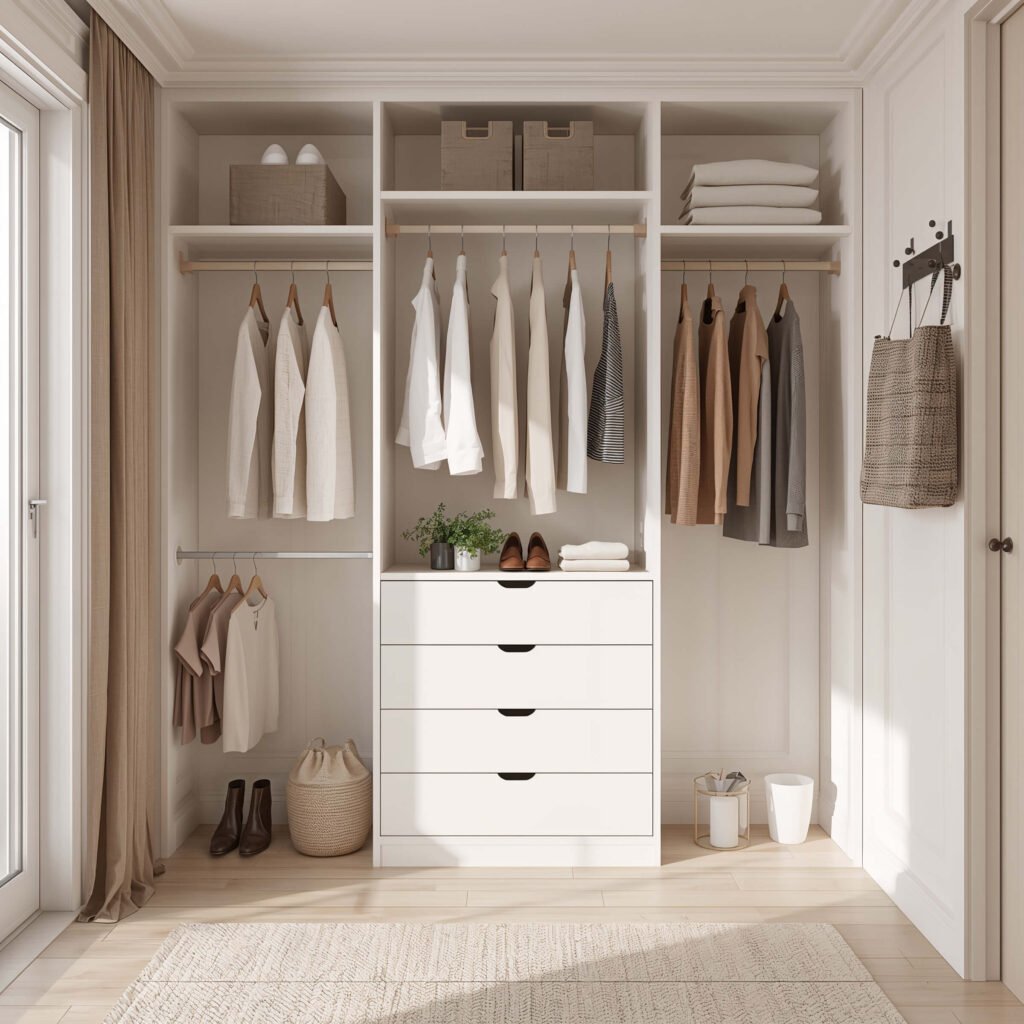
Modular systems are basically LEGO for adults, and I mean that in the best way possible. The beauty of modular wardrobe organization lies in its adaptability – your storage evolves with your needs, not the other way around.
When I moved into my current place, I invested in a modular system instead of traditional built-ins. Best decision ever. My wardrobe has transformed three times in two years as my needs changed, and I haven’t had to buy a single new piece of furniture.
Building Your Perfect Configuration
Essential modular components to consider:
- Adjustable shelving units that move up or down
- Stackable drawer units in various depths
- Hanging rod sections that can be repositioned
- Slide-out baskets for easy access
- Corner units to maximize awkward spaces
The trick with modular systems? Start basic and add components as you figure out what you actually need. I started with just shelves and hanging space, then added drawer units when I realized I was terrible at keeping folded items neat on open shelves.
Flexibility Meets Style
Don’t think modular means boring. You can create seriously stylish configurations by mixing materials and finishes. I combined white frames with bamboo drawer fronts and black metal baskets. The result looks custom-designed but cost a fraction of built-in storage.
Vintage Wardrobe Makeover Ideas
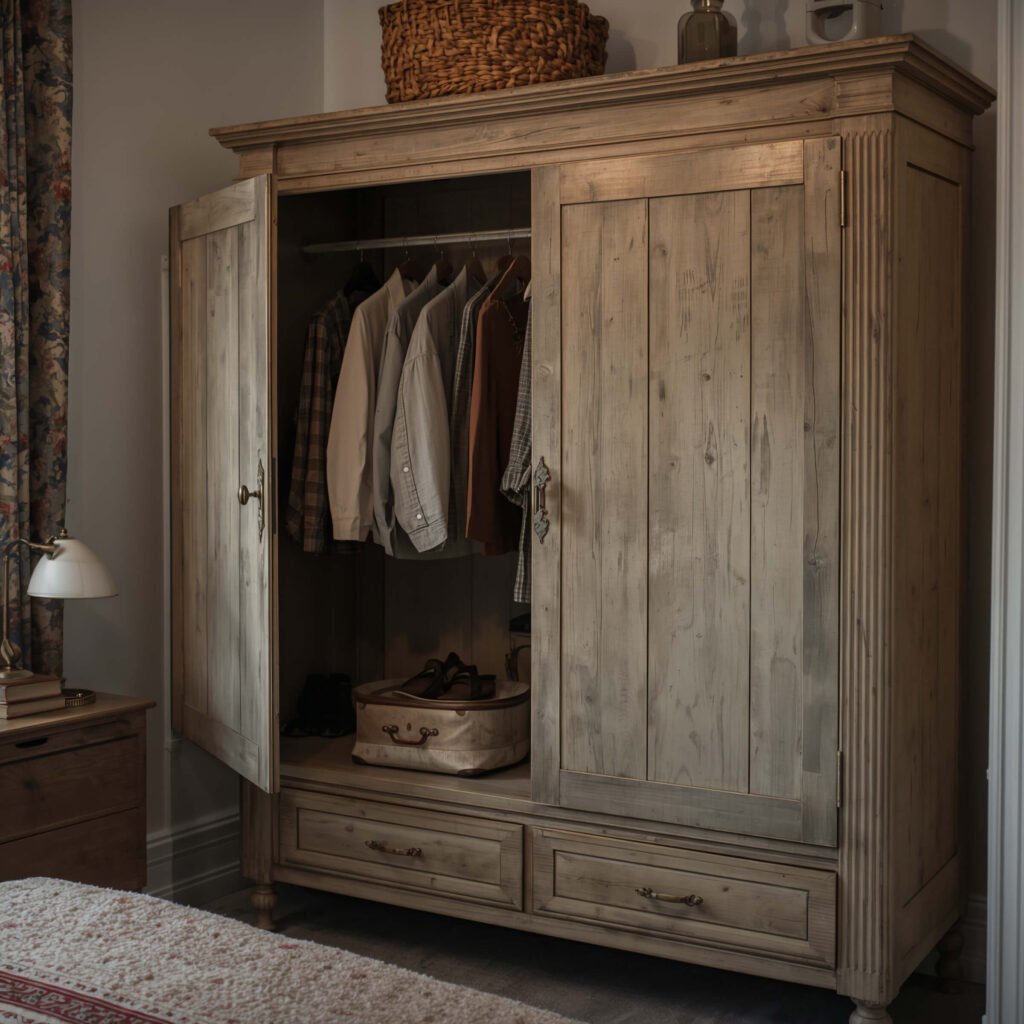
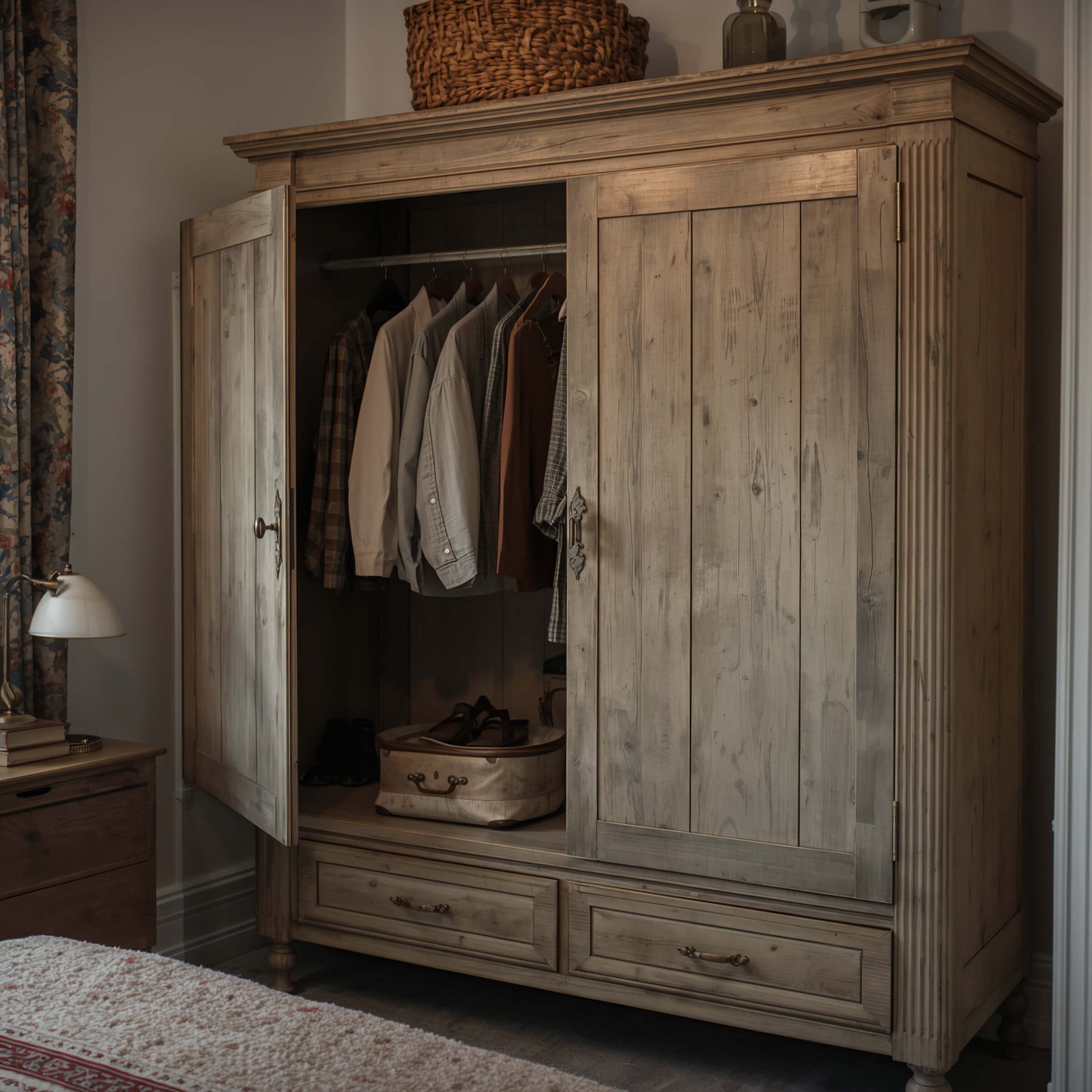
Got an old wardrobe that’s seen better days? Before you haul it to the curb, let’s talk makeovers. Vintage pieces have character that flat-pack furniture could never replicate, and with some creativity, they can become absolute showstoppers.
I rescued a 1940s armoire from an estate sale for $50. Everyone thought I was crazy lugging that beast home, but after some TLC, it’s now the focal point of my bedroom. The satisfaction of bringing old furniture back to life? Priceless.
Restoration vs. Reinvention
When approaching a vintage wardrobe makeover:
- Assess the bones first – is the structure sound?
- Decide whether to restore original features or completely reimagine
- Consider adding modern conveniences like LED strips or soft-close hinges
- Don’t be afraid to mix periods (Victorian wardrobe with mid-century handles? Why not?)
- Embrace imperfections as character
My armoire got a complete interior overhaul. I added a hanging rod where there were only hooks, installed battery-powered LED lights, and lined the drawers with bold wallpaper. The outside? I kept the original patina because those age spots tell a story.
DIY Magic on a Budget
Here’s what transformed my vintage find:
- Chalk paint for an instant update without stripping
- New hardware from anthropologie (splurge) mixed with original pieces
- Removable wallpaper for interior drama
- Small adhesive mirrors on the inside doors
- Cedar sachets for that vintage-but-fresh smell
The whole makeover cost less than $200, and I’ve got something unique that nobody else has. Take that, mass-produced furniture!
Also Read: 12 Chic Kitchen Interior Design Modern Ideas For Every Home
Modern Sliding Door Wardrobe Design
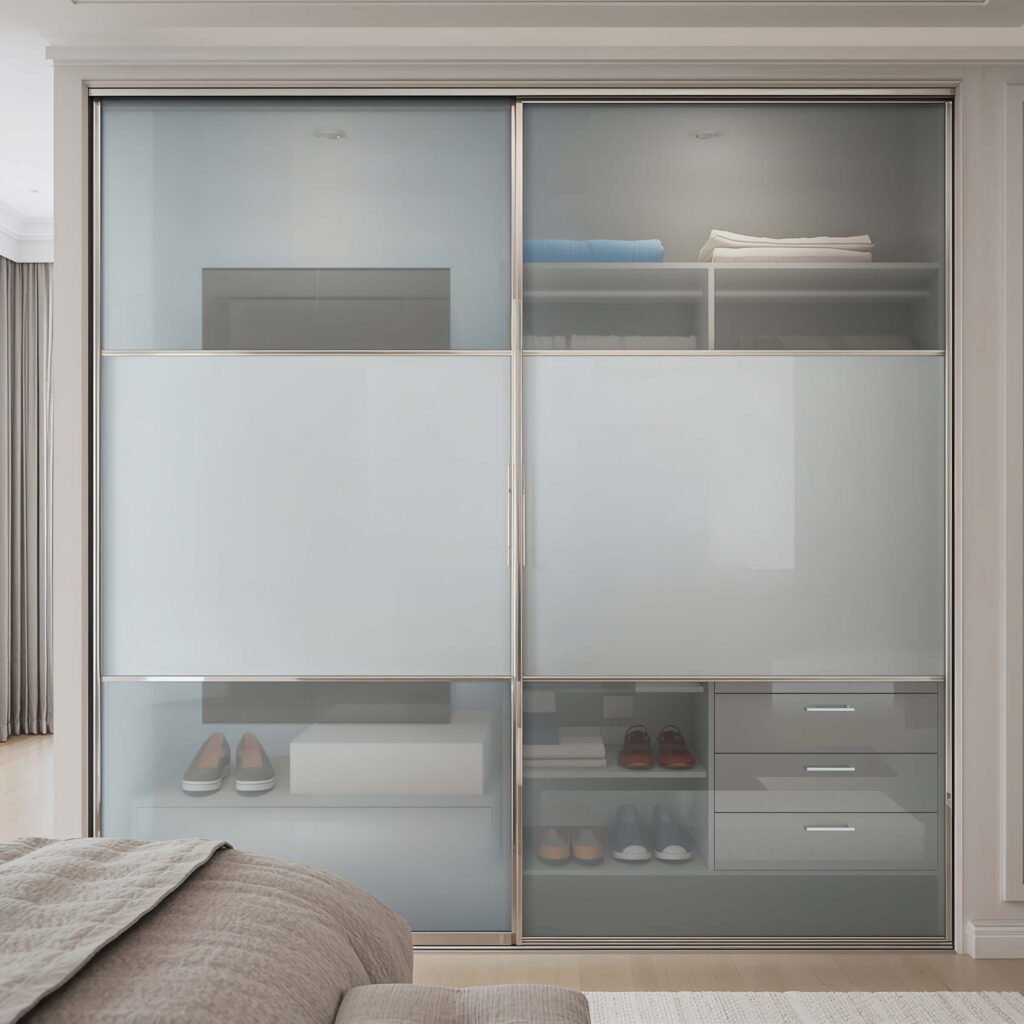
Sliding doors are having a major moment, and honestly, it’s about time. These space-saving heroes eliminate the door-swing dance we’ve all done in tight bedrooms. You know the one – where you have to shimmy sideways just to access your clothes?
I installed sliding mirror doors on my bedroom wardrobe last year, and wow, what a game-changer. Not only did I gain about three feet of usable floor space, but the mirrors make my room look twice as big.
Style Options That Wow
Modern sliding door designs to consider:
- Frosted glass panels for a soft, diffused look
- Mirror doors that double as full-length mirrors
- Wood veneer for warmth and texture
- Mixed materials (wood and glass combo, anyone?)
- Barn door style hardware for an industrial edge
The hardware you choose makes a huge difference. I went with matte black rails and handles, and they add this subtle industrial touch that makes the whole setup look way more expensive than it was.
Installation Insights
Having installed these myself (with lots of YouTube tutorials and mild cursing), here’s what I learned:
- Soft-close mechanisms are worth every penny
- Make sure your floor is level before installation
- Consider bypass doors for wider openings
- Don’t cheap out on the track system
- Leave room for maintenance access
Pro tip? If you’re renting, you can create a sliding door effect with ceiling-mounted curtains on a track system. Same space-saving benefit, zero damage to walls.
Color-Coded Wardrobe Arrangement
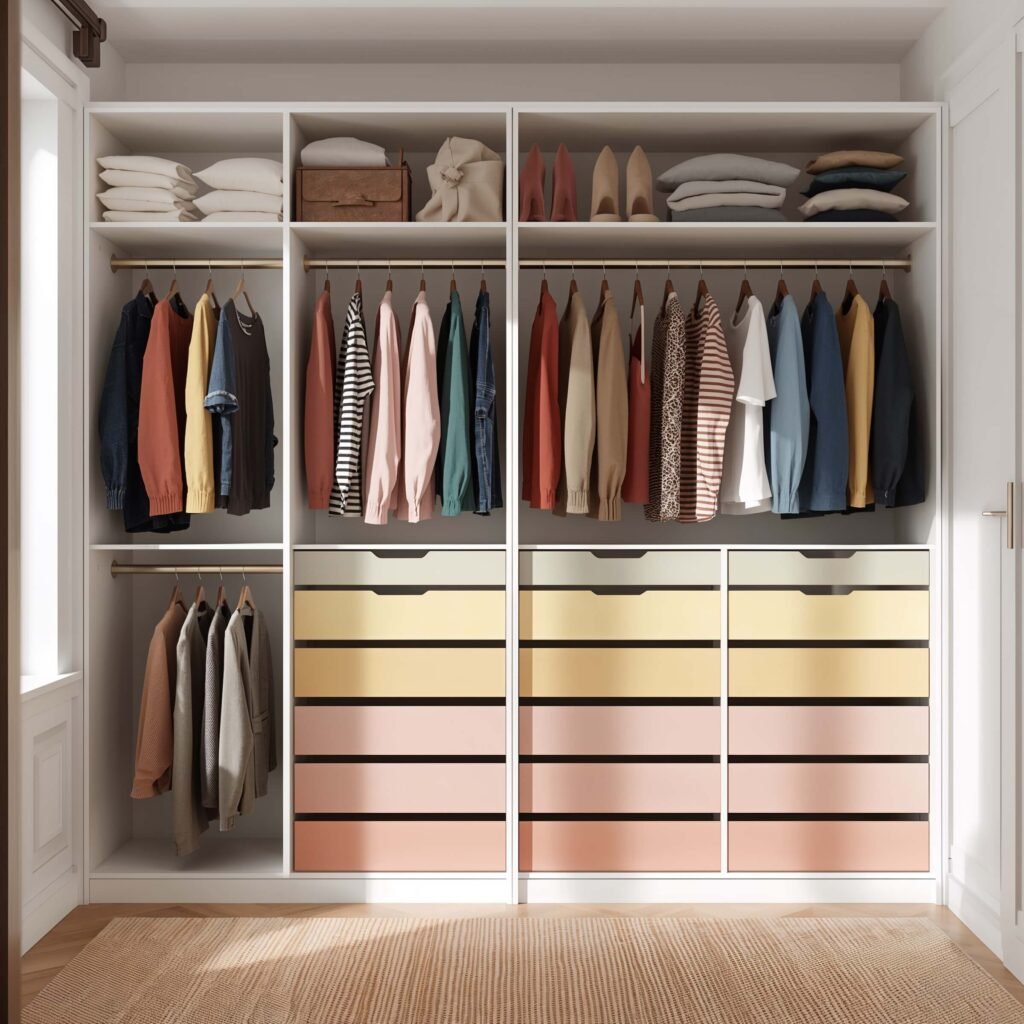
Organizing by color isn’t just for Instagram – it’s actually a brilliant system that makes getting dressed so much easier. When your wardrobe looks like a rainbow, finding that perfect shade becomes instant instead of an archaeological dig.
I converted to color-coding two years ago after seeing a friend’s closet. Initially, I thought it was just for show, but IMO, it’s the most practical organization method I’ve tried. My morning outfit selection time? Cut in half.
The Rainbow Method
How to nail color organization:
- Start with whites and neutrals on one end
- Progress through the color spectrum (ROYGBIV style)
- End with blacks and dark colors
- Keep patterns separate or integrate by dominant color
- Maintain consistent hanger direction
Within each color section, I organize by item type – all blue shirts together, then blue pants, and so on. Sounds obsessive? Maybe, but you’ll never lose that specific navy blazer again.
Psychological Benefits
Here’s something nobody talks about: color-coded wardrobes can actually improve your mood. There’s something deeply satisfying about opening your closet to see this beautiful gradient. It’s like visual ASMR every morning. Plus, you quickly realize how many black items you own (guilty) and might actually branch out color-wise.
Mirror-Integrated Wardrobe Concepts
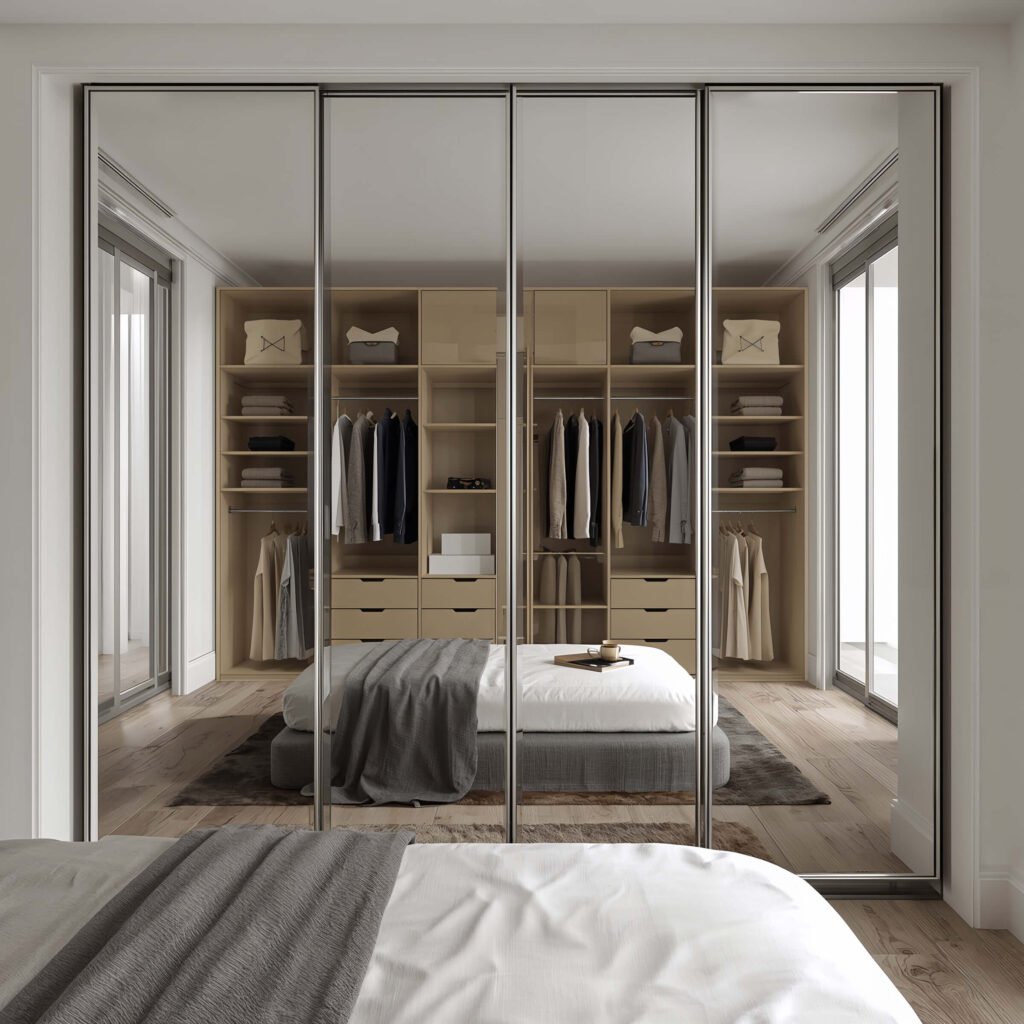
Mirrors and wardrobes go together like coffee and mornings – technically optional, but why would you want to separate them? Integrated mirrors transform your wardrobe from storage into a complete dressing station.
My bedroom has exactly zero wall space for a standalone mirror, so mirror integration wasn’t just smart – it was necessary. The solution? I created a three-panel mirror system inside my wardrobe doors that rivals any department store fitting room.
Strategic Mirror Placement
Smart spots for wardrobe mirrors:
- Inside of doors (classic for a reason)
- Back panel of open wardrobes
- Side panels for different angles
- Sliding mirror panels that reveal storage
- Pull-out mirrors on rails
The angle matters more than you think. I positioned my mirrors to catch natural light from my bedroom window. The difference in how clothes look in good lighting versus shadowy corners? Night and day.
Beyond Basic Reflection
Modern mirror integration can include:
- LED backlighting for perfect illumination
- Magnetic strips for holding jewelry or accessories
- Built-in storage behind hinged mirrors
- Anti-fog coating (humidity is real, folks)
- Adjustable angles for height differences
I added LED strips around my mirror edges, and honestly, it makes me feel like a movie star every morning. Worth the extra effort? Absolutely.
Also Read: 10 Stunning Wardrobe Interior Design Ideas for Modern Homes
Compact Corner Wardrobe Solutions
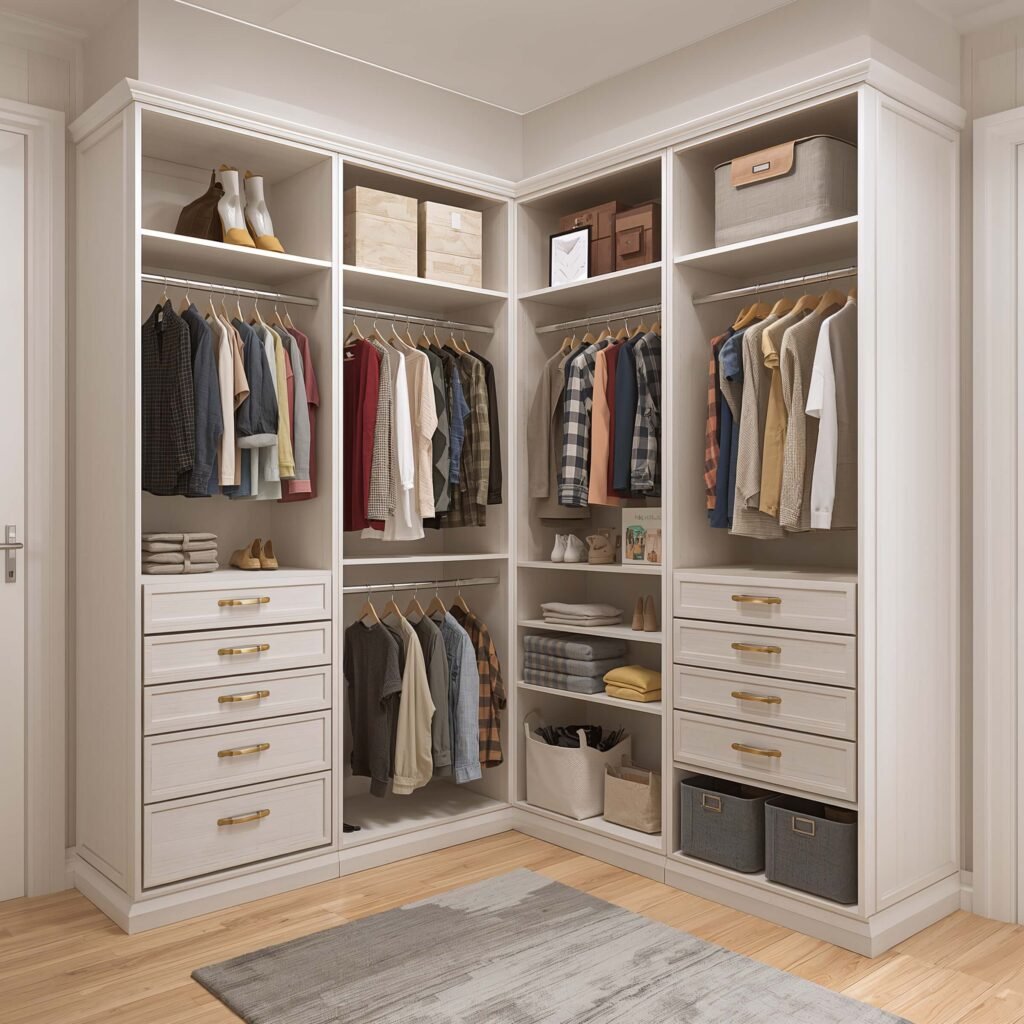
Corners are the Bermuda Triangle of bedroom storage – stuff goes in and never comes out again. But corner wardrobes, when done right, can actually maximize these tricky spaces better than any rectangular unit.
I’ve wrestled with corner storage in three different apartments, and each time I got smarter about the approach. The latest iteration? A custom-fit corner system that uses every single inch without creating dead zones.
Corner Configuration Options
Effective corner wardrobe designs:
- L-shaped units that wrap around the corner
- Diagonal corner units with maximum accessibility
- Curved fronts that soften angular spaces
- Rotating carousel systems for deep corners
- Modular pieces that fit together at angles
My current setup uses a lazy Susan-style rotating rack in the deepest corner. Game-changer for accessing those items that usually get lost in the corner void.
Making Corners Work Harder
Corner optimization tricks I swear by:
- Install lighting in dark corners (battery-powered if needed)
- Use clear storage boxes to see contents easily
- Keep frequently used items on outer edges
- Reserve deep corners for seasonal storage
- Add pull-out baskets for easy access
The biggest mistake people make? Treating corners like storage graveyards. With the right approach, that corner can become your wardrobe’s secret weapon.
Wardrobe with Hidden Storage Drawers
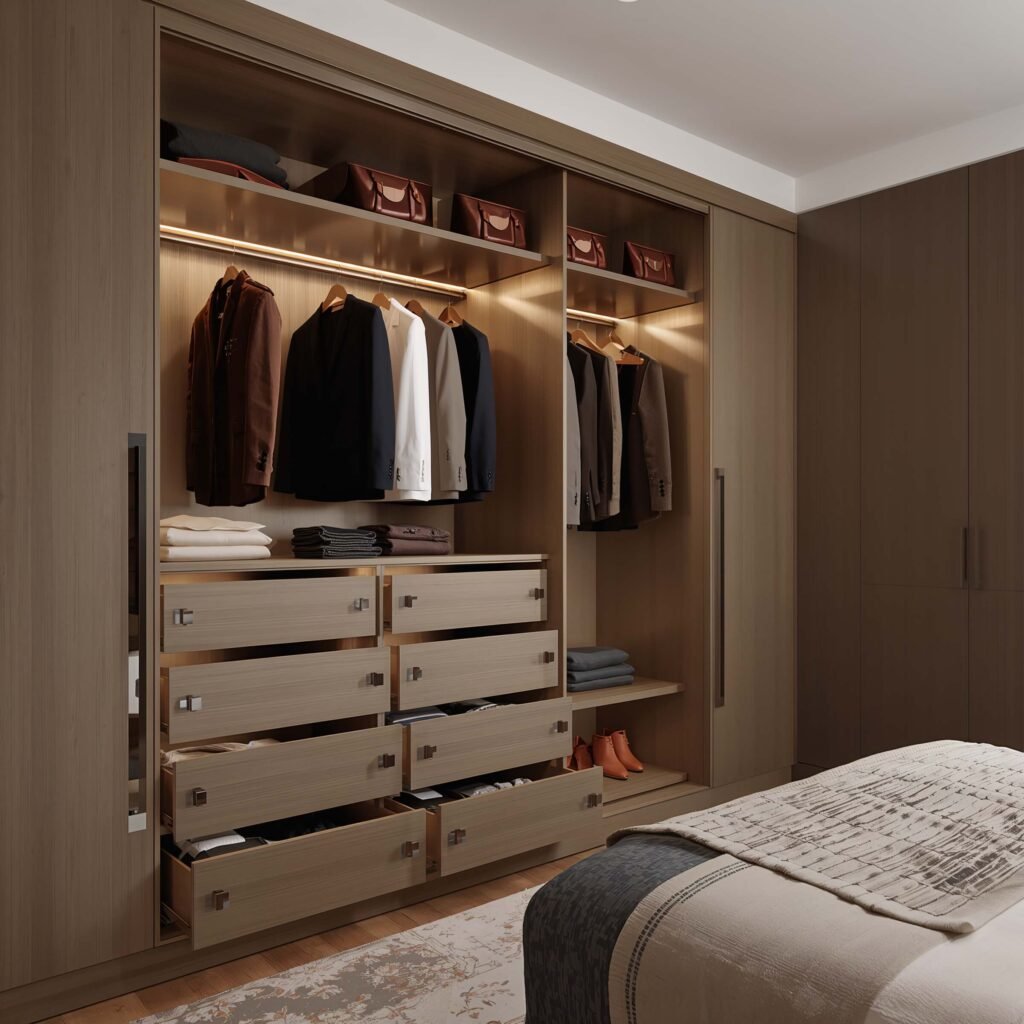
Secret storage is basically the adult version of having a hidden candy stash, except now it’s for important documents, valuable items, or that emergency chocolate (no judgment). Hidden drawers in wardrobes add an extra layer of organization and security that standard storage just can’t match.
I built hidden drawers into my wardrobe after a break-in at my neighbor’s place. While they took obvious valuables, my concealed compartments would’ve stumped them completely. Plus, it’s just really cool to have furniture with secrets, right?
Types of Hidden Storage
Clever concealment options:
- False bottom drawers with secondary compartments
- Behind-mirror storage spaces
- Toe-kick drawers at the wardrobe base
- Pull-out panels that look like decorative trim
- Hidden safes behind hanging clothes
My favorite addition? A slim drawer hidden behind what looks like decorative molding. It’s perfect for passports, emergency cash, and yes, that emergency chocolate I mentioned.
DIY Hidden Compartments
Creating your own secret storage:
- Measure twice, cut once (learned this the hard way)
- Use soft-close drawer slides for silent operation
- Consider magnetic or push-to-open mechanisms
- Line compartments with felt to prevent scratching
- Keep weight distribution balanced
The satisfaction of showing guests your hidden drawers never gets old. It’s like being a magician, but with furniture.
LED-Lit Wardrobe Interior Design
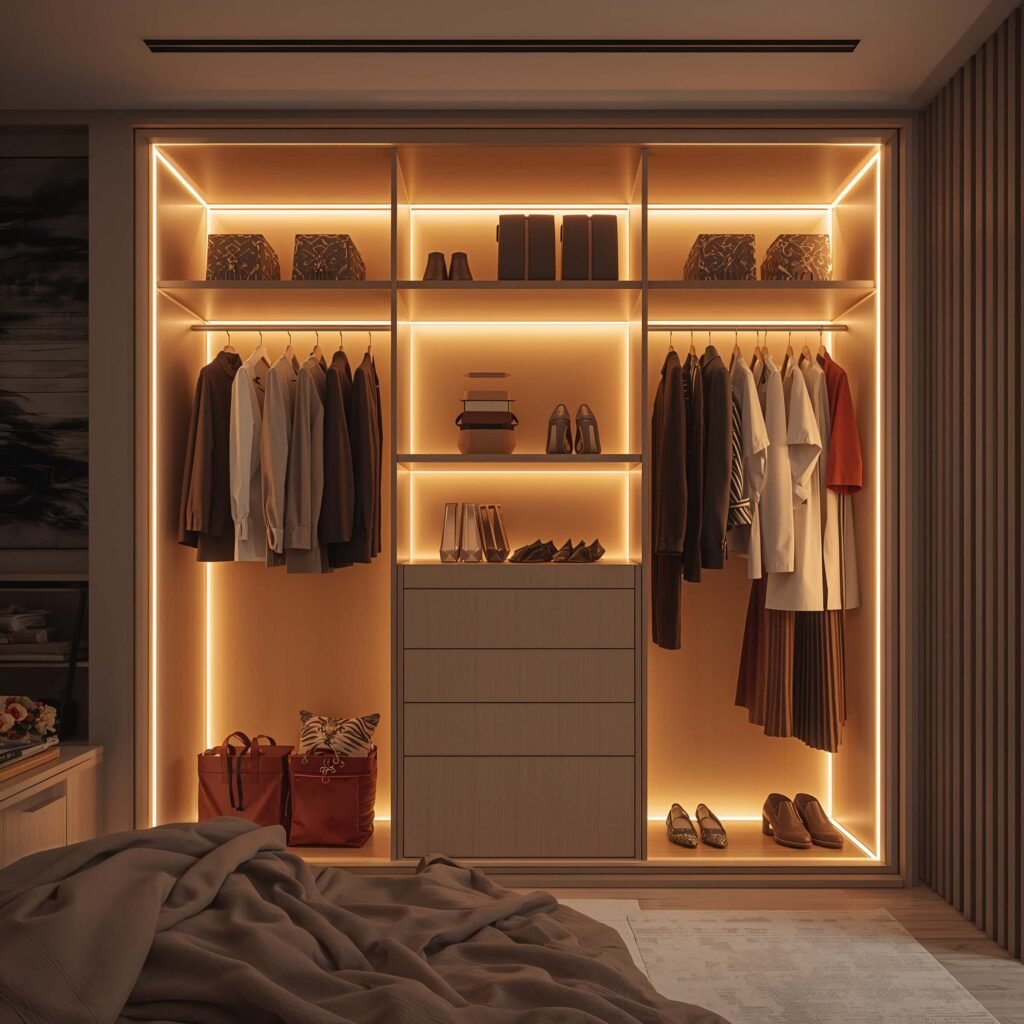
Good lighting in a wardrobe is like good lighting for a selfie – it makes everything look better. LED lighting transforms dark closets into bright, functional spaces where you can actually tell navy from black (revolutionary, I know).
I lived with a cave-like closet for years before finally installing LED strips. Why did I wait so long? The transformation was immediate and dramatic. Suddenly, getting dressed didn’t require a headlamp.
Lighting Layout Strategies
Effective LED placement for wardrobes:
- Strips along hanging rod undersides for clothing illumination
- Vertical strips on side panels for even distribution
- Motion-activated lights for hands-free operation
- Color-changing LEDs for mood setting (because why not?)
- Battery-powered options for rental-friendly solutions
I went with warm white LEDs on motion sensors. Walking into my wardrobe now feels like entering a high-end boutique. The automatic activation still makes me smile every single morning.
Installation Tips and Tricks
What I learned installing my LED system:
- Measure your power needs before buying
- Use aluminum channels for clean installation
- Consider dimmer switches for versatility
- Hide transformers behind clothing or in drawers
- Test everything before final installation
The best part? My entire LED setup costs less than $2 per month to run. Compare that to fumbling in the dark or using harsh overhead lighting, and it’s a no-brainer investment.
Smart Lighting Features
Modern LED systems can include:
- Smartphone control via apps
- Timer functions for automatic shut-off
- Color temperature adjustment
- Integration with home automation systems
- USB rechargeable battery packs
Mine syncs with my morning alarm, gradually brightening as I wake up. Is it extra? Absolutely. Do I love it? You bet.
Wrapping Up Your Wardrobe Journey
So there you have it – twelve wardrobe interior ideas that can completely transform how you store, organize, and interact with your clothes. Whether you’re working with a massive walk-in or a tiny reach-in closet, there’s something here that’ll make your space work harder and look better.
The biggest lesson I’ve learned through all my wardrobe experiments? The best wardrobe design is the one that fits your lifestyle. Maybe you need that color-coded rainbow system, or perhaps hidden drawers are calling your name. Whatever you choose, make it yours.
Start small if you’re feeling overwhelmed. Pick one idea that resonates with you and run with it. Before you know it, you’ll have a wardrobe that makes you want to leave the doors open just to admire it. And honestly? That’s when you know you’ve nailed it. Happy organizing! :/