10 Amazing Coffee Shop Interior Design Ideas for Modern Cafes

Look, we both know opening a coffee shop isn’t just about serving killer espresso anymore. Your aunt’s “just throw some tables and chairs in there” approach won’t cut it when every customer expects their morning latte to come with a side of aesthetic bliss.
I’ve spent way too much time (and money) in coffee shops around the world, and trust me, the ones that stick in my memory aren’t just the ones with great coffee—they’re the ones where I wanted to move in permanently.
So grab your favorite brew, and let’s chat about 10 coffee shop interior design ideas that’ll transform your space from “meh” to “holy macchiato, this place is amazing!” Whether you’re opening your first shop or giving your current one a desperately needed makeover, these concepts will spark some serious inspiration.
Rustic Industrial Coffee Shop
The Raw Beauty of Exposed Everything
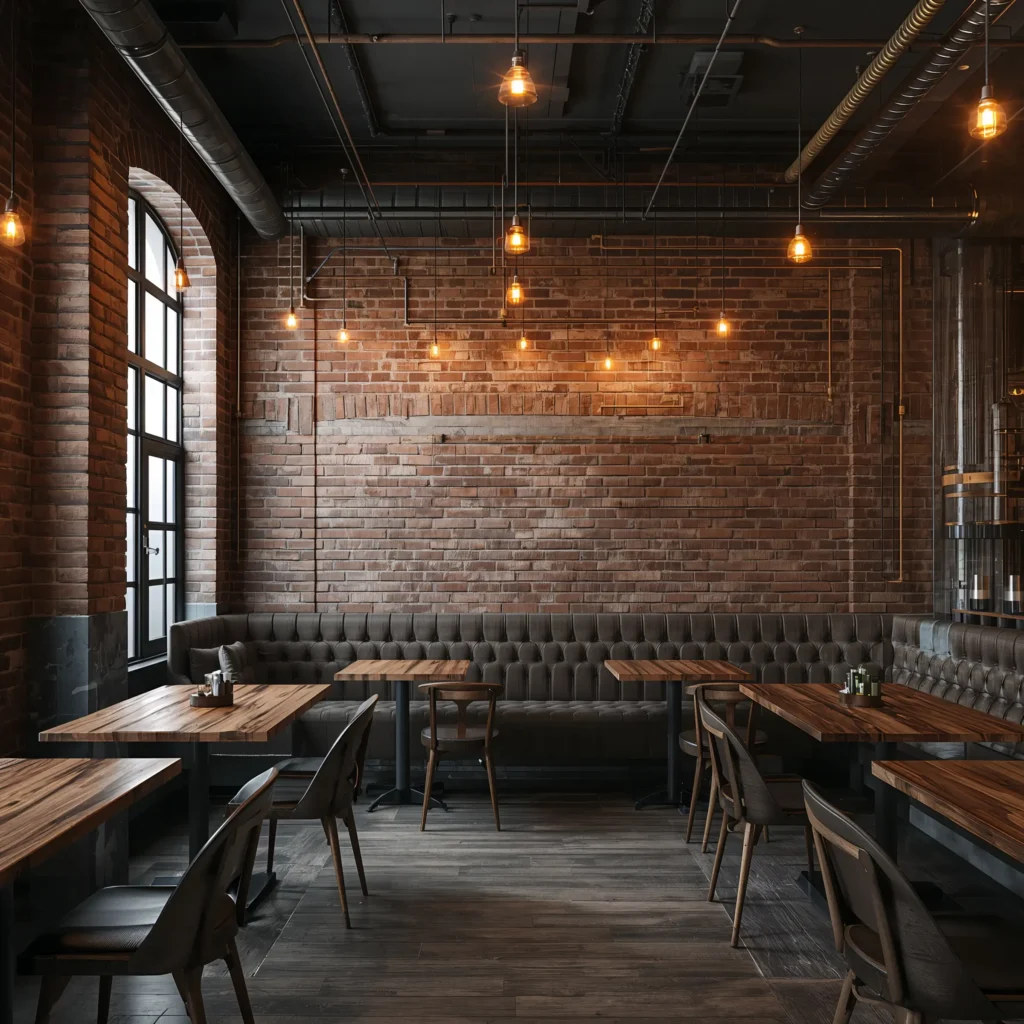
Remember when everyone thought exposed brick was just lazy renovation work? Well, joke’s on them because rustic industrial design has become the ultimate coffee shop flex. I walked into this spot in Brooklyn last year, and honestly, I felt like I’d stepped into a Pinterest board come to life—in the best way possible.
The magic happens when you combine raw materials with warm touches. Think exposed brick walls meeting reclaimed wood tables, metal pipe shelving displaying artisan coffee bags, and Edison bulb chandeliers casting that perfect golden glow. You know that feeling when something looks effortlessly cool? That’s what we’re going for here.
What really makes this style work is the contrast. You’ve got these rough, unfinished elements playing against smooth coffee bar surfaces and maybe some leather seating. It tells a story—like your building has history, even if you literally just signed the lease last month.
Making Industrial Feel Inviting
Here’s where most people mess up with industrial design: they forget people actually need to feel comfortable. Nobody wants to sit on a cold metal chair for an hour while they work on their novel (or scroll through TikTok, let’s be real).
Key elements to nail the rustic industrial vibe:
- Mix metal fixtures with warm wood accents
- Add plush seating areas with worn leather or canvas
- Install warm lighting to soften harsh industrial edges
- Display vintage coffee equipment as decor
- Use concrete countertops with live-edge wood details
I’ve seen shops absolutely nail this by adding unexpected soft elements. Throw some vintage rugs under those communal tables, hang some macramé planters from exposed beams, or add cushions to those wooden benches. Your customers’ backs will thank you, and they’ll actually stick around for that second cappuccino.
Minimalist Scandinavian Vibes
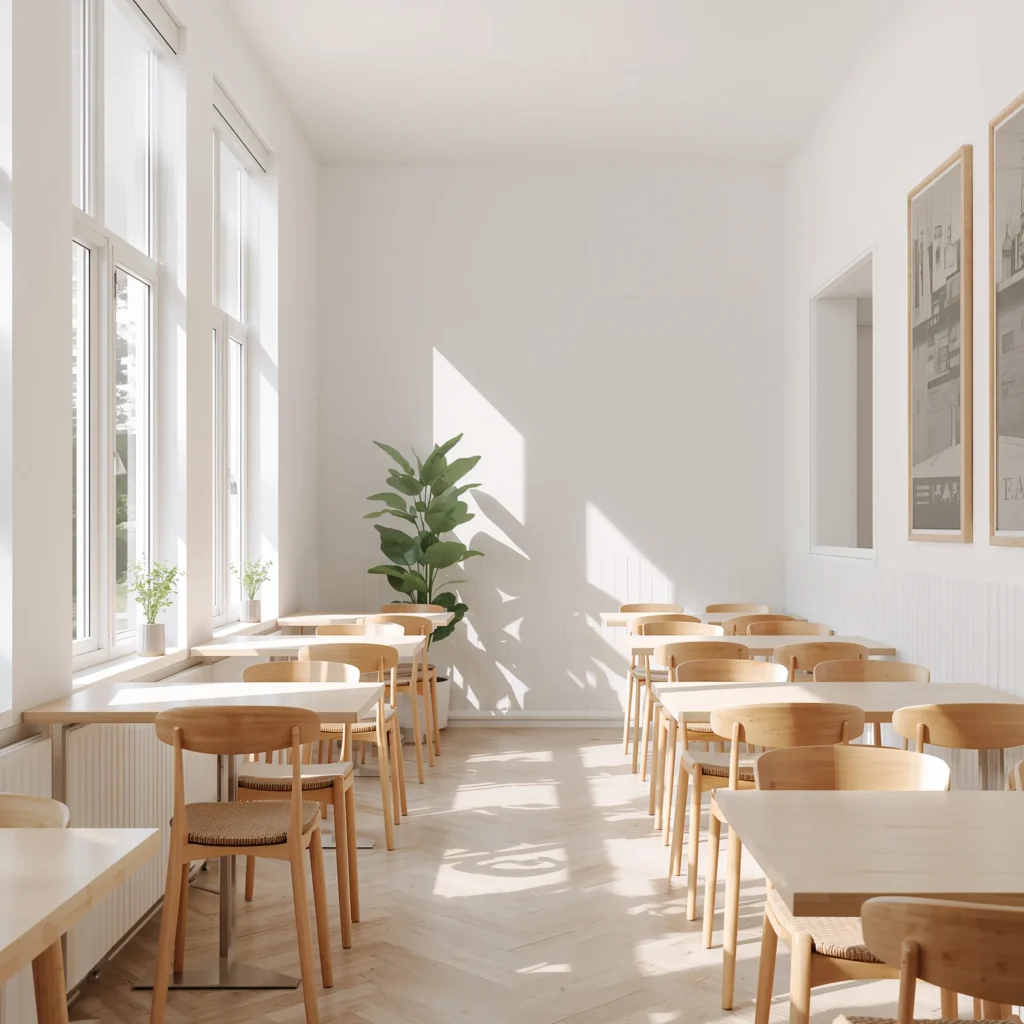
Less Is More (But Make It Cozy)
Scandinavian design in coffee shops? It’s basically the design equivalent of that friend who has their life together—everything’s clean, organized, and somehow still incredibly inviting. After visiting Copenhagen and Stockholm, I became absolutely obsessed with how they make minimalism feel warm rather than cold.
The foundation here is neutral colors and natural materials. We’re talking white walls, light wood floors, maybe some soft gray accents. But here’s the secret sauce: hygge (that Danish concept of coziness that everyone was obsessed with a few years back). You create this through texture—chunky knit throws, sheepskin rugs, and enough plants to make your local nursery jealous.
What I love about Scandinavian coffee shops is how they make you feel instantly calm. There’s no visual clutter screaming for your attention. Just clean lines, beautiful simplicity, and that perfect spot by the window where the light hits just right.
Creating That Nordic Magic
Want to know what really sets Scandinavian design apart? It’s the attention to functionality. Every element serves a purpose, and that purpose is usually making people feel good.
Must-have elements for Scandinavian coffee shop design:
- Light wood furniture (think birch, ash, or pine)
- Plenty of natural light (seriously, all the windows)
- White or light gray walls with minimal artwork
- Geometric patterns in subtle ways
- Cozy nook seating with soft textiles
- Simple, functional shelving displaying minimal decor
Here’s a pro tip: invest in quality over quantity. One beautiful handcrafted wooden table beats five cheap ones every time. Your customers will notice the difference, even if they can’t quite put their finger on why your space feels so special.
Cozy Vintage Coffee Nook
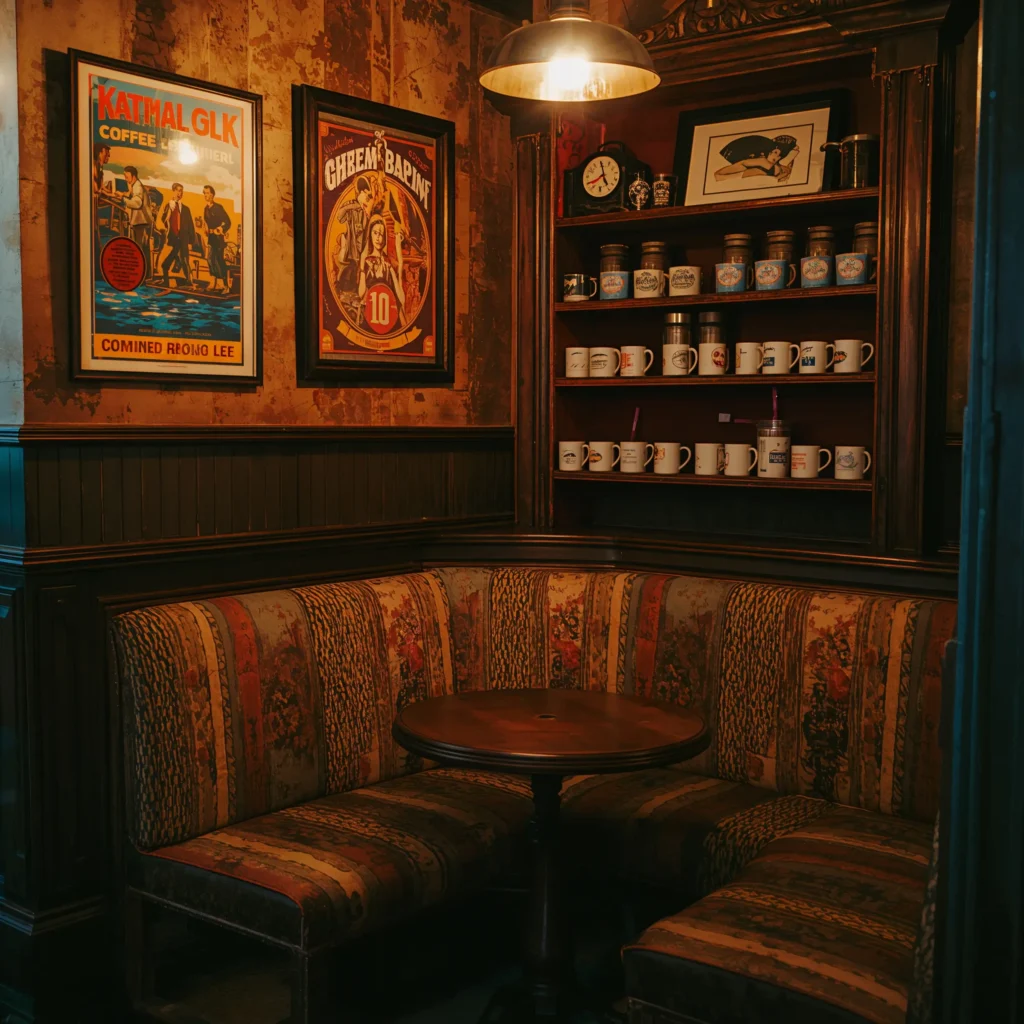
Grandma’s Living Room Meets Hip Coffee Culture
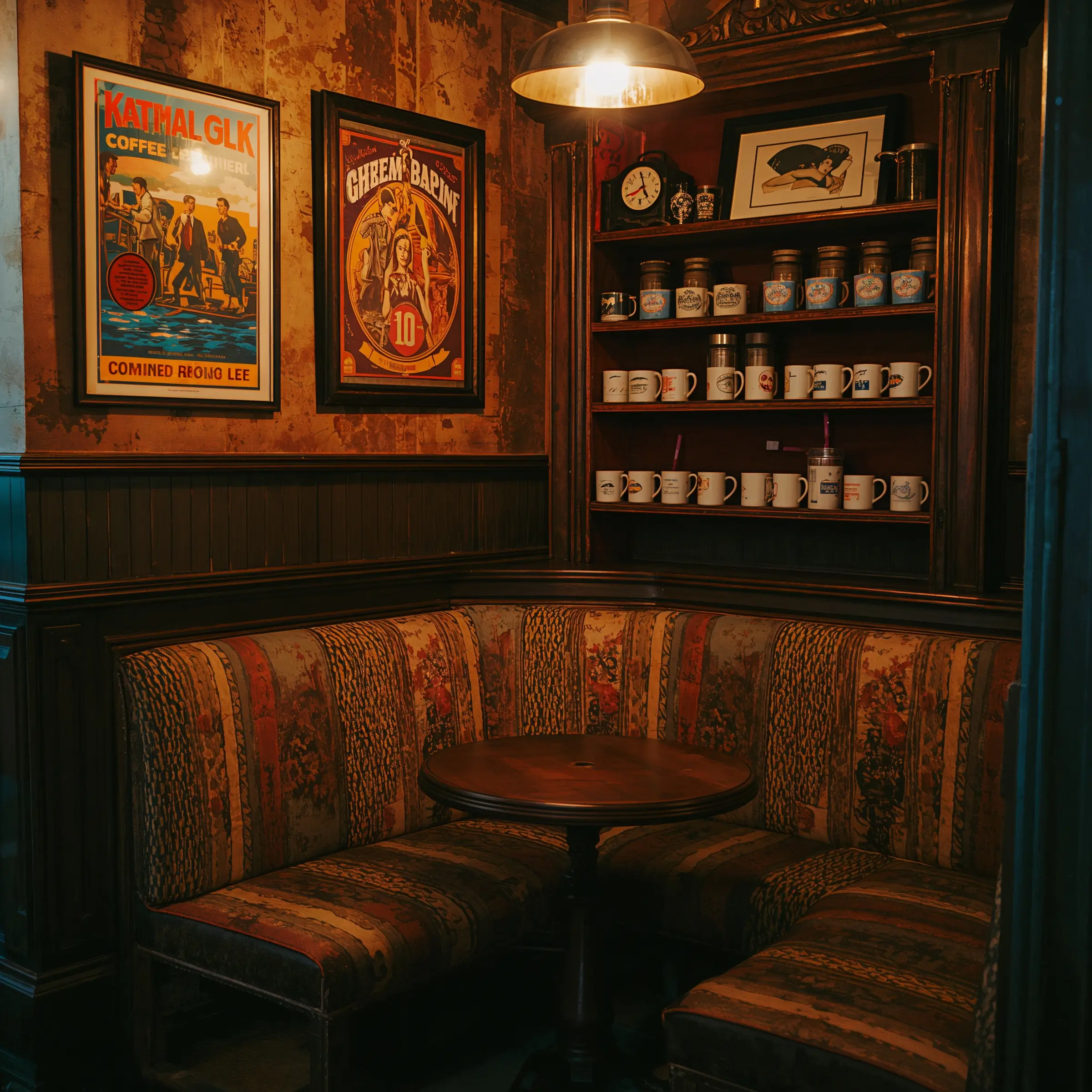
Ever walked into a coffee shop and immediately wanted to curl up with a book for the next six hours? That’s the vintage coffee nook effect, and honestly, it’s pure magic when done right. I stumbled into this tiny spot in Portland where every piece of furniture looked like it had a story, and I’m pretty sure I never wanted to leave.
Creating a vintage vibe isn’t about making your shop look old—it’s about curating pieces that feel collected over time. Mix that 1950s diner counter with some Victorian armchairs, throw in a few mid-century modern tables, and suddenly you’ve got this eclectic wonderland that feels both familiar and exciting.
The best vintage coffee shops feel like treasure hunts. Every corner reveals something interesting—maybe it’s an old typewriter on a shelf, vintage coffee tins as decoration, or that perfect worn leather couch that everyone fights over.
Sourcing and Styling Vintage Pieces
Here’s where it gets fun (and slightly addictive). Estate sales, flea markets, and online marketplaces become your new weekend haunts. But there’s a method to this madness—you can’t just throw random old stuff together and call it vintage chic.
Key ingredients for the perfect vintage coffee nook:
- Mismatched vintage furniture that somehow works together
- Antique coffee grinders and equipment as decor
- Vintage wallpaper or tin ceiling tiles
- Old books, globes, and curiosities on shelves
- Warm, layered lighting from various vintage lamps
- Original artwork from local artists in vintage frames
The trick is finding a common thread—maybe it’s a color palette (dusty roses, sage greens, and cream), or an era (everything mid-century), or even just a feeling (cozy academia vibes). Without some unifying element, vintage can quickly turn into “grandma’s attic exploded.”
Also Read: 12 Creative Interior Design Styles Ideas And Stylish Spaces
Modern Monochrome Design
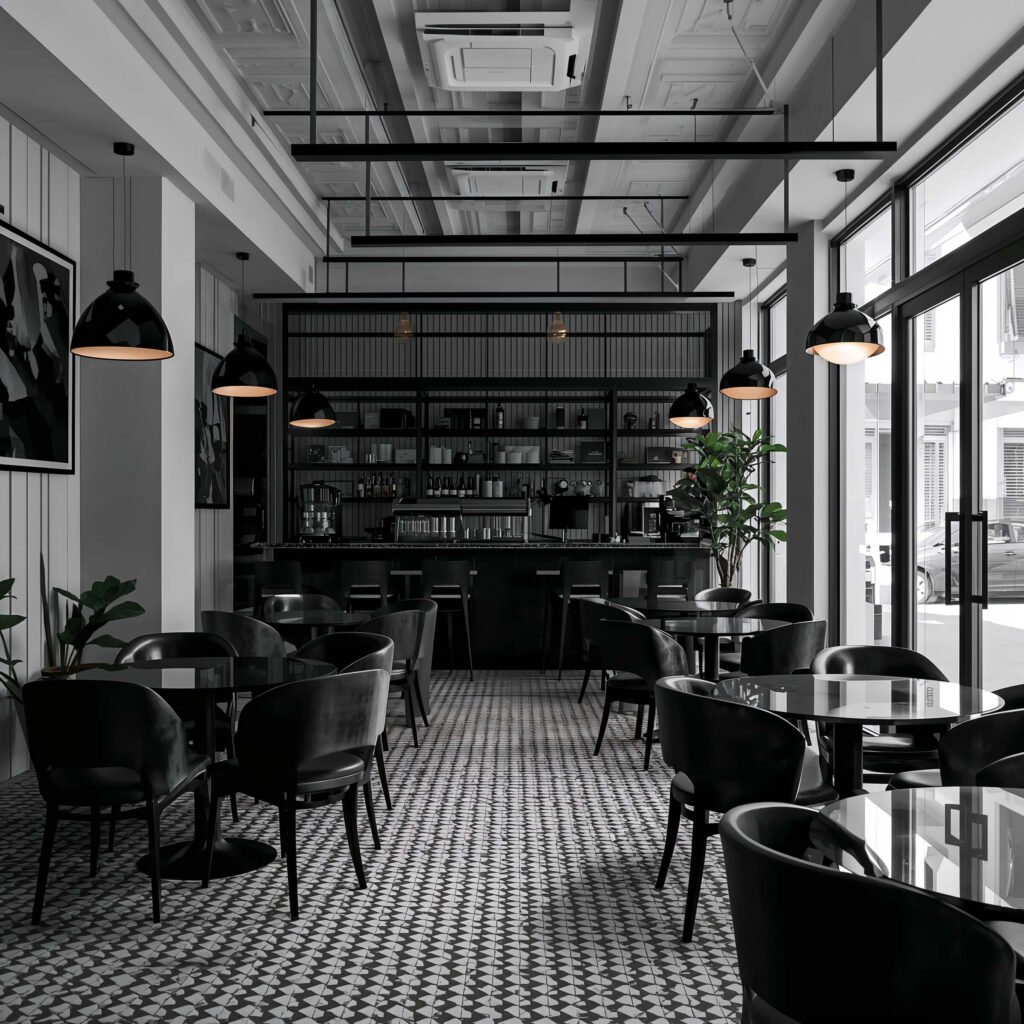
Black, White, and Bold All Over
Okay, who says coffee shops need color? Sometimes the most striking spaces are the ones that embrace the power of contrast. I visited this monochrome marvel in Tokyo, and let me tell you, drinking black coffee in an all-black-and-white space hits different.
Modern monochrome design is basically the design world’s power suit. It’s sophisticated, timeless, and photographs like a dream (hello, Instagram engagement!). But here’s the thing—monochrome doesn’t mean boring. It means you get to play with texture, pattern, and form without the distraction of color.
Think glossy black tile backsplashes against matte white walls, geometric black and white floor tiles that make people stop and stare, or a stunning black marble counter that makes every latte look like art. When you strip away color, every other design element has to work harder, and that’s where the magic happens.
Making Monochrome Pop
The challenge with monochrome? Making sure your space doesn’t feel like a fancy prison. You need warmth and interest without relying on color to provide it.
Essential elements for modern monochrome success:
- Varied textures (smooth marble, rough concrete, soft fabrics)
- Strategic use of metallic accents (brass, copper, or chrome)
- Dramatic lighting fixtures as statement pieces
- Geometric patterns in tiles or artwork
- Plants for organic shapes (yes, green counts as neutral here)
- Different shades of gray to add depth
Here’s something nobody tells you: monochrome spaces actually make your coffee and food look amazing. That colorful acai bowl? It pops like crazy against a black table. Those brown coffee tones? They become the star of the show. It’s like your entire shop becomes a stage for your products.
Boho Chic Coffee Lounge
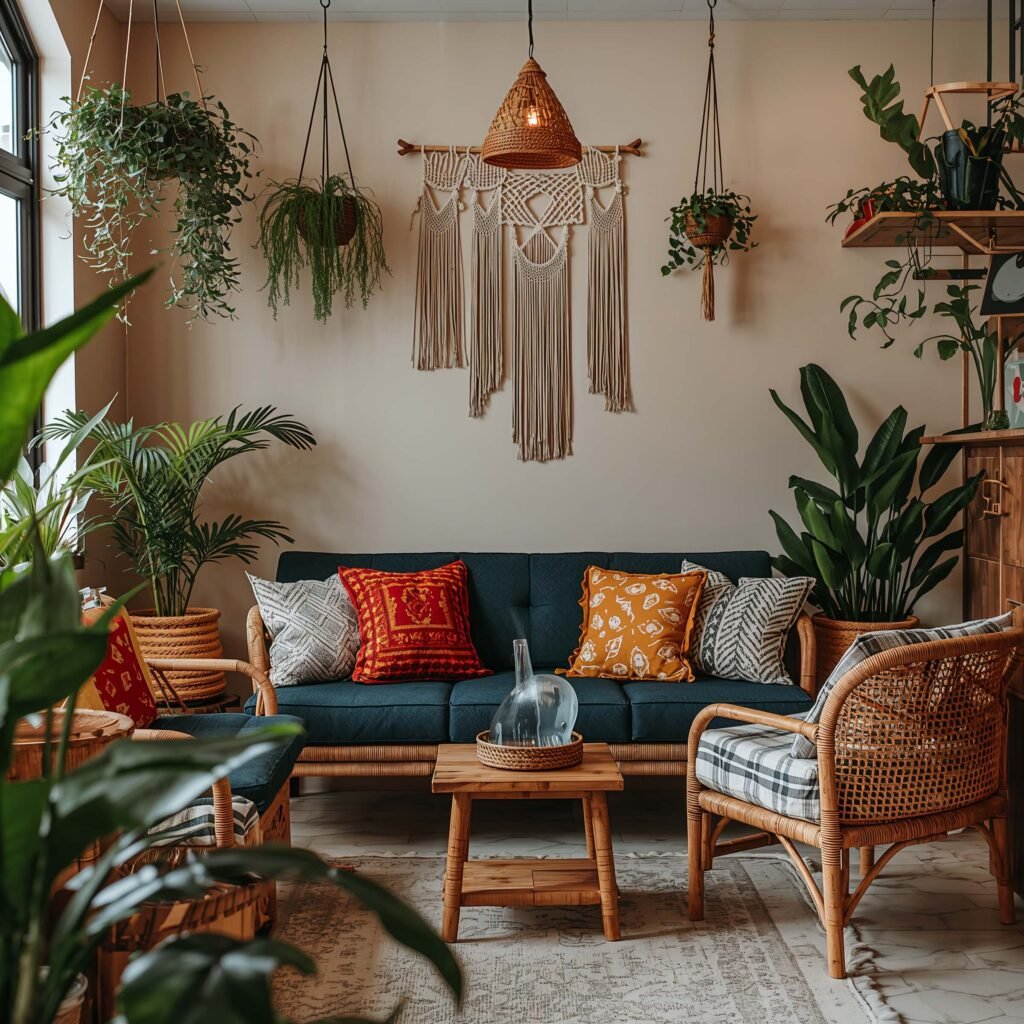
Free-Spirited Vibes and Chill Hangs
Want to create a space where people immediately feel their shoulders drop and their creative juices start flowing? Enter the boho chic coffee lounge—basically the coffee shop equivalent of that friend who always has incense burning and somehow makes wearing seven different patterns look effortless.
I’ll never forget walking into this boho paradise in Bali (I know, cliché, but hear me out). Macramé hangings cascaded from the ceiling, cushions in every pattern imaginable covered low-slung seating areas, and there were more plants than customers. It shouldn’t have worked, but it absolutely did. Why? Because boho design taps into something primal—our need for comfort, creativity, and connection.
The beauty of boho design is that there are basically no rules. Mix patterns like nobody’s watching. Layer textures until your space feels like a tactile playground. Create cozy floor seating areas that make people want to stay all day.
Layering the Boho Look
Creating authentic boho vibes is all about the art of accumulation. This isn’t a style you can order from a catalog—it needs to feel collected, personal, and slightly chaotic in the best way.
Boho essentials that’ll transform your space:
- Tons of plants in mismatched planters
- Low seating with mountains of cushions and throws
- Macramé wall hangings and plant holders
- Vintage rugs layered on top of each other
- String lights and lanterns for ambient lighting
- Natural wood and rattan furniture
- Global textiles and patterns mixed fearlessly
FYI, the secret to nailing boho style is knowing when to stop. Yes, more is more in boho land, but there’s a fine line between “eclectic paradise” and “someone raided a thrift store.” The key is creating visual breathing room between your clustered areas.
Nature-Inspired Green Cafe
Bringing the Outdoors In (Literally)
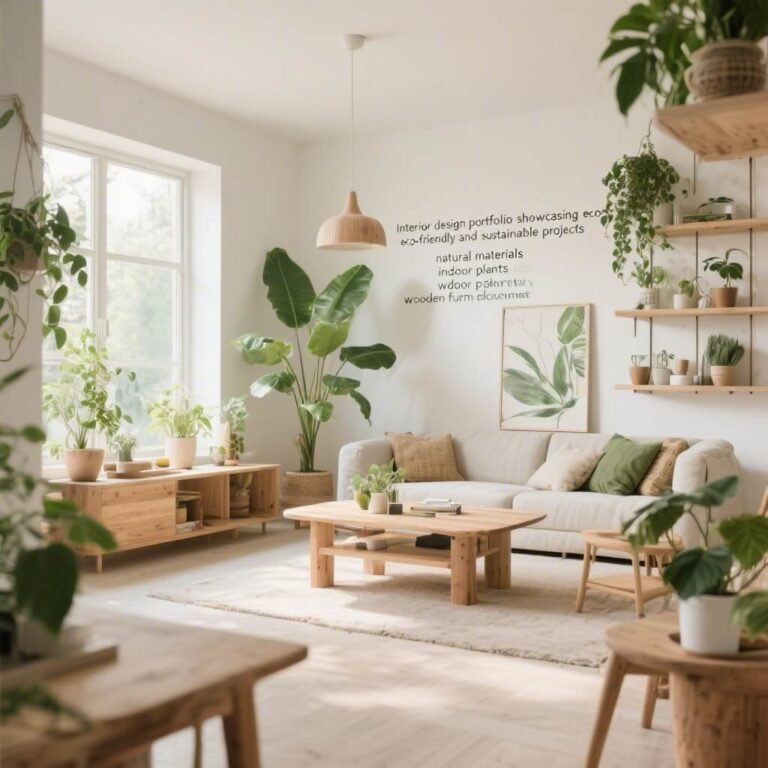
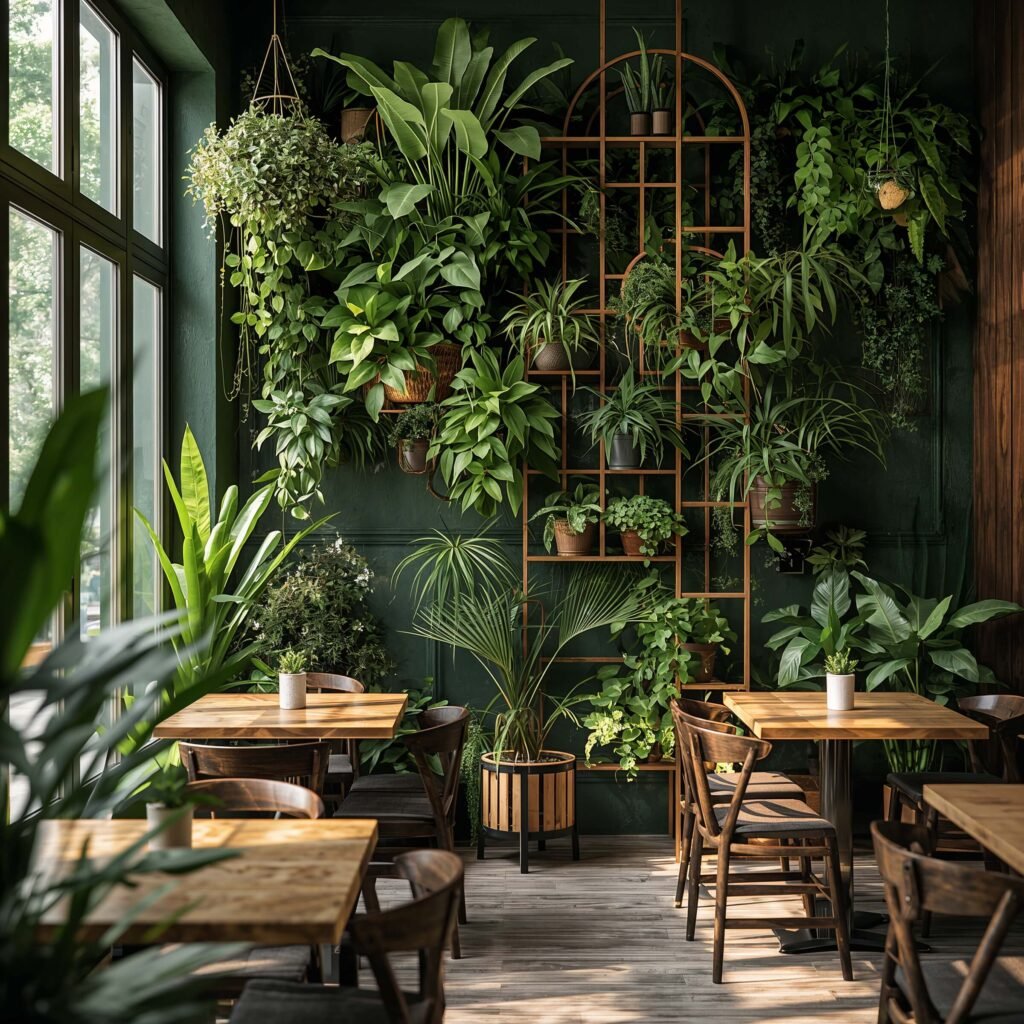
You know what’s better than having your coffee outside? Having it inside surrounded by so many plants you forget you’re indoors. The nature-inspired green cafe trend isn’t just about slapping a few succulents on the counter—it’s about creating an urban jungle that happens to serve espresso.
I walked into this place in Singapore that had a living wall covering the entire back of the shop. Not gonna lie, I spent more time photographing that wall than drinking my coffee. But that’s the point! These spaces make people feel good on a cellular level. There’s actual science behind it—biophilic design reduces stress and increases creativity.
What makes green cafes special is how they solve real problems. City dwellers crave nature but don’t have time to escape to the forest. Your coffee shop becomes that escape. Plus, plants literally clean the air, so your space doesn’t just look fresh—it actually is fresh.
Growing Your Green Oasis
Creating a successful green cafe requires more than a green thumb (though that definitely helps). You need to think about light levels, maintenance, and how plants interact with your workflow.
Green cafe must-haves:
- Statement plants (fiddle leaf figs, monstera, bird of paradise)
- Hanging gardens from ceilings or mounted on walls
- Living walls or vertical gardens
- Herb gardens you can actually use in drinks
- Natural materials (wood, stone, bamboo)
- Huge windows for natural light
- Water features for that zen ambiance
Here’s a reality check: plants are high maintenance. Dead plants are depressing and definitely not the vibe. Either commit to proper plant care (hire someone if needed) or invest in high-quality faux plants for hard-to-reach spots. Your customers want to feel like they’re in a garden, not a plant cemetery.
Also Read: 10 Elegant Luxury Interior Design Ideas To Try Now
Retro 70s Themed Coffee Spot
Groovy Baby, Your Coffee’s Ready
Who says coffee culture can’t have a sense of humor? The retro 70s coffee shop is having a major moment, and honestly, it’s about time. After years of minimalism, people are craving color, pattern, and spaces that don’t take themselves too seriously.
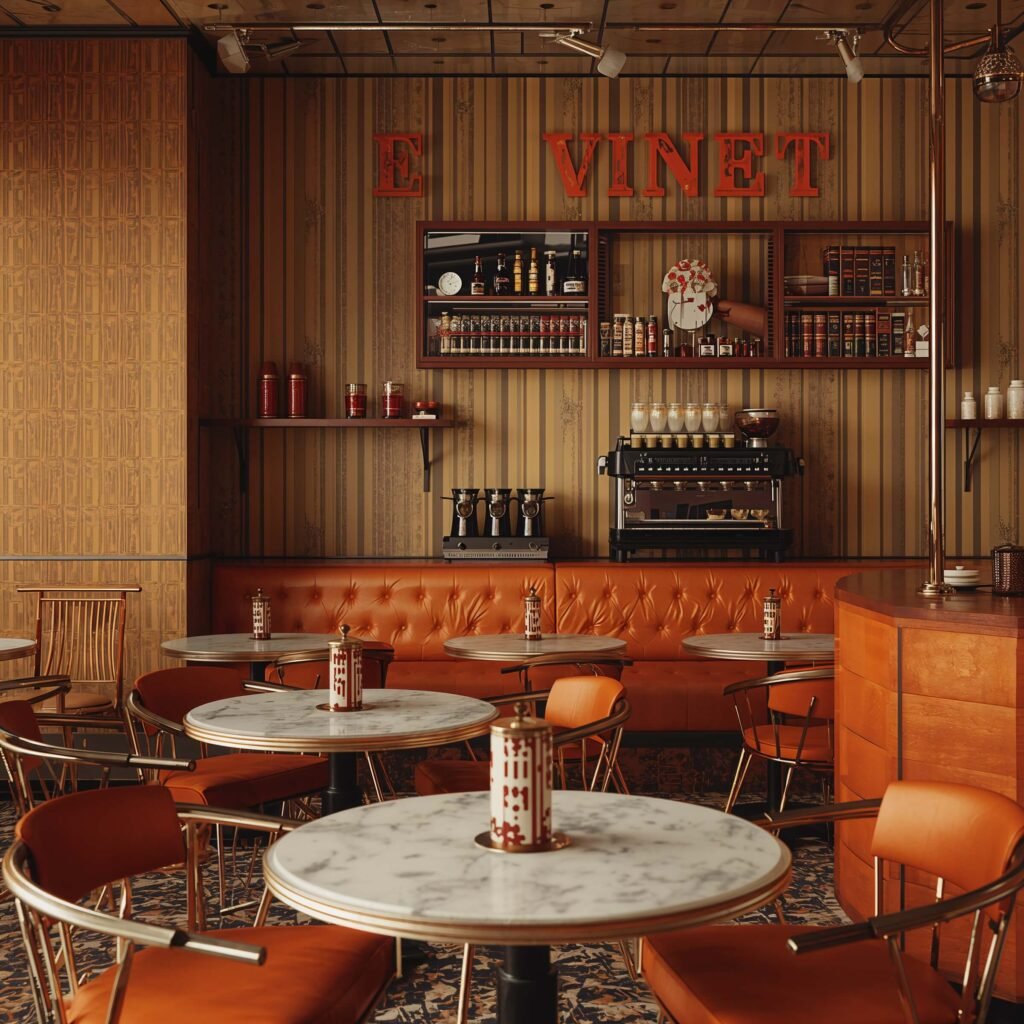
I discovered this 70s wonderland in Austin where orange velvet banquettes met geometric wallpaper, and the disco ball over the espresso machine was absolutely not ironic. The baristas wore bell-bottoms on Fridays. The whole place felt like a party, even at 7 AM on a Monday.
What works about 70s design is its unapologetic optimism. Everything’s curved, colorful, and conversation-starting. In a world of beige coffee shops trying to appeal to everyone, a 70s theme says “this is what we’re about, and we’re not sorry.”
Channeling the 70s Without the Cheese
Going retro is risky—there’s a thin line between cool vintage and costume party. The key is taking the best elements of 70s design and giving them a modern twist.
70s elements that actually work in 2024:
- Curved furniture and arched doorways
- Warm color palette (burnt orange, mustard, brown, rust)
- Geometric patterns in wallpaper or tiles
- Shag rugs or textured carpeting in seating areas
- Vintage lighting (mushroom lamps, anyone?)
- Wood paneling (but make it chic)
- Macramé and woven wall hangings
IMO, the secret to nailing 70s style is restraint with a wink. You don’t need to go full “That 70s Show.” Pick three or four strong 70s elements and execute them really well. Maybe it’s just the color palette and some curved furniture, or perhaps you go all-in on one statement wall with psychedelic wallpaper.
Artistic Gallery Coffee Space
Where Caffeine Meets Culture
Imagine sipping your cortado while surrounded by actual art that changes every month. The gallery coffee space kills two birds with one stone—you get a constantly evolving aesthetic, and local artists get a platform. It’s basically a win-win-win situation (the third win is for your Instagram feed).
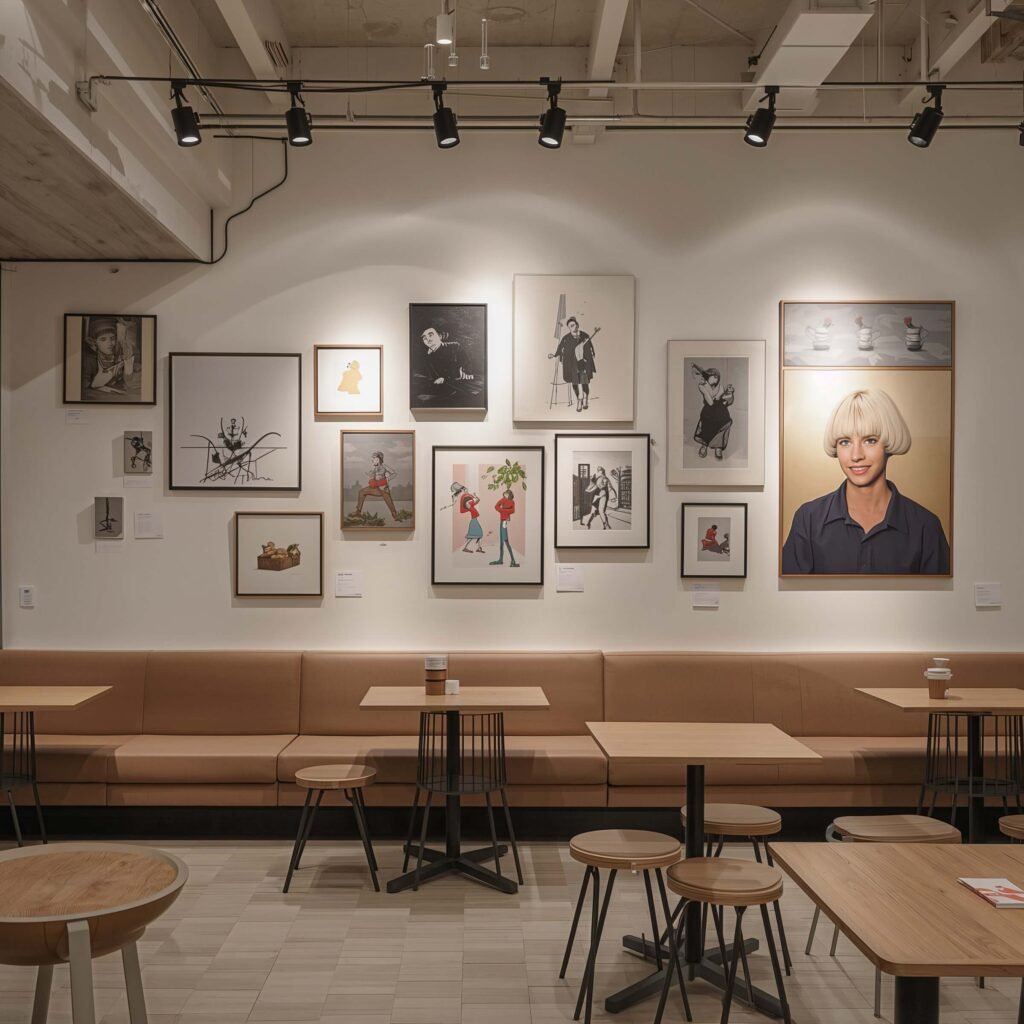
The best gallery coffee shops I’ve visited treat art as seriously as they treat their coffee. Clean white walls, museum-quality lighting, and enough space between pieces for people to actually appreciate them. But unlike stuffy galleries, people can actually touch the furniture and, you know, exist comfortably in the space.
What’s brilliant about this concept is the built-in community engagement. Opening nights bring in crowds who might not normally visit your shop. Artists bring their friends. Art lovers become coffee lovers. Before you know it, you’re not just a coffee shop—you’re a cultural hub.
Curating Your Coffee Gallery
Running a gallery coffee shop means wearing two hats (three if you count the barista visor). You need to think like both a coffee shop owner and a gallery curator.
Essential elements for gallery coffee spaces:
- Adjustable gallery lighting on tracks
- Clean, neutral walls that don’t compete with art
- Flexible seating that can be rearranged for events
- Professional hanging systems for easy rotation
- Price tags and artist information displays
- Dedicated gallery walls separate from functional areas
- Storage space for rotating exhibitions
The biggest challenge? Balancing the gallery and coffee shop functions. You can’t have paintings hanging so low that someone’s backpack destroys them, but they also need to be at eye level. My advice: designate specific gallery zones that are visible but protected from the main traffic flow.
Urban Loft Coffee Bar
Industrial Meets Sophisticated City Living
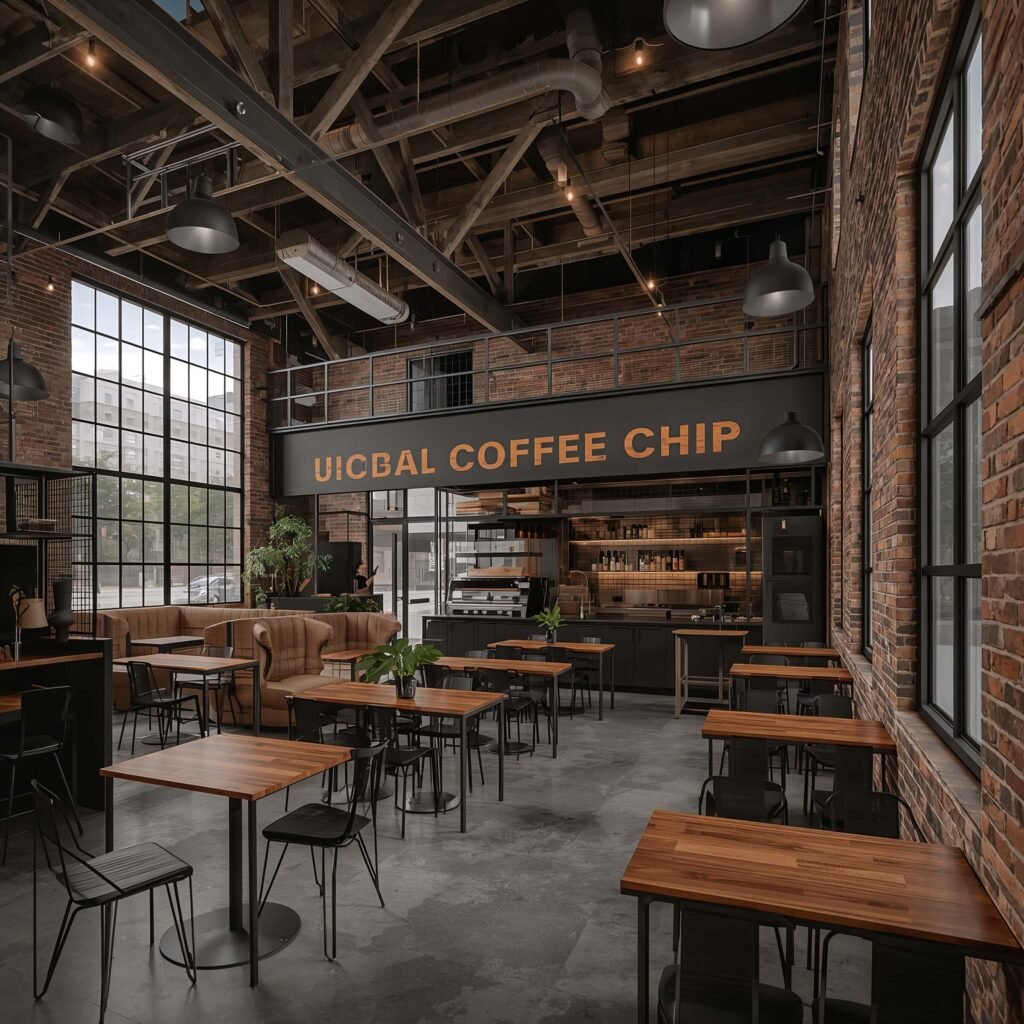
The urban loft coffee bar is what happens when you take the best parts of city living—the high ceilings, the big windows, the industrial bones—and turn them into a coffee destination. These spaces feel expensive without being pretentious, sophisticated without being stuffy.
I spent a whole afternoon in this converted warehouse coffee bar in Chicago, and the 20-foot ceilings made even my small laptop feel important. There’s something about loft spaces that makes people feel creative and productive. Maybe it’s all that vertical space making our dreams feel bigger 🙂
The urban loft aesthetic works because it feels authentic to its environment. You’re not trying to transport people somewhere else—you’re celebrating where you already are. It’s urban pride served with a side of really good coffee.
Maximizing Loft Potential
The blessing and curse of loft-style spaces is all that vertical real estate. You’ve got to fill it without cluttering it, and use it without wasting it.
Urban loft must-haves:
- Exposed ductwork and beams (painted or raw)
- Massive windows with industrial frames
- Mezzanine seating if ceiling height allows
- Concrete or polished cement floors
- Rolling furniture for flexible layouts
- Statement lighting that fills vertical space
- Mix of high and low seating options
- Industrial shelving displaying coffee supplies
Here’s what nobody talks about: acoustics in loft spaces can be brutal. All those hard surfaces create an echo chamber that’ll drive people crazy. Invest in sound dampening—rugs, acoustic panels disguised as art, upholstered furniture. Your customers’ ears (and Zoom calls) will thank you.
Also Read: 12 Gorgeous Clinic Interior Design Ideas Modern Touches
Coastal Beach-Inspired Cafe
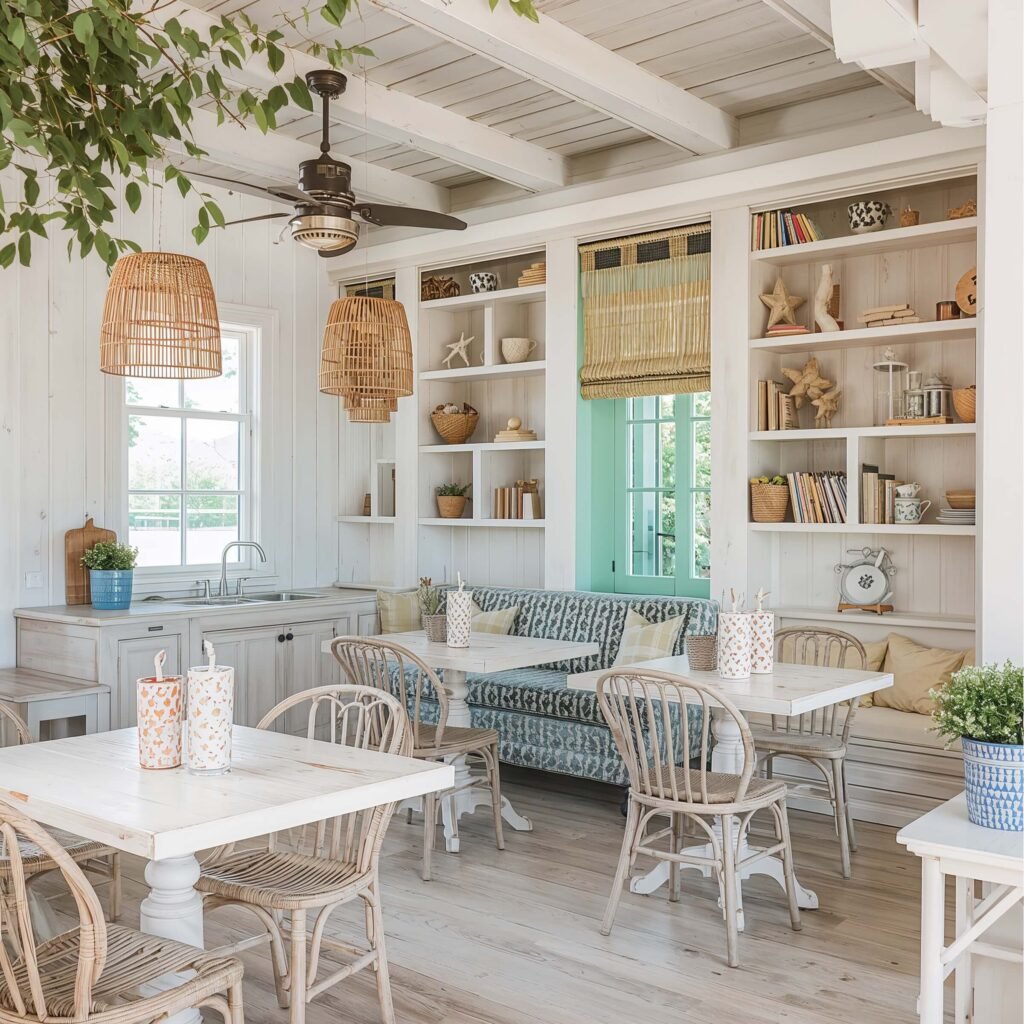
Permanent Vacation Vibes
Close your eyes and imagine the perfect beach day. Now imagine getting that feeling with your morning coffee, even if you’re 500 miles from the nearest ocean. The coastal beach-inspired cafe is basically therapy disguised as a coffee shop.
The most successful beach-themed coffee shop I’ve visited was nowhere near a beach—it was in Denver. But walking in there, with its whitewashed wood, rope details, and seafoam green accents, I immediately felt my blood pressure drop. They even played subtle ocean sounds mixed with their playlist. Cheesy? Maybe. Effective? Absolutely.
What makes coastal design work is its universal appeal to relaxation. Even people who hate sand between their toes love the idea of beach tranquility. It’s about capturing that vacation mindset and serving it with a double shot.
Creating Coastal Without the Kitsch
The danger with beach themes is veering into tiki bar territory (unless that’s your goal, then go for it). Modern coastal design is subtle and sophisticated—think Hamptons beach house, not souvenir shop.
Coastal elements that keep it classy:
- Weathered wood furniture and accents
- White and blue color palette with sandy neutrals
- Natural rope details (but easy on the fishing nets)
- Shiplap or beadboard walls
- Oversized windows with flowing curtains
- Rattan and wicker furniture pieces
- Driftwood art or subtle nautical elements
- Light, airy fabrics and plenty of natural light
The real secret to coastal design? Texture, texture, texture. Smooth sea glass, rough driftwood, soft linens, nubby jute rugs—it’s all about creating layers that remind people of the beach without literally spelling it out.
Making Your Design Dreams Reality
Look, choosing a design direction for your coffee shop is just the beginning. The real magic happens when you take these ideas and make them your own. Maybe you combine industrial and boho, or add coastal touches to your Scandinavian space. There are no coffee shop police who’ll arrest you for mixing styles (though some design purists might give you side-eye).
What matters most is creating a space that reflects your vision and serves your community. The best coffee shops aren’t just pretty—they’re functional, comfortable, and memorable. They make people want to come back, not just for the coffee, but for how the space makes them feel.
Remember, your design is a living thing. It’ll evolve as you learn what works and what doesn’t. That reading nook might become storage, or that communal table might get swapped for more two-tops. Listen to your customers, but trust your gut. After all, you’re not just designing a coffee shop—you’re creating a second home for your community, one perfectly pulled shot at a time.
So which design speaks to you? Whatever you choose, commit to it fully. Half-hearted design is like weak coffee—nobody’s impressed, and everyone leaves disappointed. Go bold, stay true to your vision, and create something worth talking about. Your future regulars are out there, just waiting for their new favorite spot to open. Don’t let them down!