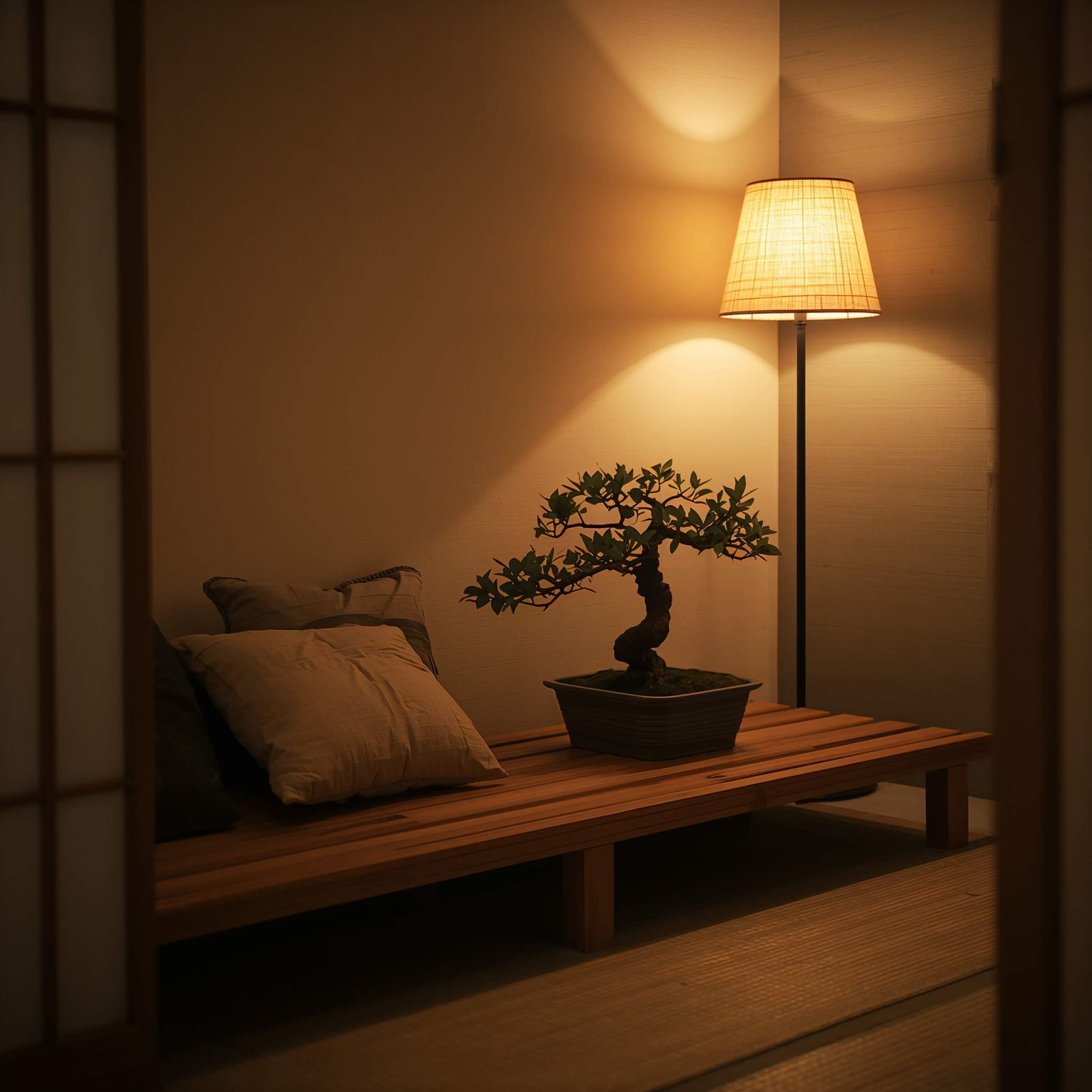
10 Unique Japanese Interior Design Ideas for Calm Interiors

You know that feeling when you walk into a space and instantly feel… calm? Like your shoulders drop, your breathing slows, and suddenly that work deadline doesn’t seem quite so terrifying? That’s what happened to me the first time I stepped into a traditional Japanese home in Kyoto. And honestly? I’ve been chasing that feeling ever since.
Japanese interior design isn’t just about throwing a bamboo mat on the floor and calling it a day.
It’s this whole philosophy of living that makes you reconsider everything from your cluttered coffee table to that pile of “I’ll deal with it later” stuff in the corner.
Trust me, I’ve been there – and I’m here to share what actually works when you’re trying to bring some of that Japanese magic into your own space.
Minimalist Japanese Living Room Inspirations
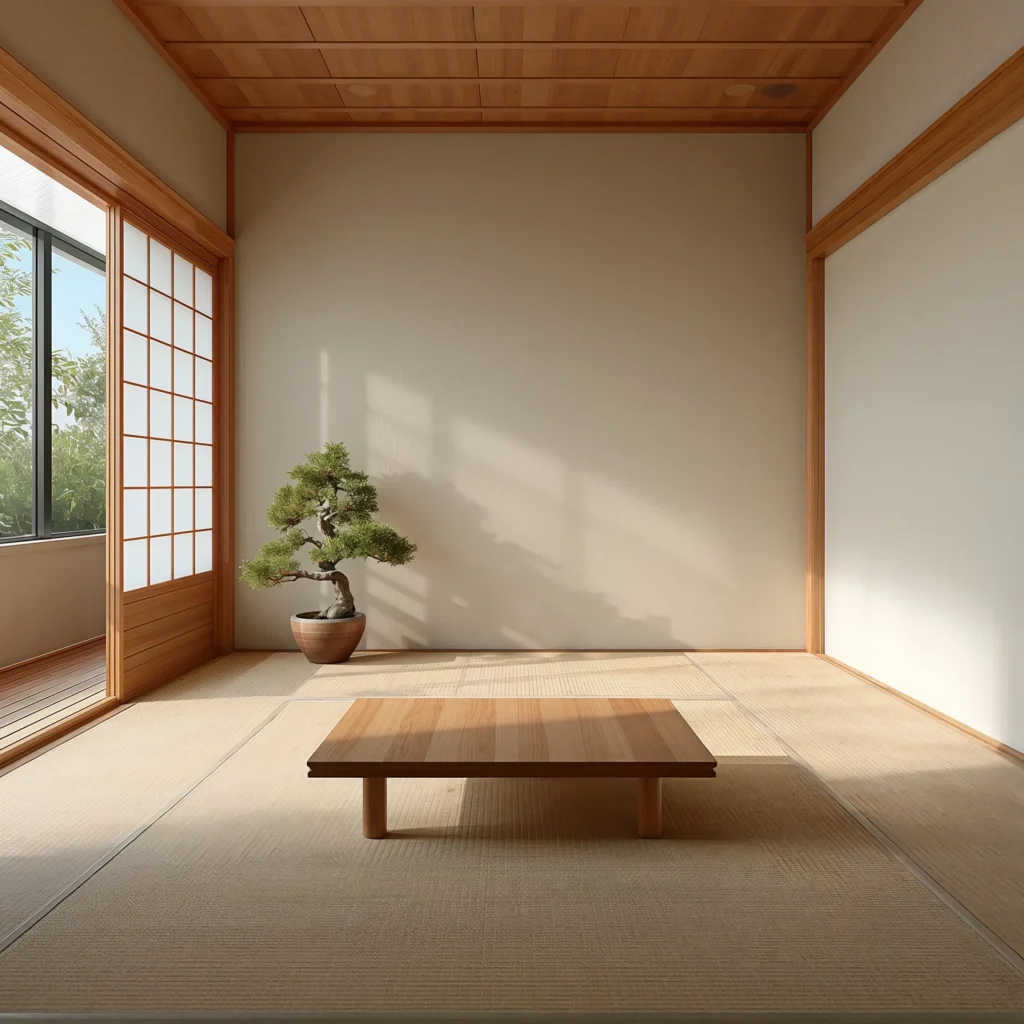
Let’s start with the living room, because honestly, that’s where most of us spend our Netflix-binging hours anyway. Japanese minimalism isn’t about having an empty, cold space that looks like nobody actually lives there. It’s about being intentional with what you choose to keep.
The Art of Empty Space
Here’s the thing about Japanese living rooms – they celebrate empty space like it’s a design element itself. And you know what? It totally is. I learned this the hard way after moving from a cramped studio where every surface was covered with something. When I finally embraced the concept of “ma” (negative space), my living room transformed from chaos central to zen paradise.
Start by picking a focal point. Maybe it’s that gorgeous low-profile sofa you’ve been eyeing, or perhaps a single piece of wall art. Everything else? It needs to earn its place. Ask yourself: does this spark joy, or am I just keeping it because Aunt Martha gave it to me five years ago?
Furniture That Makes Sense
Japanese living rooms typically feature:
- Low-profile sofas or floor cushions (zabuton)
- Simple wooden coffee tables (chabudai)
- Minimal, functional storage solutions
- Natural fiber rugs or bare floors
I swapped my bulky sectional for a low platform sofa last year, and honestly? My back has never been happier. Plus, the room looks twice as big now. Who knew ceiling height could feel so luxurious when your furniture isn’t reaching for the sky?
Zen Bedroom Design Ideas for Calm Spaces
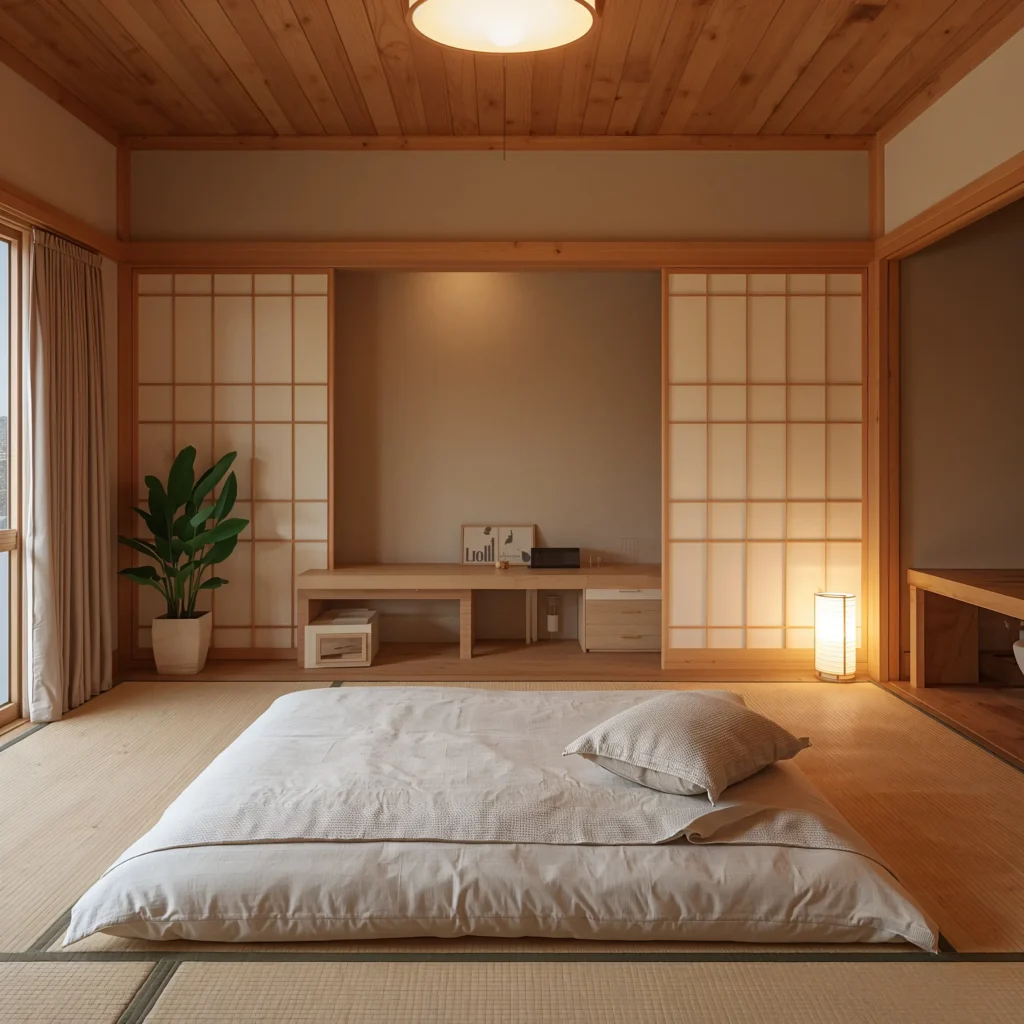
Your bedroom should be your sanctuary, not the place where clean laundry goes to die on “the chair” (we all have one, don’t lie). Japanese bedroom design focuses on creating a space that actually promotes rest. Revolutionary concept, right?
The Platform Bed Revolution
Platform beds or futons on tatami mats are the cornerstone of Japanese bedroom design. I know what you’re thinking – “But my princess and the pea sensibilities!” Here’s the secret: you don’t have to go full traditional. A simple platform bed frame keeps the low-profile aesthetic while still giving you that Western comfort we’re all secretly attached to.
The key elements for a zen bedroom include:
- Neutral color palettes (think whites, beiges, soft grays)
- Minimal decor (one or two carefully chosen pieces max)
- Hidden storage solutions
- Natural materials like wood and linen
- Soft, ambient lighting
Ever notice how hotels make you feel instantly relaxed? They’re basically doing Japanese bedroom design without calling it that. Strip away the clutter, invest in quality bedding, and watch your sleep quality soar.
Lighting That Doesn’t Assault Your Retinas
Japanese bedrooms rarely have harsh overhead lighting. Instead, they use paper lanterns, warm LED strips behind headboards, or small bedside lamps. I installed dimmable warm lights last month, and now my bedroom feels like a cozy cave instead of an interrogation room. Game changer.
Small Apartment Japanese Interior Hacks
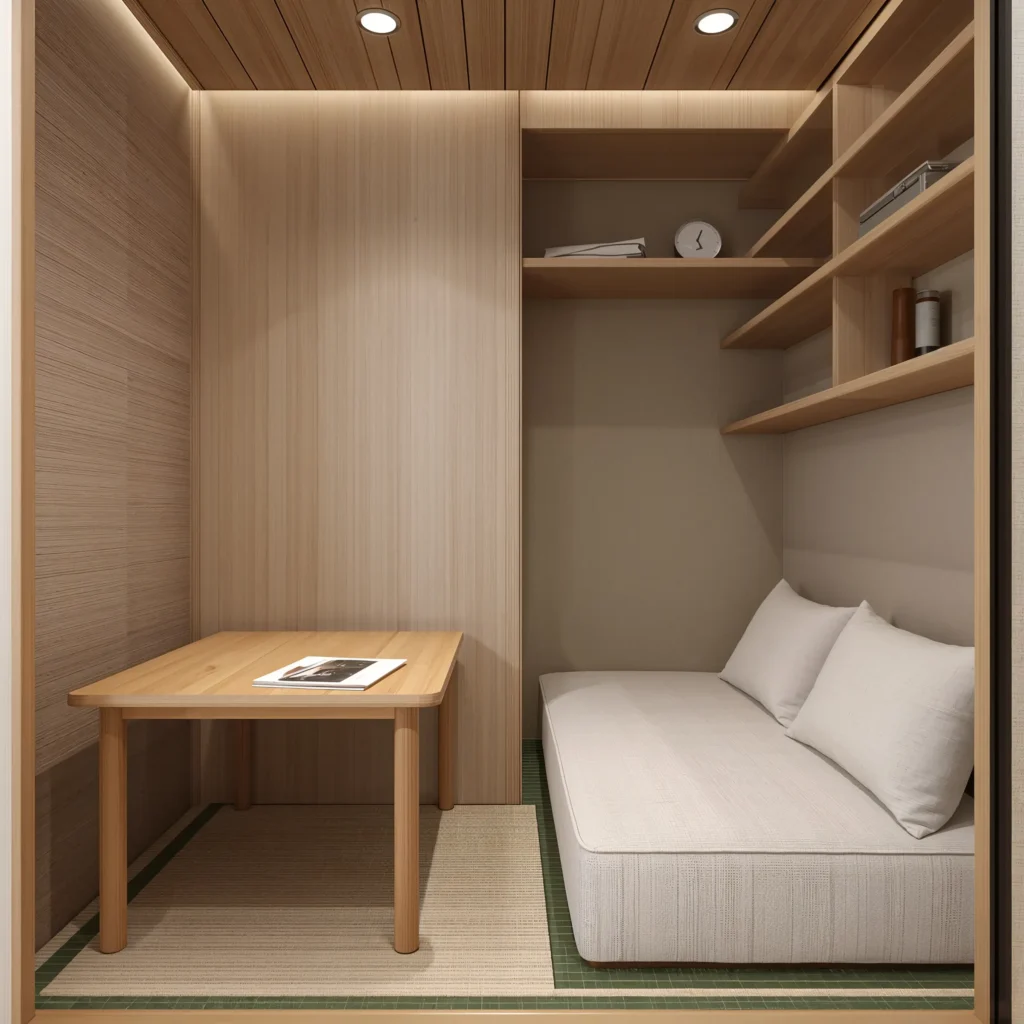
Living in 500 square feet? Join the club! Japanese design was basically invented for small spaces – these people have been making tiny living work for centuries. And no, you don’t need Marie Kondo to come personally organize your sock drawer (though that would be nice).
Multi-Functional Everything
The Japanese have this brilliant concept called “flexible spaces”. Your dining area becomes your workspace becomes your yoga studio. How? Magic. Just kidding – it’s actually clever furniture choices:
- Foldable tables that disappear when not needed
- Floor cushions that stack and store
- Room dividers that double as storage
- Ottoman benches with hidden compartments
I bought a kotatsu table (heated low table) last winter, and it’s basically become my entire living space. Work from home? Kotatsu. Dinner party? Kotatsu. Random Tuesday night craft project? You guessed it.
Vertical Storage Solutions
When you can’t go out, go up. Wall-mounted shelves, hanging organizers, and ceiling-mounted storage are your new best friends. But here’s the trick – keep them organized and minimal. The goal isn’t to move your floor clutter to the walls; it’s to actually reduce what you own. Harsh truth, but someone had to say it.
Also Read: 12 Inspiring Interior Design Mood Board Ideas for Modern Homes
Modern Japanese Kitchen Decor Concepts
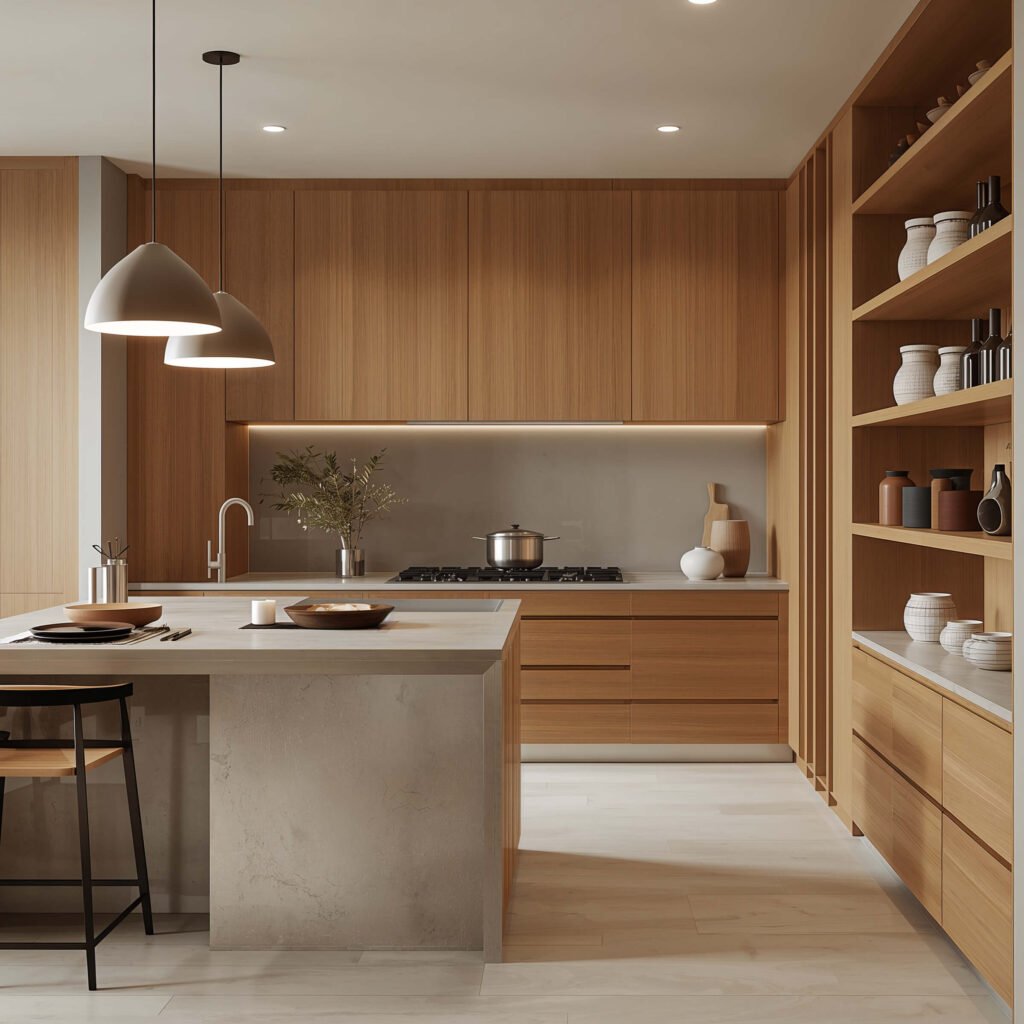
Japanese kitchens make Western kitchens look like hoarder havens. And before you @ me about your extensive spice collection, hear me out. The Japanese kitchen philosophy focuses on quality over quantity – fewer gadgets, but the ones you have are exceptional.
Open Shelving Done Right
Open shelving can either look Pinterest-perfect or like a disaster zone. The Japanese secret? Consistency and restraint. Use matching containers, keep color palettes neutral, and for the love of all that’s holy, don’t display every mug you’ve collected since college.
Essential elements for a Japanese-inspired kitchen:
- Minimal countertop appliances (hide that air fryer, Susan)
- Natural wood cutting boards as decor
- Simple, uniform dishware
- Hidden trash and recycling solutions
- Fresh herbs or a single plant for life
The Beauty of Negative Space
Your countertops should be 80% clear. I know, I know – where will the mail pile go? (Pro tip: get a mail organizer for your entryway instead.) Clear countertops make your kitchen feel larger and more peaceful. Plus, cooking becomes way more enjoyable when you’re not playing Tetris with your cutting board.
Traditional Tatami Room Styling Tips
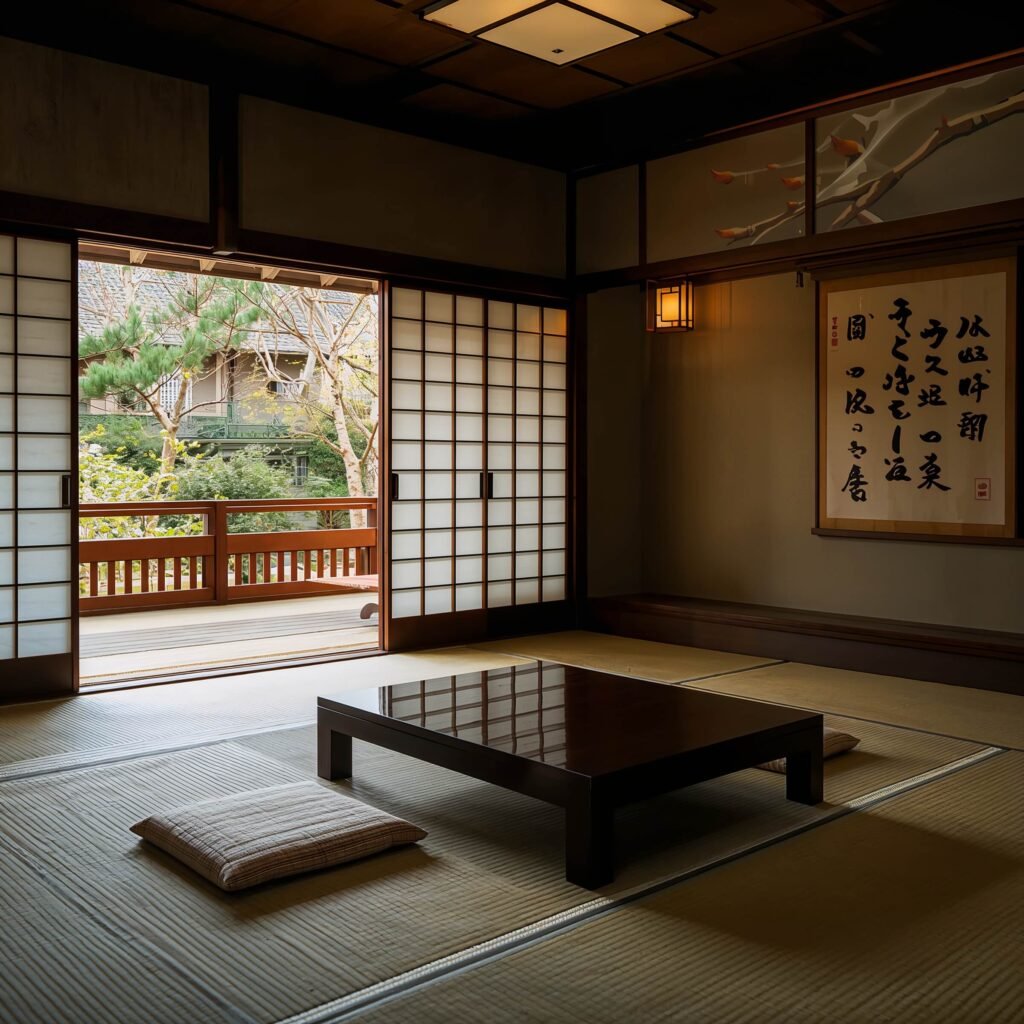
Want to go full traditional? Let’s talk tatami rooms. These aren’t just floors – they’re a whole vibe. Traditional tatami rooms follow specific rules that have been perfected over centuries.
The Tatami Layout Rules
Did you know tatami mats have specific arrangement patterns? And no, you can’t just throw them down willy-nilly. The mats should never form a + sign pattern (it’s considered bad luck). The standard layouts are:
- Auspicious layout (for regular rooms)
- Inauspicious layout (ironically, for tea rooms)
- Modern simplified patterns (for us mere mortals)
If real tatami is out of your budget (those things are pricey!), try tatami-style foam tiles or rush grass rugs. You’ll get 90% of the aesthetic for 10% of the cost.
Furniture-Free Living
Traditional tatami rooms typically have zero furniture. Scary, right? But here’s what you use instead:
- Zabuton cushions for seating
- Low writing desks that fold away
- Futons that store in closets during the day
- Wall-mounted hooks for hanging scrolls or art
I converted my spare room to a tatami-style space, and it’s become everyone’s favorite spot. There’s something about sitting on the floor that makes conversations feel more intimate. Plus, it’s basically impossible to check your phone while maintaining proper seiza sitting position 😉
Japanese-Inspired Home Office Layouts
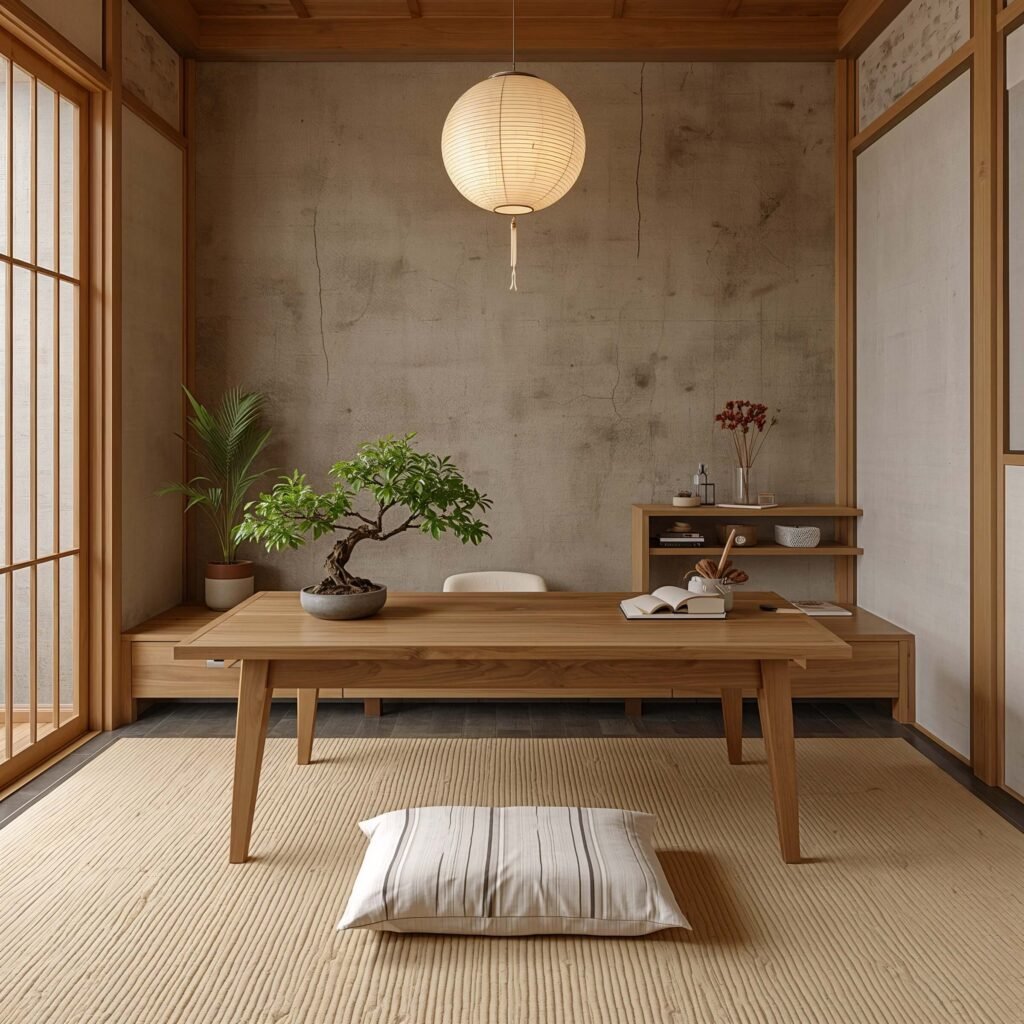
Working from home doesn’t mean your office has to look like a corporate cubicle exploded in your spare bedroom. Japanese office design emphasizes focus and calm – two things we could all use more of during Zoom meetings.
The Minimalist Desk Setup
Your desk should have exactly what you need and nothing more. My rule? If I haven’t touched it in a week, it doesn’t belong on my desk. This means:
- One laptop/monitor setup
- A single notebook and pen
- Maybe a small plant (emphasis on small)
- A desk lamp if needed
That’s it. Those seventeen different colored pens? Drawer. That “motivational” clutter? Wall or gone. The result? You actually focus on work instead of rearranging your desk toys for the millionth time.
Natural Light and Views
Position your desk near a window if possible, but facing perpendicular to it rather than directly at it (trust me, the glare is real). Japanese offices often incorporate views of nature or simple gardens. Can’t see nature from your window? A small desktop zen garden or single bonsai tree works wonders for those moments when you need a mental break from spreadsheets.
Also Read: 12 Eye-Catching Shop Interior Design Ideas for Retail Success
Natural Materials in Japanese Interior Design
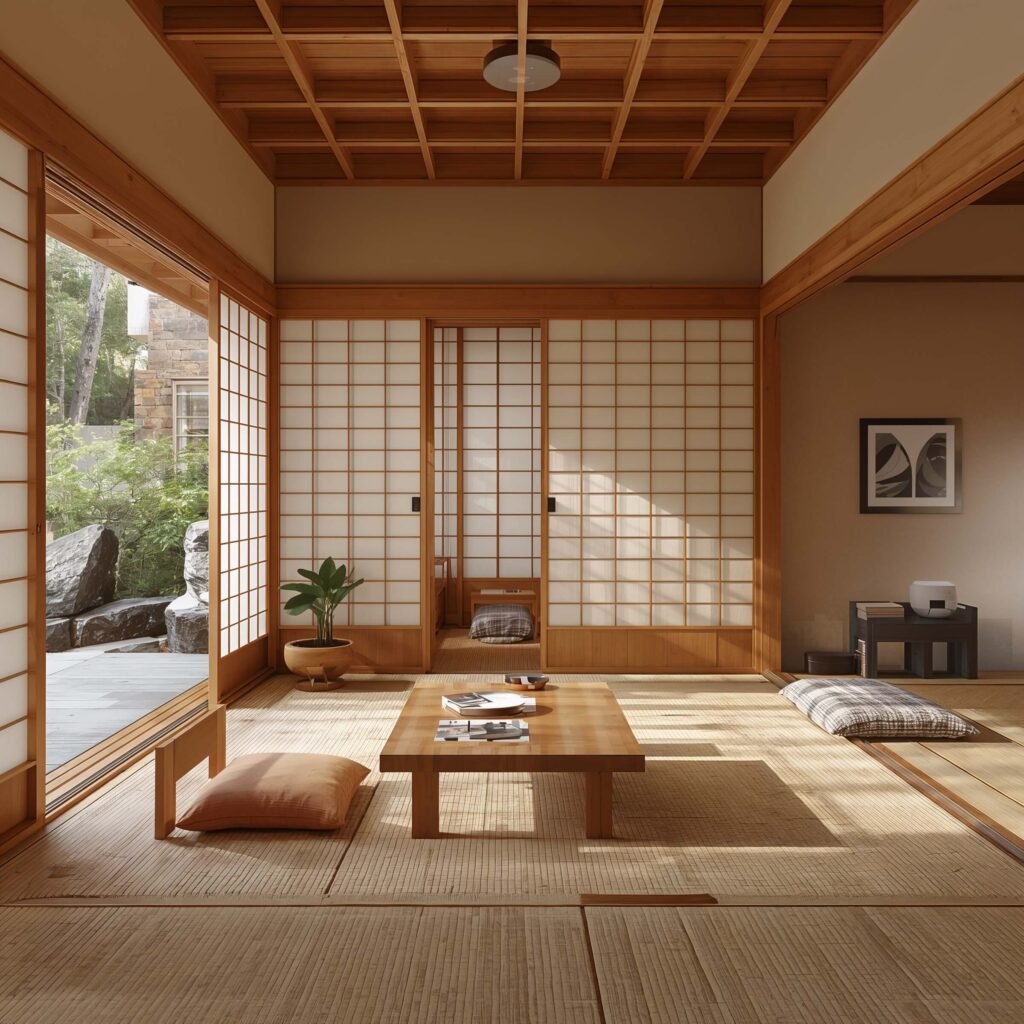
Here’s where Japanese design really shines – the materials. Forget plastic, forget chrome, forget whatever that weird composite material IKEA uses. Japanese interiors celebrate natural materials in their raw, honest form.
Wood, Bamboo, and Beyond
The materials you’ll see most often:
- Light woods (cedar, cypress, pine)
- Bamboo everything (seriously, everything)
- Paper and rice paper (shoji screens, lampshades)
- Stone and pebbles (for accents and gardens)
- Natural fibers (cotton, linen, jute)
I replaced all my plastic storage containers with bamboo baskets last year. Not only do they look infinitely better, but they also make me feel like I have my life together. Even when I definitely don’t.
The Wabi-Sabi Approach
Wabi-sabi is basically the Japanese art of finding beauty in imperfection. That scratched wooden table? Character. The slightly uneven handmade ceramic bowl? Perfection in its imperfection. This philosophy literally gives you permission to stop stressing about every little ding and scratch. Your furniture tells a story – let it.
Shoji Screen Room Divider Ideas
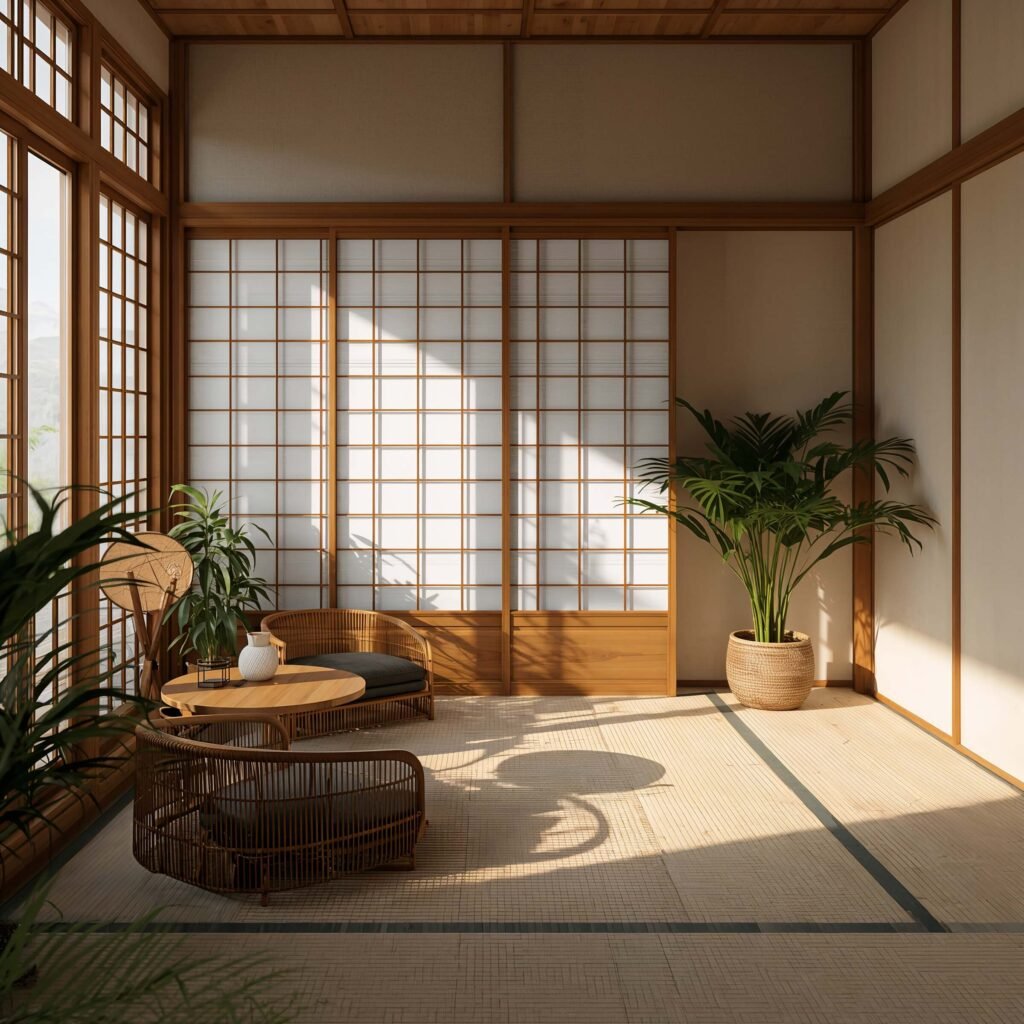
Shoji screens are those gorgeous translucent panels you’ve seen in every Japanese movie ever. But they’re not just pretty – they’re insanely practical for modern living.
Creating Flexible Spaces
Shoji screens let you divide spaces without building walls. Studio apartment? Boom – instant bedroom privacy. Open floor plan that’s a little too open? Shoji screen to the rescue. The best part? They let light through while maintaining privacy. It’s basically architectural magic.
Ways to use shoji screens:
- Closet doors (way chicer than those awful sliding mirrors)
- Room dividers (bedroom/living room in studios)
- Window treatments (privacy without darkness)
- Headboard alternatives (seriously gorgeous option)
- Hiding ugly stuff (looking at you, exercise equipment)
DIY Shoji Options
Can’t afford authentic shoji screens? FYI, neither could I. Try tension rod curtains with sheer white fabric, or build a simple wooden frame with rice paper. There are tons of tutorials online, and honestly, the DIY versions can look just as good if you take your time.
Japanese Bathroom Spa-Inspired Designs
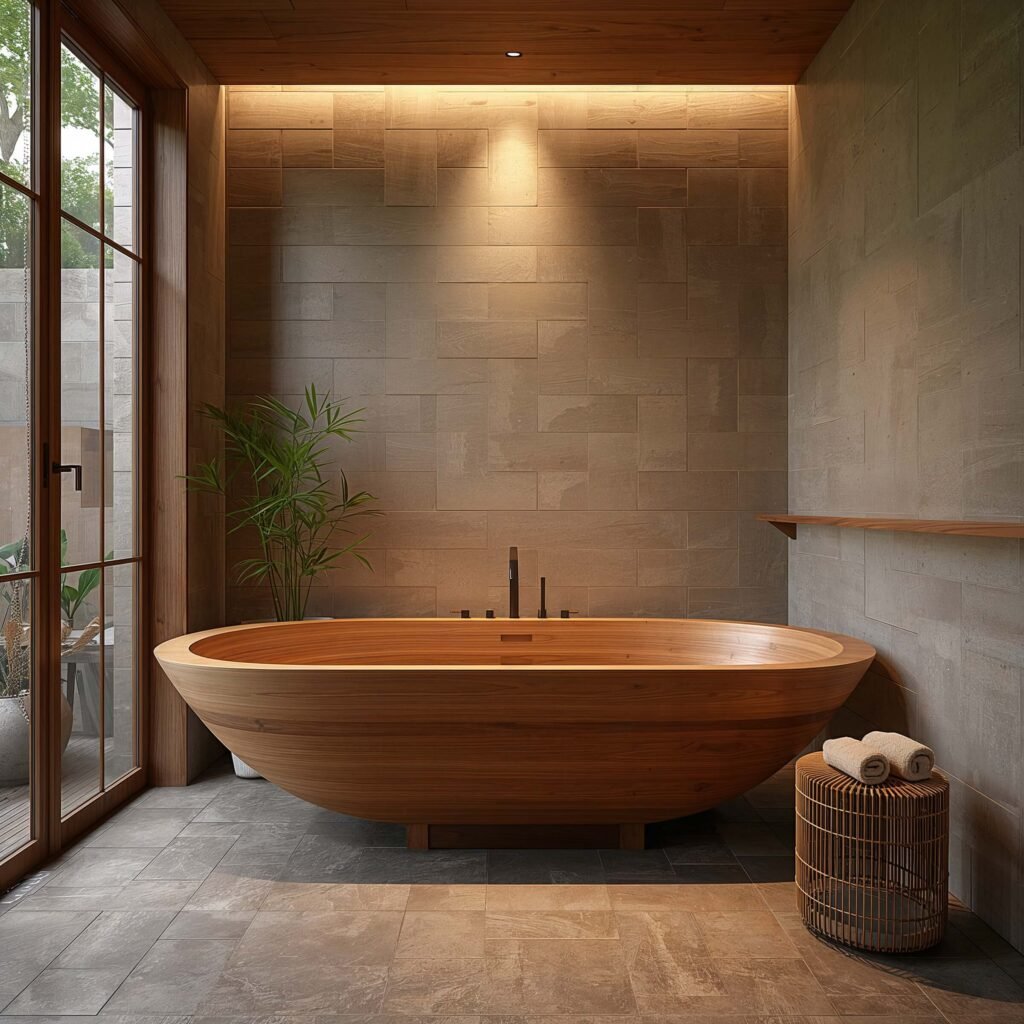
Japanese bathrooms are basically home spas, and once you experience one, your regular bathroom feels like a gas station restroom in comparison. The goal? Create a space that makes you want to linger, not rush through your morning routine.
The Soaking Tub Situation
In Japan, the bathtub is for soaking, not washing. You wash outside the tub, then soak in clean water. Mind-blowing, right? While most of us can’t renovate our entire bathrooms, we can steal some ideas:
- Deep soaking tubs (if renovating)
- Wooden bath stools (for that authentic feel)
- Bamboo bath caddies (for your wine, obviously)
- Natural wood bath mats
- Minimal product display (hide those seventeen half-empty shampoo bottles)
Materials That Love Moisture
Teak, bamboo, and stone are your bathroom BFFs. They handle moisture like champs and look incredible. I swapped my fabric shower curtain for a simple glass panel and added teak shelving – suddenly my bathroom went from “functional” to “I could live in here.”
Also Read: 10 Beautiful Interior Ceiling Design Ideas to Inspire You
Cozy Japanese-Style Reading Nooks
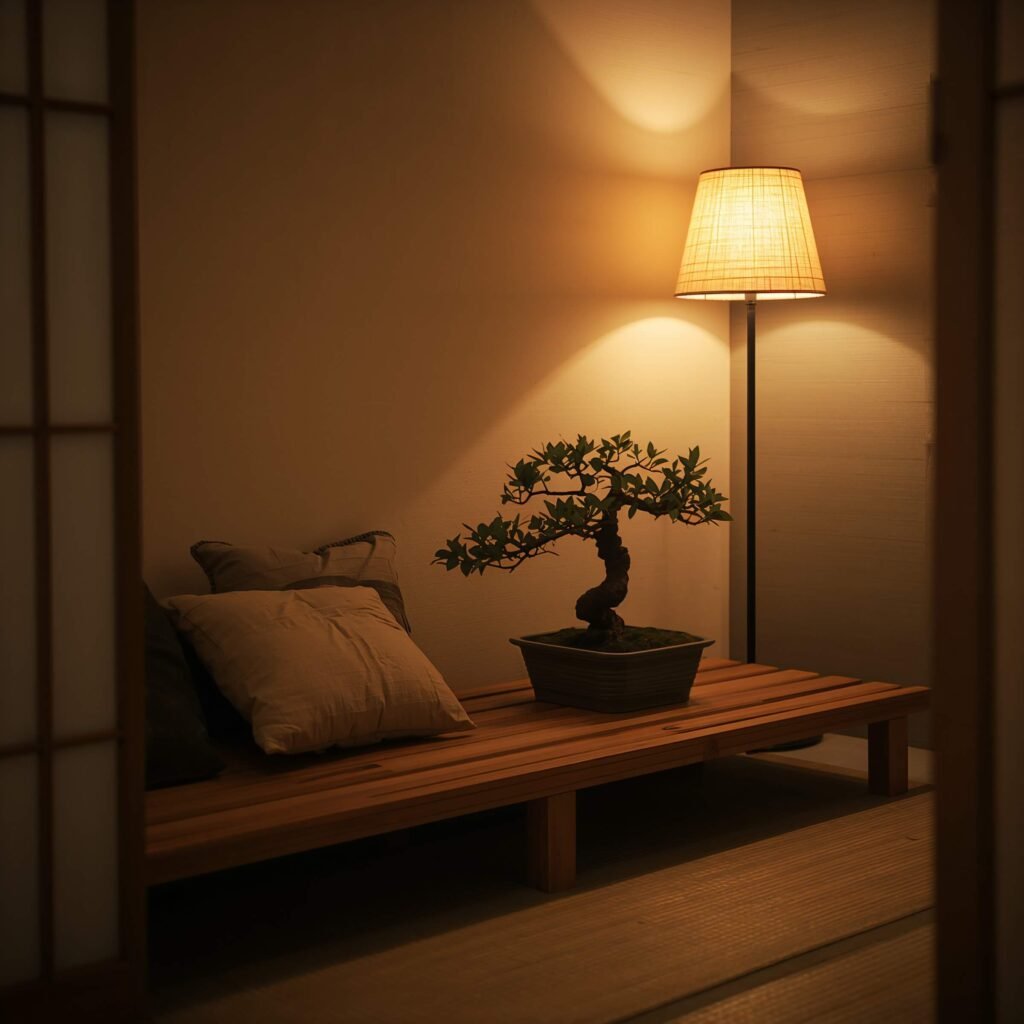
Last but definitely not least, let’s talk about creating the perfect reading nook. Because if you’re going to escape reality with a good book, you might as well do it in style.
The Floor-Level Advantage
Japanese reading nooks often feature floor seating with plenty of cushions and soft textures. Think meditation corner meets library. Here’s what you need:
- A corner with good natural light
- Floor cushions or a meditation pillow
- A low side table for tea (because obviously)
- Minimal shelf for current reads
- Soft throw blankets in natural fibers
Creating the Perfect Ambiance
The secret to a great reading nook isn’t just the seating – it’s the whole vibe. Add a small pendant light or paper lantern, keep a cozy throw within reach, and maybe add a tiny plant. The goal is to create a space so inviting that you actually want to put your phone down and read. Revolutionary in 2024, I know.
I transformed a dead corner in my bedroom into a reading nook with just a floor cushion, a basket for books, and a bamboo pendant light. Total cost? Under $100. Times I’ve actually used it? Countless. There’s something about having a designated reading spot that makes you actually, you know, read.
Wrapping This Up
Look, transforming your space with Japanese interior design principles doesn’t mean you need to live like a monk or throw away everything you own (though honestly, you probably could lose a few things – we all could). It’s about being intentional, embracing simplicity, and creating spaces that actually serve your life instead of complicating it.
Start small. Pick one room, or even one corner, and apply these principles. Clear the clutter, bring in natural materials, and embrace that beautiful empty space. Your home doesn’t need to look like it belongs in Architectural Digest – it just needs to feel like a place where you can breathe.
The best part about Japanese interior design? It’s not about perfection. It’s about creating harmony between you and your space. So whether you go full minimalist or just add a few bamboo accents, remember that the goal is to create a home that makes you feel peaceful, focused, and maybe just a little bit more zen than you were yesterday.
And hey, if all else fails, at least your Instagram feed will look amazing 🙂