10 Creative Basement Remodel Ideas and Functional Layouts

Remember that creepy basement where you stored Christmas decorations and pretended didn’t exist? Yeah, that one.
Well, I’m about to show you how to transform that forgotten dungeon into the coolest space in your house – and trust me, your neighbors will suddenly become your best friends once they see what you’ve done with the place.
I spent three months living in my unfinished basement during a main floor renovation (long story), and let me tell you, that experience taught me everything about what makes a basement actually livable versus just tolerable.
The difference between a successful basement remodel and a waste of money comes down to choosing the right concept for your lifestyle – not just copying whatever’s trending on Pinterest.
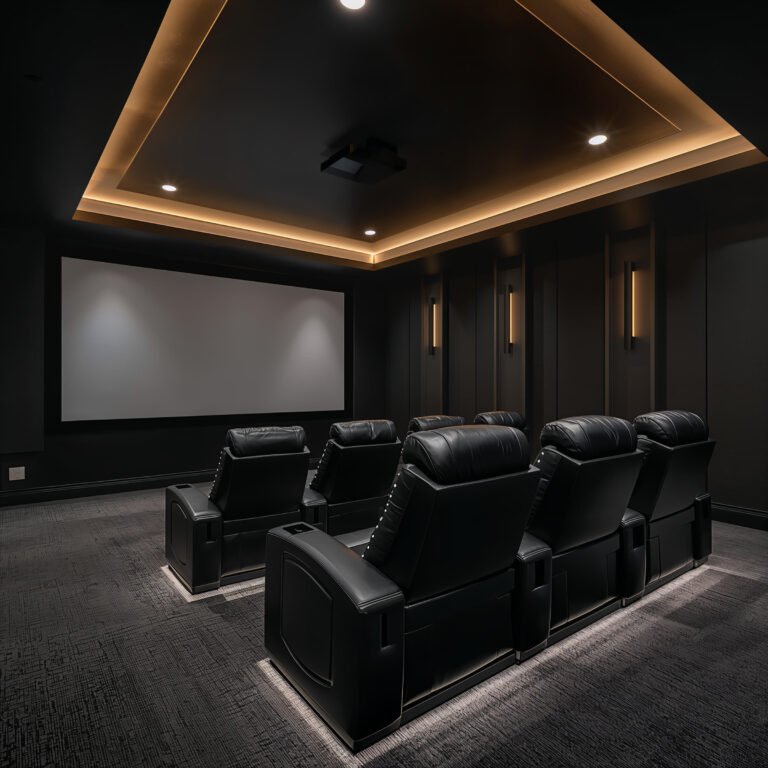
Modern Home Theater Basement
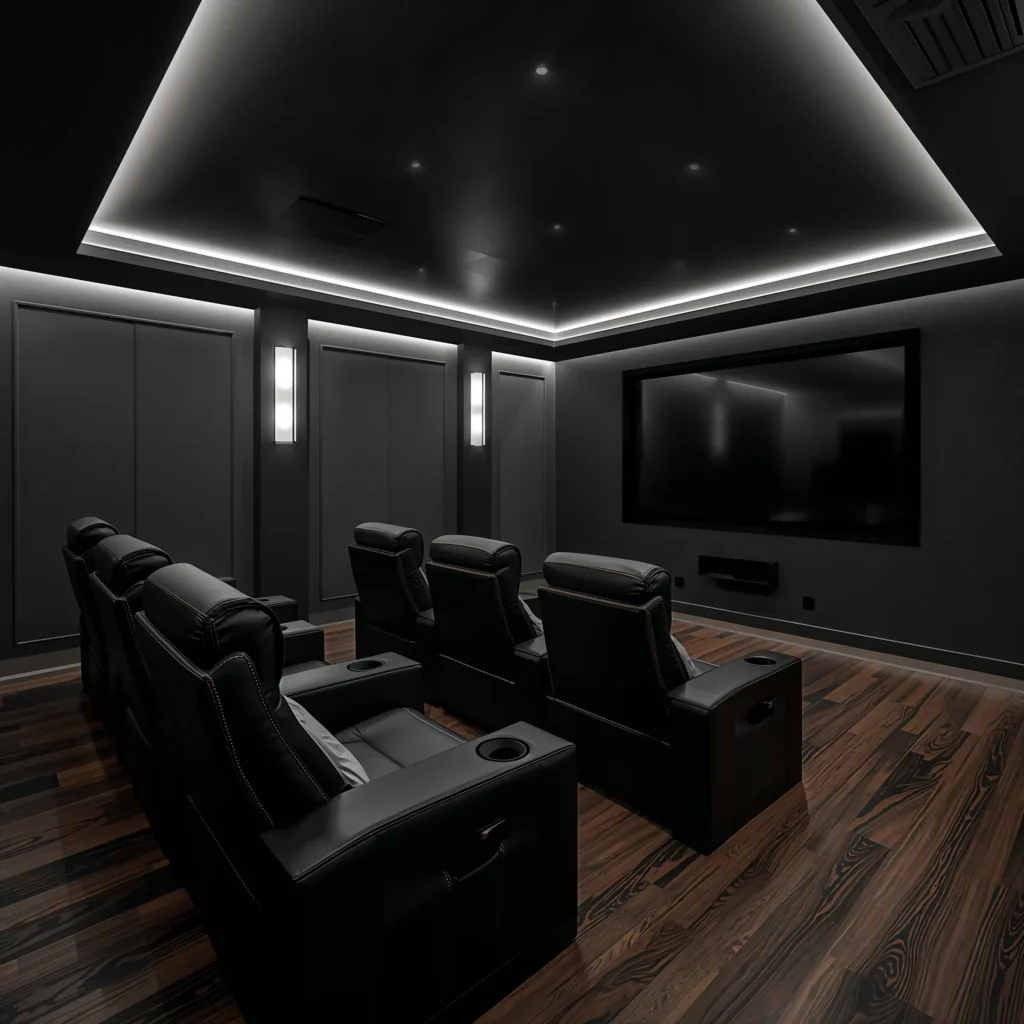
Let’s kick things off with the ultimate crowd-pleaser: the home theater basement. You know what beats paying $50 for two movie tickets and stale popcorn? Having your own cinema where you control the remote, the volume, and most importantly, the pause button for bathroom breaks.
The Tech Setup That Actually Matters
When I built my basement theater, I learned the hard way that bigger isn’t always better when it comes to screens. You need to match your screen size to your room dimensions – otherwise, you’ll end up with neck pain from sitting too close to a 120-inch screen in a 12-foot room. Here’s what actually works:
• 65-75 inch TV for rooms under 200 square feet
• 85-100 inch screen or projector for 200-400 square feet
• 110+ inch projector setup for larger spaces
The real game-changer? Acoustic panels. I installed these foam panels on my walls, and suddenly my $300 soundbar sounded like a $3,000 system. Plus, your upstairs neighbors (or sleeping kids) won’t hate you when you’re watching explosions at midnight.
Creating the Cinema Vibe
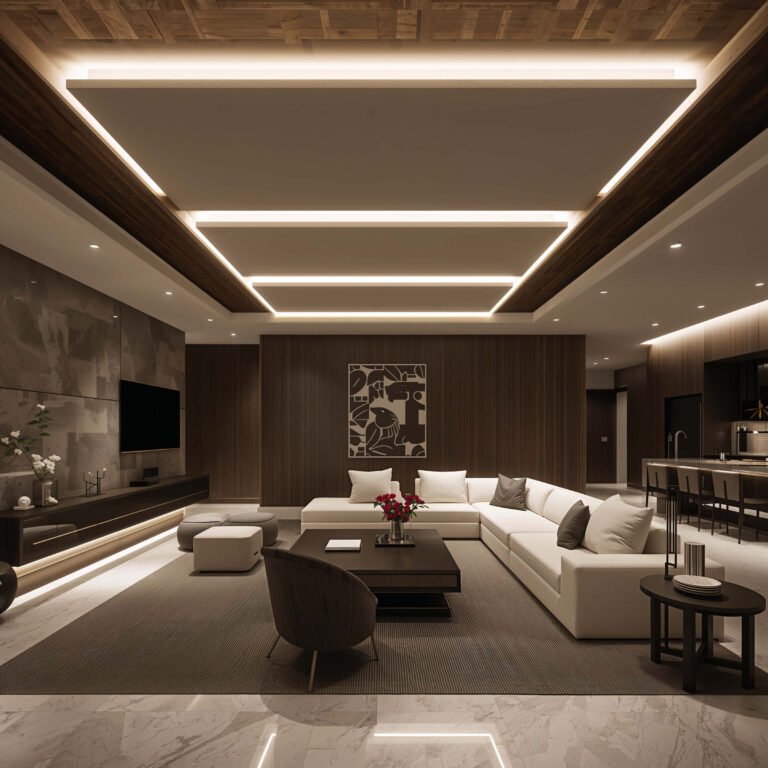
You want that authentic movie theater feel without the sticky floors, right? Start with recessed lighting on dimmers – this single upgrade transforms the entire atmosphere. I added LED strip lights behind my screen for that subtle backlight effect, and honestly, it makes even bad movies look cinematic.
Skip the traditional theater seating unless you’ve got serious square footage. Sectional sofas with cup holders give you more flexibility, and let’s be real – you’re probably going to lie down halfway through the movie anyway. Throw in some washable blankets (because popcorn happens), and you’re golden.
Cozy Family Lounge Basement
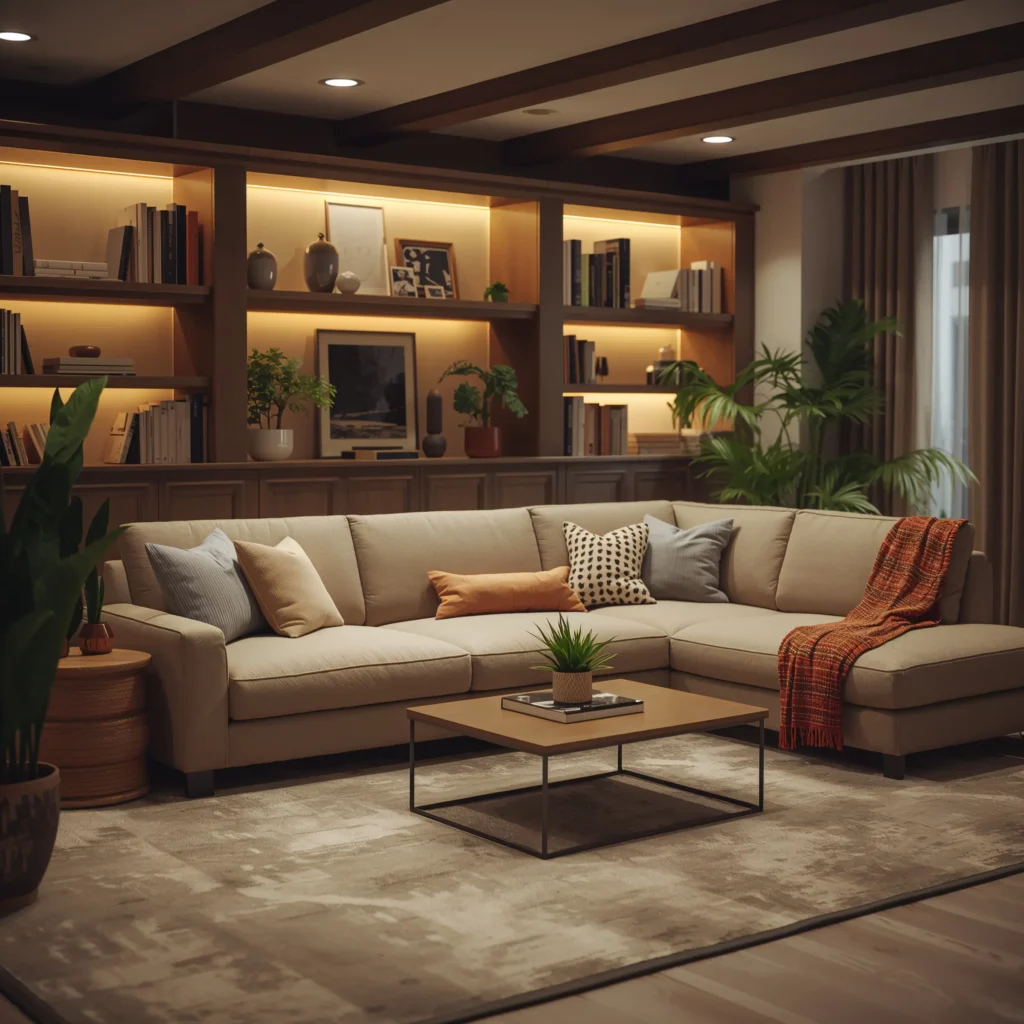
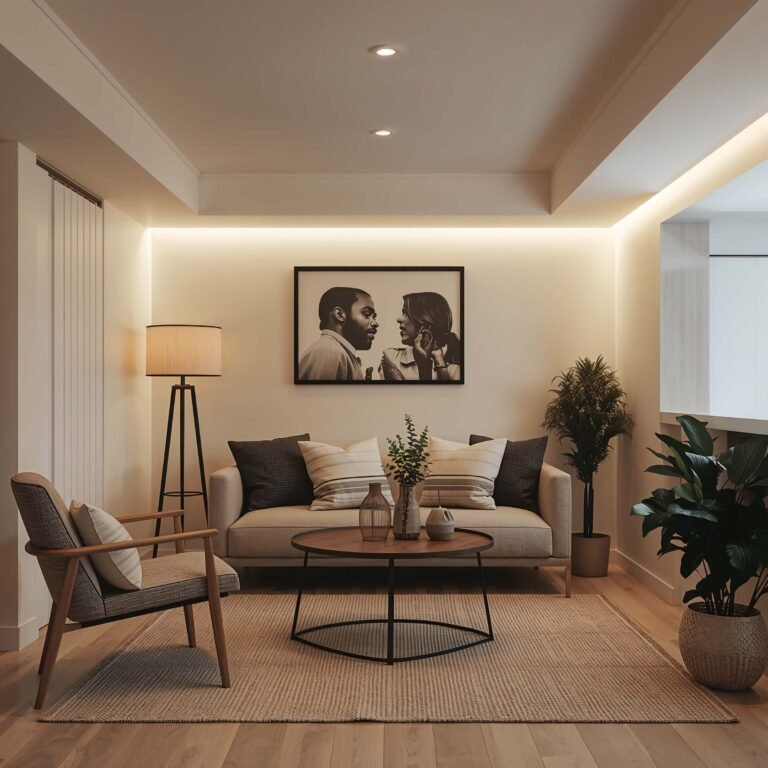
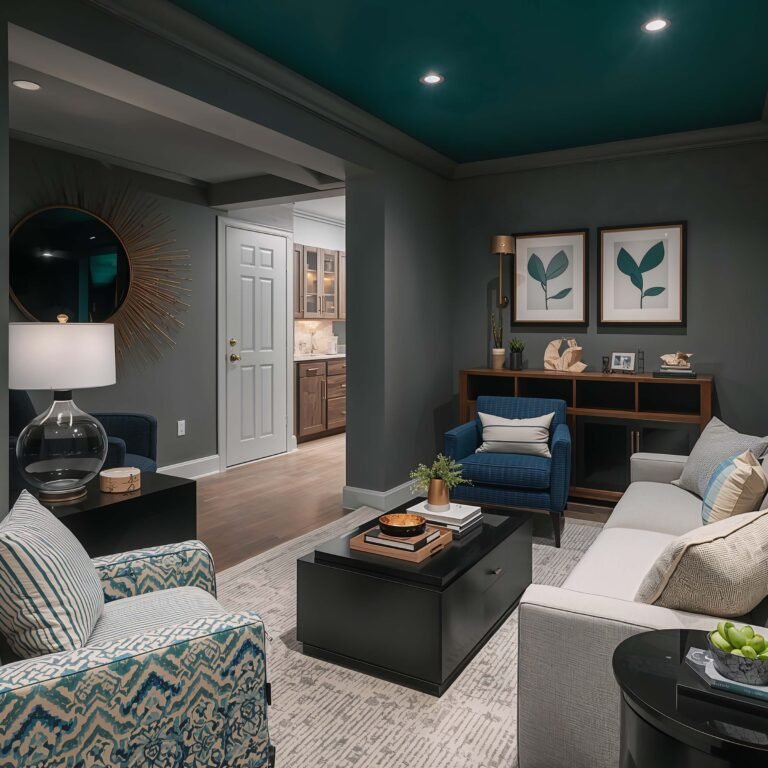
Not everyone wants their basement to feel like a commercial space. Sometimes you just need a place where the whole family can sprawl out, argue about what to watch, and actually enjoy being in the same room together.
Making It Feel Like Home (Not a Cave)
The biggest challenge with basement lounges? Fighting that underground bunker feeling. I tackled this by painting the ceiling white instead of leaving it that depressing exposed-joist look. Yeah, it cost more, but the difference in brightness and perceived height makes it worth every penny.
Warm lighting is absolutely crucial here. Forget those harsh fluorescent strips – go for 3000K LED bulbs that mimic natural sunlight. I installed three different light sources in my lounge: overhead recessed lights, floor lamps, and table lamps. Why? Because layered lighting tricks your brain into forgetting you’re underground.
Furniture That Takes a Beating
Here’s something nobody tells you about basement furniture: it needs to handle moisture better than your main floor pieces. Even with proper waterproofing, basements get humid. I learned this after my first fabric sofa developed that lovely musty smell after one summer.
Go for:
• Leather or faux leather seating (easier to clean, handles humidity)
• Lift-top coffee tables (hidden storage is your friend)
• Washable area rugs (because spills happen underground too)
Stylish Basement Bar & Entertainment Area
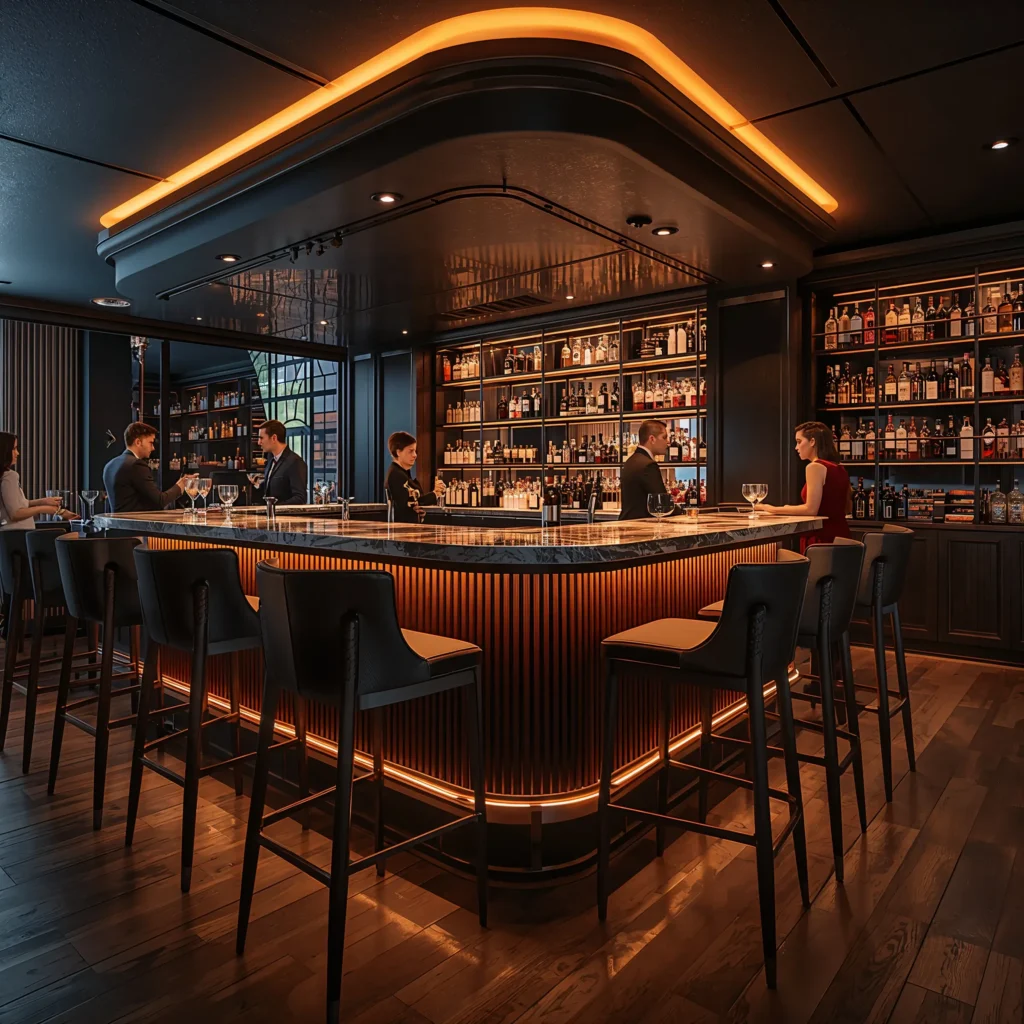
Alright, let’s talk about what you really want – that swanky basement bar where you can pretend you’re Don Draper for an evening. But here’s the thing: building a bar that actually gets used versus one that becomes an expensive dust collector requires some honest self-reflection.
Bar Design That Makes Sense
You watching the game with 10 friends every weekend? Then yeah, build that full wraparound bar with eight stools. But if you’re more of a “wine with Netflix” person, a simple wet bar with a mini-fridge works perfectly. I went middle-ground with a 6-foot straight bar and three stools, and it’s exactly right for our occasional entertaining.
The non-negotiable feature? A sink. Trust me on this one. Running upstairs with dirty glasses gets old fast, and having water access for mixing drinks changes everything. The plumbing might cost you an extra grand, but you’ll thank yourself every single time you use it.
Stock It Like You Mean It
Nobody’s impressed by dusty bottles of peach schnapps from 2003. Keep your bar stocked with quality basics that actually get used:
• Good vodka, whiskey, and rum
• Fresh mixers (not the stuff that expired last year)
• Proper glassware (thrift stores have amazing deals on this)
• An ice maker or dedicated ice storage
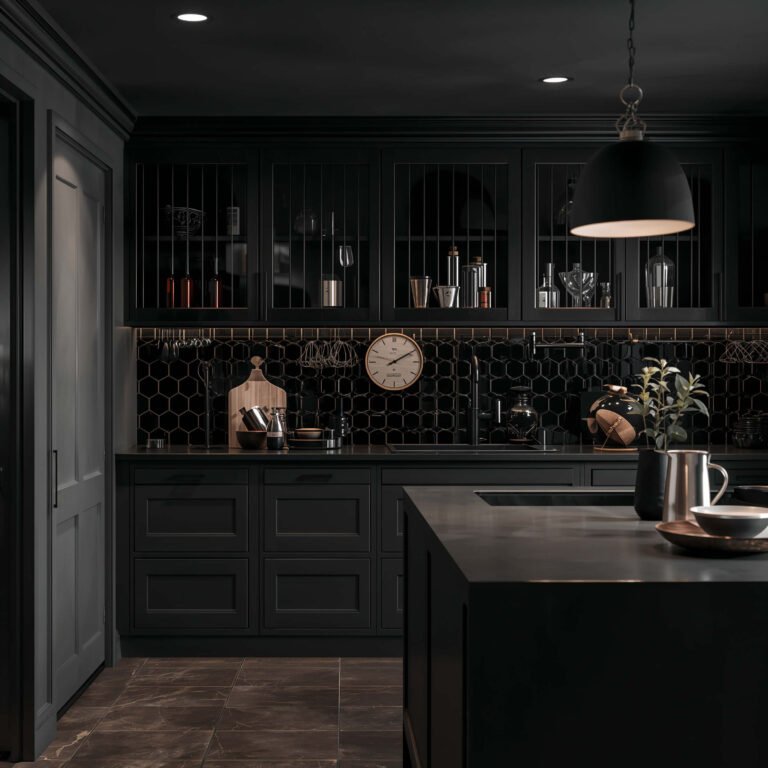
FYI, those fancy LED bottle displays look cool on Instagram but blind everyone in real life. Stick with warm under-cabinet lighting that highlights your bottles without turning your bar into a nightclub.
Also Read: 10 Genius Basement Ideas for Cozy and Functional Spaces
Minimalist Basement Home Office
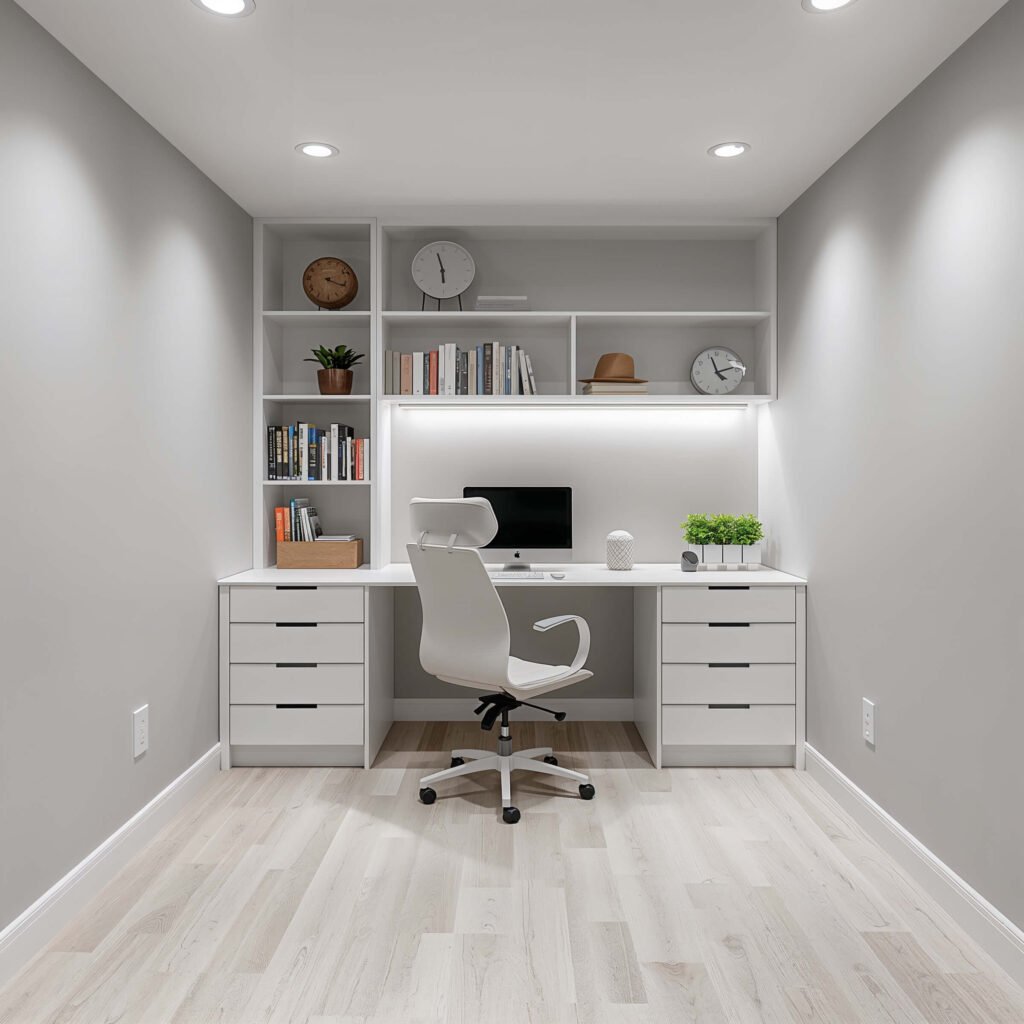
Working from home in your bedroom is about as productive as trying to diet in a candy store. A basement office gives you that crucial separation between work and life – plus, you can claim it on your taxes (check with your accountant though, I’m not giving tax advice here).
Design for Focus, Not Distraction
The minimalist approach works brilliantly in basements because less stuff means less dust and moisture problems. I kept my basement office stupidly simple: a solid desk, ergonomic chair, and exactly three pieces of wall art. That’s it. No knick-knacks, no “inspiration boards,” no clutter.
Natural light substitutes are essential for basement offices. I installed two daylight LED panels that mimic windows, and they’ve literally saved my sanity during winter months. Your eyes and mood will thank you when you’re not squinting at your screen in dungeon darkness all day.
Tech Setup That Actually Works
Here’s what you actually need:
• Ethernet connection (WiFi gets sketchy underground)
• Multiple outlets at desk height (no crawling under desks)
• Good ventilation (basements get stuffy fast)
• White noise machine (blocks upstairs footsteps)
Skip the fancy standing desk unless you’ll actually use it. I bought one, used it twice, and now it’s an expensive regular desk. IMO, invest that money in a really good chair instead.
Basement Gym & Fitness Studio
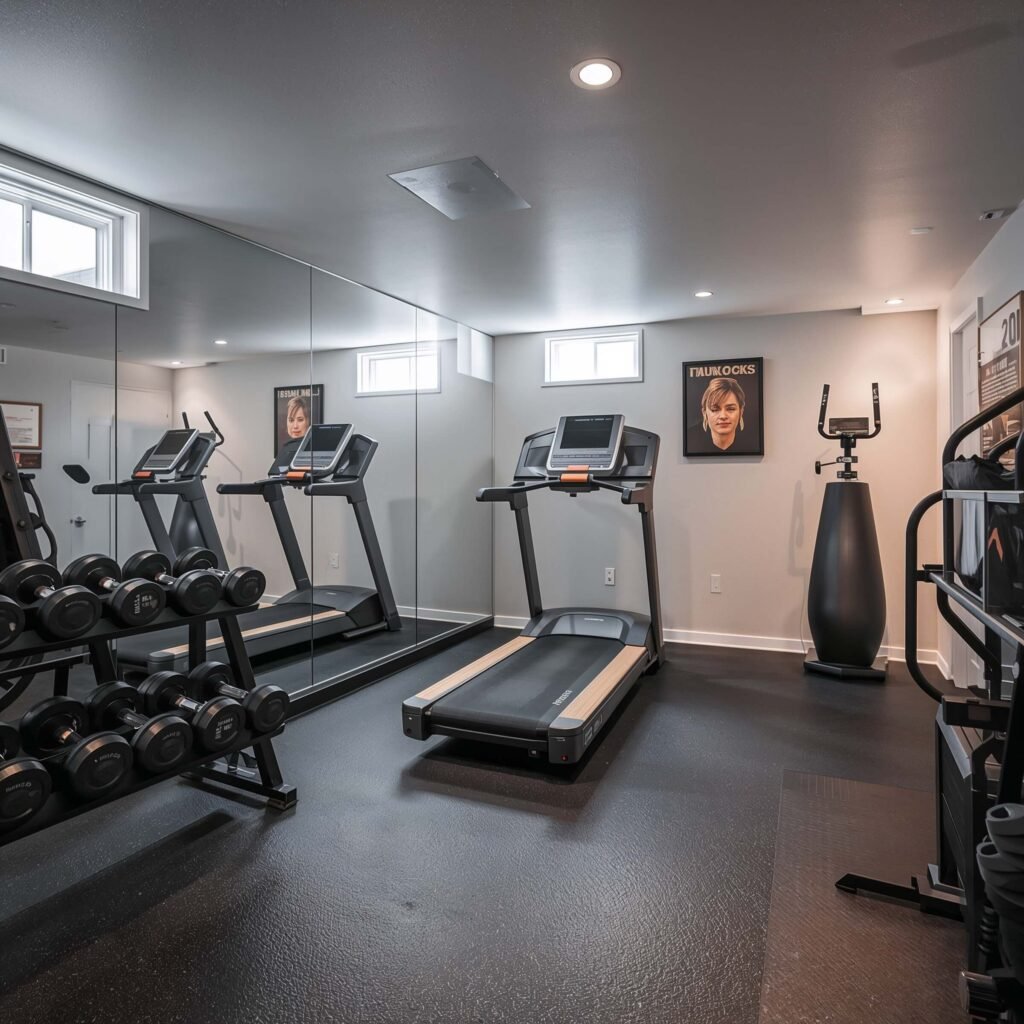
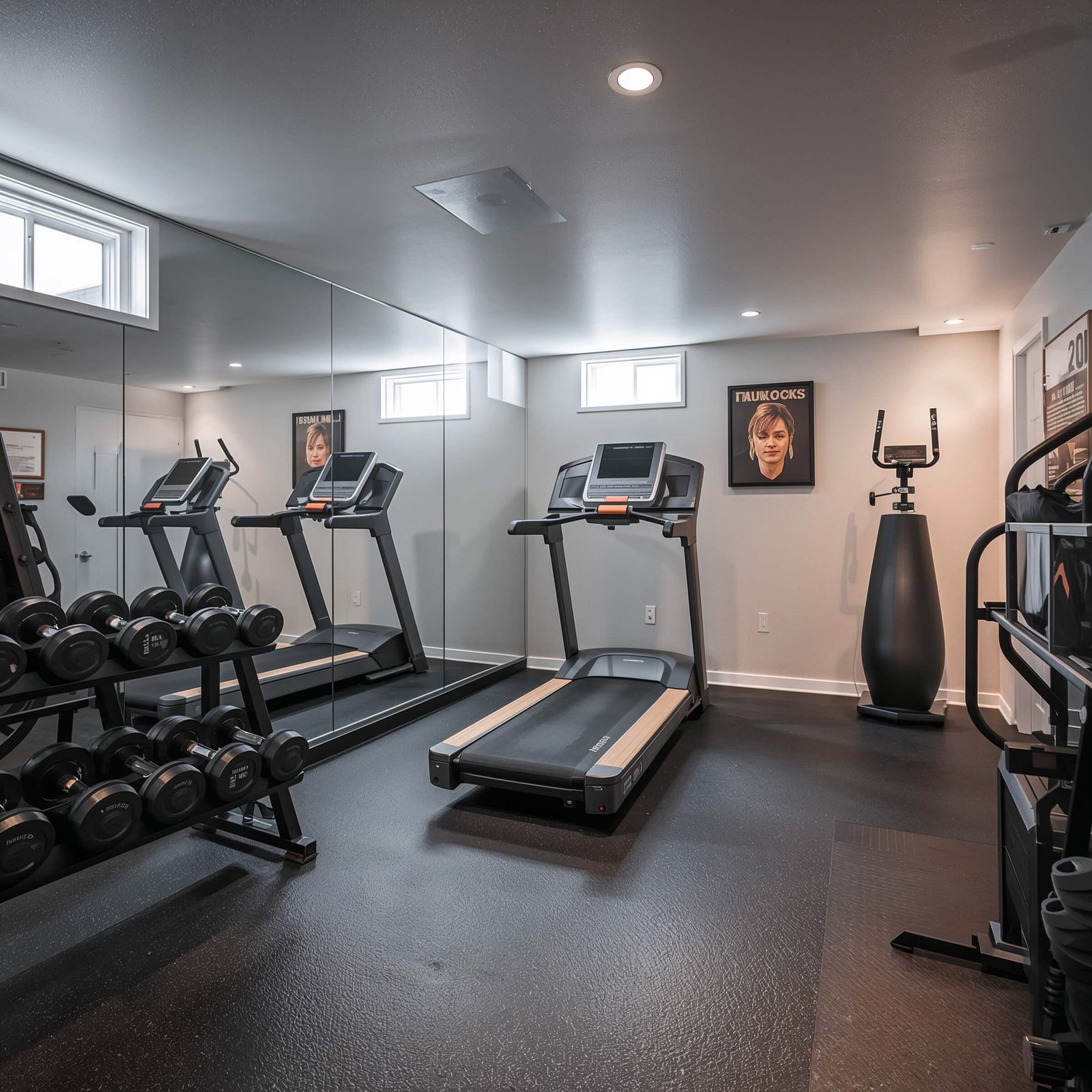
Building a basement gym sounds awesome until you realize you’ve created an expensive storage room for equipment you never use. But done right? A basement gym saves you thousands in membership fees and actually gets you working out more because there’s no commute excuse.
Equipment That Earns Its Space
Start small and build up based on what you actually use. My first basement gym had every gadget imaginable, and I used maybe 20% of it. Now I’ve got:
• Adjustable dumbbells (space-savers)
• A quality bench (multipurpose)
• Resistance bands (seriously underrated)
• One cardio machine you’ll actually use
The ceiling height determines everything here. Got less than 8 feet? Forget the pull-up bar and overhead presses. Focus on exercises you can actually do without smacking the ceiling.
Flooring That Can Take a Beating
Rubber flooring tiles are non-negotiable for basement gyms. I tried using those puzzle mats first – terrible decision. They slide around, tear easily, and smell weird. Spend the extra money on proper gym flooring. Your knees, equipment, and concrete floor will all thank you.
Don’t forget about mirrors! They’re not just for vanity (though checking form is important). Mirrors make your basement gym feel twice as large and reflect light around the space. Just secure them properly – nobody wants seven years of bad luck from a falling gym mirror.
Rustic Guest Bedroom Basement
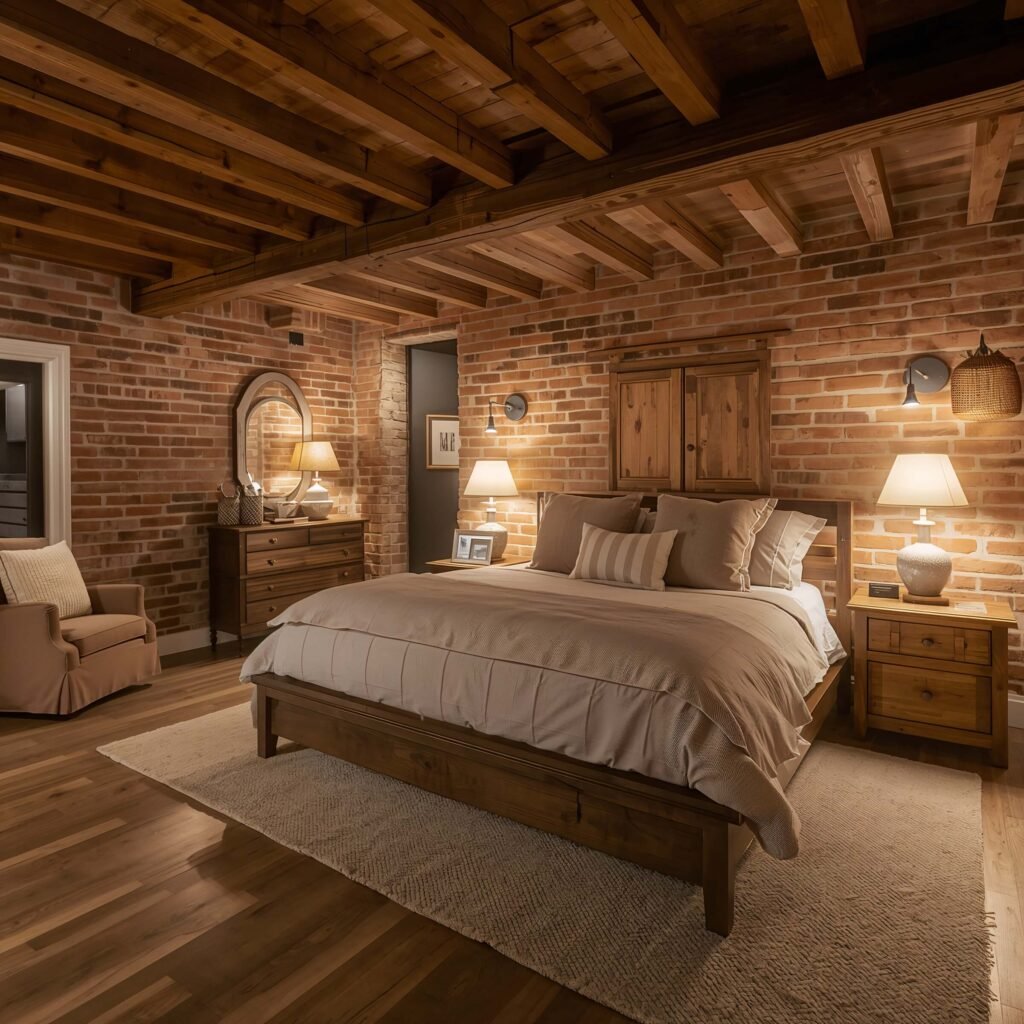
Turning your basement into a guest room that people actually want to sleep in requires more than just throwing a bed downstairs and calling it done. The secret? Making it feel intentionally designed, not banished to the basement.
Creating Comfort Underground
First things first – egress windows are legally required for basement bedrooms in most areas. But beyond code compliance, they’re psychologically important. Nobody wants to sleep in a windowless bunker, no matter how nice the decor.
I went full rustic with reclaimed wood accent walls and industrial pipe shelving, and it totally works with the basement’s natural vibe. Instead of fighting the exposed ceiling, I painted everything (including pipes and ducts) matte black. Suddenly those “eyesores” became architectural features.
Guest Comfort Essentials
Your guests need:
• Quality mattress (not your old one from college)
• Bedside power outlets with USB ports
• Blackout curtains for those egress windows
• A closet or wardrobe (even a small one)
• Private bathroom access (if possible)
The bathroom situation makes or breaks a basement guest room. If you can’t add a full bath, at least ensure easy access to a powder room without trudging through your entire house.
Also Read: 10 Brilliant Luxury Car Garage Ideas and Modern Touches
Bright Kids’ Playroom Basement
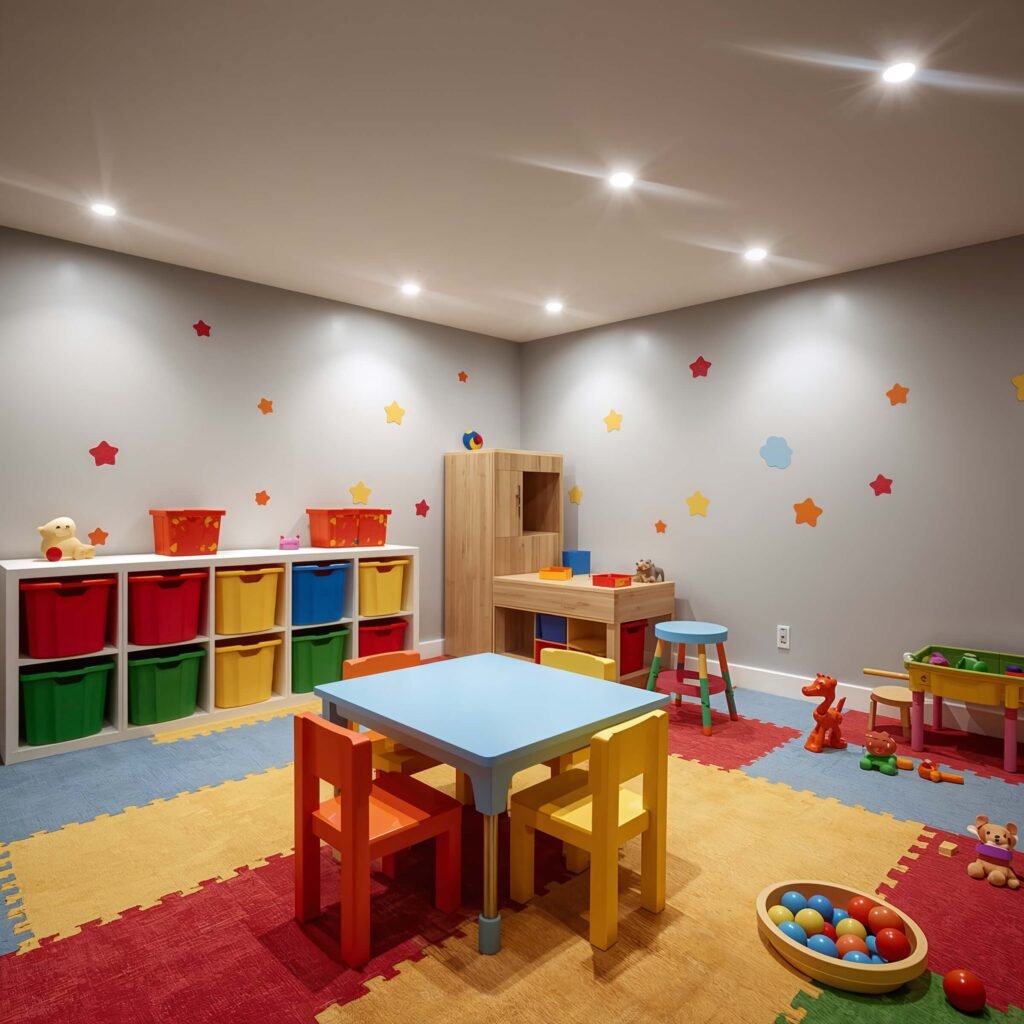
Kids destroy everything beautiful you own anyway, so why not give them their own space to be tiny tornadoes? A basement playroom contains the chaos while giving kids room to actually play – not just sit on tablets.
Safety First (Boring but Necessary)
Before anything fun happens, childproof everything:
• Foam padding on sharp corners and edges
• Secured furniture to walls (no tipping hazards)
• Covered outlets everywhere
• Gated stairs (both top and bottom)
I learned the hard way that regular paint shows every handprint, crayon mark, and mystery stain. Washable, scrubbable paint in satin or semi-gloss saves your sanity and your walls.
Zones That Actually Work
Kids need different spaces for different activities:
The active zone with tumbling mats and climbing structures (ceiling height permitting). The quiet zone with books and puzzles. The creative zone with washable surfaces for art projects. And most importantly, the storage zone where toys theoretically live (spoiler: they won’t).
Bright, fun colors work great in kids’ spaces, but avoid painting everything like a rainbow threw up. Pick two or three colors max, and use them strategically. The ceiling should stay white or light – it keeps the space feeling open even with toys everywhere.
Elegant Basement Wine Cellar
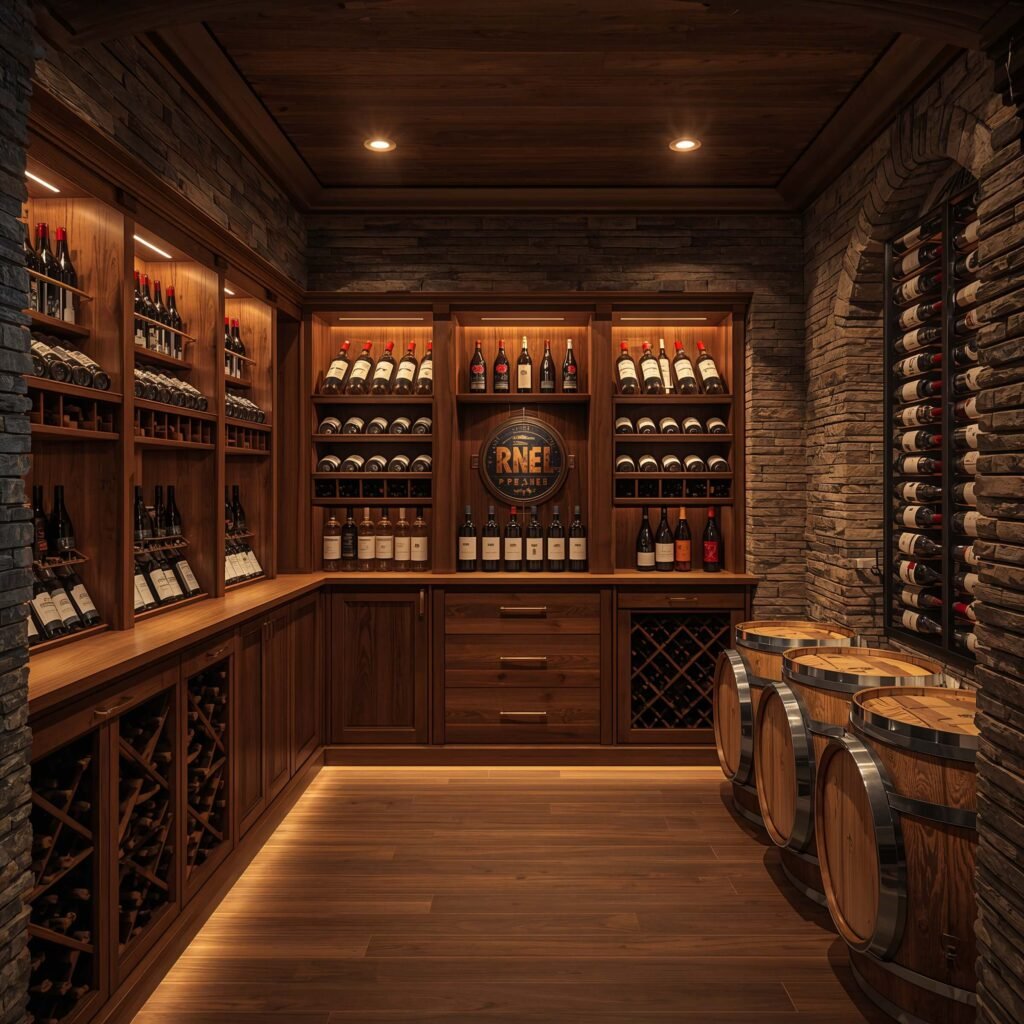
Look, if you’re storing your wine next to the Christmas decorations, you’re doing it wrong. A proper wine cellar adds serious value to your home and gives you an excuse to buy more wine (as if you needed one).
Climate Control Is Everything
Wine needs consistent temperature (55-58°F) and humidity (50-70%). Without proper climate control, you’re just building an expensive room where wine goes to die. I installed a dedicated cooling unit, and yes, it cost more than my first car, but watching my collection age properly makes it worthwhile.
Insulation and vapor barriers are crucial. Moisture destroys labels, promotes mold, and ruins corks. This isn’t a place to cut corners – do it right or don’t do it at all.
Display That Impresses
The racking system makes the room. I mixed traditional wooden racks with modern metal displays for visual interest. Include:
• Diamond bins for bulk storage
• Individual bottle displays for special vintages
• Horizontal storage for long-term aging
• A tasting table (because what’s the point otherwise?)
LED strip lighting with dimmers creates ambiance without heat that damages wine. And please, skip the tacky wine-themed decor. Let the bottles be the art.
Basement Craft & Hobby Room
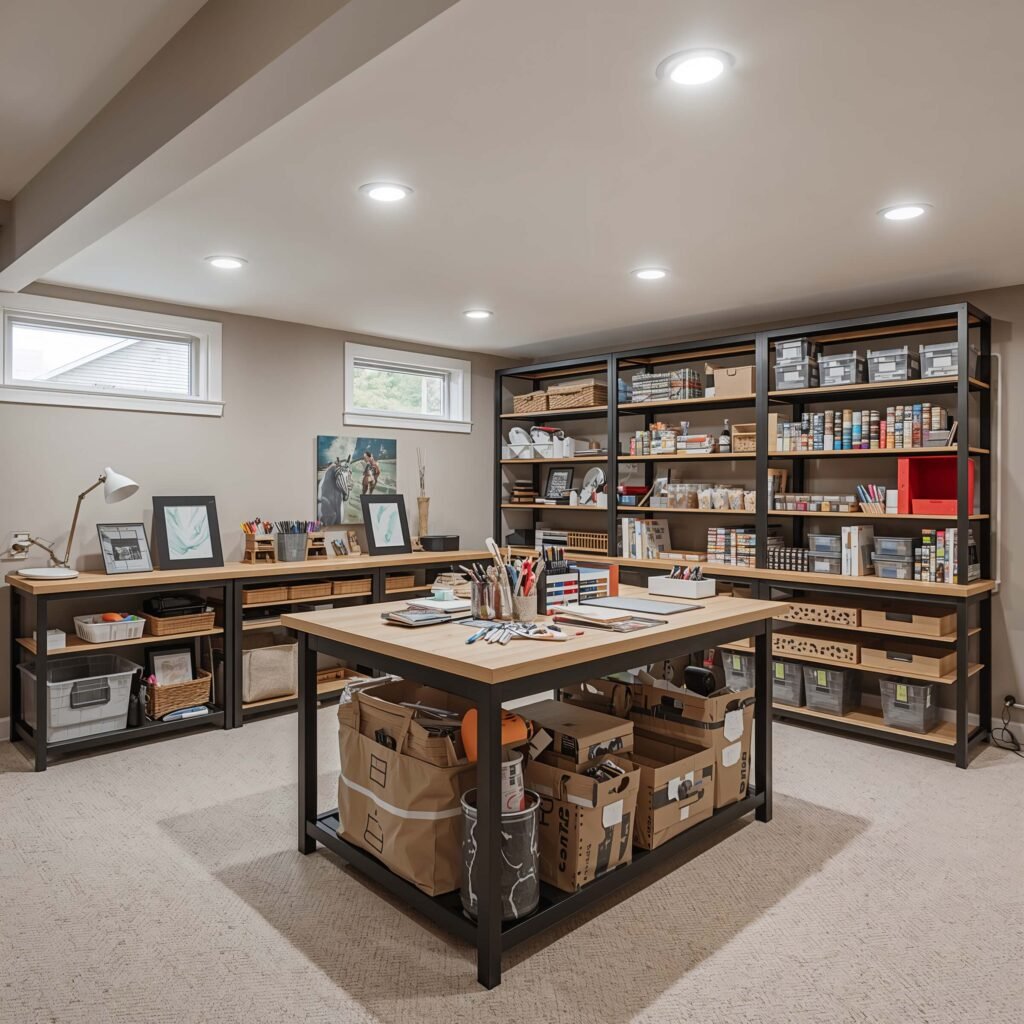
Whether you’re into woodworking, sewing, or building tiny ships in bottles, a dedicated hobby space beats cluttering your dining table every time you want to create something.
Organization Is Freedom
The difference between a functional craft room and a hoarder’s paradise? Visible, accessible storage. I installed pegboard walls, clear storage bins, and labeled everything. Can’t find your supplies? You won’t use them.
My setup includes:
• Adjustable shelving (projects come in all sizes)
• Mobile storage carts (bring supplies to the project)
• A huge work surface (bigger than you think you need)
• Task lighting at every station
Ventilation Matters More Than You Think
Crafts involve chemicals, dust, and fumes you don’t want circulating through your house. Install proper ventilation or at least a good air purifier. I added an exhaust fan vented outside, and it’s been a game-changer for paint and adhesive projects.
Don’t forget about noise if you’re into louder hobbies. Acoustic panels or soundproofing keeps family peace when you’re running power tools at 10 PM (not that I’d know anything about that…).
Also Read: 10 Amazing Garage Workshop Layout Ideas for Small Spaces
Contemporary Basement Storage Solutions
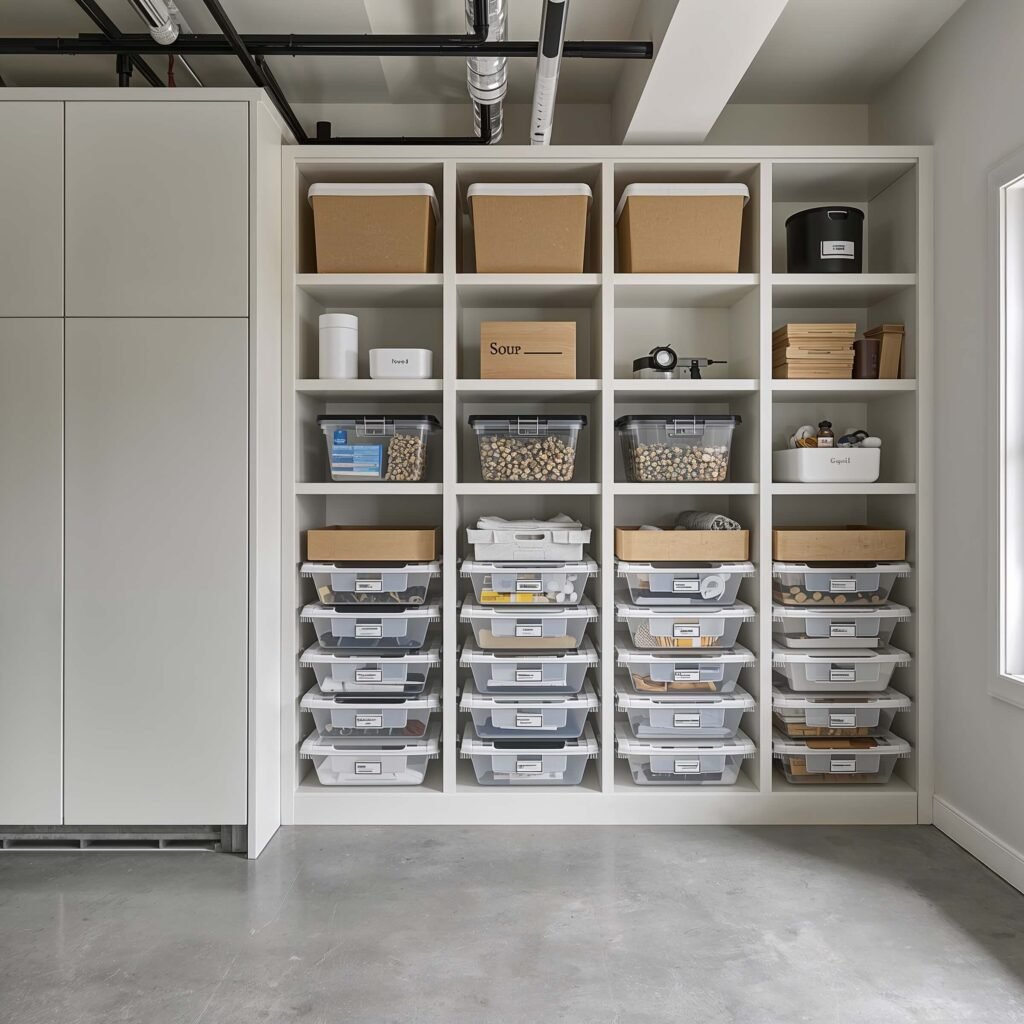
I know, storage isn’t sexy. But you know what is? Actually being able to find your stuff and having a basement that doesn’t look like a garage sale exploded.
Built-In Systems That Work
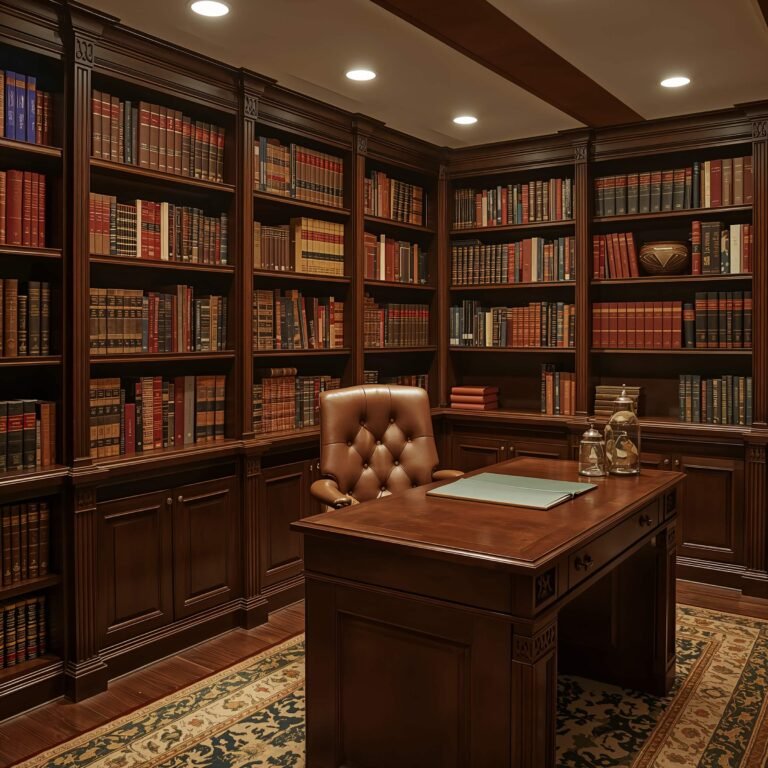
Forget those flimsy metal shelving units from the hardware store. Custom built-ins maximize every inch of your basement while looking intentional, not improvised. I spent a weekend building floor-to-ceiling shelves, and they’ve literally changed my life. 🙂
Smart storage includes:
• Closed cabinets for ugly stuff
• Open shelving for things you access often
• Overhead storage for seasonal items
• Hidden storage under stairs (so much wasted space there!)
Labels and Logistics
Here’s the unsexy truth: if you don’t label it, you’ll forget what’s in it. I use a simple system: clear bins for visibility, solid bins for long-term storage, and labels on everything. My phone has a spreadsheet of what’s where (nerdy? yes. effective? absolutely).
Climate-controlled storage areas protect valuable items. That means keeping things off the floor (flooding happens), away from exterior walls (temperature fluctuations), and in waterproof containers when possible.
Making Your Basement Dreams Actually Happen
So you’ve read through all these ideas, and you’re probably thinking, “Great, but where do I start?” Here’s the real talk: pick ONE concept that matches how you actually live, not how you think you should live.
That bar looks amazing, but if you drink wine twice a year, build the craft room instead. Love movies but have young kids? The family lounge makes more sense than the theater (for now). The best basement remodel is one that gets used every single day, not one that photographs well but sits empty.
Start with fixing the basics – moisture control, proper insulation, adequate lighting, and safe stairs. These unsexy improvements make everything else possible. Then tackle your chosen concept in phases. Rome wasn’t built in a day, and neither was my basement (took six months, actually, but who’s counting?).
Your basement has massive potential sitting right under your feet. Whether you transform it into party central or your personal escape pod from the chaos upstairs, make it yours. The only wrong choice is leaving it as that creepy storage space where good intentions go to die.
Now stop reading articles and go measure your basement. Those dreams won’t build themselves! :/