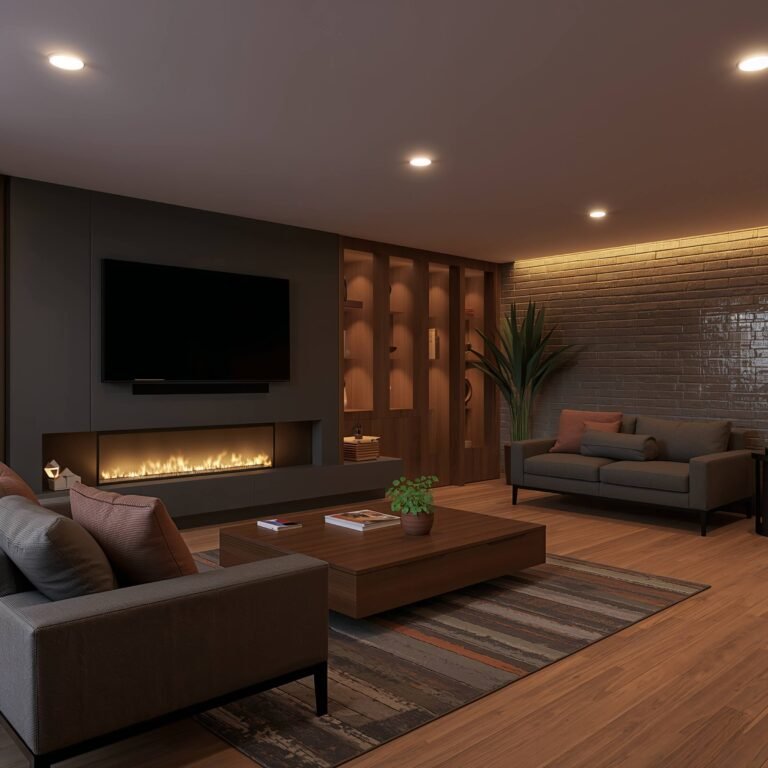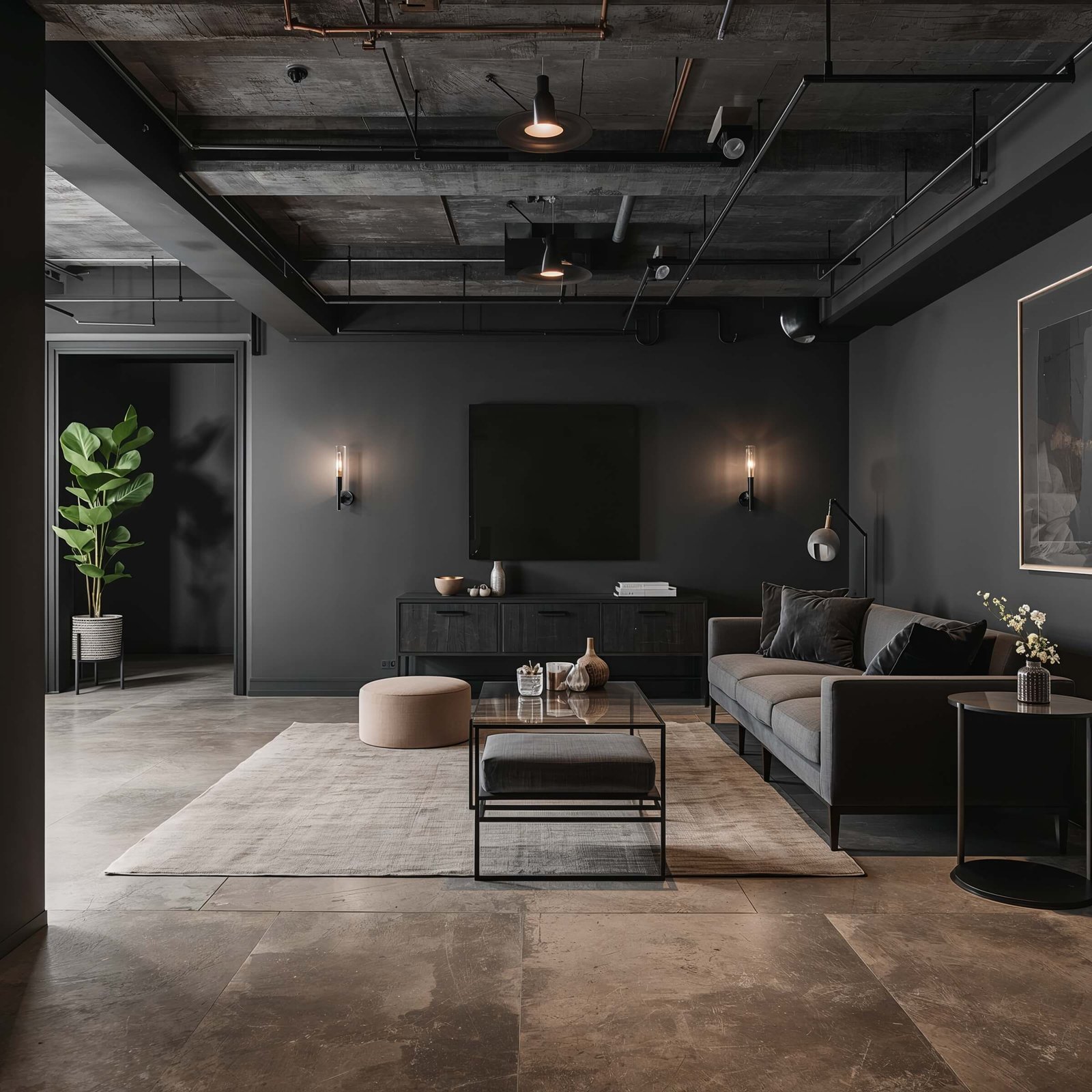
10 Gorgeous Basement Paint Colors Ideas to Brighten Rooms

Let’s talk basements for a sec. You know that space you’ve been avoiding because it feels like a dungeon from a medieval castle? Yeah, that one.
Well, grab your paintbrush because I’m about to share some game-changing color ideas that transformed my own basement from scary storage cave to the coolest hangout spot in the house.
Trust me, I’ve made every mistake in the book when painting basements. Remember that time I thought pure black would look “edgy”? My family still calls it the void incident.
But after years of trial, error, and probably too many trips to the hardware store, I’ve cracked the code on basement colors that actually work.
Bright White & Soft Gray Contrast
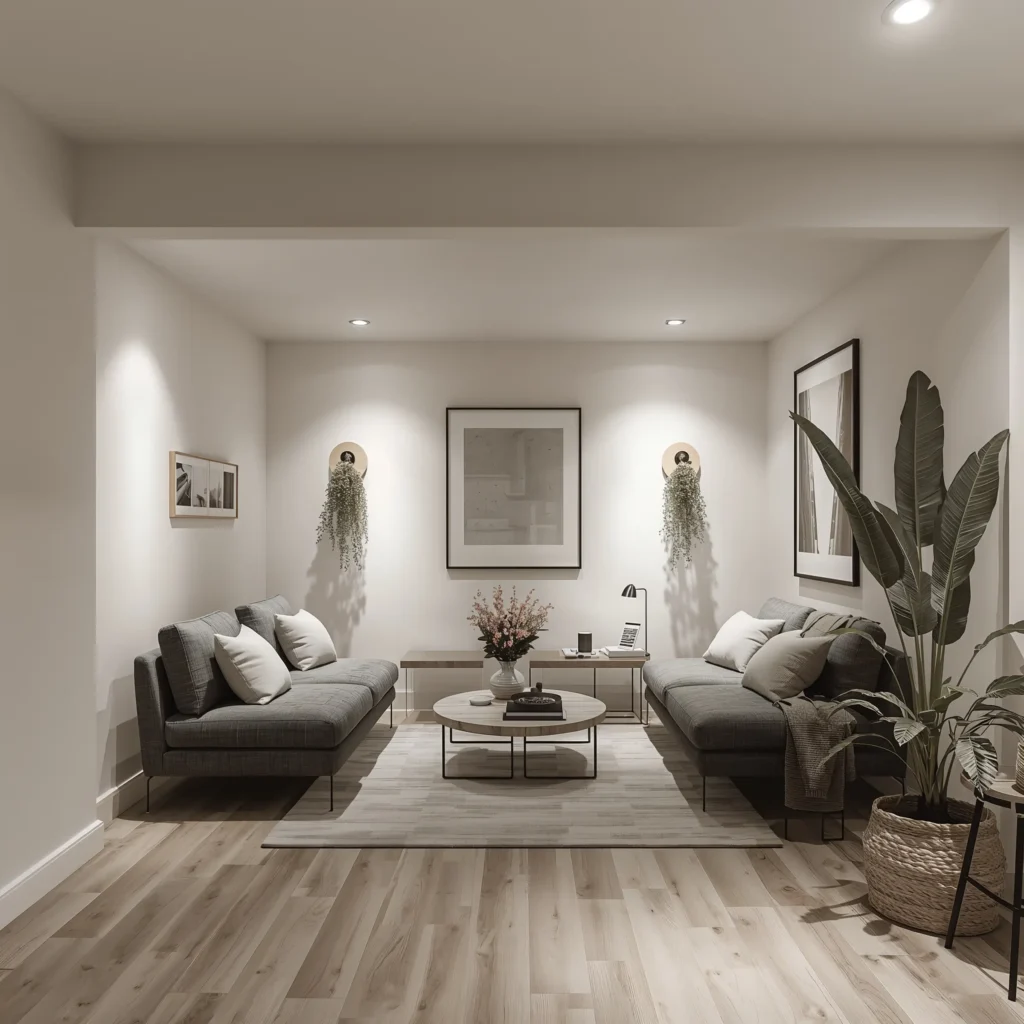
Want to know the fastest way to make your basement feel twice as big? White walls are your secret weapon. But here’s where most people mess up – they go all white and end up with a space that feels like a hospital waiting room. Not exactly the vibe we’re after, right?
The trick is pairing bright white with soft gray accents. I painted my main basement walls in a crisp white (Benjamin Moore’s Cloud White, if you’re curious) and added gray on the support beams and trim. The contrast creates depth without making the space feel heavy.
Why This Combo Works Underground
Basements naturally lack light, and white reflects every bit of illumination you can get down there. The gray prevents that sterile feeling while adding sophisticated definition to architectural elements. Plus, gray hides scuff marks way better than pure white – and if you’ve got kids, you know that’s essential.
Here’s what makes this color scheme brilliant:
- Maximizes natural and artificial light
- Creates visual interest without overwhelming
- Works with literally any furniture style
- Makes low ceilings appear higher
Warm Beige with Wooden Accents
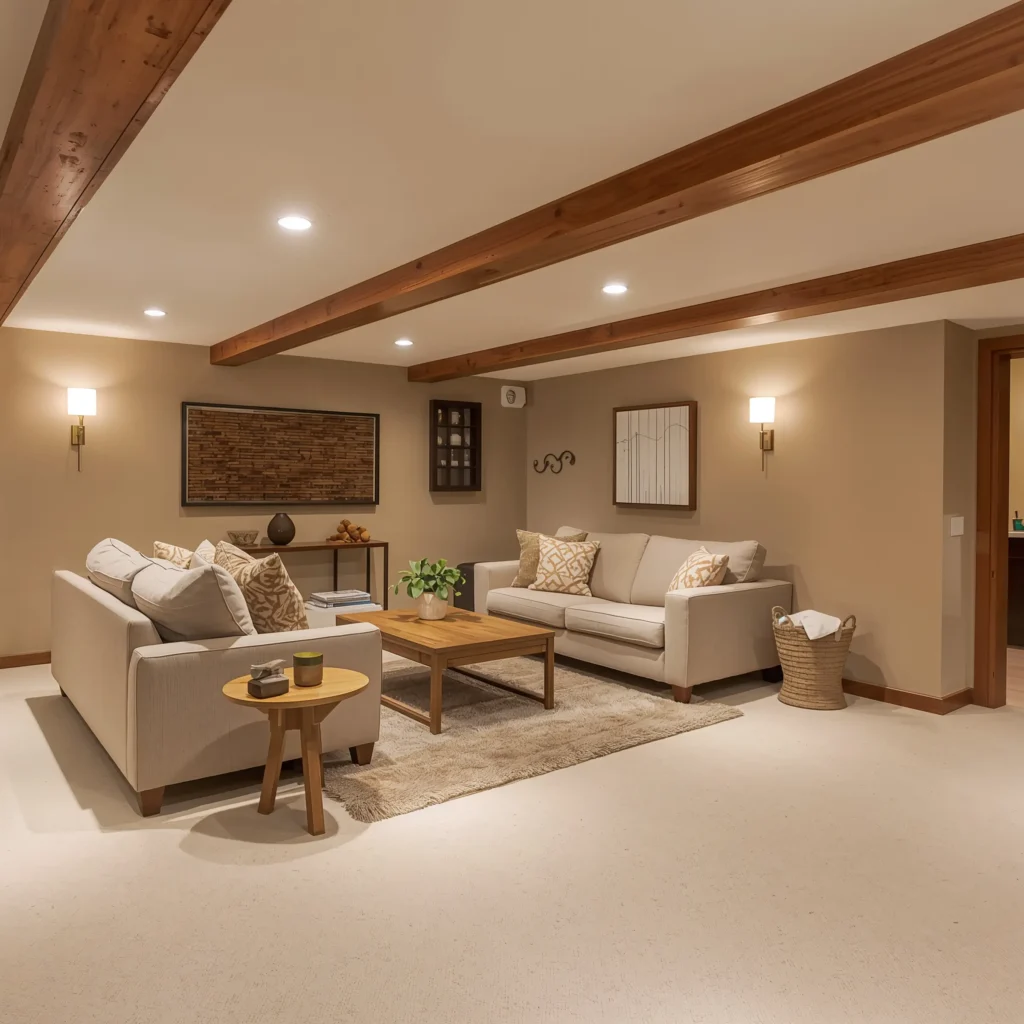
Ever walked into a basement that actually felt cozy instead of cold? That’s the magic of warm beige. I discovered this combo accidentally when renovating my sister’s basement. She wanted something neutral but refused anything that felt “basement-y” (her words, not mine).
Warm beige walls paired with exposed wooden beams or wood-stained trim creates this incredible lodge-like atmosphere. Think less suburban basement, more mountain cabin retreat. The beige I recommend sits somewhere between sand and caramel – warm enough to counter that typical basement chill but light enough to keep things bright.
Making Beige Feel Modern
Beige gets a bad rap for being boring. But IMO, it’s all about choosing the right undertones. Skip the pink-beige disasters of the 90s and go for something with yellow or gray undertones. Sherwin Williams’ Accessible Beige nails this balance perfectly.
Add these elements to elevate your beige basement:
- Natural wood shelving or furniture
- Black metal accents for contrast
- Plenty of texture through fabrics
- Warm lighting (3000K bulbs work great)
Cool Blue with Navy Highlights
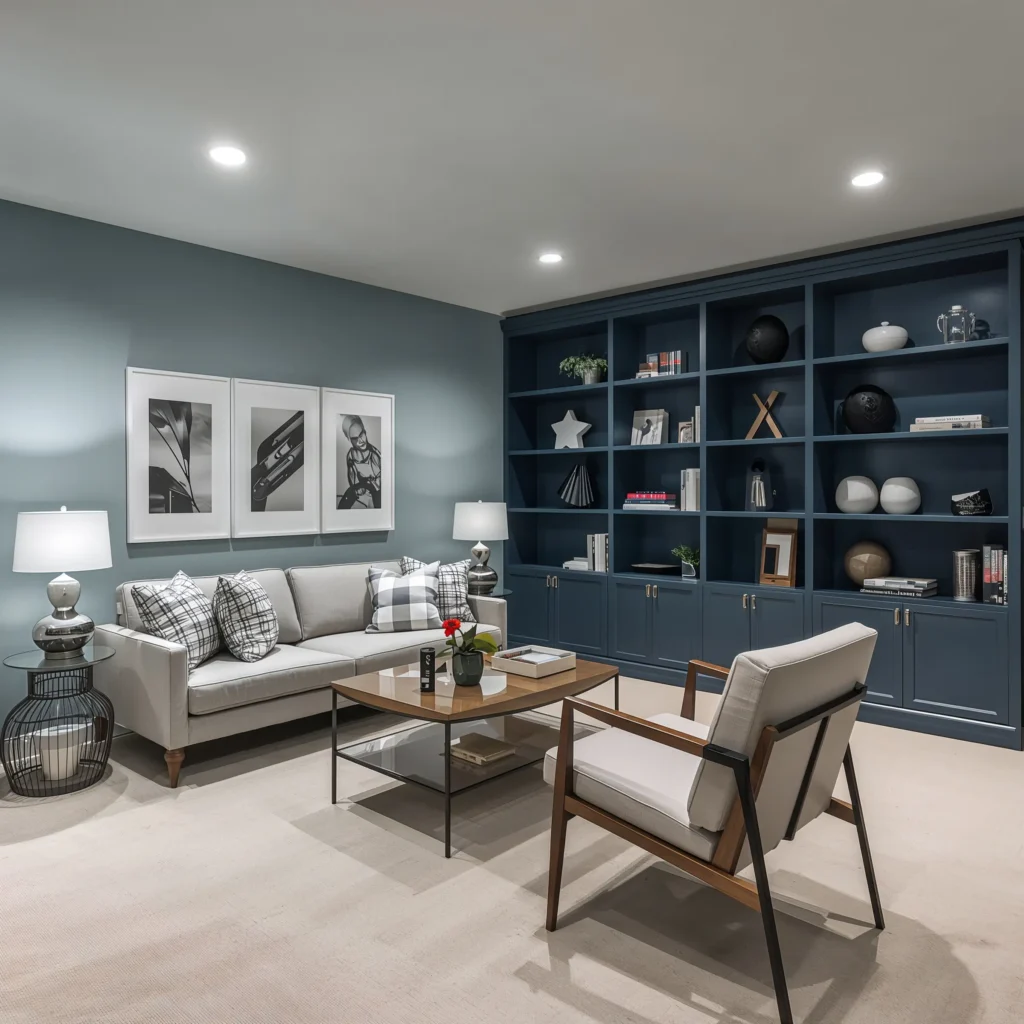
Here’s a color combo that shouldn’t work in basements but absolutely does. Most people avoid blue underground because they think it’ll feel cold. But pick the right shade, and you’ve got yourself an instant mood booster.
I painted my friend Tom’s man cave in a soft, cool blue (think sky blue but a touch grayer) with navy blue accent walls behind his bar area. The result? A space that feels both energetic and relaxing. It’s weird how that works, but trust the process.
The Psychology Behind Blue Basements
Blue naturally calms the mind while promoting focus – perfect for a home office or workout space. The navy accents add sophistication and prevent the lighter blue from feeling childish. Plus, blue pairs beautifully with both warm wood tones and cool metallics.
Want to nail this look? Remember these tips:
- Choose blues with gray undertones to avoid that nursery feel
- Use navy sparingly – one accent wall max
- Balance with warm white trim
- Add brass or gold fixtures for warmth
Also Read: 10 Inspiring Basement Stairs Ideas and Modern Upgrades
Soft Sage Green Oasis
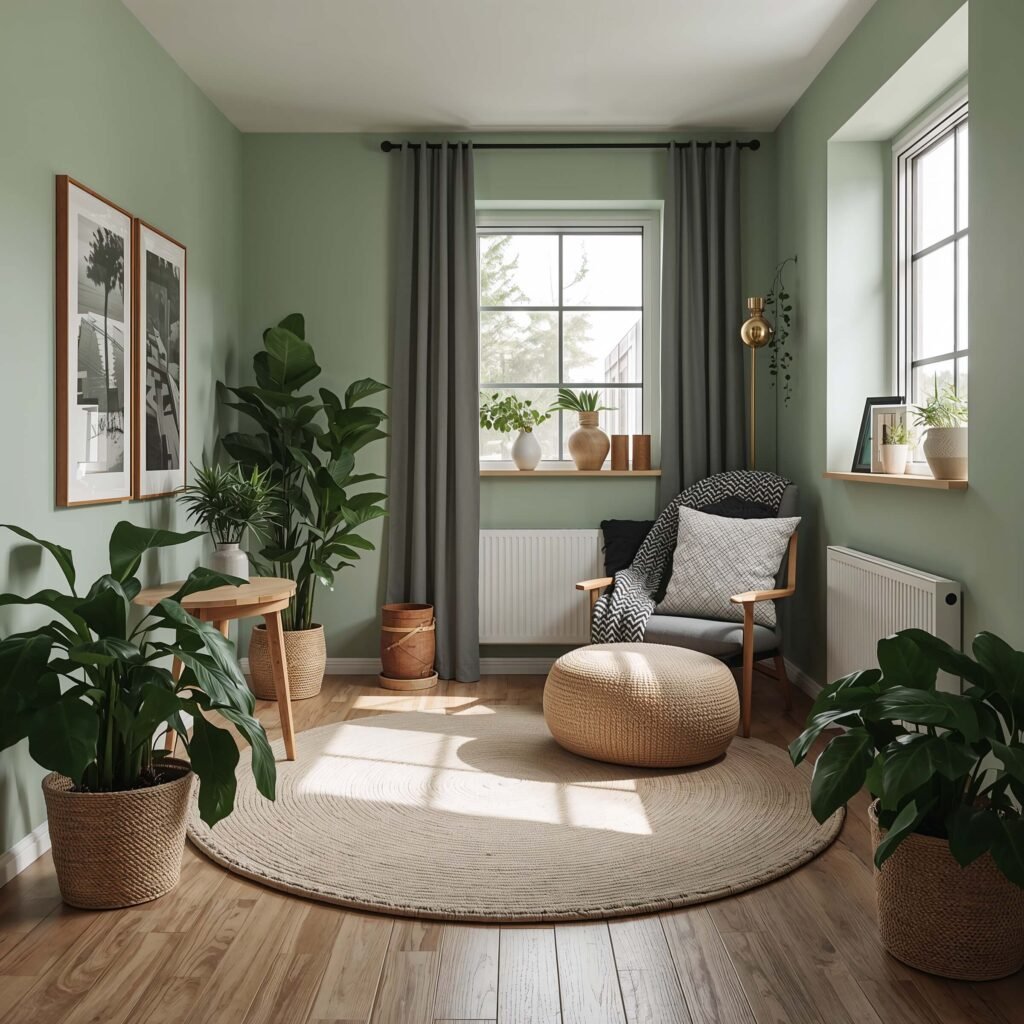
Okay, this one’s my personal favorite. Sage green in a basement sounds risky, but hear me out. This color literally transforms underground spaces into zen-like retreats. I painted my current basement this color last year, and everyone who visits asks for the paint code.
Sage green brings the outside in, which is exactly what basements need. That connection to nature counteracts the closed-in feeling many basements have. Plus, it’s neutral enough to work with any design style while still having personality.
Creating Your Green Sanctuary
The key to sage green success? Lighting is everything. This color shifts dramatically under different light sources, so test it thoroughly before committing. In my basement, it looks gray-green in the morning and more herb-like in the evening – both gorgeous, just different.
Layer your sage basement with:
- Crisp white ceilings and trim
- Natural textures like jute and linen
- Plants (yes, some thrive in low light!)
- Wood or bamboo accents
Charcoal Gray Modern Look
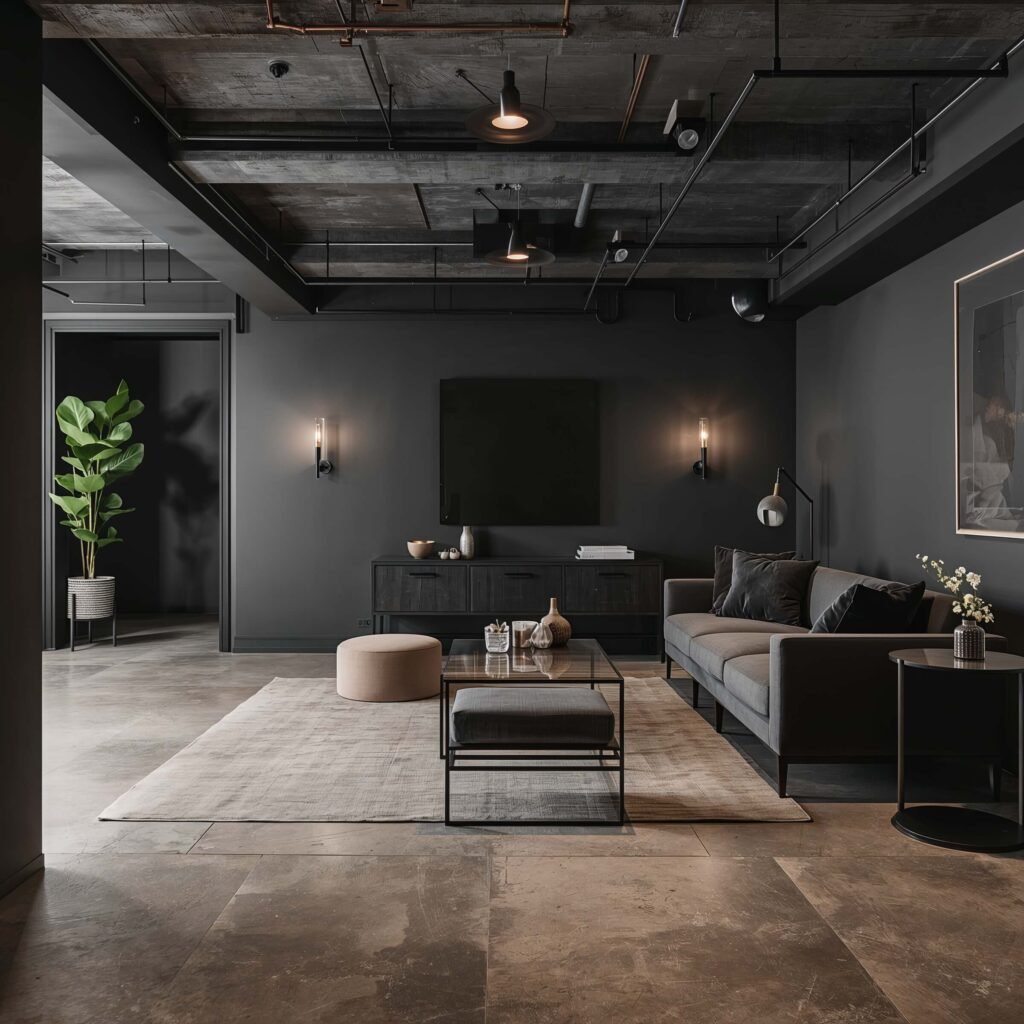
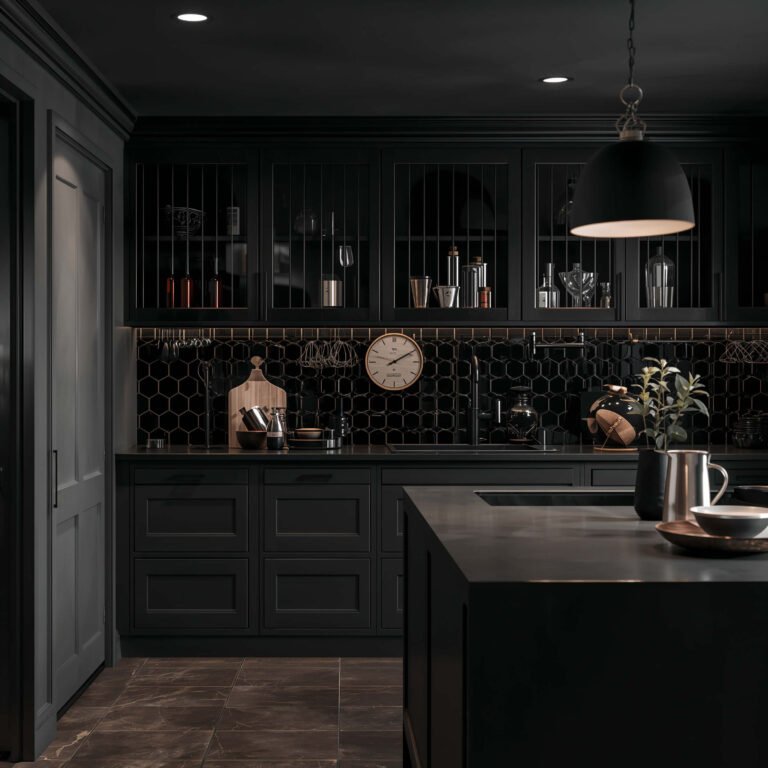
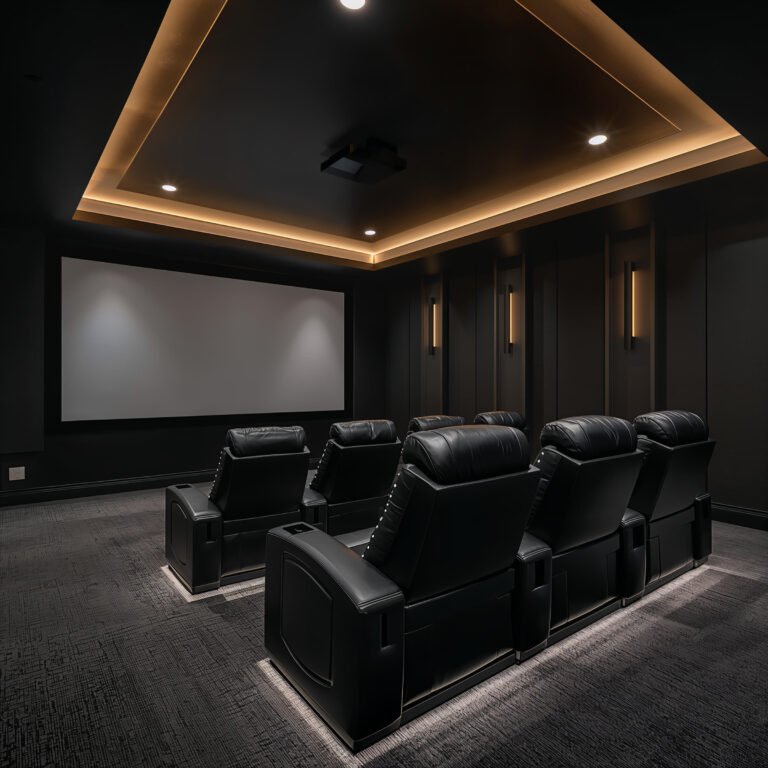
Remember when everyone thought painting a basement dark was insane? Well, the design world finally caught up to what I’ve been saying for years – dark colors can actually make spaces feel larger when done right.
Charcoal gray creates this incredible cocoon effect that makes basements feel intentional rather than forgotten. My neighbor went full charcoal last summer, and now his basement looks like something from a design magazine. The secret? He didn’t fight the lack of natural light – he embraced it.
Making Dark Colors Work
Going dark requires commitment and strategy. You can’t just slap charcoal paint on the walls and call it a day. The whole space needs to support this bold choice.
Here’s your charcoal gray game plan:
- Paint the ceiling the same color (trust me on this)
- Invest in quality lighting – lots of it
- Use metallic accents for contrast
- Keep furniture light or go full monochrome
- Add mirrors strategically for light bounce
Pale Lavender Calm Retreat
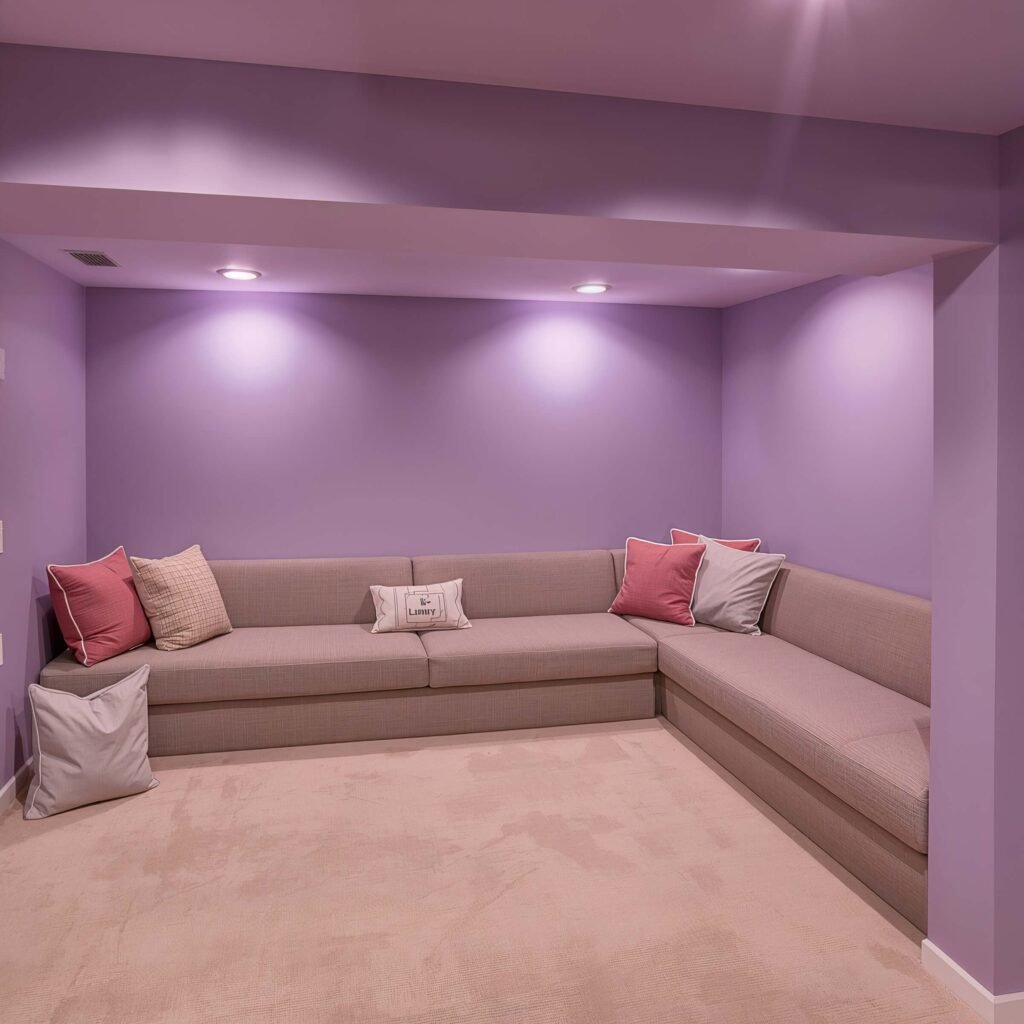
Before you roll your eyes, let me explain why pale lavender deserves consideration. This isn’t your grandmother’s purple paradise – modern lavender shades are sophisticated, calming, and surprisingly versatile. Think of it as gray with personality.
I helped my cousin paint her craft room/basement combo in the softest lavender (basically gray with a whisper of purple), and the transformation was incredible. The color promotes creativity while maintaining a sense of calm – perfect for multi-purpose basement spaces.
Lavender Without the Little Old Lady Vibe
The trick to modern lavender? Keep it barely there. If you’re questioning whether it’s purple or gray, you’ve found the right shade. Benjamin Moore’s Winter Gray or Sherwin Williams’ Fashionable Gray are perfect examples.
Pair your pale lavender with:
- Clean white trim and doors
- Black hardware and fixtures
- Natural wood elements
- Pops of deeper purple in artwork
- Plenty of greenery for balance
Also Read: 10 Stylish Basement Gym Ideas That Look Expensive on a Budget
Creamy Taupe with Rustic Vibes
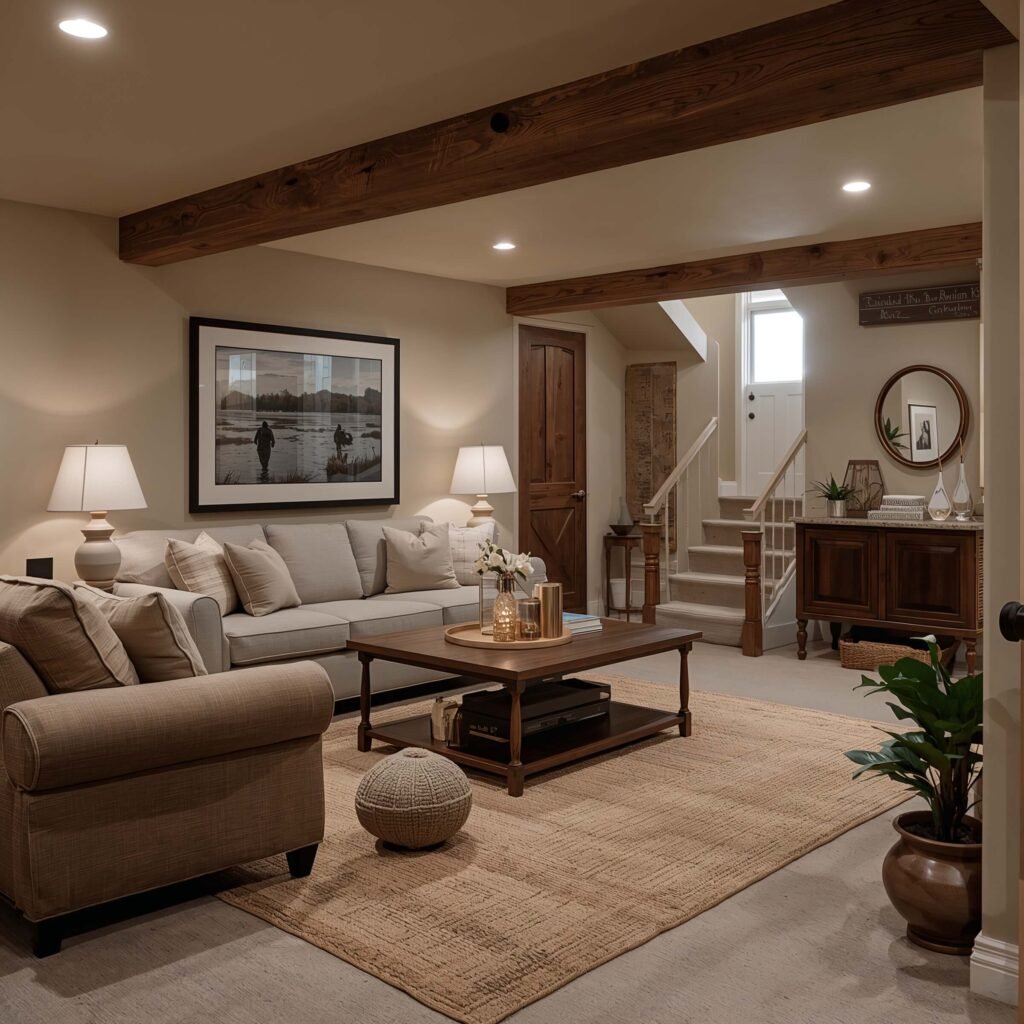
Want that Pinterest-worthy farmhouse basement without going full shiplap? Creamy taupe is your answer. This color sits perfectly between beige and gray, offering warmth without the yellow undertones that can go wrong in artificial light.
I discovered creamy taupe’s magic when helping renovate my parents’ basement. They wanted something that would hide imperfections (hello, 1970s concrete walls) while feeling fresh. Taupe delivered on both counts.
Building Your Rustic Haven
Creamy taupe serves as the perfect backdrop for rustic elements. It’s neutral enough to let textures and materials shine while adding its own subtle warmth to the space.
Essential elements for your taupe basement:
- Exposed beam ceilings (real or faux)
- Vintage or distressed furniture
- Black metal light fixtures
- Natural fiber rugs
- Reclaimed wood accents
The beauty of taupe? It looks expensive even with budget furniture. Something about this color elevates everything around it.
Sunny Yellow Accent Walls
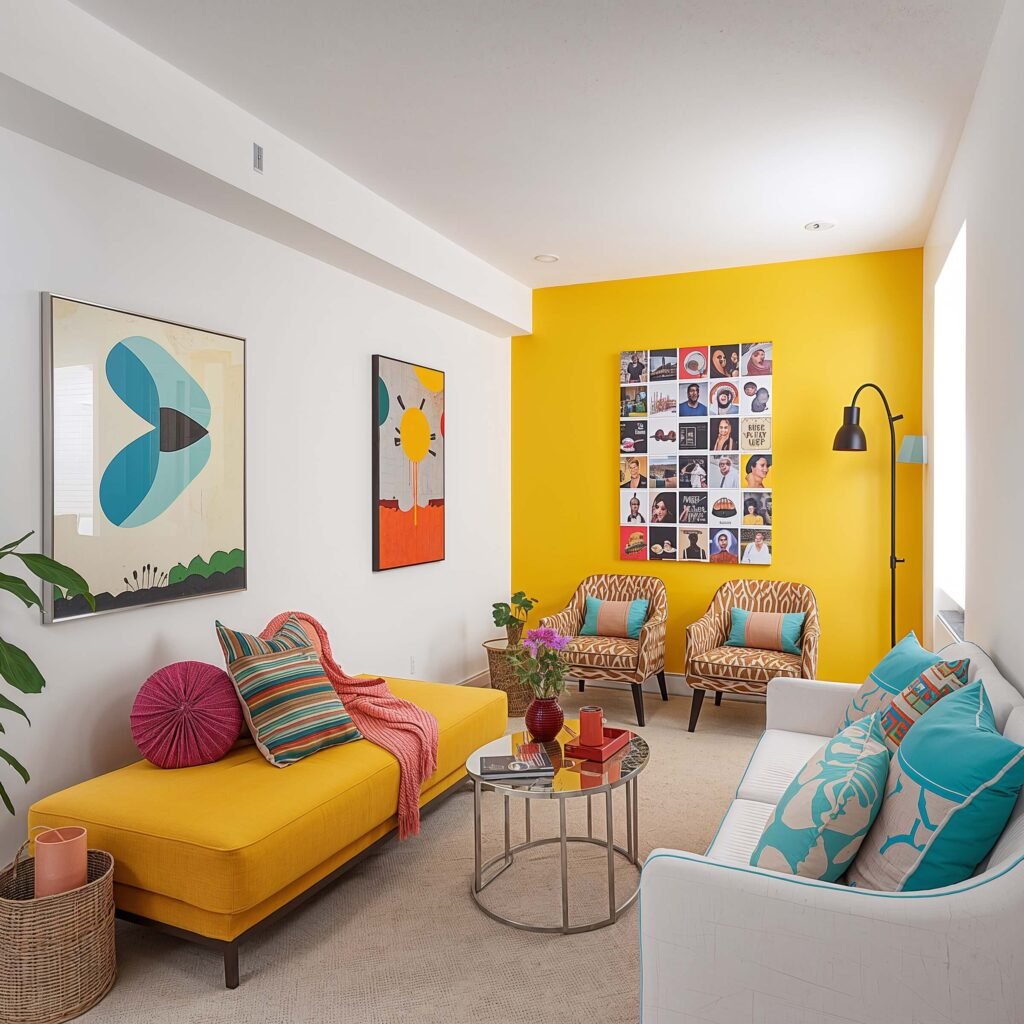
Hold up – yellow in a basement? Absolutely! But we’re not talking Big Bird yellow here. I’m talking about sophisticated, muted yellows that bring sunshine to your underground space.
The first time I suggested yellow for a basement, my client looked at me like I’d lost my mind. Fast forward two weeks, and she couldn’t stop gushing about how happy the space made her feel. Yellow works because it compensates for the lack of natural sunlight in the most literal way possible.
Strategic Yellow Application
Here’s the thing about yellow – a little goes a long way. You don’t want your entire basement looking like the inside of a banana. Instead, use it strategically on one or two accent walls.
Yellow basement success tips:
- Choose muted, earthy yellows over bright ones
- Pair with crisp white or warm gray
- Use yellow on walls that get the most light
- Balance with plenty of neutral furniture
- Add navy or charcoal accents for sophistication
FYI, yellow photographs terribly under artificial light, so don’t trust online photos. Always test paint samples in your actual basement.
Deep Teal Elegance
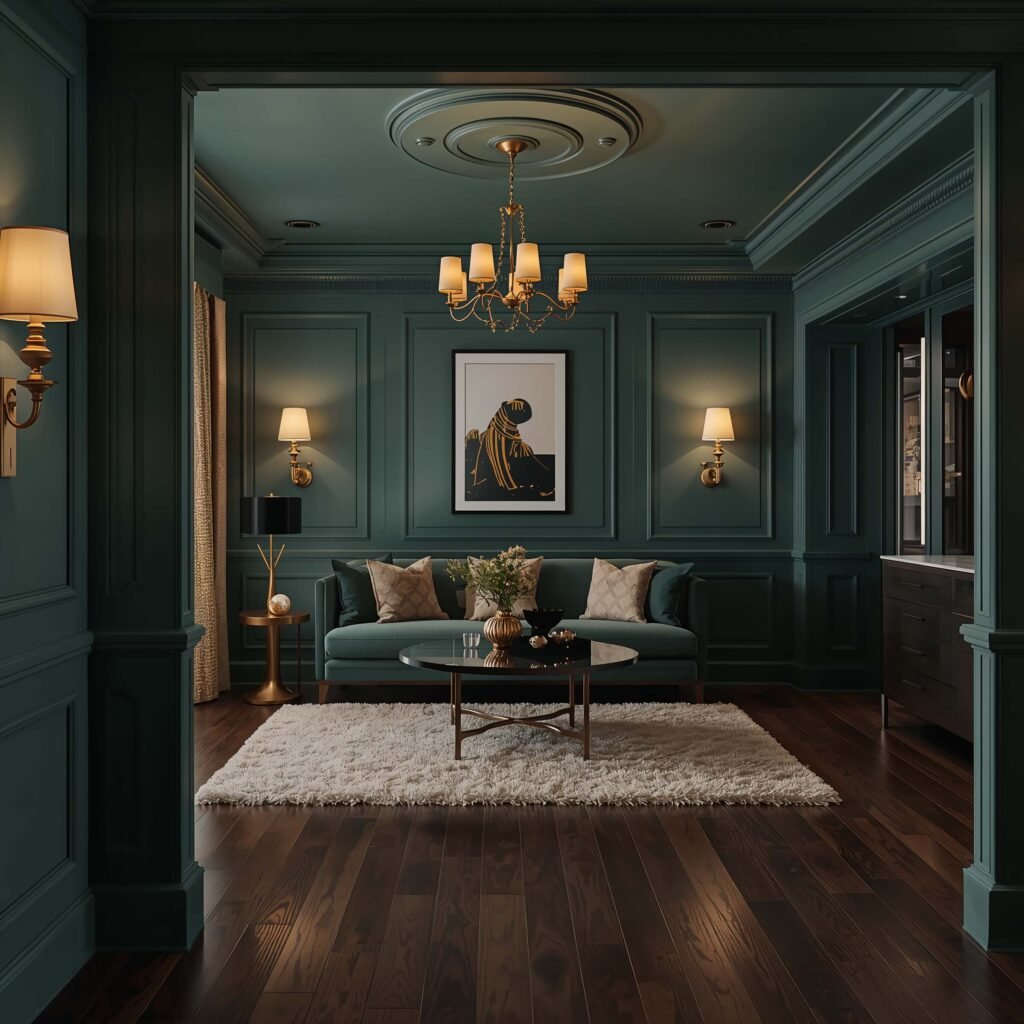
Ready for something bold? Deep teal transforms basements from afterthoughts into showstoppers. This color brings drama, sophistication, and unexpected warmth to underground spaces. Plus, it’s having a major moment in interior design right now.
I painted my home theater area in deep teal last winter, and honestly? It’s become everyone’s favorite room. There’s something about this color that makes people want to stay and hang out. Maybe it’s the way teal combines blue’s calm with green’s energy 🙂
Mastering the Teal Appeal
Deep teal requires confidence but rewards you with a space that feels both luxurious and inviting. The color works especially well in basements because it doesn’t rely on natural light to look good – it creates its own mood.
Teal basement essentials:
- Brass or gold lighting fixtures
- Rich wood furniture in walnut or mahogany
- Cream or ivory accents for contrast
- Velvet or silk textures
- Strategic mirror placement
One warning: teal can make spaces feel smaller if you’re not careful. Combat this by painting the ceiling white and ensuring plenty of lighting layers.
Also Read: 10 Brilliant Basement Laundry Room Ideas for Small Spaces
Light Coral Cheerful Touch
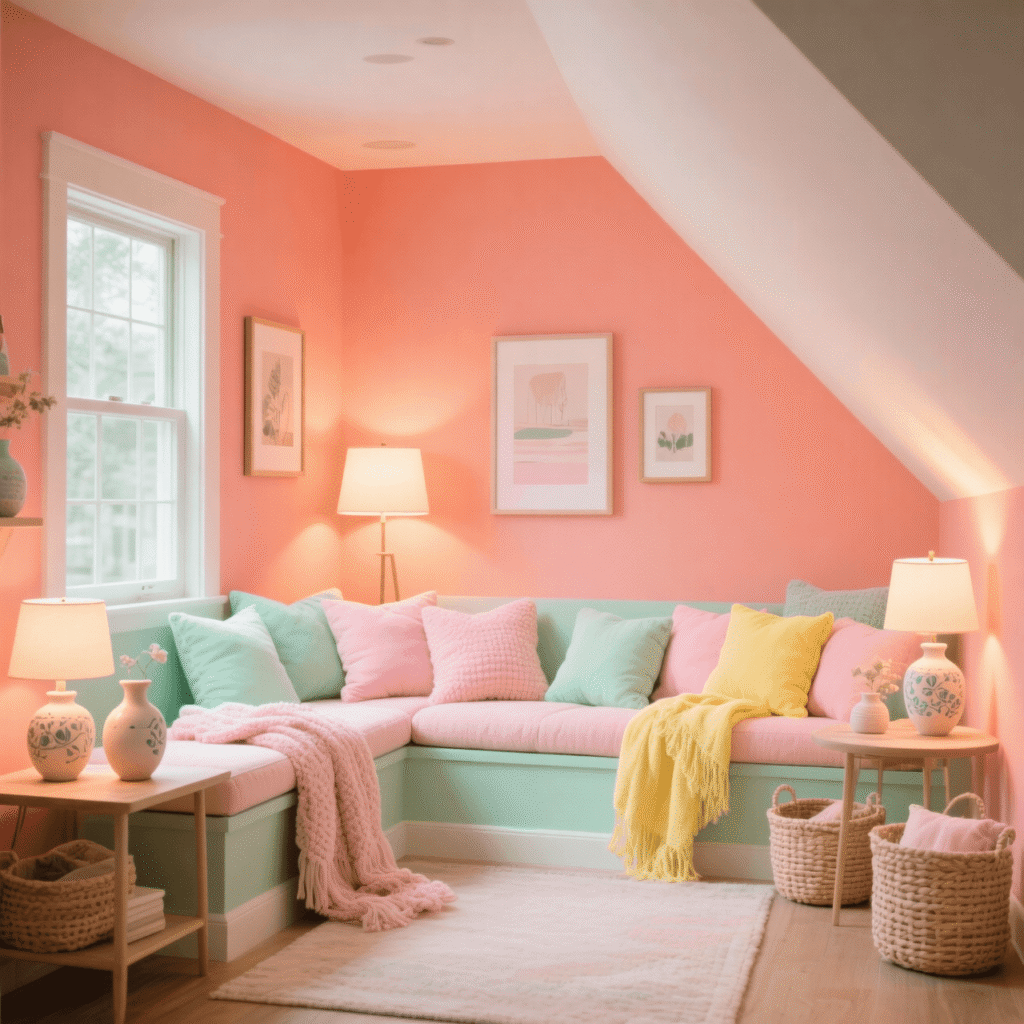
Last but definitely not least, let’s talk about light coral. Now, before you panic about having a pink basement, modern coral shades are more sophisticated peach than bubble gum pink. This color brings incredible warmth and energy to typically cold basement spaces.
My best friend went with coral in her basement/kids’ playroom combo, and it’s genuinely the happiest room I’ve ever been in. The color energizes without overwhelming, and it pairs beautifully with both modern and traditional styles.
Coral Without the Kitsch
The secret to sophisticated coral? Choose shades with brown or orange undertones rather than pink. Think terracotta’s prettier cousin. Sherwin Williams’ Coral Clay or Benjamin Moore’s Williamsburg Wythe Blue (yes, despite the name, it reads coral-ish) are perfect examples.
Making coral work underground:
- Balance with plenty of white
- Add natural textures like rattan
- Include plants for an tropical vibe
- Use navy as an accent color
- Keep furniture neutral
Practical Considerations for Basement Painting
Now that we’ve covered the fun stuff, let’s get real about basement painting logistics. Basements come with unique challenges that your main floor doesn’t have. Moisture, limited light, and temperature fluctuations all affect how paint performs underground.
Always use quality primer – this isn’t the place to cheap out. Basements need moisture-resistant primers, especially if you’ve had water issues in the past. I learned this the hard way when my first basement paint job started peeling after six months. Not fun.
Consider these practical factors:
- Test for moisture before painting
- Use mold-resistant paint formulas
- Prime everything, even if the paint says it doesn’t need it
- Allow extra drying time between coats
- Invest in dehumidifiers if needed
Lighting Makes or Breaks Your Color Choice
Can we talk about basement lighting for a second? The best paint color in the world looks terrible under bad lighting. Basements typically rely entirely on artificial light, so you need to be strategic about your fixtures and bulb choices.
I always recommend layering your lighting – combine overhead fixtures, wall sconces, and table lamps. This prevents any single light source from washing out or distorting your carefully chosen paint color. Also, pay attention to color temperature. Warm bulbs (2700-3000K) make cool colors less harsh, while cooler bulbs (3500-4000K) prevent warm colors from looking muddy.
Testing Paint Colors the Right Way
Here’s something most people don’t realize: that tiny paint chip from the store tells you almost nothing about how a color will look in your basement. The lack of natural light completely changes how colors appear, so proper testing is crucial.
Paint large swatches directly on your walls – I’m talking at least 2×2 feet. Live with them for a few days and observe how they look at different times. That perfect gray might look purple in the evening, or that lovely beige might turn green under your LED bulbs.
Final Thoughts on Basement Transformations
Look, transforming your basement with paint isn’t just about picking a pretty color. You’re creating a space that adds real value to your home and your daily life. Whether you go bold with teal or keep it classic with white and gray, the right color choice turns that forgotten basement into your new favorite room.
The colors I’ve shared aren’t just random suggestions – they’re tried and tested solutions that work specifically in basement conditions. Each one addresses common basement problems like lack of light, cold feeling, or that general “basement-y” vibe we all want to avoid.
Remember, your basement doesn’t have to feel like a basement. With the right paint color, good lighting, and a bit of creativity, you can create a space that rivals any room in your house. So grab those paint samples, trust your instincts, and get ready to fall in love with your underground oasis. Who knows? Your basement might just become the spot where everyone wants to hang out. Mine certainly did, and trust me, if I can transform my former dungeon into party central, you absolutely can too.