10 Stunning Modern Basement Ideas for Sleek Stylish Spaces

Remember when basements were those creepy, damp spaces where you stored Christmas decorations and old paint cans? Yeah, those days are long gone.
I recently transformed my own basement from a glorified storage unit into my favorite hangout spot, and let me tell you – the possibilities nowadays are absolutely insane.
If you’re sitting on an unfinished basement or staring at that wood-paneled nightmare from 1982, buckle up. We’re about to explore 10 modern basement ideas that’ll make your friends forget the main floor even exists.
And trust me, after spending way too much money (and time) researching every possible basement renovation option, I’ve got some opinions to share.
Sleek Minimalist Basement Lounge
Why Less Really Is More Down There
You know what I love about minimalist basements? They make those low ceilings feel like they’re not trying to crush your soul. I learned this the hard way after initially cramming my basement with every piece of furniture I could find at estate sales.
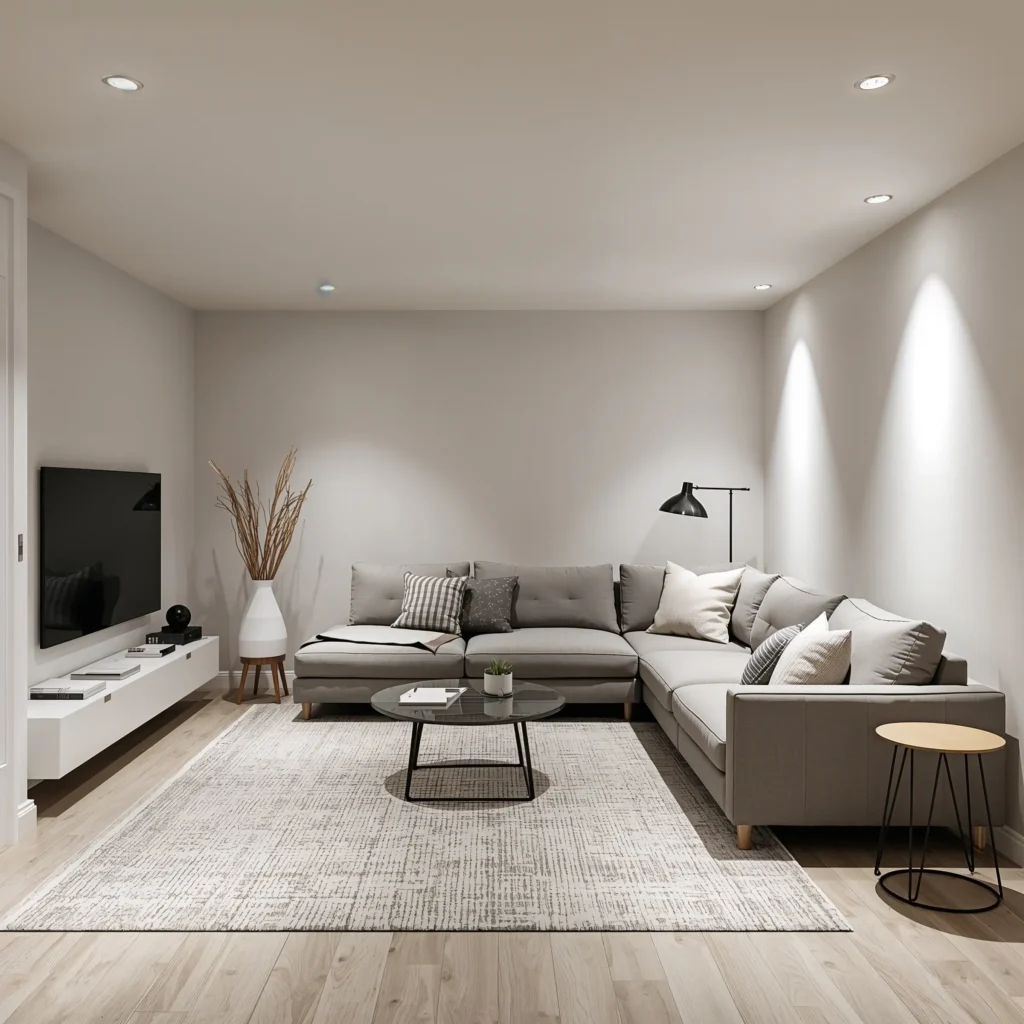
The minimalist approach works magic in basements because it fights that natural cave-like feeling. Think clean lines, neutral colors, and furniture that looks like it could float. My go-to palette includes:
- Whites and light grays for walls
- Natural wood accents (but sparingly)
- Black metal details for contrast
- One statement piece that draws the eye
Making It Work Without Looking Sterile
Here’s where most people mess up with minimalism – they create a space that feels like a hospital waiting room. Nobody wants to watch the game in what looks like an Apple Store showroom, right?
The trick is adding texture through materials rather than clutter. I installed these gorgeous white oak floating shelves against a concrete wall, and boom – instant warmth without the visual noise. Throw in a chunky knit blanket and maybe one oversized piece of art, and you’ve got yourself a space that whispers sophistication instead of screaming it.
Keep your lighting layered too. Recessed lights handle the heavy lifting, but add a sleek floor lamp or some LED strips behind furniture for that ambient glow that makes everyone look good after 8 PM.
Industrial Chic Entertainment Room
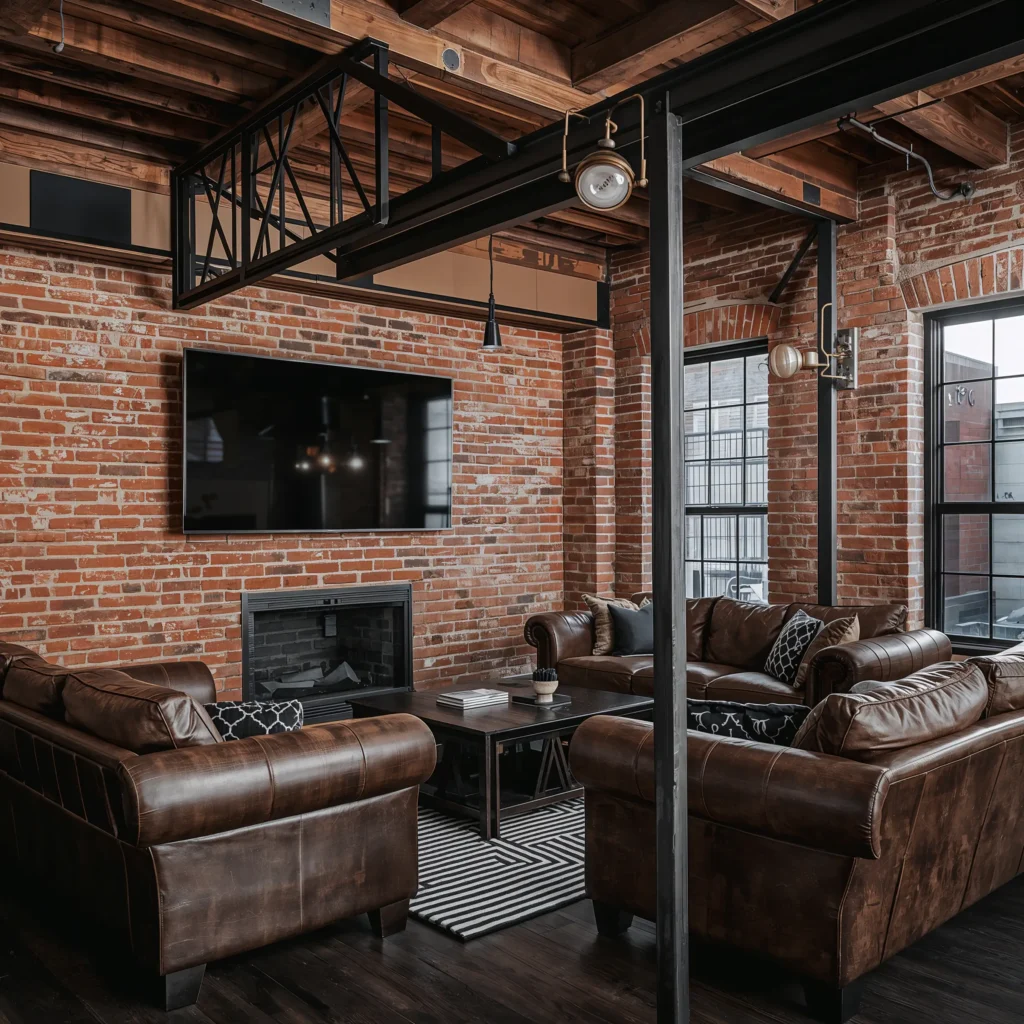
Exposed Everything (But Make It Intentional)
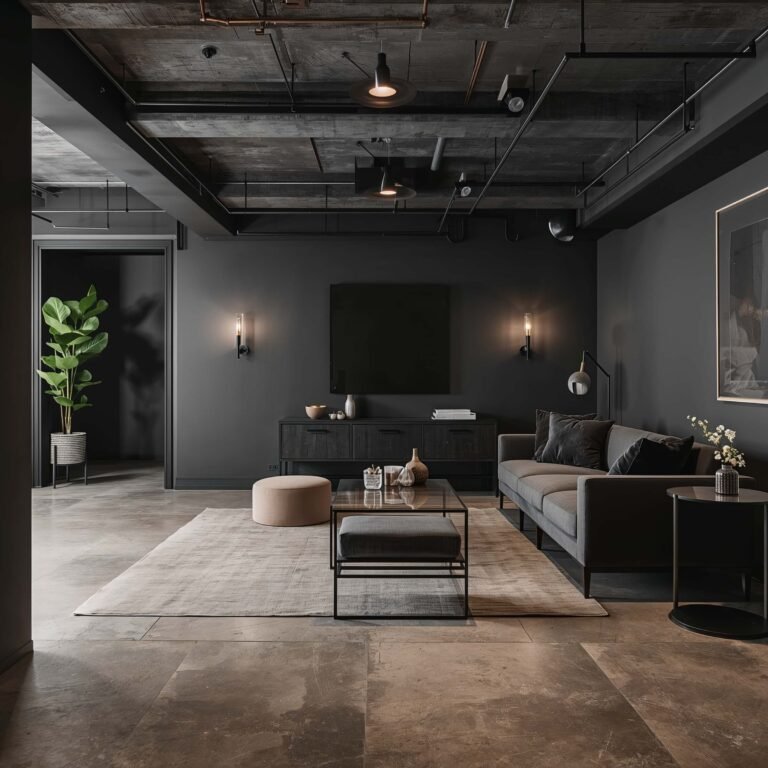
Can we talk about how industrial design basically lets you get away with not finishing your basement? I mean, exposed pipes and concrete walls are literally the aesthetic. It’s like the design gods smiled upon lazy renovators everywhere.
But seriously, creating an industrial entertainment room requires more thought than just leaving everything unfinished. You want that raw, urban vibe without looking like you ran out of money halfway through the project. The key elements that make this work:
- Polished concrete floors (yes, they need to be sealed properly)
- Exposed ceiling beams painted matte black
- Metal and reclaimed wood furniture
- Edison bulb lighting (cliché? Maybe. Effective? Absolutely.)
The Entertainment Setup That Fits
Industrial spaces beg for serious entertainment systems. We’re talking massive TVs, visible speakers that look like modern art, and gaming setups that wouldn’t look out of place in a tech startup’s break room.
I mounted my 75-inch TV directly on the concrete wall using heavy-duty anchors – no fancy media console needed. The speakers? They’re sitting on industrial pipe shelving I built myself (YouTube University FTW). The whole setup cost less than a traditional entertainment center and looks ten times cooler.
Don’t forget the seating situation. Leather sofas work brilliantly here – that worn, vintage leather that gets better with age. Mix in some metal bar stools and maybe a reclaimed wood coffee table, and you’ve nailed the aesthetic.
Cozy Scandinavian Reading Nook
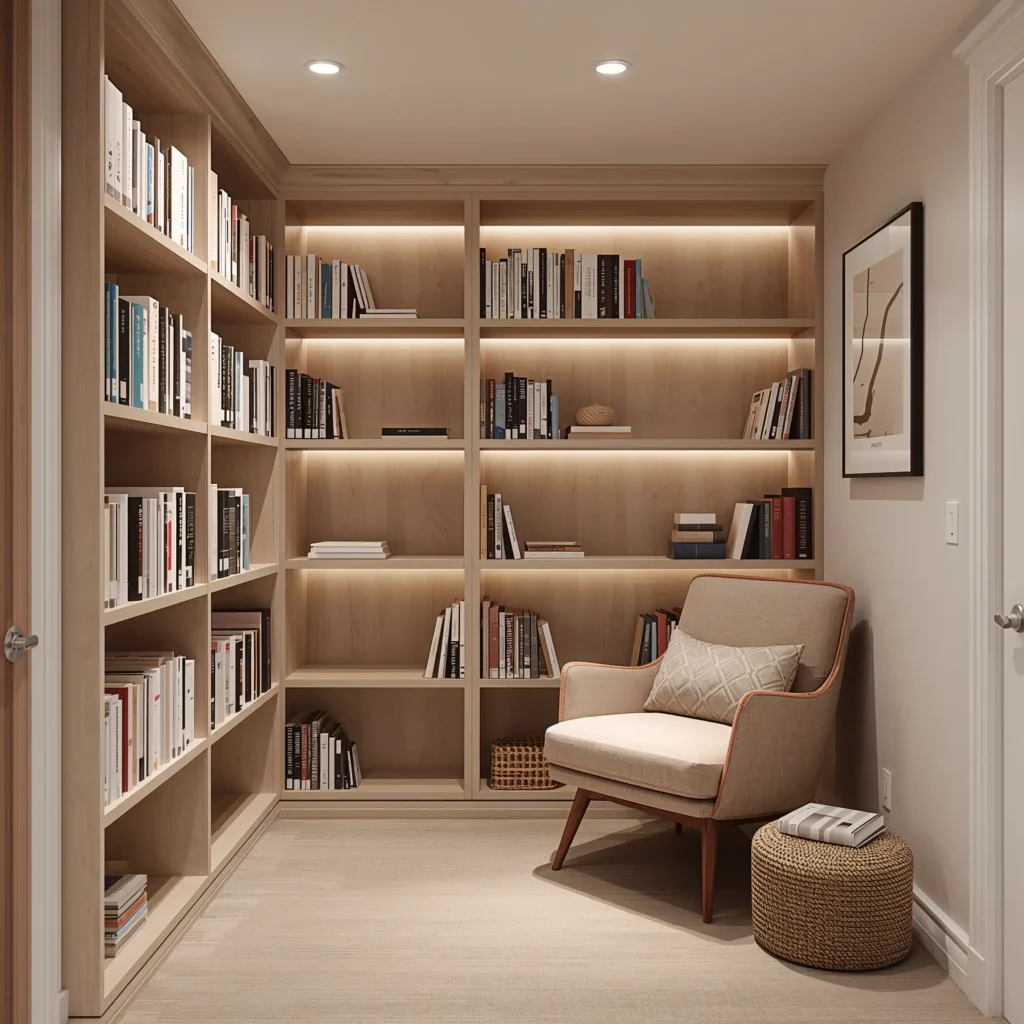
Hygge Meets Underground
Turning a basement corner into a Scandinavian reading nook might sound counterintuitive – how do you create that bright, airy Nordic feel in a space with tiny windows? – but hear me out.
The Scandinavian approach actually solves most basement problems naturally. Think about it: those Nordic folks deal with long, dark winters, so they’ve mastered the art of creating cozy, bright spaces without relying on natural light.
Building Your Underground Hygge Haven
Start with white walls – and I mean WHITE white, not that builder’s beige nonsense. Paint the ceiling the same color to blur those boundaries and make the space feel larger. Then layer in these essentials:
- Light wood furniture (birch or pine works perfectly)
- Sheepskin throws (real or faux, your choice)
- Tons of warm white lighting
- Plants that thrive in low light (pothos and snake plants are your friends)
My reading nook features a built-in bench along one wall with hidden storage underneath. Above it? Floor-to-ceiling bookshelves painted the same white as the walls. The books themselves become the color in the space. Add a ridiculously comfortable chair (I splurged on a used Stressless recliner), and you’ve got reading paradise.
The lighting situation needs special attention here. Layer it like a wedding cake – overhead fixtures, wall sconces, table lamps, and even some candles if you’re feeling extra cozy.
Also Read: 10 Beautiful Basement Color Schemes Ideas for Cozy Spaces
Modern Home Theater Basement
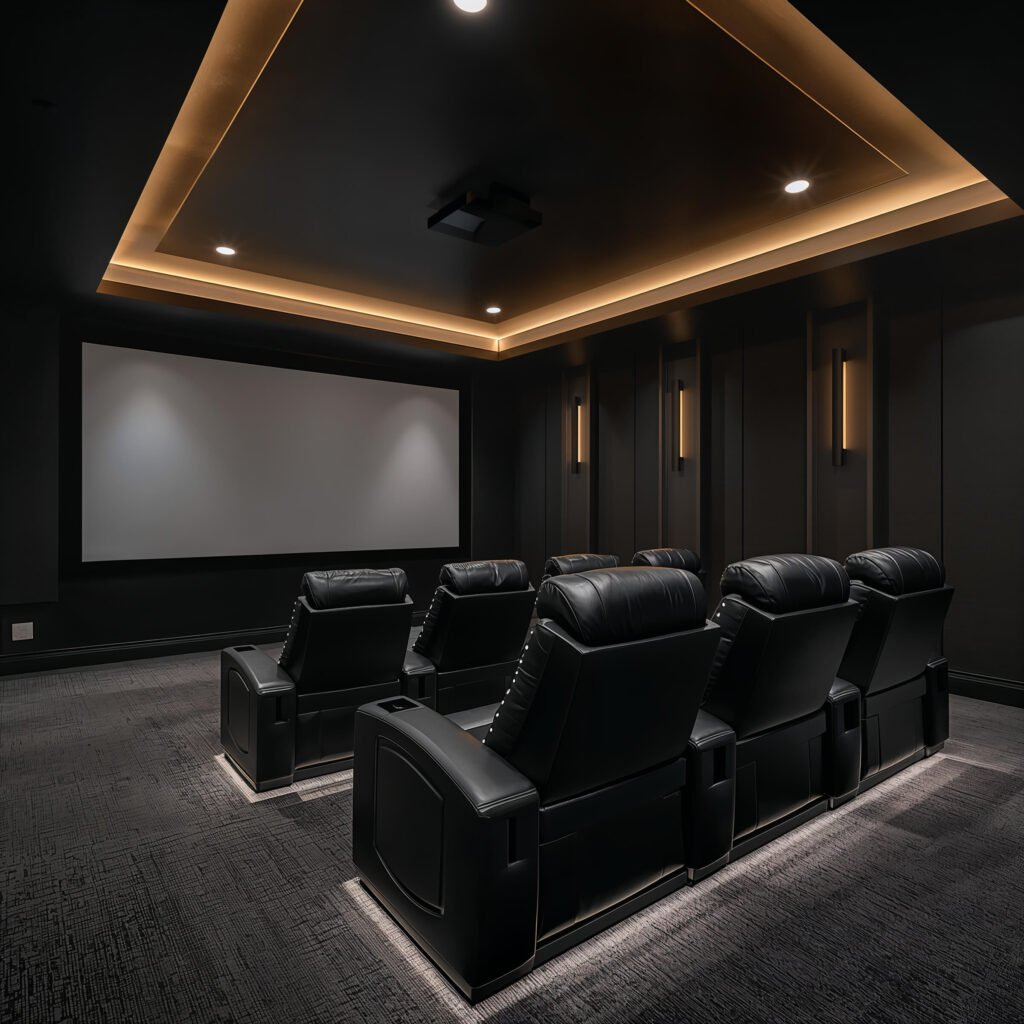
Beyond the Basic Man Cave Theater
Look, we’ve all seen those home theaters that scream “I watched too many Fast and Furious movies.” Red velvet curtains, movie posters everywhere, and enough LED strips to guide a plane landing. Let’s aim higher, shall we?
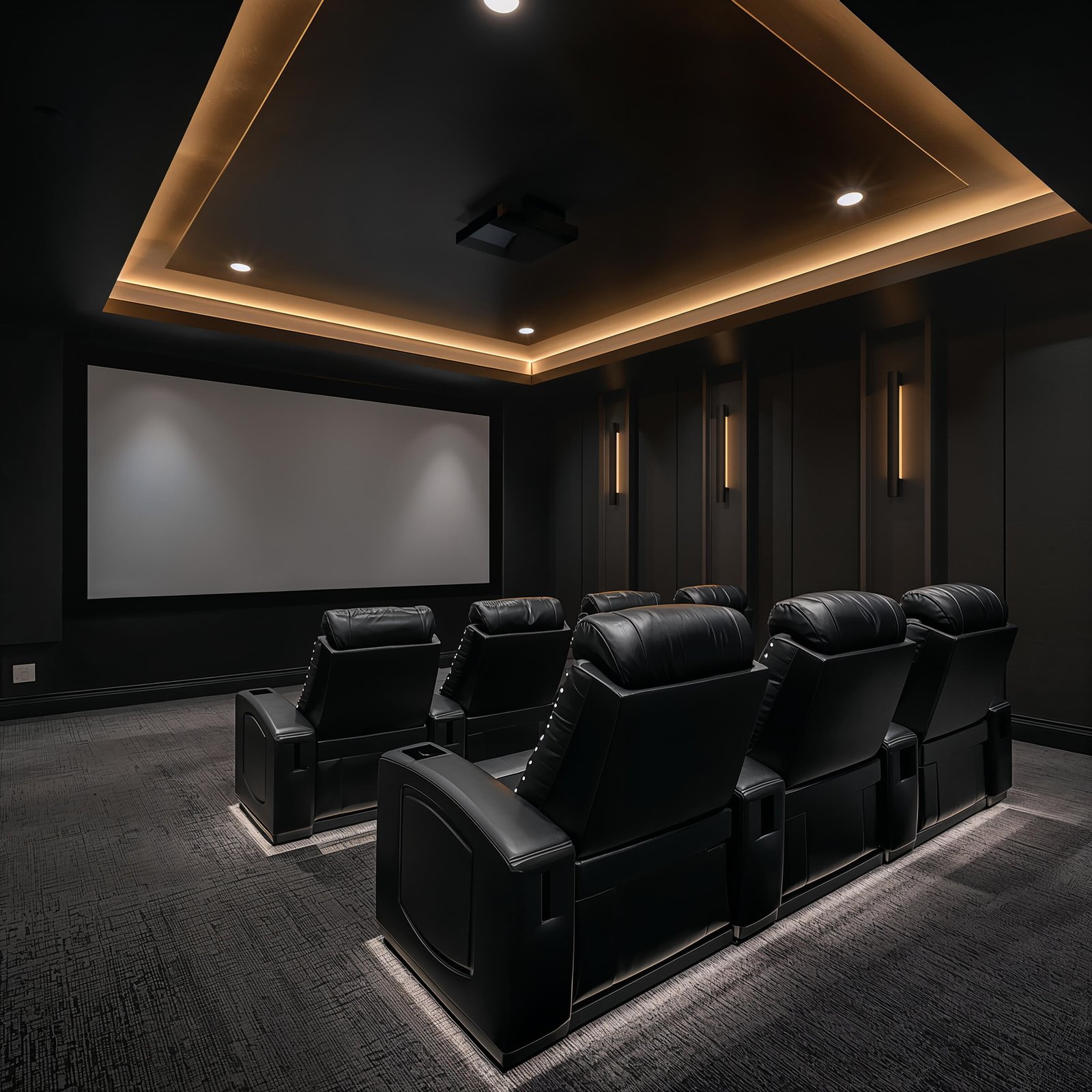
A modern home theater should feel like a premium experience without the cheese factor. Think clean lines, sophisticated colors, and technology that integrates seamlessly rather than dominating the space.
The Tech That Actually Matters
Here’s what I learned after obsessing over home theater forums for months: sound matters more than picture quality. You can have a 4K projector shooting onto a 120-inch screen, but if your audio sounds like it’s coming through a tin can, the experience falls flat.
Invest in:
- Proper acoustic panels (they can look decorative!)
- In-wall or in-ceiling speakers for that clean look
- A quality receiver that’ll last years
- Automated blackout shades for the windows
For seating, skip those massive theater recliners that look like they belong in a suburban multiplex. Modern sectionals with built-in USB charging and cup holders exist, and they don’t scream “I never leave my basement.”
The color palette should stay dark but sophisticated – charcoal grays, navy blues, or even deep forest greens work beautifully. These colors reduce light reflection and create that immersive feeling without resorting to painting everything black like some teenage goth phase.
Stylish Basement Home Office
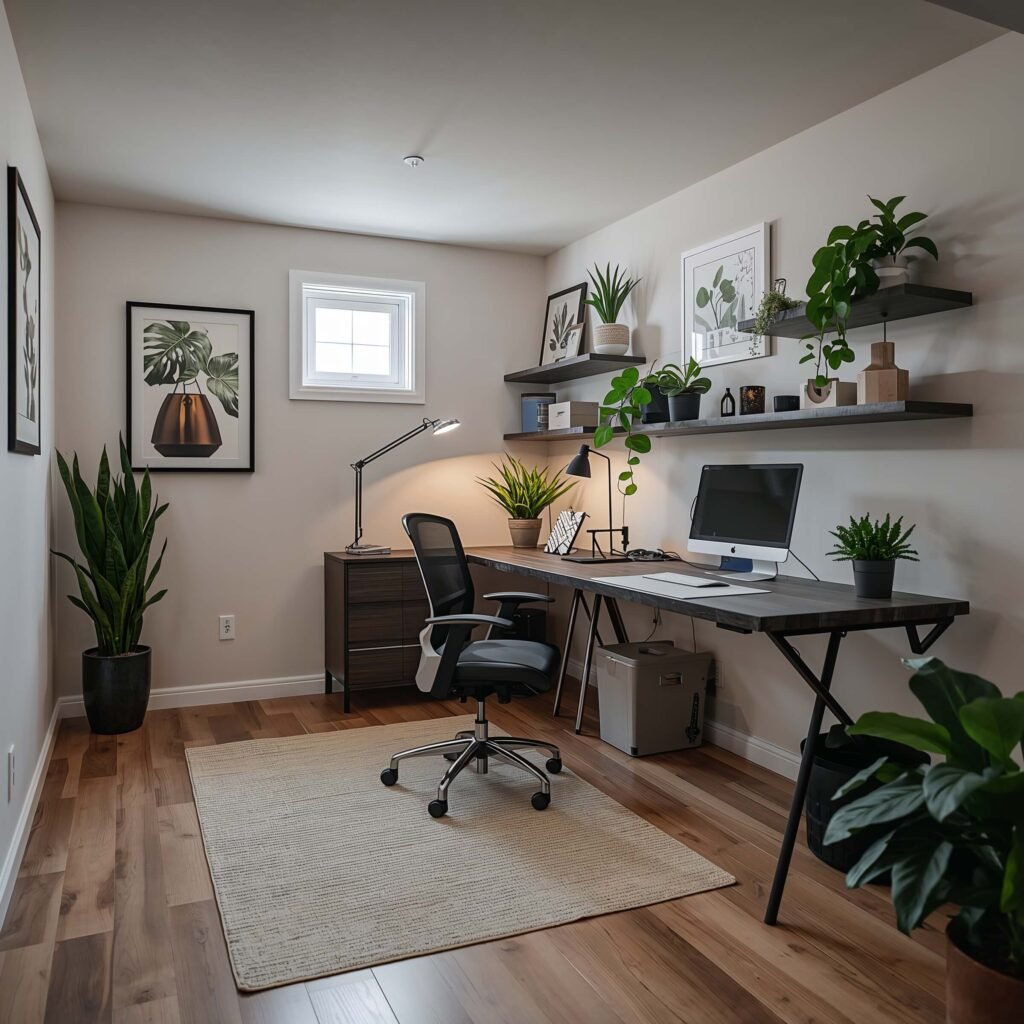
Working From Home, But Make It Basement
When COVID hit, I hastily threw a desk in my basement corner and called it an office. Spoiler alert: that lasted about two weeks before I realized I was basically working in a dungeon. Creating a proper basement office requires fighting every natural basement tendency.
The biggest challenge? Making it feel like a place where you actually want to spend eight hours a day. Nobody’s crushing their quarterly goals in a space that feels like a punishment.
Design Elements That Boost Productivity
First things first – lighting is everything. And I mean everything. Natural light might be limited, but you can fake it pretty convincingly:
- Full-spectrum LED bulbs that mimic daylight
- Multiple light sources to eliminate shadows
- A light therapy lamp for those winter months (game-changer, IMO)
For the actual workspace setup, think beyond the basic desk-against-the-wall situation. I created an L-shaped configuration using two desks, giving me dedicated zones for computer work and paperwork/creative tasks. The walls? Instead of traditional artwork, I installed a massive whiteboard painted directly onto the wall and a pegboard system for organization.
Storage needs to be both functional and attractive. Open shelving keeps things accessible but can look cluttered fast. My solution? A mix of closed cabinets for the ugly stuff and styled open shelves for things that actually look good.
Don’t forget about ventilation and air quality. Basements can get stuffy fast, and nobody thinks clearly in stale air. A decent air purifier and maybe a small dehumidifier will keep you from feeling like you’re working in a submarine.
Contemporary Basement Gym Design
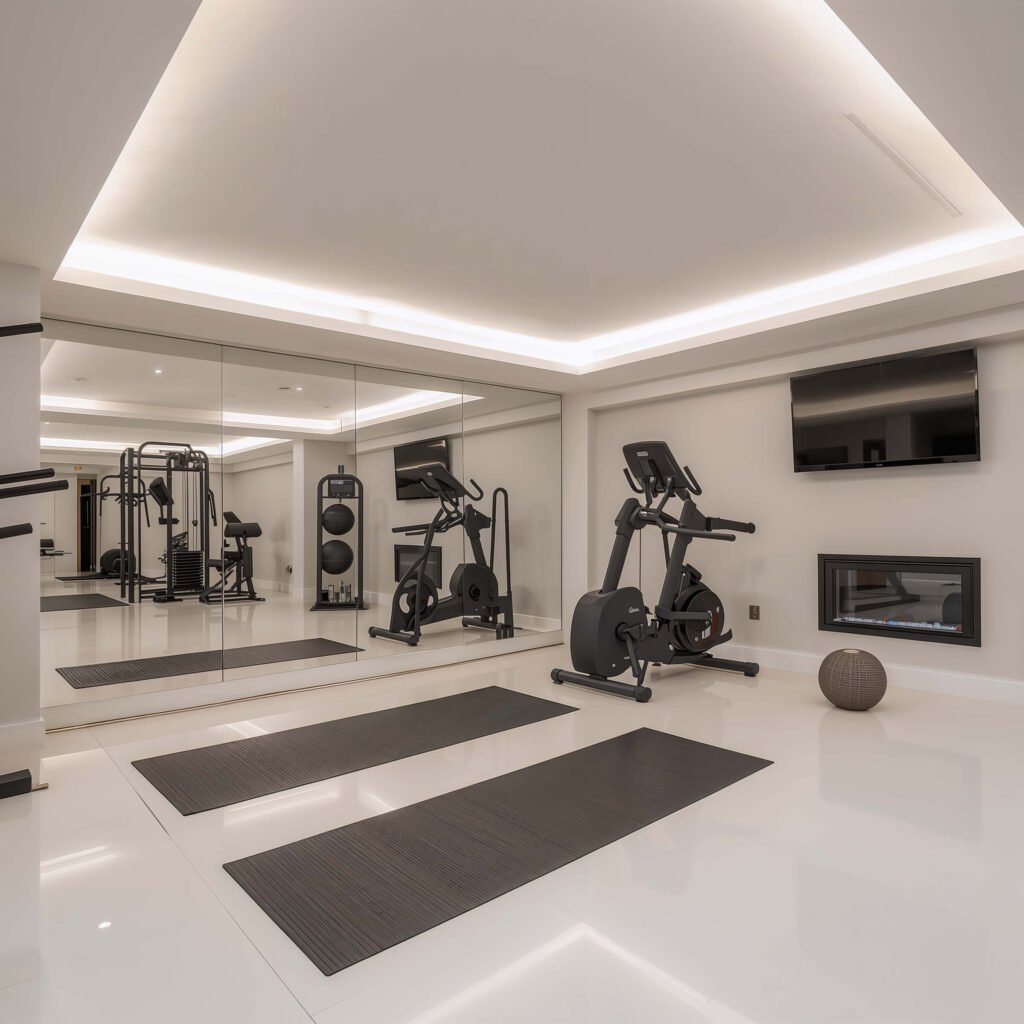
Your Personal Training Ground
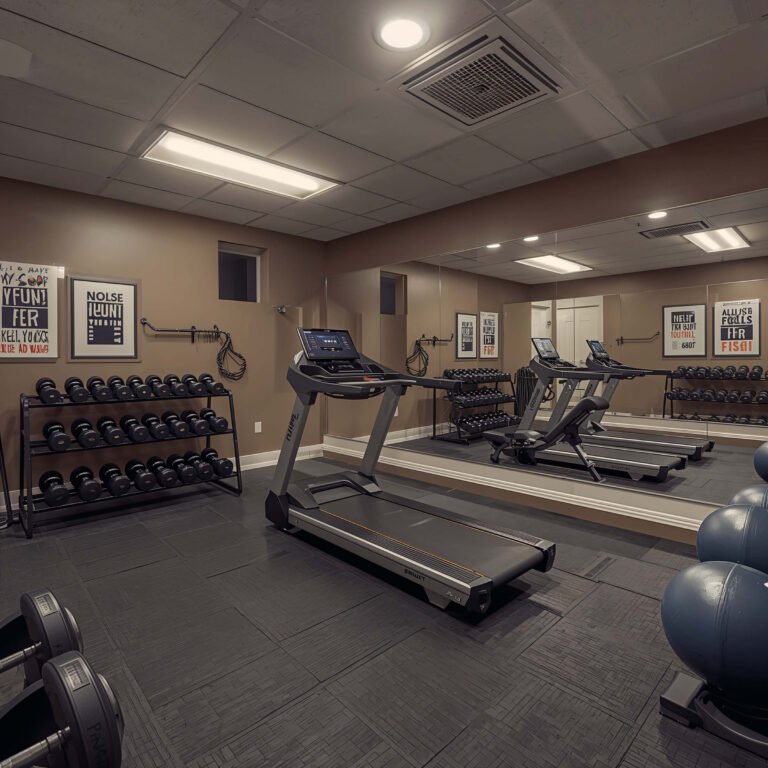
Building a home gym in your basement makes total sense – concrete floors can handle the weight, nobody upstairs has to hear you grunt through deadlifts, and you never have to wait for the squat rack again. But please, for the love of all that’s holy, don’t just throw some mirrors on the wall and call it a day.
A contemporary gym design should motivate you to actually use it. That means creating a space that feels intentional, not like you raided a closing Gold’s Gym for equipment.
Equipment Layout That Actually Works
Here’s what nobody tells you about basement gyms: ceiling height dictates everything. Measure twice, buy once, especially for things like pull-up bars and overhead presses. I learned this after nearly putting my fist through the ceiling doing box jumps. 🙂
Essential design elements include:
- Rubber flooring (horse stall mats work great and cost way less)
- Strategic mirror placement (not just for vanity – form checks matter)
- Proper ventilation (basement workouts get steamy fast)
- Designated zones for different workout types
My setup includes a strength training area with a power rack, a cardio corner with a bike and rower, and an open space for yoga and stretching. The walls? I went with a bold accent color – a deep teal that energizes without overwhelming.
TV mounting at the right height makes those cardio sessions bearable. Mount it high enough that you can see it while on machines, but not so high that floor exercises become neck exercises.
Also Read: 10 Brilliant Walkout Basement Ideas for Bright and Functional Rooms
Open-Concept Basement Living Space
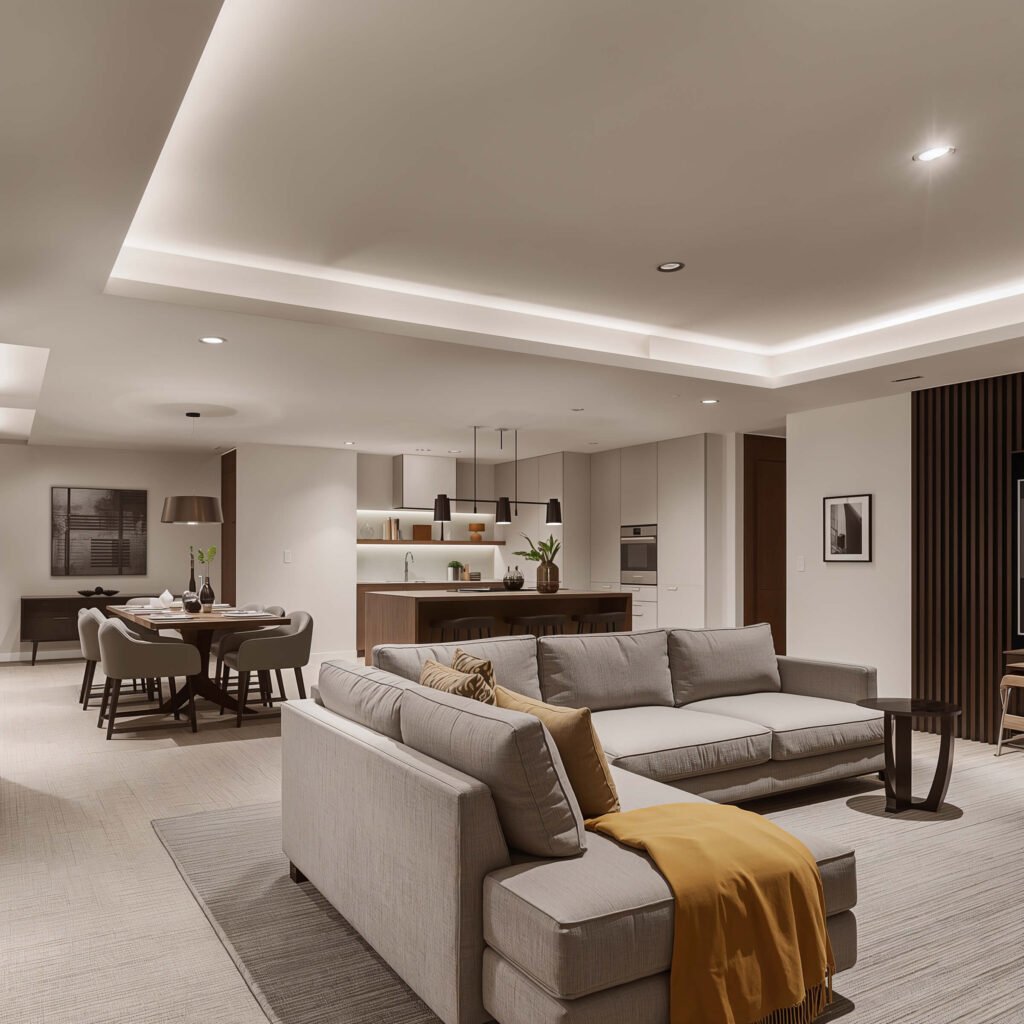
Breaking Down the Walls (Figuratively and Literally)
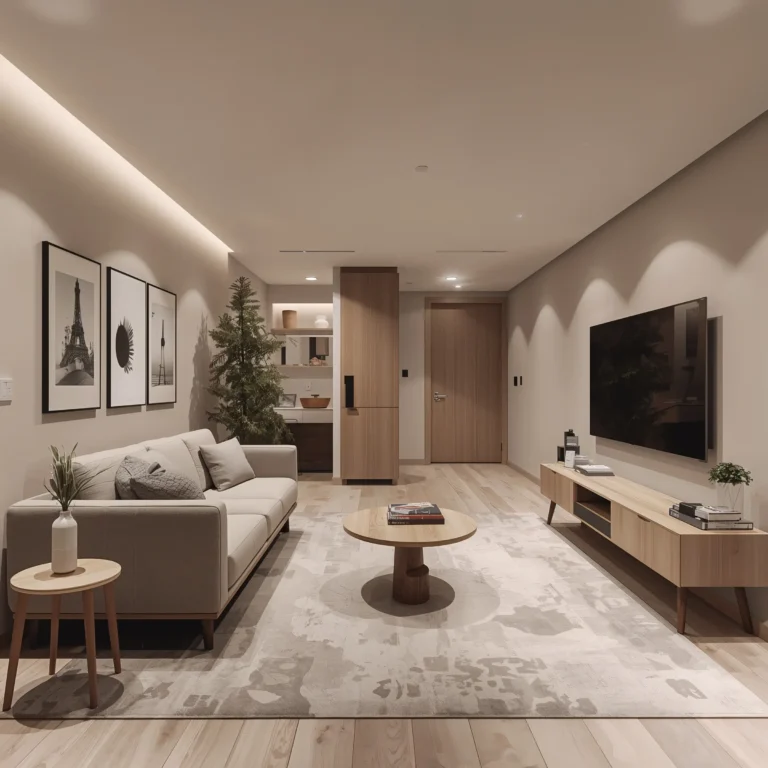
The open-concept basement might be the smartest renovation move you can make. Instead of chopping your basement into tiny, purposeless rooms, you create one massive, flexible space that can morph based on your needs.
I watched my neighbors section off their basement into four small rooms. Now they have four spaces that feel cramped and serve exactly one purpose each. Meanwhile, my open basement transforms from workout space in the morning to kids’ play area in the afternoon to adult hangout at night.
Defining Zones Without Walls
The trick with open-concept basements? Creating distinct areas without physical barriers. Here’s how I made it work:
- Rugs define spaces better than walls ever could
- Furniture placement creates natural pathways
- Lighting changes signal different zones
- Ceiling treatments can vary by area
Paint can work magic here too. I used the same color throughout but varied the finish – matte in the lounge area, satin in the play zone for easier cleaning. Different textures on the same color create subtle boundaries your brain picks up on.
Storage becomes crucial in open spaces. Built-ins along one wall house everything from toys to workout gear to bar supplies. When everything has a home, the space stays functional regardless of its current purpose.
The beauty of this approach? Flexibility as your life changes. That play area can become a teen hangout zone in five years, then transform into a home office when they leave for college. Try doing that with permanent walls.
Bright Basement with Glass Partitions
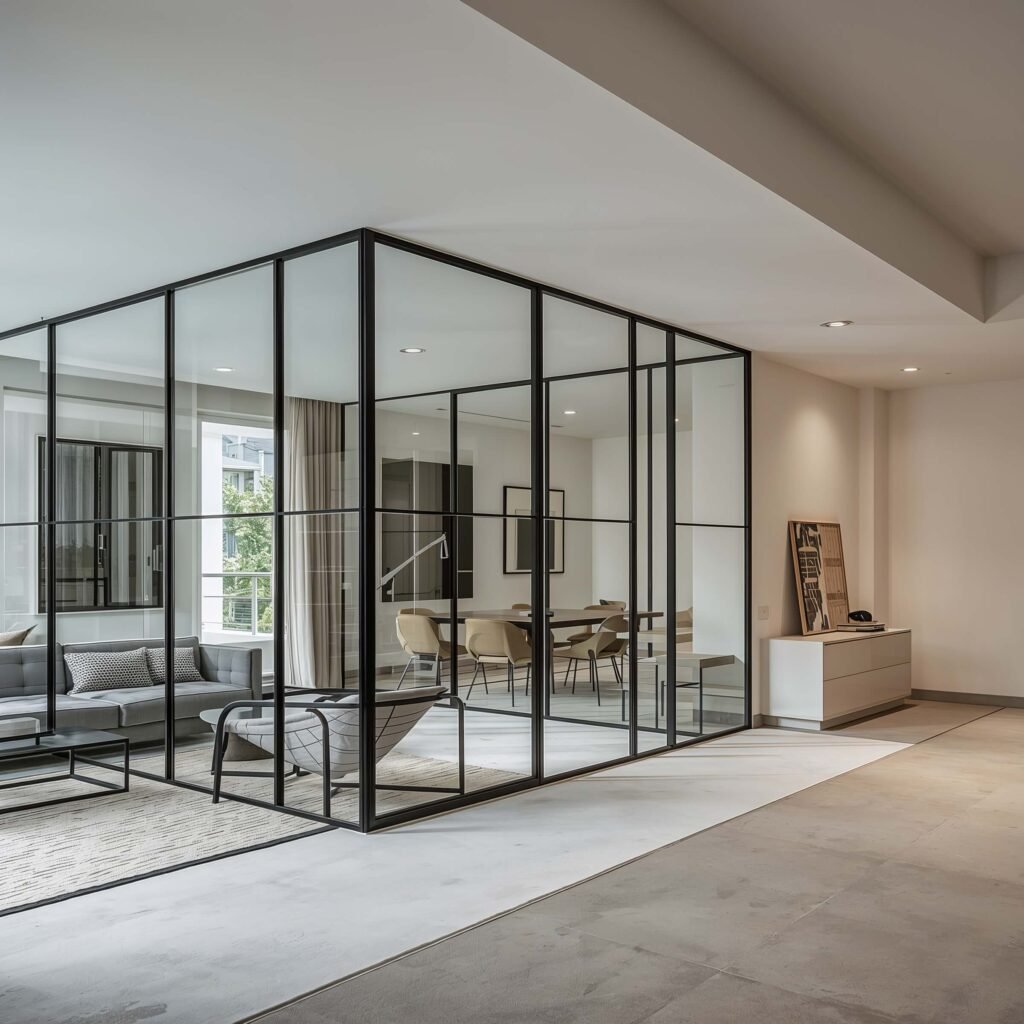
Maximum Light, Maximum Style
Who says basements have to feel like bunkers? Installing glass partitions instead of traditional walls revolutionizes how light moves through your basement. I fought my contractor on this initially (the cost made me cry a little), but the transformation was worth every penny.
Glass walls solve the eternal basement dilemma: you need separate spaces but don’t want to sacrifice the little natural light you have. Plus, they make even a modest basement feel like some fancy downtown loft.
Making Glass Work Underground
The key to successful glass partitions? Choosing the right type of glass for each application:
- Frosted glass for home offices (privacy without darkness)
- Clear tempered glass for main living areas
- Textured glass for bathrooms or storage areas
- Black-framed glass for that industrial edge
Installation requires precision – these aren’t DIY weekend projects unless you really know what you’re doing. The frames need to be perfectly level, and the glass needs proper support. But once they’re in? Magic happens.
I used glass partitions to separate my office from the main basement area. Conference calls feel professional with visual separation, but the space still feels connected to the rest of the basement. The light from the main area floods the office, eliminating that closed-in feeling.
Maintenance is easier than you’d think. A good squeegee and some glass cleaner once a week keeps everything crystal clear. Fingerprints show up, sure, but no more than they do on your TV screen.
Modern Basement Bar & Game Room
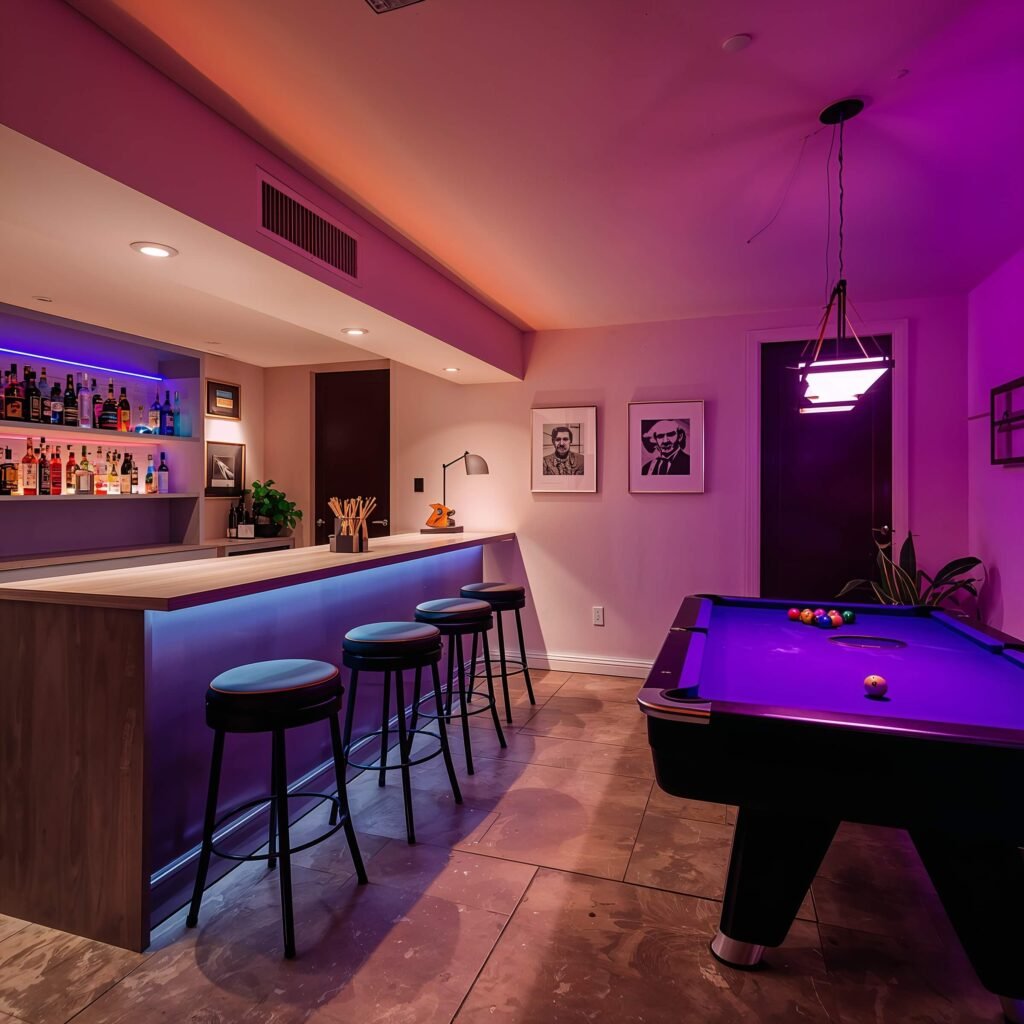
Entertaining Like It’s 2024
Building a basement bar used to mean dark wood, neon signs, and that weird carpeting that somehow exists only in basement bars. Modern bar design threw all that out the window and thank goodness for that.
Today’s basement bar should feel like somewhere you’d actually want to grab a cocktail, not like you’re hiding from your family. Think sleek lines, quality materials, and a setup that makes you feel like a mixologist, not a college kid sneaking beers.
The Bar Setup That Actually Gets Used
Here’s the truth about basement bars: most of them become glorified storage because they’re not actually functional. You need:
- Proper plumbing (yes, it’s worth the investment)
- A real sink (not just a bar sink)
- Adequate storage for glassware and bottles
- Counter space for actual drink preparation
- Good lighting (nobody wants drinks made in the dark)
My bar features a waterfall quartz countertop (found it at a remnant yard for 70% off), floating shelves with LED backlighting for bottles, and a beverage fridge that fits perfectly under the counter. The back wall? Subway tile in a herringbone pattern because I’m not basic enough for straight lines.
Game Room Integration
The best modern basement bars flow seamlessly into game areas. No weird transitions, no separate rooms – just one cohesive entertainment space.
Position your pool table where players won’t hit the wall with cues (measure this carefully – ask me how I know). Mount dart boards with proper lighting and use quality boards that won’t destroy your walls. If you’re adding arcade games or pinball machines, make sure you’ve got enough electrical outlets. Running extension cords everywhere ruins the aesthetic fast.
Seating needs to work for both bar hanging and game watching. Bar stools obviously, but also some comfortable seating that can swivel between the bar and whatever game is happening.
Also Read: 10 Creative Basement Parking Ideas and Safety Tips
Moody Modern Basement Retreat
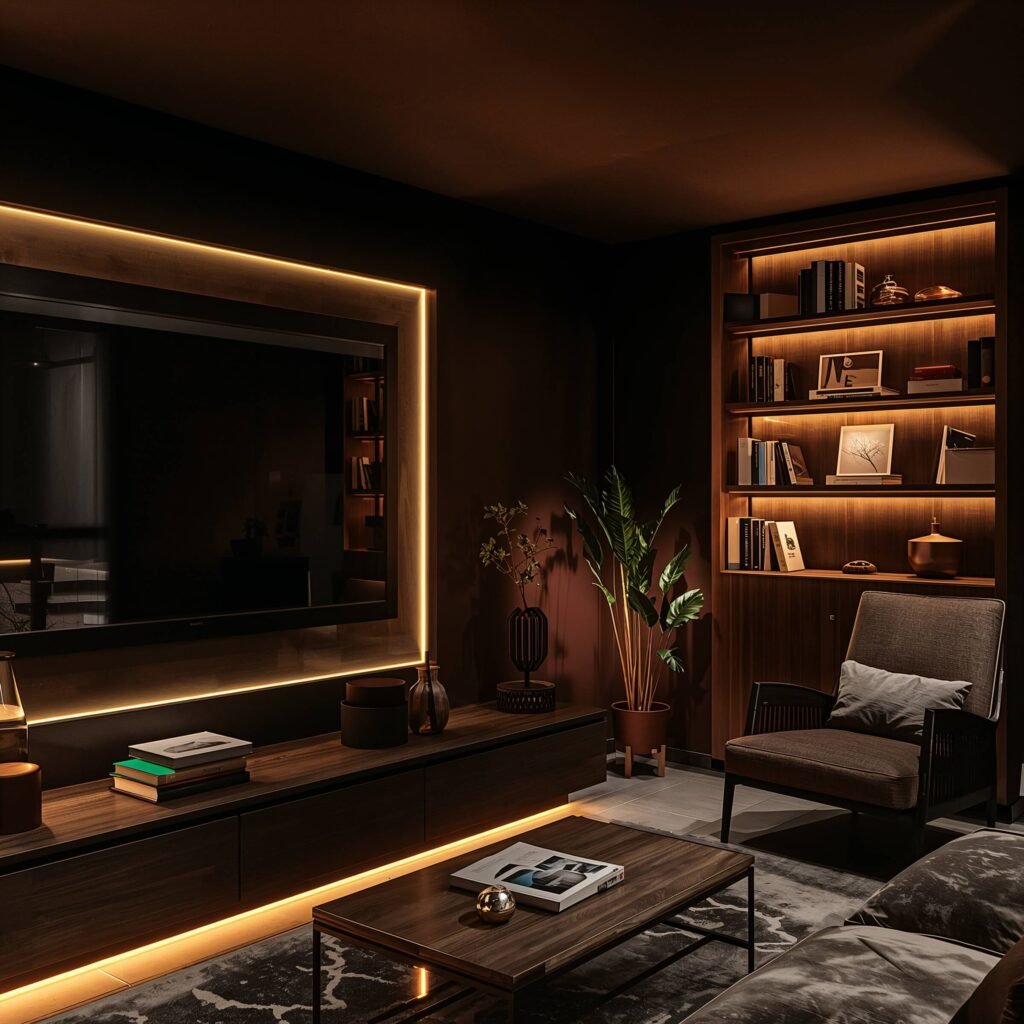
Embracing the Dark Side (Intentionally)
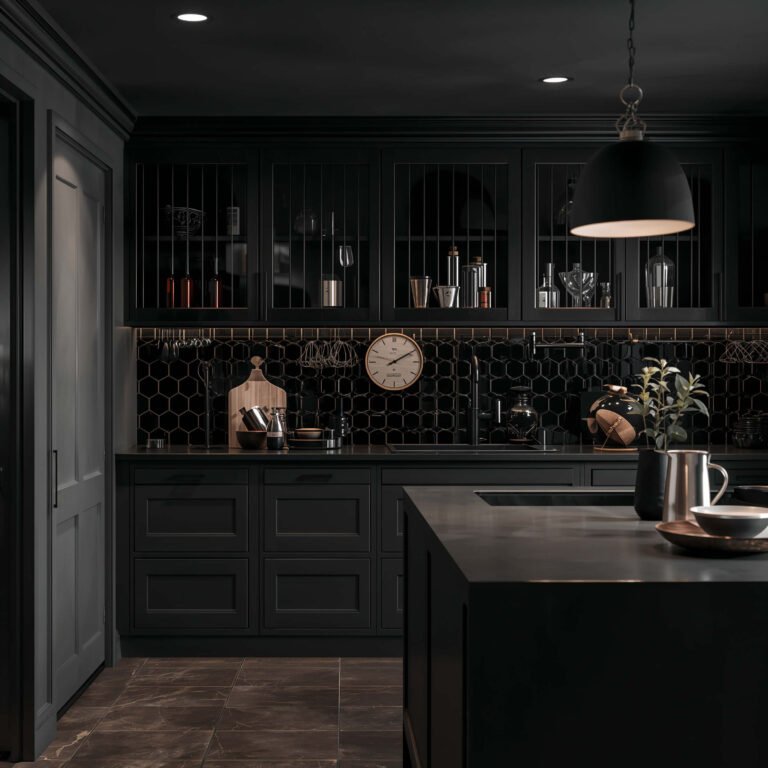
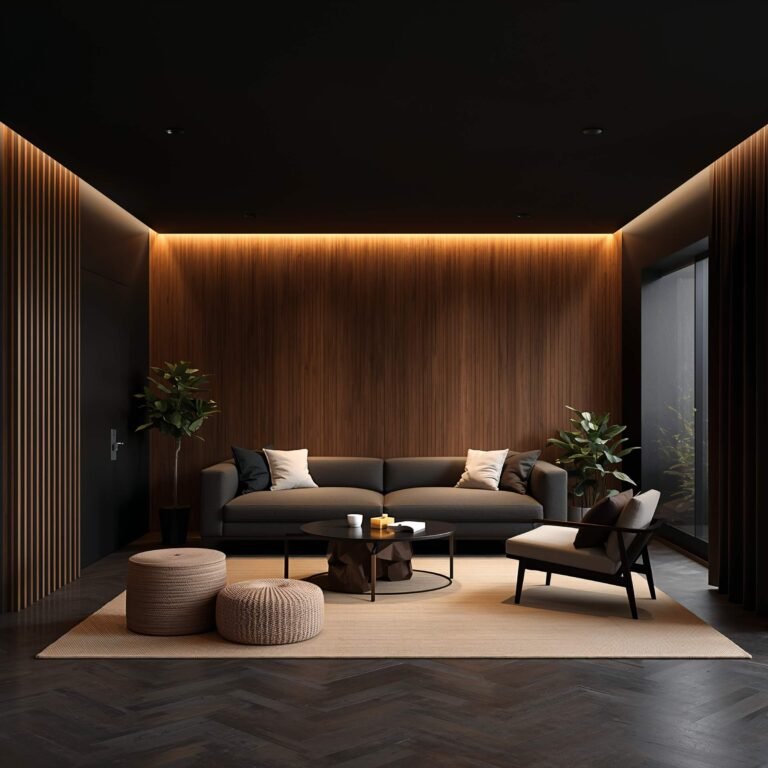
Not every basement needs to fight its underground nature. Sometimes, leaning into the moodiness creates the most incredible spaces. I’m talking about intentionally dark, dramatic spaces that feel like sophisticated caves, not forgotten dungeons.
This approach works especially well if you’re dealing with limited natural light anyway. Why fight a losing battle when you can create something that celebrates the darkness?
Creating Drama Without Depression
The difference between moody and depressing? Intentionality in every choice. Dark walls need to be a rich, saturated color, not just primer gray. Think:
- Deep navy or emerald walls
- Black painted ceilings (trust me on this)
- Warm metallic accents (brass, copper, gold)
- Layered, warm lighting
- Luxurious textures (velvet, leather, wool)
My moody basement features walls painted in Benjamin Moore’s Hale Navy, which looks almost black in low light but reveals beautiful blue undertones when lit properly. The ceiling? Painted the same color to create this cocoon effect that’s surprisingly cozy, not claustrophobic.
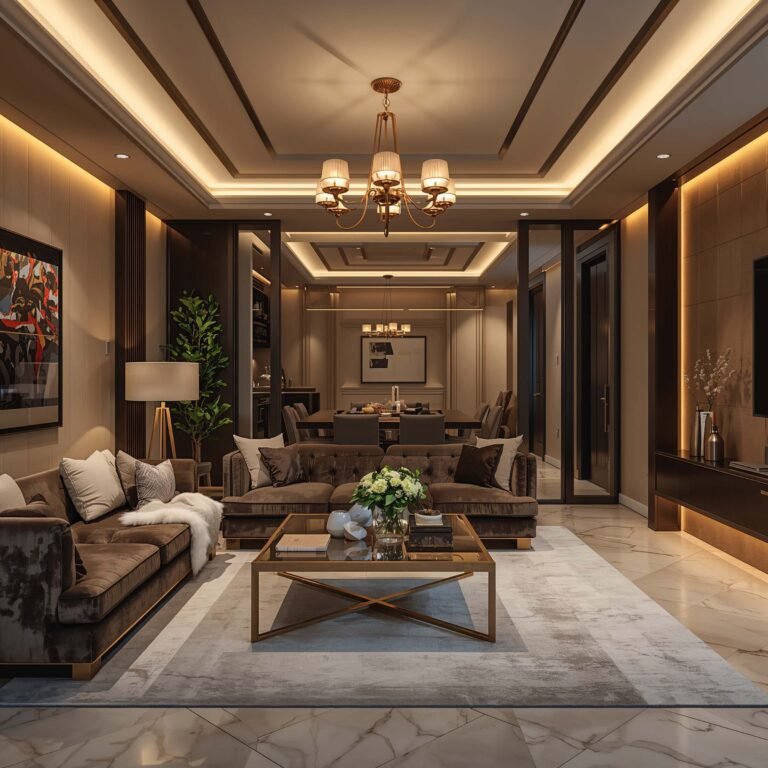
Furniture should be substantial and comfortable. This isn’t the place for minimalist pieces – think deep sofas, oversized chairs, and ottoman coffee tables you can actually put your feet on.
Lighting the Dark Room
Here’s the secret to moody basements: the lighting has to be incredible. Not bright – incredible. Think about it like a high-end restaurant or boutique hotel bar:
- Dimmer switches on everything (non-negotiable)
- Table and floor lamps with warm bulbs
- Hidden LED strips for ambient glow
- Candles or faux fireplaces for flicker effect
The goal is creating pools of warm light rather than uniform brightness. You want people to feel like they’re in an exclusive speakeasy, not a coal mine.
Final Thoughts: Your Underground Oasis Awaits
After spending the last two years obsessing over basement renovations (and emptying my bank account in the process), here’s what I know for sure: basements have more potential than any other room in your house. They’re blank canvases just waiting for someone brave enough to think beyond beige carpet and drop ceilings.
Whether you go minimalist or moody, industrial or Scandinavian, the key is committing to a vision and executing it properly. Half-hearted basement renovations look exactly like what they are – afterthoughts. But a well-designed modern basement? That becomes the heart of your home.
Start with one concept that really speaks to you. Maybe it’s that sleek home theater or the industrial bar setup. Focus on getting that right before trying to cram every idea into one space. Your basement should enhance your lifestyle, not complicate it.
And remember – good design is timeless, but trends are temporary. Choose quality materials and classic layouts over whatever’s hot on social media this month. Your future self will thank you when you’re not ripping everything out in five years because shiplap went out of style.
Now get down there and start measuring. Your basement’s potential is calling, and those storage boxes aren’t going to relocate themselves. Trust me, once you transform that underground space, you’ll wonder why you waited so long. The upstairs? That’s just where you sleep now. The real living happens below. 😉