10 Inspiring Basement Layout Ideas Floor Plans for Modern Homes

Remember that moment you first walked into your basement and thought, “This could be amazing… if only I knew what to do with it?” Yeah, I’ve been there.
Standing in that dimly lit concrete box, trying to imagine something better than a glorified storage unit for Christmas decorations and old exercise equipment nobody uses anymore.
Your basement holds massive potential, and I’m about to show you exactly how to unlock it. After helping dozens of friends transform their underground dungeons into spaces they actually want to spend time in, I’ve gathered the best layout ideas that actually work.
Not the Pinterest-perfect ones that cost a fortune – real, practical floor plans you can actually pull off.
Let’s talk about 10 killer basement layouts that’ll make you forget you’re even below ground level. Trust me, once you see these ideas, you’ll wonder why you waited so long to tackle this project.
Open-Concept Entertainment Basement
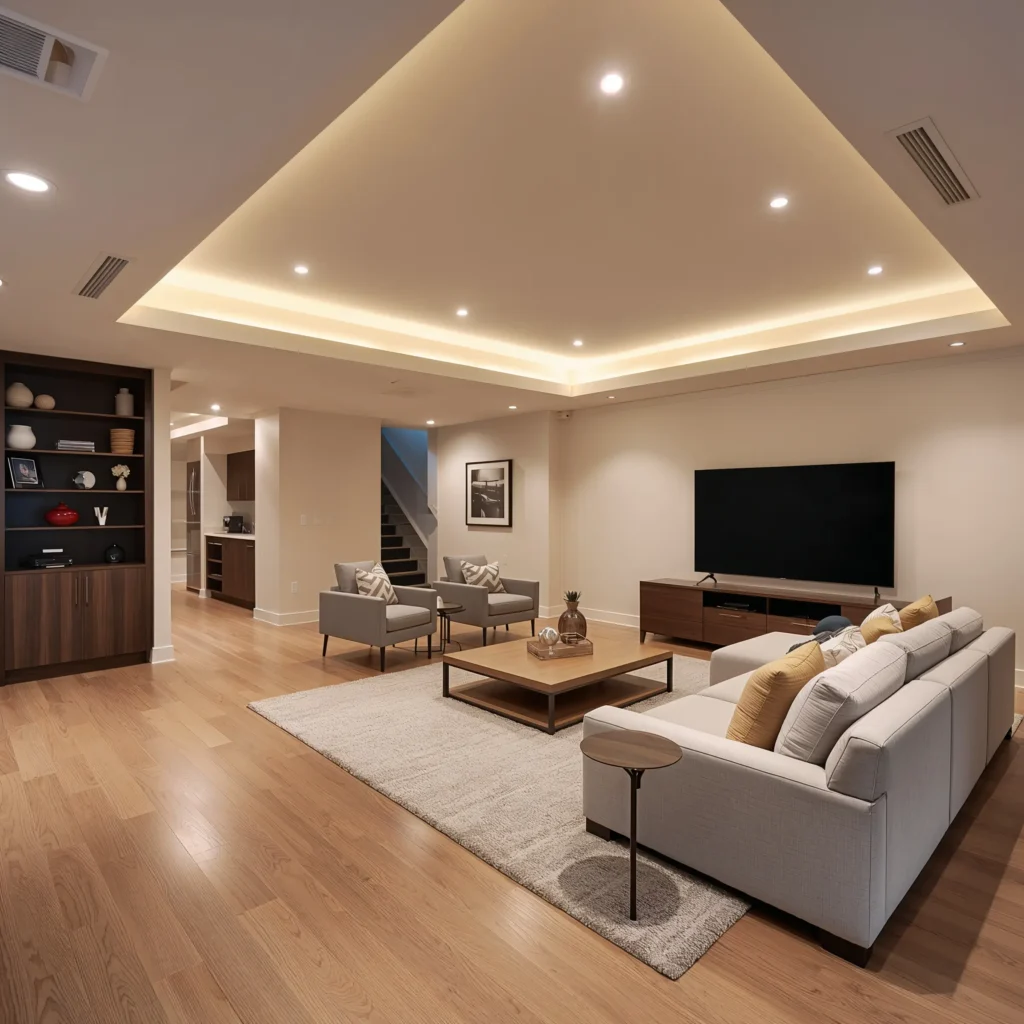
Who says basements have to feel cramped and claustrophobic? The open-concept entertainment basement throws traditional room divisions out the window and creates one massive, flowing space perfect for hosting.
Picture this: you walk downstairs and see a seamless blend of lounging area, game zone, and mini bar all in one spectacular room. No walls blocking your view, no awkward doorways interrupting the party flow. I recently helped my brother design one of these, and now his basement hosts every family gathering – seriously, we barely use the main floor anymore.
Key Layout Elements
The beauty of open-concept design lies in creating distinct zones without physical barriers. Here’s what works:
- Central seating arrangement facing the entertainment wall
- Floating bar or kitchen island that doubles as a room divider
- Pool table or gaming area positioned away from high-traffic zones
- Built-in storage along perimeter walls to maintain the open feel
You’ll want to keep your ceiling as open as possible too. Paint those exposed beams and ductwork black – it creates this cool industrial vibe while making the ceiling seem higher. Ever noticed how trendy restaurants do this? There’s a reason it works.
Smart Zoning Tricks
Creating zones without walls requires some creativity. Area rugs become your best friends here, defining each space visually without blocking movement. Different lighting fixtures also help – pendant lights over the bar, recessed lighting in the entertainment area, and maybe some cool LED strips for ambiance.
The trick is maintaining sight lines throughout the space. You want someone playing pool to still feel connected to folks watching the game on TV. That’s when you know you’ve nailed the open-concept vibe.
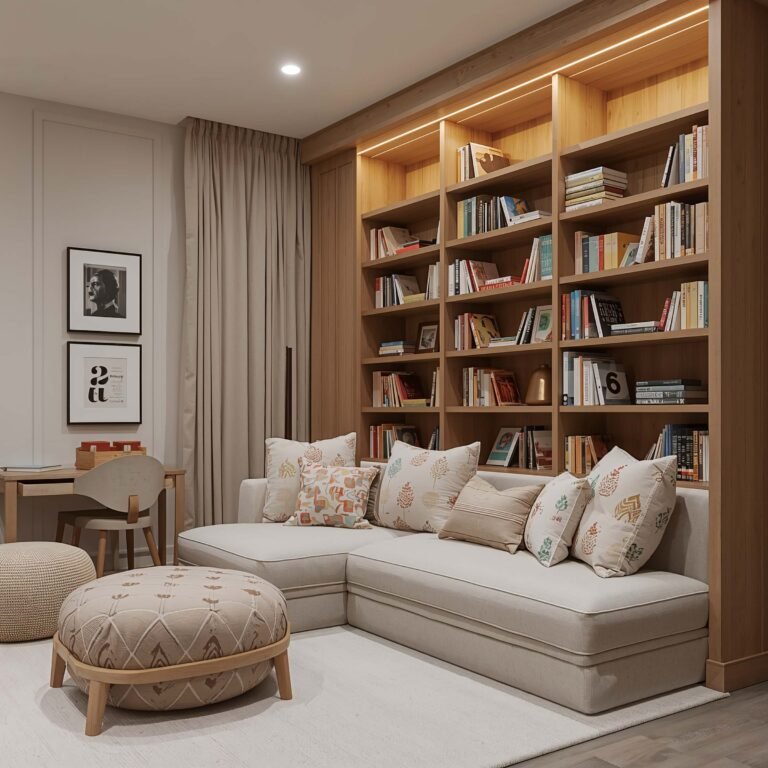
Cozy Family Lounge Basement
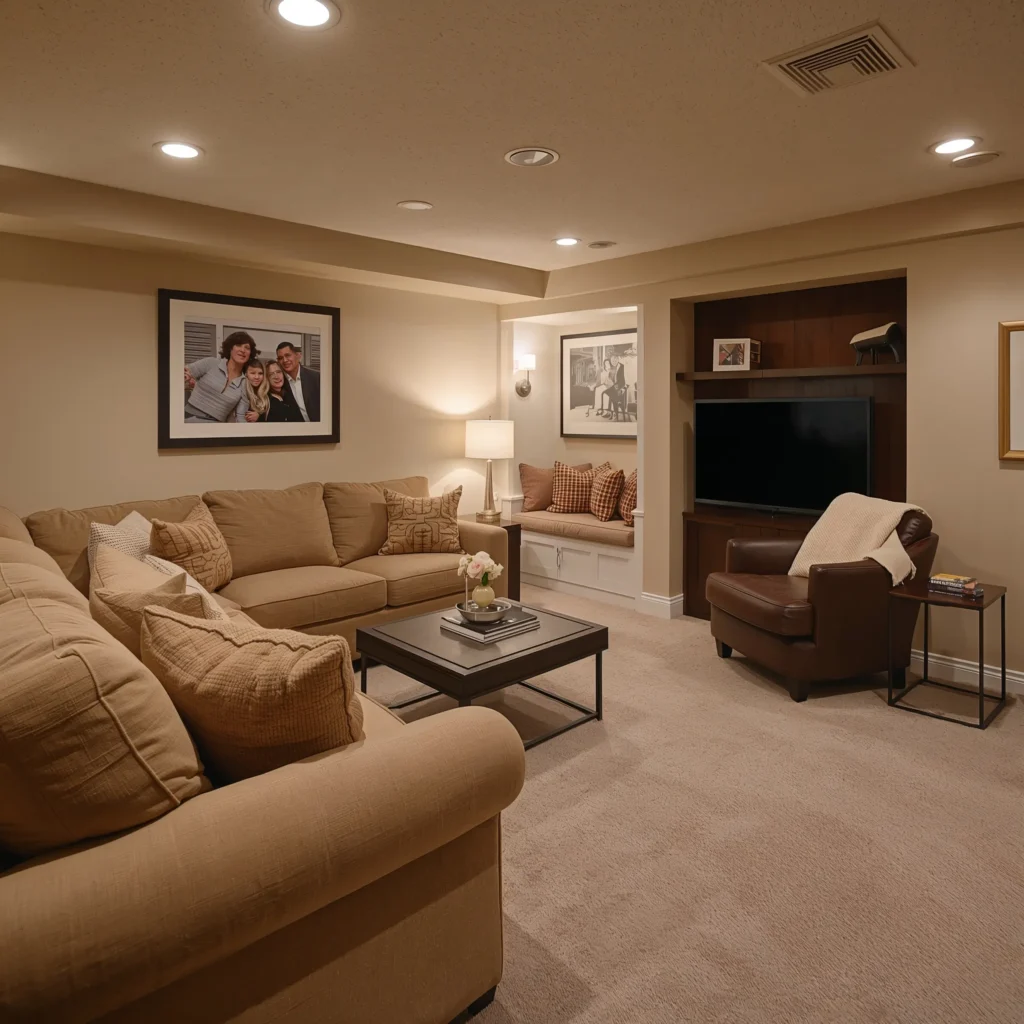
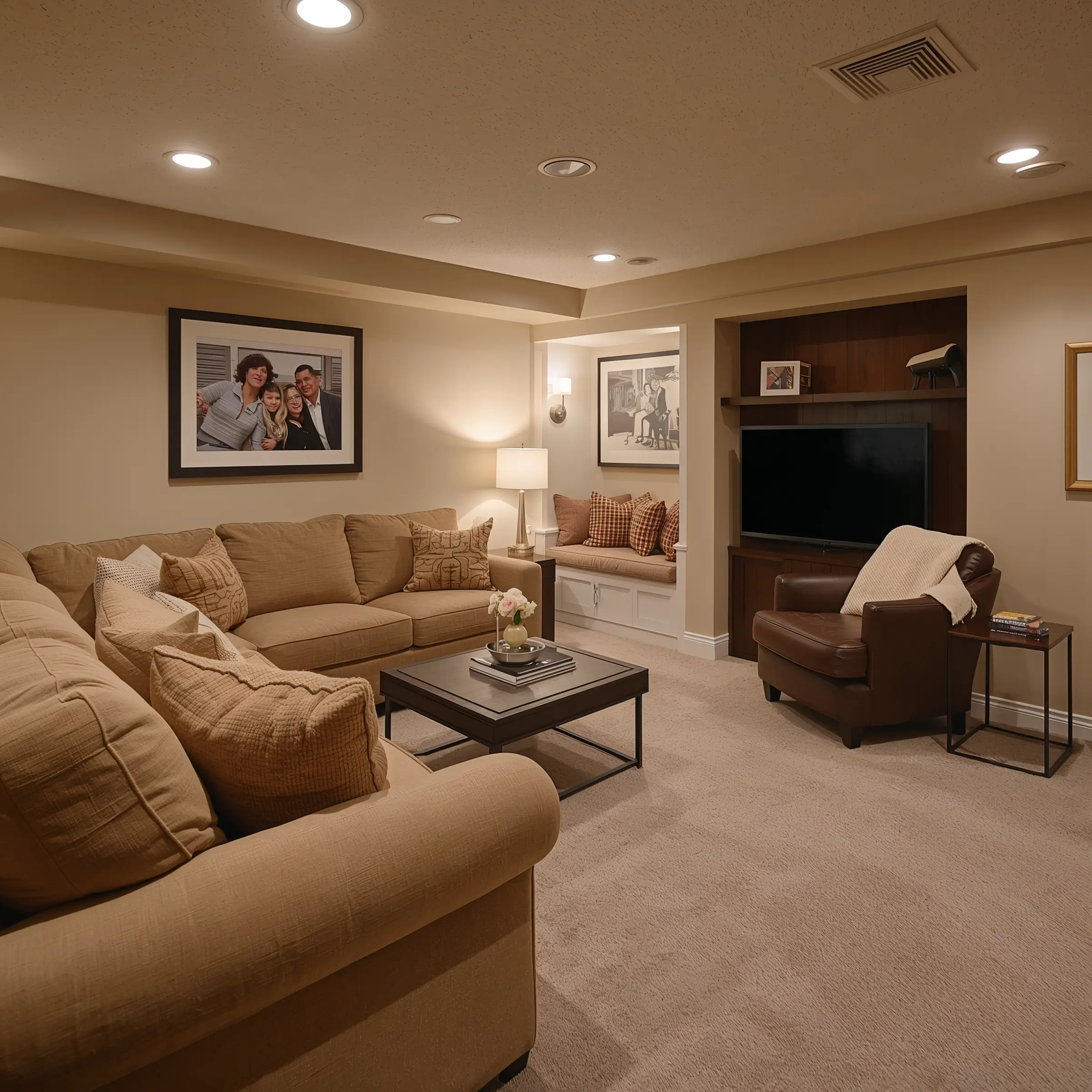
Not everyone wants their basement to feel like a sports bar. Sometimes you just need a comfortable retreat where the whole family can pile in for movie night without worrying about spilling popcorn on the good furniture.
I designed my own basement as a cozy family lounge, and honestly? It’s where we spend 80% of our time now. There’s something about being slightly underground that makes everything feel more intimate and secure – like your own private hideaway.
Creating the Perfect Comfort Zone
The cozy family lounge prioritizes comfort over impressiveness. Think oversized sectionals, soft throw blankets, and lighting that makes everyone look good (because nobody needs harsh overhead lights highlighting their under-eye circles during family movie night).
Your floor plan should center around a main seating area with these essentials:
- L-shaped or U-shaped sectional that fits everyone
- Coffee table at the perfect height for feet and snacks
- Side tables within arm’s reach of every seat
- Hidden storage ottomans for blankets and remotes
Warmth Without Windows
Basements can feel cold – both literally and figuratively. Combat this with warm color palettes (think deep browns, burnt oranges, rich burgundies) and layer your lighting. Table lamps, floor lamps, wall sconces – basically, anything but that single ceiling fixture that makes everyone look like zombies.
Don’t forget about actual warmth either. A corner electric fireplace changes everything. Not only does it provide heat, but that flickering light creates instant coziness. Plus, no venting required underground – win-win!
Home Theater & Gaming Basement
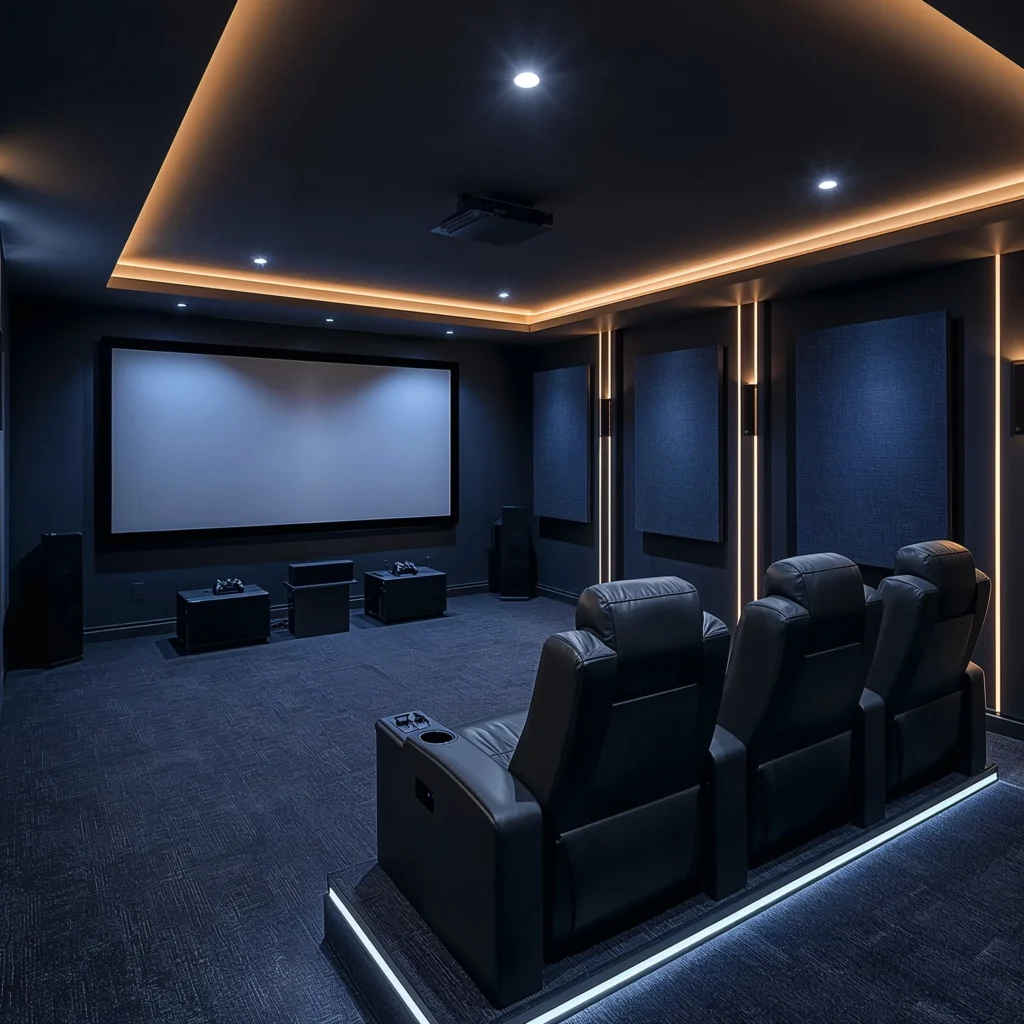
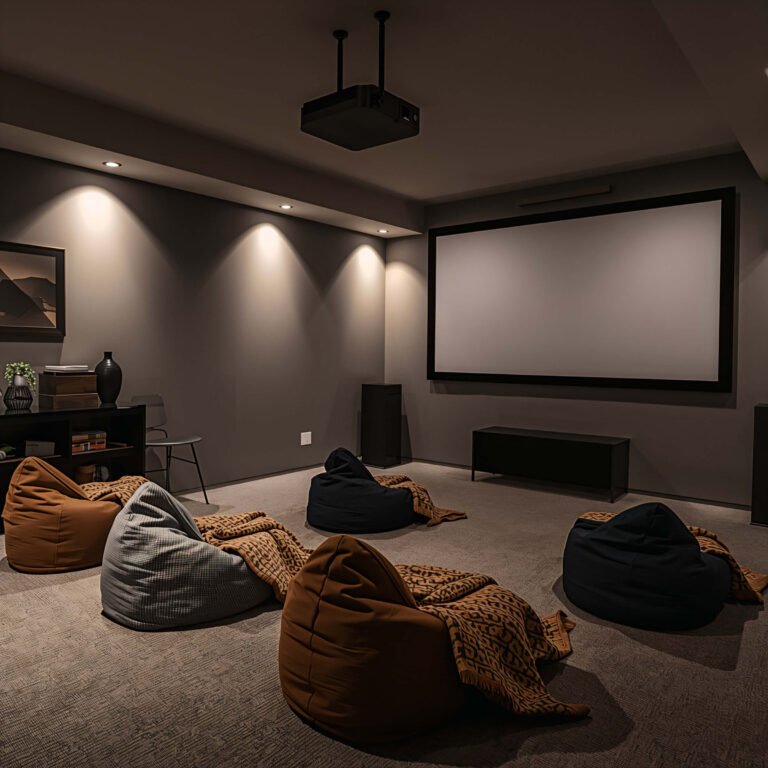
Okay, let’s talk about the dream setup every movie buff and gamer fantasizes about. The home theater and gaming basement combines cinematic excellence with gaming paradise, and yes, it’s as awesome as it sounds.
My neighbor built one of these last year, and I’m not gonna lie – I’m pretty jealous. Walking into his basement feels like entering a premium movie theater, except you can pause for bathroom breaks and nobody judges your choice of snacks.
Theater Side Planning
The theater portion needs specific measurements to work properly:
- 12-15 feet minimum from screen to first row of seating
- 7-9 feet between screen and back wall for proper acoustics
- Tiered seating platforms if you’re going for multiple rows
- Dark walls and ceiling (like, really dark – we’re talking flat black or deep navy)
Your screen wall becomes the focal point, so plan everything around it. Built-in speakers, hidden wiring, maybe some LED backlighting for that professional touch. The goal is making people forget they’re in your basement, not an actual theater.
Gaming Integration
Here’s where things get interesting. You want the gaming setup to complement, not compete with the theater area. I’ve seen people try to cram both into the same space, and it usually looks like a Best Buy exploded.
Instead, create a dedicated gaming alcove off to one side:
- Wall-mounted monitors at standing and sitting heights
- Built-in desk/console area with cable management
- Comfortable gaming chairs that don’t look out of place
- Sound isolation between gaming and theater zones
The secret sauce? Make sure both areas can function simultaneously without interference. Nothing kills the vibe faster than someone’s Call of Duty session drowning out movie dialogue.
Also Read: 10 Genius Basement Kitchen Ideas and Space-Saving Tricks
Modern Multi-Functional Basement
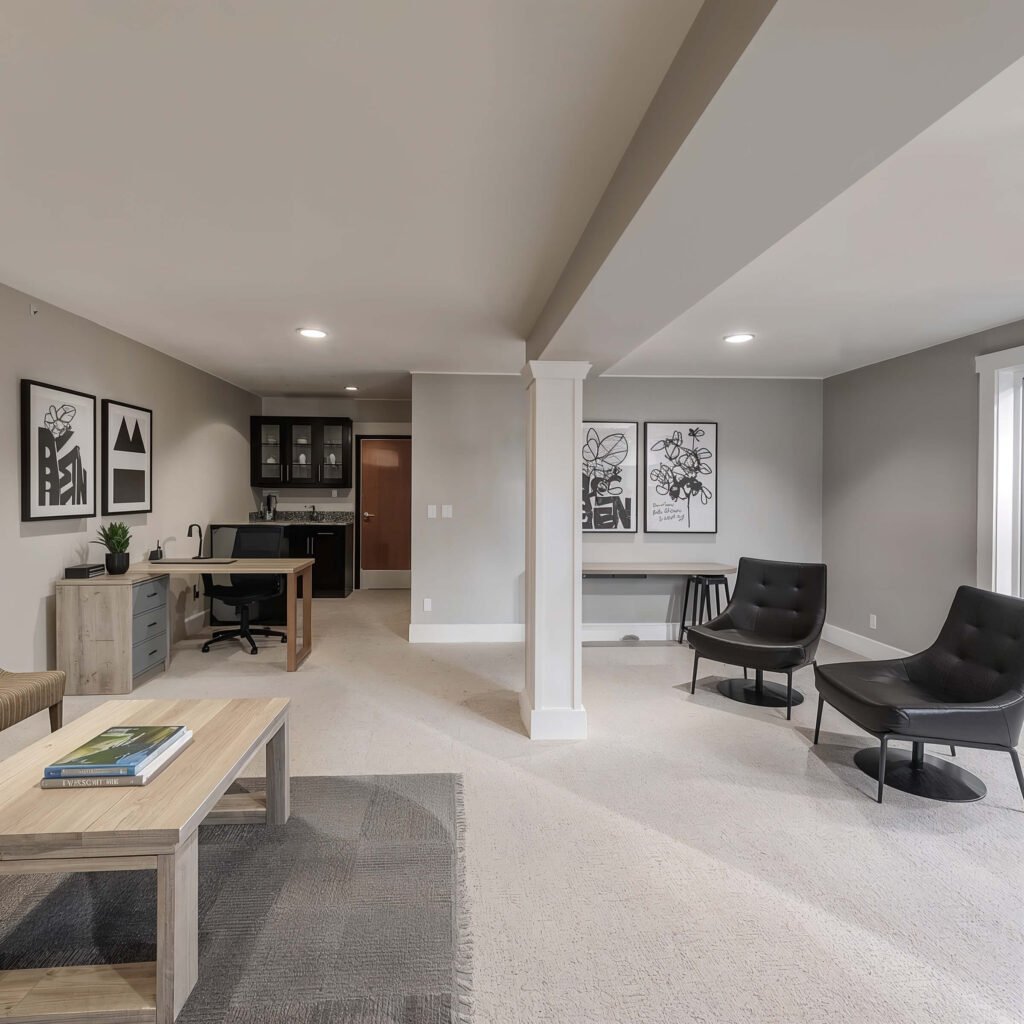
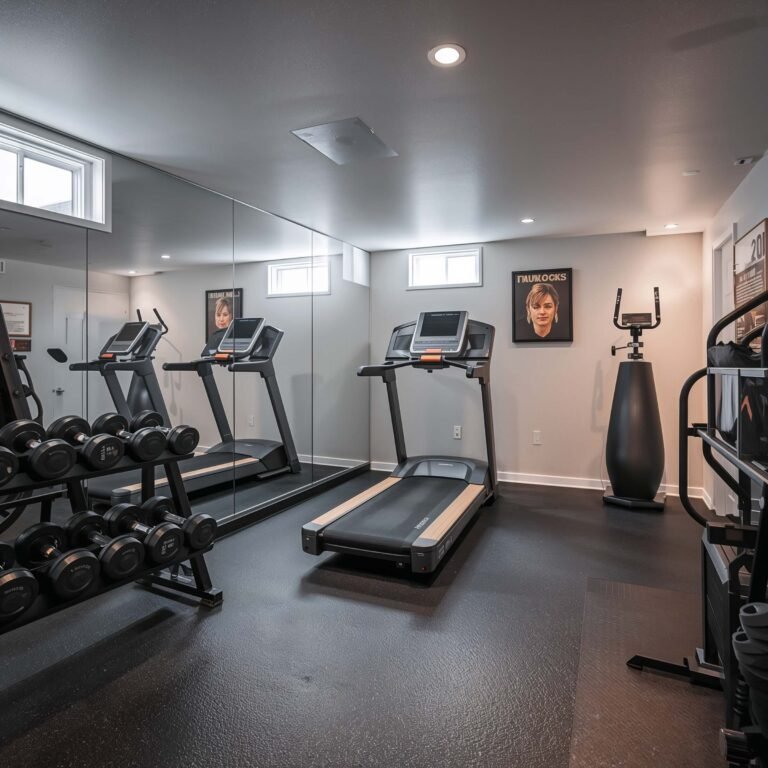
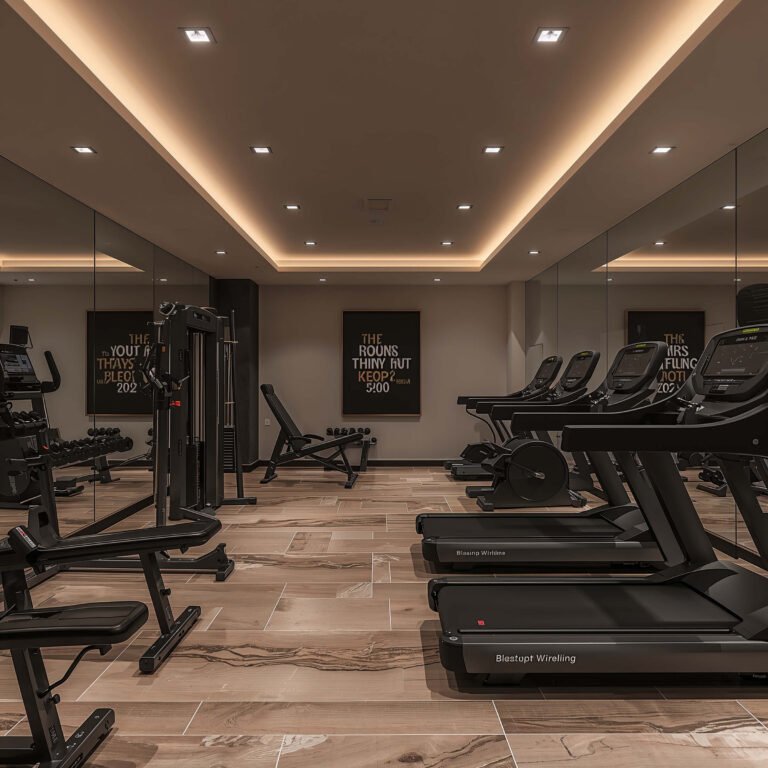
Sometimes you need your basement to do it all. Home gym in the morning, office during the day, entertainment space at night – the modern multi-functional basement adapts to whatever life throws at you.
This layout style embraces flexibility like nothing else. Think transformable furniture, moveable partitions, and zones that serve double or triple duty. It’s basically the Swiss Army knife of basement designs.
Flexible Floor Plan Fundamentals
The key to multi-functional success? Modular everything. Your floor plan should allow for easy reconfiguration:
- Murphy beds or wall beds that disappear when not needed
- Folding partition walls to create instant privacy
- Mobile storage units on heavy-duty casters
- Convertible furniture (ottoman to coffee table, desk to bar)
I helped design one where the owner installed ceiling-mounted curtain tracks throughout the space. Genius move – instant room division when needed, completely open when not. Plus, curtains are way cheaper than building actual walls.
Zone Management Strategies
Managing multiple functions requires smart storage solutions. Each zone needs its own storage that doesn’t interfere with other activities. Wall-mounted cabinets keep exercise equipment off the floor when you’re hosting parties. Closed storage units hide office supplies when the space transforms into a guest room.
The lighting needs to be equally versatile. Install dimmer switches everywhere and consider smart bulbs you can control from your phone. Bright white for working out, warm amber for relaxing, colored lights for parties – you get the idea 🙂
Basement with Built-in Bar & Lounge
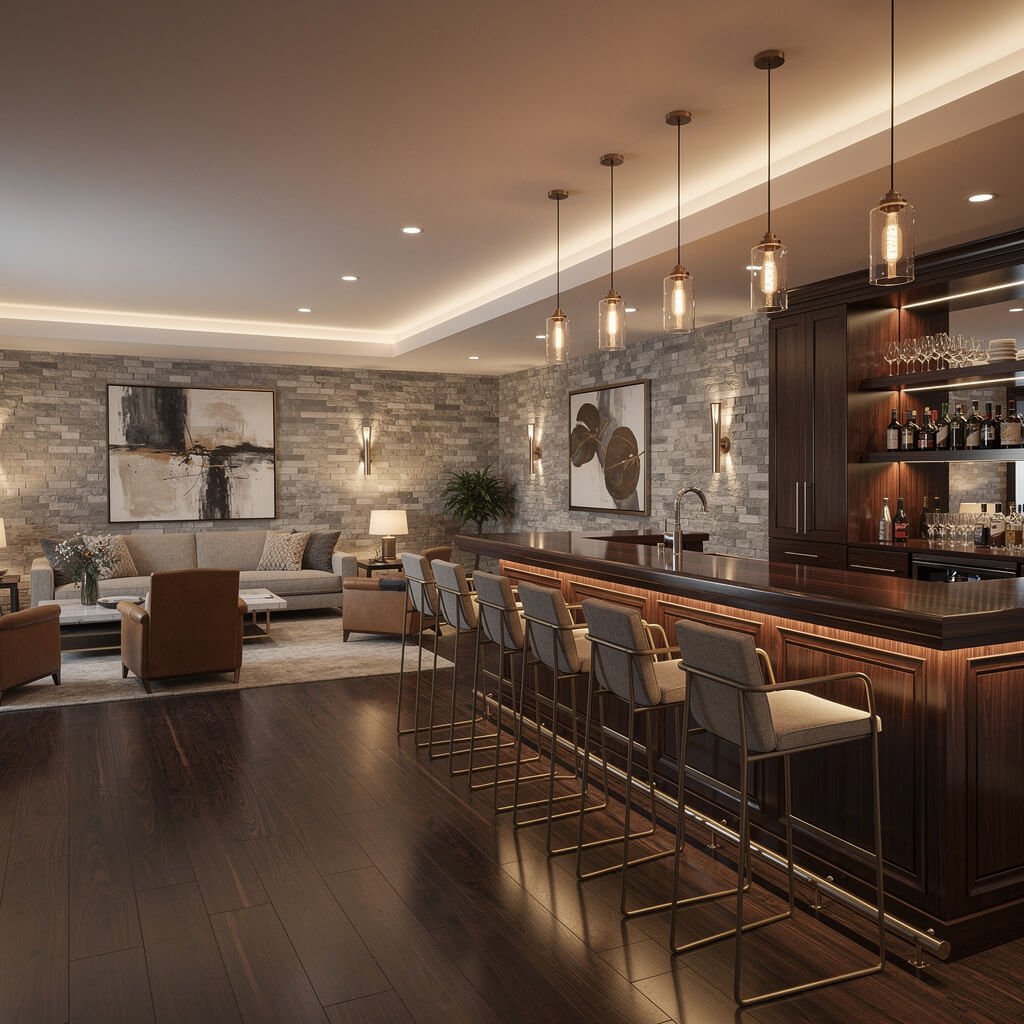
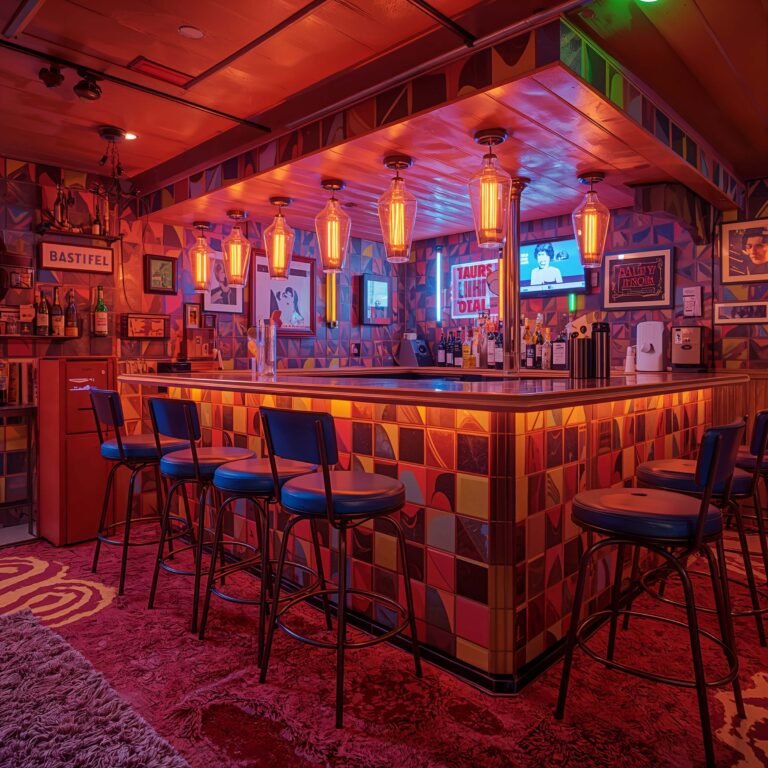
Nothing says “adult basement” quite like a proper built-in bar. Not some rickety cart with a few bottles – I’m talking about a legitimate bar area that makes your friends wonder if you secretly moonlight as a mixologist.
The basement bar and lounge combo creates an instant entertainment hub. It’s where pregame happens, where the party naturally gravitates, and where you finally get to show off those cocktail skills you learned from YouTube.
Bar Design Essentials
Your bar needs to be more than just pretty – it needs to function like a real bar:
- 42-inch bar height with 12-inch overhang for knee room
- Proper plumbing for a bar sink (trust me, you need this)
- Mini fridge and/or wine cooler built into the cabinetry
- Display shelving for the good stuff, closed storage for the rest
Don’t cheap out on the bar top. Granite, quartz, or quality butcher block – something that can handle spills, cuts, and the occasional dance party. My cousin went with laminate to save money and regretted it after the first party left permanent glass rings.
Lounge Layout Logic
The lounge area should flow naturally from the bar without feeling cramped. Picture a comfortable conversation area where people can sit with their drinks:
- Low-profile seating that doesn’t block bar access
- Multiple seating groups for different conversation clusters
- Strategic table placement for drinks and appetizers
- Mood lighting that makes everyone look good after a few drinks
Pro tip: Install a sound system with zone control. Different music volumes for the bar versus lounge areas keeps everyone happy. Nobody wants to shout over music just to order a drink.
Stylish Home Office Basement
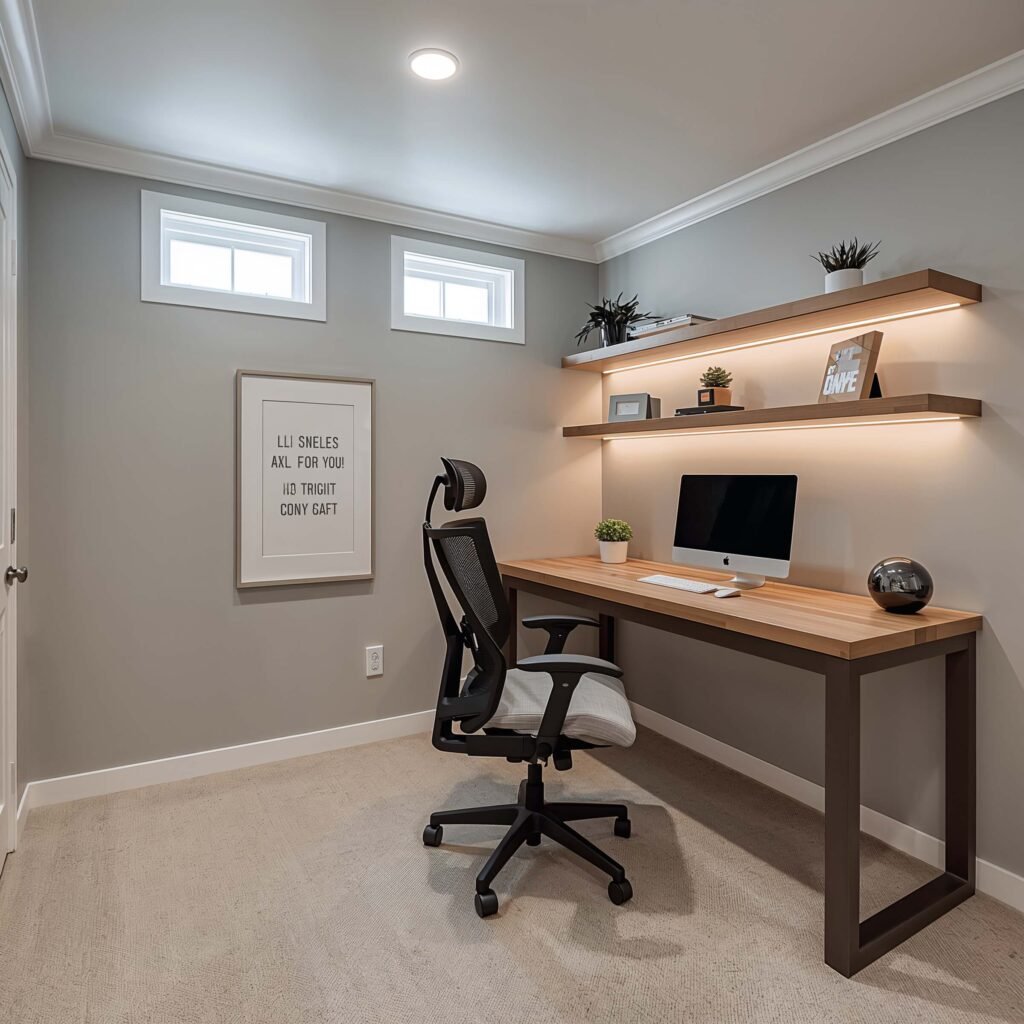
Working from home in your basement doesn’t mean settling for depressing dungeon vibes. The stylish home office basement proves you can be productive underground while actually enjoying the space.
I converted half my basement into an office during 2020 (didn’t we all?), and honestly, it’s been a game-changer. No more kitchen table conferences or bedroom Zoom calls – just a proper workspace that happens to be below ground level.
Productivity-Focused Planning
Your basement office needs specific elements to support actual work:
- Natural light substitutes (full-spectrum LED panels work wonders)
- Proper ventilation to prevent that stuffy basement feeling
- Sound insulation from the rest of the house
- Multiple work zones for different tasks
The layout should separate focused work areas from collaborative spaces. Even if you work alone, having a secondary zone for creative thinking or video calls prevents that trapped-at-your-desk feeling.
Style Meets Function
Who says offices have to be boring? Your basement office can showcase personality while maintaining professionalism:
- Statement wall behind your desk for video call backgrounds
- Floating shelves for books and decorative objects
- Quality ergonomic furniture that actually looks good
- Plants everywhere (yes, some thrive in low light!)
Consider adding a small lounge area with a comfortable chair and side table. Sometimes the best ideas come when you step away from the desk. Plus, it’s perfect for reading or taking calls in a more relaxed setting.
Kids’ Playroom & Storage Basement
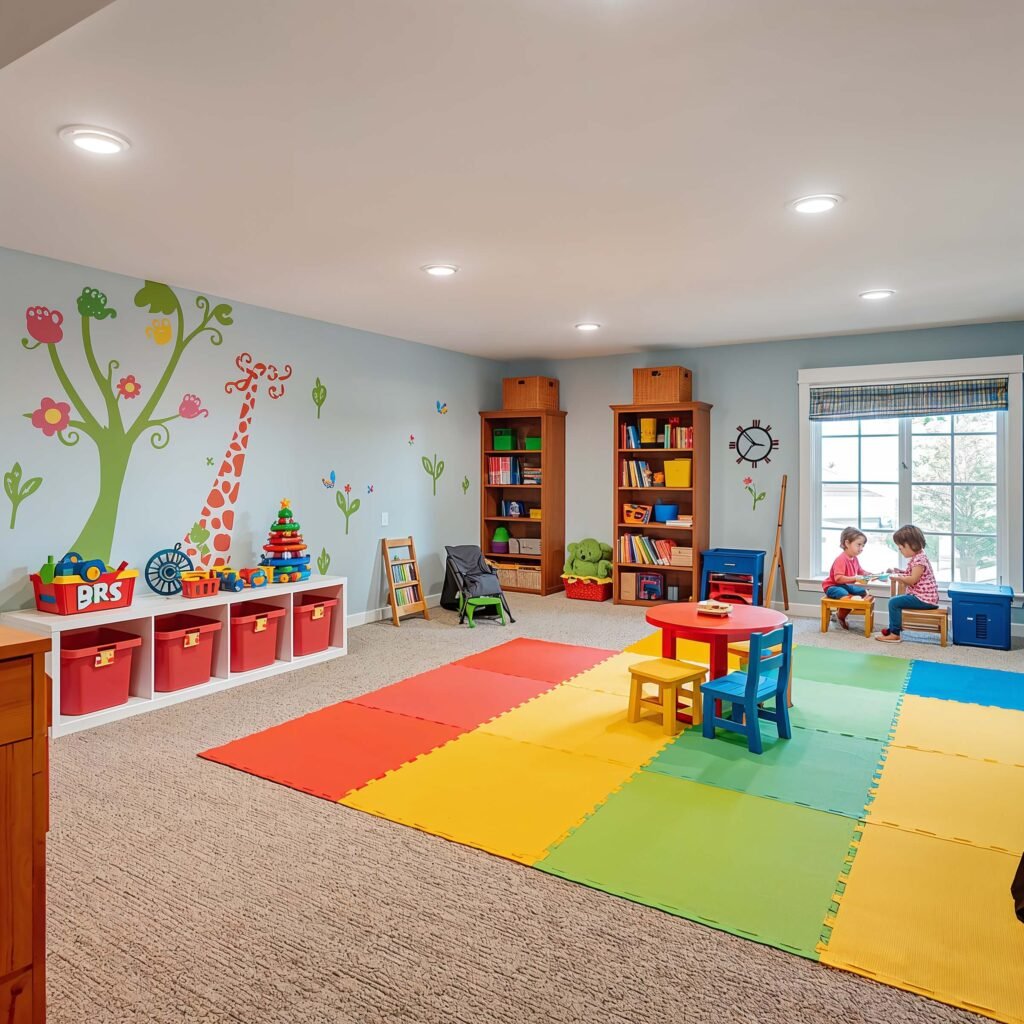
Let’s be real – kids’ toys multiply faster than rabbits. The kids’ playroom and storage basement gives them space to be kids while keeping the chaos contained underground (mostly).
My sister transformed her basement into kid paradise, and wow, the main floor of her house actually looks like adults live there now. The basement became this magical place where LEGOs can live on the floor and nobody loses their mind.
Play Zone Planning
Kids need different areas for different activities:
- Active play zone with mats or carpet for tumbling
- Quiet corner for reading and puzzles
- Art station with wipeable surfaces (learned this the hard way)
- Performance area for the inevitable living room shows
Build storage into everything. Bench seating with hidden compartments, wall-mounted bins at kid height, labeled containers for easy cleanup. The easier you make organizing, the more likely it’ll actually happen.
Safety First, Fun Second
Basement playrooms need extra attention to safety details:
- Padding around support poles and sharp corners
- Secured furniture to walls to prevent tipping
- Soft flooring options like foam tiles or thick carpet
- Childproof locks on storage containing adult items
FYI, those interlocking foam floor tiles? Absolute lifesavers. They’re soft, washable, and when one gets destroyed (and it will), you just replace that tile. Way better than replacing entire carpet sections.
Guest Suite with Private Bathroom Basement
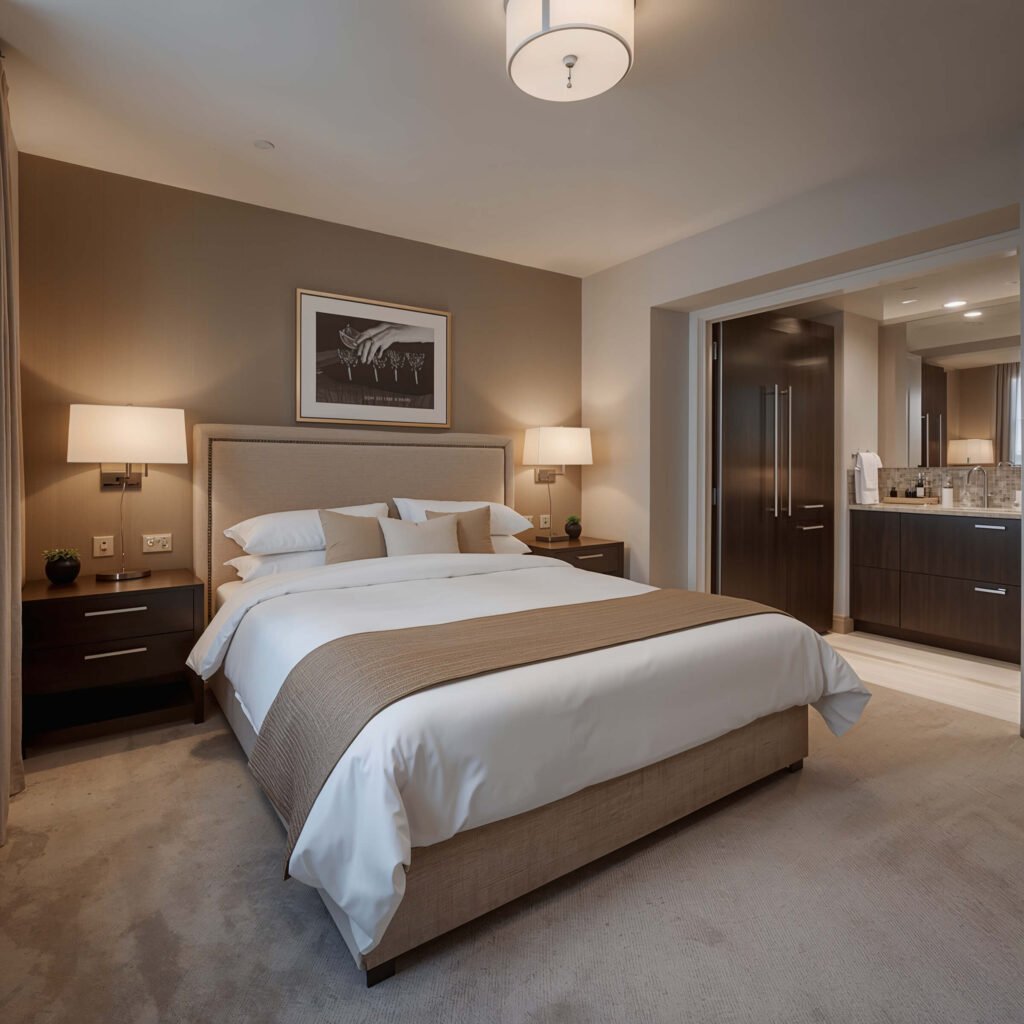
Transform your basement into the ultimate guest retreat with its own bathroom, and suddenly everyone wants to visit. But here’s the thing – they don’t invade your space upstairs, which is kind of perfect.
Adding a bedroom and bathroom to your basement isn’t just about hospitality. It seriously boosts your home’s value and gives you options for aging parents or boomerang kids (we all know someone, right?).
Bedroom Layout Logistics
A proper basement guest suite needs:
- Legal egress window (non-negotiable for bedrooms)
- Minimum 70 square feet of floor space
- Closet space for extended stays
- Privacy from main basement areas
Position the bedroom away from mechanical equipment. Nobody wants to sleep next to the furnace. Use sound-dampening insulation in the walls, especially if the room shares a wall with entertainment areas.
Bathroom Integration
Adding a bathroom in the basement requires serious planning:
- Upflush toilet system if below sewer line
- Proper ventilation to prevent moisture issues
- Waterproof flooring throughout
- Access panel for plumbing maintenance
Go for a walk-in shower over a tub if space is tight. It feels more spacious and eliminates the climbing-in-and-out issue that some guests might have. Plus, glass shower doors make the whole bathroom feel larger.
Rustic Cabin-Style Basement Retreat
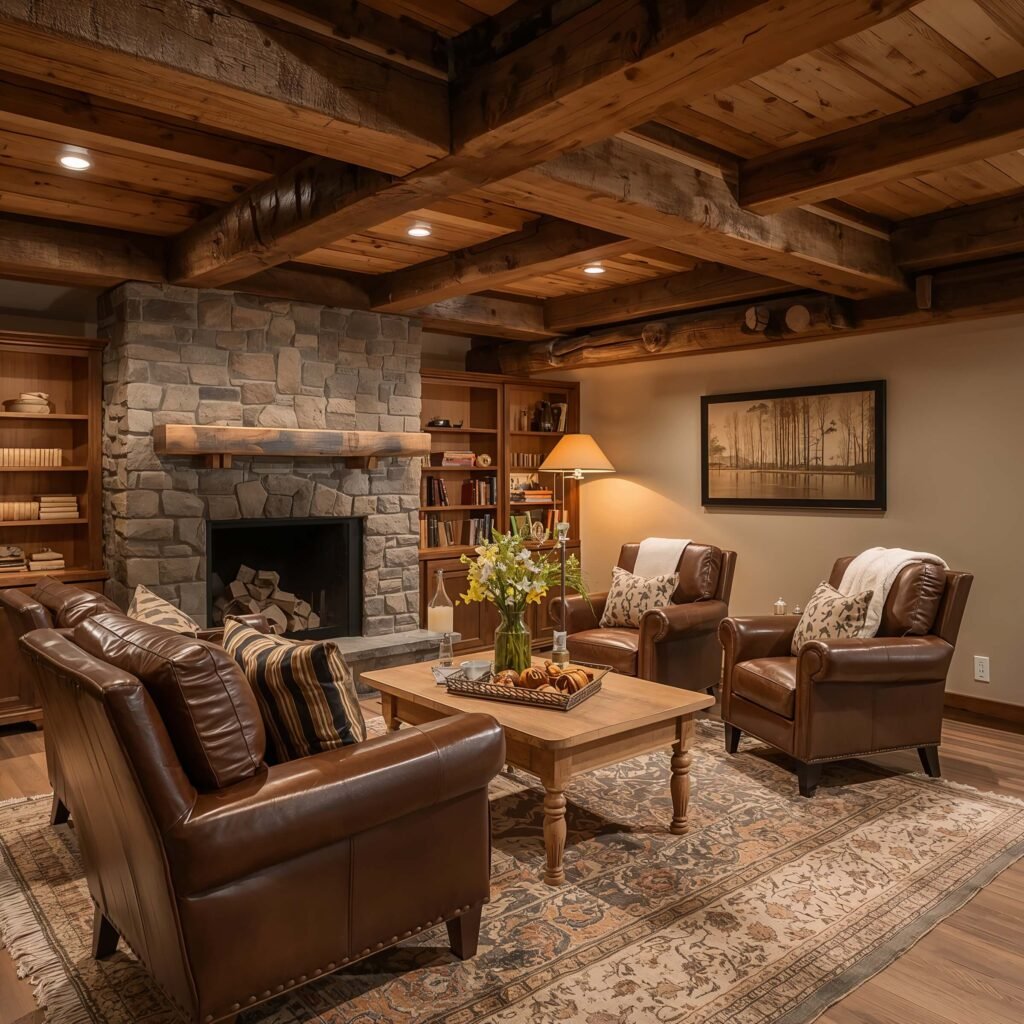
Who says you need to own a mountain cabin to get that cozy lodge feeling? The rustic cabin-style basement brings vacation vibes home, creating an escape without the travel time.
I visited a friend’s cabin-themed basement last winter, complete with a stone fireplace and wood beam ceiling. Honestly? It felt more authentic than some actual cabins I’ve stayed in. The basement’s naturally cooler temperature even adds to the mountain lodge illusion.
Authentic Rustic Elements
Creating genuine cabin atmosphere requires specific design choices:
- Exposed wood beams (real or faux)
- Stone or brick accent walls
- Wood plank flooring or luxury vinyl that looks like it
- Nature-inspired color palette (browns, greens, deep reds)
The layout should feel organic, not forced. Asymmetrical furniture arrangement mimics the casual cabin style better than perfect symmetry. Mix textures everywhere – rough wood, soft leather, nubby fabrics.
Comfort Features
Your rustic retreat needs elements that scream relaxation:
- Stone or brick fireplace as the focal point
- Oversized leather furniture that gets better with age
- Warm layered lighting from table lamps and sconces
- Natural material accessories (antlers, wood bowls, wool blankets)
Don’t overdo the hunting lodge theme unless that’s genuinely your thing. A few strategic rustic touches work better than turning your basement into a taxidermy museum. IMO, less dead animals, more cozy vibes.
Also Read: 10 Modern Basement TV Rooms Ideas You’ll Love to Try
Minimalist Zen Meditation Basement
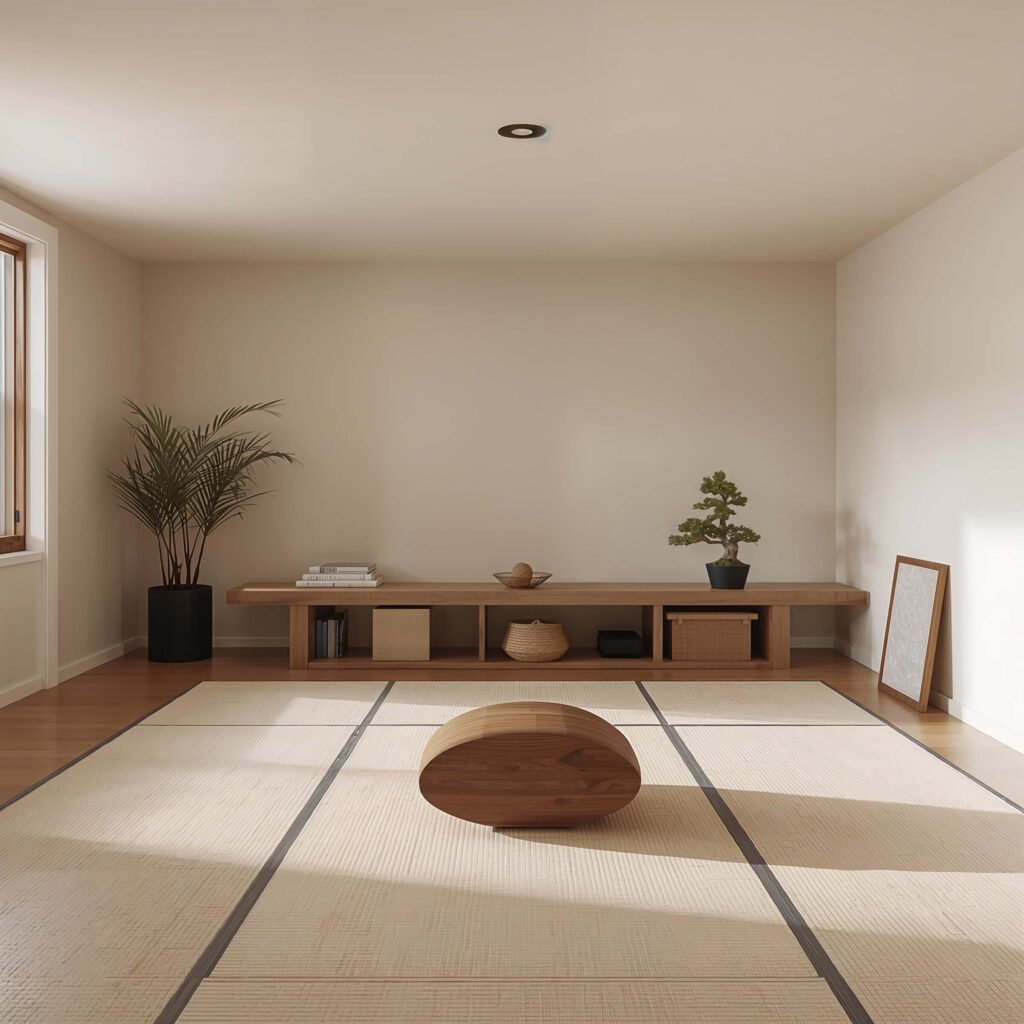
Sometimes you need your basement to be the complete opposite of chaos. The minimalist zen meditation basement creates a serene escape from our overstimulated world, and trust me, your mental health will thank you.
Converting a basement into a meditation space might sound excessive, but consider this: it’s naturally quiet, removed from daily distractions, and that underground feeling actually enhances the sense of retreat. Plus, you can’t hear the neighbor’s leaf blower down there :/
Simplicity in Design
Minimalist design means every element has purpose:
- Neutral color scheme (whites, grays, soft beiges)
- Clean lines without ornate details
- Hidden storage to maintain visual calm
- Natural materials like bamboo, stone, or light wood
Your floor plan should be mostly open space. Resist the urge to fill every corner. Empty space isn’t wasted – it’s the whole point. One meditation cushion, maybe a low bench, perhaps a small altar or focal point. That’s it.
Creating Calm
The atmosphere needs careful attention to sensory details:
- Soft, indirect lighting (no harsh overhead bulbs)
- Sound dampening materials to ensure silence
- Air purification for fresh, clean breathing
- Temperature control for year-round comfort
Consider adding a small water feature for gentle background sound. The trickling water masks any remaining house noise while adding to the zen atmosphere. Just make sure it’s adjustable – sometimes even water sounds become too much.
Multi-Use Potential
Here’s the brilliant part: your zen basement doesn’t have to be single-purpose. The minimalist design works perfectly for:
- Yoga practice with stored mats and props
- Reading retreat with a single comfortable chair
- Art studio with supplies hidden in built-in storage
- Music room for quiet practice or recording
The key is maintaining the minimalist aesthetic regardless of function. Everything should have a designated place where it disappears when not in use.
Pulling It All Together
Choosing the right basement layout isn’t about following trends or copying someone else’s space. It’s about understanding your lifestyle and creating something that genuinely improves how you live.
Maybe you need that party-perfect bar setup, or perhaps the zen meditation space speaks to your soul. The beauty of basement renovation is you’re starting with a blank slate – no existing features dictating what has to go where. You literally get to build your dream from the ground up (or down, technically).
Remember, the best basement layout is one that solves your specific problems. Need more space for entertaining? Open concept entertainment basement. Kids driving you crazy? Playroom with mega storage. Working from home indefinitely? Stylish office that doesn’t depress you.
Whatever direction you choose, invest in the bones first – proper insulation, moisture control, good lighting, quality flooring. These aren’t the sexy parts of renovation, but they’re what separate an amazing basement from one that feels… well, like a basement.
Your underground space has incredible potential. Stop using it as an expensive storage unit for things you’ll never use again. Pick a layout that excites you, start planning, and create something that makes you forget you’re even below ground level. Trust me, once you transform that basement, you’ll wonder why you waited so long to start.
Now get down there, take some measurements, and start imagining the possibilities. Your dream basement is waiting to happen – you just need to choose which dream to pursue first.