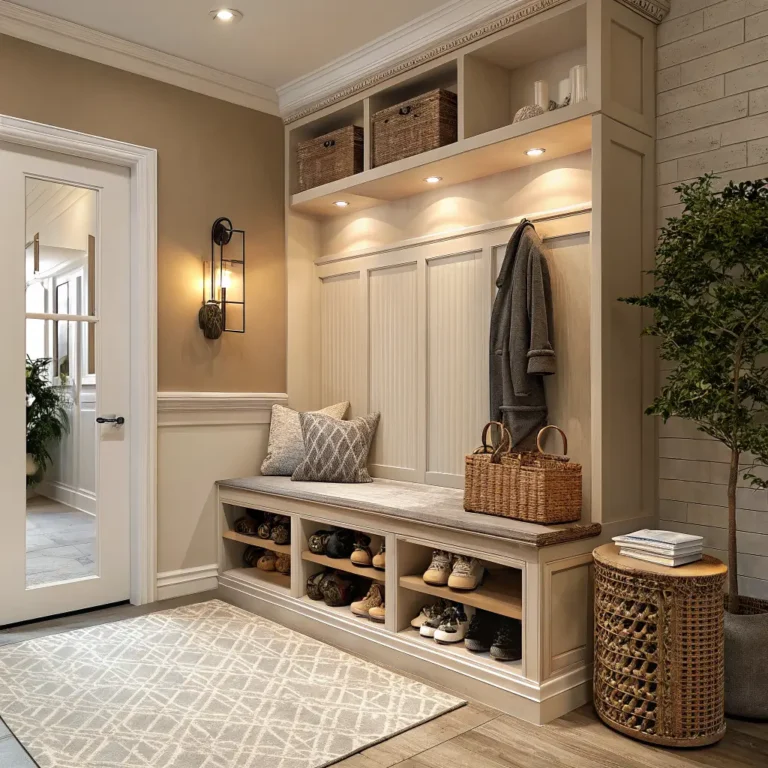
10 Elegant Wall Rack Design Ideas for Cozy Interiors

Look, I’ll be straight with you – I used to be that person who thought wall racks were just boring shelves your grandparents hung in their garage.
Boy, was I wrong! After moving into a tiny apartment where every square inch matters, I discovered that wall racks are basically the unsung heroes of home organization. They’re not just functional; they can be absolute showstoppers when done right.
Whether you’re dealing with a cramped studio or just want to add some serious style points to your living space, the right wall rack design can work magic.
Trust me, I’ve tried pretty much every style out there (some epic fails included), and I’m here to share the 10 designs that actually deliver on both form and function.
Minimalist Floating Wooden Wall Rack
The Clean Lines Champion
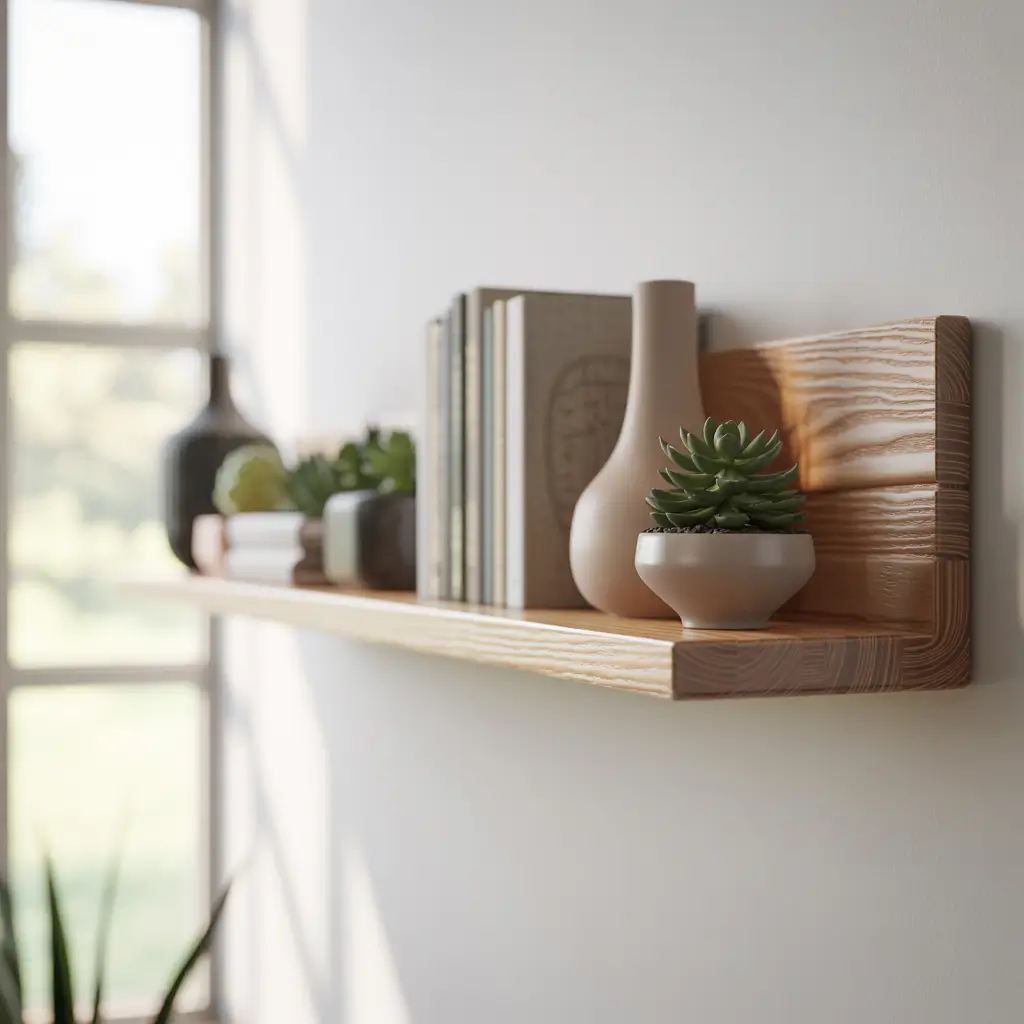
You know that feeling when you walk into a perfectly organized space and everything just breathes? That’s exactly what a minimalist floating wooden wall rack brings to the table. I installed my first one in my bedroom, and honestly, it felt like I’d hired a professional organizer – except I did it myself for under $50.
These beauties work their magic through simplicity. The clean, uninterrupted lines create an illusion of more space while providing serious storage power. I’ve seen people use them for everything from displaying books to showcasing small plants, and they never look cluttered.
Key features that make them winners:
• Hidden mounting hardware keeps the focus on the wood grain
• Various wood types (oak, walnut, pine) let you match existing décor
• Multiple length options work in any room size
• Easy installation that won’t require a construction degree
The best part? They’re incredibly versatile. I’ve got one in my kitchen holding spices, another in my home office for notebooks, and yes – even one in my bathroom for those fancy towels I actually want people to see. FYI, the bathroom one gets compliments from literally every guest who uses it 🙂
Making It Work in Your Space
Here’s the thing about minimalist design – less really is more, but you’ve got to get the proportions right. I learned this the hard way when I hung a tiny 12-inch shelf on a massive blank wall. It looked like a lonely stick floating in space.
For standard rooms, I’d recommend starting with 24-36 inch lengths. They provide enough visual weight to hold their own while maintaining that clean aesthetic. And don’t overthink the wood finish – natural oak works with almost everything, while walnut adds instant sophistication to modern spaces.
Geometric Hexagon Wall Shelf Design
When Math Meets Style
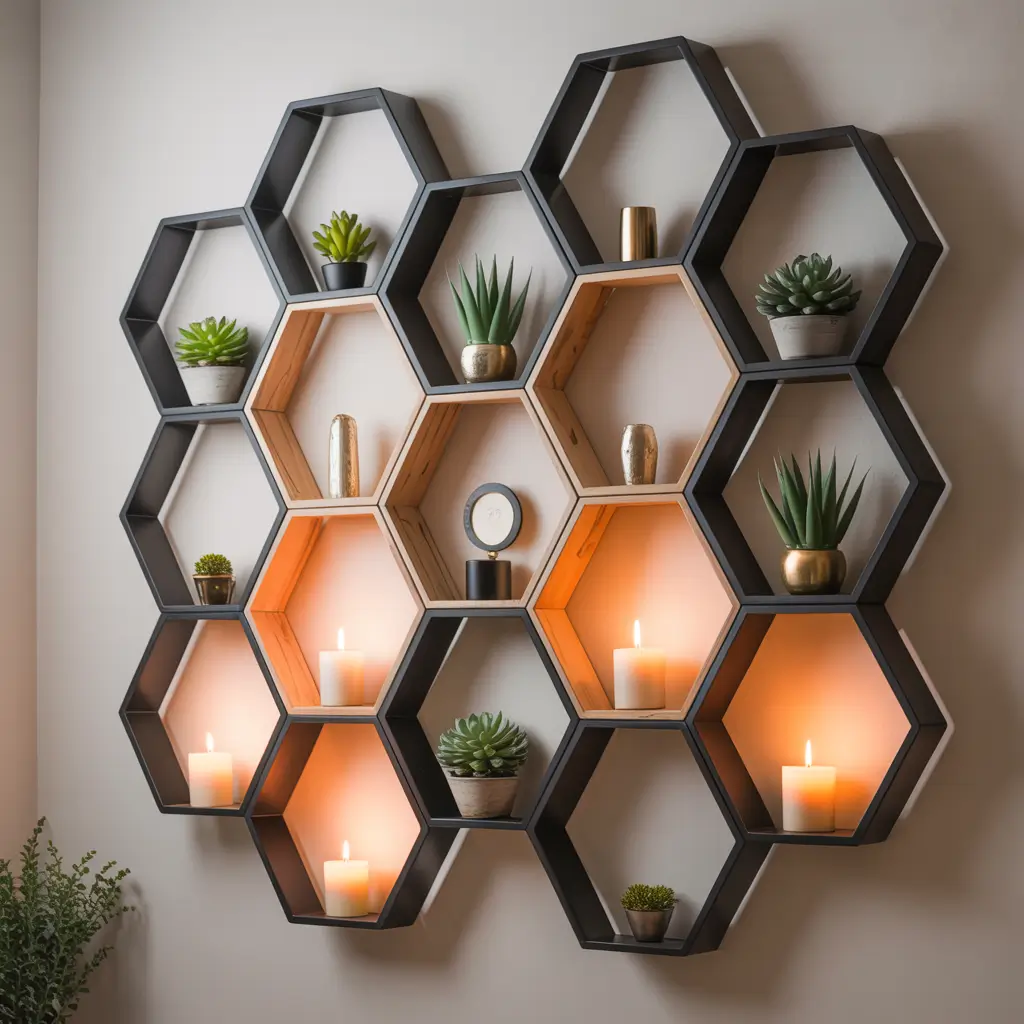
Okay, confession time – I was initially skeptical about geometric wall racks. They seemed a bit too “look at me, I’m trendy!” for my taste. But then I saw a hexagon wall shelf arrangement in my friend’s apartment, and I completely changed my tune. These things are conversation starters, organizational powerhouses, and Instagram-worthy all rolled into one.
The beauty of hexagonal designs lies in their modular nature. You can start with three hexagons and build your way up to an entire wall installation. I started small (because commitment issues, anyone?) with a set of five, and now I’ve got twelve creating this amazing honeycomb pattern in my living room.
What makes hexagon shelves special:
• Infinite arrangement possibilities – seriously, the combinations are endless
• Perfect depth for books, plants, or decorative objects
• Creates visual interest without overwhelming the space
• Easy to add more pieces as your collection grows
The Art of Hexagon Placement
Here’s where things get fun (or frustrating, depending on your perfectionist tendencies). Arranging hexagons is like playing Tetris on your wall, and there’s definitely a learning curve. I spent an embarrassing amount of time with painter’s tape marking different configurations before committing to drill holes.
My advice? Start with a central cluster and work outward. The classic flower pattern (one center hexagon surrounded by six others) works great as a starting point. From there, you can extend arms or create asymmetrical patterns that look intentionally artistic rather than accidentally chaotic.
Pro tip: Use a level and measure twice, drill once. Trust me on this one – wonky hexagons are painfully obvious and impossible to ignore once they’re up.
Industrial Pipe Wall Rack System
Raw Materials, Refined Function
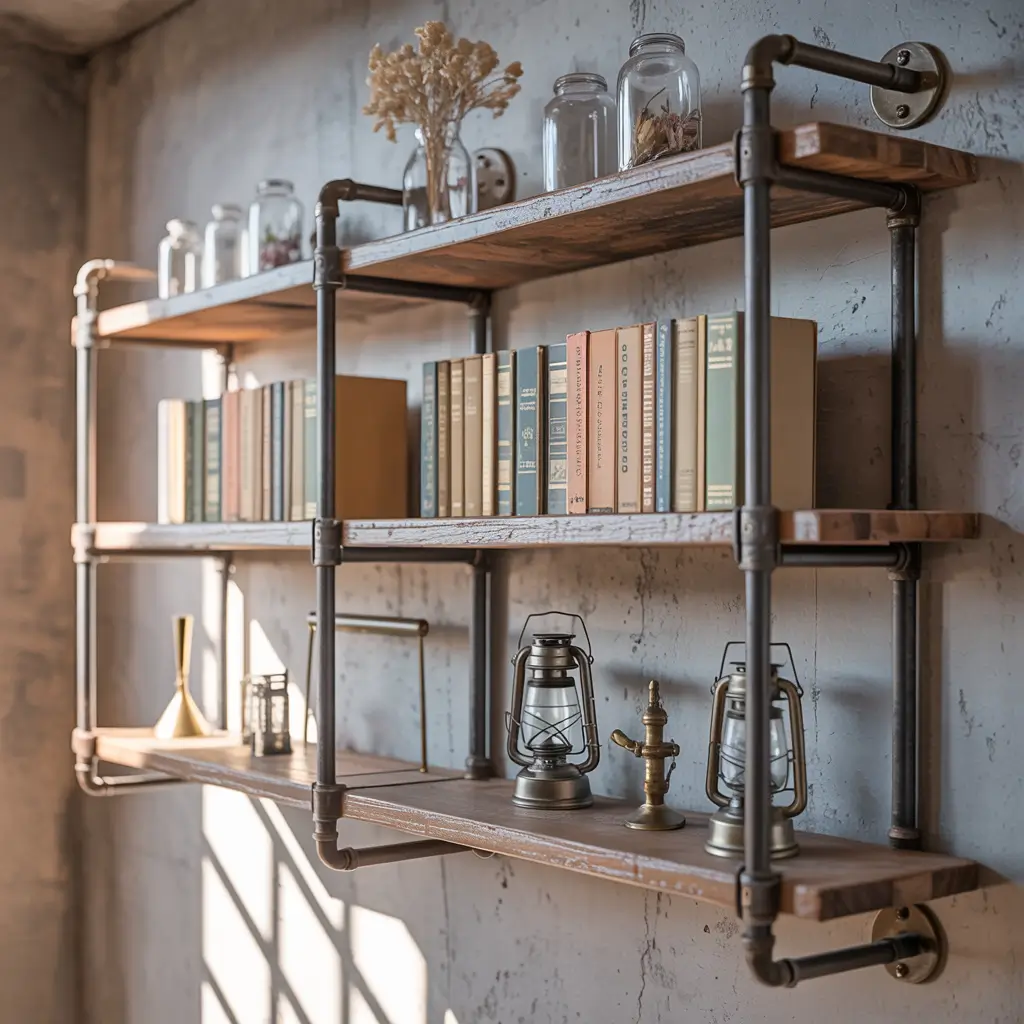
If you’re into that whole “I could totally live in a converted warehouse” aesthetic, industrial pipe wall racks are your jam. I installed one in my entryway last year, and it’s become the hardest-working piece of furniture in my apartment. Coats, bags, keys, dog leashes – this thing handles everything I throw at it without breaking a sweat.
The industrial look isn’t just about style points (though it definitely scores them). These racks are built like tanks. We’re talking genuine durability that laughs in the face of heavy winter coats and overstuffed backpacks. I’ve loaded mine down with probably 50 pounds of gear, and it hasn’t budged.
Why pipe racks are practically indestructible:
• Steel construction handles serious weight
• Modular design lets you customize length and configuration
• Raw materials age beautifully over time
• Easy to repair or modify if needed
Building Your Own Pipe System
Here’s where things get interesting – you can totally DIY this project, and it’s more straightforward than you’d think. I built mine using black iron pipes from the hardware store, and the whole project took maybe three hours (including the time I spent second-guessing my measurements).
The key is planning your pipe runs carefully. Measure your wall space, sketch out your design, and buy all your fittings at once. Nothing kills momentum like multiple trips to Home Depot because you forgot you need two more elbow joints.
I went with a simple horizontal design with three mounting points, but I’ve seen people create elaborate ladder-style systems or even combine horizontal and vertical elements. Just remember – the more complex your design, the more precise your measurements need to be.
Also Read: 10 Amazing Wine Rack Design Ideas for Luxury Interiors
Corner Space-Saving Wall Rack Unit
Maximizing the Forgotten Zones
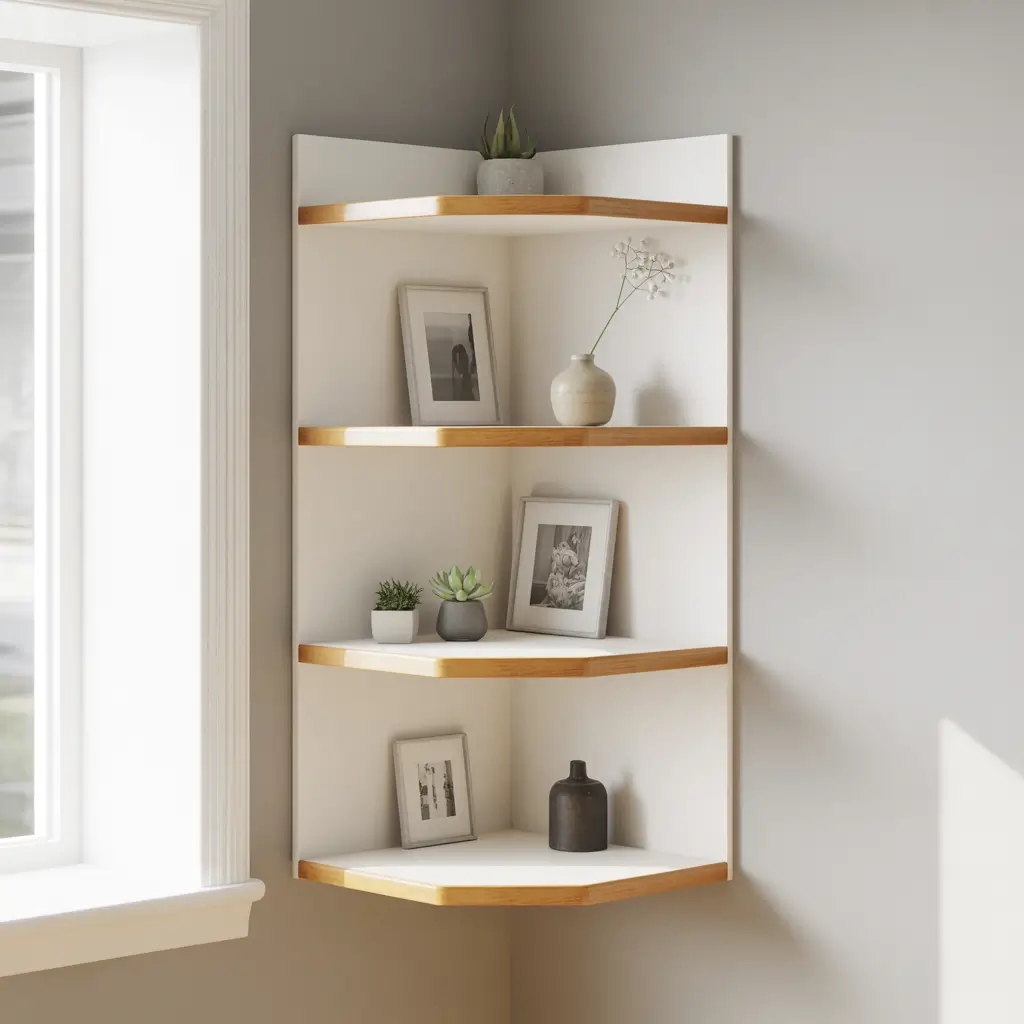
Can we talk about corners for a minute? They’re like the Bermuda Triangle of home organization – stuff goes there and somehow becomes invisible until you’re desperately searching for that thing you know you put “somewhere safe.” Corner wall racks are the solution to this madness, and I wish I’d discovered them sooner.
I installed a triangular corner rack system in my bedroom corner that was previously just collecting dust and maybe a stray sock. Now it’s this incredibly functional space that holds books, my bedside essentials, and even a small plant. The transformation was honestly dramatic – like finding extra square footage in my apartment.
Corner racks excel because they:
• Utilize vertical space that’s usually wasted
• Create storage without eating into room flow
• Work in tight spaces where traditional shelves won’t fit
• Add visual interest to bland corners
Corner Design Strategies
The trick with corner installations is thinking three-dimensionally. Regular straight shelves just don’t work here – you need purpose-built corner units or creative angles that embrace the geometry of the space.
I’ve tried both approaches. The custom corner units work great but can be pricey. The DIY angle approach? Let’s just say my first attempt looked like modern art gone wrong. My successful second attempt used two regular shelves meeting at a 90-degree angle with some strategic bracket placement.
For tight corners, consider floating corner shelves that wrap around the angle. They create this cool optical illusion where the shelf seems to flow seamlessly from one wall to the other.
Multi-Tier Floating Bookshelf Wall Rack
When Your Library Needs to Fly
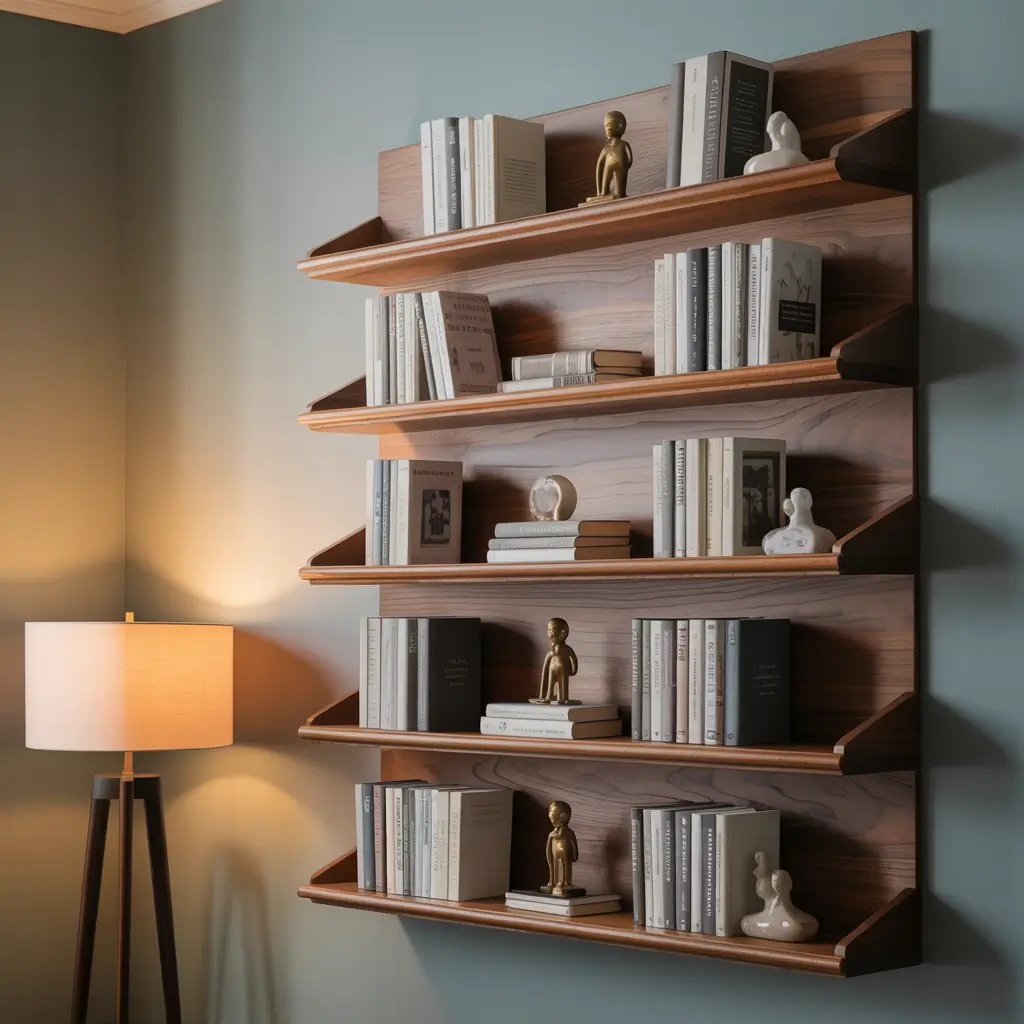
Book lovers, this one’s for you. I used to have books stacked on every available surface (including the floor, no judgment please), until I discovered multi-tier floating bookshelves. These aren’t your basic single-shelf situations – we’re talking multiple levels of book storage that create this amazing floating library effect on your wall.
The genius of multi-tier systems is how they maximize vertical space without the visual bulk of traditional bookcases. My living room wall went from cluttered chaos to organized perfection, and I actually gained floor space in the process. Plus, there’s something incredibly satisfying about having your books displayed like pieces of art.
Multi-tier advantages:
• Displays book spines at eye level for easy browsing
• Creates visual layers that add depth to flat walls
• Accommodates different book sizes on different tiers
• Leaves floor space free for other furniture
Planning Your Floating Library
Here’s what I learned the hard way – book weight adds up fast. Before you start drilling holes, calculate the total weight you’ll be putting on each shelf. My first installation sagged dramatically after a few weeks because I underestimated how heavy my hardcover collection really was.
Standard floating shelf brackets work great for lighter loads, but if you’re dealing with heavy books (especially coffee table books or textbooks), invest in heavy-duty brackets rated for the weight. I upgraded mine and haven’t had any issues since.
Spacing between tiers matters too. I initially made mine too close together and couldn’t fit taller books. Now I keep about 12-14 inches between shelves, which accommodates most standard book sizes while maintaining the floating effect.
Rustic Farmhouse Wooden Crate Wall Rack
Vintage Vibes with Modern Function
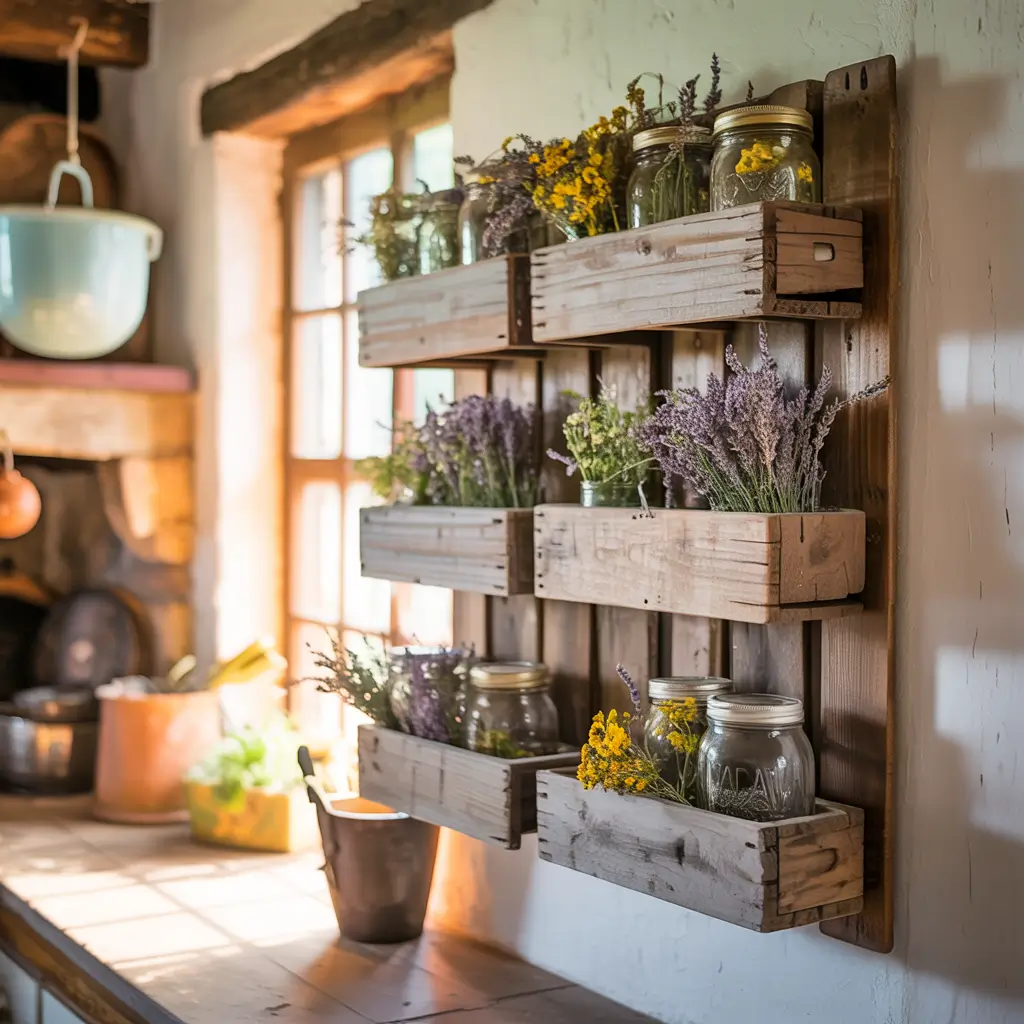
IMO, the farmhouse aesthetic hit its peak a few years ago, but rustic wooden crate wall racks have serious staying power. There’s something timeless about the weathered wood look that works whether your style is full farmhouse or just farmhouse-adjacent. I’ve got one in my kitchen that started as a “let’s try this trend” experiment and has become genuinely indispensable.
The beauty of crate-style racks is their incredible versatility. My kitchen version holds everything from mason jars (yes, I’m that person) to cookbooks to my collection of hot sauces. The open design keeps everything visible and accessible, which has actually improved my cooking game because I remember what ingredients I have.
Why wooden crates work so well:
• Deep storage accommodates larger items
• Rustic finish hides everyday wear and tear
• Easy to customize with additional hooks or dividers
• Fits multiple décor styles beyond just farmhouse
Sourcing and Installation Tips
You’ve got options here – buy pre-made crate shelves or hunt down actual vintage crates. I went the vintage route and found mine at a local antique market for about half the price of new ones. Just make sure they’re structurally sound before mounting them to your wall. :/
Installation requires some planning because these babies are heavier than they look. I learned to locate wall studs and use appropriate mounting hardware. The rustic look is forgiving of small imperfections, but wobbly shelves aren’t charming – they’re just annoying.
For extra authenticity, I distressed mine a bit more with sandpaper and added some metal corner brackets that look period-appropriate but also provide extra support.
Also Read: 10 Beautiful Entrance Foyer Shoe Rack Design Ideas for Elegant Spaces
Modern Metal Grid Wall Organizer Rack
The Modular Marvel
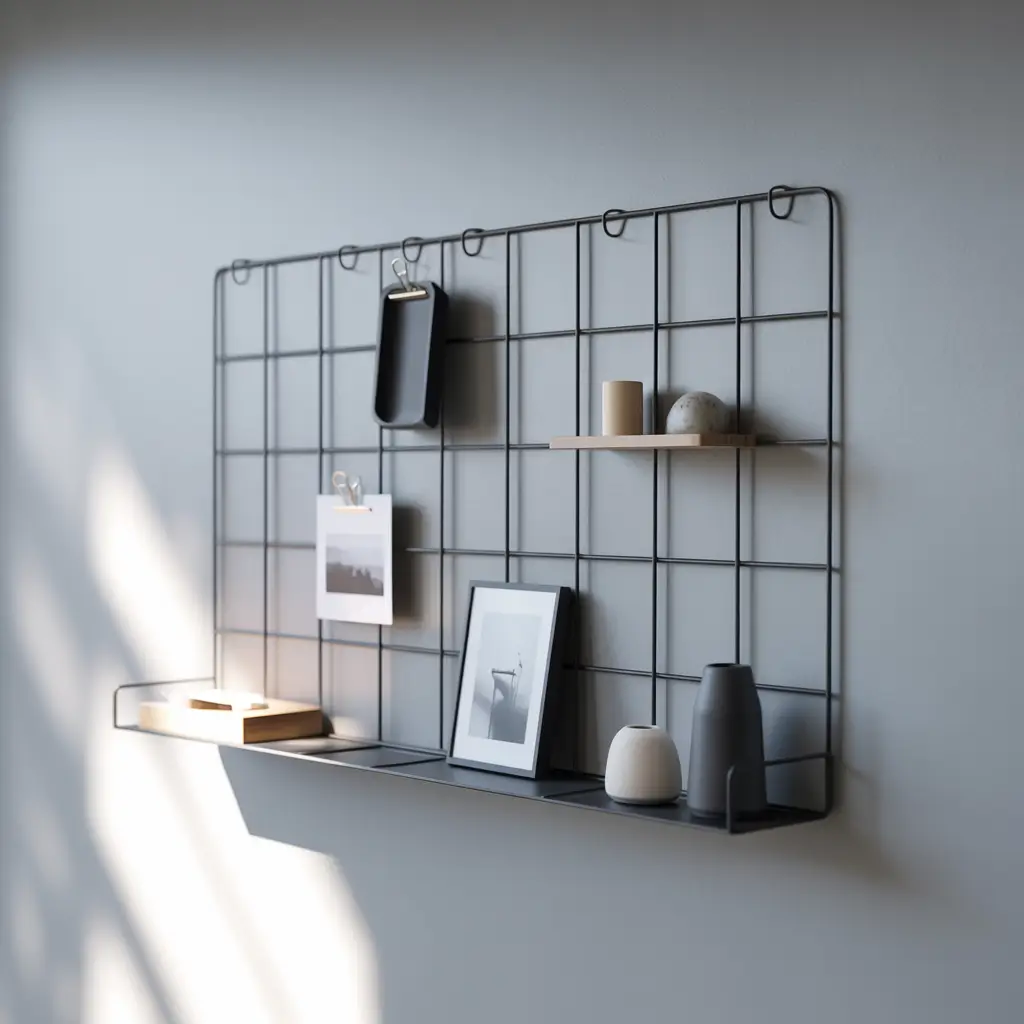
If you’re someone who likes to rearrange things frequently (guilty as charged), a modern metal grid wall organizer might just change your life. These systems are like adult Legos for organization enthusiasts. I installed one in my home office, and I’m constantly switching up the configuration based on what I’m working on.
The grid system works with interchangeable accessories – hooks, baskets, shelves, clips – that you can move around without tools. Need more hanging space for the week? Swap some shelves for hooks. Working on a project that needs extra horizontal space? Add more shelf attachments. It’s incredibly adaptable.
Grid systems shine because they:
• Adapt to changing storage needs instantly
• Look sleek and contemporary in modern spaces
• Maximize wall space efficiency
• Offer endless customization possibilities
Building Your Grid Setup
Start with a basic grid panel and a few essential accessories, then build your collection over time. I made the mistake of buying every possible attachment upfront, and half of them sat unused for months. Better to start simple and add pieces as you discover what you actually need.
The key to making grid systems look intentional rather than chaotic is maintaining some visual balance. I try to keep heavier items toward the bottom and distribute weight evenly across the grid. Also, using accessories in similar finishes helps create a cohesive look even when you’re constantly reconfiguring.
Hidden Bracket Invisible Floating Shelf Design
The Magic Trick Shelf
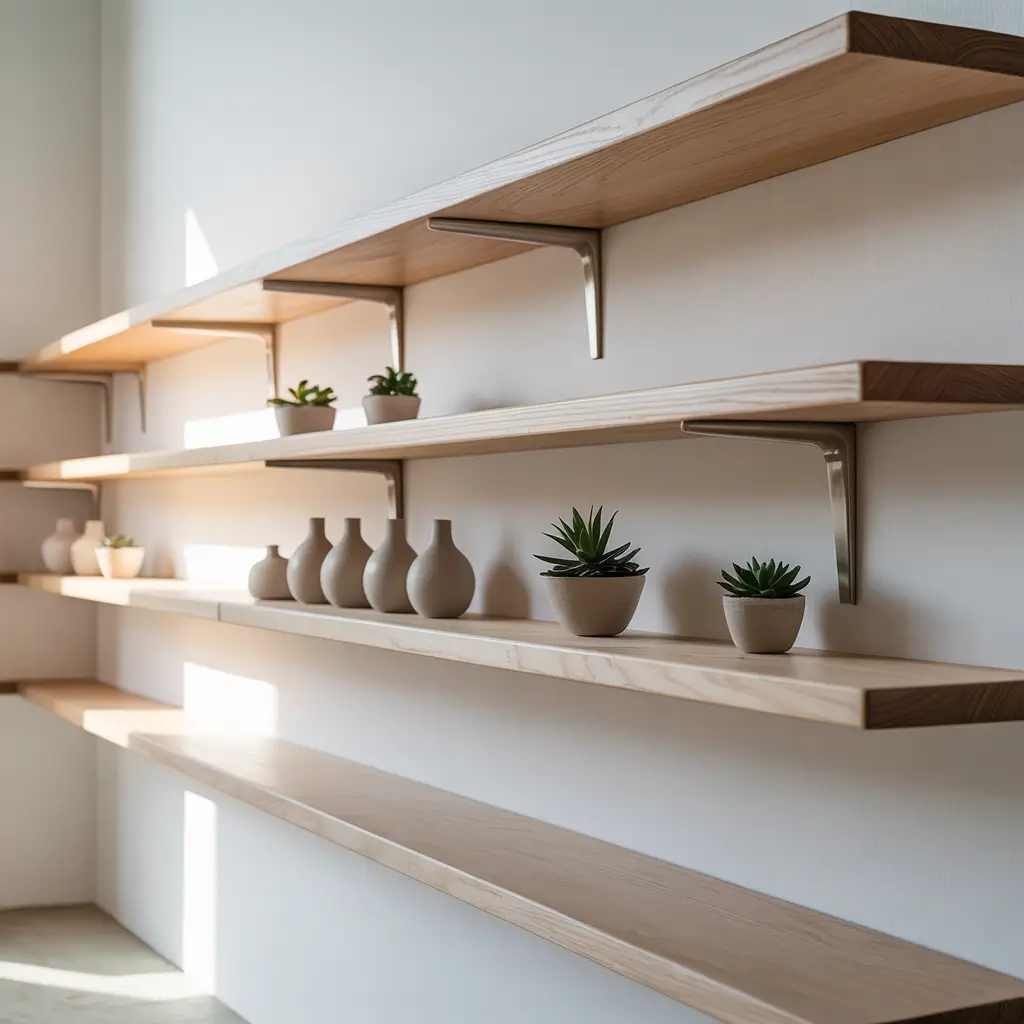
Okay, this one’s just plain cool. Hidden bracket floating shelves create this impossible-looking effect where substantial shelves appear to be defying gravity. I installed three in my living room, and guests constantly ask how they’re staying up. There’s something deeply satisfying about that “how did you do that?” reaction.
The secret is in the mounting system – concealed brackets that slide into routed channels in the back of the shelf. From the front, you literally cannot see any support hardware. The shelf appears to emerge directly from the wall like it’s part of the architecture.
Hidden bracket systems deliver:
• Clean, uninterrupted lines that emphasize the floating effect
• Strong support that’s completely invisible
• Professional-looking installation
• Focus stays on displayed items, not hardware
Installation Reality Check
I’ll be honest – these require more precision than standard floating shelves. The routing has to be exact, and the wall mounting needs to be perfectly level. I ended up calling in a favor from a friend with better carpentry skills than mine for the installation.
But the results are worth the extra effort. The visual impact is dramatic, and they’ve become a defining feature of my living room. Just budget extra time and maybe some professional help if you’re not super confident with power tools.
Ladder Style Decorative Wall Rack System
Climbing the Style Charts
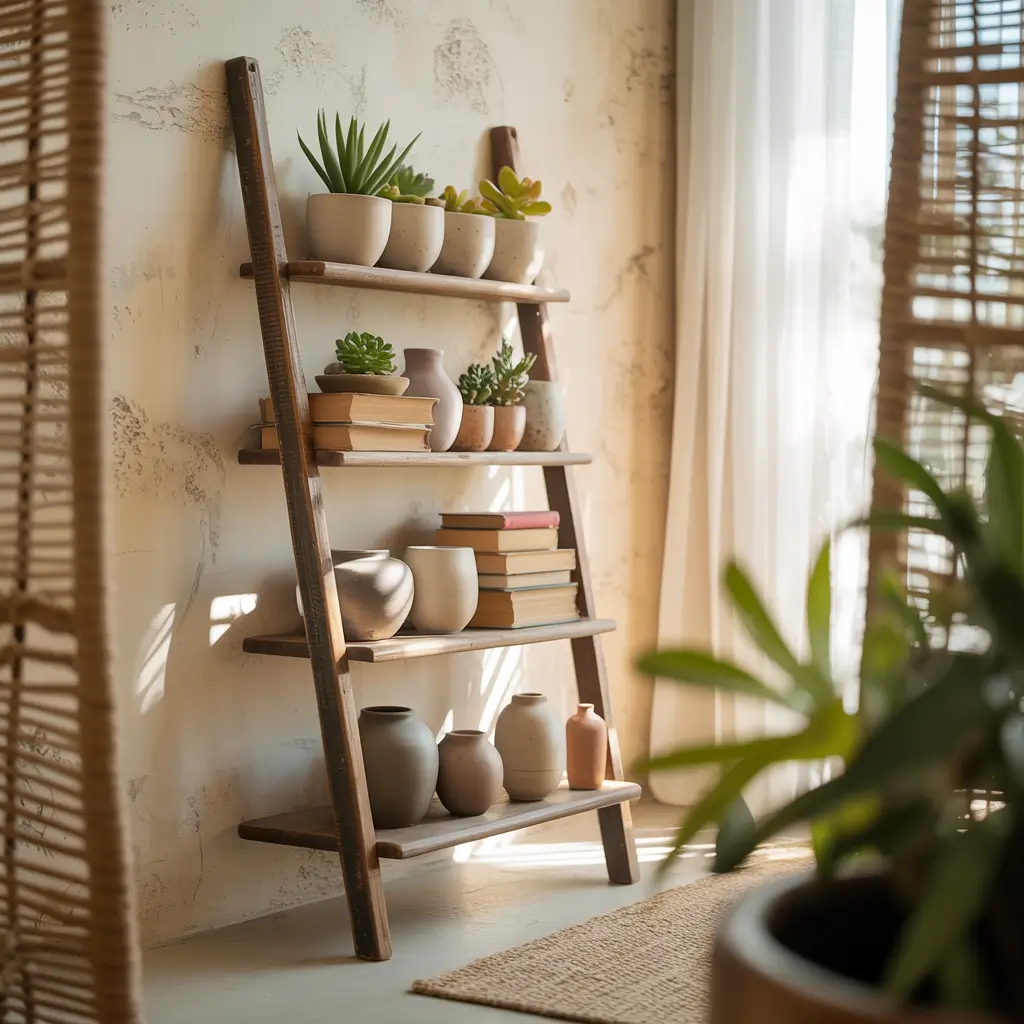
There’s something inherently appealing about ladder-style wall racks that goes beyond pure function. Maybe it’s the architectural lines, or the way they create vertical visual interest, but these systems add instant character to any wall. I’ve got one in my bedroom that serves as both storage and a design focal point.
The ladder format works brilliantly for displaying items at different heights while maintaining visual continuity. Books on one rung, plants on another, decorative objects scattered throughout – it creates this curated but lived-in look that’s hard to achieve with traditional shelving.
Ladder racks excel at:
• Creating vertical visual flow on tall walls
• Displaying mixed collections cohesively
• Adding architectural interest to plain spaces
• Providing storage that doubles as wall art
Styling Your Ladder System
The key to making ladder racks look intentional is varying your display items while maintaining some common elements. I stick to a consistent color palette (lots of whites, natural wood, and green plants) but mix different textures and heights.
Don’t feel like you need to fill every rung – negative space is your friend here. I leave some rungs empty to prevent the display from looking cluttered, and it actually makes the filled spaces more impactful.
Also Read: 10 Stunning Book Rack Design Ideas for Modern Homes
Modular Stackable Wall Storage Panels
The Ultimate Customization System
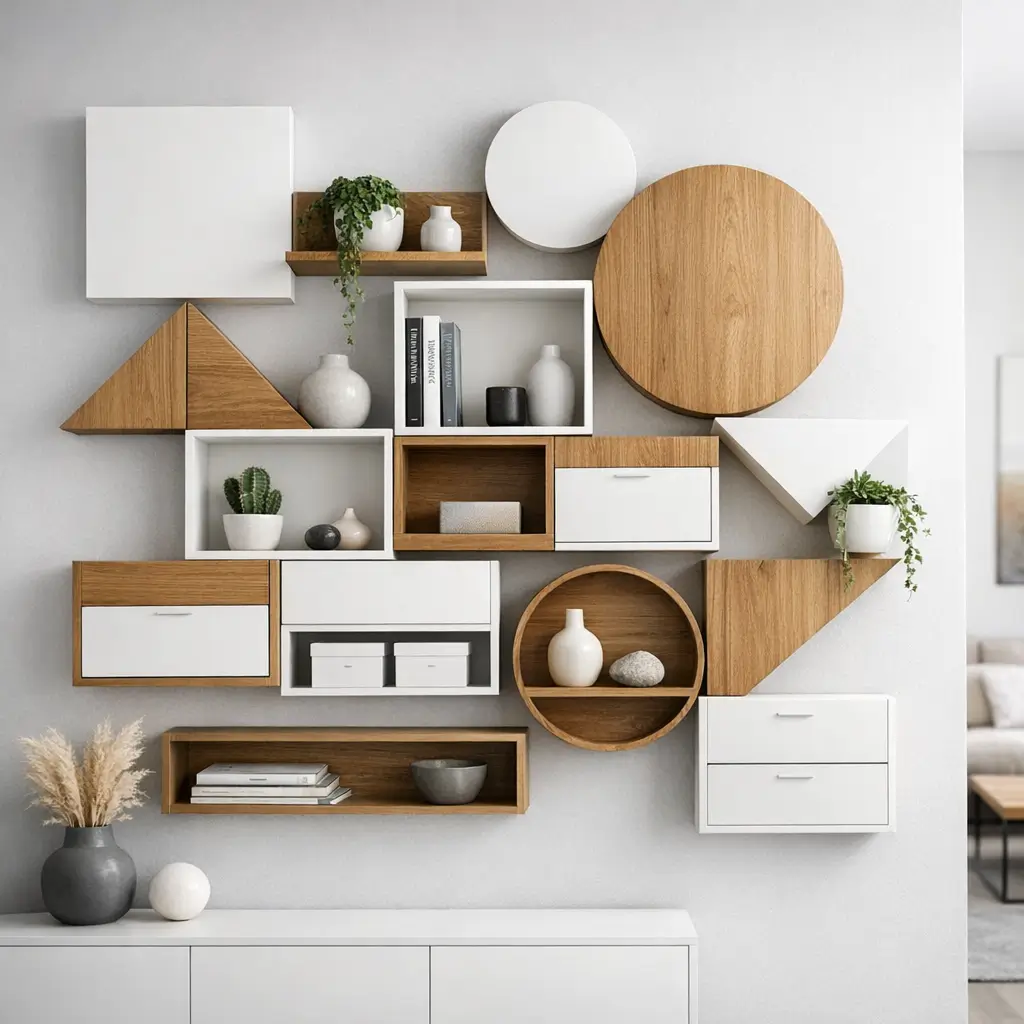
Last but definitely not least, modular stackable panels are for people who want maximum flexibility without sacrificing style. These systems let you build exactly the storage configuration you need, whether that’s a small accent wall or an entire organizational command center.
I started with a basic three-panel setup in my entryway and gradually expanded it into a full wall system that handles everything from coats to mail to keys. The ability to add panels as needed means you can start small and grow your system over time, which is perfect for both budgets and commitment-phobic decorators like myself.
Modular systems win because they:
• Scale from small to large installations seamlessly
• Mix different panel types (open shelves, closed storage, hooks)
• Maintain consistent aesthetics across expansions
• Relocate easily if you move or redecorate
Planning Your Modular Installation
The beauty and challenge of modular systems is the nearly infinite configuration possibilities. I spent way too much time sketching different layouts before settling on my current setup. My advice? Start with a basic grid pattern and add specialty panels as you identify specific needs.
Consider mixing panel types within your grid – some open storage, some closed, maybe a few with built-in hooks. This variety keeps the wall interesting while providing different types of storage for different items.
Your Wall, Your Rules
Here’s the thing about wall racks – there’s no single right answer. The best design is the one that solves your specific storage problems while making you happy every time you look at it. I’ve tried most of these styles (some more successfully than others), and each one brought something different to my space.
Whether you’re drawn to the clean simplicity of floating wooden shelves or the industrial edge of pipe systems, the key is choosing something that fits both your functional needs and your personal style. Don’t be afraid to mix and match ideas either – some of my favorite installations combine elements from multiple designs.
The most important thing? Just start somewhere. That blank wall isn’t going to organize itself, and trust me, the satisfaction of a perfectly organized, stylish storage solution is worth every bit of effort you put into it. Your space (and your sanity) will thank you for it.