10 Elegant Terrace Railing Design Ideas for Luxury Living

Look, I’m gonna be honest with you—picking the perfect terrace railing feels like shopping for jeans.
You know what you want in theory, but everything either looks boring, costs a fortune, or makes you wonder if the designer was having an off day. Been there, done that, bought the wrong railing 🙂
Here’s the thing though: your terrace railing isn’t just about keeping people from accidentally taking a tumble.
It’s basically the jewelry of your outdoor space—the finishing touch that either makes your terrace look like a million bucks or screams “I gave up halfway through decorating.”
After dealing with my fair share of railing disasters and victories, I’ve put together ten designs that actually work in the real world.
Modern Glass Terrace Railing with Minimal Frames
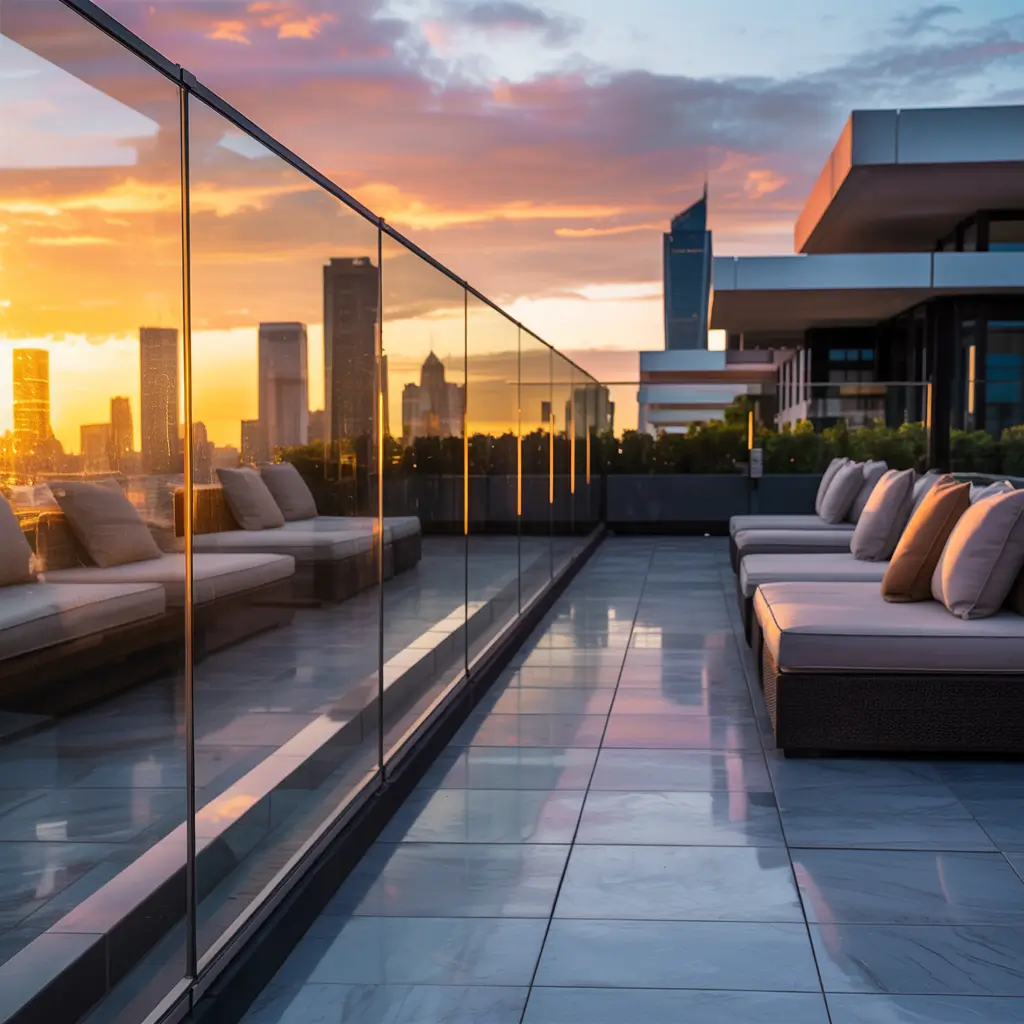
Ever walked onto a terrace and felt like you were floating? That’s the magic of modern glass railings with minimal frames. These bad boys are basically the invisible superheroes of the railing world.
The genius here lies in the ultra-thin frame system—we’re talking frames so sleek they practically disappear. Most quality systems use aircraft-grade aluminum that’s powder-coated in colors like charcoal black or pristine white. The glass panels are usually 10-12mm thick tempered safety glass because, you know, nobody wants their railing shattering during a dinner party.
What I love about this design is how it maximizes your view without sacrificing safety. You’re getting full panoramic views of your surroundings while maintaining that crucial barrier. The minimal frame approach means less visual clutter, which makes your terrace feel larger and more open.
Installation-wise, these systems typically anchor into your terrace floor with hidden brackets. The glass panels slide into grooves in the frame, creating that seamless look. Most manufacturers offer customizable height options from 42 to 48 inches, depending on your local building codes.
FYI, maintenance is surprisingly simple—just regular glass cleaner and occasional frame touch-ups. The biggest challenge? Keeping those glass panels spotless (seriously, every fingerprint shows).
Luxury Stainless Steel Cable Railing Design
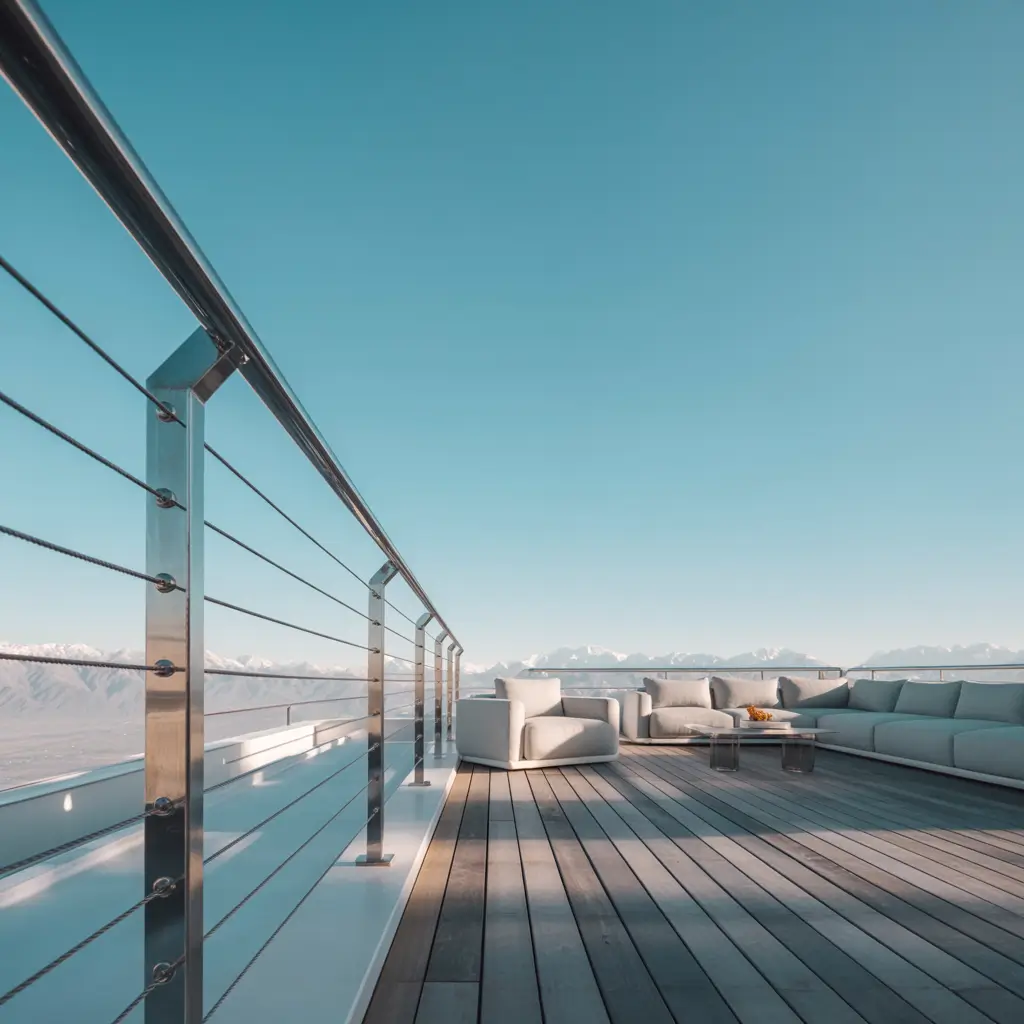
Picture this: you want something that screams “luxury yacht” but you’re stuck on dry land. Enter stainless steel cable railings—the sophisticated cousin of traditional railings that somehow manages to look expensive without being completely over-the-top.
The beauty of cable railings lies in their horizontal line system. Instead of vertical balusters that chop up your view, you get these sleek horizontal cables that create clean sight lines. Most systems use 316-grade stainless steel cables (the marine-grade stuff) because they’re corrosion-resistant and can handle weather like champions.
Here’s what makes these railings special: the tensioning system. Each cable runs through the posts and gets tensioned to specific requirements—usually around 200-300 pounds of force. This creates that taut, professional look while meeting safety codes. The posts themselves are typically stainless steel or powder-coated aluminum with integrated cable fittings.
Installation requires some precision because cable spacing matters. Most codes require cables to be spaced no more than 4 inches apart to prevent kids from squeezing through. The end result? You get this modern, nautical vibe that works equally well on contemporary homes and more traditional architecture.
One thing to consider: these cables will need occasional re-tensioning as they naturally stretch over time. But honestly, that’s a small price to pay for this level of style.
Wooden Frame Balcony Railing with Green Planters
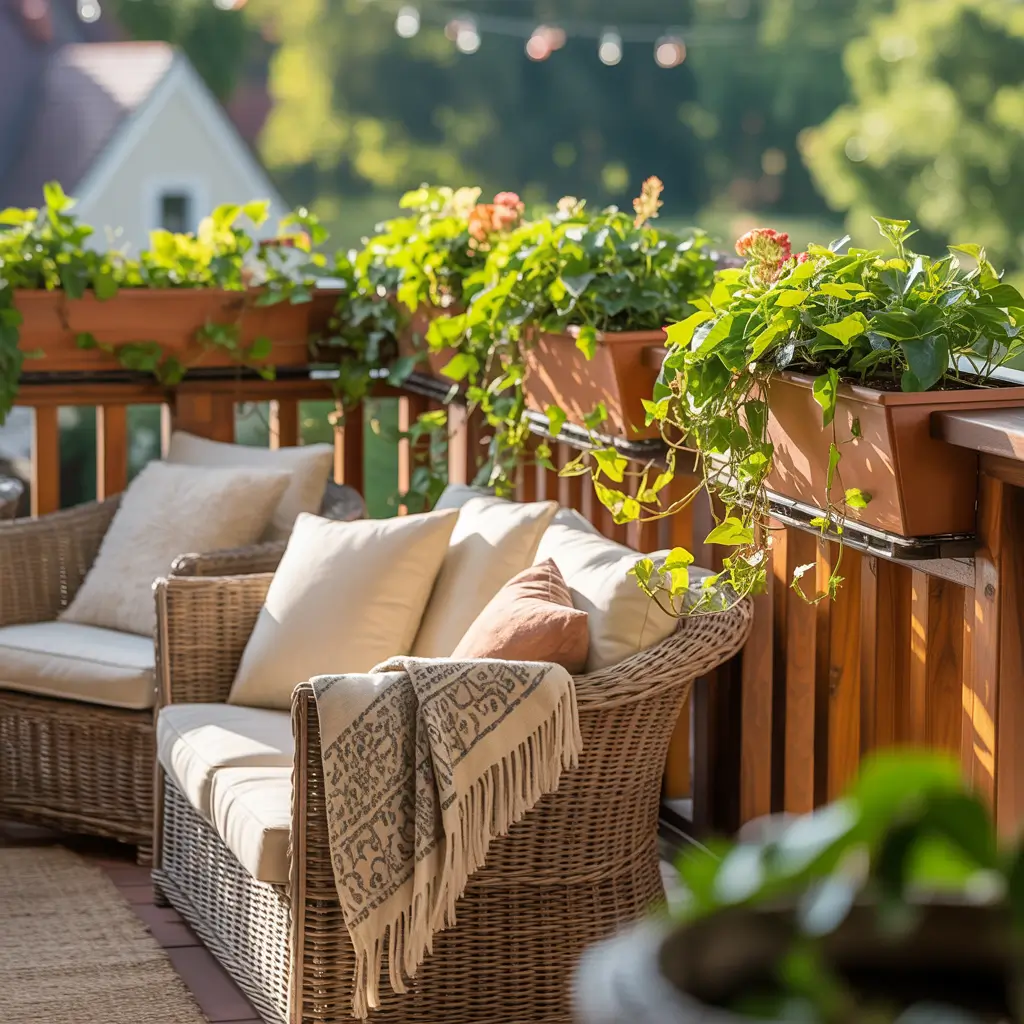
Sometimes you want your terrace to feel less like an extension of your house and more like a secret garden hideaway. That’s where wooden frame railings with integrated planters come into play—it’s like having your cake and eating it too, if your cake happened to be gorgeous and functional.
The typical setup uses pressure-treated cedar or redwood frames because these woods naturally resist rot and insects. The railing posts are usually 4×4 or 6×6 inches, depending on your span requirements, with horizontal rails that double as planter supports. What I find brilliant about this design is how the planters become part of the railing structure itself.
Most systems incorporate built-in drainage to prevent water damage. The planter boxes are lined with waterproof material and have drainage holes that connect to your terrace’s water management system. You can customize the planter depth based on what you want to grow—shallow for herbs and flowers, deeper for small shrubs or vegetables.
The wood finish options are endless. You can go natural with clear protective stain, opt for weathered gray for that coastal vibe, or choose darker stains like espresso for a more formal look. Regular maintenance involves annual staining and occasional replacement of planter liners, but the living wall effect you create is totally worth it.
Plant selection matters here. Choose things that won’t outgrow your planters and can handle your local climate. Trailing plants like ivy or flowering vines can create a stunning cascading effect.
Also Read: 10 Beautiful Terrace Tiles Ideas for Luxury Rooftops
Frameless Glass Terrace Railing for Open Views
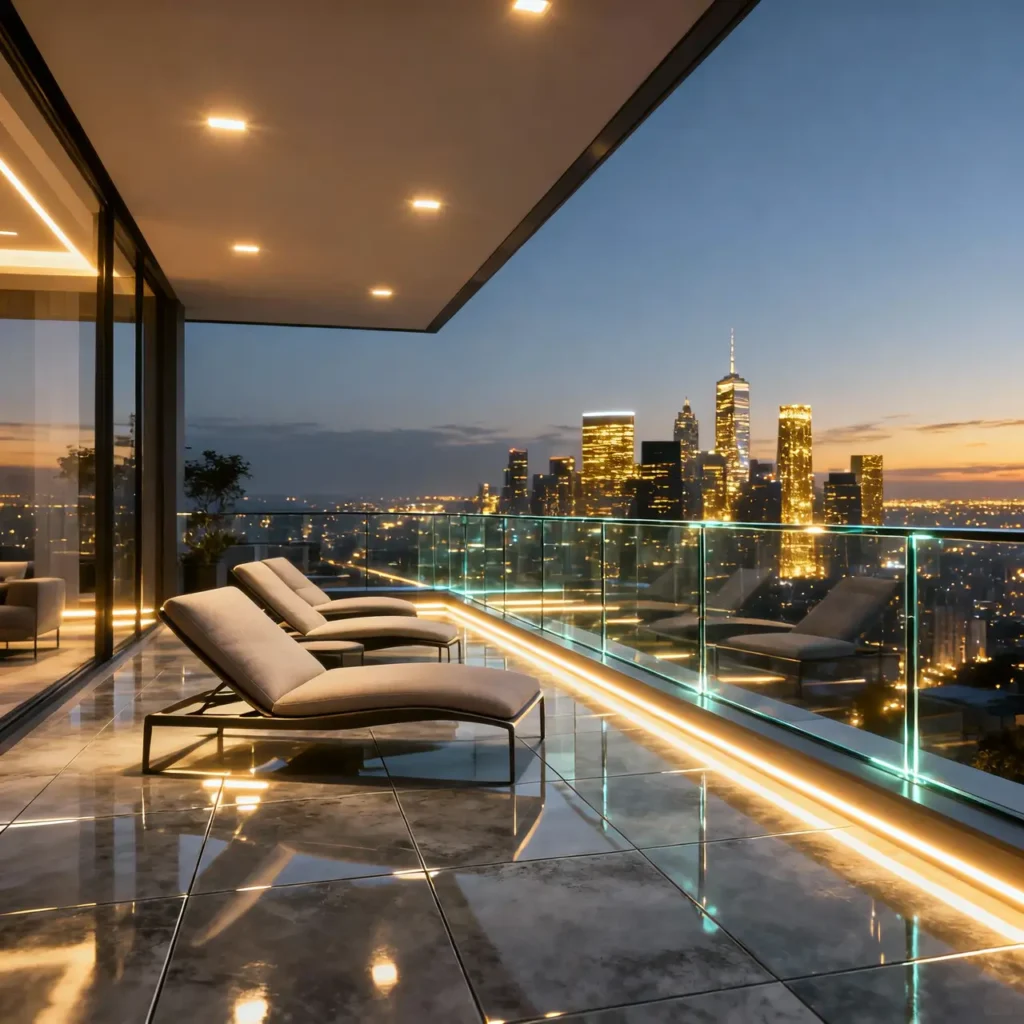
If regular glass railings are the economy class of transparent barriers, frameless glass systems are definitely flying first class. We’re talking about glass panels that seem to float in place with virtually no visible support structure.
The engineering behind frameless glass is actually pretty impressive. These systems use structural glazing techniques where the glass panels are held by hidden clamps or mounting systems. The glass itself is typically 12-15mm thick laminated safety glass—thicker than standard railings because it’s doing more structural work.
The mounting systems usually anchor directly into your terrace structure with heavy-duty base plates. Some systems use glass-to-glass connections with structural silicone, while others rely on minimal point-fixed hardware that’s barely visible. The result? You get this floating glass effect that’s honestly a bit mind-blowing the first time you see it.
Installation requires serious precision and usually professional help because you’re dealing with structural safety. The payoff though? Unobstructed 360-degree views that make your terrace feel like it extends infinitely into the surrounding landscape.
The main consideration is cost—frameless systems typically run 30-50% more than framed alternatives. But if you’ve got killer views and want nothing interfering with them, this is your answer.
Industrial Iron Railing with Matte Black Finish
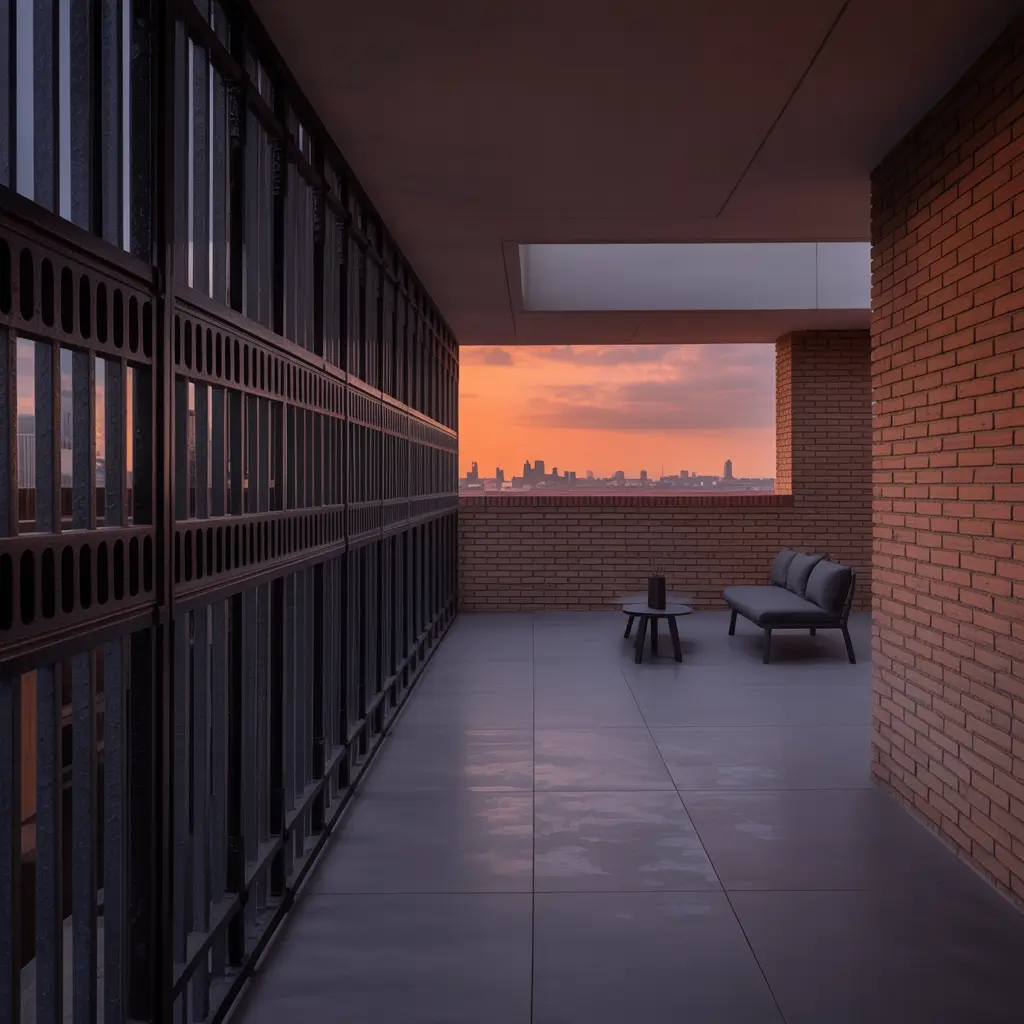
Want to channel your inner urban loft dweller? Industrial iron railings with matte black finishes bring that raw, edgy vibe that somehow manages to be both tough and sophisticated.
These railings typically feature geometric patterns using flat bar iron or square tubing. Popular designs include horizontal lines, vertical pickets, or mixed geometric patterns that create visual interest without being overly busy. The iron is usually powder-coated in matte black, which gives you that authentic industrial look while protecting against rust and corrosion.
What I love about industrial designs is their versatility in scale. You can go minimalist with simple horizontal bars, or more complex with integrated design elements like crosses, diamonds, or custom patterns. The matte black finish works with virtually any exterior color scheme and ages beautifully.
The construction typically uses welded connections for maximum strength and clean lines. Posts are usually 2-3 inches square, with horizontal or vertical infill members spaced according to code requirements. Some designs incorporate mixed materials—like iron frames with wood or cable infill—for added visual interest.
Maintenance is minimal once properly coated. Touch up any scratches quickly to prevent rust, and you’re good for years. The industrial look pairs perfectly with modern architecture, but it can also create interesting contrast against traditional or rustic exteriors.
Curved Designer Terrace Railing for Modern Homes
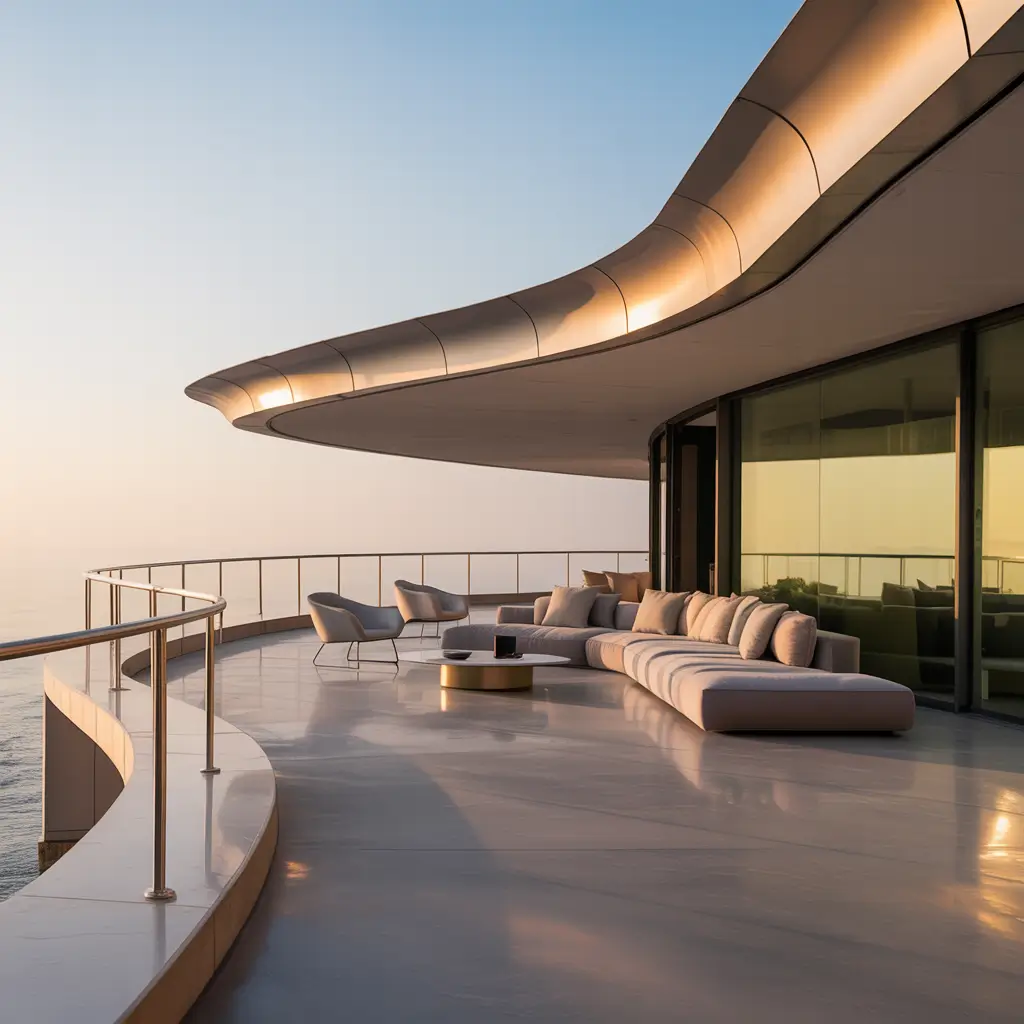
Straight lines are fine, but sometimes your terrace calls for something with a little more personality and flow. Curved designer railings add that sculptural element that transforms your outdoor space into something genuinely special.
Curved railings require custom fabrication because you’re basically creating a piece of functional art. Materials can range from bent steel and aluminum to curved wood or even molded concrete. The key is working with materials that can handle the structural stress of curved geometry while maintaining smooth, flowing lines.
The design possibilities are endless. You might go with gentle sweeping curves that follow the natural shape of your terrace, or dramatic spirals that become focal points themselves. Some of my favorite curved railings incorporate multiple materials—like curved steel frames with wood or glass infill.
Engineering is crucial here because curves create different stress patterns than straight railings. You’ll need proper structural analysis to ensure your curved design meets safety requirements. Most curved railings require custom posts and connections designed specifically for the curve radius you’re working with.
The aesthetic payoff is huge though. Curved railings create visual flow that guides the eye and makes your terrace feel more dynamic and interesting. They work particularly well on corner terraces or decks with multiple levels where the curves can emphasize the architectural transitions.
Also Read: 10 Stunning Home Terrace Ideas Rooftops Cozy Luxury Vibes
Rooftop Terrace Railing with LED Lighting Glow
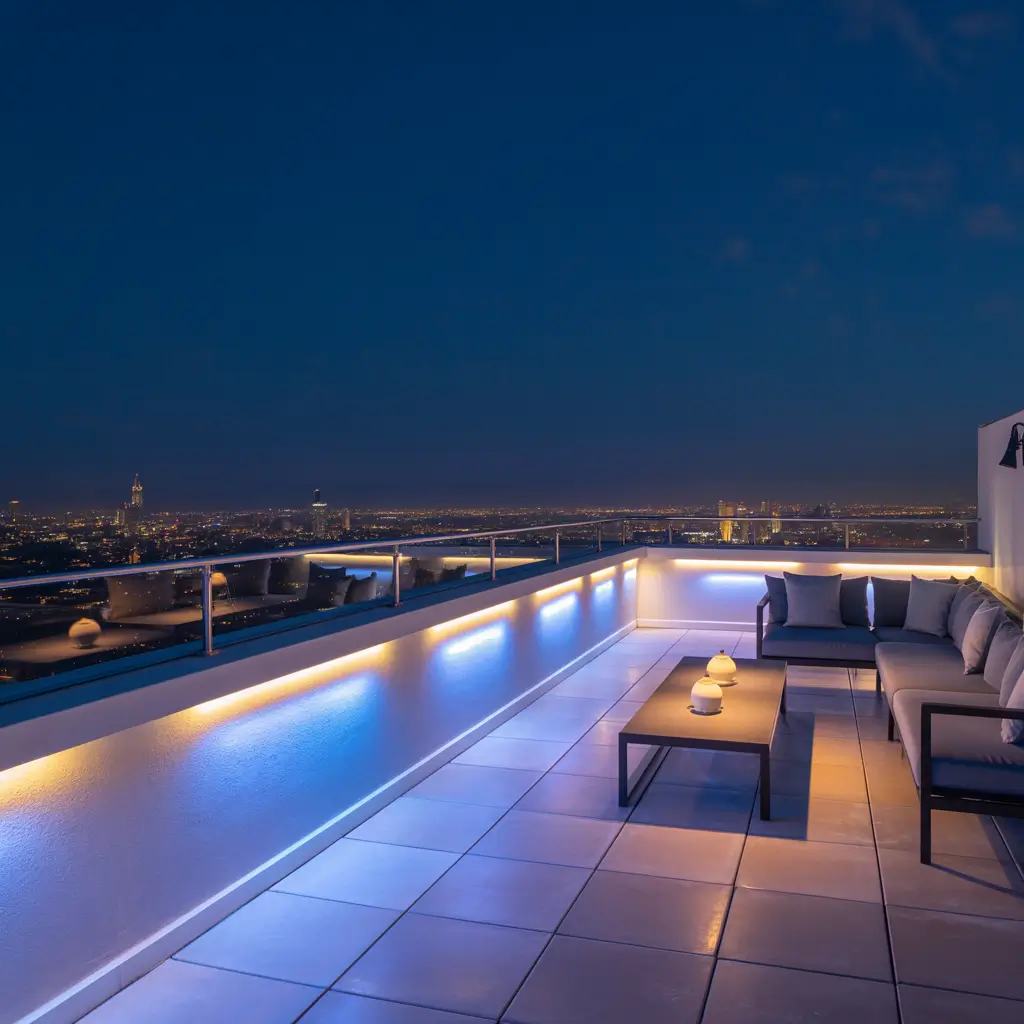
Why should your terrace shut down when the sun goes down? Integrated LED lighting in your railing system turns your outdoor space into an evening entertainment zone that’s both functional and absolutely stunning.
Modern LED railing systems typically integrate low-voltage strip lighting into the railing structure itself. The most popular approach is mounting LED strips along the bottom edge of horizontal rails or within recessed channels in the railing posts. This creates a continuous glow that provides ambient lighting without being overpowering.
The technical setup involves 12V or 24V LED systems connected to weatherproof transformers. Smart controllers let you adjust brightness, color temperature, and even color changes if you’re into that whole mood-lighting thing. Quality systems include dimming capabilities and timer functions so you can automate your terrace lighting.
Installation considerations include proper waterproofing for all electrical connections and ensuring your transformer is rated for outdoor use. Most systems use quick-connect weatherproof fittings that make maintenance straightforward.
The lighting effects you can create are pretty impressive. Warm white LEDs (around 3000K) create a cozy, intimate atmosphere, while cooler whites (4000K+) give you more task-oriented lighting. Some systems offer color-changing capabilities, though IMO, stick with warm white for everyday use and save the disco lights for special occasions 🙂
Budget-Friendly Metal Pipe Railing Design
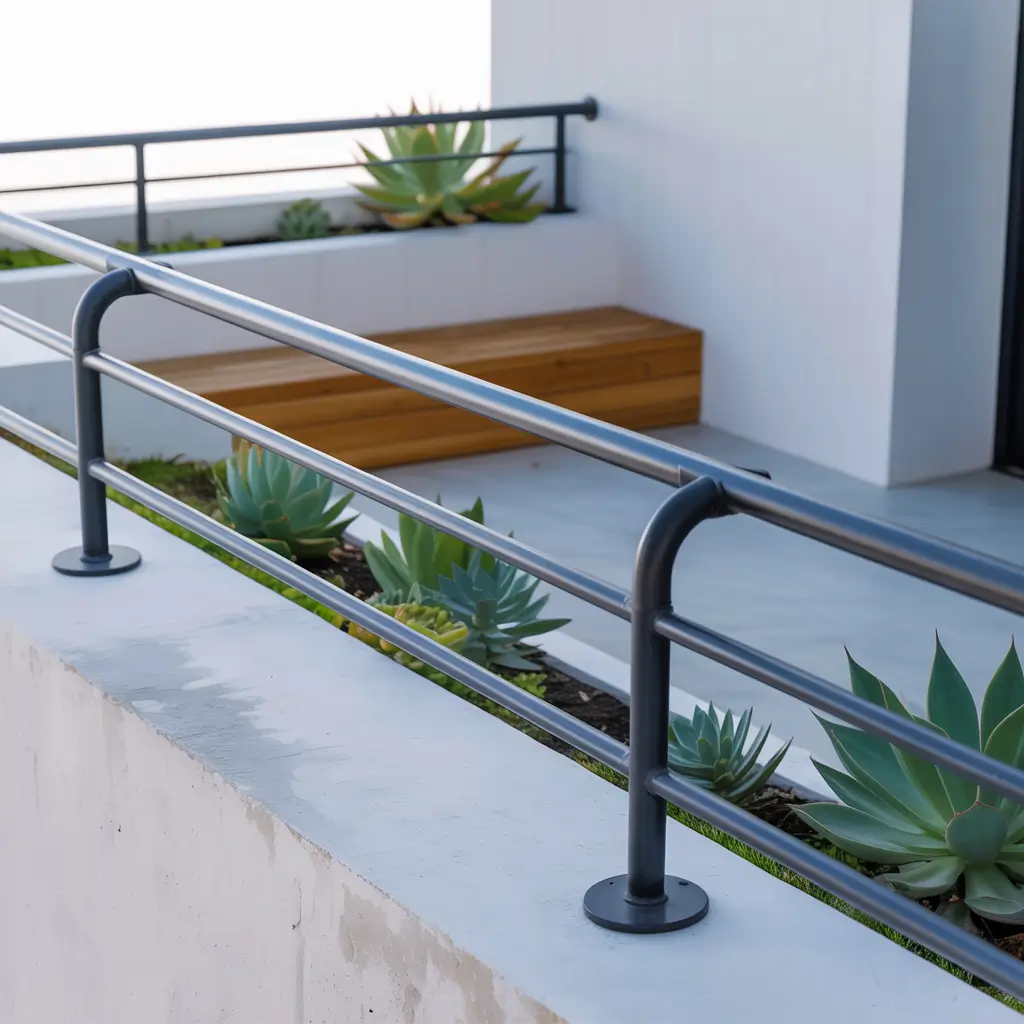
Let’s be real—not everyone has unlimited funds for their terrace railing project. Metal pipe railings prove you can get great style and solid safety without emptying your bank account.
The typical setup uses galvanized steel pipe in standard sizes like 1.5″ or 2″ diameter for posts and 1″ to 1.25″ for horizontal rails. The beauty of pipe railings lies in their simplicity and the fact that materials are readily available at most building supply stores. You’re looking at a fraction of the cost of custom fabricated systems.
Design options are more flexible than you might think. You can create industrial-modern looks with black pipe fittings, go rustic with galvanized finishes, or even paint everything to match your house trim. Horizontal configurations create clean, contemporary lines, while vertical picket arrangements offer more traditional appeal.
Assembly is straightforward using threaded pipe fittings. Even moderately handy DIYers can tackle these installations with basic tools. The modular nature means you can easily modify or extend your railing system later if needed.
The key to making budget pipe railings look high-end is in the finish and details. Proper preparation, quality primer, and professional-grade paint make all the difference. Adding custom end caps or decorative elements can elevate the whole look without major cost increases.
Horizontal Slat Wooden Railing for Cozy Terrace
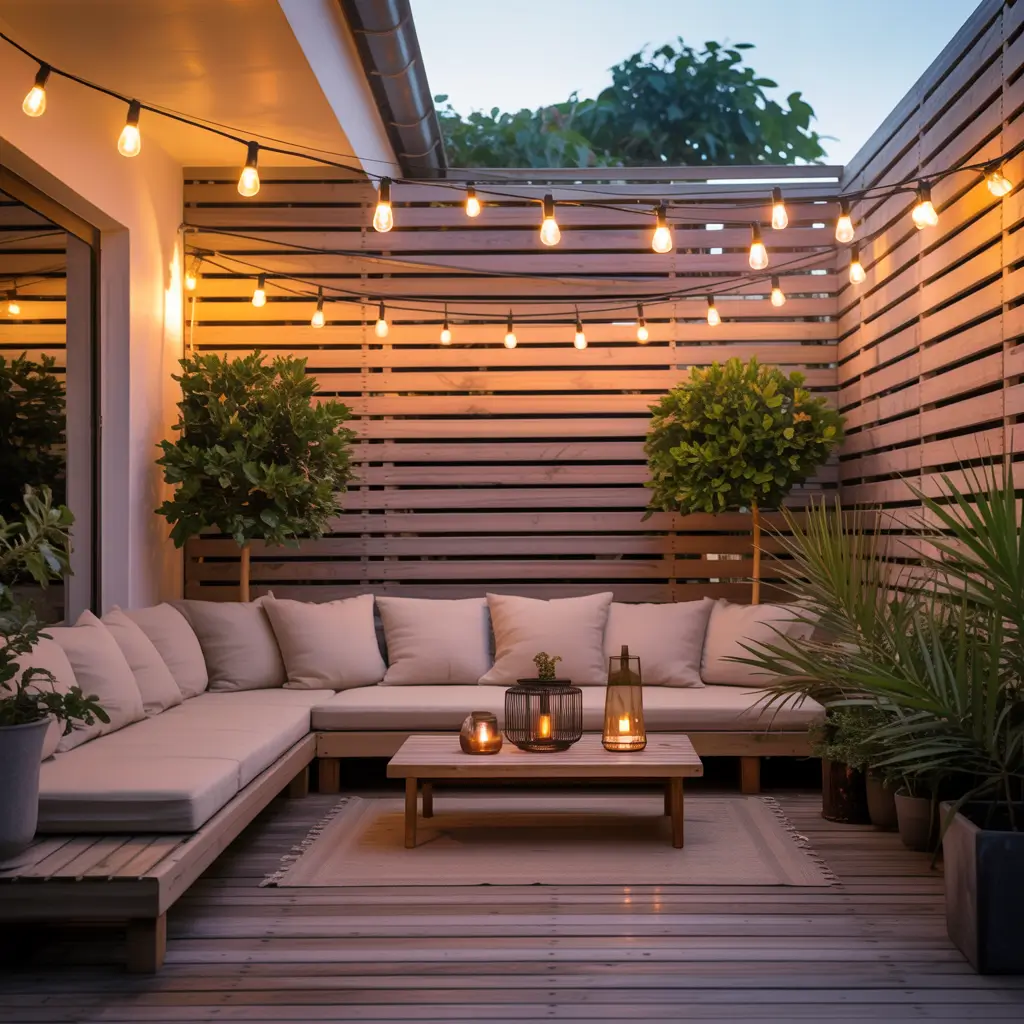
Sometimes you want your terrace to feel like a warm, inviting outdoor room rather than just an exposed deck. Horizontal slat wooden railings nail that cozy, residential vibe while providing privacy and wind protection.
The classic approach uses cedar, redwood, or pressure-treated pine in 1×4 or 1×6 boards spaced horizontally between posts. The spacing between slats is crucial—too wide and you lose privacy, too narrow and the railing feels heavy. Most designs use 1/2″ to 1″ gaps between boards.
What makes horizontal slats special is their ability to create visual privacy while maintaining airflow. Unlike solid panels, the gaps between boards allow breezes to pass through while blocking sight lines from neighboring properties. This makes your terrace feel more intimate without creating a wind-tunnel effect.
Construction typically involves notching posts to receive the horizontal slats, creating clean, integrated lines. Some systems use hidden fasteners to eliminate visible screws, while others embrace the hardware as part of the aesthetic. The posts can be wood to match the slats, or metal for a mixed-material look.
Staining options range from natural clear finishes that show the wood grain to solid colors that coordinate with your house. Regular maintenance involves annual cleaning and re-staining every 2-3 years, but the warm, natural look you get is worth the upkeep.
Also Read: 10 Cozy Small Terrace Ideas for Relaxing Outdoor Spaces
High-Security Modern Steel Railing with Mesh Style
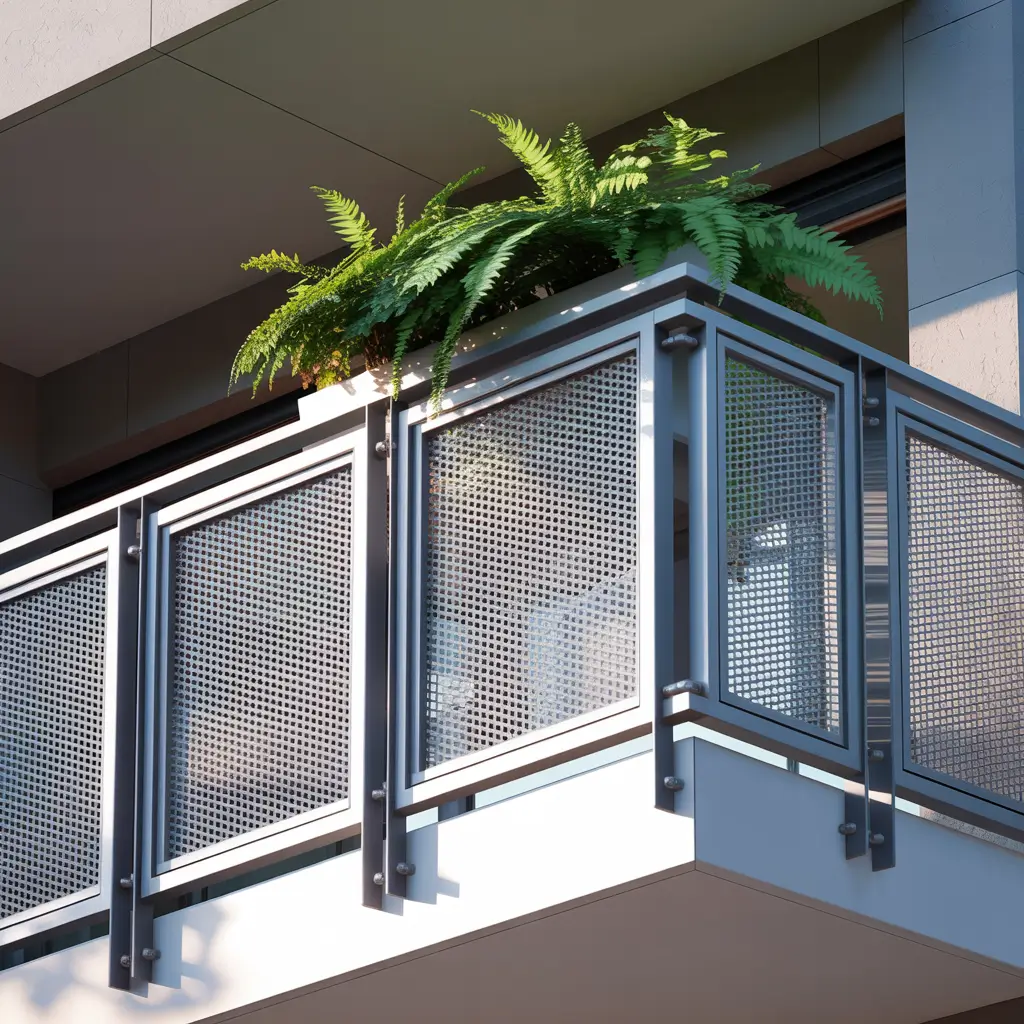
Not all terraces are created equal—some need to handle serious security concerns without looking like prison barriers. Modern steel railings with mesh infill solve the high-security challenge while maintaining clean, contemporary aesthetics.
These systems typically use welded steel tube frames with expanded metal mesh or perforated panel infill. The mesh provides complete visibility while creating a barrier that’s extremely difficult to climb or breach. Modern fabrication techniques allow for custom perforation patterns that add visual interest while serving security functions.
The steel construction usually involves hot-dip galvanizing followed by powder coating for maximum corrosion resistance. Frame members are typically heavier gauge than standard residential railings—often 2″ square tubing for posts and 1.5″ for rails. This creates the structural integrity needed for high-security applications.
Design options include various mesh patterns and sizes. Smaller mesh openings provide better security but can feel more enclosed, while larger patterns maintain openness but may require additional security features. Some systems incorporate anti-climb features like angled tops or integrated security lighting.
The finish options are extensive. Matte black remains popular for its professional appearance, but custom colors can help these security railings blend with architectural requirements. Maintenance is minimal once properly installed—just occasional cleaning and touch-up of any scratches to prevent corrosion.
Conclusion
Ever wonder why some terraces just feel right while others leave you scratching your head? It usually comes down to picking a railing design that actually matches how you use your space and what you’re trying to achieve.
The truth is, there’s no universally “perfect” railing—just the perfect railing for your specific situation. Budget matters, style preferences matter, and so does your local climate and maintenance tolerance. The key is being honest about what you really need versus what looks cool in photos.
Whether you go for the invisible elegance of frameless glass or the warm functionality of wooden planters, remember that your railing choice will be looking back at you for years to come. Choose something you’ll still love when the novelty wears off, and don’t be afraid to invest in quality materials and installation. Trust me, your future self will thank you when you’re not dealing with rust, rot, or safety issues down the road.