15 Church Entryway Decor Ideas That Actually Welcome People (No Dusty Silk Plants Allowed)

Hey there! So, you’ve been tasked with sprucing up the church entryway. Maybe it’s your turn on the decorating committee, or perhaps you just looked at that empty, echoey space one Sunday and thought, “We could do so much better than this.”
I’ve been there. Honestly, I’ve spent more time than I’d care to admit thinking about church foyers, narthexes, lobbies—whatever your tradition calls that all-important first impression zone.
It’s a weird space, right? It’s not quite the sanctuary, and it’s not quite the outside world. It’s a transition zone, a mixing area, a place for hellos and hurried goodbyes.
And yet, we so often treat it like a forgotten hallway, slapping up a few outdated bulletins and calling it a day.
But what if it could be more? What if it could actively set the tone for worship, make a newcomer feel instantly at ease, and serve the practical needs of your community all at once? It absolutely can.
I’ve put together 15 ideas—a mix of big, small, seasonal, and year-round—to transform your church’s entry from an afterthought into a warm, welcoming heartbeat. Let’s get into it.
Why Your Church Entryway is a Bigger Deal Than You Think
Before we start talking about paint swatches and furniture, let’s just take a quick second to acknowledge the psychology of this space.
This is the very first physical part of your church that a person experiences. Before they hear the amazing sermon or the beautiful music, they see the entryway.
Think about walking into a party where you don’t know anyone. If the entry is dark, cluttered, or confusing, your anxiety spikes. If it’s bright, open, and someone immediately offers you a drink with a smile, you relax.
Church is the same! This space needs to silently communicate, “You are safe here. You are welcome here. We’ve been expecting you.” Get this right, and you’ve already won half the battle of hospitality.
The Foundational Ideas (The Non-Negotiables)
These are the basics. If you do nothing else, start here. These ideas create a functional, friendly base that you can then build everything else upon.
1. The “You Are Here” Central Information Hub
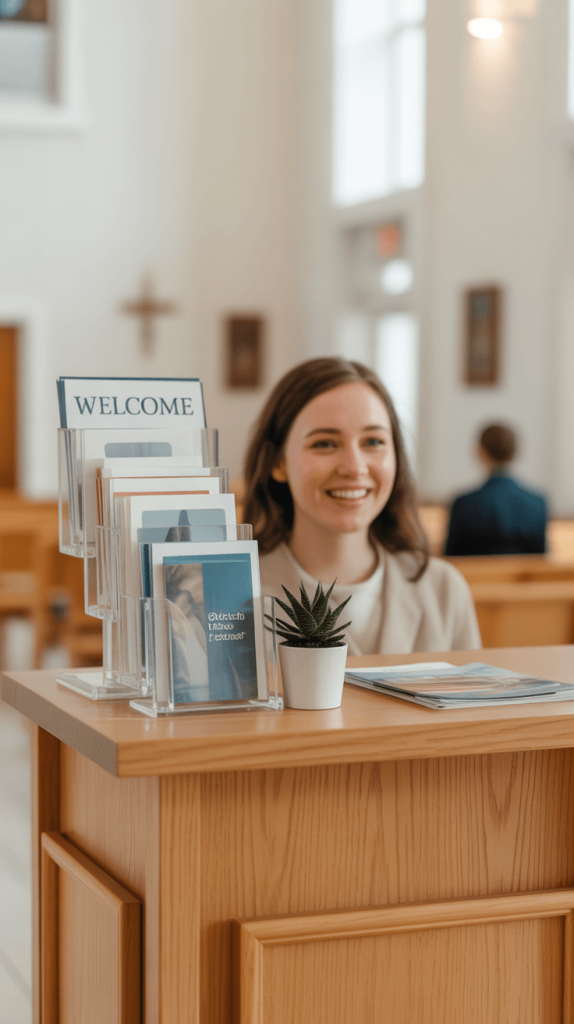
This is, IMO, the single most important feature. A newcomer’s eyes are always darting around, looking for clues.
Where do the kids go? Where’s the bathroom? Is there coffee? A well-designed information station answers these questions before they even have to ask.
- What it needs: A large, welcoming desk or sturdy table. A clearly visible “Welcome” sign. Friendly people (we’ll get to that). Organized, easy-to-read brochures about your beliefs, ministries, and leadership. A clear map of the building. A “First Time Here?” packet is a lovely touch.
- Pro Tip: Ditch the cluttered, taped-up signs from 2005. Invest in a cohesive set of clear acrylic sign holders. It looks a thousand times more professional and intentional.
2. The Welcoming Committee (The Real Decor)
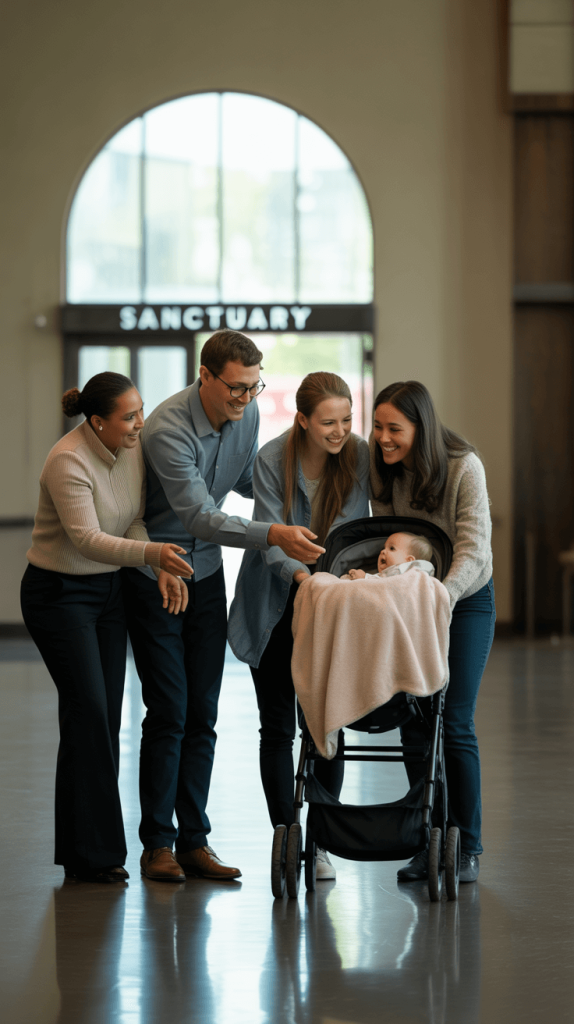
You can have all the beautiful decor in the world, but a warm smile is the best welcome you can offer. Decor sets the stage, but people make the magic happen.
This isn’t about a formal greeter brigade with name tags (though those are great); it’s about cultivating a culture where several people naturally linger in the entryway, keeping an eye out for anyone who looks lost or new.
- How to make it work: Encourage your extroverts to do what they do best: chat. A simple, “Good morning! Is this your first time with us?” goes an incredibly long way. Their job isn’t to get a full testimony, just to offer a warm hello and point them toward the information hub or the sanctuary.
3. Clear and Beautiful Wayfinding
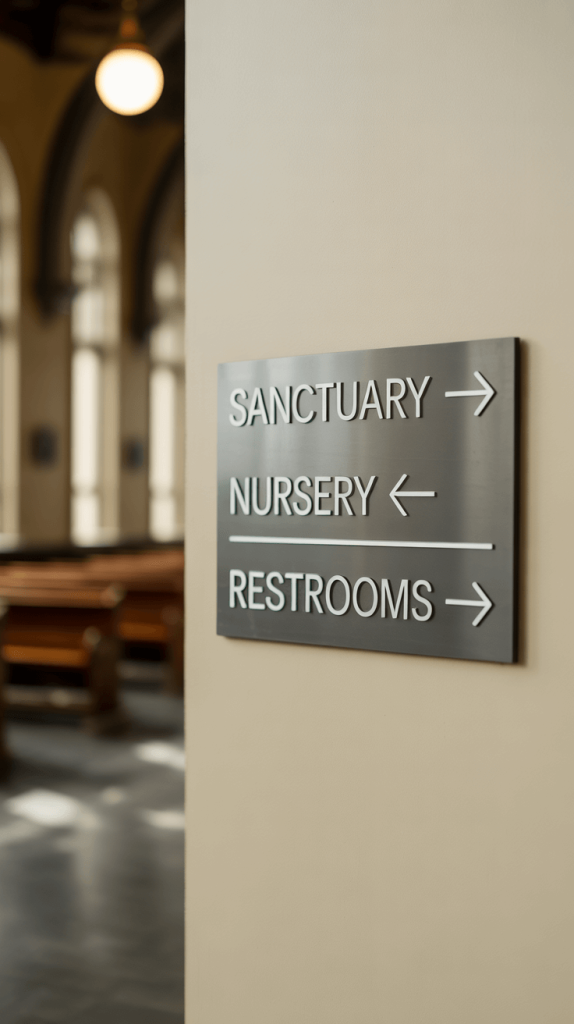
Nothing says “we didn’t expect you” like a maze of unmarked hallways. Make it stupidly easy for people to navigate. This is both practical and a part of the decor.
- Execution: Use high-quality, consistent signage. “Sanctuary,” “Restrooms,” “Nursery,” “Fellowship Hall” should all be easy to find. You can make these signs beautiful! Think wooden carved signs, modern acrylic lettering, or even a tasteful, large-scale mural on a wall that acts as a map.
- Personal Anecdote: I once visited a church where the restroom sign was a small, hand-drawn arrow on a post-it note. A POST-IT NOTE. I’ll never forget it, and not for good reasons. Don’t be the post-it note church.
Also Read: 15 Outdoor Entryway Decor Ideas to Make Your Neighbors Jealous (In a Friendly Way, Of Course)
4. Cozy Seating Nooks (For the “I’m-Not-Ready-to-Go-In-Yet” Crowd)
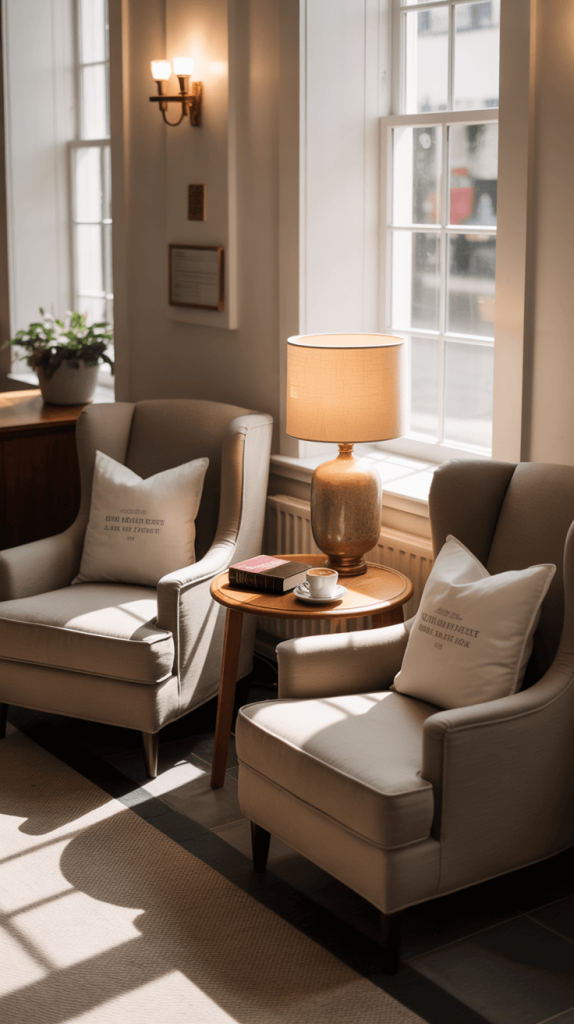
Not everyone is ready to bolt for the doors the second the final amen is said. Some people need to process, others need to have a conversation, and many just need to sit down and rest for a minute.
A small seating area transforms the space from a passageway into a destination.
- What to use: A couple of comfortable armchairs or a small loveseat with a side table. Maybe a bench tucked against a wall. This tells people, “Your conversations are important. Your need to sit is valid. Stay awhile.”
- FYI: This is a great place to add a lamp for softer, warmer light than the often harsh overhead fluorescies found in these spaces.
The Visual & Atmospheric Ideas (Setting the Tone)
Now that we’ve covered the functional bones, let’s make the space beautiful and intentionally atmospheric.
5. A Statement Wall of History and Family
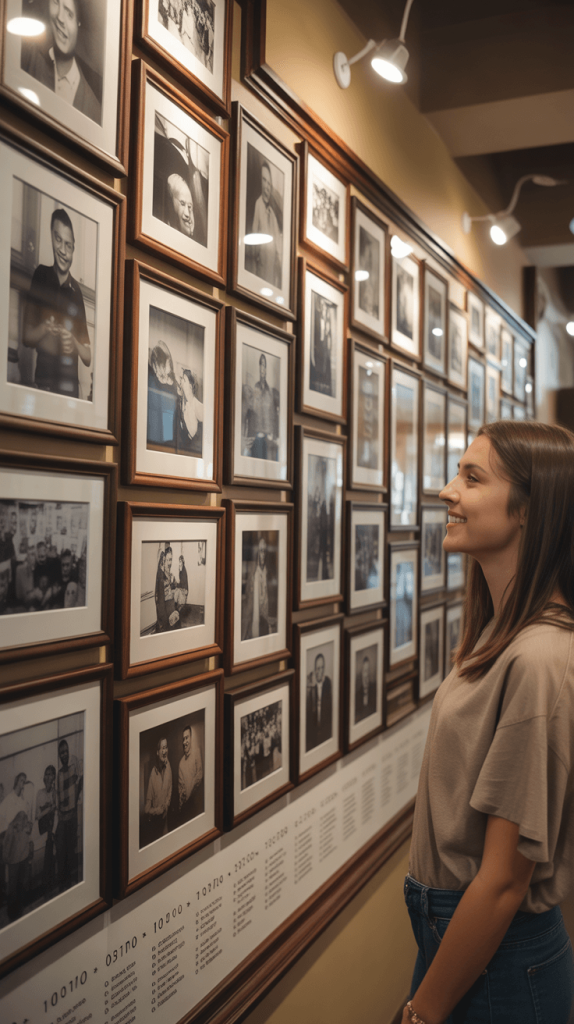
Blank walls are missed opportunities. A large, curated photo wall does two things: it celebrates your church’s story and it shows life.
Newcomers want to see that real people are involved here, having real fellowship.
- What to put on it: A mix is key! Don’t just use stiff, formal directory photos. Use action shots from VBS, mission trips, community service projects, potlucks, and worship. Include a timeline of your church’s history. This wall whispers, “We are a family with a past and a future, and there’s a place for you in our story.”
6. Seasonal Transformation Station
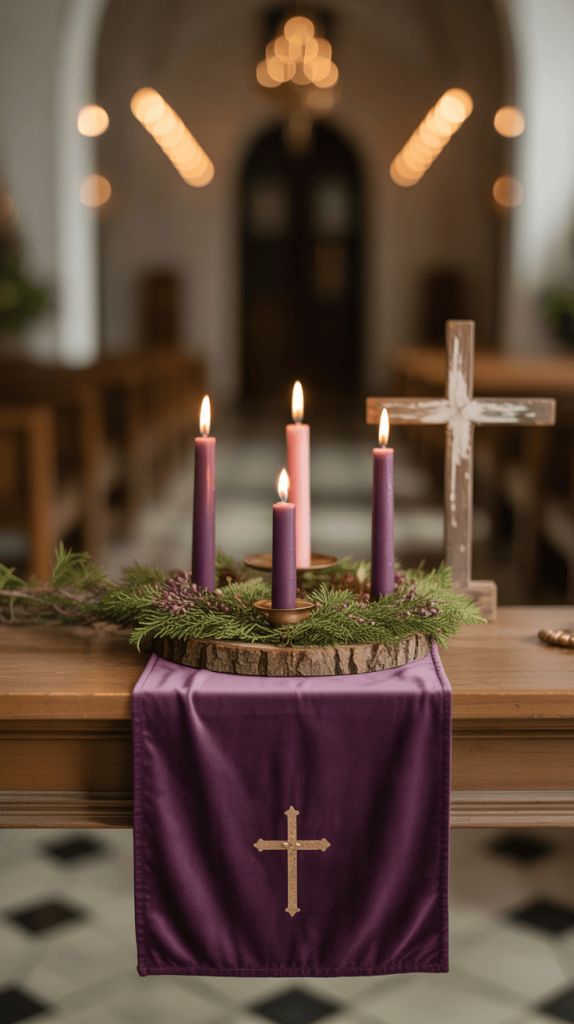
I’m not talking about a full-blown, over-the-top decor overhaul every month. I mean one dedicated area that a small team can easily update to reflect the church calendar.
This immediately makes the space feel current and cared for.
- The Spot: A console table against a wall, a small shelf, or even the top of the information hub.
- The Decor: A simple fabric runner in the liturgical color (purple for Advent, white for Easter, etc.), a tasteful centerpiece (a cross, a bowl of natural elements like stones or branches), a few themed books, and maybe a single vase of flowers. It’s simple, powerful, and visually anchors the space in the season of faith.
Also Read: 15 Entryway Bench Decor Ideas That Are Way More Exciting Than Just a Place to Plop Your Bag
7. The “Before You Enter” Moment
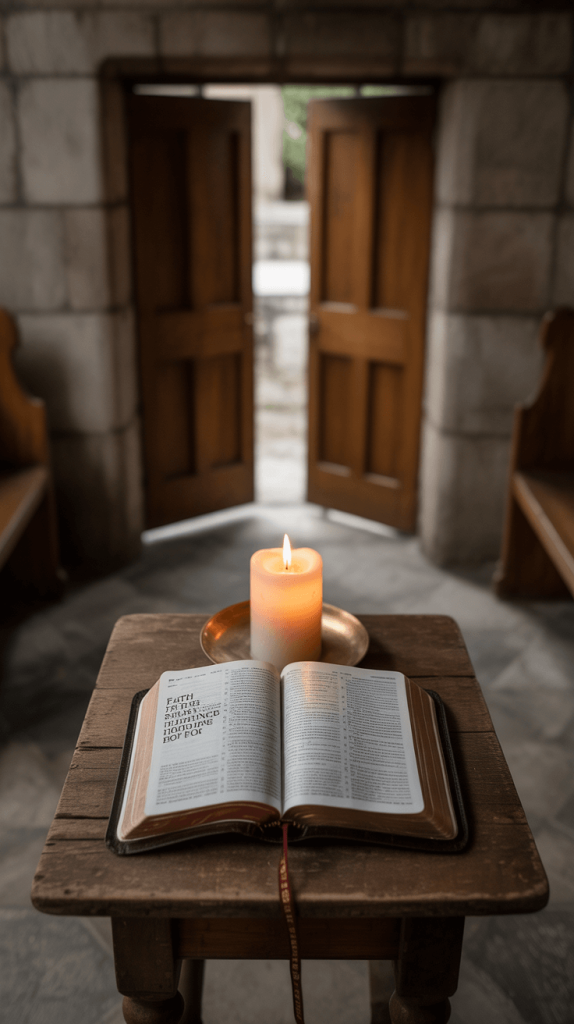
This idea is one of my favorites for its intentionality. Create a small, focused space right before the doors to the sanctuary that helps people transition from the social buzz into a spirit of worship.
- How it works: It could be a small table with a Bible open to the day’s scripture passage. It could be a beautiful painting of a religious scene. It could be a simple sign with a thought-provoking question related to the sermon series. It’s a visual cue that says, “As you’re about to enter, take a breath and prepare your heart.”
8. Let There Be (The Right) Light
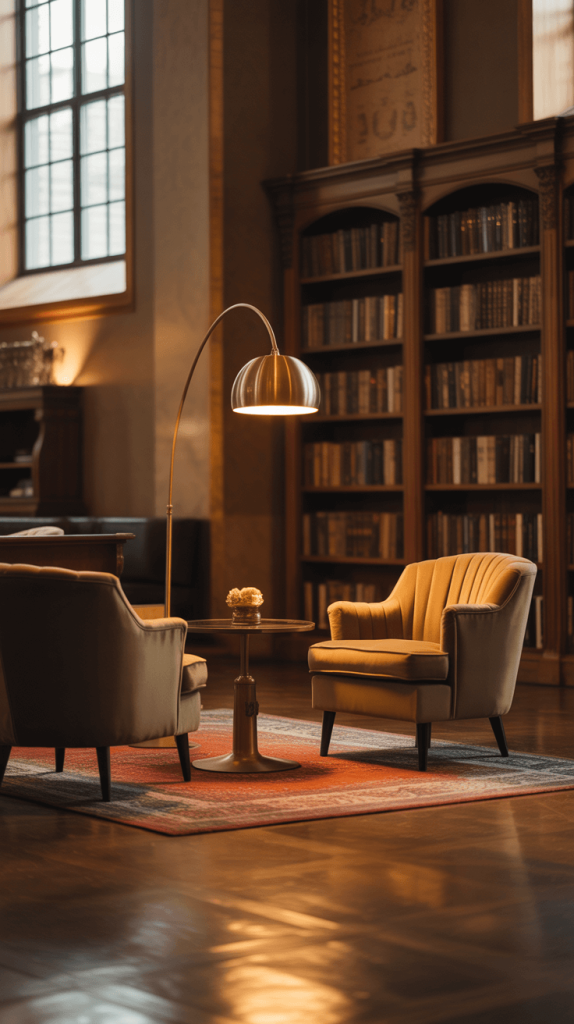
Overhead fluorescent lighting is the arch-nemesis of warmth and welcome. It’s harsh, unflattering, and feels institutional. Switching to warmer lighting is one of the most impactful changes you can make.
- Solutions: If you can’t change the fixtures, get strategic. Use floor lamps in seating areas, add plug-in sconces to walls, or use table lamps on any available surface. Warm white bulbs are your best friend. They make skin tones look alive and the space feel inviting, not like a doctor’s office waiting room.
9. Natural Elements: Bring the Outside In
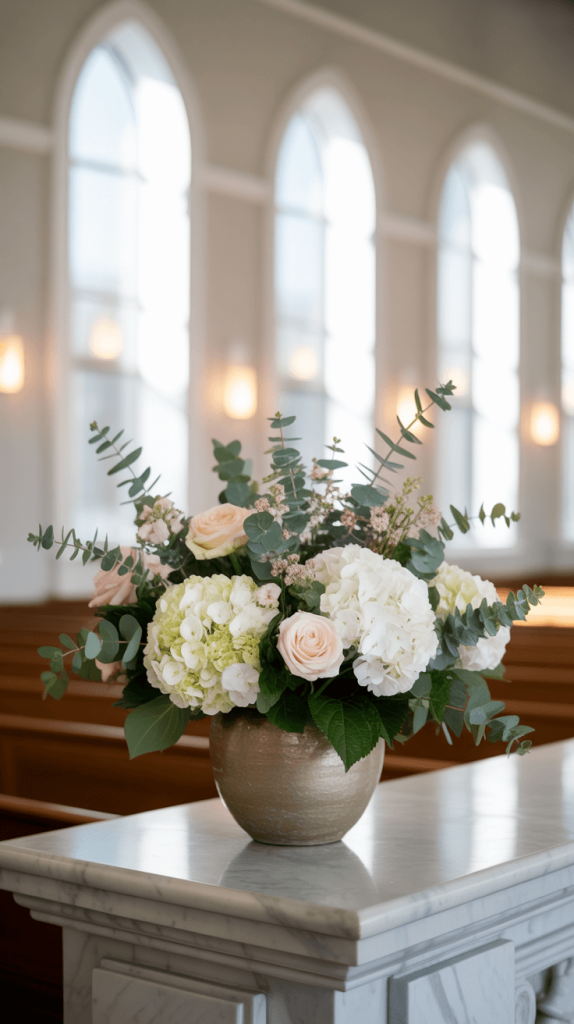
There’s a reason God created trees and flowers before he created fluorescent light tubes. Incorporating nature has a calming, uplifting effect that little else can match.
- Easy Wins: Potted plants (fake is fine if they’re really good fakes—no dusty silk ficus trees from 1987, please). A large, beautiful vase that someone refreshes with grocery-store flowers every week. A bowl of pinecones in the winter or seashells in the summer. It adds life, color, and texture for very little cost.
The Interactive & Practical Ideas (Beyond Just Looking Pretty)
A great entryway isn’t just a museum to look at; it’s a space that people can use and interact with.
Also Read: 15 Entryway Wall Decor Ideas That Actually Work (No, Really)
10. The Prayer Request Wall or Board

This creates an incredible, tangible point of connection. It allows people to share their burdens and celebrate their joys in a visible way, building instant community.
- How to set it up: It can be a large corkboard with slips of paper and pins. A dry-erase board where people can write prayers. A “prayer tree” where requests are written on tags and hung from branches. Just ensure you have a clear policy about what gets shared from the pulpit and what remains on the board, and always have someone monitoring it for confidentiality.
11. A Kid-Friendly Landing Zone
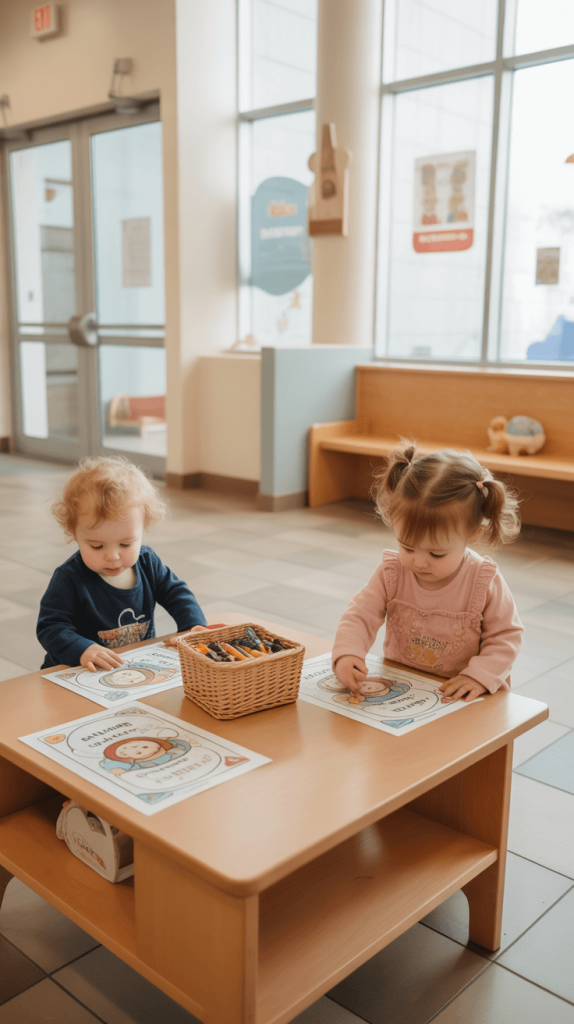
Families with young children enter the building like a SWAT team—they have a mission and a lot of gear. Make their lives easier and you’ve won loyal fans for life.
- What to include: A small, sturdy table with a few coloring pages and a cup of crayons to occupy little hands while parents check kids in or talk to someone. A bench for putting on shoes. A clear, cheerful sign pointing toward the nursery and children’s church. This communicates that children are not just tolerated; they are celebrated and planned for.
12. The “Take What You Need” Ministry
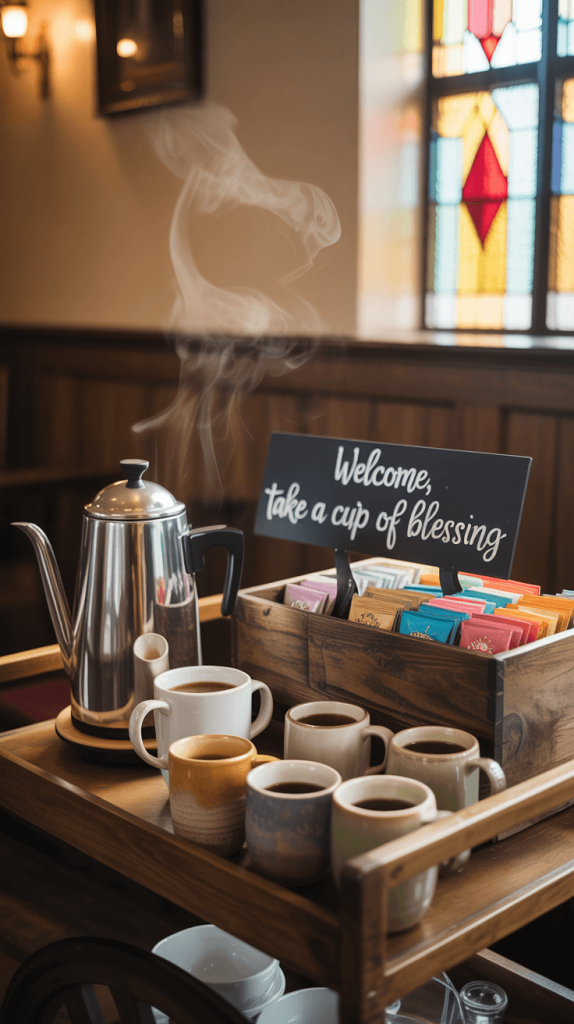
Offer something small and free. It’s a powerful act of generosity. It’s a simple, no-pressure way to show care for your community.
Ideas:
- A coffee and tea station (the ultimate love language for most adults).
- A basket of granola bars or mints for anyone who rushed out the door without breakfast.
- A simple water cooler with cups.
- In the winter, a basket of hand-warmers. In the summer, a basket of individual sunscreen packets.
- A “Take a Blessing, Leave a Blessing” board where people can post encouraging Bible verses.
13. A Visible and Accessible Guest Connection Point
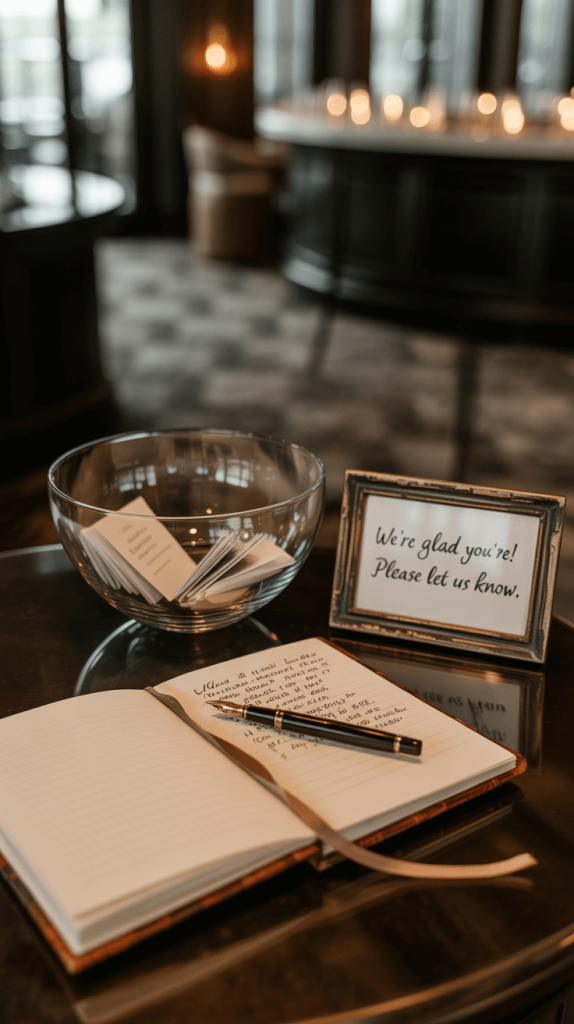
The information hub is great, but sometimes people don’t want to talk to a person right away. A simple, low-commitment way for guests to indicate they’d like more information is golden.
- The Method: A beautiful “Guest Book” that’s more than just a book—it’s an experience. Have a nice pen, and ask simple questions: Name, Email, “How can we pray for you?”. Alternatively, have a fishbowl for business cards for a drawing for a gift card to a local coffee shop. It gives a reason to share information without the pressure.
The Big Impact Ideas (For When You’re Ready to Go All Out)
These require a bigger budget and more planning, but man, do they make a statement.
14. Feature a Local Artist’s Work
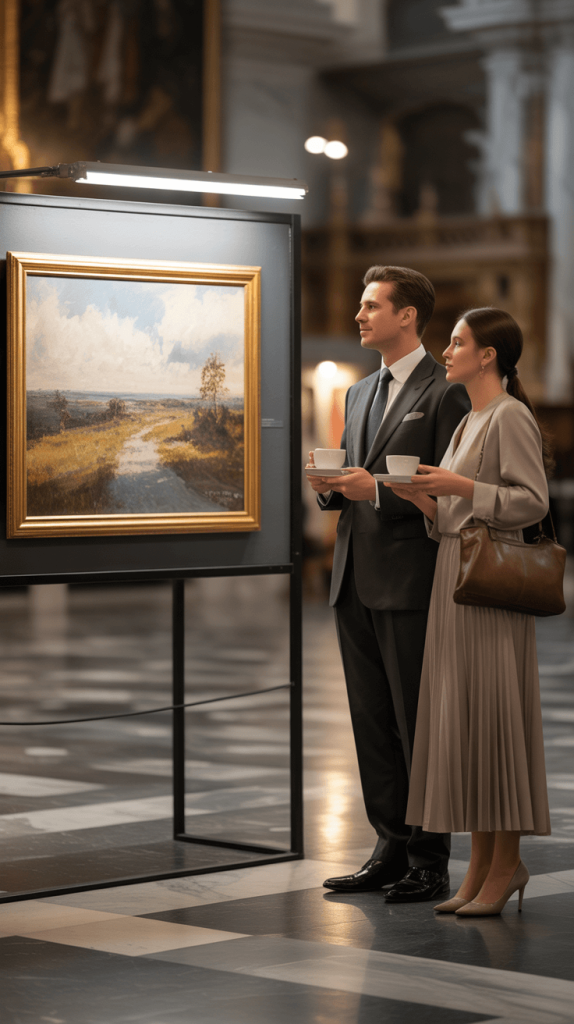
Your church is full of talented people! Rotating art displays accomplish so much: it beautifies the space, it celebrates the God-given talents of your congregation, and it gives people a reason to stop and linger.
- How to manage it: Put out a call for artists—painters, photographers, quilters, sculptors. Feature a new artist every quarter. Host a small opening reception before or after a service. It turns your entryway into a gallery of faith and creativity.
15. Digital Signage Done Right
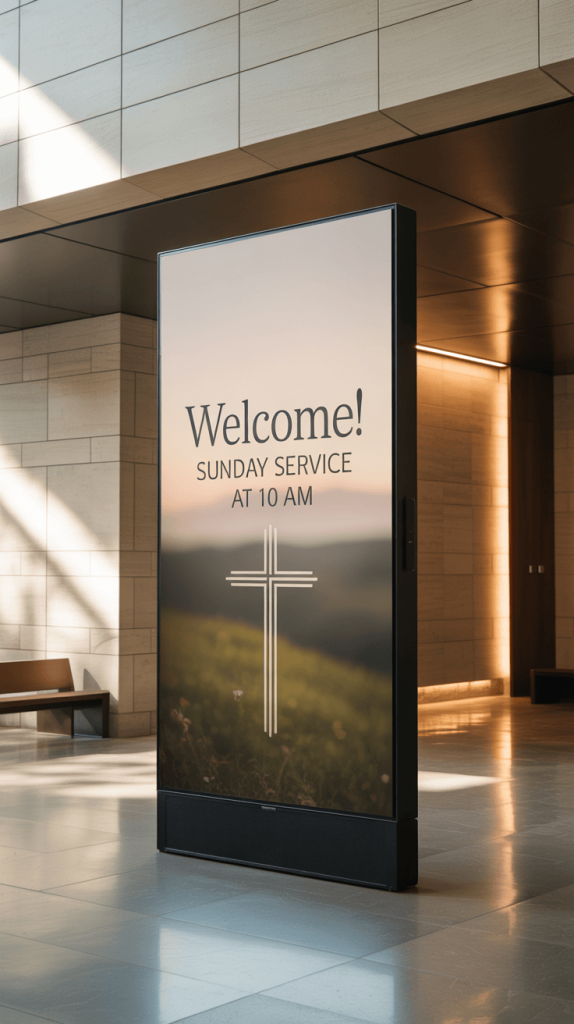
A large, sleek TV monitor mounted on the wall can be a fantastic modern tool—if you use it well. The key is to avoid cluttering it with a thousand scrolling announcements that no one can read.
Best Practices: Use it for a few high-impact things:
- A looping slideshow of photos from recent church events (see Idea #5).
- Clear, clean graphics announcing the main events of the week.
- The sermon title and scripture for the day.
- Welcome messages in different languages if your community is diverse.
- Crucially: Keep the design clean, uncluttered, and on a slow, readable loop. Think of it as a dynamic bulletin board, not a stock ticker.
Wrapping It All Up: Your Church’s First Handshake
Phew, that was a lot! But I hope it got your creative wheels turning. The throughline here is intentionality.
Every choice, from the color of the walls to the placement of a single chair, sends a message.
Your church’s entryway is the first handshake, the first smile, the first “we’re glad you’re here.” It doesn’t have to be fancy or expensive.
It just has to be thoughtful. It has to say, on behalf of your entire congregation, “Come on in. We’ve been waiting for you.”
So, which idea are you most excited to try first? Maybe it’s just tackling that information hub this month and adding a cozy chair next month.
Small steps lead to big transformations. Now go make that entryway the warm, welcoming, life-giving space it was always meant to be. You’ve got this