15 Inspiring Book Shelves Ideas and Functional Layouts

Remember when you bought that stack of books promising yourself you’d organize them properly? Yeah, me too. Six months later, they’re still sitting in a corner judging your life choices.
But here’s the thing – finding the perfect bookshelf setup can completely transform your space from “college dorm chaos” to “sophisticated adult who has their life together” (even if you don’t).
I’ve spent way too much time obsessing over bookshelf designs, and trust me, I’ve made every mistake possible. Remember that DIY floating shelf disaster of 2019? We don’t talk about that.
But through all the trial and error, I’ve discovered some genuinely brilliant bookshelf ideas that actually work.
Floating Corner Book Shelves
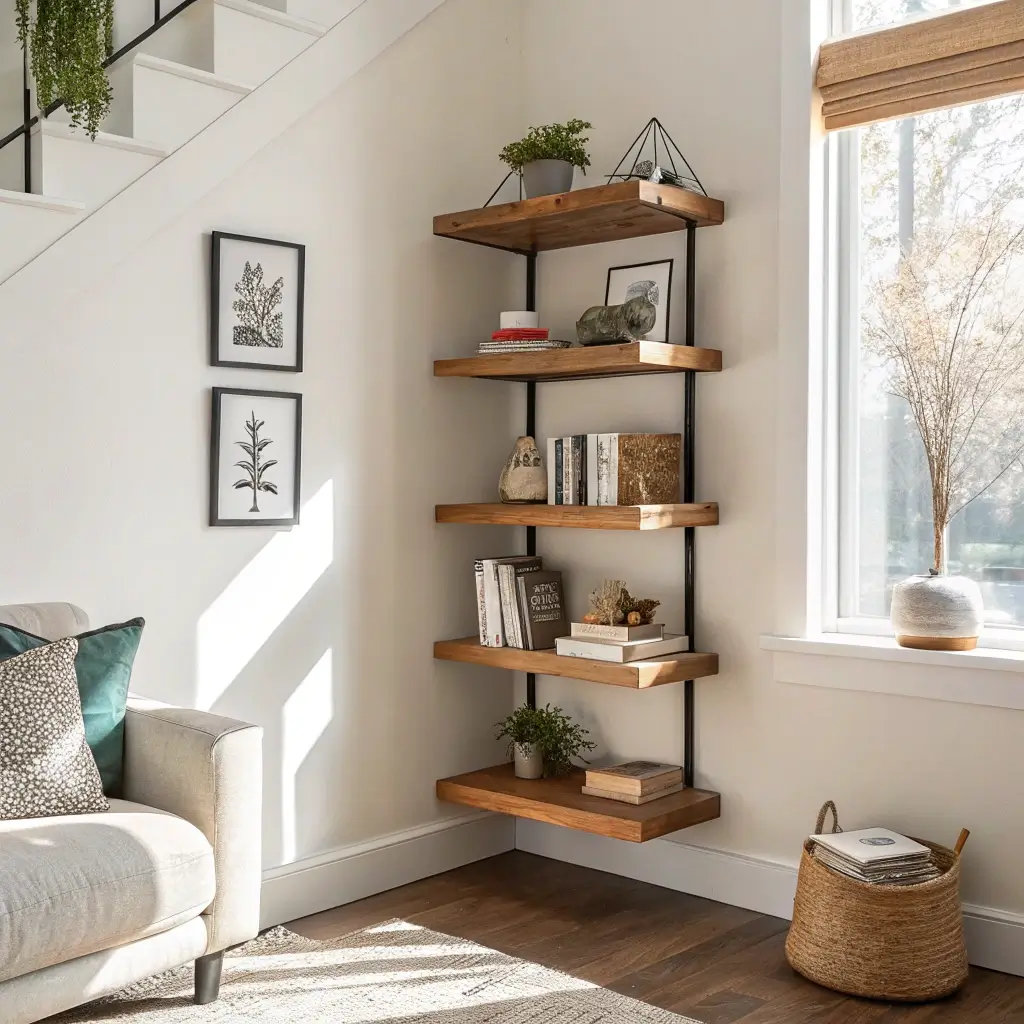
Let’s kick things off with my personal favorite – floating corner shelves. These bad boys make use of that awkward corner space nobody knows what to do with. You know that spot I’m talking about, right?
I installed these in my bedroom last year, and suddenly that dead corner became the most interesting part of the room. The beauty of floating corner shelves lies in their ability to create visual interest without eating up floor space. They literally float there, defying gravity and making your books look like they’re performing magic.
Here’s what makes them work so well:
- Zero floor footprint – your vacuum cleaner will thank you
- Creates a unique angular display that draws the eye upward
- Perfect for small spaces where every square inch counts
- Installation takes about an hour (if you know what you’re doing)
The trick with corner shelves? You need to find the studs properly. Trust me, drywall anchors alone won’t cut it when you’re loading these up with your complete Harry Potter collection. I learned that lesson the hard way at 2 AM when everything came crashing down.
Ladder-Style Leaning Bookshelf
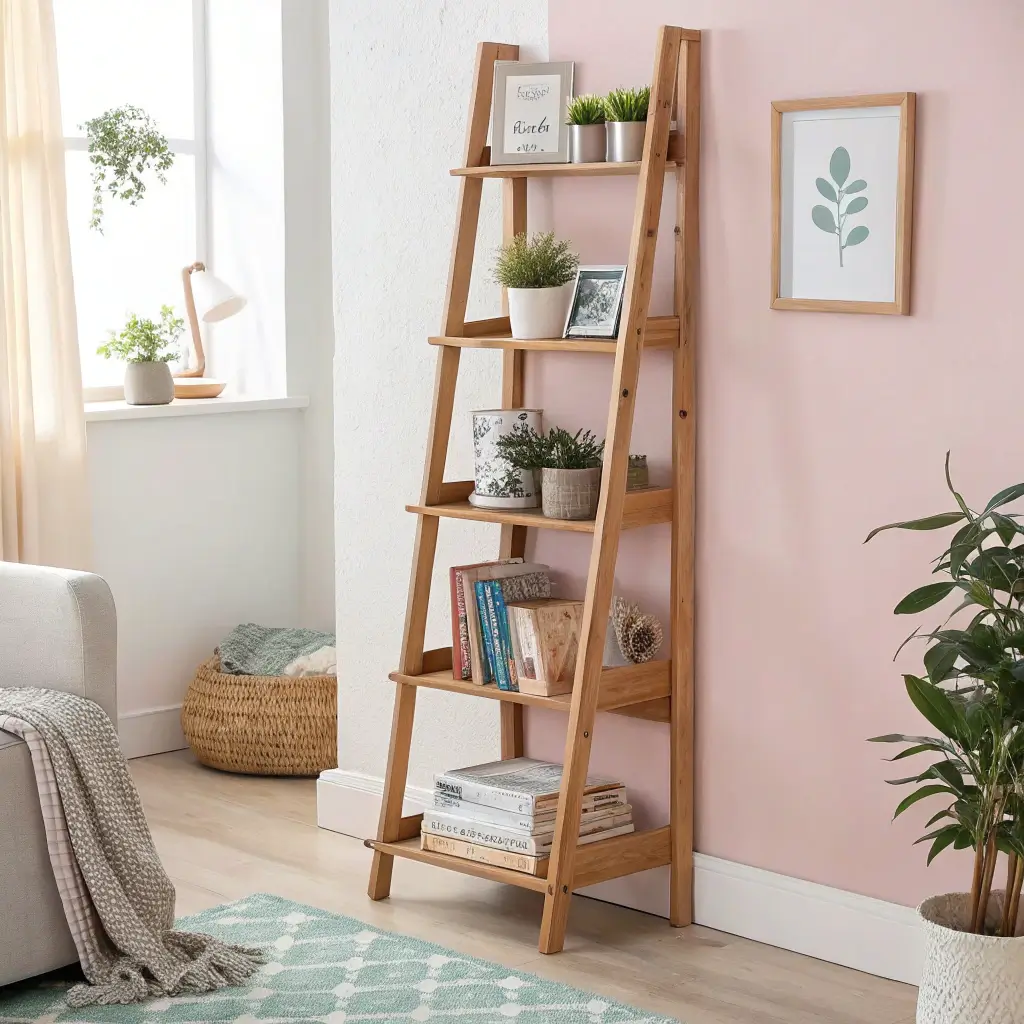
Who decided bookshelves need to stand straight anyway? Ladder-style leaning bookshelves bring this casual, effortless vibe that screams “I’m cultured but not trying too hard.”
These shelves lean against your wall at an angle, wider at the bottom and narrower at the top. It’s basically furniture that looks like it’s perpetually relaxed, and honestly, I respect that energy. The angled design creates natural stability while giving you graduated shelf sizes – perfect for storing everything from coffee table books to tiny paperbacks.
Why Ladder Shelves Rock:
The genius part? You don’t need to drill into walls. Renters, rejoice! Just lean it against the wall and you’re done. Though FYI, I’d still recommend securing the top to prevent any unfortunate tipping incidents. Nobody wants to explain that dent in the wall to their landlord.
I’ve got one in my living room holding plants on top, books in the middle, and storage baskets at the bottom. It’s basically the Swiss Army knife of furniture. Plus, moving it around when you get bored with your layout takes literally thirty seconds.
Hidden Wall Niche Shelves
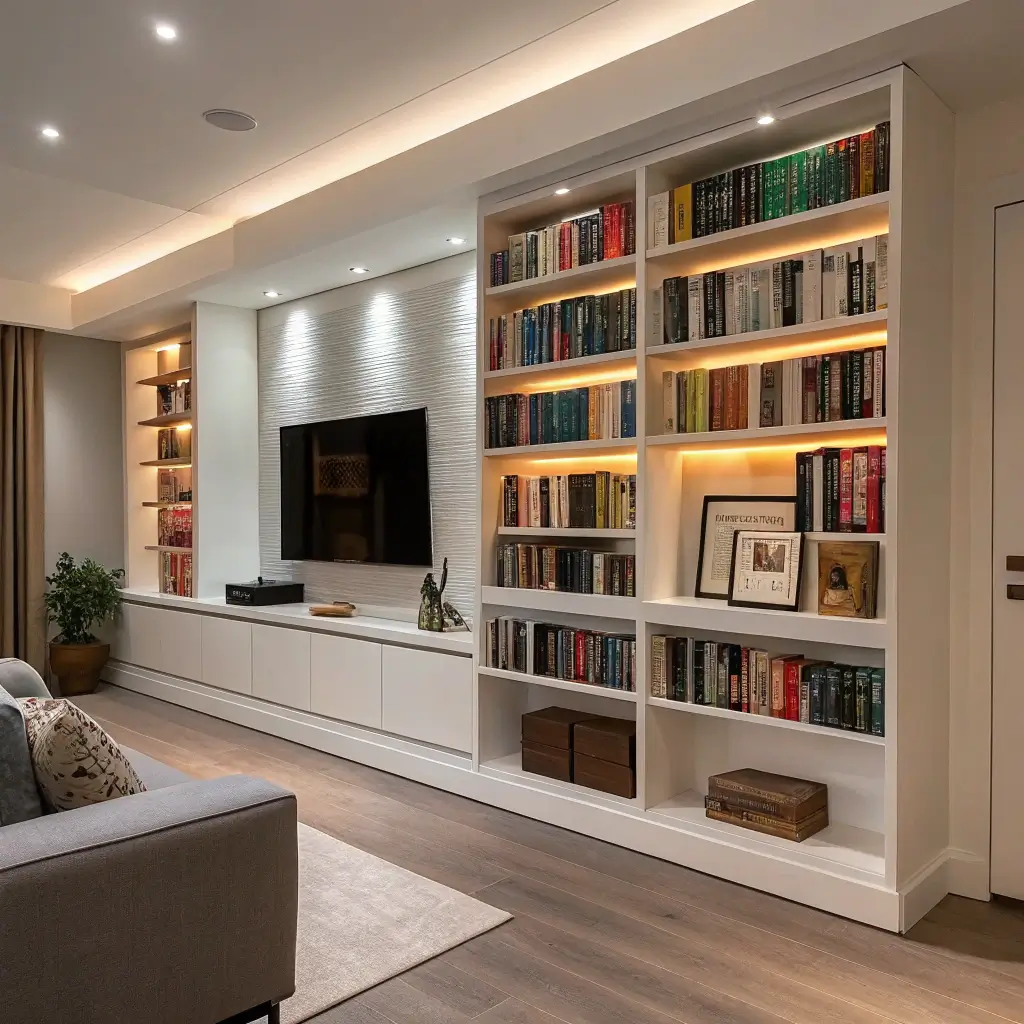
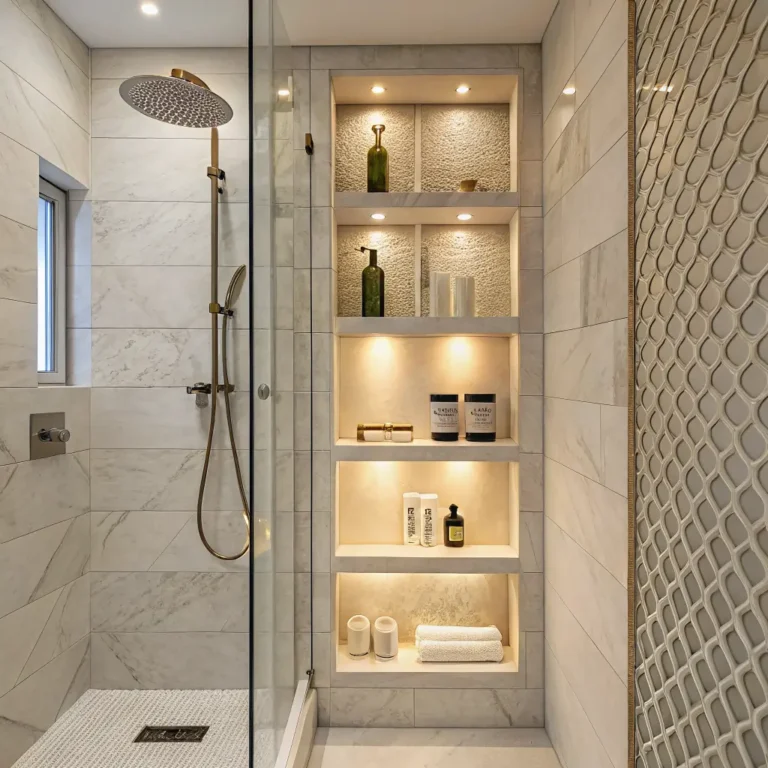
Ever walked into someone’s house and thought their books were literally part of the wall? That’s the magic of hidden wall niche shelves. These recessed beauties sit flush with your wall, creating this seamless, built-in look that makes visitors do a double-take.
Building these requires cutting into your drywall (scary, I know), but the payoff is incredible. You’re essentially creating secret compartments for your books between the wall studs. It’s like your wall ate your bookshelf and decided to keep it.
The process isn’t for the faint of heart though:
- You’ll need to locate studs and check for electrical wiring
- Cut precise openings in your drywall
- Frame out the niches properly
- Finish with trim and paint to match your walls
I attempted this in my home office, and let me tell you, measuring twice and cutting once has never been more important. But now? My books look like they’re floating in architectural pockets, and everyone asks if I hired a designer. (I didn’t, but I’ll take the compliment.)
Also Read: 15 Stylish Built-In Shelves Living Room Ideas for Modern Homes
Tree-Shaped Bookshelf Design
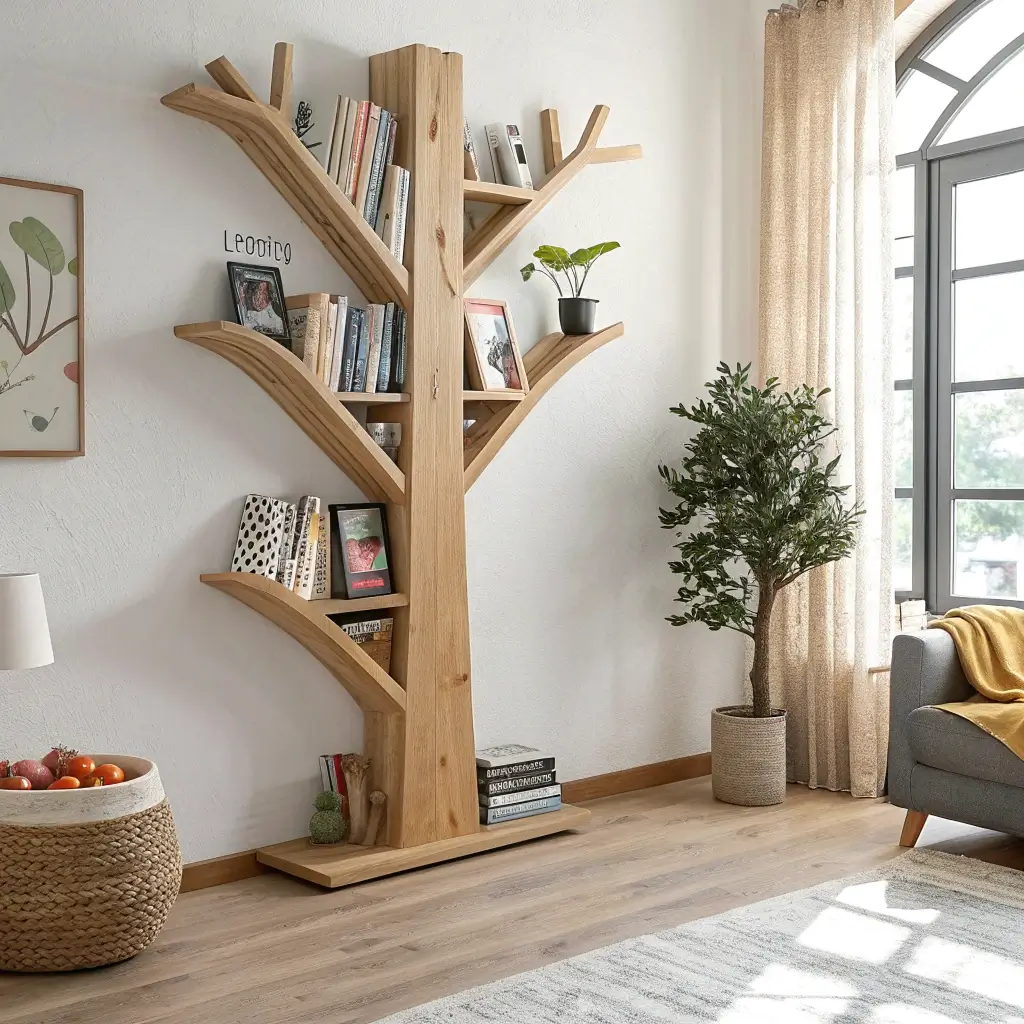
Want something that makes people stop mid-conversation? Enter the tree-shaped bookshelf. This isn’t your grandma’s bookcase – it’s a functional sculpture that happens to hold books.
Picture branches spreading across your wall, each one acting as a shelf for your literary collection. Some designs stand alone like actual trees, while others mount to the wall in branching patterns. Either way, you’re getting a conversation starter that actually serves a purpose.
Making the Tree Work:
The key to pulling off a tree bookshelf without looking like you raided a kindergarten classroom? Keep the design sophisticated. Look for clean lines and quality materials. I’ve seen amazing versions in both natural wood and sleek metal that look absolutely stunning.
Mine holds about 50 books spread across seven “branches,” and organizing them by color creates this amazing gradient effect. Is it the most efficient storage system? Nope. Does it make my reading nook look like something from a fairytale? Absolutely.
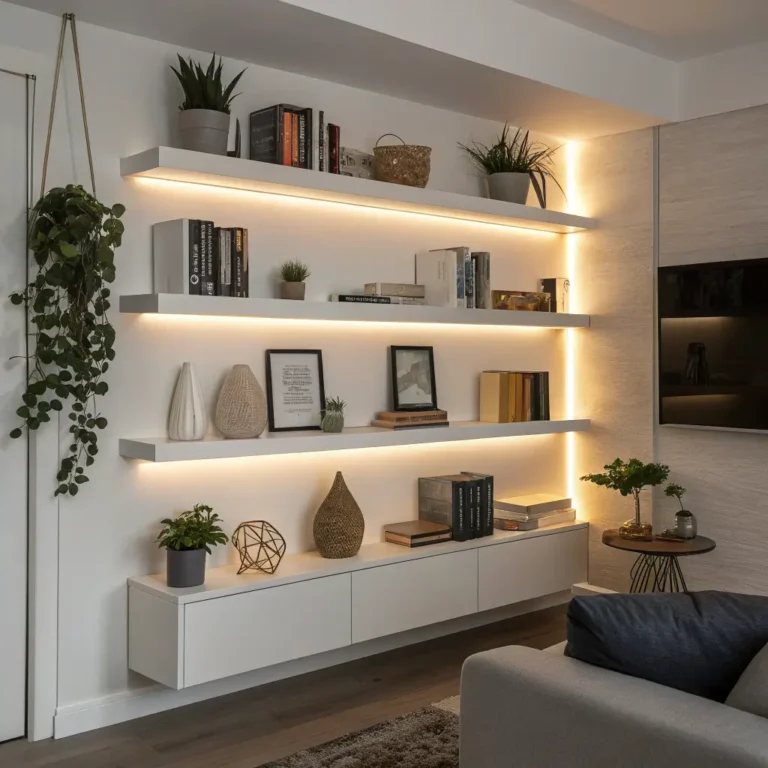
Minimalist Floating Wall Shelves
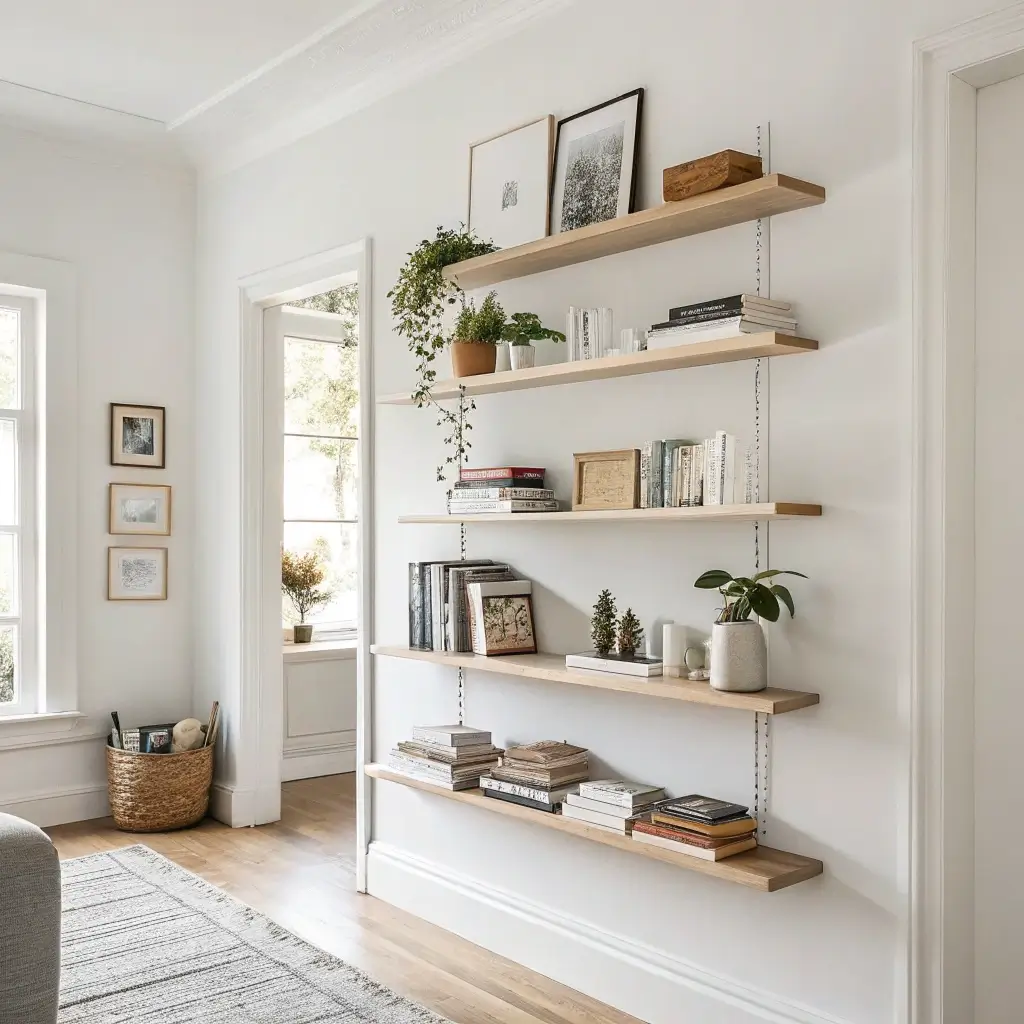
Sometimes less really is more. Minimalist floating shelves strip away everything unnecessary, leaving you with clean lines and pure function. No brackets visible, no fancy decorations – just shelves that seem to emerge from your wall like they belong there.
I installed a set of three in my hallway, staggered at different heights, and the effect is surprisingly dramatic. The books themselves become the decoration, and there’s something deeply satisfying about that simplicity. Plus, dusting takes approximately three seconds, which, let’s be honest, is the real win here.
What makes minimalist shelves work:
- Hidden mounting hardware creates that impossible floating effect
- Clean edges that don’t compete with your books for attention
- Flexibility to arrange them in any pattern you want
- They make even paperbacks look expensive 🙂
Industrial Pipe & Wood Shelves
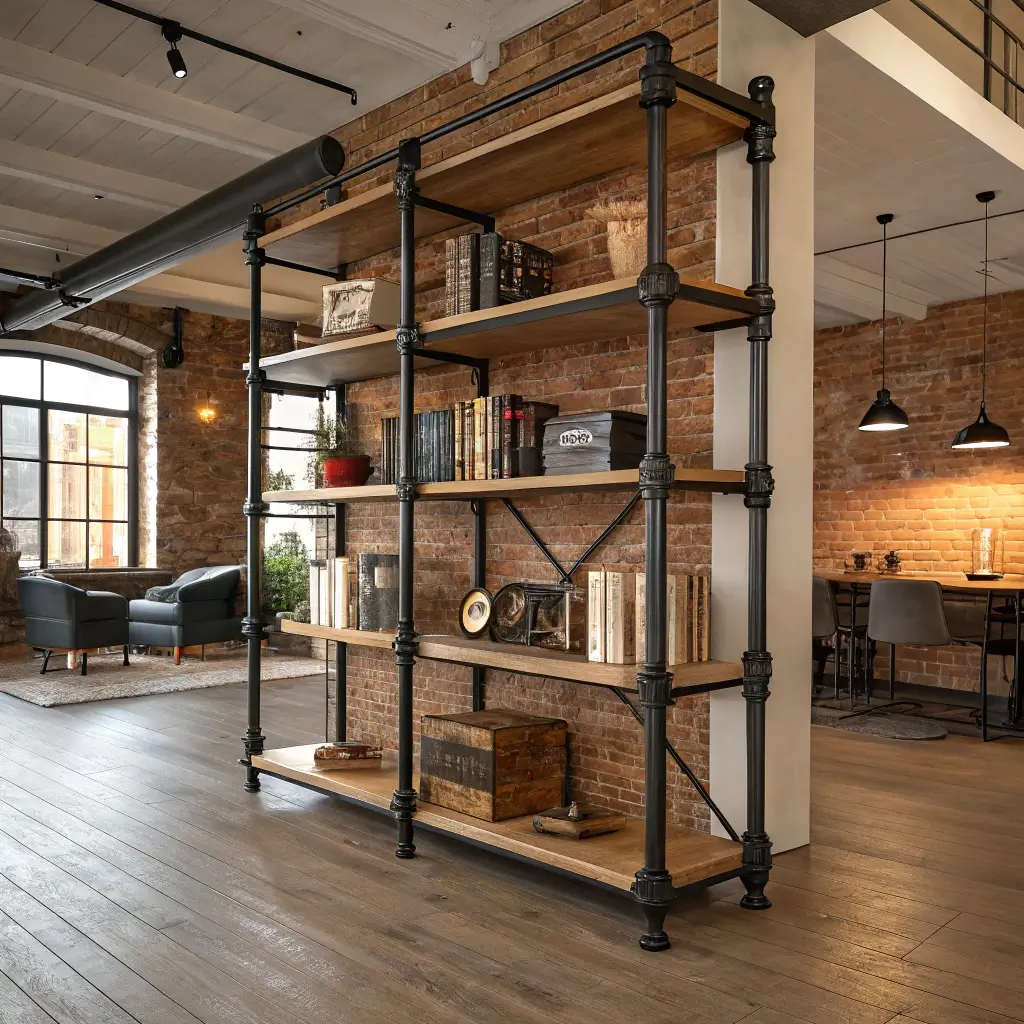
Channel your inner loft-dwelling artist with industrial pipe and wood shelves. This style combines rough wood planks with metal piping to create something that looks like it was salvaged from a 1920s factory (in the best way possible).
Building these yourself is surprisingly doable. Hit up your local hardware store, grab some pipes, flanges, and reclaimed wood, and you’re basically halfway there. The pipes serve as both the support structure and the design element, creating this raw, unfinished aesthetic that somehow looks completely intentional.
The Industrial Advantage:
The best part about pipe shelves? They’re virtually indestructible. I’ve loaded mine with everything from encyclopedias to cast iron bookends, and they don’t even flinch. The industrial look also means imperfections add character rather than looking like mistakes. That scratch in the wood? That’s not damage – that’s “patina.”
IMO, these work best in spaces that already lean masculine or modern. They can overwhelm a delicate, feminine room faster than you can say “exposed brick.”
Also Read: 15 Modern Corner Shelves Ideas for Minimalist Homes
Cube Modular Bookshelf System
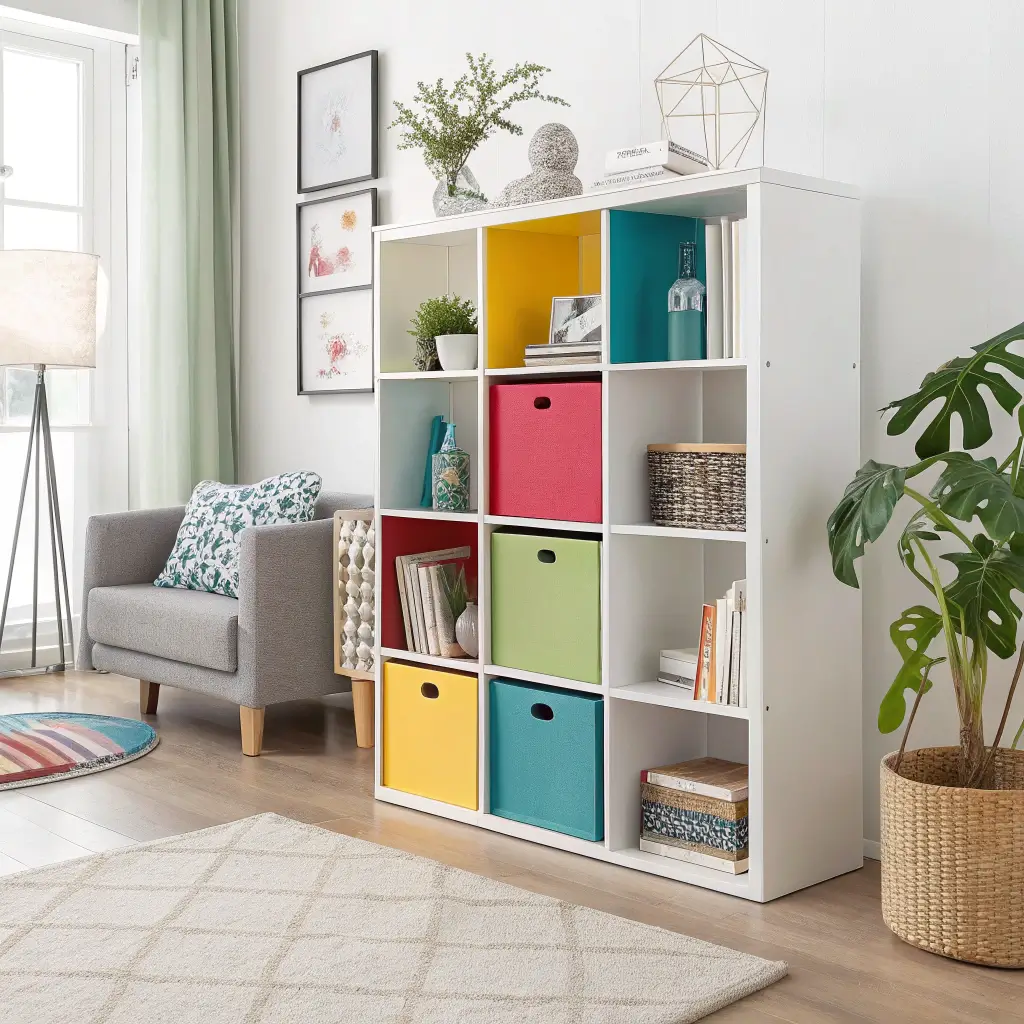
Remember playing with blocks as a kid? Cube modular systems are basically the adult version, except now you’re building furniture instead of towers. These stackable cubes let you create custom configurations that change whenever you feel like it.
I started with four cubes and now I’m up to twelve. It’s addictive. You can build them vertically for a traditional bookshelf look, spread them horizontally for a low media console, or create abstract patterns that would make Tetris jealous. Each cube becomes its own little display area, perfect for mixing books with plants, photos, and whatever else you want to show off.
The modular approach offers serious advantages:
- Grows with your collection – just add more cubes
- Easy to disassemble for moving (renters, take note)
- Creates natural organization – each cube can have its own theme
- Doubles as room divider when needed
Built-In Window Seat Shelves
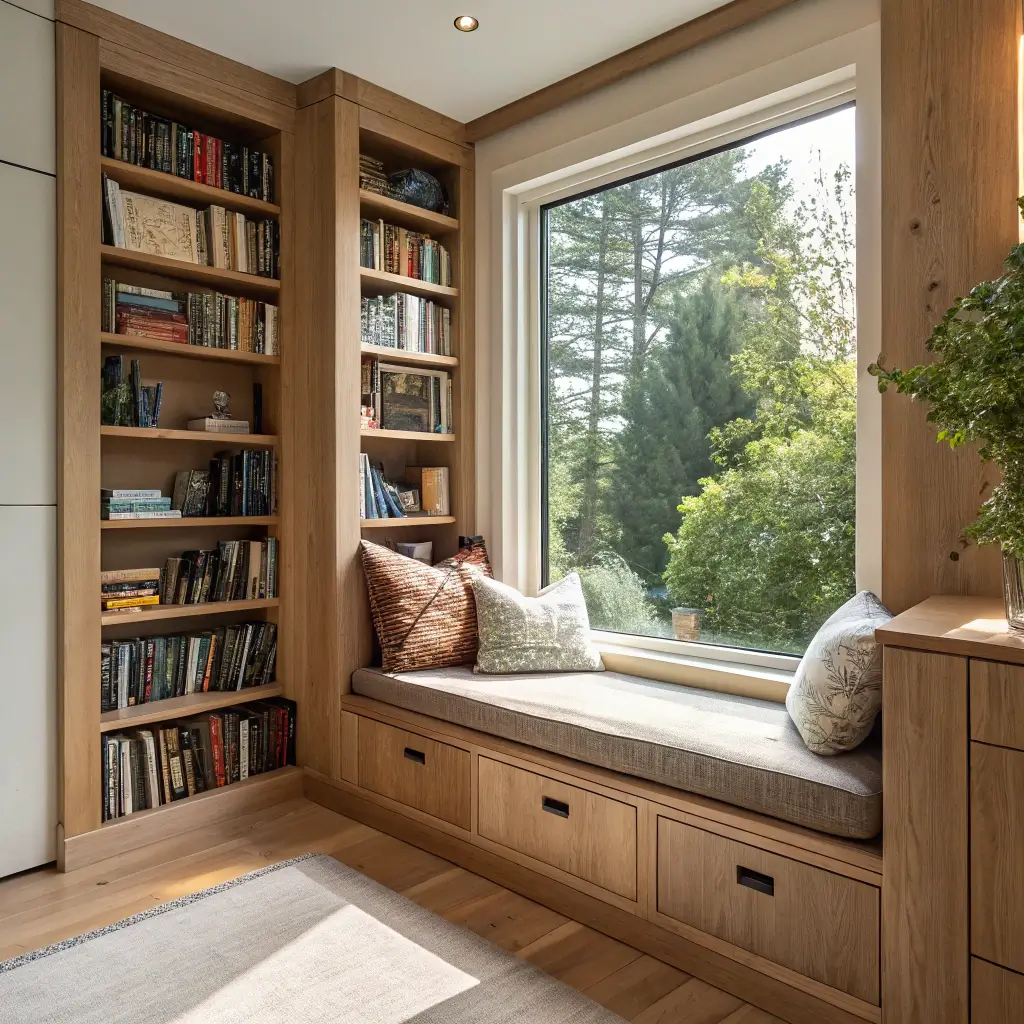
Whoever invented window seat bookshelves deserves a medal. You’re combining storage, seating, and the perfect reading spot all in one gorgeous package. It’s basically the holy trinity of cozy spaces.
Building shelves around and under a window seat transforms dead space into the most coveted spot in your house. Picture this: sunlight streaming in while you’re surrounded by books, cushioned seat beneath you, cup of coffee within reach. Are you relaxed yet?
Creating Your Reading Paradise:
The construction requires some planning though. You need to ensure proper support for both the books and anyone sitting on the bench. I reinforced mine with brackets every 18 inches, and trust me, you don’t want to skip this step. Nothing ruins reading time like your seat collapsing.
My window seat holds about 200 books in the surrounding shelves, plus hidden storage inside the bench for even more. It’s become the spot where everyone gravitates during parties, probably because it makes them look intellectual without trying.
Geometric Pattern Bookshelves
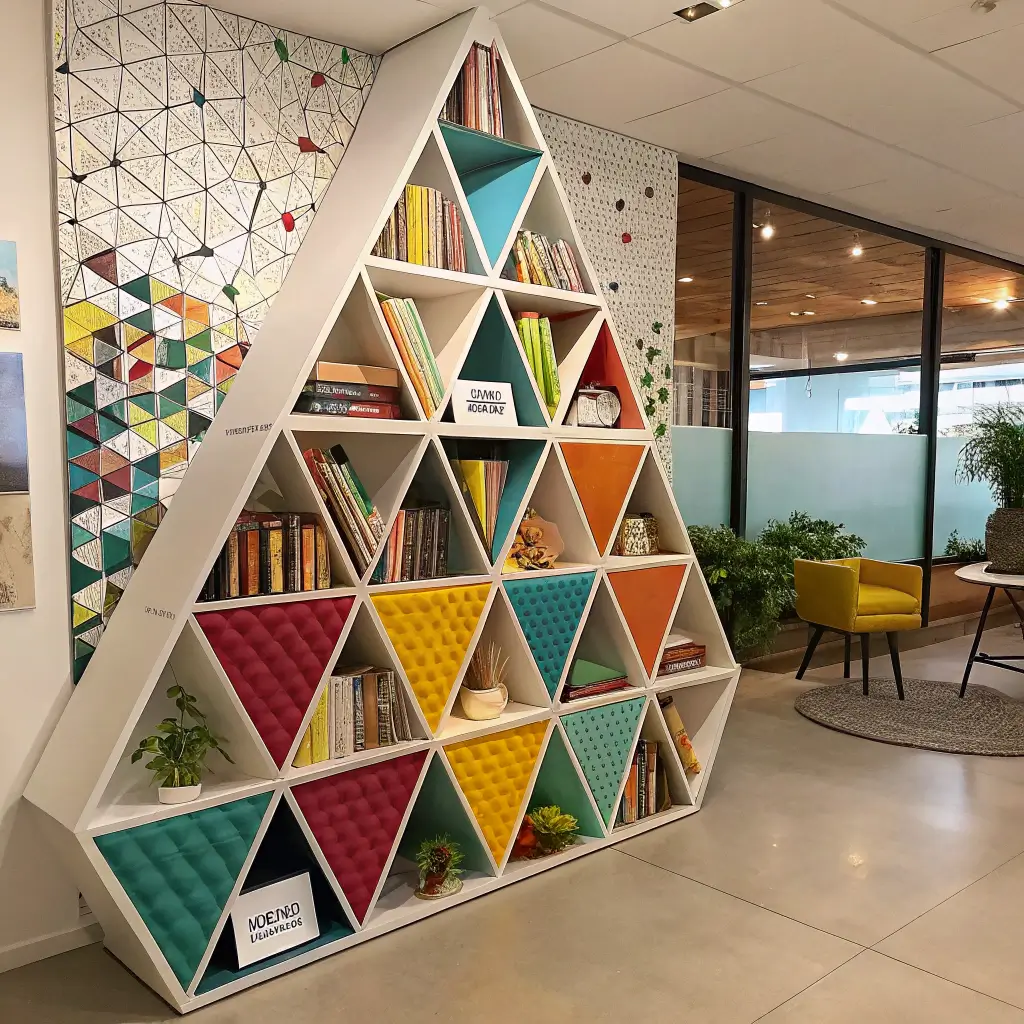
Triangles, hexagons, diamonds – oh my! Geometric bookshelves turn your wall into a modern art installation that happens to be functional. These aren’t just shelves; they’re sculptural elements that make your books look like they’re part of some elaborate design scheme.
I went with a honeycomb pattern in my home office, and now organizing books feels like solving a puzzle. Each hexagon holds different sized books, creating this organic, flowing look across the wall. The negative space between shapes is just as important as the shelves themselves.
Why geometric shelves work:
- Creates visual rhythm that draws the eye around the room
- Breaks up the monotony of traditional rectangular shelving
- Makes even a small book collection look substantial
- Instant conversation starter (prepare to explain how you hung them)
Also Read: 15 Beautiful Small Apartment Christmas Decor Ideas on a Budget
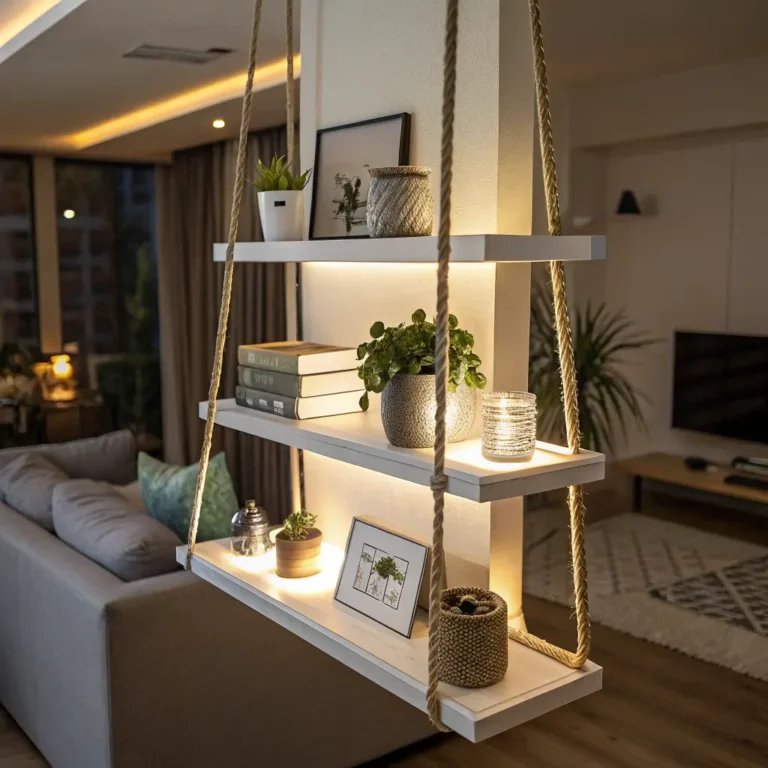
Hanging Rope Bookshelves

Want something with serious boho vibes? Hanging rope bookshelves bring that relaxed, beachy feel indoors while keeping your books organized. Think wooden planks suspended by thick rope from ceiling hooks or wall mounts.
The natural movement of these shelves adds life to your space – they sway slightly when you grab a book, reminding you that not everything needs to be rigid and perfect. I installed mine in the guest room, and everyone comments on how it makes the space feel like a boutique hotel.
Rope Shelf Realities:
Here’s the thing though – these aren’t for heavy book collections. My complete Stephen King hardcover set? That stays on the sturdy shelves. The rope shelves get paperbacks, small plants, and lighter decorative items. Physics isn’t just a suggestion here, folks.
The installation process is simpler than you’d think:
- Drill holes in your wooden boards
- Thread rope through and tie secure knots underneath
- Hang from ceiling hooks rated for the weight
- Level everything (this takes patience)
Vintage Ladder Bookshelf with Wheels
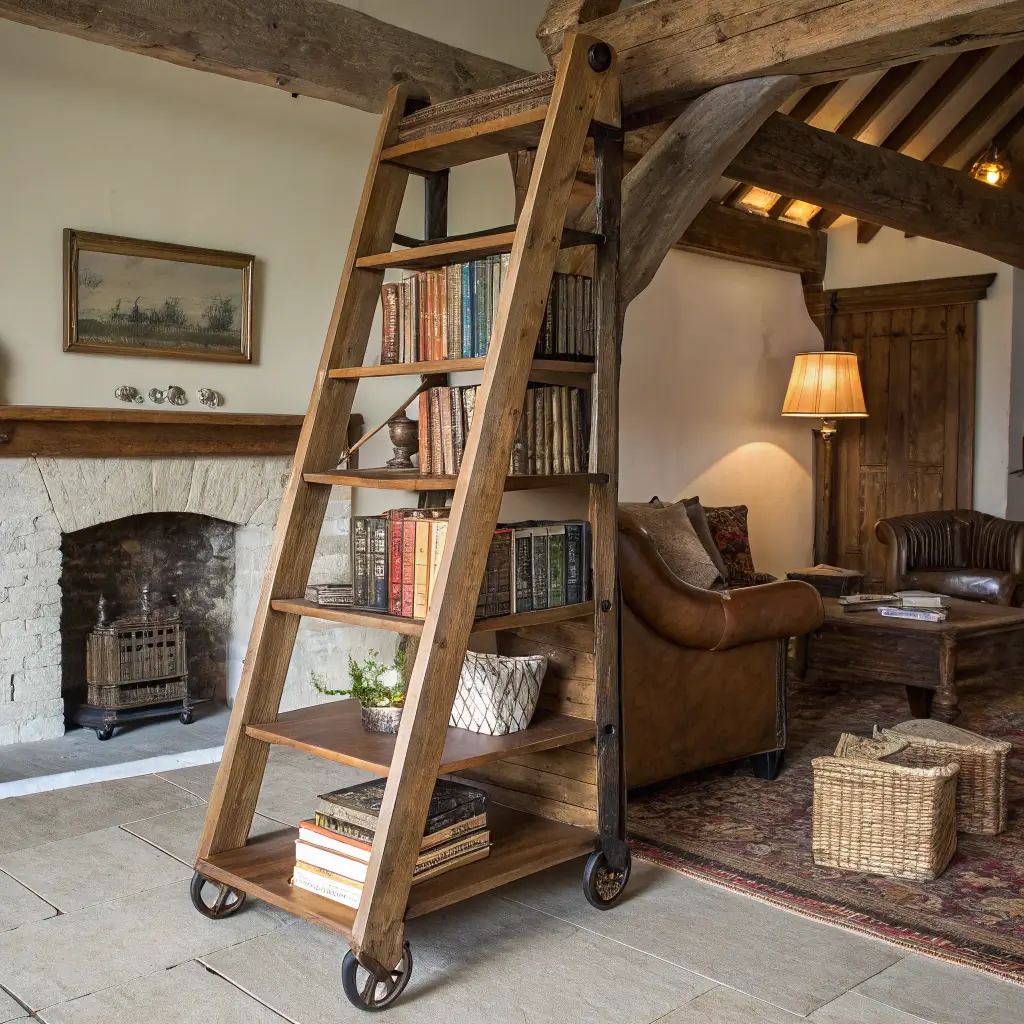
Old ladder + some wheels + a bit of creativity = mobile vintage bookshelf magic. I found an old orchard ladder at an estate sale, slapped some casters on the bottom, and boom – instant moveable library.
The weathered wood brings instant character that you can’t fake (though people certainly try). Each rung becomes a shelf, and the angled design means books lean back naturally without bookends. The wheels mean you can roll your entire collection wherever you need it – from living room to bedroom to that perfect sunny spot.
Pro tip: Make sure your wheels lock. I learned this after my ladder bookshelf decided to take itself for a midnight stroll across my slightly slanted floor. Not fun.
Asymmetrical Modern Wall Shelves
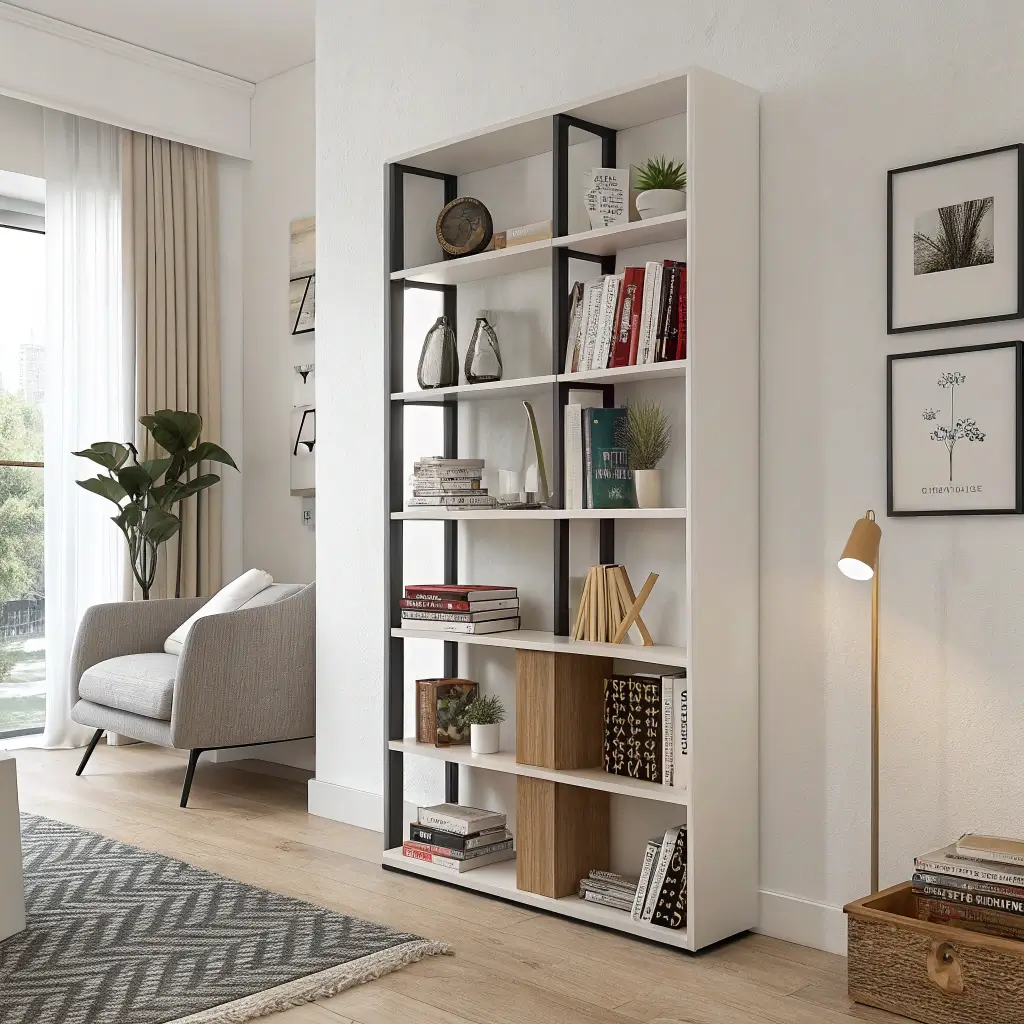
Symmetry is overrated. Asymmetrical shelving throws conventional balance out the window and creates dynamic, eye-catching displays that keep people guessing. No two shelves at the same height, varying lengths, unexpected angles – it’s controlled chaos at its finest.
I arranged mine in a seemingly random pattern that actually took three hours to perfect (but nobody needs to know that). The result looks effortlessly artistic, like I just threw shelves on the wall and they happened to land perfectly.
Asymmetrical Design Tips:
The secret to good asymmetrical design? There’s still balance, just not obvious balance. You’re creating visual weight that feels right even if it doesn’t match. Heavy elements on one side balance multiple lighter elements on the other. It’s like design jazz – you know it works when it feels right.
My setup includes:
- Five shelves of different lengths
- Staggered heights that create movement
- Mix of horizontal and slightly angled placements
- Books arranged by height to enhance the asymmetry
Bookcase Room Divider
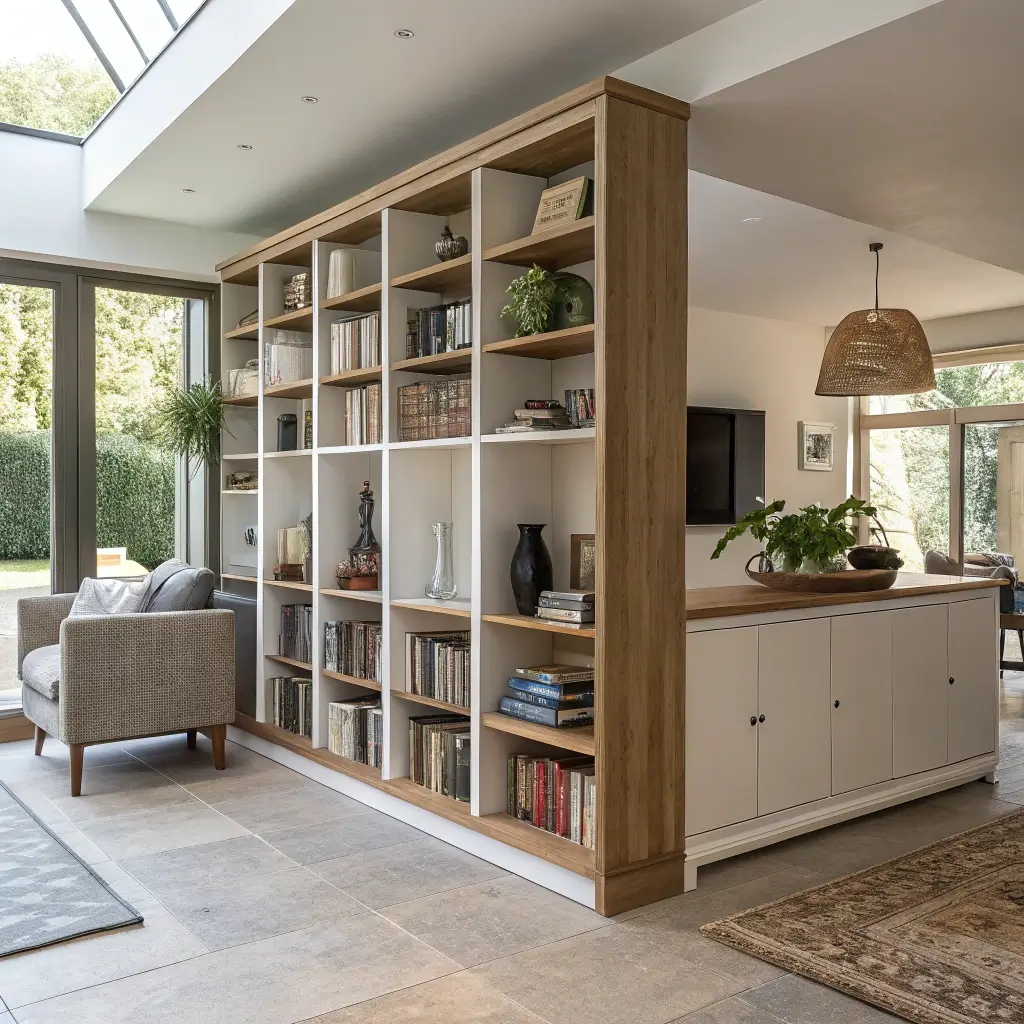
Open floor plans are great until you realize you’re trying to sleep while someone’s watching TV ten feet away. Enter the bookcase room divider – the hero we all need. These double-sided units create separate zones without building actual walls.
My studio apartment went from “one big mess” to “organized living space” with a single room divider bookcase. Books face both directions, creating two distinct areas while maintaining visual flow. Light still passes through, but you get the psychological separation that makes spaces feel intentional.
Why divider bookcases rule:
- Define spaces without permanent construction
- Access from both sides doubles your display space
- Can be moved when you reconfigure your layout
- Makes small spaces feel larger by creating distinct zones
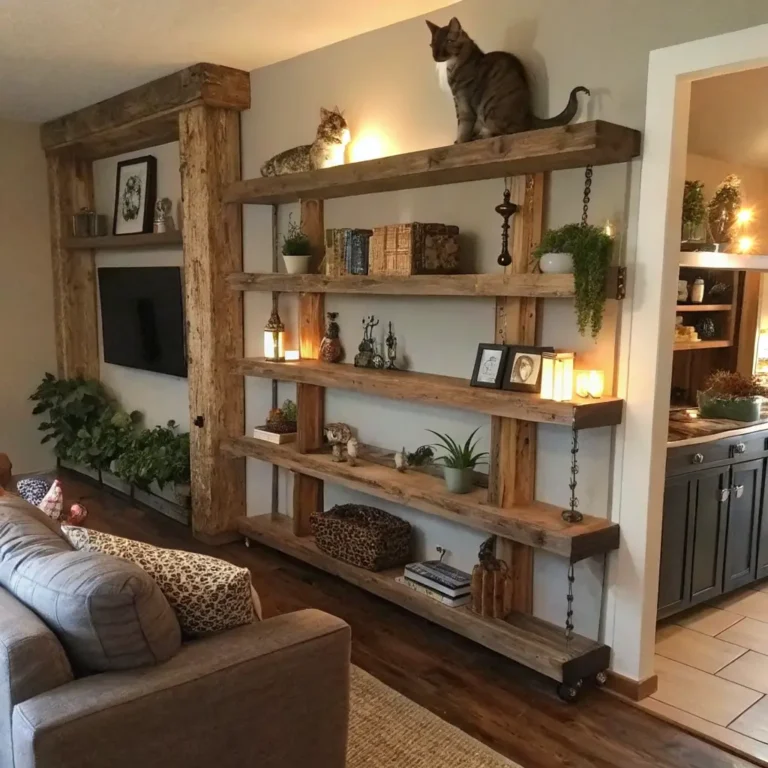
Reclaimed Wood Rustic Shelves
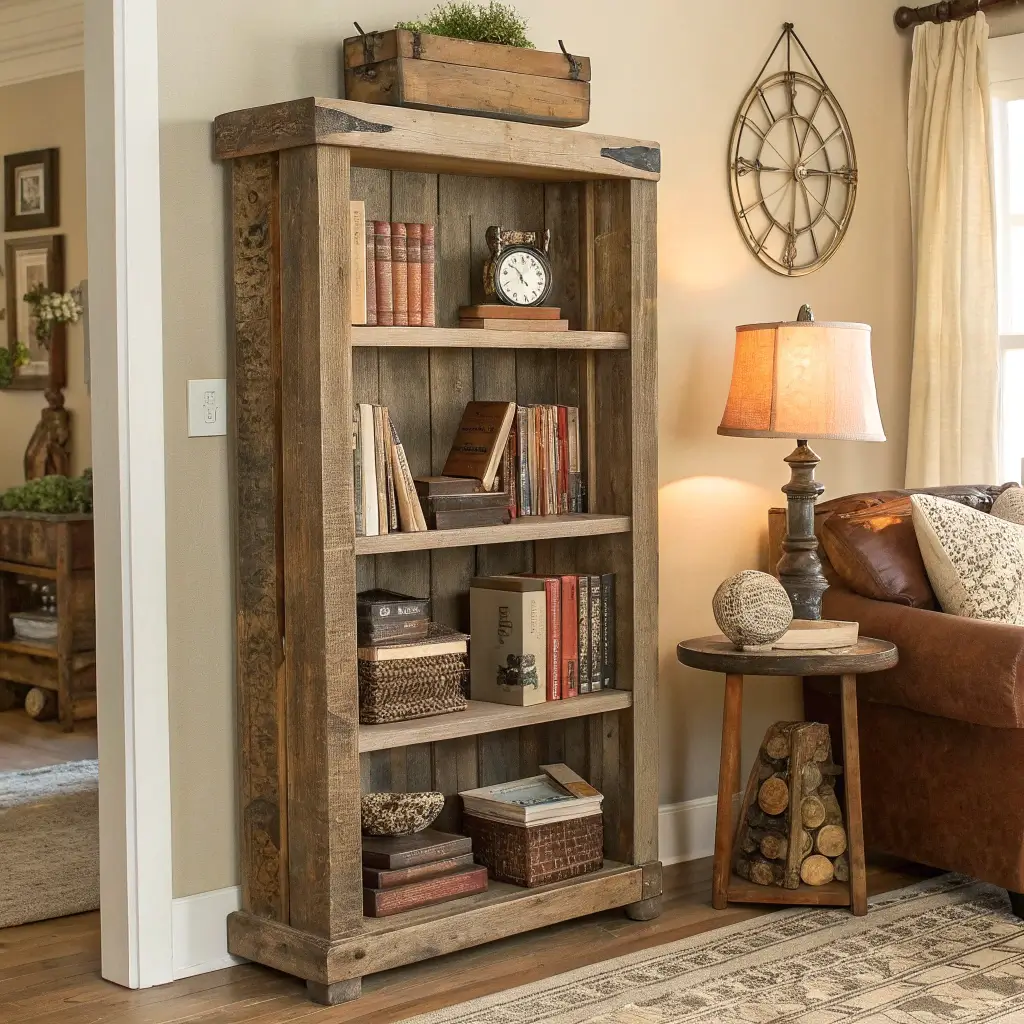
Nothing says “I have impeccable taste and probably shop at farmers markets” like reclaimed wood shelves. Each piece tells a story – barn wood, old fence planks, salvaged floorboards – bringing instant warmth and history to your space.
I scored some 100-year-old barn wood from a demolition site (legally, I promise), and those shelves have more character than most people I know. The natural weathering, nail holes, and saw marks aren’t flaws – they’re features that make each shelf unique.
Working with Reclaimed Wood:
Fair warning: Reclaimed wood requires prep work. You’ll need to:
- Clean thoroughly (who knows where it’s been)
- Check for pests (termites are not welcome houseguests)
- Sand rough spots (splinters aren’t aesthetic)
- Seal to preserve the wood and prevent further deterioration
The effort pays off though. My reclaimed shelves get more compliments than anything else in my house, probably because they look expensive but cost almost nothing.
Circular Wall-Mounted Bookshelves
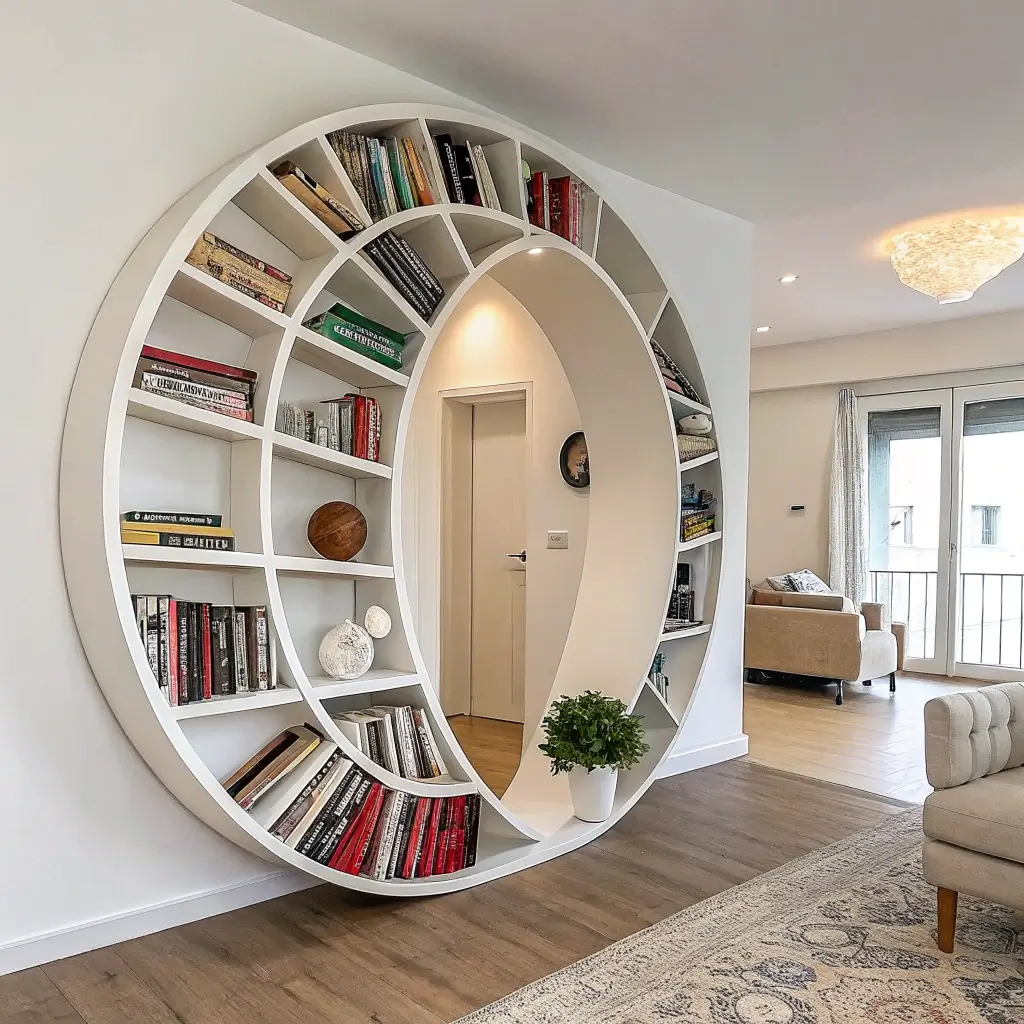
Last but definitely not least, circular bookshelves bring curves to a world dominated by straight lines. These round shelves create soft, organic shapes on your walls while providing surprising amounts of storage.
Picture a large circle (or several circles) mounted on your wall, with internal dividers creating pie-slice compartments for books. Some designs spiral inward, others have concentric rings – either way, you’re getting something that looks more like art than furniture.
I installed three different-sized circles in an overlapping pattern, and the effect is mesmerizing. Books radiate outward like rays of the sun, creating this burst of literary energy on my wall. Is it the most space-efficient option? Definitely not. Does it make my reading corner look like a portal to another dimension? Absolutely.
Making Your Choice Work
So there you have it – fifteen ways to store your books without resorting to sad, leaning stacks on the floor. The key is choosing something that fits your space, style, and actual reading habits. That tree shelf might look amazing on Pinterest, but if you’ve got 500 books to store, maybe start with those industrial pipes instead.
Remember, the best bookshelf is one that makes you want to display your books, not hide them in boxes. Whether you go minimal with floating shelves or full dramatic with geometric patterns, make sure it reflects your personality. After all, your books say a lot about you – shouldn’t your shelves do the same?
Now if you’ll excuse me, I need to go reorganize my color-coded book rainbow for the third time this week. Don’t judge – we all have our things, right?