10 Elegant Clinic Interior Design Ideas That Wow Patients

Let’s face it – nobody actually enjoys going to the doctor. But what if I told you that the right clinic interior design could change that whole vibe? Yeah, I’m serious! After spending way too much time in waiting rooms (thanks, chronic back pain), I’ve seen the good, the bad, and the downright depressing when it comes to medical spaces.
You know that feeling when you walk into a clinic and immediately want to turn around? That sterile smell, those flickering fluorescent lights, and don’t even get me started on those plastic chairs that make your back ache worse than whatever brought you there.
Well, smart clinic design changes everything, and I’m here to share some killer ideas that actually work.
Minimalist Modern Clinic Layout
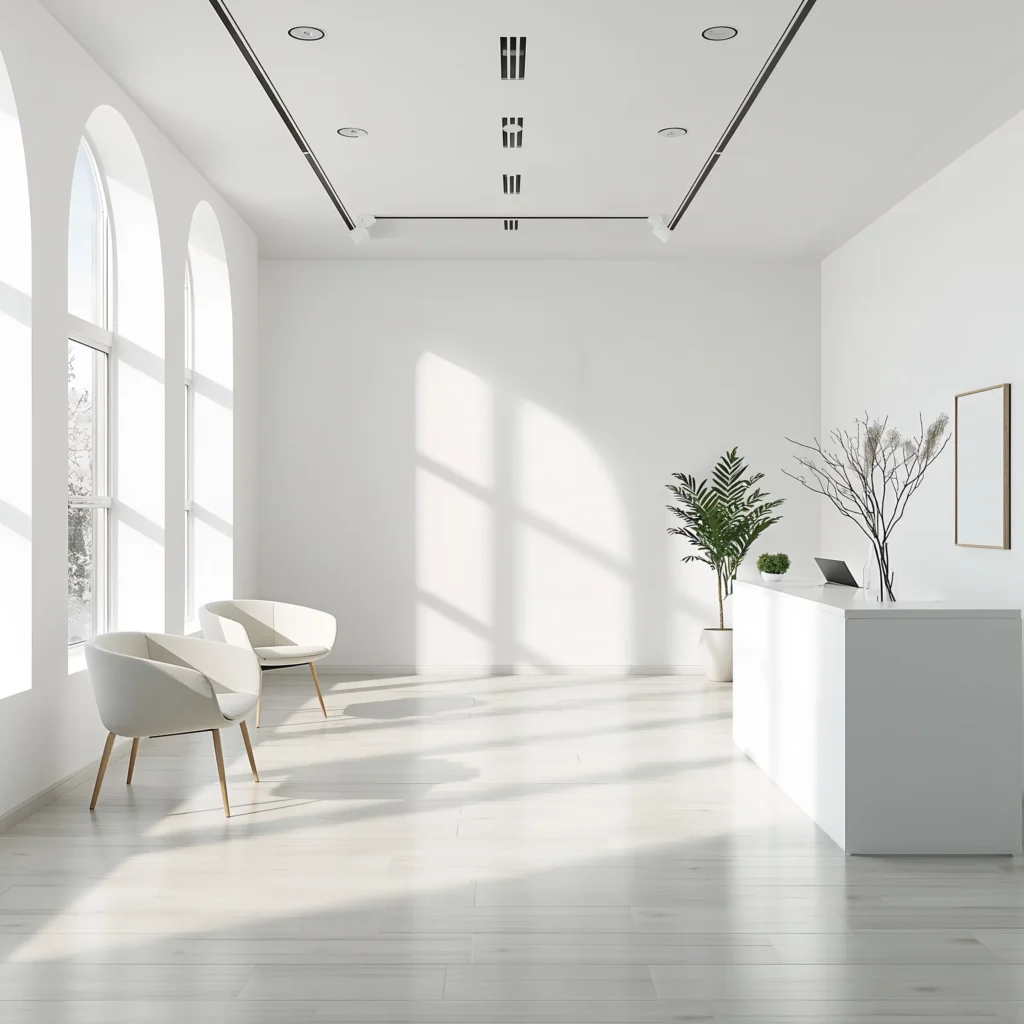
Remember when minimalism was just for hipster apartments? Well, it’s taking over the medical world, and honestly, it’s about time. A minimalist modern clinic layout strips away all the unnecessary clutter that makes traditional medical spaces feel overwhelming.
I recently visited a clinic in downtown that nailed this concept perfectly. Walking in felt more like entering a high-end spa than a medical facility. They’d ditched those awful medical posters for clean, white walls with subtle texture. The reception desk? A sleek piece of white marble that practically whispered “we’ve got our stuff together.”
What makes minimalist design work so well in clinics? For starters, it creates this instant sense of calm. Your brain doesn’t have to process a million different visual elements while you’re already stressed about your appointment. Plus, keeping things simple makes the space easier to clean – and FYI, that’s pretty crucial in healthcare settings.
Key Elements for Minimalist Success:
- Clean lines and geometric shapes throughout the space
- Neutral color palettes (think whites, grays, and soft beiges)
- Hidden storage solutions to maintain that clutter-free look
- Statement lighting fixtures that double as art pieces
- Limited but high-quality furniture pieces
The trick here isn’t just removing stuff randomly. You need to be intentional about every single element you keep. That one piece of abstract art on the wall? It better earn its place. Those chairs in the waiting area? They should be so comfortable that patients forget they’re waiting.
Nature-Inspired Healing Spaces
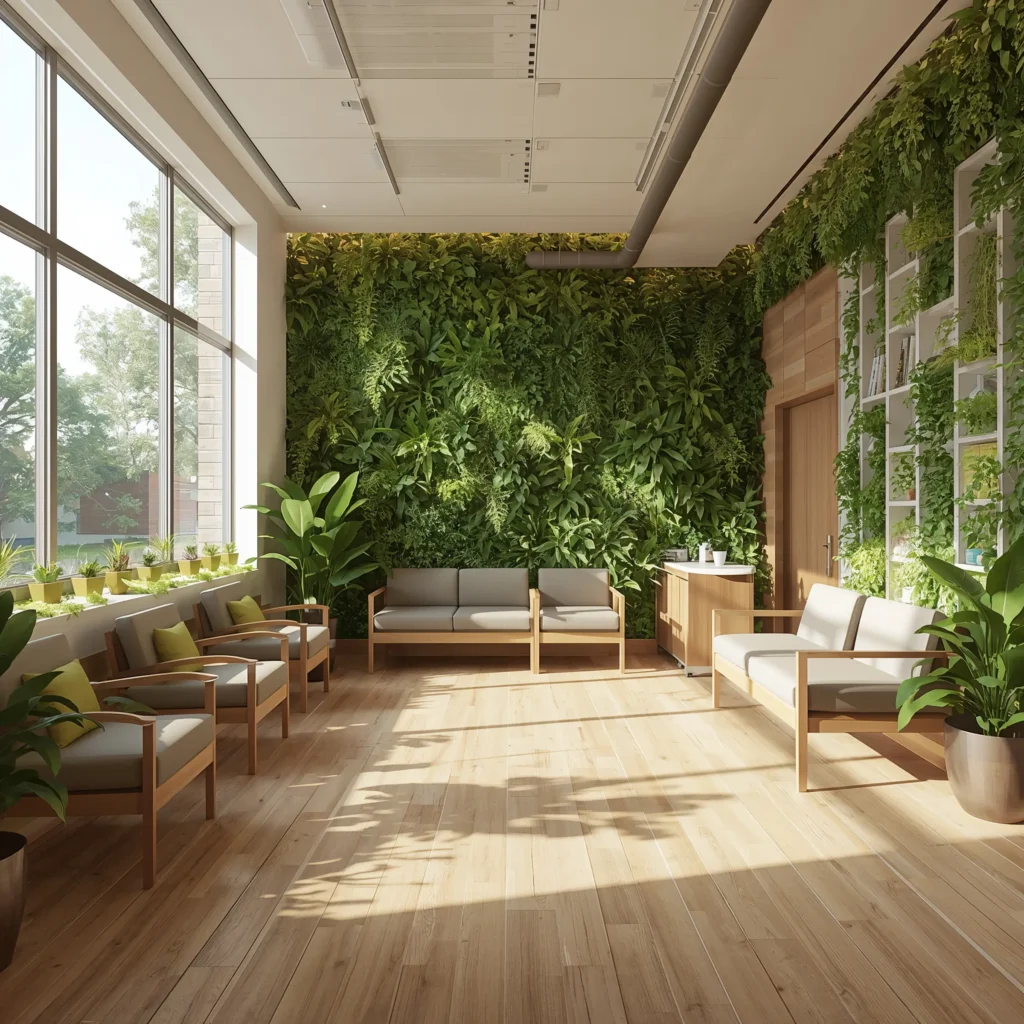
Ever noticed how you instantly relax when you’re surrounded by nature? Clinics are catching on to this, and nature-inspired healing spaces are becoming the new standard for forward-thinking medical facilities.
I’m talking about more than just slapping a fake fern in the corner and calling it a day. Real nature-inspired design brings the outdoors inside in meaningful ways. Think living walls covered in real plants, water features that create soothing background sounds, and materials like wood and stone that connect us to the natural world.
One orthopedic clinic I visited last year had this incredible vertical garden in their waiting area. Not only did it look amazing, but the air quality was noticeably better. They told me their patient satisfaction scores jumped 30% after the renovation. Coincidence? I think not.
Natural Elements That Actually Work:
- Living walls or green walls (yes, they’re different things)
- Natural light maximization through skylights or large windows
- Wood grain finishes on furniture and fixtures
- Stone accent walls or flooring
- Water features like small fountains or aquariums
The psychological benefits here are real. Studies show that exposure to natural elements reduces stress hormones and lowers blood pressure. Isn’t that exactly what you want in a medical setting?
Compact Yet Functional Clinic Design
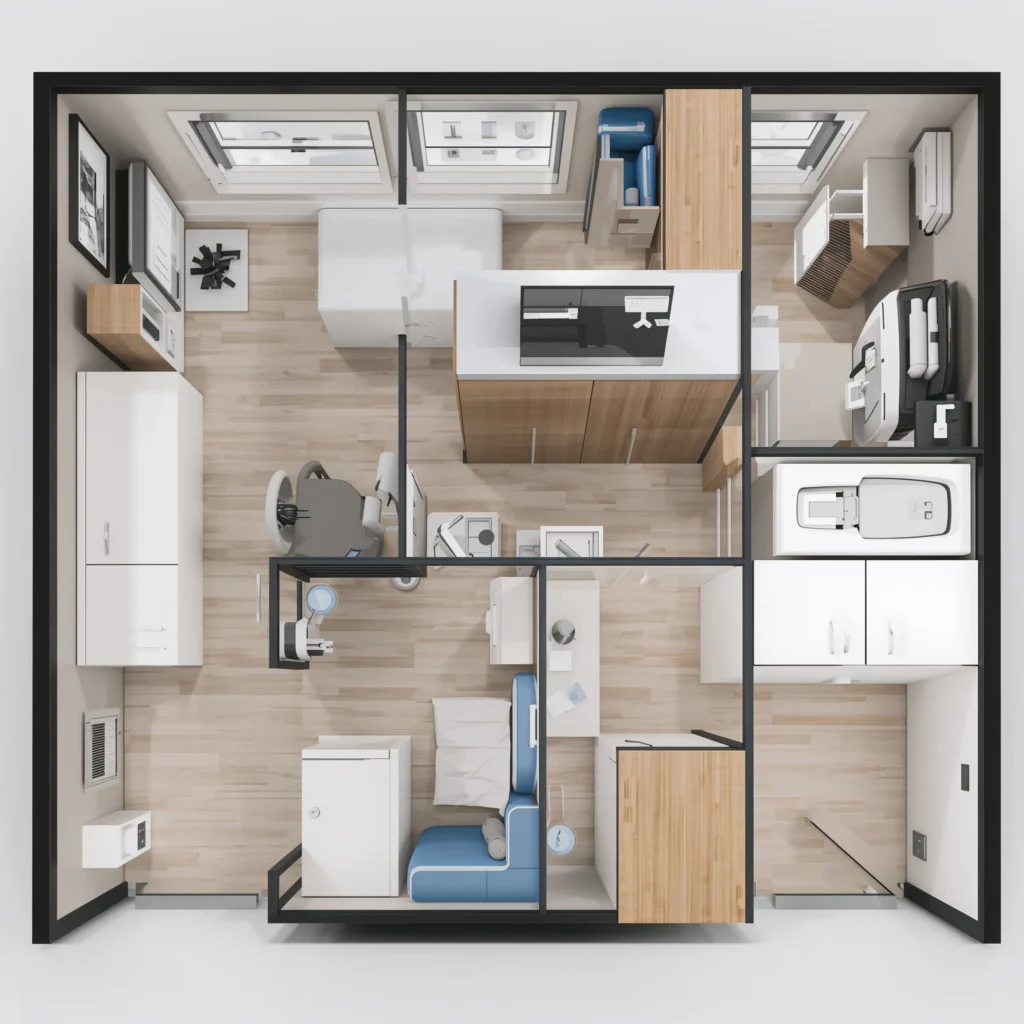
Not every clinic has the luxury of sprawling square footage, but small spaces can pack a serious punch when designed right. I’ve seen 800-square-foot clinics that feel more spacious than ones triple their size.
The secret sauce? Multi-functional everything. That examination bed doubles as storage underneath. The consultation desk folds into the wall when not needed. Even the artwork serves a purpose – maybe it’s actually a hidden cabinet for supplies.
Smart Space-Saving Solutions:
- Modular furniture that adapts to different needs
- Wall-mounted everything (seriously, get those items off the floor)
- Sliding doors instead of traditional swing doors
- Vertical storage solutions reaching up to the ceiling
- Mirror placement to create illusion of space
One clever trick I love? Using glass partitions instead of solid walls. You maintain privacy with frosted patterns while keeping that open, airy feeling. Plus, natural light travels through the entire space instead of getting blocked by walls.
Also Read: 12 Chic Kitchen Interior Design Modern Ideas For Every Home
Bright and Airy Pediatric Clinic
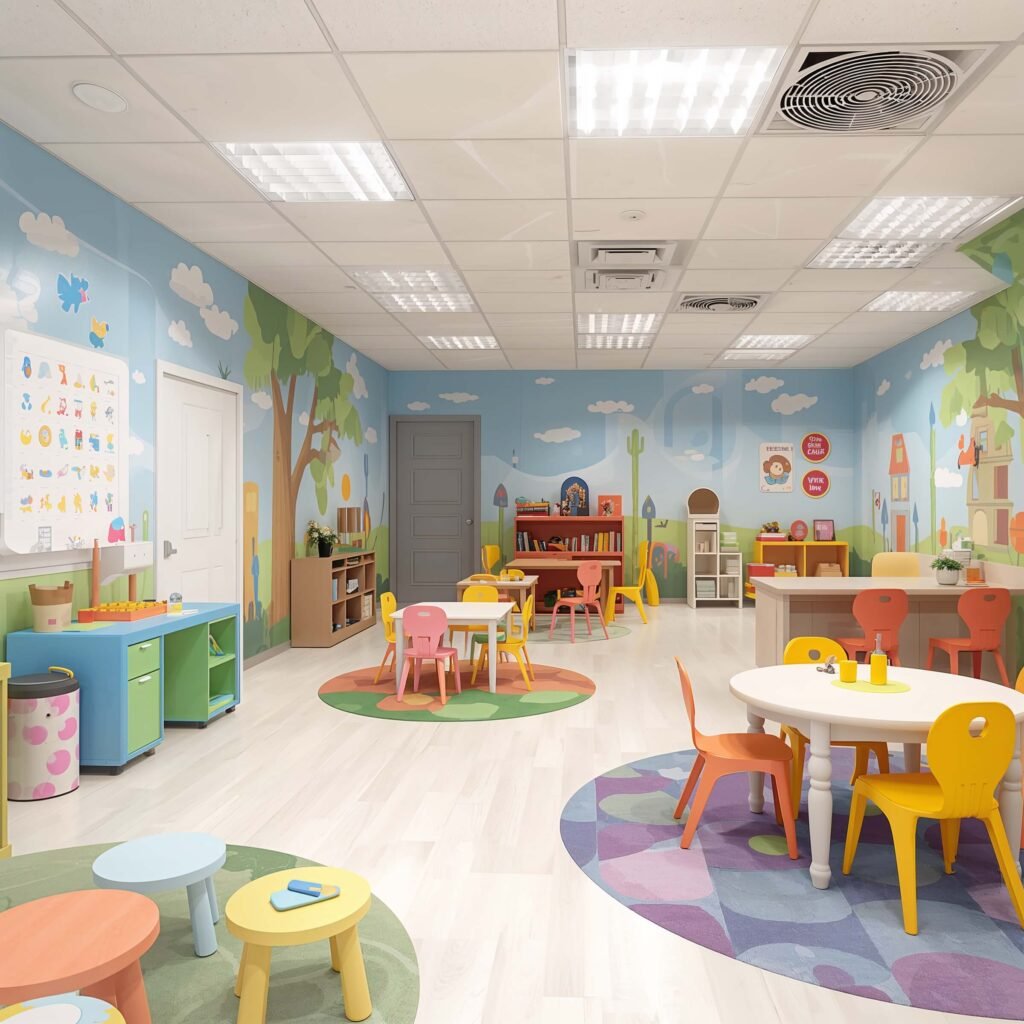
Kids and medical appointments – now there’s a combo that strikes fear into every parent’s heart. But pediatric clinics that nail their interior design can actually make kids excited to visit. Wild, right?
Forget those creepy clown murals from the ’90s. Today’s pediatric clinics create immersive experiences that distract and delight. I’m talking about waiting rooms that feel like playgrounds, examination rooms themed like underwater adventures, and ceilings painted like sky scenes complete with clouds.
The color psychology here is crucial. While adults might prefer calming neutrals, kids respond to strategically placed pops of color. Not overwhelming rainbow explosions, but thoughtful splashes of primary colors that create energy without chaos.
Kid-Friendly Design Elements:
- Interactive wall panels or games built into the design
- Height-appropriate furniture (because tiny humans need tiny chairs)
- Themed examination rooms (pirates, space, jungle – pick your adventure)
- Non-slip, easy-clean flooring that handles spills like a champ
- Rounded corners on all furniture (safety first!)
My niece’s pediatrician transformed their clinic into this amazing storybook theme. Each room represents a different fairy tale, and kids actually request specific rooms for their visits. The dentist down the street is probably wondering where all their patients went 🙂
Luxury Dental Clinic Interiors
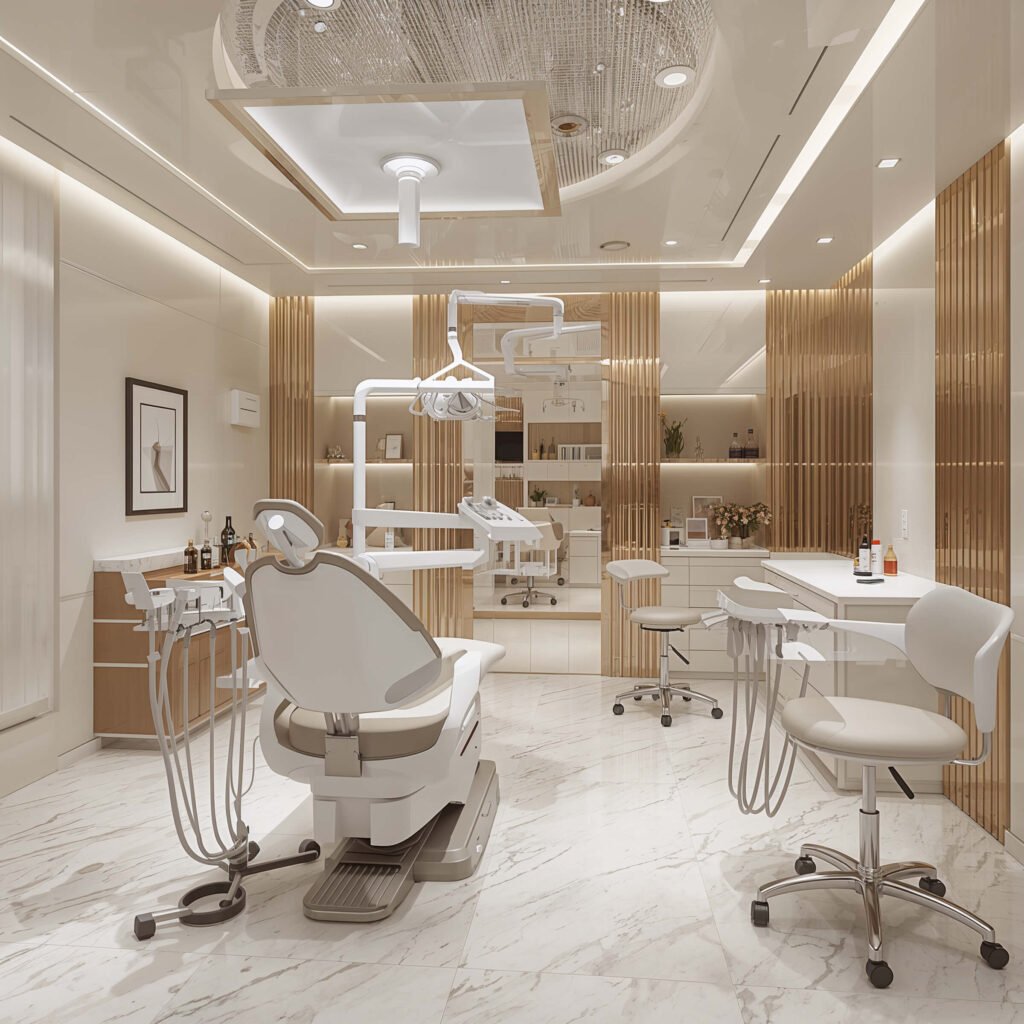
Who says dental clinics have to feel clinical? Luxury dental practices are redefining what patients expect, and honestly, it’s making the rest of the medical world take notice.
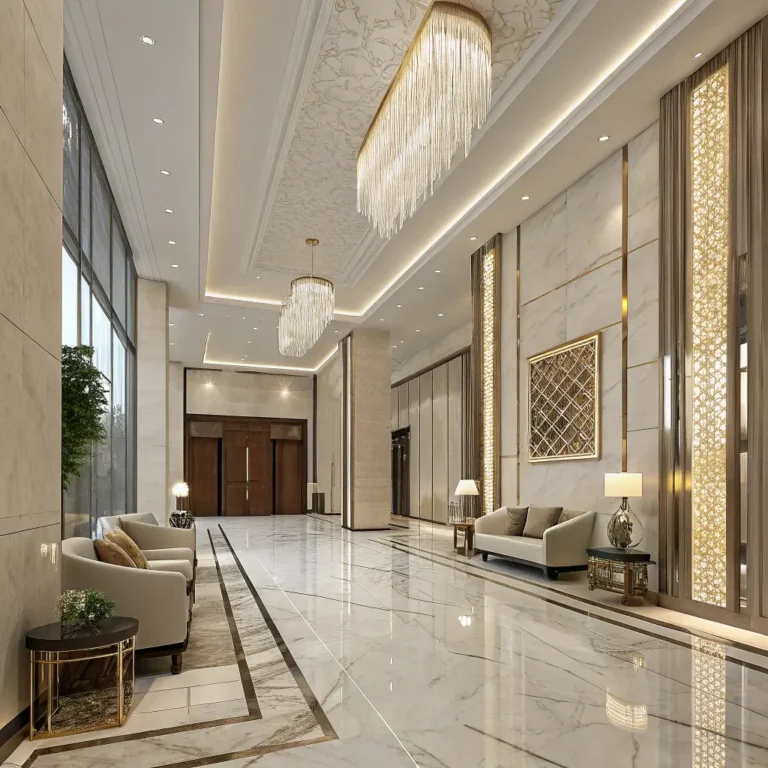
Picture this: You walk into a dental clinic that feels more like a five-star hotel lobby. There’s a coffee bar (with actual good coffee), leather seating that costs more than my car payment, and ambient lighting that makes everyone look good. Even the dental chairs look like they belong in a first-class cabin.
These upscale designs aren’t just about showing off. They’re strategically reducing dental anxiety by creating an environment that feels nothing like traditional dental offices. When patients feel like VIPs, they’re more relaxed, which makes procedures easier for everyone involved.
Luxury Elements That Matter:
- Premium materials like marble, hardwood, and leather
- Individual entertainment systems in treatment rooms
- Aromatherapy diffusers with calming scents
- Heated massage chairs in waiting areas
- Concierge-style reception services
The investment in luxury design often pays for itself through premium pricing and patient retention. People will literally pay more for the same filling if the experience feels premium.
Scandinavian Style Consultation Rooms
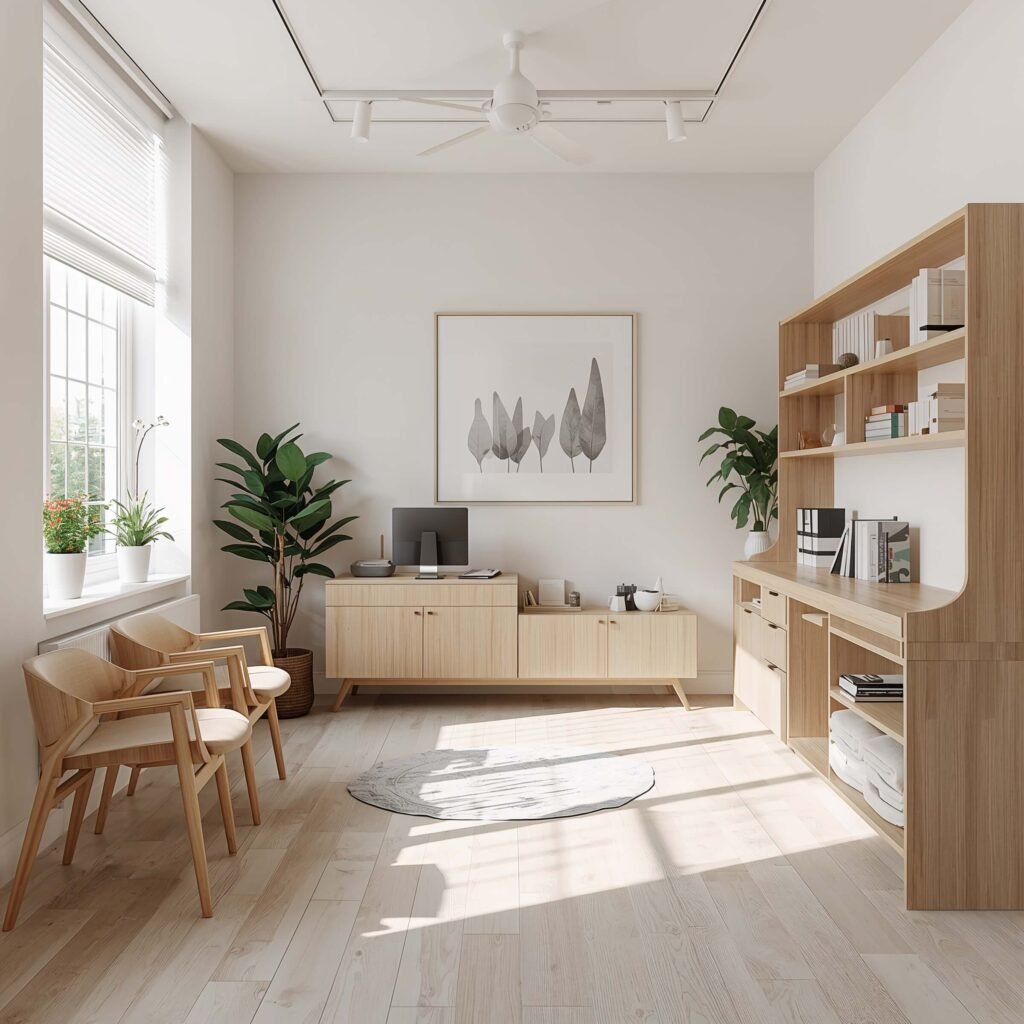
The Scandinavians know something about design that the rest of us are just catching up to. Scandinavian style consultation rooms blend functionality with comfort in ways that make patients and practitioners happy.
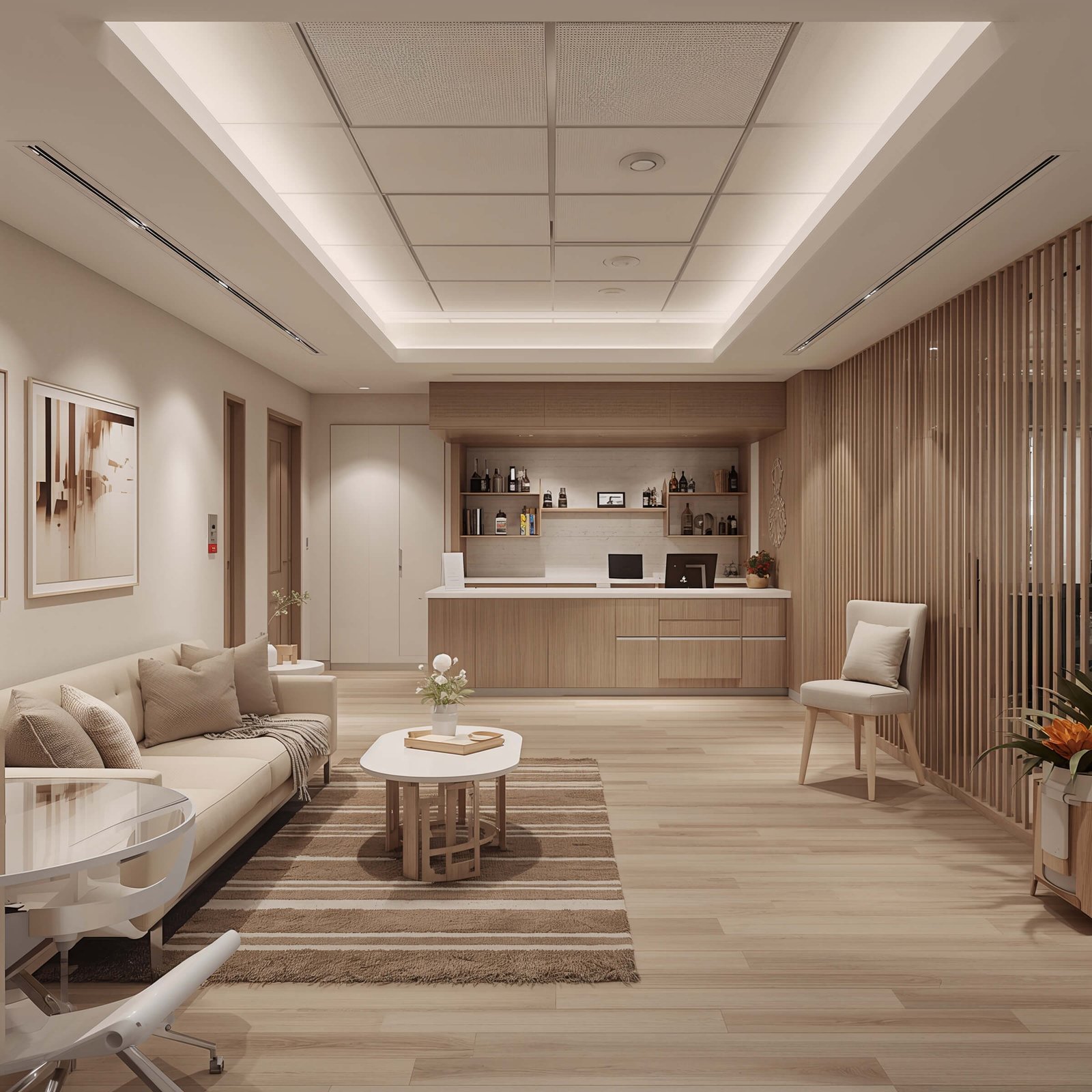
Think light wood tones, cozy textiles, and that perfect balance between minimalism and warmth. It’s like hygge met healthcare, and they had a beautiful baby. The style works particularly well for mental health practices, where creating a non-threatening environment is essential.
I consulted for a therapy practice that went full Scandi last year. They replaced their leather couches with soft gray fabric ones, added sheepskin throws, and installed these amazing pendant lights that cast the perfect warm glow. Their therapists reported that patients opened up more quickly in the redesigned spaces.
Essential Scandinavian Elements:
- Light wood furniture (birch, pine, or ash)
- Neutral color palettes with occasional muted color accents
- Plenty of natural light supplemented by warm artificial lighting
- Soft textiles and comfortable seating
- Simple, functional decor that serves a purpose
The beauty of Scandinavian design lies in its simplicity. You’re not overwhelming patients with design choices, but you’re also not leaving them in a sterile box.
Also Read: 10 Stunning Wardrobe Interior Design Ideas for Modern Homes
Futuristic High-Tech Clinic Design
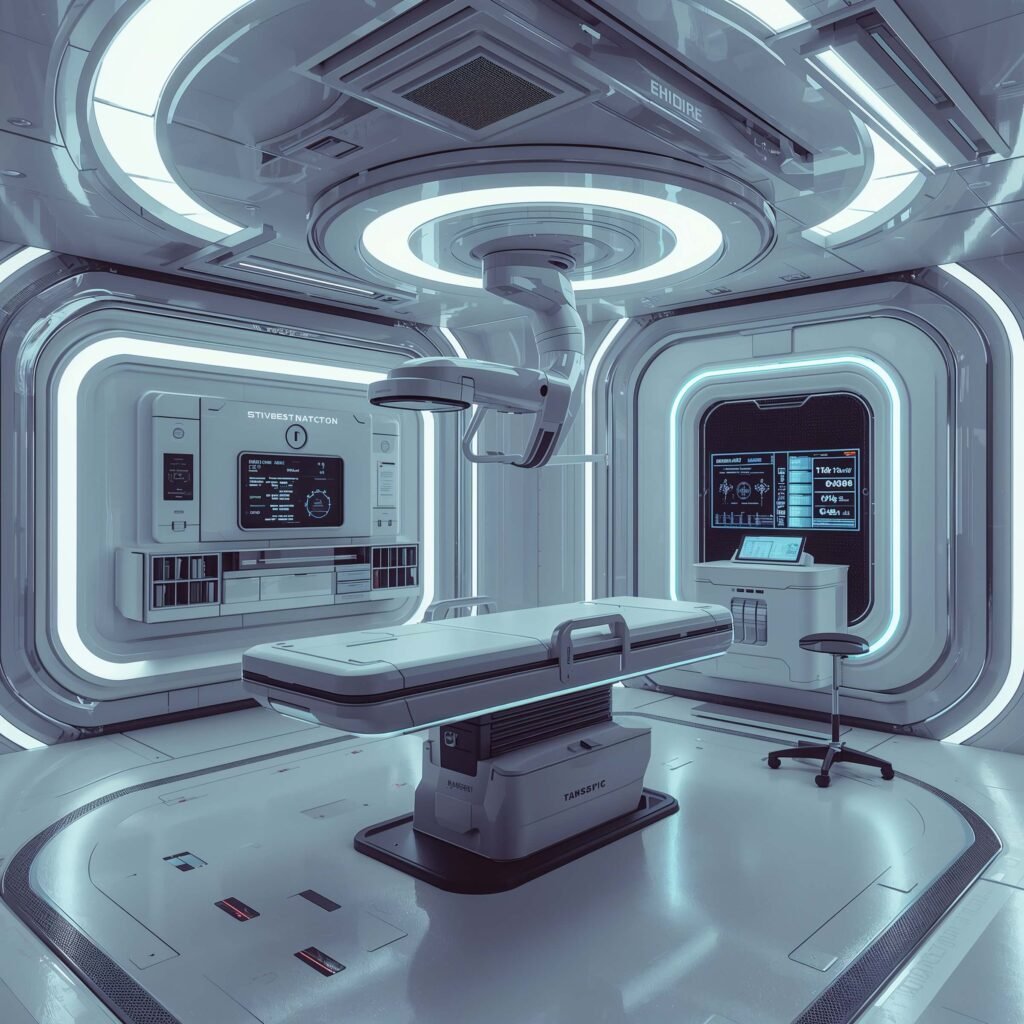
Welcome to the future, where clinics look like they belong in a sci-fi movie – in the best possible way. These high-tech havens integrate cutting-edge technology seamlessly into their design.
Digital check-in kiosks eliminate reception desks. Smart glass walls turn opaque for privacy at the touch of a button. LED panels in the ceiling simulate natural daylight patterns throughout the day. Some clinics even use holographic displays for patient education. IMO, this is where healthcare is heading, whether we’re ready or not.
Tech Features Worth Considering:
- Touch-screen walls for interactive patient education
- Automated lighting and climate control systems
- Digital art displays that change based on the time of day
- Voice-activated controls in examination rooms
- Integrated charging stations in all seating areas
One clinic I visited had examination rooms where the entire wall became a display screen. Doctors could show X-rays, explain procedures with 3D models, or even distract nervous patients with nature scenes. Pretty cool, right?
Cozy Family Healthcare Center
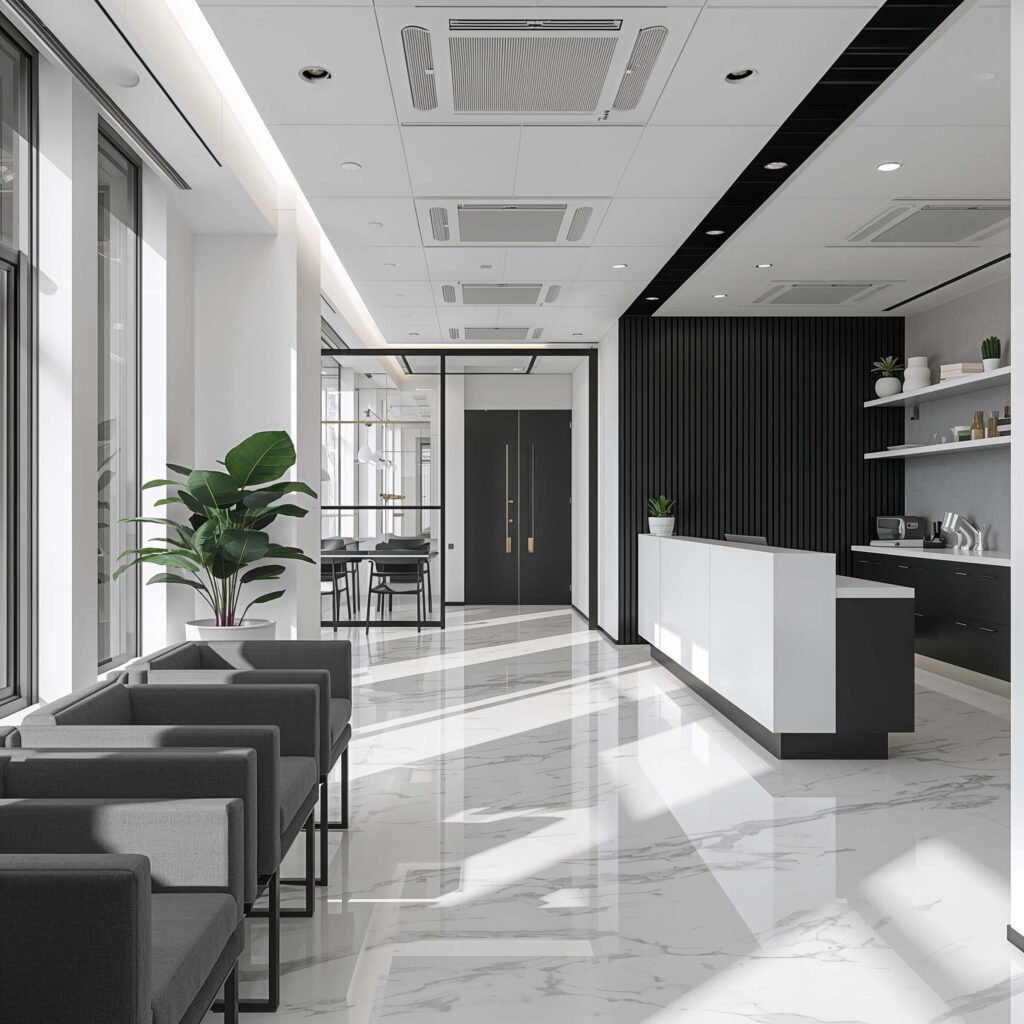
Family healthcare centers face a unique challenge – they need to appeal to everyone from newborns to grandparents. Creating a cozy, welcoming environment that feels like an extension of home makes all the difference.
These spaces ditch the institutional feel for something more residential. Think living room-style waiting areas with different seating zones, warm color palettes, and design elements that remind you of grandma’s house (in a good way).
The key here is creating distinct areas within the space. Maybe there’s a quiet corner with comfortable armchairs for elderly patients, a play area for kids, and a teen zone with charging stations and slightly edgier design elements.
Family-Friendly Design Features:
- Multiple seating arrangements to accommodate different group sizes
- Warm, earthy color schemes that appeal to all ages
- Family restrooms with changing tables and child-height sinks
- Reading nooks with books and magazines for all ages
- Soft, residential-style lighting instead of harsh fluorescents
Monochrome Professional Clinic Look
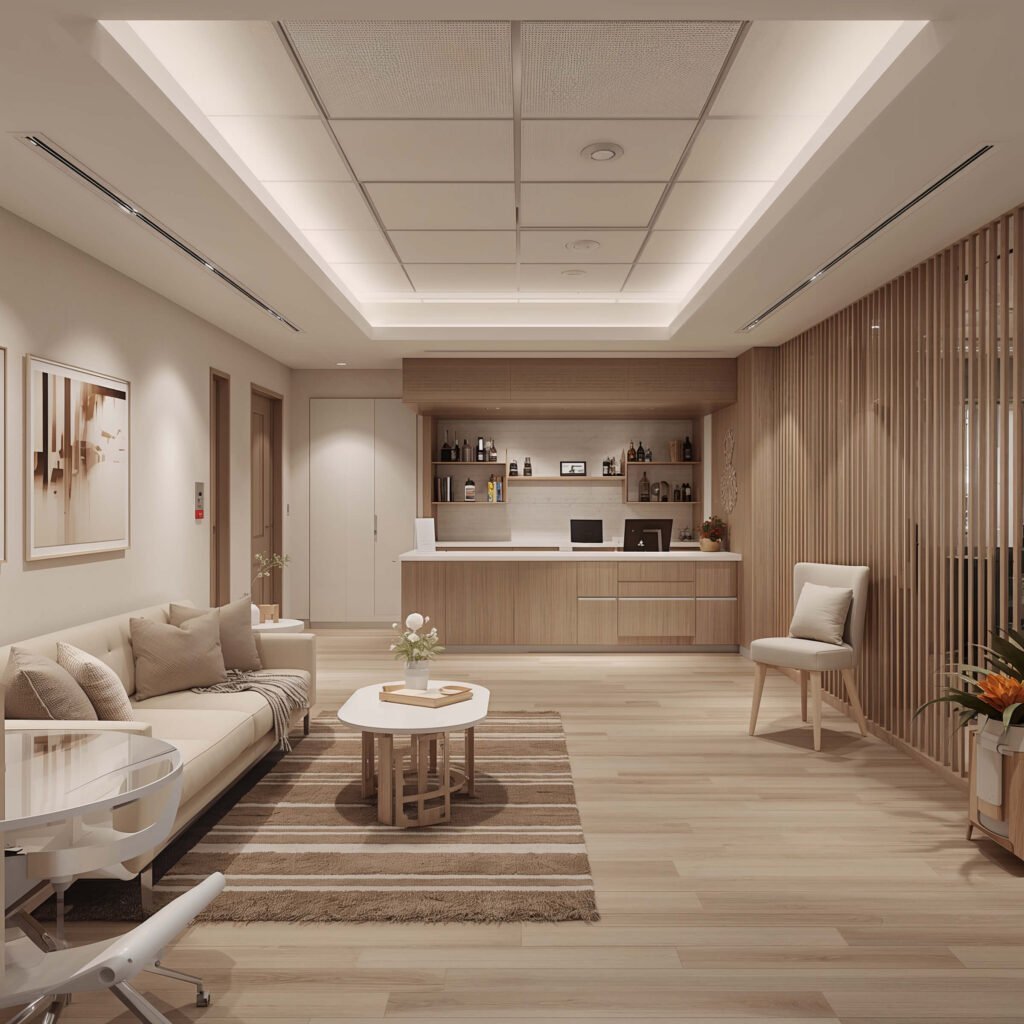
Sometimes, you want your clinic to scream professionalism, and nothing says “we mean business” quite like a well-executed monochrome design. But here’s the thing – monochrome doesn’t mean boring.
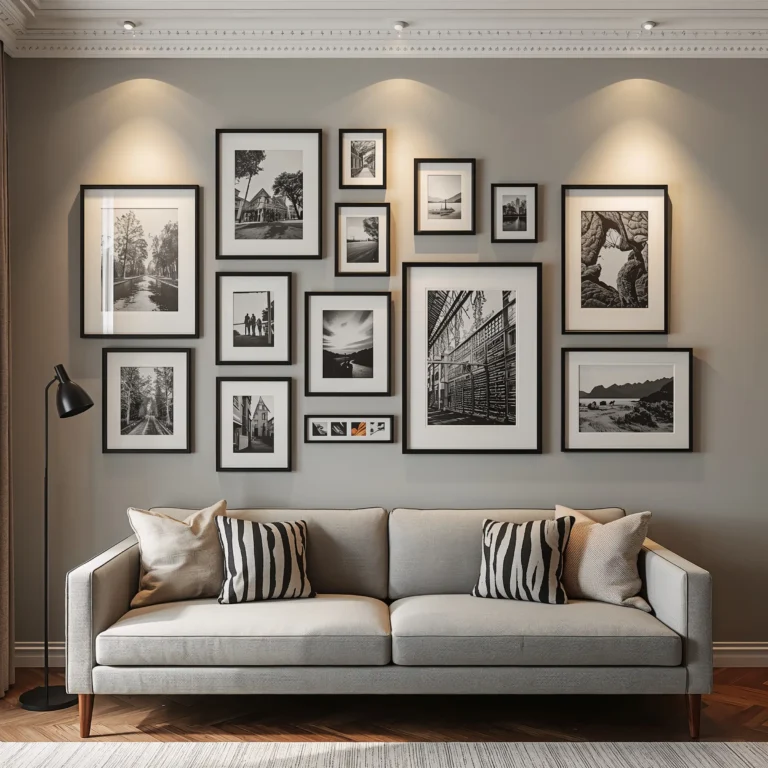
Playing with different shades of gray, various textures, and strategic use of black and white creates depth and interest without the distraction of color. It’s sophisticated, timeless, and particularly effective for specialist practices where patients expect a certain level of seriousness.
I worked with a cardiology practice that went full monochrome, and the results were stunning. They used different shades of gray to define zones, incorporated textured wall panels for visual interest, and added black metal accents for a modern edge.
Making Monochrome Work:
- Layer different textures to prevent flatness
- Use lighting to create warmth and prevent the space from feeling cold
- Incorporate patterns through tiles, textiles, or wall treatments
- Add plants as the only color accent (green works with everything)
- Choose furniture with interesting shapes to add visual variety
Also Read: 10 Stunning Small Office Interior Design Ideas to Maximize Space
Biophilic Design for Stress-Free Patients
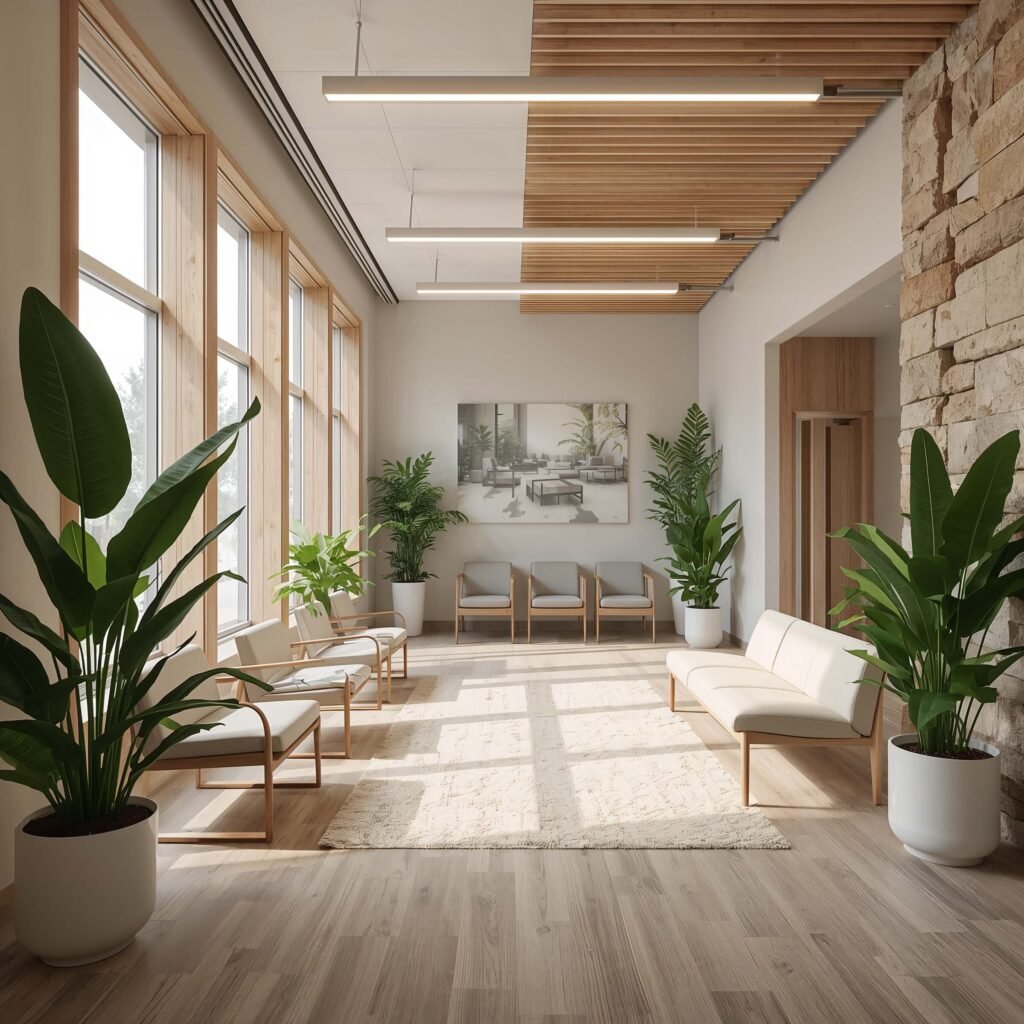
Last but definitely not least, let’s talk about biophilic design – basically, the art of making indoor spaces feel alive. This goes beyond just adding plants (though plants are definitely part of it).
Biophilic design recognizes our innate connection to nature and uses it to create healing environments. We’re talking about natural materials, organic shapes, natural light patterns, and yes, lots of greenery. The result? Patients who feel calmer, staff who are more productive, and spaces that literally feel healthier.
Studies show that biophilic elements can reduce stress by up to 37%, lower blood pressure, and even speed up recovery times. Those are stats that make both patients and insurance companies happy.
Biophilic Elements to Include:
- Living walls and indoor gardens (the real deal, not plastic)
- Natural materials like wood, stone, and bamboo
- Water features that create soothing sounds
- Natural light optimization and circadian lighting systems
- Organic patterns and shapes in design elements
- Views of outdoor green spaces whenever possible
One clinic I visited took this concept to the extreme with a full indoor garden in their central atrium. Patients could actually walk through it on their way to appointments. The transformation in patient mood was immediate and obvious.
Wrapping It Up
So there you have it – ten clinic interior design ideas that prove medical spaces don’t have to feel medical. Whether you’re drawn to the simplicity of minimalism, the warmth of Scandinavian style, or the innovation of high-tech design, the key is creating spaces that prioritize both function and feeling.
The best part? You don’t have to pick just one approach. Many successful clinics blend elements from different styles to create something uniquely their own. Maybe you want a minimalist base with biophilic accents, or a Scandinavian-inspired space with high-tech features. The possibilities are endless when you start thinking outside the traditional medical box.
Remember, your clinic’s design is often a patient’s first impression of your practice. It sets expectations, influences mood, and can even impact treatment outcomes. That’s a lot of pressure for some furniture and paint choices, but when you get it right, the impact is incredible.
Next time you walk into a medical space, really look around. Notice what works and what doesn’t. Feel how the environment affects your mood. Because at the end of the day, great clinic design isn’t about following trends – it’s about creating spaces where healing can happen, both physically and emotionally. And honestly, isn’t that what healthcare should always be about?