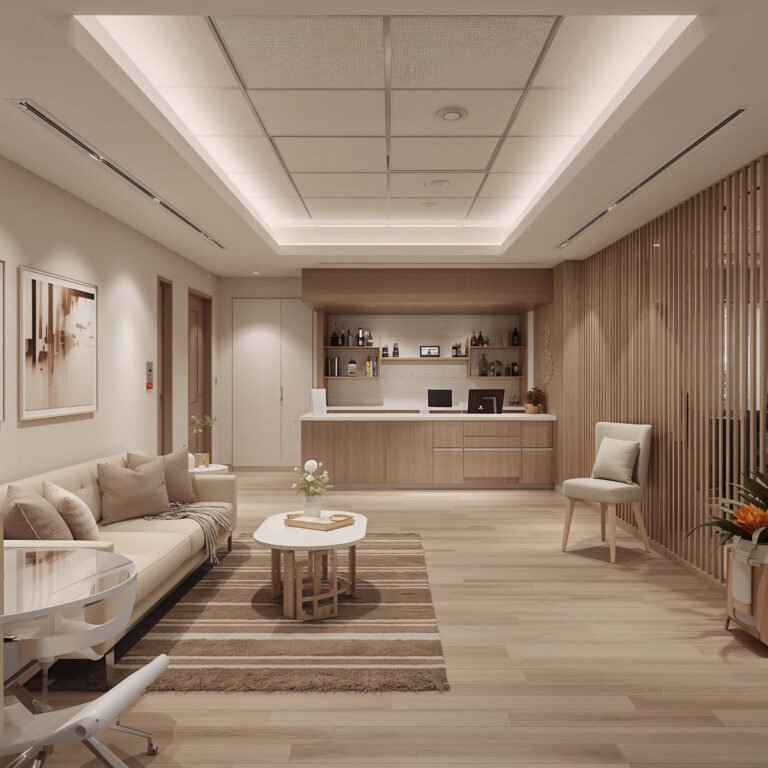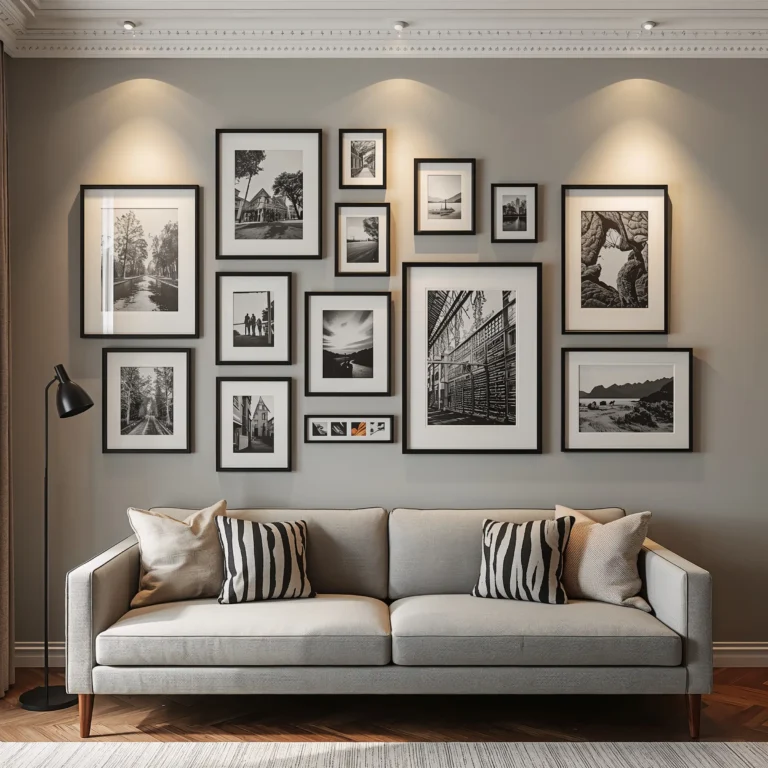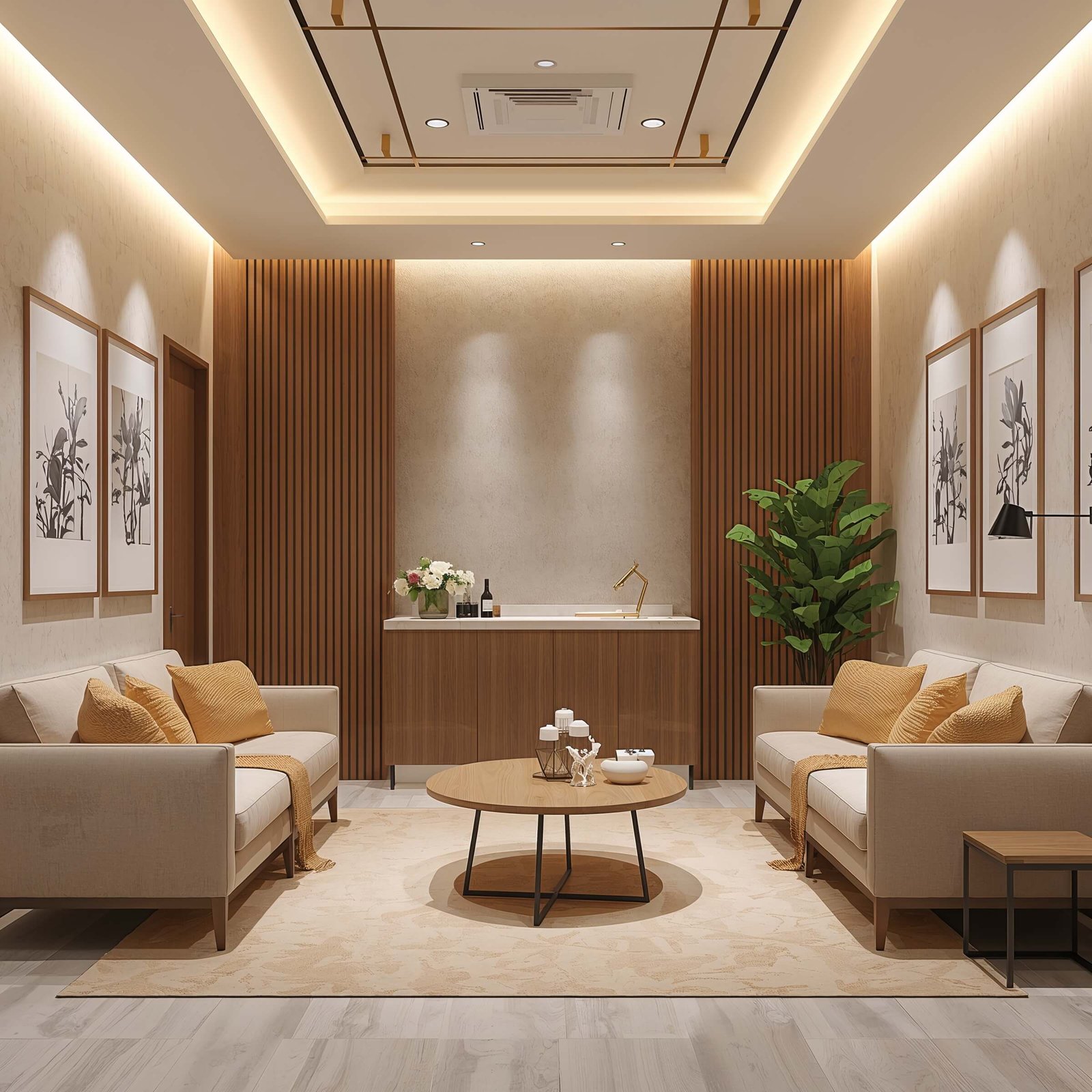
12 Gorgeous Clinic Interior Design Ideas Modern Touches

You know that feeling when you walk into a clinic and instantly feel your shoulders tense up? Yeah, we’ve all been there. But here’s the thing – your clinic doesn’t have to scream “sterile medical facility” the moment someone steps through the door.
I’ve spent the last decade helping healthcare professionals transform their spaces, and trust me, the right design choices make all the difference between patients dreading their appointments and actually feeling comfortable during their visit.
Let me share some game-changing clinic interior design ideas that actually work. And no, you don’t need a massive budget or a complete overhaul to make these happen. Ready to turn that clinical nightmare into a welcoming healthcare haven?
Modern Minimalist Clinic Design
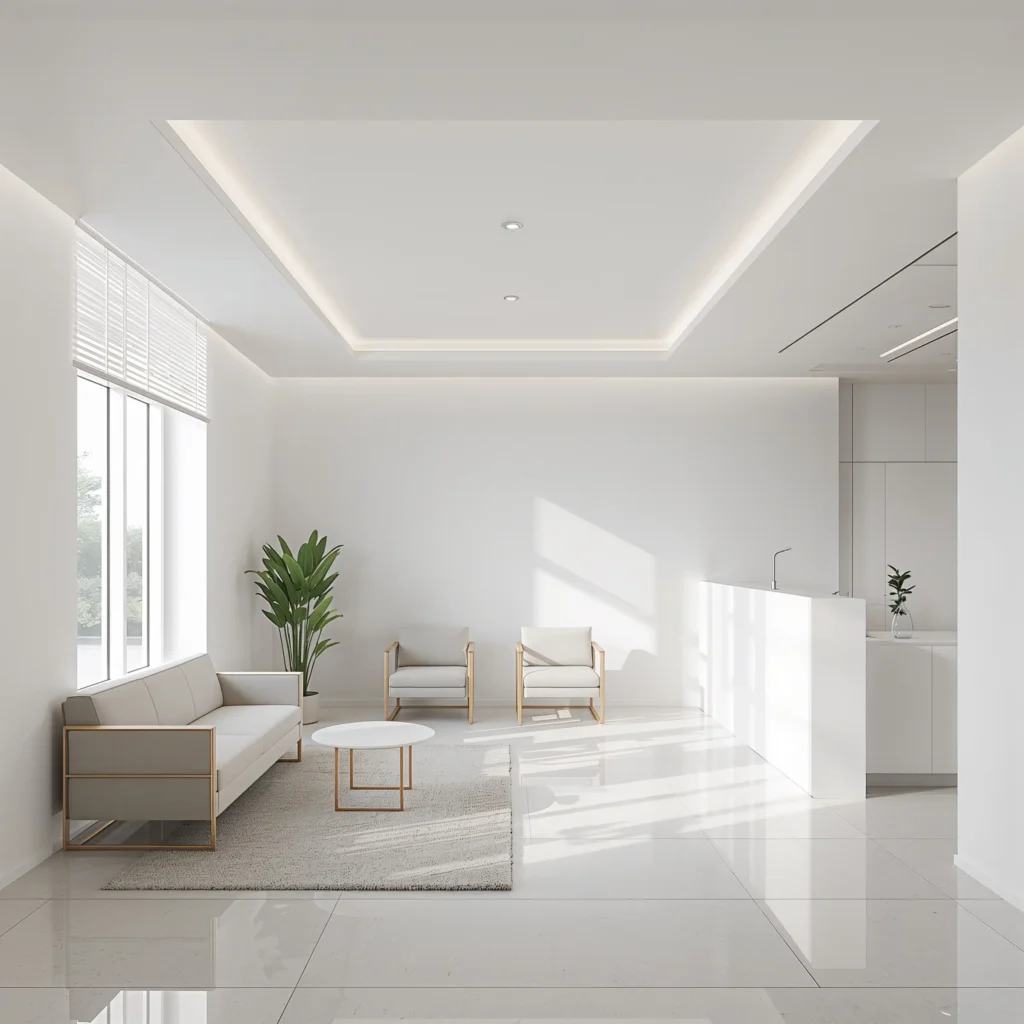
Less really is more when it comes to creating a calming medical environment. I remember walking into a dermatology clinic in downtown Seattle that absolutely nailed this concept – clean lines, neutral tones, and zero clutter. The space felt professional yet approachable, which is exactly what you want.
The beauty of minimalist design lies in its simplicity. You focus on functional furniture with sleek profiles, typically in whites, grays, or light woods. Think floating shelves instead of bulky cabinets, and streamlined reception desks that don’t dominate the room. This approach makes smaller clinics feel twice their actual size.
Key Elements for Minimalist Success
Here’s what makes minimalist clinic design actually work:
- Monochromatic color schemes (usually white, gray, or beige)
- Hidden storage solutions to maintain clean surfaces
- Simple geometric shapes in furniture and decor
- Quality over quantity in every design choice
- Strategic use of negative space
Want to know the secret sauce? It’s all about intentional emptiness. Every piece of furniture, every wall decoration, and every plant serves a specific purpose. Nothing’s there just because. This creates an environment where patients can breathe easier and focus on their health rather than visual distractions.
Nature-Inspired Healing Spaces
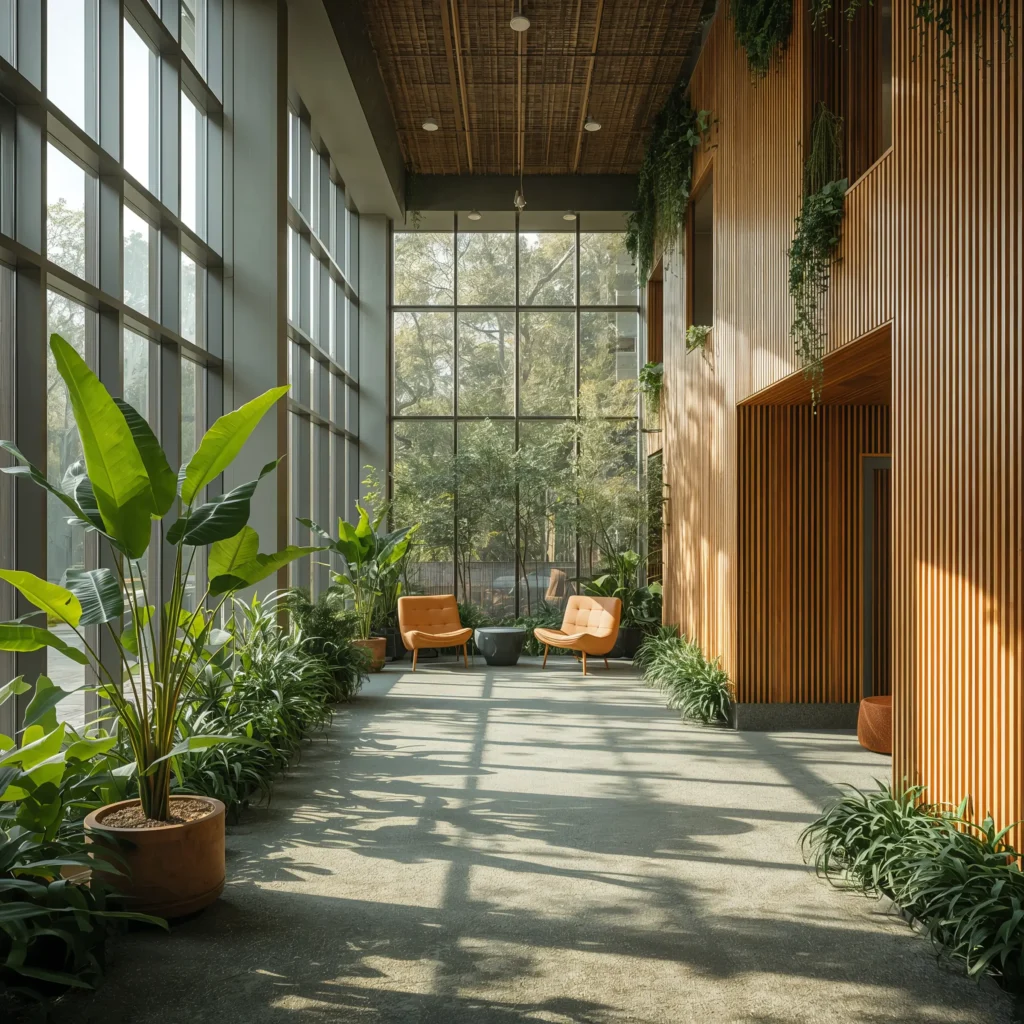
Who says clinics can’t feel like a peaceful retreat? Bringing nature indoors has become my go-to recommendation for practices wanting to reduce patient anxiety. And before you roll your eyes thinking this is some new-age nonsense, there’s actual science backing this up – biophilic design reduces stress and promotes healing.
I worked with a pediatric clinic that transformed their space with living walls and natural wood accents. The kids actually looked forward to their visits! Can you imagine that? The parents noticed the difference too, commenting how their children seemed less anxious during appointments.
Bringing the Outdoors In
Creating a nature-inspired clinic doesn’t mean turning your practice into a jungle. Here’s how you nail it:
- Install a vertical garden or moss wall in your waiting area
- Use natural materials like bamboo, cork, or reclaimed wood
- Add water features for soothing background sounds
- Incorporate large windows or skylights for natural light
- Choose furniture with organic shapes and textures
FYI, you don’t need to go all-out with expensive installations. Even simple touches like potted plants, nature photography, or wood-grain vinyl flooring can create that organic feel patients crave.
Bright and Airy Waiting Room Ideas
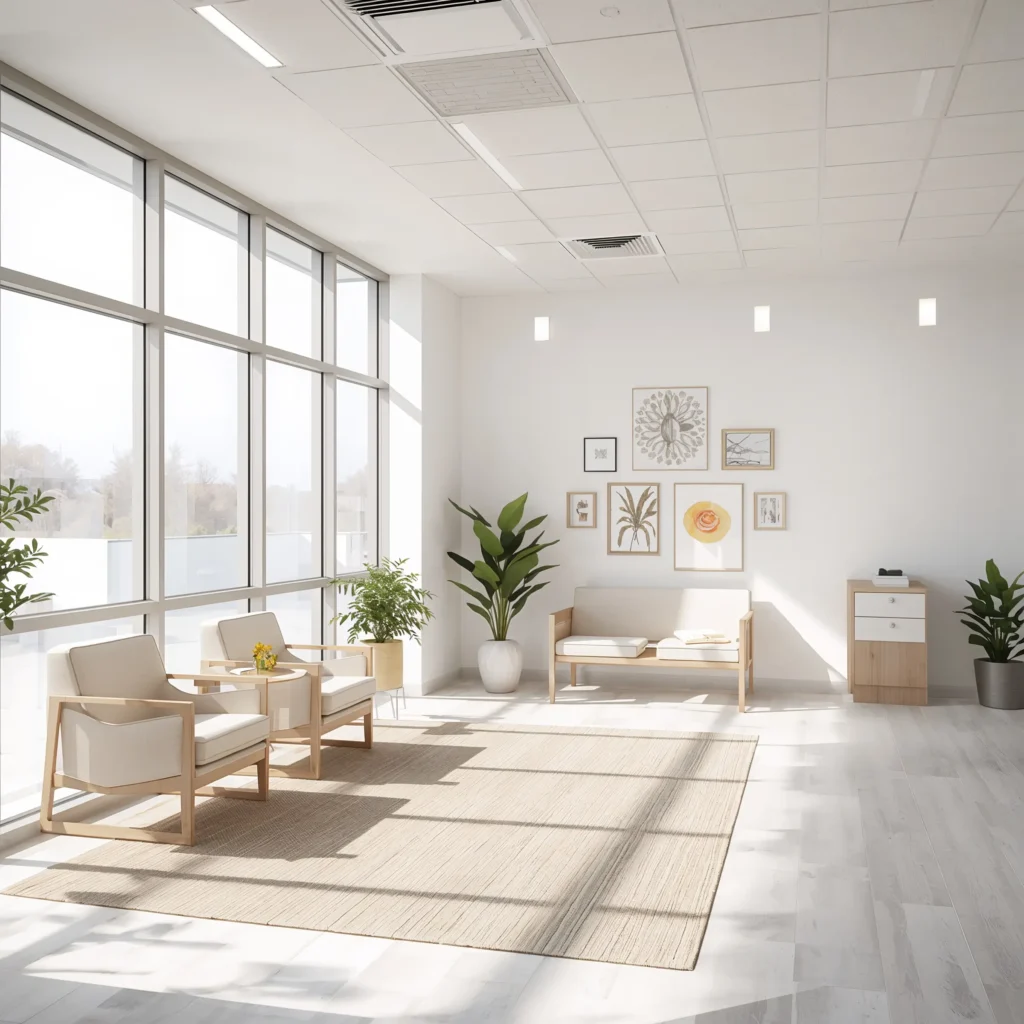
Remember the last time you sat in a dark, cramped waiting room? Not fun, right? Creating a bright, airy space instantly puts patients at ease. I’ve seen clinics transform their waiting areas from dungeons to delightful spaces with just a few strategic changes.
The trick is maximizing both natural and artificial light. Large windows are ideal, but if you’re stuck with limited natural light, don’t panic. LED panels that mimic daylight work wonders. Pair this with light-colored walls and reflective surfaces, and suddenly your waiting room feels like it doubled in size.
Smart Layout Strategies
Want your waiting room to feel more spacious? Try these proven techniques:
- Position seating along walls rather than in the center
- Use transparent or glass partitions instead of solid walls
- Install mirrors strategically to reflect light and create depth
- Choose furniture with exposed legs to maintain visual flow
- Keep pathways clear and at least 3 feet wide
The goal is creating a space where patients don’t feel like sardines. Give them room to breathe, and they’ll appreciate it more than you know.
Also Read: 10 Beautiful Kitchen Interior Design Modern Ideas to Try Now
Compact Clinic Layout Solutions
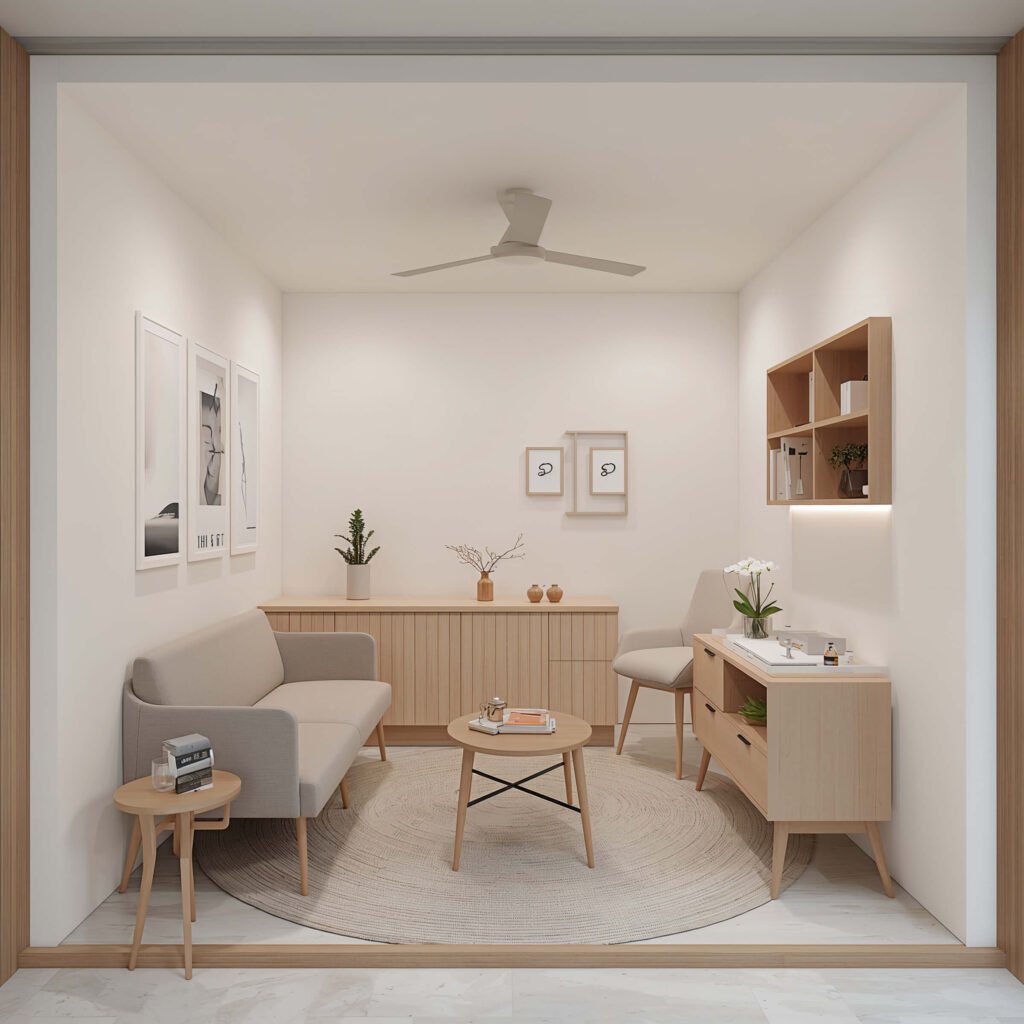
Not everyone has the luxury of sprawling medical suites. Most clinics I work with struggle with limited square footage, but that doesn’t mean compromising on functionality or style. Smart design choices can make even the tiniest clinic feel spacious and efficient.
I once helped a 900-square-foot clinic accommodate three exam rooms, a reception area, and storage – all while maintaining a comfortable flow. How? By thinking vertically and choosing multi-functional furniture. Every inch counted, and we made sure it worked hard.
Maximizing Small Spaces
Here’s what actually works in compact clinics:
- Wall-mounted equipment and storage units
- Sliding doors instead of traditional swing doors
- Foldable or stackable furniture for flexibility
- Built-in storage beneath seating areas
- Corner workstations to utilize dead space
The golden rule? If it doesn’t serve at least two purposes, reconsider whether you need it. That beautiful decorative table might look nice, but a storage ottoman provides seating AND hidden storage. See what I mean?
Elegant Reception Area Makeover
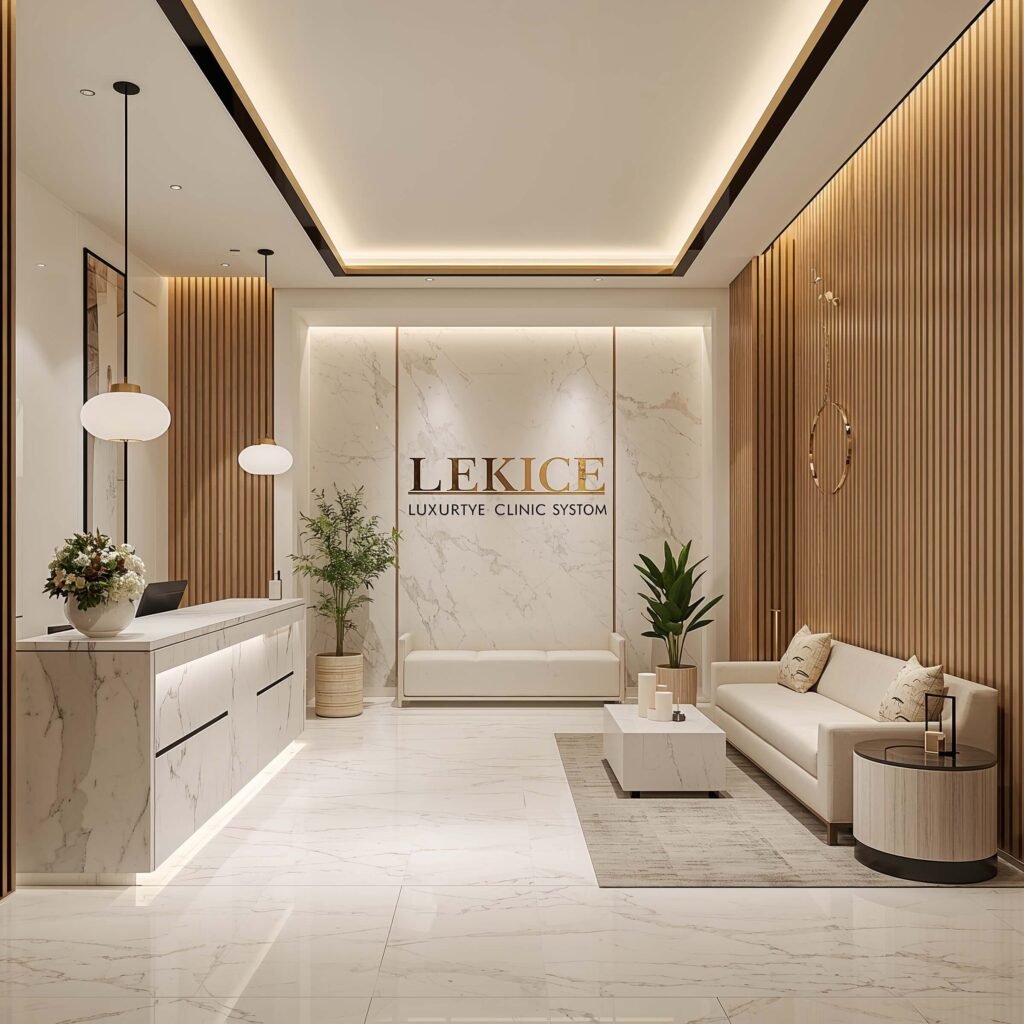
Your reception area sets the tone for the entire patient experience. Think of it as your clinic’s handshake – you want it firm, confident, and memorable. I’ve seen too many clinics treat their reception as an afterthought, and honestly, it shows.
Creating an elegant reception doesn’t mean breaking the bank. Sometimes it’s about strategic upgrades rather than complete overhauls. Replace that worn carpet with luxury vinyl plank flooring. Swap fluorescent lights for warm LED pendants. Add a statement piece like an oversized clock or artwork. These small changes create big impacts.
Reception Design Must-Haves
Every elegant reception area needs these elements:
- A welcoming focal point (could be artwork, a feature wall, or unique lighting)
- Comfortable seating with proper back support
- Clear signage and wayfinding elements
- Adequate lighting for paperwork
- Privacy screens or areas for sensitive conversations
Remember, your receptionist spends eight hours a day here. Make their workspace as beautiful and functional as the patient-facing areas. Happy staff equals better patient service – it’s that simple.
Cozy Patient Lounge Designs
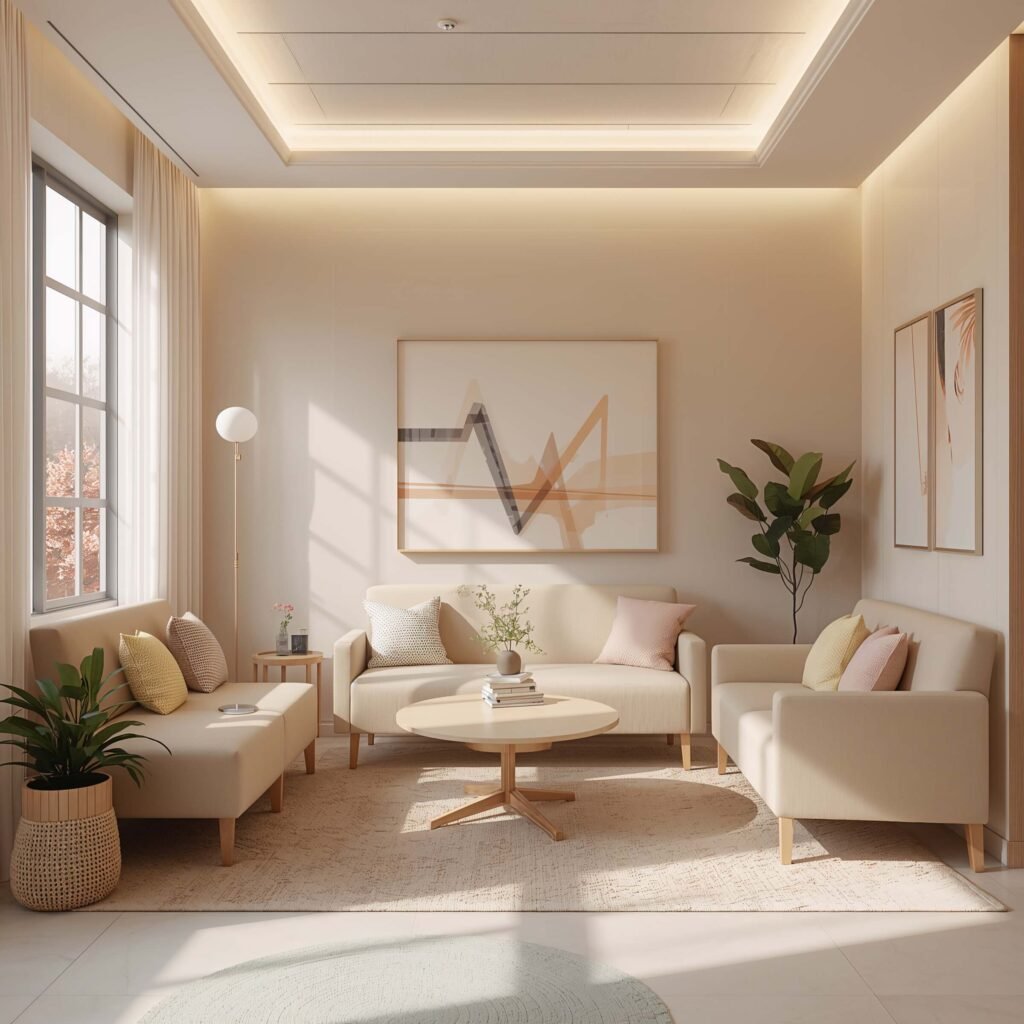
Who decided medical spaces had to feel cold and impersonal? Creating a cozy patient lounge changes the entire clinic experience. Think less “hospital waiting room” and more “boutique hotel lobby.” Your patients will actually relax instead of anxiously checking their phones every two seconds.
I helped design a cardiology clinic’s lounge that patients literally didn’t want to leave. We used warm textures, soft lighting, and comfortable seating arrangements that encouraged conversation or quiet reflection. The feedback? Patients said they felt less stressed before their appointments.
Creating Comfort Zones
Transform your patient lounge with these cozy elements:
- Varied seating options (armchairs, sofas, individual seats)
- Soft throw pillows and blankets in washable fabrics
- Coffee and tea stations with real mugs (not paper cups)
- Reading nooks with current magazines and books
- Charging stations integrated into furniture
The secret ingredient? Texture layering. Mix smooth leather with nubby linen, add a plush area rug, and incorporate natural wood elements. This creates visual and tactile interest that makes people feel at home 🙂
Also Read: 12 Stunning Wardrobe Interior Design Ideas and Space-Saving Hacks
Soothing Color Palette Clinics
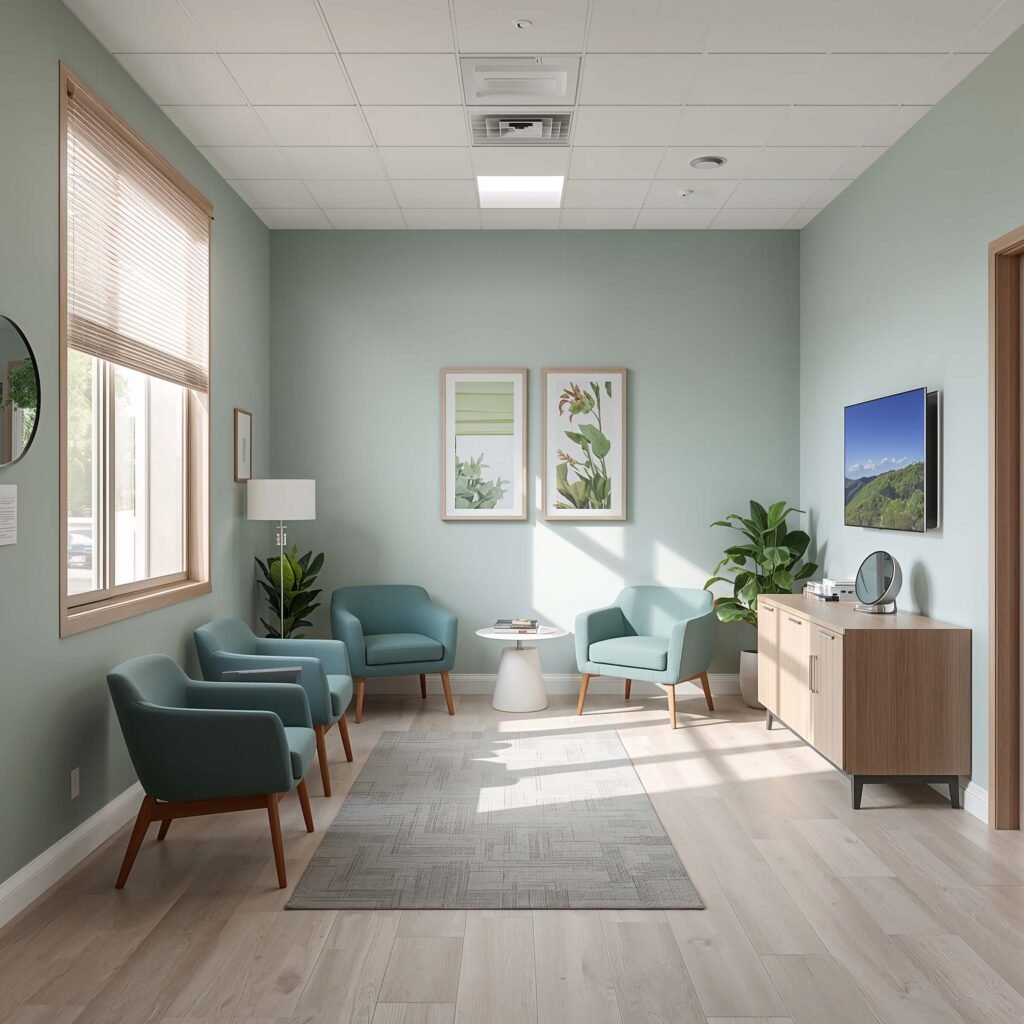
Colors affect mood more than most people realize. I’ve watched clinics transform their patient satisfaction scores just by repainting their walls. Seriously! The right color palette can reduce anxiety, promote healing, and even make wait times feel shorter.
Forget the stark white walls that scream “institution.” Today’s clinics embrace soft blues, sage greens, and warm neutrals that create a therapeutic environment. One orthopedic clinic I worked with switched from beige to a soft seafoam green, and their patient feedback improved by 30%.
Psychology of Clinic Colors
Choose your colors based on their psychological impact:
- Soft blues: Reduce blood pressure and promote calm
- Sage greens: Connect with nature and encourage healing
- Warm grays: Create sophistication without coldness
- Pale yellows: Boost mood and energy (great for pediatrics)
- Lavenders: Soothe anxiety and promote relaxation
Pro tip: Use the 60-30-10 rule. Your dominant color covers 60% of the space, secondary color takes 30%, and accent colors pop in that final 10%. This creates visual balance without overwhelming patients.
High-Tech Smart Clinic Interiors
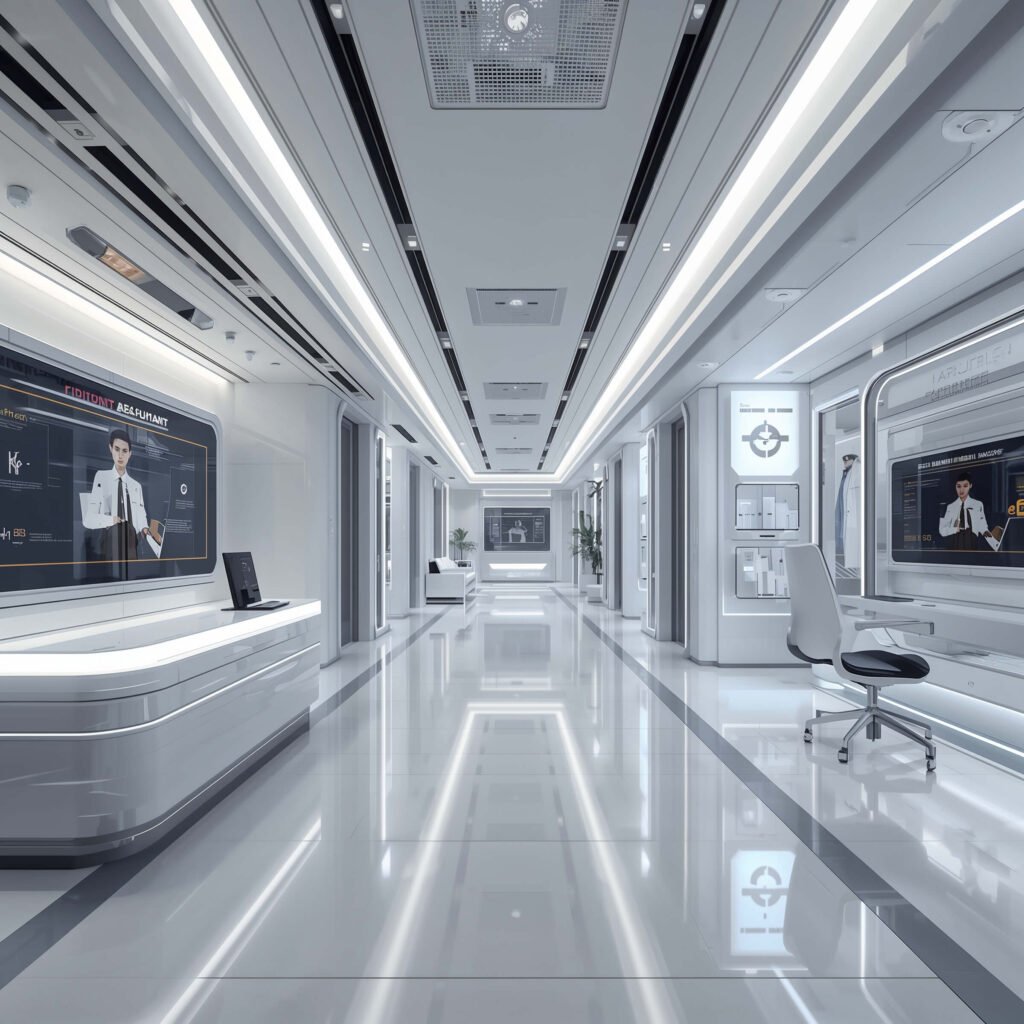
Welcome to the future of healthcare design! Smart technology isn’t just cool – it actually improves patient care and clinic efficiency. I’m talking about motion-sensor lighting, automated check-in kiosks, and digital art displays that change based on the time of day.
One clinic installed tablets in their exam rooms for patient education. Instead of awkwardly pointing at posters, doctors could pull up 3D models and interactive diagrams. Patients loved the engagement, and doctors saved time explaining complex procedures.
Tech Integration That Works
Here’s how to incorporate technology without losing the human touch:
- Digital check-in systems that reduce wait times
- Smart glass that turns opaque for privacy
- UV sanitizing stations built into furniture
- Wireless charging surfaces in waiting areas
- Digital wayfinding screens for larger clinics
Remember though, technology should enhance the experience, not complicate it. If your 80-year-old patients can’t figure out your fancy check-in system, you’ve missed the mark.
Open Concept Consultation Rooms
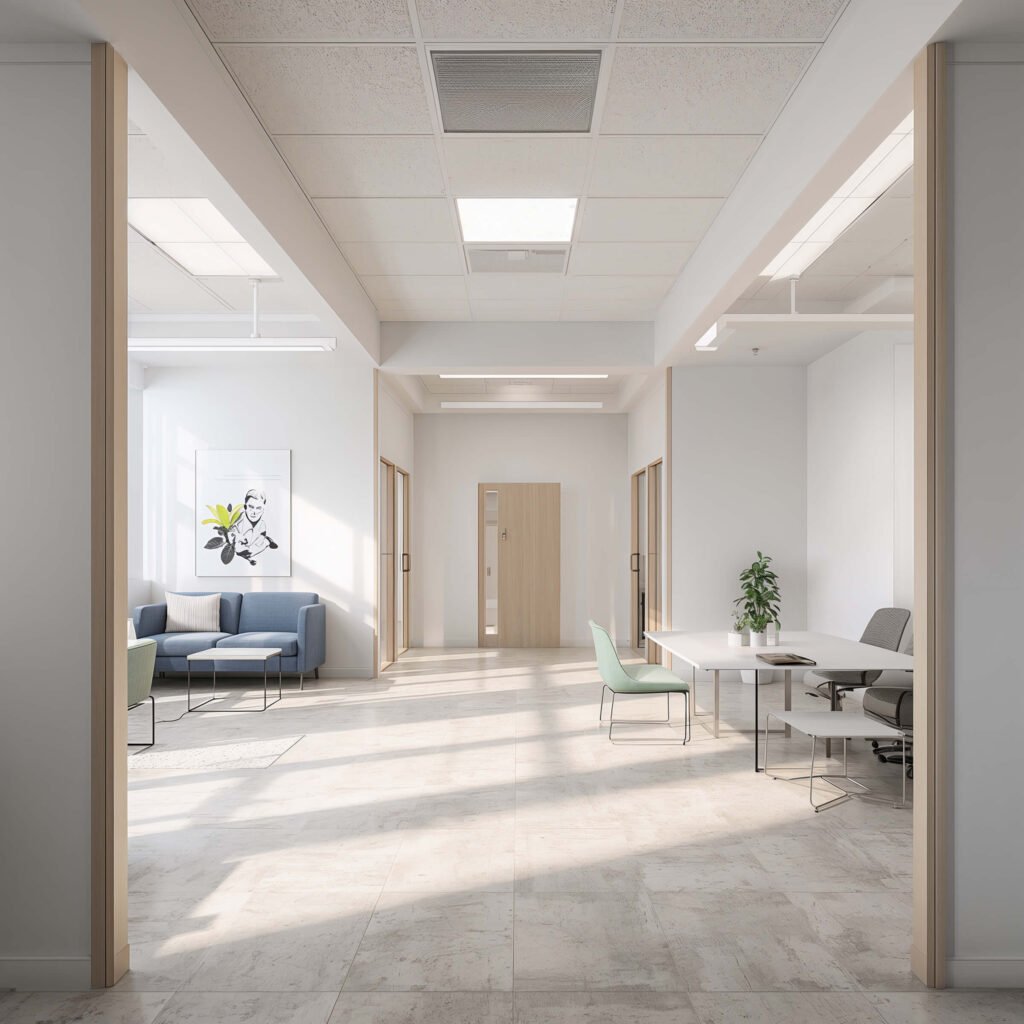
Traditional closed-off exam rooms can feel claustrophobic. That’s why open concept consultation spaces have gained traction, especially in specialties like physical therapy, dermatology, and wellness clinics. These designs promote transparency and create a more collaborative atmosphere.
I designed an open concept area for a sports medicine clinic where multiple patients could receive treatment simultaneously while maintaining privacy through strategic positioning and acoustic panels. The energy in the room motivated patients, and therapists could easily collaborate on complex cases.
Balancing Openness with Privacy
Creating successful open concept spaces requires careful planning:
- Use moveable partitions for flexibility
- Install sound-absorbing materials to control noise
- Create visual privacy with frosted glass or screens
- Designate quiet zones for sensitive conversations
- Ensure HIPAA compliance with proper spacing
Not every practice suits open concepts, but when done right, they foster community and reduce the isolation many patients feel during treatment.
Also Read: 10 Elegant Clinic Interior Design Ideas That Wow Patients
Creative Wall Art for Clinics
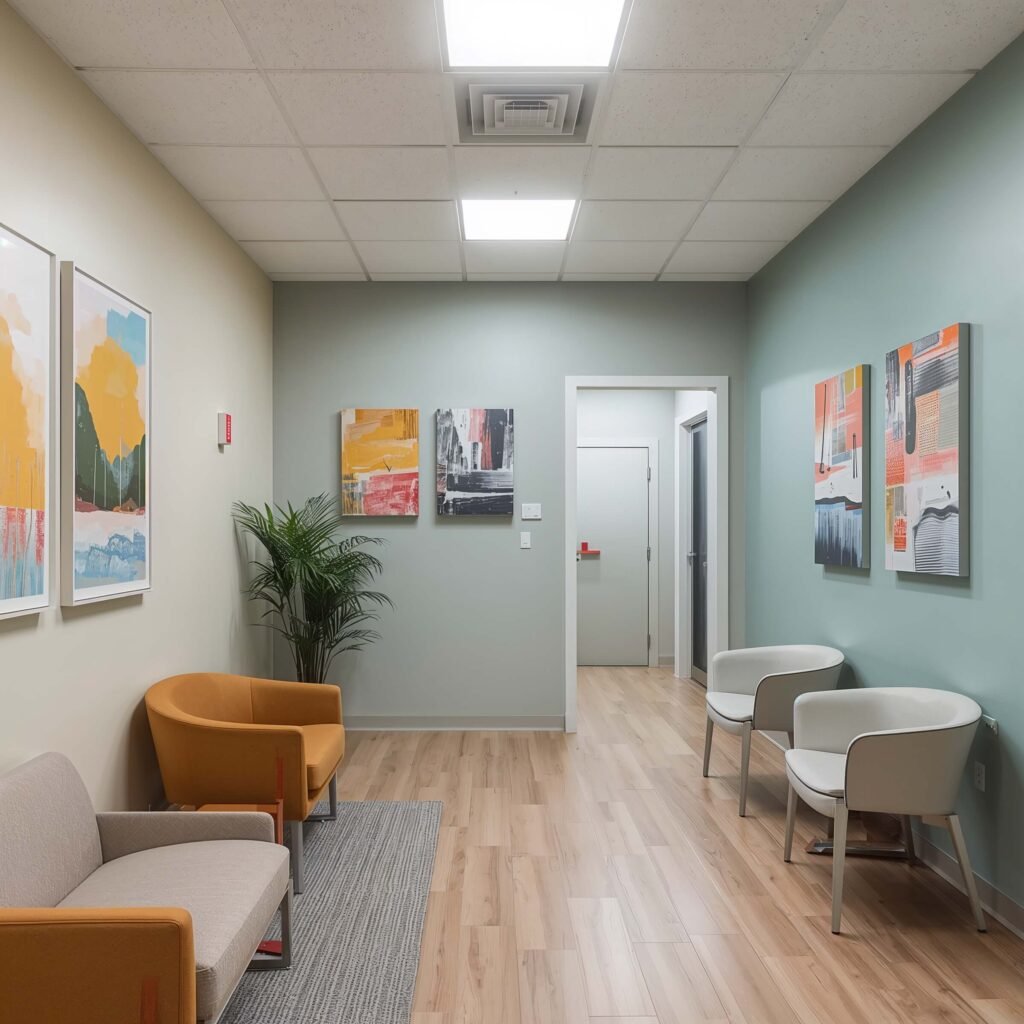
Blank walls are missed opportunities. The right artwork transforms sterile corridors into galleries that distract, delight, and even educate patients. But please, step away from those generic motivational posters. Your patients deserve better!
I convinced a skeptical orthopedist to display local artists’ work on rotation. Not only did patients love the changing exhibits, but the clinic became a community hub supporting local talent. Win-win, right?
Art That Heals and Appeals
Choose wall art that serves your specific patient population:
- Nature photography for universal appeal
- Abstract pieces in calming colors for adult practices
- Interactive murals for pediatric clinics
- Educational infographics that double as decor
- Patient success stories and testimonials as art installations
IMO, the best clinic art tells a story. Whether it’s your practice’s history, patient journeys, or community connections, meaningful art creates emotional connections that generic prints never will.
Luxury Clinic Interior on Budget
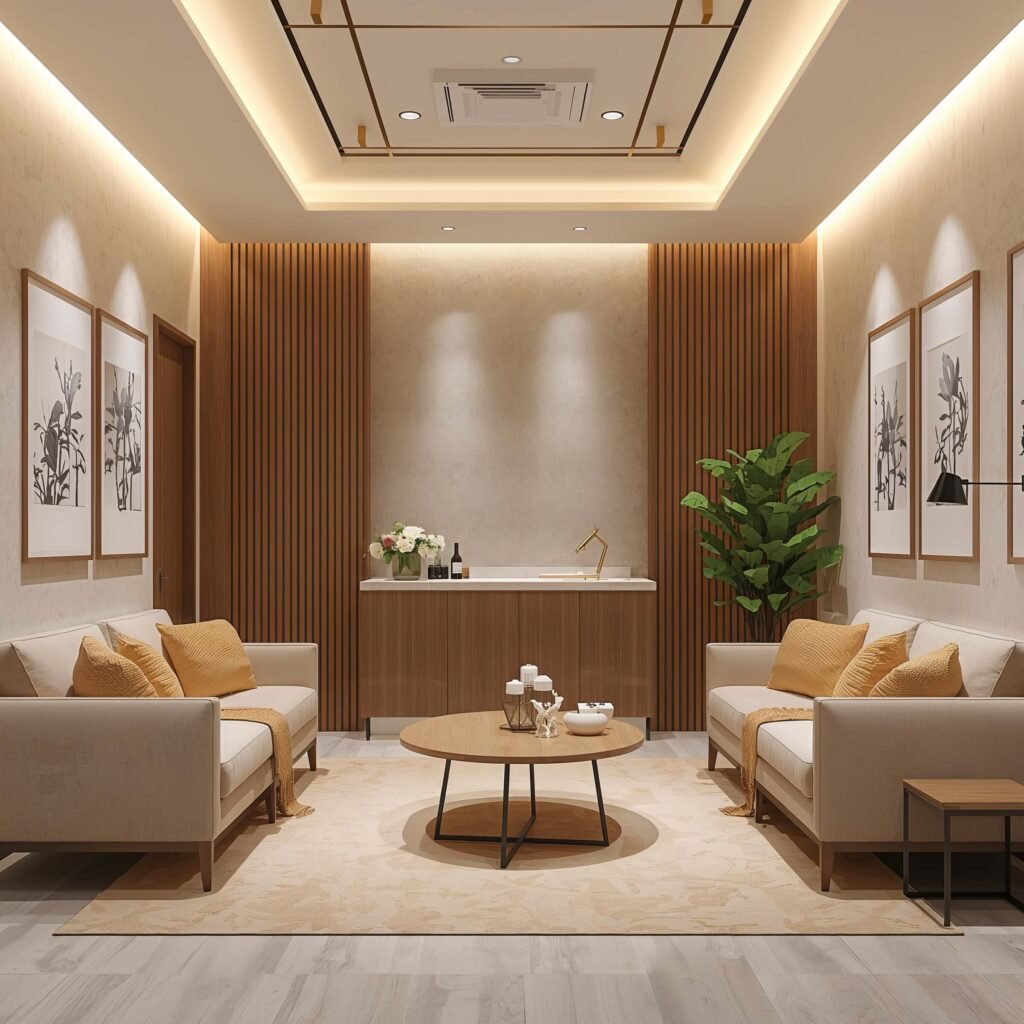
Want that high-end look without the five-figure price tag? You absolutely can create a luxurious clinic atmosphere on a budget. It’s all about knowing where to splurge and where to save. I’ve helped clinics achieve million-dollar looks for a fraction of that cost.
The trick is investing in a few statement pieces while finding creative alternatives for everything else. That designer reception desk? Keep it. But those expensive waiting room chairs? High-quality replicas work just fine.
Budget Luxury Hacks
Create expensive-looking interiors without breaking the bank:
- Paint is your best friend – a fresh coat transforms everything
- Buy classic used furniture and reupholster it
- Install peel-and-stick wallpaper for accent walls
- Use LED strips for dramatic lighting effects
- Source artwork from local art schools
Focus your budget on high-touch areas like reception counters and exam room furniture. Save money on decorative elements that can be upgraded later. Your patients won’t know the difference, trust me.
Calming Lighting Ideas for Clinics
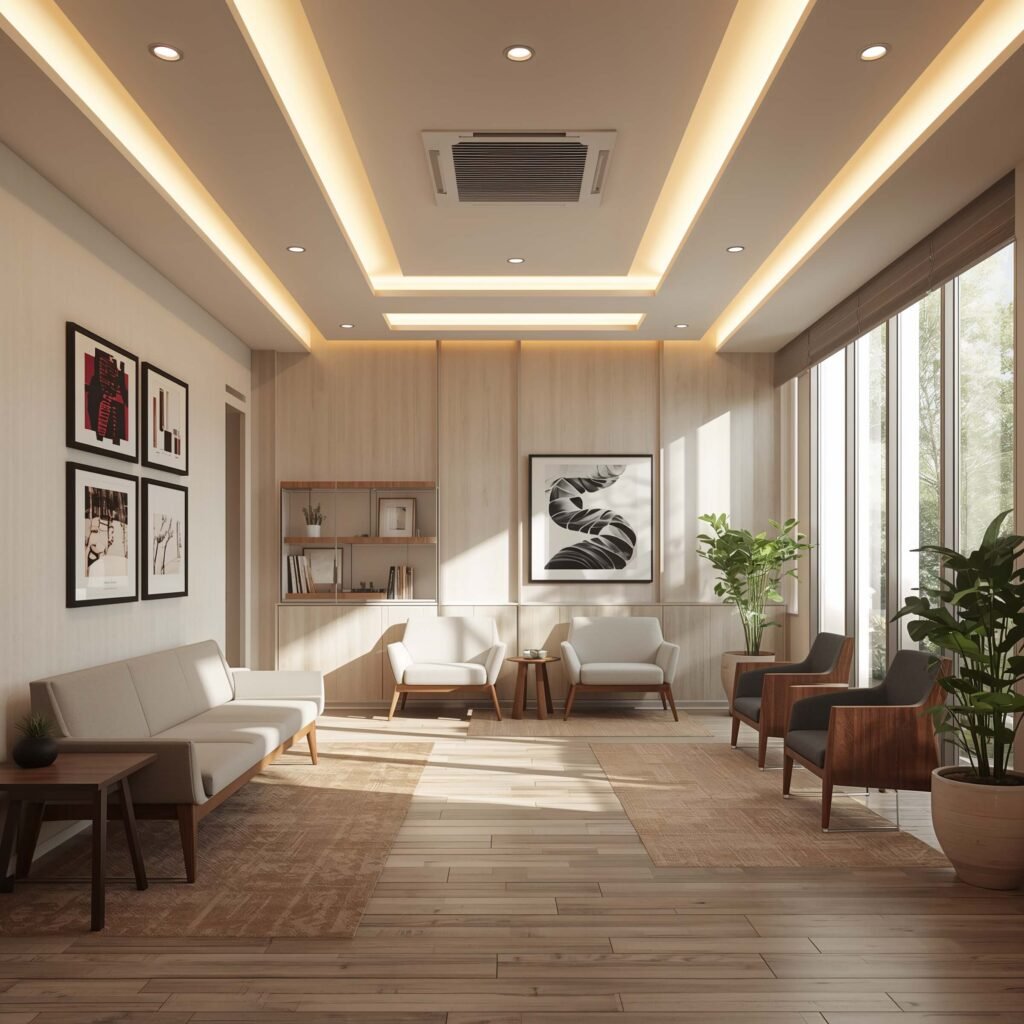
Lighting makes or breaks a clinic’s atmosphere. Harsh fluorescents make everyone look sick (even when they’re not), while thoughtfully designed lighting schemes can actually reduce patient anxiety and improve staff productivity.
I transformed a dental clinic simply by replacing their ceiling fixtures with dimmable LED panels and adding task lighting at workstations. The dentist said patients seemed noticeably calmer, and his team reported less eye strain. Sometimes the simplest changes yield the biggest results.
Layered Lighting Strategies
Create the perfect ambiance with these lighting layers:
- Ambient lighting: Soft, overall illumination from ceiling fixtures
- Task lighting: Focused light for examinations and procedures
- Accent lighting: Highlights artwork or architectural features
- Natural light: Maximize windows and skylights
- Circadian lighting: Systems that adjust color temperature throughout the day
Don’t forget about your staff! They spend all day under these lights. Providing adjustable task lighting at workstations shows you care about their comfort and can reduce turnover :/
Wrapping It Up
Transforming your clinic’s interior doesn’t require a complete renovation or massive budget. Start with one area, implement a few of these ideas, and watch how patients and staff respond. Maybe begin with a fresh coat of paint in calming colors, add some plants to your waiting room, or upgrade your lighting. Small changes create ripple effects that improve the entire patient experience.
Remember, your clinic’s design directly impacts how patients perceive your care quality. When people feel comfortable and valued in your space, they’re more likely to follow treatment plans, recommend your practice, and return for regular care. That’s not just good design – it’s good business.
What matters most is creating a space that reflects your practice’s values and serves your specific patient population. Whether you go minimalist, nature-inspired, or high-tech, make sure your design choices align with your brand and mission. Your patients will notice the effort, and they’ll appreciate that you’ve thought about their comfort beyond just medical care.
So, which design idea will you tackle first? Whatever you choose, remember that the best clinic interiors balance functionality with comfort, professionalism with warmth. Get that right, and you’ll have patients actually looking forward to their appointments. Now that’s something worth designing for!