15 Fun DIY Floating Shelves Ideas and Unique Wall Displays

Let me guess – you’re staring at that blank wall in your living room, wondering what the heck to do with it. Been there! Floating shelves changed my whole game when I discovered them five years ago, and honestly, I can’t shut up about them now.
They’re like the Swiss Army knife of home decor – functional, gorgeous, and surprisingly easy to make yourself.
Here’s the thing: you don’t need to be a master carpenter to pull off these projects. Trust me, if I can build these with my questionable DIY skills (remember that time I tried to hang a picture and ended up with three extra holes?), you definitely can too.
Ready to transform those boring walls into something spectacular?
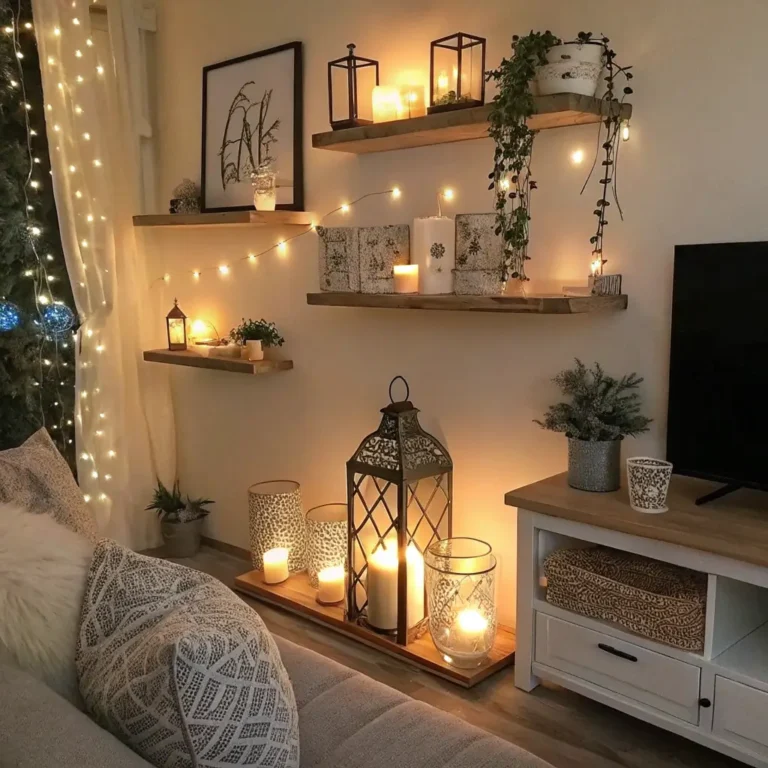
Rustic Reclaimed Wood Floating Shelves
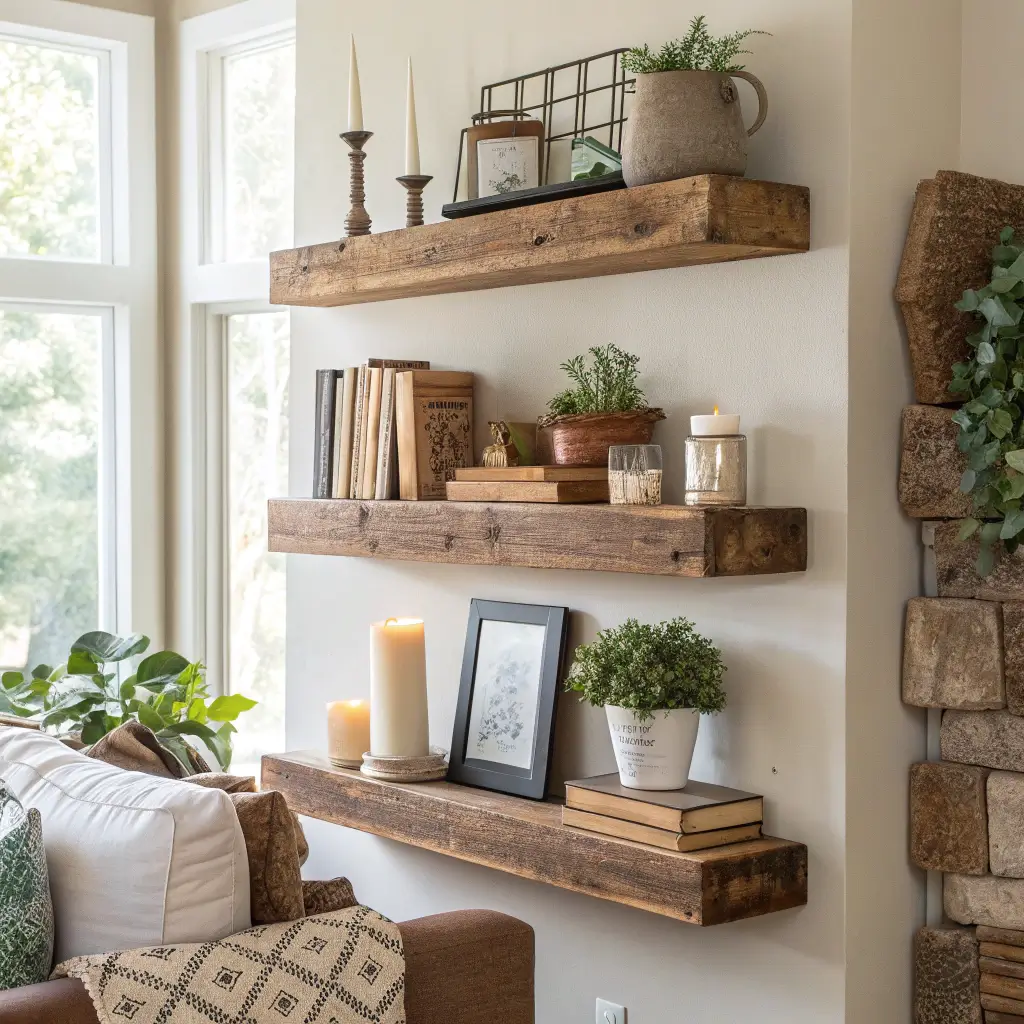
Nothing beats the character of reclaimed wood – seriously, each piece tells its own story. I scored some old barn wood from a demolition site last summer, and those shelves still get compliments from every single person who visits. The best part? Imperfections are actually desirable here, so you can’t mess this up!
Start by finding your wood source. Check out local salvage yards, demolition sites, or even old pallets (just make sure they’re heat-treated, not chemically treated). Sand them down just enough to avoid splinters, but keep that weathered texture. You want that authentic, lived-in look that makes people think you inherited these from your cool grandmother who lived in a cabin.
Materials You’ll Need:
- Reclaimed wood planks (8-12 inches deep works great)
- Heavy-duty floating shelf brackets
- Wood stain or sealant (optional)
- Wall anchors rated for at least 50 pounds
- Level and measuring tape
Mount these bad boys with hidden brackets for that magical floating effect. Pro tip: use brackets that extend at least 2/3 the depth of your shelf for proper support. Nobody wants their vintage book collection crashing down at 2 AM – learned that one the hard way!
Minimalist White Floating Shelves
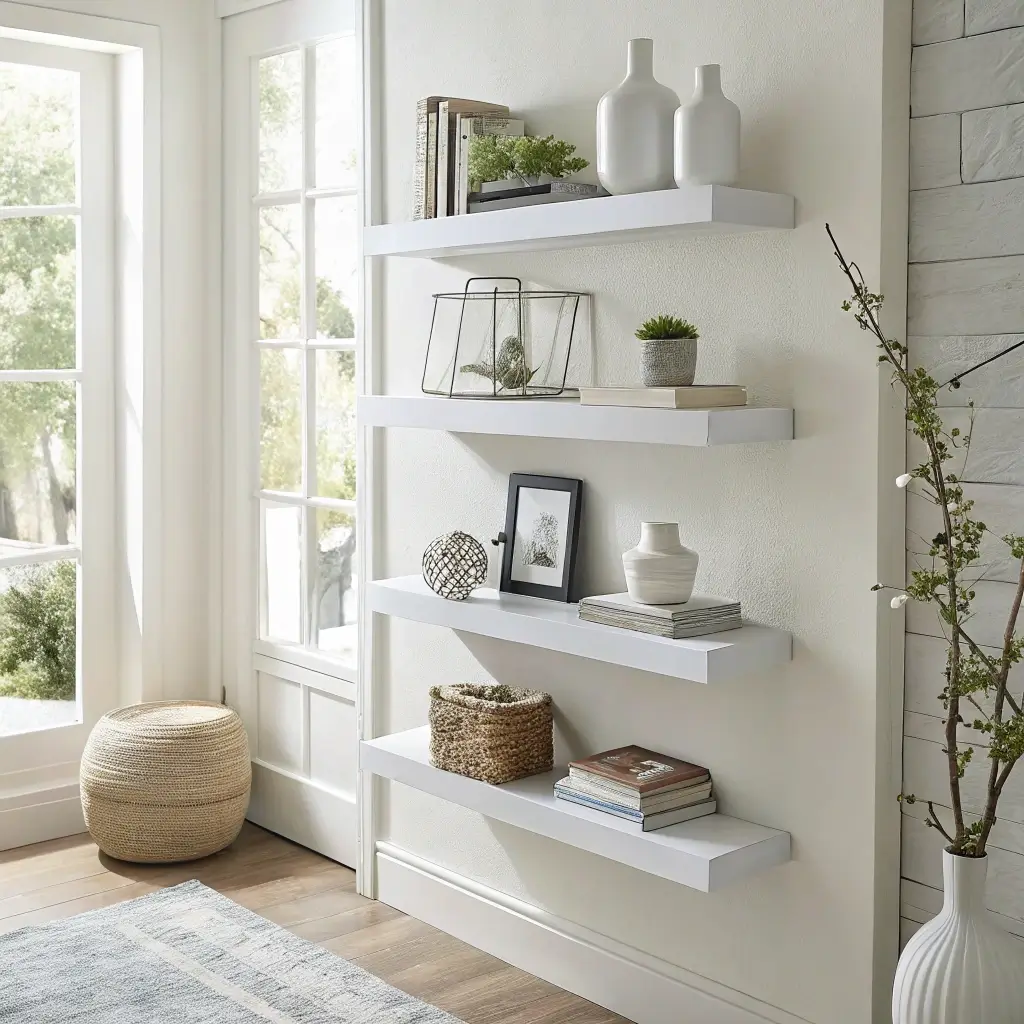
Sometimes less really is more, right? White floating shelves practically disappear into white walls, creating this clean, gallery-like vibe that makes everything you display look intentional. I installed these in my bedroom, and suddenly my messy book stack looked like a curated collection. Magic!
The key here is choosing the right white – and yes, there are like 50 shades of white (not that kind). Bright white works for modern spaces, while off-white or cream suits traditional homes better. MDF or pine boards work perfectly for this project since you’re painting them anyway.
Quick Build Steps:
- Cut your boards to desired length (36-48 inches is standard)
- Sand thoroughly with 120-grit sandpaper
- Prime with a high-quality primer
- Apply 2-3 coats of white paint (semi-gloss shows fewer fingerprints)
- Install with concealed brackets
These shelves basically scream “I have my life together” even when you absolutely don’t. They’re perfect for displaying those three succulents you’re desperately trying not to kill.
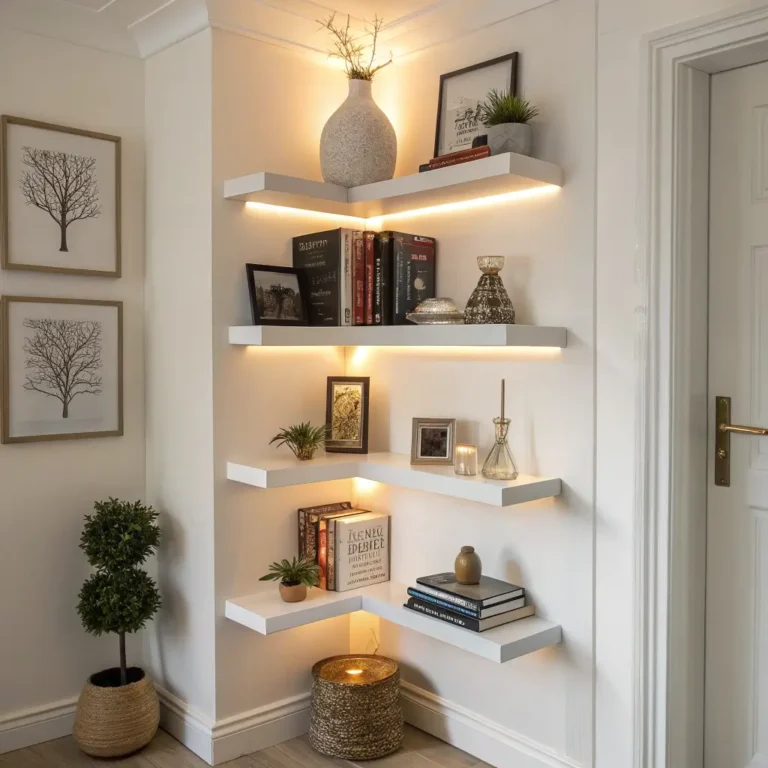
Corner Floating Shelves for Small Spaces
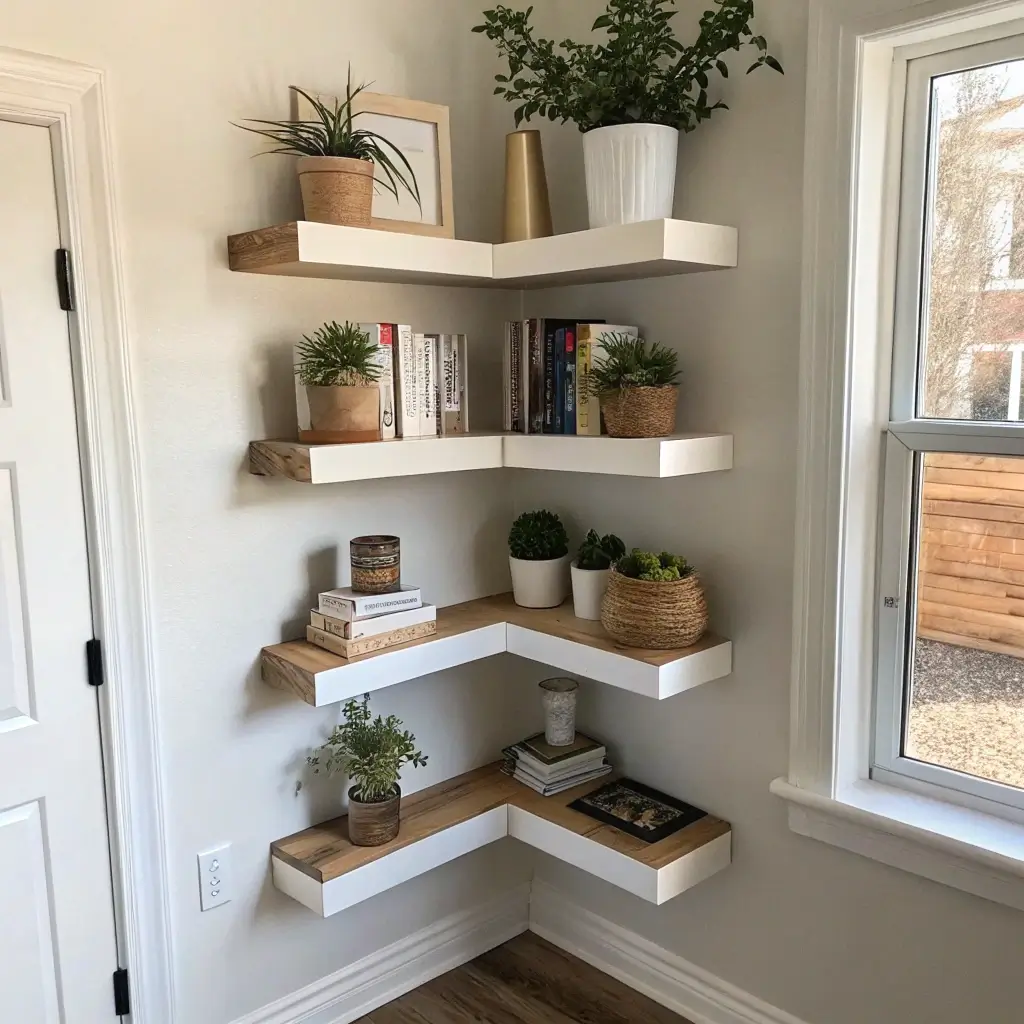
Ever notice how corners just sit there, being useless? Corner floating shelves turn that wasted space into prime real estate. My tiny apartment bathroom went from “where do I put anything?” to “look at all this storage!” with just two corner shelves.
Building corner shelves requires a bit more planning since you’re dealing with angles. Most corners are 90 degrees, but always measure – old houses love to surprise you with wonky angles. Cut your wood into triangular or fan shapes, depending on your style preference.
The mounting process gets interesting here. You’ll need brackets on two walls, which means double-checking that both walls can support the weight. Use a stud finder (best $20 you’ll ever spend, IMO) to locate solid mounting points.
Also Read: 15 Amazing Kitchen Floating Shelves Ideas and DIY Inspiration
Floating Shelves with Hidden Brackets
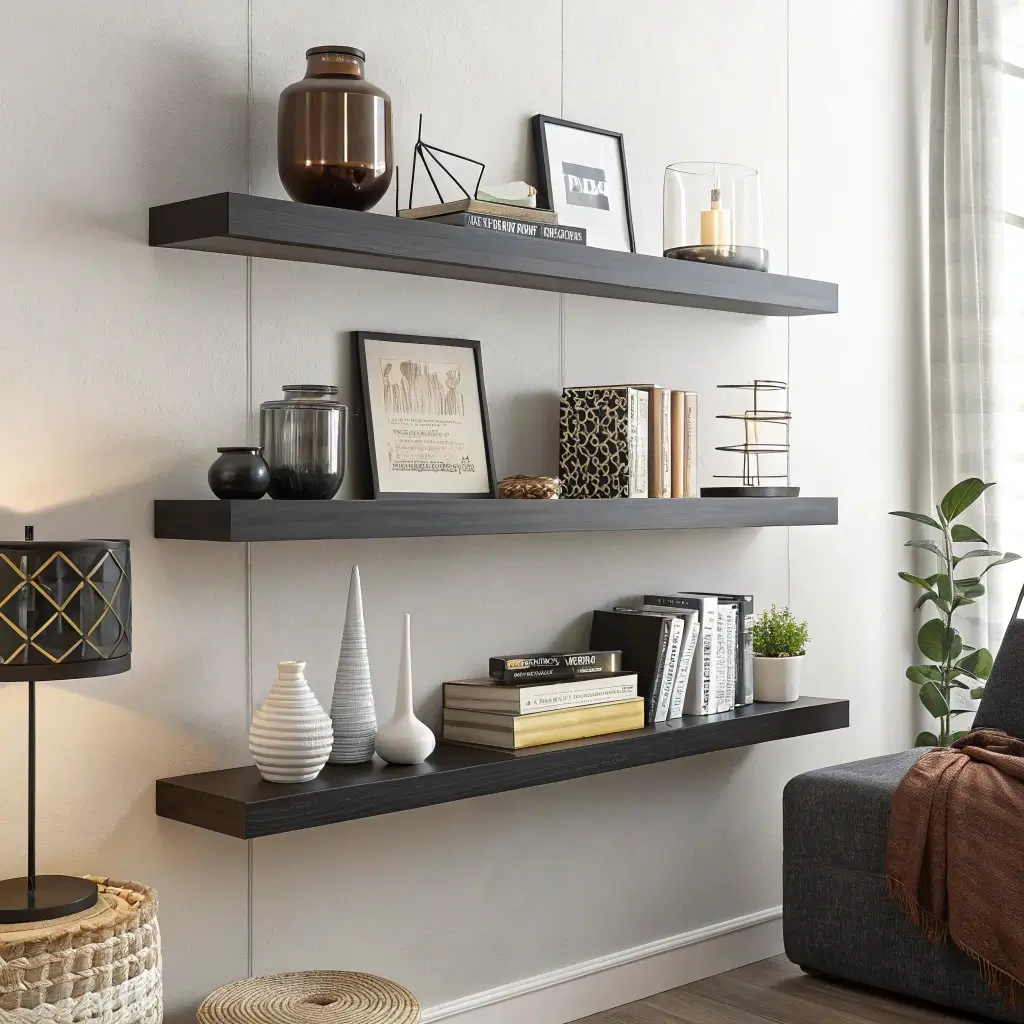
Want to know what really blows people’s minds? Shelves that seem to defy gravity. Hidden bracket systems make your shelves look like they’re magically stuck to the wall. Every time someone new sees mine, they literally walk up and check underneath. Worth it for the reactions alone!
The secret lies in floating shelf brackets that slide into routed channels on the back of your shelf. You can buy pre-made boards with channels, or route them yourself if you’re feeling ambitious. Just remember – the thicker the shelf, the more convincing the illusion.
Installation Tips:
- Mark your bracket positions precisely (measure twice, drill once!)
- Use wall anchors appropriate for your wall type
- Drywall needs heavy-duty anchors; studs are always preferable
- Test weight capacity before loading up with your encyclopedia collection
Geometric Triangle Floating Shelves
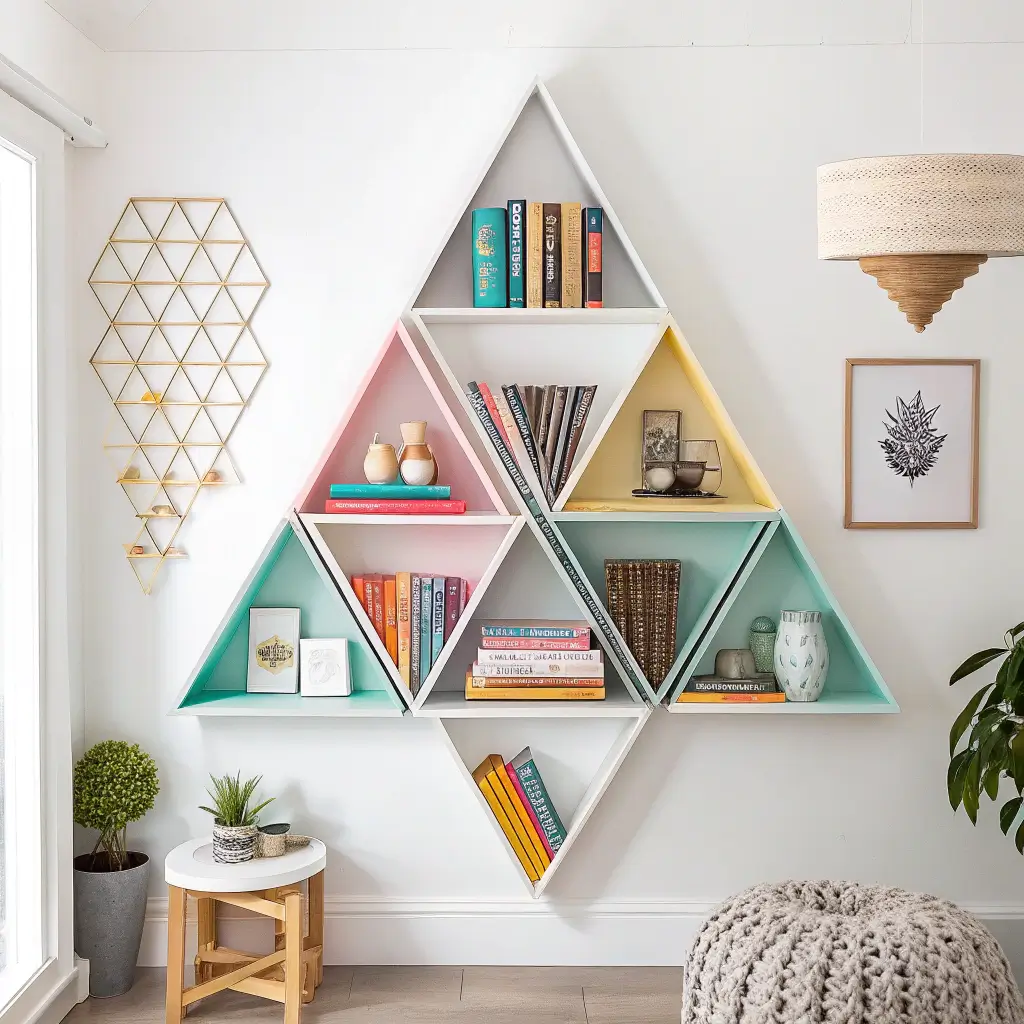
Who says shelves need to be rectangles? Triangle shelves add this unexpected geometric element that makes people stop and look. Plus, they’re conversation starters – “Oh these? Yeah, I made them myself.” casual hair flip
Creating triangular shelves involves some basic geometry (don’t panic, it’s easier than high school math class). Equilateral triangles look most balanced, but you can play with different angles for variety. I arranged mine in a cluster pattern, and it looks like modern art that happens to hold my air plants.
Cut your wood at 60-degree angles for equilateral triangles, or experiment with different configurations. Sand all edges smooth – sharp corners and geometric shapes don’t mix well with foreheads (ask me how I know).
Floating Shelves with Built-in Planters
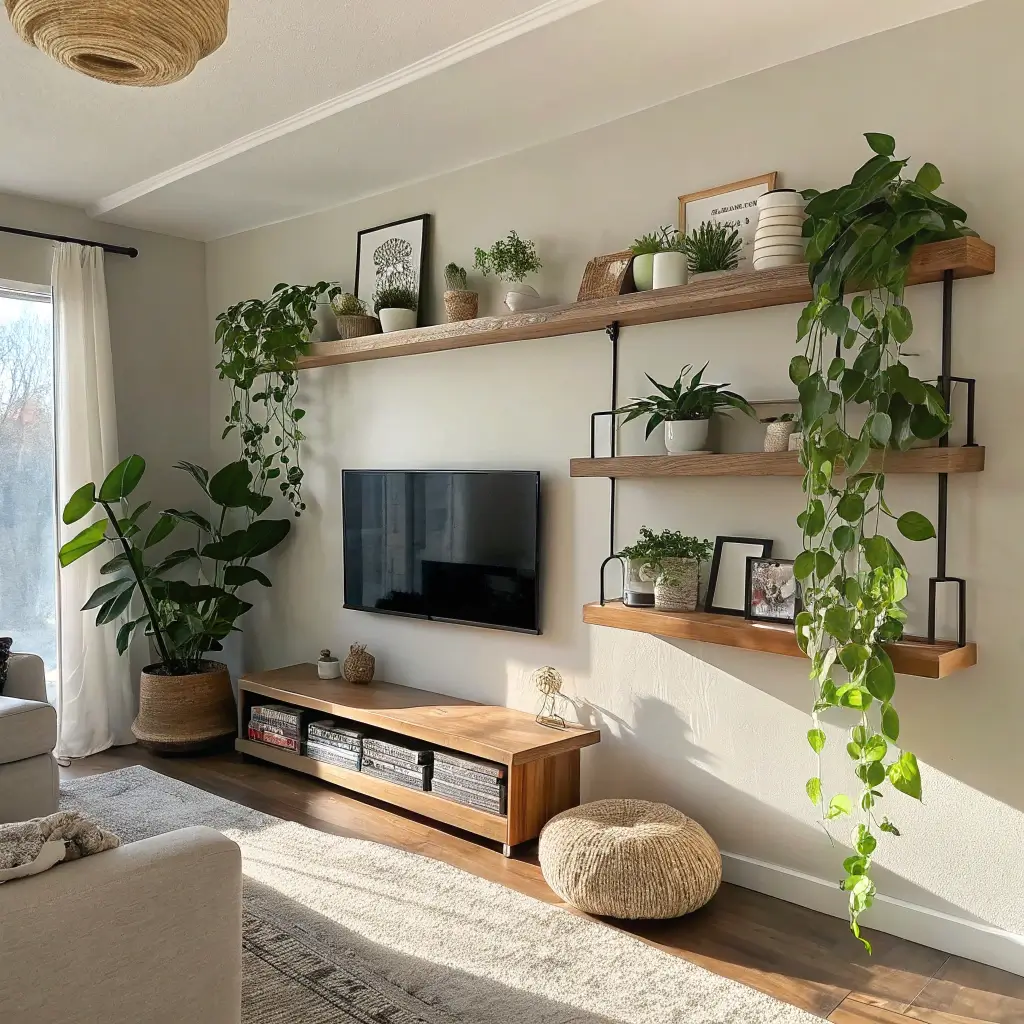
Plant parents, this one’s for you! Combining shelves with built-in planters creates this living wall effect that’s absolutely gorgeous. My kitchen herb garden lives on these shelves now, and fresh basil is literally at arm’s reach while cooking.
You’ll need to plan for drainage (unless you want a waterfall feature in your living room). Drill drainage holes and use waterproof sealant around the planter sections. Line with plastic or metal inserts to protect the wood from moisture damage.
Design Considerations:
- Choose rot-resistant wood like cedar or teak
- Apply multiple coats of waterproof sealant
- Include drip trays or integrated drainage
- Position near natural light sources
FYI, these make incredible gifts for the plant-obsessed people in your life. Just saying 🙂
Also Read: 15 Elegant Floating Shelves Bedroom Ideas for Organized Rooms
Industrial Pipe Floating Shelves
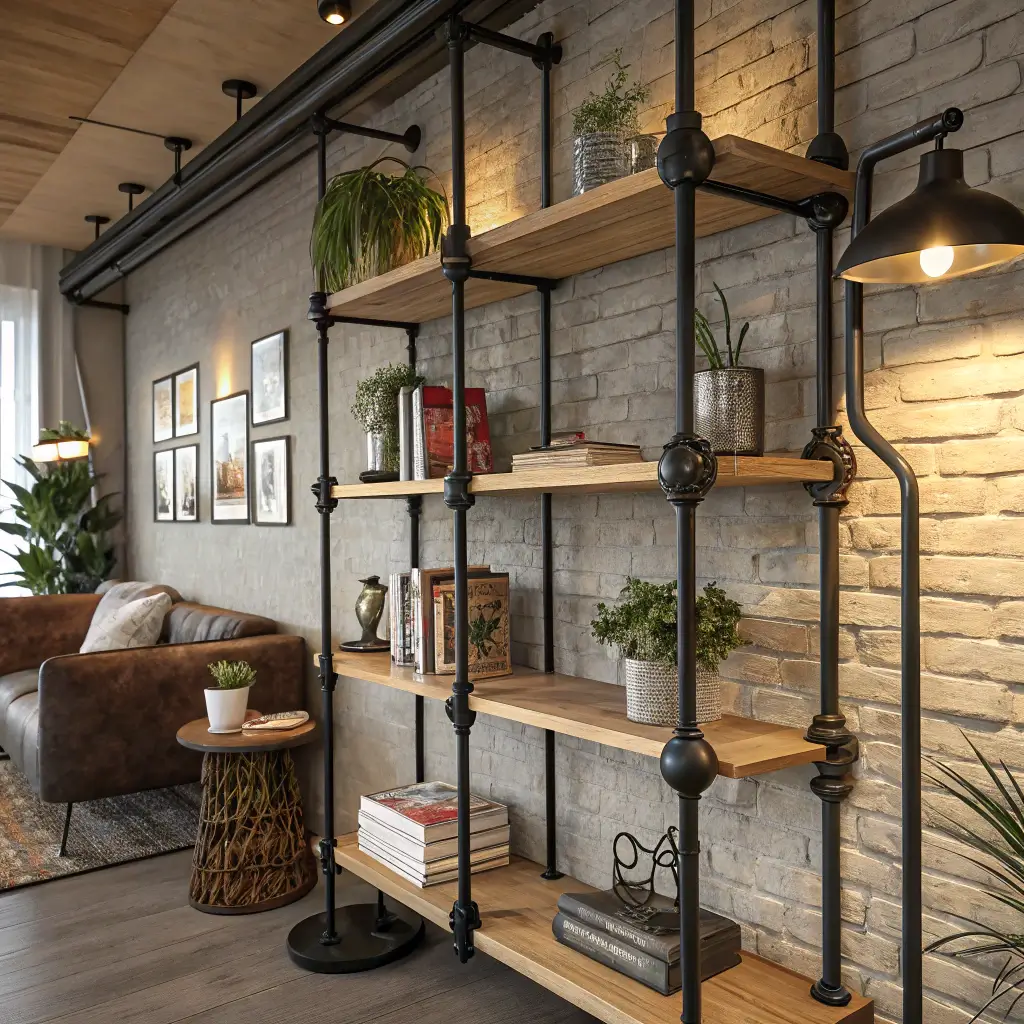
Channel your inner urban loft dweller with industrial pipe shelving. These shelves scream “I’m creative and possibly own a leather jacket.” They’re sturdy enough to hold your vinyl collection and cool enough to impress your hipster friends.
Black iron pipes create the most authentic industrial look, but galvanized pipes work too (and cost less). Mix wood and metal for that perfect industrial-chic balance. I used reclaimed wood with black pipes in my office, and it looks like something from a trendy coffee shop.
Threading pipes together feels like adult Legos – satisfying and surprisingly simple. Just remember to hand-tighten connections first, then secure with a wrench. Over-tightening can crack fittings (expensive mistake alert!).
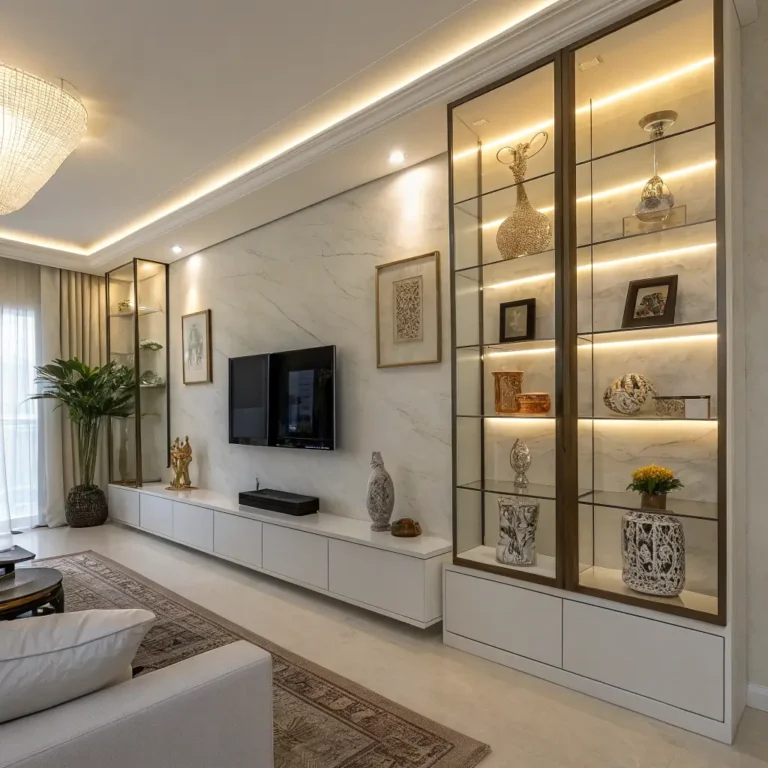
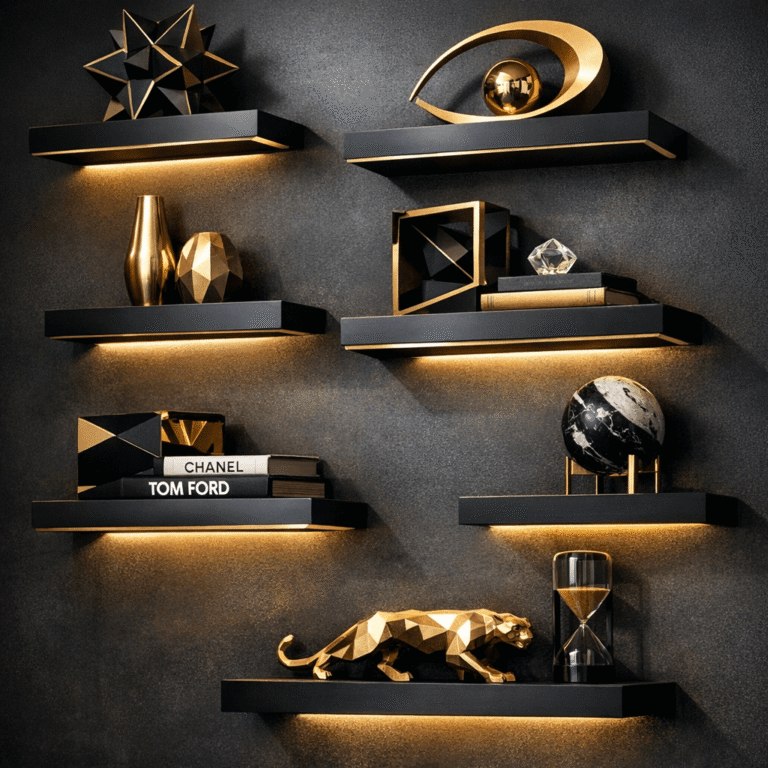
Floating Shelves with LED Accent Lighting
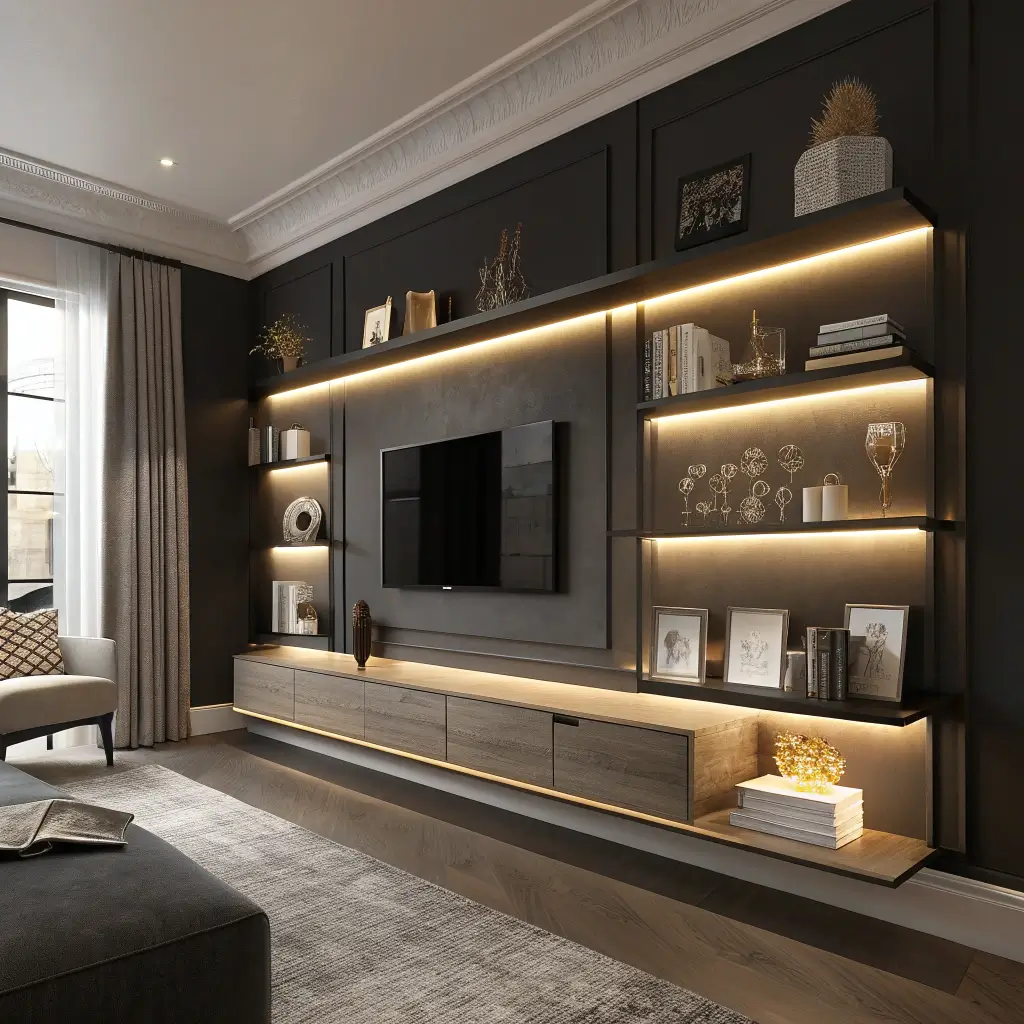
Why settle for regular shelves when you can have shelves that literally glow? Adding LED strips creates ambiance and makes your displayed items look museum-worthy. My book collection never looked better than when I added warm white LEDs underneath each shelf.
LED strips are ridiculously easy to install – most come with adhesive backing. Run them along the underside of your shelves, hide the wires with cable channels, and boom – instant sophistication. Choose warm white for cozy vibes or cool white for that modern gallery feel.
Lighting Setup Essentials:
- Measure total length needed before buying
- Get dimmable LEDs for versatility
- Use aluminum channels for cleaner installation
- Hide transformers behind books or decor
The electricity cost is basically nothing, but the impact? Huge. Your Instagram followers will thank you.
Floating Shelves with Metal Frame Support
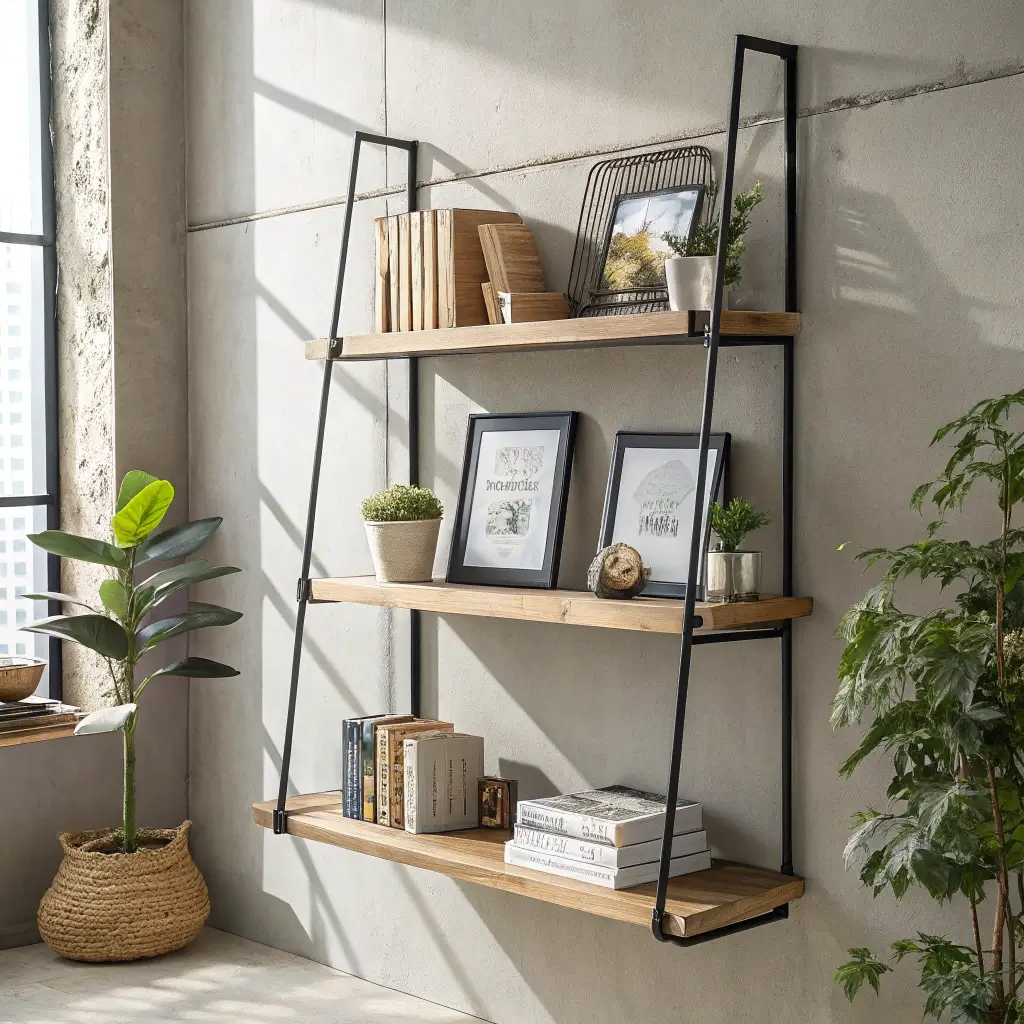
Sometimes you want that industrial look but with more structure. Metal frame floating shelves give you visible support that’s actually part of the design. Think of them as the architectural jewelry of the shelf world.
Creating these requires basic metalworking skills or a good relationship with your local metal fabricator. Thin steel frames (1/4 inch works well) welded into rectangles provide incredible support while maintaining a minimalist aesthetic. Powder coating prevents rust and adds color options.
I paired matte black frames with light oak shelves in my living room, and the contrast makes both materials pop. The frames also mean you can use thinner wood without worrying about sagging.
Also Read: 15 Beautiful Floating Shelves Living Room Ideas to Maximize Style
Floating Shelves for Kitchen Storage
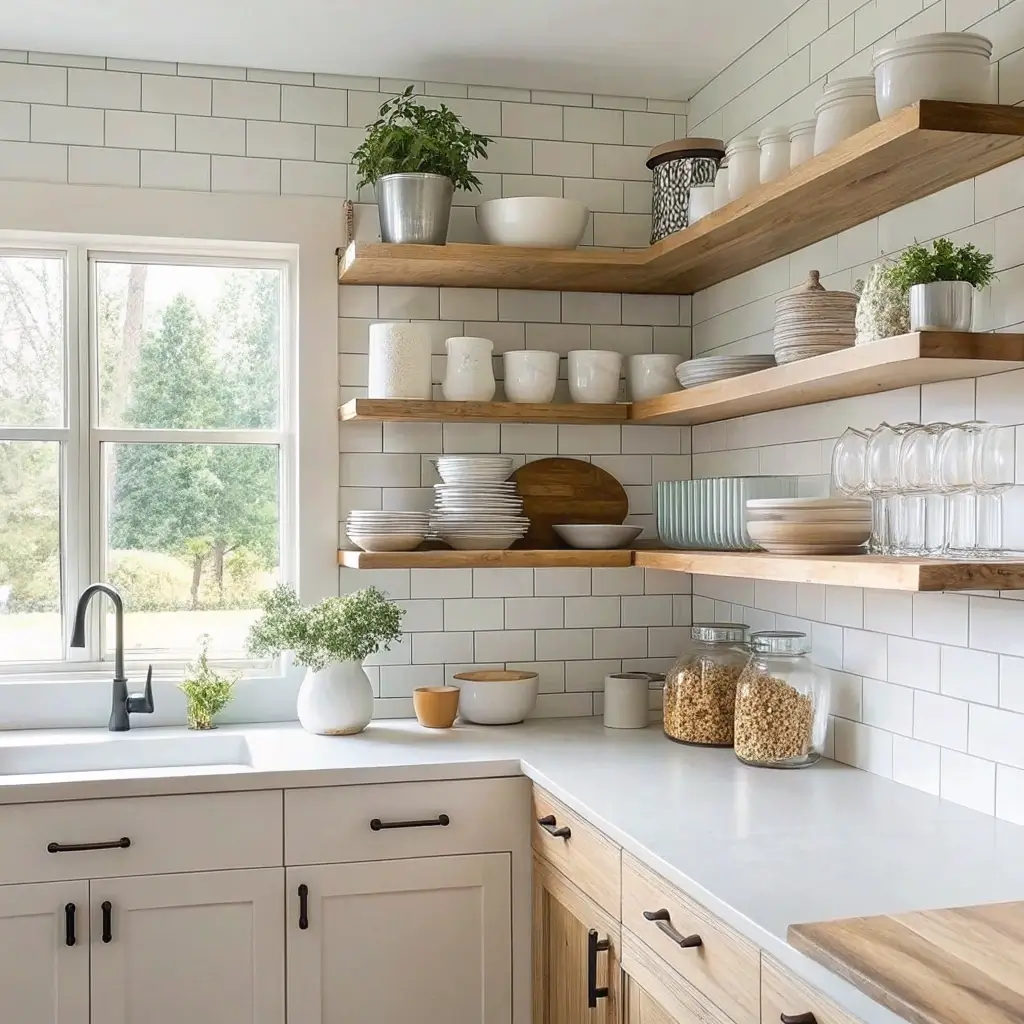
Kitchen shelves need to work harder than any other shelves in your house. They’re holding your dishes, spices, oils, and that fancy salt you bought and never use. Open shelving in kitchens is having a moment, and honestly, it forces you to keep things organized (or at least prettier).
Choose materials that can handle kitchen conditions – moisture, heat, and the occasional sauce splatter. Sealed hardwoods or treated pine work great. Mount them at least 18 inches above countertops for workspace clearance.
Kitchen Shelf Must-Haves:
- Water-resistant finish
- Weight capacity of 40+ pounds per foot
- Easy-to-clean surfaces
- Strategic placement away from stove splatter zones
My spice shelf revolutionized cooking – everything’s visible and within reach. No more digging through cabinets while pasta water boils over!
Floating Shelves with Hanging Hooks
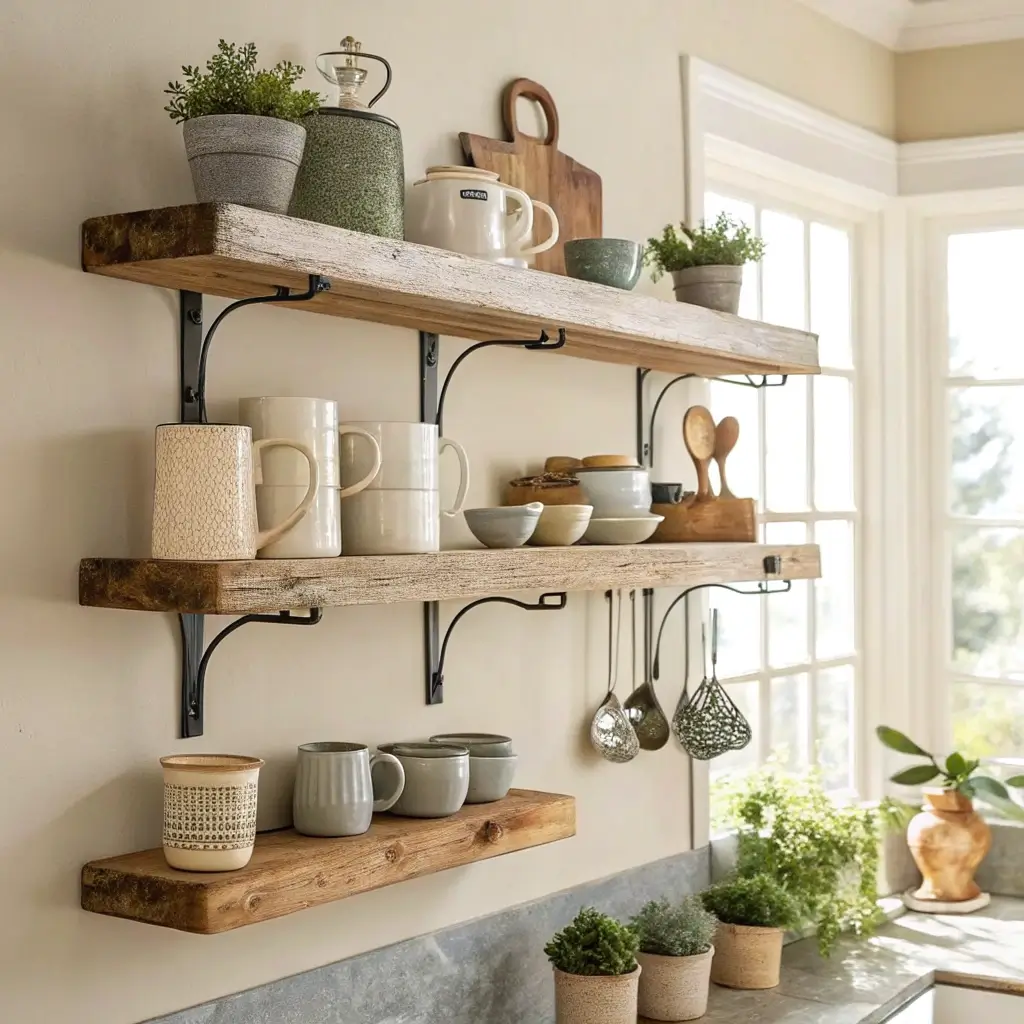
Why stop at shelving when you can add hanging storage too? Adding hooks underneath floating shelves doubles your storage potential. Coffee mugs, keys, jewelry – suddenly everything has a place.
Install hooks before mounting your shelf for the cleanest look. Space them evenly (usually 4-6 inches apart) and make sure they’re secured into the shelf’s solid parts, not just the finish. S-hooks offer flexibility if you want to change things up occasionally.
My entryway shelf-and-hook combo solved our “where are my keys?” morning panic. Everything lands there automatically now – keys, dog leashes, that mask you keep forgetting.
Floating Shelves with Mixed Wood Tones
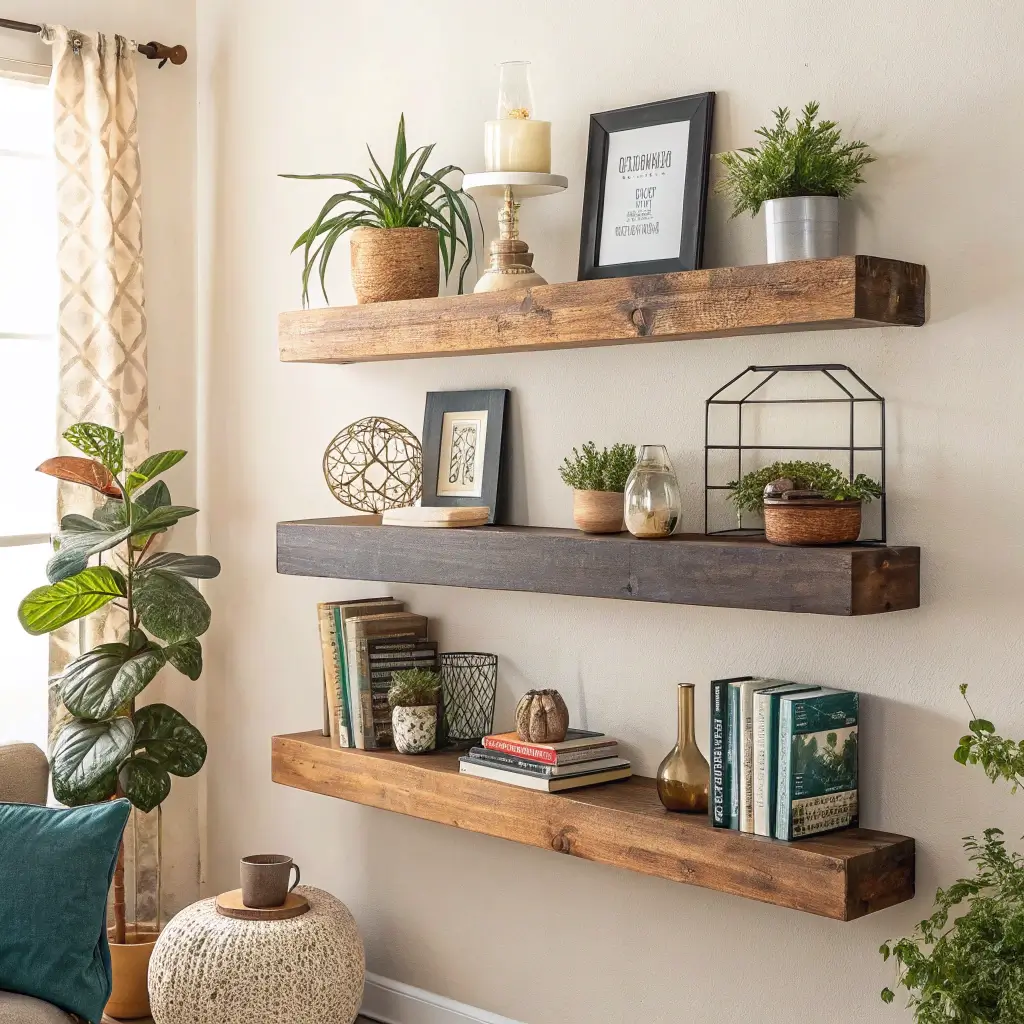
Who made the rule that all wood needs to match? Mixed wood tones create depth and visual interest that single-tone shelves can’t achieve. Pair walnut with maple, cherry with ash – the combinations are endless.
The trick is balancing warm and cool tones. Too many warm woods look busy; too many cool tones feel cold. I alternated dark walnut and light birch shelves in my study, and the contrast defines each shelf as its own display space.
Mixing Woods Successfully:
- Stick to 2-3 wood types maximum
- Repeat each wood at least twice for cohesion
- Maintain consistent shelf thickness
- Use the same bracket style throughout
This approach works especially well in eclectic or boho-style spaces where mixing is the whole point.
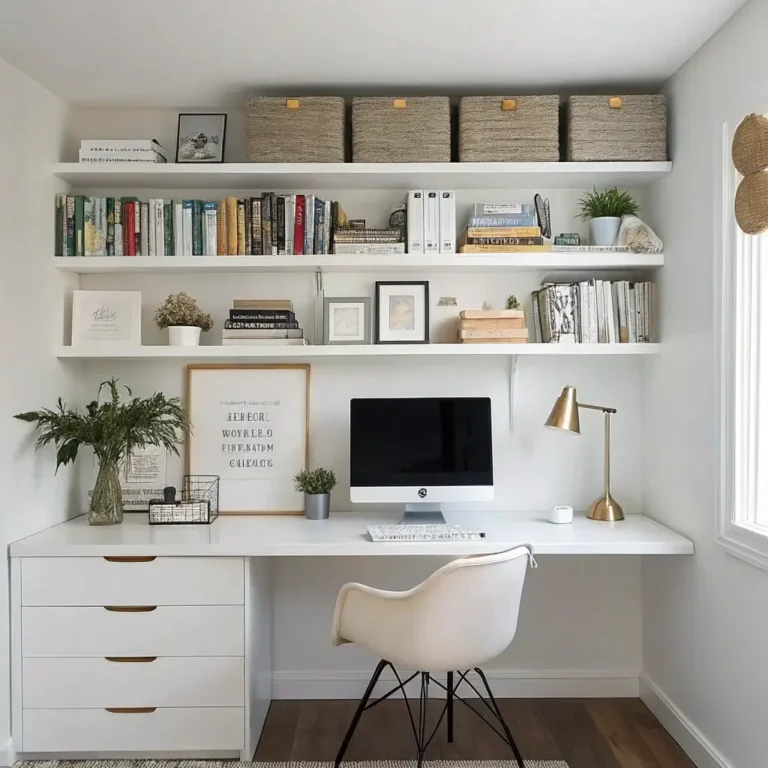
Floating Shelves with Integrated Desk Space
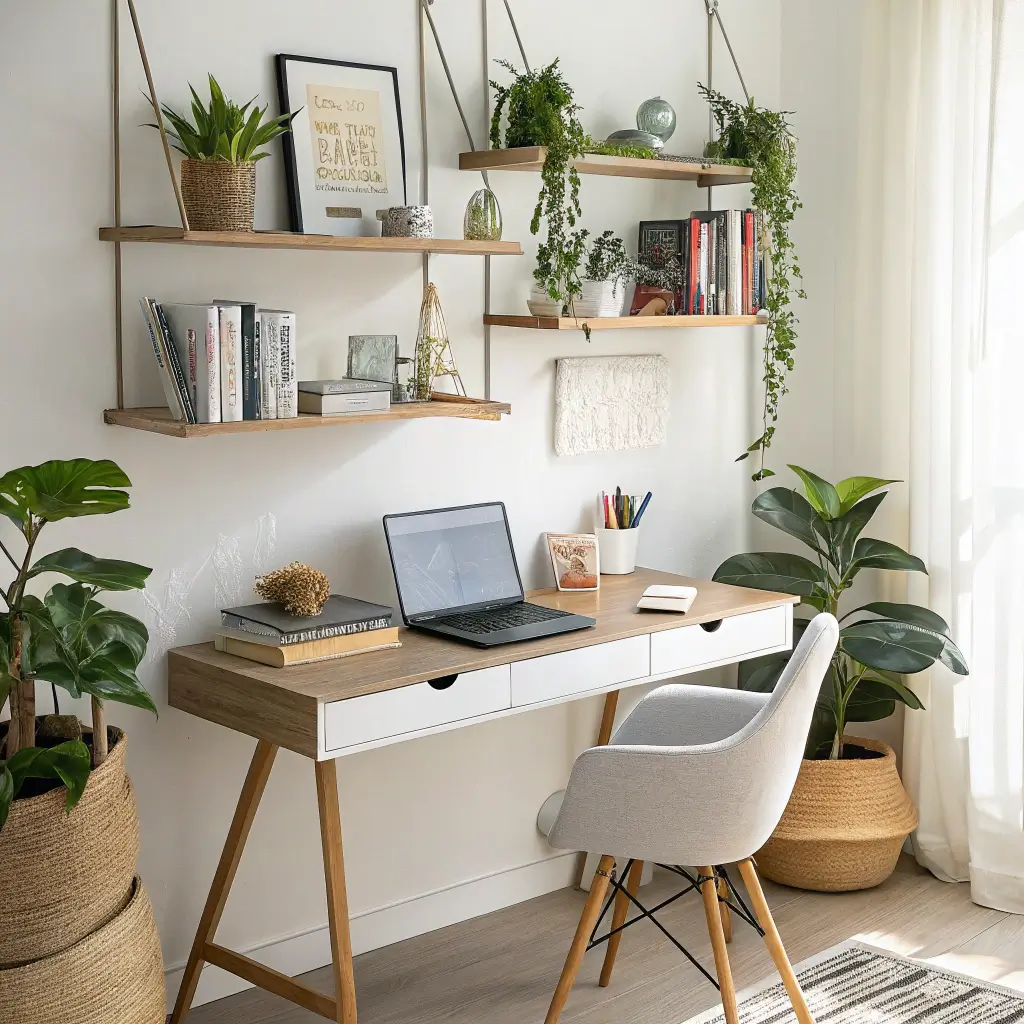
Small space? Make your shelves pull double duty. Creating a floating shelf that extends into a desk gives you workspace without the bulk of traditional furniture. Perfect for that work-from-home life we’re all living now.
The key here is proper support and depth. Your desk section needs to be at least 20 inches deep for comfortable use, and brackets must handle the weight of someone leaning on it (because you will). Use heavy-duty brackets rated for 100+ pounds.
I built one of these for my teenager’s room – homework space that doesn’t eat up floor space for activities? Parent win! Mount at 29-30 inches high for standard desk height, and don’t forget to round the corners where knees might hit.
Floating Shelves with Book Ledge Design
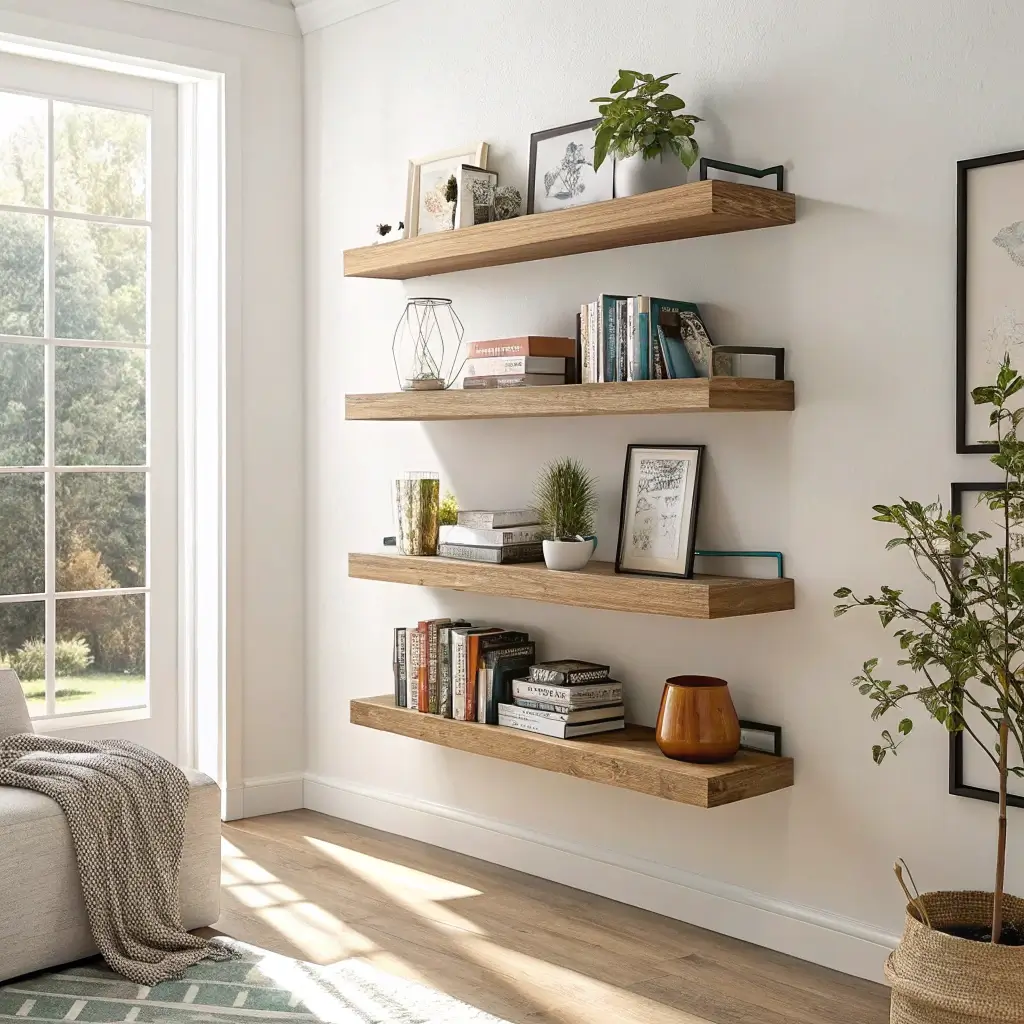
Book lovers, picture ledges are your best friend. That little lip on the front keeps books from sliding off while displaying covers face-out. Way better than spine-out storage when you have beautiful book covers to show off.
Creating the ledge is simple – attach a thin strip of wood (1/2 inch high works well) along the front edge. Route a small groove behind it if you want that professional built-in look. Sand everything smooth because nobody likes splinters when grabbing their bedtime reading.
Building Better Book Ledges:
- Make ledges at least 4 inches deep for paperbacks
- 6-8 inches accommodates most hardcovers
- Add felt strips to prevent cover scratches
- Slight backward tilt (5 degrees) adds security
My kid’s room has these at different heights, creating an ever-changing gallery of current favorites. So much better than books scattered on the floor!
Floating Shelves for Bathroom Organization
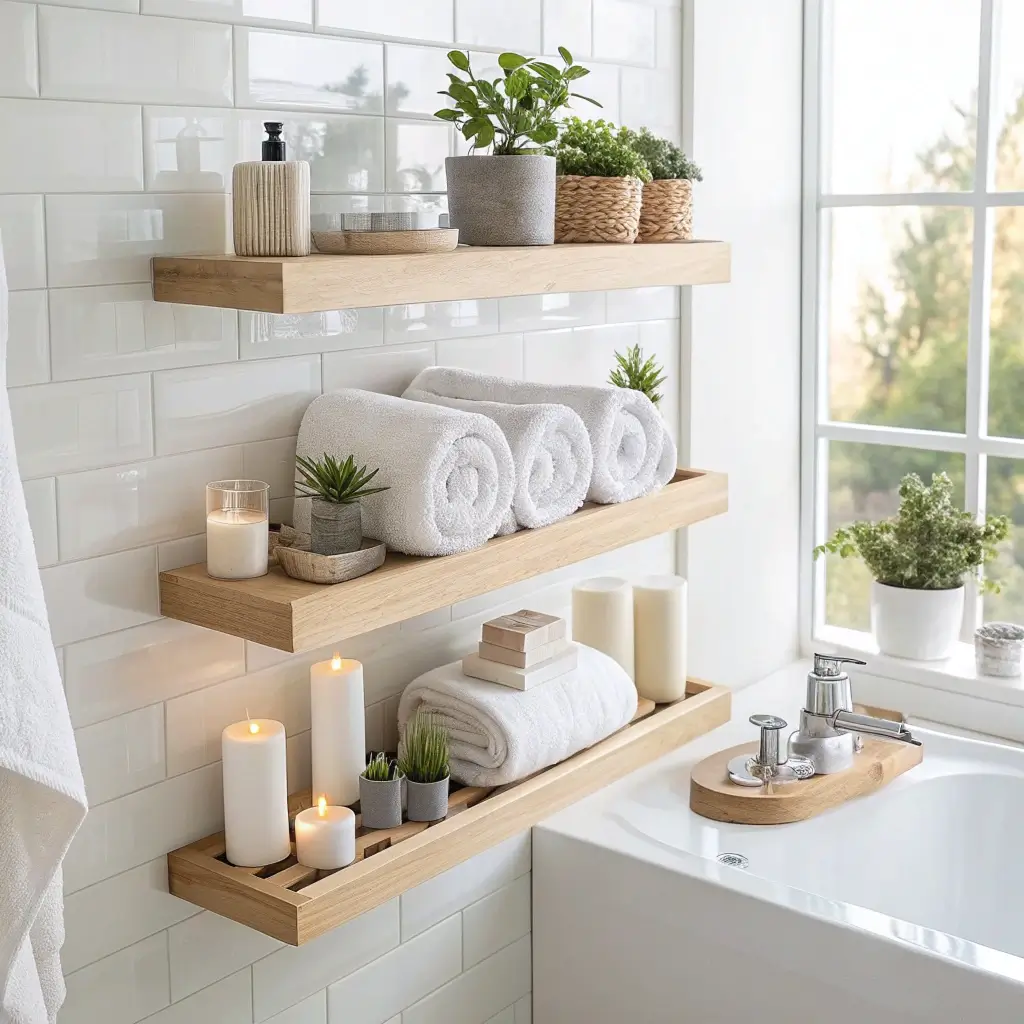
Bathrooms need storage solutions that can handle humidity and still look good. Floating shelves beat medicine cabinets any day – they’re more accessible and way less dated-looking. Moisture-resistant materials are non-negotiable here.
Teak, cedar, or properly sealed pine all work well in bathroom environments. Apply multiple coats of marine-grade polyurethane for ultimate protection. Mount high enough to avoid direct shower spray but low enough to reach your face wash without gymnastics.
Position shelves strategically – one near the sink for daily essentials, another by the shower for those 47 hair products you definitely need. Glass shelves work great here too if wood feels too heavy for your space :/
Remember to leave breathing room between items. Crowded bathroom shelves look cluttered fast, and nobody wants their morning routine to feel chaotic. Less is more in bathroom organization.
Making Your Floating Shelf Dreams Reality
So there you have it – fifteen ways to level up your walls and actually enjoy looking at them. The beauty of DIY floating shelves? You can customize every single aspect to fit your space, style, and storage needs perfectly. Start with one simple project (maybe those minimalist white ones?) and work your way up to the more complex builds.
Here’s what I learned after installing shelves in literally every room: measure everything twice, use appropriate wall anchors, and don’t cheap out on brackets. Your future self will thank you when those shelves are still perfectly level five years later. Most importantly, have fun with it! These projects should make you excited about your space, not stressed about perfection.
Ready to stop pinning ideas and start building? Grab your level, find your studs (the wall kind), and let’s make some storage magic happen. Your walls are waiting, and trust me, once you install that first shelf, you’ll be planning the next one before the drill’s even cooled down.
What are you waiting for? Those blank walls aren’t going to decorate themselves! Pick your favorite idea from this list, hit up the hardware store this weekend, and show those walls who’s boss. Then come back and tell me which one you tried – I’m always looking for new shelf inspiration, and hey, we DIYers need to stick together. Happy building!