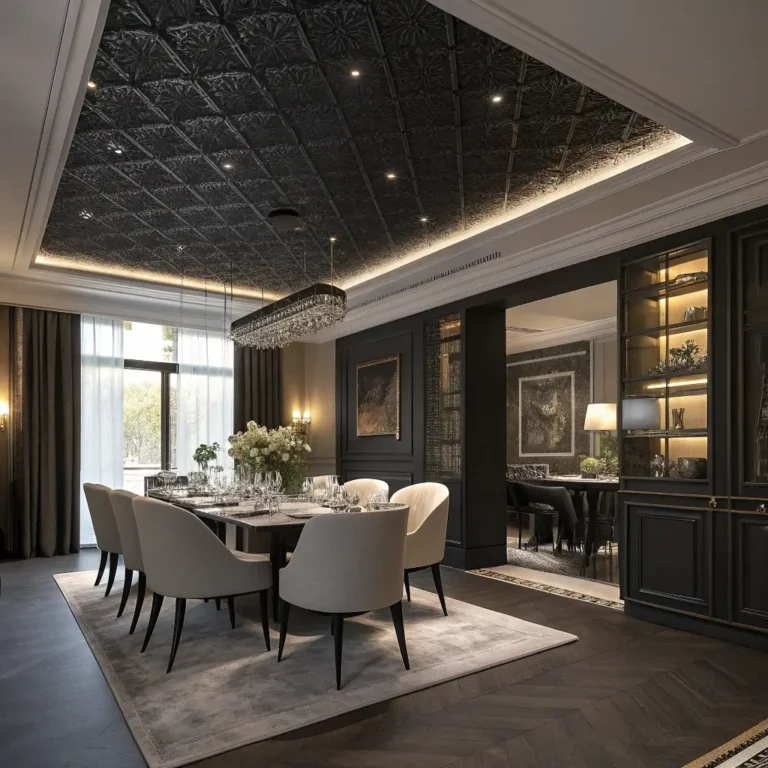
15 Elegant Down Ceiling Design Ideas for Cozy Spaces

You know that moment when you walk into a room and something just feels right? Nine times out of ten, it’s the ceiling doing all the heavy lifting – literally and figuratively.
Most people forget to look up, but I’m here to tell you that down ceilings (also called false or drop ceilings) can completely revolutionize your space without breaking the bank.
I’ve spent the last decade obsessing over interior design, and trust me, I’ve made my share of ceiling mistakes.
Remember that popcorn ceiling trend? Yeah, let’s not go there. But down ceilings? Now we’re talking about something that actually adds value and style to your home.
Modern Minimalist Down Ceiling
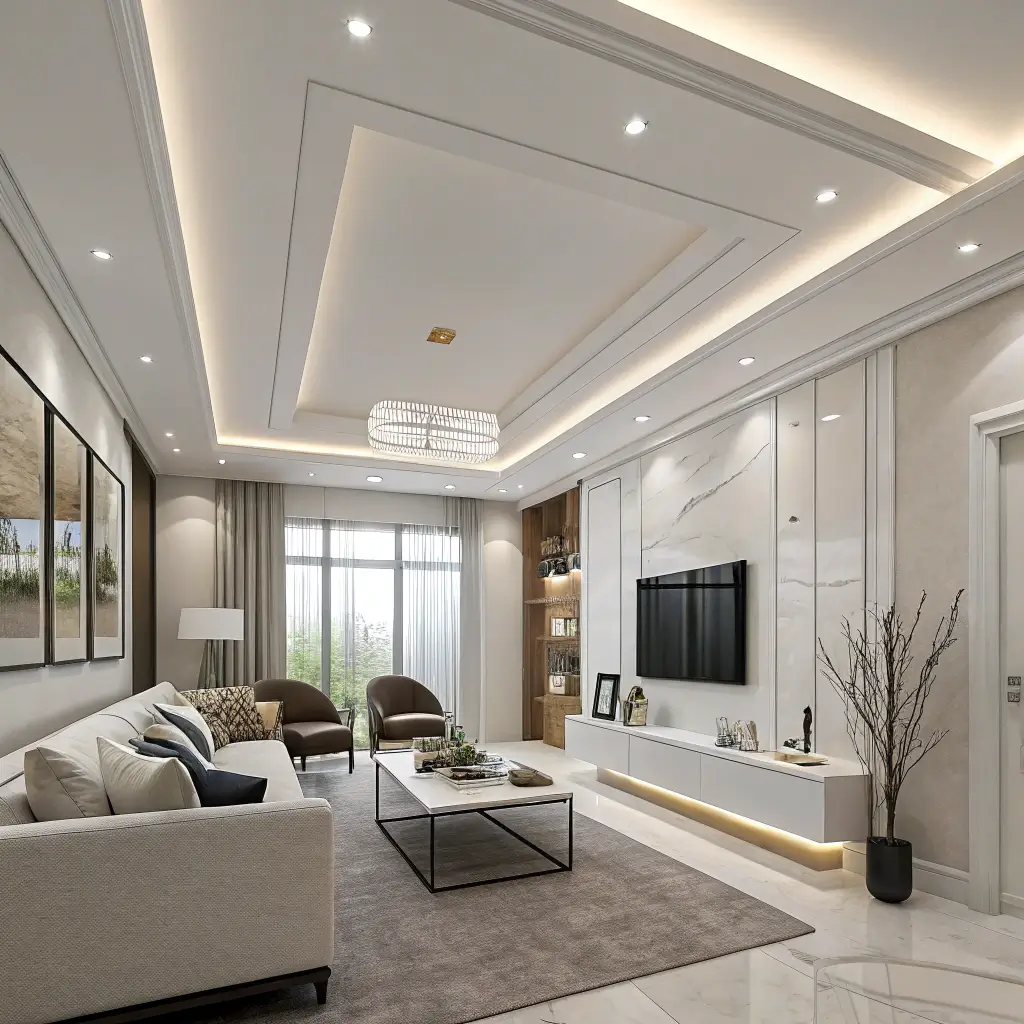
Clean lines, zero fuss – that’s what modern minimalist design brings to the table. Or should I say, to the ceiling? This style champions simplicity without sacrificing sophistication, and honestly, it’s my go-to recommendation for anyone who wants a timeless look.
Picture this: a smooth, flat surface that extends from wall to wall, usually finished in crisp white or soft gray. The beauty lies in its restraint. You’re creating negative space that lets your furniture and art pieces shine while maintaining that zen-like atmosphere we all crave after a long day.
What makes this design particularly brilliant? It works with literally any room size. Small bedroom? The minimalist ceiling makes it feel larger. Massive living room? It creates cohesion without overwhelming the space. I installed one in my studio apartment three years ago, and guests still compliment how spacious it feels.
Key Features to Consider:
- Recessed lighting strips along the perimeter
- Matte finish paint (glossy shows every imperfection)
- Heights between 8-10 inches below the original ceiling
- Hidden AC vents for that seamless look
LED-Integrated False Ceiling
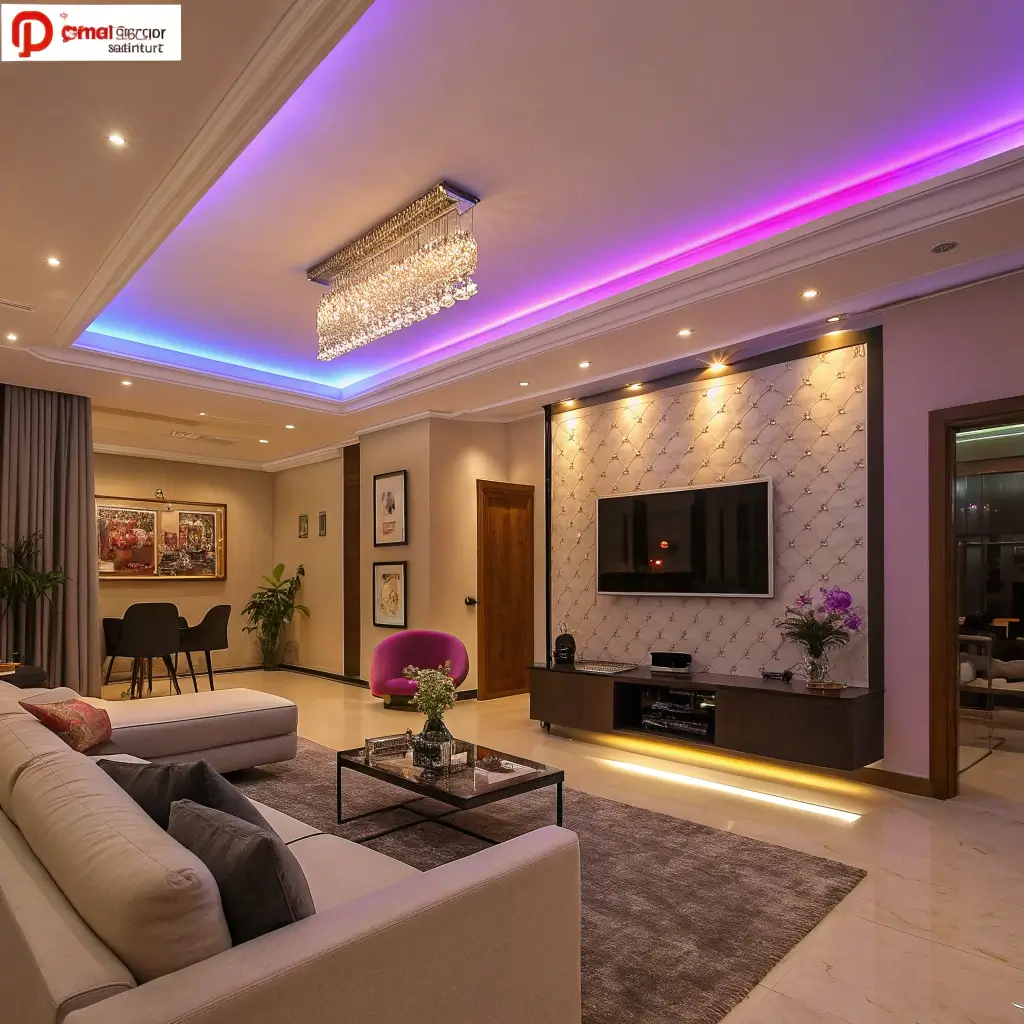
Let’s talk about the game-changer that is LED integration. Remember when we had to choose between good lighting and good design? Those days are long gone, friend.
LED-integrated ceilings combine form and function in ways that still blow my mind. You’re essentially creating a lighting system that’s part of the architecture itself. No more ugly light fixtures hanging down like afterthoughts – everything flows together seamlessly.
The best part? You can control zones, colors, and intensity with your smartphone. Want romantic dinner lighting? Done. Need bright task lighting for your home office? Easy. I’ve installed smart LED systems that sync with your circadian rhythm, gradually dimming as bedtime approaches. It’s like having a personal lighting designer working 24/7.
Installation Tips:
- Choose warm white (3000K) for living spaces
- Cool white (4000K+) works better in kitchens and bathrooms
- Install dimmers – always, always install dimmers
- Consider RGB strips for accent lighting (but don’t go overboard)
Wooden Panel Down Ceiling
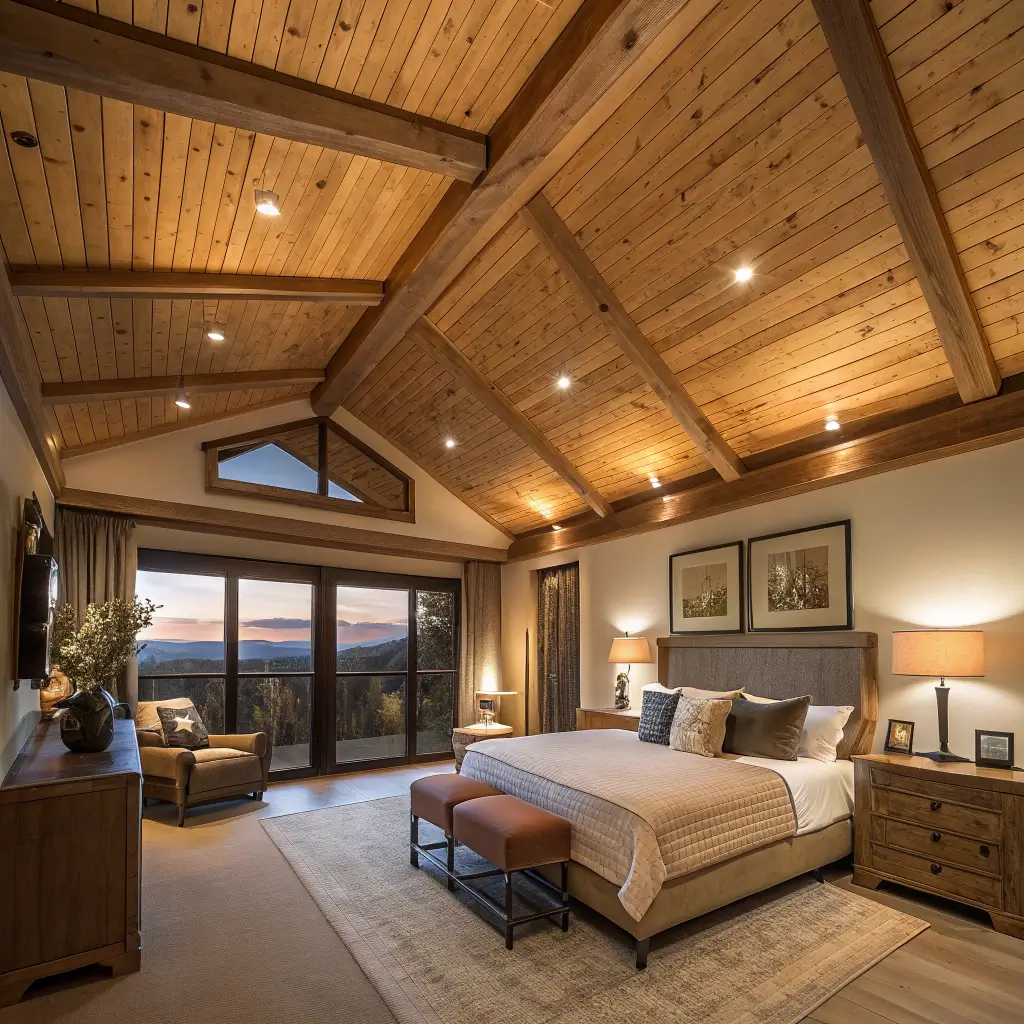
Nothing says warmth quite like wood, and when you bring it overhead, magic happens. Wooden panel ceilings add instant character that painted surfaces simply can’t match. Plus, they’re having a serious moment right now – everyone from millennials to boomers seems to love them.
I recently helped a friend install oak panels in their dining room, and the transformation was insane. The space went from “meh” to magazine-worthy in a weekend. The natural grain patterns create visual interest without trying too hard, and the acoustic benefits? Chef’s kiss. Your dinner parties will sound as good as they look.
Want to know the secret? Mix wood tones with modern elements. Pair those honey-colored panels with black track lighting or sleek metal fixtures. It prevents the space from feeling like a 1970s time capsule (unless that’s your vibe, no judgment here).
Wood Options That Work:
- Pine: Budget-friendly and lightweight
- Cedar: Natural insect repellent and gorgeous smell
- Reclaimed wood: Eco-friendly with tons of character
- Engineered wood: Consistent look, lower maintenance
Also Read: 15 Beautiful Drawing Room Ceiling Design Ideas for Modern Homes
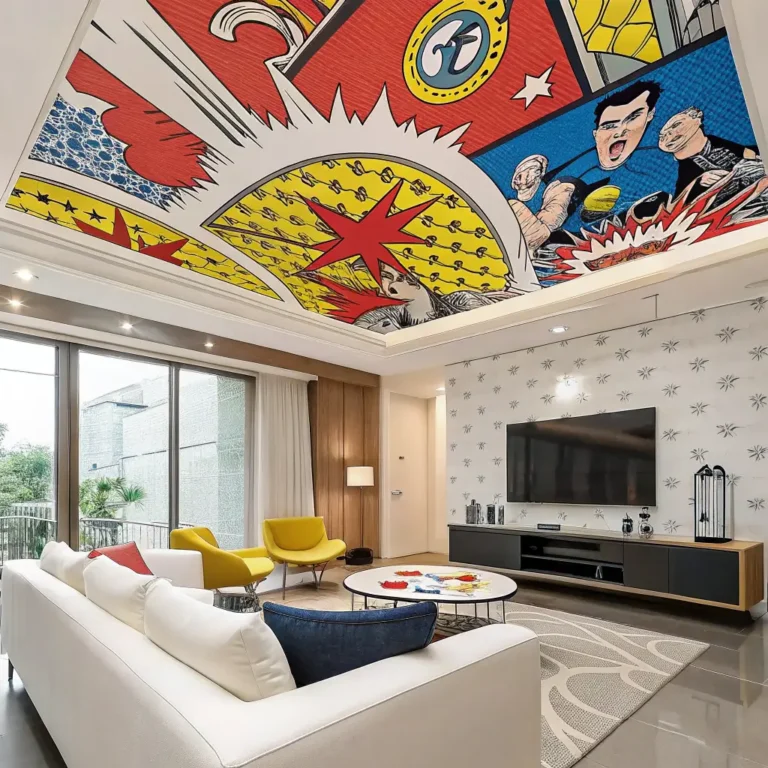
Geometric Patterned Ceiling
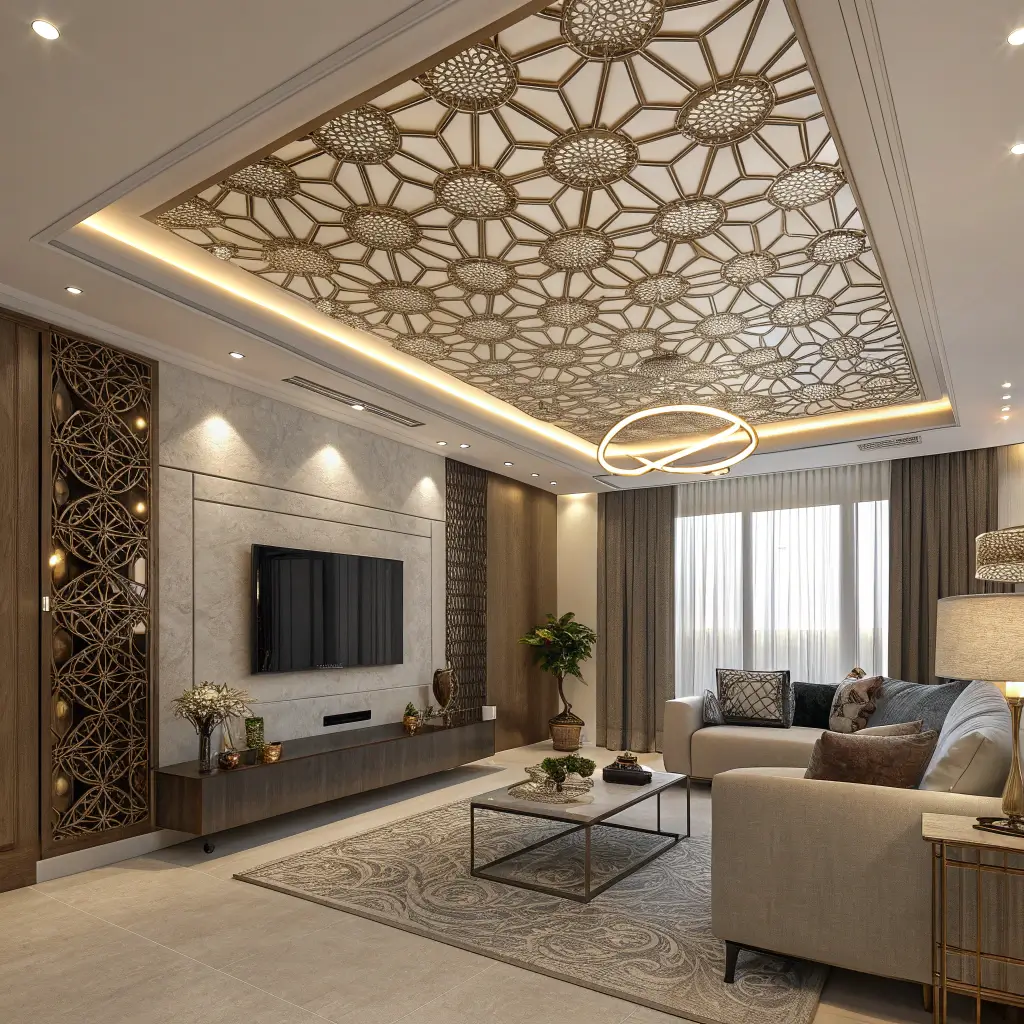
Who says ceilings have to be boring? Geometric patterns transform your ceiling into a piece of art that guests can’t help but notice. And before you worry – no, this doesn’t mean your room will look like a math textbook exploded overhead.
Modern geometric ceilings use shapes strategically to create movement and depth. Think hexagons, triangles, or interconnected rectangles that guide the eye around the room. I’ve seen simple diamond patterns make narrow hallways feel twice as wide. It’s basically an optical illusion that works in your favor.
The trick is balance. You want enough pattern to be interesting but not so much that it induces vertigo. Start with larger shapes in neutral colors if you’re pattern-shy. You can always add more complexity later if you’re feeling brave.
Layered Tray Down Ceiling
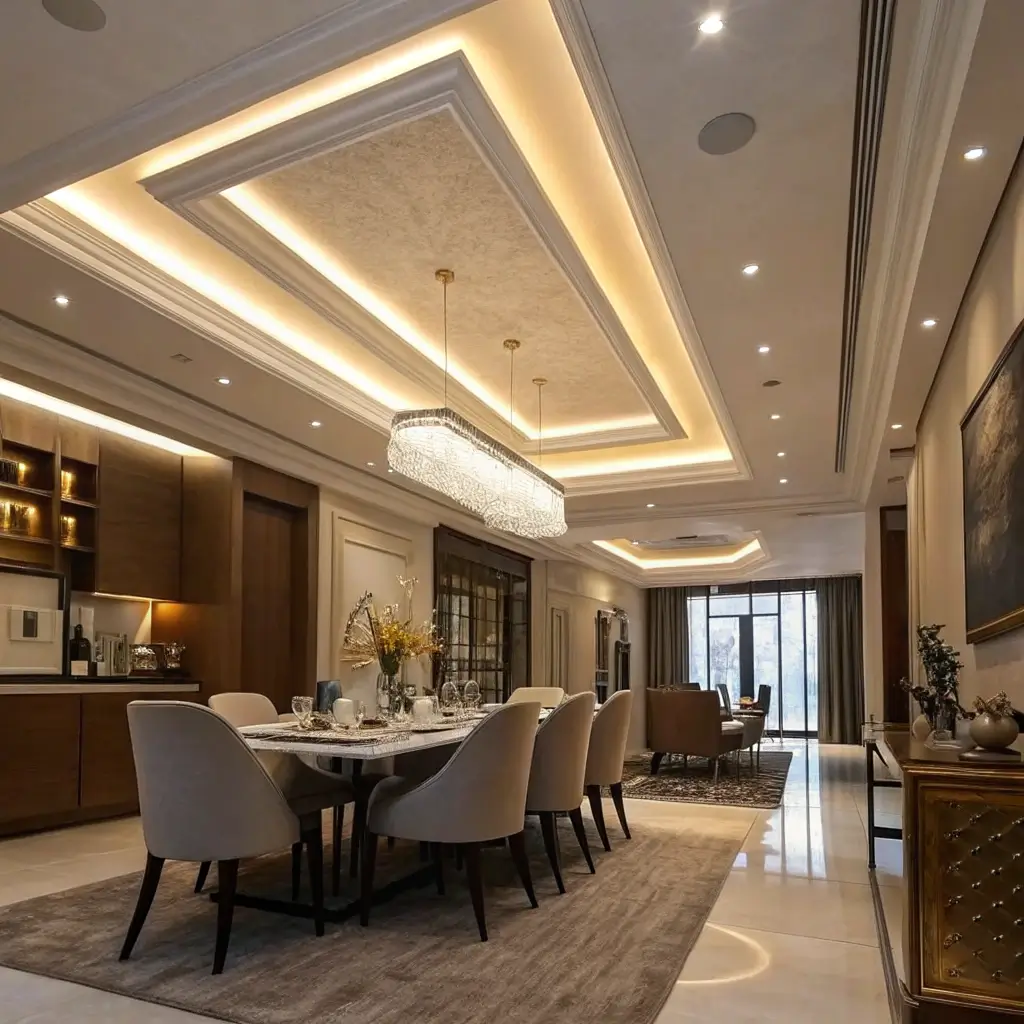
Ever wondered why hotel rooms feel so luxurious? Layered tray ceilings play a huge part. These bad boys create depth and dimension that flat ceilings can only dream about.
Picture multiple rectangular frames, each slightly lower than the last, creating a stepped effect toward the center. It’s architectural jewelry for your room. The layers naturally draw your eye upward, making standard 8-foot ceilings feel palatial. I’ve used this technique in master bedrooms, and homeowners consistently tell me it’s their favorite feature.
Here’s a pro tip: paint each layer a slightly different shade of the same color. The subtle gradation adds sophistication without screaming “look at me!” Though honestly, people will look anyway – these ceilings command attention.
Design Considerations:
- Minimum room size: 12×12 feet
- Ideal drop between layers: 4-6 inches
- Center the deepest tray over key furniture
- Add crown molding for extra elegance
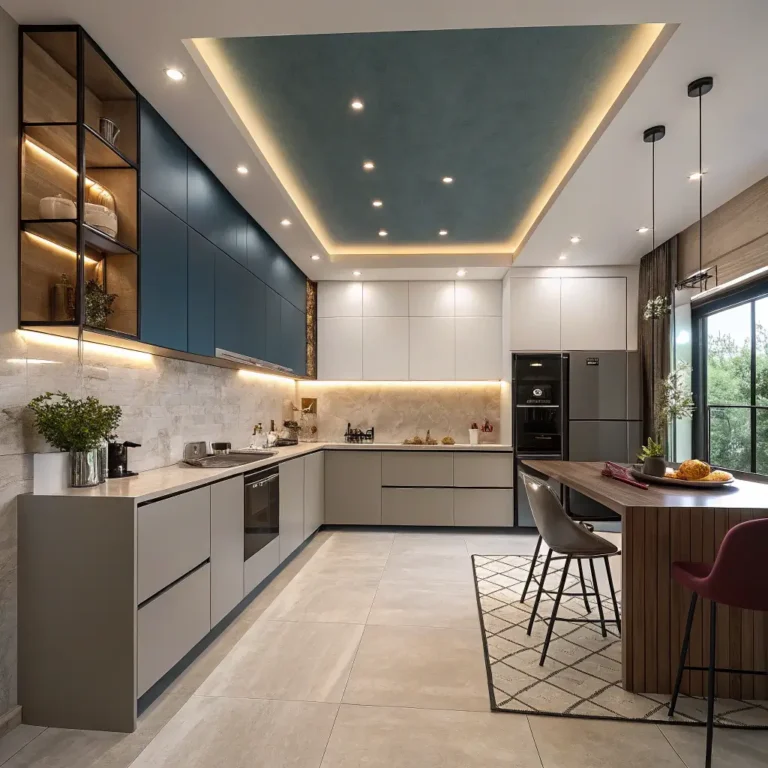
Ambient Cove Lighting Ceiling
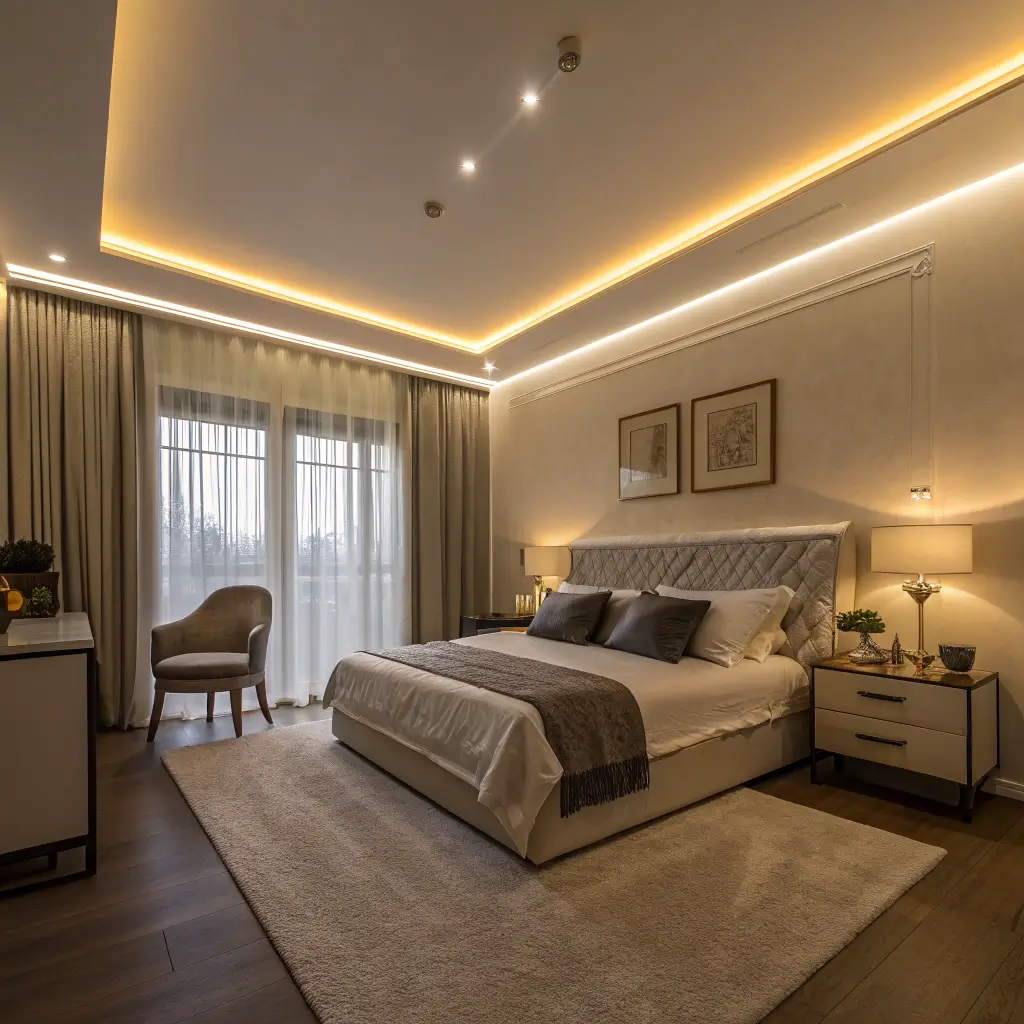
Cove lighting is like the Instagram filter of ceiling design – it makes everything look better. This indirect lighting technique creates a soft glow that eliminates harsh shadows and makes everyone look like they’ve had eight hours of sleep (even when they haven’t).
The setup involves creating a recessed ledge around your ceiling’s perimeter where LED strips hide. The light bounces off the ceiling and walls, creating this dreamy ambiance that direct lighting can’t achieve. Movie night? Perfect mood lighting. Reading session? Adjust the brightness without glare. It’s versatility at its finest.
I installed cove lighting in my bedroom last year, and my electricity bill actually went down. LEDs use way less energy than traditional bulbs, and the indirect lighting means I rarely need overhead fixtures anymore. Win-win, right?
Also Read: 15 Modern Office Ceiling Design Ideas for a Stylish Workspace
Classic White Plaster Ceiling
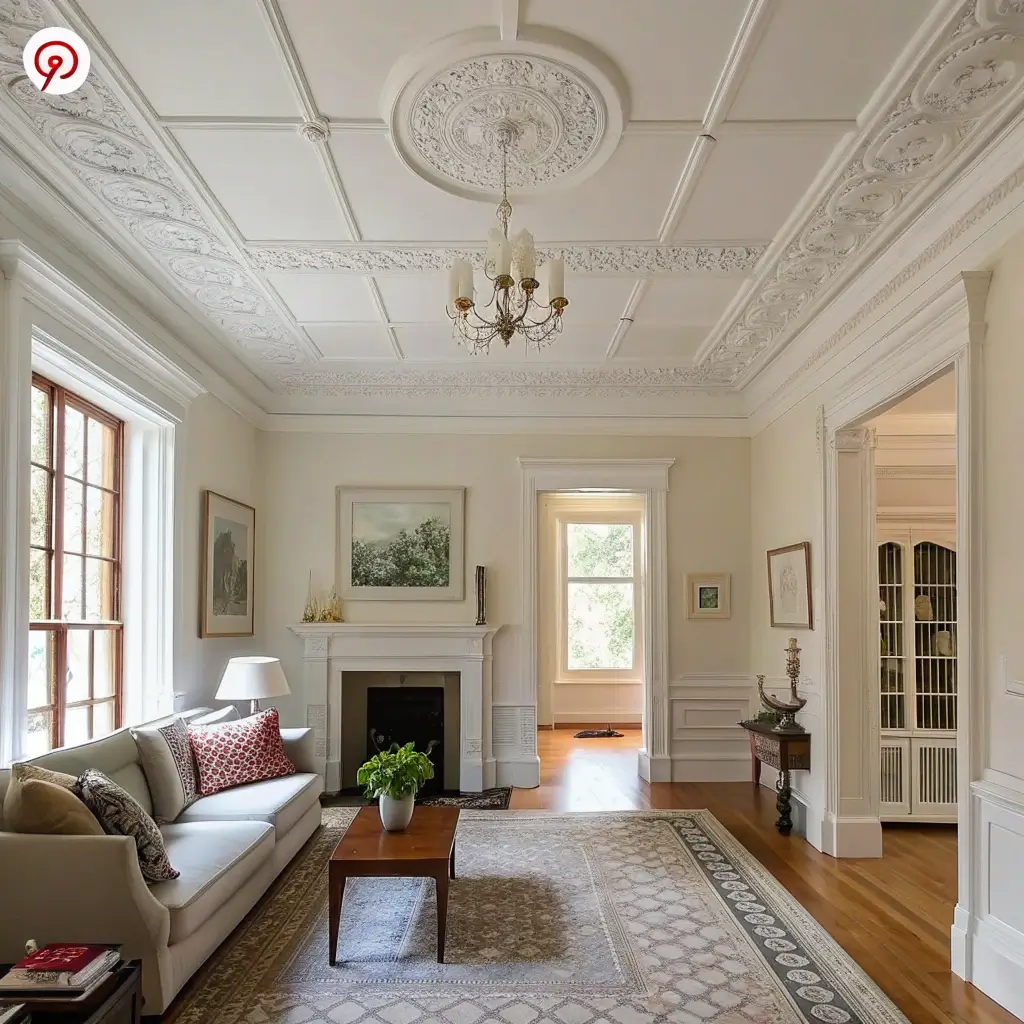
Sometimes, classic is classic for a reason. White plaster ceilings might sound basic, but when done right, they’re anything but boring. We’re talking about smooth, pristine surfaces that reflect light beautifully and make any room feel fresh and clean.
The beauty of plaster lies in its versatility. You can keep it simple with a flat finish, add subtle texture for visual interest, or incorporate decorative moldings for that old-world charm. My grandmother’s Victorian home has original plaster ceilings with intricate rosettes, and they’re absolutely stunning even after 100 years.
Modern plaster application techniques have made installation easier and more affordable than ever. Plus, plaster naturally regulates humidity and improves acoustic performance. It’s like the Swiss Army knife of ceiling materials.
Plaster Finish Options:
- Smooth: Contemporary and easy to maintain
- Textured: Hides imperfections, adds character
- Venetian: Luxurious with subtle color variations
- Skip trowel: Rustic charm with hand-applied texture
Rustic Exposed Beam Down Ceiling
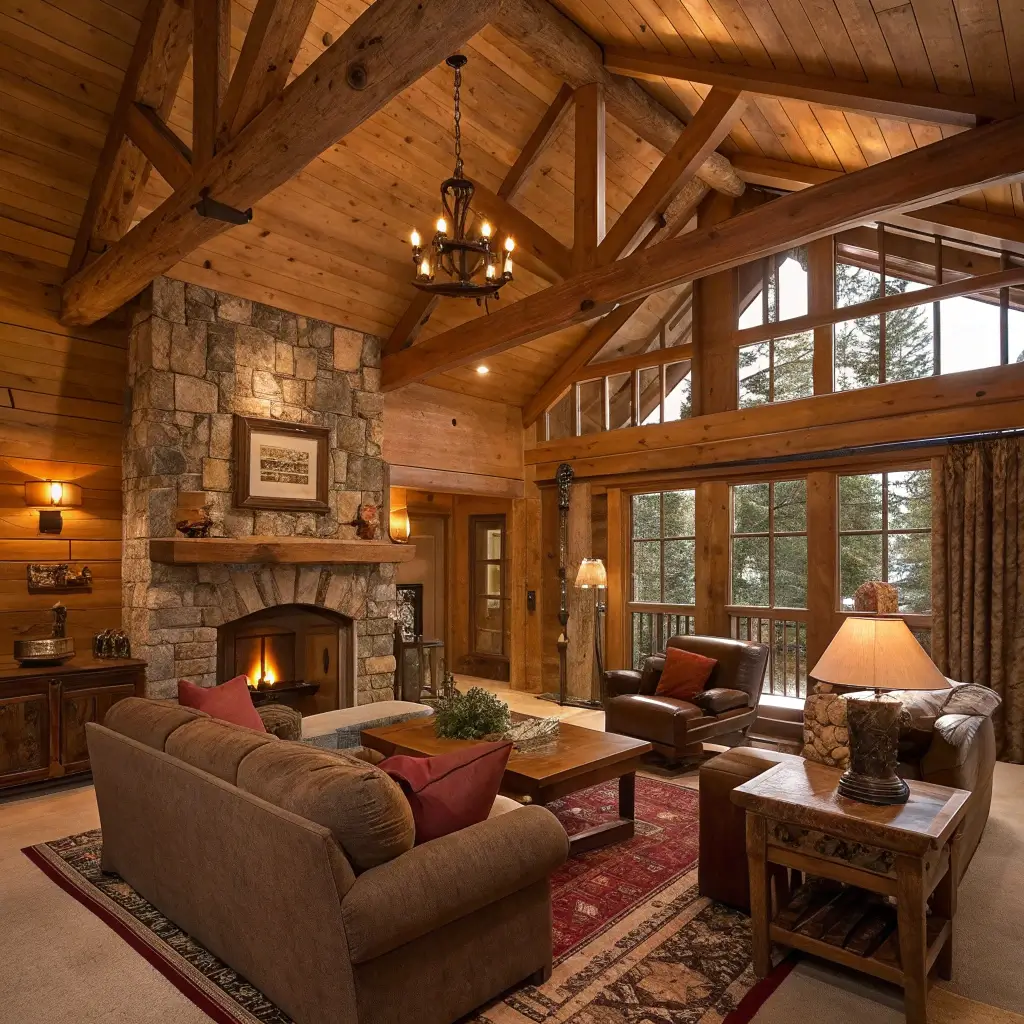
Want instant character? Exposed beams deliver every single time. Whether you’re going for farmhouse chic or industrial cool, beams add architectural interest that makes people stop and stare.
Here’s the thing – you don’t need actual structural beams to get this look. Faux beams made from polyurethane look incredibly realistic and weigh a fraction of real wood. I’ve fooled contractors with these things! They install easily, come pre-finished, and won’t crack or warp over time.
The key to nailing this look? Don’t overdo it. Three to five beams usually work better than covering the entire ceiling. Space them evenly and run them perpendicular to your room’s longest dimension. This creates the illusion of width and prevents that closed-in feeling.
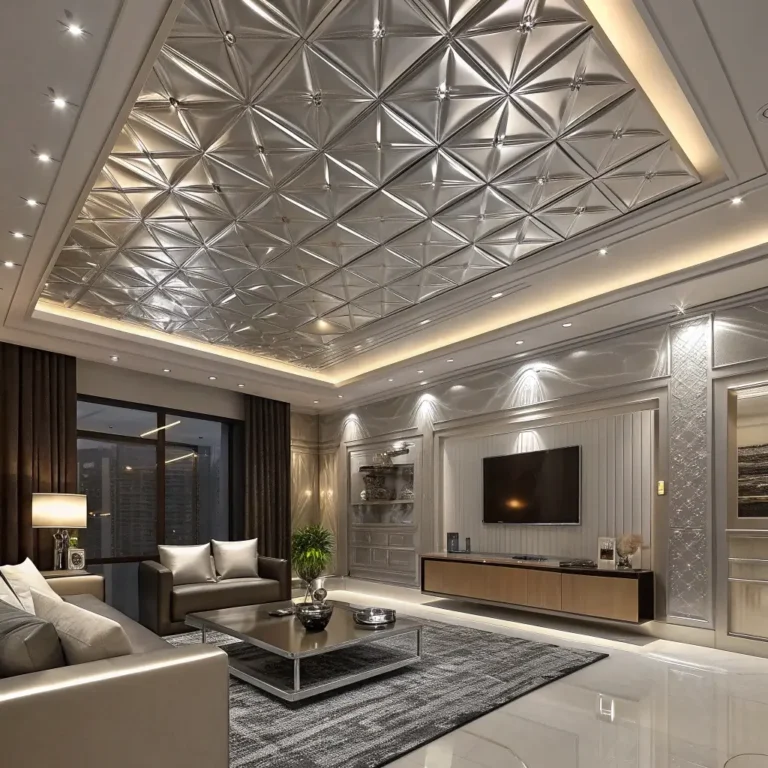
Mirror-Accented Ceiling Design
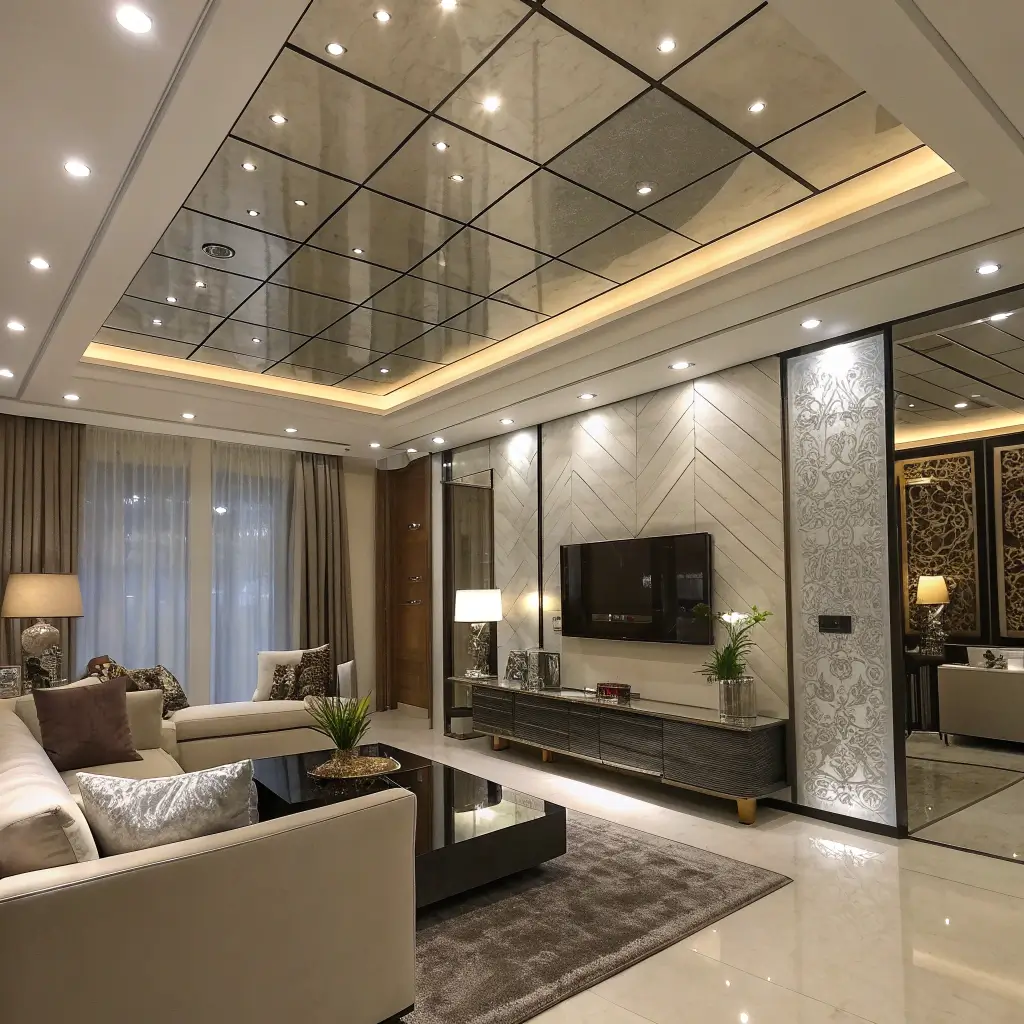
Okay, hear me out – mirrors on the ceiling don’t have to be tacky. When used strategically, they create incredible effects that’ll make your space feel twice as big.
I’m not suggesting you mirror the entire ceiling (please don’t). Instead, think accent panels, geometric patterns, or a central medallion. The reflection doubles your room’s visual height and bounces natural light to darker corners. It’s particularly effective in dining rooms where it reflects chandelier light for maximum drama.
FYI, antiqued or tinted mirrors work better than clear ones. They add depth without the fun-house effect, and they’re way more forgiving of imperfections. Trust me on this one 🙂
Also Read: 15 Creative Living Room Ceiling Design Modern Ideas to Inspire
Color-Blocked Down Ceiling
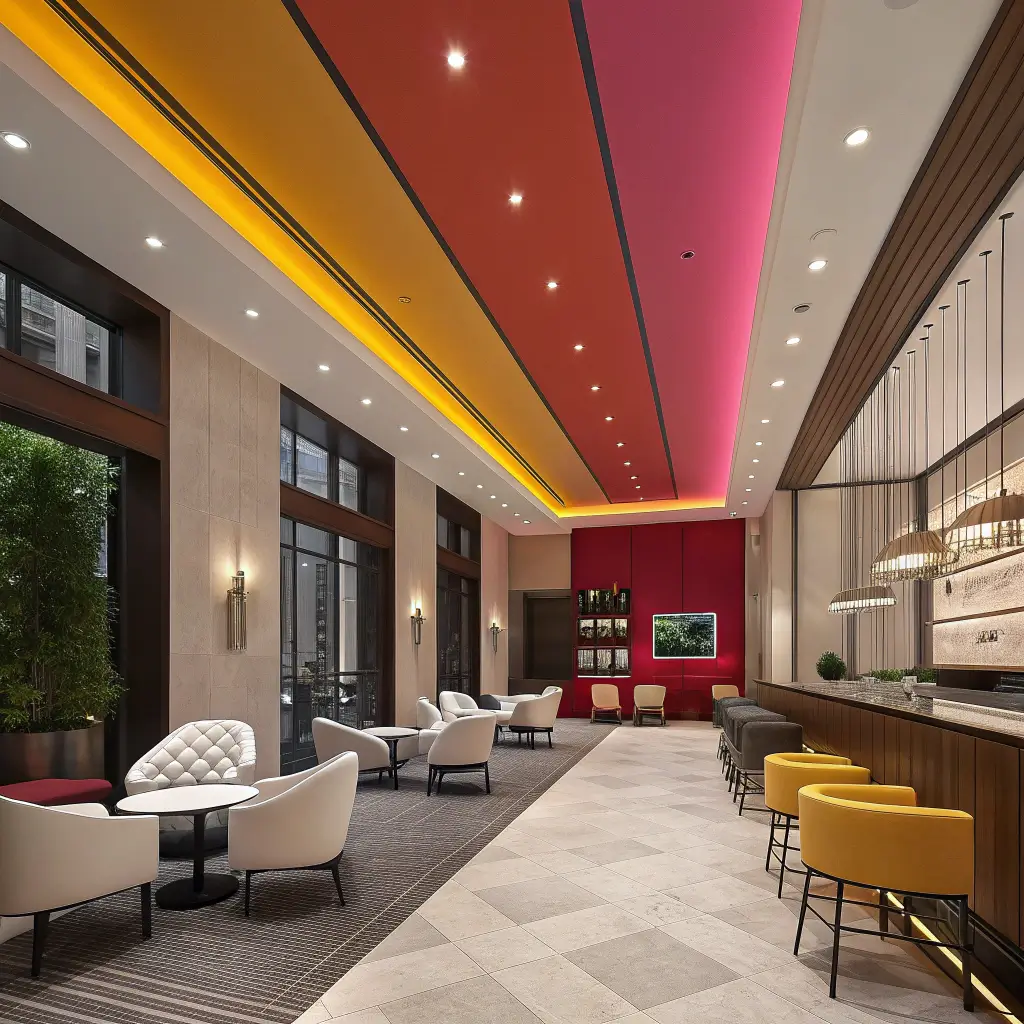
Who decided ceilings had to be white? Color-blocking your ceiling creates zones, adds personality, and can even correct architectural quirks. It’s like giving your room a personality transplant.
Picture this: a deep navy rectangle over your bed area, transitioning to soft gray in the rest of the room. Or a coral pink strip running the length of a narrow hallway. These color blocks define spaces without walls and inject energy where you need it most.
The psychology of color plays huge here. Cool blues and greens create calm (perfect for bedrooms), while warm yellows and oranges energize (ideal for home offices). I painted my kitchen ceiling sage green last spring, and cooking feels way less like a chore now. Coincidence? I think not.
Color-Blocking Best Practices:
- Stick to 2-3 colors max to avoid chaos
- Use painter’s tape for crisp lines
- Consider the room’s natural light direction
- Test paint samples at different times of day
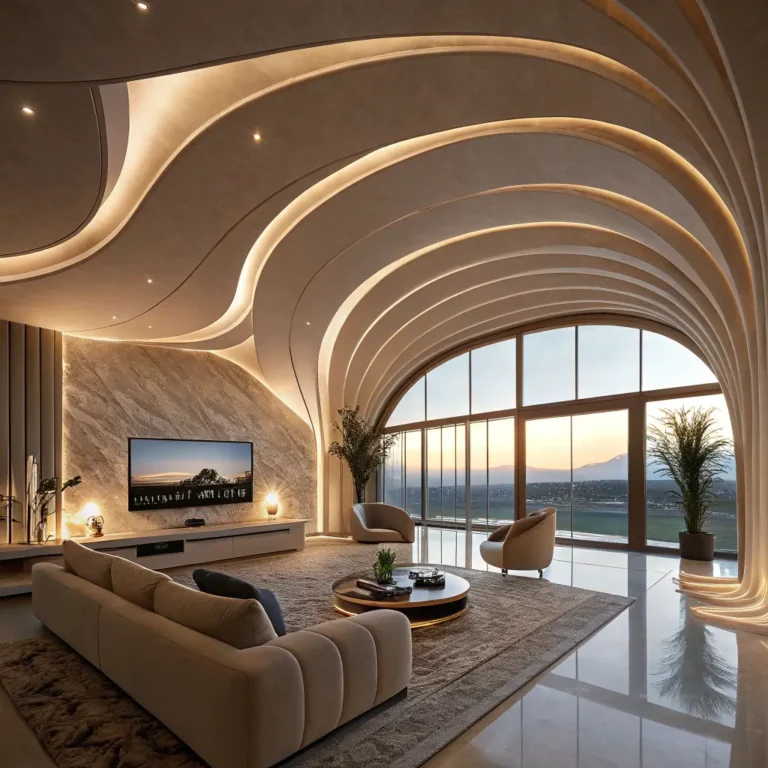
Circular or Dome Down Ceiling
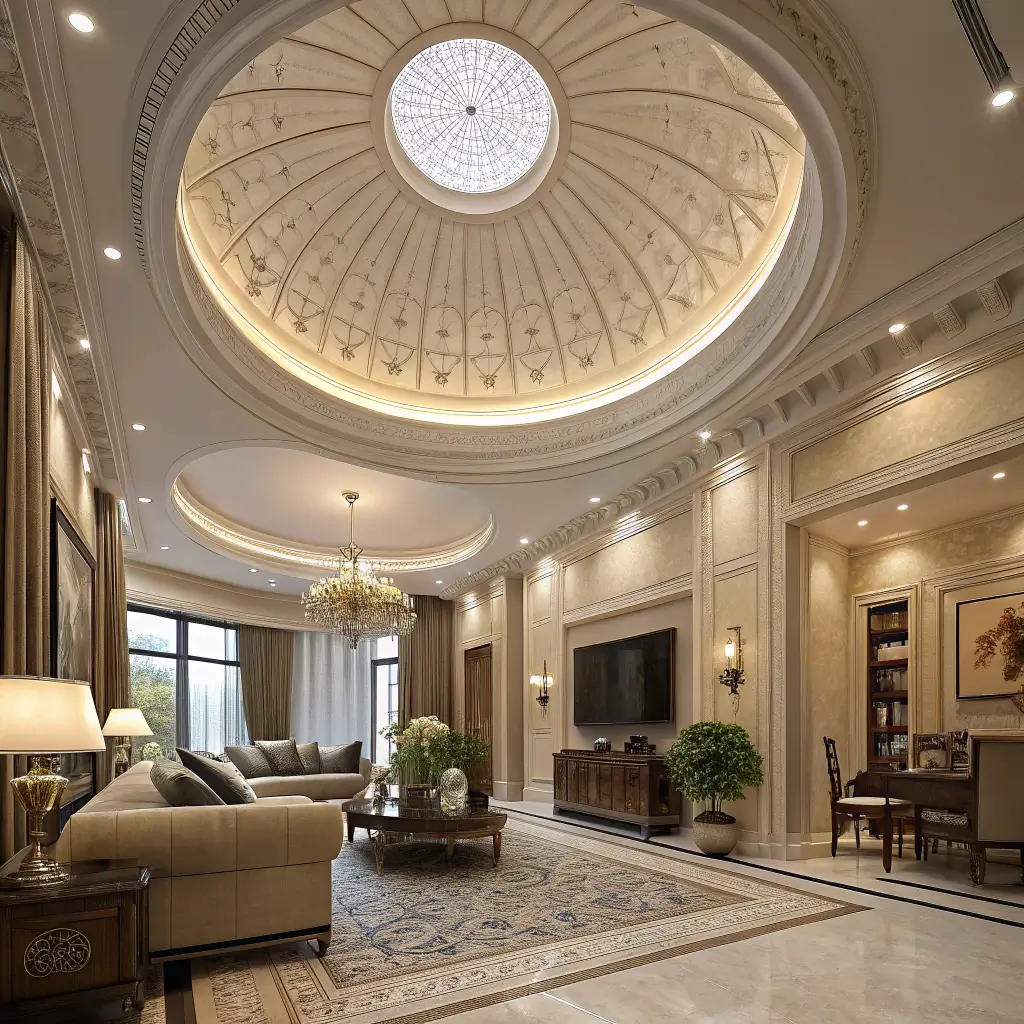
Curves in a world of straight lines – that’s what makes circular and dome ceilings so captivating. They soften harsh angles and create this cocoon-like feeling that rectangular designs can’t match.
Installing a dome or circular element doesn’t mean major construction. Prefabricated dome kits make it surprisingly achievable for DIY enthusiasts. The focal point they create is unmatched – perfect above dining tables or in foyers where you want maximum impact.
I helped design a nursery with a soft, cloud-like dome ceiling painted with gradual blue tones. The parents said their baby sleeps better looking up at it. Placebo effect? Maybe. But the space definitely feels more nurturing than your average boxy room.
Textured Gypsum Ceiling
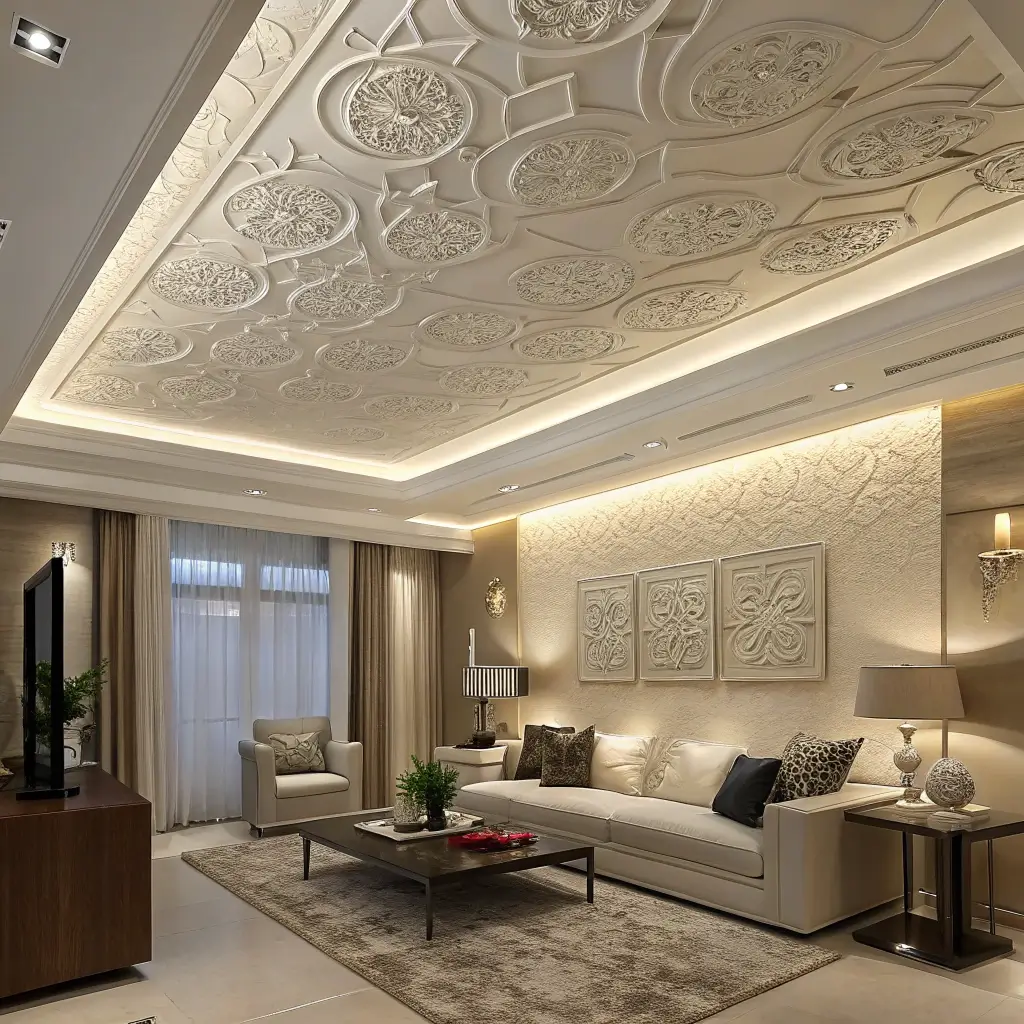
Gypsum board (drywall to us regular folks) isn’t just for walls anymore. Modern texturing techniques transform this humble material into artistic statements that rival expensive alternatives.
Skip the old-school stippling – we’re talking contemporary textures like waves, geometric reliefs, or organic patterns. The material’s moldability means you can achieve looks that would cost thousands with other materials. Plus, gypsum naturally resists fire and dampens sound. Safety and style? Yes, please.
My favorite technique involves creating subtle ripples that catch light differently throughout the day. It’s like having a living ceiling that changes mood with the sun’s movement. Visitors always ask if it’s hand-sculpted (spoiler: it’s not, but I let them think I’m fancier than I am).
Black and Gold Luxury Ceiling
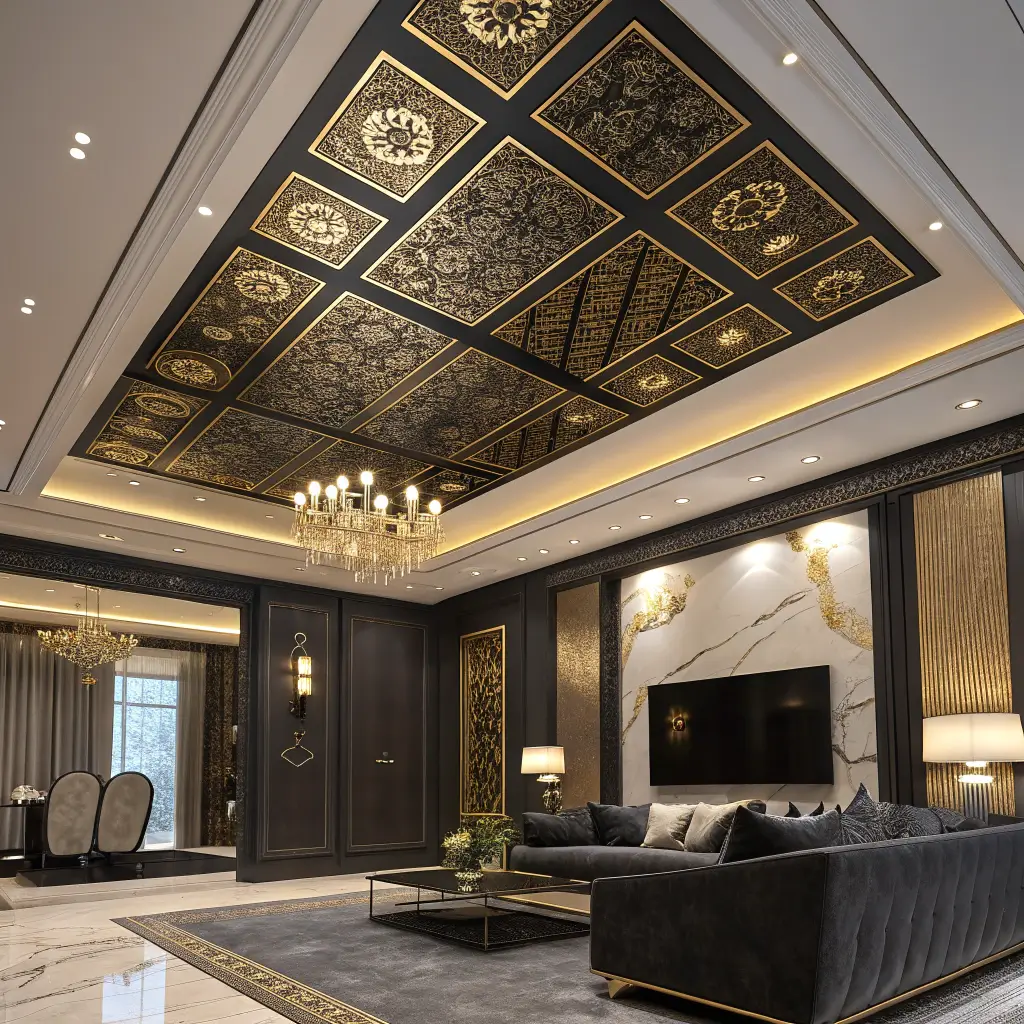
Ready to go bold? Black and gold ceilings scream luxury without actually screaming. This combo works because it plays with contrast – the depth of black makes gold accents pop like jewelry against velvet.
Don’t panic about black making your room feel smaller. When done right, it creates infinite depth that actually expands perceived space. The trick is incorporating metallic elements that reflect light. Gold leaf details, brass inlays, or even gold-painted moldings prevent the darkness from becoming oppressive.
I recently saw this executed perfectly in a powder room – matte black ceiling with gold geometric lines creating a subtle Art Deco vibe. Every guest comments on it. IMO, small spaces are perfect for bold choices since you’re not committing to living with them 24/7.
Small Room Space-Saving Ceiling
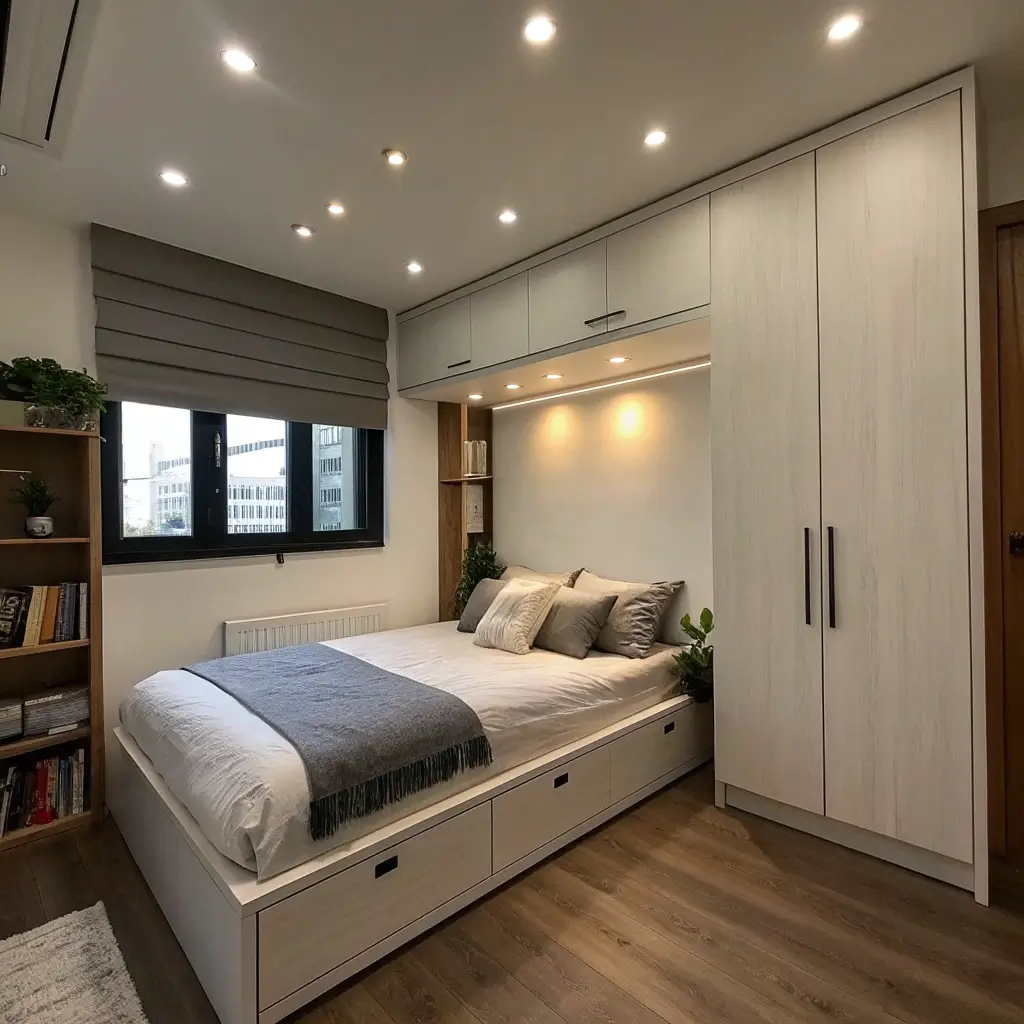
Small rooms need smart ceiling solutions that maximize every inch. Forget what you’ve heard about keeping everything white and boring – strategic down ceiling design can actually make compact spaces feel larger.
The secret? Creating vertical interest that draws the eye up and out. Recessed lighting eliminates the need for floor or table lamps (precious square footage saved!). Built-in storage cubbies along the ceiling perimeter provide shelving without eating floor space. Genius, right?
My studio apartment’s ceiling includes a dropped section that hides my AC unit, provides indirect lighting, and even has a built-in projection screen that retracts when not in use. Three functions, zero floor space required. That’s what I call winning the small space game.
Space-Maximizing Features:
- Perimeter shelving integrated into the drop
- Hidden storage compartments
- Retractable fixtures (fans, lights, screens)
- Mirrors or glossy finishes to amplify light
Contemporary Open Frame Ceiling
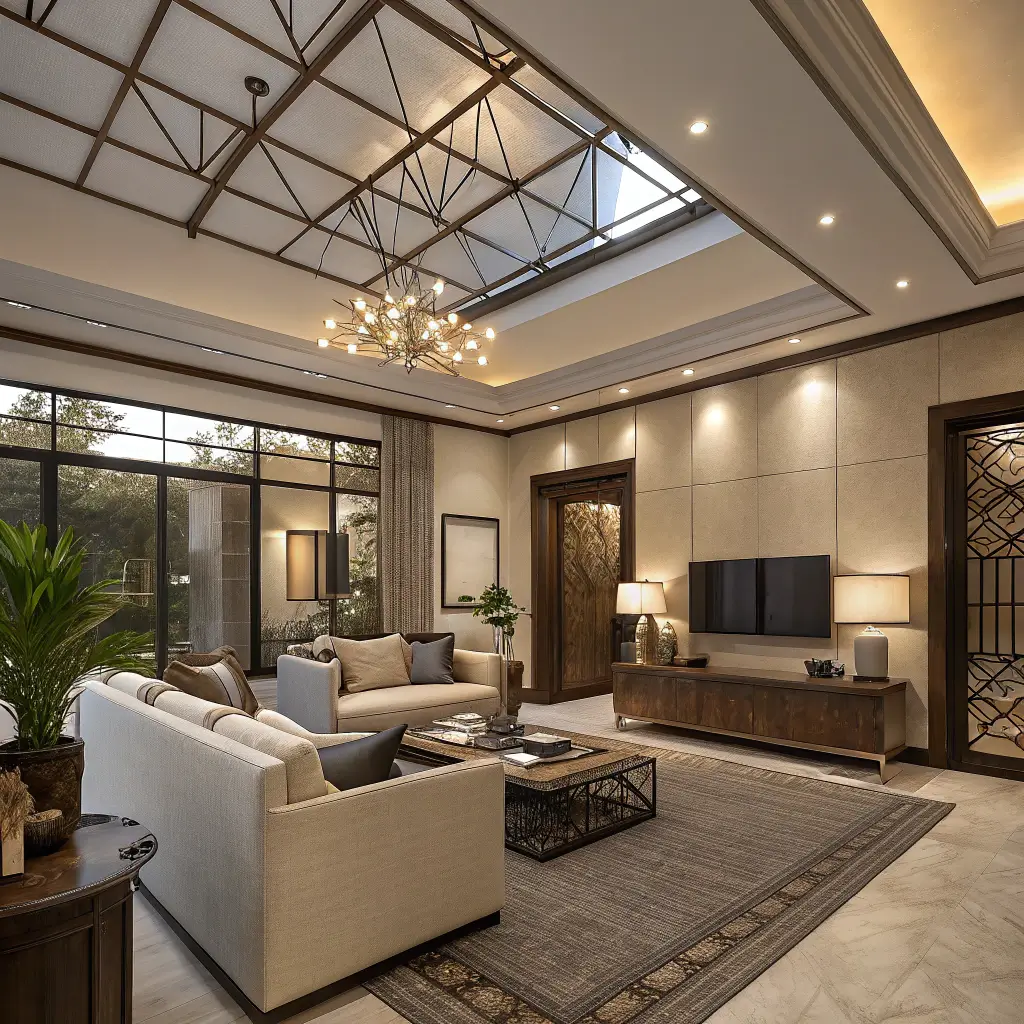
Last but definitely not least, open frame ceilings offer the best of both worlds – structure without bulk. Think of it as ceiling architecture that doesn’t hide behind drywall.
These exposed grid systems create geometric patterns while maintaining an airy feel. You can play with materials too – combine wood frames with metal accents or integrate glass panels for skylights. The modular nature means you can customize sections for different functions.
What really sells me on this style? The flexibility. Want to change your lighting layout? Easy. Need to access HVAC systems? No problem. Feel like adding plants or hanging decor? The frame structure handles it all. It’s like having a ceiling that grows with your needs.
Making Your Ceiling Dreams Reality
So there you have it – fifteen ways to transform that forgotten fifth wall into something spectacular. The biggest mistake people make? Thinking ceiling design is too complicated or expensive for their space. Every single one of these ideas can be adapted to fit different budgets and skill levels.
Start small if you’re nervous. Maybe add some cove lighting to your bedroom or paint a single color block in your hallway. Once you see the difference it makes, you’ll wonder why you waited so long to look up. Your ceiling has been patiently waiting to show off its potential – maybe it’s time to give it the spotlight it deserves.
Remember, the best ceiling design is one that makes you smile every time you enter the room. Whether you go minimalist or maximalist, subtle or bold, the goal is creating a space that feels unmistakably yours. And honestly? That’s when design gets really fun.
Ready to transform your ceiling from forgotten to unforgettable? Pick your favorite idea, grab your measuring tape, and let’s make some magic happen overhead. Your room’s about to get a serious upgrade, and trust me, everyone’s going to notice – even if they don’t immediately realize they’re looking up.