15 Amazing Dream House Plans Ideas and Stunning Layouts

Picture this: You’re scrolling through endless house photos at 2 AM, coffee in hand, wondering if you’ll ever find that perfect floor plan that makes your heart skip a beat.
Trust me, I’ve been there more times than I care to admit. After spending way too many weekends touring open houses and sketching layouts on napkins, I’ve discovered that finding your dream house plan isn’t about following trends—it’s about matching your lifestyle with a design that actually makes sense for how you live.
Whether you’re a minimalist who breaks out in hives at the sight of clutter or someone who dreams of a sprawling estate with room for three dogs and your mother-in-law (bless your heart), there’s a perfect plan waiting for you.
Let’s explore 15 incredible house plan ideas that range from “I could build this tomorrow” to “maybe when I win the lottery.”
Modern Minimalist Dream House Plans

You know what’s liberating? Walking into a space where every single item has a purpose. Modern minimalist homes nail this concept perfectly. These designs focus on clean lines, open spaces, and zero unnecessary frills—think of them as the Marie Kondo of architecture.
The typical minimalist layout features an open floor plan where the kitchen, dining, and living areas flow seamlessly into each other. I recently visited a friend’s minimalist home, and honestly, the lack of walls made their 1,500 square feet feel like 2,500. The secret sauce? Strategic placement of windows that flood the space with natural light.
Key Features of Minimalist Designs:
- Neutral color palettes (white, gray, black, and natural wood tones)
- Built-in storage solutions that disappear into walls
- Large, unadorned windows
- Flat or single-slope roofs
- Concrete, steel, and glass materials
The beauty of minimalist plans lies in their efficiency. You’re not paying for square footage you’ll never use. Plus, cleaning takes half the time when you don’t have seventeen decorative shelves collecting dust. Who wouldn’t want that?
Cozy Cottage Style House Plans
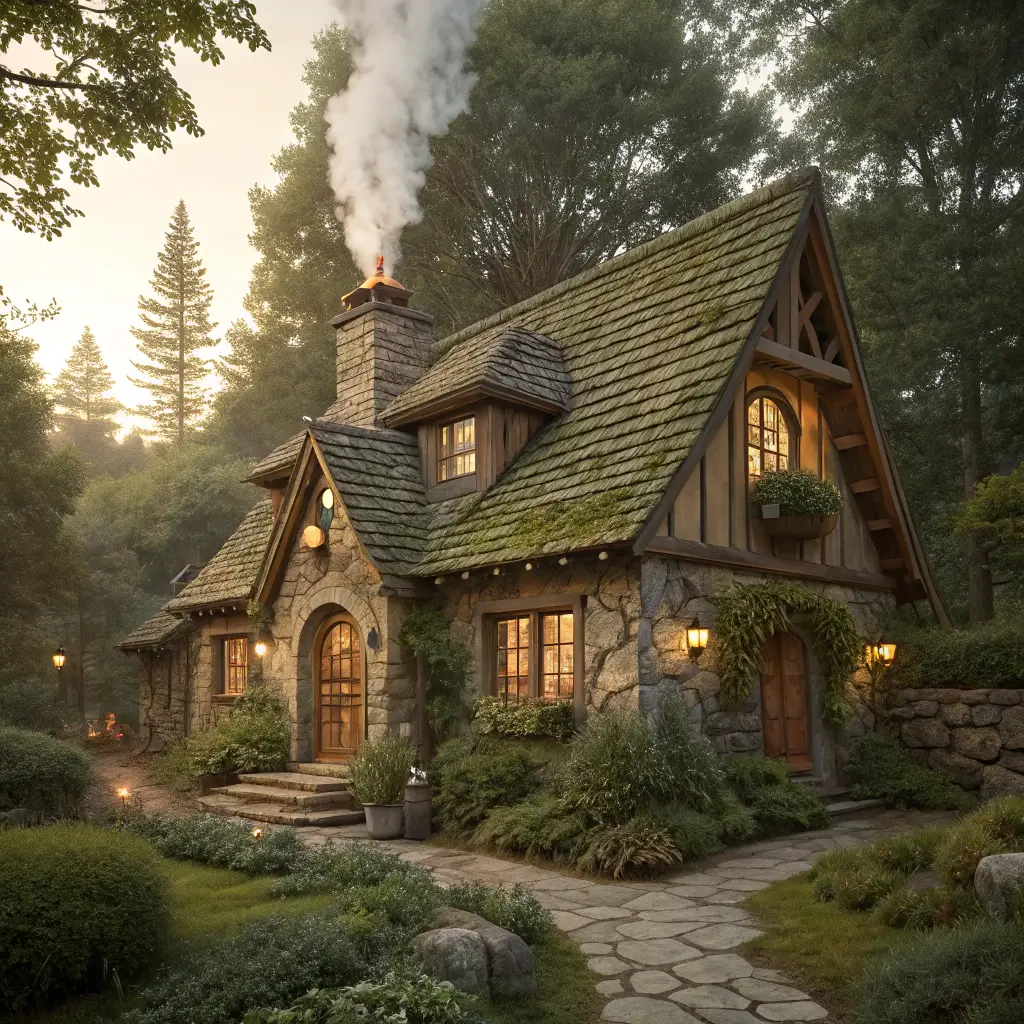
Remember those storybook houses you drew as a kid? Cottage-style homes bring those drawings to life. These charming plans typically range from 800 to 1,800 square feet and pack more personality per square inch than any other style.
What makes cottages so appealing? They force you to get creative with space. Every nook becomes functional—that awkward corner under the stairs becomes a reading alcove, and suddenly your house has character that McMansions could only dream of having.
Must-Have Cottage Elements:
- Steep, gabled roofs with dormers
- Front porches (mandatory for morning coffee)
- Window boxes for flowers
- Stone or brick accents
- Arched doorways and windows
I helped my sister design her cottage last year, and we squeezed in a mudroom, two bedrooms, and an office into 1,200 square feet. The trick? Multi-functional spaces and furniture that works overtime. Her dining table doubles as a workspace, and built-in benches provide both seating and storage.
Luxury Multi-Story Dream Homes

Let’s talk about houses that make your jaw drop. Multi-story luxury homes start at around 4,000 square feet and honestly, the sky’s the limit. These aren’t just houses; they’re personal resorts.
The modern luxury home plan includes features that sound made up but actually exist. Ever heard of a “wellness wing”? Yeah, that’s a thing now. We’re talking home gyms, saunas, meditation rooms, and spa bathrooms that rival five-star hotels.
Luxury Features Worth Considering:
- Grand foyers with dual staircases
- Home theaters with stadium seating
- Wine cellars with tasting rooms
- Elevator access to all floors
- Master suites larger than most apartments
- Guest wings with private entrances
- Indoor-outdoor pools
The best luxury plans balance opulence with livability. Sure, that 20-foot ceiling looks amazing, but who’s changing those light bulbs? Smart luxury design includes practical elements like service corridors for maintenance and separate family spaces for when you want to watch TV in your pajamas without encountering guests.
Also Read: 15 Gorgeous 4 Bedroom House Plans Ideas and Trendy Interiors
Small Space Dream House Layout
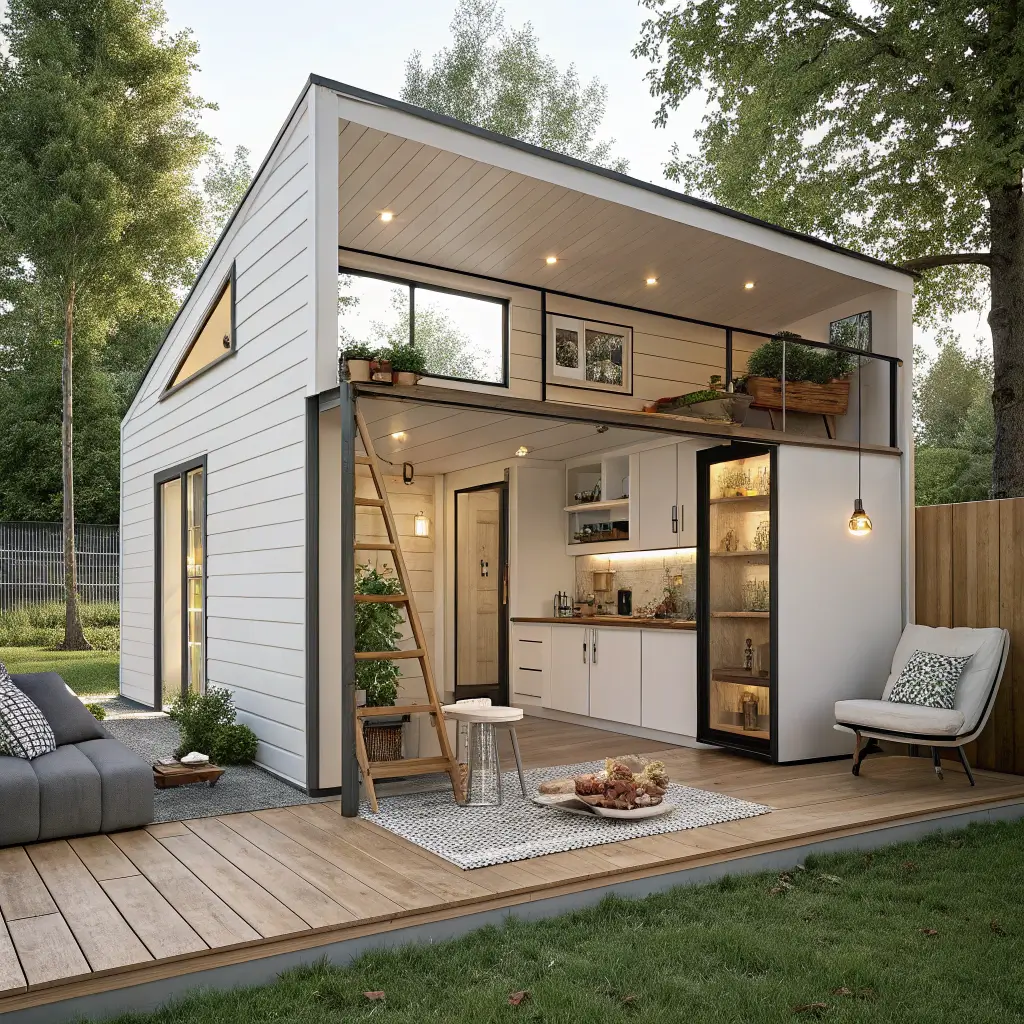
Who says you need 3,000 square feet to live well? Small house plans (typically under 1,200 square feet) force you to think differently about space. And FYI, smaller doesn’t mean sacrificing style or comfort.
The key to successful small space planning? Vertical thinking. Use those walls! Floor-to-ceiling storage, loft bedrooms, and tall windows that draw the eye upward all create the illusion of more space. I’ve seen 800-square-foot homes that feel more spacious than poorly designed 2,000-square-foot houses.
Smart Small Space Strategies:
- Pocket doors instead of swing doors
- Murphy beds or convertible furniture
- Kitchen islands on wheels
- Bathroom vanities with maximum storage
- Built-in desks and shelving
One couple I know built a 950-square-foot dream home with everything they needed: master bedroom, guest room/office combo, full kitchen, and even a small deck. The secret? They ditched the formal dining room and created an eat-in kitchen with a bar that seats six.
Open-Concept Family Home Plans
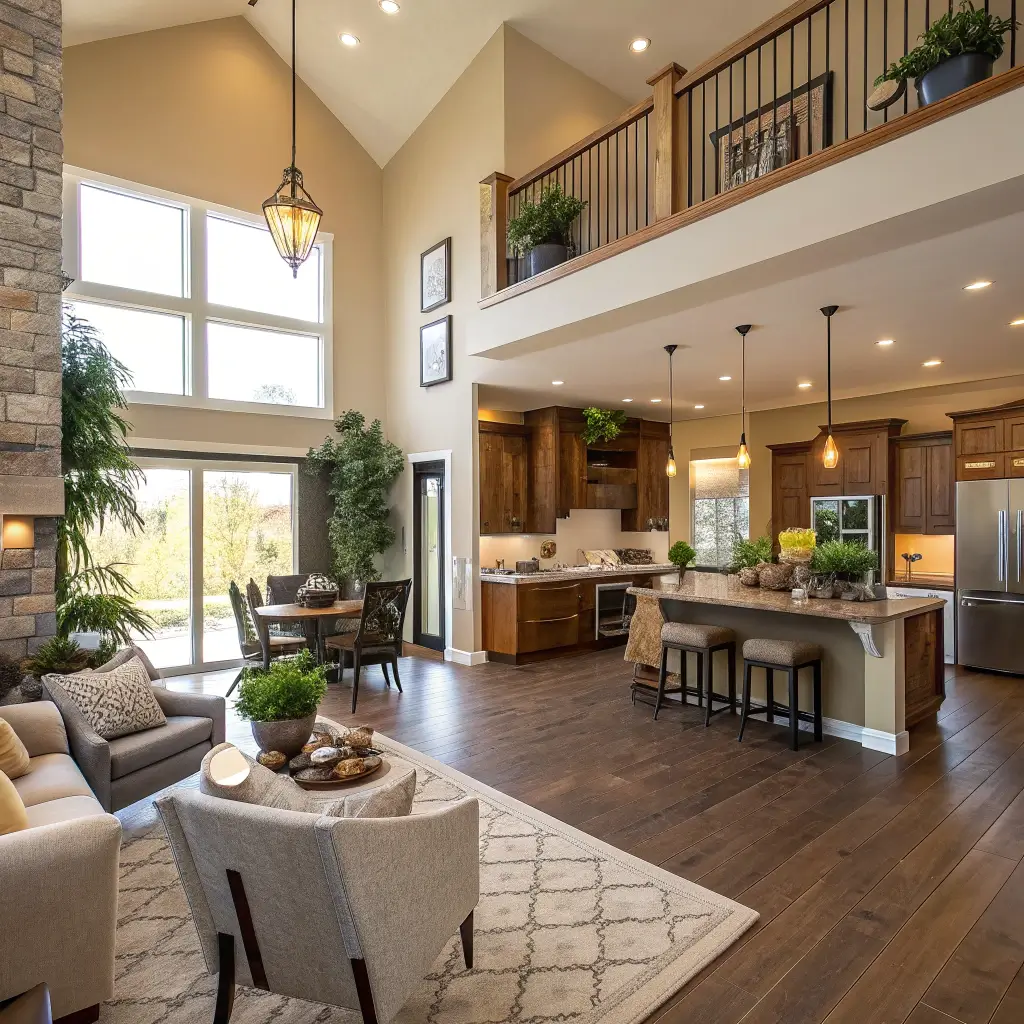
Open-concept layouts became popular for good reason—they actually work for how modern families live. No more yelling through walls to announce dinner or missing conversations while cooking. These plans typically feature one large, connected living space that includes the kitchen, dining, and family areas.
The average open-concept family home ranges from 2,000 to 3,500 square feet, with the main floor completely open except for a powder room and maybe a home office. Upstairs, you’ll find bedrooms and bathrooms for privacy when needed.
Benefits of Open Living:
- Better traffic flow for entertaining
- Natural light reaches every corner
- Easier supervision of kids
- Flexible furniture arrangements
- Smaller footprint feels larger
But here’s the thing nobody tells you about open concepts: sound travels. Really travels. If someone’s watching TV while you’re trying to read, good luck. Smart open plans include acoustic considerations like area rugs, soft furnishings, and strategic partial walls that don’t block sight lines but do buffer sound.
Eco-Friendly Sustainable House Ideas

Building green isn’t just trendy—it’s smart. Eco-friendly house plans focus on reducing environmental impact while slashing your utility bills. We’re talking houses that practically run themselves.
Modern sustainable designs go way beyond solar panels (though those are great too). Think passive solar orientation, where your house position maximizes winter sun and minimizes summer heat. Add super-insulated walls, triple-pane windows, and geothermal heating, and your energy bills might make your neighbors cry with envy.
Green Building Must-Haves:
- Solar panel arrays with battery backup
- Rainwater collection systems
- Gray water recycling
- Energy-efficient appliances
- Sustainable materials (bamboo, reclaimed wood)
- Green roofs or living walls
- Smart thermostats and lighting
My neighbor built an eco-friendly home last year and their electric bill? $30 a month. In summer. In Texas. Meanwhile, I’m over here with my old house paying enough to fund a small country’s economy :/
Also Read: 15 Creative Tiny House Floor Plans Ideas and Smart Designs
Rustic Farmhouse Dream Plans

Farmhouse style exploded in popularity, and honestly, who can blame people? These homes combine rustic charm with modern convenience in a way that feels both timeless and fresh. The typical farmhouse plan features wide-open spaces, natural materials, and enough character to make city folks jealous.
Modern farmhouse plans usually span 2,200 to 3,800 square feet and include that Instagram-worthy kitchen everyone dreams about. You know the one—white cabinets, dark island, subway tile backsplash, and those pendant lights that cost more than they should.
Farmhouse Essentials:
- Large covered porches (front and back)
- Board-and-batten or shiplap siding
- Metal roofs
- Barn doors (because obviously)
- Mudrooms that actually handle mud
- Kitchen islands big enough to land a plane
- Apron-front sinks
The best farmhouse plans blend indoor and outdoor living seamlessly. French doors opening to patios, screened porches for bug-free evenings, and windows everywhere to frame those pastoral views—even if your “pastoral view” is currently your neighbor’s fence.
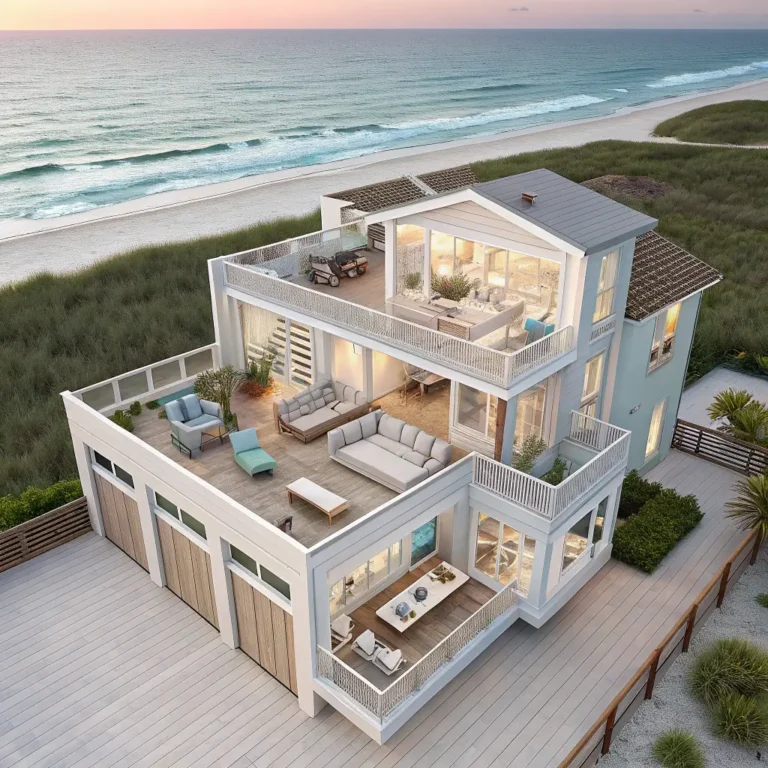
Beachfront Dream House Designs

Living by the water requires special planning. Beachfront homes face unique challenges—salt air, hurricanes, flooding—but the payoff of waking up to ocean views makes it worthwhile. These designs prioritize durability while maximizing those million-dollar views.
Most coastal plans elevate the main living spaces, putting parking and storage at ground level. This isn’t just for flood protection; it also improves your views and catches those ocean breezes. Smart coastal design includes materials that can handle the elements: composite decking, stainless steel hardware, and impact-resistant windows.
Coastal Design Features:
- Elevated foundations on pilings
- Multiple outdoor living spaces
- Hurricane-rated windows and doors
- Corrosion-resistant materials
- Open floor plans for cross-ventilation
- Outdoor showers (trust me, you need this)
Want to know the best part about beach house plans? Every room becomes special when it has an ocean view. Even doing laundry feels less terrible when you can see dolphins playing in the surf.
Smart Home Technology Floor Plans
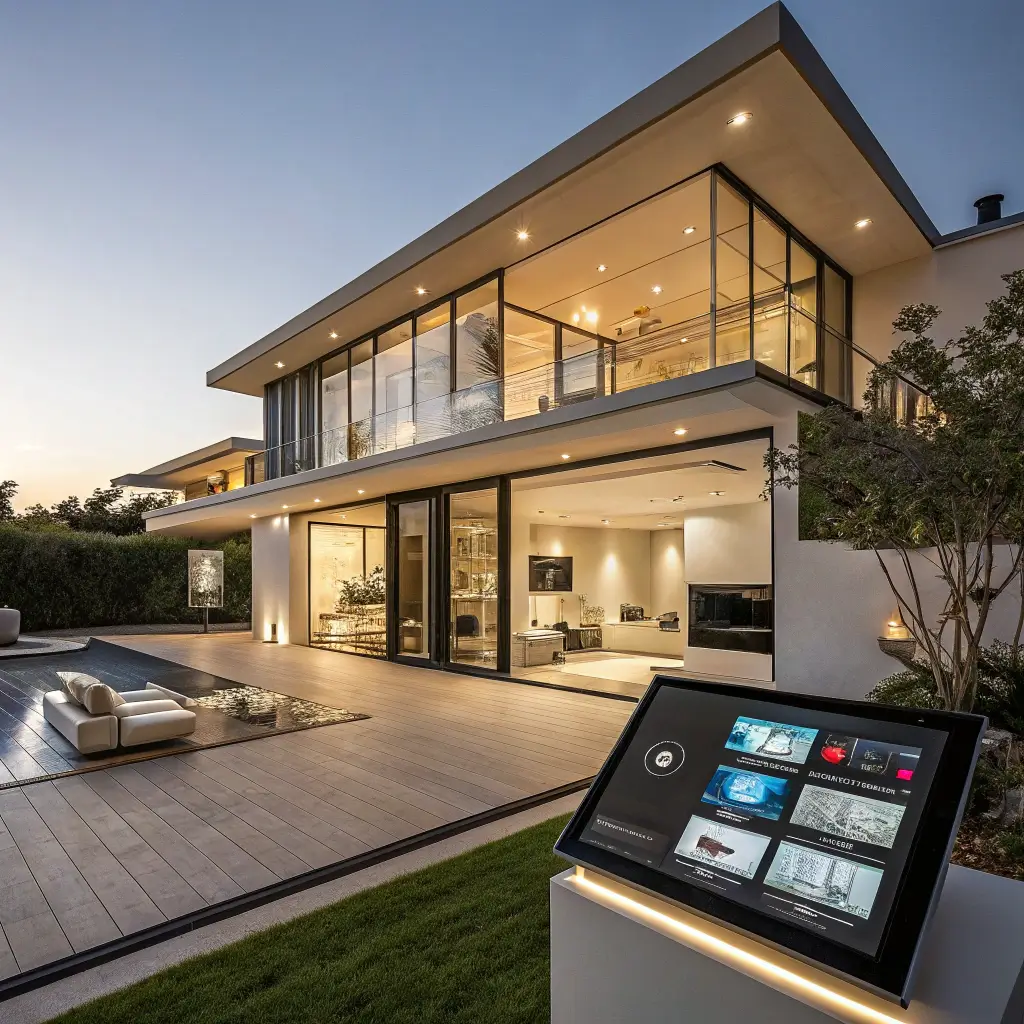
Welcome to the future, where your house knows you better than you know yourself. Smart home plans integrate technology from the ground up, not as an afterthought. We’re talking structured wiring, dedicated equipment rooms, and enough bandwidth to stream Netflix in every bathroom simultaneously (not judging).
The modern smart home includes automated everything—lighting, climate, security, entertainment, even window shades. But here’s what really matters: these plans include proper infrastructure for all this tech. Hidden conduits for cables, centralized control panels, and backup power systems for when the grid fails.
Tech Features to Plan For:
- Whole-house automation systems
- Video doorbells and security cameras
- Smart locks and garage doors
- Automated lighting scenes
- Multi-room audio systems
- High-speed internet throughout
- Electric vehicle charging stations
IMO, the best smart homes balance automation with simplicity. Nobody wants to need a PhD to turn on their lights. The goal? Technology that enhances daily life without complicating it.
Also Read: 15 Gorgeous Courtyard House Plans Ideas and Garden Patios
Compact Urban Tiny House Plans

Tiny houses aren’t just a trend—they’re a lifestyle choice. These homes, typically under 600 square feet, challenge everything we think we know about space. And before you ask, yes, people actually live in these full-time and love it.
Urban tiny house plans maximize every inch through clever design and multi-functional everything. That couch? It’s also storage and possibly a guest bed. The stairs? Each step is a drawer. The dining table? It folds into the wall when not needed.
Tiny House Design Tricks:
- Loft bedrooms to free up floor space
- Composting toilets (surprisingly not gross)
- Combination washer-dryers
- Tankless water heaters
- Mini-split HVAC systems
- Fold-down or sliding furniture
The real magic of tiny house living? Financial freedom. Imagine having a mortgage payment smaller than most people’s car payments. One couple I know paid off their tiny house in two years and now travels six months out of the year.
Contemporary Glass & Light-Filled Homes
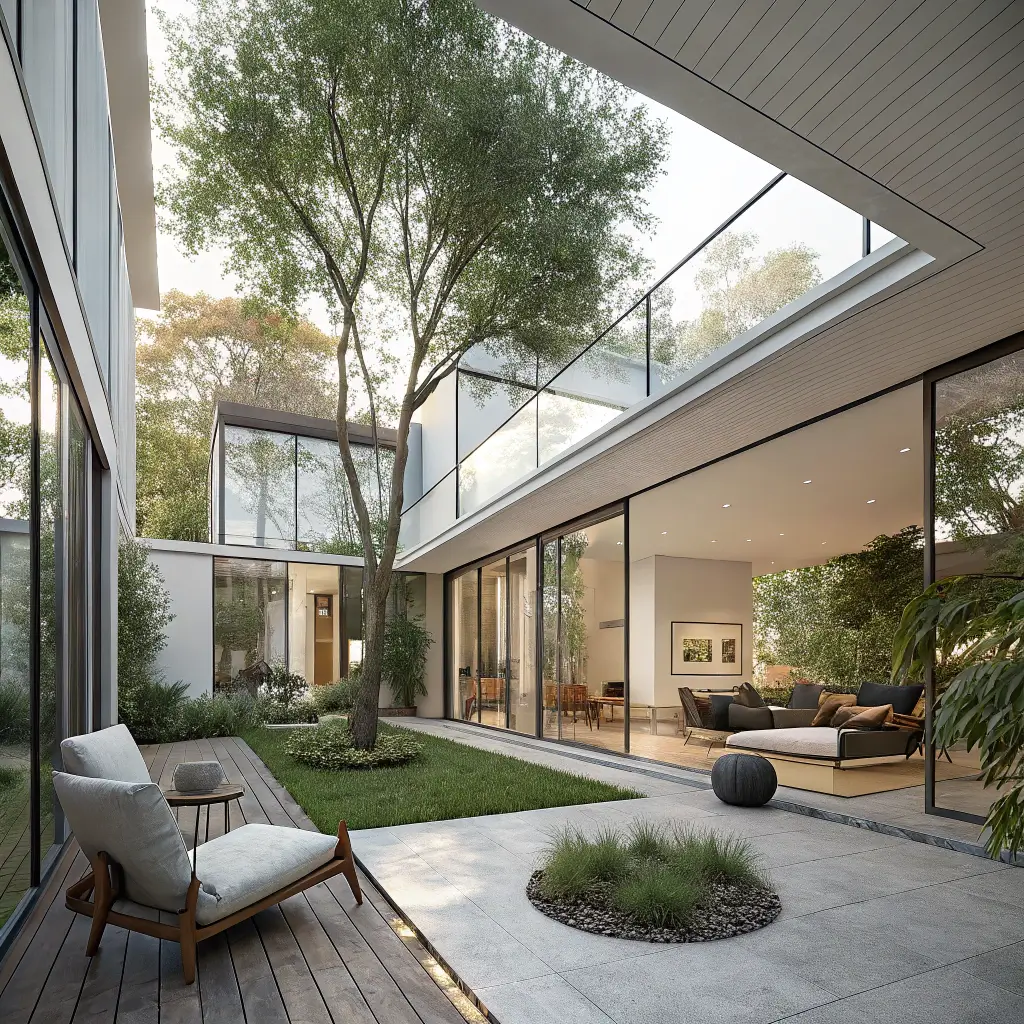
Glass houses aren’t just for people who shouldn’t throw stones. Contemporary designs featuring walls of glass create homes that feel like they’re floating between inside and outside. These plans typically feature flat or low-slope roofs, minimal ornamentation, and enough windows to make window washers rich.
The average glass-heavy contemporary runs 2,500 to 4,000 square feet, though smaller versions exist. The challenge? Balancing openness with privacy. Nobody wants to feel like they’re living in a fishbowl—well, most people don’t.
Glass House Considerations:
- Triple-pane low-E glass for efficiency
- Automated blinds or smart glass
- Strategic landscaping for privacy
- Overhangs to control solar gain
- Thermal mass flooring to regulate temperature
Here’s something nobody mentions about glass houses: birds. You’ll need those barely-visible bird deterrent stickers unless you want to feel terrible every time a cardinal mistakes your living room for a flight path 🙂
Traditional Classic Dream House Designs

Sometimes you want a house that looks like a house, you know? Traditional designs—Colonial, Victorian, Tudor—have lasted centuries for good reason. These plans feature symmetrical facades, formal layouts, and architectural details that never go out of style.
Traditional homes typically range from 2,400 to 4,500 square feet and include formal living and dining rooms that younger buyers often convert to offices or playrooms. The beauty of traditional plans? They’re incredibly flexible for renovation because the rooms are clearly defined.
Classic Features That Endure:
- Center hall entries with staircases
- Formal living and dining rooms
- Kitchen-family room combinations
- Master suites with sitting areas
- Covered front porches
- Dormer windows
- Crown molding and wainscoting
What I love about traditional plans? They age gracefully. That Colonial built in 1960 still looks good today, while that split-level from the same era… well, let’s just say trends aren’t always kind.
Indoor-Outdoor Integrated Floor Plans

Why choose between inside and outside when you can have both? Indoor-outdoor plans erase the boundaries between your home and nature through retractable walls, covered patios, and outdoor rooms that function year-round.
These designs work especially well in moderate climates but can adapt anywhere with proper planning. The key? Creating outdoor spaces that feel like rooms—complete with lighting, ceiling fans, and even heating elements for chilly evenings.
Integration Elements:
- Sliding or folding glass walls
- Outdoor kitchens with real appliances
- Covered patios with fireplaces
- Pool houses and cabanas
- Screened porches
- Outdoor sound systems
- Landscape lighting
My favorite indoor-outdoor trick? Continuous flooring that flows from inside to out. When the same tile or concrete runs from your kitchen through sliding doors to your patio, the spaces merge visually even when doors are closed.
Multi-Generational Family House Ideas
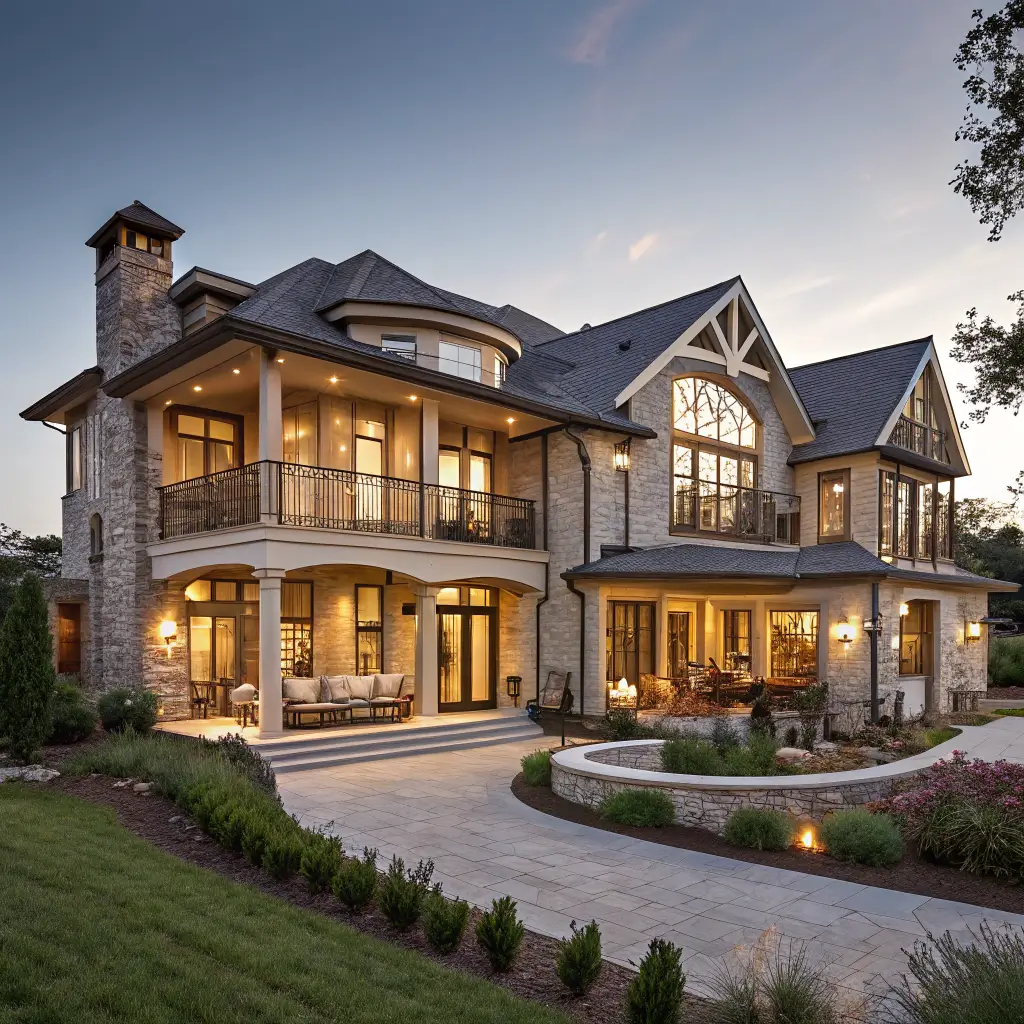
More families are choosing to live together across generations, and house plans are evolving to accommodate this. Multi-generational designs include separate living quarters within one structure, offering privacy and togetherness in perfect balance.
These plans typically start at 3,000 square feet and include either attached in-law suites or separate wings with their own entrances. The best designs allow for aging in place with features like wide doorways, minimal stairs, and accessible bathrooms.
Multi-Gen Must-Haves:
- Separate entrances for each unit
- Kitchenettes in secondary suites
- Accessible design features
- Soundproofing between units
- Shared and private outdoor spaces
- Flexible spaces that can adapt over time
The secret to successful multi-generational living? Clear boundaries and shared spaces. Design plans that give everyone privacy when needed but also create natural gathering spots for family time.
Affordable Dream Home Layouts

Let’s get real—not everyone has unlimited budgets. Affordable dream homes focus on smart design over square footage, quality over quantity, and needs over wants. These plans typically range from 1,400 to 2,200 square feet and prioritize efficiency.
The key to affordable design? Simple rooflines, standard materials, and smart layouts that minimize hallways and wasted space. Rectangle or square footprints cost less to build than complex shapes with lots of corners.
Money-Saving Design Choices:
- Open floor plans (fewer walls = lower cost)
- Standard-size windows and doors
- Centralized plumbing
- Energy-efficient design to reduce long-term costs
- Unfinished spaces for future expansion
- Stock cabinets and fixtures
Here’s the truth about affordable homes: they can be just as dreamy as expensive ones. I’ve seen $150,000 builds that look better than million-dollar mansions because the owners focused on good design instead of expensive finishes. You can always upgrade countertops later; you can’t easily fix a bad layout.
Making Your Dream House Plan Reality
After exploring all these options, you might feel overwhelmed—or incredibly excited about the possibilities. Either reaction is totally normal. The perfect house plan balances your dreams with reality, your wants with your budget, and your current needs with future flexibility.
Remember, the best house plan isn’t the one with the most features or the prettiest pictures online. It’s the one that fits your life perfectly. Whether that’s a 400-square-foot tiny house or a 5,000-square-foot luxury estate, your dream home should support how you actually live, not how you think you should live.
Start by listing what matters most to you. Love cooking? Prioritize the kitchen. Work from home? That office better be amazing. Have three dogs? Maybe skip the white carpets. The beauty of designing your dream home lies in making choices that reflect your priorities, not someone else’s.
And hey, even if you’re not building tomorrow, there’s nothing wrong with dreaming today. Save those plans, create that Pinterest board, and keep refining your vision. When the time comes to build or buy, you’ll know exactly what you want—and more importantly, what you don’t.