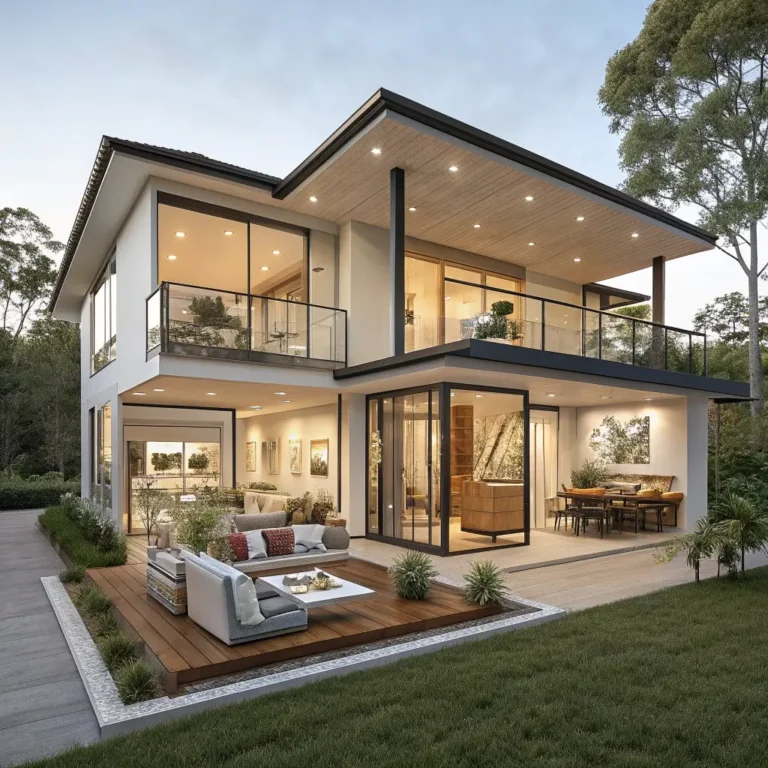
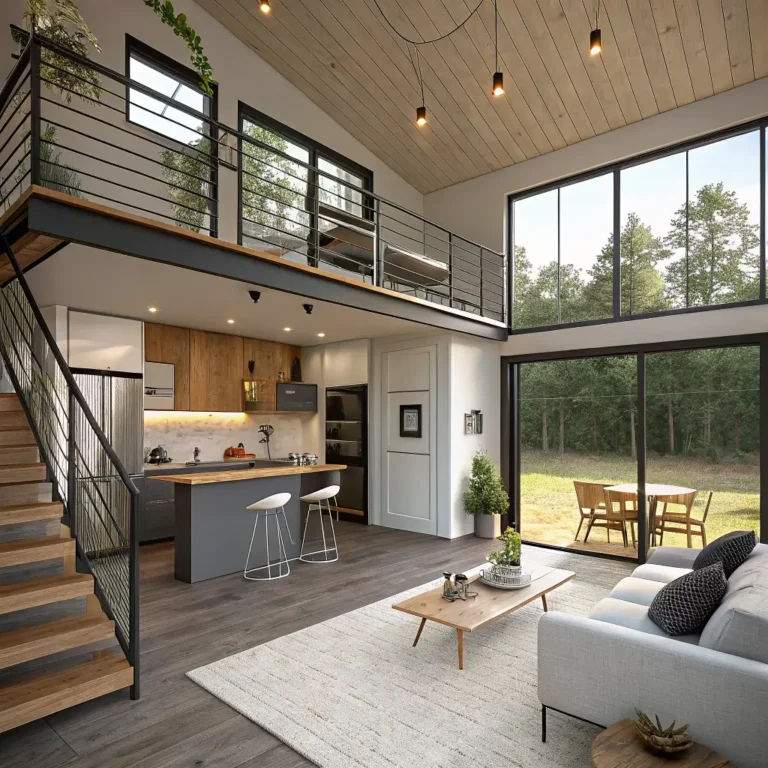
15 Stunning Four Bedroom House Plans Ideas You’ll Love

You know that feeling when you’re scrolling through endless house plans at 2 AM, wondering if architects actually understand how real families live? Yeah, I’ve been there too.
After spending way too much time researching four bedroom layouts (and helping three friends build their homes), I’ve discovered some game-changing floor plans that actually work for modern families.
Let me share 15 brilliant four bedroom house plans that balance functionality with style. These aren’t just pretty pictures – they’re practical layouts that solve real problems families face every single day.
Split-Level Family Comfort Plan
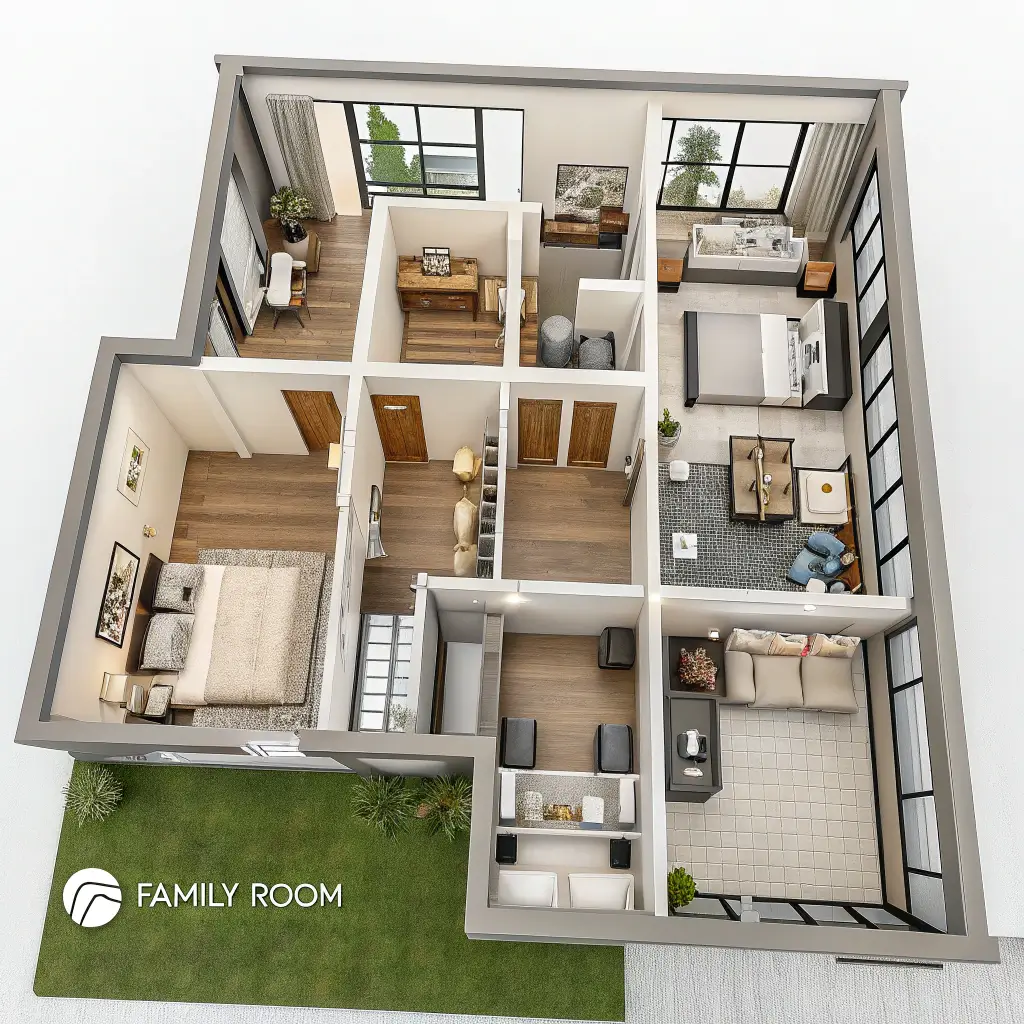
Remember those Brady Bunch-style split levels everyone loved to hate? Well, they’re making a comeback, and honestly, they deserve it. The split-level design creates natural separation between living zones without feeling disconnected.
Picture this: your teenagers blast music upstairs while you work peacefully in your ground-floor office. The half-level separation dampens sound better than traditional two-story homes. I visited my cousin’s split-level last month, and the noise control amazed me – their kids were having a dance party while we chatted normally in the kitchen below.
Why This Layout Works
The magic happens when you place bedrooms on the upper split and create a semi-private master suite on the lower split. Your living areas sit right in the middle, becoming the heart of your home. This design typically includes:
• Master bedroom isolated from kids’ rooms
• Natural light flooding in from multiple levels
• Separate entry points for different zones
• Built-in storage opportunities under stairs
• Flexible bonus spaces on each level
The best part? You get privacy without feeling like you’re living in separate apartments. Your family stays connected while everyone maintains their personal space.
Open-Concept Four Bedroom Layout
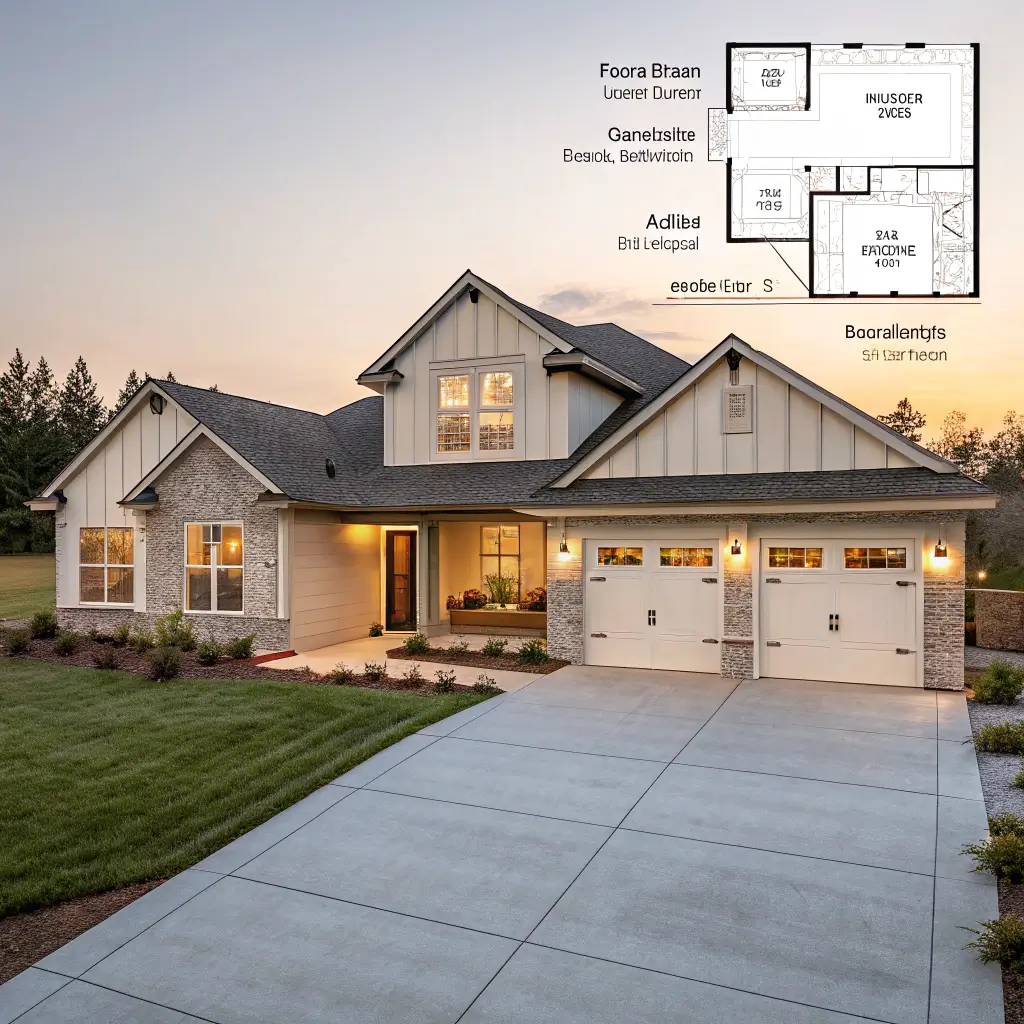
Let’s talk about the layout everyone thinks they want – until they realize their kitchen mess is visible from everywhere. But here’s the thing: when you design an open concept correctly, it transforms how families interact.
I’ve lived in both closed and open layouts, and properly planned open concepts win every time. The key lies in creating subtle zones without walls. Think kitchen islands that double as breakfast bars, furniture arrangements that define spaces, and strategic lighting that creates intimate areas within the openness.
Making Open Concepts Work
Your four bedrooms should cluster away from the main living space, creating a private sleeping wing. This separation gives you the best of both worlds. Consider these essential elements:
• Sight lines that connect kitchen, dining, and living areas
• Designated drop zones near entrances
• Hidden pantries or butler’s pantries for clutter control
• Ceiling treatments that define different zones
• Strategic placement of powder rooms for guest privacy
Ever wondered why some open layouts feel chaotic while others feel serene? It’s all about flow patterns and visual boundaries.
Private Master Suite Zoning Plan
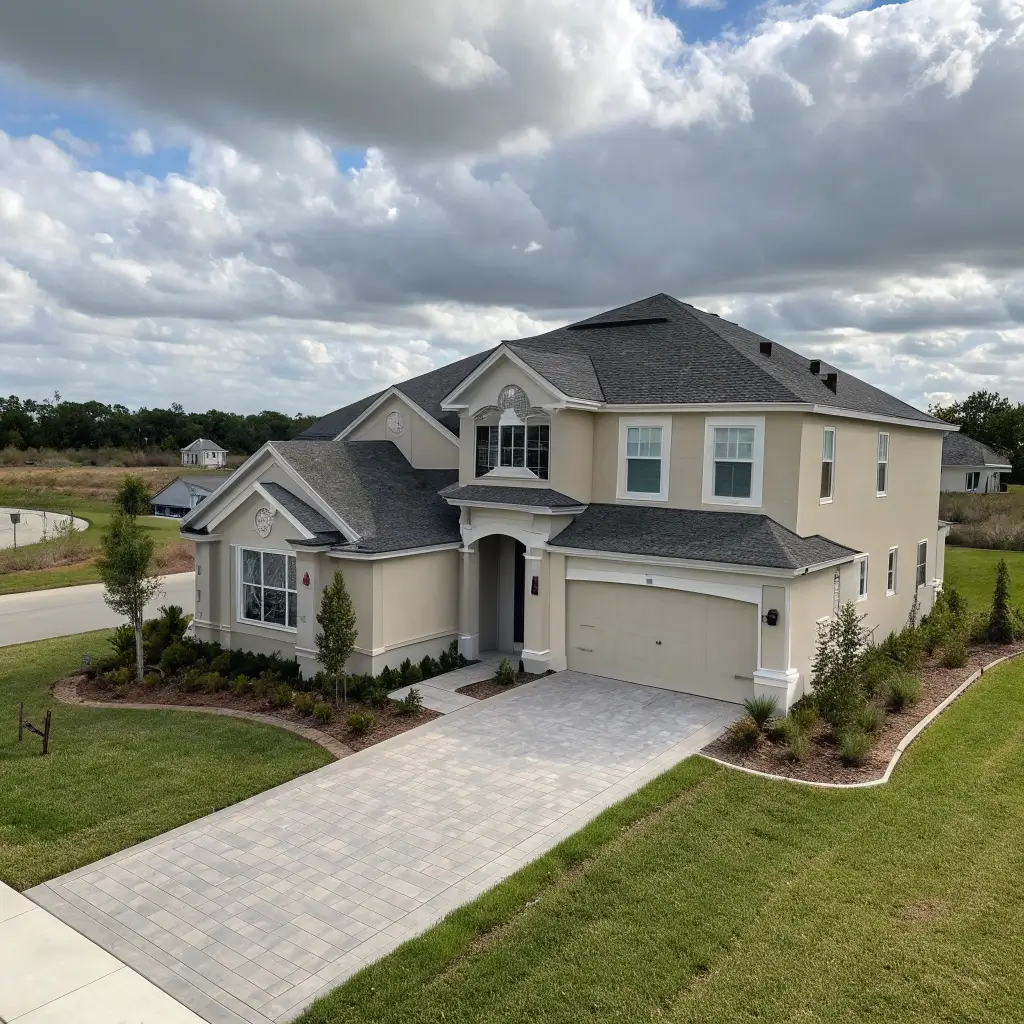
Nothing says “adulting” quite like having your own wing of the house, right? The private master suite zone concept takes your bedroom beyond just sleeping space – it becomes your personal retreat.
This layout typically positions the master suite on the opposite end from kids’ bedrooms. You might think this creates distance in your family, but IMO, it actually improves everyone’s quality of life. Parents get peaceful mornings, kids can be kids without tiptoeing around, and everyone sleeps better.
Creating Your Sanctuary
The modern master zone includes more than just a bedroom and bathroom. We’re talking about:
• Walk-in closets with actual walking space
• Sitting areas for morning coffee or evening reading
• Direct access to outdoor spaces or patios
• Ensuite bathrooms with double vanities
• Optional coffee bars or mini-fridges
My neighbor recently renovated using this concept, adding a small morning bar with a coffee maker and mini-fridge. She calls it her “pre-human interaction station” – and honestly, genius move.
Also Read: 15 Modern A-Frame House Plans Ideas for Tiny Homes
Compact Lot Four Bedroom Design
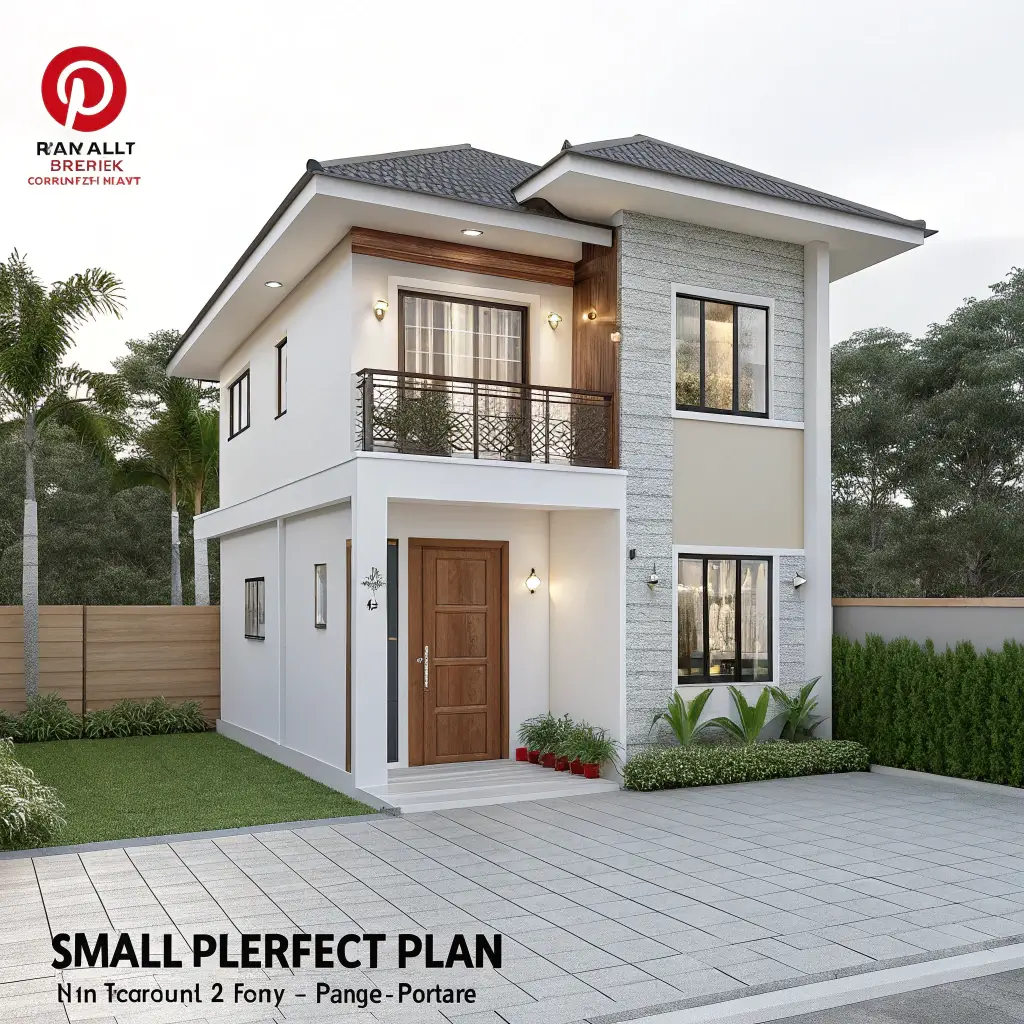
Not everyone has acres to work with, and that’s perfectly fine. Compact lot designs prove you don’t need massive square footage for a functional four-bedroom home. These plans maximize every inch without feeling cramped.
The secret sauce? Vertical living and multipurpose spaces. Think built-in storage everywhere, pocket doors instead of swing doors, and rooms that serve double duty. A friend built a 1,800-square-foot four-bedroom that feels larger than my old 2,400-square-foot place.
Smart Space Solutions
Compact designs rely on clever tricks that make spaces feel larger:
• Nine-foot ceilings throughout main living areas
• Large windows creating visual expansion
• Built-in furniture reducing floor clutter
• Stackable laundry units in closets
• Combination rooms like office-guest bedrooms
FYI, these homes often cost less to heat, cool, and maintain. Smaller footprint equals smaller bills – more money for the fun stuff in life 🙂
Two-Story Smart Space Plan
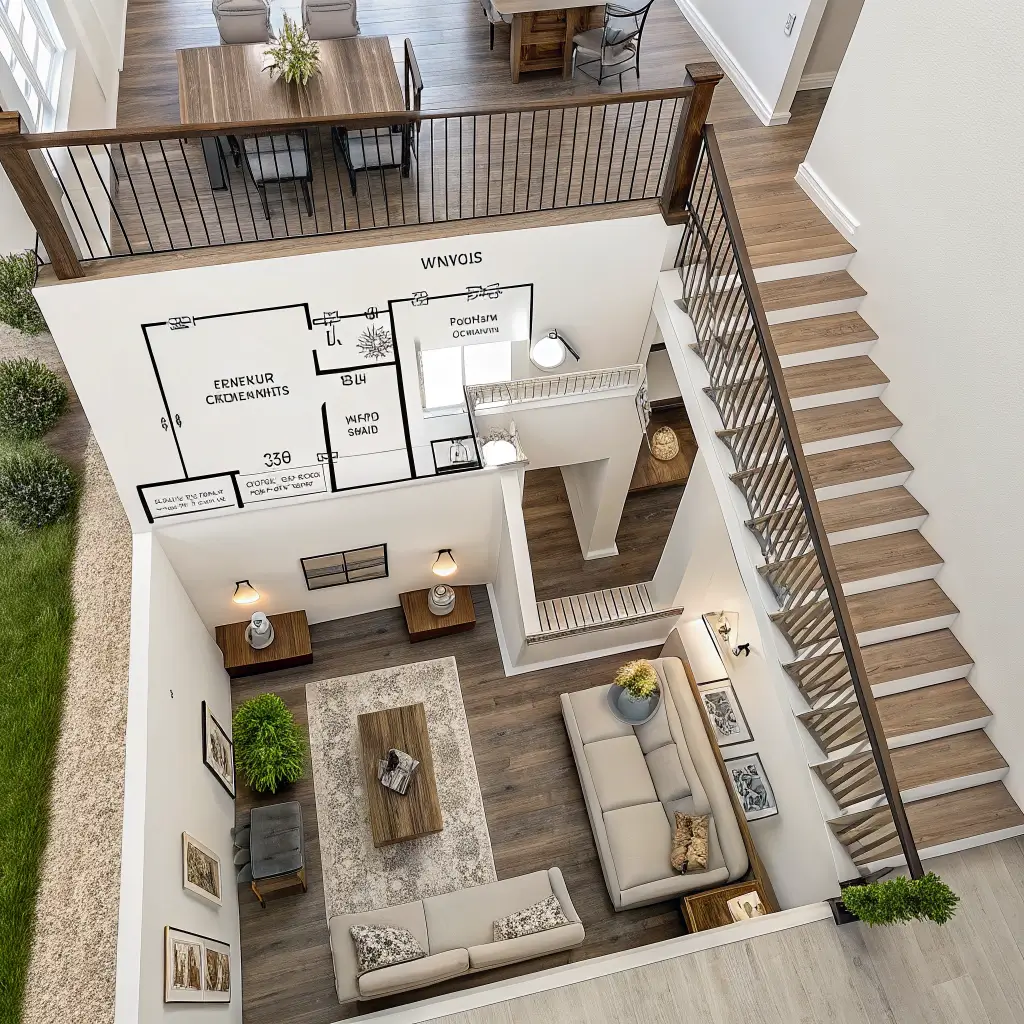
The classic two-story remains popular for good reason. It naturally separates day and night activities while keeping your footprint reasonable. But today’s smart two-story plans go beyond basic up-and-down layouts.
Modern versions include first-floor master suites (hello, aging-in-place planning), dual staircases for better traffic flow, and upstairs landing areas that become bonus family spaces. These aren’t your grandma’s colonials anymore.
Maximizing Vertical Living
Two-story plans offer unique advantages when designed thoughtfully:
• Stacked plumbing reduces construction costs
• Upper floor provides natural sound buffer
• Potential for vaulted ceilings in key areas
• Outdoor space preservation on smaller lots
• Clear separation between public and private zones
I recently toured a two-story where they turned the upper hallway into a library nook with built-in bookshelves. Such a simple addition transformed wasted circulation space into everyone’s favorite reading spot.
Courtyard-Centered Four Bedroom Home
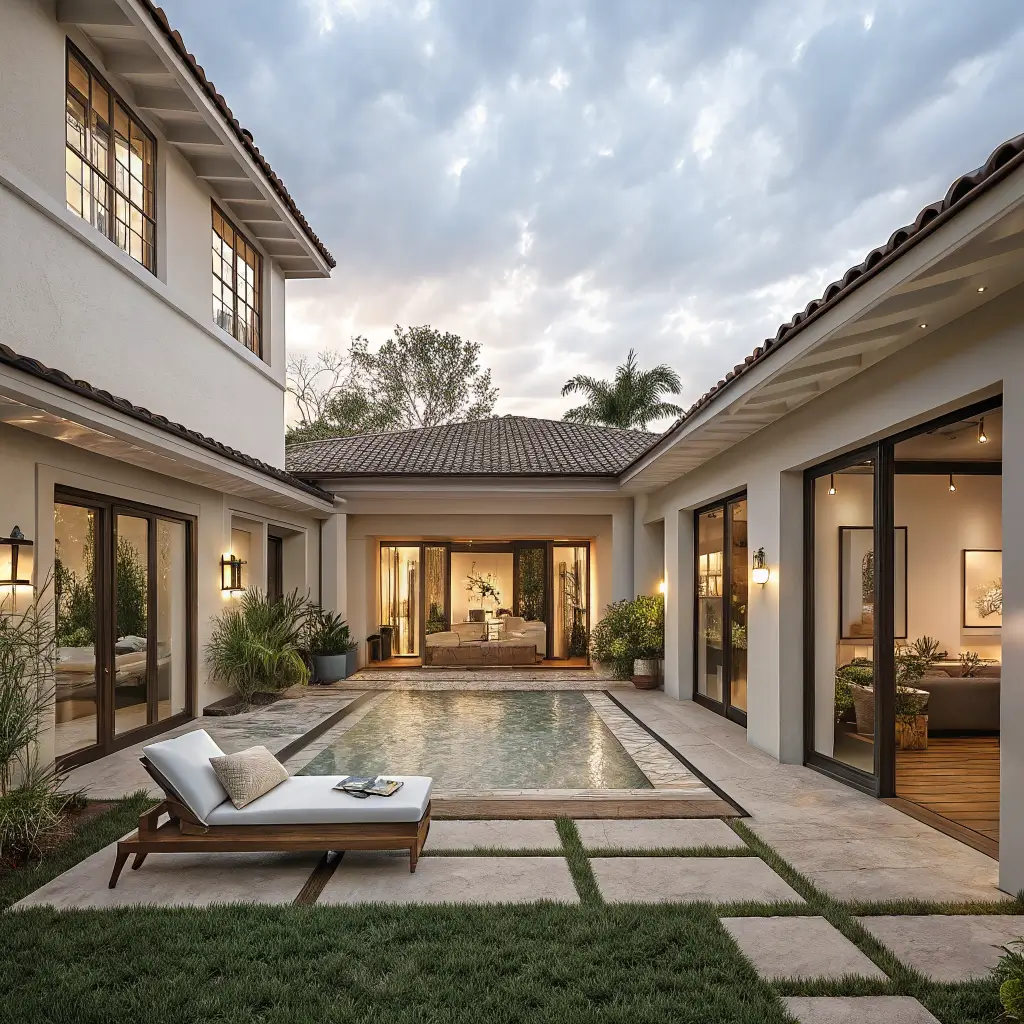
Want to feel like you’re living in a private resort? Courtyard-centered plans bring the outdoors in while creating an incredibly private outdoor living space. These layouts wrap around a central courtyard, giving every room a garden view.
This design originated in hot climates but works beautifully everywhere. The courtyard becomes your family’s private park – no nosy neighbors watching your BBQ fails or judging your gardening skills. Plus, natural light floods in from multiple directions.
Benefits of Courtyard Living
The courtyard design offers surprising perks:
• Natural ventilation through cross-breezes
• Safe outdoor play area for kids
• Private entertaining space
• Garden views from multiple rooms
• Enhanced security with limited street-facing windows
A colleague built one of these last year, and their energy bills dropped 30%. The courtyard creates its own microclimate, naturally cooling the house in summer.
Also Read: 15 Smart Multigenerational House Plans Ideas for Big Families
L-Shaped Privacy Focused Plan
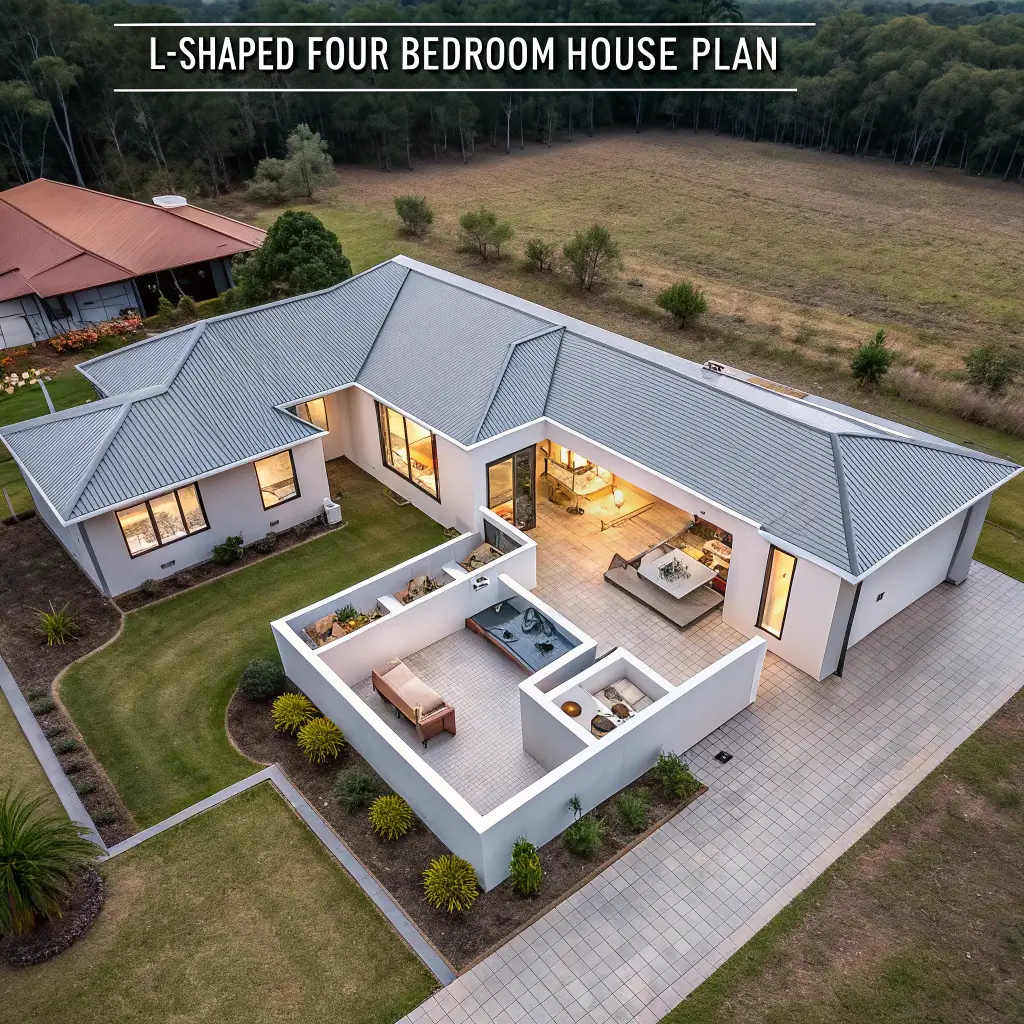
The L-shaped layout might sound basic, but it’s secretly brilliant for privacy and outdoor living. One wing houses bedrooms, the other contains living spaces, and the angle creates a naturally protected outdoor area.
This configuration works especially well on corner lots or properties with less-than-ideal neighbors. The L-shape blocks unwanted views and noise while creating distinct zones within your home.
Strategic L-Shape Advantages
Here’s why L-shaped plans rock:
• Wind protection for outdoor spaces
• Natural separation of noisy and quiet zones
• Multiple outdoor area options
• Enhanced street appeal with dynamic facade
• Flexible garage placement options
My sister’s L-shaped house creates two distinct outdoor spaces – a private pool area and a public-facing garden. Brilliant for entertaining without sacrificing privacy.
Modern Minimal Four Bedroom Layout
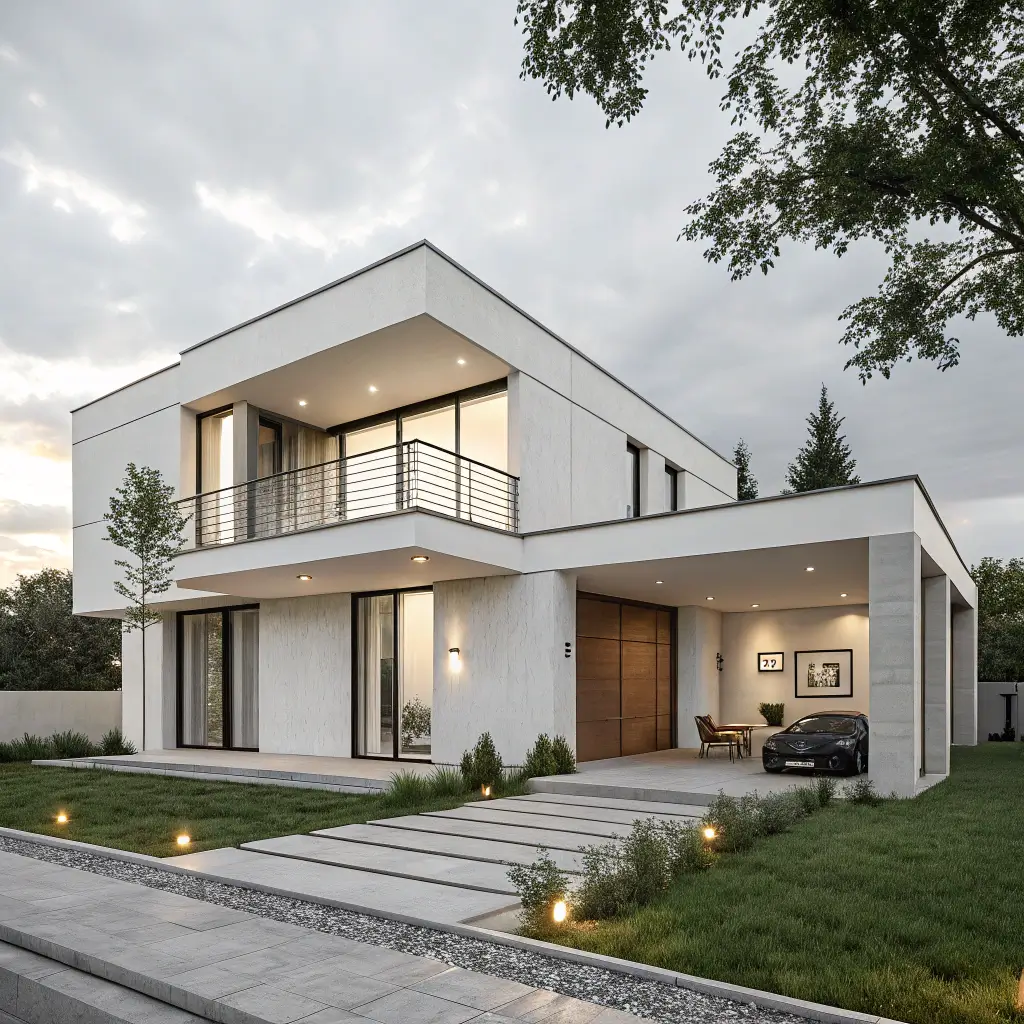
Minimalism doesn’t mean tiny or boring. Modern minimal layouts strip away unnecessary walls and complications, creating clean, functional spaces that actually enhance daily life. Think quality over quantity in every design decision.
These plans eliminate hallways, incorporate tons of built-in storage, and use materials that don’t require constant maintenance. Every element serves a purpose – no purely decorative architectural details that collect dust.
Minimalist Design Principles
Key features that define minimal four-bedroom plans:
• Clean lines and simple geometries
• Hidden storage systems throughout
• Multi-functional furniture and spaces
• Natural materials requiring minimal upkeep
• Large windows replacing decorative elements
Living in a minimal layout changed how I think about possessions. When everything has a designated place, keeping things tidy becomes automatic, not a constant battle.
Dual Living Area Family Plan
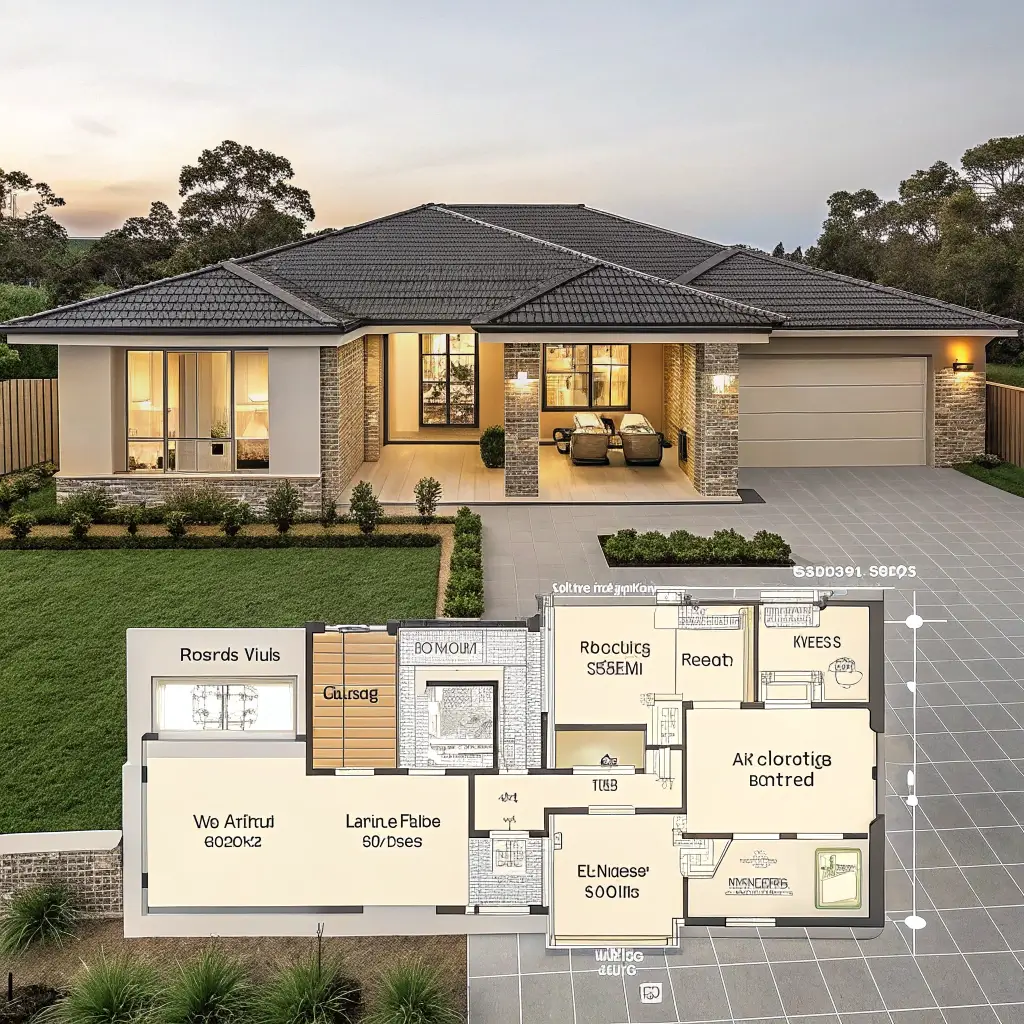
Whoever decided one living room was enough clearly didn’t have teenagers. Dual living area plans give everyone space to relax without stepping on each other’s toes. We’re talking about a formal living room plus a casual family room, or an adult space versus a kid zone.
This isn’t about showing off with multiple rooms – it’s about family sanity. When your kids’ friends invade for movie night, you still have somewhere peaceful to exist. Trust me, this layout saves marriages.
Implementing Dual Living Spaces
Successful dual living areas require strategic planning:
• Different purposes for each space
• Varying formality levels
• Strategic placement relative to bedrooms
• Separate entertainment systems
• Flexible furniture for occasional large gatherings
Our dual living setup includes a quiet front room with books and board games, plus a back family room with the big TV. Game changer for family harmony.
Also Read: 15 Charming Cottage House Plans Ideas for Dream Homes
Budget-Friendly Efficient Floor Plan
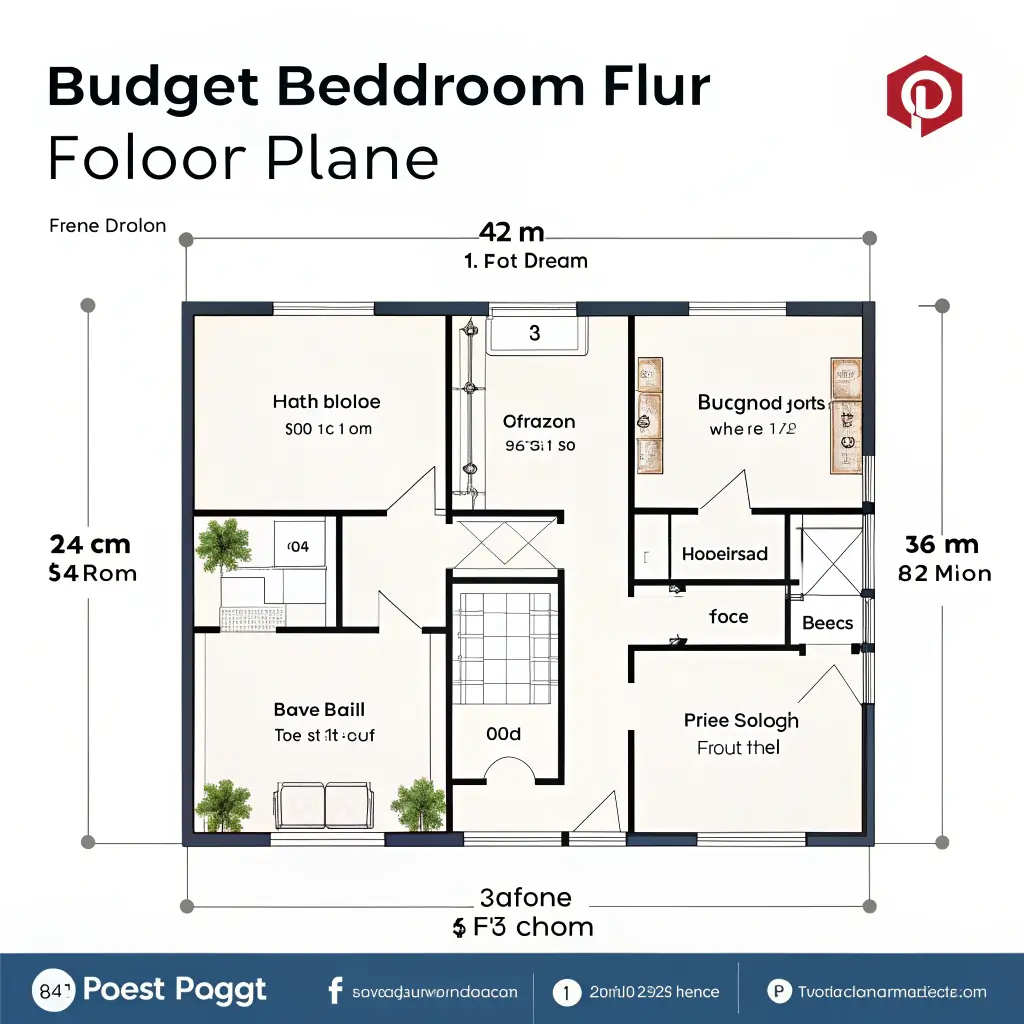
Let’s get real – not everyone has unlimited budgets. Budget-friendly four-bedroom plans focus on smart design over square footage, standard materials over custom everything, and efficient layouts that reduce construction costs.
These plans typically stick to simple roof lines, minimize plumbing runs, and avoid complicated architectural features. But budget-friendly doesn’t mean cheap-looking. Smart material choices and good proportions create homes that look way more expensive than they cost.
Cost-Cutting Design Strategies
Ways to reduce costs without sacrificing livability:
• Simple rectangular footprints reduce foundation costs
• Centralized plumbing saves on pipe runs
• Standard window sizes avoid custom charges
• Open floor plans eliminate unnecessary walls
• Energy-efficient design reduces long-term costs
A friend built their four-bedroom for $150 per square foot using a budget plan. Three years later, visitors still assume they spent twice that amount.
Multi-Generational Ready Layout
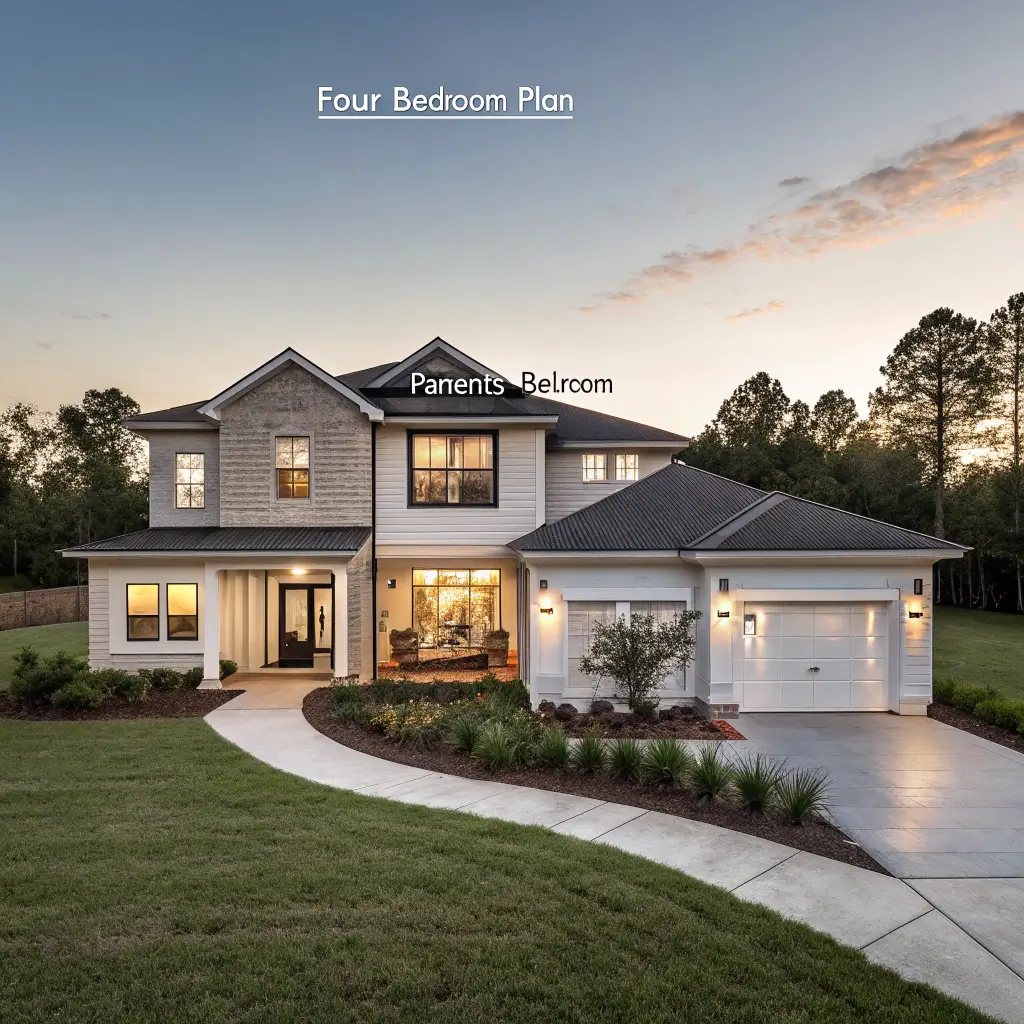
With parents living longer and adult kids boomeranging home, multi-generational layouts make serious sense. These plans include semi-independent living spaces that maintain family connection without sacrificing privacy.
Think beyond just adding an in-law suite. Modern multi-gen plans incorporate separate entrances, kitchenettes, and living areas that flex as needs change. Today’s in-law suite becomes tomorrow’s home office or rental income.
Designing for Multiple Generations
Essential elements for multi-generational living:
• Accessible design features throughout
• Separate HVAC zones for comfort control
• Soundproofing between living areas
• Flexible spaces that adapt over time
• Private outdoor access for each zone
My parents moved into our multi-gen addition last year. Having them close but independent has been perfect – help when needed, privacy when wanted.
Home Office Integrated Bedroom Plan
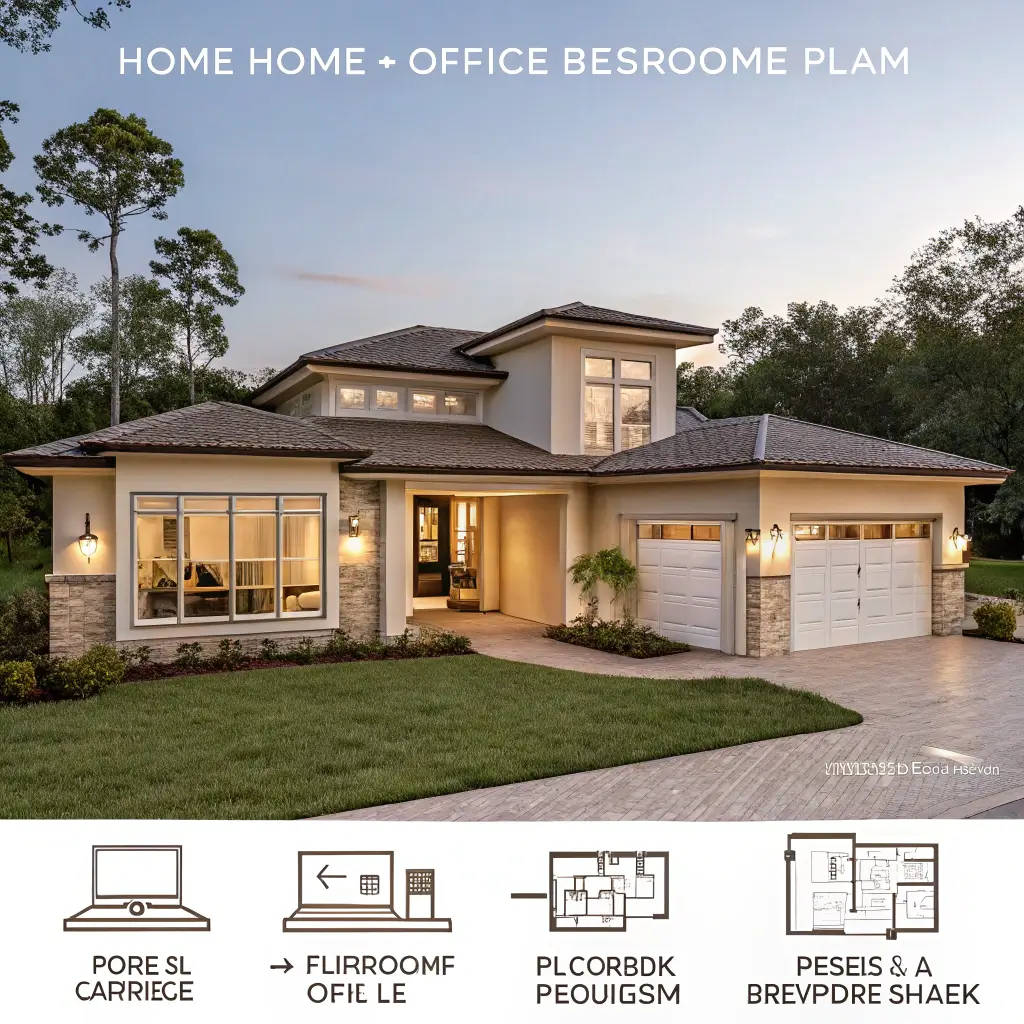
Remote work isn’t going anywhere, so why pretend otherwise? Office-integrated plans acknowledge that work-from-home is permanent for many families. These designs incorporate real offices, not just kitchen table compromises.
The fourth bedroom often doubles as an office, but smarter plans create dedicated workspace that doesn’t sacrifice bedroom count. Some layouts include office nooks in master suites or convert formal dining rooms into dual-purpose spaces.
Work-From-Home Essentials
Modern home office integration requires:
• Sound isolation from living areas
• Multiple data/electrical outlets
• Natural light and views
• Built-in storage and organization
• Proximity to bathrooms and coffee
Since adding a proper office to our layout, my productivity has doubled. No more laptop migrations when kids get home from school :/
Kid-Friendly Cluster Bedroom Design
Parents, this one’s for you. Clustered kids’ bedrooms keep the chaos contained while fostering sibling bonds. All kids’ rooms group together, often sharing a bathroom and play area, creating their own mini-neighborhood within your home.
This layout means less running around checking on everyone at bedtime. It also means when someone gets sick, you’re not sanitizing the entire house – just one zone. Practical? Absolutely.
Creating Kid Zones
Successful kid clusters include:
• Jack-and-Jill bathrooms between bedrooms
• Central play areas or homework nooks
• Built-in storage in each room
• Sound dampening between kids’ and adults’ zones
• Easy supervision sight lines
We clustered our kids’ rooms upstairs with a shared homework loft. They actually help each other with assignments now – totally unexpected bonus!
Luxury-Inspired Practical Four Bedroom Plan
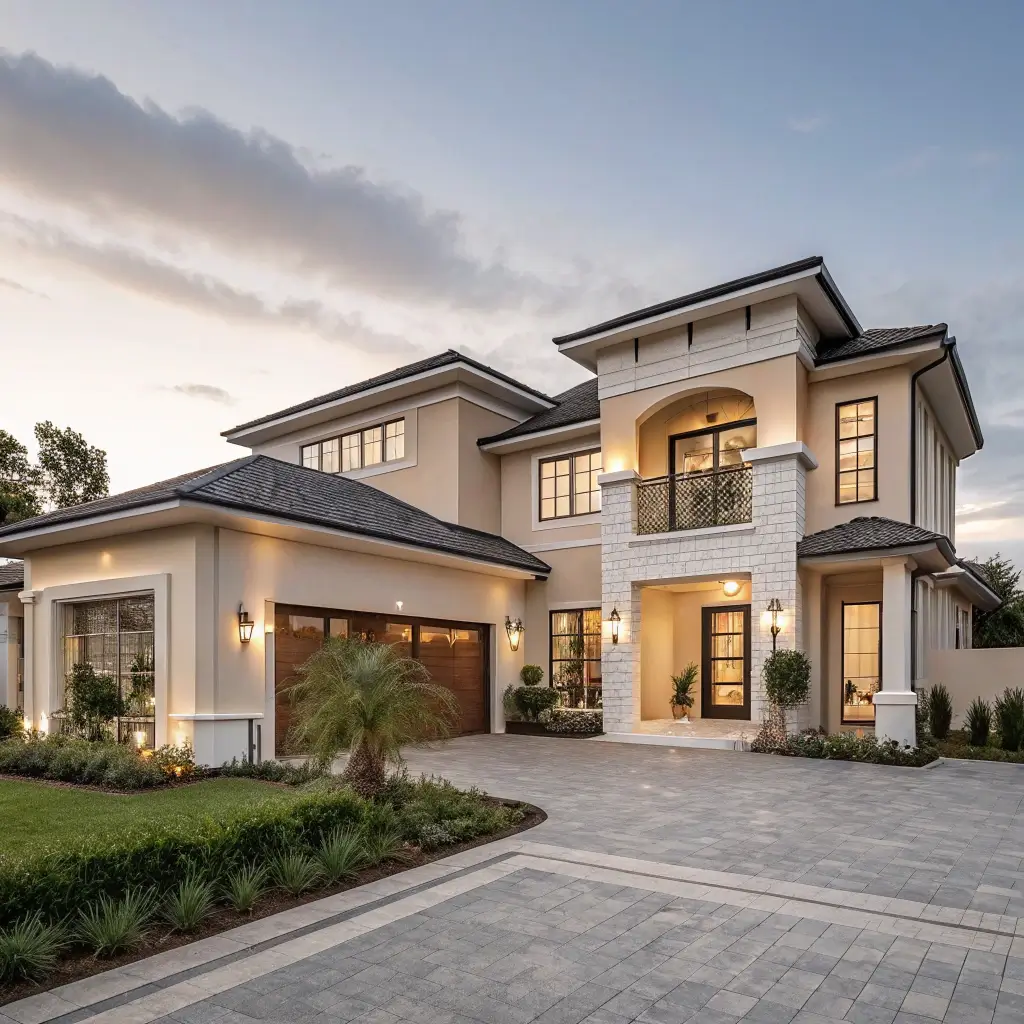
You can incorporate luxury elements without the ridiculous price tag. These plans steal the best ideas from high-end homes but implement them practically. Think spa-inspired bathrooms using stock fixtures arranged cleverly, not custom everything.
Smart luxury focuses on experiences over expensive materials. A well-designed shower with multiple heads costs far less than marble countertops but delivers daily enjoyment. Choose your splurges wisely.
Affordable Luxury Features
Ways to add luxury feels without breaking budgets:
• Statement lighting in key areas
• Larger windows instead of expensive finishes
• Quality hardware on standard cabinets
• One show-stopping feature per room
• Upgraded insulation for quiet luxury
Adding a coffee bar to our master bedroom cost $500 but feels like a five-star hotel amenity every morning.
Future-Expandable Four Bedroom Concept
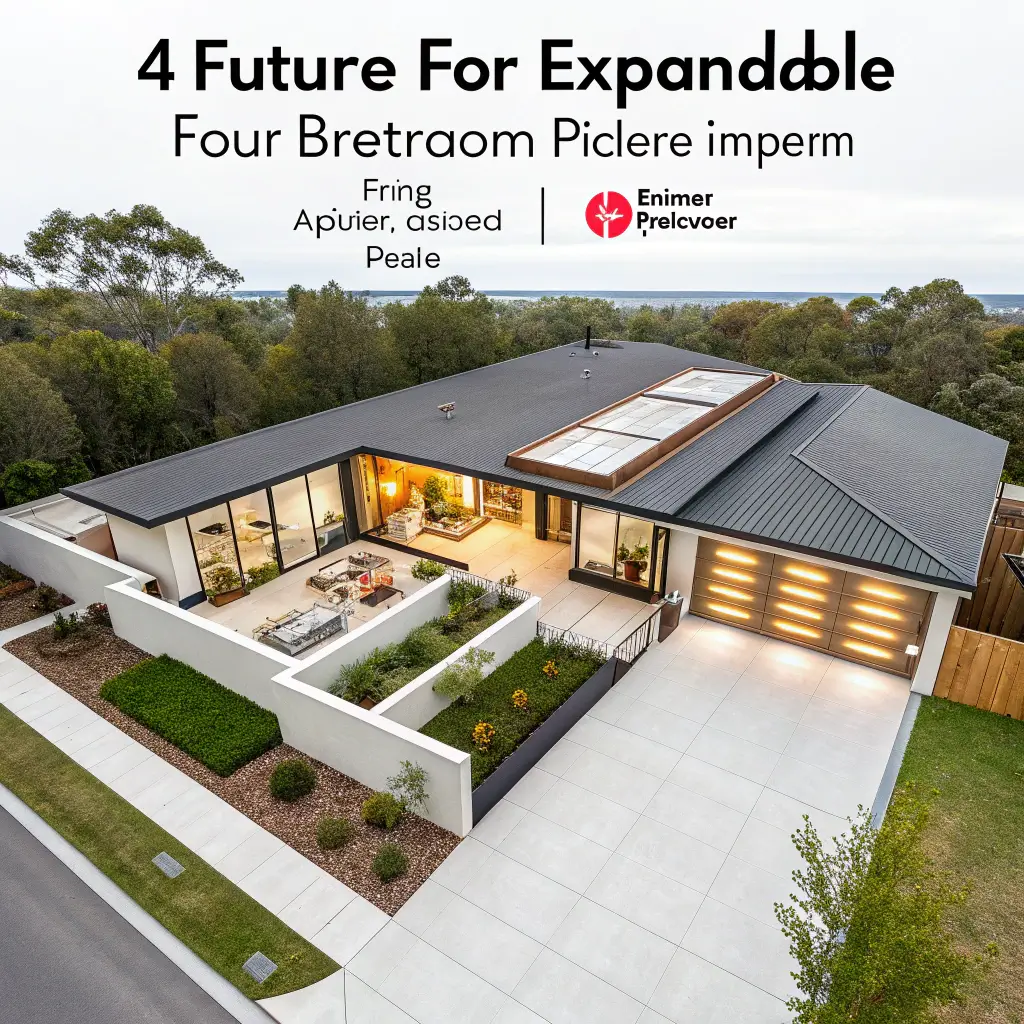
Life changes, and expandable plans anticipate that reality. These designs include unfinished spaces ready for future development, structural elements supporting second-story additions, or layouts that easily accommodate additions.
Starting with expansion in mind saves thousands later. Running plumbing and electrical rough-ins during initial construction costs pennies compared to retrofitting. Plus, you’re not locked into today’s needs forever.
Planning for Tomorrow
Expansion-ready features to consider:
• Unfinished bonus rooms above garages
• Reinforced floors for future second stories
• Electrical panels sized for additions
• Plumbing rough-ins for future bathrooms
• Side yards suitable for additions
Our unfinished basement sat empty for three years. When we finally finished it, having the rough-ins already there saved us $15,000.
Making Your Choice
After exploring these 15 four-bedroom house plans, you’re probably seeing possibilities everywhere. That’s exactly where you want to be! The perfect plan balances your current needs with future flexibility while staying within budget.
Remember, no plan is perfect straight from the designer. Every layout needs tweaking for your specific lot, climate, and lifestyle. Start with a concept that resonates, then customize from there. Consider traffic patterns, natural light, and how you actually live – not how Instagram says you should live.
The best four-bedroom house plan is the one that makes your daily life easier while giving everyone space to thrive. Whether you choose an open concept for family togetherness or a split-level for blessed separation, make sure it reflects how your family actually functions. Because at the end of the day, you’re not just building a house – you’re creating the backdrop for thousands of family memories. Choose wisely, build smartly, and don’t forget to enjoy the process!