15 Cozy French Farmhouse Living Room Ideas for Warm Spaces

You know that feeling when you walk into someone’s living room and instantly feel like you’ve been transported to a cozy cottage in Provence? That’s the magic of French farmhouse style, and honestly, I’m completely obsessed with it.
After spending way too many hours scrolling through Pinterest (don’t judge me), I’ve gathered fifteen incredible ideas that’ll transform your living room from “meh” to “magnifique.”
French farmhouse style hits different – it’s this perfect blend of rustic charm and effortless elegance that somehow manages to feel both fancy and lived-in.
Trust me, once you start incorporating these elements, your friends won’t stop asking for your decorator’s number. Spoiler alert: you won’t need one.
Rustic Wood Beam Ceiling Living Room

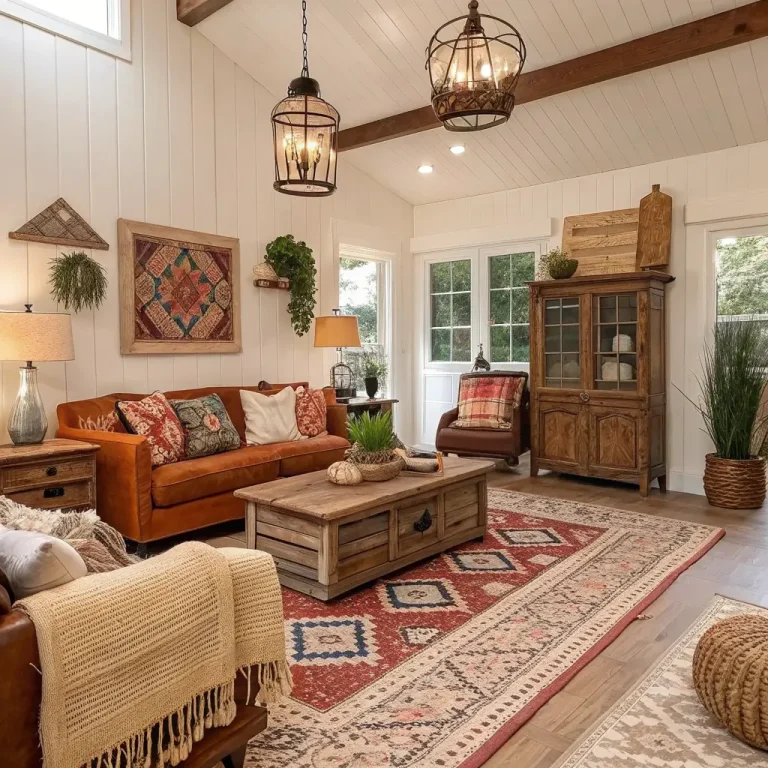
Let’s kick things off with the showstopper – exposed wooden ceiling beams. These bad boys instantly add character and that “oh, this old thing?” vibe to any space. I remember walking into my friend Sarah’s newly renovated living room, and those dark oak beams literally made my jaw drop.
Here’s what makes ceiling beams work so well:
- They create visual height and draw the eye upward
- Natural wood adds warmth without trying too hard
- They frame the room like architectural jewelry
- Original beams tell a story (even if they’re actually from Home Depot)
You don’t need actual 18th-century beams from a French château – though wouldn’t that be nice? Faux beams work just as well and won’t require structural engineering. I’ve seen people use hollow box beams that look incredibly authentic. The key is choosing the right wood tone – think weathered oak, chestnut, or even painted white for a softer look.
Making It Work in Modern Homes
Modern homes with their eight-foot ceilings might seem challenging, but here’s the secret: you only need one or two statement beams to nail the look. Run them perpendicular to your longest wall, and boom – instant French countryside vibes. Paint everything else white to keep things from feeling cave-like.
Soft Neutral Palette with Vintage Accents

Can we talk about how French farmhouse style basically invented the art of making beige exciting? The neutral color palette isn’t boring – it’s sophisticated restraint at its finest. Think creamy whites, warm grays, soft taupes, and the occasional whisper of sage green.
I learned this lesson the hard way after painting my first apartment walls “Provence Purple” (what was I thinking?). The French farmhouse approach keeps walls neutral and lets vintage pieces do the talking. That antique mirror you scored at the flea market? It shines against a soft linen-white backdrop.
Color Strategy That Actually Works
Here’s my foolproof formula:
- 60% dominant neutral (walls, large furniture)
- 30% secondary neutral (curtains, rugs, throws)
- 10% accent through vintage pieces (artwork, vases, pillows)
The magic happens when you layer different shades of the same neutral family. Mix warm whites with cooler ones, throw in some natural linen tones, and suddenly your “boring beige room” looks like it belongs in a design magazine.
Cozy Linen Sofa with Throw Pillows

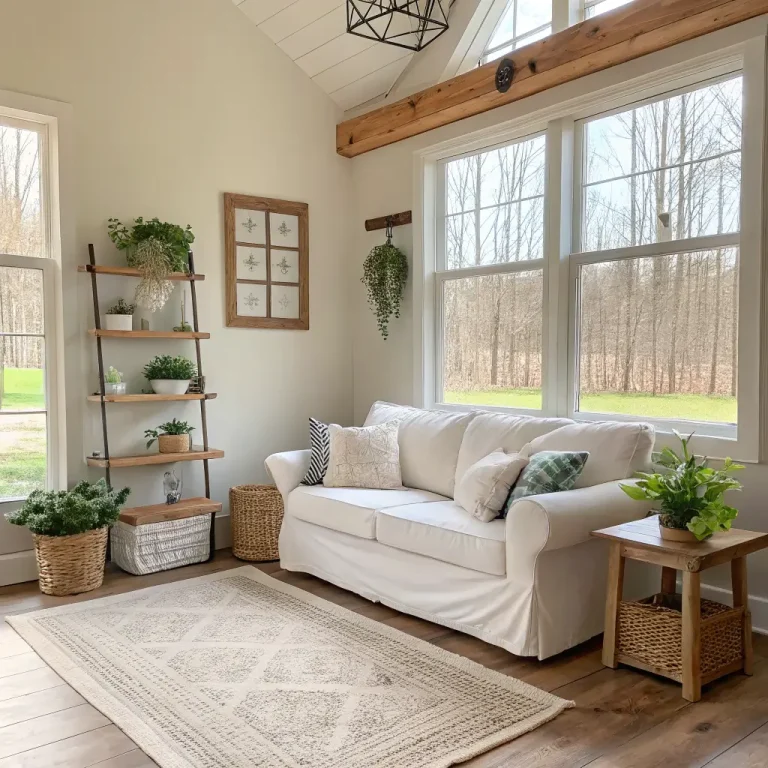
Nothing says French farmhouse quite like a slouchy linen sofa that practically begs you to curl up with a good book and a glass of wine. Forget those stiff, formal couches that nobody actually wants to sit on – we’re going for comfort that looks effortlessly chic.
My linen sofa has survived two dogs, countless movie nights, and that one time my nephew decided it was a trampoline. The beauty of linen? It gets better with age and use. Those wrinkles aren’t flaws; they’re character, darling.
Pillow Game Strong
The throw pillow situation needs to be on point:
- Mix different sizes (24″, 20″, and 16″ works perfectly)
- Combine textures (linen, burlap, vintage grain sack)
- Stick to your neutral palette with subtle patterns
- Always use odd numbers (because even numbers are apparently too predictable)
Pro tip: Those authentic French grain sack pillows everyone’s obsessed with? You can DIY them with drop cloths from the hardware store. FYI, nobody will know the difference 🙂
Also Read: 15 Charming Warm Farmhouse Living Room Ideas for Home Bliss
Distressed Antique Coffee Table Centerpiece

Your coffee table is basically the living room’s main character, so choosing the right one matters. French farmhouse style calls for something with history – or at least something that looks like it has history. I’m talking about wood with stories etched into every scratch and dent.
I scored my coffee table at an estate sale for $50, and it’s literally my favorite piece of furniture. The previous owner had apparently used it as a workbench, which only adds to its charm. Those authentic imperfections beat manufactured distressing every single time.
What Makes the Perfect Farmhouse Coffee Table
Look for these features:
- Substantial wood construction (pine, oak, or reclaimed wood)
- Natural wear patterns and patina
- Simple, sturdy legs (turned or straight)
- A lower shelf for styling opportunities
- Size that fits your space without overwhelming it
Remember, you want it to look like it’s been in your French grandmother’s house for generations, even if you bought it last Tuesday.
Elegant French Doors with Sheer Curtains

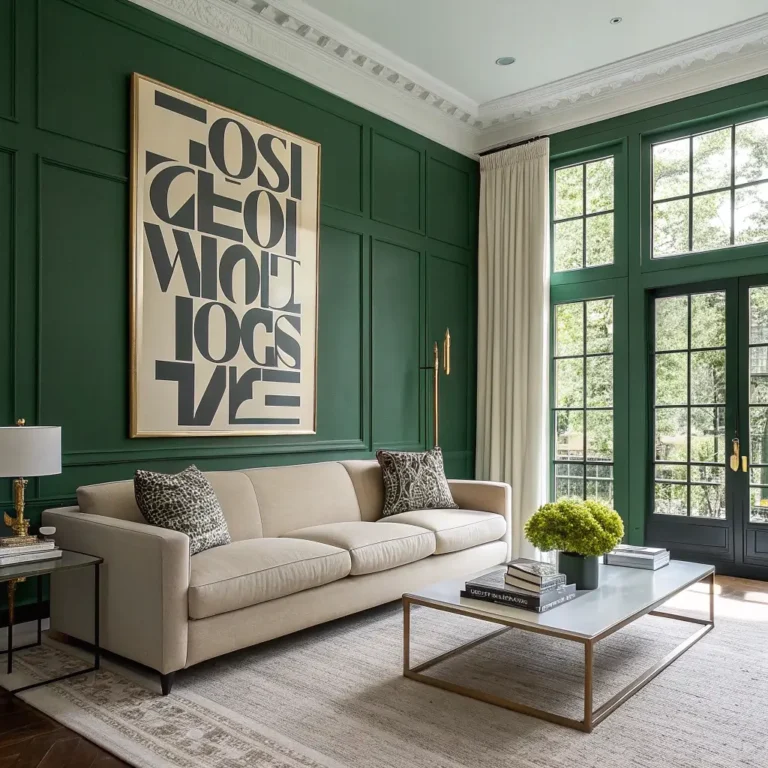
French doors are having a moment, and honestly, it’s about time. They transform ordinary openings into architectural statements that flood your living room with natural light. Whether they lead to a patio or just separate rooms, they add that je ne sais quoi we’re all chasing.
The combination of French doors with billowy sheer curtains creates this dreamy, romantic atmosphere that makes every day feel like you’re on vacation in the South of France. I installed French doors between my living room and home office, and now everyone thinks I’m fancier than I actually am.
Styling Your French Doors
Here’s how to nail the look:
- Choose doors with multiple glass panes for authentic charm
- Paint them white or soft gray (never stark white)
- Hang sheers from a rod mounted above the frame
- Let curtains puddle slightly on the floor for that relaxed vibe
Those sheer curtains aren’t just for looks – they provide privacy while still letting light filter through. It’s functional beauty at its finest.
Vintage Chandeliers and Pendant Lighting

Lighting can make or break a room, and French farmhouse style demands something special. Think vintage crystal chandeliers that look like they’ve been rescued from a Parisian flea market, or rustic iron pendants with that perfect amount of rust.
My living room chandelier cost me more than I’d like to admit, but every time I turn it on, I feel like I’m living in a Nancy Meyers movie. The soft, warm glow it creates in the evening? Chef’s kiss.
Lighting Layers That Work
Create depth with multiple light sources:
- Statement chandelier as your centerpiece
- Table lamps with linen or burlap shades
- Wall sconces for ambient lighting
- Candles in vintage holders (lots of them)
Skip the harsh overhead lighting – we’re going for soft, romantic illumination that makes everyone look ten years younger. Your guests will thank you.
Also Read: 15 Beautiful Farmhouse Living Room Curtains Ideas to Inspire Style
Stone Fireplace with Rustic Mantel

A stone fireplace is basically the holy grail of French farmhouse living rooms. If you have one, congratulations – you’ve won the architectural lottery. If you don’t, there are ways to fake it ’til you make it.
The key is choosing the right stone. Limestone, river rock, or stacked stone all work beautifully. Pair it with a chunky wooden mantel – preferably reclaimed beam – and you’ve got an instant focal point that screams rustic elegance.
Mantel Styling That Doesn’t Try Too Hard
Keep your mantel décor simple but impactful:
- Large vintage mirror or artwork as anchor
- Asymmetrical arrangement of candlesticks
- Small potted plants or dried lavender
- Vintage books stacked horizontally
- One statement piece (like an antique clock)
Ever notice how the best-styled mantels look like someone just casually placed things there? That’s the goal – studied nonchalance.
Open Shelving with French Farmhouse Decor

Open shelving gives you the perfect opportunity to display your farmhouse treasures while keeping things functional. I replaced my upper cabinets with open shelves last year, and it completely transformed the space. Plus, it forces me to keep things organized (mostly).
The trick is finding the balance between styled and practical. You want it to look curated, not cluttered. Think of each shelf as a little vignette that tells a story.
What to Display on Open Shelves
Mix these elements for the perfect shelfie:
- Vintage ironstone pitchers and bowls
- Stacks of neutral dishware
- Woven baskets for hidden storage
- Old books with weathered spines
- Glass cloches with seasonal displays
- Cutting boards and wooden utensils
Group items in odd numbers and vary the heights for visual interest. And please, resist the urge to fill every inch – negative space is your friend.
Woven Baskets and Natural Fiber Rugs

Texture is everything in French farmhouse design, and nothing adds texture quite like natural fibers. Jute rugs, woven baskets, and sisal ottomans bring that organic, earthy element that grounds the whole room.
I have baskets everywhere – seriously, I might have a problem. But they’re not just pretty; they hide all the stuff that doesn’t fit the aesthetic. Remote controls, charging cables, my collection of trashy magazines – all tucked away in stylish woven baskets.
Natural Fiber Strategy
Here’s how to incorporate them effectively:
- Layer a jute rug over hardwood floors
- Use baskets for storage at different heights
- Mix textures (smooth vs. chunky weaves)
- Stick to natural tones (no dyed materials)
- Add a sisal or hemp runner for hallways
The best part? These materials age beautifully and actually look better with wear. Your dog’s muddy paws just add to the patina, IMO.
Also Read: 15 Stunning Moody Farmhouse Living Room Ideas for Cozy Homes
Shiplap Walls with Soft White Paint

Shiplap isn’t just for Chip and Joanna anymore – it’s a French farmhouse staple that adds instant character to any wall. The horizontal lines create visual interest without overwhelming the space, and painted white, they brighten everything up.
I installed shiplap on just one accent wall, and it completely changed the room’s personality. The subtle shadow lines add depth and texture that flat drywall could never achieve. Plus, it hides a multitude of wall sins (looking at you, previous owner’s terrible spackle job).
Shiplap Done Right
Keep these tips in mind:
- Not every wall needs shiplap (one or two max)
- Paint it soft white, not bright white
- Run boards horizontally for traditional look
- Consider beadboard for a softer alternative
- Extend it to the ceiling for drama
Whatever you do, don’t go overboard. Shiplap is like salt – a little enhances everything, too much ruins the dish.
Pastel Accent Chairs with Floral Patterns

Here’s where French farmhouse gets fun – subtle pops of pattern and color through accent seating. We’re not talking loud, in-your-face florals. Think faded roses, soft toile, or barely-there botanical prints in muted pastels.
I found my favorite accent chair at a vintage shop – pale blue with the tiniest floral print that you barely notice until you’re sitting in it. It adds just enough personality without screaming for attention. That’s the French farmhouse way – whisper, don’t shout.
Choosing the Right Accent Chair
Look for these qualities:
- Soft, muted colors (dusty rose, sage, pale blue)
- Small-scale patterns that read as texture from afar
- Comfortable, lived-in shapes
- Natural wood or painted legs
- Fabric that ages gracefully
Place them strategically – next to the fireplace, by a window, or creating a reading nook. They should feel like they’ve always been there.
Mixed Metal and Wood Furniture Combination

Gone are the days of matchy-matchy everything. French farmhouse style celebrates the mix – iron with oak, brass with pine, copper with reclaimed wood. This combination creates visual interest and keeps things from looking like a furniture showroom.
My living room has an iron and wood console table, brass picture frames, copper planters, and a weathered wood side table. Somehow it all works together because the common thread is the aged, authentic finish.
Metal and Wood Mixing Rules
Follow these guidelines:
- Limit yourself to 2-3 metal finishes max
- Keep wood tones in the same family (all warm or all cool)
- Let one material dominate (usually wood)
- Use metal as accent, not primary material
- Choose pieces with visible age and patina
The goal is collected-over-time, not purchased-in-a-set. Each piece should feel like it has its own story.
Rustic Wooden Wall Art Displays

Wall art in a French farmhouse living room isn’t about expensive paintings – it’s about meaningful, rustic displays that add personality without pretension. Think vintage botanical prints, architectural salvage, or antique farm tools arranged artfully.
I created a gallery wall using old window frames, vintage seed packets under glass, and a few pressed botanical specimens. Total cost? Under $100. Impact? Priceless. People always ask about it, and I love telling the story of finding each piece.
Creating Authentic Wall Displays
Consider these options:
- Vintage windows or doors as statement pieces
- Collections of small items in shadow boxes
- Antique plates arranged asymmetrically
- Old farm tools or kitchen implements
- Pressed flowers or botanical prints in mismatched frames
Keep arrangements slightly imperfect – too precise looks staged. You want it to feel like it evolved naturally over time.
Soft Velvet Curtains with Subtle Patterns

While sheers are perfect for French doors, your main windows deserve something with more substance. Soft velvet curtains in muted tones add luxury without going full Victorian. The key is choosing the right weight and pattern – think subtle damask or barely-there stripes.
My living room curtains are this gorgeous dusty sage velvet with the faintest floral pattern. They pool slightly on the floor (because we’re fancy like that), and they make the whole room feel more expensive than it actually is.
Curtain Hanging Secrets
Get the look right with these tips:
- Hang rods close to the ceiling, not right above the window
- Extend rods 6-10 inches beyond window frame
- Choose panels wide enough to look full when closed
- Let them kiss the floor or puddle 1-2 inches
- Layer with sheers for versatility
Never, ever hang curtains that are too short. It’s the quickest way to make your ceilings look lower and your room look cheap. Trust me on this one :/
Layered Textures with Throws and Cushions

The secret to that lived-in, cozy French farmhouse look? Layers upon layers of different textures. We’re talking chunky knit throws, linen cushions, faux fur pillows, and cotton quilts all living harmoniously together.
I keep a basket of throws next to my sofa, and each one serves a purpose. The chunky knit for cold nights, the lightweight linen for summer evenings, the faux fur for when I’m feeling extra. It’s functional decoration at its finest.
Texture Layering Formula
Build your layers like this:
- Start with a base of smooth linen (sofa, curtains)
- Add medium textures (cotton pillows, woven throws)
- Top with statement textures (chunky knits, faux fur)
- Include natural elements (wood, jute, rattan)
- Finish with smooth accents (ceramics, glass)
The magic happens when you mix rough with smooth, matte with subtle sheen, heavy with light. Your living room should invite touching – every surface should feel as good as it looks.
Bringing It All Together
Creating the perfect French farmhouse living room isn’t about following every trend or buying everything new. It’s about curating a space that feels authentic, lived-in, and genuinely welcoming. Start with one or two of these ideas and build from there.
Remember, the best French farmhouse rooms look like they’ve evolved over generations, not decorated in a weekend. Take your time, hunt for unique pieces, and don’t be afraid to mix high and low, old and new. The imperfections and mismatched elements are what give the style its charm.
Your living room should tell your story, not look like a catalog page. So grab that vintage mirror you’ve been eyeing, throw a linen slipcover over your existing sofa, and add some character with exposed beams or shiplap. Before you know it, you’ll have friends asking if you’ve hired a designer from Provence.
The beauty of French farmhouse style is its forgiving nature – it embraces wear, celebrates age, and makes everyone feel instantly at home. Now excuse me while I go rearrange my throw pillows for the hundredth time today. Because that’s what we do in French farmhouse land, and I wouldn’t have it any other way.