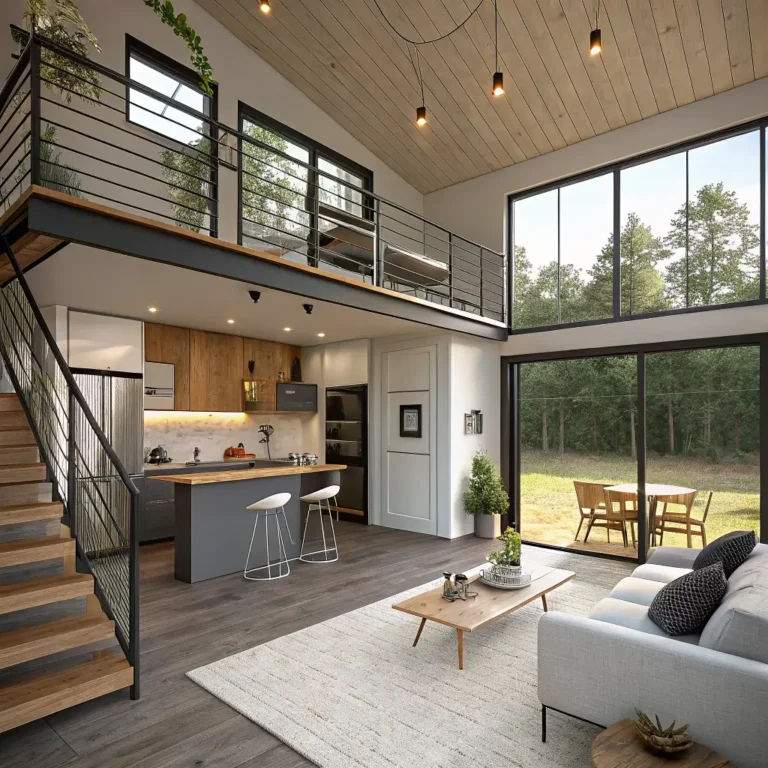
15 Cozy House Floor Plans Ideas for Small and Comfortable Homes

You know that feeling when you walk into someone’s house and think, “Wow, I need to live here immediately”? Yeah, that’s what the right floor plan does to you.
After spending way too many weekends touring open houses (guilty pleasure alert!), I’ve realized that floor plans make or break a home.
They’re basically the backbone of everything you love – or hate – about a space.
Let me share some killer floor plan ideas that’ll have you sketching on napkins and annoying your partner with constant “what if we knocked down this wall” conversations. Trust me, I’ve been there, and my spouse has the eye-roll count to prove it.
Modern Open-Concept Floor Plans

Remember when our parents thought the kitchen should be hidden away like some shameful secret? Those days are gone, friend. Modern open-concept floor plans have completely revolutionized how we live, and honestly, I can’t imagine going back.
The beauty of open-concept living? You can cook dinner while helping kids with homework AND binge-watching Netflix. Multitasking at its finest! These layouts typically merge the kitchen, dining, and living areas into one massive, glorious space that makes your home feel twice its actual size.
What Makes Open-Concept Work
Here’s what I’ve learned from living in an open floor plan for five years:
• Natural light flows everywhere – no more dark, depressing corners
• Entertaining becomes effortless (no more missing conversations while stuck in the kitchen)
• Kids can’t get away with sneaky behavior when you have clear sightlines
• Your home feels more expensive than it actually is
The trick? You need defined zones without walls. I use area rugs, furniture placement, and different lighting to create separate “rooms” within the space. My couch backs up to the dining area, creating a natural barrier without blocking the flow.
Small Space Smart Floor Plans
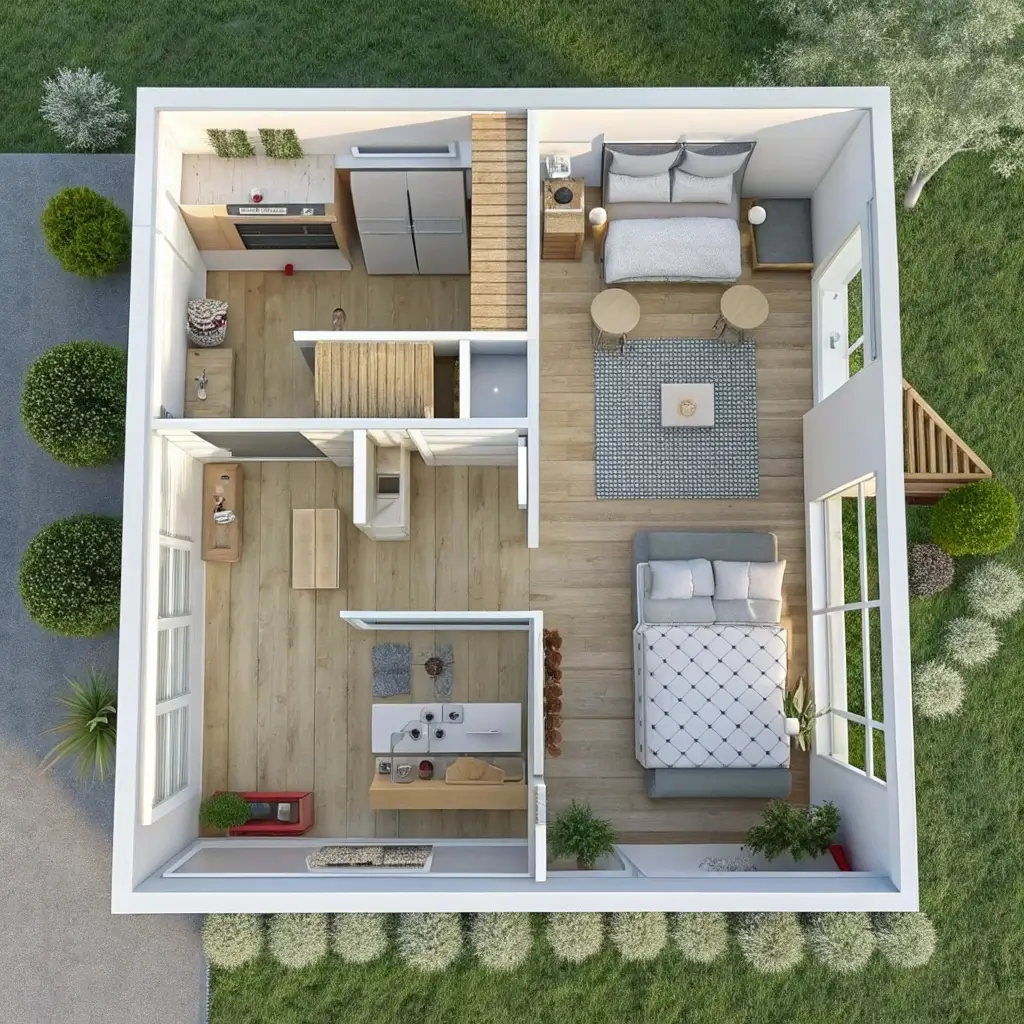
Living in 800 square feet? Join the club! Small space floor plans require serious creativity, and I’ve seen some genius solutions that’ll blow your mind. Who says you need 3,000 square feet to live well?
The secret sauce here involves vertical thinking. I visited a friend’s 650-square-foot apartment last month, and this woman had storage solutions I’d never dreamed of. Built-in shelving up to the ceiling, under-stair drawers, and a Murphy bed that transformed into a desk during the day.
Small Space Must-Haves:
• Multi-purpose furniture (Ottoman with storage? Yes, please!)
• Open shelving instead of bulky cabinets
• Pocket doors that slide into walls
• Corner-utilizing designs that maximize every inch
FYI, mirrors aren’t just for checking your hair – they’re small space superheroes that double your visual square footage. Place them strategically across from windows, and watch your tiny space transform.
Luxury Family Home Layouts

Now we’re talking about the dream homes that make you question all your life choices. Luxury family layouts aren’t just about size – they’re about smart design that anticipates every family need. These floor plans typically start at 3,500 square feet and go up from there (way up).
What sets luxury layouts apart? Dedicated spaces for everything. We’re talking separate mudrooms, butler’s pantries, gift-wrapping rooms (yes, that’s a thing), and his-and-hers home offices. My neighbor’s house has a sports equipment room that’s bigger than my first apartment.
The real luxury? Privacy within togetherness. These plans often feature parent retreats on opposite ends from kids’ bedrooms, dual staircases for traffic flow, and enough bathrooms that nobody ever has to wait. Ever wondered why rich people seem less stressed? They’re not fighting over bathroom time at 7 AM.
Also Read: 15 Unique Modern House Floor Plans Ideas for Small Spaces
Minimalist Single-Story Designs

Single-story living has made a massive comeback, and the minimalist approach takes it to another level. No stairs, no fuss, no unnecessary anything. These floor plans strip away the excess and focus on what actually matters – livable space that doesn’t require a map to navigate.
I toured a minimalist ranch last year that changed my perspective entirely. 1,800 square feet of pure functionality with not a single wasted corner. The hallways were wide enough for wheelchairs (thinking ahead!), and every room had a purpose. No formal dining room gathering dust, no awkward nooks that become junk collectors.
Why Single-Story Minimalist Works:
• Aging in place becomes possible
• Cleaning takes half the time
• Energy efficiency through the roof
• Everything feels intentional and calm
The master bedroom typically sits on one end, kids’ rooms on the other, with living spaces as the buffer zone. Simple, effective, and surprisingly spacious when you remove all the fluff.
Multi-Story Contemporary Homes
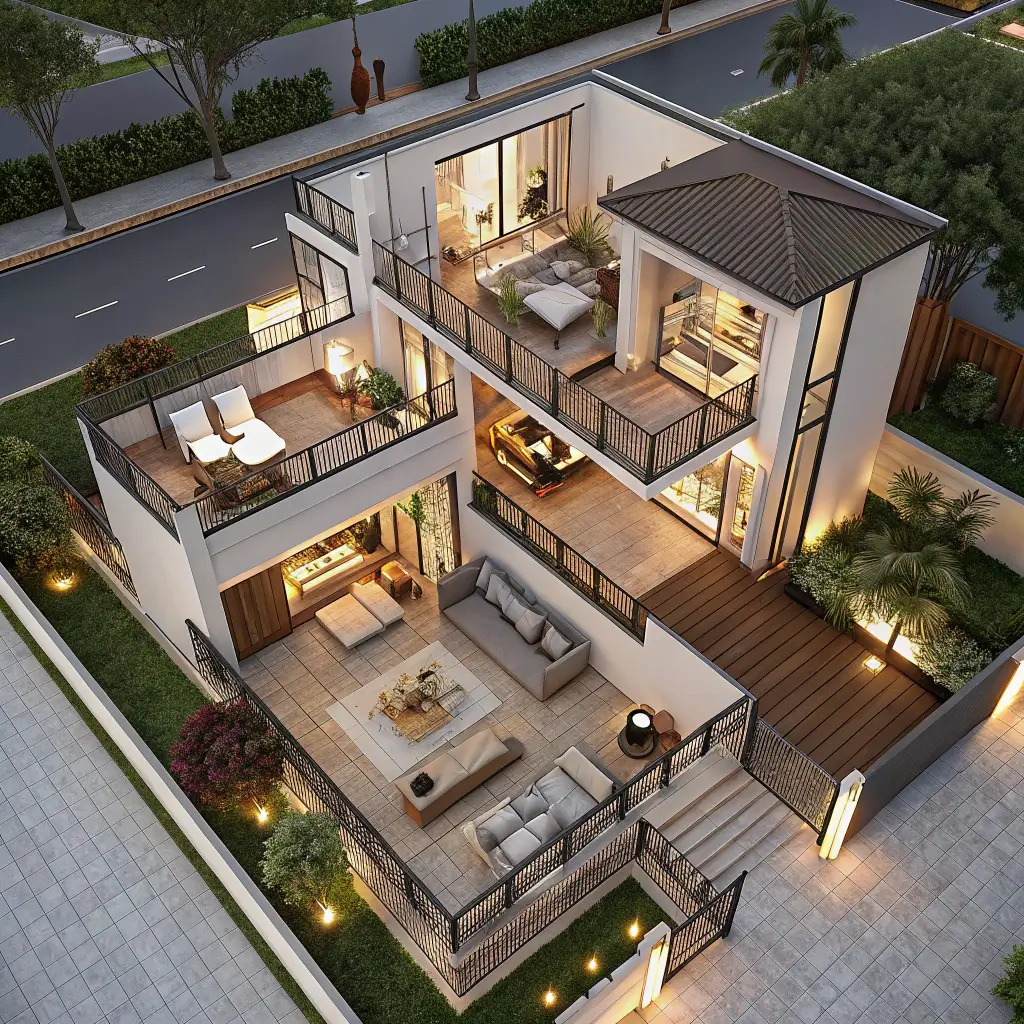
Going vertical isn’t just for city dwellers anymore. Multi-story contemporary designs maximize lot space while creating distinct living zones that actually make sense. Think of it as apartment-style privacy but in your own house.
These layouts usually dedicate the first floor to public spaces – kitchen, living, dining, maybe a powder room. Second floor becomes the private sanctuary with bedrooms and full baths. Got a third floor? Hello, bonus room/teen cave/home theater!
What I love about contemporary multi-story plans? The drama of vertical space. Two-story great rooms, floating staircases, and floor-to-ceiling windows that make you feel like you’re living in an architectural magazine. My friend’s three-story townhouse uses every floor differently – work, live, sleep – and it’s genius.
Cozy Cottage Floor Plans

Let’s get real – not everyone wants a mansion. Cottage floor plans bring that storybook charm without the storybook maintenance. We’re talking 1,000-1,500 square feet of pure coziness that makes you want to bake cookies and knit scarves (even if you’ve never knitted in your life).
Cottage layouts embrace quirky character over cookie-cutter perfection. Nooks, window seats, built-in bookcases, and breakfast corners that actually get used. My aunt’s cottage has this amazing reading alcove under the stairs that’s basically a Harry Potter room, minus the trauma.
Classic Cottage Features:
• Eat-in kitchens with actual charm
• Bedrooms tucked under eaves
• Front porches that beg for rocking chairs
• Mudrooms that handle real mud
The best cottage floor plans? They make small feel intentional, not limiting. Every square foot has a job, and decorating becomes about highlighting architectural details rather than hiding flaws.
Also Read: 15 Amazing Dream House Plans Ideas and Stunning Layouts
Eco-Friendly Sustainable Layouts

Sustainability isn’t just trendy – it’s smart. Eco-friendly floor plans consider sun orientation, natural ventilation, and material efficiency from day one. These homes basically pay you back for living in them through energy savings.
I visited a net-zero home last summer, and the floor plan was specifically designed for passive heating and cooling. South-facing windows for winter sun, overhangs for summer shade, and rooms arranged to maximize natural airflow. The utility bills? Practically non-existent.
Sustainable Design Elements:
• Compact footprints that reduce material waste
• Open plans that improve air circulation
• Designated recycling/composting stations
• Solar panel-ready roof orientations
• Rainwater collection system integration
The coolest part? These homes feel better to live in. Natural light everywhere, fresh air constantly circulating, and knowing you’re not destroying the planet while making breakfast. Win-win-win.
Compact Urban Apartment Plans
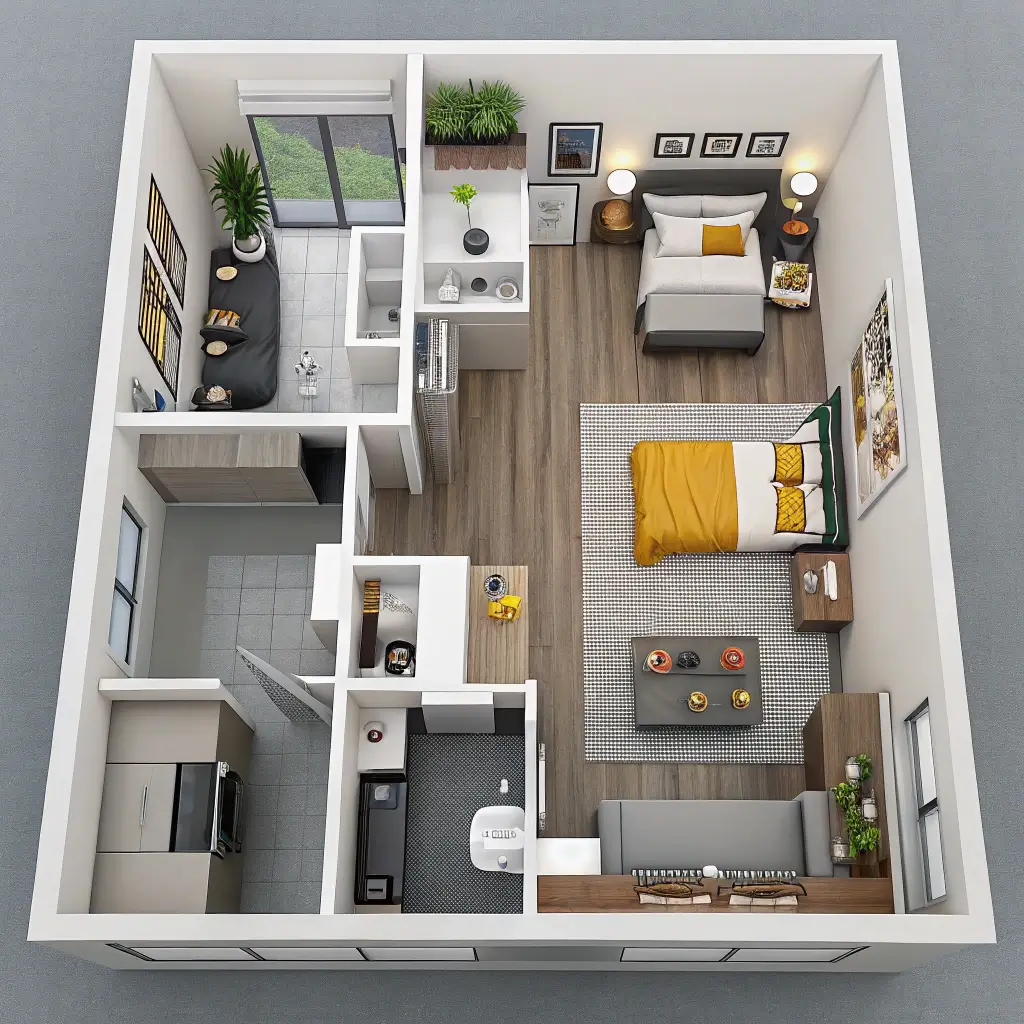
City living demands creative solutions, and urban apartment floor plans have evolved into spatial magic tricks. We’re talking 500-700 square feet that somehow include everything you need without feeling like a shoebox.
The key to urban compact living? Zones without walls. I’ve seen studio apartments use ceiling-mounted curtains, bookshelf dividers, and platform levels to create distinct spaces. One friend’s 550-square-foot place has a “bedroom” that’s just a platform with storage underneath – brilliant!
Urban plans prioritize flexibility over fixed spaces. Dining tables that fold into walls, kitchen islands on wheels, and modular furniture that reshapes based on needs. Your dinner party for eight becomes tomorrow’s yoga studio. How’s that for efficiency?
Indoor-Outdoor Living Designs
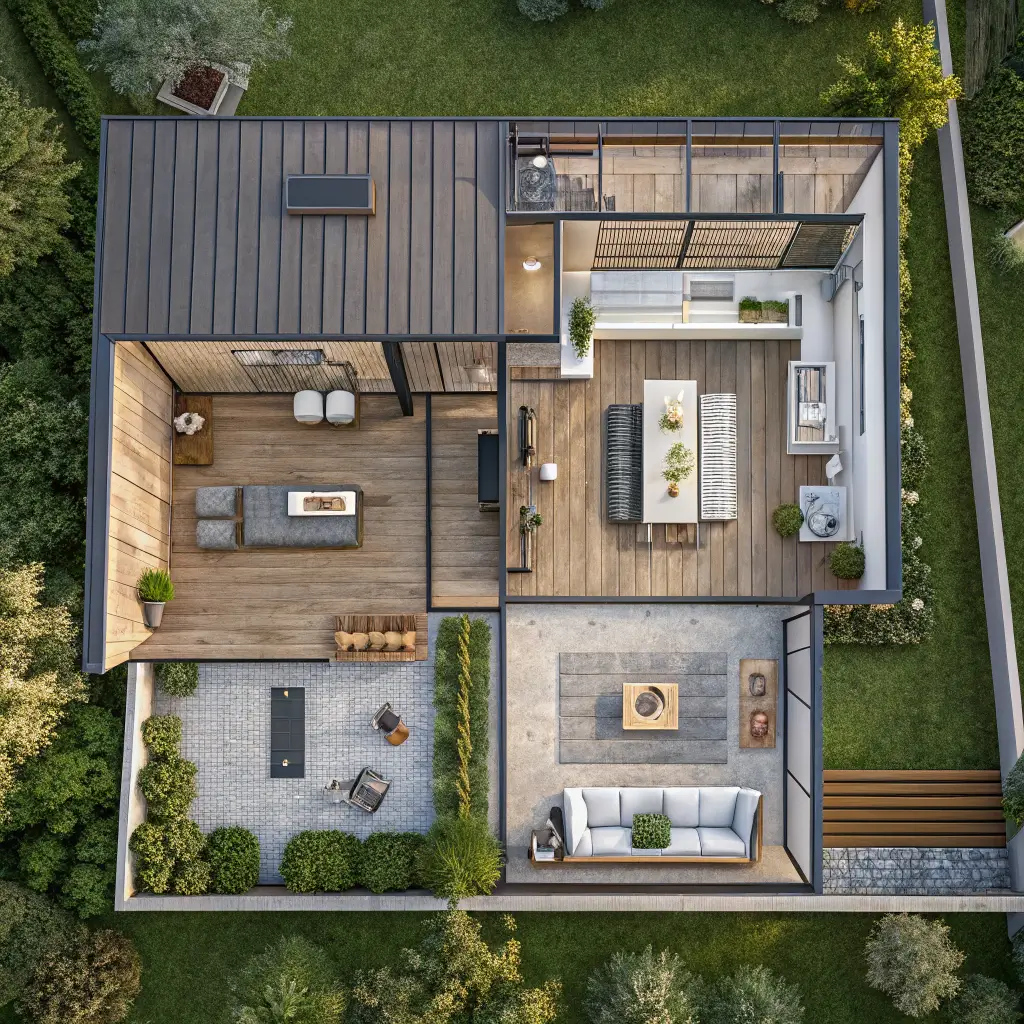
Why choose between inside and outside when you can have both? Indoor-outdoor floor plans blur the lines with sliding glass walls, covered patios that feel like rooms, and outdoor kitchens that rival indoor ones.
These designs work best in moderate climates (looking at you, California), but I’ve seen creative solutions everywhere. Screened porches, three-season rooms, and convertible spaces that adapt to weather. My cousin in Arizona has a floor plan where the living room literally opens completely to the pool area – the wall just disappears.
Indoor-Outdoor Must-Haves:
• Consistent flooring that flows from inside to out
• Multiple access points to outdoor spaces
• Outdoor rooms with real functionality
• Weather-resistant materials throughout
• Sight lines that extend beyond walls
The psychological benefits? Huge. These homes feel larger, brighter, and more connected to nature. Even in winter, looking out at your outdoor living space extends your mental square footage.
Also Read: 15 Gorgeous 4 Bedroom House Plans Ideas and Trendy Interiors
Floor Plans with Home Office Spaces

Post-2020, home offices aren’t optional anymore – they’re essential. The best modern floor plans acknowledge this reality with dedicated work spaces that actually work. No more laptop on the dining table life!
Smart office placement matters more than size. You want separation from high-traffic areas but not total isolation. I learned this the hard way when my basement office became so removed from family life that I felt like a hermit. The sweet spot? Near the main living areas but with a door you can close.
Consider these office placement options:
• Front of house for meeting clients
• Near the master bedroom for early morning productivity
• Converted formal dining rooms (because who uses those anyway?)
• Flex spaces that transform after work hours
Tiny House Efficient Layouts

Tiny houses force you to get ridiculously creative with space, and honestly? Some of these 200-400 square foot layouts put “normal” homes to shame. Every millimeter counts when you’re living tiny.
The best tiny house plans use vertical space like it’s going out of style. Sleeping lofts, ceiling storage, and fold-down everything. I stayed in a 250-square-foot tiny house that had a full kitchen, bathroom, living area, and sleeping loft. The secret? Nothing served just one purpose.
IMO, tiny living teaches you what you actually need versus what you think you need. Spoiler alert: it’s way less than you imagine 🙂
Traditional Colonial House Plans

Some designs never go out of style, and Colonial floor plans prove it. These symmetrical beauties offer formal living without feeling stuffy, and the layout just makes sense. Center hall, rooms on either side, bedrooms upstairs – classic for a reason.
Modern Colonial plans keep the bones but update the flow. Open-concept first floors replace the maze of separate rooms, while maintaining that stately exterior everyone loves. My parents’ Colonial renovation kept the traditional facade but created an amazing open kitchen-family room combo.
Colonial Plan Advantages:
• Predictable, logical layout guests can navigate
• Formal and informal spaces that actually get used
• Perfect symmetry that’s visually satisfying
• Expandable designs for growing families
Beachfront Vacation Home Layouts
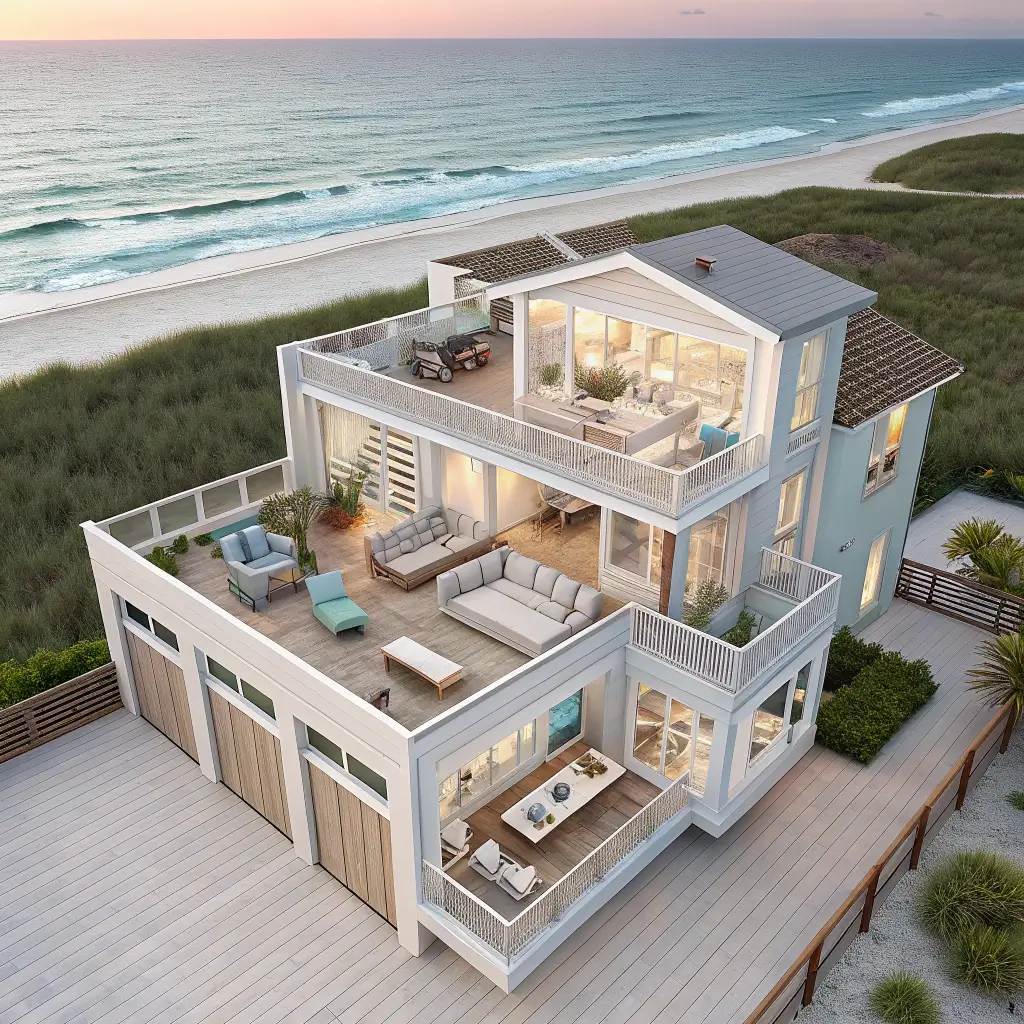
Beach house floor plans follow different rules because vacation mode requires vacation-friendly design. These layouts prioritize views, breezes, and sand-management (trust me, the sand gets EVERYWHERE).
The best beach house plans put living spaces on upper floors to maximize views and catch ocean breezes. Bedrooms below stay cooler, and you’re not tracking sand through your main living areas constantly. Ground level often becomes storage, parking, and that essential outdoor shower situation.
Materials matter here too. Tile or sealed concrete floors laugh at sandy feet, and open floor plans let ocean air flow through. Windows, windows everywhere – because why have a beach house if you can’t see the beach?
Innovative Loft and Studio Plans

Loft living attracts creative types for good reason – the floor plans encourage thinking outside the box. High ceilings, industrial elements, and wide-open spaces become blank canvases for personalization.
The challenge with lofts? Creating privacy without destroying the openness. I’ve seen brilliant solutions using suspended panels, strategic furniture placement, and mezzanine levels that add square footage without adding walls. One photographer friend built a bedroom cube in the center of his loft – sounds weird, works perfectly.
Floor Plans with Multi-Functional Rooms

The future of home design? Rooms that refuse to be just one thing. Multi-functional spaces adapt to your life instead of forcing you to adapt to them. That guest room that sits empty 350 days a year? It’s now also your gym, office, and craft room.
Smart multi-functional design uses murphy beds, modular furniture, and convertible built-ins. My favorite example? A dining room with a pool table that converts to a dining table. Dinner party or game night? Yes.
Multi-Functional Magic:
• Moveable walls that reconfigure spaces
• Furniture with hidden purposes
• Tech integration for instant transformation
• Storage solutions that disappear when not needed
The mental shift here is huge. Instead of thinking “bedroom” or “office,” you think “space that serves my current need.” Revolutionary? Maybe. Practical? Absolutely.
Wrapping This Up
Look, choosing a floor plan isn’t just about square footage or number of bedrooms. It’s about finding a layout that matches how you actually live, not how you think you should live. Whether you’re team open-concept or craving cozy cottage vibes, the right floor plan makes daily life flow better.
My advice? Visit as many homes as possible, even if you’re not buying. Open houses, friend’s places, Airbnbs – they’re all research opportunities. Pay attention to what makes you comfortable and what drives you crazy. That formal dining room might look gorgeous, but will you use it? That tiny house might seem romantic, but can you handle the reality?
The perfect floor plan makes you excited to come home. It supports your lifestyle, grows with your needs, and just feels right. So go ahead, start sketching on those napkins. Your dream layout is out there, waiting to be discovered – or created.