12 Amazing Interior Design Ideas for Cozy Living Spaces

Look, we both know you’ve been scrolling through Pinterest at 2 AM, saving countless interior design ideas you’ll probably never actually do. I get it – I’ve got about 47 boards myself.
But here’s the thing: transforming your space doesn’t require a trust fund or a degree from design school. You just need the right ideas and maybe a weekend free from Netflix binges.
I’ve spent the last decade experimenting with different design styles in my own homes (yes, plural – I move a lot, don’t judge), and I’ve learned what actually works versus what just looks good on Instagram.
So grab your coffee, get comfy, and let’s chat about 12 interior design ideas that’ll actually make your friends ask, “Did you hire someone?”
Minimalist Scandinavian Living Room
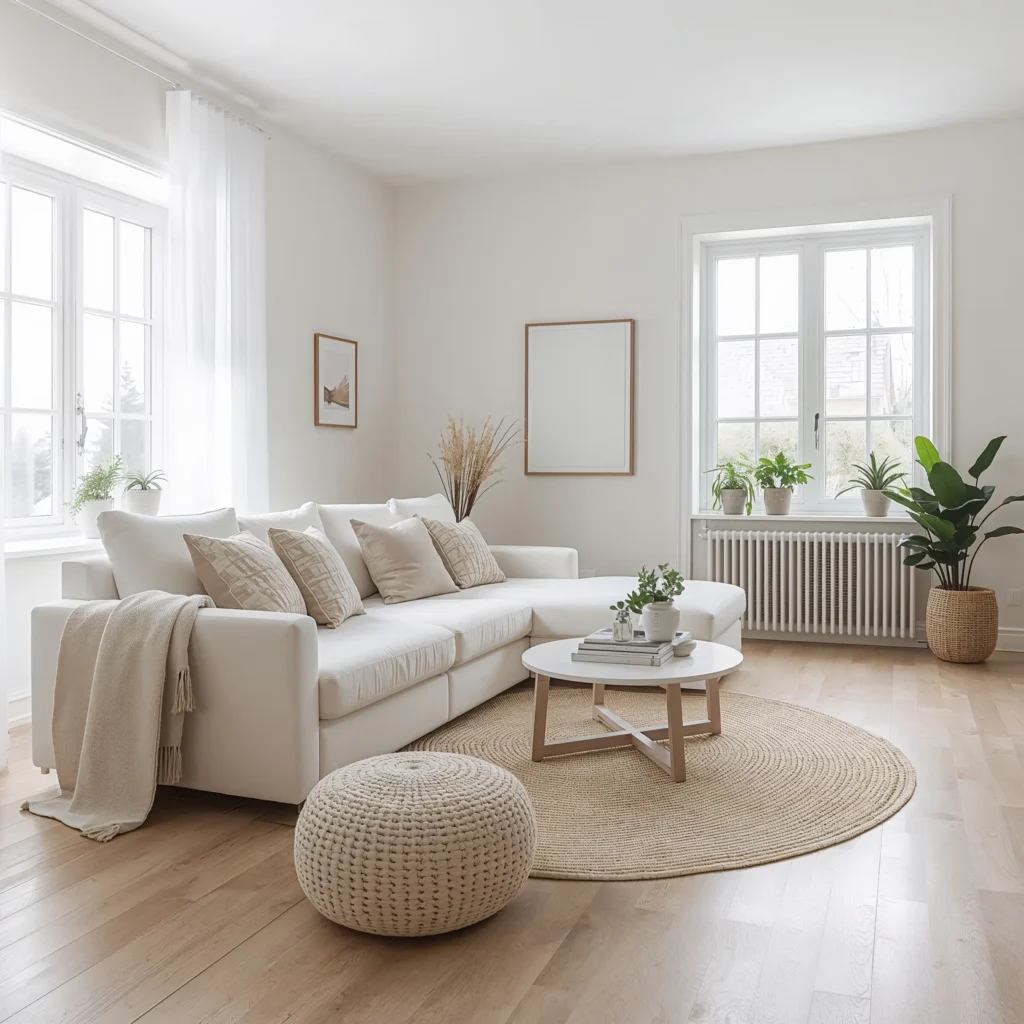
Ever walked into someone’s living room and felt instantly calm? That’s the Scandinavian magic working its charm. I discovered this style after my third move when I realized half my stuff was just… stuff. The beauty of Scandinavian design lies in its simplicity without being boring.
What Makes It Work
The foundation starts with a neutral color palette – think whites, soft grays, and maybe some beige if you’re feeling wild. But here’s where people mess up: they think minimalist means empty. Nope. You want functional pieces that actually serve a purpose. I learned this the hard way when my living room looked more like a waiting room at first.
Key elements you need:
- Light wood furniture (oak or pine work beautifully)
- Cozy textiles like chunky knit throws
- Simple, clean-lined sofas
- Plenty of natural light
- Maybe one statement plant (fiddle leaf fig, anyone?)
Making It Your Own
The trick is adding warmth through textures rather than clutter. I swapped my old coffee table for a simple wooden one with clean lines, threw in some wool cushions, and suddenly my space felt like those fancy Swedish apartments you see online. FYI, you don’t need to shop at expensive Scandinavian stores – most mainstream furniture places have caught onto this trend.
Cozy Rustic Bedroom Retreat
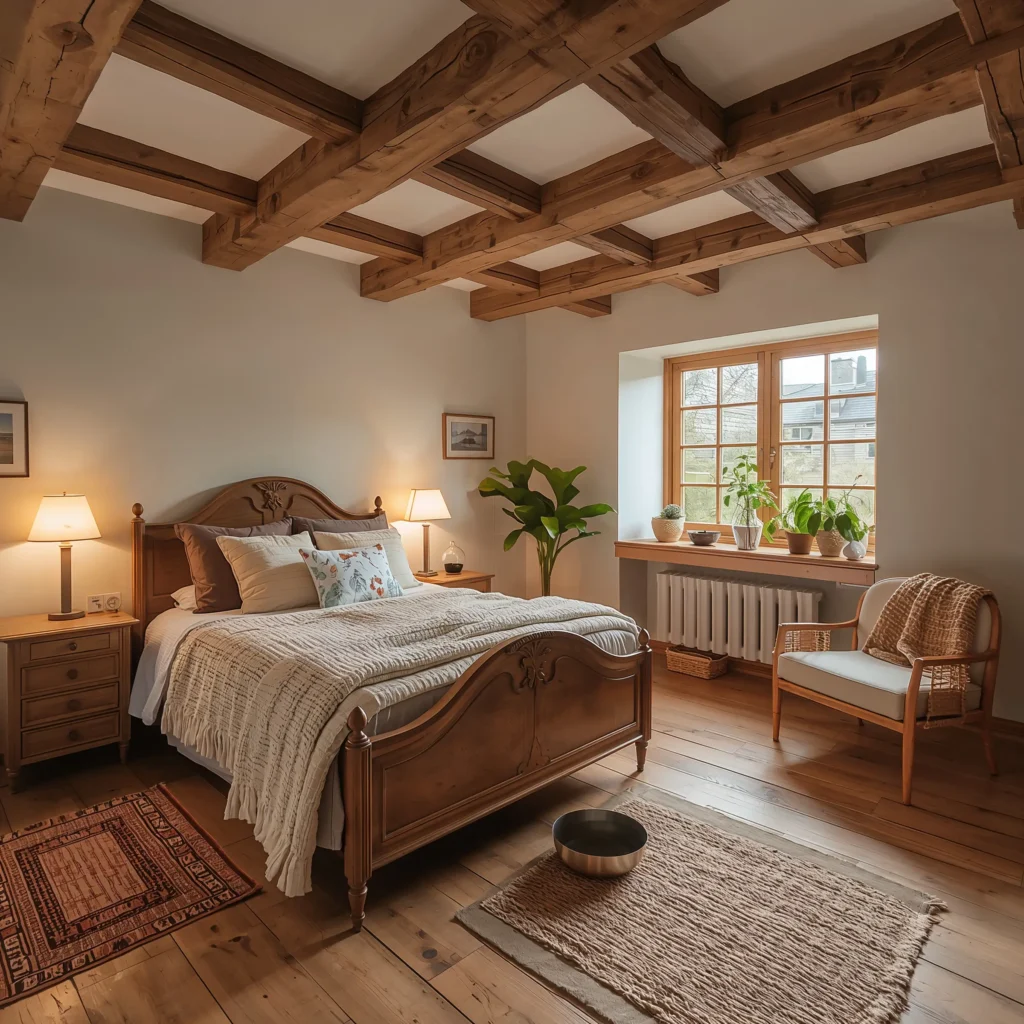
Who doesn’t want to wake up feeling like they’re in a mountain cabin? Creating a rustic bedroom changed my entire sleep game. No joke – I went from insomniac to sleeping like a bear in hibernation.
The Foundation of Rustic Comfort
Start with natural materials. Wood is your best friend here, but not that polished, perfect stuff. You want character – knots, grain patterns, maybe even some reclaimed pieces. My headboard? An old barn door I found at a salvage yard. Cost me $50 and looks like a million bucks (okay, maybe $500, but still).
Essential rustic elements:
- Exposed wood beams (fake ones work too!)
- Warm, earthy color schemes
- Layered bedding in natural fabrics
- Vintage or antique accessories
- Soft, warm lighting
Creating That Cabin Vibe
The secret sauce is in the layering. Start with a neutral base – maybe cream or tan walls – then build up with textures. Think flannel sheets, wool blankets, and maybe a faux fur throw if you’re feeling fancy. Add some mason jar lights or Edison bulbs, and boom – instant hygge vibes without actually having to move to the mountains.
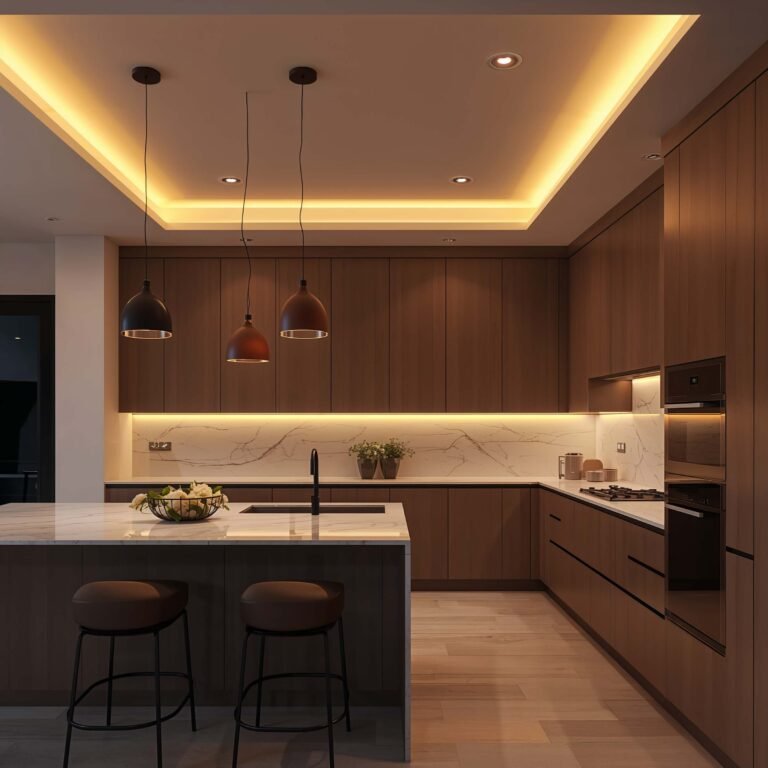
Modern Industrial Kitchen Makeover
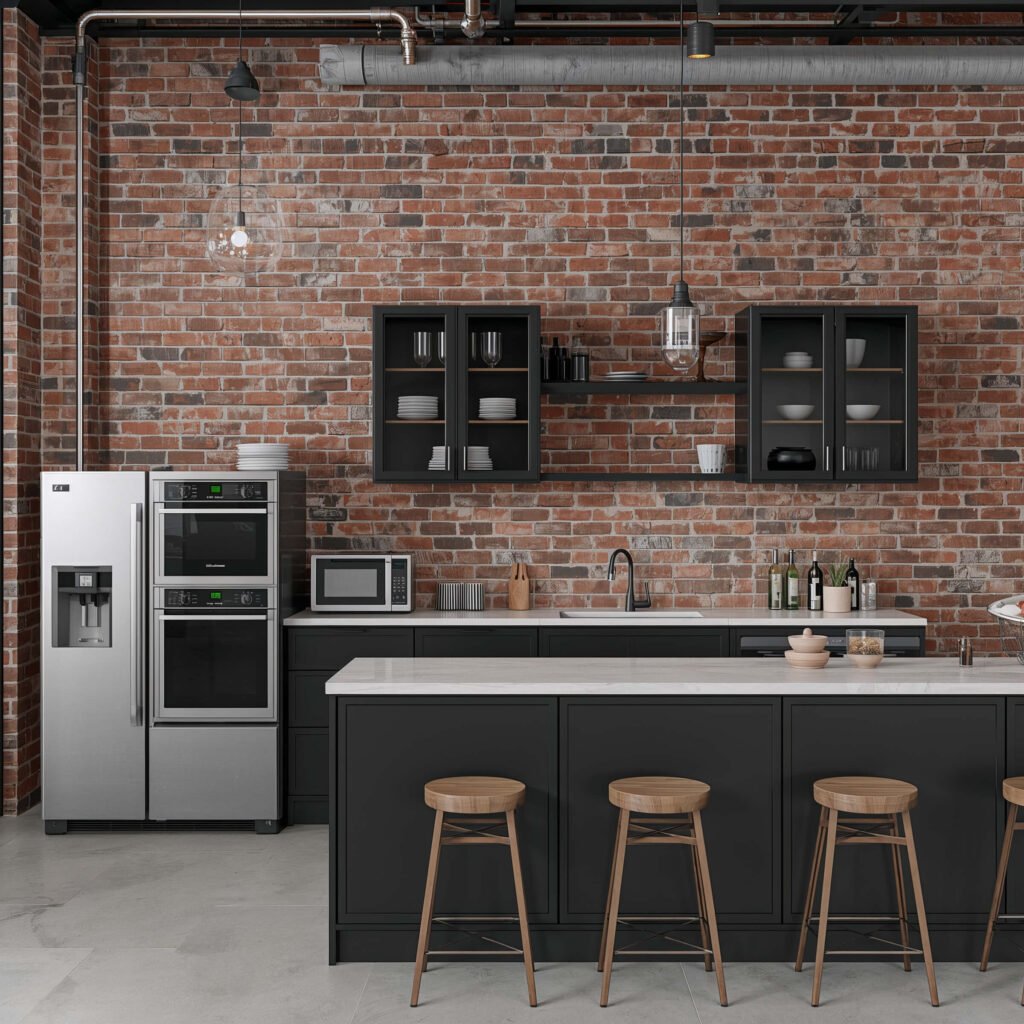
Remember when everyone thought industrial meant cold and unwelcoming? Yeah, we’ve moved past that. Modern industrial kitchens combine raw materials with sophisticated touches, and the result is chef’s kiss perfect.
The Industrial Blueprint
The backbone of this style revolves around exposed elements – pipes, brick, concrete, metal. But here’s what I learned after nearly creating a kitchen that looked like a factory floor: balance is everything. You need warmth to offset all that metal and concrete.
Must-have industrial features:
- Open shelving (metal and wood combo)
- Stainless steel appliances
- Concrete or butcher block countertops
- Exposed brick or concrete walls
- Industrial pendant lights
Softening the Edges
What really makes this style sing? Mixing in unexpected elements. I added warm wood cutting boards, copper accents, and even some plants. The contrast between hard industrial elements and softer touches creates this amazing visual tension that just works. Plus, those open shelves? They force you to keep your dishes organized. Win-win.
Also Read: 12 Stunning White Leather Couch Living Room Ideas to Try Now
Bohemian Chic Home Office
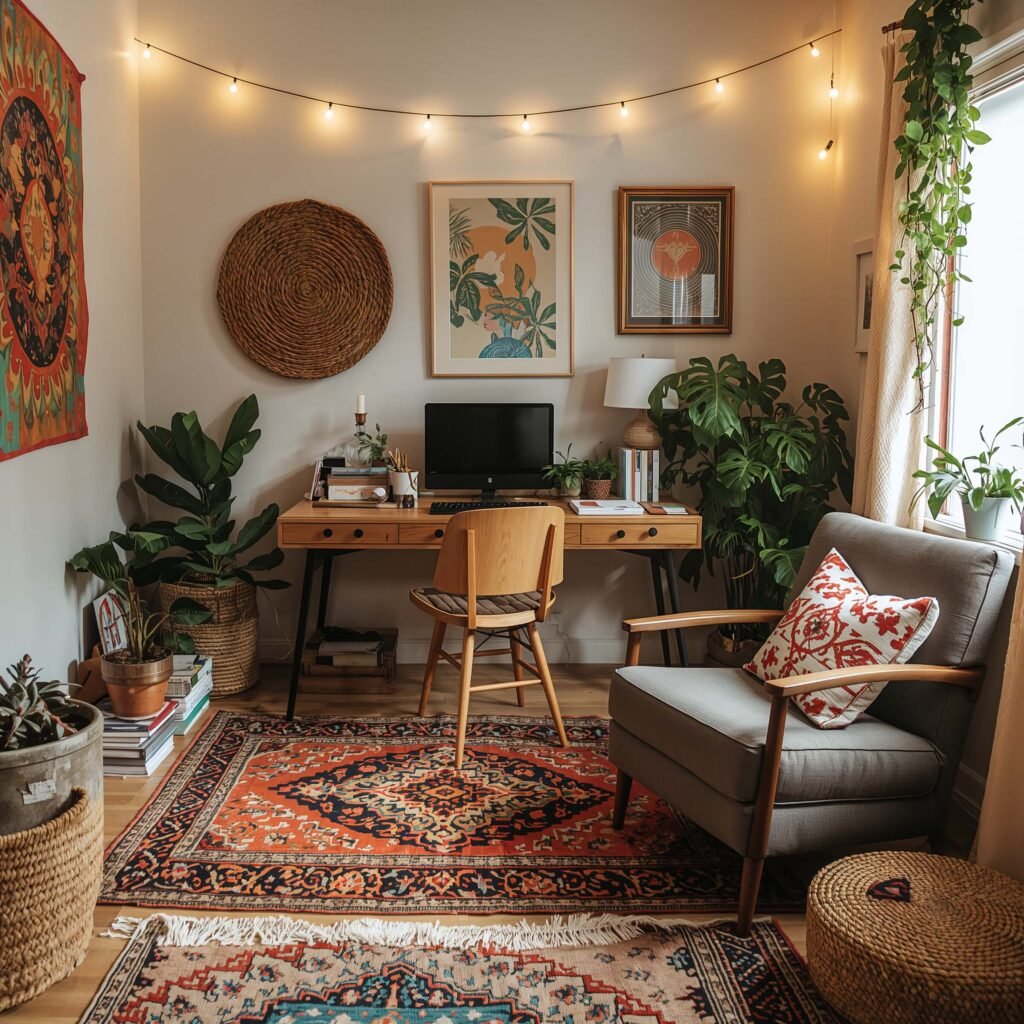
Working from home doesn’t mean staring at blank walls all day. When I transformed my boring spare room into a boho paradise, my productivity actually increased. Coincidence? I think not.
Building Your Boho Base
Bohemian design celebrates creativity and personal expression. Translation: you can mix patterns without anyone judging you. The key is finding a common thread – maybe a color that appears in all your patterns or a similar vibe across different textures.
Boho office essentials:
- Mix of vintage and new furniture
- Layered rugs (yes, plural)
- Plants everywhere (seriously, everywhere)
- Macramé wall hangings
- Colorful, patterned textiles
Making It Functional
Here’s where most boho spaces fail – they forget it needs to be a functional workspace. I learned to incorporate practical storage disguised as decor. Woven baskets hold my files, vintage trunks store supplies, and floating shelves display both books and plants. The result? A space that feeds my creativity while keeping me organized. Well, mostly organized.
Elegant Neutral Tone Living Room
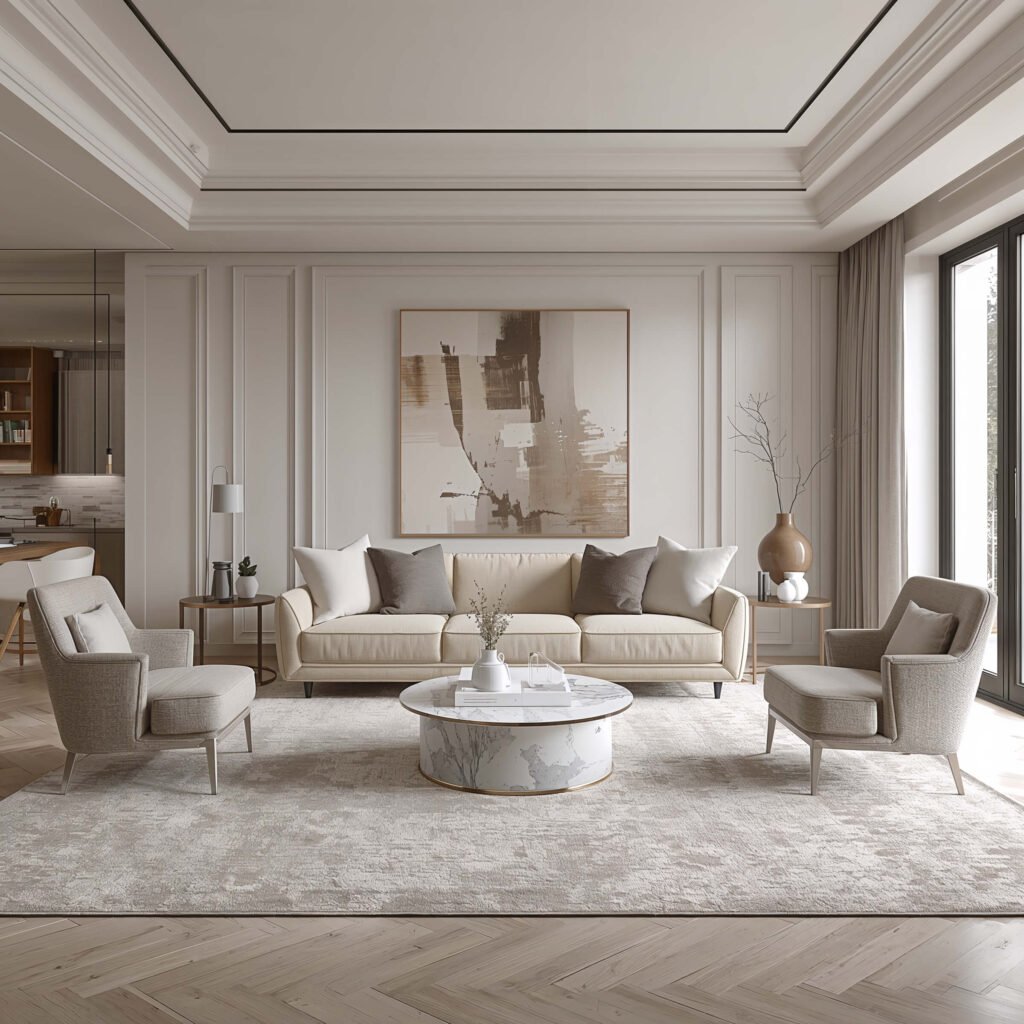
Neutrals get a bad rap for being boring. But let me tell you, when done right, a neutral living room becomes this sophisticated sanctuary that never goes out of style. Plus, you can change the whole vibe with just a few colorful pillows when you get bored.
The Art of Neutral Layering
The magic happens when you layer different shades and textures of neutrals. Think cream, beige, taupe, gray, and even soft browns. I once thought “beige is beige,” but oh boy, was I wrong. There are like 50 shades of beige, and they all play differently together.
Creating depth with neutrals:
- Vary your textures (linen, wool, leather, wood)
- Mix warm and cool neutrals
- Add metallic accents for glamour
- Include natural elements like wood and stone
- Layer different shades of the same color family
Why Neutral Doesn’t Mean Boring
The beauty of neutral spaces? They’re like a blank canvas for your life. My neutral living room has survived three different style phases just by switching out accessories. Currently rocking some deep green plants and gold accents, but last year it was all about blush and copper. The bones stay the same; the personality evolves.
Colorful Eclectic Dining Room
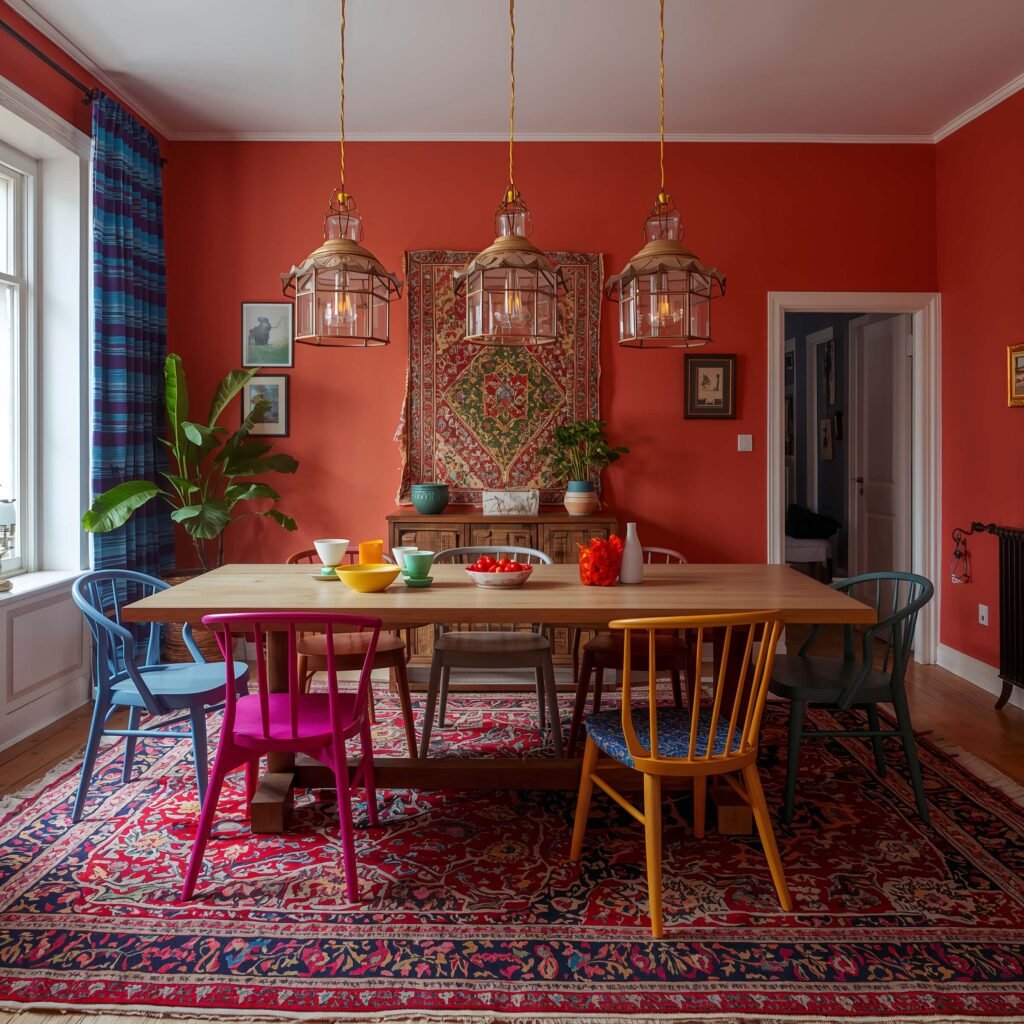
Ready to break some design rules? The eclectic dining room says “forget matchy-matchy” and embraces controlled chaos. This is where your personality really gets to shine.
Mastering the Mix
Eclectic doesn’t mean throwing everything together and hoping for the best (learned that lesson the hard way). You need a unifying element – maybe a color that repeats, a similar style of furniture legs, or consistent metal finishes. Without it, you’ve just got a mess.
Elements that work together:
- Mismatched dining chairs (but with something in common)
- Bold wallpaper or paint
- Mix of lighting styles
- Gallery wall with various frame styles
- Different patterns that share colors
Making It Dinner-Party Ready
What I love about eclectic dining rooms? They’re conversation starters. Every piece has a story. That vintage chandelier from the flea market, those chairs you painted yourself, the rug you hauled back from Morocco (or Target, no judgment). The space becomes this collection of memories that happens to be Instagram-worthy too 🙂
Also Read: 10 Vibrant Rust Couch Living Room Ideas to Brighten Rooms
Small Space Smart Storage Solutions
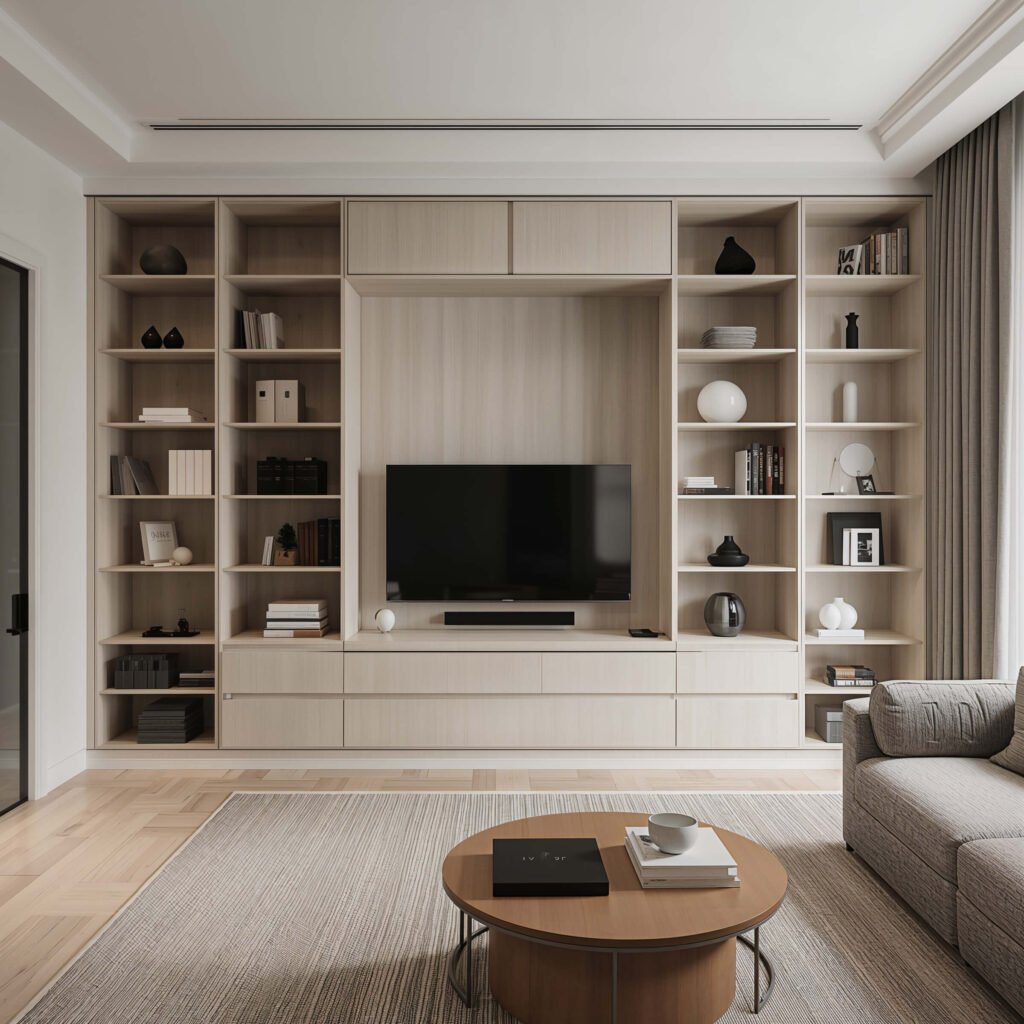
Living in 500 square feet taught me more about design than any Pinterest board ever could. When every inch counts, you get creative real quick. Small spaces force you to think vertically, multifunctionally, and sometimes diagonally.
Vertical Is Your Friend
Why do we ignore walls? Seriously, all that vertical space just sitting there, doing nothing. I transformed my tiny apartment by thinking up instead of out.
Vertical storage wins:
- Floor-to-ceiling bookshelves
- Wall-mounted desks
- Hanging organizers
- Ceiling-mounted bike storage
- Floating nightstands
Double-Duty Everything
In small spaces, every piece needs to earn its keep. My coffee table has storage, my ottoman opens up, and my dining table doubles as a desk. Even my bed has drawers underneath. Is it extra? Maybe. Is my 500-square-foot apartment surprisingly organized? Absolutely.
Luxury Glam Bathroom Design
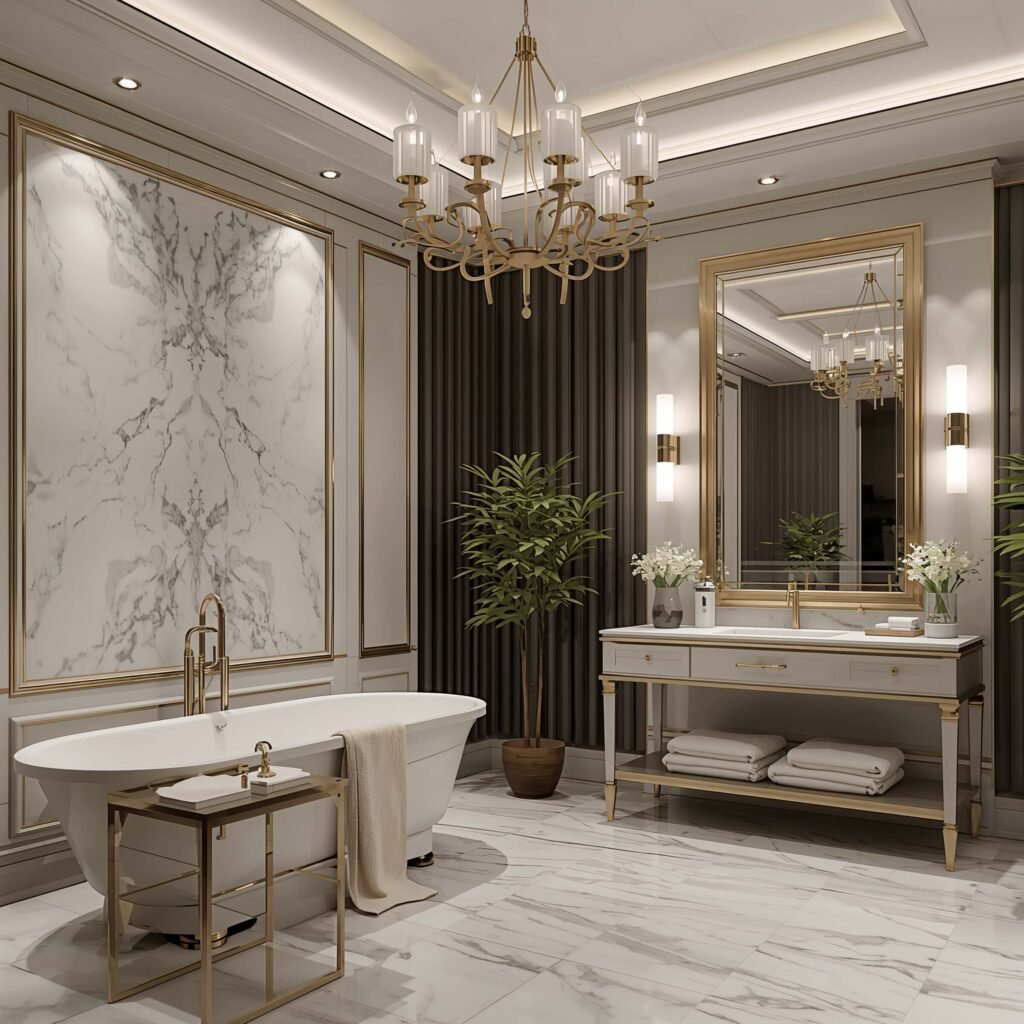
Who says you need a mansion for a glamorous bathroom? I turned my basic builder-grade bathroom into something that looks like it belongs in a boutique hotel. The secret? Strategic splurges and clever fakes.
Creating the Glam Foundation
Glamour starts with luxe materials – or at least the appearance of them. Marble is the holy grail, but let’s be real, most of us can’t afford to marble everything. Enter marble-look tiles and contact paper. I know, I know, contact paper sounds cheap, but the quality stuff? Game changer.
Glam bathroom must-haves:
- Statement mirror (go big or go home)
- Crystal or metallic light fixtures
- Plush, hotel-quality towels
- Marble or marble-look surfaces
- Gold or brass fixtures
The Details That Dazzle
What really sells the glam look? Attention to detail. Matching soap dispensers, a tray for your perfumes, maybe some fresh flowers. I even bought those fancy little towels that are just for show. Do I use them? Never. Do they make my bathroom look expensive? Absolutely.
Contemporary Open-Plan Layout
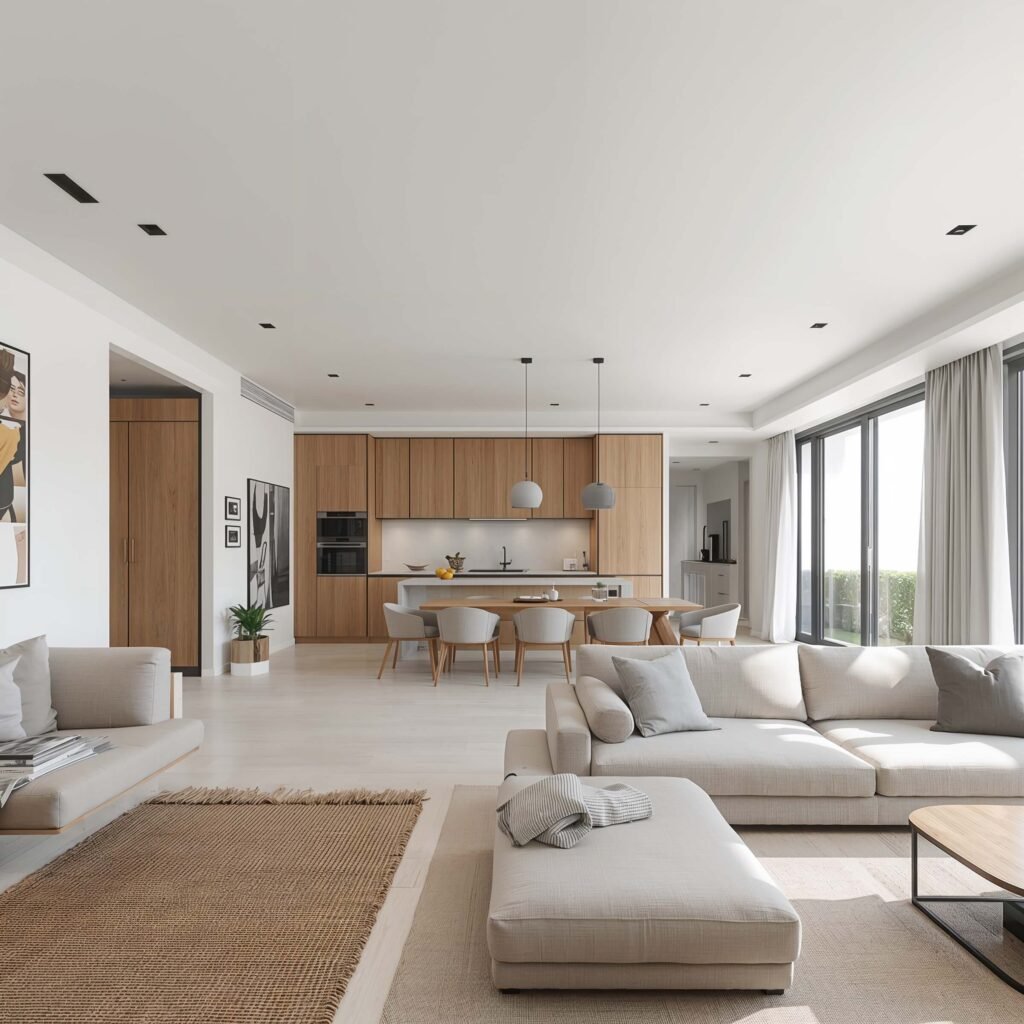
Knocking down walls isn’t always an option (trust me, I asked), but creating an open-plan feel doesn’t always require a sledgehammer. Contemporary open layouts focus on flow and connection between spaces.
Defining Zones Without Walls
The challenge with open plans? Making each area feel distinct while maintaining flow. I use furniture placement to create invisible boundaries. My sofa backs up to the dining area, creating a natural division without blocking sight lines.
Zone-defining tricks:
- Area rugs to anchor spaces
- Different lighting for each zone
- Consistent color palette throughout
- Furniture placement as dividers
- Varying ceiling heights (paint can fake this!)
Maintaining Cohesion
The trick to successful open-plan living? Repetition of elements throughout the space. Maybe it’s a color that appears in each zone, or the same wood tone in different furniture pieces. In my place, black metal appears in my kitchen stools, coffee table legs, and bookshelf – creating this invisible thread that ties everything together.
Also Read: 12 Elegant Tan Couch Living Room Ideas for Modern Homes
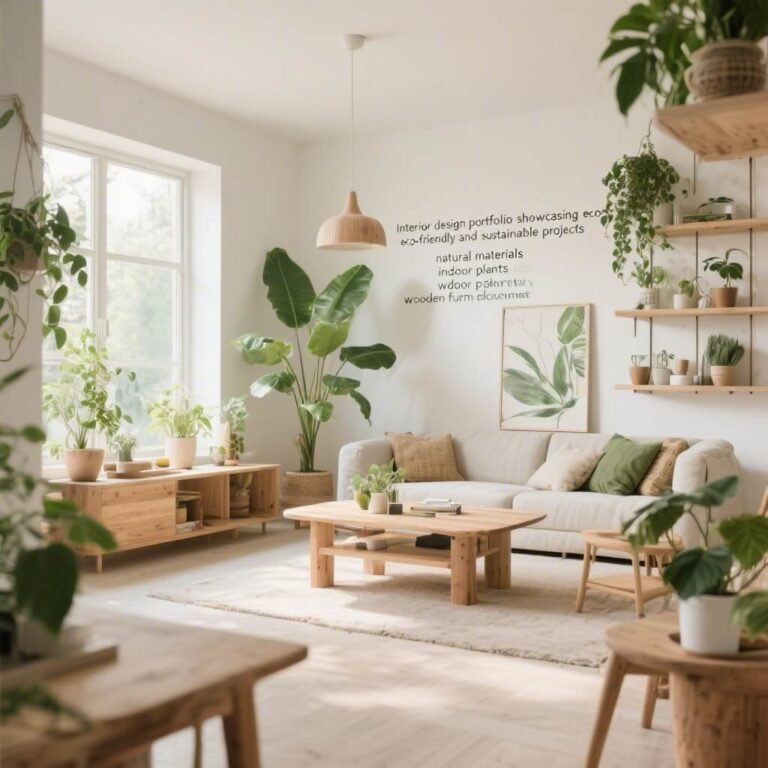
Nature-Inspired Indoor Garden Corner
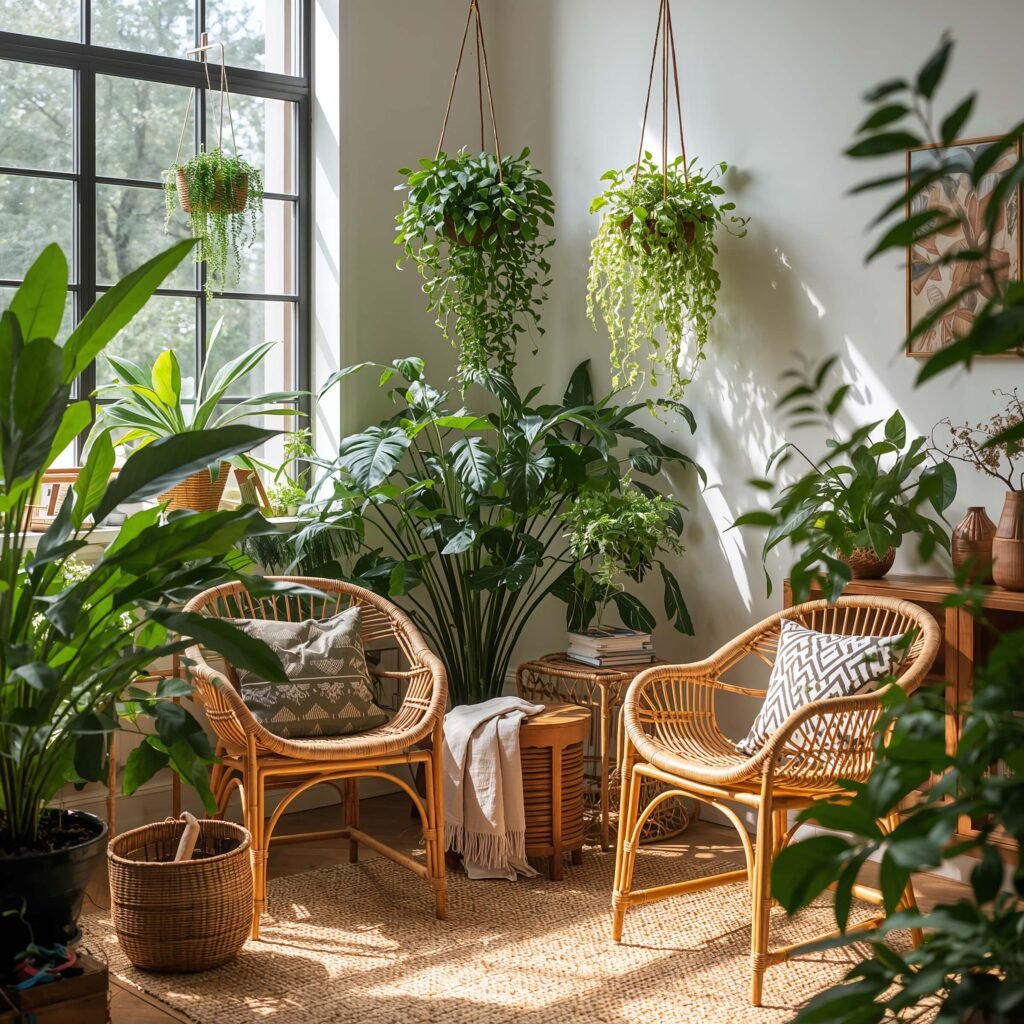
Plants aren’t just trendy; they’re transformative. Creating an indoor garden corner turned my sad, forgotten corner into the spot everyone gravitates toward. Plus, the air quality improvement? That’s just science, friends.
Building Your Green Oasis
Start with varying heights and sizes. You want drama – tall floor plants, medium table plants, and small shelf buddies. I learned (after killing several plants, RIP) that grouping plants with similar care needs makes life so much easier.
Creating the perfect plant corner:
- Mix of plant heights and leaf shapes
- Stylish planters (thrift stores are gold for this)
- Plant stands for dimension
- Good lighting (grow lights if needed)
- Maybe a comfy chair for admiring your jungle
Beyond Just Plants
What makes a garden corner special isn’t just the plants – it’s creating an entire experience. Add a small water feature for sound, some nature-inspired art, maybe a reading chair. My corner has become my morning coffee spot, and honestly? Way better than any coffee shop.
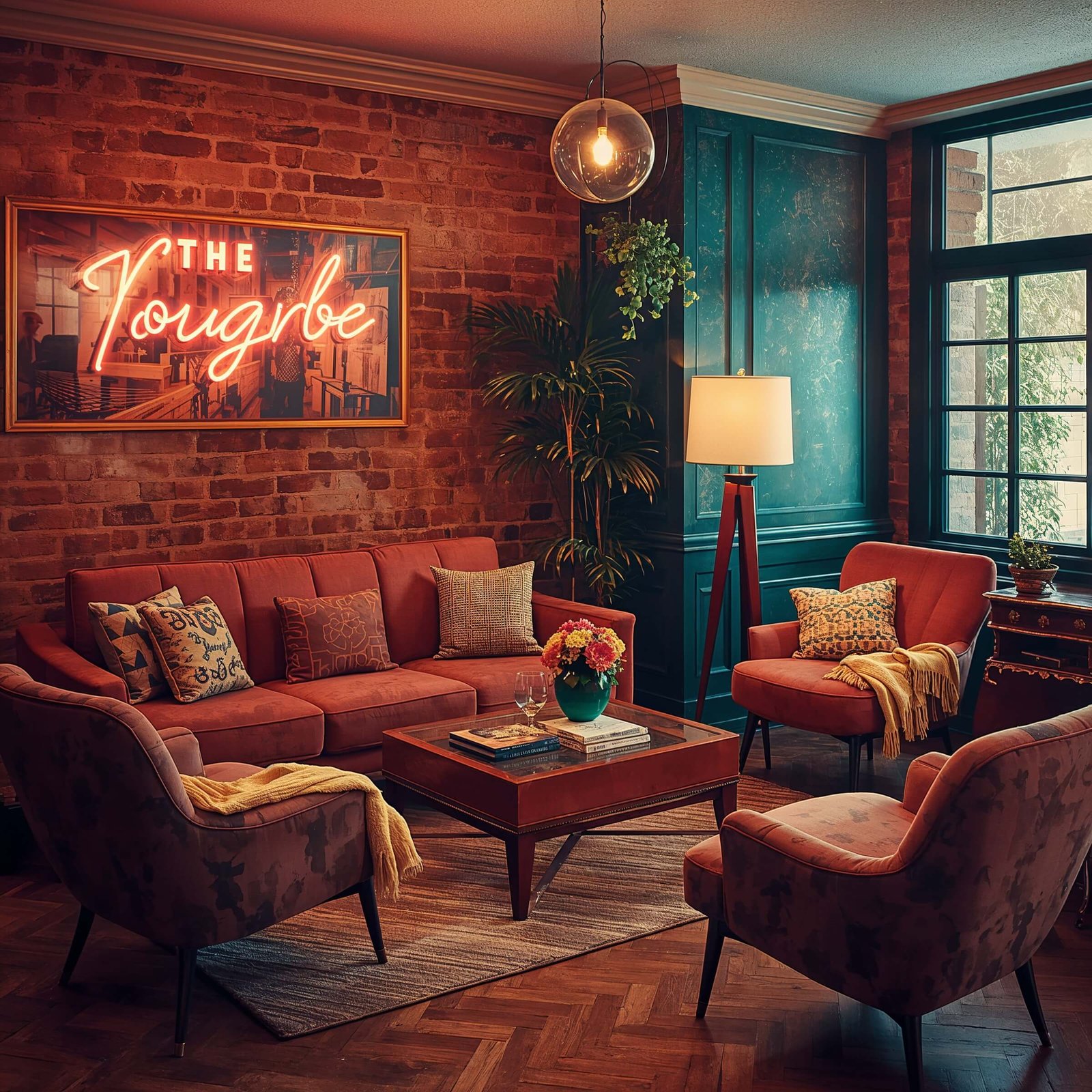
Vintage Retro Lounge Vibes
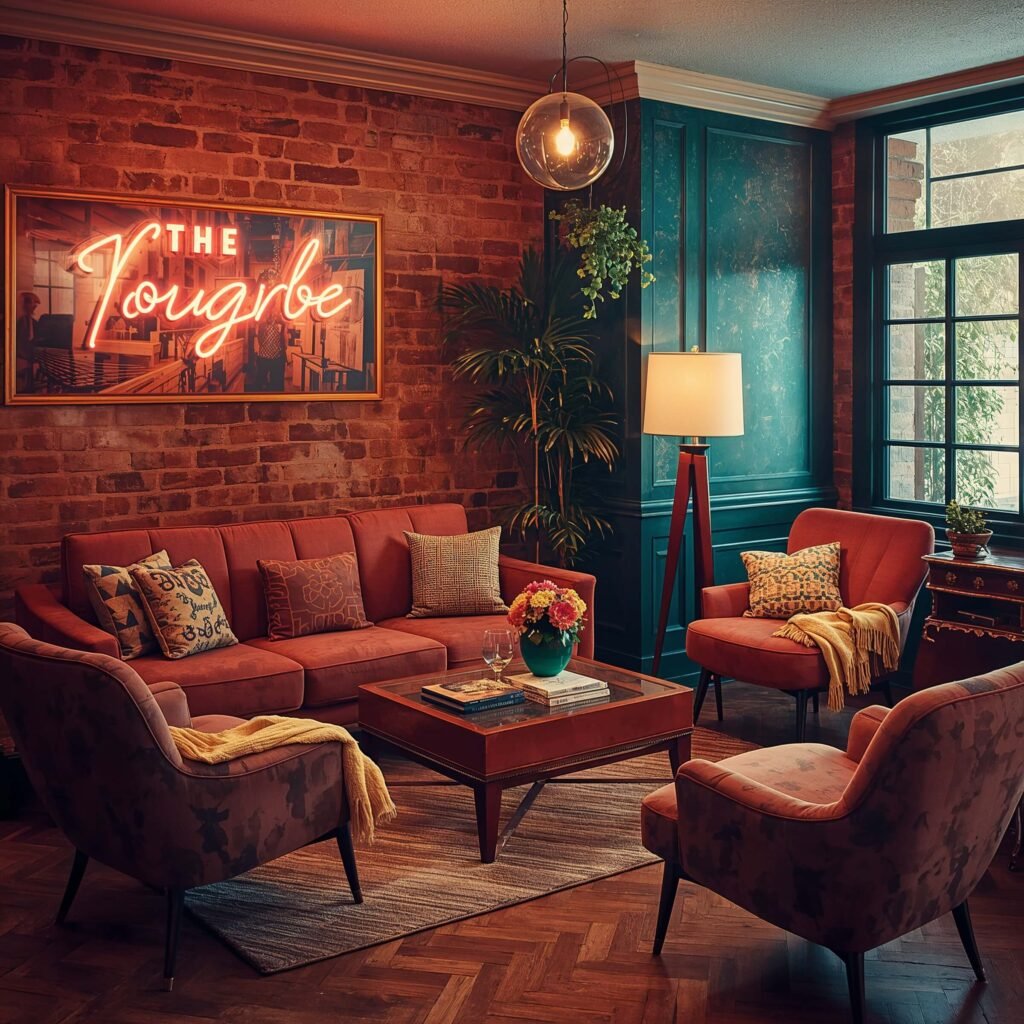
Vintage design is having a moment, and I’m here for it. Creating a retro lounge doesn’t mean your space needs to look like a time capsule – it’s about mixing vintage pieces with modern sensibilities.
Curating Your Retro Collection
The key to vintage style? Selective collecting. You want statement pieces, not a garage sale explosion. I started with one amazing mid-century modern chair from an estate sale, then built around it. The rest? Modern pieces that complement without competing.
Retro elements that work:
- Statement vintage furniture pieces
- Bold geometric patterns
- Warm wood tones
- Brass and copper accents
- Vintage bar cart (obviously)
Modern Meets Vintage
What keeps vintage spaces from feeling dated? Modern touches. I pair my vintage furniture with contemporary art, modern lighting, and current technology cleverly hidden. My record player sits next to my smart speaker – best of both worlds, IMO.
Coastal Beach House Interiors
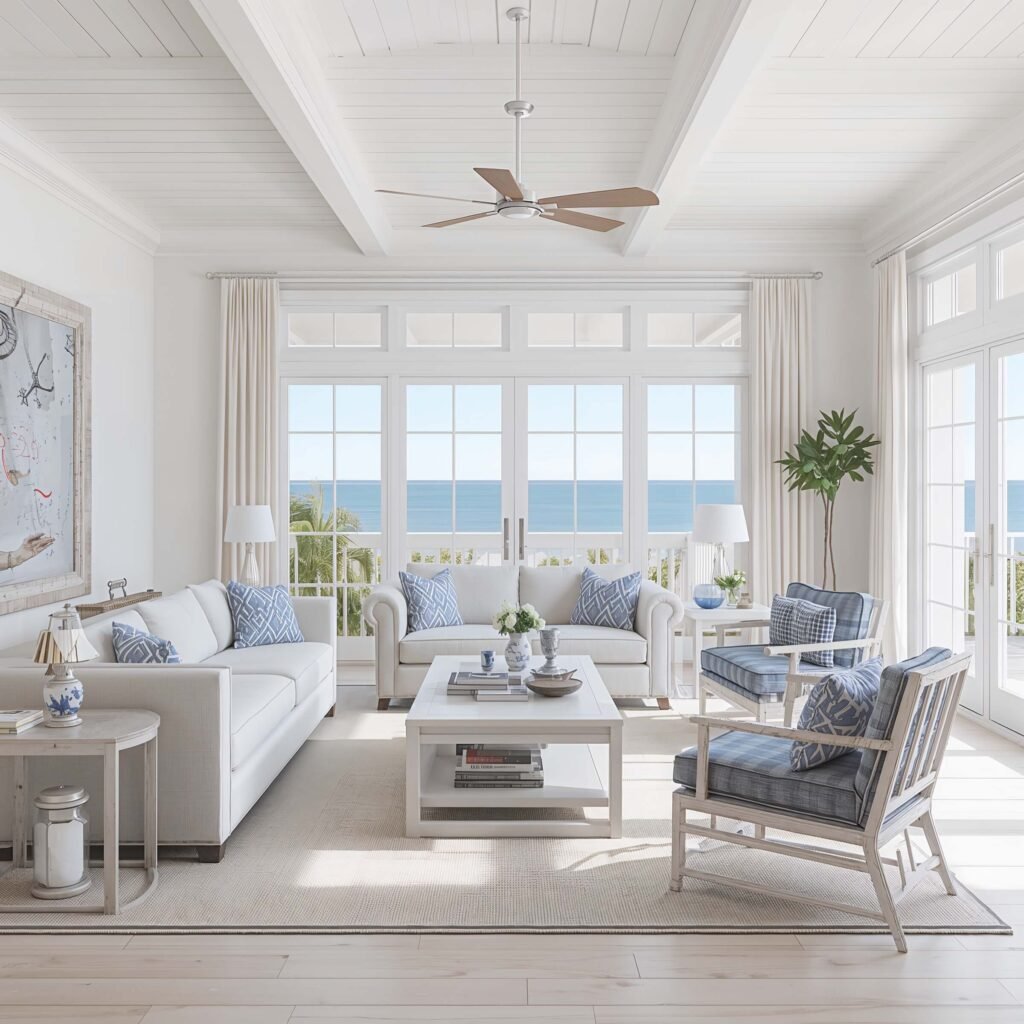
You don’t need an ocean view to get those beach house vibes. I live nowhere near water, but my living room says otherwise. The coastal style is about capturing that relaxed, vacation feeling year-round.
Building Your Beach Base
Coastal design starts with a light, airy palette. Whites, soft blues, sandy beiges – basically, imagine the beach and translate it to paint colors. But here’s where people go wrong: they go full nautical. Unless you want your home looking like a seafood restaurant, easy on the anchors and sailboats.
Coastal essentials done right:
- Natural textures (jute, rattan, linen)
- Light, weathered wood
- Blue and white color scheme (but subtle)
- Natural light maximized
- Organic, beachy accessories
Sophisticated Coastal Style
The difference between cheesy beach and sophisticated coastal? Restraint and quality. Instead of shell-everything, I chose one beautiful piece of coral for my coffee table. Rather than nautical stripes everywhere, I added them in one throw pillow. The result? A space that whispers “beach house” rather than screams it.
Bringing It All Together
So there you have it – 12 interior design ideas that actually work in real life, not just on Instagram. The biggest lesson I’ve learned through all my design experiments? Your space should reflect you, not some magazine spread.
Whether you’re drawn to the simplicity of Scandinavian design or the maximalist joy of bohemian style, the key is making it authentically yours. Mix styles if you want. Break the “rules” when they don’t serve you. Add that weird vintage find that makes you smile every time you see it.
Remember, the best interior design isn’t about perfection – it’s about creating spaces that make you feel good. Spaces where you actually want to spend time. Spaces that tell your story. And if that story includes a phase where you thought neon green was a good accent color? Well, we’ve all been there :/
Start with one idea that resonates with you. Maybe it’s adding some plants to create that indoor garden corner, or perhaps you’re ready to embrace the neutral life. Whatever you choose, remember that great design happens gradually. You don’t need to transform everything overnight. In fact, the best spaces evolve over time, collecting memories and character along the way.
Now stop reading and start doing. Your dream space isn’t going to design itself, and those Pinterest boards aren’t getting any smaller. Trust me, once you start, you’ll wonder why you waited so long. And when your friends ask if you hired a designer? Just smile and change the subject. Some secrets are worth keeping.