15 Inspiring Kitchen Floor Tiles Ideas and Chic Styles

You know that feeling when you walk into someone’s kitchen and the floor just… works? Like, you can’t stop staring at it? Yeah, that’s what we’re going after today.
I’ve spent the last decade helping friends renovate their kitchens, and let me tell you, the floor makes or breaks the entire space.
After countless tile shopping trips (and more than a few installation disasters), I’ve learned what actually works in real kitchens.
Not those magazine-perfect spaces where nobody ever drops a jar of marinara sauce, but actual, lived-in kitchens where kids track mud and wine gets spilled during dinner parties.
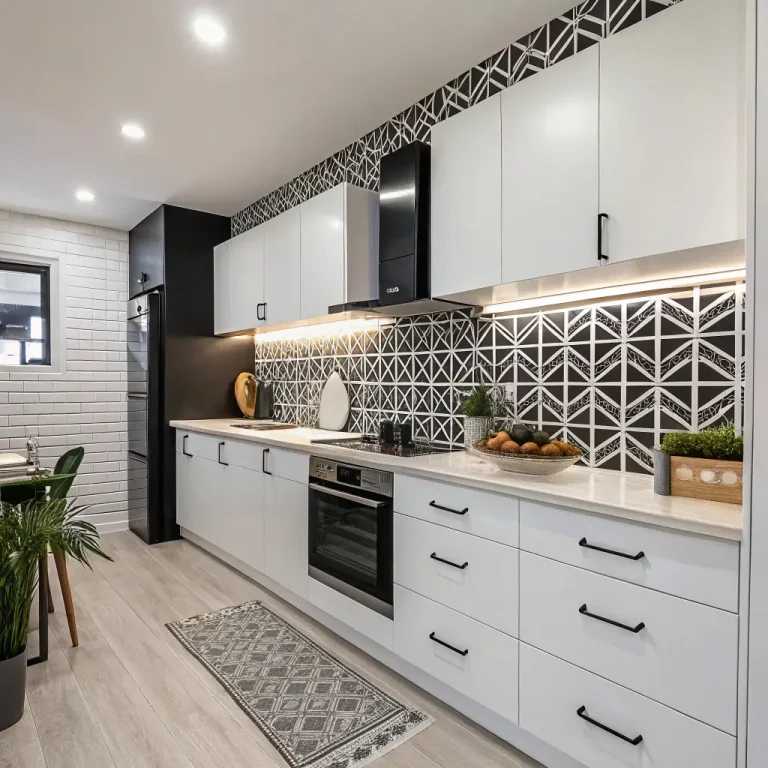
Geometric Patterned Kitchen Floors

Holy moly, geometric tiles have taken over my Instagram feed lately – and honestly? I get the hype. These bad boys transform your kitchen from “meh” to “magazine-worthy” faster than you can say renovation budget.
The magic of geometric patterns lies in their ability to create visual interest without overwhelming the space. I installed diamond-pattern tiles in my sister’s kitchen last year, and now everyone who visits asks if she hired a designer. She didn’t – we just picked a simple black and white diamond pattern that cost less than her monthly coffee budget.
What makes geometric tiles so practical? They hide dirt like champions. Those busy patterns disguise everyday wear and tear better than any solid color ever could. Plus, they work with literally any cabinet style you throw at them.
Best Geometric Patterns to Consider:
- Triangular designs for modern, edgy kitchens
- Diamond patterns for classic elegance with a twist
- Interlocking squares for subtle sophistication
- Abstract geometric shapes for the bold homeowner
The trick with geometric tiles? Keep everything else simple. Trust me, I learned this the hard way when I paired busy tiles with patterned curtains. My kitchen looked like a kaleidoscope exploded.
Rustic Wooden-Look Tiles

Remember when everyone thought wood floors in kitchens were a terrible idea? Well, wooden-look tiles solved that problem brilliantly. You get all the warmth and character of wood without the water damage paranoia.
I switched to wood-look tiles in my own kitchen three years ago, and they’ve survived everything from pasta sauce explosions to my dog’s muddy paws. The best part? Nobody believes they’re tiles until they touch them. The texture technology has gotten so good, some tiles even have realistic wood grain you can feel.
These tiles come in every wood tone imaginable – from bleached driftwood to rich mahogany. I personally went with a weathered oak look that hides crumbs like a pro (because who has time to sweep after every meal?).
Why Wood-Look Tiles Beat Real Wood:
- Water-resistant – spill that coffee without panic
- Scratch-resistant – drag those bar stools all you want
- Temperature stable – no expansion or contraction drama
- Easy maintenance – just mop and go
Price-wise, you’re looking at anywhere from $2 to $15 per square foot, depending on quality. IMO, spend a bit more for tiles with varied patterns – nothing screams “fake” louder than identical wood grain repeating every three tiles.
Bold Black & White Checkerboard Tiles

Alright, let’s talk about the ultimate kitchen floor power move – checkerboard tiles. This isn’t just a floor; it’s a statement. And before you roll your eyes thinking it’s too retro, hear me out.
Modern checkerboard floors have evolved beyond your grandma’s diner aesthetic. Today’s versions play with scale, finish, and even subtle pattern variations. I helped my neighbor install oversized checkerboard tiles last summer, and her kitchen went from boring beige box to the neighborhood’s coolest hangout spot.
The psychological impact of checkerboard floors fascinates me. They instantly make a space feel bigger and more dynamic. Plus, they’re surprisingly forgiving – the pattern naturally camouflages dirt and wear.
Want to know the secret to nailing this look? Size matters. Small tiles create a busy, vintage vibe. Large tiles feel modern and sophisticated. I typically recommend 12×12 inch or larger for contemporary kitchens.
Also Read: 15 Creative Kitchen Tiles Backsplash Ideas for Every Style
Marble Effect Luxury Floors

Can we be real for a second? Actual marble floors cost more than most people’s cars. But marble-effect tiles? They deliver that same jaw-dropping luxury for a fraction of the price.
I’ve installed these beauties in five different kitchens now, and every single homeowner gets compliments daily. The veining patterns available today are insanely realistic – we’re talking digital printing technology that captures actual marble slabs down to the tiniest detail.
White Carrara-style tiles remain the most popular, but don’t sleep on dramatic black marble effects or warm beige options. I recently discovered green marble-effect tiles that made my design-snob friend literally gasp.
Marble-Effect Tile Advantages:
- Durability that real marble can’t match
- Consistent patterns (no surprise ugly veining)
- Lower maintenance than natural stone
- Budget-friendly luxury look
- Stain resistance that laughs at red wine
The only downside? You’ll spend hours explaining to guests that no, it’s not real marble, and yes, it really does look that good.
Mosaic Tile Accent Floors

Ever walked into a kitchen and thought, “This floor belongs in a museum”? That’s mosaic tiles for you. They’re not for the faint of heart, but man, do they deliver impact.
I’ll admit, I was skeptical about mosaic floors initially. They seemed too high-maintenance, too busy, too… much. Then I saw them done right in my cousin’s Mediterranean-inspired kitchen. Strategic mosaic placement is the key – you don’t need to cover the entire floor.
Consider creating a mosaic “rug” in front of your sink or stove. This approach gives you that artistic flair without overwhelming the space or your budget. Plus, smaller mosaic areas are way easier to install yourself (speaking from painful experience).
The variety available today blows my mind. Glass mosaics that shimmer in sunlight, stone mosaics with natural texture variations, even metal mosaics for ultra-modern spaces. Just remember – grout maintenance is real with all those tiny tiles.
Hexagon-Shaped Modern Tiles

Hexagon tiles make me ridiculously happy. There’s something about that six-sided shape that screams “I have my life together and excellent taste.” They’re having a major moment right now, and honestly? They deserve it.
The versatility of hexagon tiles surprises most people. You can go tiny for a vintage honeycomb effect or massive for a bold, modern statement. I’ve used both, and they create completely different vibes despite being the same shape.
My personal favorite trick? Mixing hexagon sizes in the same floor. Start with large hexagons as your base, then create a border or accent area with smaller ones. This technique adds depth without requiring different colors or materials.
Hexagon Installation Tips:
- Layout is crucial – dry fit everything first
- Consider the grout color carefully – it massively impacts the final look
- Edge tiles need planning – those angles can get tricky
- Pattern direction matters – point-to-point vs flat-to-flat changes everything
Fair warning: hexagon tiles are slightly pricier to install because of all those angles. But the end result? Totally worth the extra labor cost.
Also Read: 15 Stunning Kitchen Wall Tiles Ideas for Modern Homes
Minimalist Neutral Tone Tiles
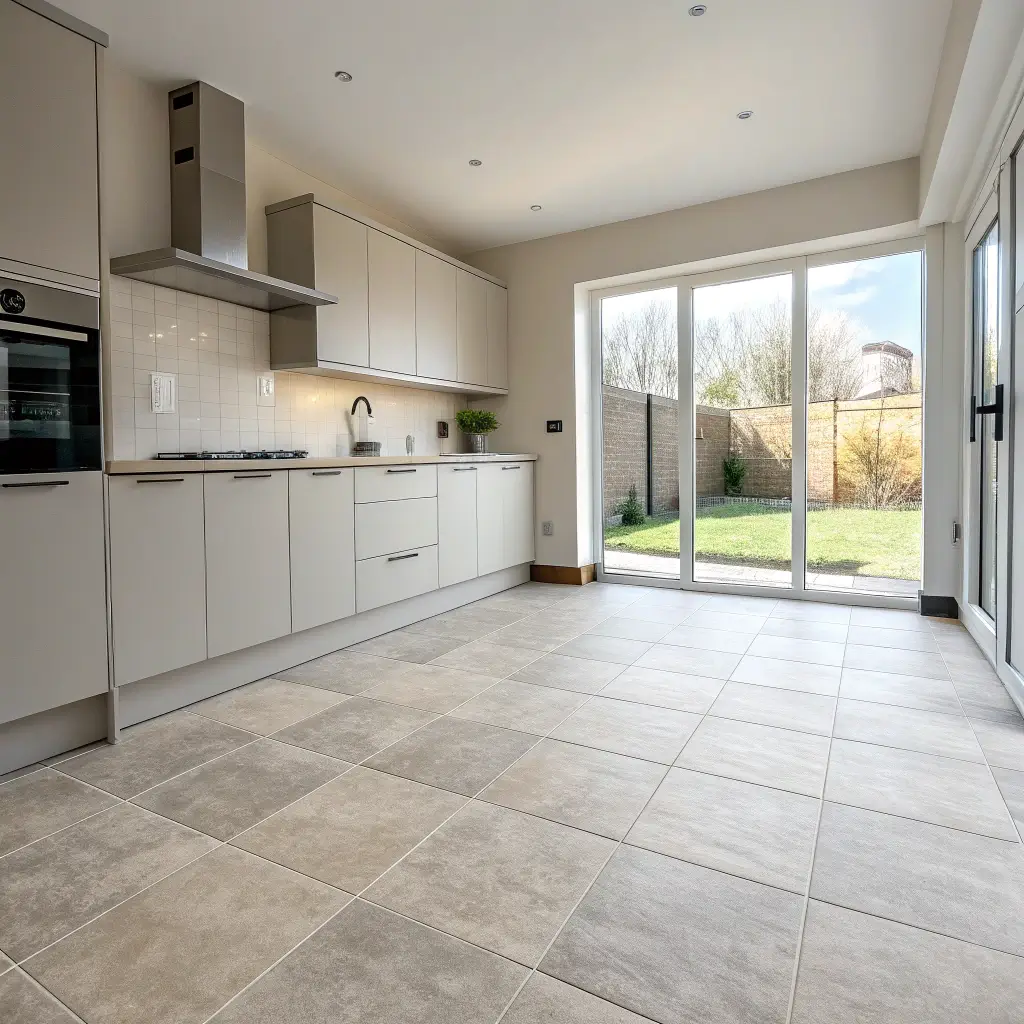
Sometimes, less really is more. Minimalist neutral tiles might not scream for attention, but they whisper sophistication in a way that never gets old.
I know what you’re thinking – “boring!” But hold up. Today’s neutral tiles have subtle variations in texture and tone that create depth without drama. My own kitchen rocks large-format gray tiles with the slightest concrete texture, and they’re anything but boring.
The beauty of neutral tiles? They’re the perfect backdrop for literally any design change you make. Want to paint your cabinets navy? Go for it. Decided on bright yellow bar stools? Why not! The floor won’t fight you.
Shades to consider range from warm beiges and soft grays to cool whites and charcoal tones. I always recommend going one shade darker than your first instinct – floors get dirty, and slightly darker neutrals hide everyday wear better.
Vintage Moroccan Tile Patterns

Get ready to transport your kitchen to a Marrakech marketplace 🙂 Moroccan tiles bring color, pattern, and personality in ways that make other floors look downright shy.
These tiles tell a story. Each pattern has historical significance, from geometric Islamic designs to flowing arabesque motifs. I installed blue and white Moroccan tiles in my breakfast nook, and now it’s where everyone naturally gathers during parties.
What surprises people about Moroccan tiles? They’re actually super practical. Those busy patterns hide everything from coffee stains to muddy footprints. Plus, the typical color palettes – blues, whites, grays – complement most kitchen styles.
Authentic Moroccan Tile Features:
- Hand-painted appearance (even in machine-made versions)
- Intricate geometric or floral patterns
- Rich, saturated colors
- Slight imperfections that add character
- Mix-and-match potential with different patterns
Pro tip: You don’t need to cover your entire floor. A Moroccan tile “runner” or accent area creates impact without overwhelming your space or budget.
Matte Finish Slip-Resistant Tiles
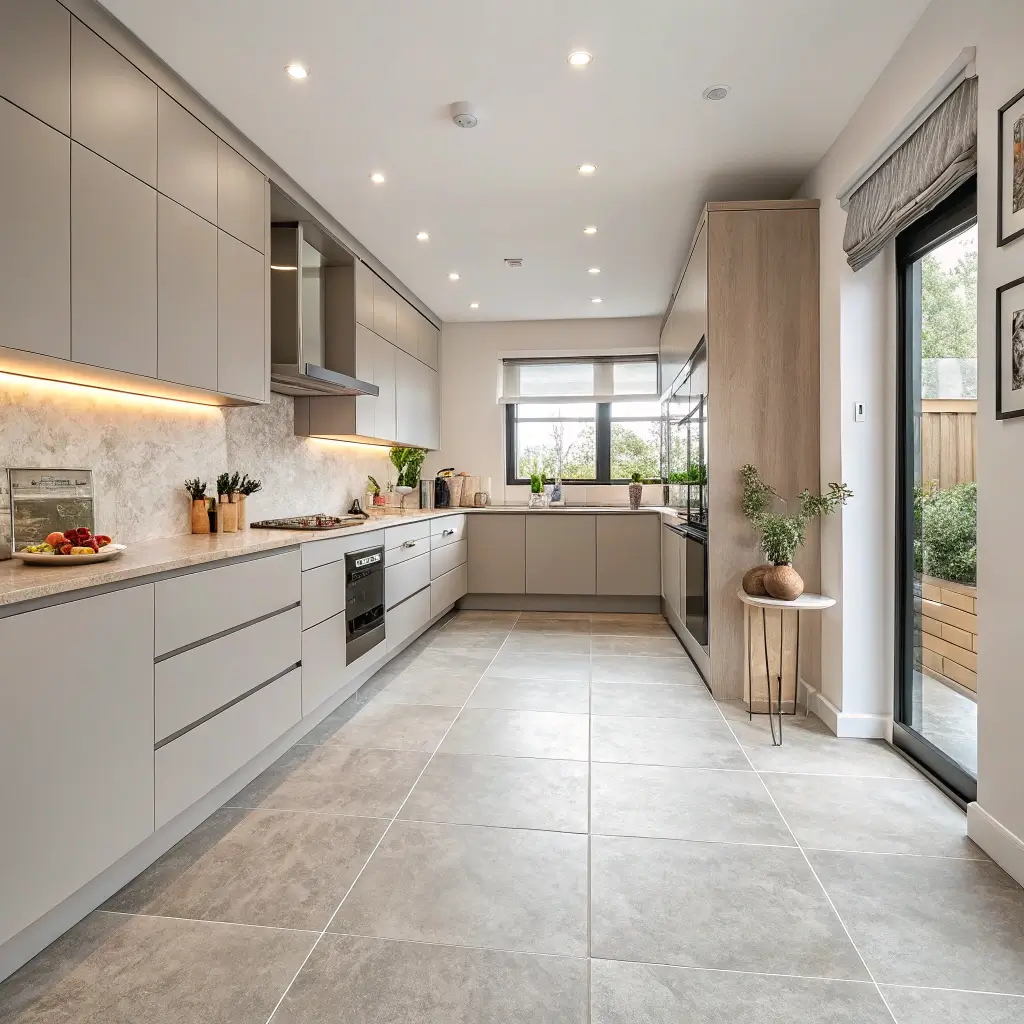
Let’s get practical for a minute. Pretty tiles mean nothing if you’re slipping around like a cartoon character every time there’s water on the floor. Enter matte finish slip-resistant tiles – the unsung heroes of kitchen flooring.
Safety doesn’t have to sacrifice style anymore. Modern slip-resistant tiles come in every design imaginable, from wood-look to marble-effect to bold patterns. The matte finish adds sophisticated depth while keeping you upright.
I learned the importance of slip resistance the hard way. My first kitchen had glossy tiles that turned into an ice rink whenever I cooked. After one too many near-misses while carrying hot pans, I switched to matte finish tiles. Game changer.
The technical side matters here. Look for tiles with a COF (Coefficient of Friction) rating above 0.60 for kitchen use. Some tiles even have microscopic textures that increase grip without feeling rough underfoot.
Also Read: 15 Elegant Kitchen Tiles Ideas to Upgrade Your Home
Colorful Mediterranean Inspired Tiles
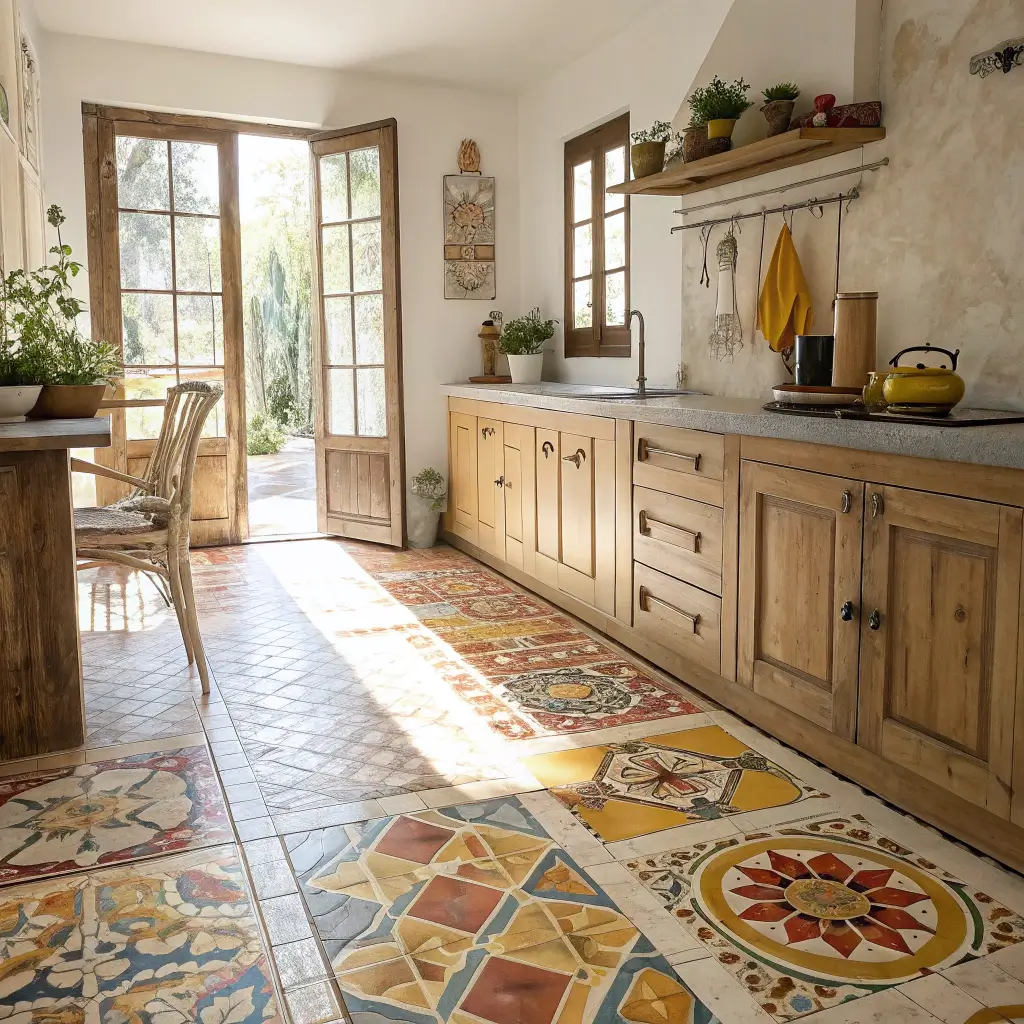
Why should coastal Italian villas have all the fun? Mediterranean-inspired tiles bring sunshine and joy to any kitchen, regardless of your zip code.
These tiles embrace color fearlessly. Think terracotta oranges, ocean blues, sun-bleached yellows. I installed Mediterranean tiles in a client’s windowless kitchen, and suddenly the space felt like it was flooded with natural light.
The patterns range from simple color blocks to intricate hand-painted designs. My favorite approach? Mixing solid color tiles with patterned accent tiles. This creates visual interest without the commitment (or cost) of fully patterned floors.
What makes Mediterranean tiles special is their imperfection. Slightly uneven edges, color variations, minor surface irregularities – these “flaws” create authenticity and warmth that perfect tiles can’t match.
Textured 3D Effect Tiles

Ready to blow some minds? 3D effect tiles create optical illusions that make people stop and stare. We’re talking about floors that appear to have depth, movement, and dimension while being completely flat.
The technology behind these tiles amazes me. Some use actual raised surfaces to create shadows and depth. Others rely on clever printing techniques that trick your eye into seeing dimension that isn’t there.
I installed wave-pattern 3D tiles in my powder room (okay, not a kitchen, but bear with me), and guests literally bend down to touch them. They can’t believe the waves aren’t actually raised. That’s the power of good 3D design.
Popular 3D Tile Effects:
- Geometric cubes that seem to pop out
- Wave patterns with apparent movement
- Pyramid designs creating shadow play
- Optical illusion patterns that shift as you move
Warning: These tiles can be overwhelming in large doses. I recommend using them as accent areas or in smaller kitchens where they become a focal point rather than sensory overload.
Large Format Seamless Tiles

Bigger is definitely better when it comes to modern kitchen floors. Large format tiles – we’re talking 24×24 inches and up – create sleek, contemporary spaces with minimal grout lines.
Fewer grout lines mean easier cleaning. This alone sold me on large format tiles for my rental property kitchen. Tenants love how easy they are to maintain, and I love fewer maintenance calls.
The seamless look these tiles create makes kitchens appear larger and more cohesive. I’ve seen tiny galley kitchens transformed into seemingly spacious areas just by switching from small to large format tiles.
Installation requires serious skill though. These heavy tiles need perfectly level subfloors and experienced installers. One slightly uneven tile creates a lippage that’ll drive you crazy forever. Trust me – this isn’t a DIY project unless you really know what you’re doing.
Subway Tile Floor Designs

Who says subway tiles belong only on walls? Using them on floors creates unexpected charm that makes people do a double-take in the best way possible.
Floor subway tiles need to be thicker and more durable than their wall counterparts. Look for tiles specifically rated for floor use – they’ll have better slip resistance and durability ratings.
The layout possibilities excite me most about subway floor tiles. Traditional brick pattern? Classic. Herringbone? Stunning. Basketweave? Absolutely gorgeous. I did a herringbone subway tile floor in white with dark gray grout, and it looks like a million bucks.
FYI, subway tiles on floors work best in smaller spaces or as accent areas. Full kitchen floors can look a bit busy, but a subway tile “rug” under your kitchen table? Chef’s kiss.
Eco-Friendly Recycled Material Tiles
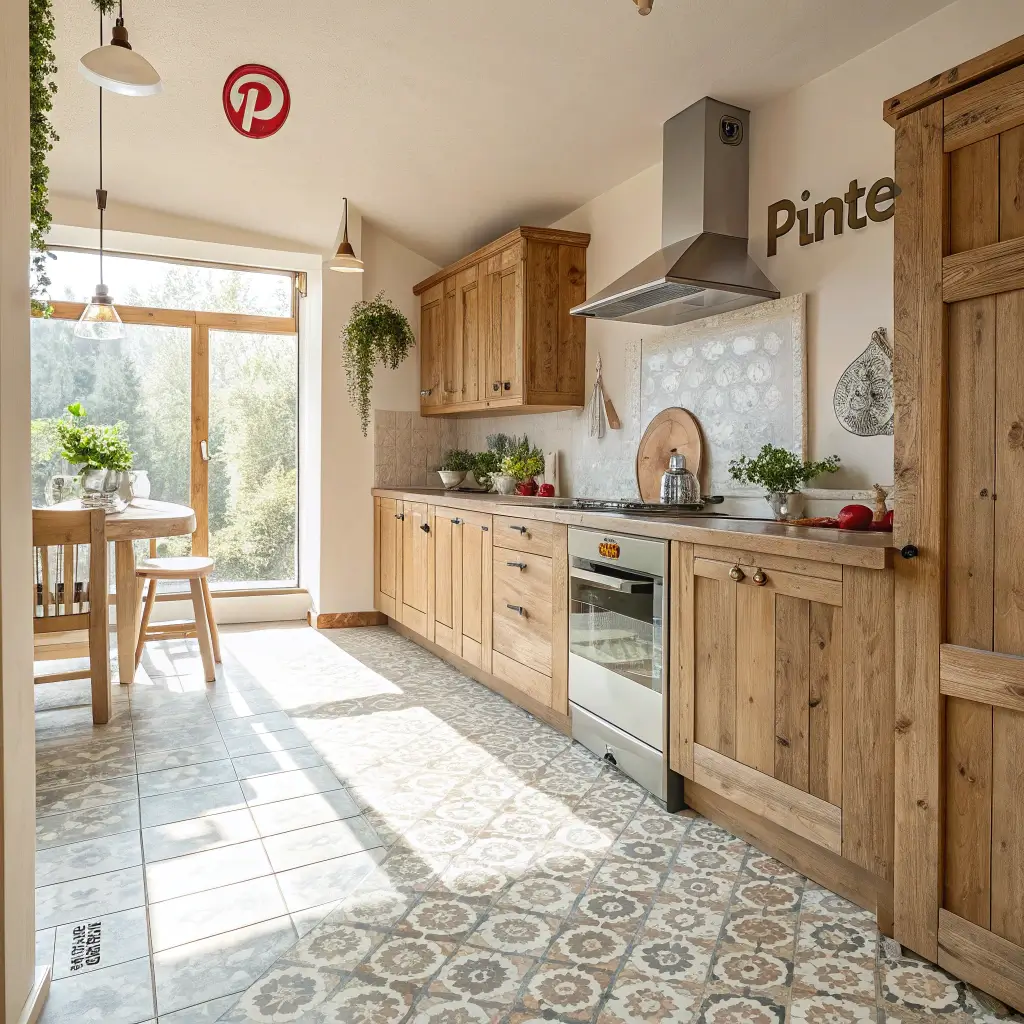
Want to save the planet while upgrading your kitchen? Eco-friendly tiles made from recycled materials deliver style with a clear conscience.
These aren’t your hippie aunt’s recycled tiles from the ’90s. Today’s eco-tiles look absolutely stunning. We’re talking recycled glass that sparkles like gems, reclaimed ceramic with unique character, even tiles made from recycled airplane windshields (yes, really).
I installed recycled glass tiles in my kitchen backsplash and loved them so much, I used them for a floor border too. They catch light beautifully and spark conversations about sustainability at every dinner party.
Eco-Tile Benefits Beyond Environment:
- Unique appearance – no two batches identical
- Durability often exceeds traditional tiles
- LEED points for green building certification
- Conversation starters about sustainability
- Often locally sourced supporting regional businesses
The price point varies wildly depending on the material and manufacturer. Some recycled tiles cost less than traditional options, while artisan versions command premium prices.
Pattern Mixing & Matching Ideas

Here’s where things get really fun. Who says you need to stick with one tile style? Pattern mixing creates custom floors that nobody else will have.
The key to successful pattern mixing? Having a plan. Random mixing rarely works (learned that expensive lesson). Instead, create defined zones or use patterns to separate spaces within your open-plan kitchen.
I mixed hexagon tiles with subway tiles in my current kitchen – hexagons in the cooking area, subway tiles in the breakfast nook. A simple metal transition strip keeps it looking intentional rather than indecisive.
Pattern Mixing Guidelines:
- Stick to a cohesive color palette
- Vary scale but maintain balance
- Use transition strips or borders
- Consider traffic flow and zones
- Test layouts extensively before installing
My favorite trick? Using the same tile in different sizes or layouts. This creates variety while maintaining harmony. Think large and small hexagons, or subway tiles in both traditional and herringbone patterns :/
Making Your Final Choice
After all this tile talk, you’re probably wondering how to actually choose. Here’s my honest advice: start with your lifestyle, not your Pinterest board.
Consider your real daily life. Kids? Dogs? Lots of cooking? These factors matter more than any design trend. Pick tiles that’ll handle your reality while still making you smile every morning.
Don’t forget about maintenance requirements, installation costs, and how long you plan to stay in your home. That intricate mosaic might be gorgeous, but if you’re moving in two years, simple large-format tiles might be the smarter investment.
Most importantly, trust your gut. You’ll walk on these tiles every single day. They should make you happy, whether that means bold patterns that energize you or calm neutrals that soothe your soul. The best kitchen floor is the one that works for your life, your style, and your budget. Everything else is just noise.
Your kitchen floor sets the foundation (literally) for the heart of your home. Choose tiles that tell your story, handle your lifestyle, and make you excited to cook breakfast tomorrow morning. Because at the end of the day, that’s what really matters.