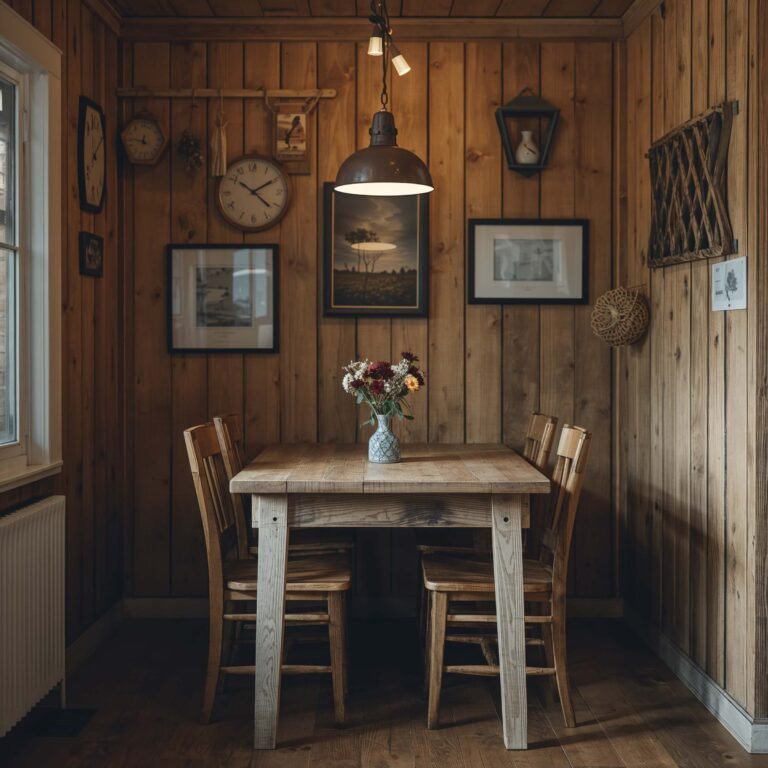
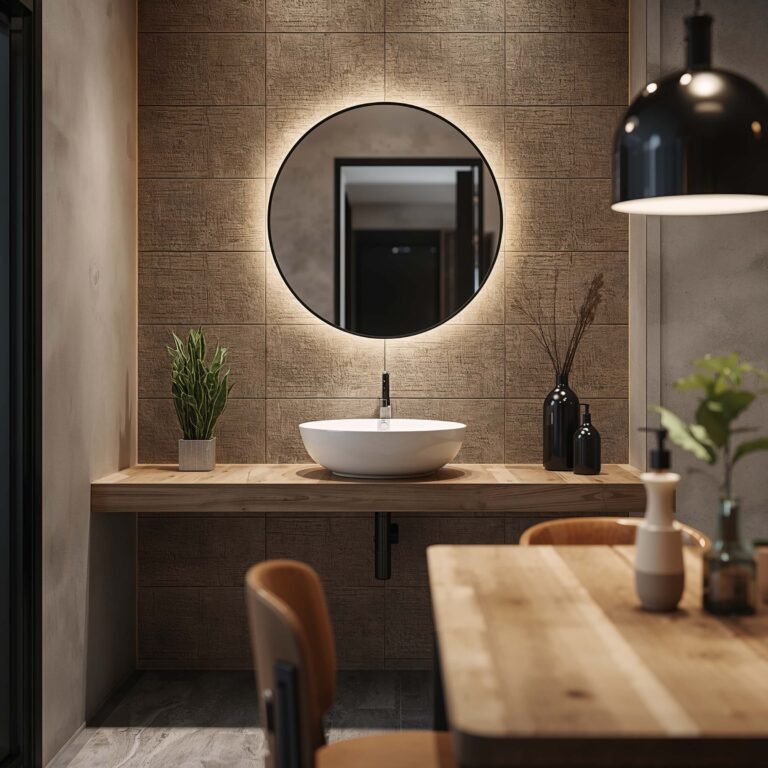
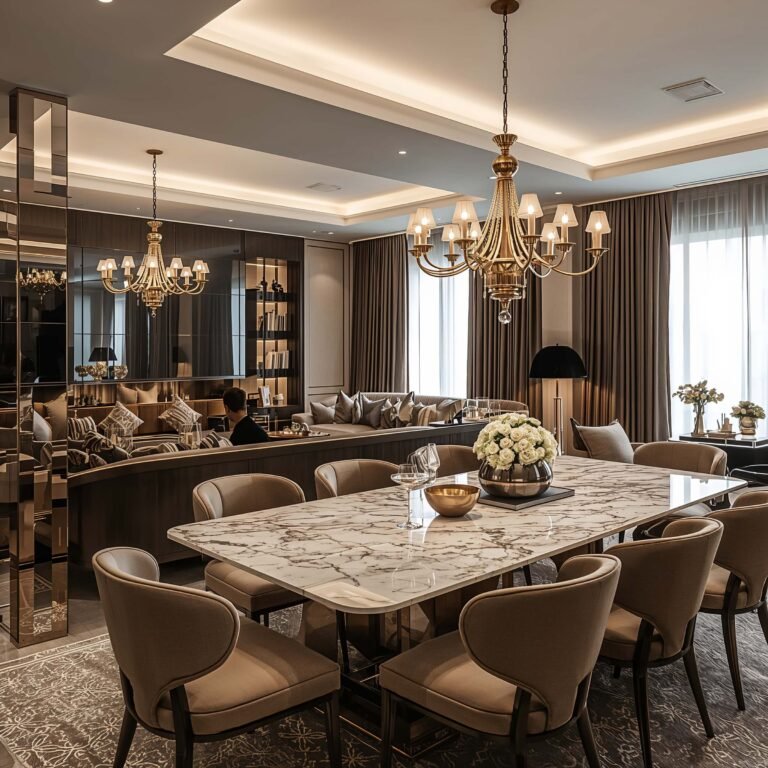
15 Stunning Mid Century Modern Dining Room Ideas for Style & Comfort

Remember when your grandma’s dining room looked straight out of Mad Men, and you thought it was just old? Well, joke’s on us because mid-century modern design has made the biggest comeback since bell-bottoms (thankfully with better staying power).
I’ve spent the last decade obsessing over these timeless designs, and let me tell you – transforming your dining space with mid-century modern elements creates magic every single time.
Whether you’re working with a cramped apartment or a sprawling suburban home, these 15 ideas will help you nail that perfect balance of retro sophistication and contemporary cool.
Trust me, I’ve tried them all, and some worked better than expected while others… well, let’s just say my first attempt at mixing chair styles looked more “garage sale” than “gallery worthy.”
Cozy Mid-Century Modern Dining Room Layouts

Creating a cozy mid-century modern dining room starts with understanding that comfort beats formality every time. I learned this the hard way after arranging my dining chairs so far apart that passing the salt required a stretching routine. The sweet spot? Position your dining table to create intimate conversation zones while maintaining that characteristic open flow.
Key layout principles that actually work:
- Keep 36 inches between the table edge and walls
- Float your dining table away from walls when possible
- Create visual zones using area rugs
- Position lighting fixtures 30-36 inches above the table surface
The best part about mid-century layouts? They embrace negative space like it’s their job. You don’t need to fill every corner – in fact, leaving breathing room makes your space feel larger and more inviting. I discovered this after removing half my dining room furniture and suddenly my 12×10 room felt palatial.
Making Small Spaces Feel Grand
Ever notice how mid-century homes always seem spacious in photos? That’s because designers back then understood that furniture placement matters more than furniture quantity. Angle your dining table slightly if you have a rectangular room – it creates movement and makes the space feel less boxy.
Minimalist Mid-Century Dining Room Designs

Minimalism and mid-century modern go together like peanut butter and jelly (or avocado and toast if you’re feeling fancy). The trick isn’t removing everything until your dining room looks like a furniture showroom – it’s about choosing pieces that multitask and eliminating visual clutter.
Start with a simple wood dining table – walnut or teak if you want authenticity. Add four to six chairs, one statement light fixture, and maybe a sideboard. That’s it. Really. The beauty lives in the quality of materials and craftsmanship, not the quantity of stuff.
Essential minimalist elements:
- Clean-lined dining table with tapered legs
- Simple upholstered chairs in neutral tones
- Single statement pendant light
- One piece of wall art (maximum two)
- Functional sideboard that doubles as display space
I once helped a friend strip down her overcrowded dining room to these basics. She texted me a week later saying dinner conversations had improved because people actually focused on each other instead of getting distracted by décor. Who knew less really could be more?
Small Mid-Century Modern Dining Room Ideas

Working with a small dining space? Join the club – my first apartment’s “dining room” was basically a corner of the living room. But here’s what mid-century design does brilliantly: it makes small spaces work harder without looking cluttered.
Round tables are your best friend in tight quarters. They eliminate corners that eat up precious walking space and create better flow. I swapped my rectangular table for a 42-inch round pedestal version, and suddenly four people could sit comfortably where two previously knocked elbows.
Space-Saving Tricks That Actually Work
Choose chairs with open backs – wire frame or ladder-back styles keep sight lines clear and prevent that boxed-in feeling. Wall-mounted shelving instead of a buffet saves floor space while providing storage. And here’s a pro tip: use a bench on one side of the table. It tucks completely under when not in use and seats more people when you need it.
Mirror placement can double your visual space. Position one opposite a window to bounce natural light around. Just don’t place it directly across from where people sit – nobody wants to watch themselves chew.
Also Read: 15 Stunning Dining Room Wallpaper Ideas to Transform Your Space
Bold Color Accents in Mid-Century Dining Rooms

Think mid-century modern means all brown wood and beige? Think again. The original movement embraced color like nobody’s business – we’re talking orange, turquoise, mustard yellow, and olive green. The key is using these bold hues as accents rather than overwhelming the space.
Start with one bold element – maybe burnt orange dining chairs or a vibrant piece of art. Build from there with smaller touches like napkins, a table runner, or ceramic serving pieces. I went full throttle with emerald green chairs against walnut wood, and honestly? Best design decision I’ve made.
Color combinations that never fail:
- Walnut wood + burnt orange + cream
- Teak + turquoise + white
- Oak + mustard yellow + gray
- Rosewood + olive green + tan
Avoiding Color Overload
The golden rule? Pick one dominant bold color and two supporting neutrals. Any more and your dining room starts looking like a crayon box exploded. Trust me, I learned this after my “rainbow phase” – my dining room looked amazing in photos but gave everyone a headache during actual meals.
Mid-Century Modern Lighting Ideas for Dining Spaces

Lighting makes or breaks a mid-century dining room. Period. You want fixtures that command attention without dominating the space. Think of them as functional sculpture – they should look amazing whether the lights are on or off.
The classics never disappoint: Sputnik chandeliers, globe pendants, and arc floor lamps all scream mid-century without trying too hard. I splurged on a brass Sputnik fixture three years ago, and guests still comment on it every dinner party.
Layering Your Lighting
Don’t rely on one fixture to do everything. Layer ambient, task, and accent lighting for maximum flexibility:
- Overhead pendant or chandelier for general illumination
- Buffet lamps or sconces for mood lighting
- Floor lamp in the corner for additional ambient light
Install dimmers on everything. Seriously. Bright light for homework and puzzles, soft glow for romantic dinners. Why didn’t anyone tell me this sooner?
Elegant Wood Furniture for Mid-Century Dining Rooms

Wood furniture forms the backbone of mid-century modern design, and choosing the right pieces sets the entire room’s tone. Walnut remains the gold standard – its rich, chocolate tones and distinctive grain pattern practically define the era. But don’t sleep on teak, rosewood, or even oak if you’re working with a tighter budget.
The magic happens when you respect the wood’s natural beauty. Skip the painted furniture (save that for farmhouse style) and embrace those gorgeous grain patterns. My dining table’s walnut top has this incredible cathedral grain that I literally stop and admire daily. Yes, I’m that person.
Wood types ranked by authenticity:
- Walnut (the holy grail)
- Teak (equally authentic, slightly lighter)
- Rosewood (luxe but pricey)
- Oak (budget-friendly alternative)
- Acacia (modern substitute that works)
Mixing Wood Tones Like a Pro
Who says you can’t mix woods? The trick is keeping them in the same temperature family. Warm woods like walnut and cherry play nicely together. Cool woods like ash and maple are best friends. Mix warm with cool? That’s when things get weird – like wearing brown shoes with a black belt weird.
Also Read: 15 Stunning Dining Room Wall Decor Ideas and Chic Styling Tips
Mid-Century Modern Wall Art Inspiration

Wall art in mid-century dining rooms should complement, not compete. Think abstract expressionism, geometric patterns, and nature-inspired prints. Large-scale pieces work better than gallery walls here – one stunning piece beats fifteen small frames every time.
I hung a massive abstract canvas in ochre and teal behind my dining table. Cost me a month’s coffee budget, but it transforms the entire room. Size matters here – go big or go home. A tiny print above a buffet just looks lost.
Art Placement That Makes Sense
Center artwork at eye level when seated – around 48-52 inches from the floor in dining rooms. Any higher and you’re craning necks. Any lower and it feels like it’s falling off the wall. Learned this after hanging art at standing eye level and wondering why everyone kept slouching at dinner.
Stylish Table Settings for Mid-Century Dining

Table settings offer the easiest way to inject mid-century style without committing to major furniture purchases. Start with simple, geometric dinnerware – think clean lines and minimal decoration. White plates with colored rims nail the look every time.
Must-have table setting elements:
- Geometric placemats (cork or wood)
- Colored glass tumblers
- Minimal flatware with wooden handles
- Ceramic or wood serving bowls
- Simple linen napkins in solid colors
Mix textures to keep things interesting. Smooth ceramic plates, rough linen napkins, and glossy wood tables create visual depth without cluttering the table. My go-to combo? White plates, amber glasses, and natural linen napkins. Never fails to impress.
Mid-Century Modern Rug Ideas for Dining Areas

Rugs anchor your dining space and define the room’s boundaries, especially in open floor plans. Mid-century rugs favor geometric patterns, abstract designs, or simple solid colors with interesting textures. Skip the traditional Persian rugs – save those for your grandmother’s house.
Size matters more than you think. Your rug should extend at least 24 inches beyond the table on all sides. This ensures chairs stay on the rug even when pulled out. Nothing worse than catching a chair leg on the rug edge mid-meal – trust me on this one.
Pattern vs. Solid Debate
Can’t decide between pattern and solid? Consider your existing visual weight. Busy wood grain and bold artwork? Go solid. Minimal furniture and neutral walls? Bring on the geometric patterns. I chose a simple jute rug with subtle diamond texture – adds interest without overwhelming my already dramatic dining chairs.
Also Read: 15 Cozy Tiny Guest Bedroom Ideas That Maximize Small Spaces
Mix and Match Chairs in Mid-Century Dining Rooms

Matching dining sets are so last century (ironic, right?). Mixing chair styles adds personality and keeps things from looking like you bought everything in one furniture store trip. The secret? Find a common thread – material, color, or silhouette – that ties them together.
Start with pairs if you’re nervous. Two host chairs at the ends, four matching sides. Or alternate two different styles around the table. I mix Eames-style shells with vintage wooden chairs, unified by similar seat heights and wood tones. Looks intentional rather than random.
Mixing rules that work:
- Keep seat heights within 2 inches
- Maintain similar visual weight
- Stick to a cohesive color palette
- Use consistent materials (all wood, all upholstered, etc.)
When Mixing Goes Wrong
FYI, not all combinations work. Learned this after pairing delicate wire chairs with chunky upholstered ones – looked like my dining room had an identity crisis. Keep the overall vibe consistent even when mixing styles.
Mid-Century Modern Open Shelving Concepts

Open shelving brings functionality and display space without the visual weight of upper cabinets. Mid-century shelving favors clean lines, mixed materials (wood and metal), and asymmetrical arrangements. Wall-mounted units keep floors clear and maintain that airy feeling.
Display items thoughtfully. Curate, don’t clutter. Show off your best dinnerware, a few plants, maybe some vintage barware. Everything should earn its spot. I rotate displays seasonally – keeps things fresh and forces me to evaluate what actually deserves shelf space.
Styling Shelves Without Overthinking
Follow the rule of odds – group items in threes or fives. Mix heights and shapes. Balance heavy items with lighter pieces. And leave breathing room 🙂 Cramming every inch defeats the purpose of open shelving.
Natural Elements in Mid-Century Dining Room Design

Mid-century modern celebrates nature’s imperfect perfection. Incorporate live plants, natural wood, stone, and organic textiles. These elements soften the sometimes stark geometric lines and add life to your space.
Plants that thrive and look period-appropriate:
- Fiddle leaf fig (the classic)
- Snake plants (impossible to kill)
- Rubber plants (glossy and gorgeous)
- Pothos (trailing drama)
- Monstera (those leaves though)
Position plants strategically. A tall fiddle leaf in the corner, small succulents on the sideboard, or a trailing pothos on open shelving. Just don’t go full jungle – this isn’t a greenhouse. My rule? One large floor plant, two medium table plants, maybe some small succulents. Perfect balance.
Retro Accessories for Mid-Century Dining Spaces

Accessories make the difference between “I bought mid-century furniture” and “I understand mid-century style.” Think starburst clocks, ceramic vases, brass candlesticks, and vintage barware. These pieces add personality without overwhelming the clean aesthetic.
Hunt thrift stores and estate sales for authentic pieces. That $5 brass pineapple ice bucket? Pure gold. The geometric ceramic vase from grandma’s attic? Even better. Authentic vintage pieces tell stories that new reproductions can’t match.
Avoiding Kitsch Overload
There’s a fine line between retro cool and garage sale explosion. Choose accessories that enhance rather than distract. One statement clock beats five random vintage pieces. Quality over quantity wins every time.
Mid-Century Modern Color Palette Ideas

Color palettes set the mood for your entire dining experience. Traditional mid-century palettes combine warm woods with cool accent colors or embrace earthy tones throughout. Both work – choose based on your room’s natural light and personal preference.
Foolproof palette combinations:
- Walnut + white + navy + brass accents
- Teak + sage green + cream + copper
- Oak + terracotta + beige + black details
- Rosewood + turquoise + gray + chrome
I started with walnut and white, added navy through artwork and textiles, then finished with brass hardware. Simple, sophisticated, and impossible to mess up. IMO, starting neutral and adding color beats going bold from day one.
Working With Existing Colors
Already have wall colors you can’t change? Work with them. Mid-century design adapts to most neutral backgrounds. Gray walls? Add warm wood and brass. Beige walls? Introduce cooler blues or greens. White walls? Lucky you – anything goes.
Statement Pieces for Mid-Century Modern Dining Rooms

Every mid-century dining room needs that one conversation-starting piece. Maybe it’s an original Saarinen tulip table, a massive sunburst mirror, or vintage Danish sideboard. This piece should make you smile every time you see it.
Choose your statement piece first, then build around it. Everything else plays supporting role. My statement piece? A six-foot vintage credenza I found at an estate sale. Needed refinishing, but now it’s the star of the show. Worth every penny and hour of sanding.
Statement pieces worth the investment:
- Iconic dining table (Saarinen, Noguchi)
- Dramatic lighting fixture
- Original vintage sideboard
- Large-scale artwork
- Sculptural room divider
When to Splurge vs. Save
Splurge on your statement piece and anything you touch daily (dining table, chairs). Save on accessories, art prints, and textiles you can easily swap out. Nobody needs to know your “vintage” bar cart came from Target.
Conclusion
Creating your perfect mid-century modern dining room doesn’t happen overnight – trust me, I’m still tweaking mine after five years. Start with one or two ideas from this list and build from there. Remember, the best dining rooms evolve naturally rather than appearing fully formed.
Whether you go full Don Draper or just add a few retro touches, these ideas help create a dining space that feels both timeless and totally now. The beauty of mid-century modern? It works with your lifestyle rather than demanding you change for it.
So grab that vintage brass chandelier you’ve been eyeing, mix those dining chairs with confidence, and create a space where memories are made over great meals and even better conversations. Your dining room should tell your story – just with really good furniture and killer style. Now, who’s ready for dinner?