10 Stylish Minimalist Interior Design Ideas for Small Rooms

Remember that tiny studio apartment I moved into five years ago? I thought I’d lose my mind trying to fit my entire life into 400 square feet. Turns out, embracing minimalist design completely transformed that shoebox into a sanctuary. Small rooms don’t have to feel cramped – they just need the right approach.
If you’re wrestling with limited square footage, you’re about to discover how minimalist interior design can make your space feel twice as big. We’re talking real solutions here, not those magazine-perfect rooms that nobody actually lives in.
Scandinavian Minimalist Living Room
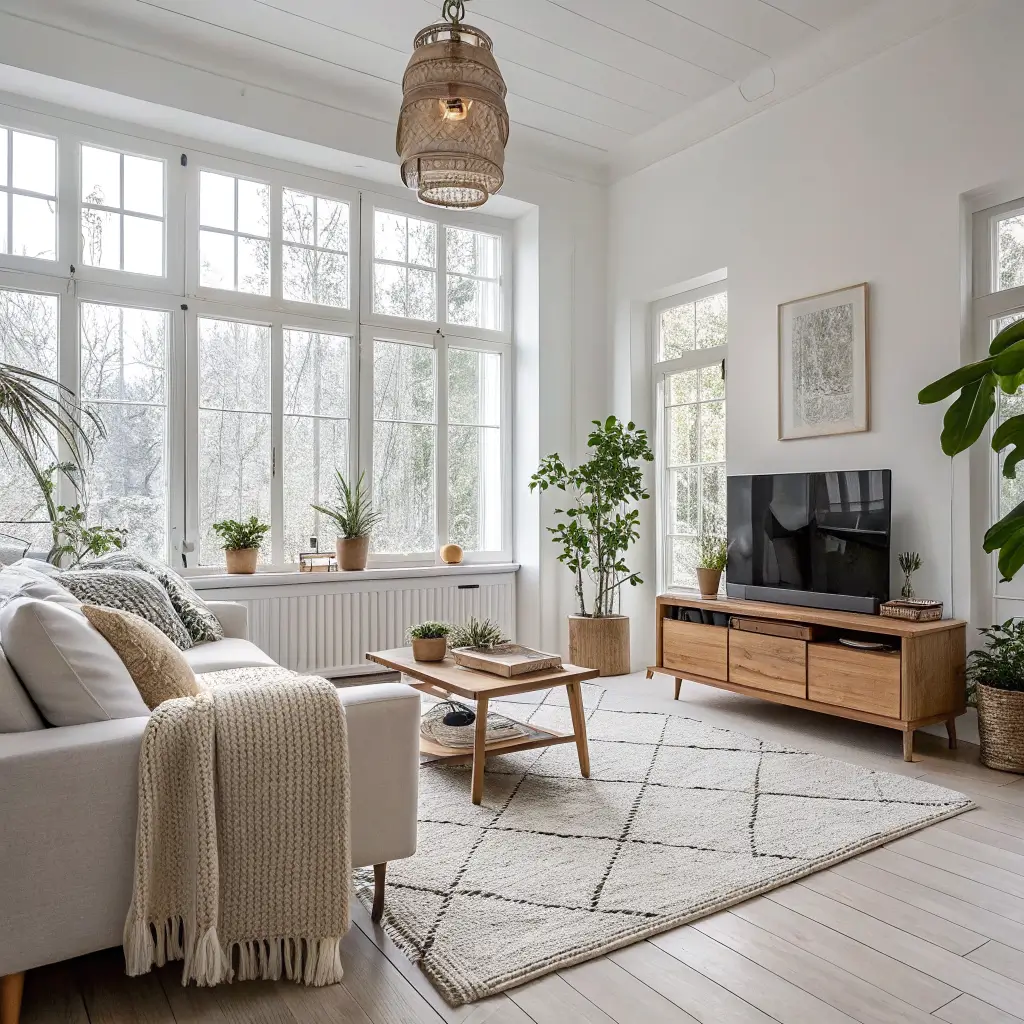
Let me paint you a picture: white walls, light wood floors, and maybe three pieces of furniture total. That’s the Scandinavian minimalist magic right there. I fell head over heels for this style when I realized my living room didn’t need fifteen throw pillows to feel cozy.
The secret sauce? Start with a neutral color palette – think whites, soft grays, and warm beiges. Your small living room will instantly feel more spacious when you’re not bombarding it with visual chaos. I swapped my dark leather couch for a light gray fabric one, and honestly, it felt like I’d added 50 square feet to the room.
The Power of Light
Natural light becomes your best friend in Scandinavian design. Remove heavy curtains and replace them with sheer white panels or simple blinds. Ever noticed how much bigger a room feels when sunlight floods in? That’s not an accident.
Position your main seating area near windows whenever possible. I arranged my sofa perpendicular to my largest window, creating this perfect reading nook that doesn’t block any precious light. The difference was night and day (pun intended).
Strategic Furniture Selection
Here’s what you actually need in a small Scandinavian living room:
- One comfortable sofa (preferably with legs you can see under)
- A simple coffee table (glass or light wood works wonders)
- One accent chair (if space allows)
- Minimal shelving (wall-mounted saves floor space)
Skip the entertainment center altogether. Mount your TV on the wall and call it a day. Trust me, you won’t miss that bulky furniture piece eating up your floor space.
Minimalist Bedroom with Neutral Tones
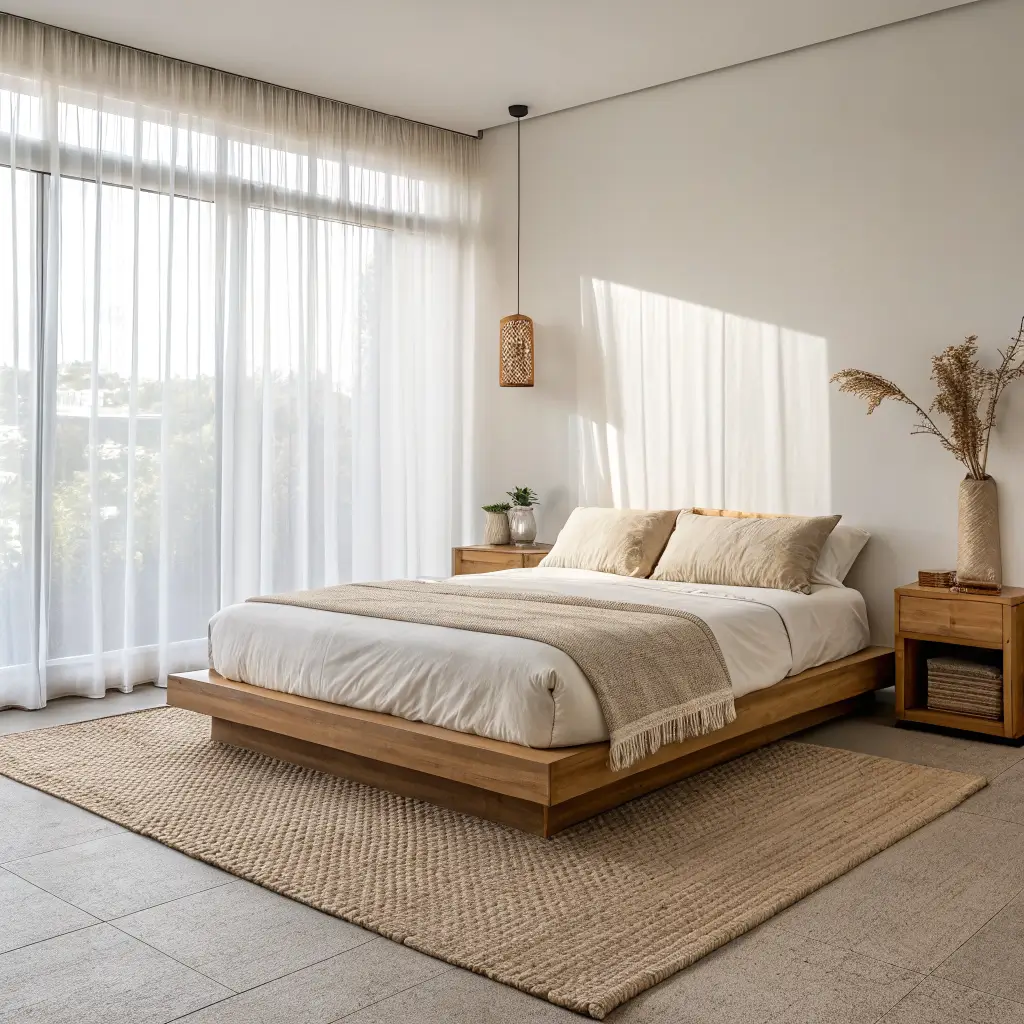
Your bedroom should feel like a calm retreat, not a storage unit with a bed shoved in it. I learned this lesson the hard way after years of treating my bedroom like a dumping ground for everything that didn’t have a proper home.
Neutral tones create instant serenity. Stick to whites, creams, soft grays, and maybe a touch of sage green or dusty pink if you’re feeling adventurous. Your brain literally relaxes when it’s not processing a rainbow of colors before bedtime.
The Bed as a Centerpiece
Make your bed the star of the show. Choose quality white or neutral bedding and keep decorative pillows to a minimum – two accent pillows max. That mountain of pillows you see in hotels? Nobody needs that in real life.
A simple platform bed or one with slim legs creates visual space underneath. Those chunky bed frames that touch the floor? They’re making your room feel smaller than it actually is.
Smart Storage Solutions
Here’s where minimalism gets practical:
- Under-bed storage boxes (for seasonal items)
- Wall-mounted nightstands (saves floor space)
- One dresser OR one wardrobe (not both)
- Hooks behind the door (for tomorrow’s outfit)
The goal? Everything has a place, and nothing sits on the floor except furniture legs. My bedroom transformed once I stopped using the floor as an extended closet.
Tiny Apartment Minimalist Makeover
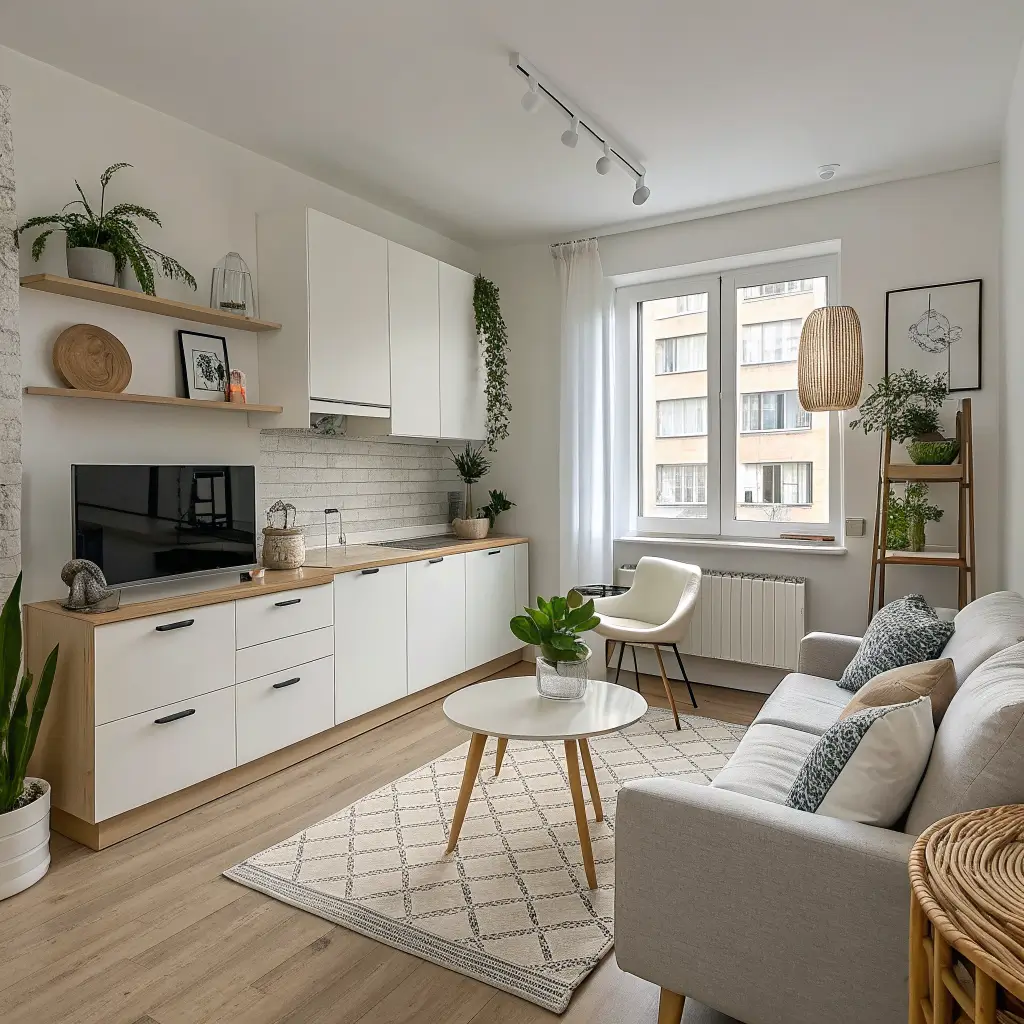
Converting a tiny apartment into a minimalist haven requires ruthless editing. When I tackled my 500-square-foot apartment, I got rid of 60% of my stuff. Sounds extreme? Maybe. But the freedom I felt afterward was incredible.
Start with the “one in, one out” rule. Buy a new shirt? An old one goes. New kitchen gadget? Say goodbye to that unitasker collecting dust. This rule keeps your space from slowly filling back up with clutter.
Multi-Functional Everything
Every piece in a tiny apartment needs to earn its keep:
- Ottoman with storage inside
- Dining table that doubles as a desk
- Sofa bed for guests
- Nesting tables instead of traditional side tables
I swear by my storage ottoman – it holds blankets, serves as extra seating, and works as a coffee table. That’s three functions in one piece!
Vertical Space is Your Friend
Look up! Your walls are begging to be used. Floating shelves, wall-mounted desks, and hanging organizers turn dead wall space into functional storage. My apartment gained so much breathing room when I moved everything possible off the floor.
Consider ceiling-mounted curtains that go from floor to ceiling. This trick makes your ceilings appear higher and your space feel grander. Who knew a curtain rod placement could be such a game-changer?
Also Read: 10 Unique Japanese Interior Design Ideas for Calm Interiors
Minimalist Kitchen with Sleek Cabinets
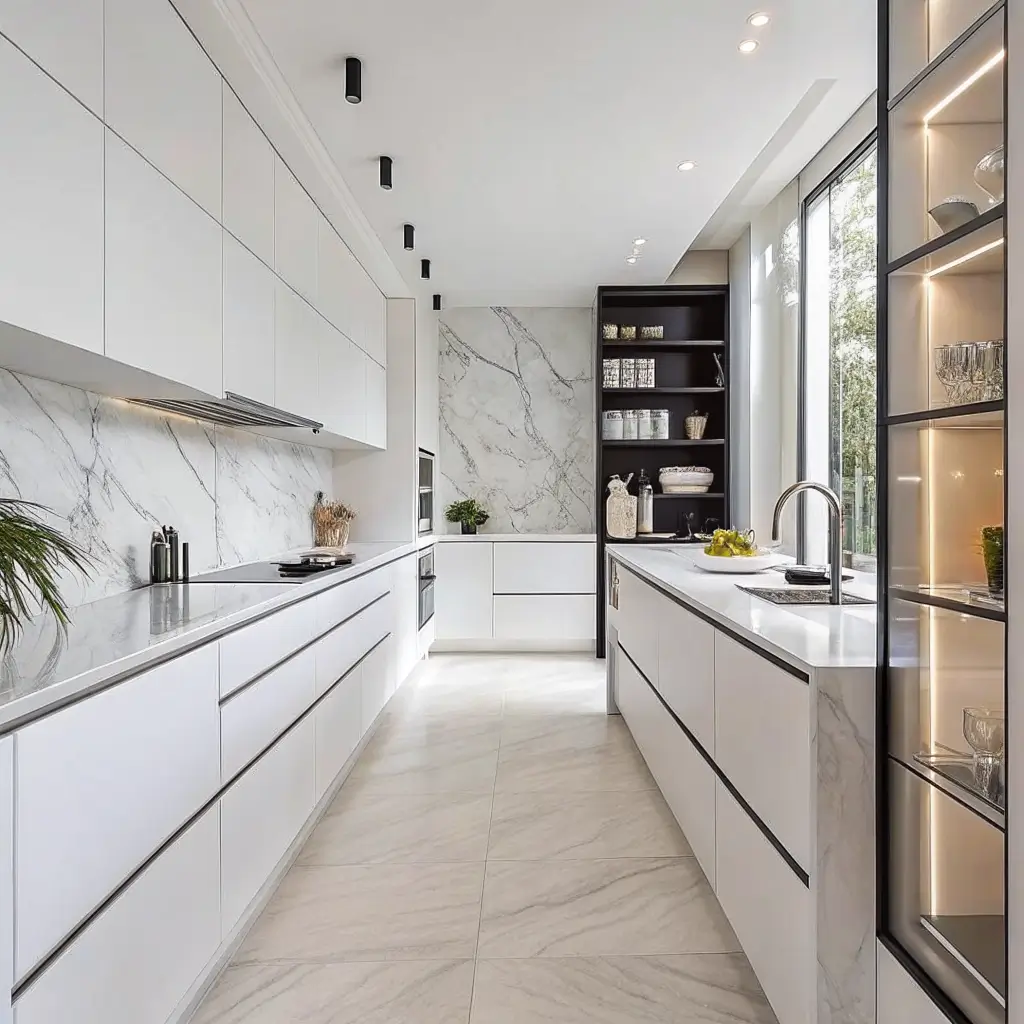
The kitchen might be the toughest room to minimize because, well, you actually need stuff to cook with. But sleek, handle-less cabinets create such clean lines that your small kitchen instantly feels more sophisticated.
I replaced my old cabinets’ hardware with push-to-open mechanisms. No handles means no visual interruptions. Your eye glides right over the cabinet fronts, making the space feel larger and less cluttered.
Counter Intelligence
Clear counters are non-negotiable in a minimalist kitchen. Everything – and I mean everything – should have a home inside a cabinet or drawer. That coffee maker you use daily? Find it a cabinet spot.
Here’s my kitchen counter inventory:
- One small plant (adds life without clutter)
- A sleek knife block (or magnetic strip on the wall)
- Maybe a beautiful cutting board (if it’s aesthetic enough)
That’s it. Your toaster, mixer, and seventeen spatulas? Hidden away until needed.
Color Coordination
Stick to two colors maximum for your kitchen palette. White and wood. Black and stainless steel. Gray and white. Pick your combo and commit. This visual consistency makes small kitchens feel intentional rather than chaotic.
Even your dishes should follow this rule. I switched to all-white dinnerware, and suddenly my open shelving looked like a magazine spread instead of a yard sale display.
Monochrome Minimalist Home Office
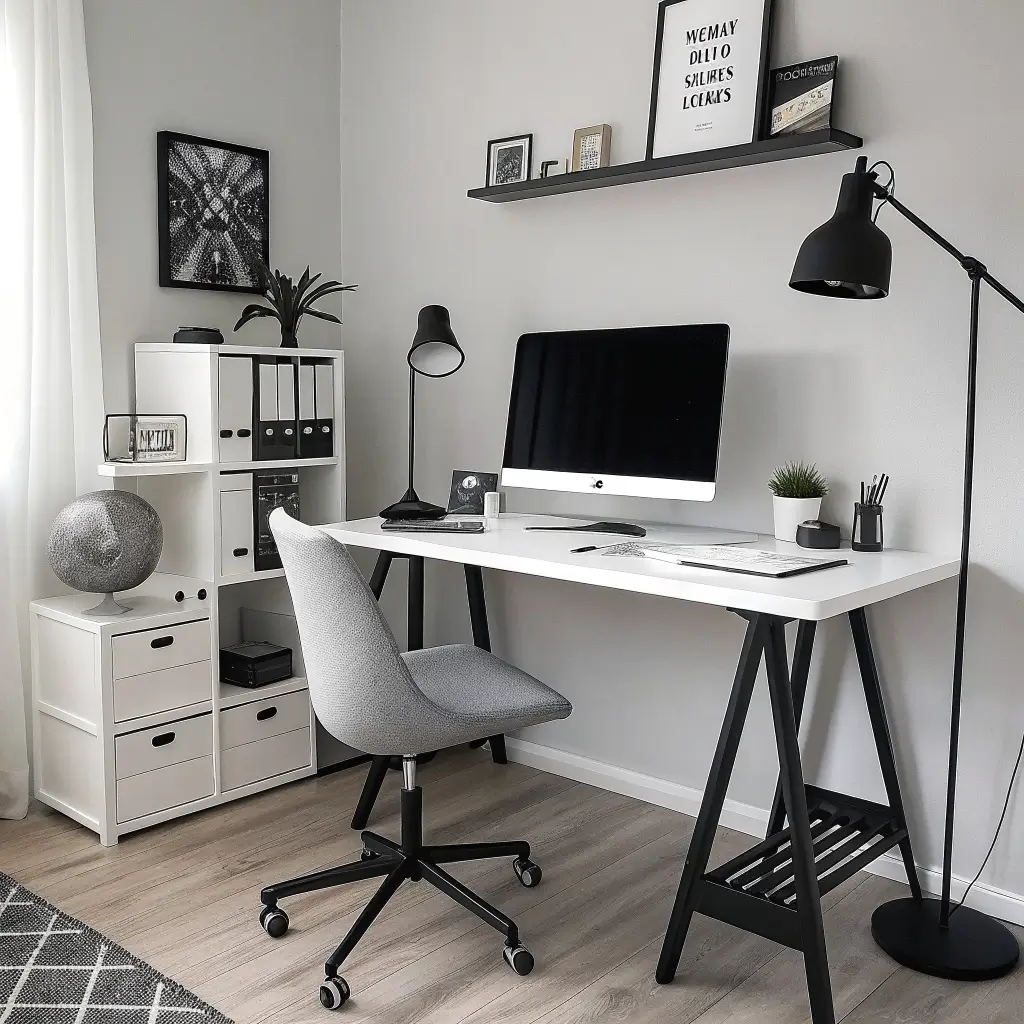
Working from home in a small space? Join the club. A monochrome color scheme keeps your home office from feeling like it’s invading your living space. Black, white, and gray create a professional atmosphere without overwhelming your room.
My home office corner uses a white desk, black chair, and gray accessories. Simple? Yes. Boring? Absolutely not. The consistency actually helps me focus better – less visual noise means more mental clarity.
Desk Organization Essentials
Keep your workspace functional but minimal:
- One desktop organizer (for pens and daily tools)
- Cable management system (hidden wires are happy wires)
- Single notepad or planner
- Laptop stand or monitor arm (frees up desk space)
Everything else lives in drawers or on a single floating shelf above your desk. Your workspace should inspire productivity, not induce anxiety.
Digital Over Physical
Embrace digital solutions whenever possible. Cloud storage beats filing cabinets every time in small spaces. Scan important documents, use digital calendars, and keep physical paperwork to an absolute minimum.
I reduced three filing cabinets down to one small accordion folder. The space I gained? Priceless. Plus, finding documents digitally takes seconds compared to digging through papers.
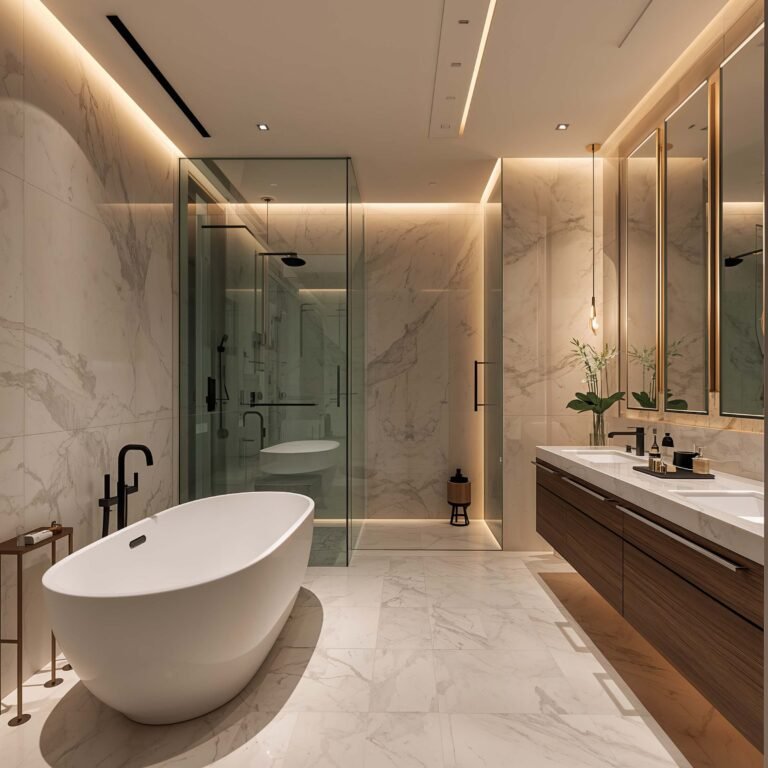
Minimalist Bathroom with Clean Lines
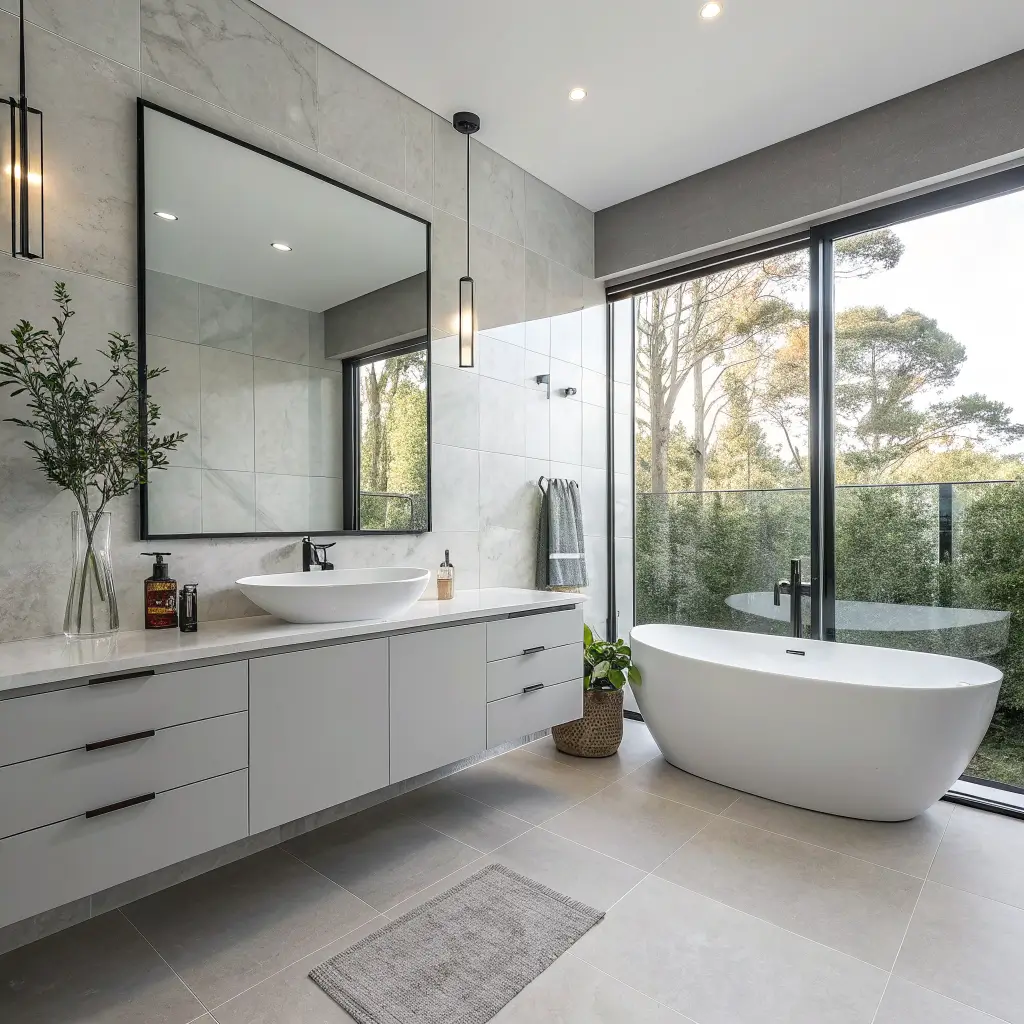
Bathrooms in small spaces often feel like afterthoughts, but clean lines and minimal accessories can make even the tiniest bathroom feel spa-like. Remove everything from your counter except hand soap and maybe a small plant.
Wall-mounted faucets and floating vanities create visual space underneath. Your bathroom instantly feels larger when you can see more floor. It’s an optical illusion that actually works.
Storage Without Clutter
Maximize bathroom storage intelligently:
- Medicine cabinet with mirror (double duty!)
- Shower caddy that hangs from showerhead
- Under-sink organizers (use every inch)
- Wall hooks for towels (skip the bulky towel bar)
The fewer items visible, the calmer your bathroom feels. Keep toiletries in matching containers for visual consistency. Those mismatched shampoo bottles? They’re making your space feel more chaotic than it needs to be.
The Power of White
White or light-colored tiles reflect light and make your bathroom feel twice as big. Add interest with texture instead of color – think white subway tiles with dark grout or textured white walls.
My tiny bathroom went from cave-like to bright and airy just by painting the dark blue walls white and switching to white towels. Sometimes the simplest changes make the biggest impact.
Also Read: 12 Modern Camper Interior Design Ideas and Smart Layouts
Minimalist Entryway with Functional Storage
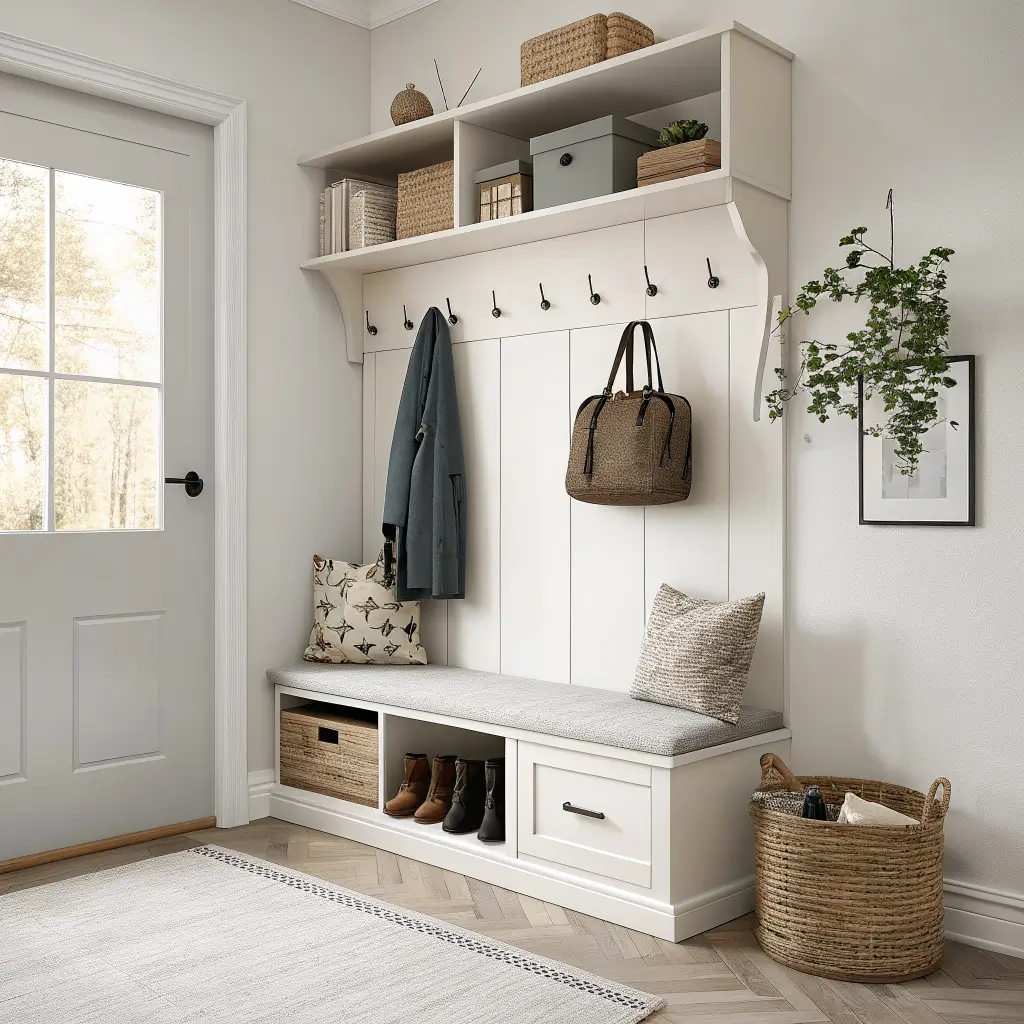
Your entryway sets the tone for your entire home. A clutter-free entrance immediately signals that this is a calm, organized space. Even if your “entryway” is just inside your front door, you can create a functional drop zone.
Install a simple wall-mounted coat rack instead of a bulky coat closet. Add a small bench with shoe storage underneath. That’s literally all you need. Your entryway isn’t meant to store every jacket you own – just the ones in current rotation.
The Landing Strip
Create a designated spot for daily essentials:
- Small wall-mounted shelf (for keys and sunglasses)
- Simple mirror (last-minute appearance checks)
- One basket or tray (for mail and small items)
- Hooks at different heights (for bags and coats)
This system prevents the dreaded door dump where everything gets tossed the moment you walk in. FYI, having a specific spot for your keys will save you approximately 73 hours per year. Okay, I made that number up, but you get the point 🙂
Minimalist Open-Concept Living Space
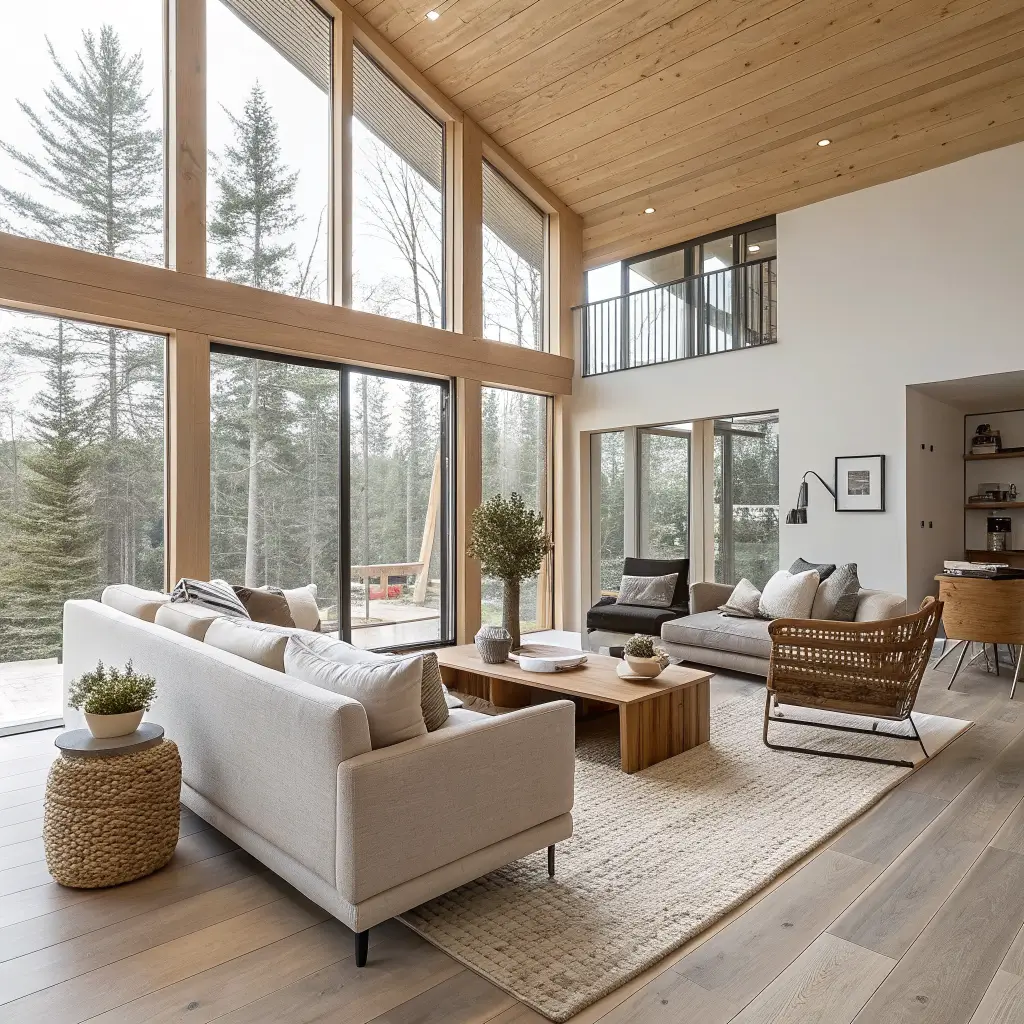
Open-concept living in a small space requires careful zone definition without using walls. I use a simple area rug to define my living room area and position my sofa with its back to the dining space, creating a natural division.
Consistent flooring throughout makes the entire space feel larger. Different flooring in each “room” creates visual barriers that shrink your space. Keep it simple, keep it consistent.
Furniture as Room Dividers
Strategic furniture placement creates distinct areas:
- Bookshelf as room divider (open-back for light flow)
- Sofa positioning (defines living area)
- Console table (separates entry from living space)
- Bar-height counter (divides kitchen from living)
Each piece serves double duty – providing function while defining space. My open bookshelf stores books while letting light through, maintaining that airy feeling.
Color Continuity
Use the same color palette throughout your open-concept space. This doesn’t mean everything needs to be identical, but your colors should flow naturally from one area to another. Think of it as one large room with different functions, not separate rooms smooshed together.
Minimalist Decor with Natural Materials
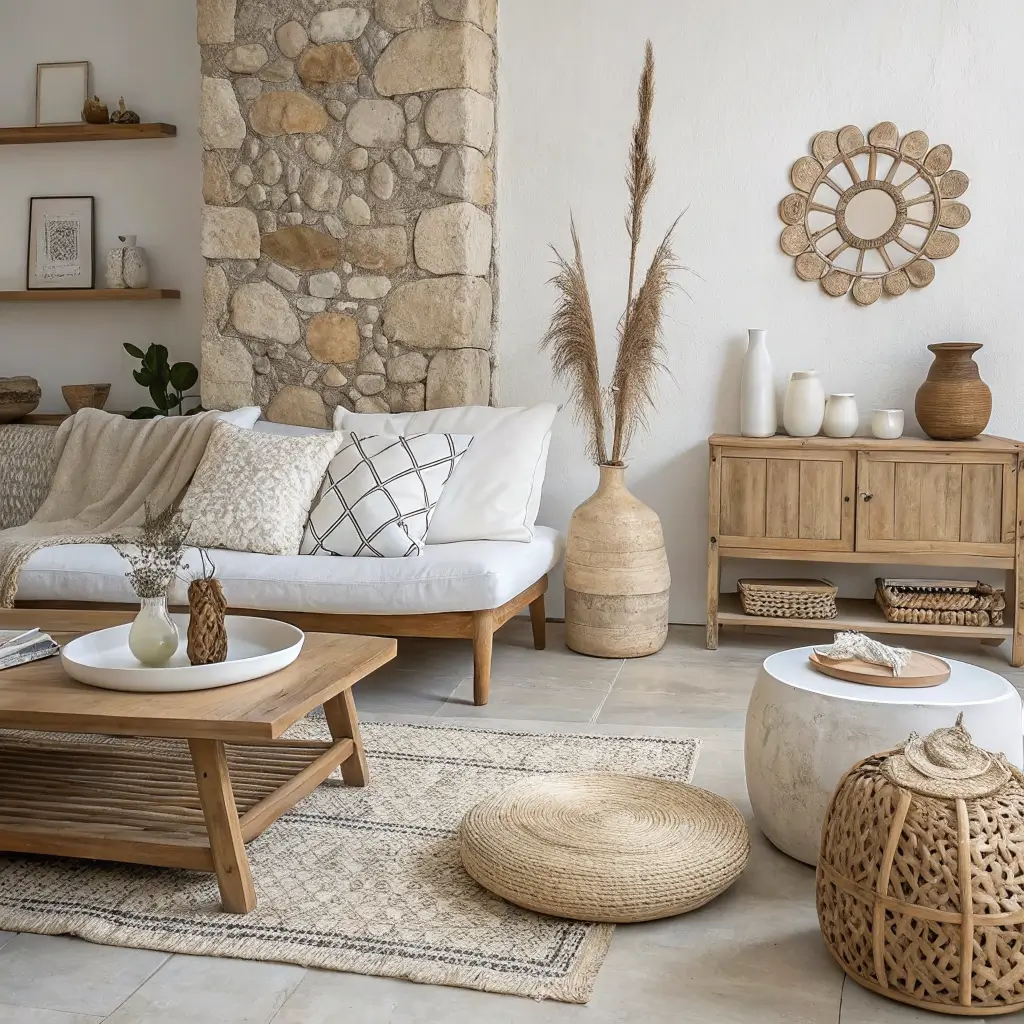
Natural materials bring warmth to minimalist spaces without adding clutter. Wood, stone, linen, and wool add texture and interest while maintaining that clean aesthetic. These materials age beautifully, looking better over time rather than dated.
I replaced my synthetic throw pillows with linen ones, and the difference in both look and feel was remarkable. Natural materials breathe life into minimal spaces without requiring constant replacement or trending updates.
Texture Over Quantity
Instead of filling your space with decorative objects, focus on textural variety:
- Chunky knit throw (one, not five)
- Woven baskets (functional and beautiful)
- Wood accent pieces (cutting boards, bowls)
- Stone or ceramic vases (with or without plants)
Each piece should be both beautiful and functional. That decorative bowl? It better hold something useful, like keys or fruit.
Plant Life
One or two statement plants beat twenty tiny succulents every time. A large fiddle leaf fig or snake plant makes a bigger impact than a windowsill full of small pots. Plus, fewer plants means less maintenance – win-win for busy minimalists.
Choose plants that thrive in your space’s lighting conditions. Dead plants aren’t minimalist; they’re just sad. IMO, one thriving plant beats ten struggling ones any day.
Also Read: 12 Inspiring Interior Design Mood Board Ideas for Modern Homes
Minimalist Balcony and Outdoor Spaces
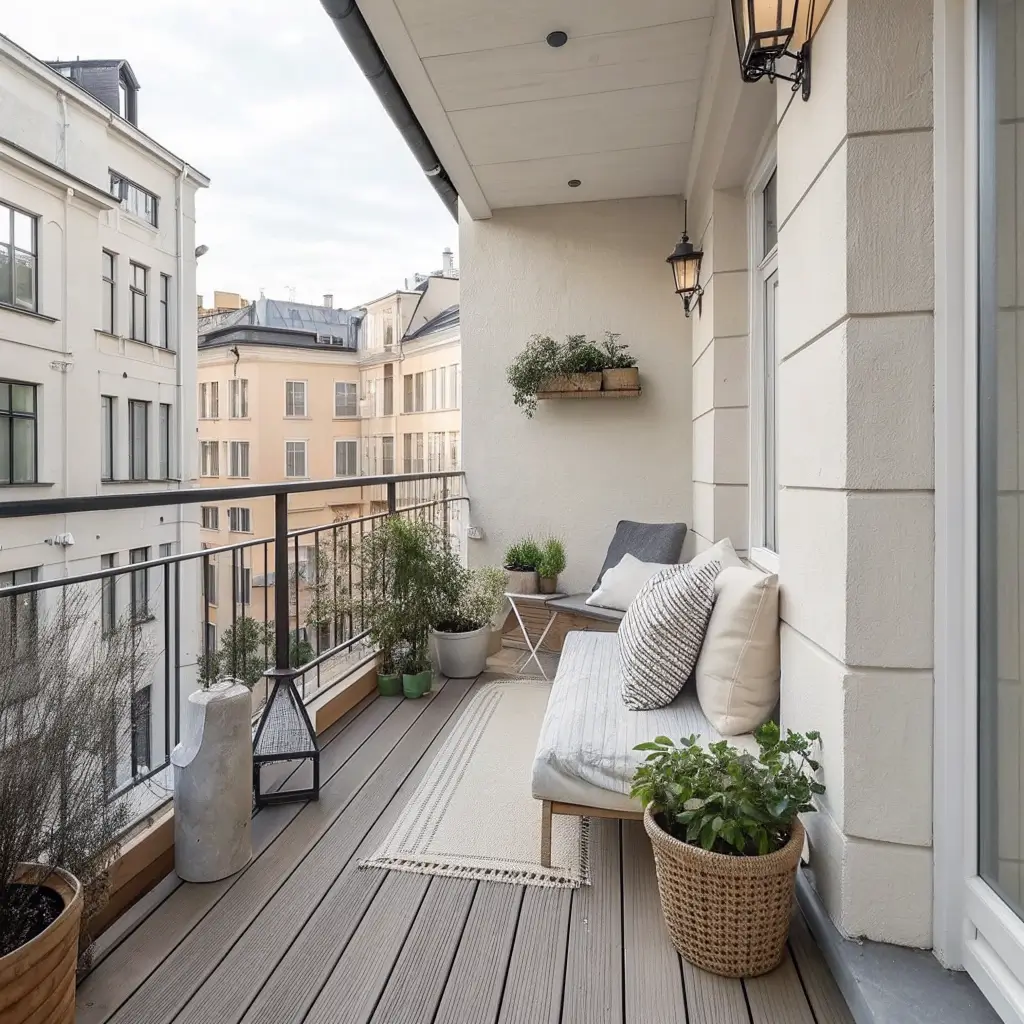
Small outdoor spaces often become storage graveyards. Instead, treat your balcony or patio as an outdoor room deserving the same minimalist treatment as your interior. Clear out everything that doesn’t belong and start fresh.
Two chairs and a small table might be all you need. Or maybe one comfortable chair and a side table for your morning coffee. The point is to create a functional space you’ll actually use, not a cluttered area you avoid.
Vertical Gardens
Limited floor space? Go vertical:
- Wall-mounted planters
- Hanging baskets from railings
- Tiered plant stands
- Climbing plants on trellises
My tiny balcony transformed when I moved all plants off the floor onto wall-mounted planters. Suddenly I had room for actual furniture!
Weather-Resistant Minimalism
Choose quality over quantity for outdoor furniture. One well-made chair that withstands weather beats three cheap ones that need constant replacement. Look for:
- Foldable furniture (store during off-seasons)
- Built-in storage (ottoman seats with storage)
- Multi-functional pieces (side table/storage combo)
- Neutral colors (less likely to fade or date)
Keep outdoor cushions and accessories to a minimum. They require storage and maintenance that complicates your minimalist goals.
Making Minimalism Work Long-Term
Here’s the truth nobody tells you: minimalism requires maintenance. You can’t just declutter once and call it done. Regular editing keeps your small space functional and beautiful.
Schedule quarterly reviews where you assess what’s working and what’s not. That chair you never sit in? Time to go. The kitchen gadget gathering dust? Someone else will love it. Staying minimal means constantly evaluating whether items earn their keep.
The Mental Benefits
Living minimally in a small space changed more than just my home’s appearance. Less stuff means less stress. Fewer decisions about what to wear, easier cleaning routines, and more mental space for things that actually matter.
My small minimalist apartment feels larger than my previous cluttered two-bedroom ever did. Space isn’t just about square footage – it’s about how freely you can move and breathe in your environment.
Final Thoughts
Creating a stylish minimalist space in a small room isn’t about deprivation – it’s about intentional choices that enhance your life. Every item you keep should serve a purpose or bring genuine joy. Everything else? It’s just taking up valuable real estate in your sanctuary.
Start with one room and see how it feels. Once you experience the calm that comes from a truly minimal space, you’ll wonder why you ever thought you needed all that stuff. Your small room has massive potential – you just need to give it room to breathe.
Remember, minimalism looks different for everyone. Maybe you need more than three pieces of furniture in your living room. Perhaps your kitchen requires more tools than mine. That’s perfectly fine! The goal is finding your personal balance between function and simplicity.
Take these ideas, adapt them to your lifestyle, and create a space that feels uniquely yours. Small rooms can be stylish, functional, and minimal all at once. You just need the courage to let go of what’s not serving you and embrace the beauty of less.