10 Gorgeous Modern Interior Design Ideas for Cozy Spaces

You know that feeling when you walk into someone’s place and think, “Wow, this person really has their life together”? Yeah, that’s the power of good interior design.
But here’s the thing – you don’t need to hire some fancy designer or sell a kidney to achieve that magazine-worthy look.
I’ve spent the last decade obsessing over interior design (my Pinterest boards are basically a digital shrine at this point), and I’m here to spill all the secrets.
Modern interior design isn’t about following rigid rules or copying what everyone else does. It’s about creating spaces that actually work for how you live while looking absolutely killer.
Whether you’re working with a shoebox apartment or a sprawling house, these ten ideas will help you nail that modern aesthetic without losing your mind – or your savings account.
Minimalist Neutral Modern Living Room
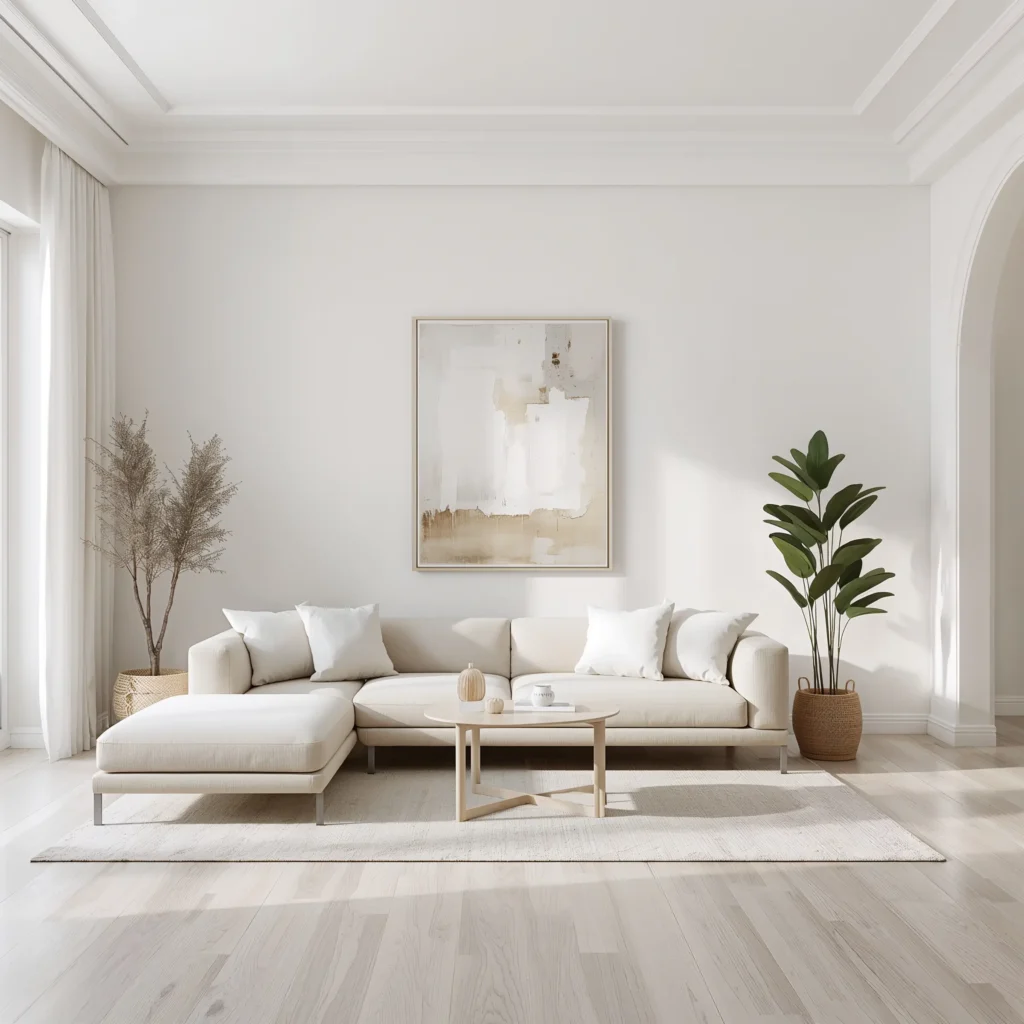
Let me guess – you’ve seen those pristine, all-white living rooms on Instagram and thought they looked amazing but totally impractical? I used to think the same thing until I actually tried the minimalist neutral approach in my own space. Turns out, it’s not just for people who don’t own anything or have supernatural cleaning abilities.
The secret to nailing a minimalist neutral living room? Start with a foundation of whites, beiges, and soft grays. I’m talking about your walls, your main furniture pieces, and your larger decorative elements. This creates a canvas that makes your space feel instantly bigger and more sophisticated. My couch is this gorgeous oatmeal color that hides coffee stains like a champ (because let’s be real, accidents happen).
Key Elements for Success
- Quality over quantity with furniture pieces
- Natural textures like linen, wool, and raw wood
- Strategic pops of black or charcoal for definition
- Hidden storage solutions (because clutter kills the vibe)
- One or two statement pieces max
The beauty of this style lies in its simplicity. You’re not juggling seventeen different colors or patterns. Instead, you’re focusing on texture and form. Think chunky knit throws, sleek coffee tables, and maybe one piece of abstract art that makes people go “hmm, interesting.”
Ever noticed how the most expensive-looking spaces often have the least stuff in them? That’s not a coincidence. When you strip away the excess, what remains needs to be intentional and impactful. I learned this the hard way after years of cramming my living room with “cute finds” from HomeGoods that ended up making my space look like a clearance section.
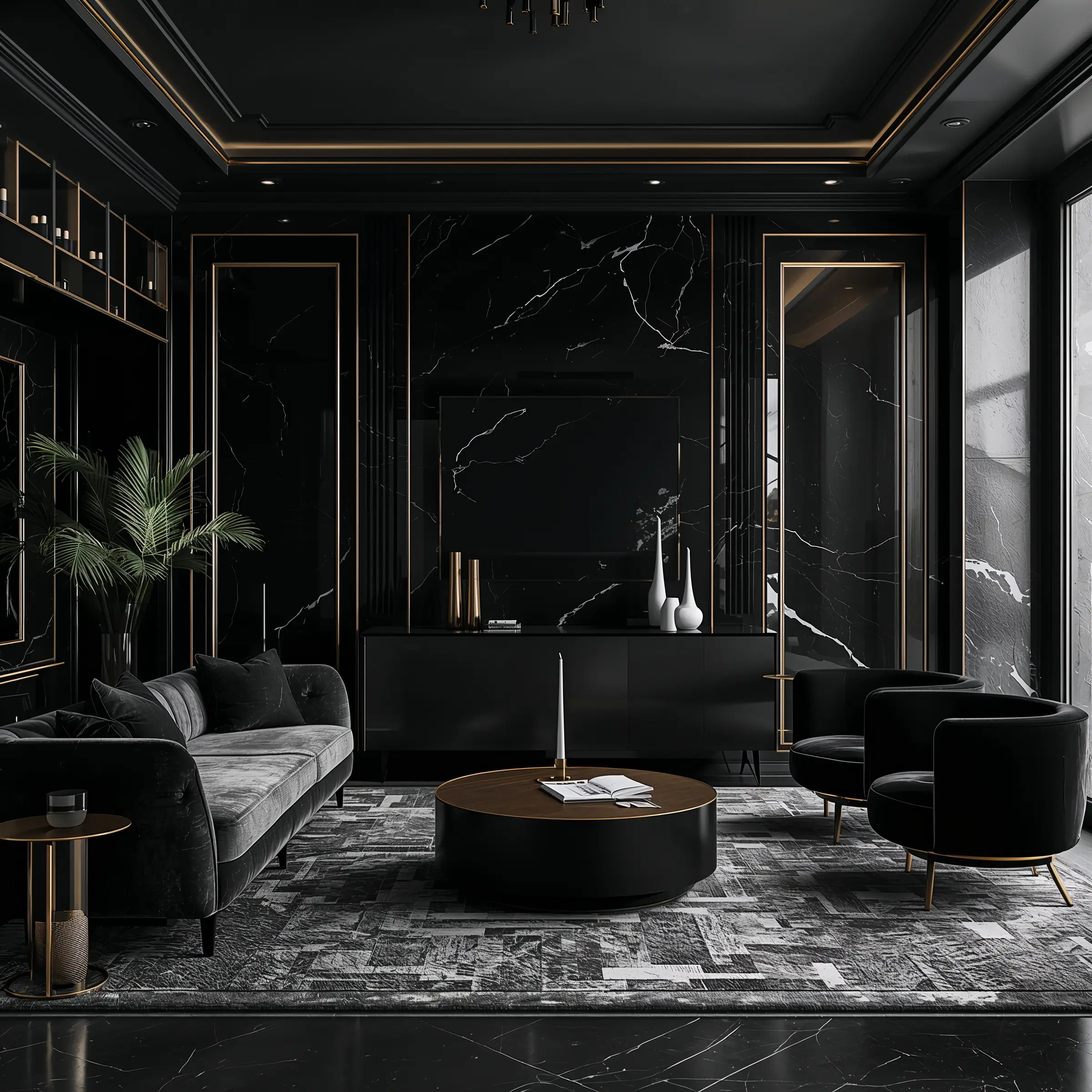
Dark Tone Luxury Modern Interior
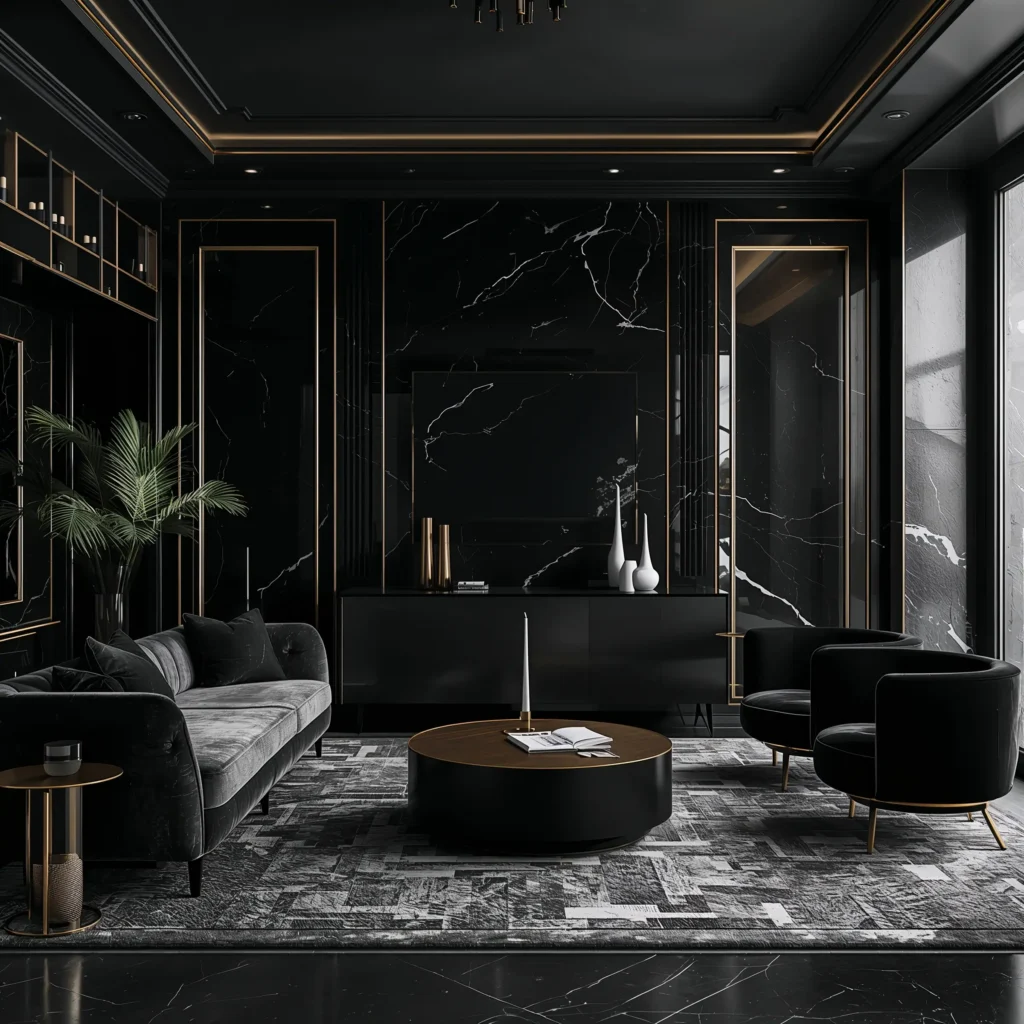
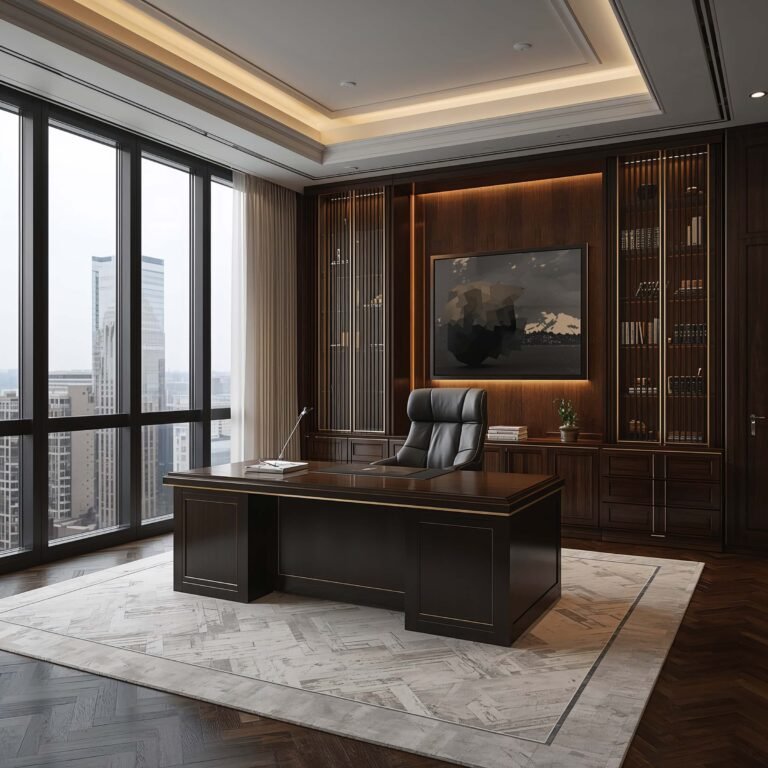
Okay, who says modern has to mean bright and airy? Dark, moody interiors are having a major moment, and honestly, they’re my personal weakness. There’s something incredibly sophisticated about walking into a room wrapped in deep charcoals, rich navies, or even black walls. Yes, I said black walls – don’t freak out!
I painted my home office walls in Benjamin Moore’s Wrought Iron last year, and it completely transformed the space. Instead of feeling cave-like (which everyone warned me about), it actually feels more expensive and cocoon-like. The trick? Balance those dark tones with metallic accents and strategic lighting.
Making Dark Interiors Work
Here’s what you need to pull off this look without creating a dungeon:
- Layer your lighting – overhead, task, and ambient
- Incorporate metals like brass, copper, or brushed gold
- Add mirrors to bounce light around
- Use rich textures like velvet, leather, and marble
- Include one light element for contrast (like a cream rug)
The psychological impact of dark interiors is fascinating too. They create this sense of intimacy and drama that light colors simply can’t achieve. My dinner parties feel way more sophisticated now – like everyone should be sipping whiskey and discussing philosophy instead of gossiping about reality TV (though we definitely still do the latter).
Small Apartment Modern Setup
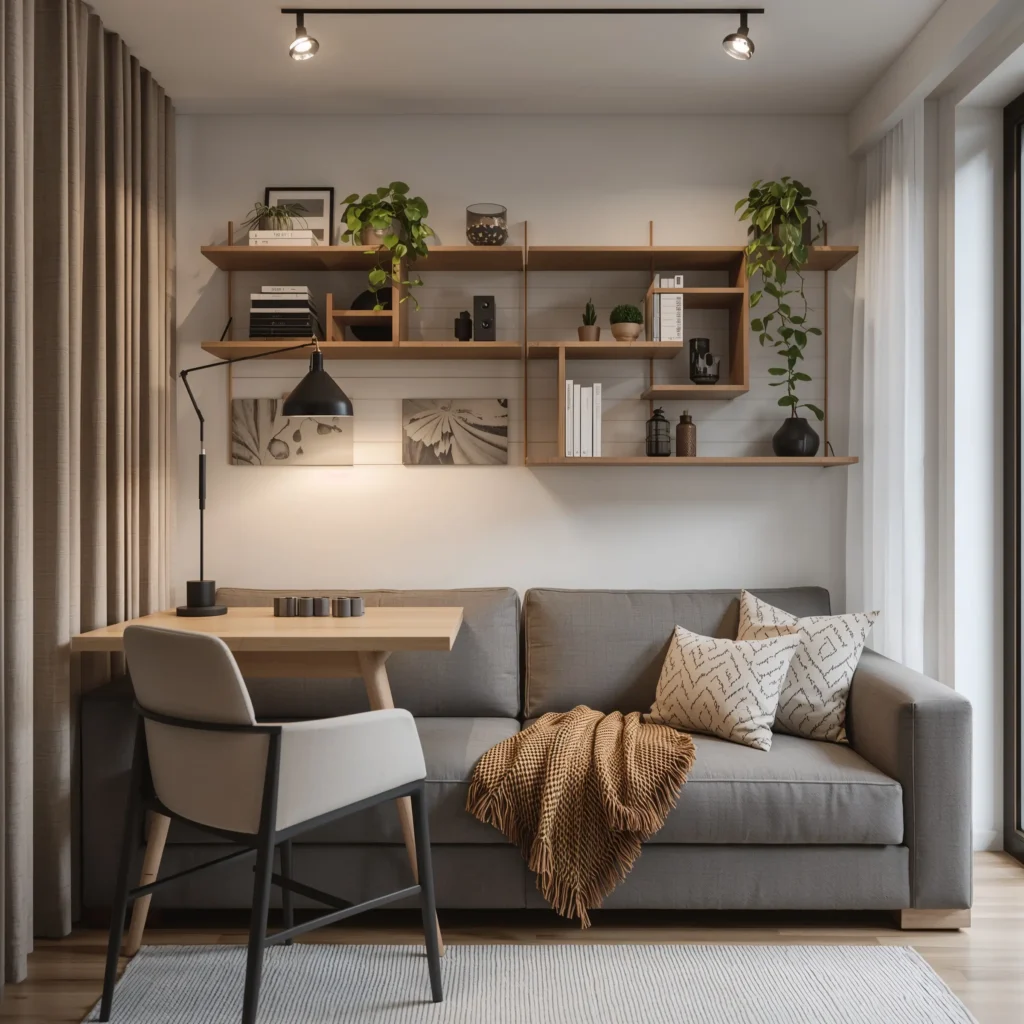
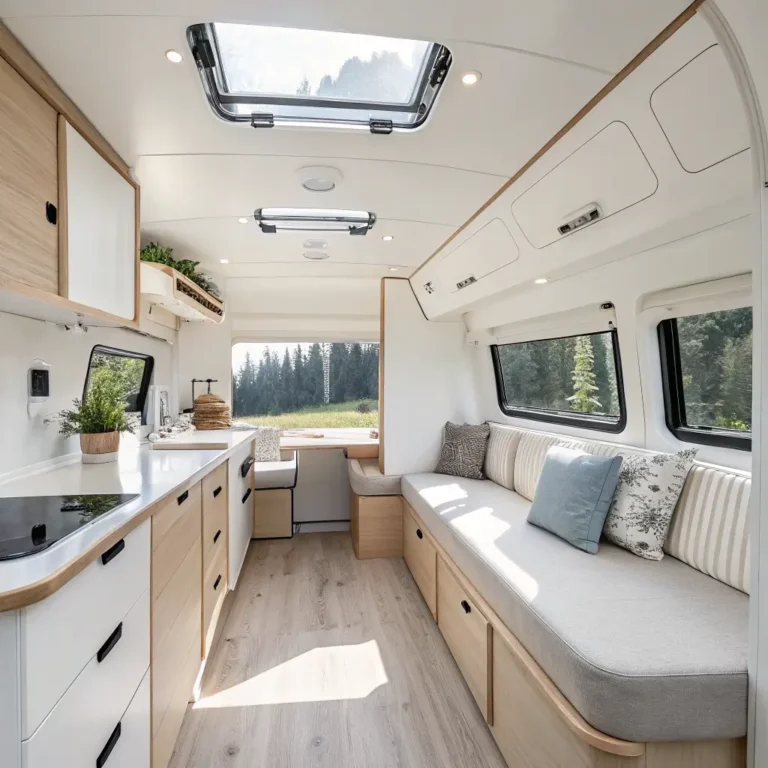
Living in 500 square feet? Been there, done that, got the claustrophobia to prove it. But seriously, small spaces can be just as modern and stylish as their larger counterparts – you just need to be smarter about it.
The biggest mistake people make with small apartments? Trying to shrink everything down proportionally. Nope! Go for a few larger pieces instead of cramming in tons of tiny furniture. My first studio had this massive sectional that everyone said was too big, but it actually made the space feel more substantial and less dollhouse-like.
Space-Maximizing Strategies
Every square inch counts when you’re working with limited space:
- Vertical storage is your best friend
- Multi-functional furniture (ottoman with storage, expandable dining tables)
- Wall-mounted everything possible
- Clear furniture pieces (acrylic chairs, glass tables)
- Consistent color palette throughout
Mirror placement becomes crucial in small spaces. I strategically placed a floor-length mirror across from my window, and boom – instant space doubling effect. It’s like architectural sorcery. Plus, keeping your color palette cohesive throughout creates visual flow that tricks the eye into thinking the space is larger.
FYI, those room divider curtains you see everywhere? Total game-changer for studio apartments. You can create “rooms” without permanent walls, and they add this soft, modern touch that screens or bookcases can’t achieve.
Also Read: 12 Stunning Hall Interior Design Ideas For Stylish Homes
Scandinavian Modern Fusion Space
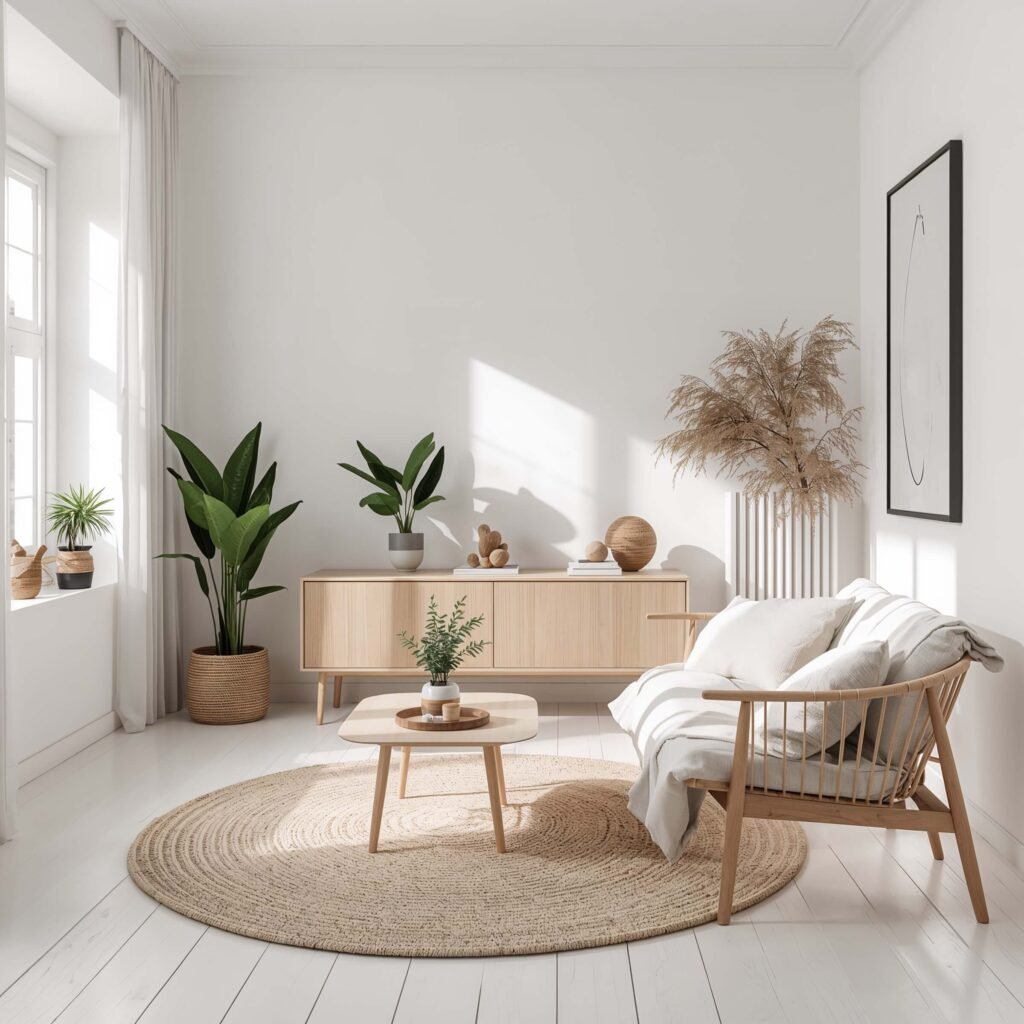
Hygge might be overdone at this point (we get it, candles and blankets are cozy), but Scandinavian design principles remain timelessly modern. What I love about Scandi style is how it manages to be both minimal and warm – it’s like the design equivalent of a perfectly balanced latte.
The foundation of Scandinavian modern design rests on functionality meeting beauty. Every piece serves a purpose, but that doesn’t mean sacrificing style. My living room follows this principle religiously – nothing’s there just for show, but everything looks intentional and beautiful.
Essential Scandinavian Elements
Want that effortless Nordic vibe? Focus on these aspects:
- Light wood tones (think birch, ash, pine)
- Cozy textiles in natural fibers
- Plenty of natural light (or fake it well)
- Simple, clean lines in furniture
- Muted color palette with occasional color pops
- Indoor plants (lots of them)
The whole “bringing nature indoors” thing isn’t just Instagram fodder. Studies actually show that natural elements reduce stress and improve mood. My apartment jungle started as three plants and has now taken over an entire corner – no regrets though, because it adds life to the space in ways art or accessories never could.
Modern Interior With Statement Lighting
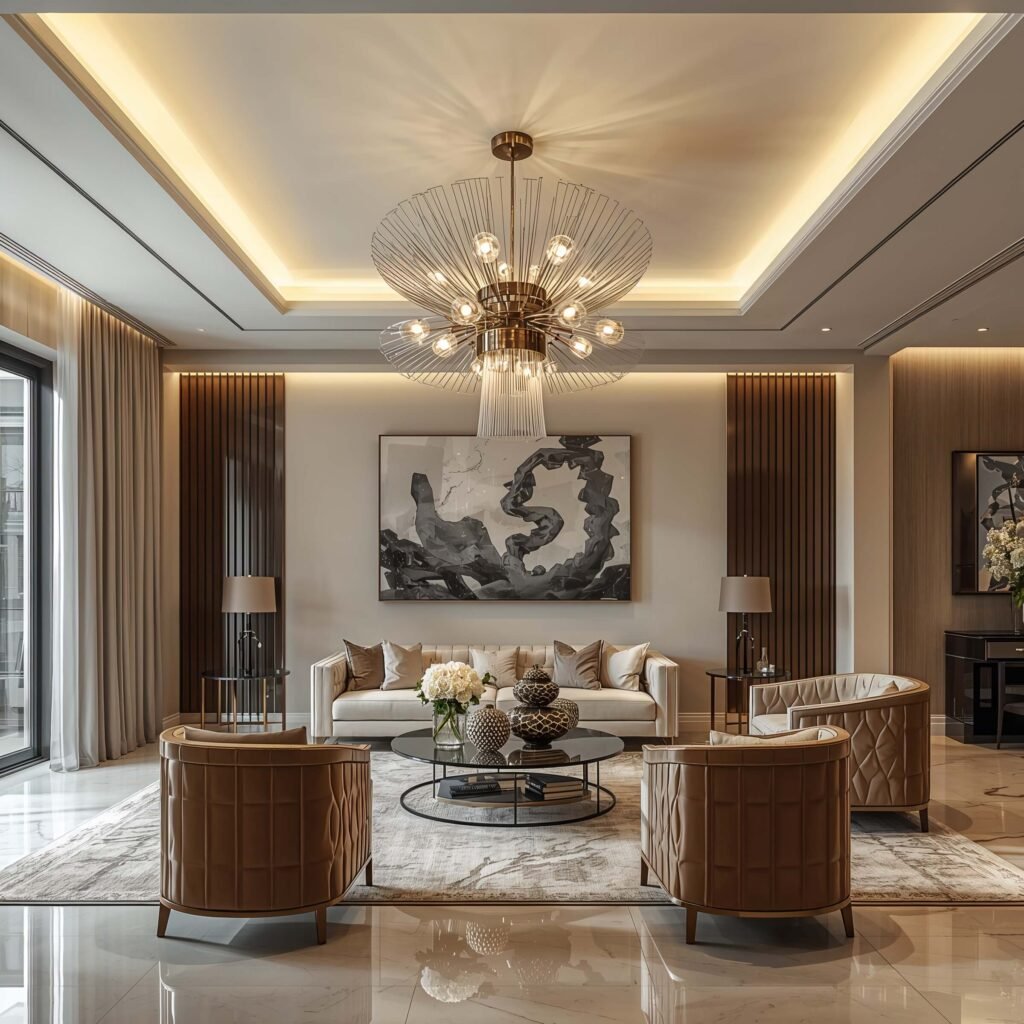
Can we talk about how lighting is basically jewelry for your room? Yet so many people treat it as an afterthought, slapping up whatever basic fixture came with the place. Trust me, swapping out that builder-grade boob light (you know the one) for something intentional will transform your space faster than any paint job.
I splurged on a sculptural pendant light for my dining area last year, and it literally changed the entire vibe of my apartment. People actually comment on it before they notice anything else. Statement lighting doesn’t have to break the bank either – I’ve found incredible pieces at places like West Elm’s outlet and even IKEA (their designer collaborations are fire).
Lighting Layers That Matter
Creating the perfect lighting scheme involves three key layers:
- Ambient lighting for overall illumination
- Task lighting for specific activities
- Accent lighting for drama and atmosphere
- Dimmer switches on everything (non-negotiable)
- Mixed metal finishes for visual interest
The scale of your lighting matters too. Don’t be afraid to go big – a large chandelier or oversized pendant can actually make a small room feel larger by drawing the eye upward. It’s counterintuitive but it works. Just make sure you hang it at the right height (bottom should be 30-36 inches above your dining table, for example).
Earthy Palette Modern Room Design
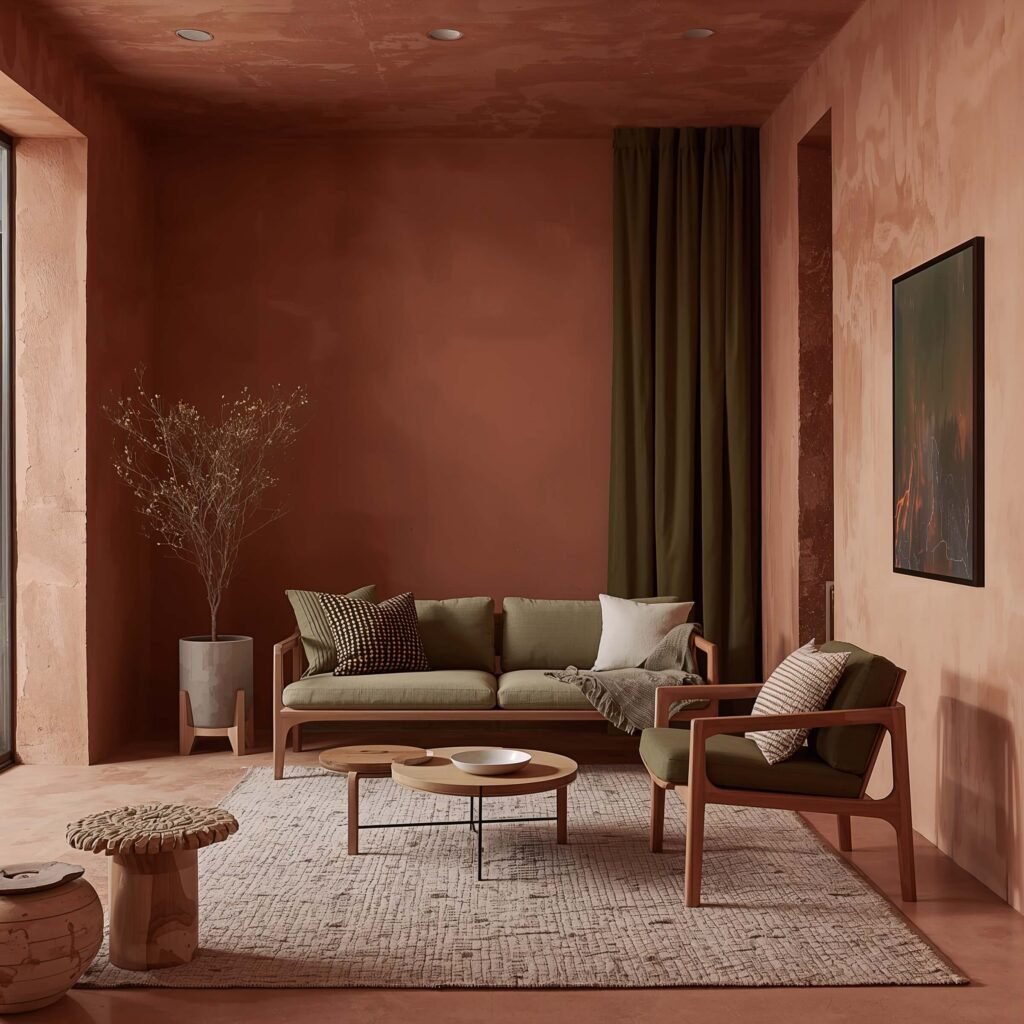
Remember when everything modern was stark white and chrome? Thank goodness we’ve evolved past that sterile hospital aesthetic. Earthy, warm tones are bringing soul back to modern design, and I’m absolutely here for it.
My bedroom recently got the earthy modern treatment – terracotta accents, warm wood tones, sage greens, and creamy neutrals. It feels like a sophisticated desert retreat rather than just another bedroom. The best part? These colors work year-round, unlike those trendy seasonal palettes that feel dated after six months.
Building Your Earth-Tone Palette
Here’s how to nail the earthy modern look:
- Start with a warm neutral base (think warm whites, not cool ones)
- Layer in terracotta, rust, or burnt sienna
- Add organic greens (sage, olive, eucalyptus)
- Incorporate natural materials (rattan, jute, unfinished wood)
- Use black sparingly for grounding
The texture game becomes crucial with earthy palettes. Since you’re working within a similar color family, varying textures prevents the space from feeling flat. Mix smooth ceramics with rough linen, polished wood with nubby wool – you get the idea.
Also Read: 12 Inspiring Minecraft Interior Design Ideas for Cool Spaces
Open Concept Modern Layout
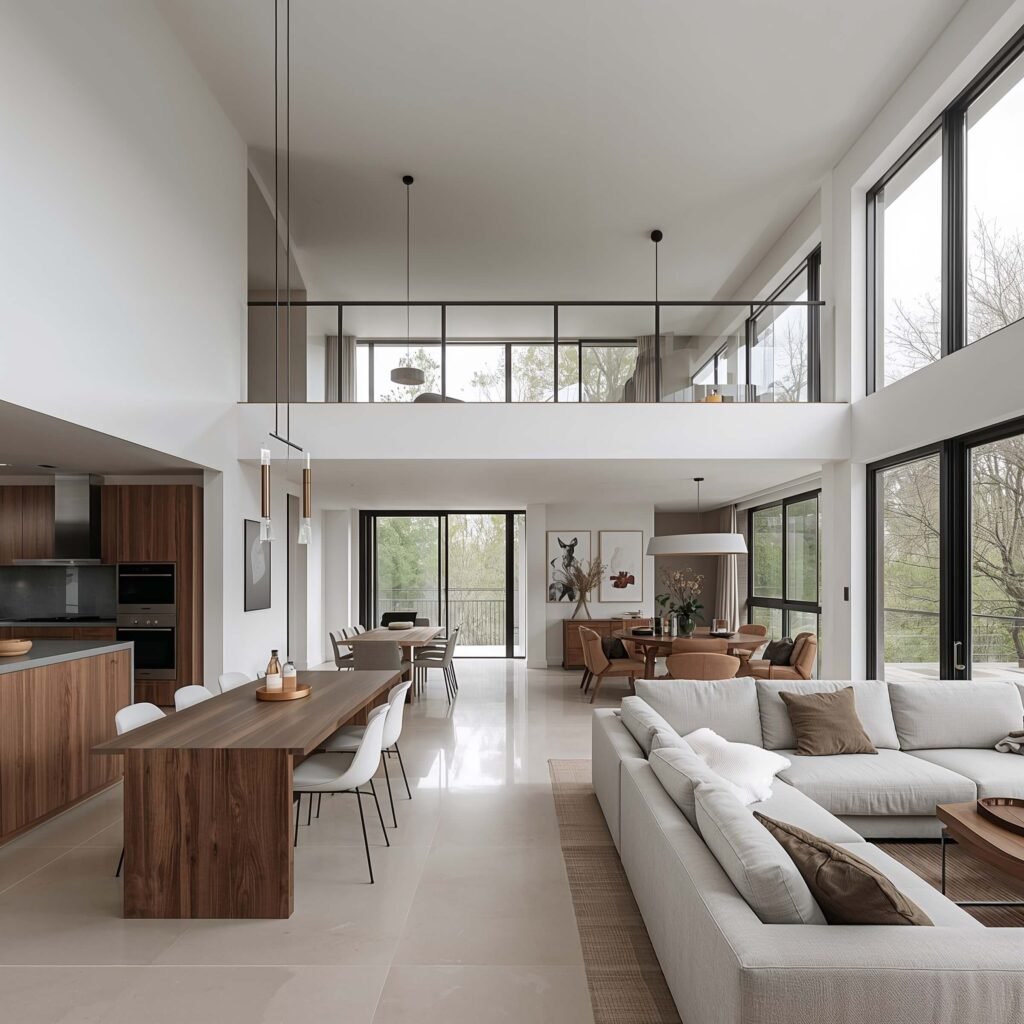
Open concept living isn’t just a trend – it’s basically become the default for modern homes. But here’s the thing: creating distinct zones without walls requires more thought than just removing everything and calling it a day.
When I moved into my current place, the entire main floor was one giant rectangle. Sounds great in theory, but in practice? It felt like living in a warehouse. The solution wasn’t adding walls back (obviously), but creating invisible boundaries through furniture placement, rugs, and lighting.
Defining Spaces Without Walls
Master the open concept with these strategies:
- Area rugs to define each zone
- Furniture placement that creates natural pathways
- Consistent color scheme with zone-specific accents
- Different lighting for different areas
- Ceiling treatments to distinguish spaces
- Strategic use of room dividers or curtains
The biggest mistake people make with open concepts? Pushing all furniture against the walls. Float that sofa! Create conversation areas in the middle of the space. It feels weird at first, but it makes the room so much more functional and intimate.
IMO, the kitchen island has become the MVP of open concept living. It’s a natural divider, extra counter space, casual dining spot, and social hub all in one. If you don’t have one, a console table behind your sofa can serve a similar purpose.
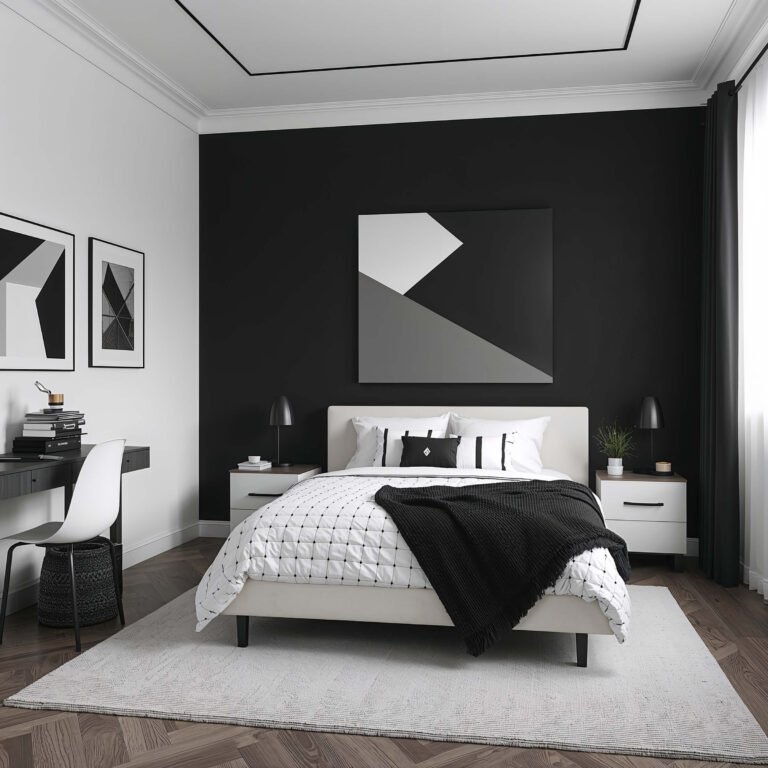
Monochrome Modern Interior Style
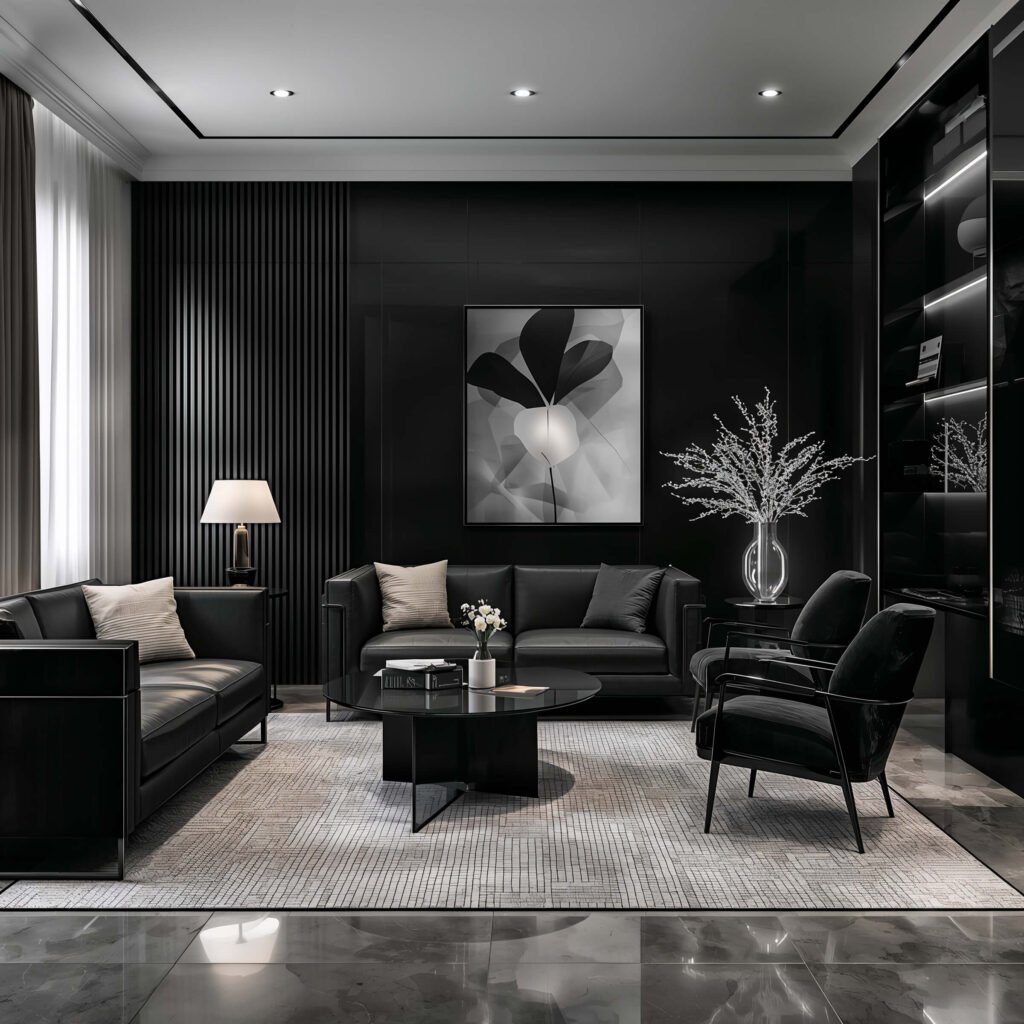
Going monochrome doesn’t mean boring – when done right, it’s actually one of the most sophisticated approaches to modern design. I’m not just talking about black and white either (though that’s classic). Any color can be monochromatic when you work with its various shades and tones.
My guest bathroom is entirely different shades of blue, from powder to navy, and visitors always assume I hired a designer. Nope, just understood that monochrome creates instant cohesion and looks intentional even when you’re winging it.
Making Monochrome Interesting
Keep your single-color scheme dynamic with these tricks:
- Vary the textures extensively
- Mix matte and glossy finishes
- Include different patterns in the same color family
- Add metallic accents that complement your chosen hue
- Use lighting to create depth and shadows
The beauty of monochrome is that it’s virtually mistake-proof. Can’t decide between paint colors? Pick different shades of the same one. Not sure if patterns will clash? They won’t if they’re all in the same color family. It’s like design training wheels that somehow look incredibly sophisticated 🙂
Glass And Metal Modern Decor

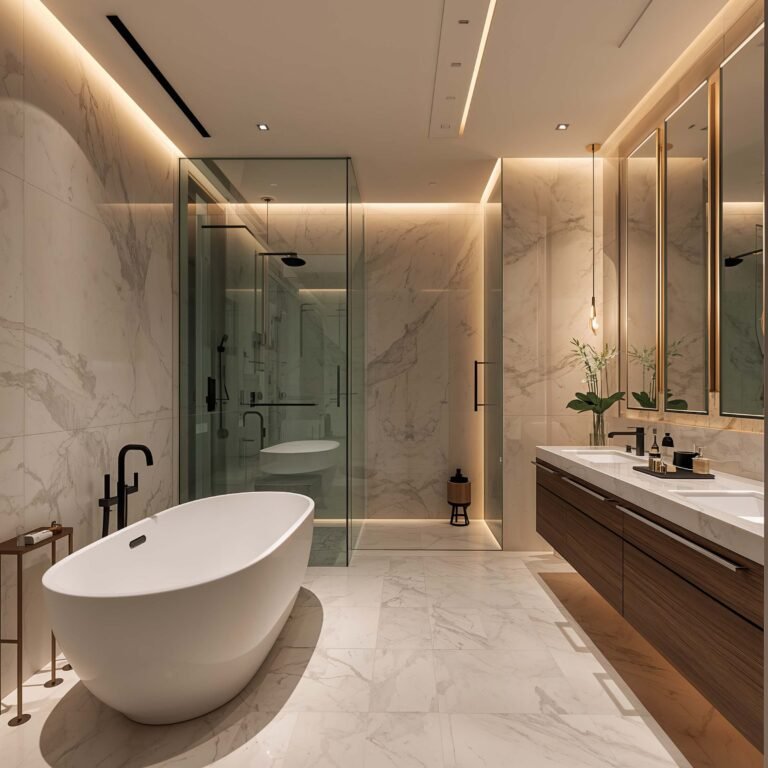
Nothing screams modern quite like the combination of glass and metal. But before you turn your home into a cold, corporate lobby, let me share how to do this without losing warmth and personality.
Glass and metal work best as accent materials rather than dominant features. My coffee table is glass with brass legs, which keeps my small living room feeling open while adding that modern edge. The transparency of glass furniture is especially clutch in small spaces – it’s there but not visually heavy.
Balancing Hard Materials
Here’s how to incorporate glass and metal without going full dystopian:
- Mix metal finishes (brass with black, chrome with copper)
- Balance with soft textiles and warm woods
- Use glass strategically for light flow
- Choose metals that complement your color scheme
- Add organic shapes to counter geometric lines
The maintenance factor is real with glass and metal though. Fingerprints, dust, water spots – they all show. But here’s a secret: matte or brushed finishes hide way more than polished ones. My brushed gold fixtures look clean even when they’re not (don’t judge).
Also Read: 10 Creative Bathroom Interior Design Hacks for Style & Space
Cozy Modern Bedroom Aesthetic
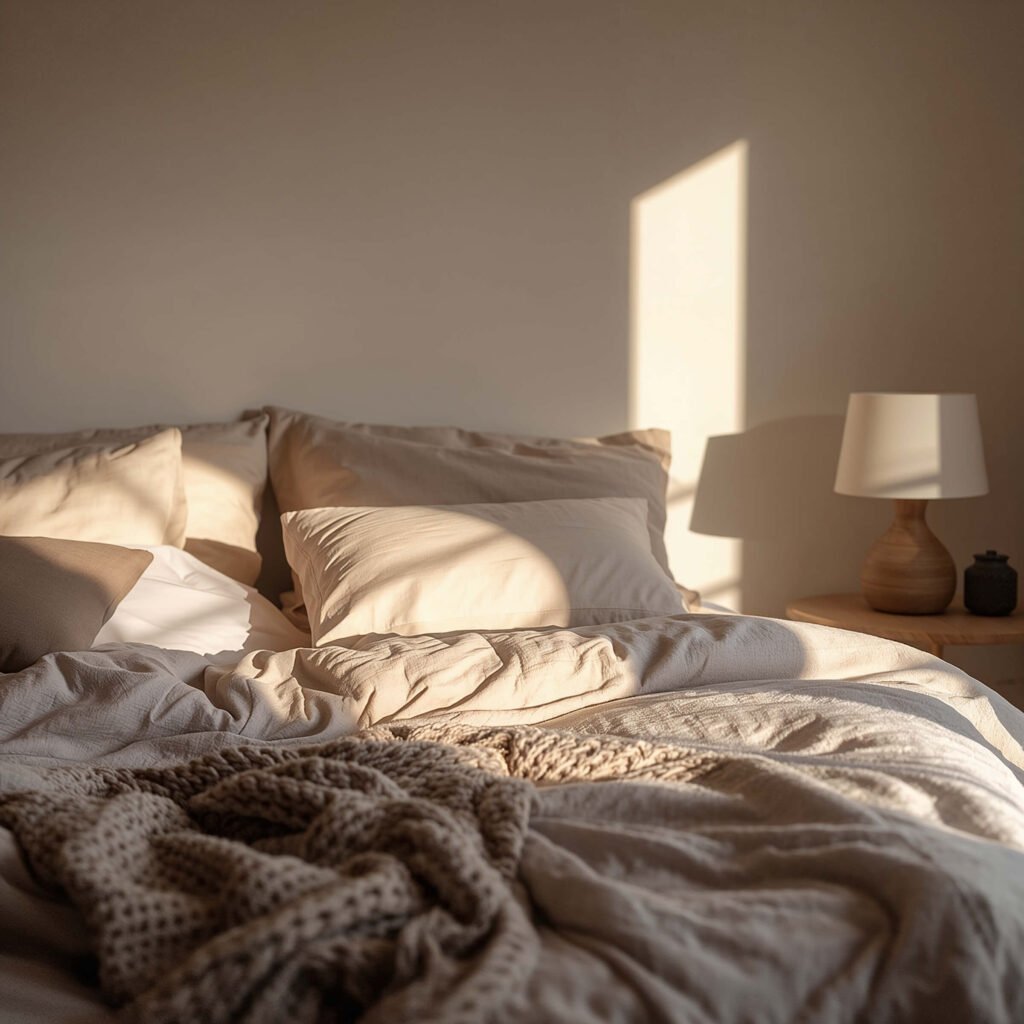
Who says modern can’t be cozy? The best bedrooms combine clean, contemporary lines with comfort that makes you want to hibernate. My bedroom transformation taught me that modern doesn’t mean sacrificing softness – it means being intentional about it.
The key is layering. Start with a platform bed or simple upholstered frame (no ornate headboards), then pile on the textures. I’m talking linen sheets, chunky knit throws, velvet pillows, maybe a sheepskin rug. The contrast between the minimal furniture and luxurious textiles creates this perfect balance.
Creating Modern Bedroom Bliss
Essential elements for that cozy-modern sweet spot:
- Low-profile furniture with clean lines
- Layered bedding in natural fibers
- Soft, dimmable lighting options
- Minimal but meaningful decor
- Hidden storage to maintain clean surfaces
- One statement piece (art, chair, or light fixture)
Color plays a huge role in bedroom coziness too. While stark white can work, warm neutrals or deep, moody colors create more of that cocoon feeling we’re after. My walls are this perfect greige that looks different throughout the day – sophisticated by morning, cozy by night.
The biggest game-changer for my bedroom? Removing everything from my nightstand except a lamp and one book. That simple change made the entire room feel more peaceful and put-together. Sometimes modern design is more about what you remove than what you add.
Final Thoughts
Look, transforming your space with modern interior design doesn’t require a complete overhaul or a trust fund. Start with one room, pick an approach that resonates with you, and build from there. The beauty of modern design is its flexibility – you can adapt these ideas to fit your lifestyle, budget, and personal taste.
Remember, the best interiors are the ones that actually work for how you live. Sure, that all-white minimalist living room looks amazing in photos, but if you’ve got kids, pets, or a serious red wine habit, maybe the earthy palette or dark luxury approach makes more sense. The goal isn’t to create a showroom – it’s to create a space that makes you feel good every single day.
Whether you go full minimalist, embrace the dark side, or find your perfect middle ground, the key is intentionality. Every choice should have a purpose, every piece should earn its place, and the overall result should feel uniquely yours. Because at the end of the day, modern design isn’t about following trends – it’s about creating spaces that feel current, functional, and absolutely killer.
Now excuse me while I go rearrange my living room for the hundredth time this month. Once you start seeing your space through a design lens, it’s impossible to stop tweaking. But hey, at least it’s cheaper than therapy, right?