
15 Chic Modern Kitchen Design Open Concept Ideas for Interiors

Remember that kitchen renovation you’ve been dreaming about since, oh, forever? Yeah, me too. Open concept kitchens have completely transformed how we think about cooking spaces, and honestly, once you experience one, you’ll never want to go back to those cramped, boxed-in layouts our parents dealt with.
I spent the last year helping friends redesign their kitchens (apparently, I’m the go-to person for this stuff now), and I’ve seen what works and what absolutely doesn’t.
Let me share 15 killer open concept kitchen designs that’ll make you want to grab a sledgehammer and start knocking down walls immediately. Fair warning: your Pinterest board is about to explode.
Minimalist White Open Concept Kitchen
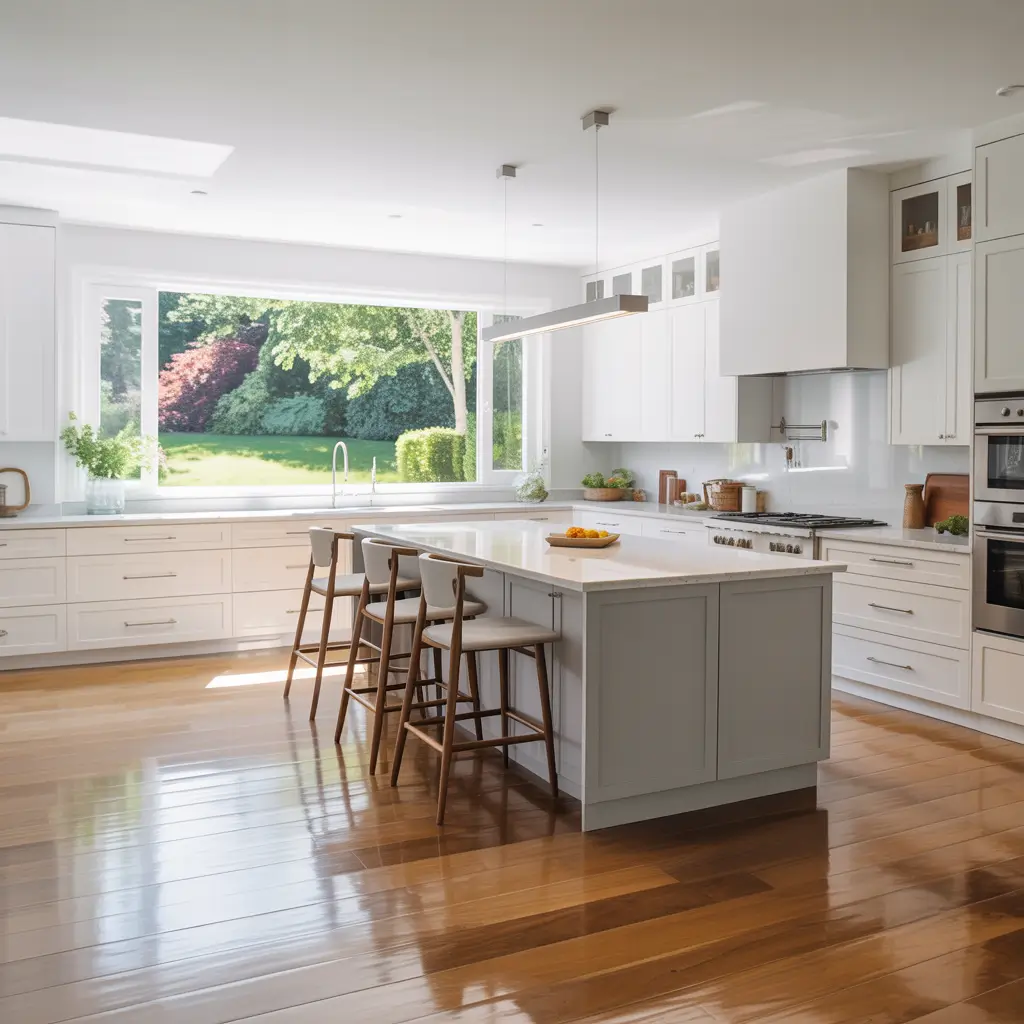
White kitchens get a bad rap for being boring, but hear me out – minimalist white spaces create this incredible sense of calm that you just can’t get with busy designs. I walked into my friend Sarah’s newly renovated white kitchen last month, and the first thing I noticed? How massive it felt, even though her space measures just 200 square feet.
The trick with minimalist white kitchens lies in the details. You want clean lines, handleless cabinets, and absolutely zero visual clutter. Think about it – when everything blends seamlessly together, your eye travels effortlessly through the space. No jarring transitions, no competing elements screaming for attention.
Key Elements That Make It Work
Texture becomes your best friend in an all-white space. Mix matte cabinets with glossy backsplashes, add a honed marble countertop, and throw in some natural wood bar stools. Without these variations, you’ll end up with something that looks more like a hospital than a home.
Storage solutions need serious thought here. Since you can’t hide behind decorative elements, everything needs a designated spot. I recommend:
- Deep drawers instead of lower cabinets
- Integrated appliances that disappear into the cabinetry
- A walk-in pantry if you have the space
- Floating shelves used sparingly for artistic display
Industrial Chic Open Kitchen with Metal Accents
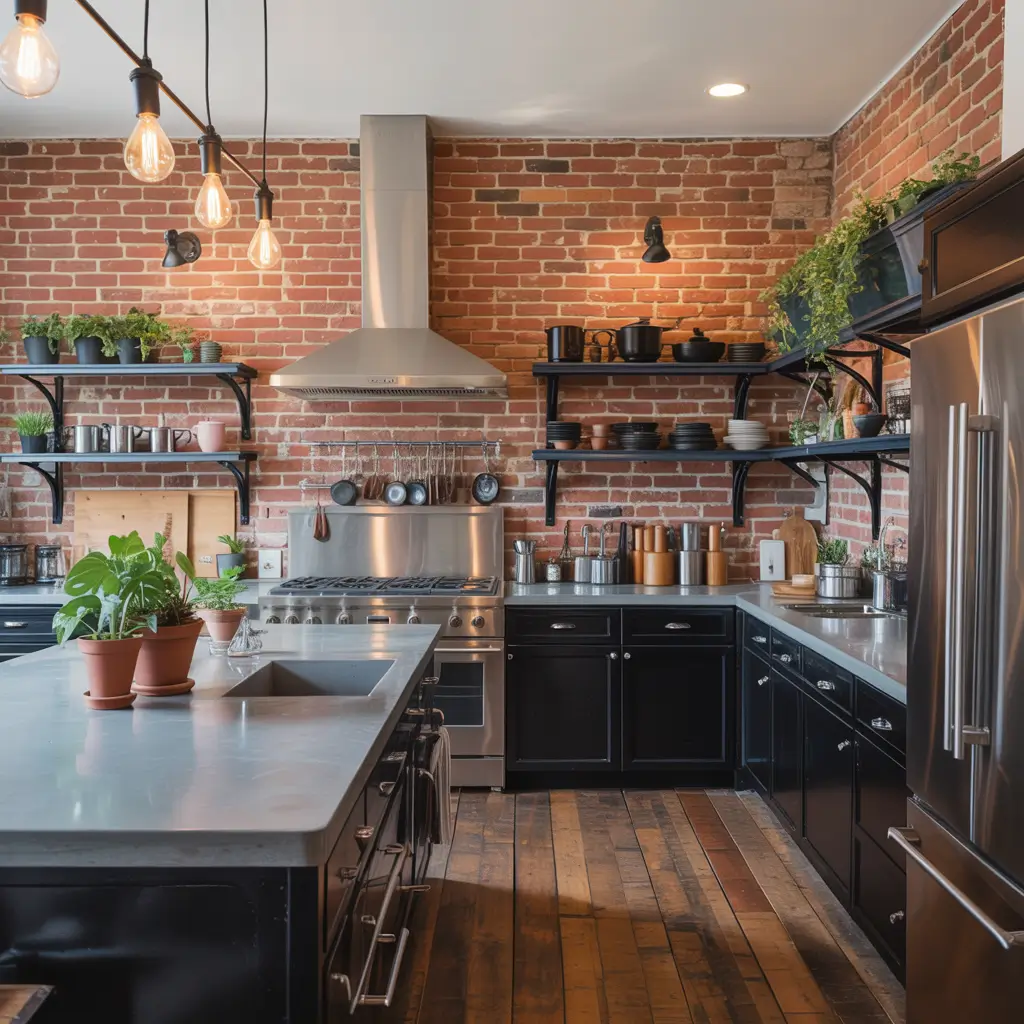
Who says kitchens need to feel soft and cozy? Industrial designs bring this raw, authentic energy that makes cooking feel like serious business. My brother renovated his loft last year with exposed brick, steel beams, and concrete counters – now his kitchen looks like it belongs in a trendy restaurant.
Metal accents define this style, but you’ve got to balance them carefully. Too much steel and aluminum makes the space feel cold; too little and you lose that industrial edge. I suggest starting with a statement piece like a massive stainless steel range hood or metal-framed glass cabinet doors.
Making Industrial Feel Livable
The biggest challenge? Keeping the space from feeling like an actual factory. You need warmth, and that comes from:
- Edison bulb pendant lights strung at varying heights
- Reclaimed wood elements for the island or open shelving
- Leather bar stools that add unexpected softness
- Live edge wood countertops on the island
Restaurant-grade appliances work perfectly here – they’re functional and aesthetic. Plus, when friends see that commercial gas range, they’ll know you mean business in the kitchen.
Scandinavian Style Bright Open Kitchen
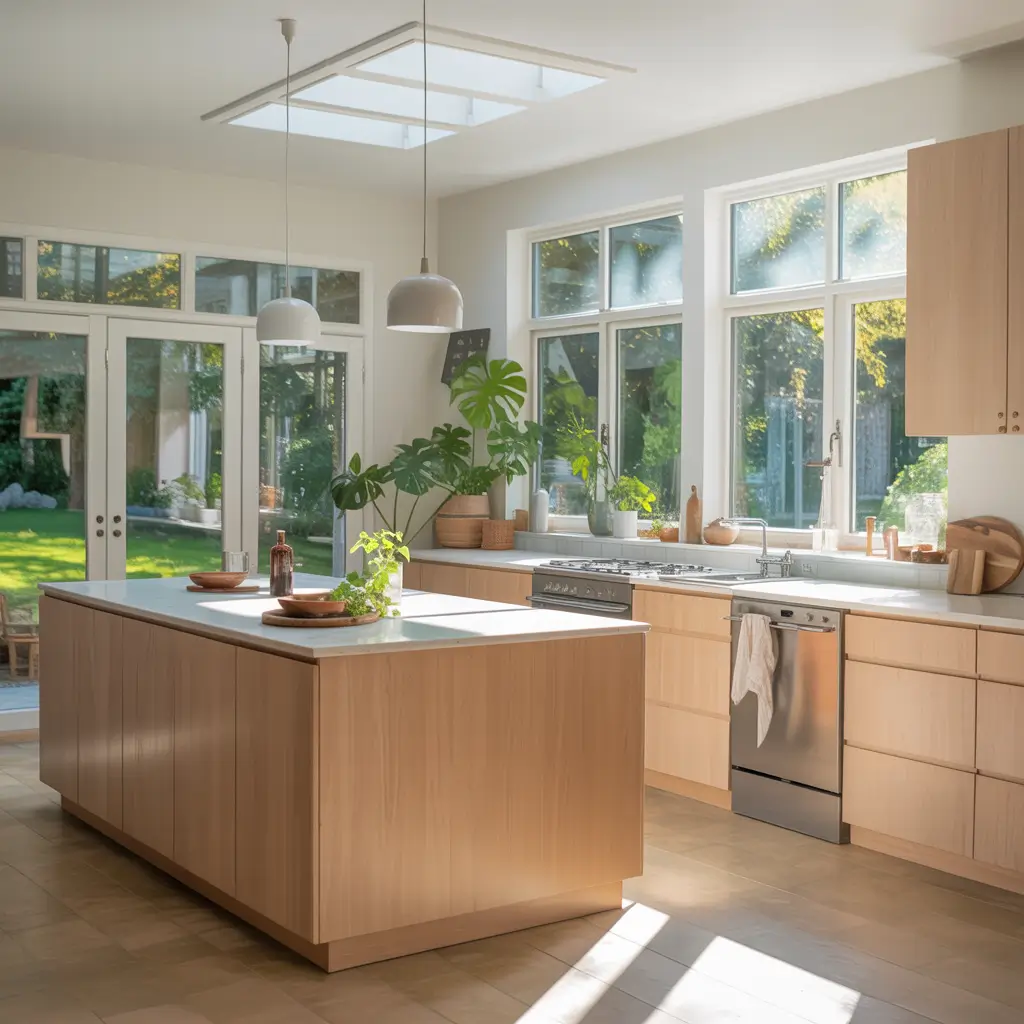
Scandinavian design makes me happy every single time. There’s something about that perfect balance of functionality and beauty that just works. Nordic kitchens embrace natural light like it’s their religion, and honestly, after experiencing one, you’ll understand why.
Light wood floors, white walls, and pops of black hardware create this timeless look that never feels dated. But here’s what most people miss – Scandinavian design isn’t just about aesthetics. Every single element serves a purpose. That pretty wooden cutting board? It’s displayed because you use it daily.
The Hygge Factor
Creating that cozy Scandinavian vibe requires:
- Tons of natural materials – think oak, birch, and pine
- Open shelving displaying handmade ceramics
- A dining area with mismatched vintage chairs
- Plants, plants, and more plants (seriously, you can’t have too many)
The lighting situation needs special attention. Layer pendant lights over the island with under-cabinet LEDs and maybe a statement chandelier over the dining table. Natural light does heavy lifting during the day, but you need warm artificial light for those long winter evenings.
Also Read: 15 Inspiring Open Plan Kitchen Ideas and Space Hacks
Sleek Black and White Modern Kitchen
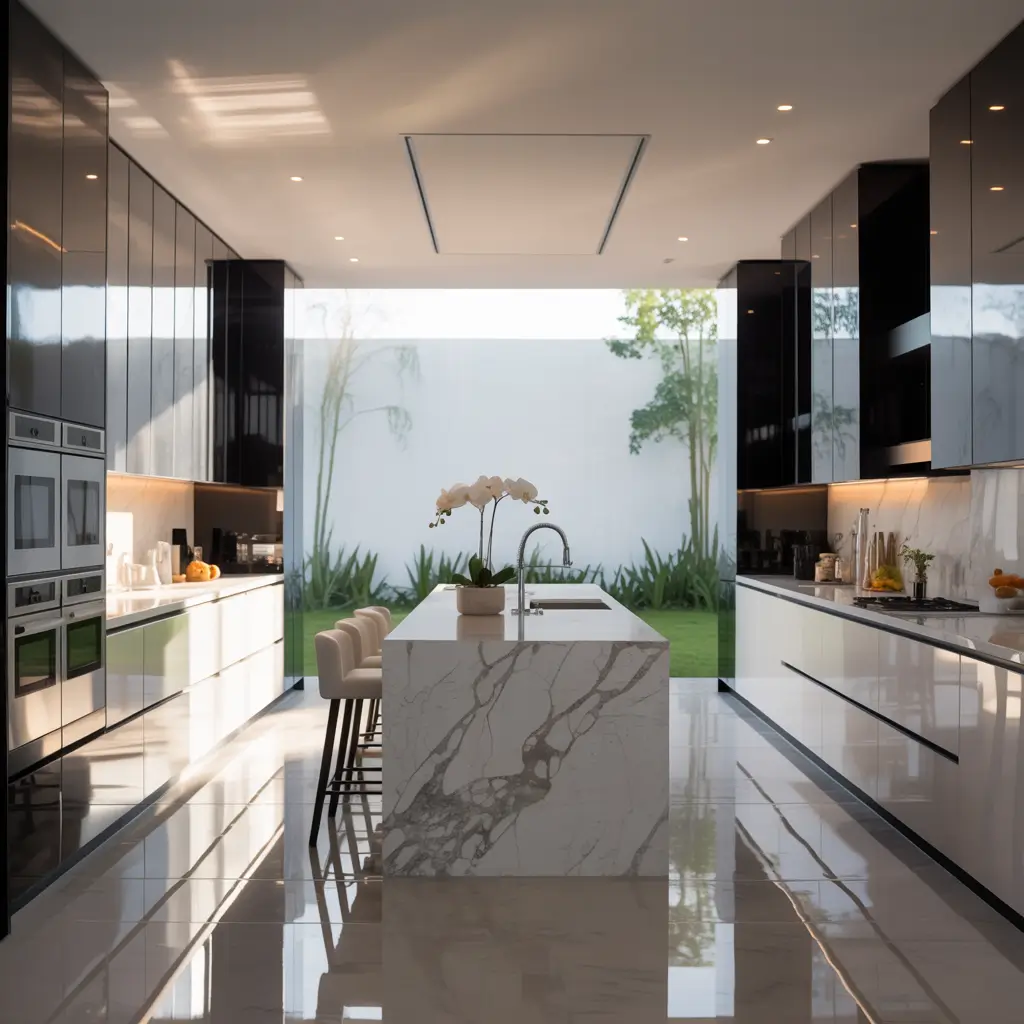
Black and white kitchens pack serious visual punch without trying too hard. I recently designed one for a client who wanted drama without color, and let me tell you – the contrast creates instant sophistication.
The key? Don’t go 50/50 with your color distribution. Choose a dominant shade (usually white for openness) and use the other as an accent. Black lower cabinets with white uppers create grounding without feeling heavy. Or flip it – black upper cabinets make ceilings appear higher, weirdly enough.
Avoiding the Checkerboard Effect
Nobody wants their kitchen looking like a chess board, so:
- Use gray as a bridge color in backsplashes or countertops
- Add metallic finishes (brass hardware looks incredible here)
- Include natural wood elements to break up the stark contrast
- Consider black window frames for architectural interest
Texture plays huge here too. Matte black cabinets paired with glossy white subway tiles create depth without adding color. Throw in some veined marble, and you’ve got a space that photographs beautifully but also functions brilliantly.
Warm Wood Open Plan Kitchen Design
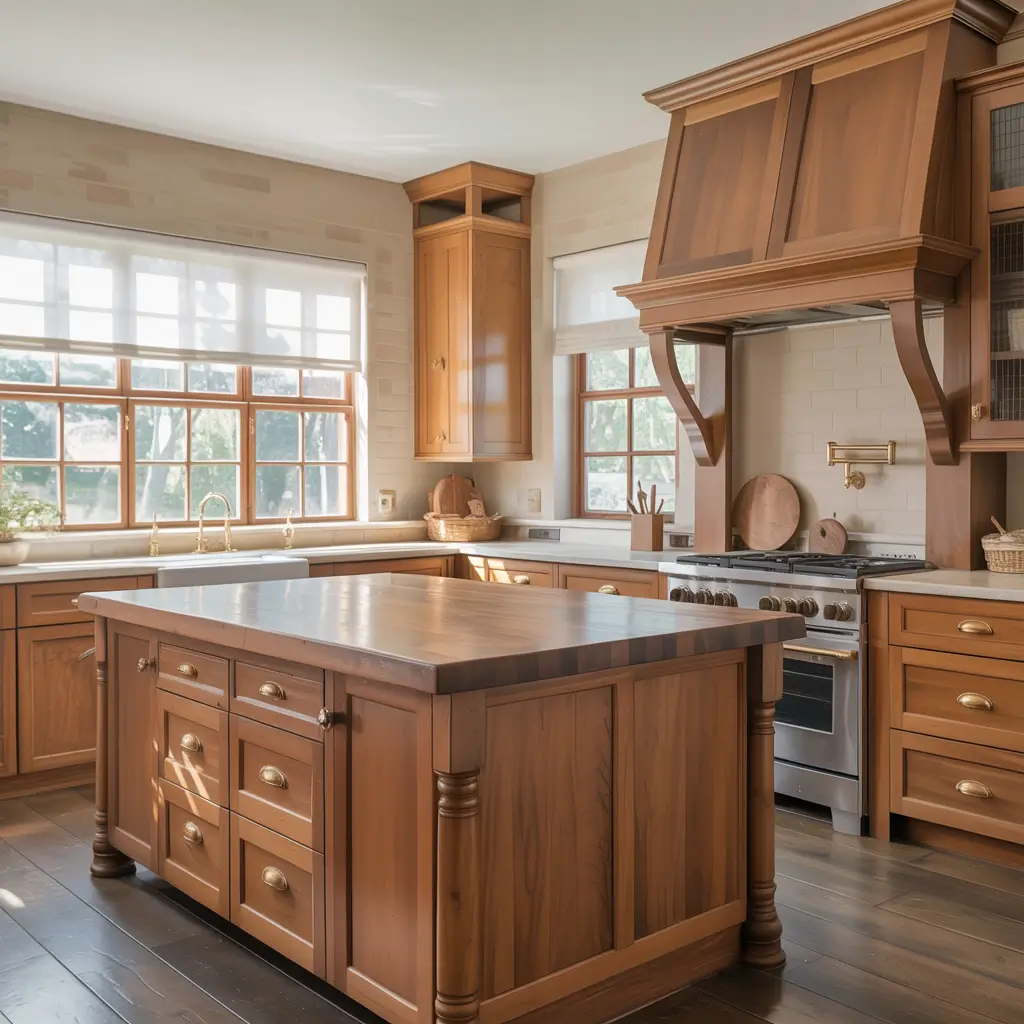
Wood kitchens have made a massive comeback, and thank goodness for that. After years of stark white everything, warm wood tones bring soul back to our cooking spaces. I helped design a walnut kitchen last spring that literally made everyone who entered stop and stare.
Different wood tones can coexist beautifully – don’t feel locked into one species. Mix walnut cabinets with oak floors and a maple cutting board island top. The variety adds visual interest while maintaining that cohesive woody vibe.
Wood Without the Cabin Feel
Modern wood kitchens shouldn’t scream “log cabin.” Keep it contemporary with:
- Slab-front cabinets with invisible pulls
- Mixed materials like concrete or quartz countertops
- Modern black fixtures and hardware
- Large format tiles or polished concrete floors
The maintenance question always comes up. Yes, wood requires more care than laminate, but the patina it develops over time? That’s character you can’t fake. Plus, minor dings and scratches add to the charm rather than detracting from it.
Modern Farmhouse Open Concept Kitchen
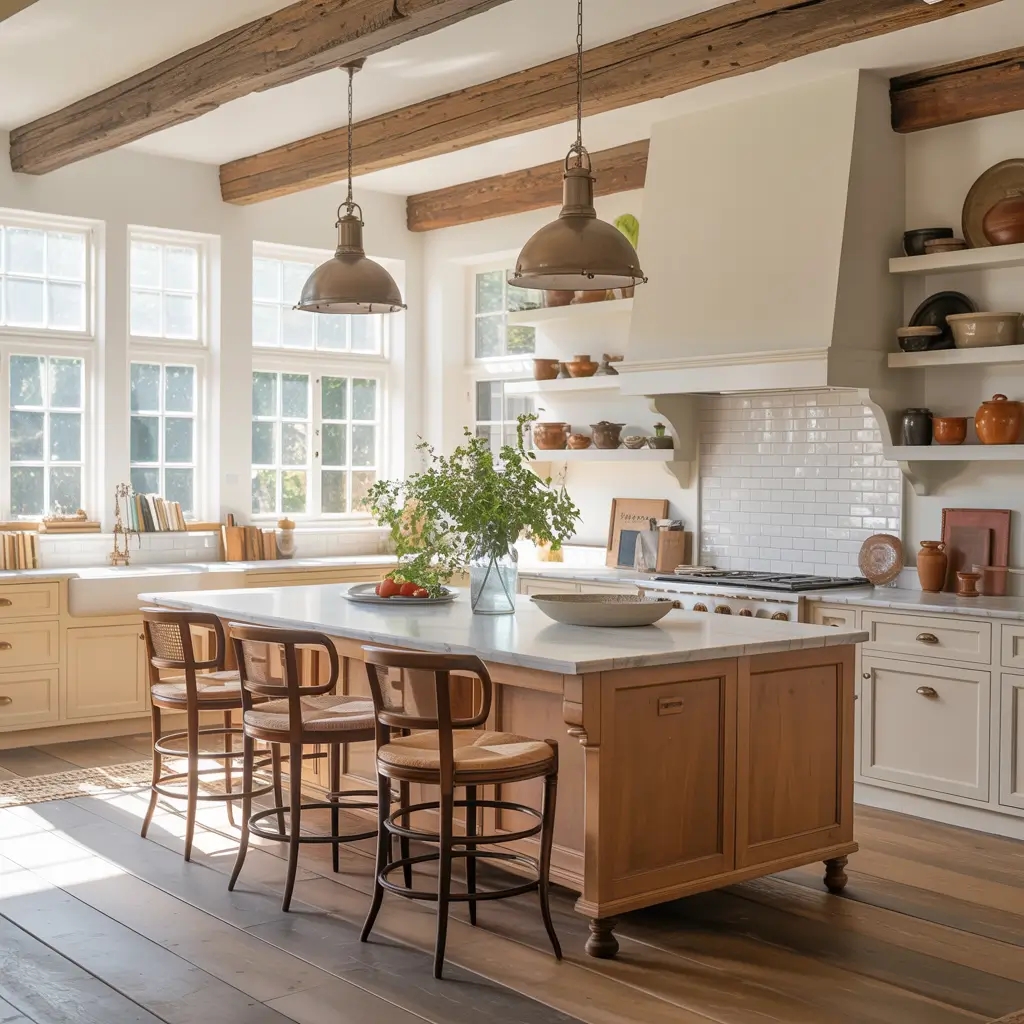
Modern farmhouse strikes this perfect balance between rustic charm and contemporary convenience. Shiplap might be overdone (okay, it’s definitely overdone), but the core elements of farmhouse style remain timeless. Think apron sinks, open shelving, and that general feeling of “grandma’s house but make it fashion.”
I designed a modern farmhouse kitchen where we used subway tile in an unexpected dark green. Paired with brass fixtures and white cabinets, it felt fresh while honoring traditional elements. That’s the secret – respect the roots while adding your own twist.
Essential Farmhouse Elements
Your modern farmhouse needs:
- A massive farmhouse sink (non-negotiable, IMO)
- Open shelving displaying vintage dishes
- Mixed metals (brass and black iron work beautifully)
- A substantial island with seating for at least four
- Pendant lights with character (think oversized glass or metal shades)
Skip the roosters and “gather” signs though. Modern farmhouse keeps decorative elements minimal and functional. That vintage scale? Use it for actual weighing, not just decoration.
Also Read: 15 Creative Open Kitchen Partition Ideas for Modern Homes
Luxury Marble Counter Open Kitchen
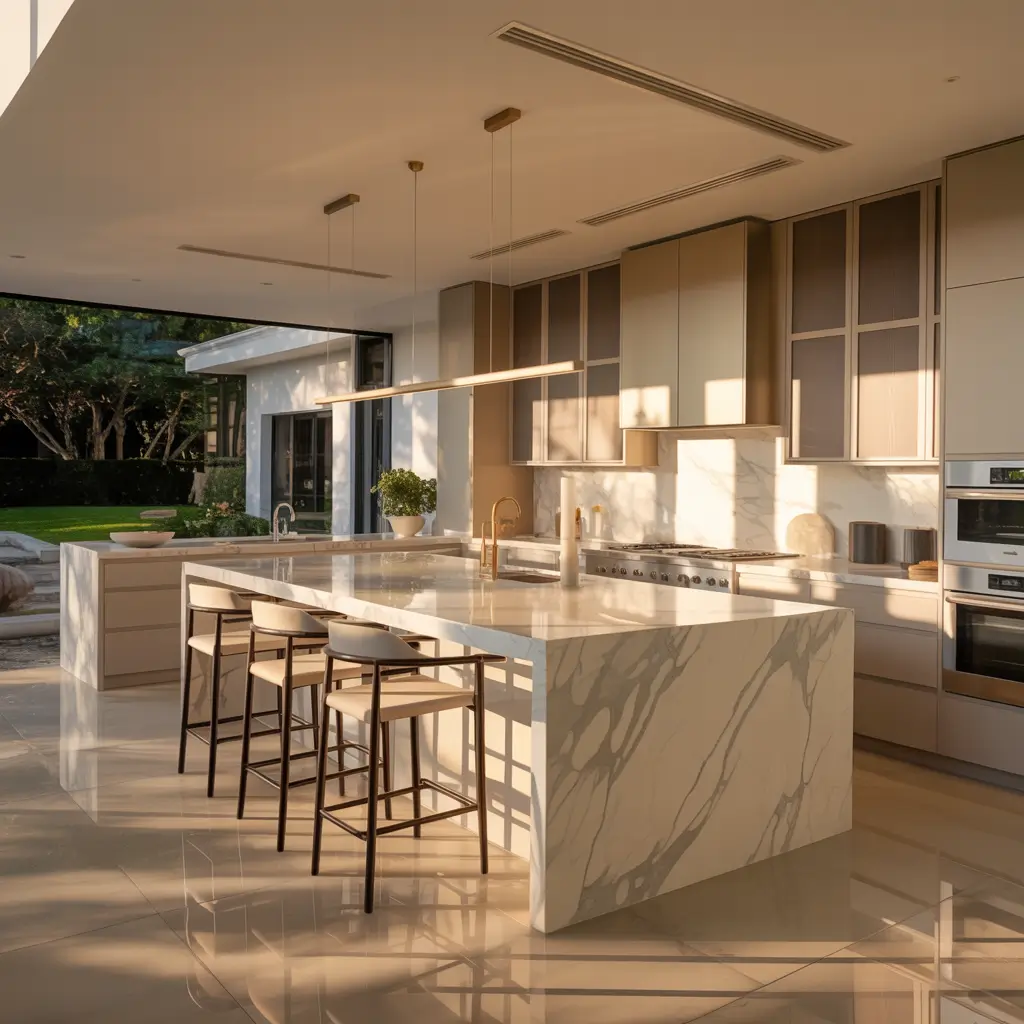
Marble screams luxury louder than pretty much any other material. When clients tell me they want their kitchen to feel expensive, I immediately start sourcing marble slabs. Nothing elevates a space quite like natural stone, especially when you go big with a waterfall edge island.
But here’s the thing about marble – it’s high maintenance and unforgiving. Red wine spills become permanent reminders of that dinner party. Lemon juice etches the surface. You either embrace these imperfections as character or drive yourself crazy trying to prevent them.
Making Marble Work
Maximize impact while minimizing maintenance:
- Use marble for the island, quartz for perimeter counters
- Seal religiously (every 6 months minimum)
- Consider honed finish over polished for better durability
- Book-match veining for dramatic effect
- Extend marble up the backsplash for seamless flow
The cost? Yeah, it’s painful. But if you’re going to splurge somewhere, countertops make sense. You interact with them constantly, and quality marble becomes a conversation piece every single time someone visits.
Compact Open Concept Kitchen for Small Spaces
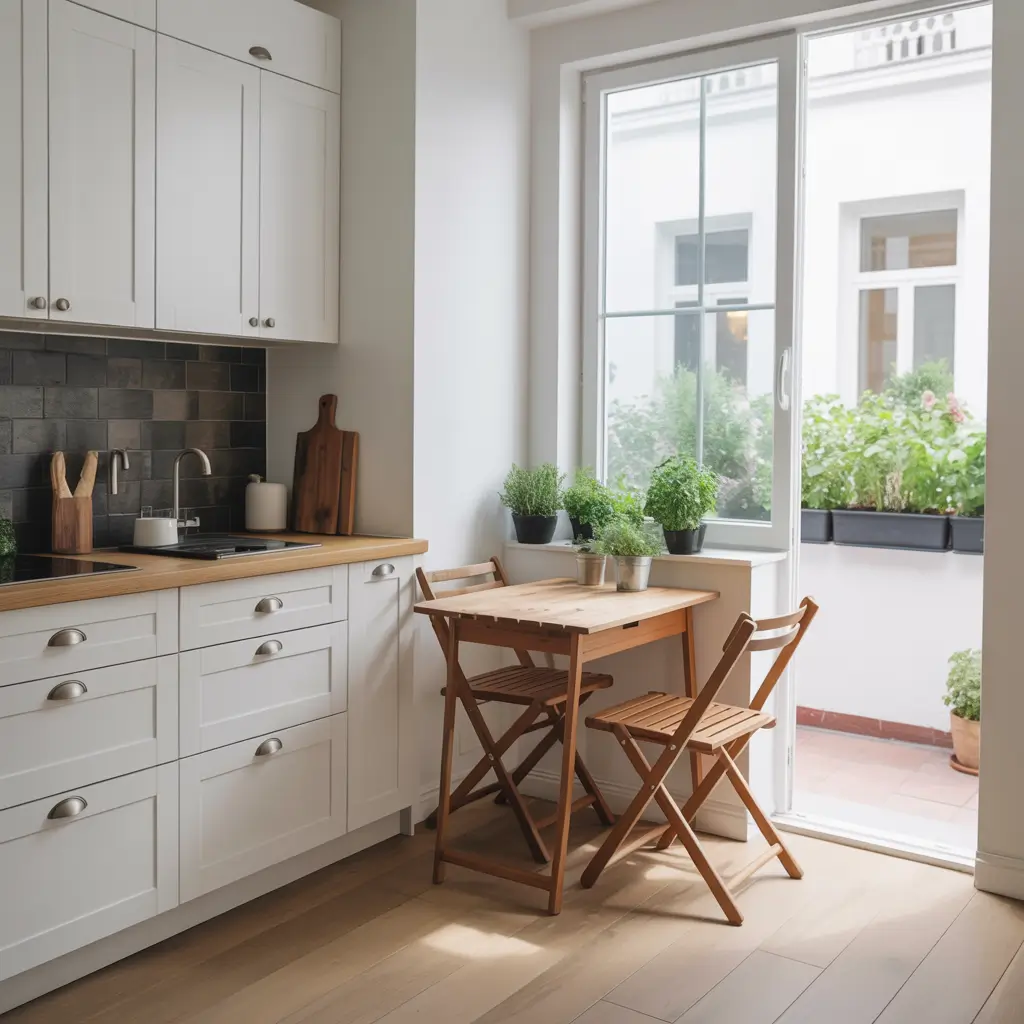
Small kitchens don’t mean settling for closed-off, cramped designs. Some of my favorite projects involved opening up tiny kitchens to create surprisingly spacious feeling areas. The apartment kitchen I designed last summer measured just 85 square feet but felt twice that size once we removed the wall to the living room.
Every inch counts in compact spaces. That decorative bowl taking up counter space? Gone. The knife block? Magnetic strip on the wall instead. You’ve got to be ruthless about what earns its spot on your limited real estate.
Small Space Solutions That Actually Work
Maximize your compact kitchen with:
- Ceiling-height cabinets (use every vertical inch)
- Pull-out pantries that disappear when closed
- Undermount sinks that create more counter space
- Compact appliances that don’t sacrifice functionality
- Bar-height peninsula that doubles as dining space
Light colors obviously help, but don’t be afraid of dark accents. A black backsplash or dark lower cabinets can actually create depth, making the space feel larger. Weird but true.
Bold Color Accent Open Kitchen
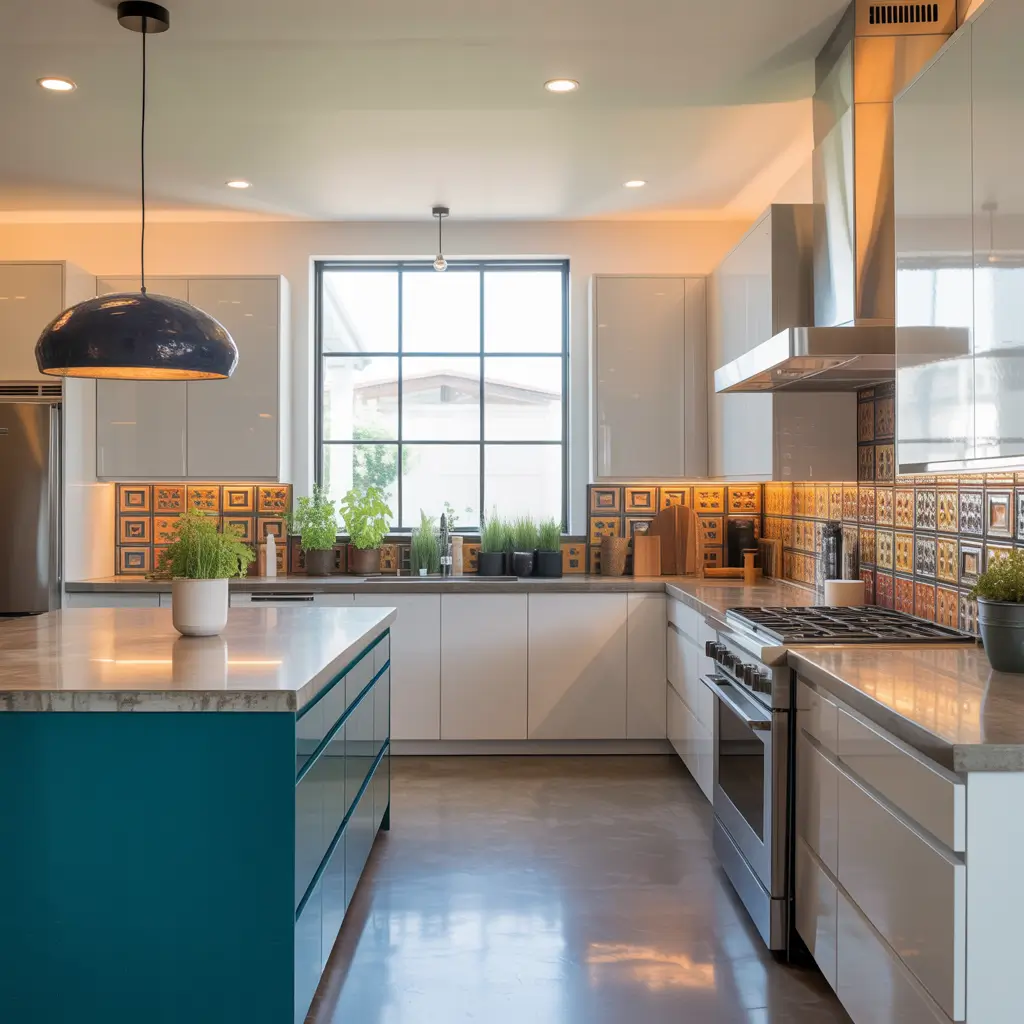
Scared of color? Get over it. Bold kitchens make statements that white boxes never could. I convinced a conservative client to paint her island navy blue last year, and now she texts me monthly thanking me for pushing her out of her comfort zone.
Color works best as an accent rather than overwhelming the entire space. Pick one hero element – usually the island or lower cabinets – and go bold there. Keep everything else neutral to let that color sing.
Colors That Won’t Make You Regret Everything
Some bold choices that age well:
- Deep navy or midnight blue (sophisticated and timeless)
- Forest or emerald green (trending but classic)
- Charcoal gray (bold but safe)
- Terracotta or rust (warm and unexpected)
- Deep plum (risky but incredible when done right)
The trick? Choose colors found in nature. That neon yellow might seem fun now, but you’ll hate it in two years. Natural tones have staying power because our brains recognize them as “correct.”
Also Read: 15 Stunning Open Shelving in the Kitchen Ideas for Modern Homes
Eco-Friendly Sustainable Open Kitchen
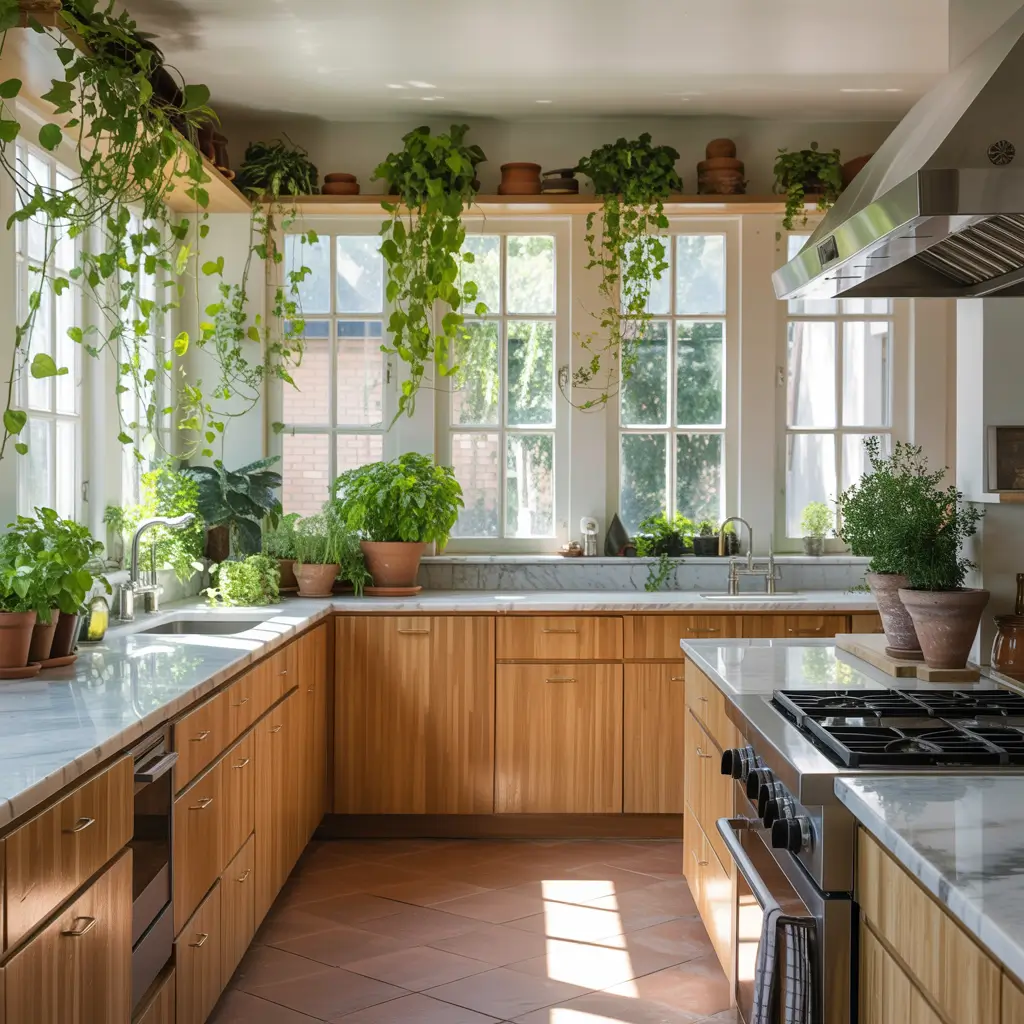
Sustainable kitchens have evolved way beyond those hemp cabinets from the ’90s. Today’s eco-friendly options look incredible while reducing environmental impact significantly. My own kitchen renovation used 80% reclaimed or sustainable materials, and guests never guess it’s “green” until I mention it.
Bamboo cabinets, recycled glass countertops, and reclaimed wood beams create character while keeping your carbon footprint in check. Plus, energy-efficient appliances pay for themselves through utility savings. Win-win, right?
Sustainable Choices That Don’t Sacrifice Style
Go green without going granola:
- FSC-certified wood for cabinets and flooring
- Recycled glass or paper composite countertops
- Energy Star appliances across the board
- LED lighting throughout
- Low-VOC paints and finishes
- Salvaged architectural elements as features
The initial investment might sting, but long-term savings make it worthwhile. Plus, sleeping better knowing your kitchen isn’t destroying the planet? Priceless.
Modern Island-Centric Open Kitchen
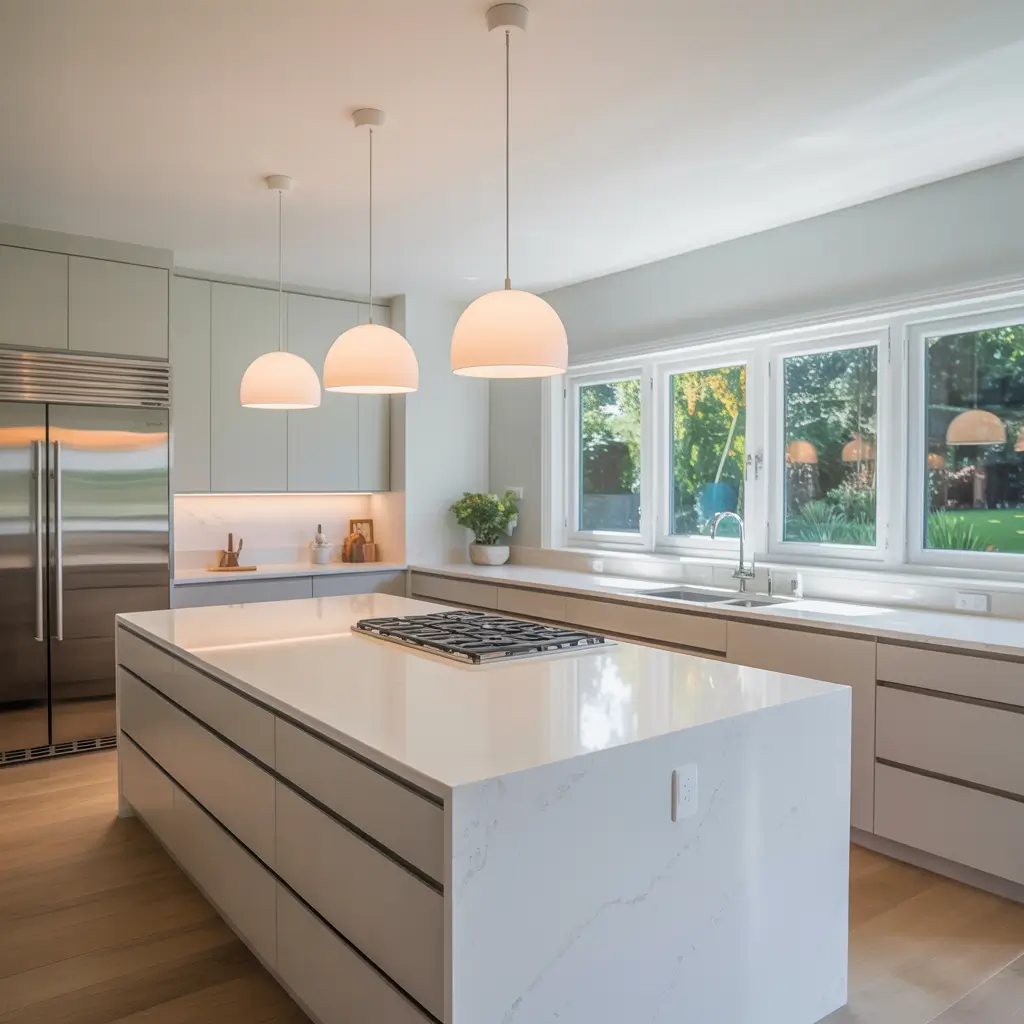
Islands have become the undisputed kings of open concept kitchens. forget traditional layouts – modern kitchens revolve around massive, multifunctional islands. The one I designed recently measured 12 feet long and became the home’s social epicenter.
Your island should handle cooking prep, casual dining, homework sessions, and wine-fueled conversations with equal grace. That means thoughtful design beyond just slapping a countertop on some cabinets.
Island Features Worth Considering
Level up your island game with:
- Dual-height surfaces (bar height for dining, counter height for prep)
- Built-in appliances like wine fridges or warming drawers
- Power outlets hidden in pop-up towers
- Dedicated storage for specific items (cookie sheets, cutting boards)
- Waterfall edges for visual drama
Size matters here, but bigger isn’t always better. You need at least 36 inches clearance on all sides for comfortable movement. 42-48 inches feels even better if you’ve got the space.
Mixed Material Open Concept Kitchen
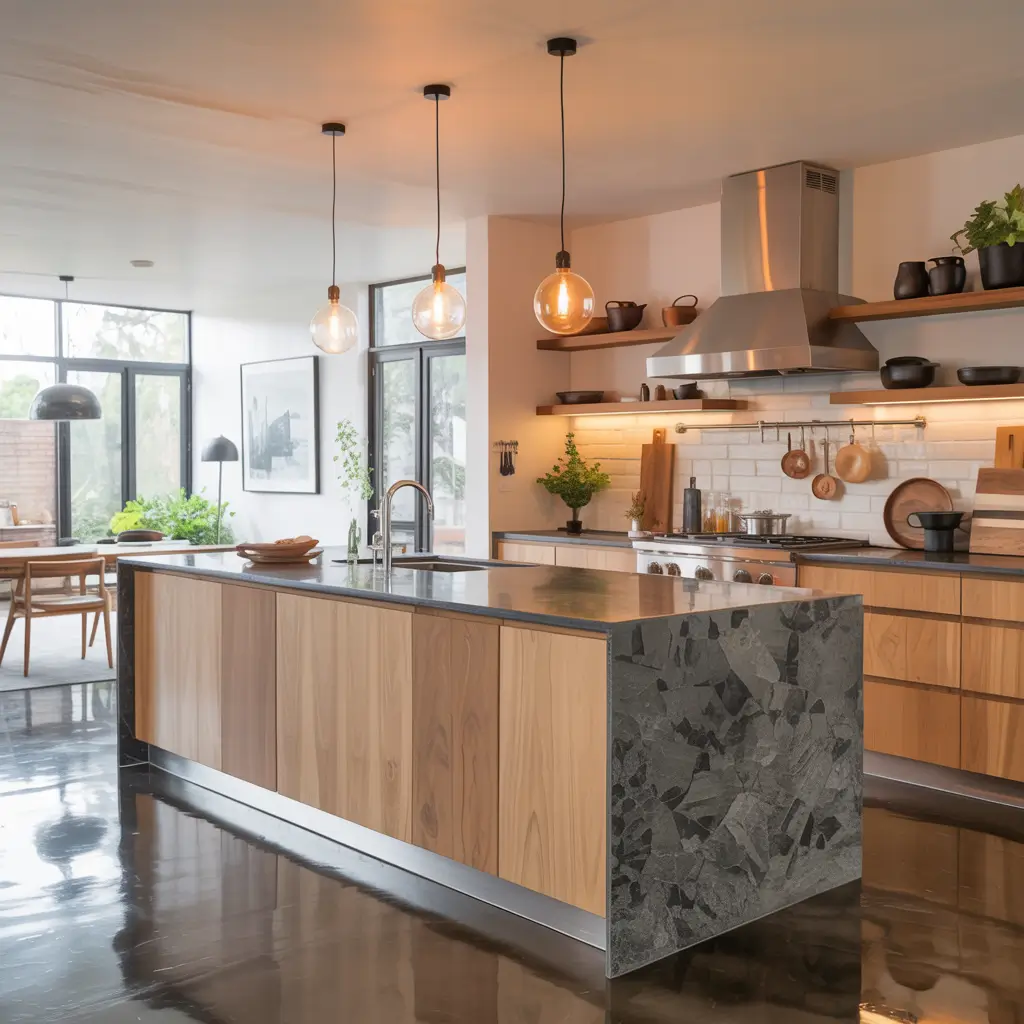
Why choose one material when you can have them all? Mixed material kitchens create visual interest through strategic combinations of wood, metal, stone, and glass. The key? Creating harmony rather than chaos.
I recently combined white oak cabinets, blackened steel shelving, marble countertops, and zellige tile backsplash in one kitchen. Sounds crazy, but tying them together with consistent hardware and a limited color palette made it work beautifully.
Mixing Materials Without Making a Mess
Follow these guidelines:
- Limit yourself to 3-4 materials maximum
- Repeat each material at least twice in the space
- Use consistent finishes (all matte or all glossy)
- Let one material dominate while others support
- Bridge materials with transitional elements
The danger zone? Going overboard and creating visual chaos. When every surface screams for attention, nothing stands out. Edit ruthlessly – if you’re questioning whether to add another material, you probably shouldn’t.
Open Kitchen with Hidden Storage Solutions
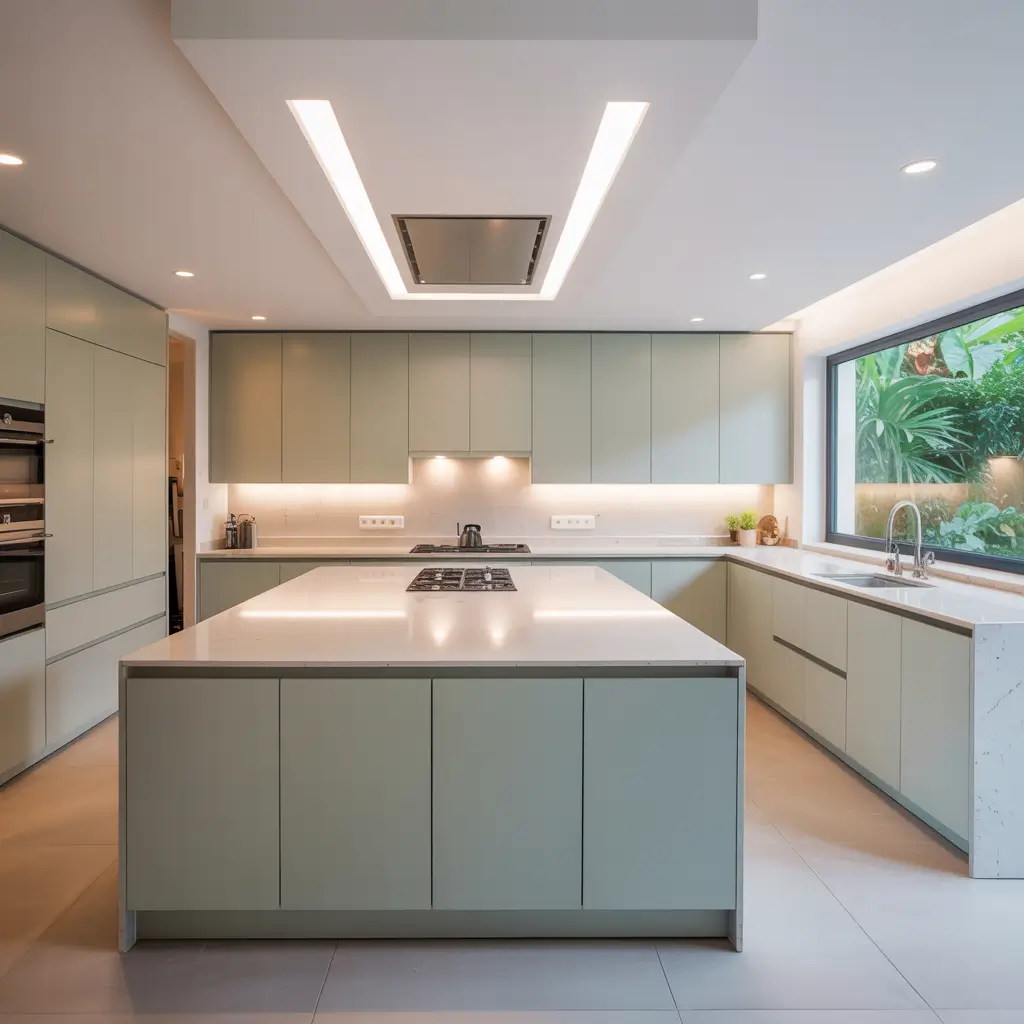
Open concept means nowhere to hide your mess, which terrifies neat freaks and slobs equally. Hidden storage solves this elegantly, keeping necessities accessible but invisible. The kitchen I designed for a family of five included so much hidden storage, visitors couldn’t believe they had three kids.
Appliance garages, pull-out pantries, and drawer organizers keep counters clear without sacrificing functionality. That stand mixer you use twice a year? Hidden but accessible. Daily coffee maker? Pride of place on the counter.
Storage Solutions You Haven’t Thought Of
Get creative with:
- Toe-kick drawers for rarely used items
- Ceiling-mounted pot racks that retract
- Hidden pantries behind cabinet doors
- Pull-out trash centers that vanish completely
- Vertical dividers for baking sheets and cutting boards
The goal? Everything should have a designated home that makes sense for your workflow. Store coffee supplies near the coffee maker. Keep cooking oils near the stove. Obvious? Sure. But you’d be amazed how many kitchens ignore basic logic.
Contemporary Lighting-Focused Open Kitchen
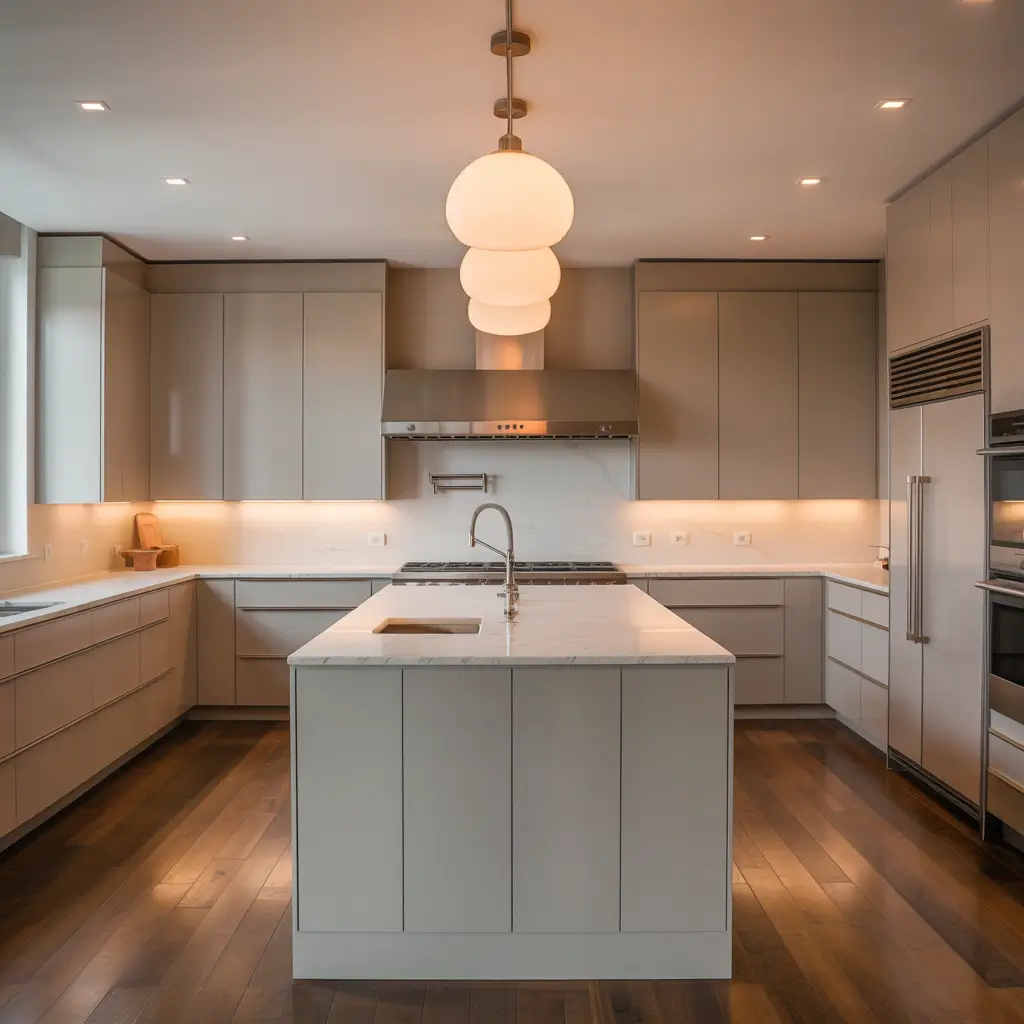
Lighting makes or breaks open concept kitchens. Period. You could have the most expensive finishes, perfect layout, and stunning appliances, but bad lighting will ruin everything. I’ve rescued numerous kitchens simply by redesigning their lighting plans 🙂
Layer different light sources for maximum flexibility. Task lighting for cooking, ambient lighting for atmosphere, and accent lighting to highlight architectural features. Each serves a purpose, and skipping any creates problems.
Lighting Layers That Transform Spaces
Build your lighting plan with:
- Statement pendants over islands or dining areas
- Under-cabinet LEDs for task lighting
- Recessed lights on dimmers for general illumination
- Toe-kick lighting for nighttime navigation
- Display lighting for open shelving
- Natural light maximization through windows and skylights
FYI, warm light (2700-3000K) makes spaces feel cozy while cool light (3500-4000K) helps with task visibility. I usually mix both, using cool for task areas and warm for gathering spaces.
Open Kitchen with Seamless Indoor-Outdoor Flow
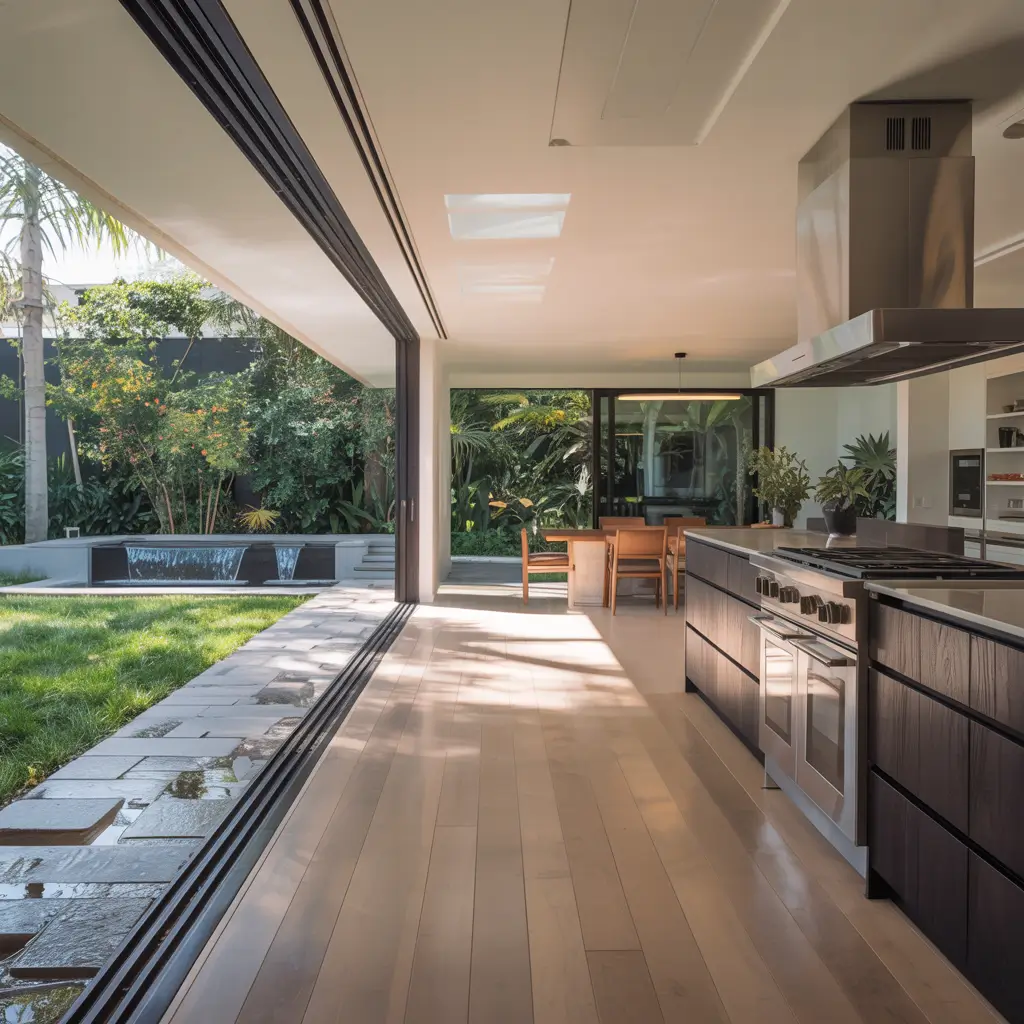
Indoor-outdoor kitchens represent the ultimate open concept evolution. Blurring boundaries between inside and outside creates incredible entertaining spaces and makes everyday cooking feel like vacation. The outdoor kitchen I designed in California basically doubled the home’s living space.
Massive sliding or folding glass doors create the physical connection, but materials and design elements need to flow seamlessly too. Use similar flooring materials (or identical if climate permits), and repeat color palettes and textures.
Creating Successful Indoor-Outdoor Connections
Make it work with:
- Matching counter heights for bar-style pass-throughs
- Weather-resistant materials that look good inside
- Consistent flooring or intentional transitions
- Outdoor cooking stations that complement indoor appliances
- Covered areas that protect while maintaining openness
Consider your climate realistically though. That indoor-outdoor kitchen looks amazing in San Diego, but Minnesota? You’ll use it three months annually. Maybe focus on great windows and a three-season room instead.
Conclusion
Open concept kitchens have revolutionized how we live, cook, and entertain. Whether you gravitate toward minimalist white spaces or bold industrial designs, the key lies in choosing a style that reflects your lifestyle and personality. Don’t just follow trends – create a space you’ll love living in for years.
Remember, the best open concept kitchen combines stunning aesthetics with practical functionality. Start with one design direction that speaks to you, then adapt it to your specific needs and constraints. Your dream kitchen doesn’t need to break the bank or require massive square footage – it just needs thoughtful planning and clear vision.
Now stop reading and start planning. Those walls won’t knock themselves down, and that Pinterest board isn’t going to manifest into reality without action. Trust me, once you experience open concept living, you’ll wonder how you ever survived in those closed-off boxes we used to call kitchens. Ready to join the open concept revolution? Your sledgehammer awaits!


