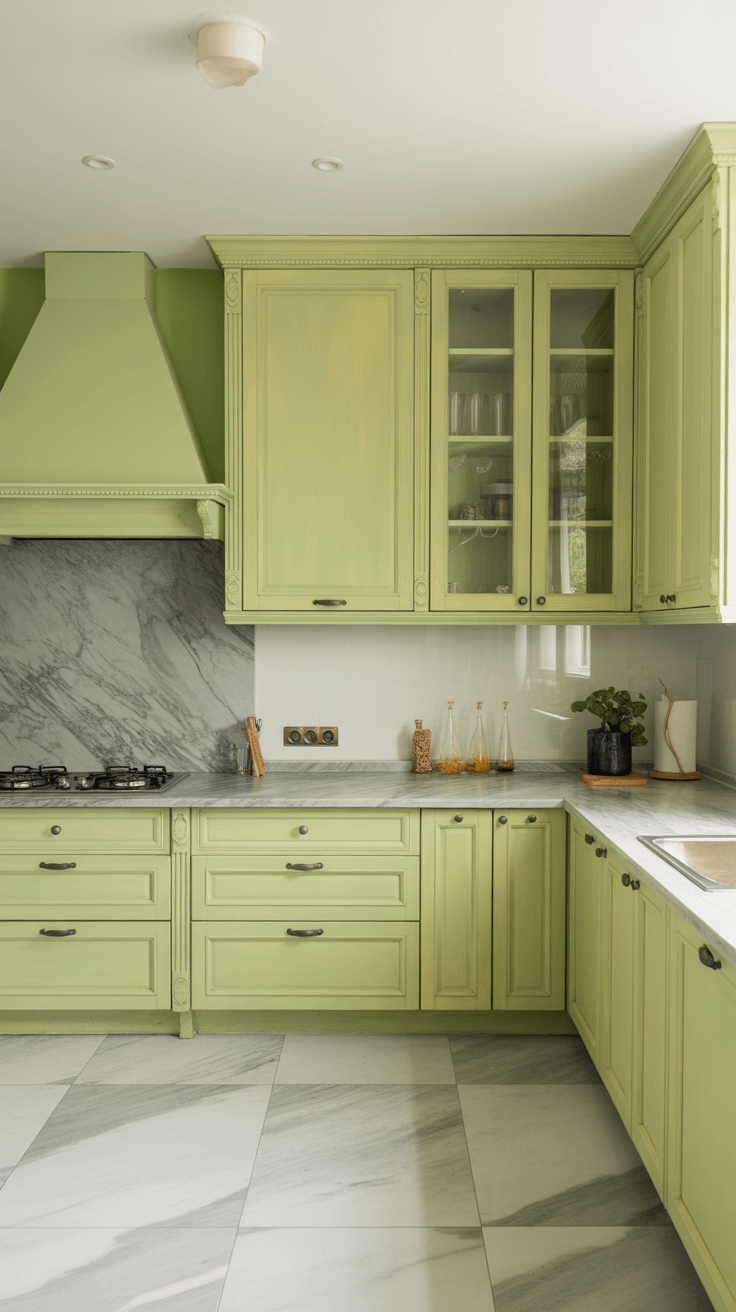
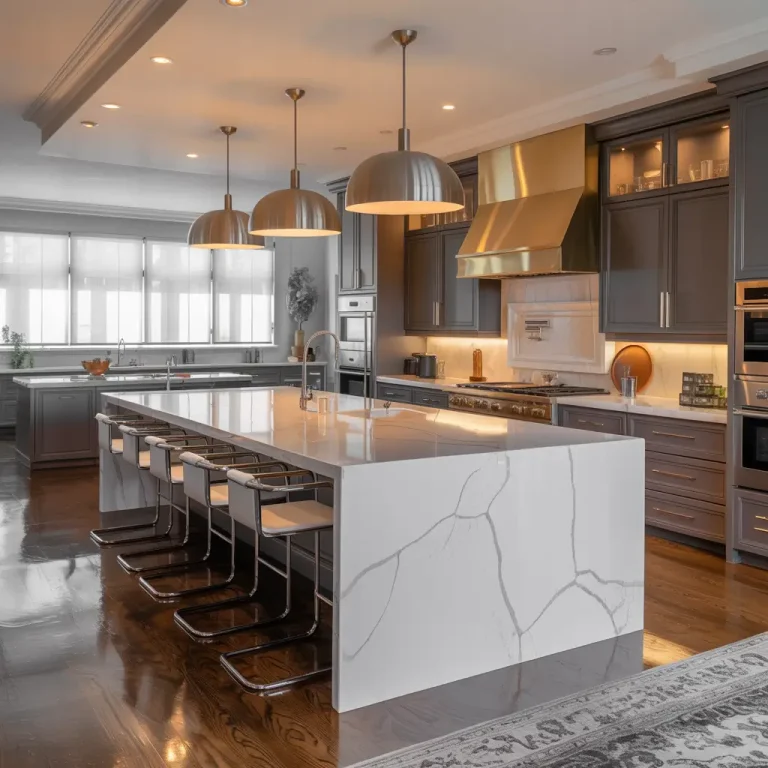
15 Amazing Open Kitchen Restaurant Designs and Stylish Interiors

Remember the last time you watched a chef work their magic while you sipped your wine? That’s the power of an open kitchen – it turns dining into pure theater.
I’ve spent years exploring restaurants with open kitchens, and let me tell you, they’re changing everything about how we experience food.
Open kitchens aren’t just trendy; they’re revolutionizing the restaurant industry. They build trust, create entertainment, and honestly? They make everything taste better when you see the passion behind each dish.
Whether you’re planning to open a restaurant or redesigning your current space, these 15 ideas will spark your creativity.
Modern Open Kitchen Restaurant Designs
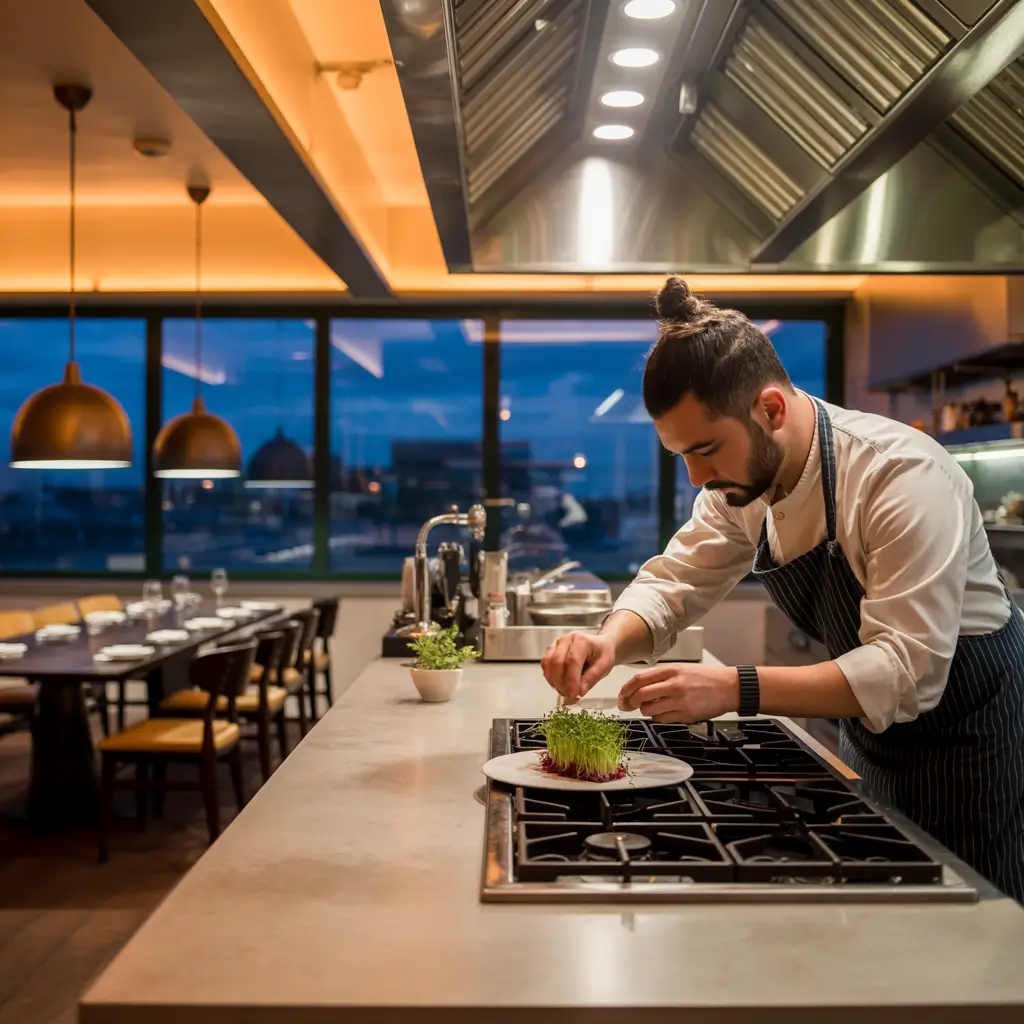
Modern open kitchens scream sophistication while keeping things functional. Sleek stainless steel, clean lines, and smart technology create spaces that look like they belong in a sci-fi movie – but in the best way possible.
I visited a restaurant in downtown LA last month that nailed this concept. They used glass partitions to separate the kitchen from the dining area while maintaining complete visibility. The chefs worked behind these crystal-clear barriers, and you could see every flip of the pan without feeling the heat. Smart, right?
Here’s what makes modern open kitchen designs work:
- Integrated ventilation systems that don’t obstruct views
- Digital order displays visible to both staff and guests
- Induction cooktops for cleaner, safer cooking surfaces
- Temperature-controlled pass-through windows
- LED strip lighting under counters and shelves
The beauty of modern designs lies in their flexibility. You can incorporate modular cooking stations that adapt to different menu changes. Think about it – why lock yourself into one layout when your menu evolves seasonally?
Smart Technology Integration
Modern kitchens embrace technology like never before. Touch-screen ordering systems connect directly to kitchen displays, reducing errors and speeding up service. Some restaurants even use augmented reality menus that show dishes being prepared in real-time.
Small Space Open Kitchen Layouts
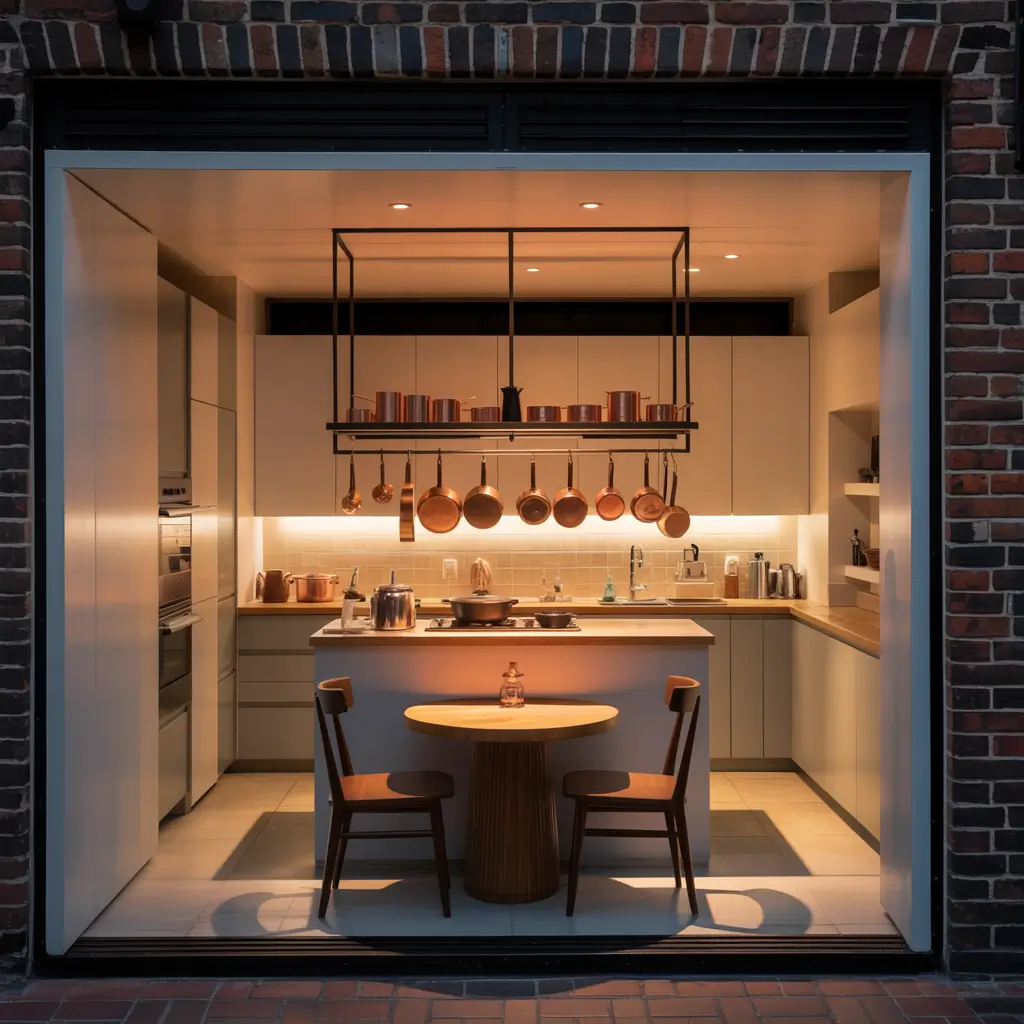
Who says you need a massive space to create magic? Small open kitchens force creativity, and honestly, some of my favorite dining experiences happened in tiny restaurants where I could practically high-five the chef.
The trick with small spaces? Vertical thinking. Stack your equipment, use wall-mounted shelves, and make every square inch count. I know a sushi bar with just 300 square feet that serves 50 customers nightly – they turned limitations into advantages.
Maximizing Every Inch
Small kitchens benefit from:
- Overhead storage systems that keep ingredients within reach
- Compact, multi-functional equipment
- Sliding panels instead of swinging doors
- Under-counter refrigeration units
- Wall-mounted knife strips and tool holders
One clever technique I’ve seen? Mirror installations on opposing walls create an illusion of space while letting diners see the action from multiple angles. It’s like having front-row seats from every table.
Rustic Open Kitchen Restaurant Inspirations

Nothing beats the warmth of a rustic open kitchen. Wood-fired ovens, exposed brick, and copper pots hanging overhead – it’s comfort food for the eyes before the meal even arrives.
Raw materials define rustic kitchens. Think reclaimed wood counters, stone walls, and iron fixtures. These elements tell a story, creating an atmosphere that chain restaurants can’t replicate. Ever noticed how food tastes better in grandma’s kitchen? Rustic designs tap into that same emotional connection.
Creating Authentic Rustic Appeal
Essential rustic elements include:
- Wood-burning pizza ovens as centerpieces
- Butcher block preparation stations
- Cast iron cookware on display
- Mason jar lighting fixtures
- Chalkboard menus above cooking stations
I remember this farmhouse restaurant in Vermont where they grilled everything over an open flame. The smell of burning oak mixed with sizzling steaks created an atmosphere you couldn’t fake. That’s the power of authentic rustic design – it engages all your senses.
Also Read: 15 Stylish Small Open Concept Kitchen Living Room Ideas Today
Minimalist Open Kitchen Concepts

Sometimes less really is more. Minimalist open kitchens strip away the unnecessary, leaving only what matters: great food and flawless execution.
These kitchens embrace negative space like an art form. Clean surfaces, hidden storage, and monochromatic color schemes create zen-like environments where chefs move with precision. It’s almost meditative watching them work.
Key Minimalist Principles
What makes minimalism work:
- Concealed appliances behind seamless panels
- Single-material countertops (usually stone or steel)
- Neutral color palettes (whites, grays, blacks)
- Geometric layouts with clear workflow patterns
- Subtle, recessed lighting
The challenge? Maintaining that pristine look during service. Every smudge shows, every misplaced tool stands out. But when it works, it’s poetry in motion.
Luxury Open Kitchen Restaurant Ideas

Luxury open kitchens don’t just cook food – they create experiences worth Instagram stories. Marble countertops, gold fixtures, and chef’s tables with leather seating turn cooking into high art.
These kitchens often feature specialized cooking equipment you won’t find elsewhere. Think Japanese robatayaki grills, French Molteni ranges, or Spanish Josper ovens. The equipment itself becomes part of the show.
Elements of Luxury Kitchen Design
Luxury features that impress:
- Custom copper cookware displayed like jewelry
- Temperature-controlled wine walls
- Truffle storage displays at optimal humidity
- Dry-aging meat lockers with viewing windows
- Crystal glassware showcases
FYI, luxury doesn’t mean impractical. The best high-end open kitchens balance beauty with functionality. They’re designed for chefs who demand perfection and guests who appreciate the details.
Industrial Style Open Kitchen Designs

Industrial kitchens wear their guts on the outside – and look incredible doing it. Exposed ductwork, concrete floors, and raw steel create spaces that feel honest and unpretentious.
This style works because it doesn’t try to hide anything. You see the pipes, the wiring, the structural beams – it’s transparency taken to the extreme. Plus, industrial materials age beautifully, developing character over time.
Industrial Design Components
Must-have industrial elements:
- Exposed ceiling beams and ductwork
- Polished concrete floors
- Steel and reclaimed wood combinations
- Edison bulb lighting fixtures
- Metal bar stools at counter seating
One industrial kitchen I love features a glass-enclosed walk-in cooler as a design element. Guests see the quality of ingredients before they’re even cooked. That’s confidence.
Also Read: 15 Gorgeous Open Shelf Kitchen Ideas and Chic Decor Tricks
Cozy Open Kitchen Dining Spaces
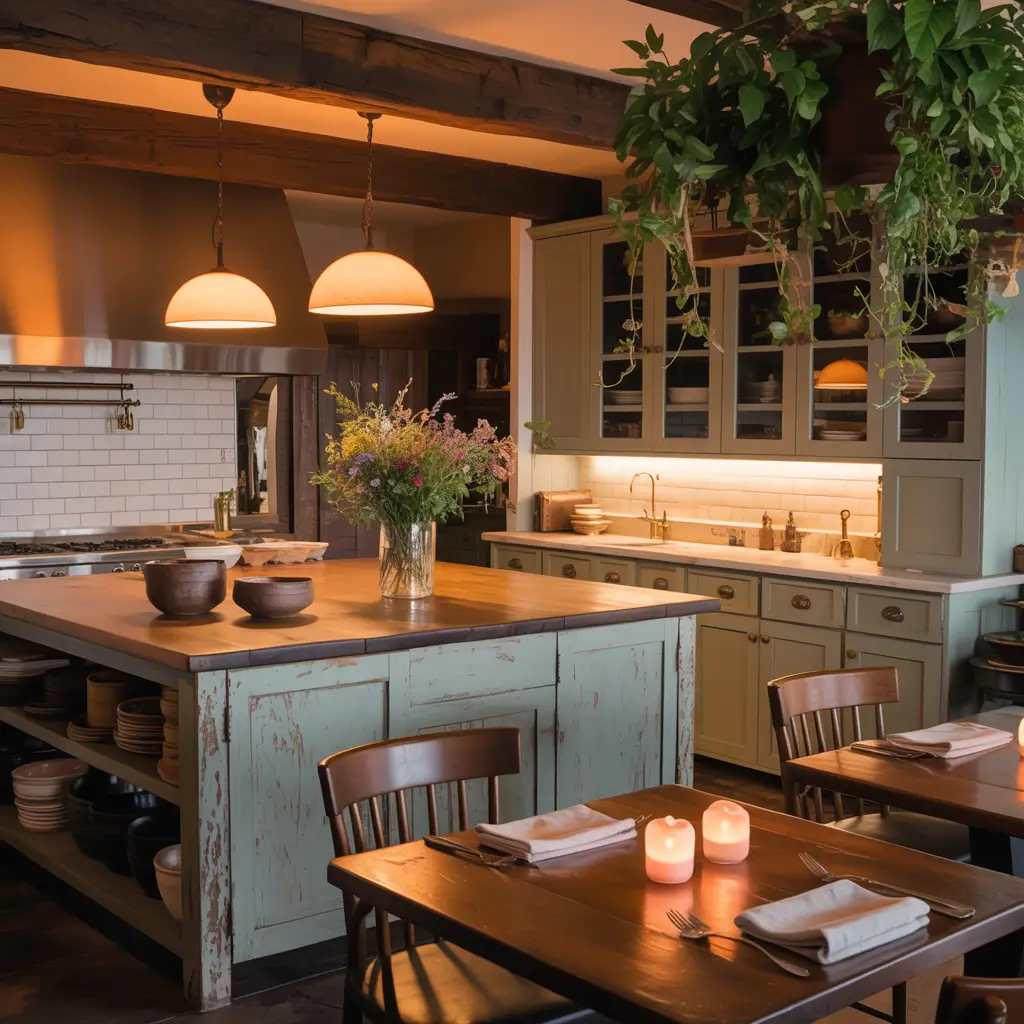
Cozy open kitchens make you feel like you’re dining at a friend’s house – if your friend happened to be a professional chef. These intimate spaces blur the line between restaurant and home.
Warm lighting plays a huge role here. Pendant lights over cooking stations, candles on tables, and maybe a fireplace in the corner create an atmosphere where strangers become friends over shared meals.
Creating Intimate Atmospheres
Cozy design elements include:
- Upholstered banquette seating facing the kitchen
- Warm wood tones throughout
- Soft acoustic treatments to reduce noise
- Personal touches like family photos or cookbooks
- Herb gardens growing in the kitchen window
The goal? Making 30 strangers feel like they’re at an exclusive dinner party. When done right, cozy open kitchens create loyal customers who return for the atmosphere as much as the food 🙂
Open Kitchen with Chef Interaction
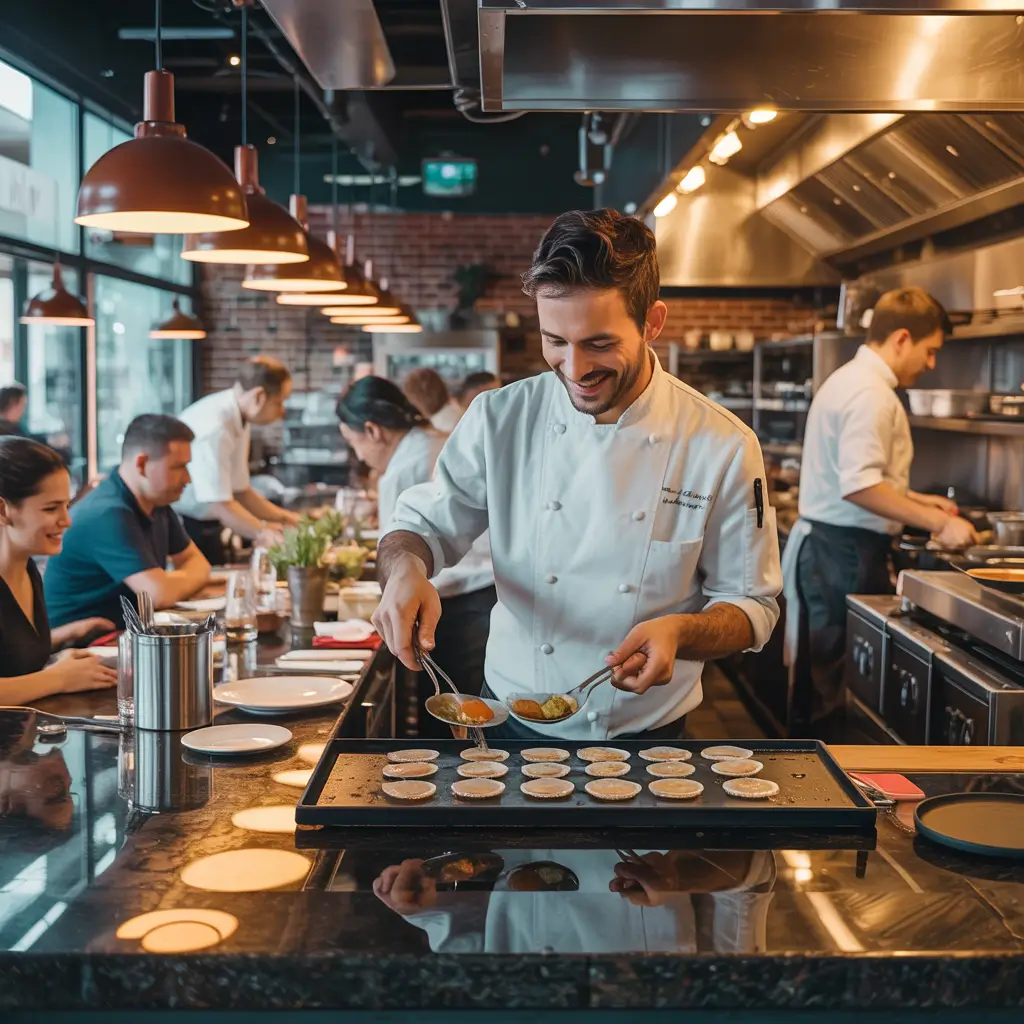
Interactive open kitchens turn chefs into performers and diners into participants. Chef’s counters where guests sit directly at the pass create immediate connections between cook and customer.
Ever had a chef explain their technique while plating your dish? It transforms a meal into an education. These setups work especially well for tasting menus where each course comes with a story.
Facilitating Chef-Guest Connections
Interactive features to consider:
- Bar-height seating around the kitchen perimeter
- Two-way pass windows for easy conversation
- Demonstration stations for special techniques
- Guest participation areas for simple tasks
- Chef’s table experiences within the kitchen
Some restaurants take this further with cooking classes during off-hours. The same space that serves dinner becomes a classroom, maximizing revenue and building community.
Compact Open Kitchen for Cafes
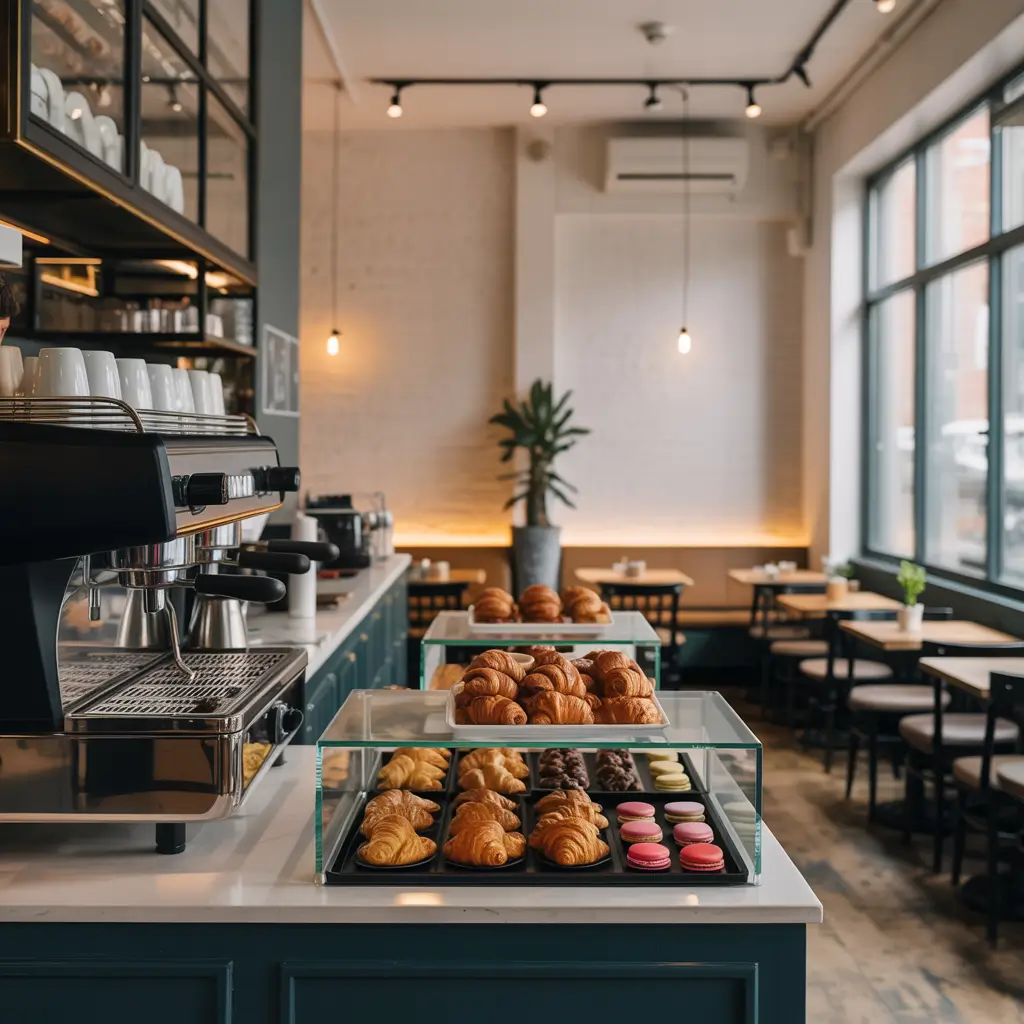
Cafes face unique challenges – high volume, quick turnover, and limited space. Compact open kitchens for cafes need to be efficient machines wrapped in attractive packages.
The secret? Specialization. Cafes don’t need every piece of equipment; they need the right equipment for their specific menu. A great espresso machine, a reliable griddle, and smart storage might be all you need.
Cafe Kitchen Essentials
Compact cafe must-haves:
- Combination oven units (convection/microwave)
- Under-counter dishwashers
- Vertical sandwich/salad stations
- Mobile prep carts for flexibility
- Display cases that double as storage
One tiny cafe I frequent fits their entire operation into 150 square feet. They prep overnight, use induction burners for à la carte items, and somehow serve 200 customers daily. Efficiency at its finest.
Also Read: 15 Creative Small Open Kitchen and Living Room Ideas for Style
Trendy Open Kitchen Restaurant Interiors
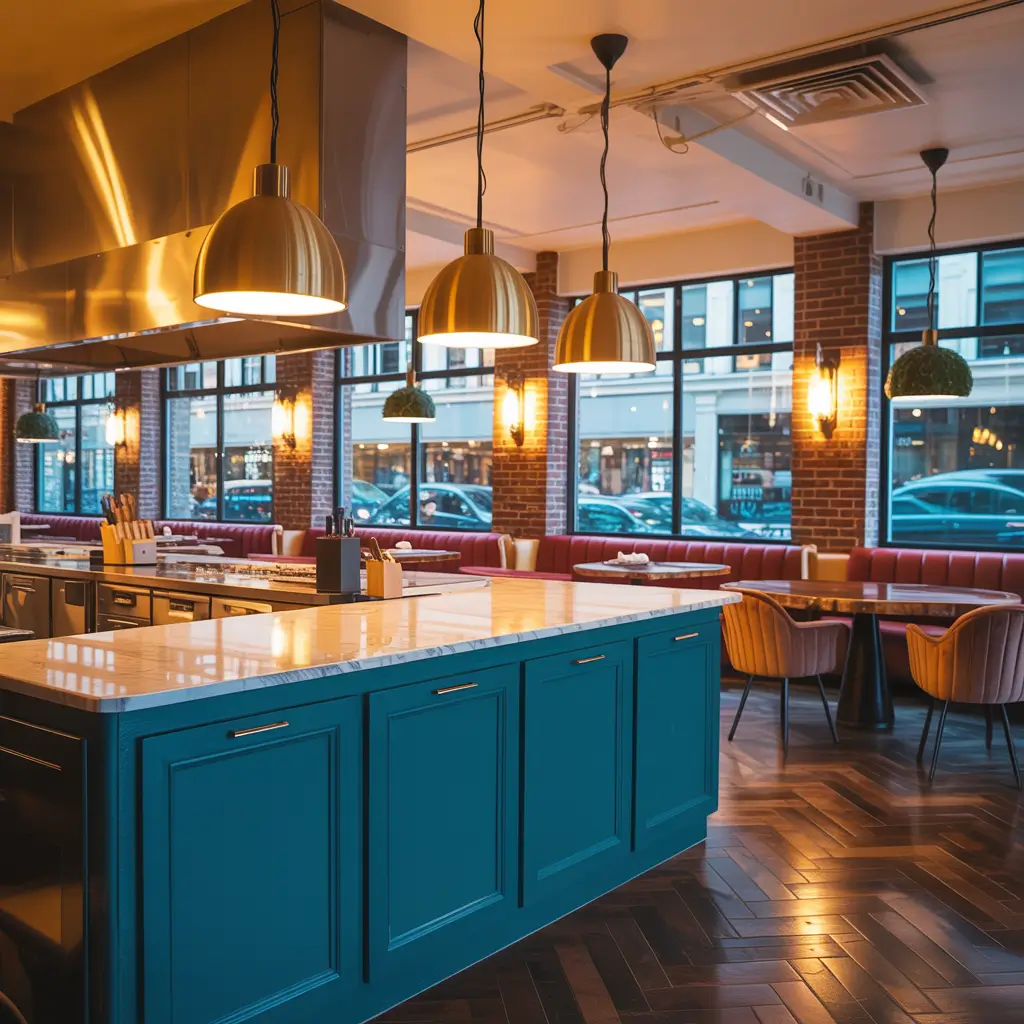
Trendy kitchens push boundaries and start conversations. Right now, we’re seeing sustainable materials, living walls, and even projection mapping that turns cooking surfaces into digital canvases.
These designs often have short lifespans – what’s hot today might feel dated tomorrow. But that’s okay. Trendy restaurants attract adventurous diners willing to pay premium prices for novel experiences.
Current Trend Highlights
Today’s trending features:
- Living herb walls for fresh ingredients
- Color-changing LED systems
- Geometric tile patterns on floors and walls
- Mixed metals (copper, brass, black steel)
- Instagram-worthy neon signs
IMO, the best trendy designs incorporate timeless elements too. That way, when trends change, you’re updating accents, not gutting everything.
Elegant Open Kitchen Bar Concepts
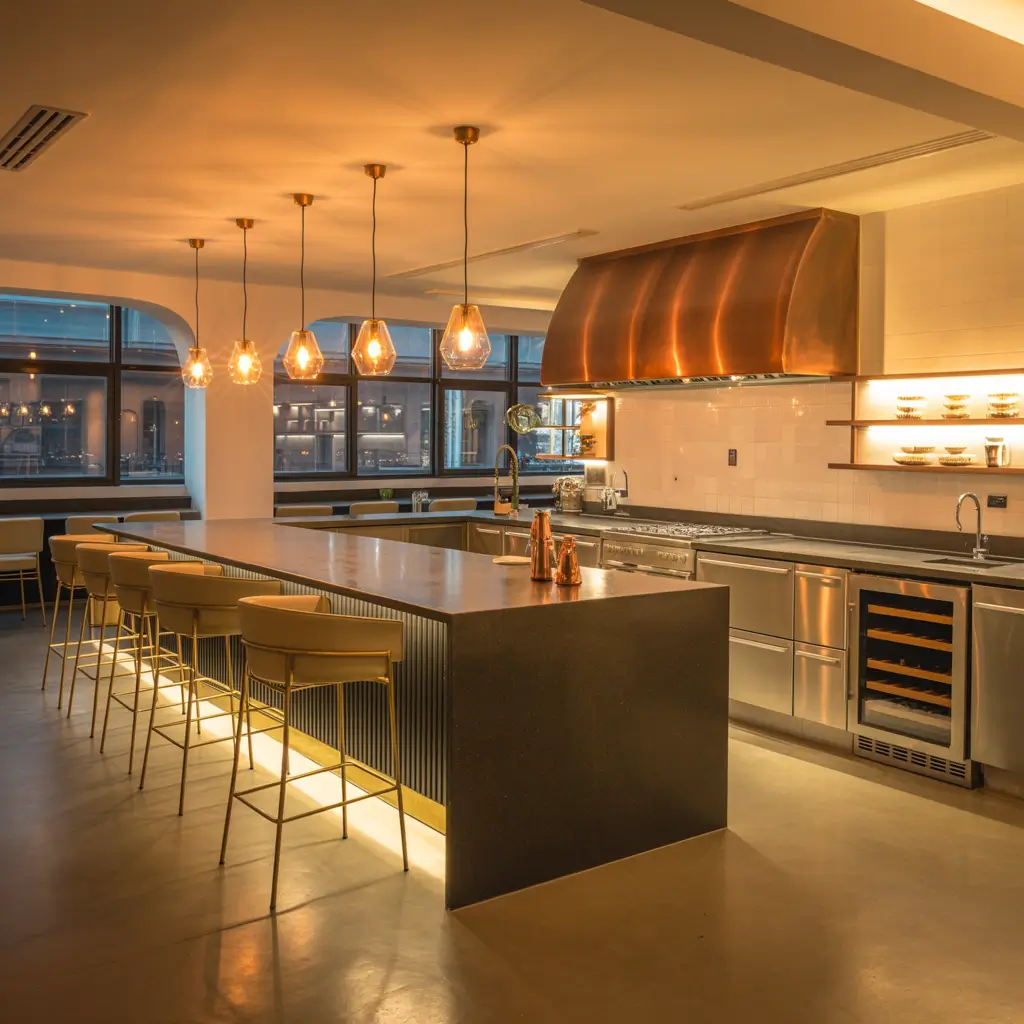
Open kitchen bars combine two profit centers into one stunning space. Cocktail preparation becomes as theatrical as cooking, with bartenders and chefs working in choreographed harmony.
The layout matters here. You want distinct zones that complement without competing. Think cooking on one side, mixology on the other, with a central pass where food and drinks unite.
Bar-Kitchen Integration
Successful bar-kitchen features:
- Shared ice wells accessible from both sides
- Coordinated plating and garnish stations
- Dual-purpose equipment (citrus for cocktails and dishes)
- Synchronized lighting systems
- Connected POS systems for seamless ordering
One restaurant I consulted for installed a central island where chefs and bartenders work back-to-back. They can communicate easily while maintaining their own workflows. Genius design that boosted both food and bar sales.
Sustainable & Eco-Friendly Open Kitchens
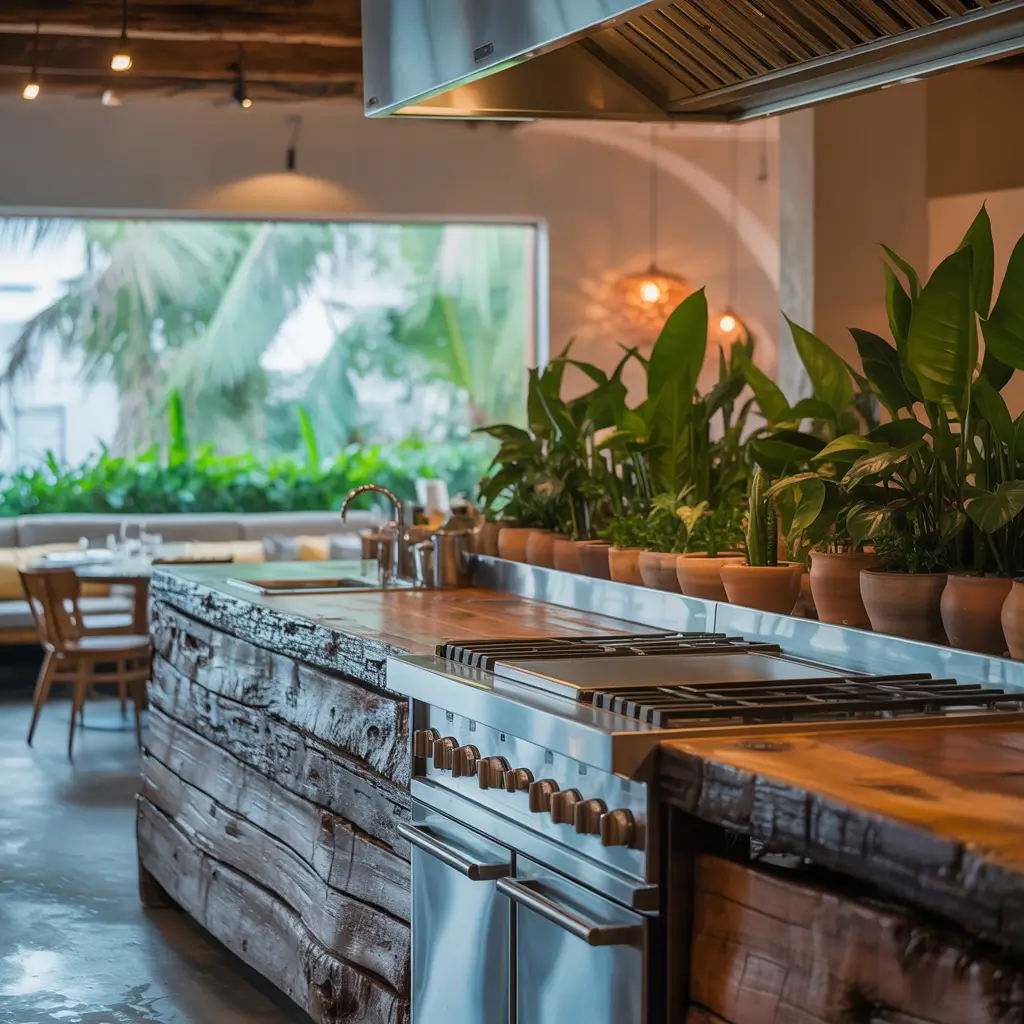
Sustainable open kitchens prove that green can be gorgeous. Recycled materials, energy-efficient equipment, and zero-waste systems appeal to environmentally conscious diners.
These kitchens often feature composting stations visible to guests, reinforcing the restaurant’s commitment to sustainability. Some even grow microgreens on-site, harvesting them moments before plating.
Green Kitchen Components
Eco-friendly must-haves:
- Induction cooking technology for energy efficiency
- Reclaimed wood and recycled metal fixtures
- LED lighting throughout
- Water-saving dishwashing systems
- Visible recycling and composting stations
The payoff goes beyond feeling good. Energy-efficient equipment reduces operating costs, and sustainable practices attract customers willing to pay more for ethical dining.
Open Kitchen with Unique Lighting Ideas
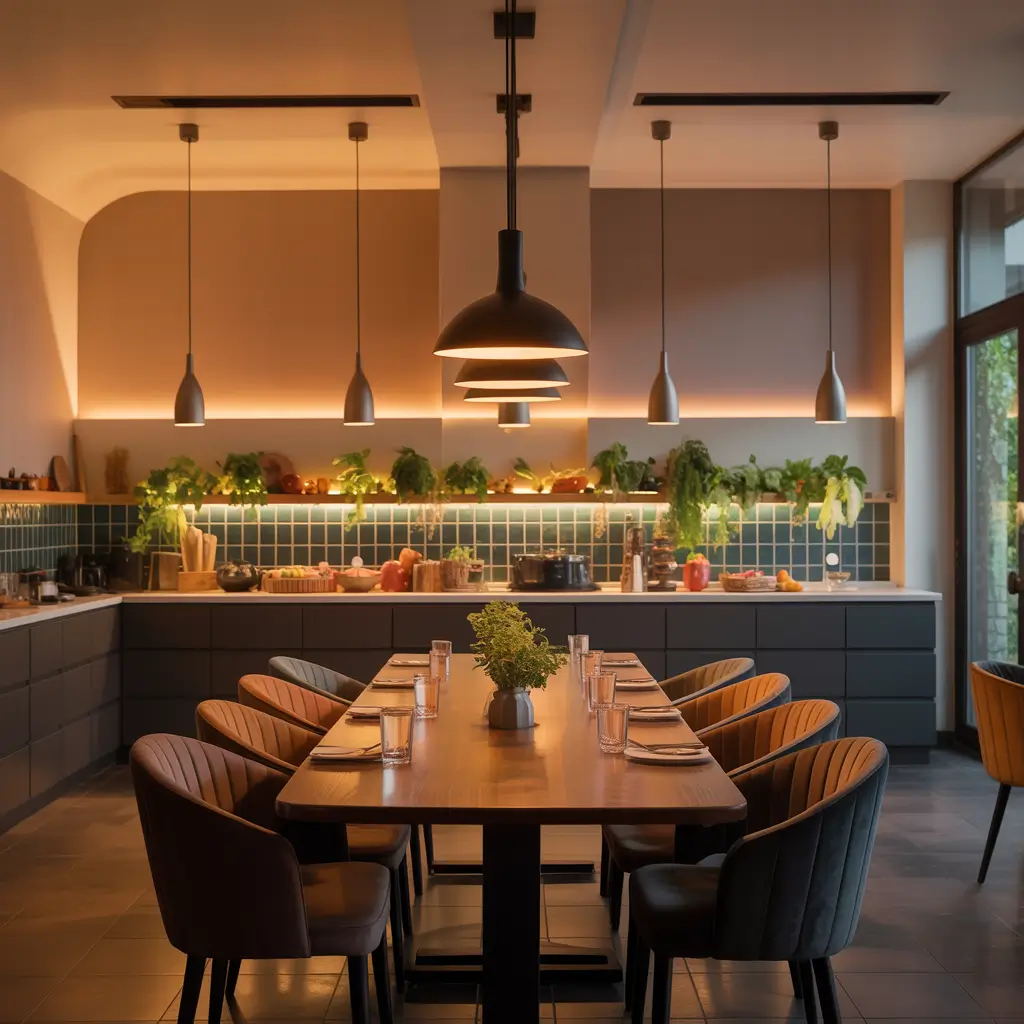
Lighting makes or breaks an open kitchen. It needs to be functional for cooking yet atmospheric for dining. The best designs layer different light sources for maximum flexibility.
Think about it – harsh fluorescents might help chefs see, but they’ll kill the mood faster than a bad Yelp review. You need balance.
Creative Lighting Solutions
Innovative lighting options:
- Adjustable track lighting for different service periods
- Color-temperature changing LEDs
- Pendant lights over each cooking station
- Under-shelf task lighting
- Accent lights highlighting special equipment
One brilliant solution I’ve seen? Programmable lighting systems that shift throughout service. Bright for prep, warm during dinner service, and dim for late-night ambiance. Technology serving atmosphere – that’s smart design.
Colorful Open Kitchen Restaurant Themes
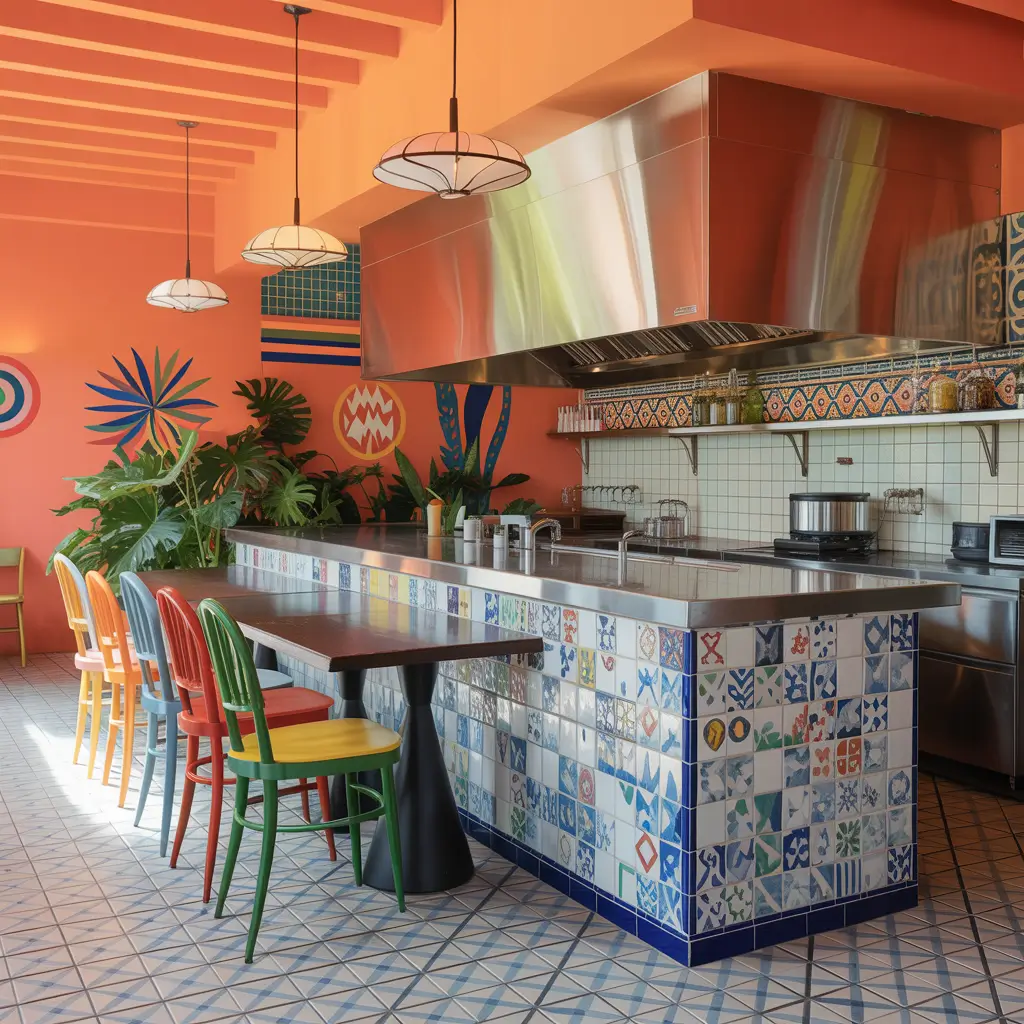
Who says kitchens need to be sterile? Colorful open kitchens inject personality and create memorable experiences. Bold tile work, painted equipment, and vibrant artwork turn cooking spaces into visual feasts.
Color psychology plays a huge role. Red stimulates appetite, blue calms nerves, yellow energizes mornings. Smart color choices influence how guests feel and even how much they order.
Using Color Effectively
Strategic color applications:
- Accent walls in brand colors
- Colorful equipment (mixers, ranges, refrigerators)
- Mosaic tile backsplashes
- Bright uniform choices for staff
- Colored lighting for special effects
A Mexican restaurant I love painted their entire kitchen in sunset gradients – oranges, reds, purples. It’s bold, it’s memorable, and it perfectly matches their spicy cuisine. That’s the power of thoughtful color design :/
Open Kitchen Restaurant Before & After Transformations
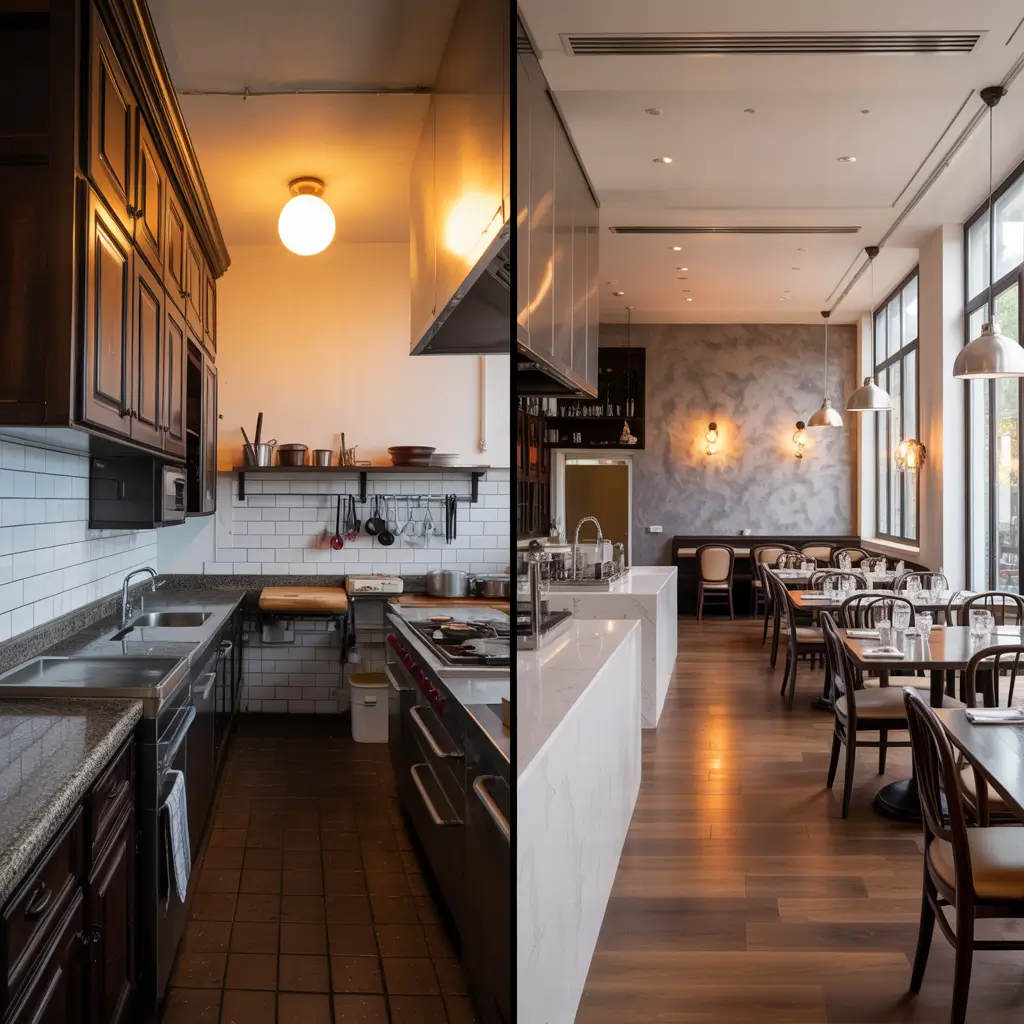
Nothing inspires quite like a dramatic transformation. Seeing tired, closed kitchens become vibrant, open spaces proves that any restaurant can evolve.
The most successful transformations don’t just knock down walls. They reimagine the entire dining experience, from workflow to customer journey. It’s about creating stories worth sharing.
Transformation Key Factors
Critical transformation elements:
- Strategic wall removal to open sightlines
- Updated equipment placement for better flow
- New ventilation systems to manage open-concept challenges
- Refreshed finishes and materials
- Improved lighting design
I witnessed one transformation where a failing restaurant removed their kitchen wall and sales jumped 40% in three months. Customers loved watching their food being made, and the energy from the kitchen infected the entire dining room.
Planning Your Transformation
Before starting any transformation:
- Document current pain points
- Survey customers about their desires
- Consider phased approaches to minimize closures
- Budget for unexpected structural issues
- Plan for proper ventilation upgrades
The best transformations tell a story. They honor the restaurant’s history while embracing its future. They create spaces where memories are made, one meal at a time.
Bringing It All Together
Open kitchens aren’t just about aesthetics – they’re about connection. They break down barriers between chef and guest, creating transparency that builds trust and excitement. Whether you prefer modern minimalism or rustic charm, there’s an open kitchen concept that’ll transform your restaurant.
The key is choosing a design that matches your cuisine, culture, and customers. Don’t follow trends blindly; create spaces that feel authentic to your brand. Remember, the best open kitchens balance functionality with theater, creating stages where culinary artists perform nightly.
Start small if you need to. Maybe it’s just a pass-through window or a chef’s counter for eight. Test what works, learn from your customers, and evolve. The restaurant industry rewards those who dare to be different, and open kitchens offer endless possibilities for differentiation.
Your kitchen tells your story. Make it one worth watching. Because when diners can see the passion, skill, and creativity that goes into every dish, they’re not just buying food – they’re investing in an experience. And that’s what keeps them coming back.
Ready to open up your kitchen? The stage is yours.