10 Creative Showroom Interior Design Ideas to Inspire Style

You know that feeling when you walk into a showroom and immediately want to buy everything? Yeah, that’s not by accident.
I’ve spent the last decade designing retail spaces, and let me tell you – the right showroom design can literally make or break your business.
Whether you’re selling cars, clothes, or coffee tables, these ideas I’m about to share will completely change how customers experience your products.
Minimalist Retail Showroom Layout
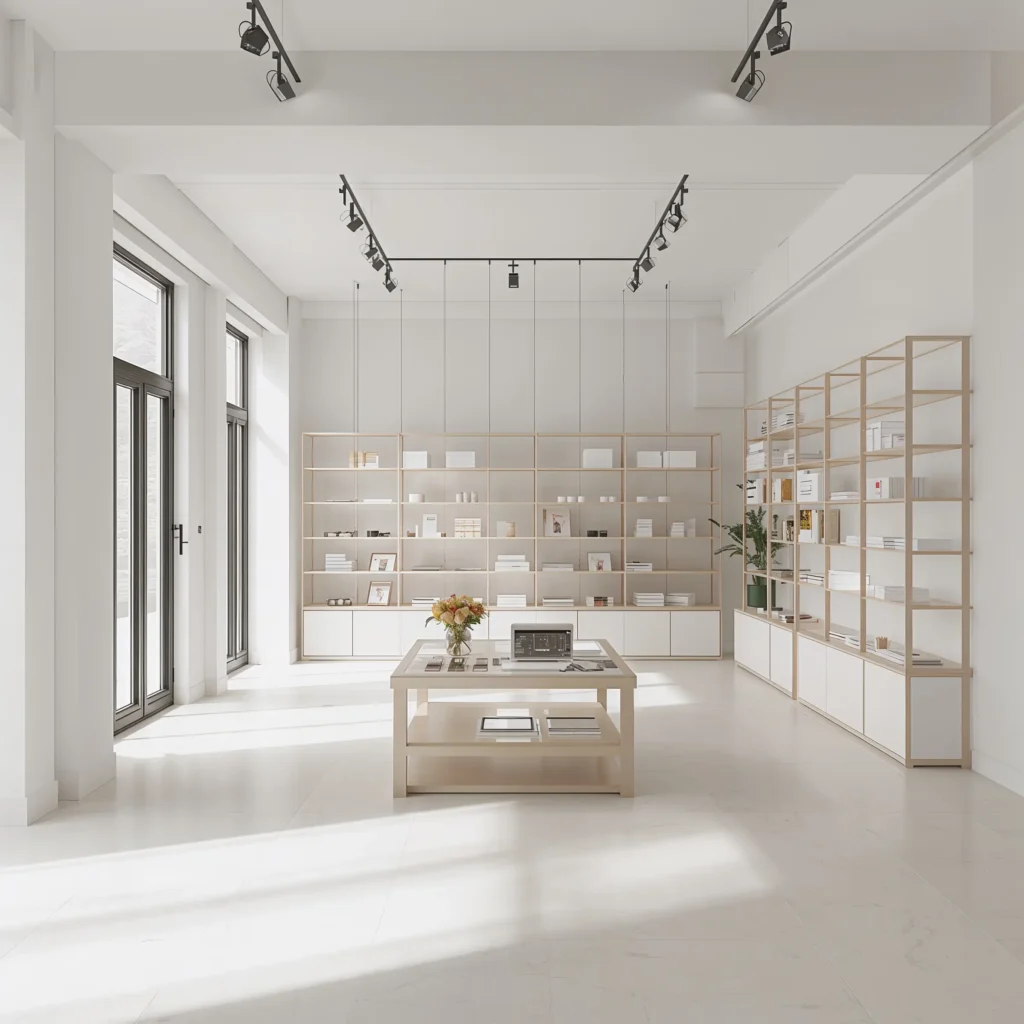
Less really is more – and I’m not just saying that because Marie Kondo told us to spark joy. Minimalist showroom design strips away all the noise and lets your products become the stars of the show. Think Apple Store vibes, where every single item gets its moment to shine.
I recently worked with a jewelry boutique that was struggling with sales. Their old showroom? Cluttered chaos with display cases everywhere. We gutted the whole thing and went ultra-minimal. Now they’ve got:
• Clean, white walls with strategic negative space
• Floating glass shelves that practically disappear
• One statement piece per display zone
• Hidden storage solutions that keep inventory out of sight
The result? Sales jumped 40% in three months. Why does this work so well? Because when customers aren’t overwhelmed by visual clutter, they actually focus on what you’re selling. Their brains can process the quality and details of each product without getting distracted by that random poster you thought looked cool five years ago.
Creating Breathing Room
Your products need space to breathe, just like people do. I always tell my clients to imagine their showroom as a gallery – would the Louvre cram fifty paintings on one wall? Nope. Each piece deserves its own spotlight moment, and that’s exactly what minimalist design delivers.
The trick is knowing when to stop. You want minimal, not empty. Add one sculptural plant here, a sleek bench there, and suddenly your space feels intentional rather than abandoned.
Luxury Car Showroom Inspirations

Car showrooms are basically theater, and I mean that in the best way possible. Every luxury car dealership I’ve designed treats vehicles like art installations – because at those price points, that’s exactly what they are.
Picture this: polished concrete floors that reflect the curves of each vehicle, creating this gorgeous mirror effect. Dramatic spotlighting that makes paint jobs look liquid. And my personal favorite touch? Rotating platforms that slowly spin, showing off every angle like a fashion model on a runway.
The Psychology of Premium Presentation
Here’s something most people don’t realize – luxury isn’t just about expensive materials. It’s about creating an experience that whispers (never shouts) exclusivity. I’ve seen dealerships transform their spaces with:
• Lounge areas with Italian leather furniture where clients sip espresso while discussing specs
• Private configuration rooms with massive screens for customization
• Sound-dampening materials that create this hushed, reverent atmosphere
• Museum-quality lighting that costs more than my first car (but totally worth it)
Ever wondered why Bentley showrooms feel like walking into a private club? That’s intentional psychology at work, my friend.
Boutique Fashion Showroom Designs
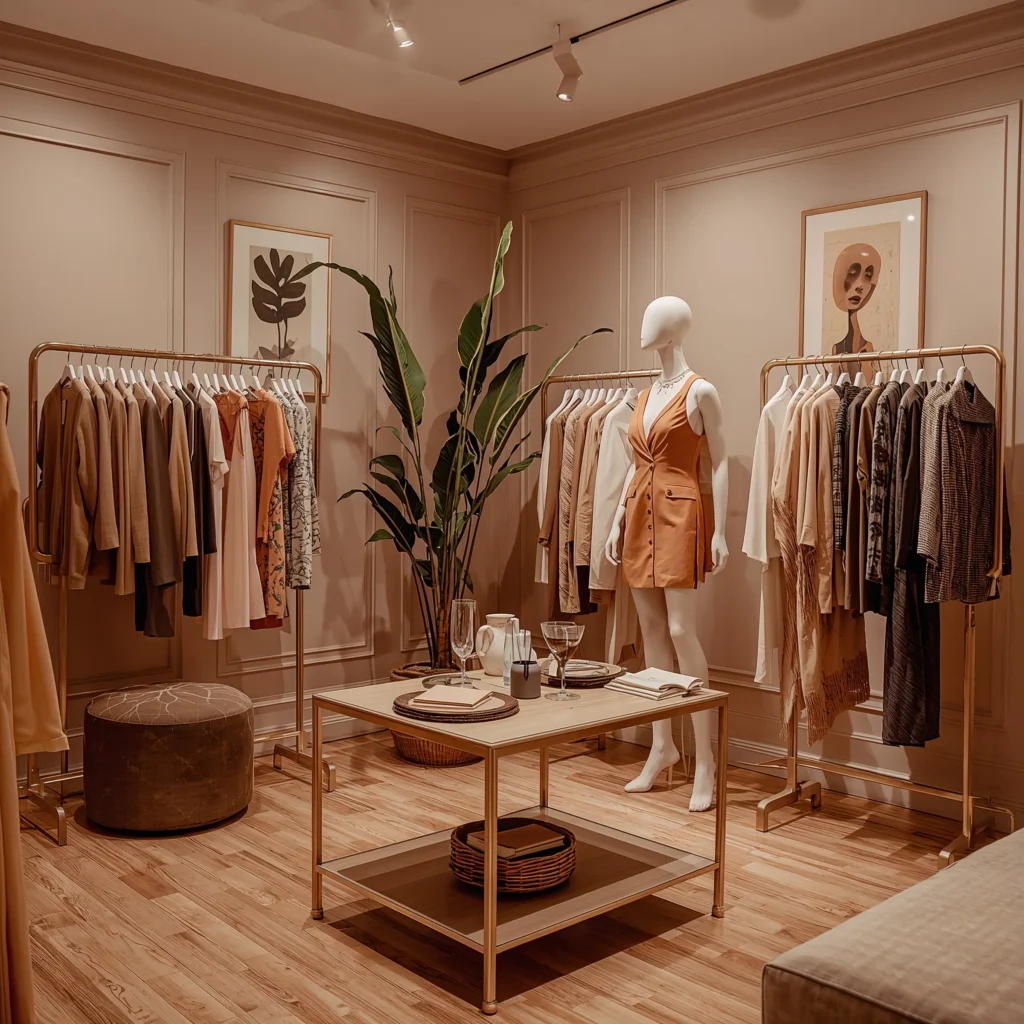
Fashion showrooms are where creativity really gets to run wild. Unlike regular retail stores, showrooms need to tell a brand story while also functioning as practical selling spaces for buyers and press.
I designed a showroom for an emerging designer last year, and we went full experience mode. Custom millwork in unexpected colors? Check. A runway-inspired central corridor? You bet. Modular hanging systems that completely transform for each new collection? Absolutely essential.
Making Fashion Functional
The biggest challenge with fashion showrooms? Balancing aesthetics with practicality. Buyers need to see full collections, touch fabrics, and imagine pieces in their stores. Here’s what actually works:
• Adjustable rack systems that grow with collections
• Natural light supplemented with color-accurate LEDs
• Comfortable seating areas with good sightlines to displays
• Mirrors strategically placed for impromptu try-ons
FYI, those Instagram-worthy fitting rooms with neon signs? They’re not just for show – they generate more social media buzz than any paid advertisement could.
Also Read: 12 Brilliant Small House Interior Design Ideas and Cozy Layouts
Modern Furniture Display Concepts
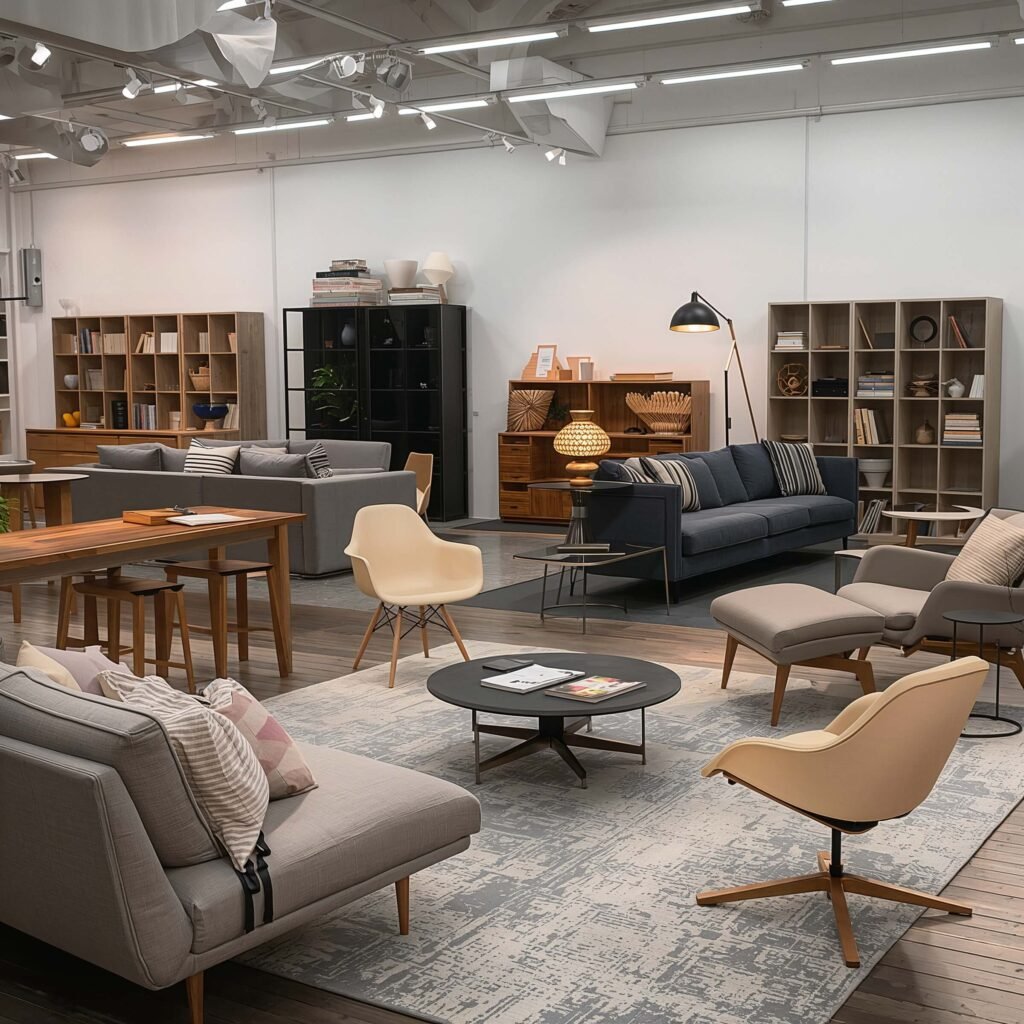
Furniture showrooms face a unique challenge – you’re essentially creating fake rooms that need to feel real. The best modern furniture displays blur the line between showroom and actual living space.
I love using platform displays at varying heights. It creates this dynamic landscape where customers naturally flow from one vignette to another. Plus, elevated displays make pieces feel more important (and justify those price tags).
Lifestyle Vignettes That Sell
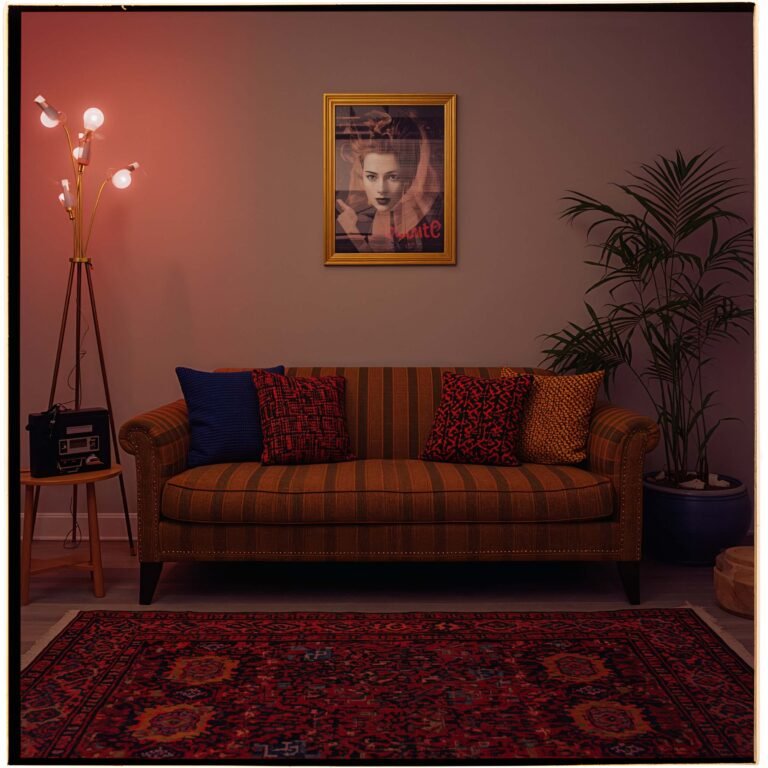
Nobody buys a sofa anymore – they buy a lifestyle. That’s why successful furniture showrooms create complete room settings that customers can imagine transplanting directly into their homes. Key elements include:
• Layered lighting that shows how pieces look at different times of day
• Actual books, plants, and accessories (not fake props)
• Technology integration showing smart home possibilities
• Texture variety that invites touching and sitting
One client told me their sectional sales doubled after we created a “movie night” vignette complete with popcorn machine. Sometimes it’s the little things 🙂
Industrial Style Showroom Interiors
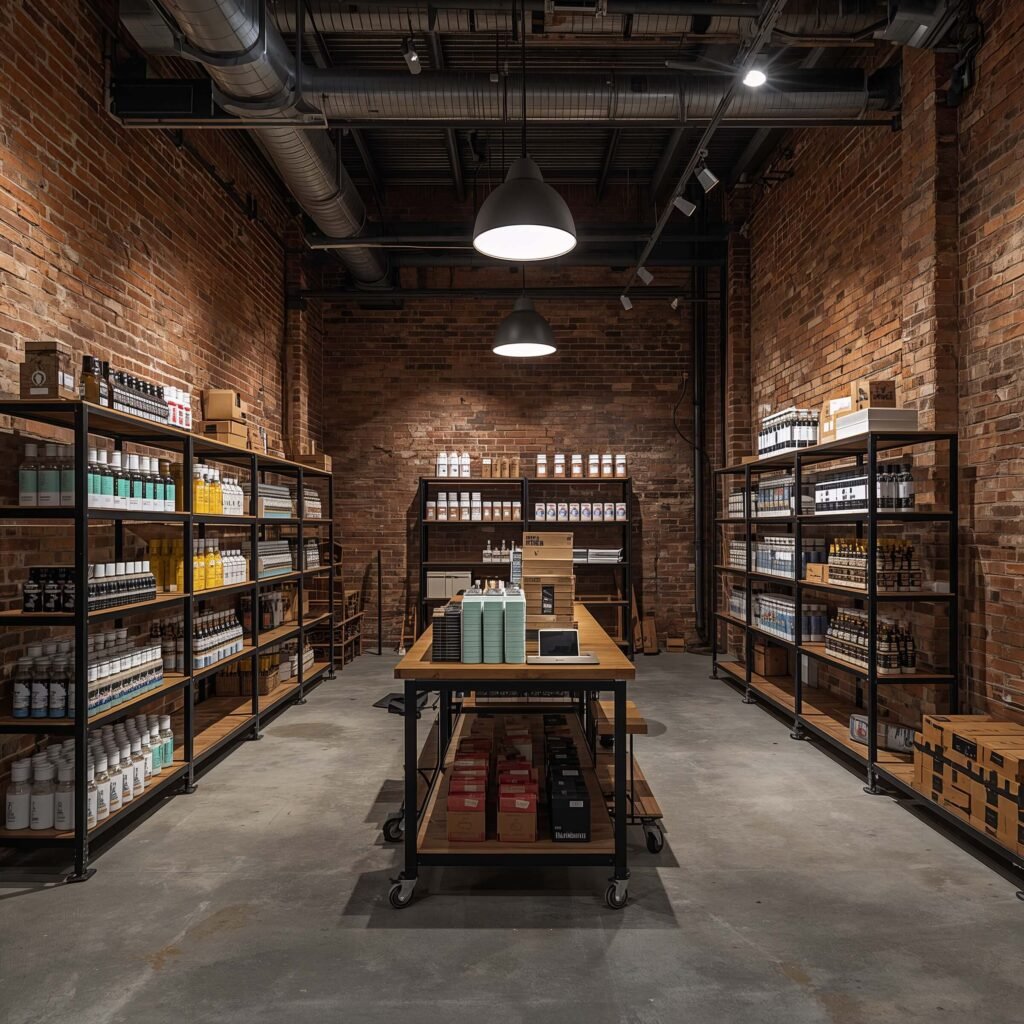
Industrial design isn’t just trendy – it’s incredibly cost-effective for showroom spaces. Exposed brick, metal beams, and concrete floors aren’t trying to hide anything, which somehow makes everything feel more authentic.
I recently converted an old warehouse into a motorcycle showroom, and we kept every original element we could. Those beat-up concrete floors? They’re now the perfect backdrop for chrome and steel. The exposed HVAC? It adds to the raw, mechanical aesthetic that bike enthusiasts love.
Raw Materials, Refined Results
The beauty of industrial showrooms lies in the contrast between rough and refined. Here’s my go-to formula:
• Polished concrete floors with strategic area rugs
• Black metal fixtures against white or brick walls
• Edison bulb lighting on exposed conduits
• Reclaimed wood accents for warmth
• Strategic pops of color through products only
This style works especially well for brands that want to appear established and authentic. There’s something about industrial spaces that suggests “we’ve been here forever” even if you opened last week.
Small Space Showroom Optimization
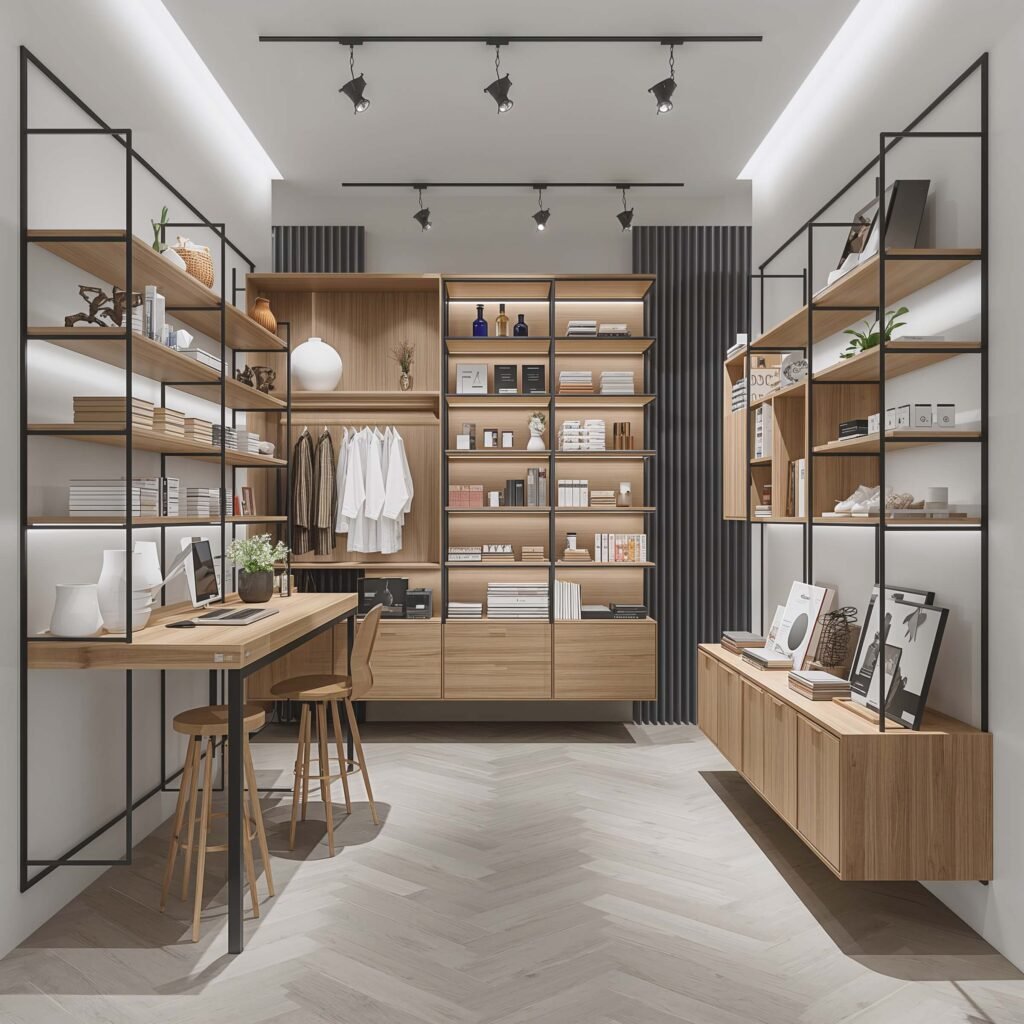
Not everyone has 10,000 square feet to play with, and honestly? Some of the best showrooms I’ve seen pack serious punch in tiny spaces. It’s all about being clever with every single inch.
Vertical space is your best friend here. I designed a 500-square-foot accessory showroom that displays three times the inventory of their old 1,500-square-foot space. How? Floor-to-ceiling displays, pull-out drawers, and rotating fixtures that serve double duty.
Maximizing Every Square Foot
Small showrooms need to work harder, but that constraint often leads to brilliance. Consider these space-saving solutions:
• Modular furniture that reconfigures for different events
• Mirror walls that visually double your space
• Ceiling-mounted displays for lightweight items
• Digital catalogs instead of physical inventory
• Convertible spaces that transform from showroom to event space
IMO, small showrooms often create more intimate, memorable experiences than massive ones. Customers feel special in a curated boutique environment.
Also Read: 10 Stunning Mediterranean Interior Design Ideas for Cozy Homes
Bright & Airy Lighting Solutions
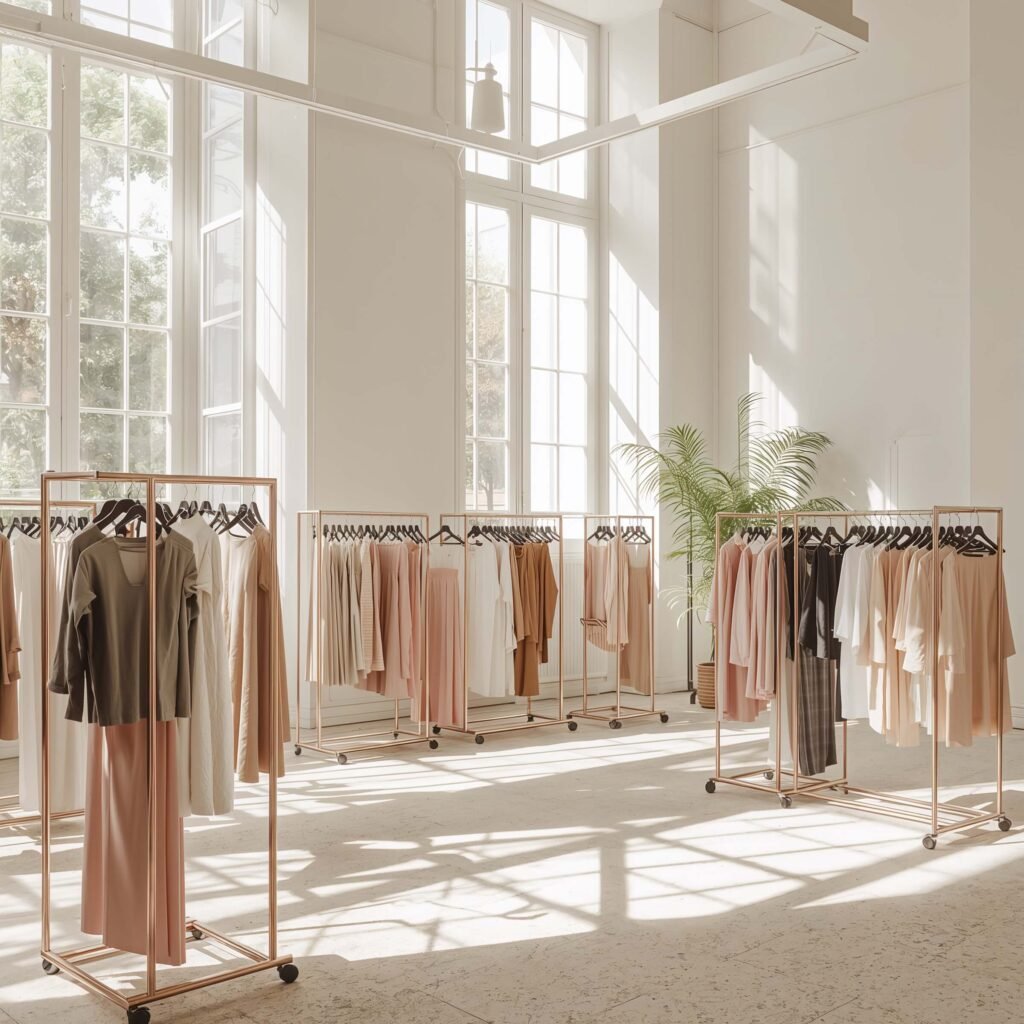
Lighting makes or breaks a showroom – period. Bad lighting can make a Hermès bag look like a knockoff, while great lighting makes everything look expensive.
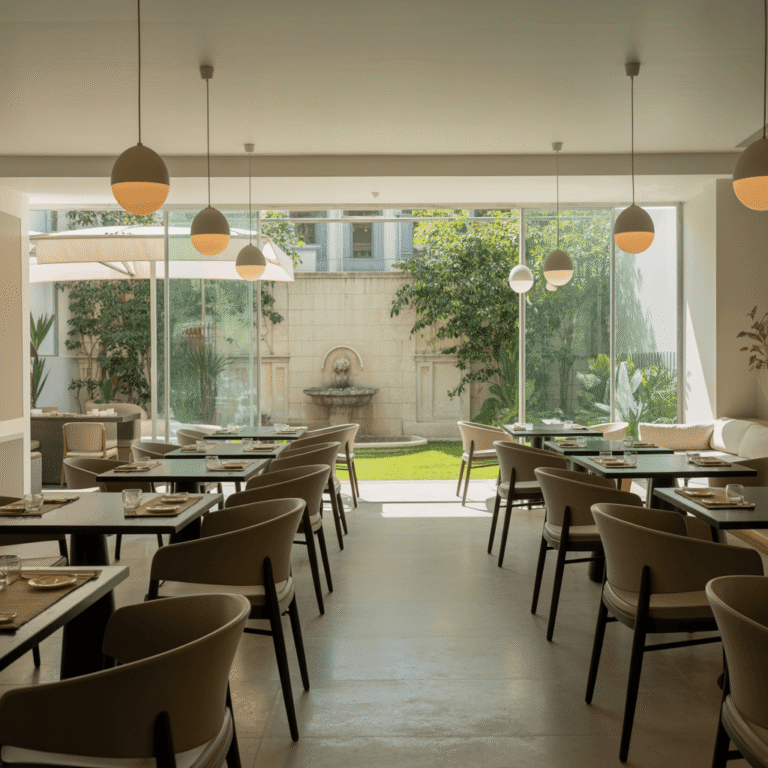
Natural light is obviously ideal, but let’s be real – most showrooms aren’t blessed with floor-to-ceiling windows. That’s where layered artificial lighting comes in. I use a combination of ambient, task, and accent lighting to create depth and drama.
The Science of Showroom Illumination
Different products need different lighting strategies. Here’s what I’ve learned:
• Jewelry needs focused spotlights with high CRI ratings
• Clothing requires diffused light that won’t create harsh shadows
• Furniture benefits from warm, residential-style lighting
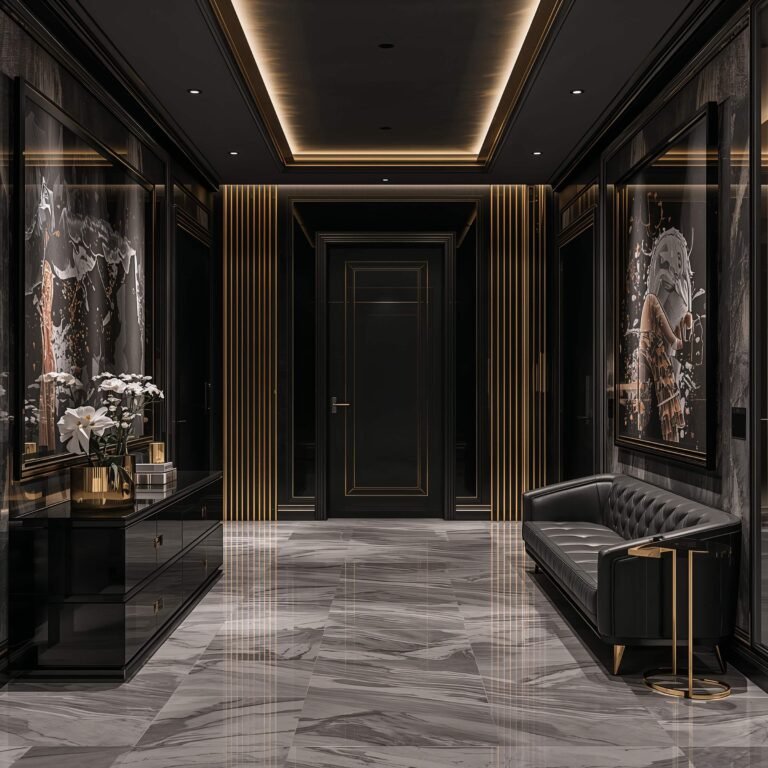
• Cars love dramatic directional lighting with glossy floor reflections
Pro tip: Install dimmers on everything. The ability to adjust lighting for different times of day or special events is invaluable.
Eco-Friendly Showroom Ideas
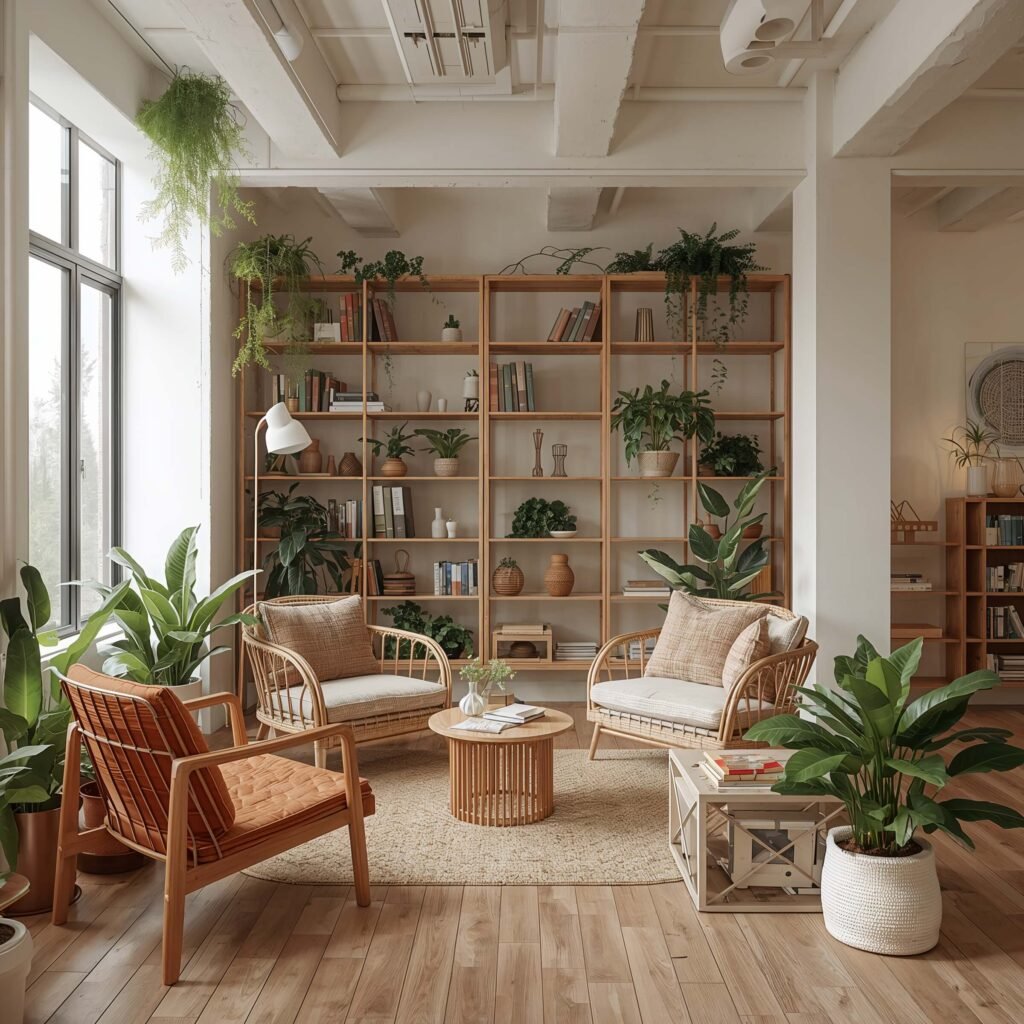
Sustainability isn’t just good karma – it’s becoming a serious selling point for conscious consumers. Plus, many eco-friendly choices actually save money long-term.
I helped a outdoor gear company design their flagship showroom using 90% reclaimed materials. Old climbing ropes became room dividers. Recycled rubber flooring mimicked mountain terrain. Solar panels power the whole operation. Customers absolutely love the authentic commitment to environmental values.
Green Without Greenwashing
Real sustainability goes beyond bamboo floors and LED bulbs. Consider these genuinely impactful choices:
• Living walls that improve air quality
• Rainwater harvesting for plant irrigation
• Locally sourced materials to reduce transportation emissions
• Modular designs that adapt instead of requiring renovation
• Energy monitoring systems that track and optimize usage
The coolest part? Eco-friendly showrooms often qualify for tax incentives and green building certifications that boost property values.
Interactive Technology Integration
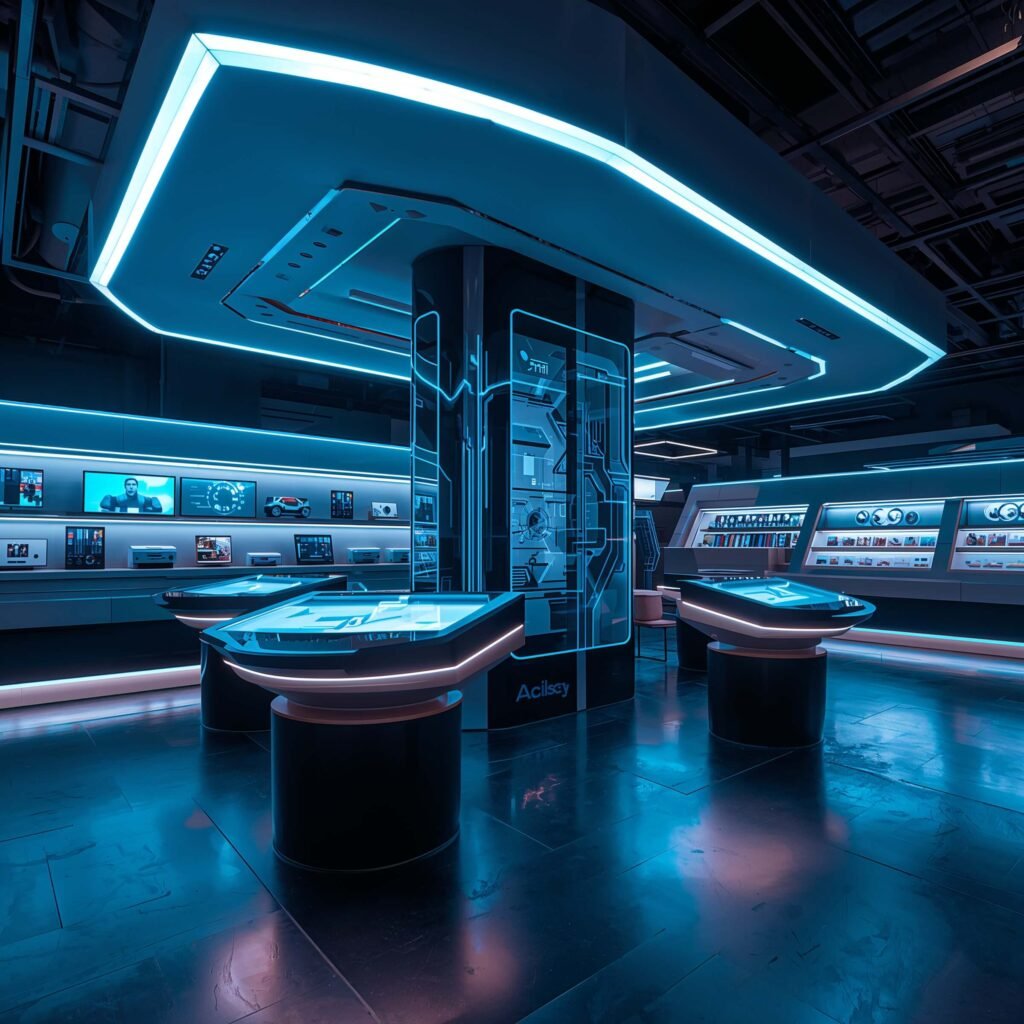
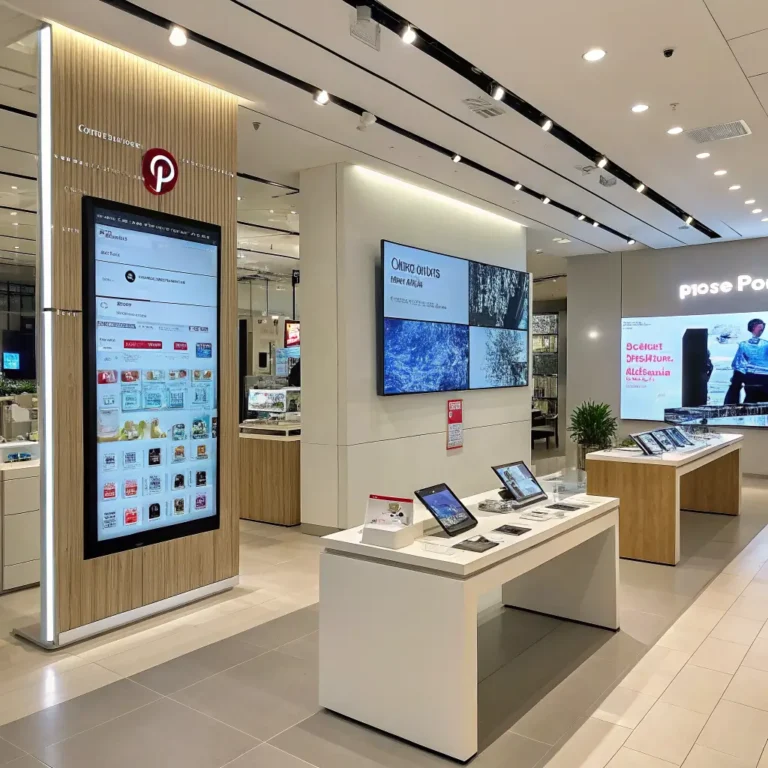
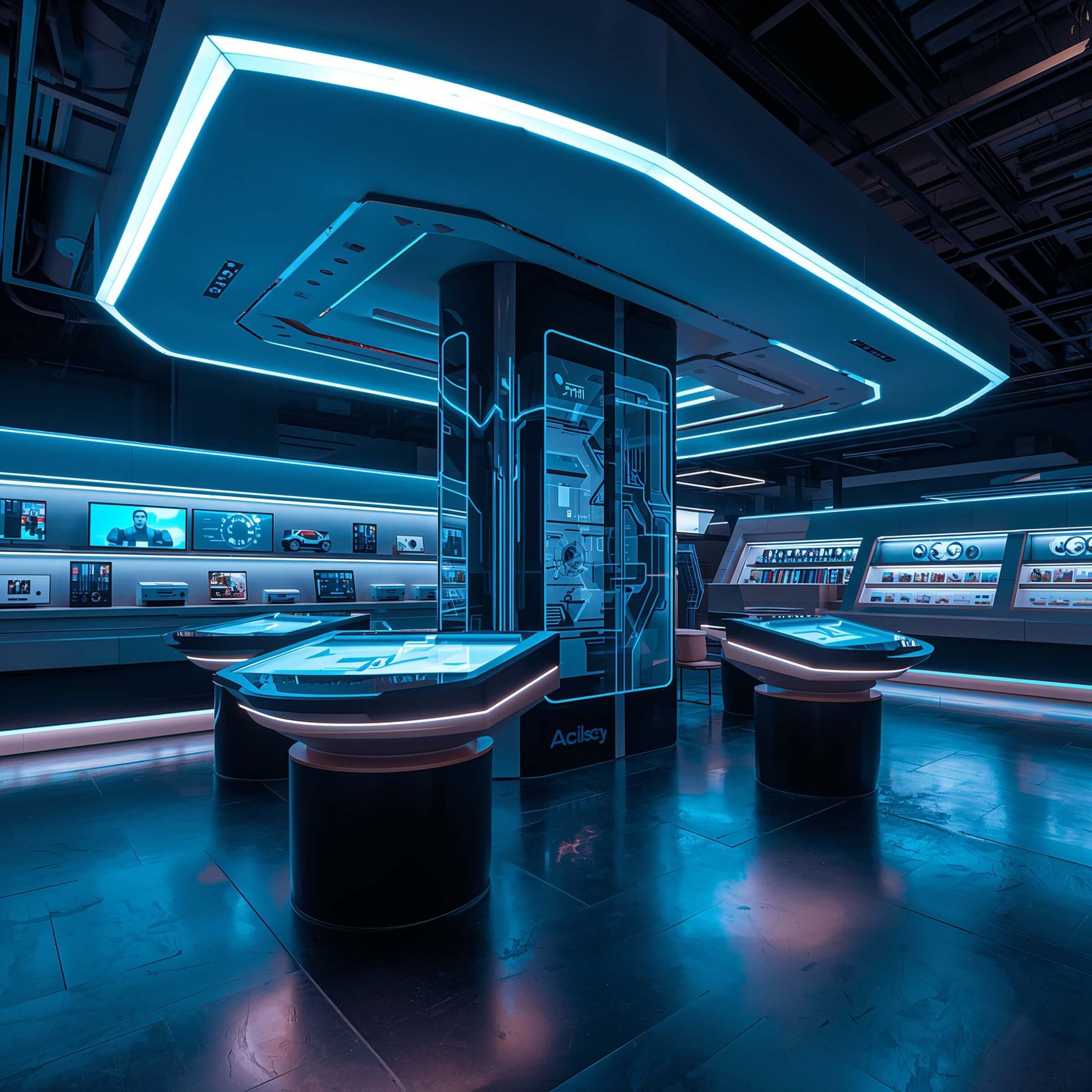
Welcome to the future, where showrooms are becoming immersive digital experiences. AR mirrors that show different colors, VR headsets for virtual tours, tablets for instant customization – technology transforms browsing into engaging.
I just finished a kitchen showroom where customers design their dream kitchen on massive touchscreens, then walk through a life-sized projection. It’s like The Sims meets real life, and people literally spend hours playing with options.
Digital Tools That Actually Help
Not all tech is useful – some is just expensive distraction. Focus on technology that enhances the customer journey:
• RFID systems that provide product info when items are picked up
• Projection mapping for dynamic displays
• QR codes linking to reviews and videos
• Virtual reality for visualizing products in customer homes
• Interactive floors that respond to movement
Remember though – technology should support, not replace, human interaction. The best showrooms use tech to empower staff, not eliminate them.
Also Read: 12 Fun Interior Design Sketches Ideas for Every Style Lover
Open-Concept Product Display Designs
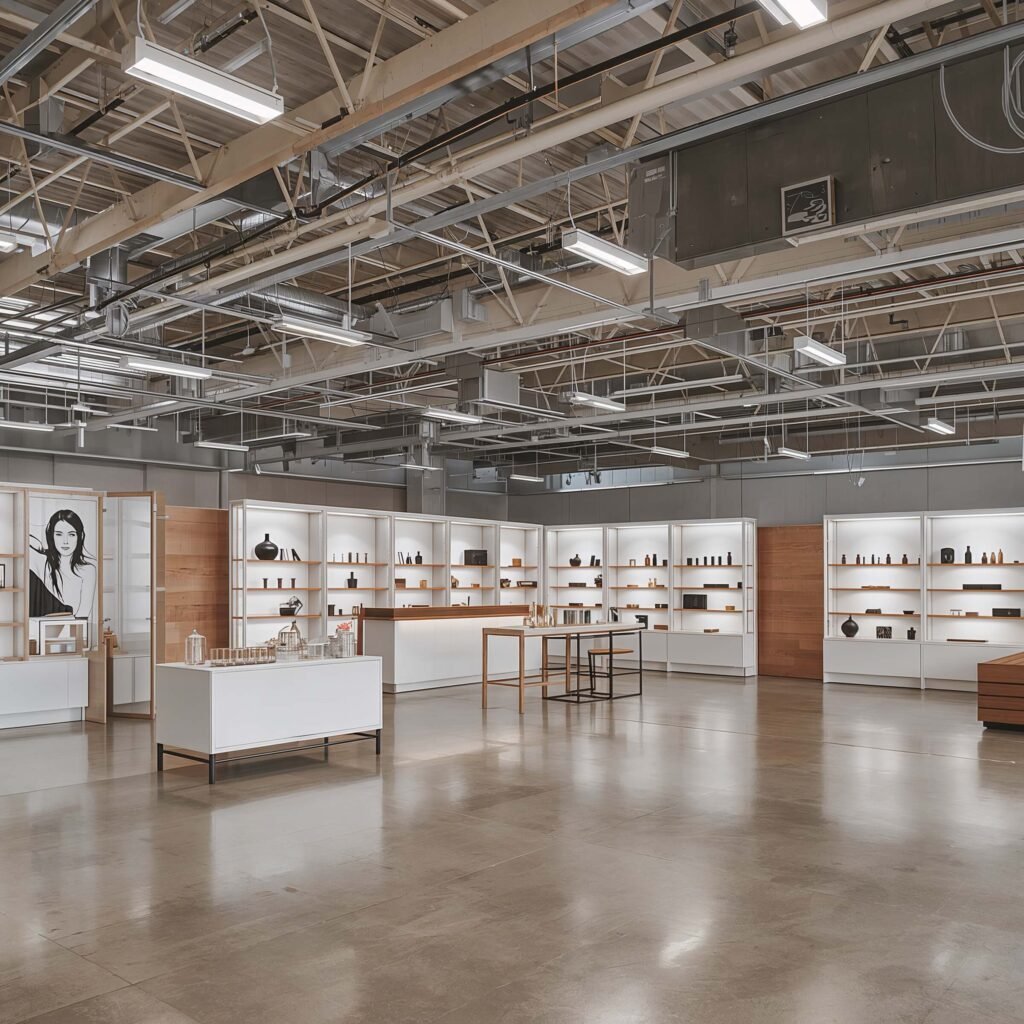
Open-concept isn’t just for homes anymore. Modern showrooms are embracing barrier-free designs that encourage exploration and discovery. No more maze-like layouts that trap customers – today’s shoppers want freedom to roam.
I love creating showrooms with clear sightlines from entrance to back wall. Customers immediately understand the space and feel comfortable navigating independently. Low fixtures, transparent dividers, and strategic product placement guide flow without feeling restrictive.
Creating Flow Without Walls
Open-concept design requires thoughtful planning to avoid chaos. Here’s how to maintain organization without barriers:
• Define zones using flooring changes or area rugs
• Create implied boundaries with lighting
• Use furniture groupings as natural dividers
• Implement wayfinding through color or material progressions
• Position statement pieces as visual anchors
The result? Showrooms that feel larger, brighter, and infinitely more welcoming than traditional compartmentalized layouts.
Bringing It All Together
So there you have it – ten showroom design ideas that actually work in the real world. Whether you’re working with a massive budget or bootstrapping on a shoestring, the key is understanding your products and customers, then creating spaces that connect them meaningfully.
The best showroom design doesn’t just display products – it creates experiences that stick with customers long after they leave. It tells your brand story, solves customer problems, and makes the buying process genuinely enjoyable.
Every showroom I design starts with one question: what do we want customers to feel? Once you answer that, every other decision – from flooring to lighting to fixture placement – becomes clear. Your showroom isn’t just a space; it’s a three-dimensional business card, a physical manifestation of your brand promise.
Ready to transform your showroom from forgettable to unforgettable? Start with one idea from this list. Test it, refine it, then add another. Before you know it, you’ll have customers asking if they can move in permanently. And honestly? That’s when you know you’ve nailed it :/