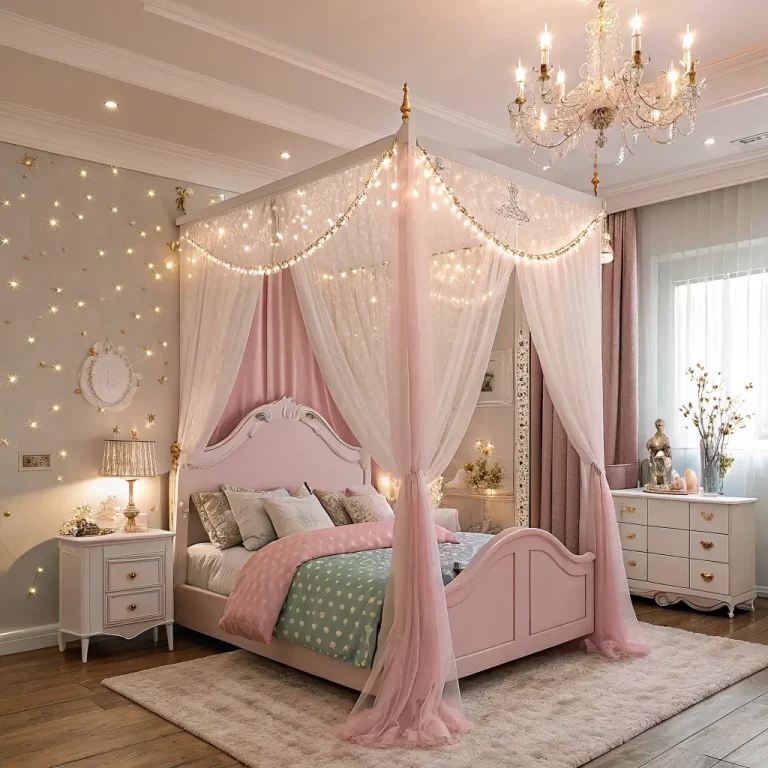
15 Beautiful Simple Bedroom Interior Design Ideas to Inspire Calm

Let me guess—you’re lying in bed right now, staring at those same four walls thinking “this room needs something.” Been there! Your bedroom should feel like a personal sanctuary, not just a place where you crash after scrolling through your phone for two hours.
Here’s the thing: transforming your bedroom doesn’t require hiring an expensive designer or maxing out your credit card.
I’ve spent the last decade experimenting with different bedroom styles (my partner calls it my “quarterly identity crisis”), and I’ve discovered that sometimes the simplest changes make the biggest impact. Ready to turn that boring box into something special?
Minimalist Scandinavian Bedroom
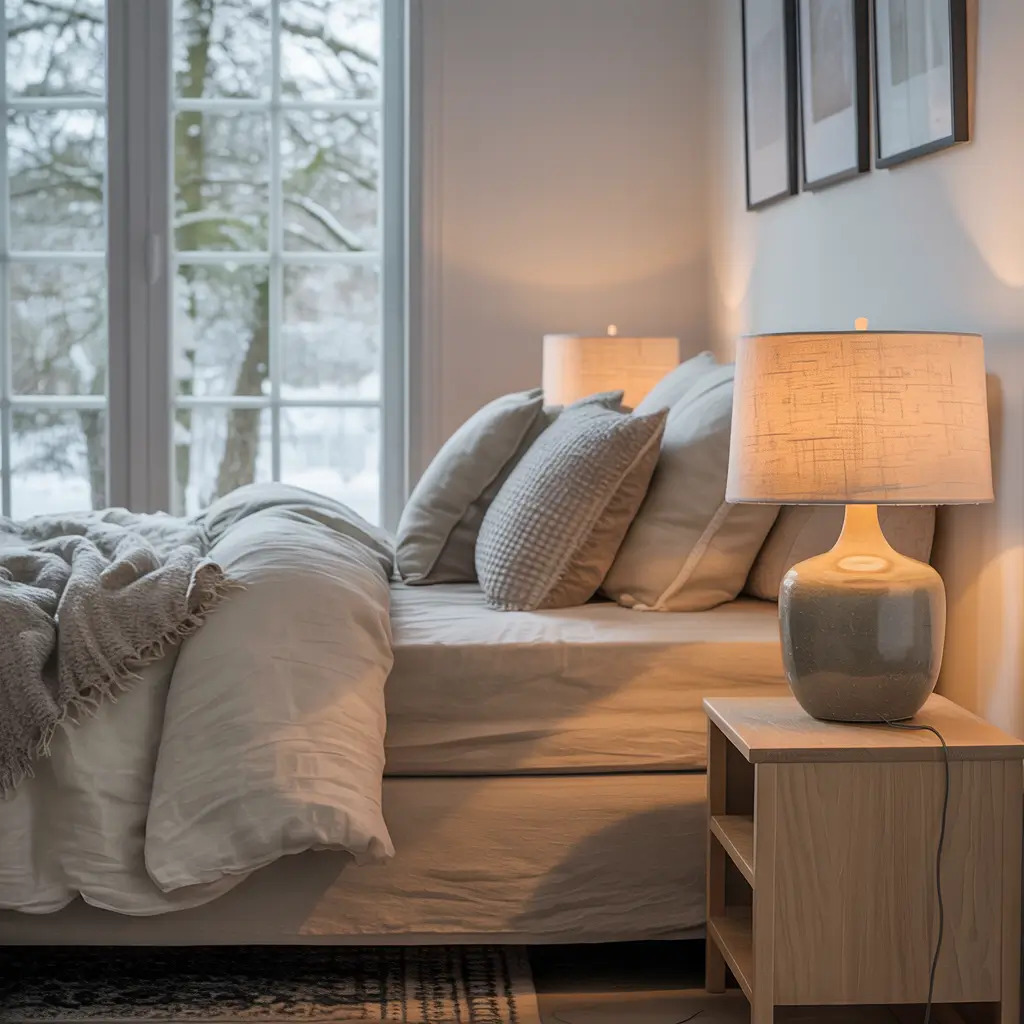
You know how everyone on Instagram seems to have those perfectly curated, clutter-free bedrooms that look straight out of a Swedish catalog? That’s the Scandinavian minimalist style, and honestly, it’s easier to achieve than you think.
Start with a neutral color palette—whites, grays, and soft beiges work beautifully. I transformed my guest bedroom using this approach, and the first thing everyone says is how peaceful it feels. The secret lies in choosing functional furniture with clean lines and ditching anything that doesn’t serve a purpose.
Key Elements to Nail This Look
- Low-profile bed frames (preferably light wood or white)
- Crisp white bedding with maybe one textured throw
- A single piece of wall art—nothing overwhelming
- Natural materials like linen, cotton, and untreated wood
- Absolutely no clutter (this one’s non-negotiable!)
The beauty of Scandinavian design comes from its emphasis on hygge—that Danish concept of coziness. Add a chunky knit blanket, place a sheepskin rug beside your bed, and watch your room transform into the coziest spot in your home. Trust me, once you go Scandi, you’ll wonder why you ever lived with all that stuff.
Cozy Neutral-Toned Retreat
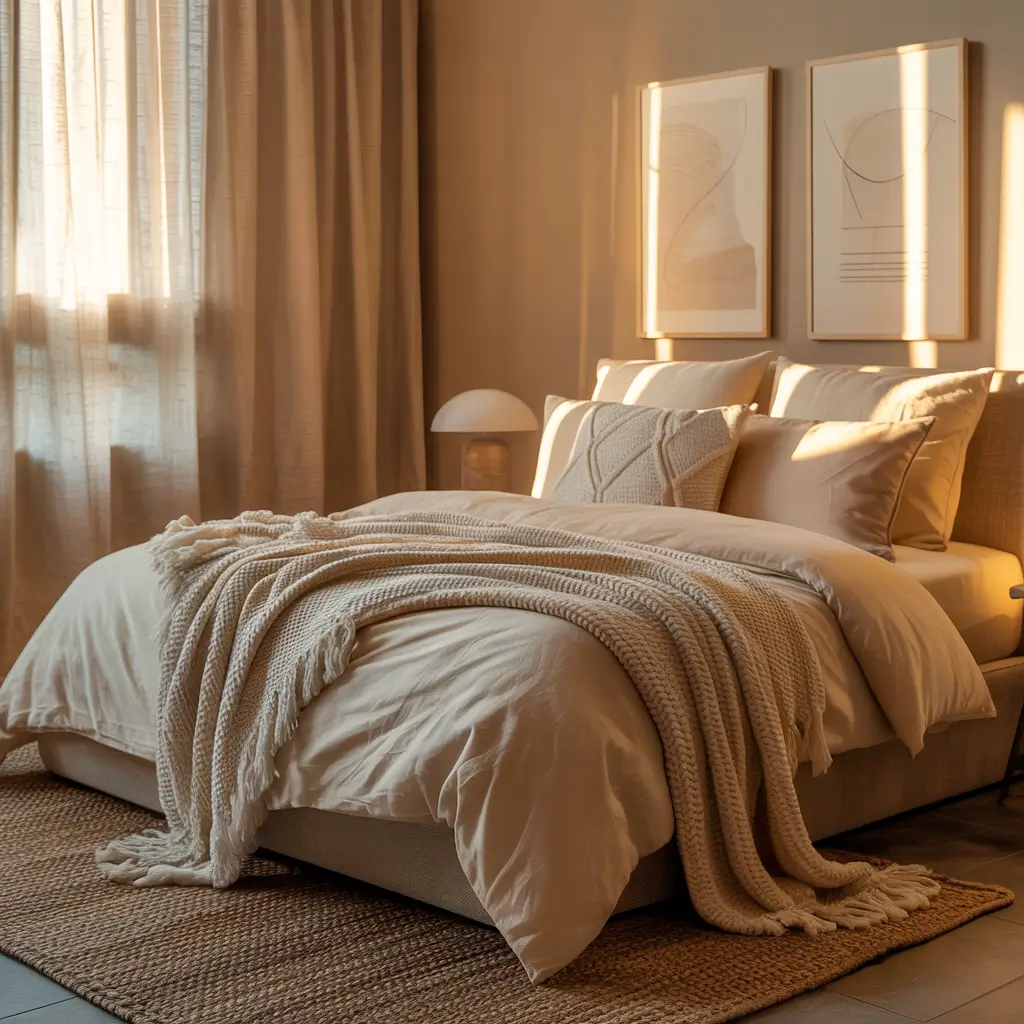
Speaking of neutrals, have you noticed how beige is having a moment? And for good reason! Creating a neutral-toned bedroom gives you this incredibly versatile canvas that never gets old.
I recently helped my sister redesign her master bedroom using only neutral tones, and the transformation was mind-blowing. We chose warm taupes, soft creams, and gentle grays—colors that practically whisper “relax” the moment you walk in. The trick is layering different textures to keep things interesting.
Making Neutrals Pop
Think beyond just painting your walls beige and calling it a day. Mix a linen duvet with cotton sheets, add a jute rug, and throw in some velvet pillows. The variation in textures creates visual interest without overwhelming your senses.
Here’s my favorite neutral bedroom formula:
- Start with warm white walls
- Layer in three shades of the same color (light, medium, dark)
- Add one natural wood element
- Include at least four different textures
- Keep metals to a minimum (brass or matte black work best)
Modern Monochrome Sanctuary
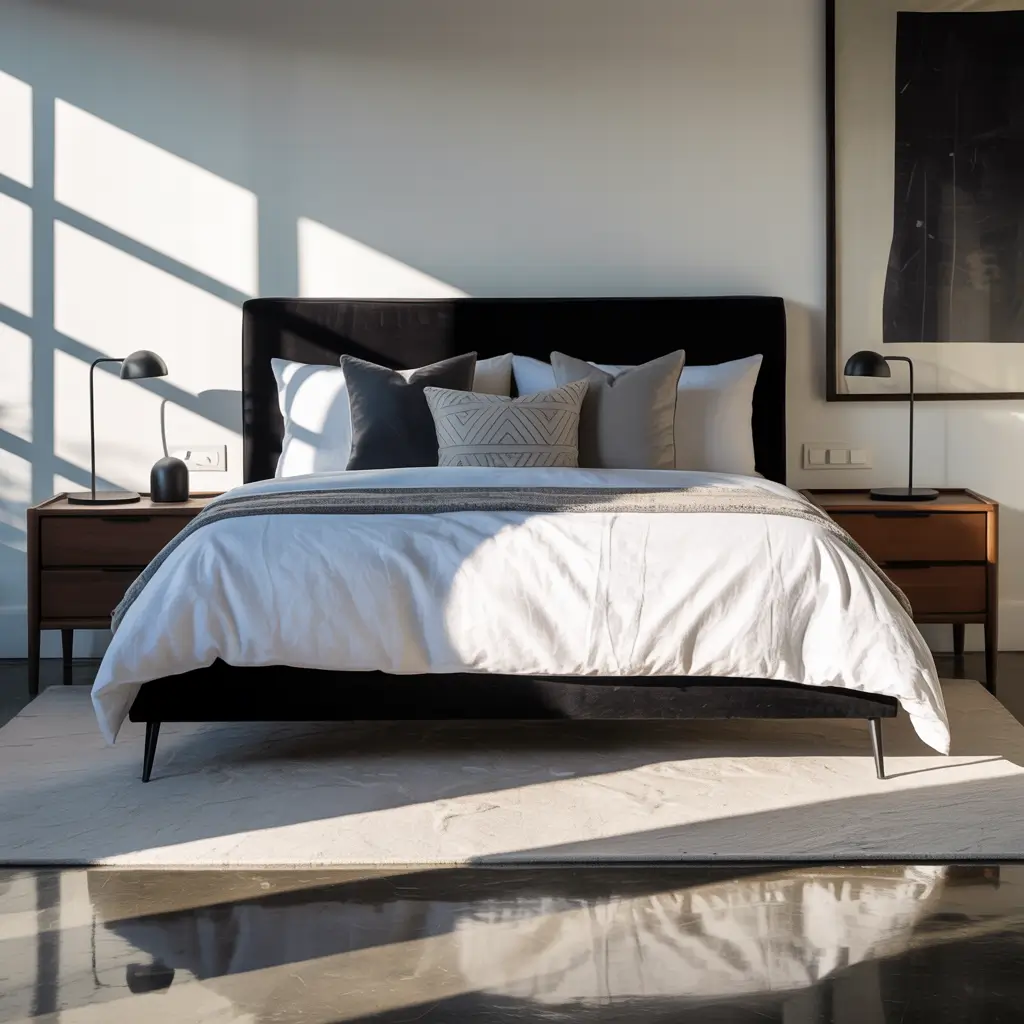
Okay, who says bedrooms need color? A monochrome bedroom makes such a bold statement without actually being loud. It’s like wearing all black to a party—sophisticated, timeless, and somehow always appropriate.
I went full monochrome in my bedroom last year, and let me tell you, choosing between fifty shades of gray at the paint store was an experience 🙂 But the result? Absolutely worth the confusion. The key to nailing monochrome is understanding that contrast is everything.
Creating Depth Without Color
Start with your darkest element (maybe a charcoal accent wall) and gradually lighten as you move through the room. Your bedding should include at least three different shades of your chosen color. And please, for the love of good design, don’t forget pattern!
Geometric prints, stripes, or abstract patterns in the same color family prevent your room from looking flat. I learned this the hard way when my first attempt looked like a prison cell. Not the vibe we’re going for!
Also Read: 15 Stunning 70s Interior Design Bedroom Ideas for Retro Lovers
Small Space Zen Bedroom

Living in a shoebox? Join the club! My first apartment bedroom was so small, I could touch both walls while lying in bed. But here’s what I discovered: small bedrooms can actually feel more zen than large ones—if you play your cards right.
The Japanese have this concept called “ma” which refers to negative space. In a small bedroom, every inch counts, so you naturally eliminate the unnecessary. Start by pushing your bed against the wall (corner placement works wonders) and choosing furniture that serves double duty.
Maximizing Your Tiny Sanctuary
- Wall-mounted everything: nightstands, lights, even shelves
- Under-bed storage boxes (the pretty kind, not plastic bins)
- Mirrors to create illusion of space
- Light, airy curtains instead of heavy drapes
- One statement piece maximum (usually artwork or a headboard)
Keep your color palette light and cohesive. Dark colors in small spaces are like wearing horizontal stripes—technically allowed but rarely advisable. FYI, I broke this rule once and immediately regretted it.
Rustic Chic Simplicity

Remember when everyone thought rustic meant hanging a barn door and calling it a day? Thank goodness we’ve evolved! Modern rustic chic combines raw, natural elements with refined touches that don’t scream “I live in a cabin.”
My current obsession involves mixing reclaimed wood pieces with crisp white linens and modern lighting. The contrast creates this amazing tension that feels both grounded and sophisticated. Plus, rustic elements age beautifully—unlike that trendy wallpaper you’ll hate in two years.
Essential Rustic Elements
Start with one major wood element—a reclaimed wood headboard works perfectly. Add wrought iron or matte black metal accents through your lighting or furniture legs. Layer in natural fibers like burlap or linen, but keep them refined and well-tailored.
The secret to rustic chic? Restraint. One or two rustic pieces make a statement; five or six make you look like you raided a flea market. I’ve seen too many bedrooms go from “rustic chic” to “abandoned farmhouse” real quick.
Soft Pastel Serenity

Who decided pastels were just for nurseries? Soft pastels in adult bedrooms create this dreamy, calming atmosphere that’s perfect for unwinding. And no, you won’t feel like you’re sleeping in a dollhouse—if you do it right.
I recently painted my bedroom walls the softest sage green (Benjamin Moore’s “Healing Aloe” if you’re curious), and it completely changed my sleep quality. There’s actual science behind this—soft colors lower your heart rate and prepare your brain for rest.
Adult-Friendly Pastel Palettes
- Dusty rose with warm grays
- Sage green with cream
- Soft lavender with white
- Pale blue with natural wood
- Blush pink with brass accents (surprisingly sophisticated!)
The trick with pastels is choosing muted, grayed-out versions rather than pure, bright tones. Think “whisper” not “shout.” And please, limit yourself to two pastel colors max—this isn’t an Easter egg hunt.
Also Read: 15 Stunning Minimal Bedroom Interior Ideas for a Calm Space
Compact Multi-Functional Bedroom

Living in 2024 means your bedroom probably doubles as an office, gym, and Netflix theater. Welcome to the reality of multi-functional bedrooms! Instead of fighting it, let’s embrace it with smart design choices.
My bedroom currently houses my work desk, yoga mat storage, and reading nook—and it doesn’t look cluttered. How? Strategic furniture placement and pieces that work overtime. That ottoman? It’s also storage. The desk? It becomes a vanity at night.
Making Every Piece Count
Invest in furniture that transforms:
- Beds with built-in drawers
- Desks that fold into the wall
- Benches with hidden storage
- Nightstands with charging stations
- Room dividers that double as bookshelves
Create zones using rugs or lighting to mentally separate spaces. Your brain needs to know when it’s work time versus sleep time, even if it’s all happening in the same room. Trust me, trying to fall asleep while staring at your laptop is a recipe for insomnia.
Clean White Minimal Haven
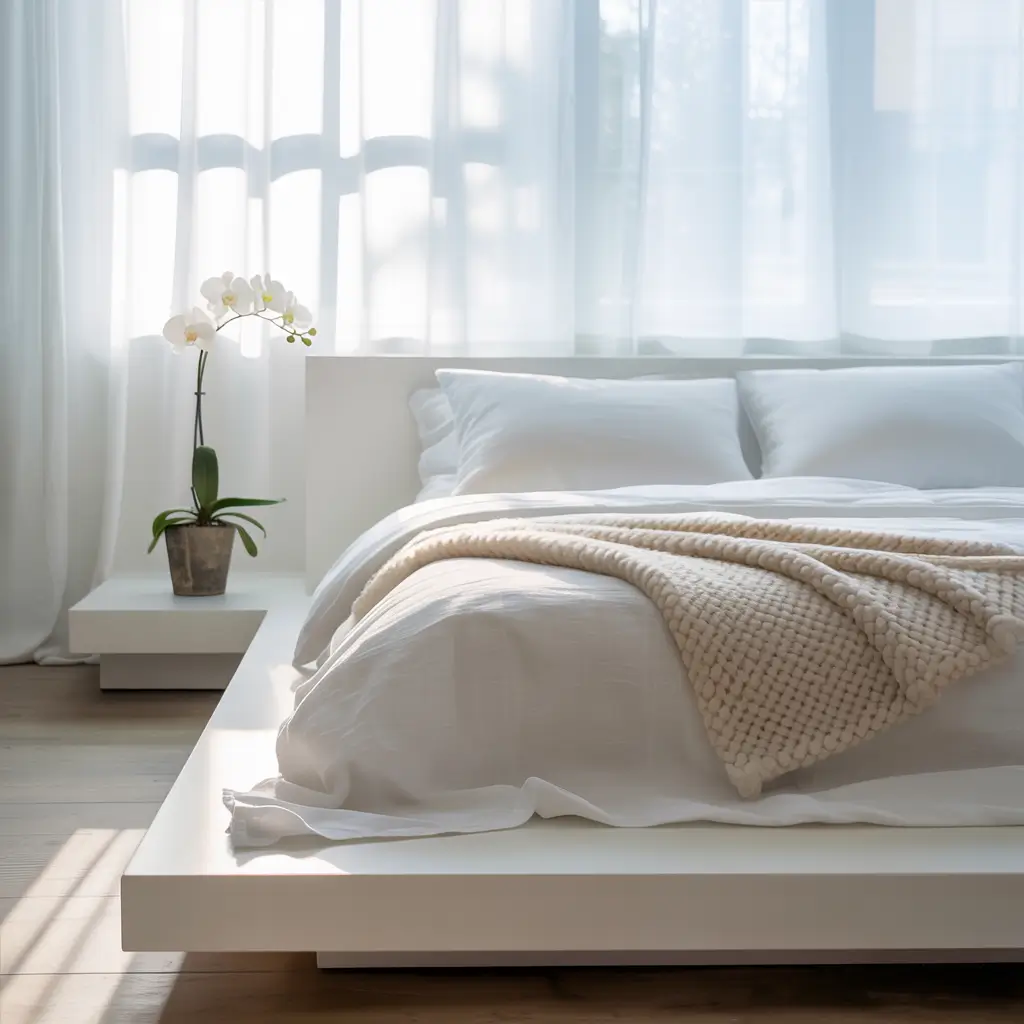
There’s something about an all-white bedroom that just hits different. Maybe it’s the hotel vibes, or maybe it’s the promise of a fresh start every morning. Either way, white bedrooms remain undefeated in the tranquility department.
But here’s the thing—all white doesn’t mean boring. I’ve seen white bedrooms with more personality than rainbow-painted ones. The secret? Texture, texture, texture. And understanding that white comes in approximately 47,000 different shades (slight exaggeration, but you get it).
White Room Without the Padded Walls Vibe
Layer different whites:
- Warm whites on walls
- Cool whites in bedding
- Cream or ivory accents
- Natural white (undyed) textiles
Add interest through materials—think white brick walls, shiplap, or textured wallpaper. Include one natural element like a wooden bench or woven basket to ground the space. And for the love of all things holy, invest in quality bedding. Cheap white sheets look exactly that—cheap.
Natural Light-Filled Bedroom
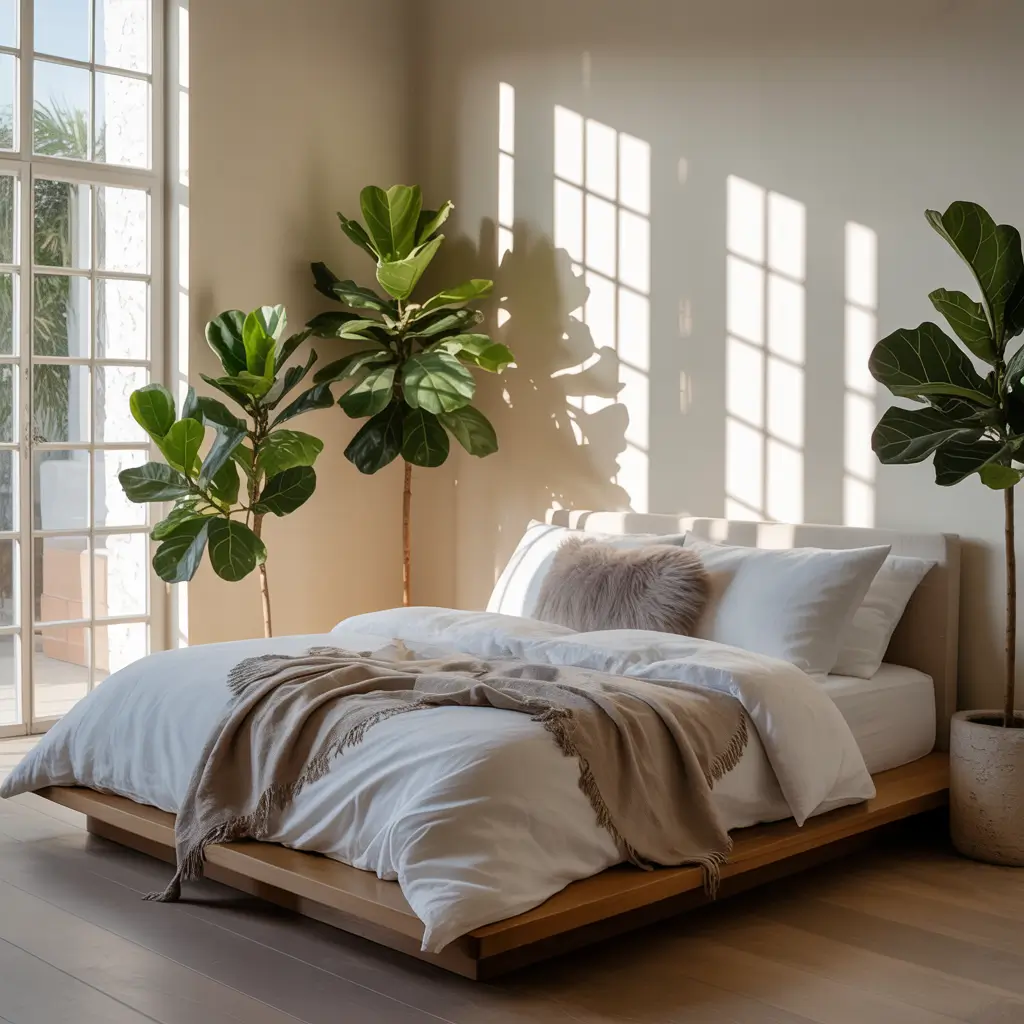
Can we talk about how natural light literally changes everything? A bedroom flooded with sunlight feels bigger, airier, and somehow more expensive. If you’re blessed with good windows, don’t waste them!
I once hung heavy blackout curtains in a south-facing bedroom and basically lived in a cave for six months. Never again! Now I use light-filtering curtains that provide privacy without blocking that gorgeous morning light. Game changer.
Maximizing Your Natural Light
- Position your bed to face windows (but not directly—glare is real)
- Use sheer curtains as your first layer
- Paint walls in light-reflecting colors
- Strategic mirror placement to bounce light around
- Keep window sills clear—no cluttered displays
If you’re stuck with minimal natural light, fake it! Warm LED bulbs placed strategically can mimic sunlight. Layer your lighting with overhead, task, and ambient sources. Your bedroom shouldn’t feel like an interrogation room at any point.
Also Read: 15 Stunning 1 Bedroom Condo Interior Design Ideas for Small Spaces
Warm Wooden Accents Room
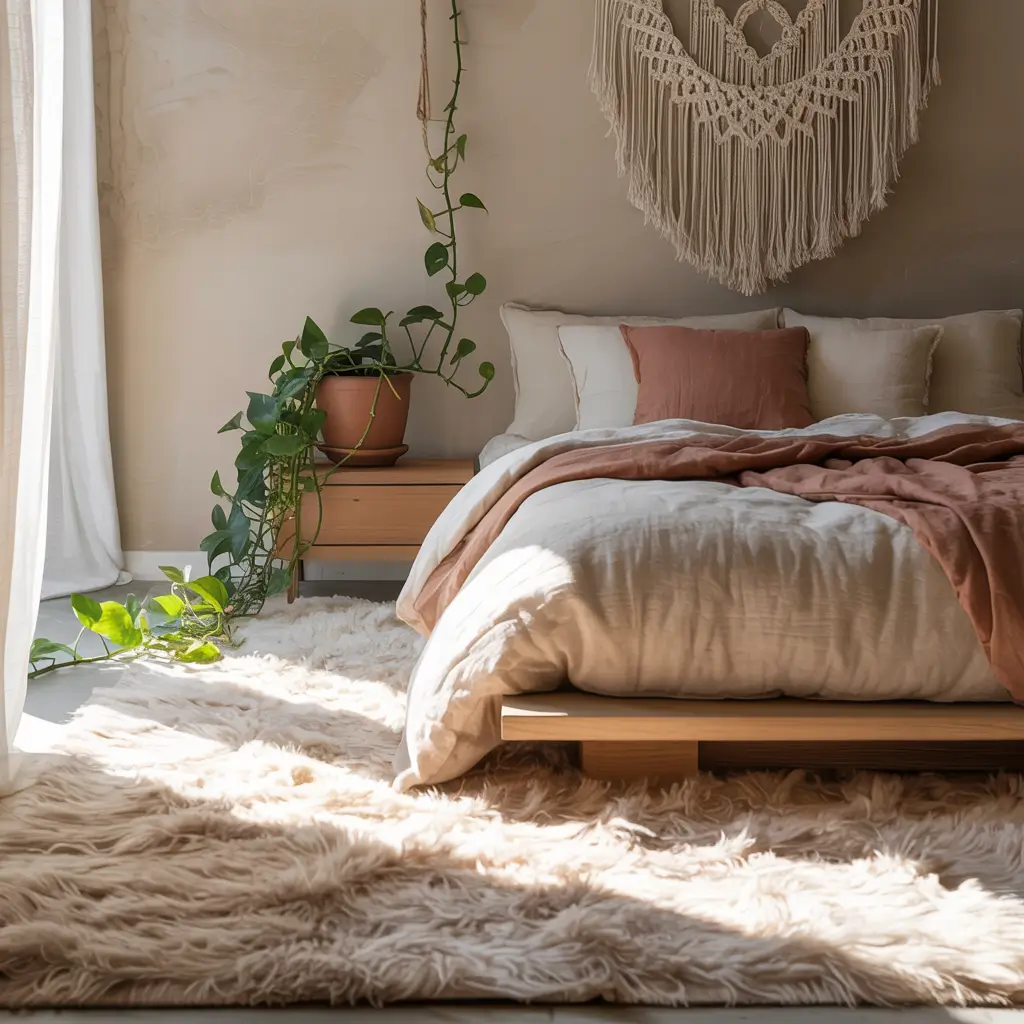
Wood brings instant warmth to any bedroom, but you don’t need to go full log cabin. Strategic wooden accents create that cozy, organic feel without overwhelming the space.
My favorite approach? Choose one type of wood and stick with it throughout the room. Mixing oak, pine, and walnut sounds good in theory but usually looks like furniture store clearance section. Pick your fighter and commit!
Wood Without the Cabin Fever
Best places for wooden accents:
- Headboard (classic for a reason)
- Floating nightstands
- Picture frames and mirrors
- Ceiling beams (if you’re feeling ambitious)
- A single statement furniture piece
Remember that wood tone affects the entire room’s mood. Light woods like ash or maple keep things airy and Scandinavian. Dark woods like walnut or mahogany add drama and sophistication. Medium-toned woods like oak? They’re the Switzerland of bedroom design—neutral and universally flattering.
Minimal Boho Vibes
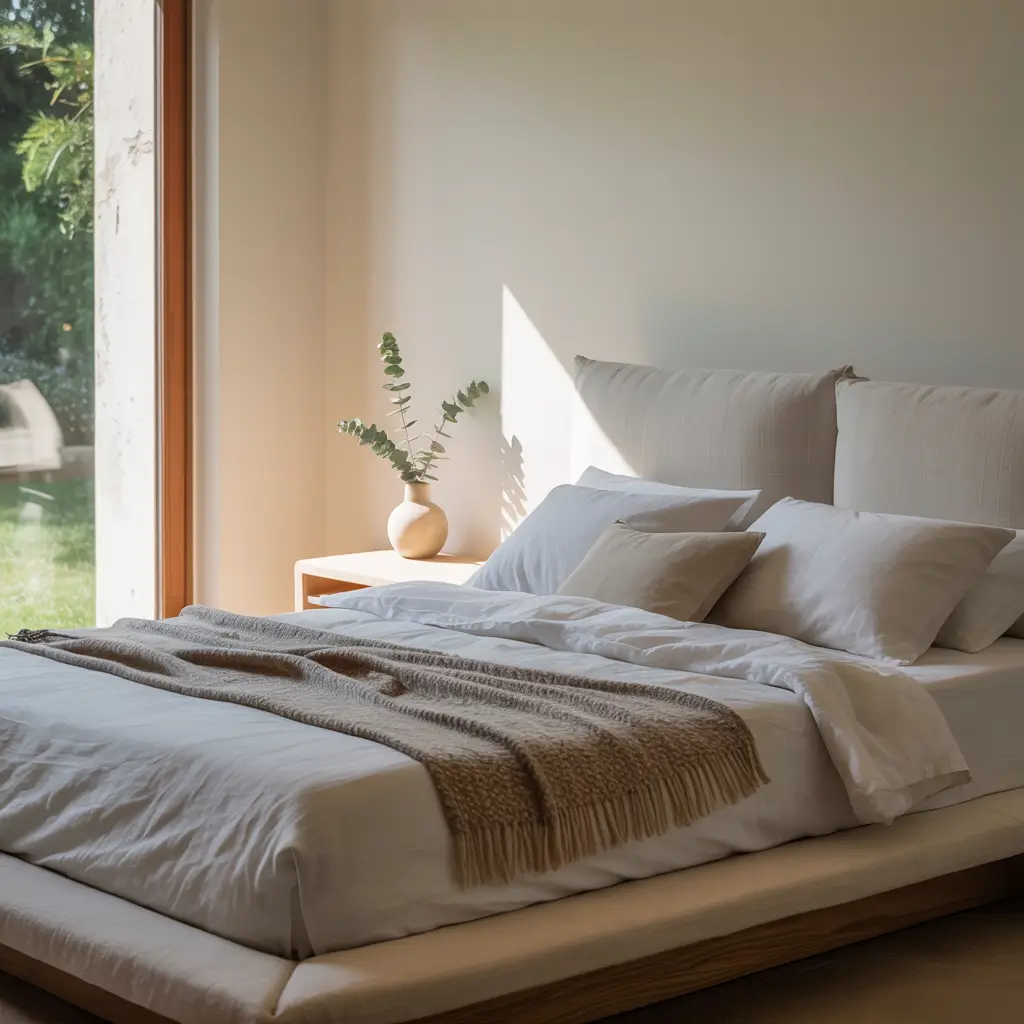
Boho style usually means “organized chaos,” but minimal boho takes the best elements and leaves the clutter behind. Think of it as bohemian style’s responsible older sibling who has their life together.
I love this style because it lets you display meaningful pieces without looking like you robbed a thrift store. The key is curating rather than collecting. That macramé wall hanging? Perfect. Seven of them? We need to talk.
Boho Elements That Actually Work
- One large piece of textile art or tapestry
- Natural materials like rattan or bamboo
- Layered rugs (two maximum)
- Plants (real ones, please)
- Warm, earthy colors with white as your base
The minimal boho bedroom should feel collected, not cluttered. Each piece needs a reason for being there beyond “it was on sale at World Market.” IMO, this style works best when you travel and bring back authentic pieces rather than buying mass-produced “boho” decor.
Sleek Contemporary Bedroom

Contemporary design gets a bad rap for being cold, but a well-done contemporary bedroom feels like sleeping in the future—in the best way possible. Clean lines, minimal ornamentation, and a focus on function create this incredibly calming space.
My brother’s contemporary bedroom looks like it belongs in an architecture magazine, and he achieved it on an IKEA budget. The secret? Quality over quantity and understanding that contemporary doesn’t mean uncomfortable.
Contemporary Without the Cold
Essential elements:
- Platform beds with simple lines
- Built-in storage to maintain clean surfaces
- Neutral colors with one bold accent
- Minimal but impactful artwork
- Smart home integration (hidden, not obvious)
Skip the tchotchkes and invest in one or two statement pieces. A designer chair, an oversized piece of art, or a sculptural light fixture can define the entire room. Everything else should whisper, not shout.
Calm Coastal Simplicity
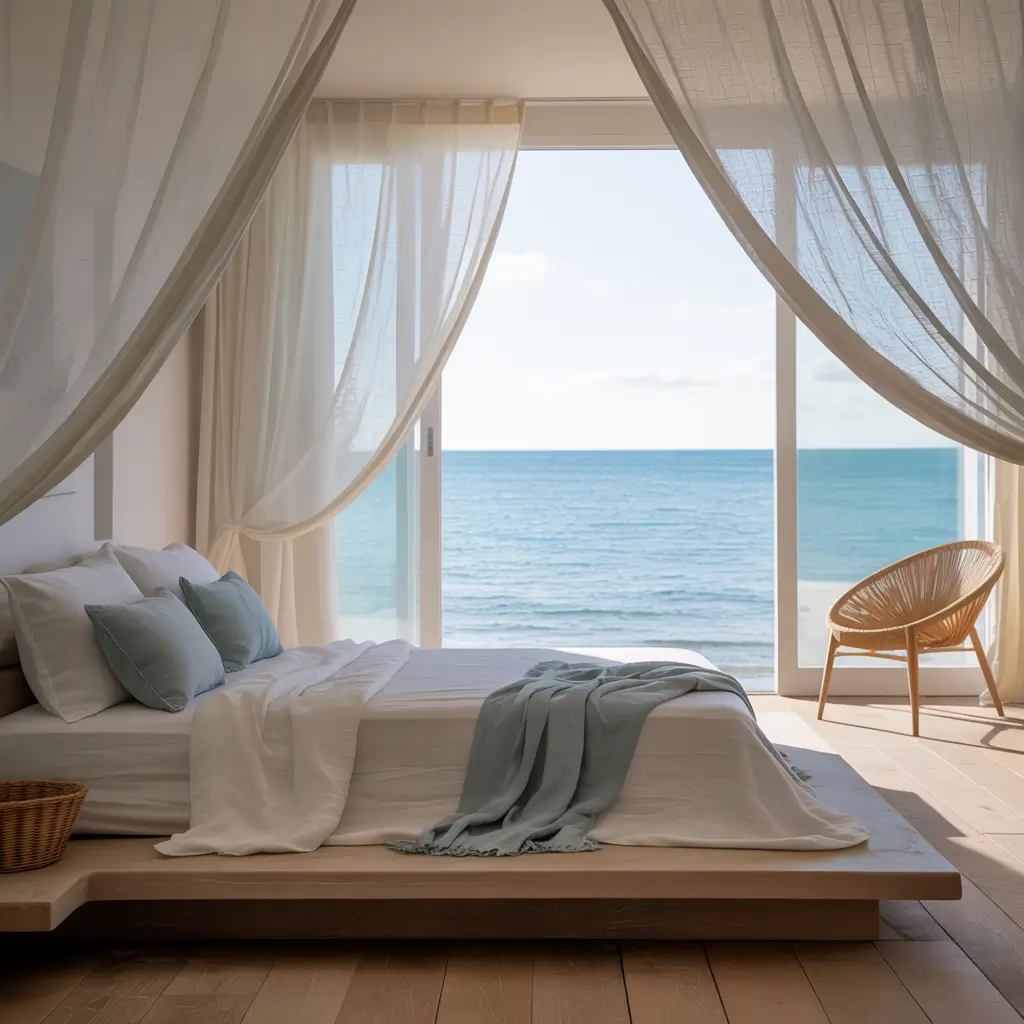
You don’t need to live by the beach to embrace coastal bedroom style. But please, step away from the anchors and “Life’s a Beach” signs. Modern coastal design is subtle, sophisticated, and actually relaxing.
I grew up nowhere near an ocean but always loved coastal interiors. The trick is capturing the feeling of the coast—breezy, light, natural—without going full nautical theme park. Think Hamptons, not harbor gift shop.
Coastal Without the Clichés
Color palette perfection:
- Soft blues and seafoam greens
- Sandy beiges and whites
- Weathered gray woods
- Natural textures like jute and linen
- Subtle metallic accents (think brass, not chrome)
Include natural elements like driftwood, sea glass, or coral, but display them thoughtfully. One beautiful piece of driftwood as sculpture? Gorgeous. Seventeen seashells hot-glued to everything? Please don’t.
Elegant Minimalist Workspace Bedroom
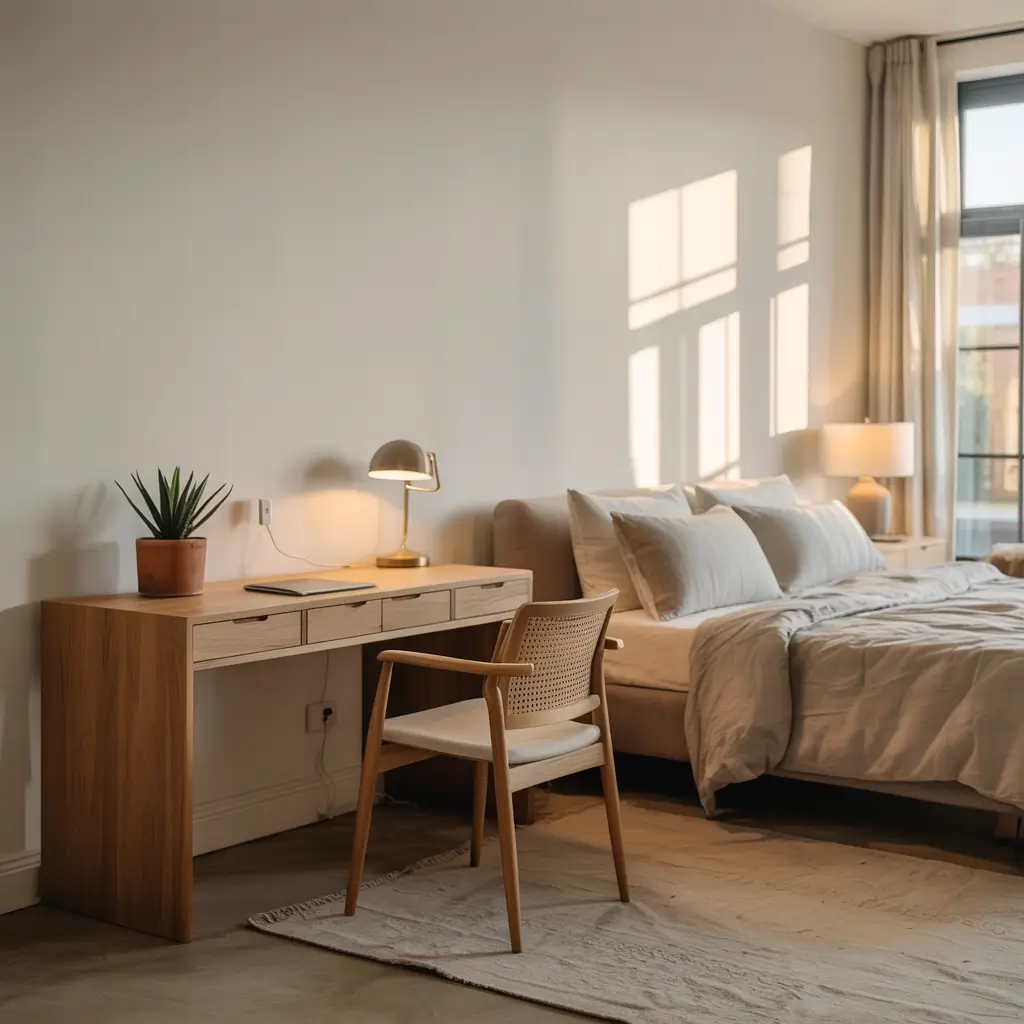
Working from bed sounds amazing until you realize your brain can’t separate “sleep space” from “Excel spreadsheet space.” An elegant minimalist workspace in your bedroom requires careful planning to maintain both function and tranquility.
I’ve perfected this setup out of necessity (thanks, studio apartment living), and the key is visual separation. Your desk should feel like a different zone, even if it’s three feet from your bed.
Work-Sleep Balance Design
Must-haves for bedroom offices:
- A desk that closes or conceals work items
- Proper task lighting separate from bedroom lighting
- Cable management solutions (visible cords kill the vibe)
- A room divider or curtain for physical separation
- Consistent color scheme between spaces
Position your desk so you’re not staring at your bed while working—talk about temptation! And when the workday ends, have a ritual for transforming the space back into a bedroom. Maybe it’s closing your laptop and lighting a candle, or covering your desk with a beautiful cloth. Your brain needs those cues.
Greenery-Inspired Minimal Bedroom

Plants in the bedroom—controversial, I know! Some say they steal your oxygen at night (they don’t), others swear they’re the secret to better sleep. I’m firmly in the “plants make everything better” camp.
But we’re talking minimal here, not jungle. Three to five plants maximum, chosen for their air-purifying qualities and low-maintenance needs. Because nothing ruins bedroom zen faster than dead plants :/
Best Bedroom Plants That Won’t Die
Top performers for bedrooms:
- Snake plants (virtually indestructible)
- Pothos (thrives on neglect)
- Peace lilies (actually help you sleep better)
- Rubber plants (statement piece material)
- Spider plants (they even clean the air!)
Place plants strategically—one on your nightstand, maybe a larger floor plant in the corner, and a trailing plant on a high shelf. The vertical placement creates visual interest without cluttering surfaces. And please, invest in proper planters. Those plastic nursery pots aren’t doing your aesthetic any favors.
Pulling It All Together
So there you have it—fifteen ways to transform your bedroom from “place where I sleep” to “personal sanctuary I never want to leave.” The beauty of these styles is that they’re not mutually exclusive. Mix minimal Scandinavian with warm wood accents, or combine coastal simplicity with a touch of boho.
Your bedroom should tell your story, not Pinterest’s. Start with one element that speaks to you—maybe it’s that sage green paint or the platform bed you’ve been eyeing. Build from there, slowly and intentionally. Rome wasn’t built in a day, and neither is the perfect bedroom.
Remember, the best bedroom design is one that makes you excited to go to sleep and happy to wake up. Everything else? It’s just decoration. Now stop reading this article and go make your bedroom amazing! Your future well-rested self will thank you.