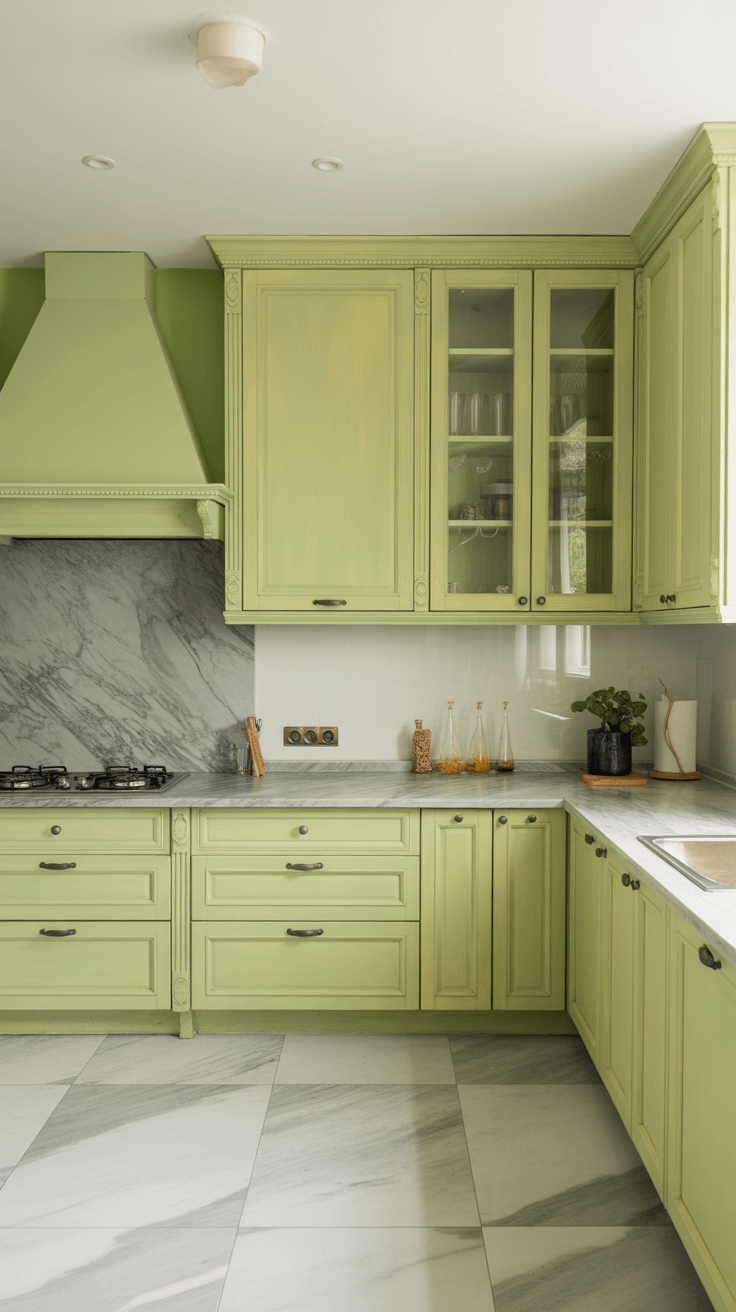
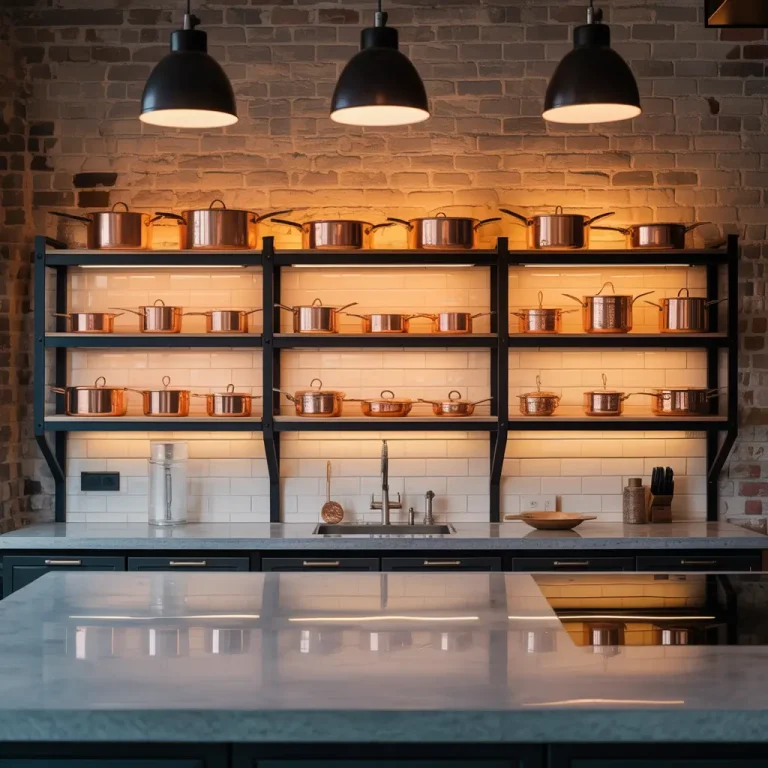
15 Stylish Small Open Concept Kitchen Living Room Ideas Today

Listen, we need to talk about small spaces. I’ve lived in my fair share of cramped apartments where the kitchen practically kissed the couch, and let me tell you – open concept living isn’t just a trend, it’s a survival strategy when you’re working with limited square footage.
You know what kills me? People think small open concept spaces automatically mean sacrificing style or functionality. Wrong! I’ve seen some absolutely brilliant small open layouts that would make mansion owners jealous.
Today, I’m sharing 15 ideas that’ll transform your compact space into something that actually works (and looks amazing while doing it).
1. Minimalist Small Open Concept Kitchen Living Room
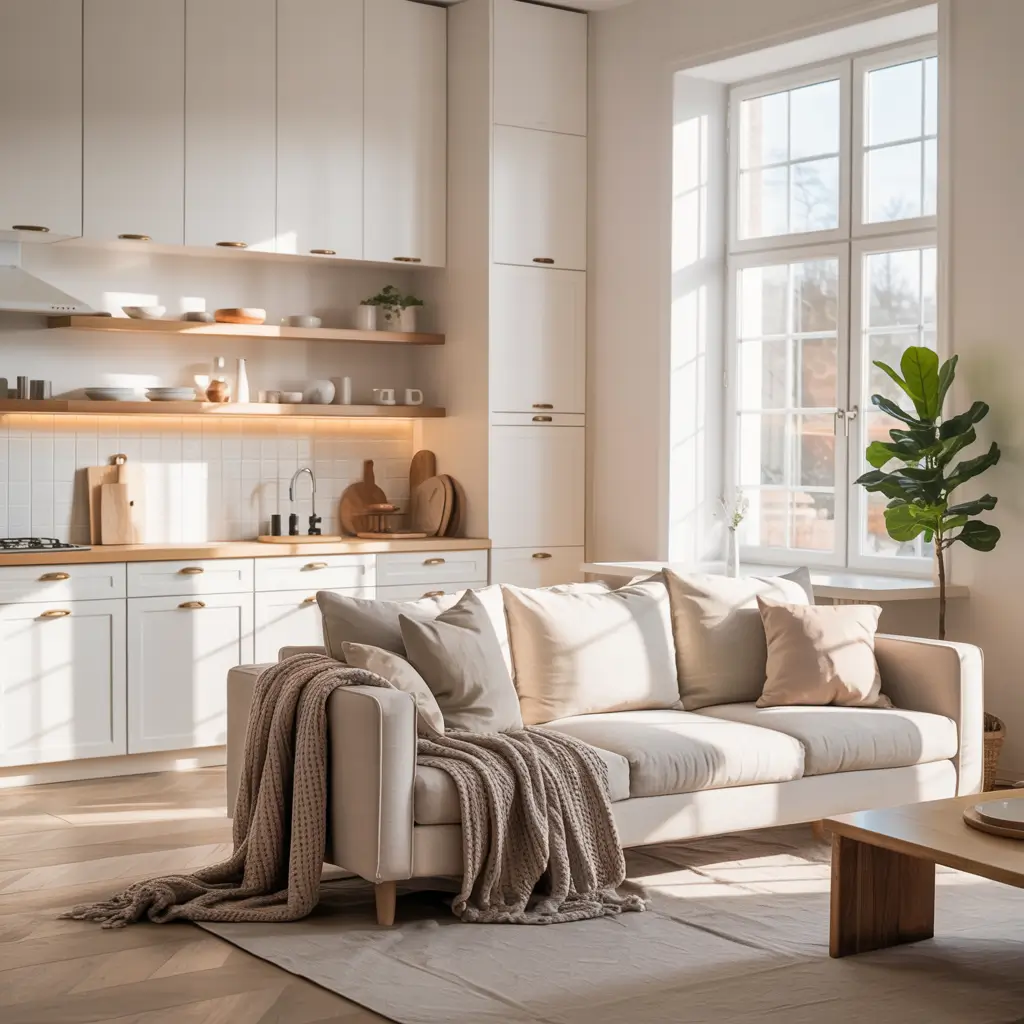
Let’s start with the approach that saved my sanity when I downsized last year – minimalism. You strip everything down to the essentials, and suddenly your 500-square-foot space feels like a thousand.
Why Minimalism Works
The magic happens when you stop cluttering every surface with random stuff. I ditched about 70% of my kitchen gadgets (bye-bye, bread maker I used twice) and kept only what I actually use daily. My counters stay clear, and the visual flow between kitchen and living room feels seamless.
Key elements that make minimalist open concepts work:
- Clean, handleless cabinets that blend into walls
- Hidden appliances behind matching panels
- One or two statement pieces max (not fifteen!)
- Negative space that lets your home breathe
Color Choices Matter
I stick with a monochromatic palette – think whites, grays, and maybe one accent color if you’re feeling wild. The continuity tricks your eye into seeing one large space instead of two cramped areas shoved together. My personal favorite? Soft gray cabinets with white walls – it’s like Instagram came to life, but actually livable.
2. Modern Scandinavian Open Kitchen and Living Space
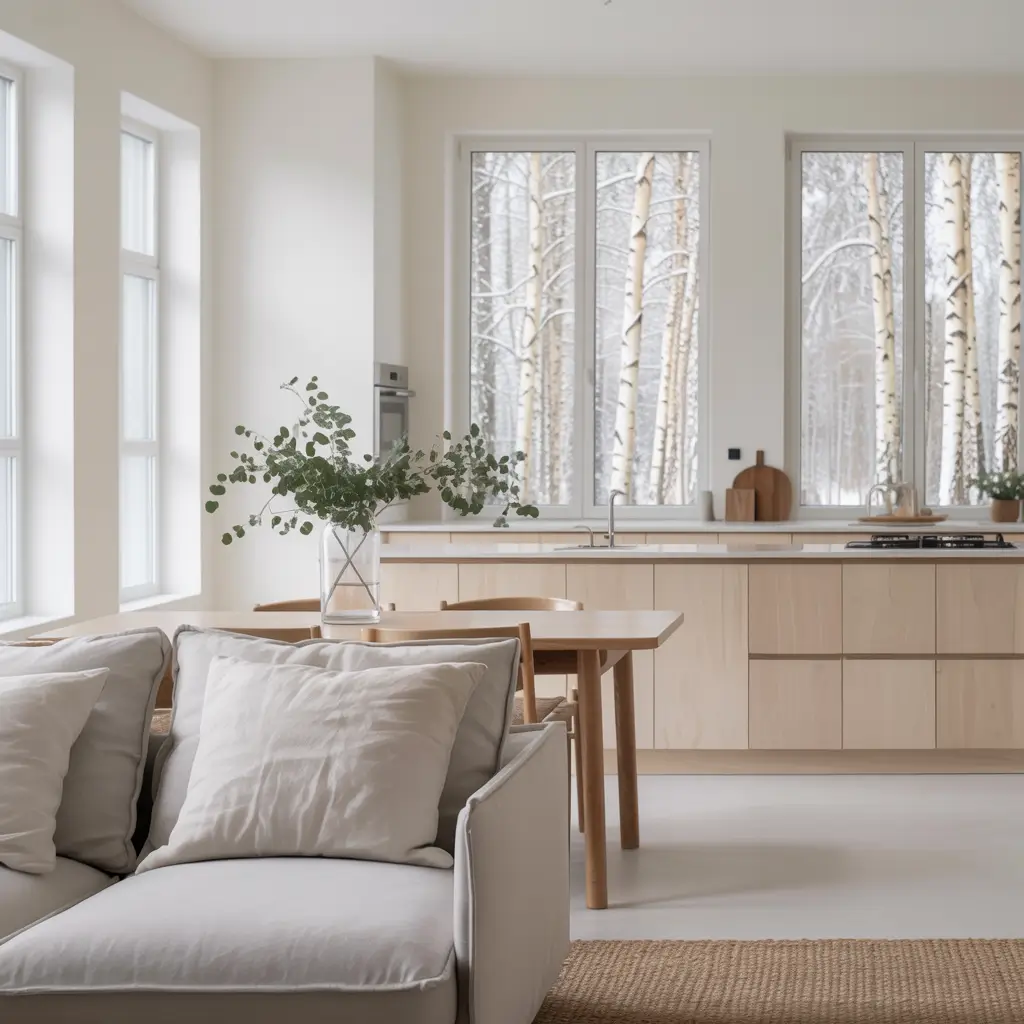
Oh man, the Scandinavians really figured this out. They deal with long, dark winters in tiny apartments, so they’ve mastered the art of making small spaces feel cozy without being claustrophobic.
The Hygge Factor
You want that perfect balance of function and warmth. I achieved this by combining light wood tones with soft textiles and keeping everything else super simple. Think blonde wood floors flowing from kitchen to living room, creating visual continuity that makes both spaces feel larger.
Must-have Scandinavian elements:
- Light oak or birch wood accents
- White or light gray base colors
- Cozy throws and cushions in the living area
- Simple pendant lights over the kitchen counter
- Natural materials everywhere possible
Practical Scandinavian Tricks
Here’s what nobody tells you about Scandi design – it’s ridiculously practical. Every piece serves multiple purposes. My kitchen island? It’s also my dining table and work-from-home desk. The bench against the wall? Storage underneath for all those pots and pans.
3. Cozy Rustic Small Open Kitchen Living Room
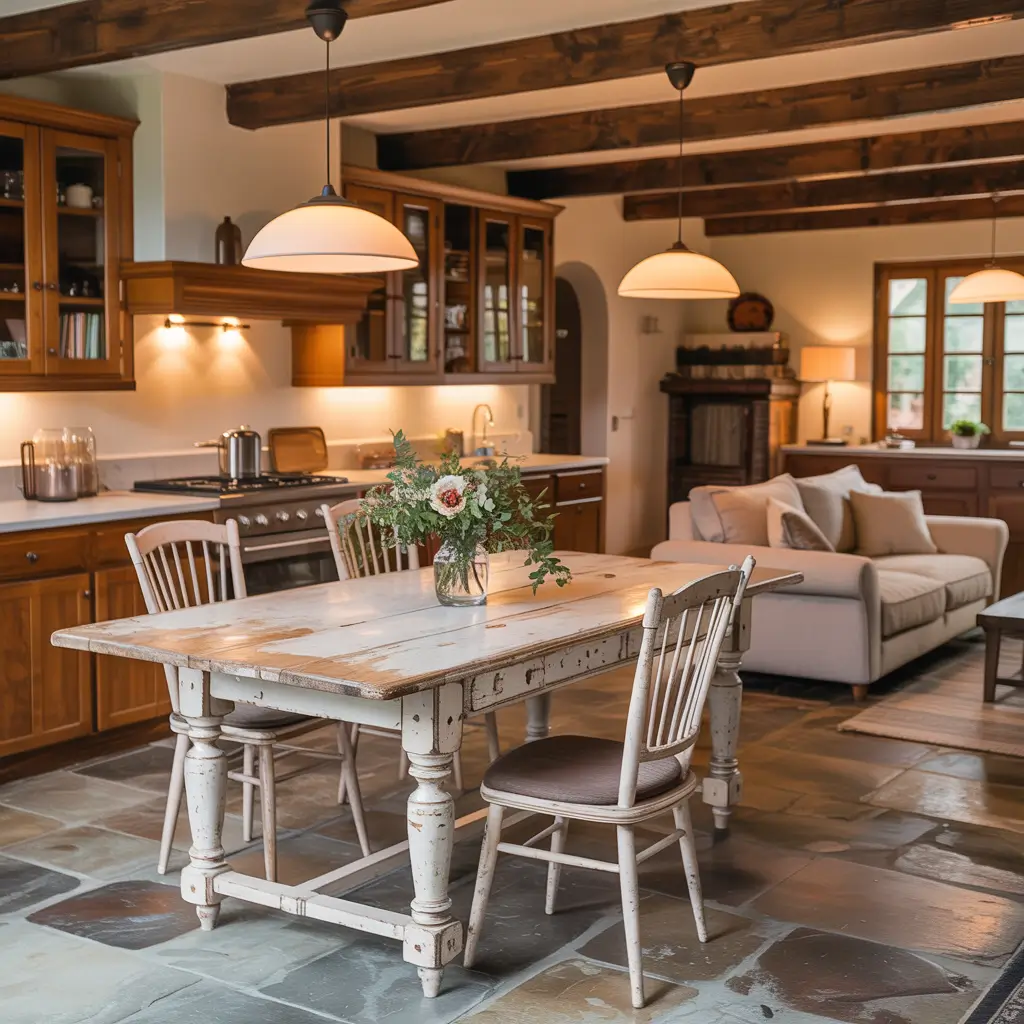
Who says small spaces can’t have character? I helped my sister design her 650-square-foot cottage, and we went full rustic – exposed beams, reclaimed wood, the whole nine yards.
Bringing Warmth to Small Spaces
The trick with rustic design in small open concepts? Don’t overdo it, or you’ll feel like you’re living in a cabin fever dream. Choose two or three rustic elements and keep everything else clean and modern.
What works beautifully:
- One exposed brick or stone wall (not all four!)
- Open wooden shelving instead of upper cabinets
- Vintage copper or brass fixtures
- Natural wood kitchen island with modern bar stools
- Woven baskets for stylish storage
Balancing Rustic and Modern
I learned this the hard way – too much rustic makes small spaces feel heavy. Balance those wooden beams with sleek appliances. Pair that farmhouse sink with minimalist cabinet hardware. The contrast creates visual interest without overwhelming your limited square footage.
Also Read: 15 Gorgeous Open Shelf Kitchen Ideas and Chic Decor Tricks
4. Sleek Contemporary Small Open Concept Design
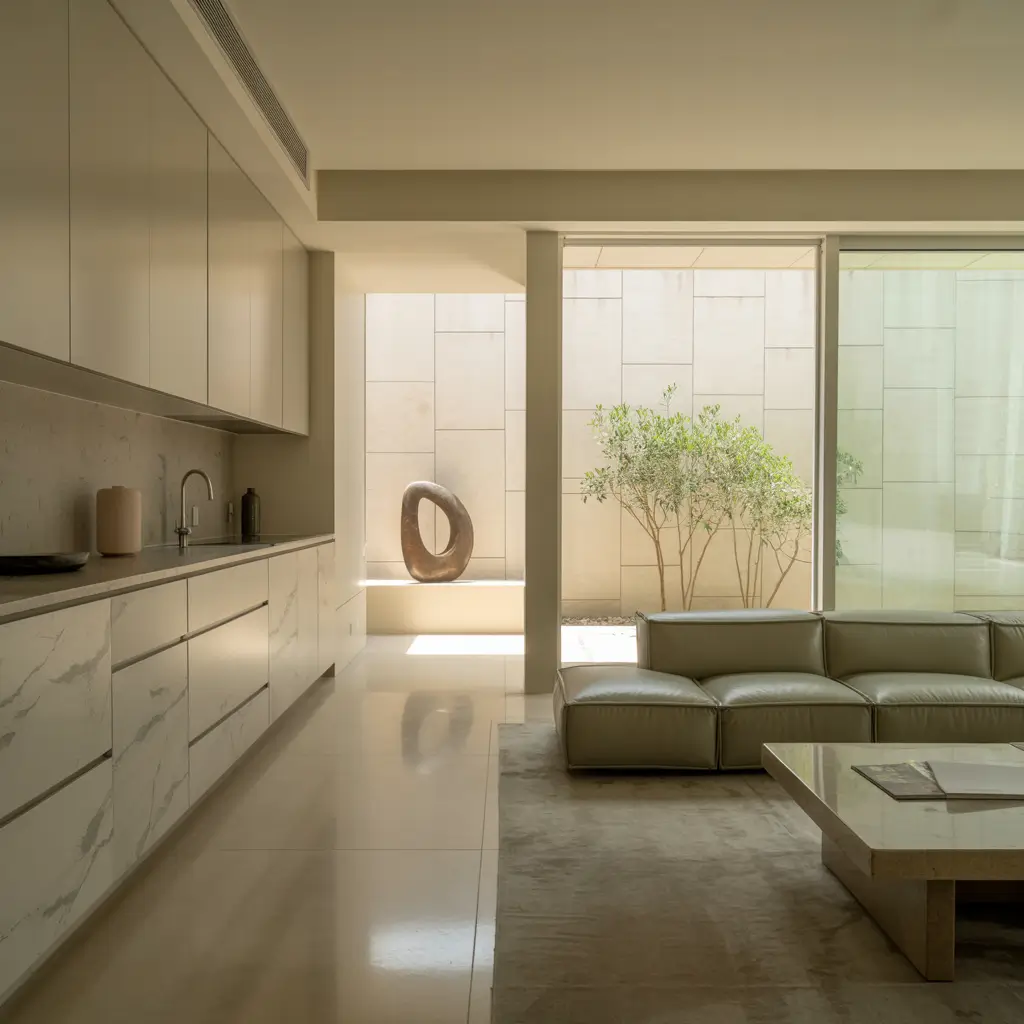
Want your small space to feel like a luxury condo? Contemporary design delivers that sophisticated vibe without breaking the bank (mostly).
The Power of Clean Lines
Contemporary design lives and dies by its lines. Everything aligns perfectly – your kitchen cabinets, your TV console, even your coffee table. This visual consistency makes small spaces feel intentional rather than cramped.
Contemporary essentials that won’t fail you:
- Flat-panel cabinets with integrated handles
- Waterfall kitchen islands (if space allows)
- Glass or acrylic furniture in the living area
- Monochromatic color schemes
- Statement lighting fixtures
Tech Integration
Here’s where contemporary design really shines in small spaces – smart home integration. I installed under-cabinet LED strips that I control with my phone, and suddenly my tiny kitchen feels like something from a sci-fi movie. FYI, visitors are always impressed 🙂
5. Compact L-Shaped Kitchen Living Room Ideas
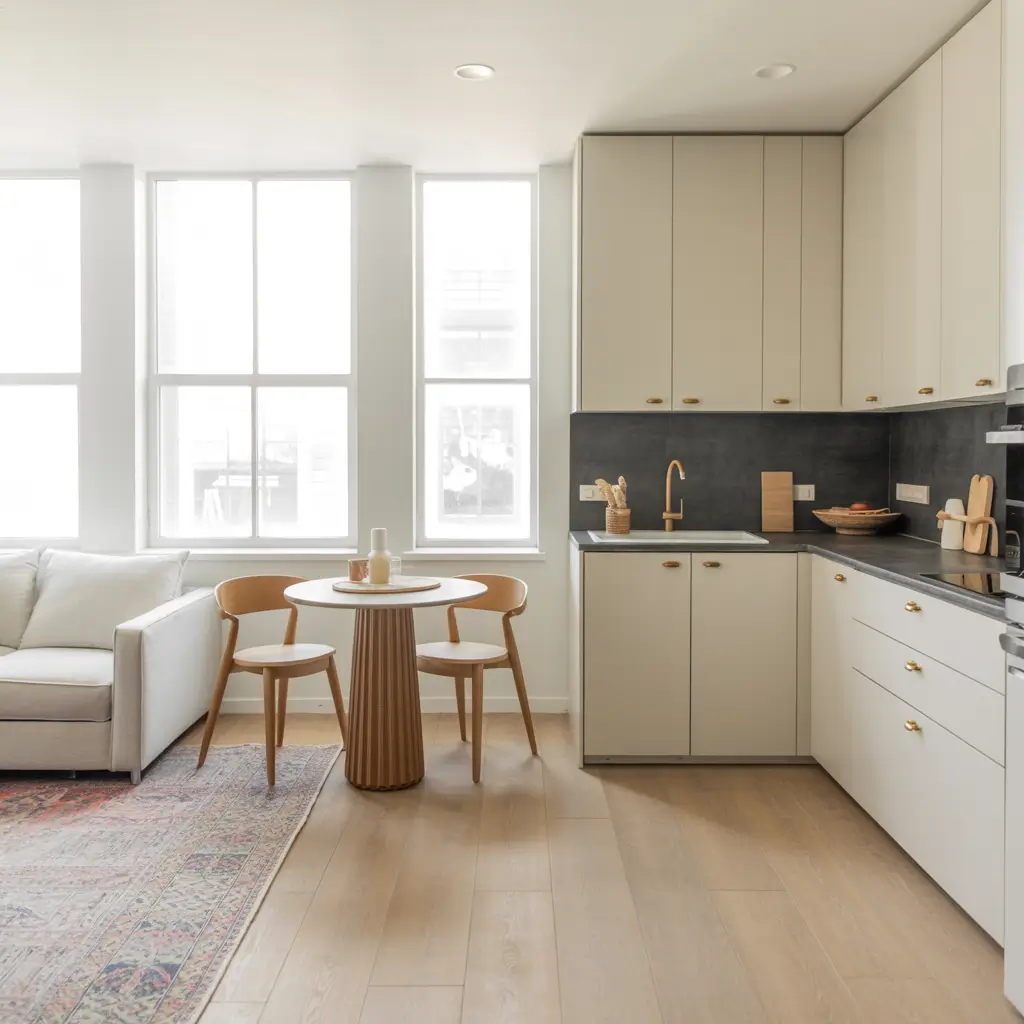
The L-shaped layout? It’s basically the Swiss Army knife of small open concepts. This configuration gives you maximum counter space while keeping the floor area open for living room furniture.
Making the L Work for You
I’ve seen people mess this up by putting the L in the wrong corner. You want the short side of the L opening toward your living space, creating a natural boundary without walls. The long side should run along an exterior wall where you can add windows.
Peninsula Power
Ever considered adding a peninsula to your L-shape? Game changer! It creates extra prep space, casual dining, and a psychological barrier between kitchen and living room. Plus, you can add bar stools for instant seating without cramming a dining table into your tiny space.
6. Bright White Small Open Space Inspiration
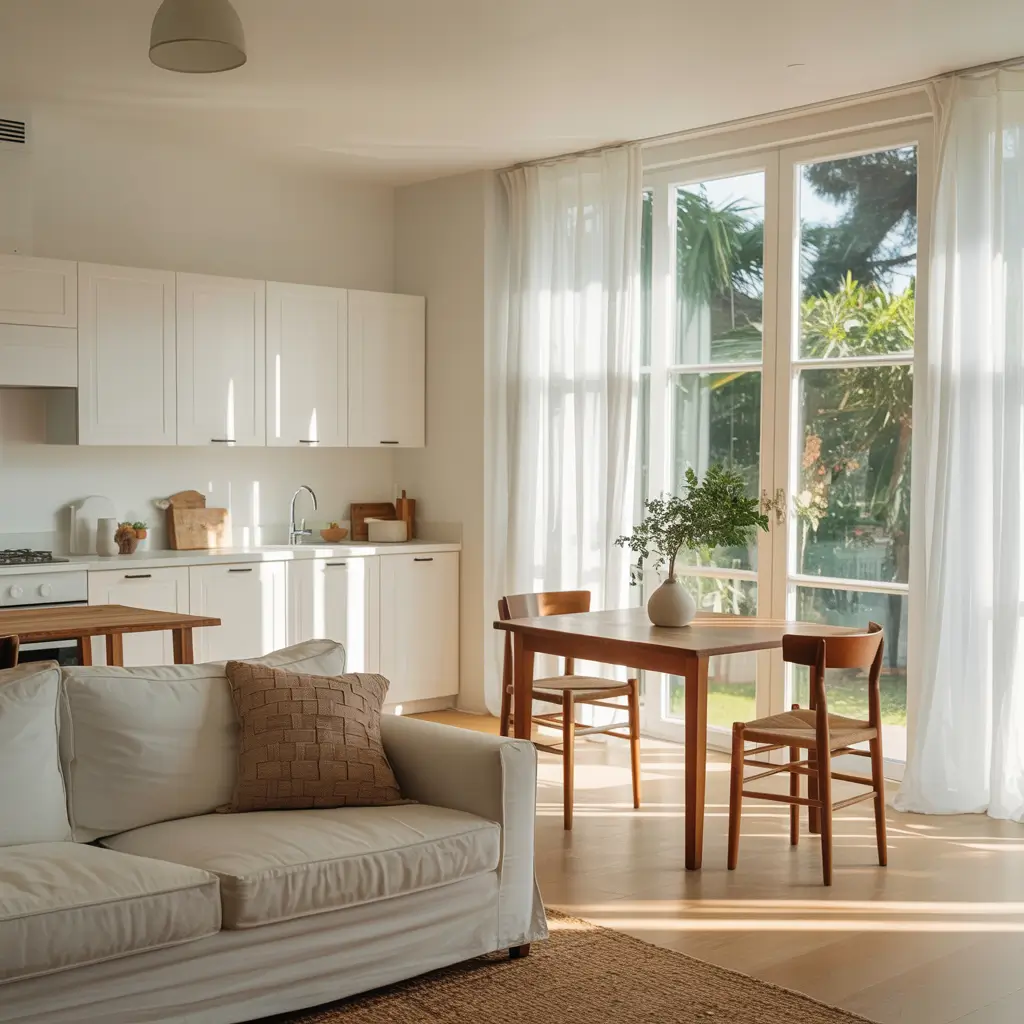
Okay, I know what you’re thinking – “White everything? Won’t it look like a hospital?” Nope, not if you do it right. White remains the ultimate space-enlarger, and I’m not just saying that because it’s trendy.
Beyond Basic White
The secret? Layer different shades and textures of white. Matte white cabinets, glossy white backsplash, off-white walls, cream-colored sofa – suddenly you’ve got depth and interest while maintaining that airy feeling.
White space winners:
- Bright white cabinets with marble countertops
- White subway tile with light grout
- Sheer white curtains for natural light
- White furniture with textured fabrics
- Metallic accents to break monotony
Keeping It Clean (Literally)
Yes, white shows everything. But here’s my hack – choose materials that clean easily. Quartz countertops, semi-gloss paint, and performance fabrics make maintenance way easier than you’d think.
Also Read: 15 Creative Small Open Kitchen and Living Room Ideas for Style
7. Multi-Functional Furniture for Small Open Layouts
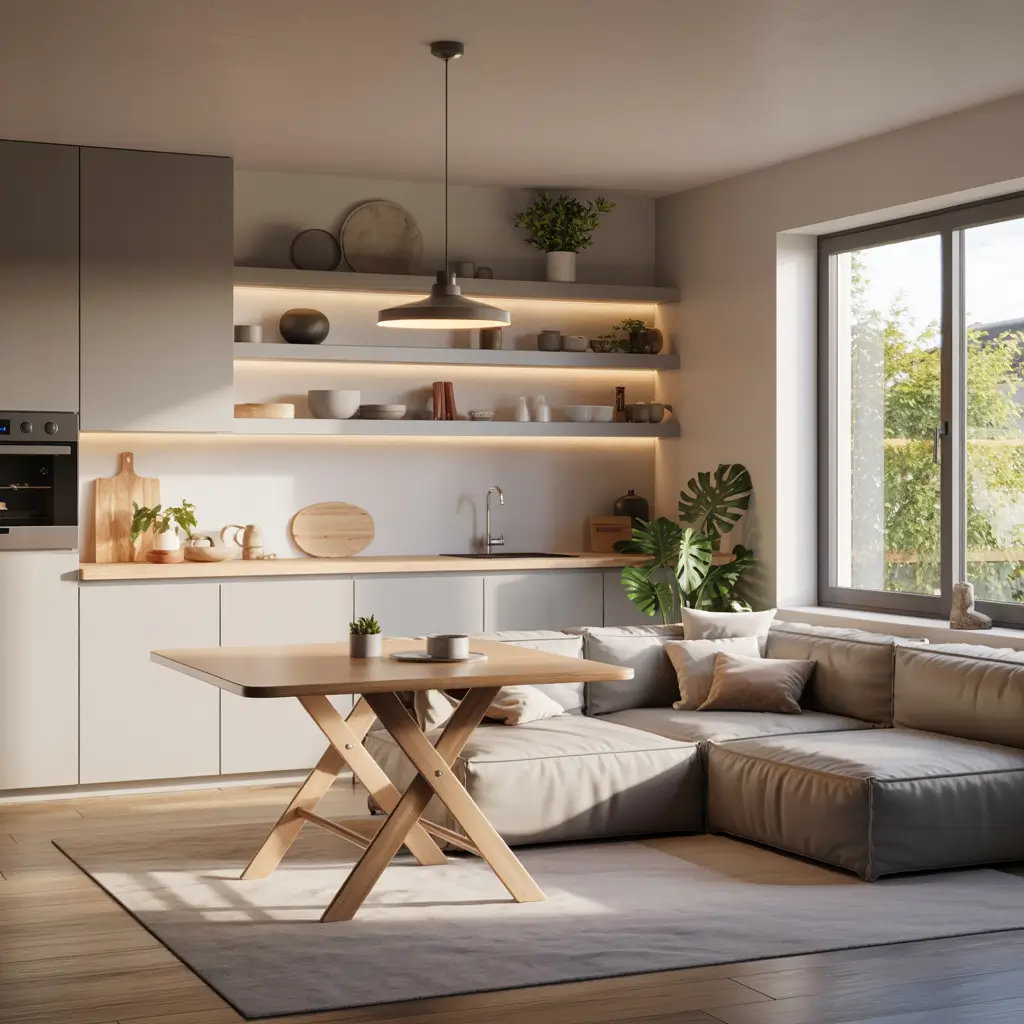
This might be the most important section of this entire article. Seriously. Multi-functional furniture transforms tiny open concepts from cramped to clever.
Furniture That Earns Its Keep
Every piece in my apartment serves at least two purposes. My ottoman? Storage and extra seating. The console behind my sofa? It’s my bar, my office, and my dining buffet when I have people over.
Smart Furniture Investments
Worth every penny:
- Expandable dining tables
- Storage ottomans
- Nesting coffee tables
- Sofa beds that actually don’t suck
- Kitchen islands on wheels
- Wall-mounted drop-leaf tables
I splurged on a kitchen island with a pull-out table – best $800 I ever spent. It tucks away completely when I need floor space for yoga (or dance parties, no judgment).
8. Small Open Concept with Island Kitchen Design
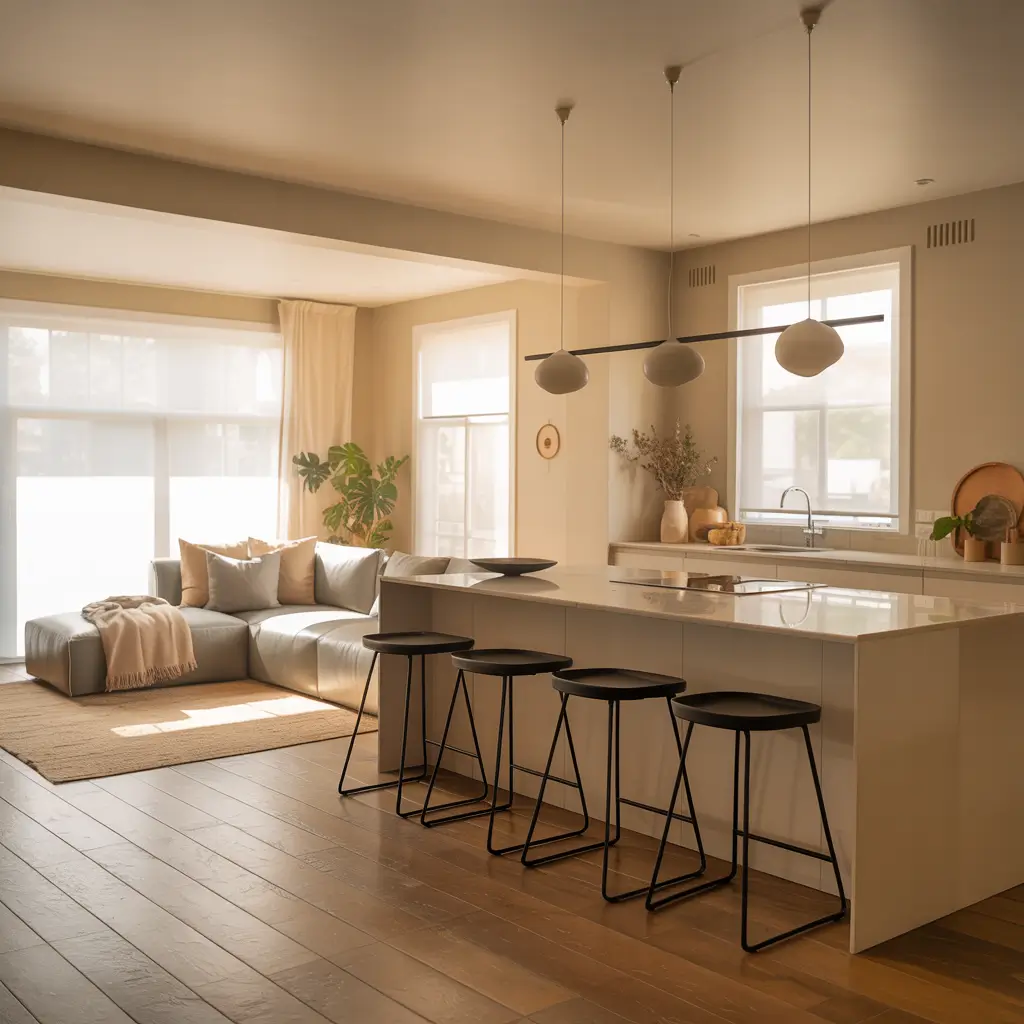
Can you fit an island in a small open concept? Absolutely! But you need to be strategic about it.
Island Sizing Rules
Here’s the deal – you need at least 36 inches of clearance around all sides of your island. Any less and you’re creating a traffic jam. My island measures just 24 by 48 inches, but it adds tons of functionality.
Island Alternatives
Not enough room for a traditional island? Try these:
- Rolling kitchen carts
- Narrow console tables
- Peninsula attachments
- Butcher block on legs
- Floating breakfast bars
Making Islands Work Harder
Your island shouldn’t just sit there looking pretty. Mine includes a microwave cubby, wine storage, and drawers for literally everything. The top extends on one side for bar seating, eliminating the need for a separate dining area.
9. Space-Saving Storage Solutions for Open Areas
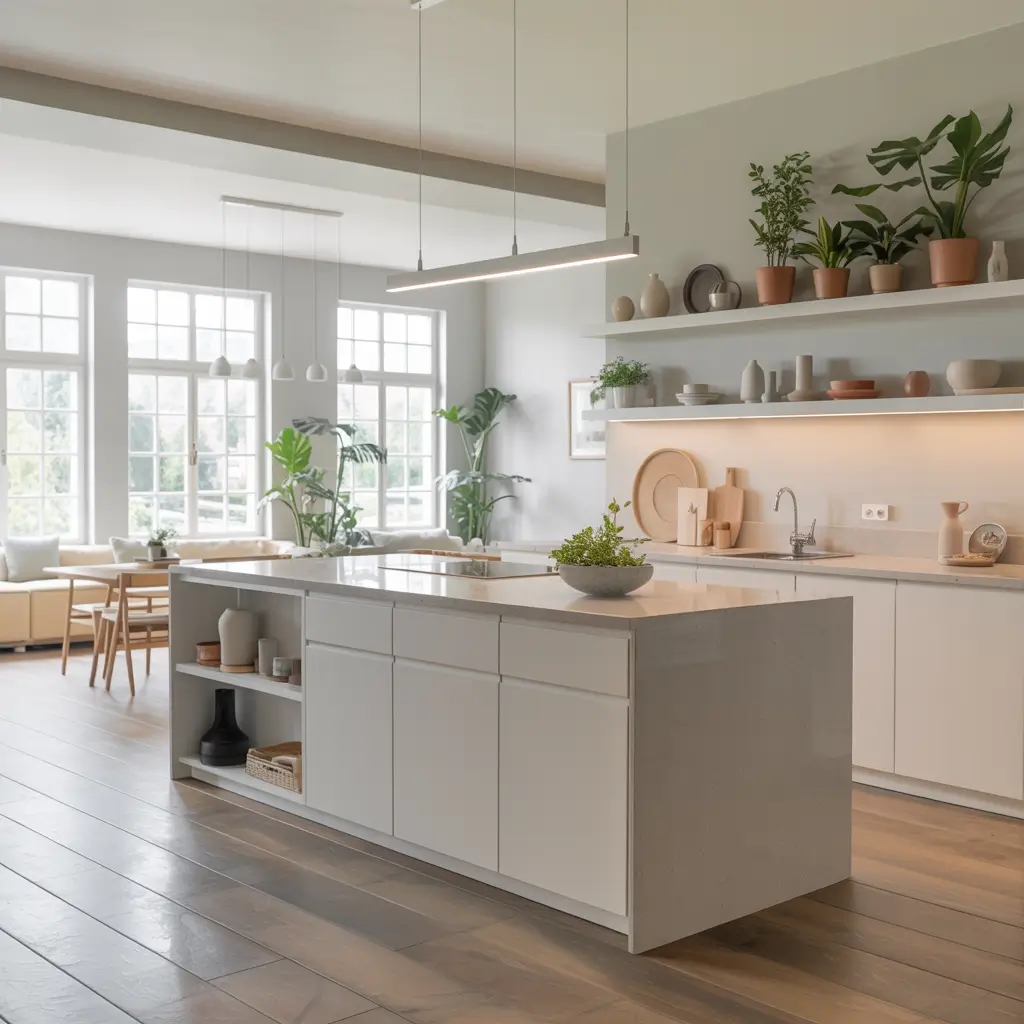
Storage in small open concepts? It’s like playing Tetris, but with your entire life. The challenge? Keeping things accessible without creating visual chaos.
Vertical Storage Victory
You’ve got to think up, not out. I installed floating shelves from floor to ceiling on one wall, and suddenly I had room for all my books, plants, and decorative objects. The key is keeping the shelving consistent – mismatched shelves make small spaces look cluttered.
Hidden Storage Hacks
Genius storage spots you’re probably missing:
- Under-stair drawers
- Ceiling-mounted pot racks
- Toe-kick drawers in kitchen cabinets
- Behind-door organizers
- Under-sofa storage boxes
- Hollow ottomans and benches
Open vs. Closed Storage
IMO, you need both. Open shelving displays pretty dishes and adds personality. Closed cabinets hide the ugly stuff (looking at you, mismatched Tupperware). The ratio I swear by? 70% closed, 30% open storage.
Also Read: 15 Cozy Small Open Plan Kitchen Dining Living Ideas to Transform
10. Neutral Tones Small Open Kitchen Living Ideas
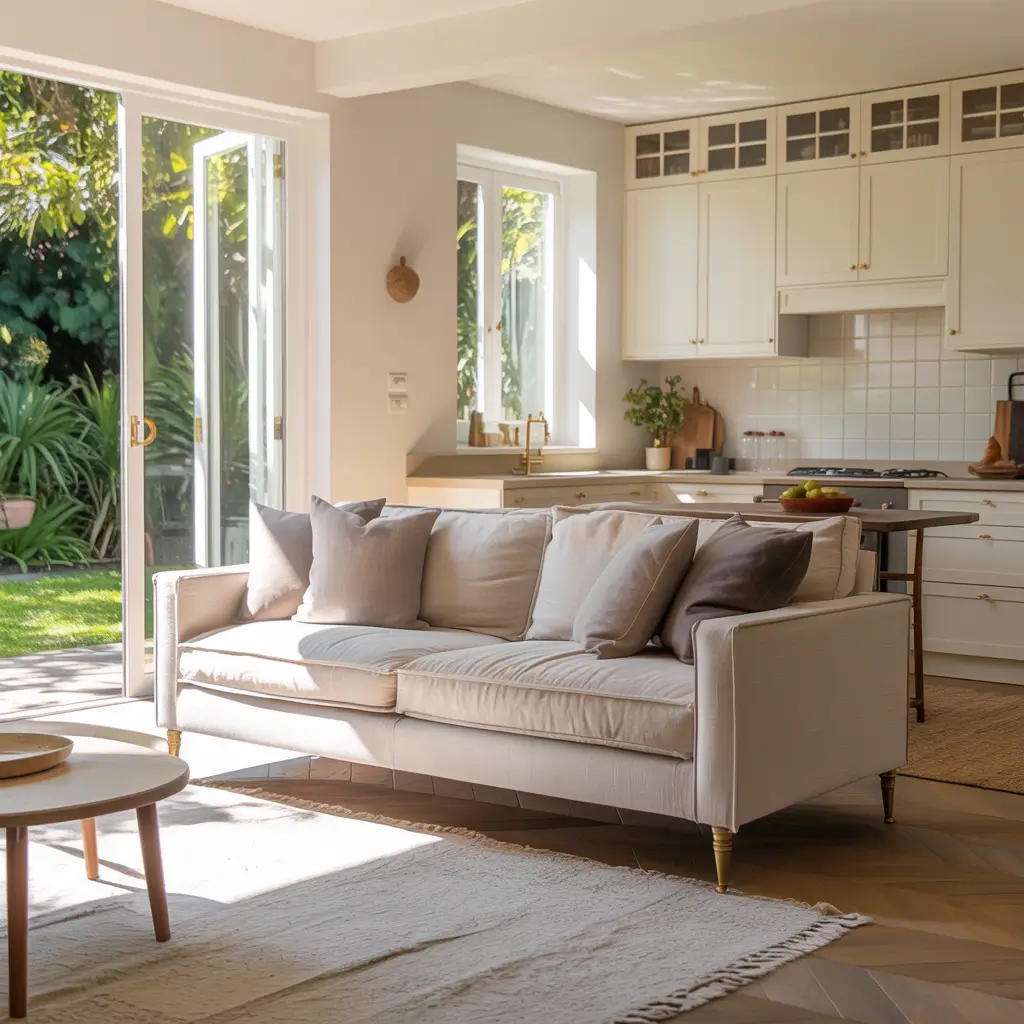
Neutrals never go out of style, and they’re perfect for small spaces. But neutral doesn’t mean boring – trust me on this one.
Building a Neutral Palette
Start with a base of warm grays or soft beiges. Layer in different textures – rough linen, smooth leather, nubby wool. The variation in texture prevents neutral spaces from feeling flat.
Adding Interest Without Color
Who needs bold colors when you have:
- Natural wood grain
- Interesting tile patterns
- Metallic finishes
- Architectural details
- Textured wallpaper
- Statement lighting
My entire apartment lives in the beige-to-brown spectrum, but visitors always comment on how interesting it looks. The secret? I went crazy with textures and patterns while keeping the color palette tight.
11. Colorful Accents in Small Open Concept Spaces
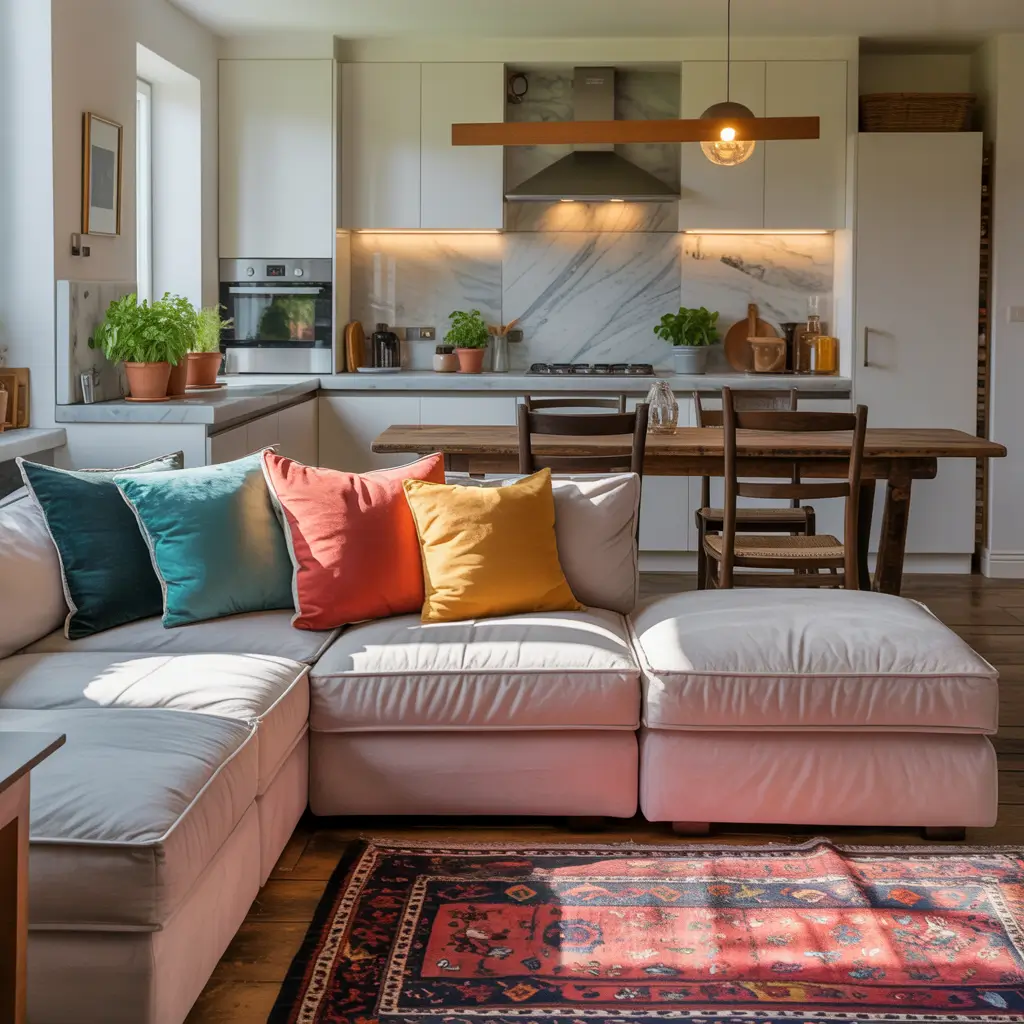
Alright, maybe you’re not a neutral person. Cool! Small spaces can absolutely handle color – you just need to be strategic about it.
The 60-30-10 Rule
This classic design principle saves small spaces from color chaos. 60% dominant color (usually neutral), 30% secondary color, 10% accent color. In my friend’s studio, that translates to gray walls and sofa (60%), navy kitchen cabinets (30%), and mustard yellow accessories (10%).
Color Zoning
Use color to define spaces without walls. Maybe your kitchen backsplash features bold blue tile while your living room stays neutral. The color change signals a shift in function while maintaining the open flow.
Removable Color Options
Smart ways to add color without commitment:
- Colorful bar stools
- Bright throw pillows
- Vibrant area rugs
- Removable wallpaper
- Colorful kitchen appliances
- Bold artwork
12. Industrial Chic Small Open Kitchen Living Room
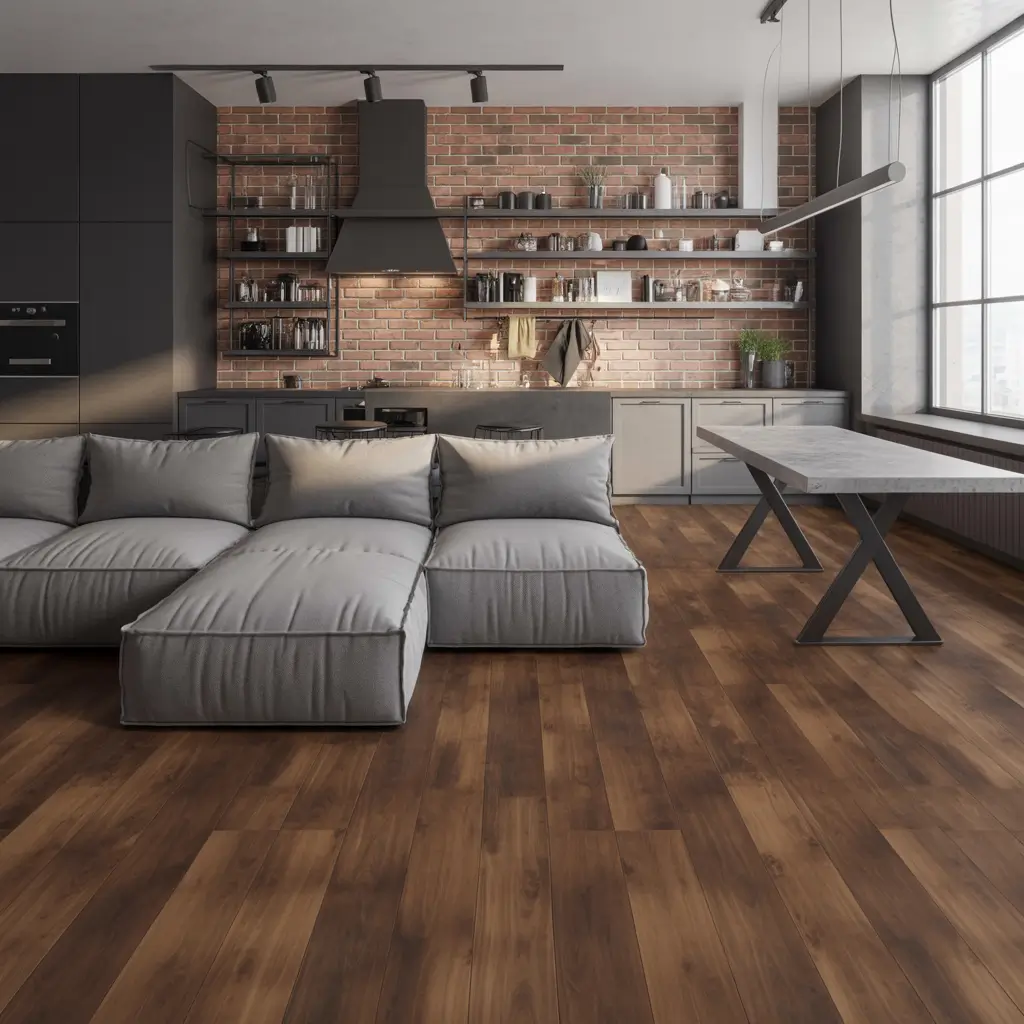
Industrial style in a small space? It works brilliantly when you don’t go overboard with the warehouse vibes.
Industrial Elements That Scale Down
Skip the massive metal beams and focus on smaller industrial touches. Exposed edison bulbs, metal bar stools, and concrete countertops give you that industrial edge without overwhelming your space.
Softening the Hard Edges
Pure industrial can feel cold in small spaces. I soften mine with:
- Warm wood accents
- Soft textiles on the sofa
- Plants (lots of them)
- Warm metallic finishes (copper or brass)
- Area rugs to define spaces
DIY Industrial Touches
You don’t need to renovate to get industrial vibes. Swap out cabinet hardware for black iron pulls, add pipe shelving, or install a metal backsplash. These small changes pack a big industrial punch.
13. Small Open Concept with Natural Lighting Tips
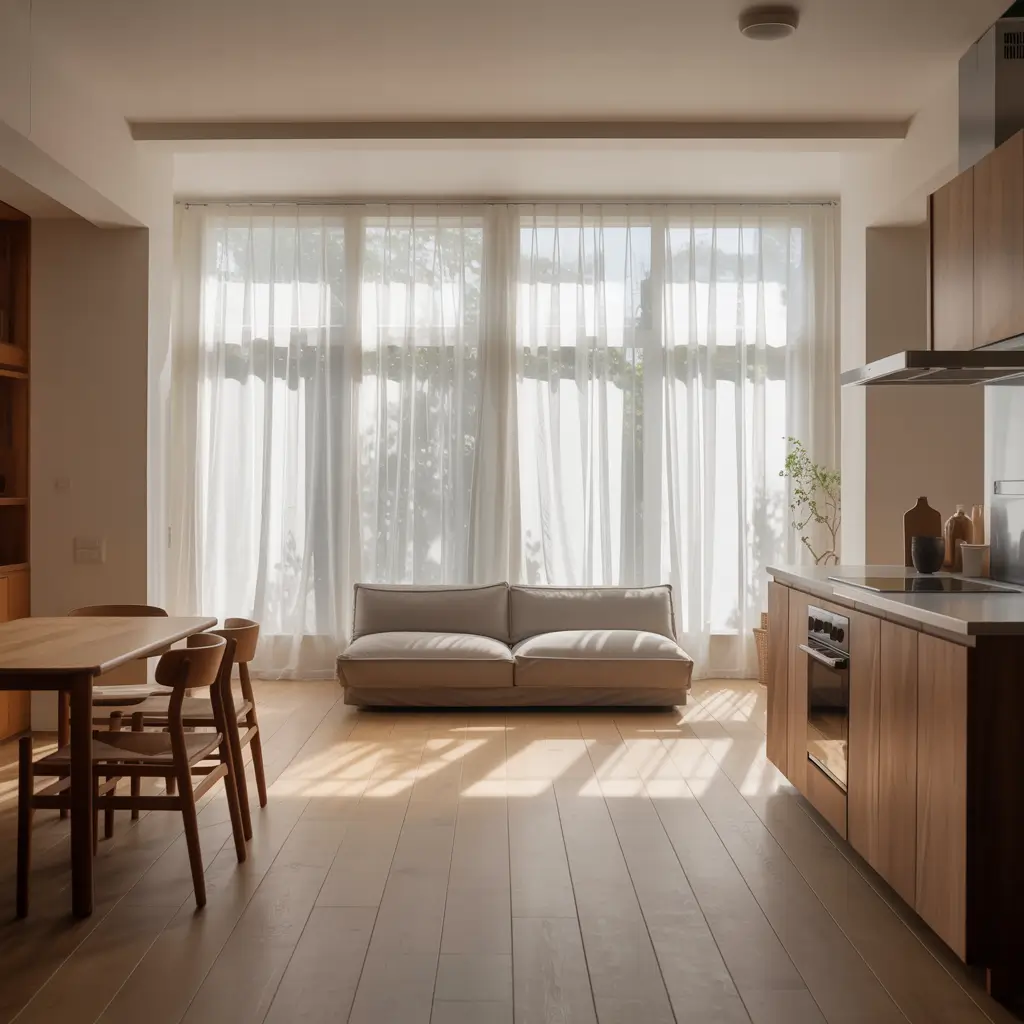
Natural light makes small spaces feel huge. Period. But what do you do when your apartment has, like, two windows?
Maximizing What You’ve Got
Every trick I’ve learned for amplifying natural light:
- Mirrors opposite windows (classic but effective)
- Glass or lucite furniture
- Sheer curtains instead of heavy drapes
- Light-colored flooring
- Glossy surfaces that reflect light
- Removing upper cabinets near windows
Creating Light Zones
Layer your artificial lighting to mimic natural light. I use LED strips under cabinets, pendant lights over the island, and floor lamps in the living room. The varied light sources eliminate dark corners that make spaces feel smaller.
Window Treatment Wisdom
Hang curtains close to the ceiling and extend the rod beyond the window frame. This trick makes windows appear larger and lets in maximum light. Light filters through even when curtains are partially closed.
14. Small Open Concept with Indoor Greenery
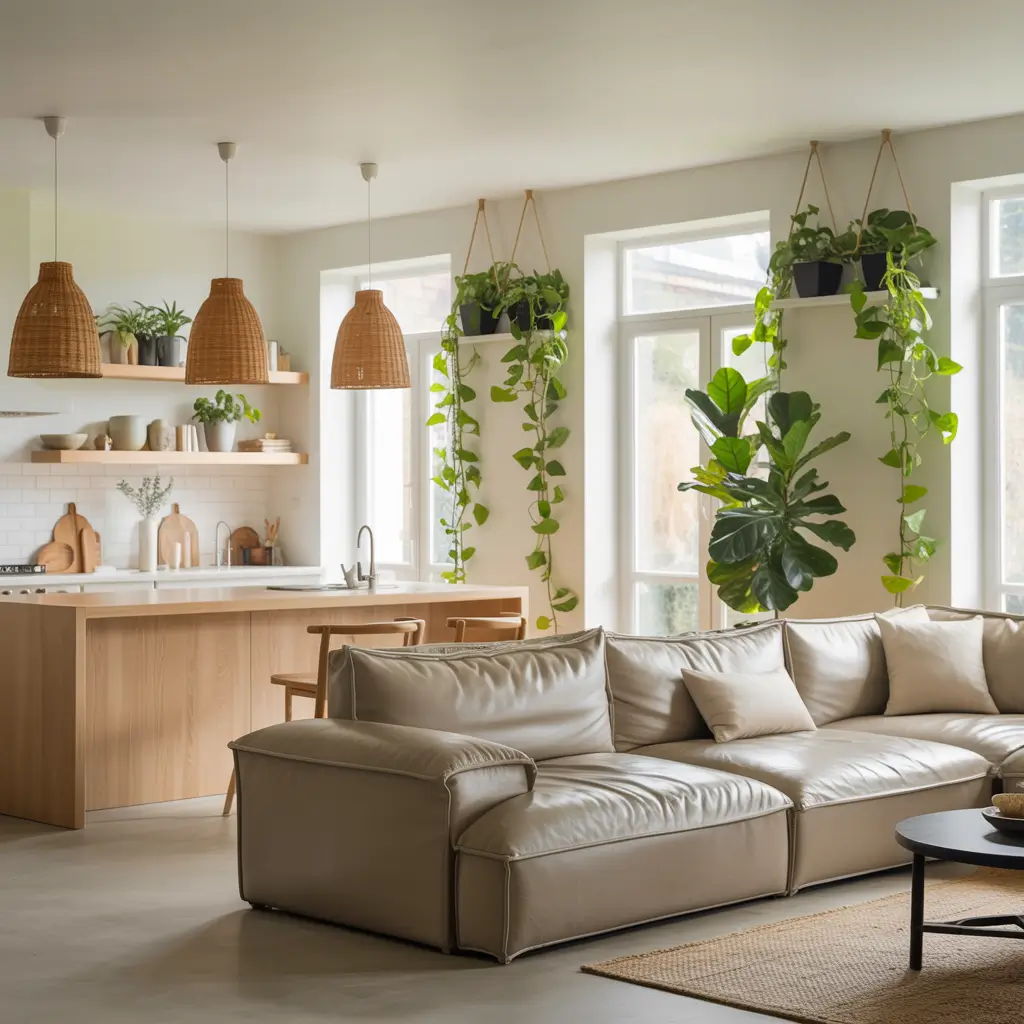
Plants breathe life into small open concepts – literally and figuratively. They add color, improve air quality, and create visual interest without taking up floor space.
Strategic Plant Placement
Where plants work hardest in small spaces:
- Hanging planters in kitchen windows
- Tall plants in empty corners
- Herb gardens on kitchen windowsills
- Trailing plants on top of cabinets
- Small succulents on open shelving
- A statement fiddle leaf fig as room divider
Low-Maintenance Winners
Not everyone has a green thumb (guilty!). These plants survive my neglect:
- Pothos
- Snake plants
- ZZ plants
- Succulents
- Air plants
- Peace lilies
Living Walls and Vertical Gardens
Short on surface space? Go vertical with a living wall or hanging garden system. I installed a small vertical herb garden in my kitchen – fresh basil and taking up zero counter space? Yes, please!
15. Smart Layouts for Small Open Concept Homes
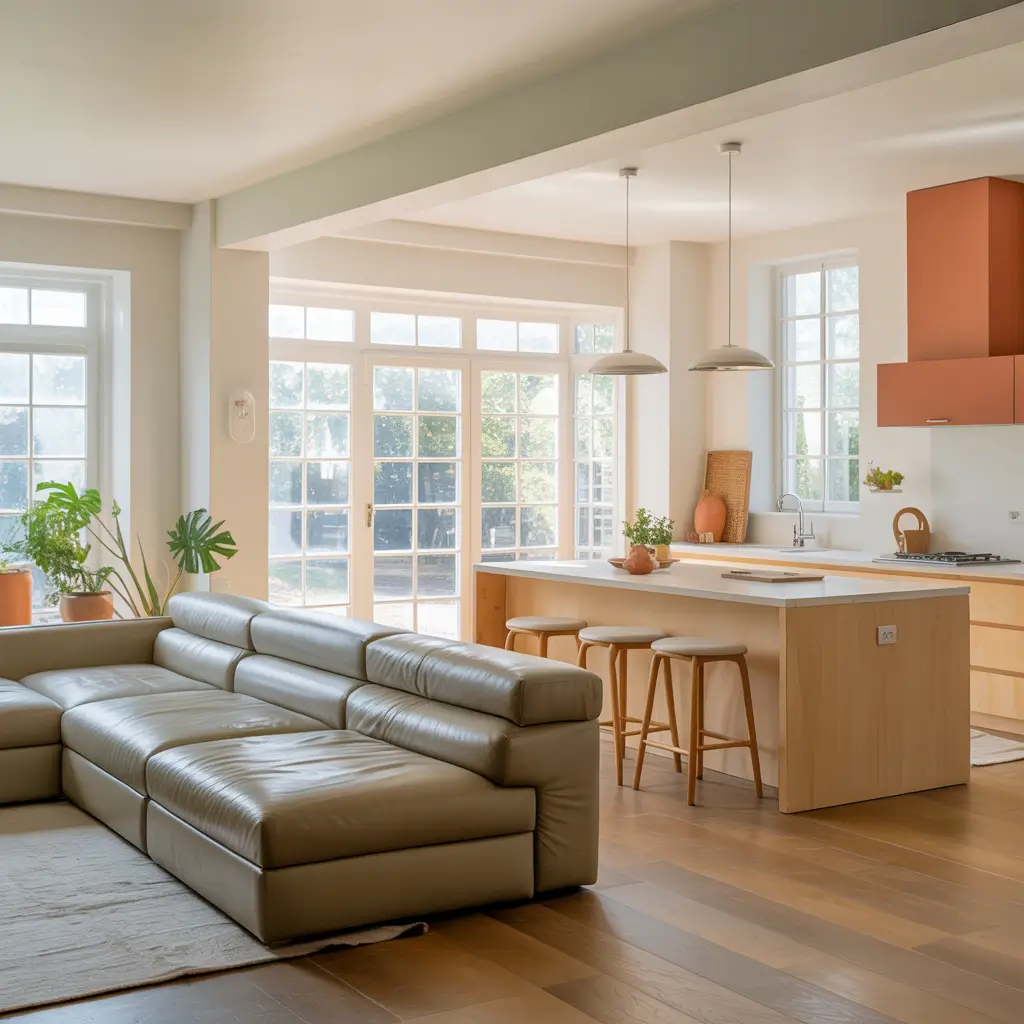
Let’s wrap this up with the foundation of any successful small open concept – the layout itself. You can have all the pretty furniture and colors you want, but if your layout sucks, your space will feel cramped.
The Triangle Rule
Keep your sink, stove, and fridge in a tight triangle. This configuration minimizes steps while cooking and keeps the kitchen efficient. In open concepts, this also prevents you from walking through the living room every time you need something.
Defining Spaces Without Walls
Clever ways to create zones:
- Area rugs for each “room”
- Different ceiling heights or treatments
- Furniture placement (sofa backs work great)
- Lighting changes
- Floor material transitions
- Color or texture shifts
Traffic Flow Fundamentals
Leave clear pathways between kitchen and living areas. I learned this after constantly bumping into my coffee table while carrying hot soup. Minimum 30-inch pathways prevent accidents and keep the space feeling open.
Flexibility Is Key
The best small open concepts adapt to your needs. Maybe your dining table doubles as a desk during the day. Perhaps your living room transforms into a guest room when needed. Build flexibility into your layout with moveable furniture and multi-purpose pieces.
Making It All Work Together
Here’s the thing about small open concept living – it’s not about following every trend or cramming in every idea. Pick what resonates with your lifestyle. Maybe you’re a minimalist Scandi person, or perhaps industrial chic speaks to your soul.
The beauty of open concept living lies in its adaptability. Your space should work for you, not the other way around. I’ve lived in my current 600-square-foot open concept apartment for three years now, and I’m still tweaking things. Last month I moved my sofa 90 degrees, and suddenly the whole space felt brand new.
Remember, small doesn’t mean settling. Some of the most creative, functional, and downright gorgeous homes I’ve seen clock in under 700 square feet. They succeed because their owners embraced the constraints rather than fighting them. So whether you’re working with 400 or 800 square feet, these ideas prove that open concept living isn’t just possible in small spaces – it might actually be better. Who needs walls anyway? :/