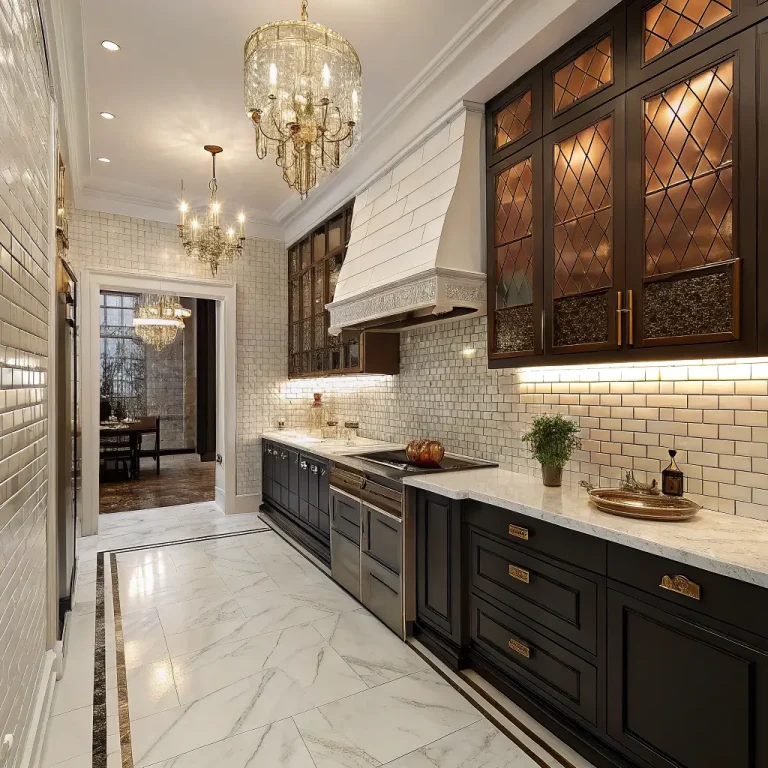
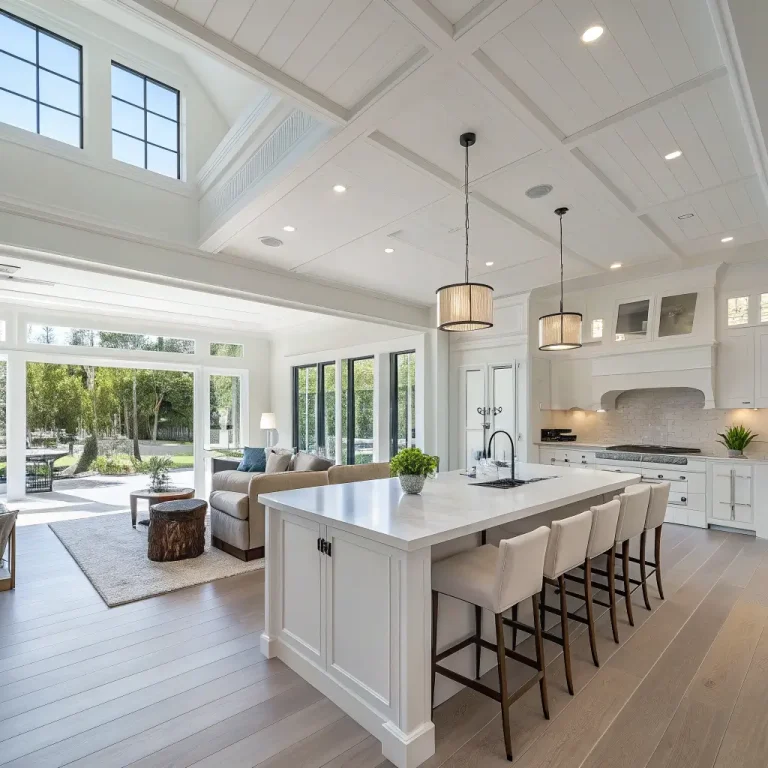
15 Creative Small Open Kitchen and Living Room Ideas for Style

You know that feeling when you walk into your small open-plan space and think, “How the heck am I supposed to make this work?” Yeah, I’ve been there.
After living in three different studio apartments and helping countless friends transform their tiny open kitchen-living combos, I’ve picked up some tricks that actually work.
Not those Pinterest-perfect solutions that require a trust fund – real ideas for real people with real budgets.
Let me share 15 game-changing ideas that’ll make your small open space feel like it doubled in size overnight. And no, you won’t need to knock down any walls (though wouldn’t that be nice?).
Compact Kitchen Island with Hidden Storage

Here’s the thing about kitchen islands in small spaces – everyone tells you they’re impossible. They’re wrong. You just need to think smarter, not bigger.
I discovered this when I squeezed a 36-inch rolling island into my 400-square-foot apartment. The secret? Every inch serves double duty. The top works as prep space and a breakfast bar. Inside? That’s where the magic happens. I’m talking pull-out drawers for utensils, a hidden trash bin, and even a sneaky wine rack on the side.
Want to know what really changed the game? Wheels with locks. I roll it against the wall when I need dance floor space (don’t judge), and pull it out when I’m channeling my inner Gordon Ramsay. The best part? You can find these babies for under $300 if you know where to look.
Making It Work in Your Space
- Choose an island that’s no more than 24 inches wide for tight spaces
- Look for models with drop-leaf extensions for extra counter space
- Install hooks on the sides for dish towels and utensils
- Pick one with open shelving below to display pretty dishes (and hide the ugly ones up top)
Minimalist Open Shelving Layout

Remember when everyone said open shelving would make your kitchen look cluttered? They clearly never learned the art of strategic styling. I replaced my upper cabinets with floating shelves two years ago, and my kitchen has never looked bigger.
The trick isn’t having less stuff – it’s about curating what you display. I keep my everyday dishes on the lower shelves (white plates, simple bowls) and save the top shelf for items I use less often but look gorgeous. Think copper pots, vintage glassware, or that fancy olive oil you got as a gift.
You know what nobody talks about? The psychological effect of seeing wall space above your shelves. It draws the eye up and makes your ceiling feel higher. Instant architectural interest without the architect price tag.
Pro Tips for Open Shelving Success
Keep it cohesive by sticking to two or three colors max. I learned this the hard way when my rainbow mug collection made my kitchen look like a yard sale. Now I display only white and wood items, with the occasional pop of green from my plants.
Space your shelves 15-18 inches apart – enough for tall items but not so much that you waste vertical space. And here’s a secret: mount them slightly higher than feels natural. It creates breathing room that makes everything feel less cramped.
Multi-Functional Furniture for Small Spaces

Can we talk about how transformer furniture has evolved beyond those sketchy futons from college? I’m obsessed with pieces that work harder than I do on a Monday morning.
My coffee table? It lifts up to become a desk and has storage inside for blankets. My ottoman? Opens up to store board games and doubles as extra seating. Even my side table has a built-in charging station and magazine rack. Every single piece earns its keep.
The game-changer was investing in a storage bench along my living room wall. It provides seating for four, stores all my winter gear, and creates a visual boundary between kitchen and living spaces. Plus, throw some pillows on top and suddenly you’ve got a cozy reading nook.
Smart Furniture Investments
- Nesting tables that tuck away when not needed
- Bar stools that slide completely under your counter
- Expandable console tables that become dining tables for eight
- Storage ottomans that work as coffee tables
Also Read: 15 Cozy Small Open Plan Kitchen Dining Living Ideas to Transform
Bright Color Palettes to Expand Space

Whoever said small spaces need to be all white clearly never lived in one. Sure, white reflects light, but you know what else does? Soft yellows, pale blues, and sage greens. I painted my kitchen wall a barely-there mint, and suddenly my space felt fresh instead of sterile.
The real trick? Creating flow with color. I use the same pale gray on my walls from kitchen to living room, then add pops of navy through accessories. It creates continuity without the monotony of an all-white box.
Here’s something I learned after three painting disasters: test your colors at different times of day. That perfect morning gray might look like prison walls at night. Trust me on this one :/
Color Strategies That Actually Work
Light colors work, but contrast creates interest. I painted my kitchen island navy while keeping everything else light. It grounds the space and adds personality without making things feel heavy.
Consider painting your ceiling a shade lighter than your walls. It literally lifts the room. And if you’re feeling brave? A single accent wall in a deeper shade can actually make a room feel larger by creating depth. Wild, right?
Smart Lighting for Open Floor Plans

Lighting can make or break your open space. I learned this when my single overhead fixture made my apartment look like an interrogation room. Now? I layer lighting like I’m creating a mood board for a romantic comedy.
Start with ambient lighting – that’s your general illumination. Add task lighting where you work (under-cabinet strips in the kitchen are life-changing). Then sprinkle in accent lighting to create atmosphere. My $30 string lights do more for the vibe than my $300 floor lamp.
The secret weapon? Dimmer switches. Install them everywhere. Bright for cooking, dim for Netflix, somewhere in between for dinner parties. It’s like having multiple rooms in one space.
Lighting Layout Tips
- Use pendant lights to define your kitchen zone
- Place floor lamps in living room corners to eliminate shadows
- Install LED strips under cabinets and shelves
- Add table lamps at different heights for visual interest
Space-Saving Breakfast Nook Designs

Who says you need a separate dining room? I carved out a breakfast nook in a corner everyone said was “dead space.” Now it’s where I drink my coffee, work from home, and host intimate dinners.
The key is built-in seating with storage underneath. I used kitchen cabinets as a base, added a cushion on top, and boom – seating for four with room for my entire cookbook collection below. The floating table attached to the wall saves floor space and can be removed if needed (spoiler: it never is).
Want to make it feel intentional? Define the space with a different paint color or wallpaper. I used removable wallpaper with a subtle pattern, and suddenly my nook feels like its own little world.
Nook Essentials
- Keep tables 28-30 inches wide for comfortable dining
- Use corner benches to maximize seating
- Add wall-mounted shelves above for decor
- Include good lighting – a pendant or chandelier works perfectly
Also Read: 15 Stunning Open Floor Plan Kitchen Dining Living Ideas for Inspiration
Sliding Room Dividers for Flexibility
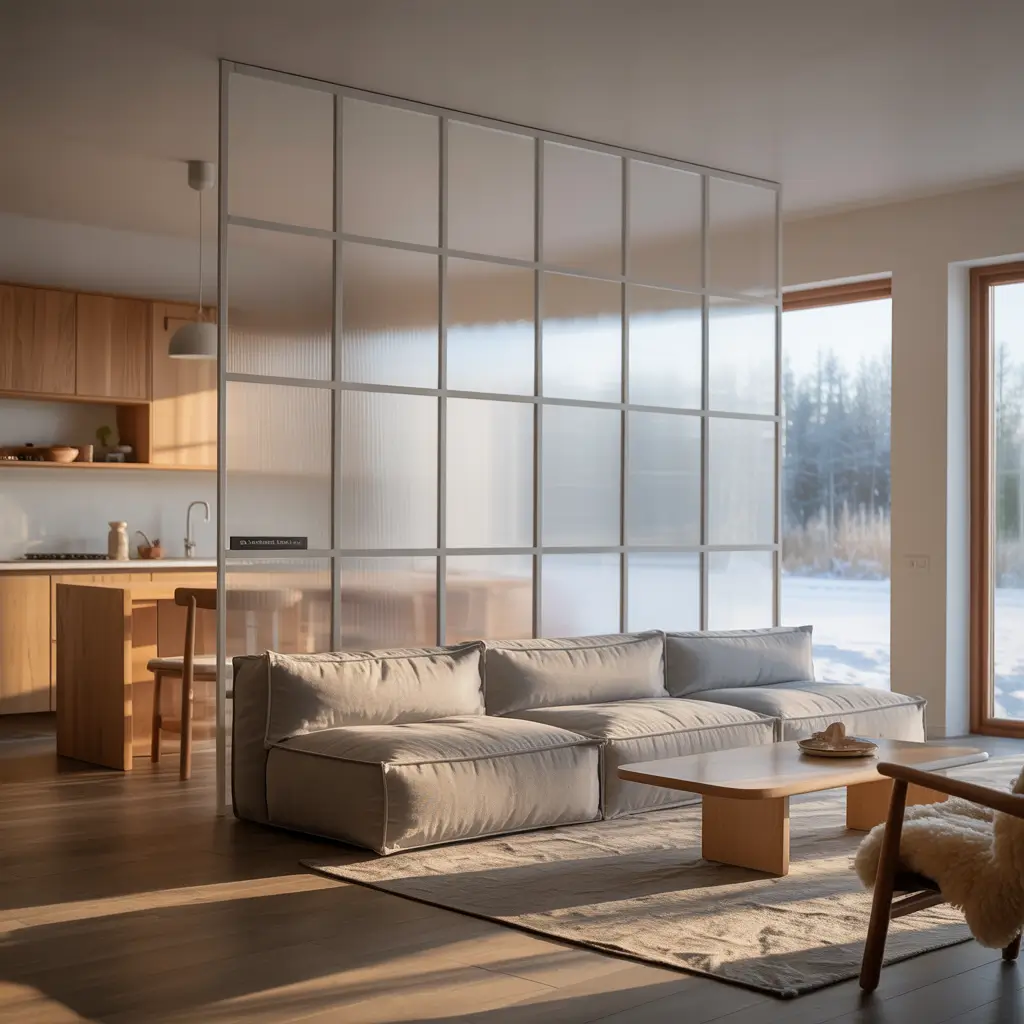
Fixed walls are so last century. I installed a barn-door style divider between my kitchen and living area, and it changed everything. Open for parties, closed when I’m cooking something smoky (looking at you, blackened salmon).
The best part about sliding dividers? They don’t eat up floor space like regular doors. Mine slides along the wall and actually becomes a design feature when open. I went with frosted glass panels to maintain light flow even when closed.
For renters, there are track systems that don’t require major installation. I helped my friend set up a ceiling-mounted curtain system that looks intentional and costs less than $100. FYI, heavy fabric works better than lightweight – it actually stays put.
Divider Options to Consider
- Bookshelf dividers for storage and separation
- Hanging plant dividers for a living wall effect
- Sheer curtains for soft boundaries
- Folding screens for temporary division
Vertical Storage Solutions for Kitchens

You want to know the biggest mistake people make in small kitchens? Ignoring the walls. I’m talking floor-to-ceiling storage that makes use of every single inch.
My pegboard system has become legendary among my friends. It holds pots, pans, utensils, and even my cutting boards. Everything’s visible, accessible, and somehow looks like art. The magnetic knife strip freed up an entire drawer, and my rail system holds everything from paper towels to herbs.
Here’s a game-changer: stackable shelf risers inside cabinets. They literally double your storage space. I fit 16 mugs where 8 used to live. It’s basically magic 🙂
Vertical Storage Wins
- Install ceiling-mounted pot racks
- Use wall-mounted spice racks
- Add over-the-door organizers inside pantries
- Hang mesh bags for produce storage
Cozy Rug Zones to Define Living Areas

Rugs are the unsung heroes of open floor plans. They create invisible boundaries that tell your brain “this is the living room” and “that’s the dining area” without any walls.
I use a large area rug (8×10) to anchor my living room furniture. All my seating touches the rug, creating a cohesive conversation area. In my kitchen zone, I have a washable runner that defines the cooking space and saves my feet during long meal prep sessions.
The sizing rule everyone gets wrong? Go bigger than you think. A too-small rug makes your space look fragmented and, ironically, smaller. Measure twice, buy once – learned that lesson the expensive way.
Rug Placement Rules
- Front legs of all furniture should sit on the rug
- Leave 8-24 inches between rug and wall
- Use runners to create pathways between zones
- Layer smaller rugs over larger ones for added texture
Also Read: 15 Elegant Semi Open Kitchen Ideas and Stylish Partitions
Mirror Accents to Enhance Space

Mirrors are basically spatial magic tricks. I have a massive mirror leaning against my living room wall, and everyone thinks my apartment is twice its actual size.
The placement matters more than size, though. Put mirrors opposite windows to double your natural light. Hang them behind light sources to amplify ambiance. My favorite trick? A mirrored backsplash in the kitchen that makes my counter space look endless.
But here’s what nobody mentions – avoid mirrors that reflect clutter. Nothing makes a space feel smaller than seeing your mess doubled. Position them to reflect your nicest views or artwork instead.
Strategic Mirror Placement
- Use full-length mirrors to create height
- Group small mirrors gallery-style for interest
- Install mirrored cabinet doors in kitchens
- Try antiqued mirrors to add character without harsh reflection
Foldable Dining Tables for Small Rooms

My dining table seats two daily and eight when needed. How? Drop-leaf design that takes up virtually no space when folded. It lives against the wall most days, functioning as a console table for keys and mail.
The transformation happens in seconds. Pull it out, flip up the leaves, and suddenly I’m hosting dinner parties. I pair it with folding chairs that hang on wall hooks when not in use – they’ve become part of my decor.
Consider wall-mounted drop-down tables too. My neighbor has one that folds completely flat against the wall. When down, you’d never know it was there. It’s like furniture origami, and I’m here for it.
Foldable Table Options
- Gateleg tables with hinged sections
- Butterfly leaf tables with hidden extensions
- Wall-mounted breakfast bars that fold down
- Coffee tables that lift and extend
Integrated Appliances for Seamless Look

Built-in appliances make small kitchens look twice as expensive and three times as spacious. I’m talking about appliances that blend into your cabinetry like chameleons.
My panel-ready dishwasher disappears behind a cabinet face. The counter-depth refrigerator doesn’t stick out like a sore thumb. Even my microwave hides in a custom cabinet. The result? Clean lines that make the space feel larger and more sophisticated.
Can’t afford all built-ins? Create the look with appliance paint or contact paper that matches your cabinets. IMO, a cohesive look matters more than fancy brands.
Integration Ideas
- Choose single finish for all visible appliances
- Use appliance garages to hide small appliances
- Install drawer-style dishwashers and refrigerators
- Consider induction cooktops that sit flush with counters
Indoor Plants for Fresh Open Spaces
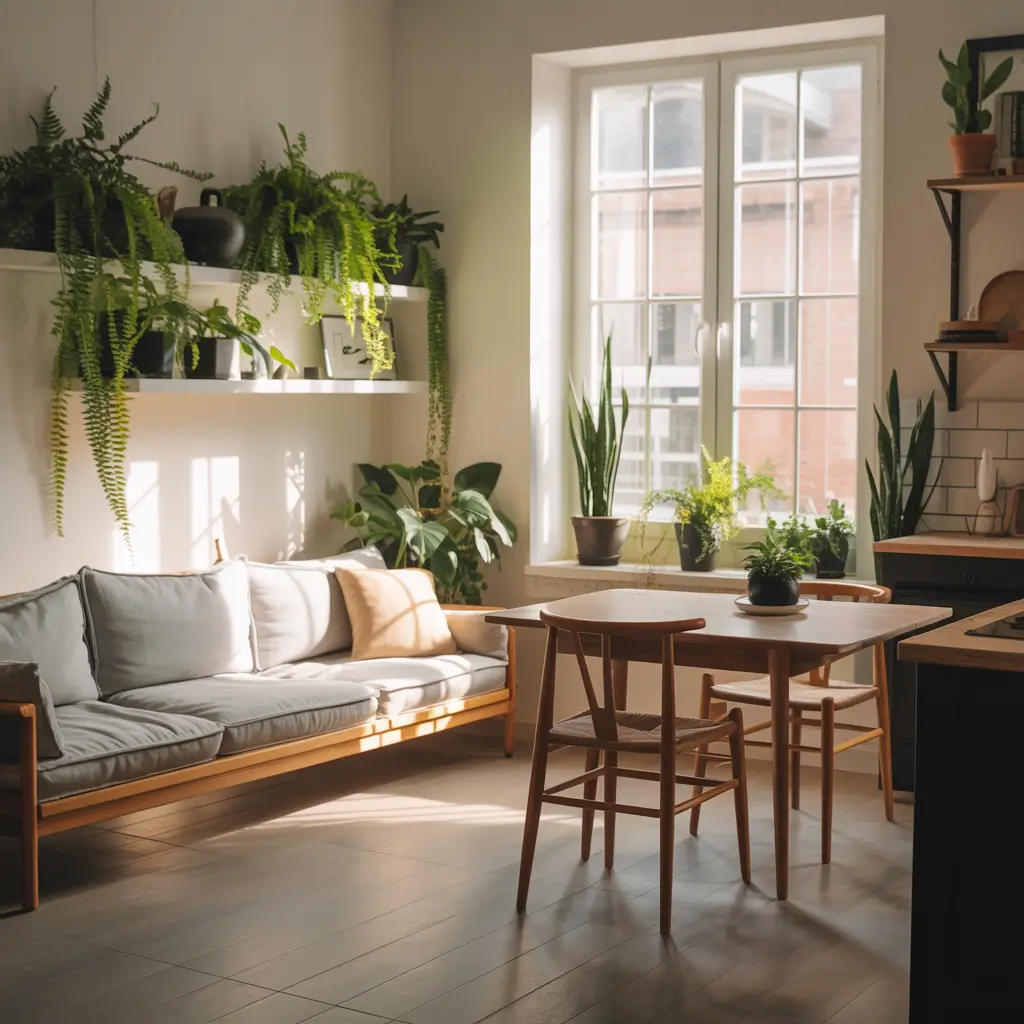
Plants do more than just look pretty (though they definitely do that). They define spaces, add height, and literally clean your air. My fiddle leaf fig basically acts as a living room divider.
The trick is choosing plants that match your commitment level. I killed three succulents before accepting I’m a pothos person. They’re basically immortal and trail beautifully from high shelves.
Use plants at different heights to create visual interest. Hanging planters draw the eye up, making ceilings feel higher. Floor plants anchor spaces. And herb gardens on kitchen windowsills? Functional and gorgeous.
Plant Placement Strategy
- Tall plants in corners to soften angles
- Trailing plants on high shelves
- Herb gardens near kitchen windows
- Small succulents as table centerpieces
Scandinavian Style Small Open Layouts

Scandinavian design and small spaces go together like coffee and mornings. It’s all about functional minimalism – everything serves a purpose and looks beautiful doing it.
I adopted the Scandi approach two years ago: light woods, neutral colors, and cozy textiles. My space feels calm, not cluttered. The philosophy of “lagom” (just the right amount) means I actually use everything I own.
The best part? This style is budget-friendly. Clean lines don’t require expensive furniture. Simple forms look intentional, not cheap. And that hygge factor? It makes small spaces feel like warm hugs.
Scandi Elements to Incorporate
- Light wood furniture in oak or pine
- White walls with black accents
- Sheepskin throws and wool pillows
- Simple geometric patterns in textiles
Industrial Chic Compact Living Kitchens

Industrial style works brilliantly in small open spaces because it celebrates the bones of your home. Exposed brick, visible pipes, and metal fixtures become features, not flaws.
I leaned into this when my apartment’s pipes were exposed during renovation. Instead of hiding them, I painted them matte black and added Edison bulb pendants. Now everyone thinks I did it on purpose (shh, don’t tell).
The industrial look loves open storage – metal shelving, hanging racks, and visible organization. It makes practical storage look intentional and stylish. Plus, the mix of materials – wood, metal, concrete – adds depth without cluttering.
Industrial Touches That Work
- Metal bar stools with wood seats
- Pipe shelving systems for storage
- Concrete countertops or contact paper that mimics them
- Wire basket storage for a functional look
Wrapping It Up
Look, transforming a small open kitchen and living room isn’t about following every trend or buying expensive furniture. It’s about understanding your space and making smart choices that work for your lifestyle.
I’ve lived in tiny spaces for years, and these 15 ideas have saved my sanity (and my security deposits). Start with one or two changes that excite you most. Maybe it’s adding that kitchen island or finally hanging those mirrors. Small changes compound into major transformations.
The beauty of open-plan living is its flexibility. Your space can evolve as your needs change. That breakfast nook might become a home office next year. The sliding divider might come down when you realize you love the openness. Make it yours, break some rules, and remember – the best small space is one that feels like home, regardless of square footage.
Who knew that living small could actually mean living large? Your tiny open space has massive potential. You just need to unlock it.