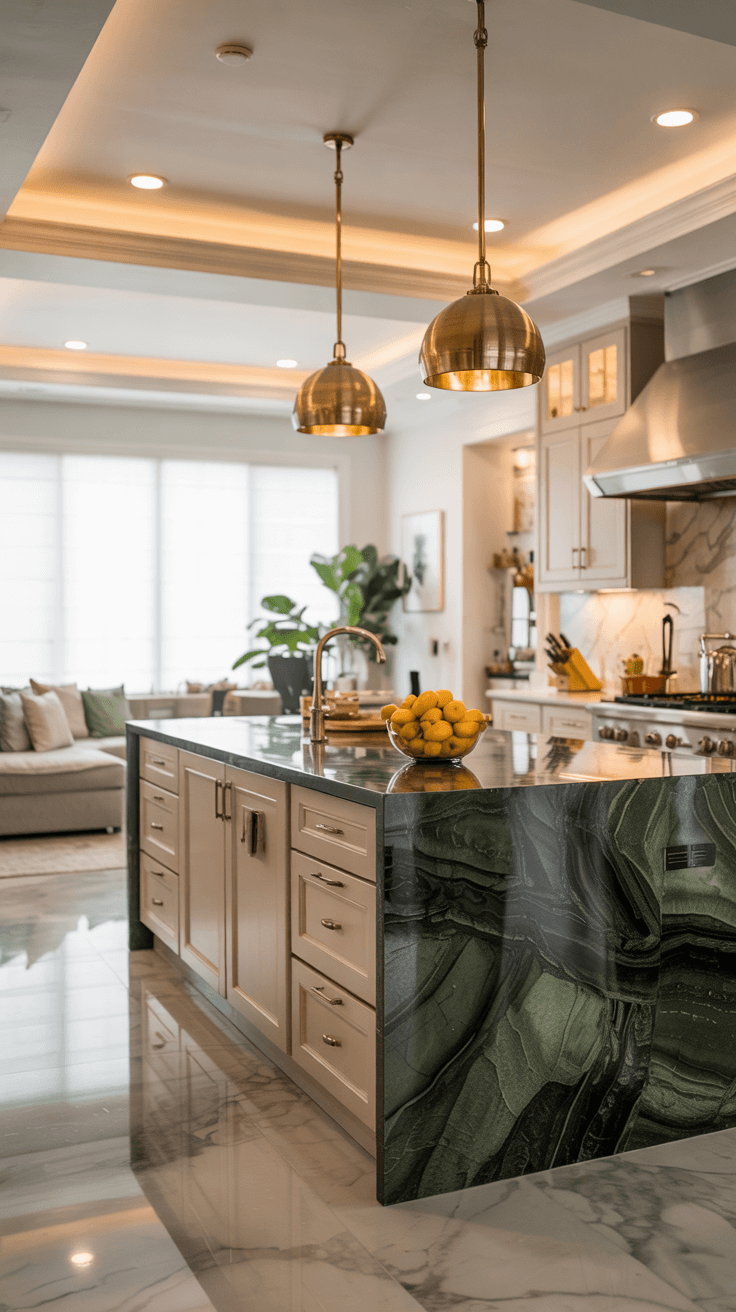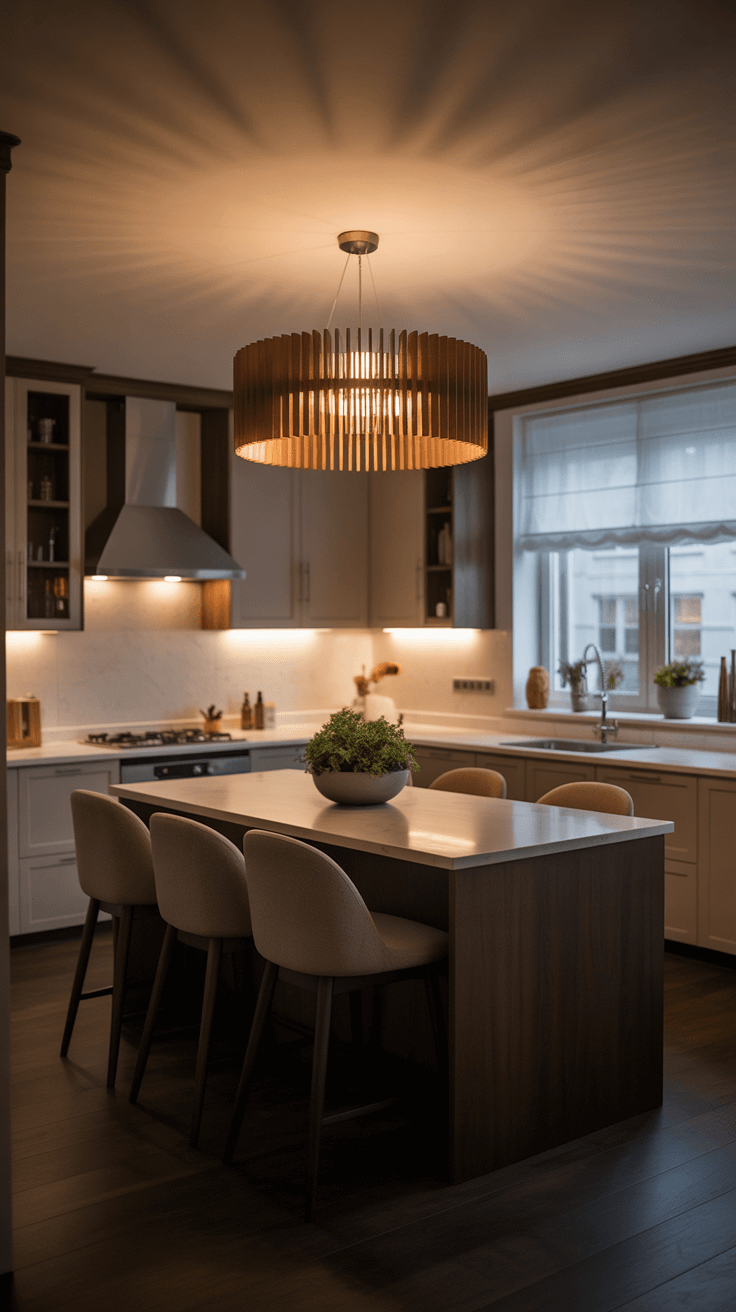
15 Creative Split-Level Kitchen Remodel Ideas to Transform Your Space

Alright, let’s talk about the split-level kitchen. That unique, sometimes awkward, but oh-so-full-of-potential space in your home. You know the one.
You’re cooking dinner, someone’s sitting in the sunken living room, and you’re having a conversation that feels like a long-distance call.
“What was that? I can’t hear you over the sizzling bacon!” It’s a architectural quirk that can either feel like a charming feature or a daily obstacle course.
Well, I’m here to tell you it’s the former. I’ve lived with a split-level kitchen, I’ve remodeled one, and I’ve helped friends tackle theirs.
These spaces are a goldmine for creative design. They offer built-in zones, interesting sightlines, and a chance to do something truly unique that you won’t see in every cookie-cutter suburban home.
So, if you’re staring at your multi-level layout and feeling stuck, grab a coffee and get comfortable.
We’re about to dive into 15 creative ideas that will transform your split-level kitchen from a quirky challenge into your home’s stunning centerpiece. Let’s get into it.
15 Creative Split-Level Kitchen Remodel Ideas
1. Open Up the Space with an Open Concept Design
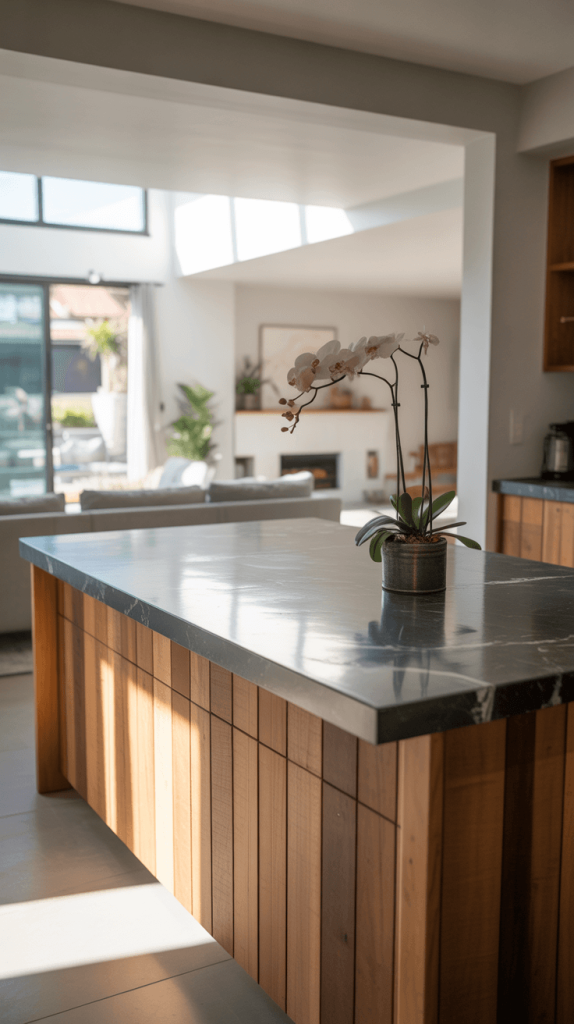
Let’s start with the big one. The most transformative change you can make to a split-level home is often to knock down a wall or two.
Many of these homes were built in an era where separating the kitchen was the norm. But let’s be real, who wants to be isolated from their guests while playing short-order cook?
Why it works: Removing a non-load-bearing wall between the kitchen and the adjacent living or dining area instantly creates a more cohesive, airy, and social environment. It allows light to flow and makes the entire area feel larger and more connected.
A quick story: My friends had a wall separating their kitchen from a tiny, rarely used dining room. They took a sledgehammer to it (professionally, of course), and the result was mind-blowing. Suddenly, the kitchen wasn’t a separate room; it was part of a grand, multi-level great room. The difference was night and day.
Things to consider:
- Consult a Structural Engineer: This is non-negotiable. You absolutely must determine if a wall is load-bearing before you even think about touching it. A pro will tell you what’s possible and what supports you might need, like a beautiful beam.
- Define the Zones: Even in an open concept, you still need definition. The different levels of your split-level are your best friend here. They naturally create visual separation without the need for walls.
2. Incorporate a Split-Level Island
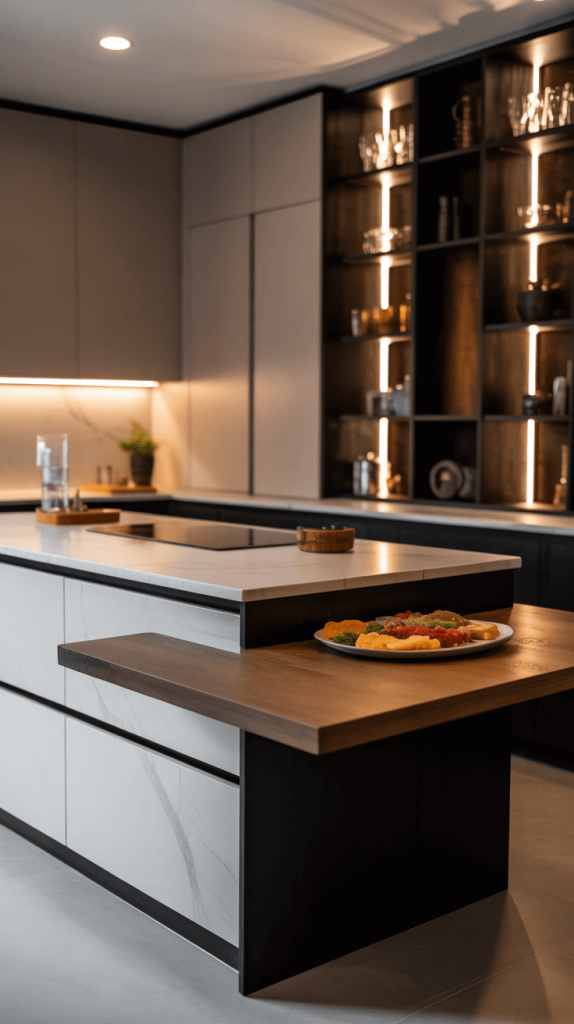
This is, hands down, my favorite trick for a split-level kitchen. Instead of fighting the elevation change, you embrace it and bake it right into your island design.
Why it works: A split-level or multi-tiered island is the ultimate functional feature. It allows you to have a dedicated prep area on one level (often aligned with your main kitchen counter height) and a distinct area for dining, seating, or serving on another.
Imagine this: On the higher side (say, the kitchen side), you have your gorgeous quartz countertop for chopping veggies. On the lower side (facing the living area), you have a comfortable bar-height overhang where kids can do homework or guests can chat with you, glass of wine in hand. It’s a genius way to accommodate the pre-existing level change while maximizing utility.
Key features to love:
- Hides Mess: The height difference acts as a natural barrier. Prepping a big meal? The mess on the kitchen side is neatly concealed from your guests sitting on the other side.
- Defines Purpose: It clearly separates “chef’s workspace” from “social space” without any visual obstruction.
3. Maximize Vertical Storage Solutions

In any kitchen, storage is king. But in a split-level, where floor space can be at a premium, you have to think up. Way up.
Why it works: Those high, often-underutilized walls are begging for smart storage. Using vertical space draws the eye upward, making the room feel taller and more grand, while solving your clutter problems.
Ideas to steal:
- Tall, Floor-to-Ceiling Cabinets: Ditch the standard upper cabinets that leave a dusty gap on top. Take your cabinets all the way to the ceiling. It looks sleek, modern, and gives you a ton of extra space for those once-a-year items.
- Pot Racks: Suspend a stylish pot rack from the ceiling. It’s functional art that frees up a shocking amount of cabinet space.
- Open Shelving on High Walls: We’ll talk more about open shelving later, but placing it on a large, blank wall is a perfect way to add storage and display beautiful dishware.
Also Read: 15 Creative Kitchen Remodel Ideas with Island: Stylish & Functional
4. Use Light Colors to Open Up the Space

This is Design 101, but it’s especially critical in a split-level kitchen that might feel compartmentalized. Light colors are your best friend, your ally, your secret weapon.
Why it works: Light and bright colors reflect light, making a space feel larger, airier, and more open. They help visually blend the different levels, reducing the choppy feeling that dark colors can accentuate.
Don’t just think white: While a crisp white is always a classic choice, consider other light hues:
- Soft, warm grays
- Pale blues or greens (soothing and trendy)
- Creamy off-whites (for a warmer, less sterile feel)
Pro Tip: Paint your ceilings the same light color as your walls. This eliminates a hard stopping line for your eye and makes the ceiling feel higher. It’s a small trick with a huge impact.
5. Consider a Modern Two-Tone Color Scheme

Now, let’s get more interesting. Once you’ve got your light base, adding a two-tone scheme can add depth and modern flair, using the architecture to your advantage.
Why it works: The different levels naturally create breaks, which are perfect places to transition colors. This adds a custom, designer look that feels intentional and stylish.
How to do it:
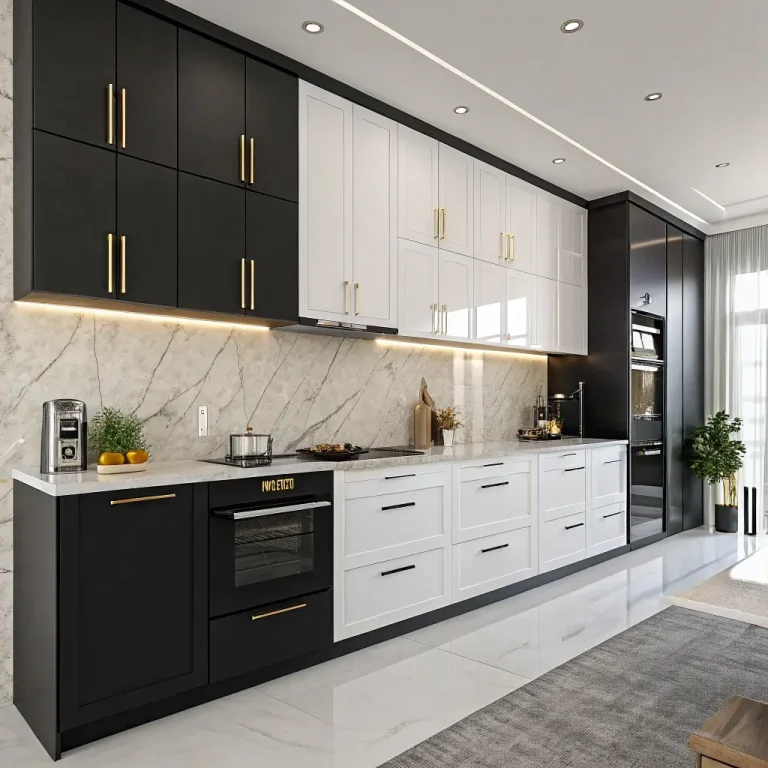
- Upper Cabinets vs. Lower Cabinets: A classic move. Paint your upper cabinets a light color (like a white) and your lower cabinets a darker, contrasting color (a navy blue, forest green, or charcoal). This grounds the space and adds visual interest.
- Accent Wall: Use a bold color or dramatic wallpaper on one specific wall—perhaps the one you see first when you walk in or the back wall of your dining nook. This creates a fantastic focal point.
- Match the Levels: You could paint the walls in the kitchen area one color and the walls in the adjoining living space a complementary shade. This subtly defines the zones while keeping the palette cohesive.
6. Add a Skylight for Natural Light
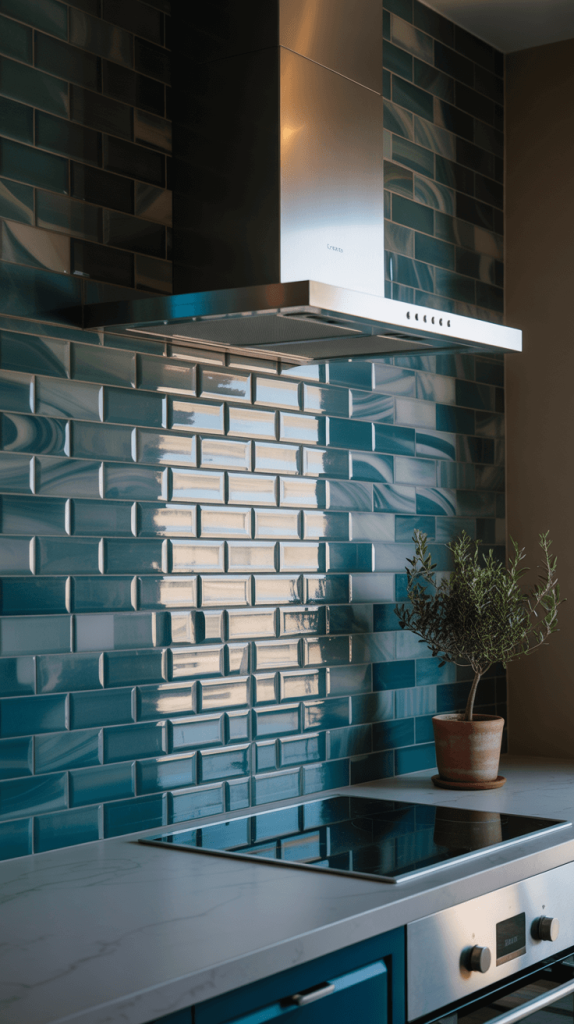
If your split-level kitchen feels like a dungeon, I have one word for you: skylight. Or, if you’re feeling fancy, a solar tube. This was a game-changer in my own remodel.
Why it works: Natural light is transformative. It improves your mood, makes colors look better, and makes any space feel bigger and more connected to the outdoors. In a kitchen that might have limited wall space for windows, going straight through the roof is a brilliant solution.
My experience: We installed a solar tube (a smaller, more affordable alternative to a full skylight) in our windowless cooking area. The amount of light it pumps in is staggering. It feels like a window from heaven, and we don’t even need to turn the lights on during the day. It’s 100% worth the investment.
Also Read: 15 Simple Kitchen Remodel Ideas to Transform Your Space Quickly & Affordably
7. Use Open Shelving to Create a Modern Look

Open shelving is a controversial topic. The anti-clutter crowd trembles at the thought. But hear me out—when done right, it’s perfect for a split-level kitchen.
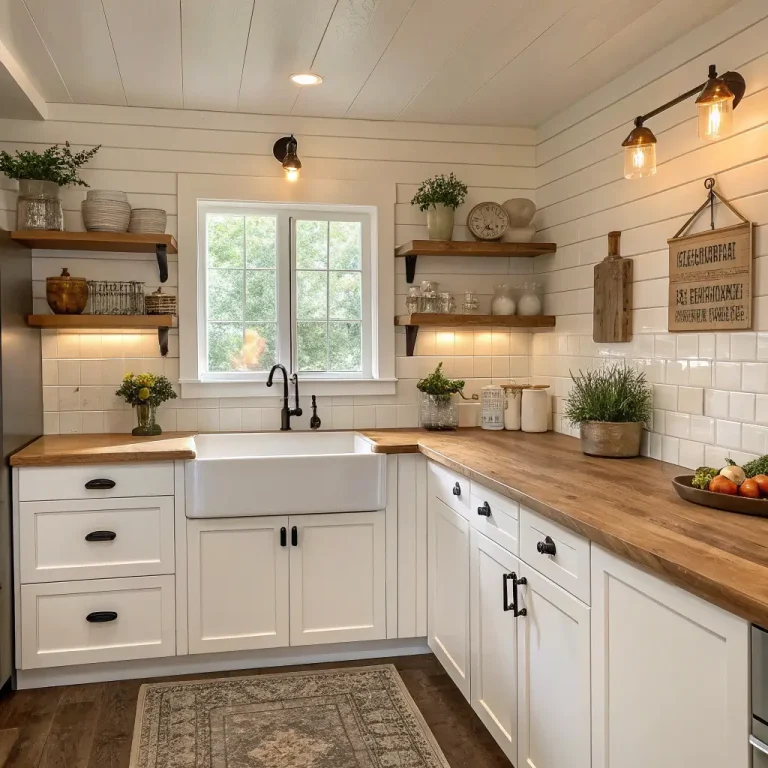
Why it works: Open shelves feel light and airy. They don’t visually weigh down a wall the way solid cabinets can. In a space you’re trying to open up, this is a huge win. They also encourage you to keep only your most beautiful items on display, which forces a certain minimalist elegance.
How to not make it look messy:
- Be Curated: This isn’t storage for your mismatched plastic cups. Display your beautiful dinnerware, a nice set of glasses, a few cookbooks, and some greenery.
- Stick to a Color Palette: Keep the items on the shelf within a cohesive color story. This creates order and intention.
- Use it Sparingly: Maybe you replace just one section of upper cabinets with open shelving as a starter.
8. Integrate Smart Technology Into Your Remodel

Welcome to the future! A remodel is the perfect time to weave in smart tech that makes your life easier and your kitchen feel like a spaceship (in a good way).
Why it works: Smart tech adds convenience, efficiency, and a serious “wow” factor. It modernizes the entire feel of your kitchen, making the split-level quirk feel like a sophisticated design choice.
Easy integrations:
- Smart Faucets: Touchless or voice-activated faucets are hygienic and incredibly handy when your hands are covered in flour or chicken juice.
- Smart Lighting: Control your kitchen lights (and under-cabinet lights!) from your phone or with your voice. Set scenes for “Cooking,” “Dining,” or “Cleaning.”
- Smart Appliances: From Wi-Fi-enabled ovens you can preheat on your way home to refrigerators that keep an inventory of your groceries, the options are endless (and constantly expanding).
9. Create a Breakfast Nook
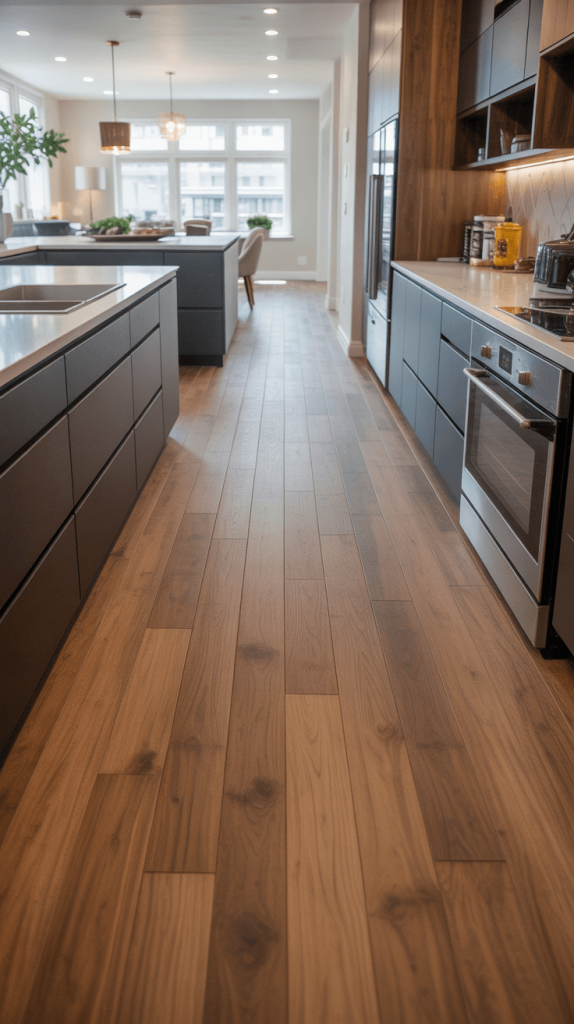
That lower-level area adjacent to the kitchen? It’s practically begging to become a cozy breakfast nook.
This is one of the best ways to utilize the split-level architecture to create a dedicated, intimate spot for casual meals.
Why it works: It gives purpose to a space that might otherwise feel undefined. A nook provides a comfortable, built-in feeling that a freestanding table just can’t match.
How to build your nook:
- Bench Seating: Build a custom bench along the wall. Pro tip: make the bench seats open for hidden storage—a perfect place for linens or kid’s toys.
- A Statement Table: Find a small, unique table that fits the space. A round pedestal table is great for avoiding sharp corners in a tight spot.
- Pillows and Lighting: Load the bench with comfortable pillows and hang a pendant light or a small chandelier over the table to define the space and make it incredibly inviting.
Also Read: 15 Smart Mobile Home Kitchen Remodel Ideas for Stunning Spaces
10. Install a Statement Backsplash

Your backsplash is more than just a protective wall covering; it’s a massive canvas for expressing your style.
In a split-level kitchen, a bold backsplash can act as a stunning focal point that draws the eye and ties the whole design together.
Why it works: It adds personality, color, texture, and pattern. Because it’s contained to one area, you can be a little braver with your choice without it overwhelming the entire room.
Ideas to make a statement:
- Bold Patterned Tiles: Think Moroccan fish scale tiles (zellige), colorful encaustic cement tiles, or dramatic geometric patterns.
- Unexpected Materials: Have you considered a slab of marble or quartz that matches your countertop, running all the way up the wall? It’s a seamless, luxe look.
- Color Pop: If your cabinets are neutral, a vibrant, solid-colored tile (like a emerald green or a terracotta) can be absolutely breathtaking.
11. Create Zoned Areas for Different Functions
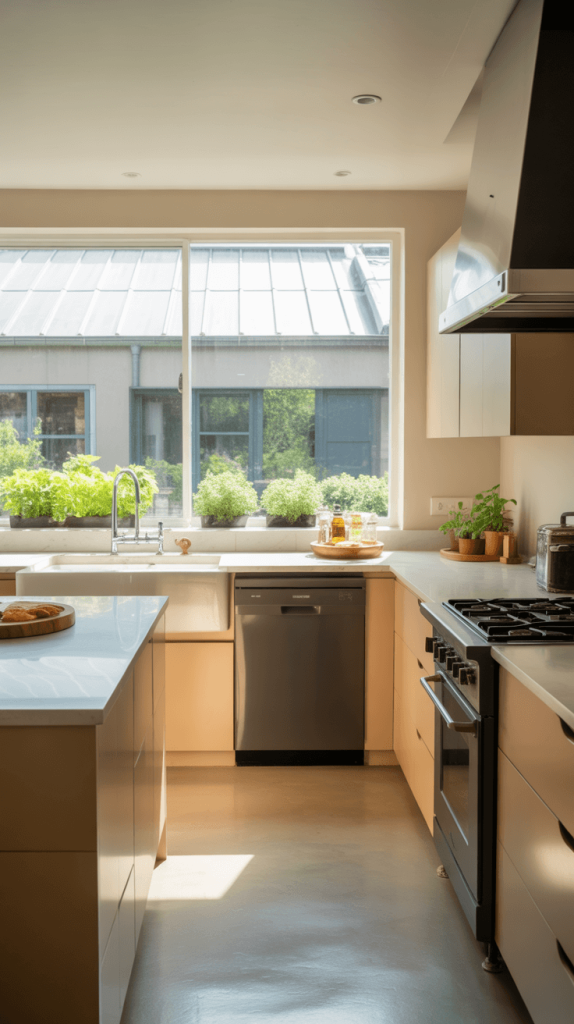
This is the core philosophy of remodeling a split-level home. You don’t have one room; you have multiple zones. Your design should celebrate and enhance that.
Why it works: Clearly defined zones make the layout feel intentional and highly functional. It organizes the flow of your life within the space.
What are the zones?
- The Cooking Zone: The main hub with the stove, oven, and primary prep space.
- The Cleaning Zone: The sink and dishwasher area.
- The Dining Zone: Your breakfast nook or area for a table.
- The Social Zone: The island seating or area where people naturally congregate.
Use rugs, lighting, and the level changes themselves to subtly signal the transition from one zone to another. A rug under the dining table, a pendant light over the island, and different overhead lighting in the living area all work together to define these spaces.
12. Add a Bold Lighting Fixture

Lighting is the jewelry of your kitchen. It’s the finishing touch that can elevate the entire design from “nice” to “magazine-worthy.”
In a split-level, a statement light fixture can also help anchor a specific zone.
Why it works: A beautiful fixture adds drama, personality, and a layer of visual interest. It draws the eye upward, emphasizing the volume of the space.
Where to put it:
- Over the Island: A series of pendants or one large, linear chandelier is the most common and effective spot.
- Over the Dining Table: This is your chance to go big. A stunning sputnik chandelier, a modern sculptural piece, or a classic drum shade can define your dining area perfectly.
- In a Living Area: If your kitchen opens to a sunken living room, a fantastic light fixture there creates a beautiful dialogue between the two spaces.
13. Upgrade Your Flooring for a Seamless Look

Nothing dates a split-level home more than choppy, different flooring in every room. Unifying the flooring is one of the most powerful moves you can make.
Why it works: Continuous flooring visually expands the space. It makes the entire open area feel like one cohesive unit, flowing effortlessly from the kitchen to the living and dining areas, despite the level changes.
What are the best options?
- Luxury Vinyl Plank (LVP): IMO, this is the MVP of modern flooring. It’s durable, waterproof, affordable, and comes in incredibly realistic wood and stone looks. It’s perfect for a high-traffic kitchen.
- Engineered Hardwood: Offers the real wood look with better stability than solid hardwood, making it a good choice for areas with slight moisture.
- Porcelain Tile: Incredibly durable and available in large-format planks that mimic wood with minimal grout lines.
FYI: The key here is continuity. Using the same material throughout tricks the eye into perceiving a larger, more open area.
14. Install Under-Cabinet Lighting

This might seem like a small detail, but trust me, it’s a huge impact player.
Under-cabinet lighting is the unsung hero of kitchen design, especially in a split-level where you might be working with shadows cast by the unique layout.
Why it works: It eliminates shadows on your countertops, making food prep safer and easier. It adds a beautiful, ambient glow that makes the whole kitchen feel warmer and more inviting at night. It also acts as a highlight, making your backsplash and countertops look their best.
The best part? It’s a relatively inexpensive upgrade that you can even install as a DIY project with modern, plug-in or battery-operated LED tape light options.
15. Bring Nature Inside with Indoor Plants
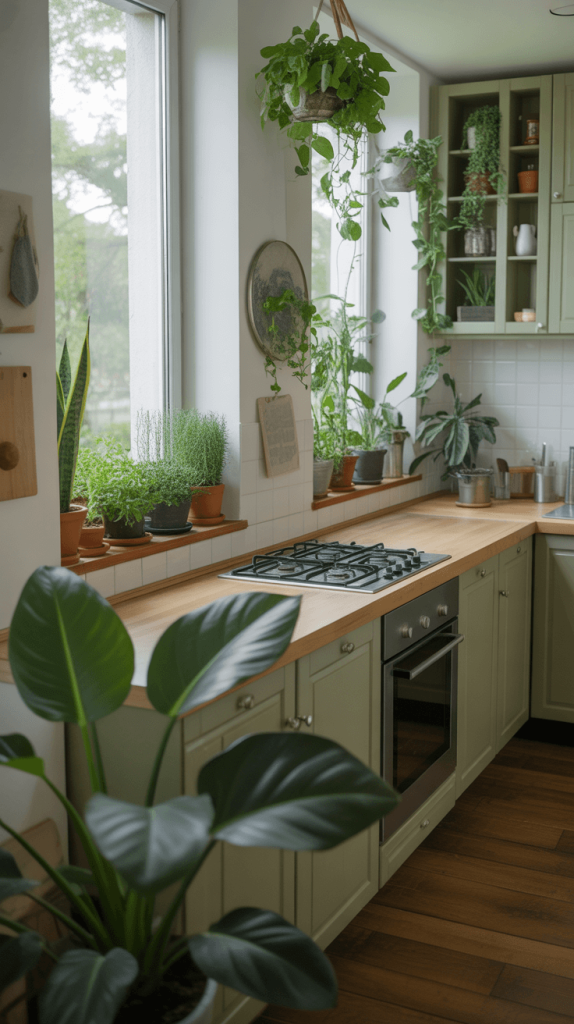
Finally, don’t forget the simplest and most affordable trick in the book: greenery.
Plants bring life, color, and a breath of fresh air into any room, and they are particularly effective in balancing the hard surfaces of a kitchen.
Why it works: Plants soften the edges of your cabinetry and countertops. They improve air quality and just make people happier. In a split-level, a tall plant in a corner can draw the eye up and fill an empty vertical space beautifully.
My go-to kitchen plants:
- Herbs: Practical and pretty! Keep a small pot of basil, rosemary, and mint on your windowsill.
- Snake Plants: Virtually indestructible, they thrive on neglect and are perfect for less sunny spots.
- Pothos or Philodendron: These trailing plants look fantastic on open shelves or perched on top of cabinets.
Conclusion
Whew! That was a lot, but honestly, we’ve only just scratched the surface of what’s possible.
The key takeaway? Your split-level kitchen isn’t a problem to be solved; it’s an opportunity to be seized.
Those level changes give you built-in character and a chance to create a home that is dynamic, functional, and uniquely yours.
Don’t try to tackle all 15 ideas at once. Start with the one that made your eyes light up.
Maybe it’s painting the cabinets a light color, or maybe it’s dreaming about that skylight. Whatever it is, use it as your inspiration.
Remember, a successful remodel is about working with your home’s architecture, not against it. Embrace the split. Play with the levels.
Have fun with it! And when you’re finally done, you’ll have a kitchen that isn’t just for cooking—it’s the multi-dimensional, heart-of-the-home gathering space you always knew it could be.
Now, who’s ready to grab a sledgehammer? (After calling a structural engineer, of course. :))