10 Stylish Study Room Design Ideas and Decor Inspiration

Remember when you promised yourself you’d finally create that perfect study space? Yeah, me too.
I spent years bouncing between my bed, the kitchen table, and that uncomfortable chair in the corner before I realized something crucial: your environment shapes your productivity more than any fancy app or time management technique ever could.
I’ve transformed more study spaces than I care to admit (three apartments and counting!), and I’ve learned that the right design can turn procrastination central into productivity paradise.
Whether you’re working with a shoebox-sized room or blessed with actual square footage, these ten ideas will help you create a study space that actually makes you want to crack open those books.
Minimalist Small Study Room
The Art of Less is More
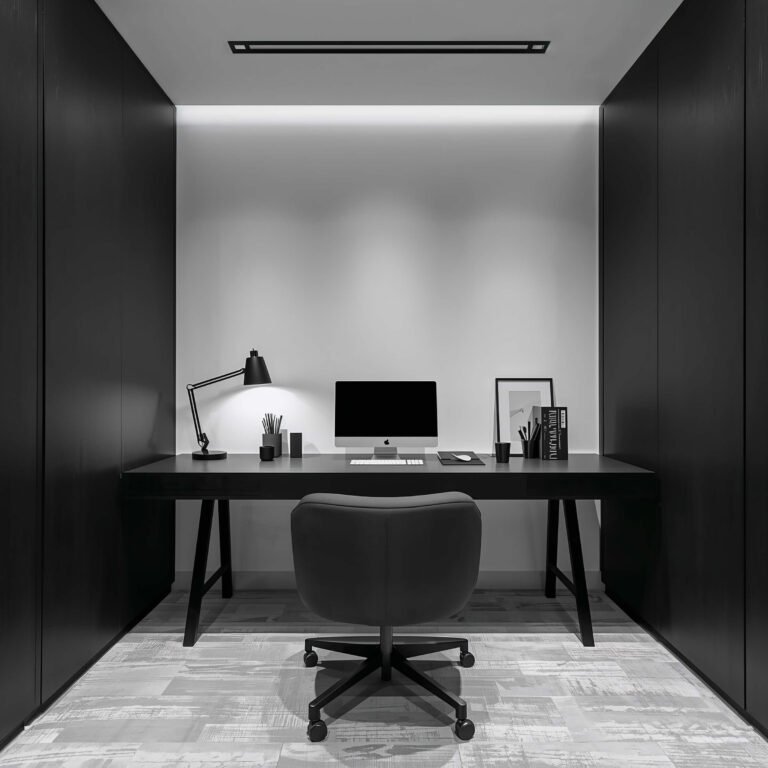
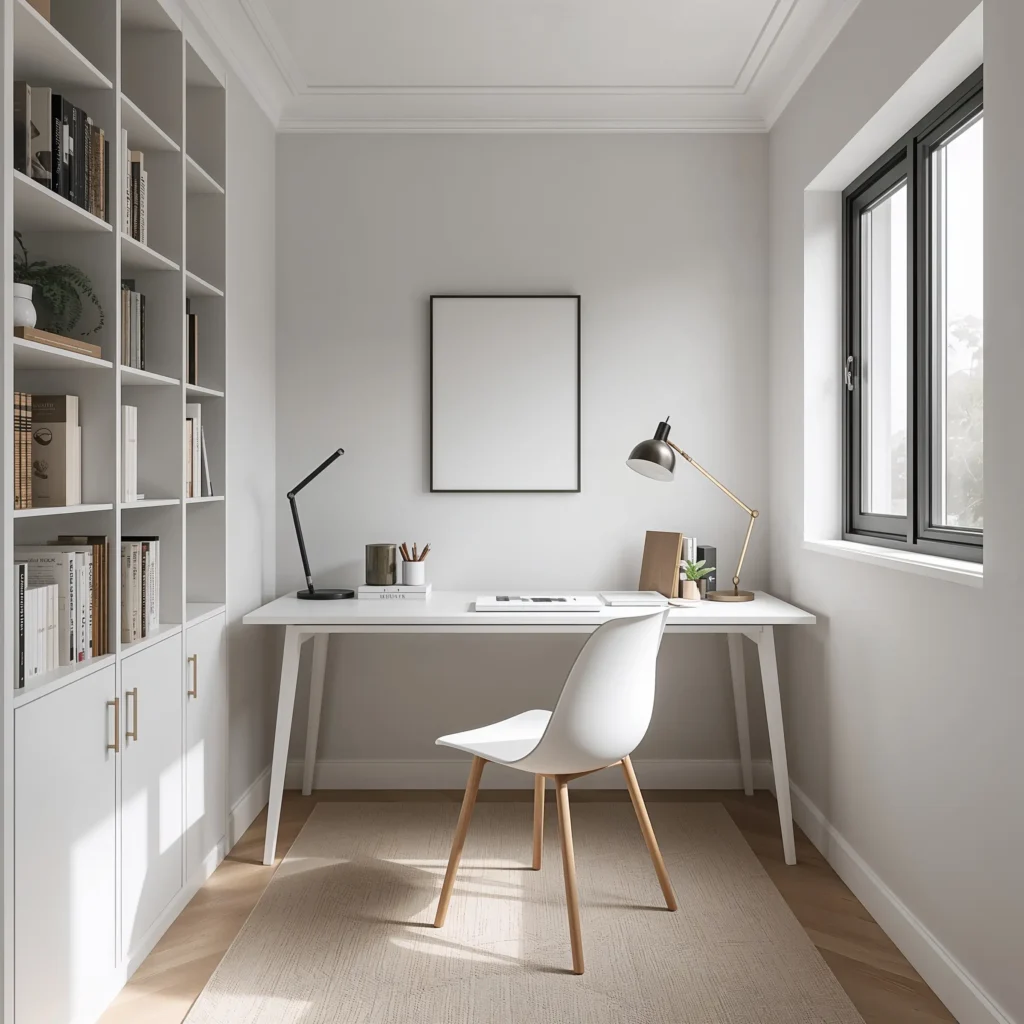
Let me tell you something that took me way too long to figure out: clutter kills concentration. When I first set up my tiny 8×8 study room, I crammed in everything I thought I needed. Big mistake. The visual noise was so distracting I couldn’t focus on anything except reorganizing my stuff.
The minimalist approach changed everything. Start with just the essentials – a clean desk, a comfortable chair, and maybe one shelving unit. I’m talking about creating negative space on purpose, not because you can’t afford furniture. White walls, light wood tones, and maybe one accent color create this zen-like atmosphere that makes your brain go “ahh, finally, I can think.”
Smart Storage Solutions
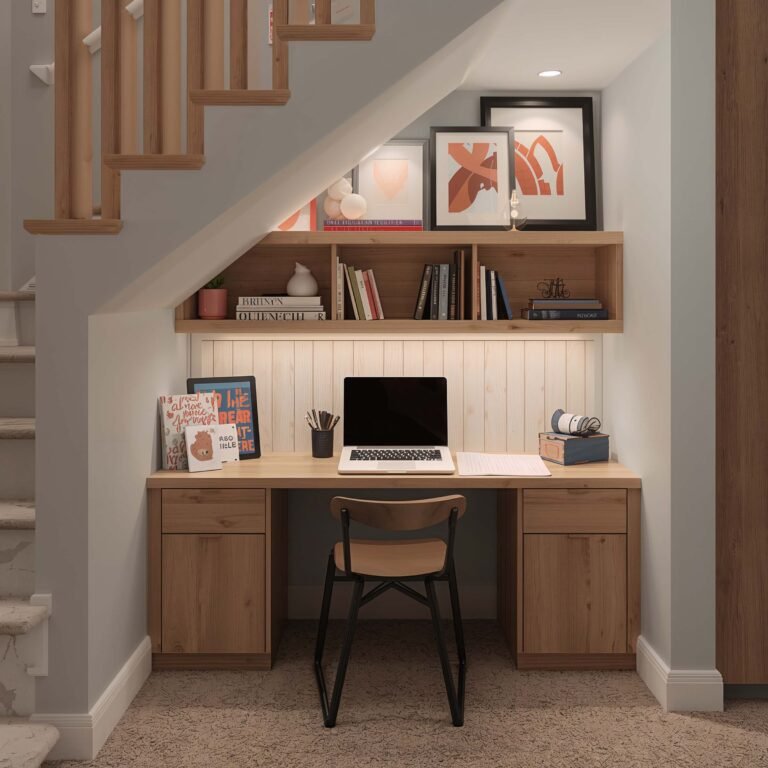
Here’s where minimalism gets tricky in small spaces. You still need your stuff, right? The secret lies in hidden storage that doesn’t scream “look at me!”
Consider these game-changers:
- Floating desk with built-in drawers (no bulky legs eating up visual space)
- Wall-mounted file organizers in the same color as your walls
- A single statement storage piece like a sleek cabinet that doubles as decor
- Cable management systems that make cords disappear like magic
I installed a pegboard behind my monitor painted the same color as the wall. You barely notice it’s there, but it holds all my daily essentials within arm’s reach.
The Psychology Behind It
Ever wonder why those Instagram-perfect minimalist spaces make you feel so calm? Your brain processes fewer visual stimuli, leaving more mental bandwidth for actual work. Studies show that physical clutter competes for your attention, reducing performance and increasing stress. Who knew Marie Kondo was onto something beyond just sparking joy?
Cozy Reading Nook Study Space
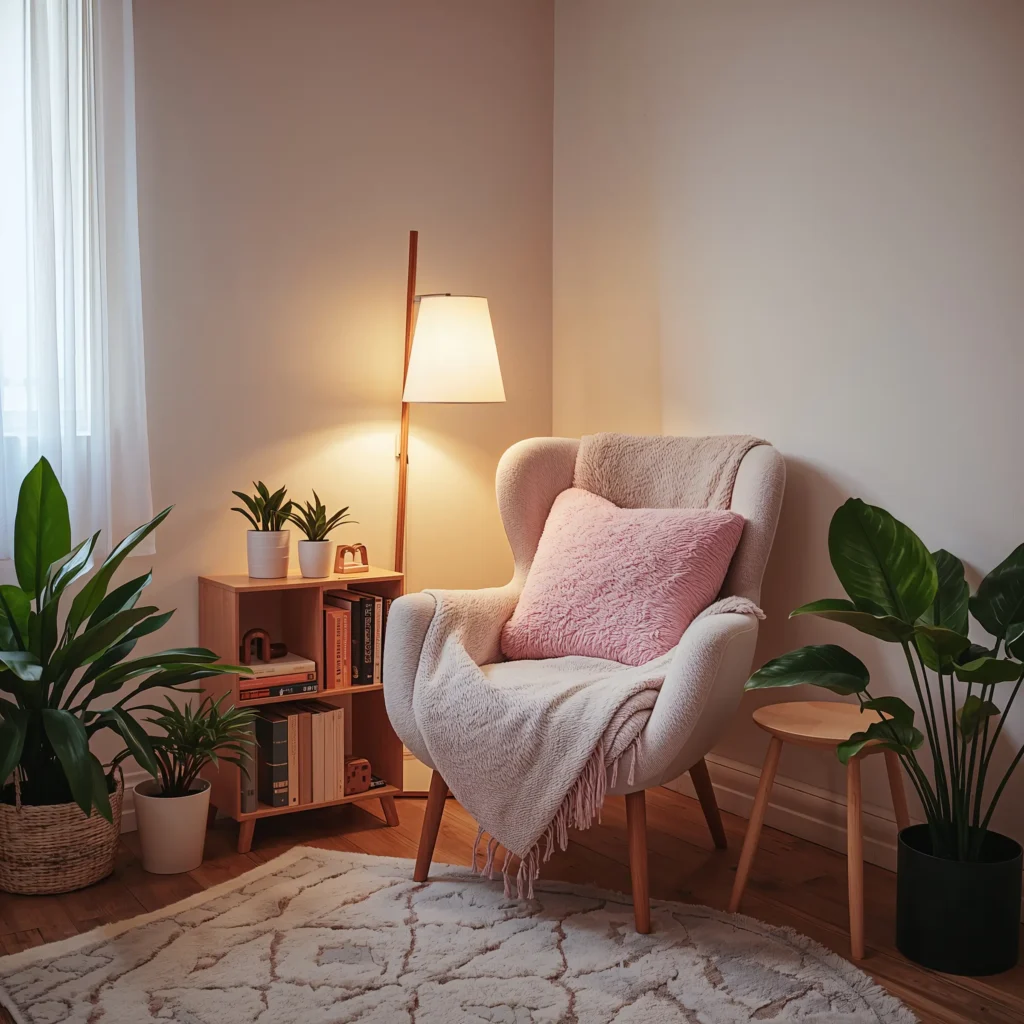
Creating Your Personal Sanctuary
Forget what you think a study room should look like. Sometimes the best study space feels more like a hug than an office. My reading nook study space started as an accident – I just threw a comfy chair in the corner with good lighting, and suddenly I was reading more than I had in years.
The key ingredients for maximum coziness? Soft textures, warm lighting, and personal touches that make you actually want to spend time there. I’m talking about that chunky knit throw you can’t resist touching, the lamp that casts the perfect golden glow, and maybe that slightly ridiculous plant collection you’ve been growing.
Layering for Comfort
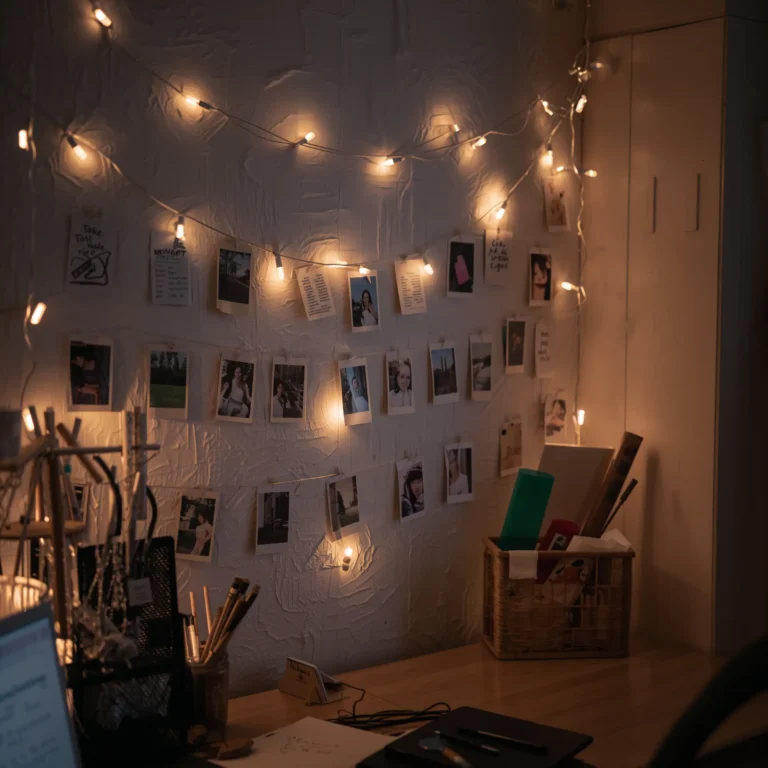
Think about your favorite coffee shop. What makes you want to stay there for hours? It’s all about layers, my friend. Layer your lighting with a combination of overhead, task, and ambient sources. I use fairy lights (yes, really) along with my desk lamp and floor lamp to create this cocoon of warmth.
Don’t stop at lighting though:
- Mix textures with a plush rug, velvet cushions, and maybe some linen curtains
- Add a small side table for your coffee/tea/emotional support beverage
- Include personal artwork or photos that make you smile
- Keep a basket nearby for current reads and notebooks
The Productivity Paradox
Here’s something counterintuitive: making your study space ultra-comfortable can actually boost productivity. When you genuinely enjoy being in your space, you’ll naturally spend more time there. The trick is creating comfort without inducing nap mode – hence the importance of good task lighting and proper back support.
Modern Teen Study Room
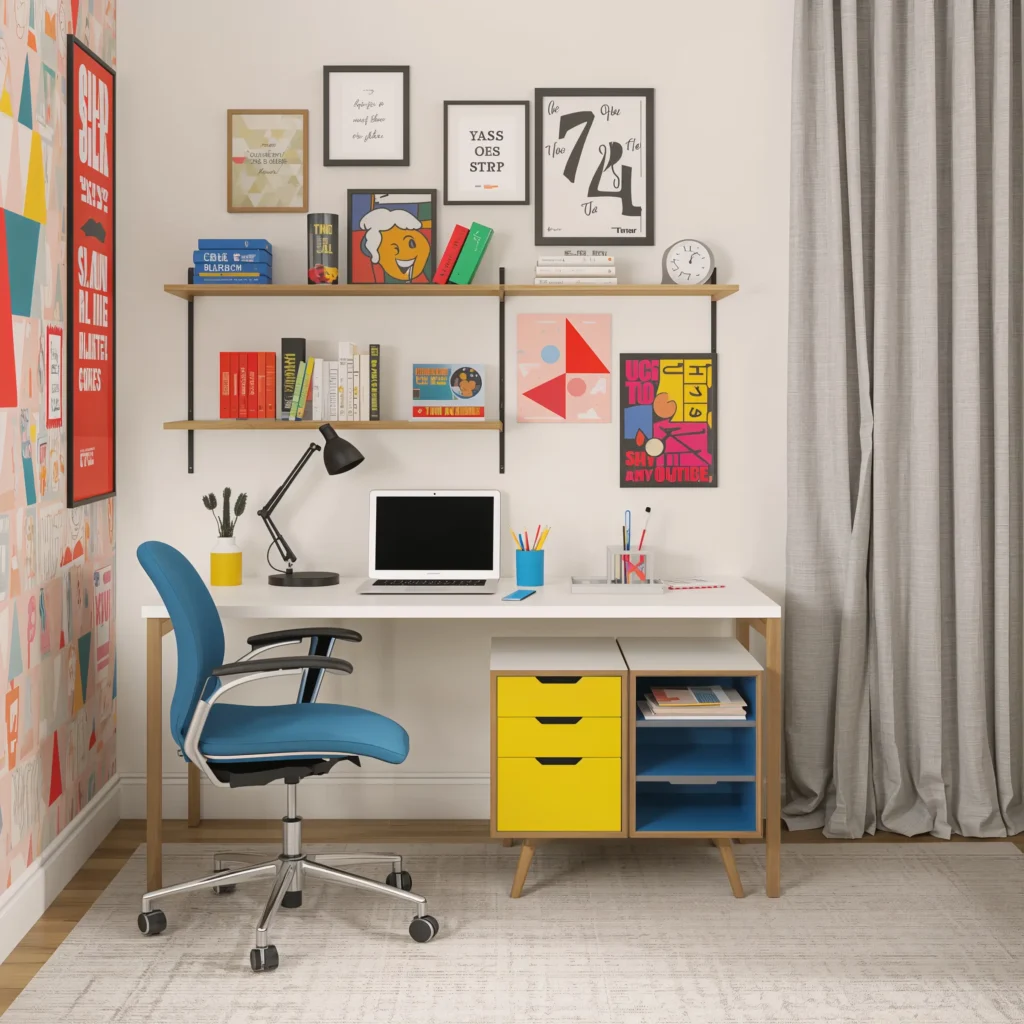
Balancing Style and Function
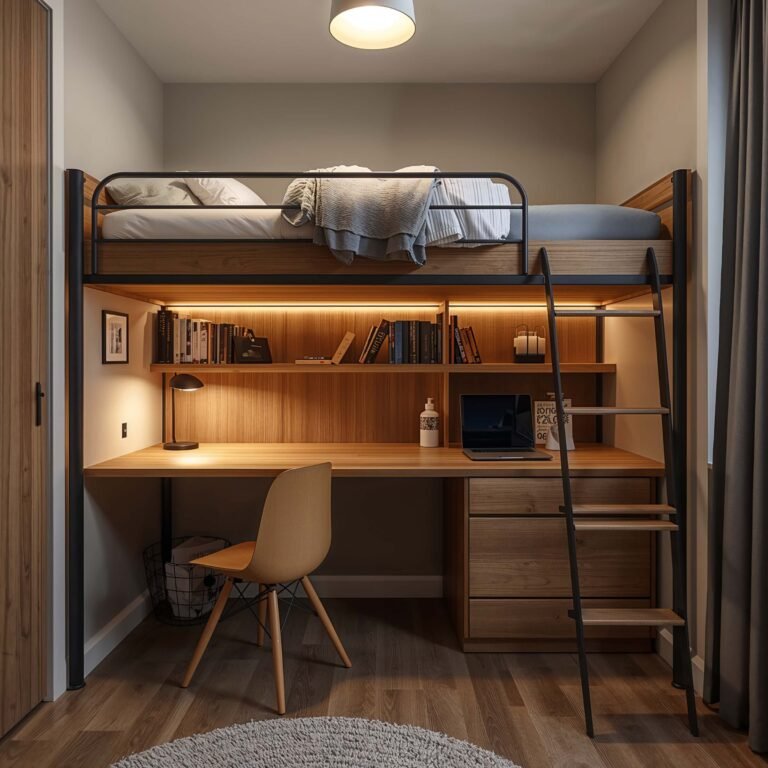
Designing a study room for teens? Buckle up. They want it all – Instagram-worthy aesthetics, gaming setup compatibility, and somehow it still needs to promote actual studying. Having helped my nephew design his room last year, I learned that the secret is letting them lead the design while you sneak in the functional elements.
Start with their vibe. Modern teen spaces usually lean toward bold contrasts – think black and white with pops of neon, or moody dark walls with LED strip lighting. The desk becomes command central, often needing to accommodate multiple monitors, charging stations for approximately 47 devices, and somehow still leave room for homework.
Tech Integration Done Right
Let’s be real – teens live in a digital world, and fighting it gets you nowhere. Instead, embrace it strategically:
- Install a charging station drawer to contain the device chaos
- Use monitor arms to free up desk space and achieve that floating screen look
- Add acoustic panels that double as wall art (for those late-night Discord sessions)
- Include a whiteboard or glass board for both planning and doodling
- Set up zones – one for screens, one for analog work
Personal Expression Matters
The biggest mistake I see parents make? Creating a study room that looks like a corporate office. Teens need to express themselves to feel ownership of their space. Let them choose the color scheme (within reason – my nephew wanted all black everything, we compromised with one accent wall).
Wall space becomes gallery space. Floating shelves display their interests, whether that’s manga collections, sports trophies, or that extensive Funko Pop situation. The more they love their space, the more time they’ll spend in it – even if some of that time involves actual studying 🙂
Also Read: 12 Colorful Study Room Decor Ideas to Spark Creativity
Scandinavian Style Study Room
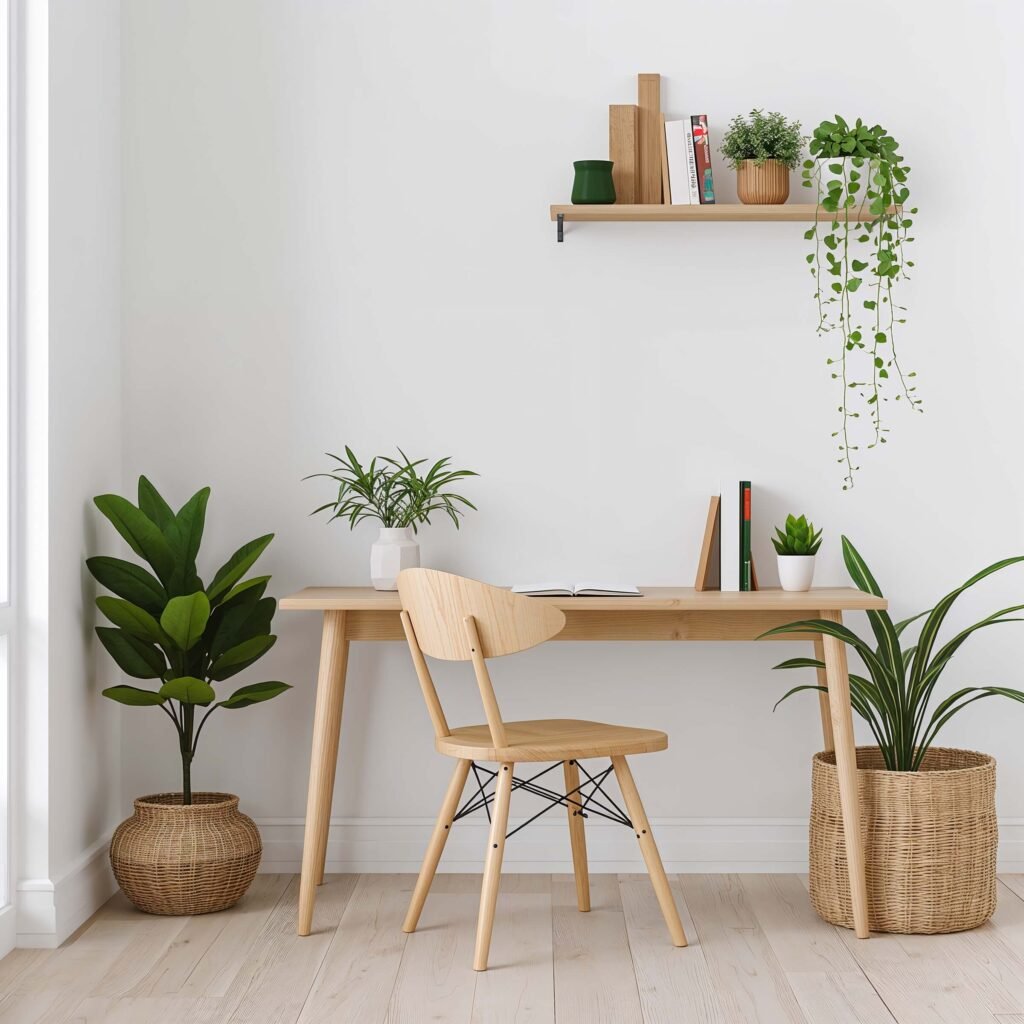
Hygge Meets Productivity
You know that feeling when you walk into an IKEA showroom and suddenly want to move to Sweden? That’s the power of Scandinavian design, and it translates beautifully to study spaces. The philosophy centers on functionality without sacrificing beauty, creating rooms that feel both productive and peaceful.
The color palette practically designs itself – whites, soft grays, and natural wood tones dominate. But here’s what most people miss: Scandinavian design isn’t just about looking pretty; it’s about creating spaces that support well-being during those long, dark winters. That translates to study rooms that feel energizing even during marathon study sessions.
Natural Elements and Light
Scandinavians worship natural light like it’s their job (probably because they don’t get much of it half the year). Position your desk near the window, and don’t block it with heavy curtains. Sheer white curtains or simple blinds maintain privacy while maximizing light.
Essential Scandi elements include:
- Light wood furniture (birch, pine, or ash)
- Plants, plants, and more plants (they’re basically required by Scandinavian law)
- Cozy textiles in neutral tones
- Minimal but meaningful decor
- A statement light fixture (those Danes know their lighting design)
The Functional Beauty Philosophy
What I love about Scandinavian design is that nothing’s just decorative. That beautiful wooden desk organizer? It actually organizes. The geometric wall art? It’s actually a clock. Every item earns its place through both form and function.
I transformed my home office using these principles, and the difference was immediate. The space feels larger, calmer, and somehow more “adult” without being stuffy. Plus, everything has a home, which means less time hunting for supplies and more time actually working.
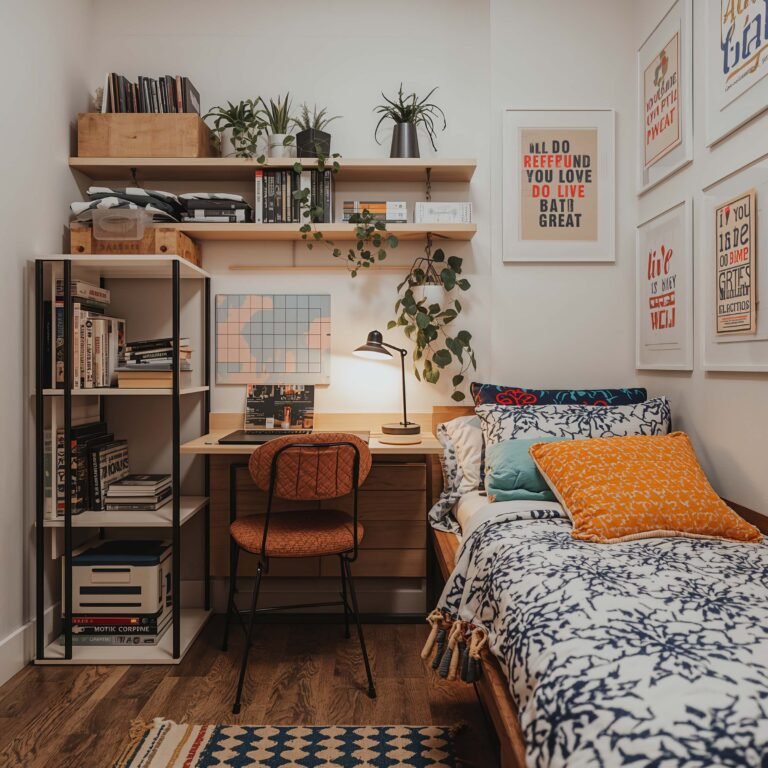
Compact Corner Study Setup
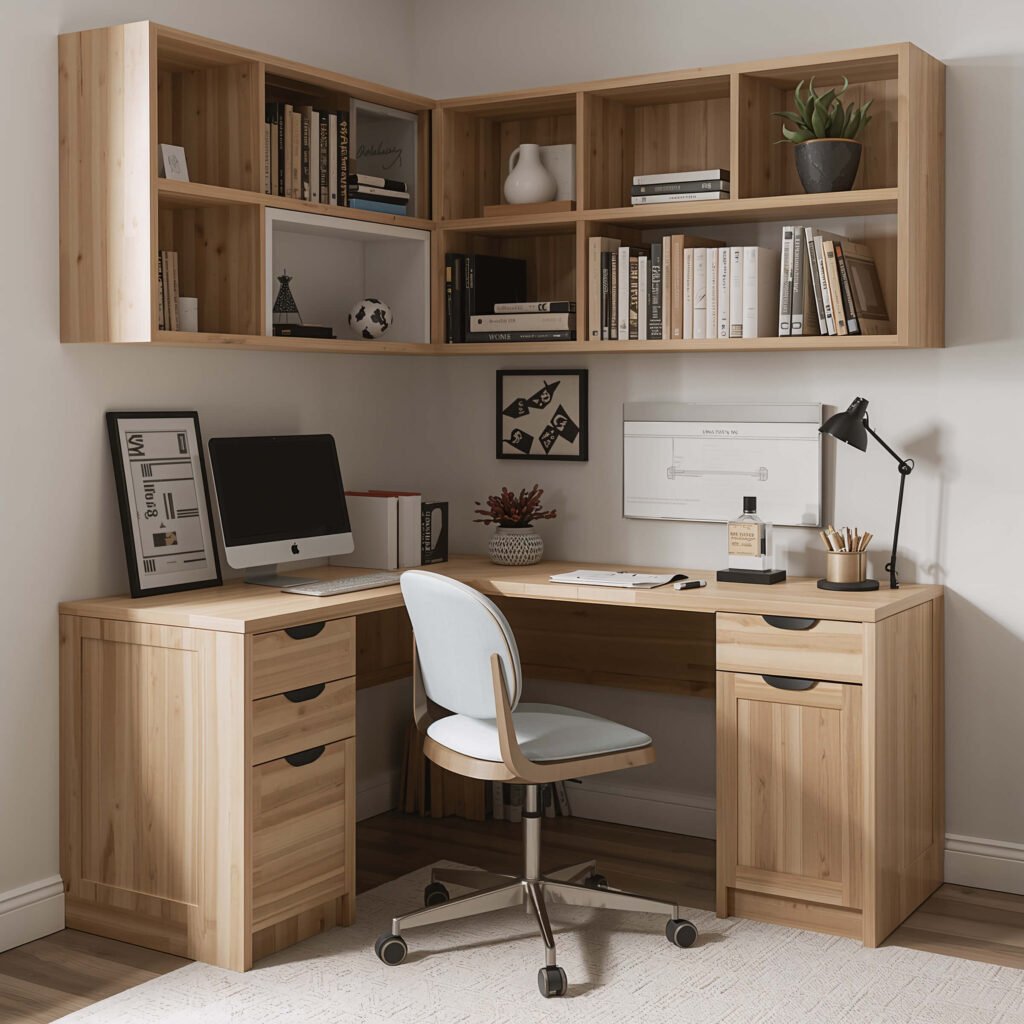
Maximizing Dead Space
Corners – the Bermuda Triangle of room design where furniture goes to look awkward. But hear me out: corners can become the most efficient study spaces when you work with them instead of against them. I converted my living room’s dead corner into a surprisingly spacious study area that guests don’t even notice until I point it out.
The magic happens with corner-specific furniture. A corner desk isn’t just a regular desk shoved into a corner (learned that the hard way). True corner desks create an L-shape workspace that gives you more surface area than a traditional desk while taking up less floor space.
Vertical Solutions
When floor space is limited, you build up. Think of your corner as a column of possibility:
- Install floating shelves from floor to ceiling
- Mount your monitor on an adjustable arm
- Use wall grids or rails for hanging organizers
- Add overhead storage if ceiling height allows
- Hang a small bulletin board in the corner crease
My corner setup includes shelves that wrap around both walls, creating this cocoon effect that actually helps with focus. It’s like having blinders on, but make it aesthetic.
Making It Feel Intentional
The biggest challenge with corner setups? Making them look deliberate rather than desperate. Define the space with a small area rug that anchors your setup. Add a table lamp or wall sconce for task lighting that doesn’t rely on overhead lights.
Paint an accent wall or add removable wallpaper to create visual boundaries. Suddenly, your corner isn’t where you stuck a desk – it’s a purposefully designed micro-office that happens to be incredibly space-efficient.
Dual-Purpose Study & Workspace
The Reality of Modern Living
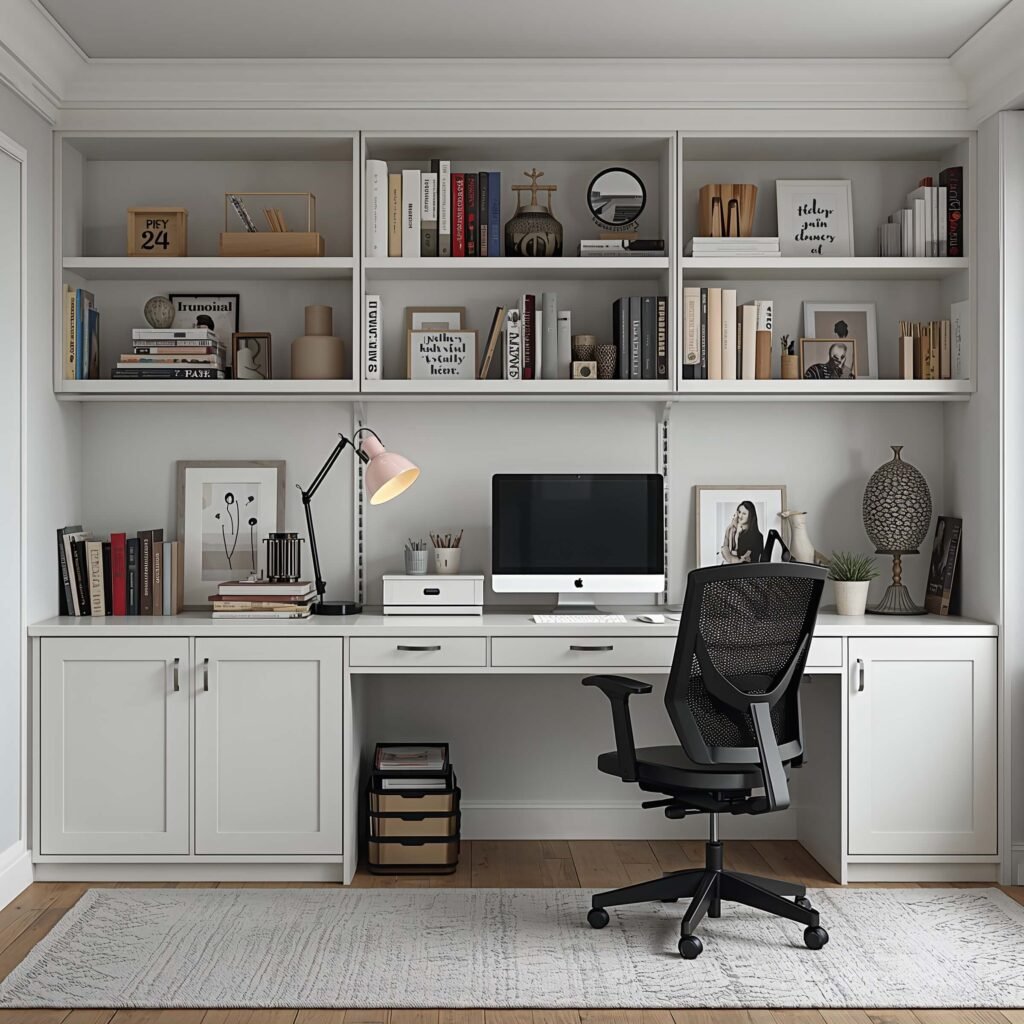
Let’s face facts: not everyone has the luxury of a dedicated study room. Most of us need spaces that multitask harder than we do. My study area moonlights as my work-from-home office, craft space, and occasional gift-wrapping station. The key is designing for flexibility without creating chaos.
Start by identifying your different modes. Work mode might need dual monitors and serious ergonomics. Study mode might require more writing space and better lighting. Creative mode might need clear surfaces and supply access. Design for your most demanding use case, then make everything else work around it.
Modular and Mobile Solutions
Flexibility demands furniture that adapts. Here’s what works:
- Convertible desks that expand when needed
- Rolling carts that tuck away when not in use
- Modular shelving you can reconfigure
- Wireless everything to reduce cable chaos
- Foldable accessories like laptop stands and desk organizers
I invested in a sit-stand desk that completely changed my dual-purpose game. Standing for video calls, sitting for deep study sessions – it’s like having two different rooms in the same space.
Transition Rituals
Here’s something nobody talks about: switching between work and study modes in the same space messes with your brain. You need transition rituals. I literally pack away my work laptop in a drawer before starting study sessions. Out of sight, out of mind.
Change the lighting (smart bulbs FTW), switch your desk setup, even change the background music. These small actions signal to your brain that you’re changing gears. Sounds silly? Try it for a week and watch your focus improve.
Also Read: 10 Modern Foyer Ceiling Design Ideas That Wow Your Guests
Nature-Inspired Study Room
Bringing the Outdoors In
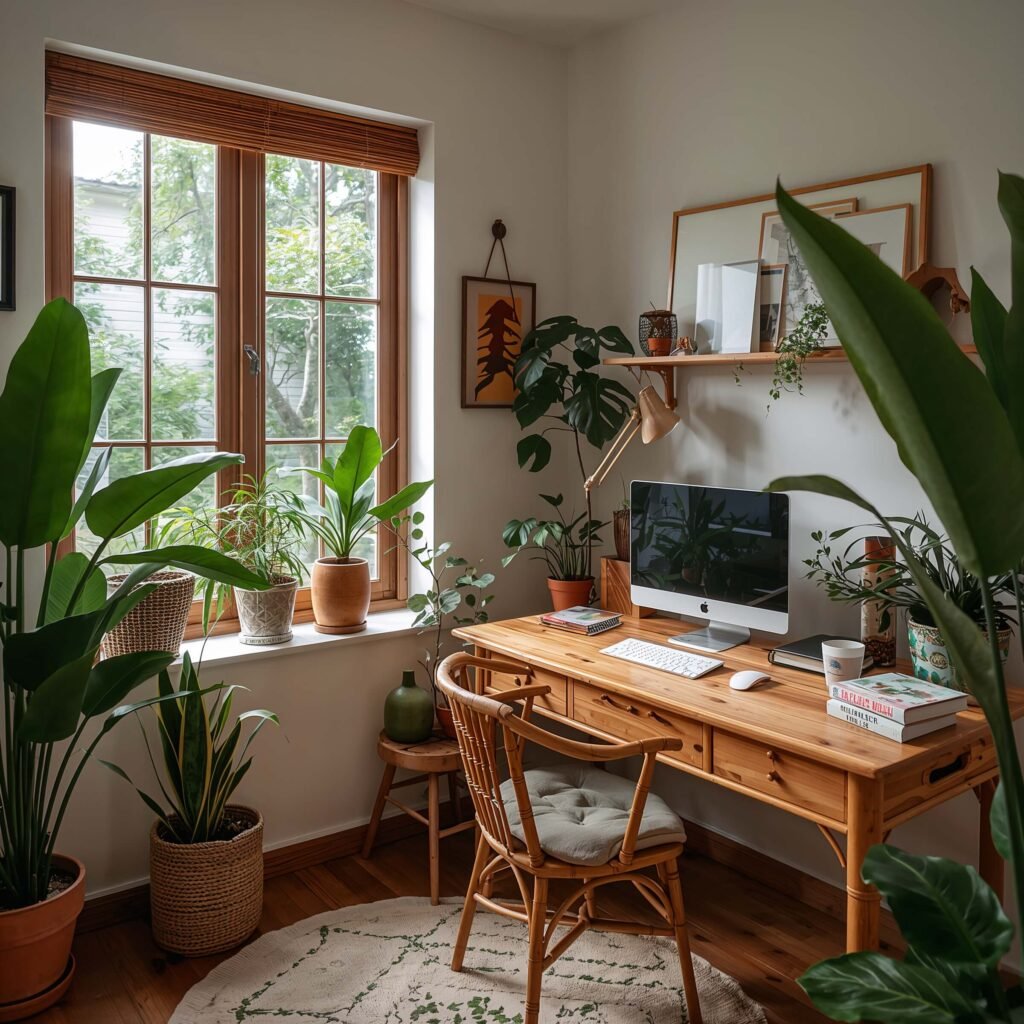
Something magical happens when you add natural elements to your study space. Productivity increases, stress decreases, and suddenly studying feels less like punishment. I went full plant parent during lockdown, and my study room now looks like a very organized jungle. No regrets.
The nature-inspired approach goes beyond just adding plants (though definitely add plants). Think natural materials, organic shapes, and colors pulled straight from the outdoors. Wood, stone, bamboo, and natural fibers create this grounding effect that synthetic materials just can’t match.
The Plant Strategy
Not all plants are created equal for study spaces. You want low-maintenance options that improve air quality without demanding constant attention:
- Snake plants (practically indestructible)
- Pothos (thrives on neglect)
- ZZ plants (drought-tolerant champions)
- Peace lilies (they tell you when they need water by drooping)
- Succulents (for sunny spots)
Position larger plants in corners, trail pothos from floating shelves, and keep a small succulent on your desk. The key is creating layers of green at different heights without cluttering your workspace.
Natural Light and Air Flow
Nature-inspired doesn’t mean dark and cave-like. Maximize natural light with mirrors positioned to reflect window light deeper into the room. Keep windows unobstructed and consider sheer curtains that filter without blocking.
Don’t forget about air quality. A small fan creates gentle air movement that mimics outdoor breezes. Add a essential oil diffuser with eucalyptus or peppermint for that fresh outdoor scent. Your study sessions will feel more like working in a garden pavilion than a stuffy room.
Colorful Creative Study Area
Psychology of Color in Learning
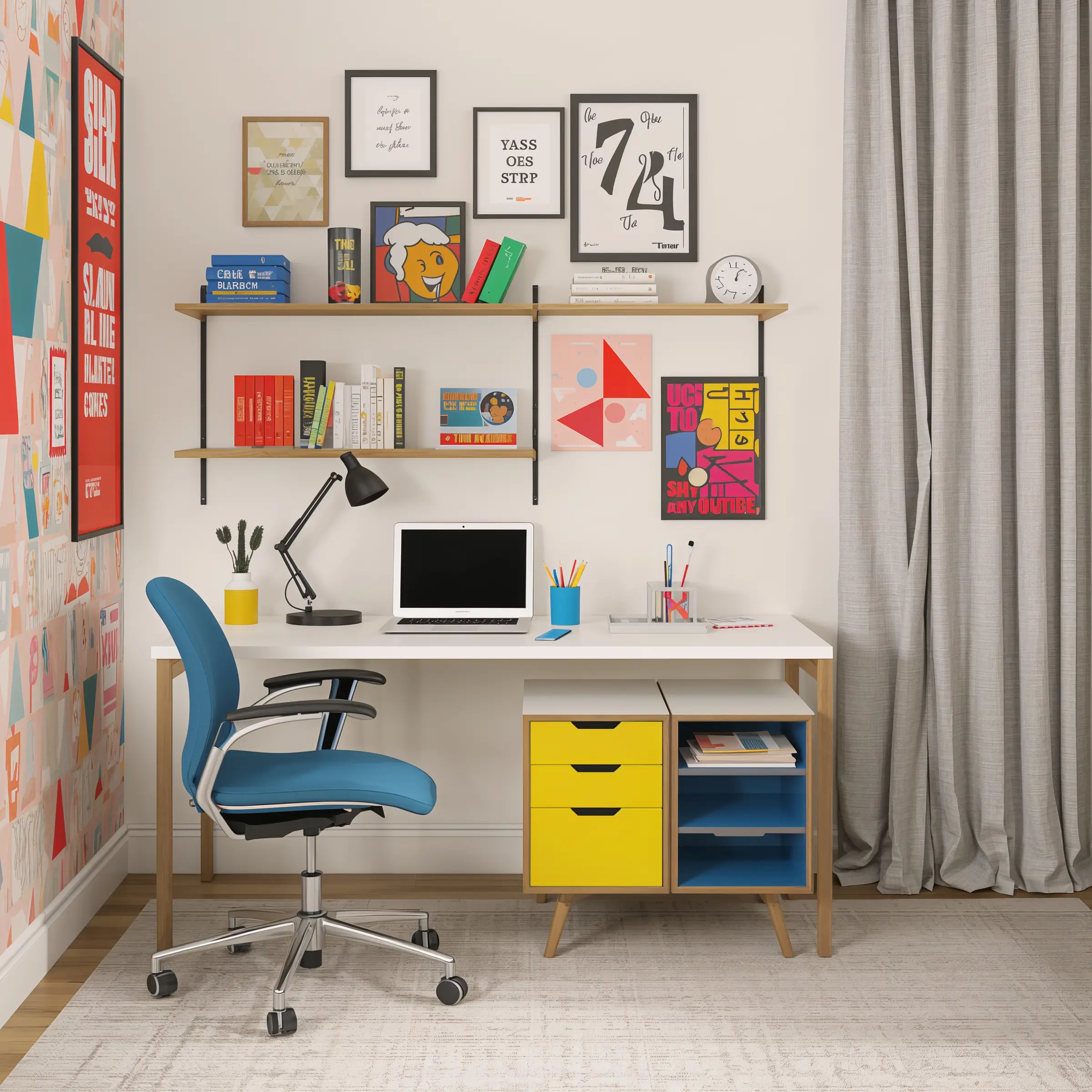
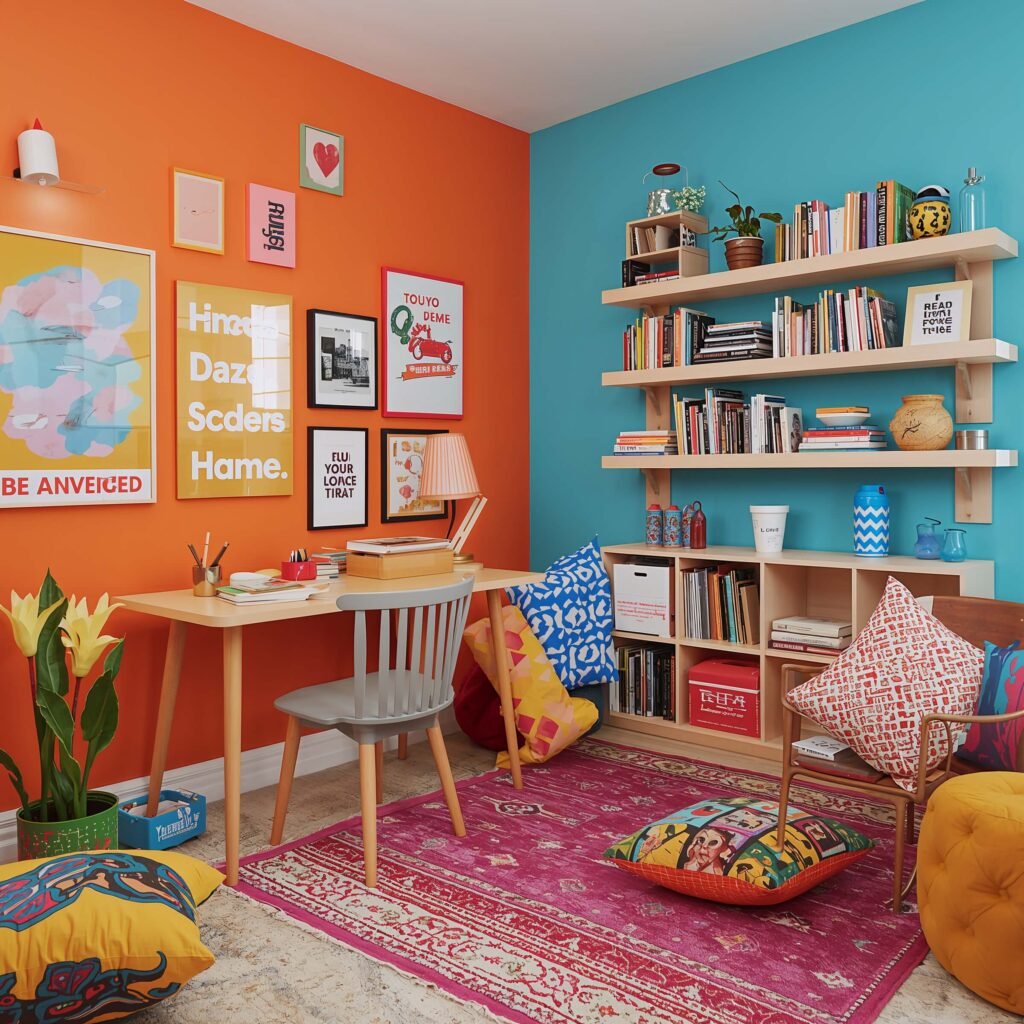
Who decided study rooms had to be beige? Not me, that’s for sure. Color directly impacts mood, energy, and focus, and the right palette can transform your study experience. My creative study area looks like a rainbow had a very organized baby, and my productivity has never been better.
Different colors trigger different responses:
- Blue enhances focus and mental clarity
- Green reduces eye strain and promotes calm
- Yellow stimulates creativity and energy
- Orange encourages enthusiasm and interaction
- Purple inspires problem-solving and innovation
The trick is balance. You want energizing colors without creating visual chaos. Use the 60-30-10 rule: 60% neutral base, 30% secondary color, 10% bold accent.
Strategic Color Placement
Don’t just throw paint at walls and hope for the best. Be strategic about where colors live in your space:
- Behind your desk: Calming colors that won’t distract
- In your sight line: Energizing accents that keep you alert
- On organizers and accessories: Bold colors that make finding things easier
- On your chair or rug: Comfort colors that make you want to stay
I painted one wall sage green and used coral and yellow accents throughout. The green keeps me calm during stressful study sessions, while the bright accents prevent that 3 PM slump.
Colorful Without Chaos
The secret to a colorful study space that still promotes focus? Organization is everything. Use color-coded systems for different subjects or projects. Rainbow-organize your bookshelf (yes, it’s as satisfying as it sounds). Choose colorful furniture pieces in solid colors rather than patterns.
Keep a neutral base for large furniture pieces and add color through easily changeable elements. This way, when you inevitably get sick of your hot pink phase, you’re just switching out accessories, not buying a new desk.
Industrial Loft Study Room
Raw Meets Refined
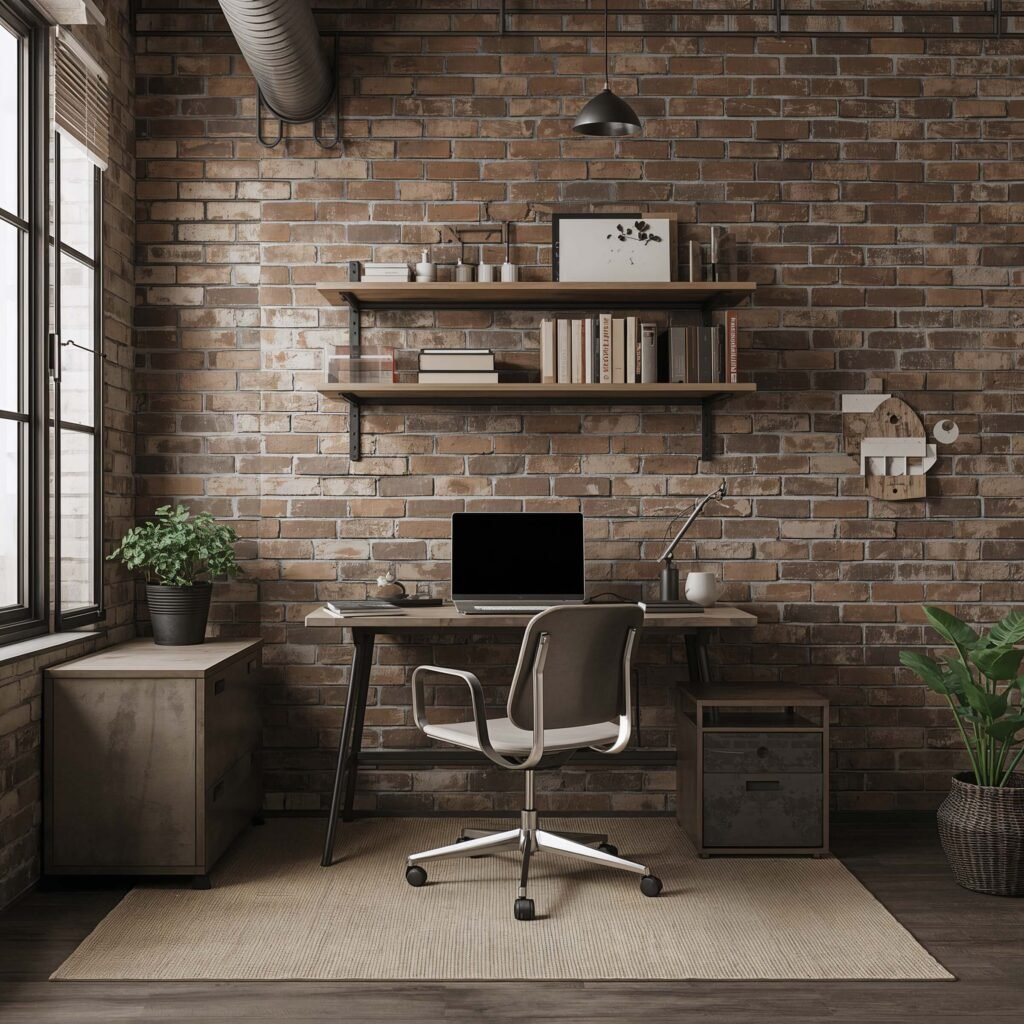
There’s something about exposed brick, metal fixtures, and concrete surfaces that makes you feel like a serious professional. The industrial loft aesthetic brings urban edge to studying, creating spaces that feel both creative and focused. I helped a friend transform their spare room into an industrial study space, and now I’m slightly jealous.
The foundation starts with materials. Think metal, wood, leather, and concrete – materials that age beautifully and develop character. The color palette stays neutral but rich: charcoal grays, warm browns, black metal, and maybe one rust or copper accent.
Key Industrial Elements
Creating the industrial look doesn’t require actual loft living:
- Metal shelving units (function meets form)
- Edison bulb lighting or cage pendant lights
- Reclaimed wood desktop on metal legs
- Leather or canvas accessories
- Exposed storage (embrace the visible organization)
- Concrete or brick-effect wallpaper for one accent wall
The beauty of industrial design lies in its honesty. Nothing pretends to be anything other than what it is. Pipes stay exposed, wood grain shows through, metal develops patina.
Softening the Edges
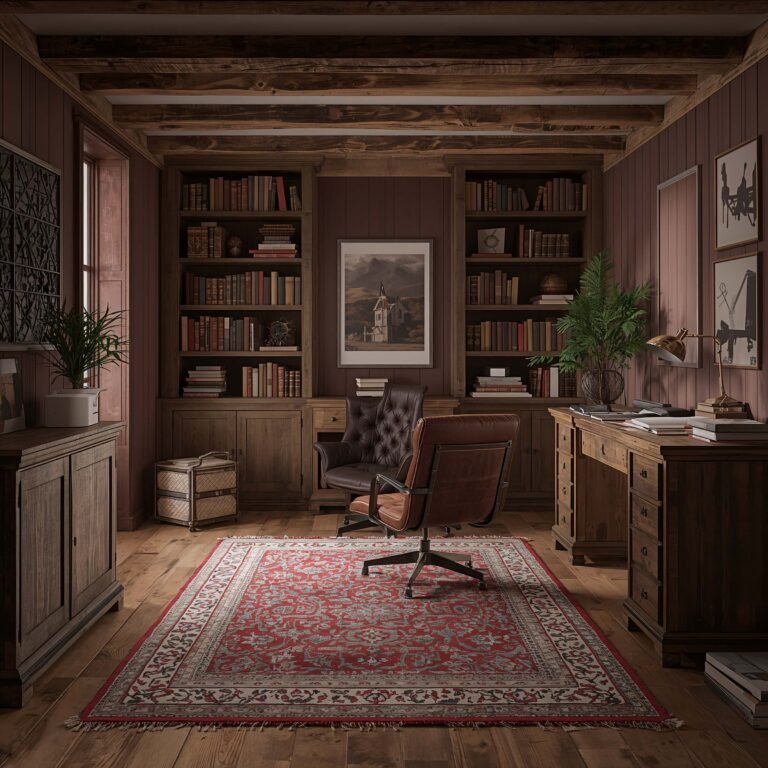
Pure industrial can feel cold, so add warmth strategically. A vintage leather chair, a worn Persian rug, or some brass accents prevent your study room from feeling like an actual factory. Plants in concrete or metal planters bring life while maintaining the aesthetic.
I particularly love how industrial spaces handle technology. Monitors on articulating arms look right at home, cables in metal conduits become part of the design, and that gaming PC tower suddenly looks intentional rather than intrusive.
Also Read: 12 Beautiful Foyer Interior Design Ideas to Elevate Your Entryway
Floating Shelves Organization Study
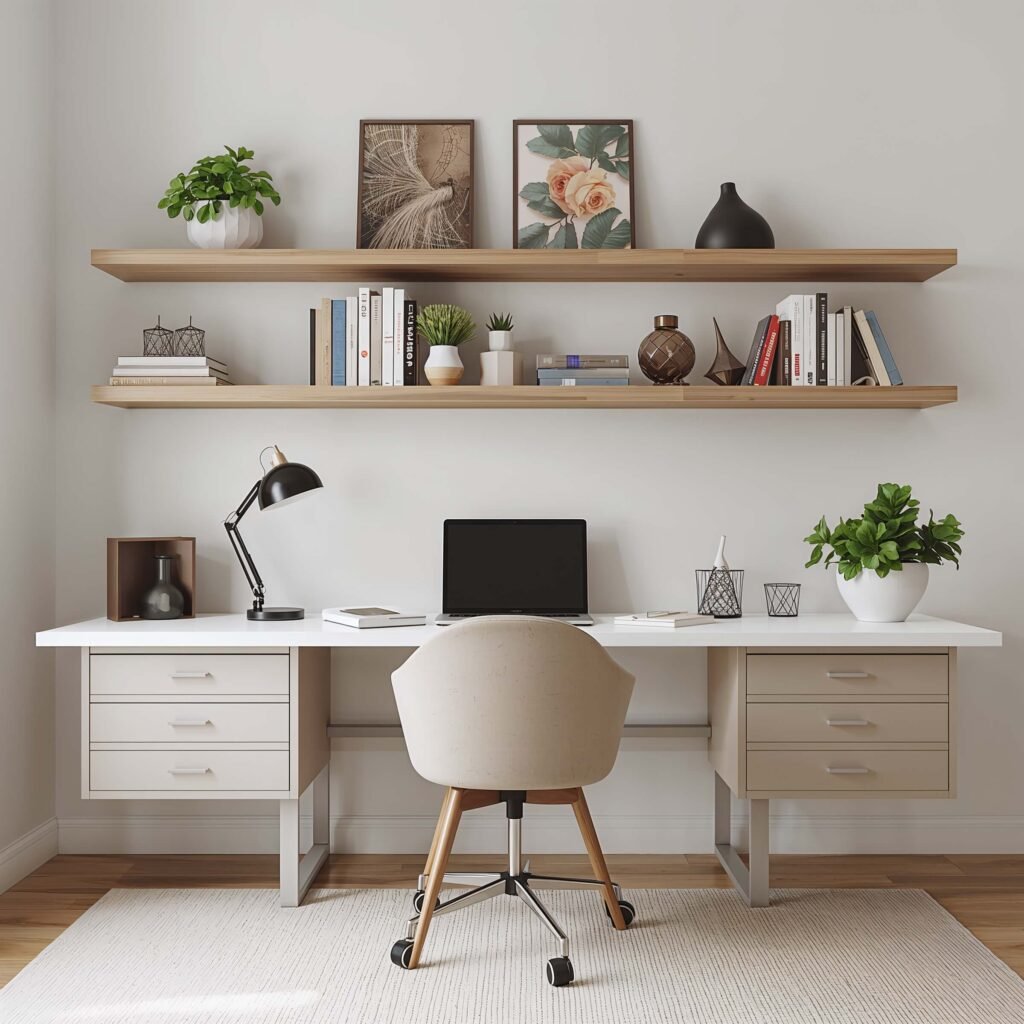
The Liberation of Floor Space
Want to know the fastest way to make a small study room feel twice as big? Get everything off the floor and onto the walls. Floating shelves changed my study room game completely. No more bulky bookcases eating up precious square footage – just clean lines and accessible storage floating at perfect heights.
The beauty of floating shelves lies in their versatility. You can install them at any height, in any configuration, creating custom storage solutions that work with your specific needs. Stack them symmetrically for a formal look or stagger them for something more dynamic.
Strategic Shelf Placement
Not all wall space is created equal. Here’s how to maximize your floating shelf impact:
- Above the desk: Keep frequently used items within arm’s reach
- Corner shelves: Utilize dead corner space
- High shelves: Store items you need but don’t use daily
- Picture ledge shelves: Display books and art you want to see
- Narrow shelves: Perfect for small spaces between windows
My setup includes a combination of depths – deeper shelves for books and storage boxes, narrow ledges for displaying inspiration, and medium shelves for everyday supplies.
The Art of Shelf Styling
Here’s where people mess up: they install beautiful floating shelves then cram them full of stuff. The key is the rule of thirds – one third books, one third objects, one third empty space. This prevents visual clutter while maximizing storage.
Organize books both vertically and horizontally to create visual interest. Add bookends, small plants, or decorative boxes to break up the lines. Color-coordinate if you’re feeling extra, but even random arrangements work if you maintain breathing room.
Use matching containers for small items – nothing kills the floating shelf vibe faster than a jumble of random supplies. I found a set of white boxes that hide everything from paper clips to charging cables while maintaining the clean aesthetic.
Weight and Installation Reality Check
Let’s talk about the elephant in the room: floating shelves need proper installation. Those tiny brackets aren’t magic – they need studs or serious wall anchors. I learned this lesson when my “floating” shelves became “falling” shelves. Not cute.
Invest in quality brackets rated for more weight than you think you’ll need. Books are heavier than they look, especially when you stack them. Consider the wall material too – drywall needs different hardware than brick or concrete.
Bringing It All Together
After exploring all these design ideas, you might feel overwhelmed. Where do you even start? Here’s the thing – you don’t have to pick just one style. The best study rooms often blend elements from multiple approaches.
My current study space combines Scandinavian simplicity with industrial touches and nature-inspired elements. The key is choosing what genuinely resonates with you and supports your study habits. Start with one core concept and layer in elements from others that enhance rather than compete.
Remember, the perfect study room isn’t about following design rules perfectly. It’s about creating a space where your brain wants to work, where focus comes naturally, and where you actually enjoy spending time. Whether that means going full minimalist or embracing colorful chaos, the best design is the one that works for you.
Take these ideas, mix and match, and create something uniquely yours. Your future productive self will thank you. And hey, even if you just end up with a really nice-looking room where you still procrastinate sometimes, at least you’ll procrastinate in style, right?
Now stop reading about study room design and go create one. Your books aren’t going to read themselves (unfortunately). But with the right space, you might actually want to crack them open. IMO, that’s a win worth designing for.