15 Charming Tiny Nursery Ideas and Clever Space Hacks

Okay, let’s get real for a second – when I found out my sister was trying to squeeze a nursery into her 8×8 spare room, I thought she’d lost her mind.
But here’s the thing: after helping her transform that shoebox into the coziest baby haven you’ve ever seen, I became completely obsessed with tiny nurseries.
They force you to get creative, and honestly? The results often outshine those sprawling Pinterest-perfect rooms that nobody actually lives in.
Small nurseries aren’t just about making do with less space. They’re about creating intimate, functional spaces that work harder than your average room.
Plus, your baby won’t care if their room isn’t the size of a basketball court – they just want somewhere cozy and safe. Trust me on this one.
Minimalist Monochrome Nursery
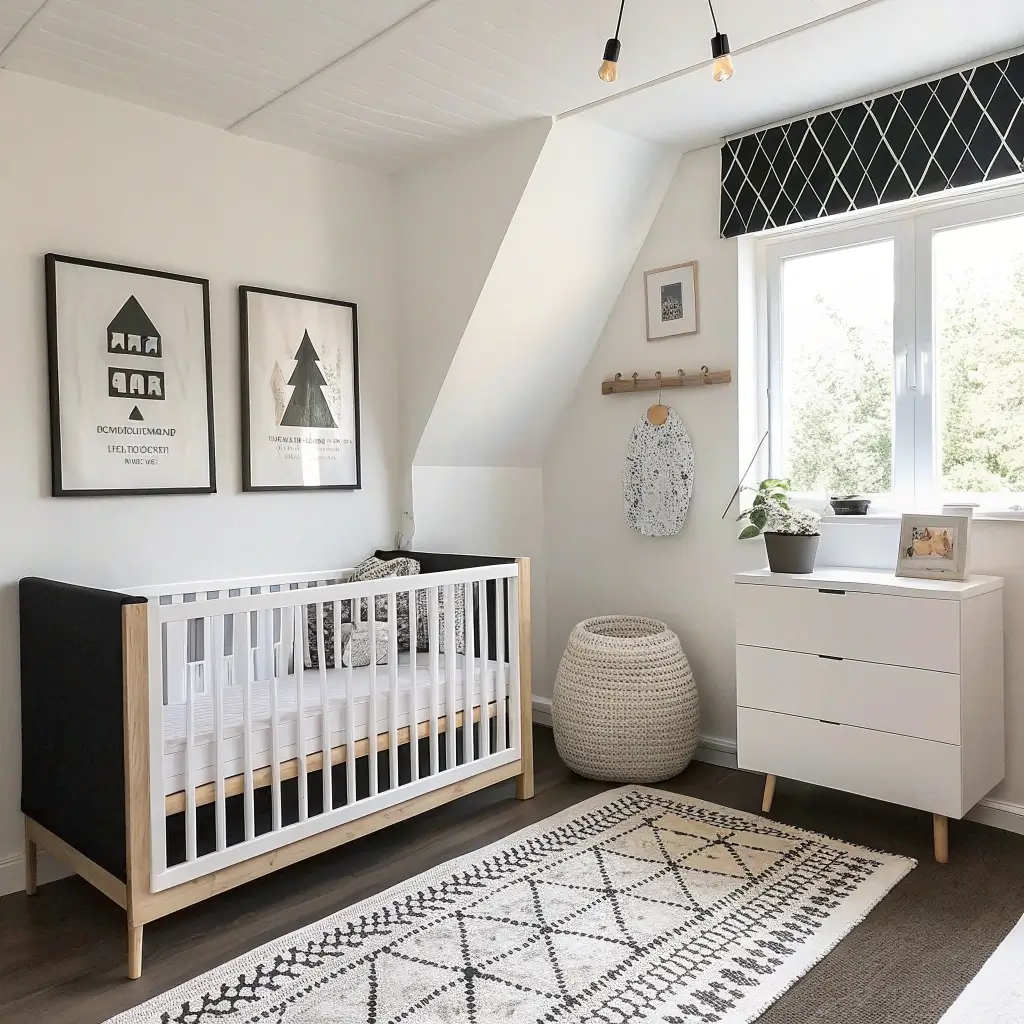
Let me tell you why I’m completely sold on the minimalist monochrome approach for tiny spaces. When you stick to one color family, magic happens – your room instantly feels bigger and more cohesive. I helped my cousin design her black and white nursery last year, and people still ask her if she knocked down a wall.
The secret sauce? You pick your base color (white works brilliantly), then add different shades and textures of that same hue. Think crisp white walls, a soft grey crib, charcoal curtains, and maybe some black-framed artwork. The lack of color chaos tricks your eye into seeing more space than actually exists.
Want to know what really makes this work? Negative space becomes your best friend. You don’t fill every corner with stuff. Instead, you let the room breathe. Pick furniture with clean lines – no ornate Victorian cribs here, thank you very much. A simple wooden crib in white or light grey anchors the room without overwhelming it.
Making Monochrome Pop Without Color
Here’s where people mess up: they think monochrome means boring. Wrong! You create interest through:
- Varied textures (think knitted blankets, smooth walls, fluffy rugs)
- Geometric patterns in your wallpaper or decals
- Different material finishes (matte walls, glossy furniture, metallic accents)
I always tell parents to add one statement piece – maybe a stunning black and white mobile or an oversized monochrome animal print. It gives the eye somewhere to land without cluttering the visual field.
Lofted Crib Space Saver
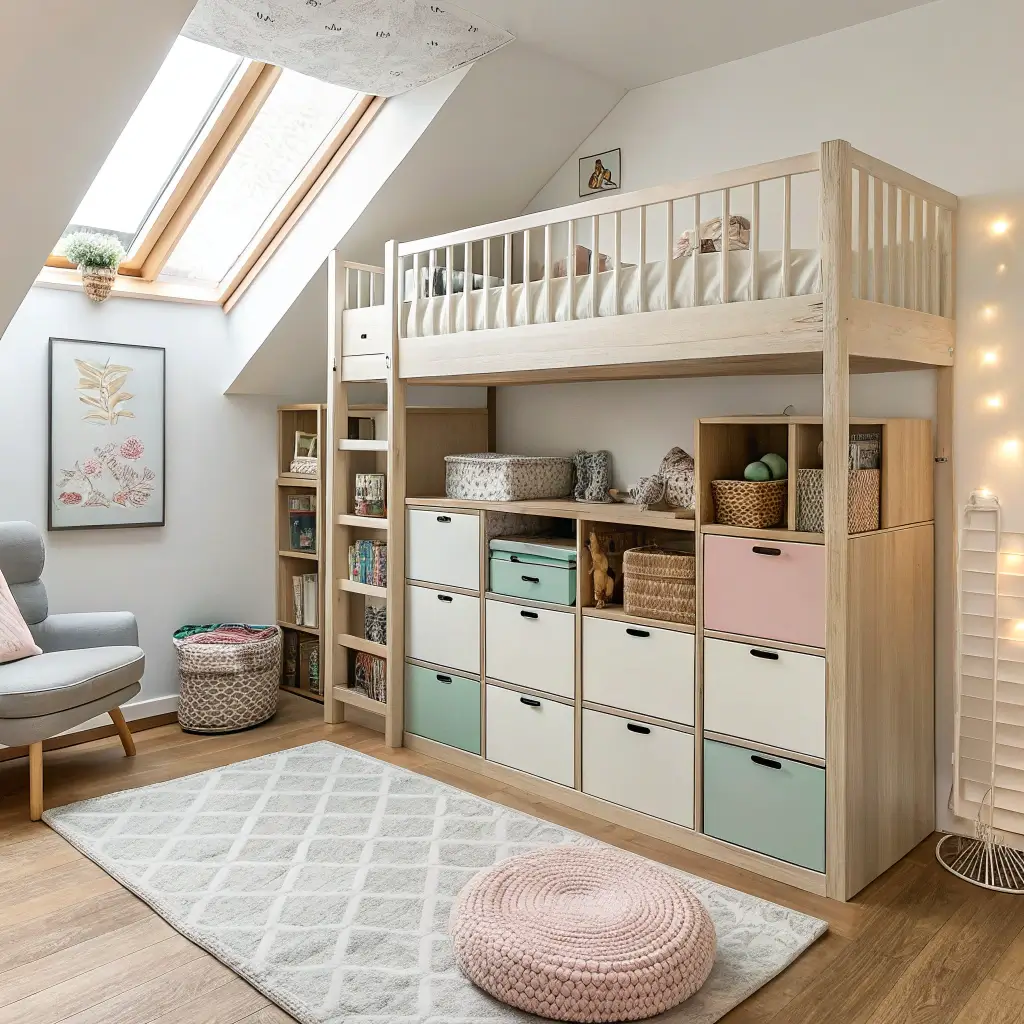
Now this idea might sound crazy at first, but hear me out. Lofting your crib (safely, of course) creates an entire play area underneath. Before you freak out – I’m not talking about putting your newborn six feet in the air. This works best when you transition from crib to toddler bed.
My neighbor installed a low loft system when her son turned two, and suddenly their 10×10 nursery felt massive. The bed sits about three feet off the ground, with a cozy play cave underneath complete with cushions and soft lighting. During the day, it’s a reading nook. At night, it stores all those bulky toys that usually eat up floor space.
Safety comes first with this setup. You need:
- Sturdy railings that exceed standard height requirements
- A proper ladder with wide, toddler-friendly steps
- Anti-slip surfaces on all climbing areas
The payoff? You literally double your usable space. The area under the loft becomes whatever you need – storage, play space, or even a mini closet if you’re really pressed for room.
Under-Crib Storage Solutions
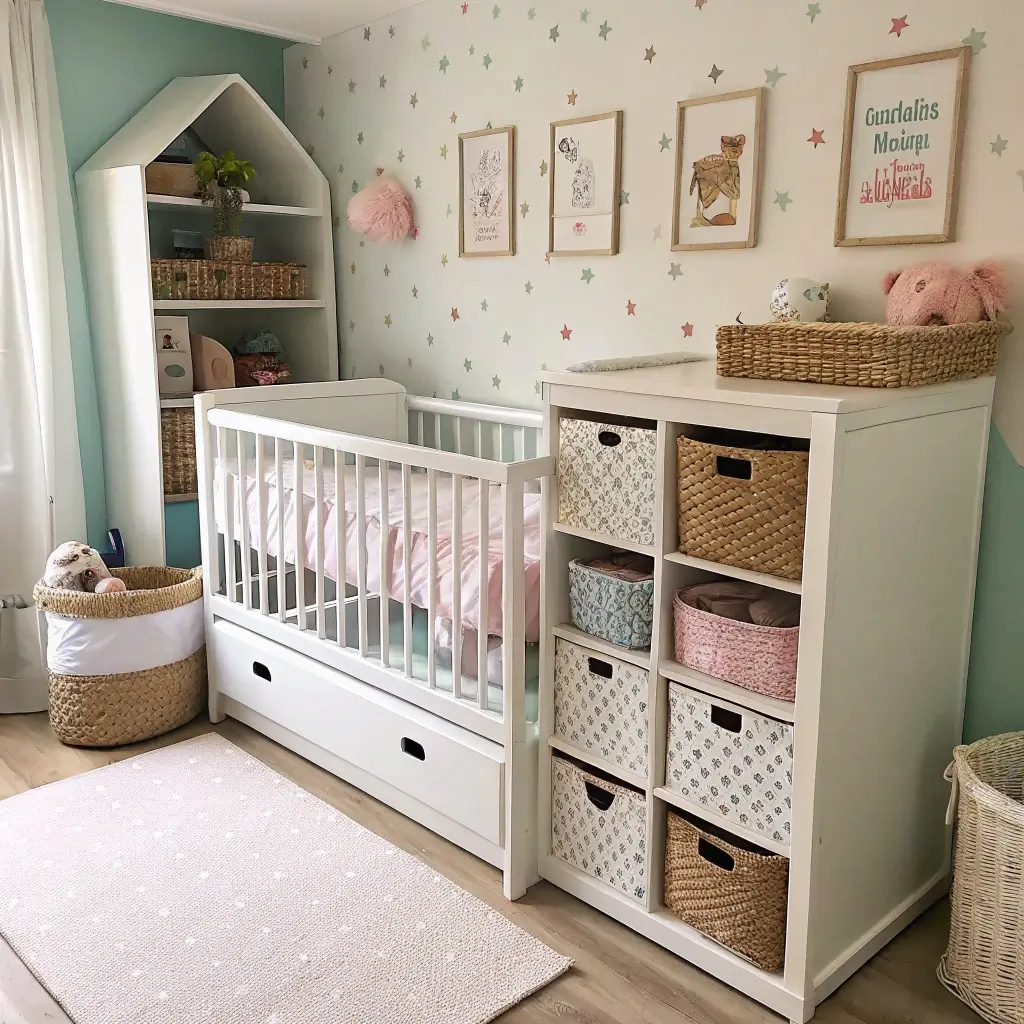
Speaking of storage, can we talk about all that wasted space under traditional cribs? It drives me absolutely bonkers when I see empty space beneath a crib in a tiny nursery. That’s prime real estate, people!
Rolling storage boxes changed my whole perspective on nursery organization. Get yourself some low-profile containers on wheels – they slide right under the crib and hold everything from extra diapers to out-of-season clothes. Pro tip: label them clearly because you’ll be sliding them in and out at 3 AM when your brain isn’t functioning.
Here’s what works best under there:
- Flat storage bags for clothes your baby hasn’t grown into yet
- Clear plastic bins for easy identification of contents
- Vintage suitcases if you want storage that doubles as decor when pulled out
- Custom-built drawers that attach to the crib frame (yes, they make these!)
I learned the hard way that you want containers that slide smoothly. Nothing worse than wrestling with a stuck storage box while holding a crying baby. Invest in quality wheels or sliders – your future sleep-deprived self will thank you.
Also Read: 15 Modern Gender Neutral Nursery Ideas for Stylish Parents
Foldable Furniture Nursery
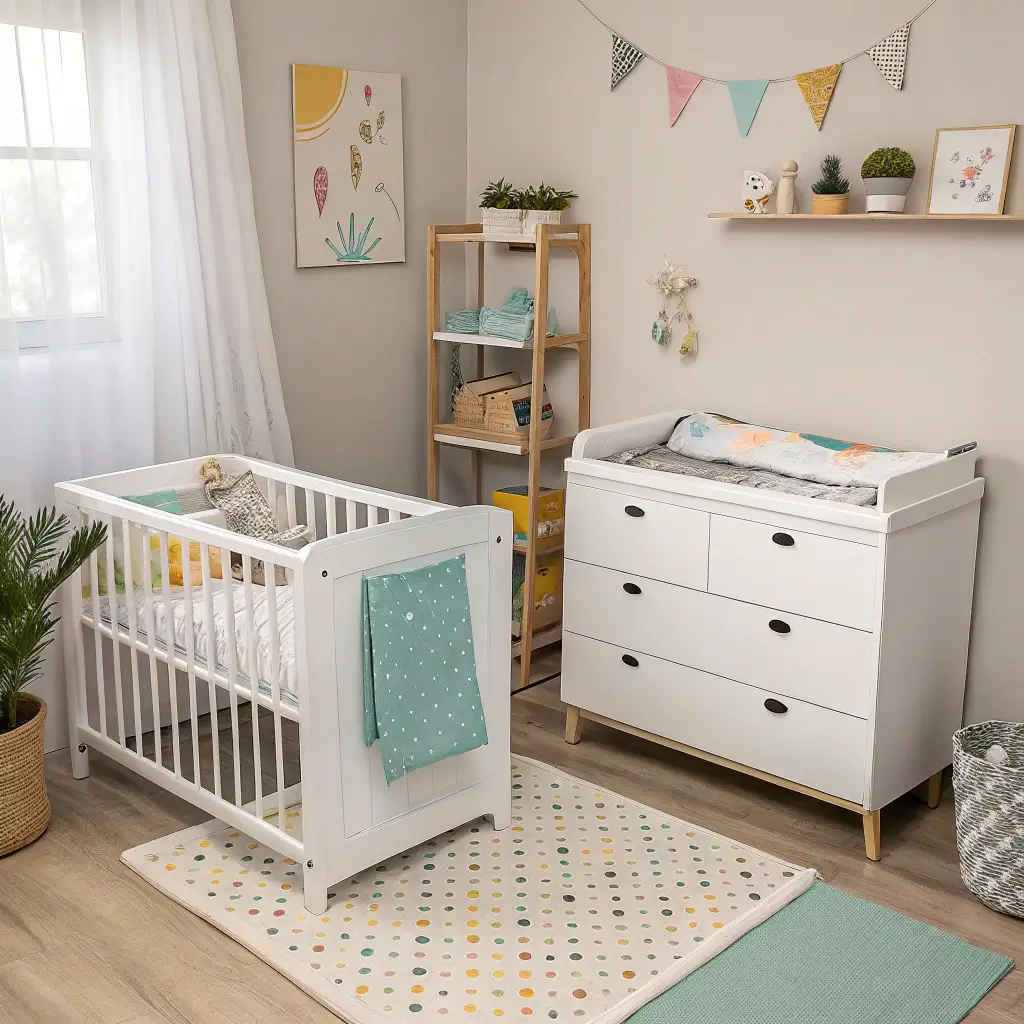
Let’s have an honest conversation about nursery furniture. How often do you actually use that glider? That changing table? Exactly. Foldable furniture lets you have everything you need without permanent space commitment.
My best friend furnished her entire 9×9 nursery with pieces that fold, stack, or collapse. Her changing station? Folds flat against the wall when not in use. The nursing chair? Collapses and slides under the crib. Even her side table transforms into a flat panel that hangs on the wall.
The trick with foldable furniture is choosing pieces that don’t scream “temporary.” You want:
- Solid construction that won’t wobble
- Easy fold mechanisms you can operate one-handed
- Attractive designs that look intentional, not makeshift
I particularly love those wall-mounted changing tables that fold down Murphy-bed style. When folded up, they look like a sleek cabinet or mirror. When you need them, they provide a full-sized, sturdy changing surface. Genius, right?
Wall-Mounted Toy Organization
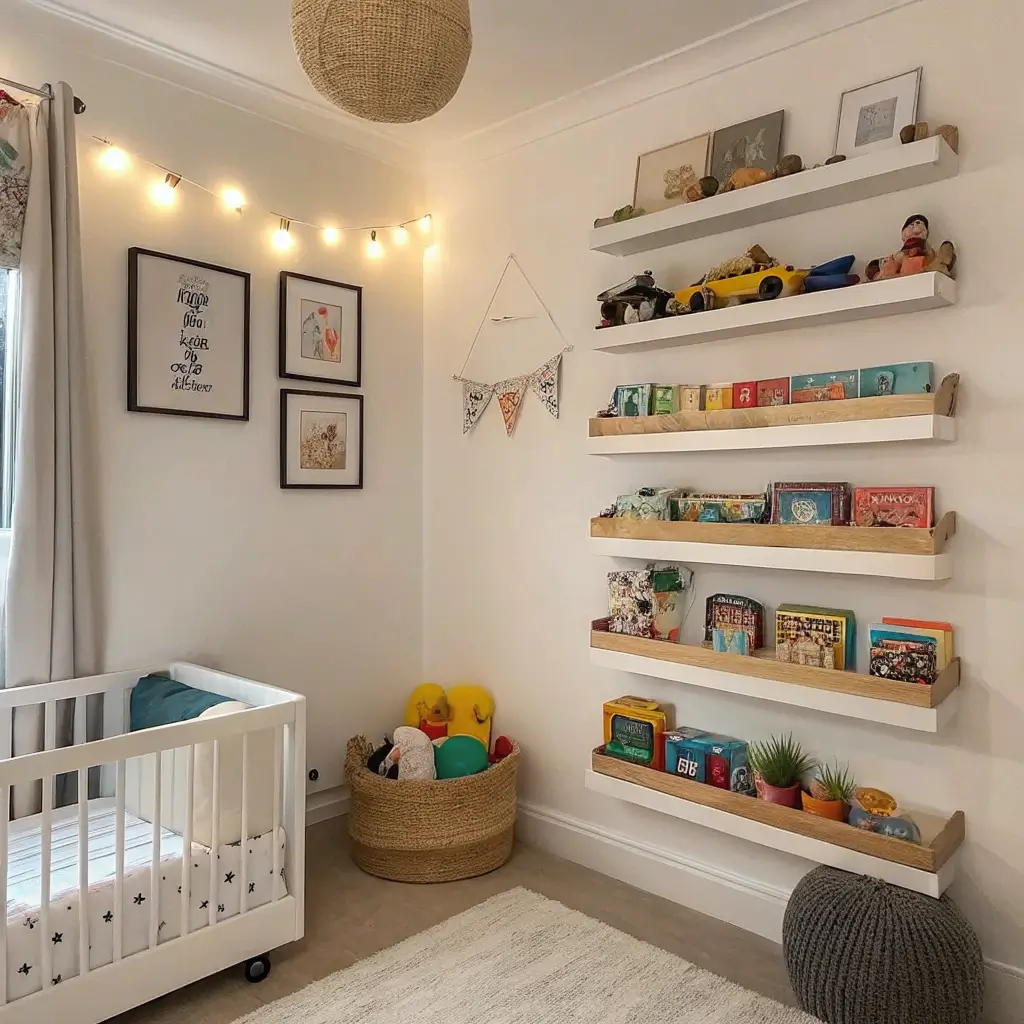
Floors are overrated anyway. Why store toys on the ground when you have perfectly good walls begging for attention? Wall-mounted organization keeps toys visible, accessible, and completely off your precious floor space.
I installed a pegboard system in my nephew’s nursery, and FYI, it’s been a total game-changer. You can rearrange hooks, baskets, and shelves as your storage needs change. Today it holds stuffed animals, tomorrow it might display books, next year it could showcase art supplies.
Smart Wall Storage Ideas That Actually Work
Here’s what I’ve learned works best:
- Mesh bags hanging at toddler height for easy toy access
- Magnetic strips for toy cars and metal items
- Picture ledges that double as book displays
- Wire baskets on hooks for bulky items
The beauty of wall storage? It grows with your kid. Those baby toy baskets eventually hold art supplies. The book ledges transform into trophy shelves. You’re not just solving today’s storage problem – you’re creating a system that adapts.
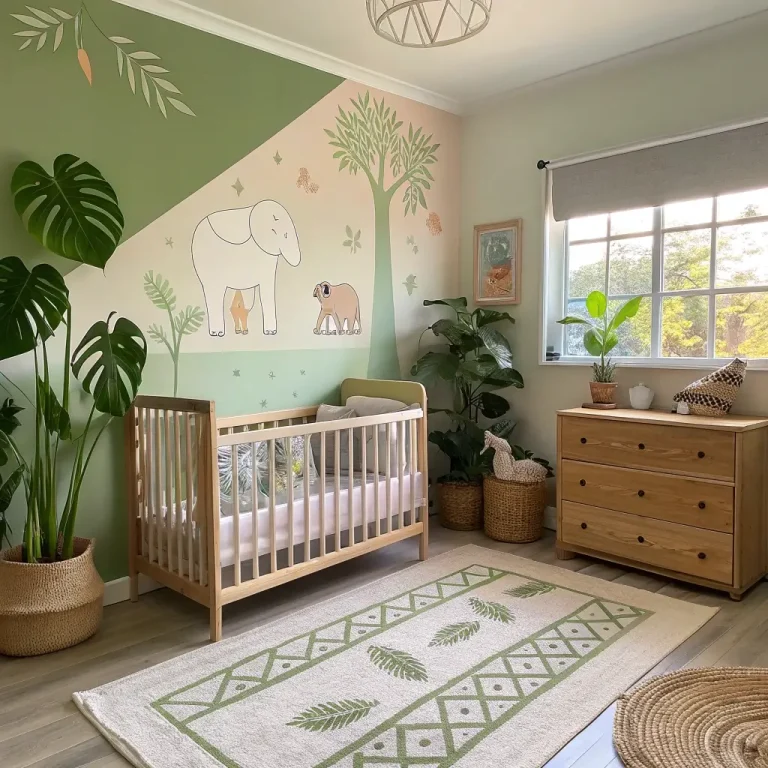
Nature-Inspired Micro Nursery
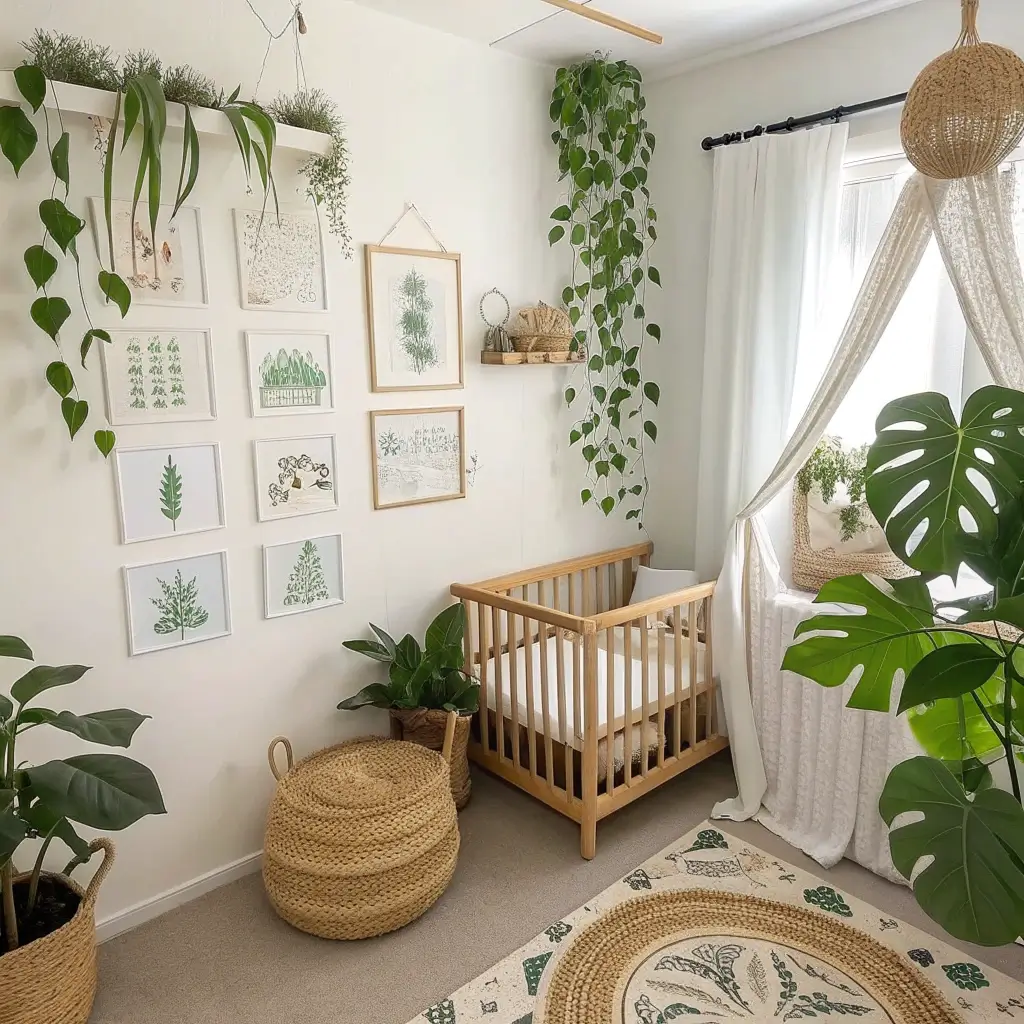
Want to make a tiny room feel bigger? Bring the outdoors in. Natural elements have this magical ability to make spaces feel more expansive and calming. I discovered this accidentally when I helped design my niece’s forest-themed micro nursery.
Start with a nature-inspired color palette – soft greens, warm browns, sky blues. These colors naturally recede, making walls feel farther away. Add natural wood furniture with visible grain patterns. The organic lines draw the eye around the room, creating movement and visual interest.
But here’s where it gets really good: living plants in a nursery. I know what you’re thinking – more things to keep alive? But hear me out. A couple of low-maintenance plants (pothos or snake plants work great) literally clean the air while making the room feel fresh and alive. Just keep them out of reach once your little one starts grabbing everything.
Don’t forget natural textures:
- Jute rugs for warmth underfoot
- Cotton and linen fabrics for bedding
- Wooden toys displayed as decor
- Stone or clay accessories for earthiness
Also Read: 15 Cozy Neutral Nursery Ideas to Inspire Your Home
Multi-Functional Changing Station
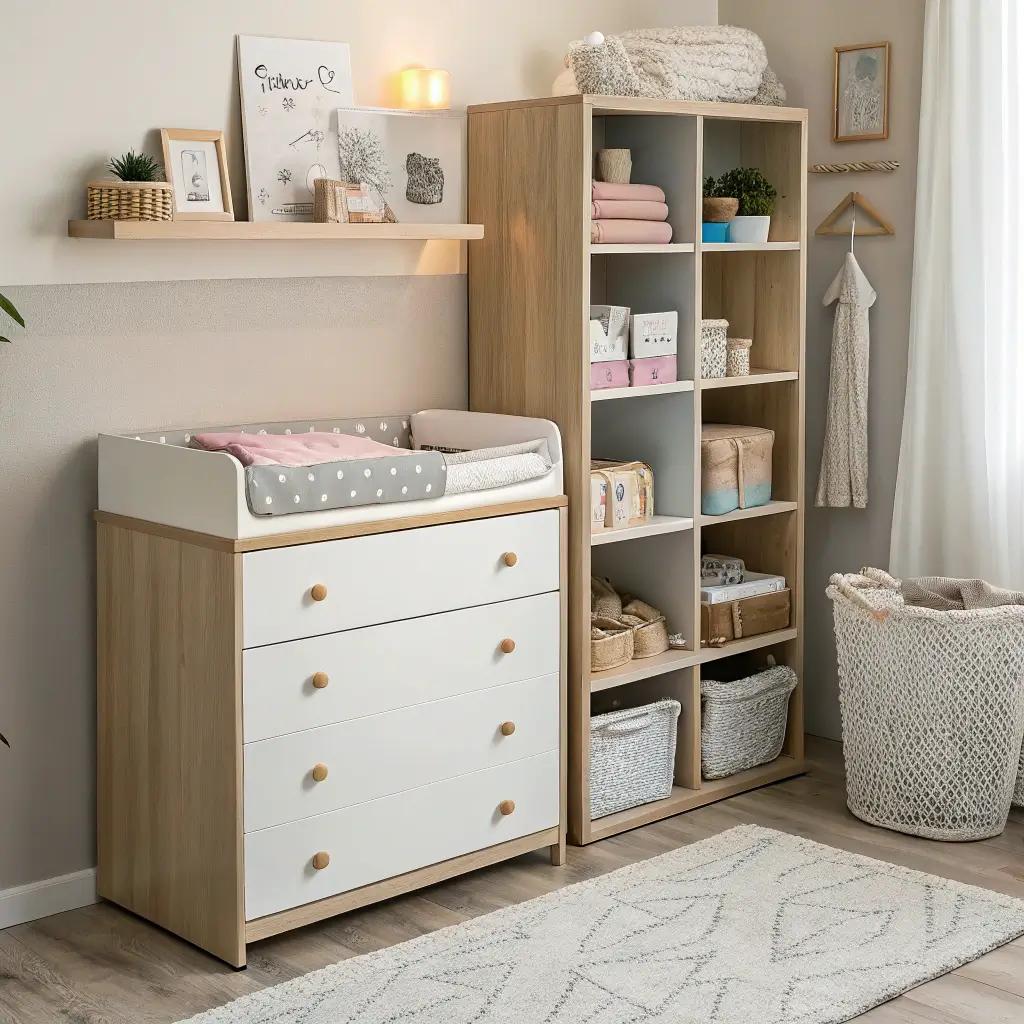
Can we please retire the dedicated changing table? In a tiny nursery, every piece needs to work overtime. My multi-functional changing station philosophy has converted so many skeptical parents.
Picture this: a dresser that’s the perfect height for changing, with a removable changing pad on top. Below? All your baby’s clothes, organized and accessible. When diaper days end (yes, they will end!), you remove the pad and boom – regular dresser for the next decade.
Even better? I’ve seen parents use console tables with storage baskets underneath. The narrow profile works perfectly in tight spaces, and the open shelving below holds everything you need during changes. Add a wall-mounted organizer above for wipes and creams, and you’ve got a complete station in about two square feet.
The key features you need:
- Proper height (around 36 inches to save your back)
- Secure changing pad with safety straps
- Storage within arm’s reach for supplies
- Future functionality beyond the diaper years
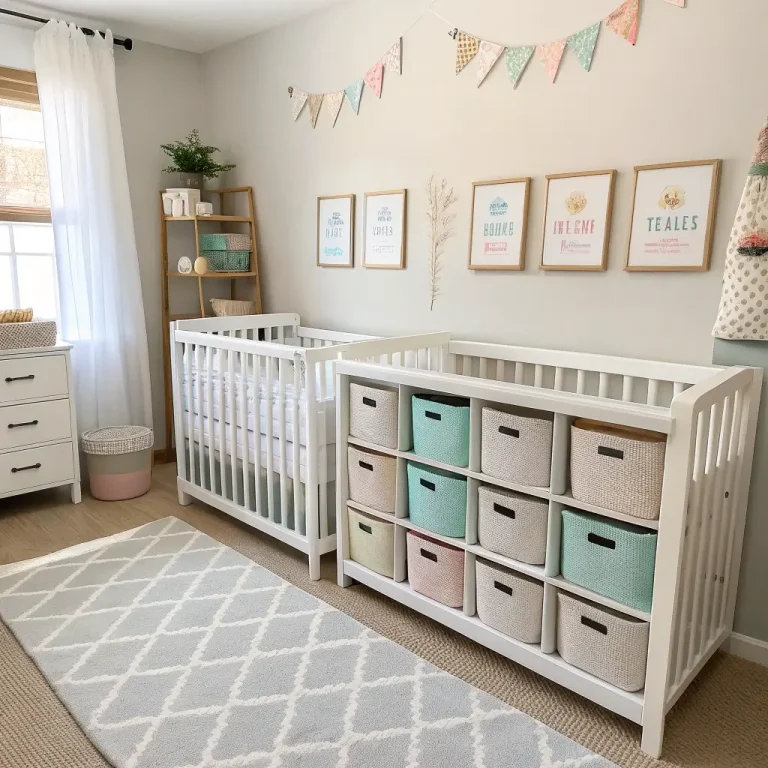
Pastel Color Pop Nursery
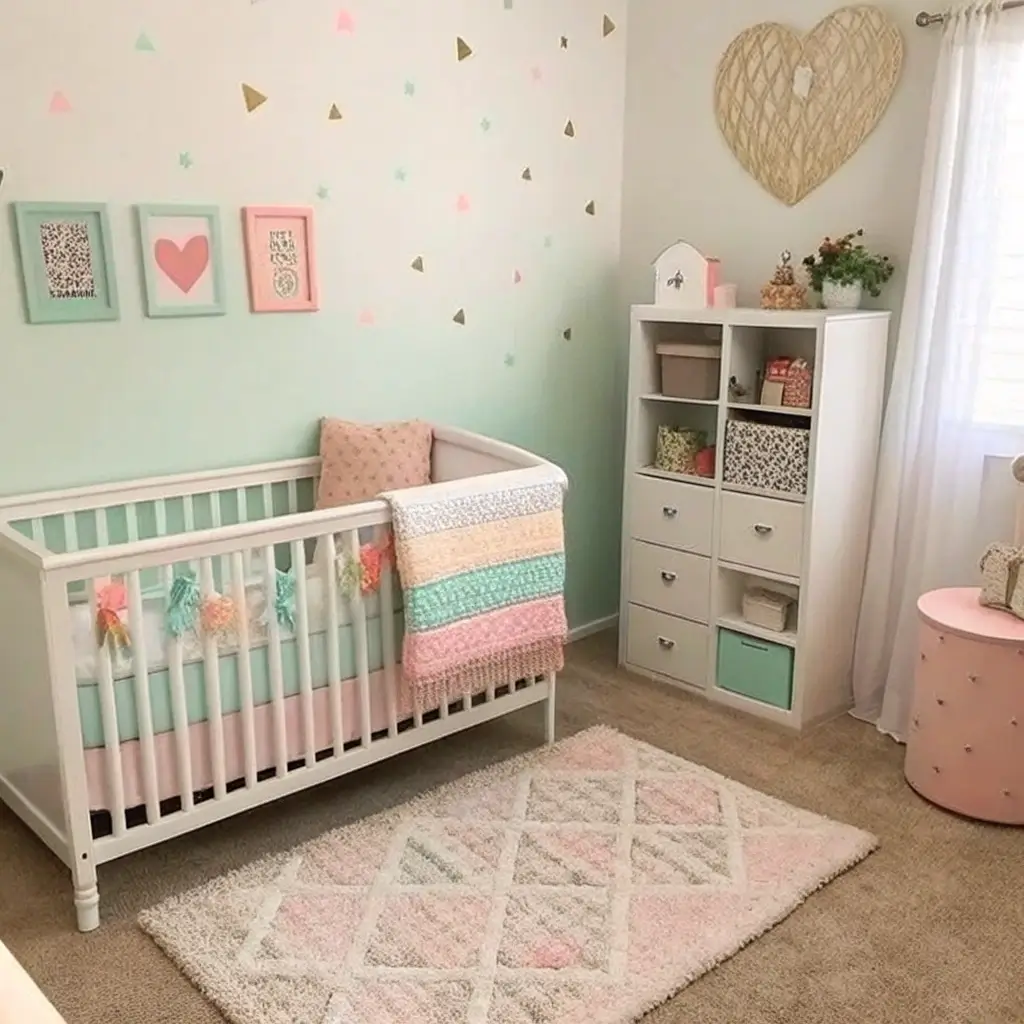
Who says tiny nurseries have to whisper? Sometimes you need a room that shouts (quietly, because baby’s sleeping). Strategic pops of pastel colors can actually make small spaces feel larger when done right.
I learned this trick from a designer friend: pick one wall for your color statement. Paint it in a soft but vibrant pastel – think millennial pink, mint green, or powder blue. The other walls? Keep them white or barely-there grey. This creates depth and makes the room feel less box-like.
Here’s the secret sauce: repeat your accent color in three places around the room. Maybe it’s the crib sheet, a throw pillow, and some wall art. This creates visual flow that guides the eye around the space, making it feel bigger.
Color Psychology in Small Spaces
Different pastels create different vibes:
- Soft pink feels warm and cozy without being overwhelming
- Pale yellow adds sunshine to windowless rooms
- Mint green creates a fresh, airy feeling
- Lavender promotes calm (supposedly – my nephew still screams in his lavender room, so YMMV :))
Scandinavian Small Space Design
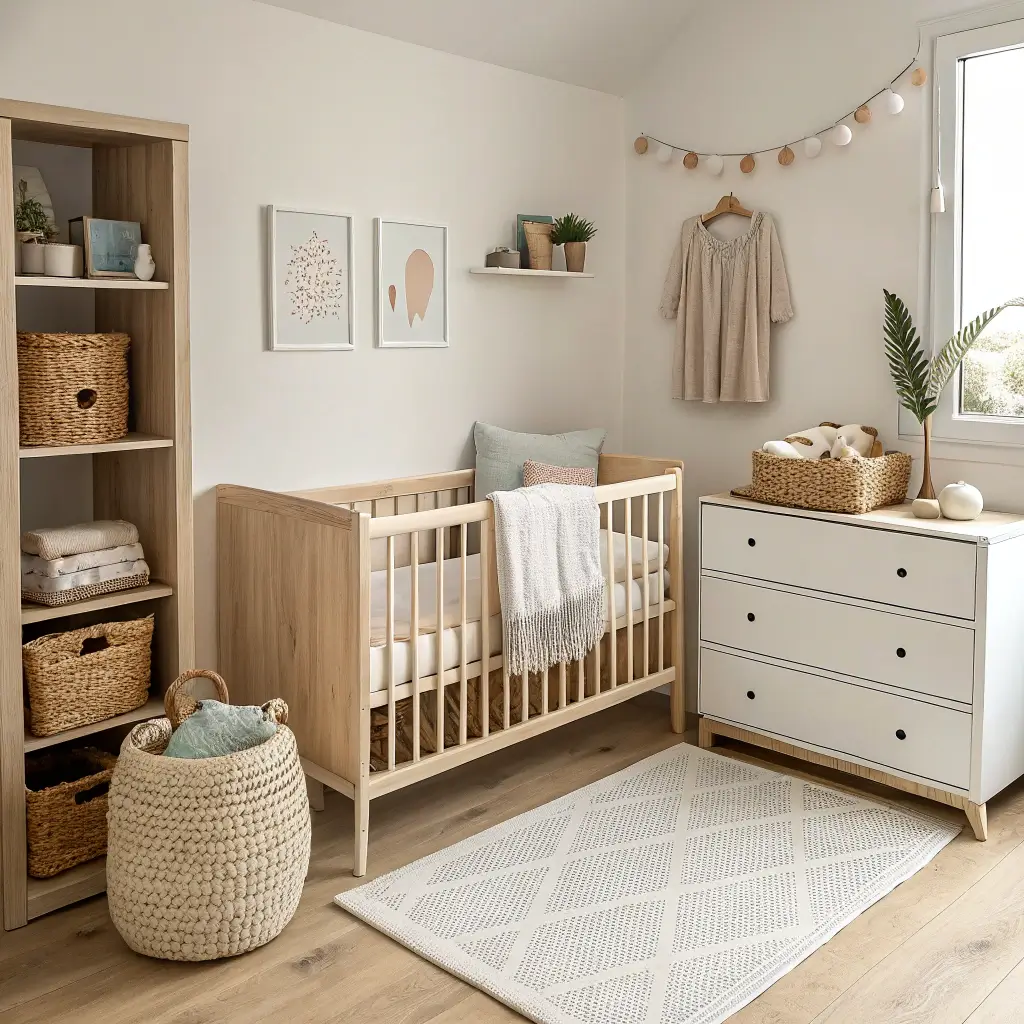
The Scandinavians figured out small-space living centuries ago, and their nursery game is absolutely on point. Scandinavian design strips everything down to essentials, then makes those essentials beautiful.
Start with a white base – walls, ceiling, major furniture. Then layer in natural wood tones and soft, neutral textiles. The result? A room that feels twice its actual size. I converted my own daughter’s nursery to Scandi style when she was six months old, and visitors always assume the room is bigger than it actually is.
Key Scandinavian elements that work:
- Light wood cribs with simple slat designs
- Sheepskin rugs for texture without visual weight
- Black accents in small doses for contrast
- Minimal patterns – think simple stripes or dots
The philosophy here matters too. Scandinavians believe in quality over quantity. Buy fewer, better pieces that last forever. That handcrafted wooden mobile might cost more than plastic alternatives, but it becomes an heirloom instead of landfill fodder.
Also Read: 15 Charming Baby Girl Nursery Room Ideas for Inspiration
Compact Boho Chic Nursery
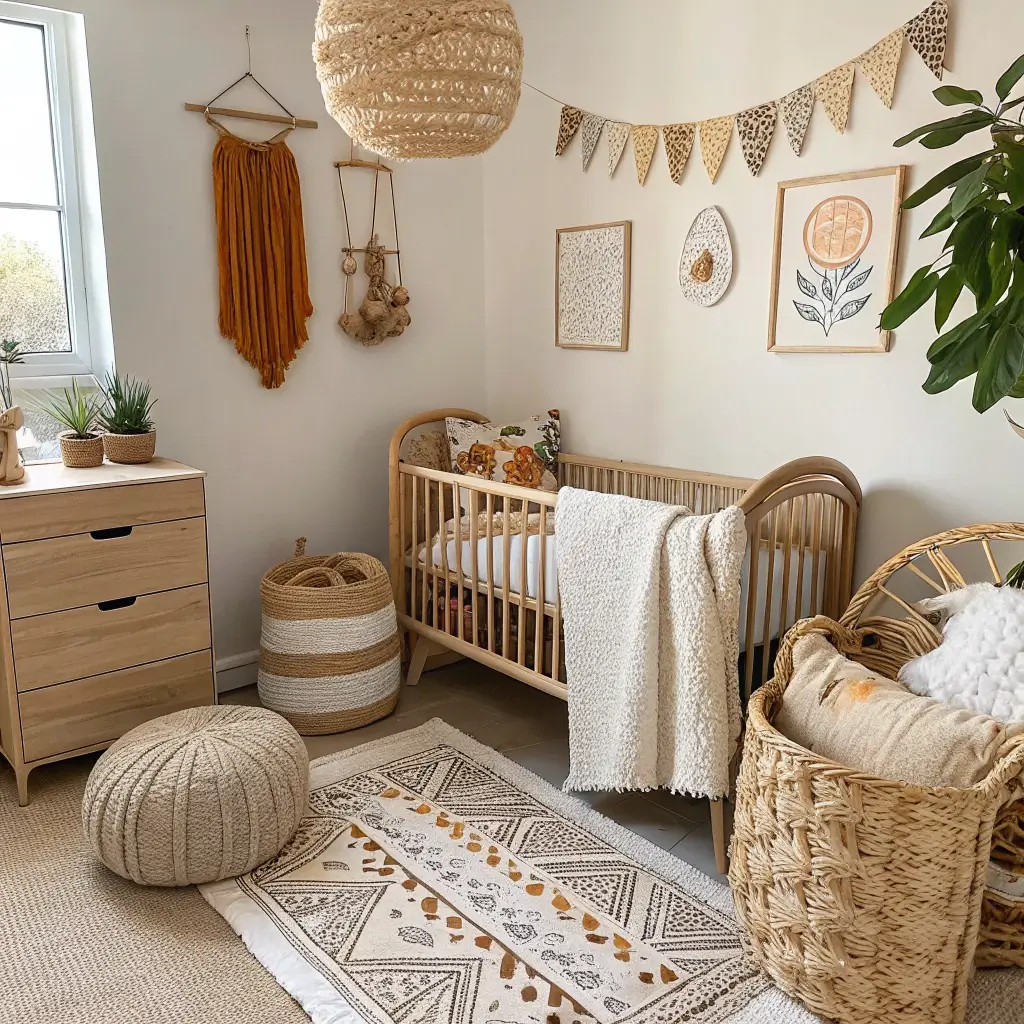
Boho style in a tiny nursery? Absolutely – you just need to edit ruthlessly. Bohemian design can actually work brilliantly in small spaces because it embraces vertical elements and layered textiles that add depth without eating floor space.
Start with a neutral base, then add boho elements strategically. A macramé wall hanging draws the eye up. A small rattan chair takes up less visual space than upholstered furniture. Layered rugs define zones without walls.
My secret weapon for tiny boho nurseries? Canopy draping. Hang sheer fabric from the ceiling over the crib area. It creates a cozy zone that feels separate from the rest of the room, basically giving you two spaces in one. Plus, babies love looking up at the gentle movement of fabric.
Convertible Crib & Play Area
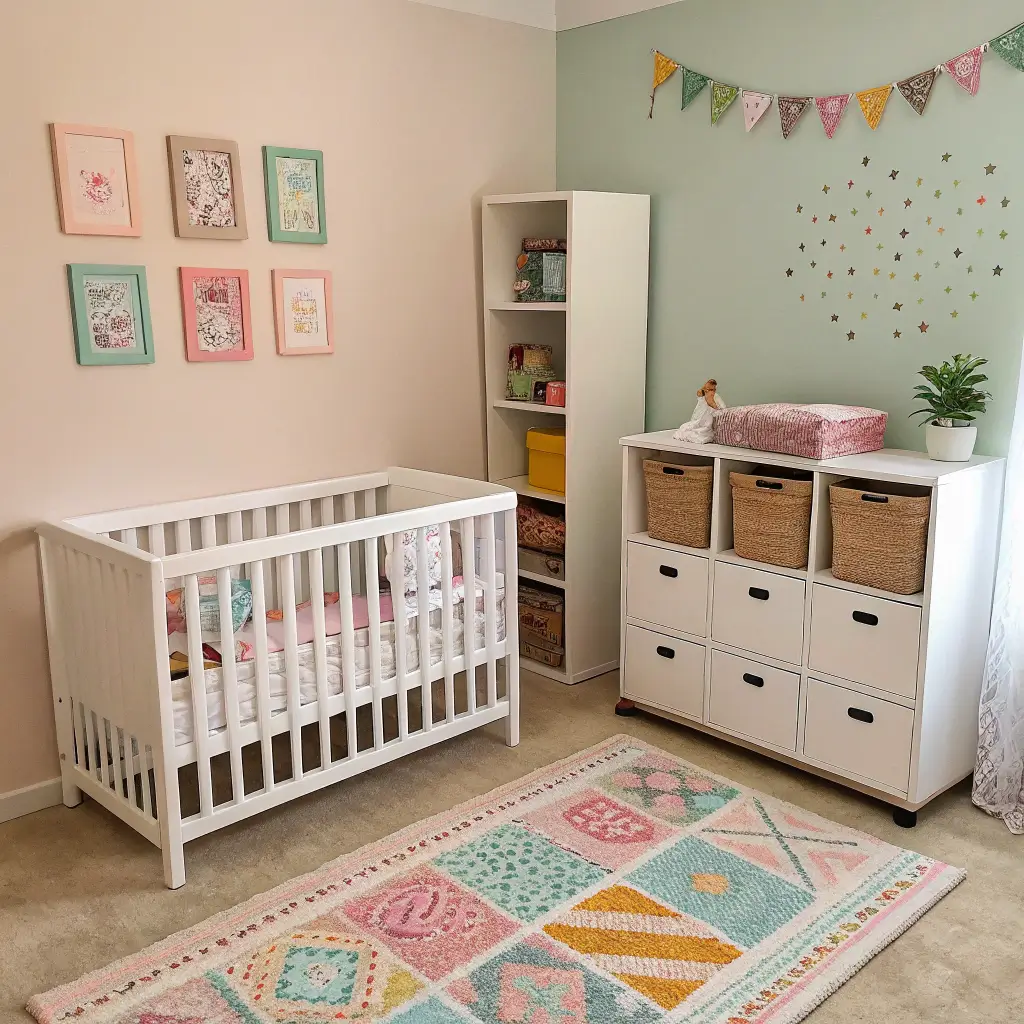
Why have a crib and a separate play area when you can have both in the same footprint? Convertible setups are basically the Swiss Army knives of nursery furniture.
I’m obsessed with cribs that transform into toddler beds, then into daybeds, then into full beds. Yes, they cost more upfront, but you’re buying four pieces of furniture in one. In a tiny nursery, that growing functionality is everything.
Even cooler? Some cribs now come with attached play areas. During wake time, one side becomes an activity center. At nap time, it’s all about sleep. The footprint stays the same, but the functionality doubles.
Look for these features:
- Tool-free conversion between configurations
- Storage integration in the base
- Standard mattress sizing for easy replacement
- Sturdy construction that survives multiple transformations
Tiny Room Gallery Wall Ideas
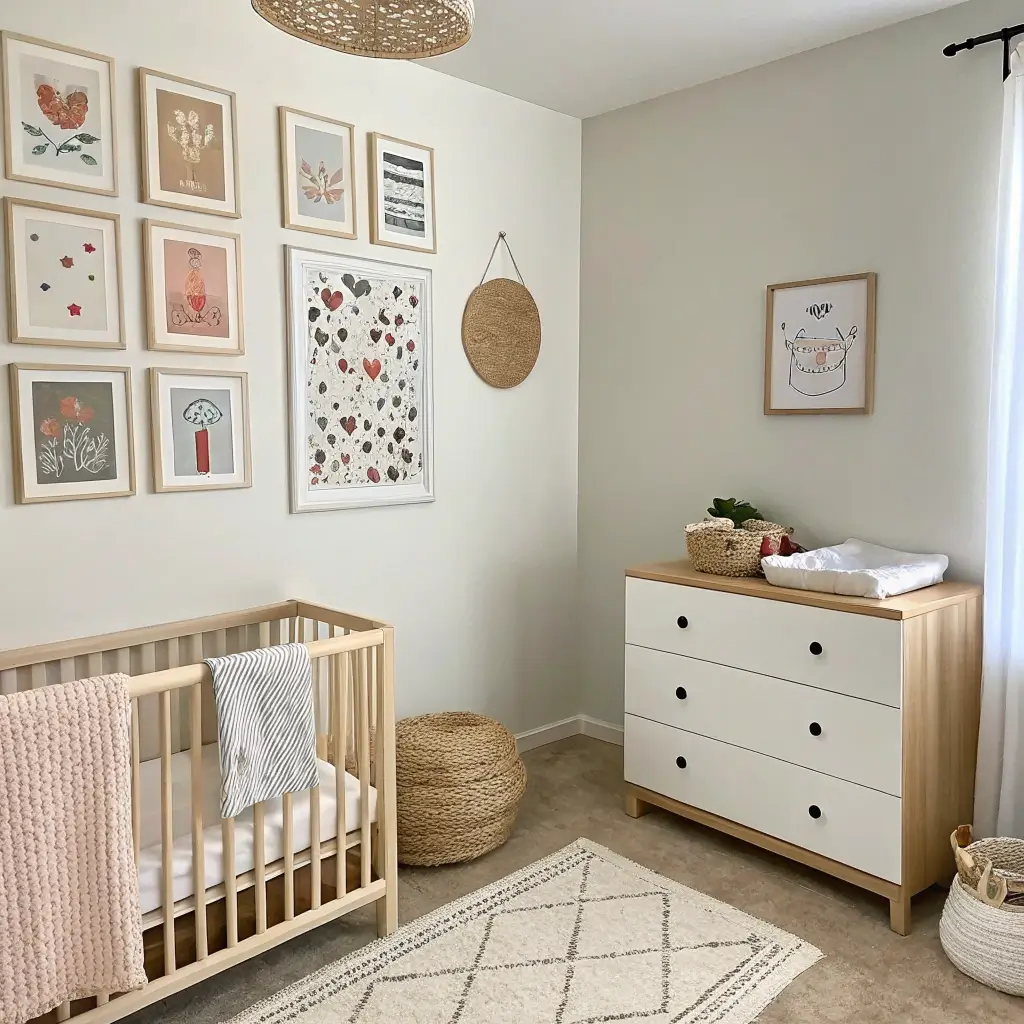
Empty walls in tiny nurseries make me sad. You’ve got all this vertical space just sitting there! A well-designed gallery wall adds personality without stealing an inch of floor space.
Here’s my approach: start with one larger anchor piece, then build around it with smaller frames. Mix photos, prints, and even 3D elements like small shelves or letters. The key? Keep everything within a defined shape – rectangle, square, or circle. This prevents the dreaded “random stuff on wall” look.
IMO, the best gallery walls tell a story. Maybe it’s alphabet prints that teach while they decorate. Or family photos that help baby recognize faces. Whatever you choose, keep frames similar in style to maintain cohesion.
Gallery Wall Mistakes to Avoid
Don’t:
- Hang everything at adult eye level (lower is better for baby engagement)
- Use heavy frames over the crib (safety first!)
- Spread pieces too far apart (keep them clustered for impact)
- Forget about growth (leave room to add pieces over time)
Vertical Shelving for Tiny Rooms
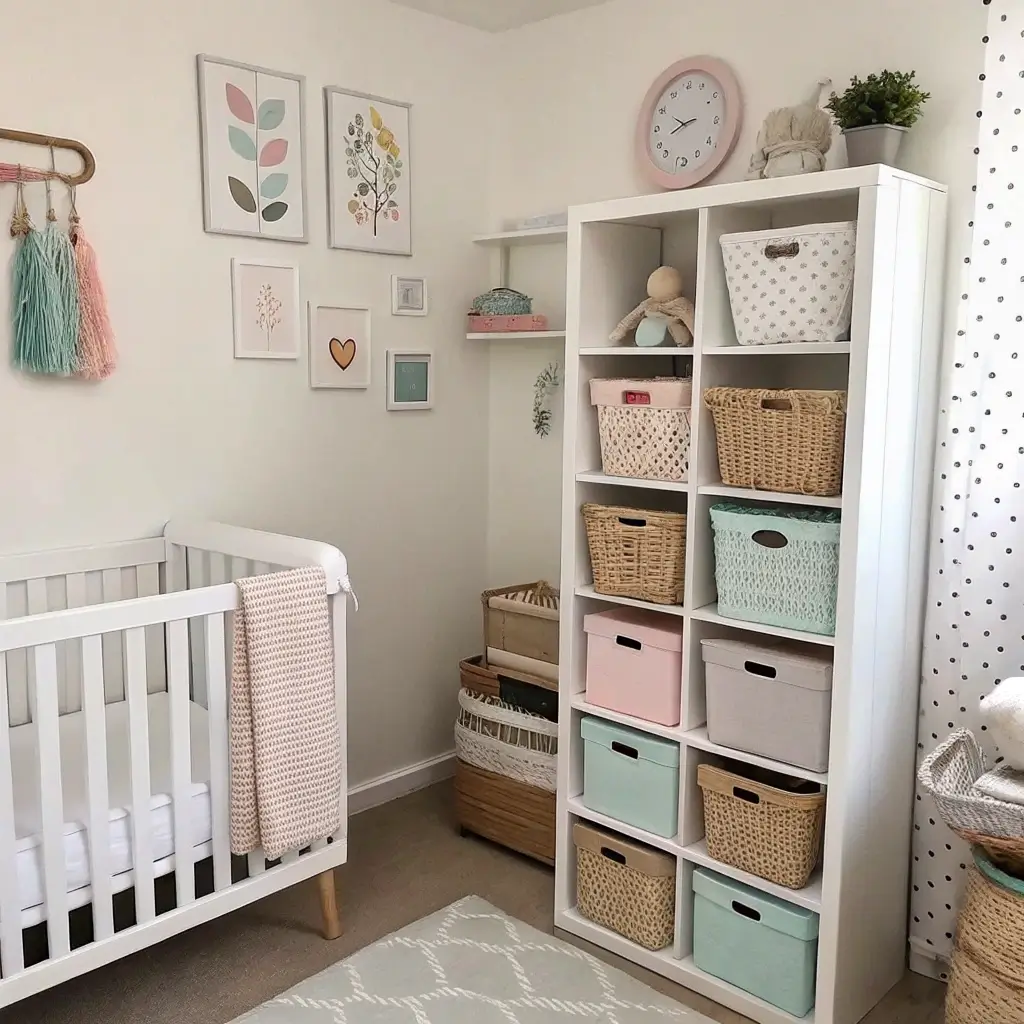
Vertical shelving is basically a tiny nursery’s best friend. You can fit an entire library on a wall that would otherwise just sit there looking pretty (or boring, let’s be honest).
Floating shelves at different heights create visual interest while providing storage. Install them in unused corners, above the changing area, or alongside the crib. I like to style them with a mix of books, toys, and decorative objects – functional but beautiful.
Here’s a pro move: corner shelving units. That dead corner space? Transform it into a five-tier storage solution. Corner shelves take up virtually no floor space but hold everything from diapers to stuffed animals.
The rules for vertical shelving success:
- Secure everything to wall studs (no exceptions!)
- Keep heavy items low for safety
- Leave growing room between shelves for taller items later
- Style with intention – it’s decor and storage combined
Cozy Corner Reading Nook
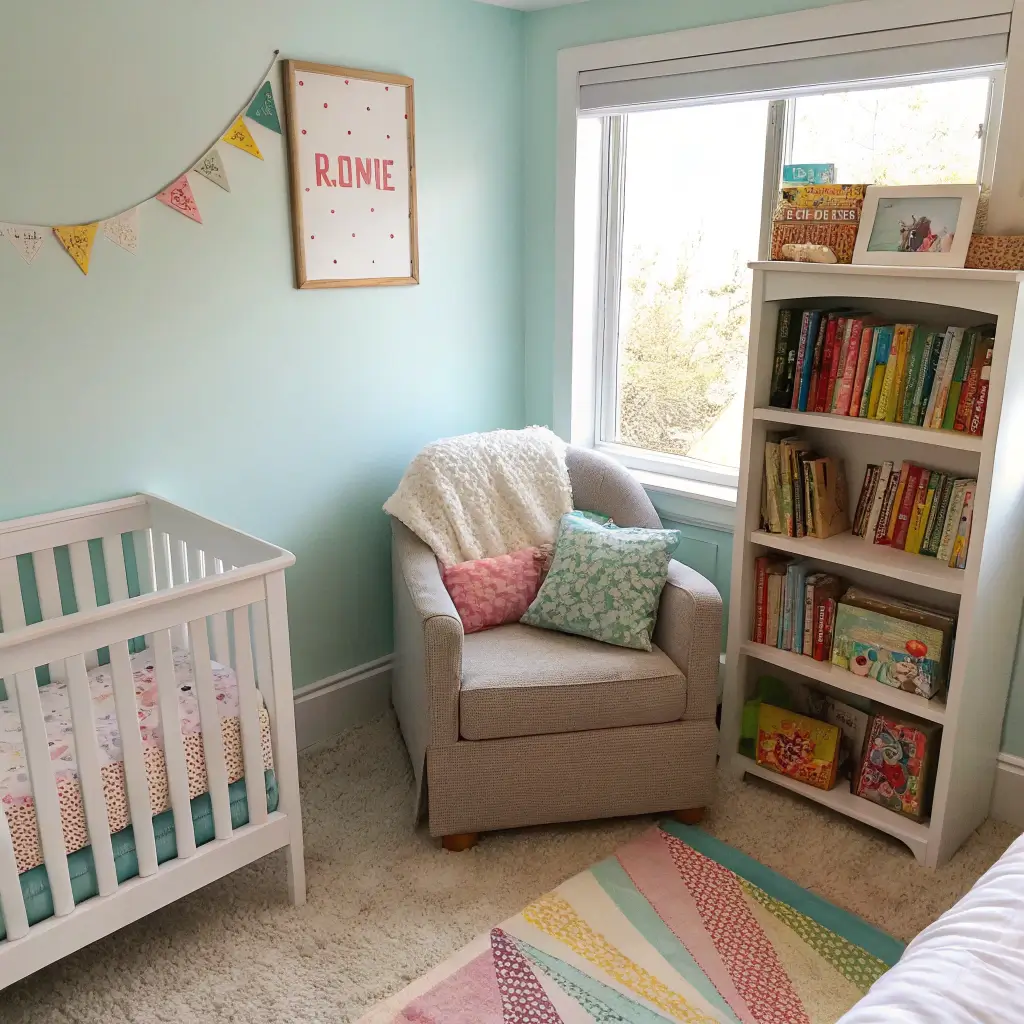
Every nursery needs a snuggle spot, but who has room for a giant glider? Enter the corner reading nook – my favorite tiny nursery hack that nobody talks about enough.
Take that awkward corner and transform it with a floor cushion, some pillows, and a small bookshelf. Hang a canopy or install corner curtains to define the space. Suddenly you’ve got a dedicated reading zone that takes up maybe four square feet.
I created one of these in my friend’s 8×10 nursery using a dog bed (seriously!), some throw pillows, and string lights. Total cost? Under $50. The vibe? Priceless. Her toddler now “reads” there independently while she gets ready in the morning.
Essential nook elements:
- Soft seating at floor level for safety
- Good lighting – natural during day, soft lamp for night
- Book storage within arm’s reach
- Cozy textiles that invite snuggling
Soft Lighting & Space Illusions
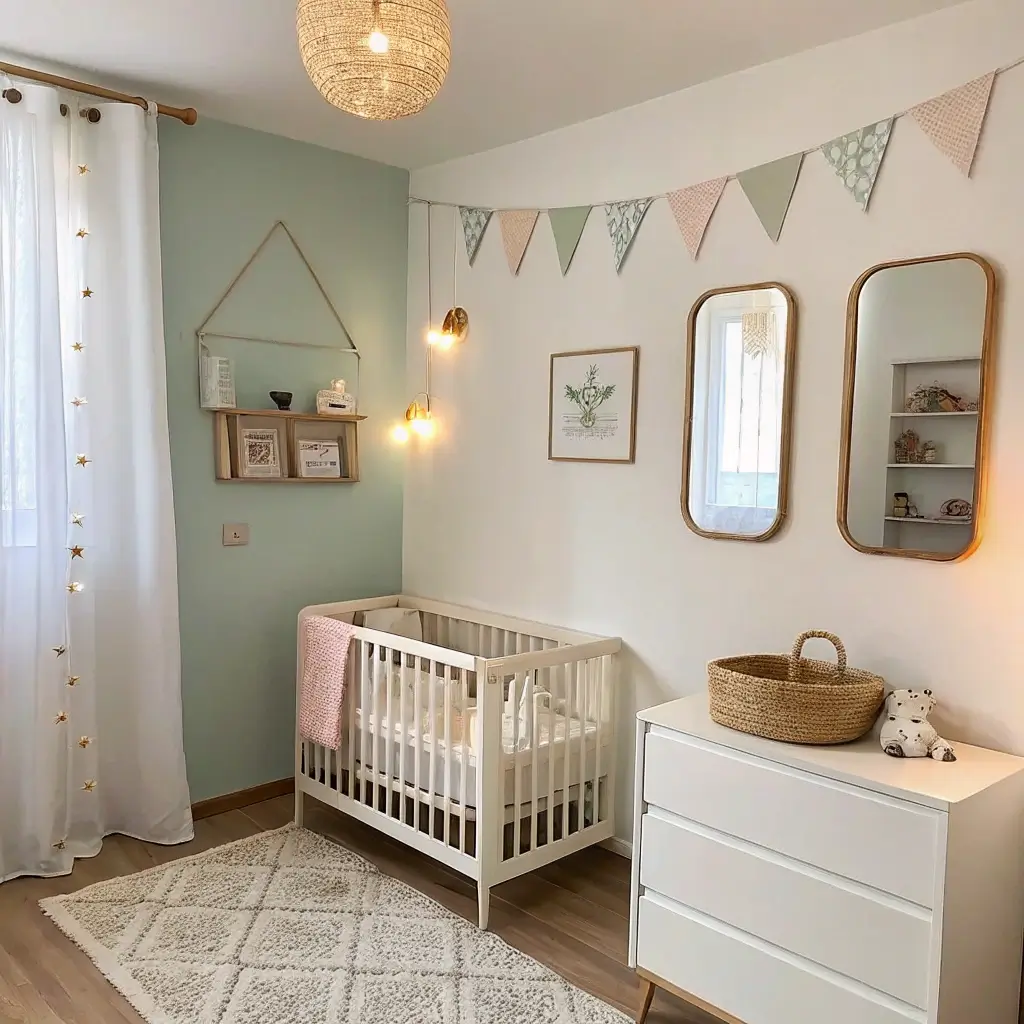
Lighting can literally double the perceived size of your tiny nursery. I learned this the hard way after living with harsh overhead lighting for months. Once I switched to layered, soft lighting, the room transformed.
Start with multiple light sources at different heights. A ceiling fixture for general light, a table lamp for tasks, and maybe some LED strips behind furniture for ambiance. This creates depth and makes walls seem farther apart than they actually are.
My favorite trick? Mirrors strategically placed to reflect natural light. Put one opposite a window and watch your room double in size. Just keep them high enough that curious hands can’t reach.
Smart lighting choices include:
- Dimmer switches on everything (trust me on this)
- Warm white bulbs for coziness
- Nightlights with sensors for middle-of-the-night navigation
- Blackout curtains for nap time (because light control is everything)
Final Thoughts
After designing and redesigning more tiny nurseries than I can count, here’s what I know for sure: small spaces force creativity, and creativity creates magic. Your tiny nursery doesn’t need to apologize for its size. With smart planning and these ideas, it can be everything your bigger-room friends have and more.
Remember, your baby doesn’t care about square footage. They care about feeling safe, loved, and stimulated. A thoughtfully designed tiny nursery delivers all of that in spades. Plus, less room means less to clean – and if that’s not a win, I don’t know what is.
So pick your favorite ideas from this list, mix and match to your heart’s content, and create a space that works for your family. Because at the end of the day, the best nursery isn’t the biggest one – it’s the one that makes you and your baby happy. And that, my friend, has nothing to do with size and everything to do with heart.