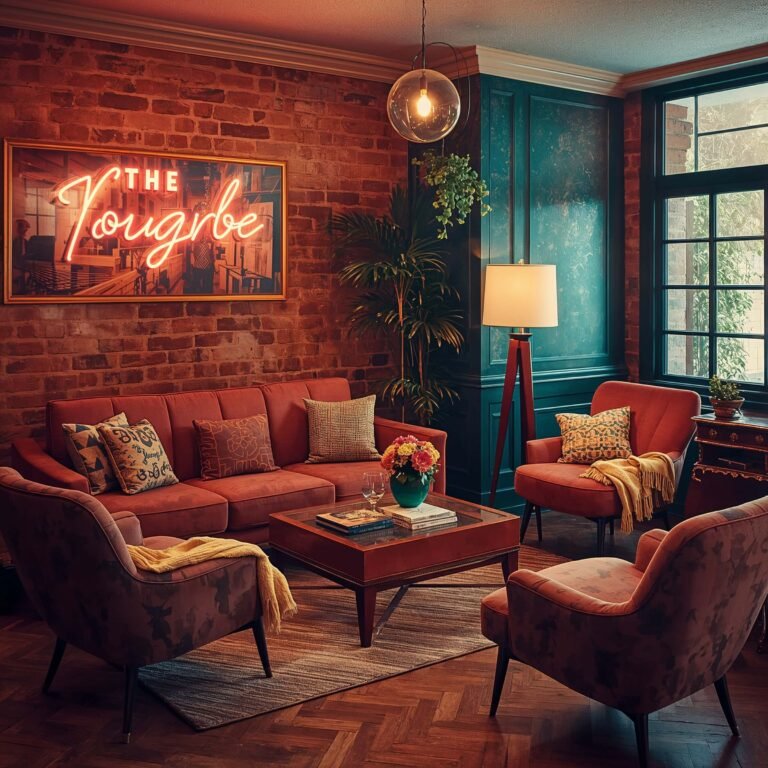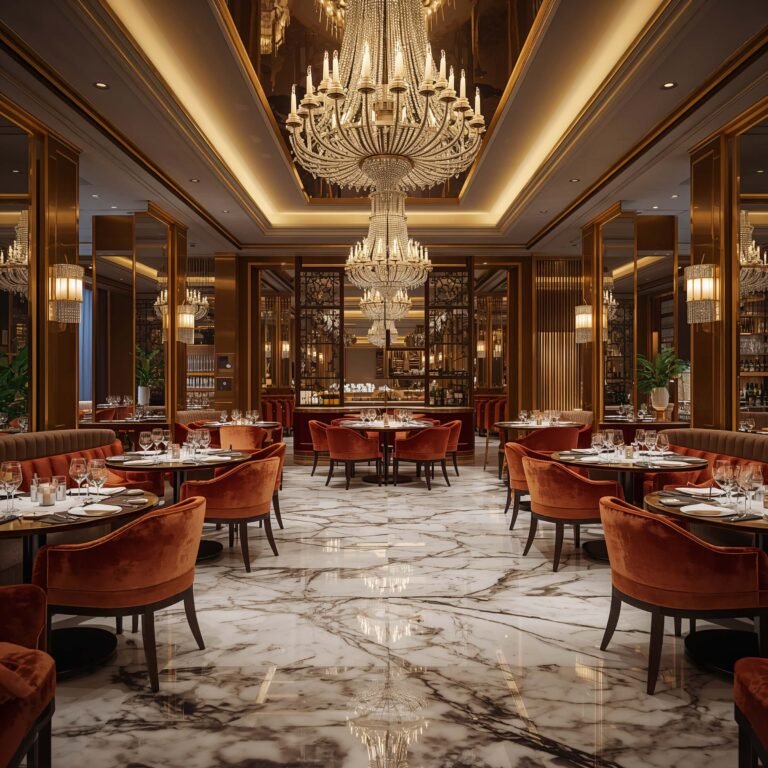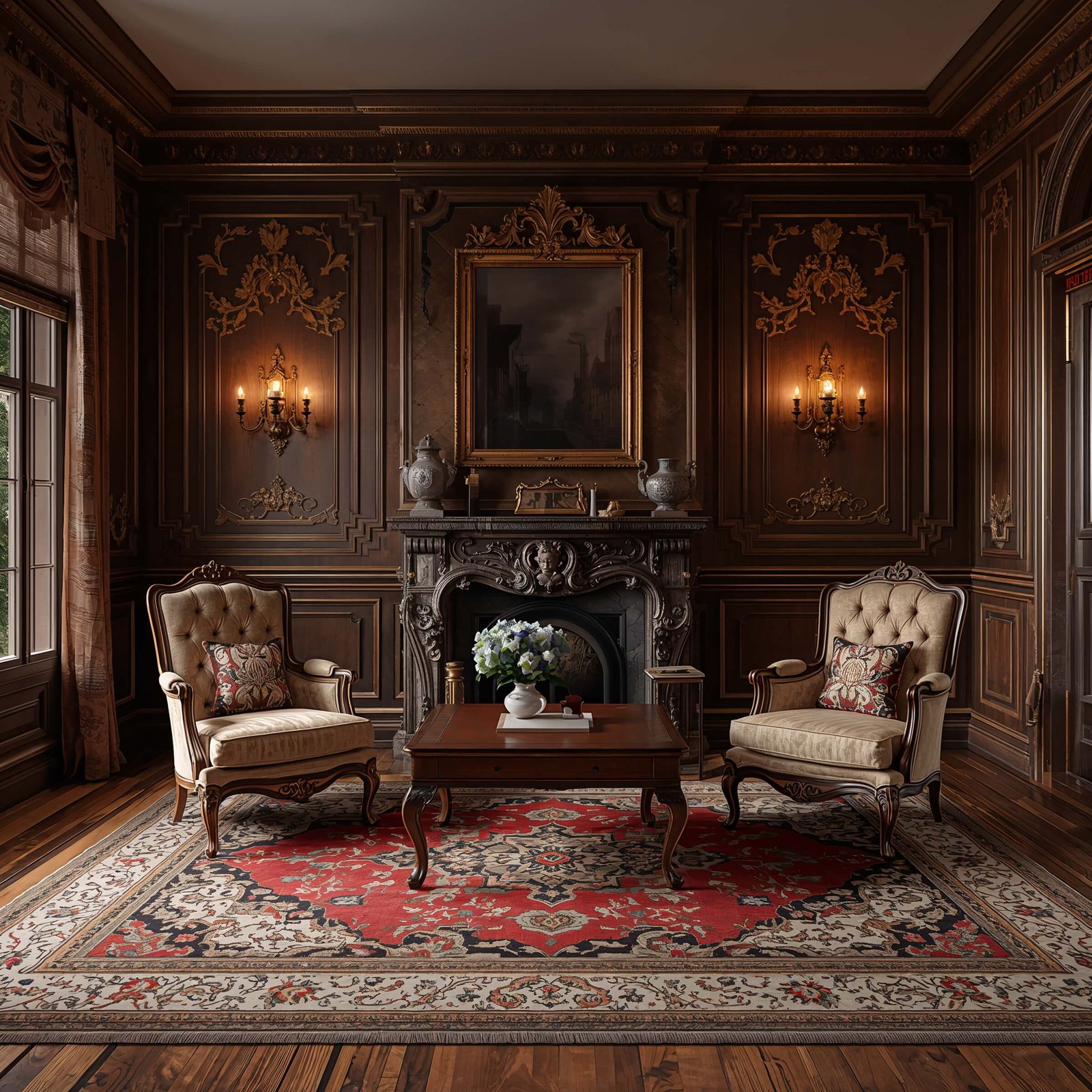
12 Beautiful Vintage Interior Design Ideas and Retro Style Tips

You know that feeling when you walk into someone’s home and it just feels right? Like you’ve stepped into a perfectly curated time capsule that somehow manages to feel both nostalgic and fresh? That’s the magic of vintage interior design, my friend.
And honestly, if you’re anything like me, you’ve probably spent way too many hours scrolling through Pinterest boards, dreaming about transforming your space into something with actual character.
Here’s the thing – vintage design isn’t about making your home look like a dusty museum. Nope, it’s about cherry-picking the best elements from past decades and mixing them with your own personality.
I’ve spent the last decade collecting pieces, making mistakes (hello, that unfortunate avocado green phase), and finally figuring out what actually works. So grab your coffee, get comfy, and let’s chat about 12 vintage interior design ideas that’ll transform your space from “meh” to magnificent.
Cozy Mid-Century Vintage Living Rooms
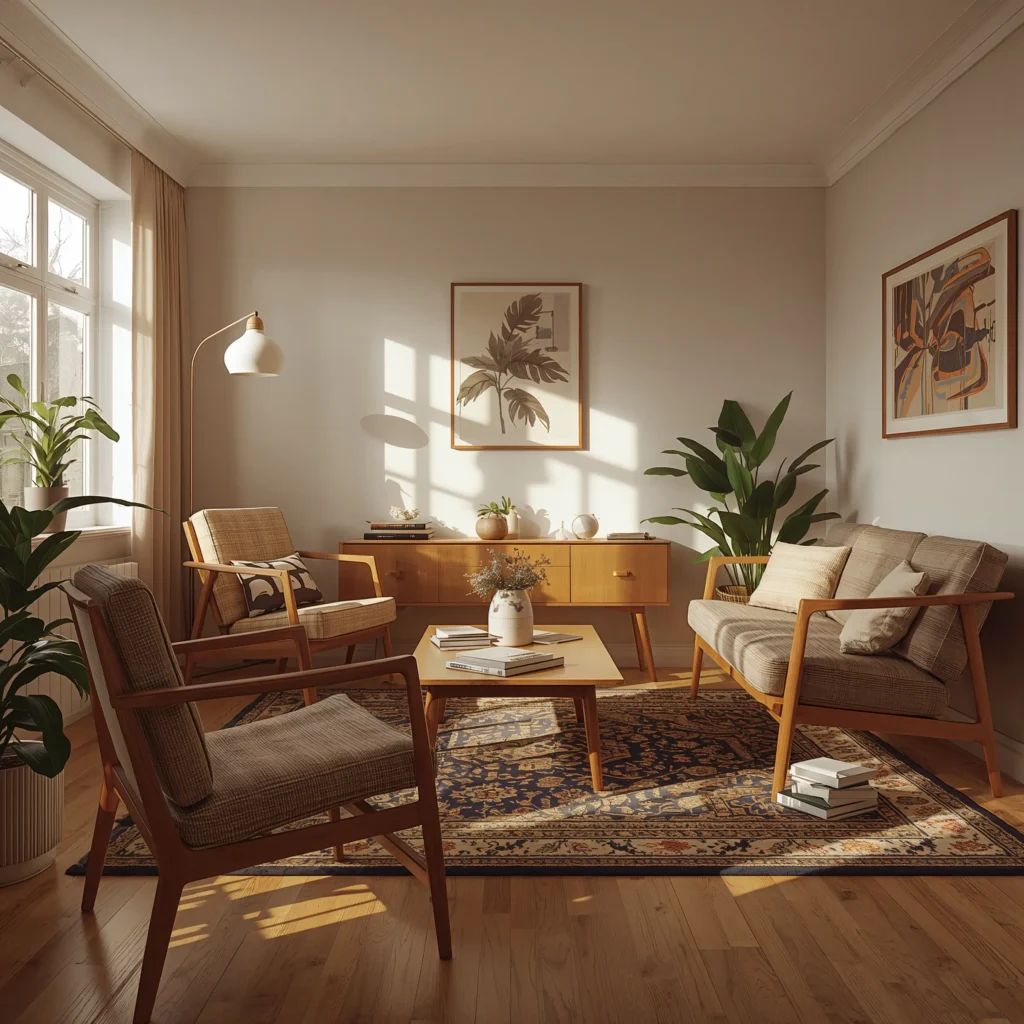
Let me tell you about my obsession with mid-century modern design – it started when I inherited my grandmother’s teak credenza. That single piece transformed my entire living room vibe, and suddenly I understood why everyone goes crazy for this style. Mid-century design hits that sweet spot between functional and gorgeous, with clean lines that never feel boring.
The key to nailing this look? Start with a statement sofa in rich colors like burnt orange, mustard yellow, or that perfect shade of turquoise. I scored mine at an estate sale for $200 (still bragging about that find, BTW). Pair it with those iconic hairpin legs on everything – coffee tables, TV stands, even plant holders. The beauty of mid-century design lies in its simplicity; you’re not drowning in ornate details, but every piece has purpose and personality.
Want to know what really pulls the room together? Geometric patterns and warm wood tones. Think walnut furniture, abstract art prints, and maybe a starburst clock if you’re feeling adventurous. And please, for the love of all things stylish, add a bar cart. Even if you don’t drink, it makes an excellent plant stand or coffee station. Trust me on this one.
Essential Mid-Century Elements:
- Low-profile furniture with tapered legs
- Bold, contrasting colors against neutral backgrounds
- Natural materials like wood, leather, and wool
- Minimal clutter – everything has its place
- Statement lighting (we’ll get to that later)
Retro Kitchen Makeover Inspirations
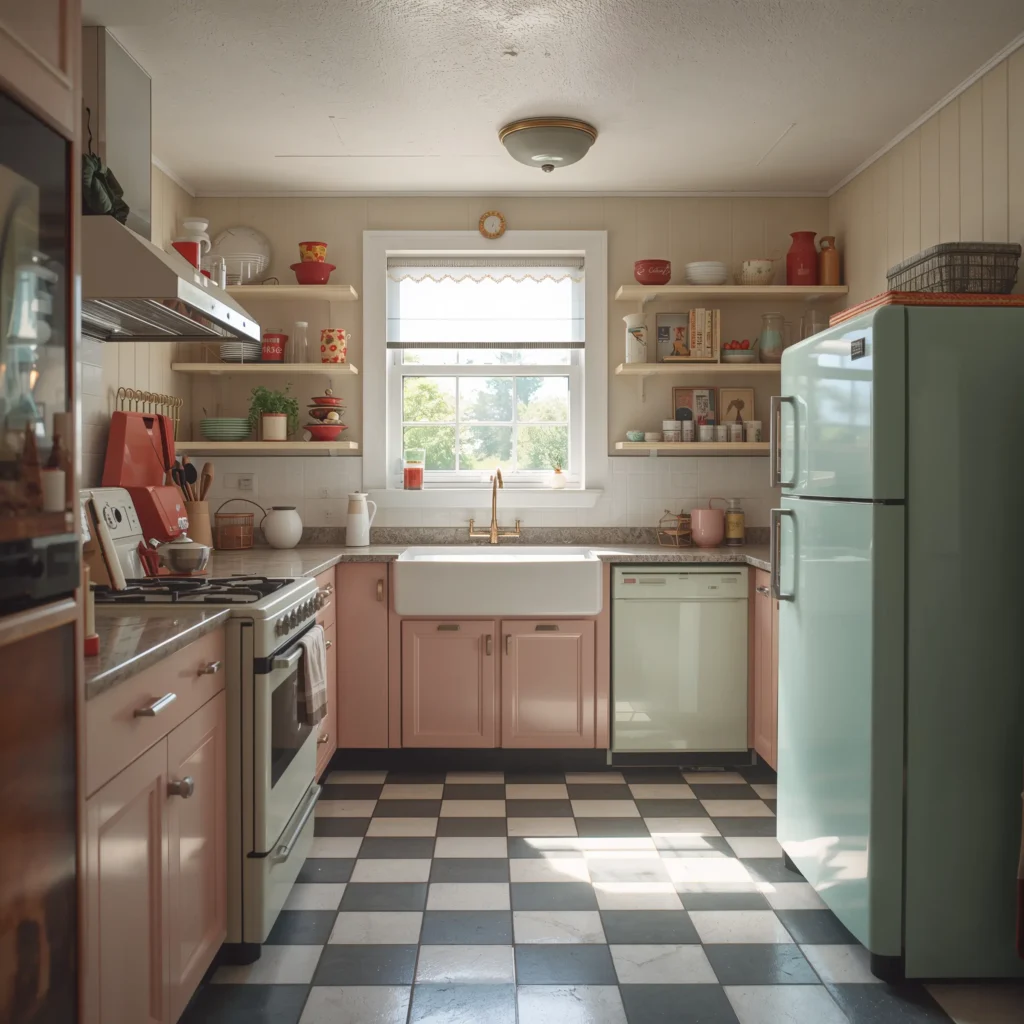
Can we talk about kitchens for a hot minute? Because retro kitchens are having such a moment right now, and I’m here for it. Remember those pastel appliances your grandma had? They’re back, baby, and they’re better than ever. My mint green stand mixer started this whole journey for me – one appliance led to another, and now my kitchen looks like a 1950s diner had a baby with a modern cooking show set.
The secret sauce to a retro kitchen makeover isn’t replacing everything – it’s about strategic additions that pack a visual punch. Start with your backsplash. Subway tiles are classic, but have you considered checkerboard patterns or those adorable hexagon tiles? I went with black and white checkerboard vinyl flooring (yes, vinyl – judge me all you want, but it’s affordable and looks amazing), and it completely transformed the space.
Color is your best friend in a retro kitchen. Pick a palette and commit to it. I’m talking cherry red and white, mint and cream, or sunny yellow and turquoise. Add vintage-inspired appliances – SMEG makes ridiculously cute retro fridges if you’ve got the budget, but even small appliances in coordinating colors work wonders. Don’t forget the details: vintage canisters, retro bar stools, and maybe some fun signage. “Fresh Coffee” or “Mom’s Kitchen” – you know the vibe.
Retro Kitchen Must-Haves:
- Bold cabinet colors or two-tone combinations
- Chrome fixtures and hardware
- Vintage-inspired appliances in statement colors
- Open shelving to display colorful dishes
- Retro diner-style seating if space allows
Shabby Chic Bedroom Design Ideas
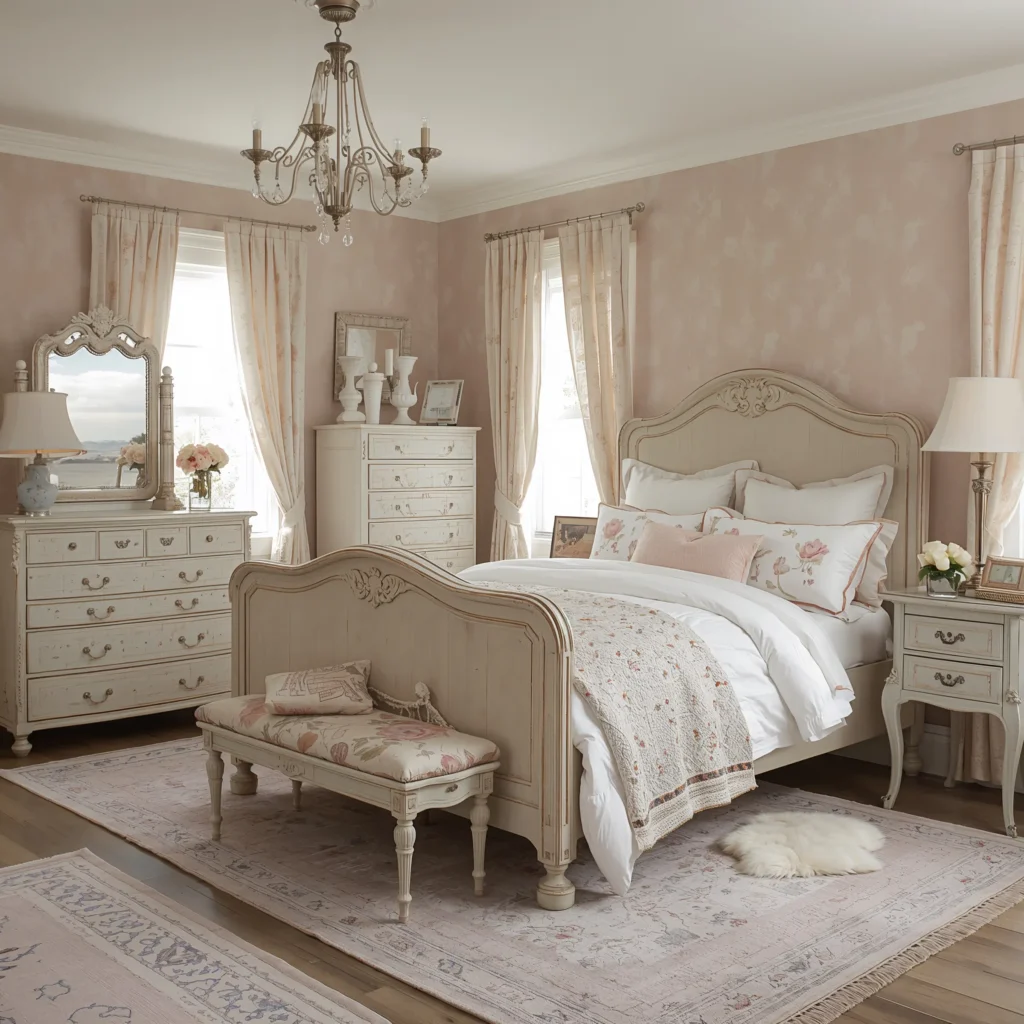
Okay, confession time: I used to think shabby chic was just an excuse for keeping old, beat-up furniture. How wrong I was! Done right, shabby chic creates the coziest, most romantic bedroom atmosphere you can imagine. It’s like sleeping in a French countryside cottage, minus the actual countryside (and the French part, unless you’re into that).
The foundation of any shabby chic bedroom starts with distressed or whitewashed furniture. I transformed a dark wood dresser with chalk paint and some strategic sanding – instant vintage charm! Layer in soft, muted colors like blush pink, sage green, or powder blue. And when I say layer, I mean LAYER. We’re talking multiple throw pillows, quilts, lace curtains, and maybe a canopy if you’re feeling extra.
What really sells the shabby chic look? Mixing textures like nobody’s business. Combine rough wood with soft linens, delicate lace with chunky knit throws, smooth mirrors with weathered frames. Add vintage finds like an ornate mirror, mason jar vases, or an old ladder repurposed as a blanket rack. The goal is “accidentally perfect” – like your room just naturally evolved into this dreamy space over generations.
Also Read: 10 Brilliant Contemporary Interior Design Ideas That Impress
Vintage Bohemian Home Corners
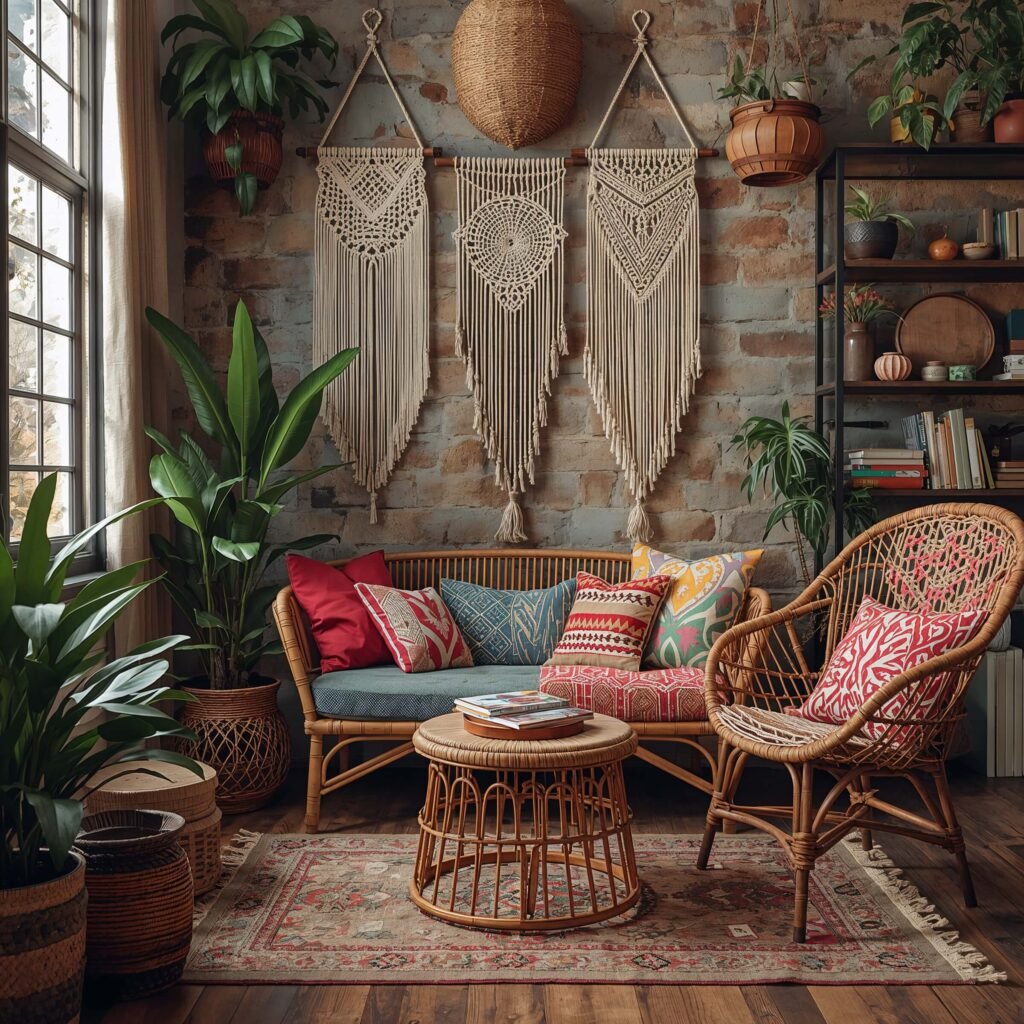
Ever walked into a space and felt instantly relaxed? That’s what a well-done boho corner does. Creating a vintage bohemian nook is basically giving yourself permission to be a maximalist – in the best way possible. My reading corner started with one macramé wall hanging and somehow evolved into this explosion of plants, pillows, and pure vibes.
Start with a low-sitting element – a floor cushion, a vintage trunk as a coffee table, or even just a really good rug (Persian or Moroccan-style works perfectly). Layer in natural elements: woven baskets, dried pampas grass, wooden beads, and plants. So. Many. Plants. Seriously, you can’t have too many plants in a boho corner. Hanging plants, floor plants, plants on plants – go wild.
The vintage part comes in through your textile choices and decorative pieces. Hunt for authentic kilim pillows, vintage brass pieces, and old books with gorgeous spines. Mix patterns fearlessly – florals with geometrics, stripes with paisleys. The key is keeping a cohesive color palette so it looks intentional rather than chaotic. Earth tones work brilliantly: terracotta, ochre, deep greens, and warm browns.
Building Your Boho Corner:
- Layered textiles in rich, earthy colors
- Mixed patterns that somehow work together
- Natural materials like jute, rattan, and wood
- Global influences from various cultures
- Personal collections displayed thoughtfully
Antique Furniture Styling Tips
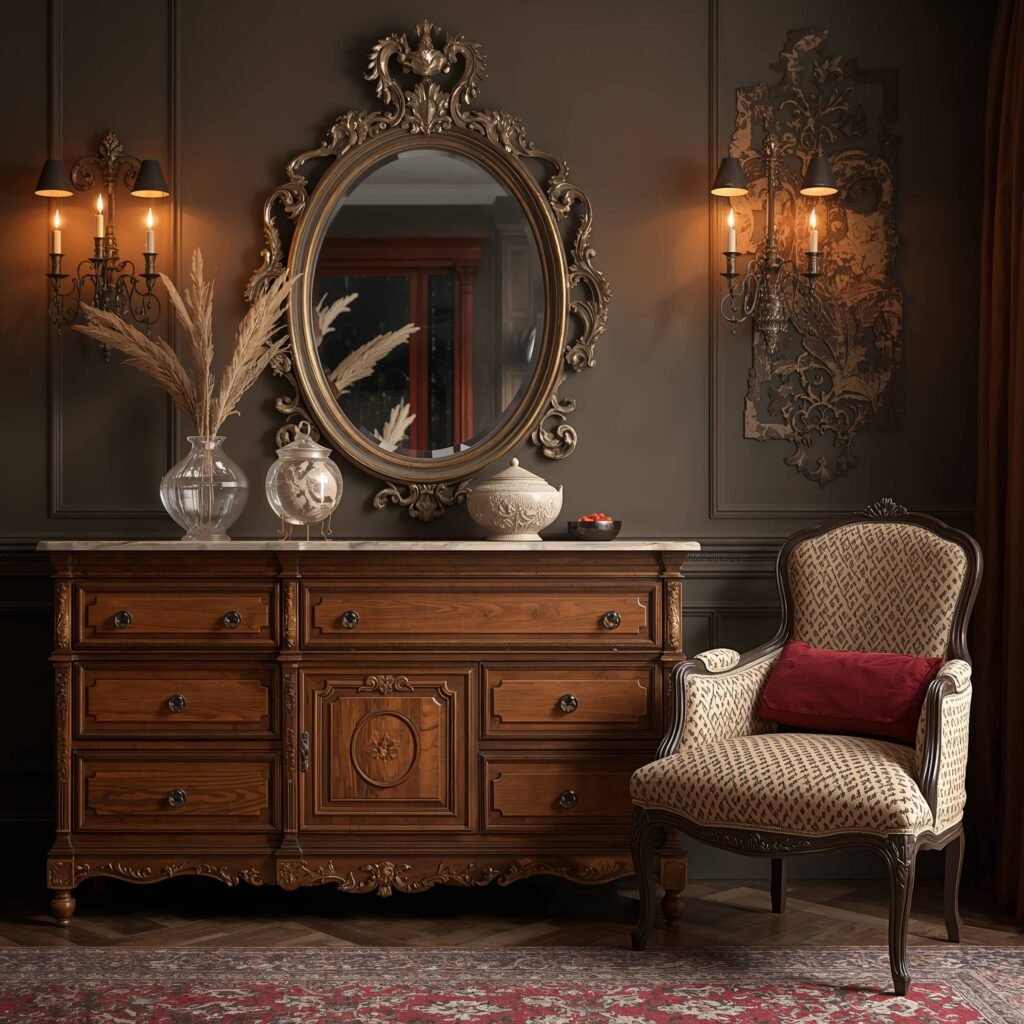
Real talk: styling antique furniture in a modern home can feel intimidating. Will that Victorian settee look ridiculous next to your flat-screen TV? (Spoiler: probably not if you style it right.) The trick isn’t hiding your antiques or creating a time capsule room – it’s about creating conversation between old and new pieces.
First rule of antique styling? Don’t try to match everything to the same era. Mix that ornate Victorian mirror with a sleek modern console. Place your grandmother’s china cabinet next to contemporary art. The contrast creates visual interest and prevents your space from looking like a museum exhibit. I learned this the hard way after trying to create an “authentic” 1920s dining room – it just looked costume-y.
Here’s what actually works: treat your antique pieces as the stars they are. Give them breathing room, proper lighting, and complementary (not matching) companions. That gorgeous Art Deco sideboard? Style it with modern barware and contemporary plants. Your inherited oak desk? Pair it with a modern ergonomic chair and minimalist desk accessories. The juxtaposition keeps things fresh and functional.
Classic Vintage Bathroom Decor
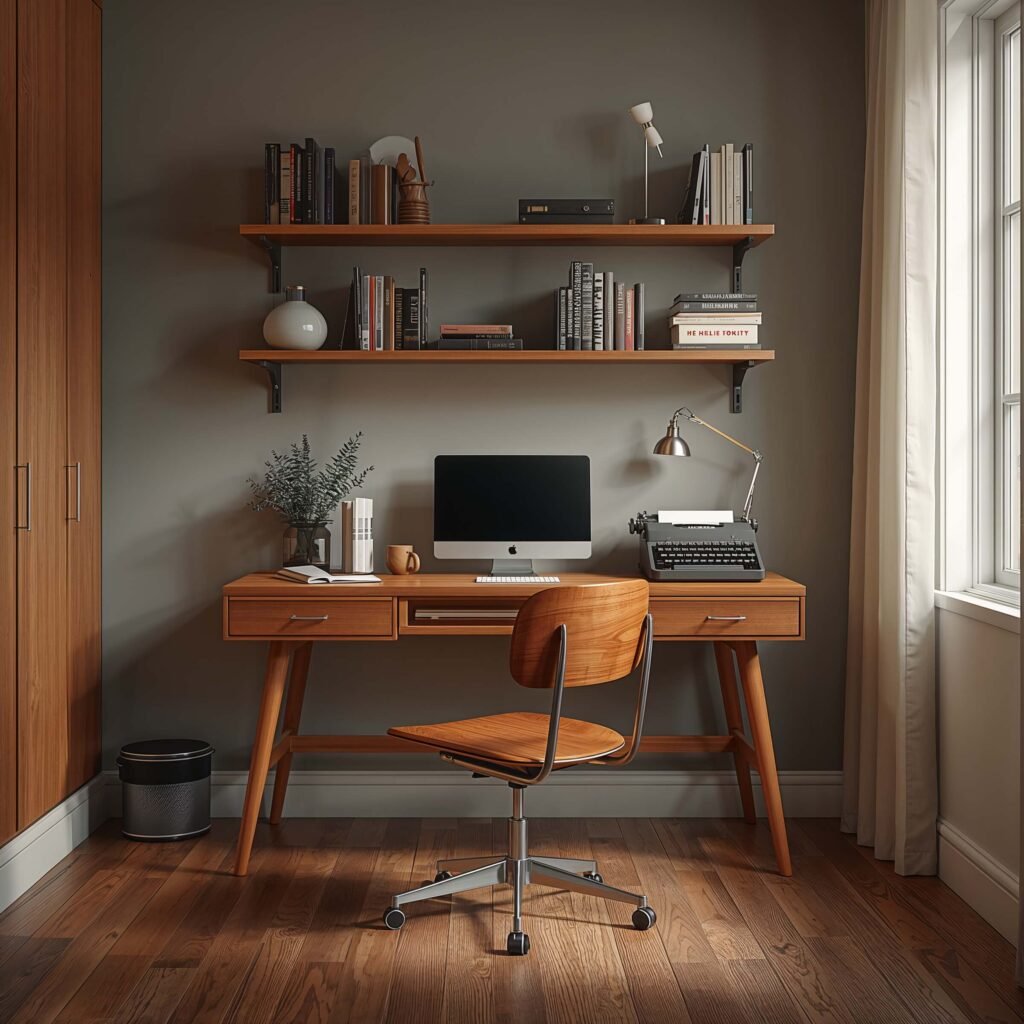
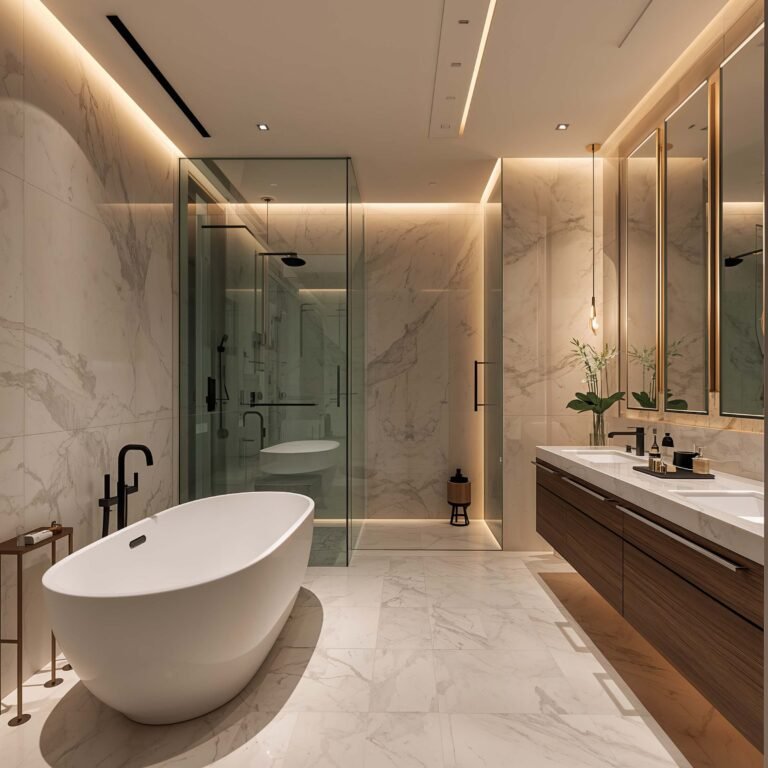
Want to know where vintage design really shines? The bathroom. And no, I’m not suggesting you install actual vintage plumbing (please don’t – I made that mistake once). Modern fixtures with vintage styling give you the best of both worlds: that classic aesthetic with reliable functionality.
Clawfoot tubs are obviously the holy grail of vintage bathrooms, but let’s be realistic – not everyone has the space or budget. You can achieve that vintage vibe with strategic choices. Pedestal sinks scream vintage elegance. Subway tiles with dark grout create instant character. Add hexagon floor tiles, and boom – you’ve got that classic vintage foundation without major renovation.
The real magic happens in the details though. Vintage-style medicine cabinets, antique mirrors, and classic cross-handle faucets transform even the most basic bathroom. Layer in some vintage glass containers for your toiletries, add a vintage rug (yes, rugs in bathrooms are amazing), and display your towels on an old ladder or vintage rack. My personal favorite touch? Framed vintage botanical prints – they add color and sophistication without overwhelming the space.
Vintage Bathroom Essentials:
- Classic tile patterns (subway, hexagon, penny rounds)
- Vintage-inspired fixtures in brass or chrome
- Freestanding storage like vintage cabinets or ladders
- Classic color schemes (black and white, soft pastels)
- Period-appropriate accessories and artwork
Also Read: 12 Unique Bar Interior Design Ideas and Rustic Charm
Retro Office and Workspace Ideas
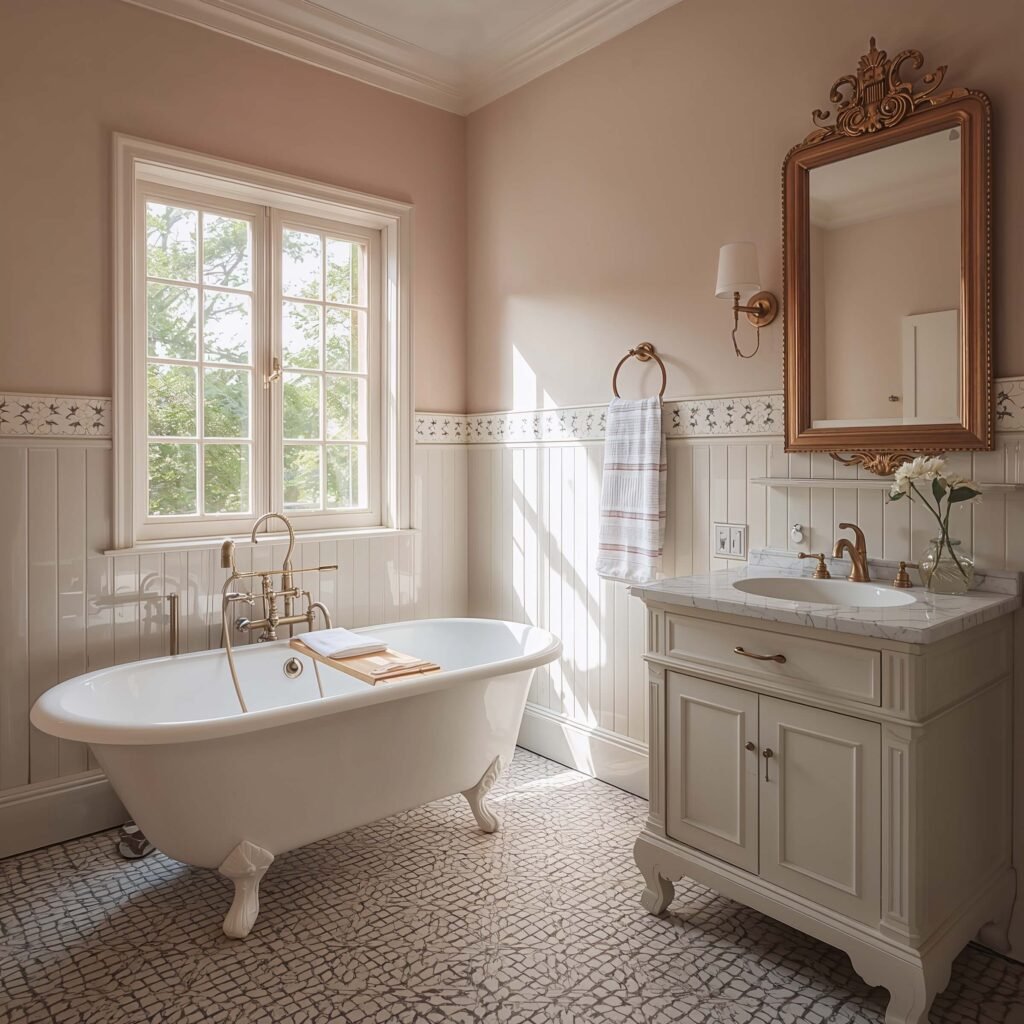
Working from home doesn’t mean staring at boring beige walls all day. Creating a retro-inspired office changed my entire work attitude – suddenly, sitting at my desk felt less like punishment and more like stepping into a Mad Men episode (minus the questionable office behavior, obviously).
The foundation of any good retro office starts with a killer desk. I found mine at a thrift store – a 1960s tanker desk in that perfect shade of mint green. Industrial metal desks, mid-century wooden pieces, or even a vintage drafting table can anchor your entire workspace. Pair it with a vintage office chair (reupholstered for actual comfort, because your back will thank you).
Don’t forget the walls! Retro offices thrive on personality. Vintage travel posters, old maps, or framed vintage advertisements create visual interest. Add a vintage fan, a retro desk lamp, and maybe a vintage typewriter for decoration (or actual use if you’re feeling nostalgic). Organization can be stylish too – vintage filing cabinets, old library card catalogs for supplies, or vintage suitcases stacked for storage.
Eclectic Vintage Dining Room Layouts
Here’s where you can really have fun with vintage design. Dining rooms are meant for gathering, conversation, and making memories – why not make the space as interesting as the dinner conversation? My dining room started with one estate sale find (a 1970s chrome and glass table) and evolved into this eclectic masterpiece that gets compliments from everyone who visits 🙂
The secret to eclectic vintage dining rooms? Mismatched chairs. Seriously, stop trying to find eight matching vintage chairs – it’s impossible and unnecessary. Mix different styles from the same era, or go completely wild and mix decades. I have two mid-century modern chairs, two Victorian parlor chairs, and two 1970s lucite chairs around my table. The key is finding a common thread – similar heights, coordinating colors, or unified upholstery.
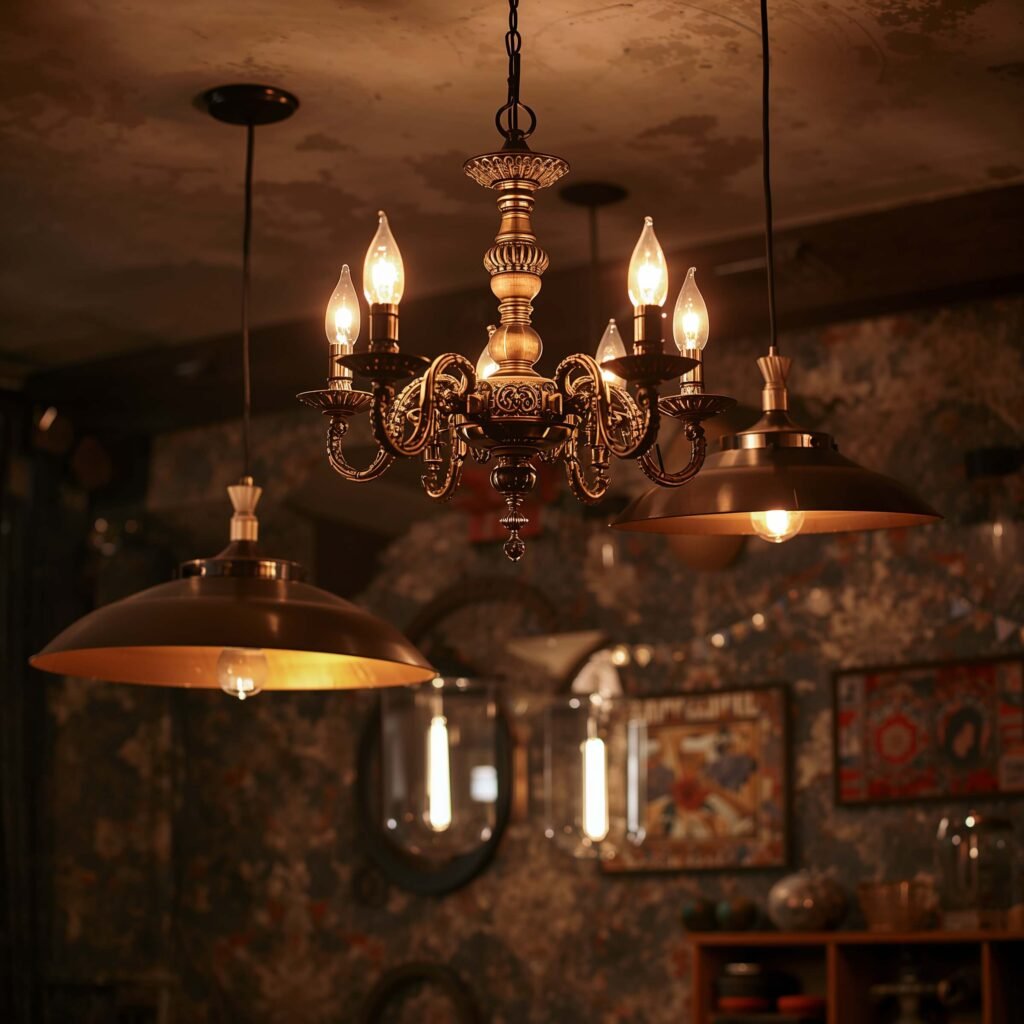
Lighting makes or breaks a dining room. A vintage chandelier or pendant light becomes an instant focal point. Style your vintage sideboard or hutch with a mix of inherited china, thrift store finds, and modern pieces. Add a vintage bar cart (because every good dinner party needs one), hang an eclectic gallery wall, and throw down a vintage rug to tie it all together.
Rustic Farmhouse Vintage Interiors
Farmhouse vintage is having such a moment, and honestly? I get it. There’s something incredibly comforting about combining rustic elements with vintage charm – it’s like wrapping your entire home in a warm hug. But please, let’s move beyond the “Live, Laugh, Love” signs, shall we?
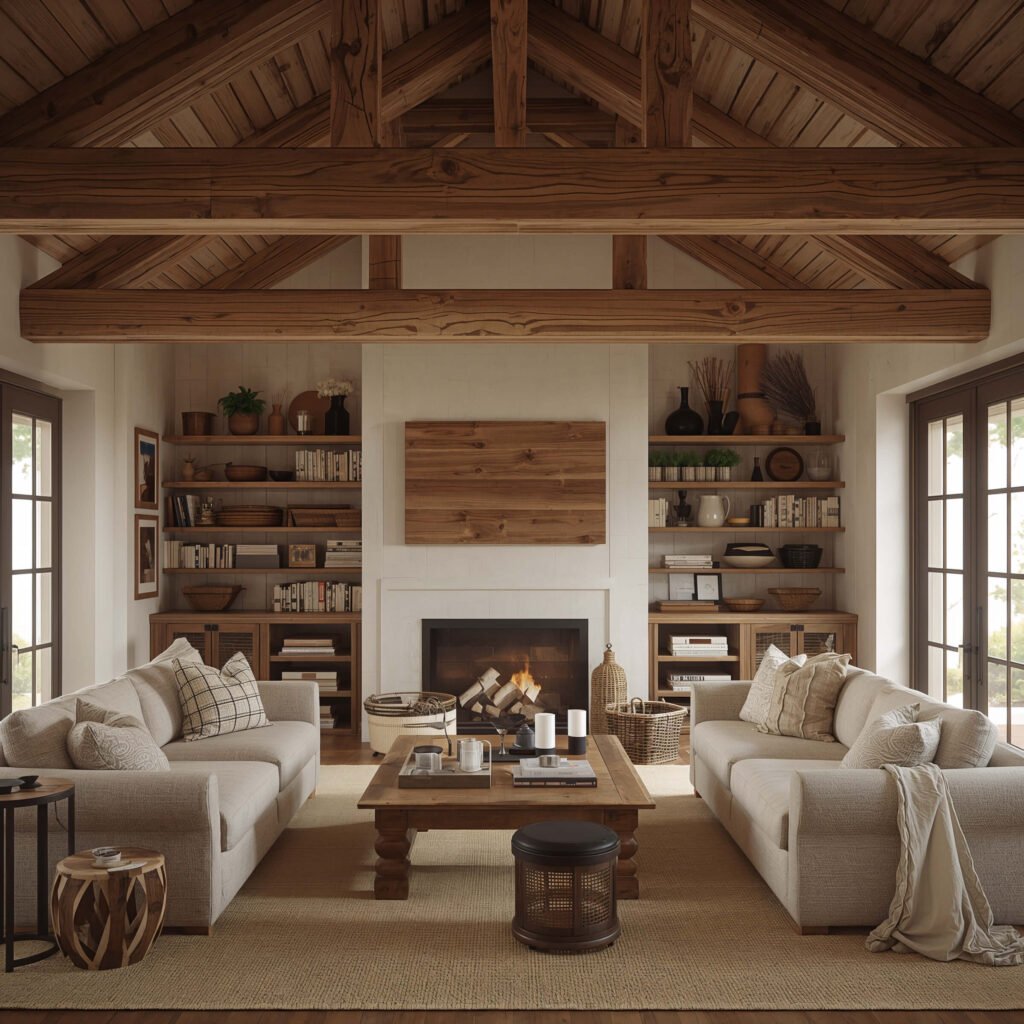
Real farmhouse vintage starts with authentic materials. Reclaimed wood beams (or good faux ones), shiplap walls, and wide-plank floors create that foundation. But here’s where vintage comes in – instead of everything being pristine white, embrace the patina and imperfections. That chippy paint dresser? Perfect. Those mismatched vintage mason jars? Even better.
Layer in vintage farm elements thoughtfully. An old grain scale on your kitchen counter, vintage milk bottles as vases, or an antique dough bowl as a centerpiece. Mix in comfortable, lived-in furniture – think slipcovered sofas, vintage leather chairs, and distressed wood tables. The goal is “generations of family living” not “I raided every farmhouse in a 50-mile radius.”
Farmhouse Vintage Elements:
- Natural, weathered materials (wood, metal, stone)
- Vintage farm implements as decor
- Neutral color palette with texture variety
- Mixed metal finishes (not everything needs to match!)
- Cozy textiles like vintage quilts and grain sacks
Vintage Lighting and Chandelier Ideas
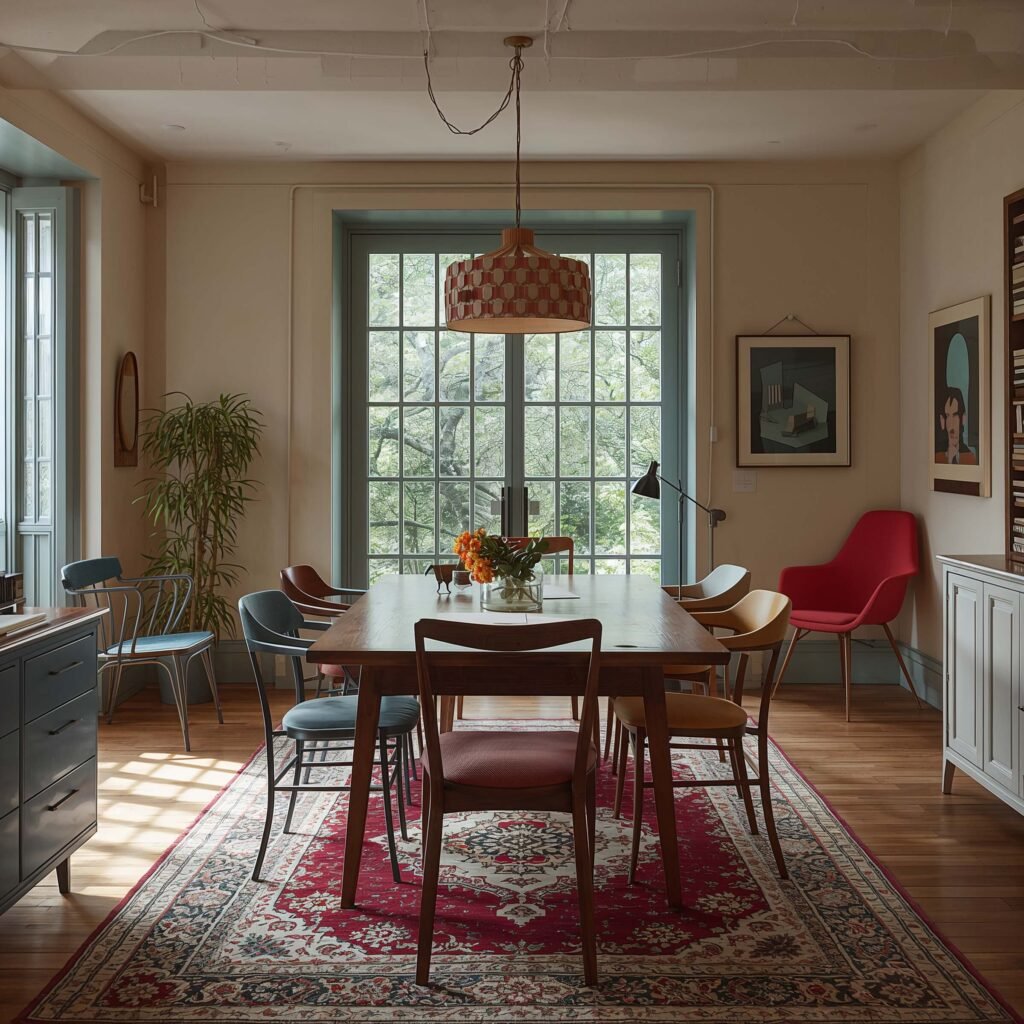
Can we have a moment of appreciation for vintage lighting? Because nothing – and I mean NOTHING – transforms a space faster than the right vintage light fixture. That boring builder-grade ceiling fan in your living room? Replace it with a vintage chandelier and watch your entire room elevate.
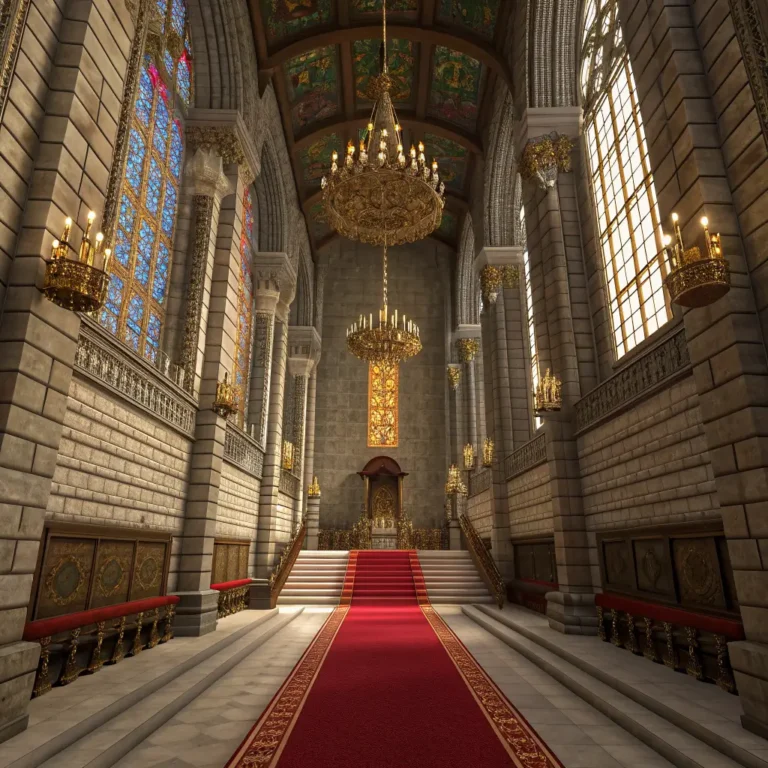
Sputnik chandeliers scream mid-century cool. Crystal chandeliers add instant elegance (and they’re surprisingly affordable at estate sales). Industrial pendant lights bring that vintage factory vibe. But here’s my favorite trick: mixing different vintage lighting styles in the same space. I have a crystal chandelier in my dining room, industrial sconces in the hallway, and a mid-century arc lamp in the living room. Somehow, it all works.
Don’t overlook table and floor lamps either. Vintage banker’s lamps, art deco table lamps, or those amazing 1970s mushroom lamps add layers of light and personality. Pro tip: rewiring vintage lamps is easier than you think (or just find a good electrician – safety first, people).
Also Read: 10 Stunning 80s Interior Design Ideas and Retro Room Inspiration
Retro Wall Art and Gallery Walls
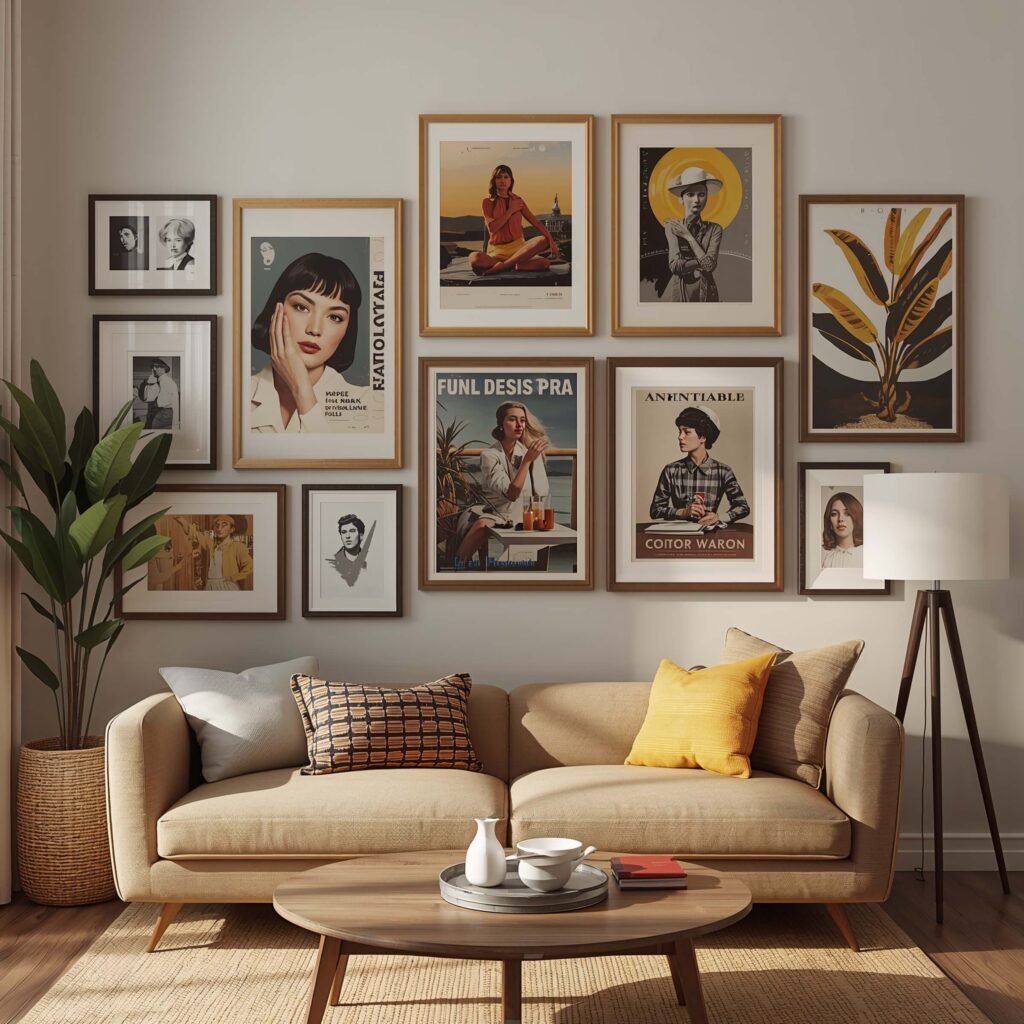
Gallery walls are where your personality really shines through, and vintage art makes them infinitely more interesting than generic prints from big box stores. My gallery wall started with three vintage paint-by-numbers I found at a garage sale, and it’s grown into this evolving collection that tells our family’s story.
Mix vintage frames – ornate gold, simple wood, painted frames in different colors. The mismatched look is intentional and adds character. Fill them with vintage finds: old family photos, vintage postcards, pressed flowers from antique books, vintage sheet music, or retro advertisements. Even vintage scarves or handkerchiefs look amazing framed.
The key to a cohesive gallery wall? Planning. Lay everything out on the floor first, take a photo, then recreate it on the wall. Or go completely organic and just start hanging – sometimes the best gallery walls happen by accident. Include dimensional pieces too: vintage mirrors, small shelves with vintage objects, or even vintage plates create visual interest.
Elegant Victorian Living Spaces
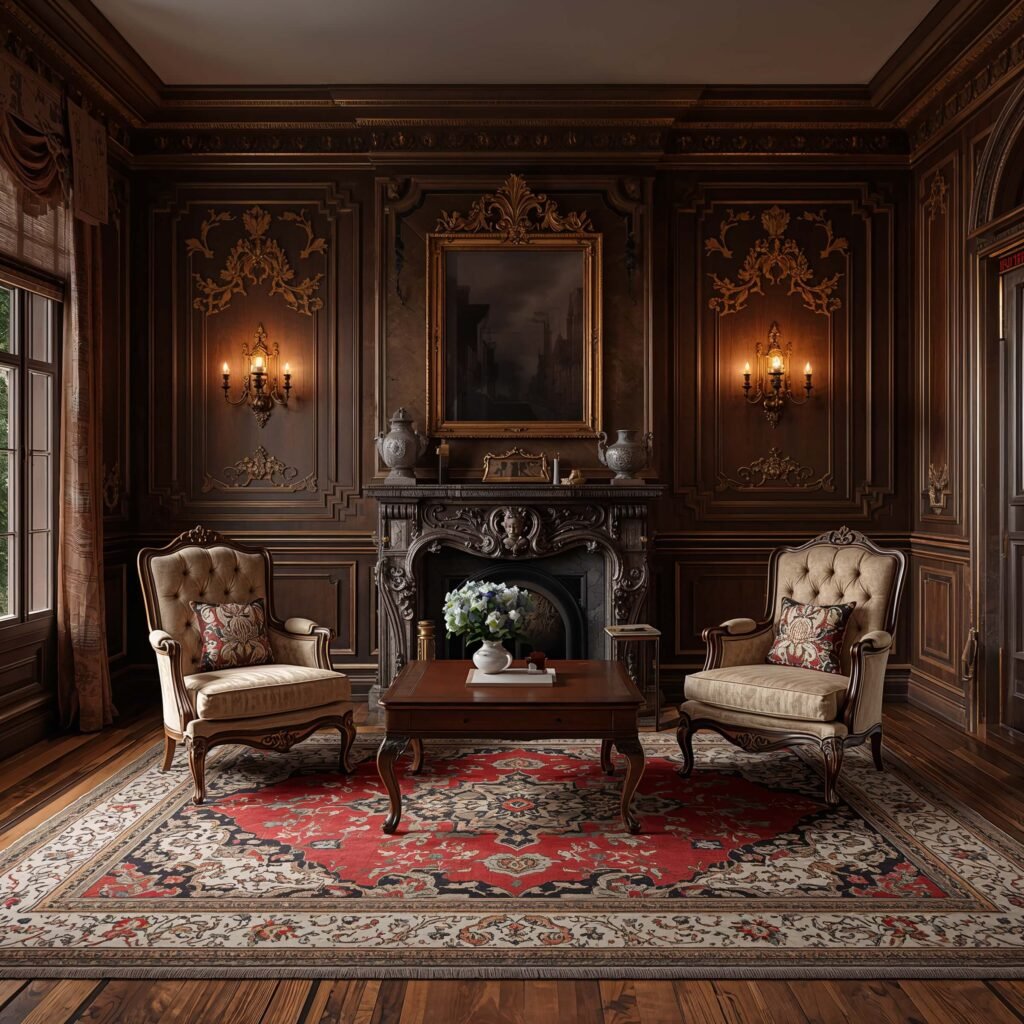
Victorian design gets a bad rap for being stuffy and over-the-top, but hear me out – done right, Victorian elements add sophistication and drama that modern minimalism just can’t match. You don’t need to live in an actual Victorian house to incorporate these elements (thank goodness, because have you seen those heating bills?).
Start with one statement Victorian piece – maybe a tufted velvet sofa or an ornate mirror. Build around it with rich colors: deep burgundy, forest green, navy blue, or plum. Layer in luxurious textures: velvet cushions, silk curtains, wool rugs. The trick is restraint – you want elegant Victorian, not “I robbed a museum.”
Modern Victorian means mixing periods. Keep walls light to offset heavy furniture. Use Victorian furniture shapes but in updated fabrics. Add Victorian architectural elements like ceiling medallions or crown molding, but pair them with contemporary art. My living room has a Victorian fainting couch that I use as a statement piece, but it’s surrounded by modern elements that keep it from feeling like a time capsule.
Victorian Elements That Work Today:
- Tufted furniture in rich jewel tones
- Ornate mirrors and frames (in moderation)
- Rich, layered textiles
- Dramatic window treatments
- Statement wallpaper on an accent wall
Making It All Work Together
So here’s the thing about vintage interior design – it’s not about recreating the past perfectly; it’s about bringing the best parts forward. Every piece should earn its place in your home, whether it’s through beauty, function, or the story it tells.
My home is this wonderful mishmash of decades and styles, and honestly? That’s what makes it feel like home. The mid-century credenza holds Victorian china. The shabby chic bedroom has industrial lighting. The retro kitchen displays antique copper molds. Rules are meant to be broken, especially in vintage design.
Start small if you’re feeling overwhelmed. Pick one vintage piece you love and build from there. Hit estate sales, thrift stores, and online marketplaces (FYI, early Saturday morning estate sales have the best stuff). Don’t be afraid to mix high and low – that expensive antique mirror looks amazing next to DIY vintage-inspired art.
Most importantly, make it yours. Your space should tell your story, not look like a Pinterest board come to life. Whether you’re drawn to the clean lines of mid-century modern or the ornate beauty of Victorian design, vintage interior design gives you permission to create something unique. Something with soul. Something that makes people ask, “Where did you find that?”
And isn’t that really the point? Creating a space that sparks conversation, holds memories, and feels genuinely, authentically you. IMO, that’s what great design – vintage or otherwise – is all about.