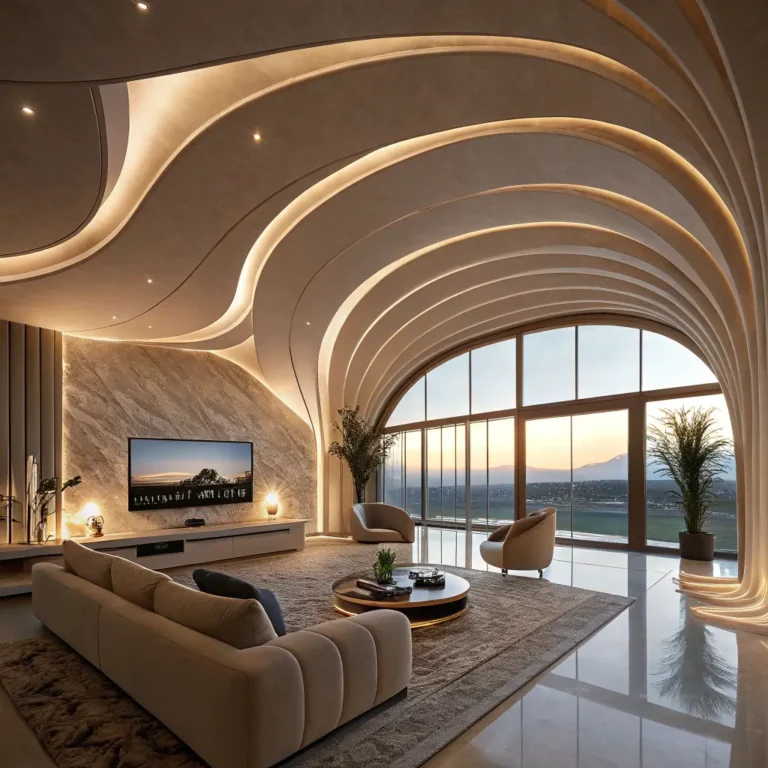
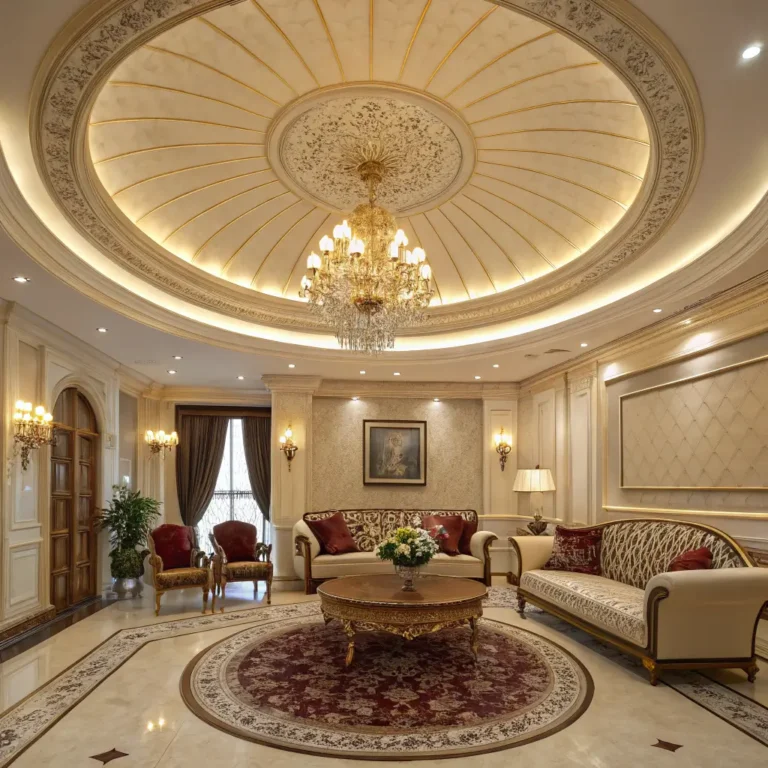
15 Charming Wooden Ceiling Design Ideas for Rustic Vibes

You know that feeling when you walk into a room and instantly feel at home? That’s exactly what happened to me the first time I stepped into my friend’s cabin with its stunning wooden ceiling. The warmth, the texture, the way the light bounced off those timber beams – I was hooked. If you’re anything like me and you’ve been dreaming about bringing that cozy, rustic charm into your own space, you’re about to fall in love with these wooden ceiling ideas.
Let’s talk about why wooden ceilings are having such a massive moment right now. They’re not just gorgeous to look at (though trust me, they really are); they actually transform the entire vibe of your room. And the best part? You don’t need to live in a log cabin to pull off these looks.
Rustic Beam Wooden Ceiling
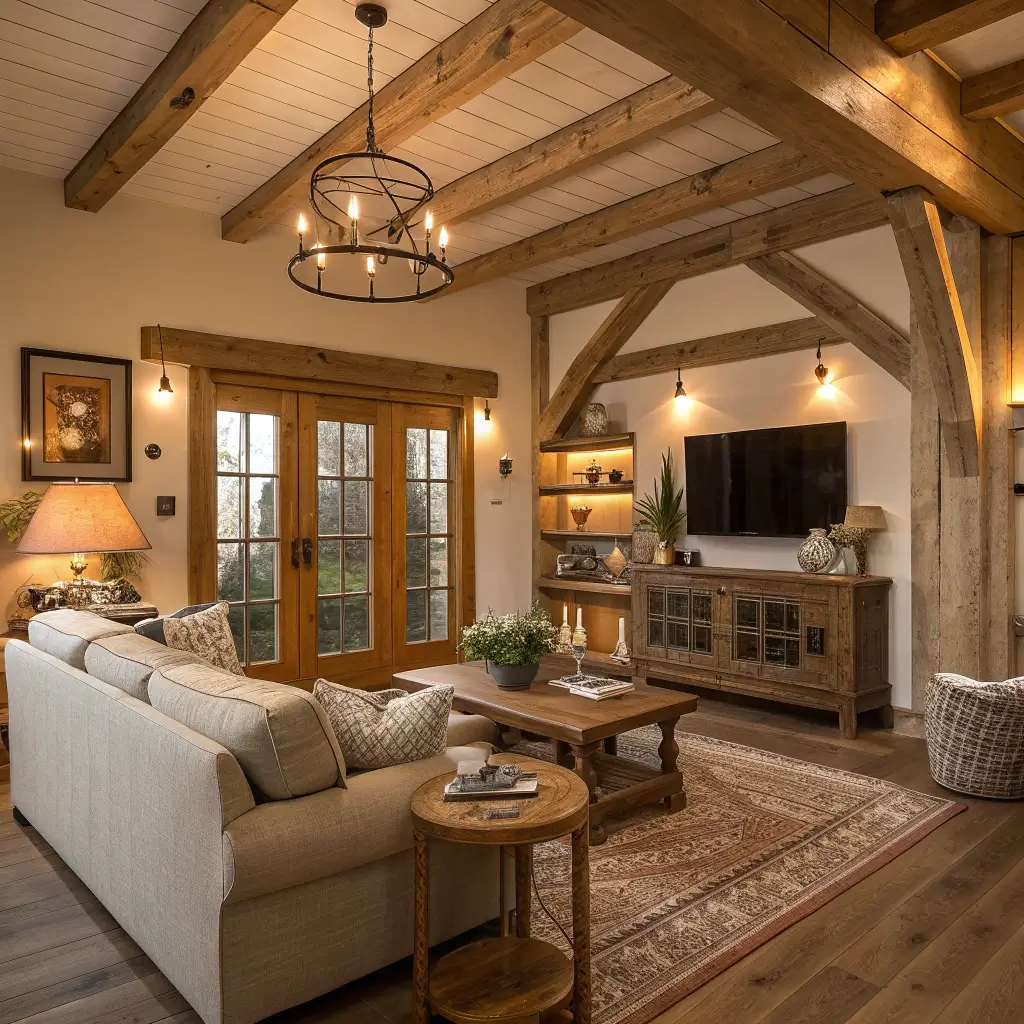
Nothing screams “rustic charm” quite like exposed wooden beams stretching across your ceiling. I installed these in my living room last year, and honestly, it changed everything about the space. The beams create this incredible architectural interest that makes people stop and stare.
What makes rustic beams so special? They add instant character to even the most boring, flat ceiling you can imagine. You can go with rough-hewn beams for that authentic cabin feel, or choose smoother, more refined ones if you want something a bit more polished. The key here is embracing the natural imperfections – those knots, grain patterns, and slight variations in color are what make each beam unique.
Installation Tips for Rustic Beams
Here’s what I learned during my installation:
• Real wood beams are heavy – like, really heavy. You’ll need proper support and probably a friend or two to help
• Faux wood beams made from polyurethane look surprisingly authentic and won’t break your back (or budget)
• Spacing matters more than you think – aim for 4-6 feet between beams for most rooms
• Dark stain creates drama, while natural finish keeps things light and airy
The transformation happens instantly once those beams go up. Your flat, forgettable ceiling suddenly becomes the star of the show. And if you’re worried about making your room feel smaller, here’s a pro tip: run the beams perpendicular to the longest wall to actually make the space feel larger.
Modern Minimalist Wooden Panels
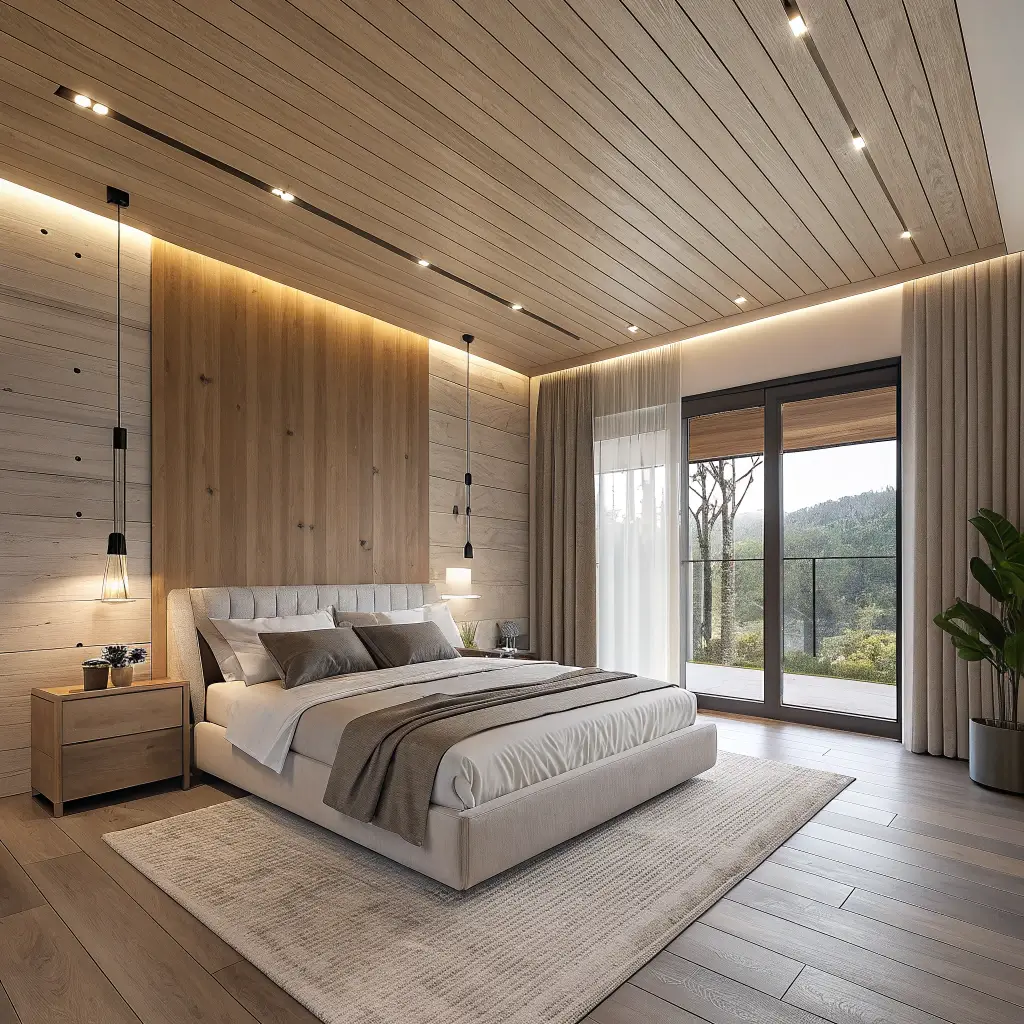
Who says rustic can’t be sleek? Modern minimalist wooden panels prove that you can have your wood ceiling cake and eat it too. I recently helped my sister install these in her downtown loft, and the result was absolutely stunning – think rustic meets metropolitan chic.
These panels typically feature clean lines and uniform spacing, creating a sophisticated look that works beautifully in contemporary homes. The wood adds warmth that’s often missing in modern design, while the minimalist approach keeps things from feeling too country.
What I love about this style is its versatility. You can choose from different wood types and finishes to match your aesthetic:
• Light oak or maple for Scandinavian vibes
• Walnut or mahogany for luxe appeal
• Pine or cedar for budget-friendly options
• Engineered wood for consistent color and grain
The installation process is surprisingly straightforward – most panels come with tongue-and-groove systems that click together like a puzzle. Just make sure your ceiling is level first (learned that one the hard way).
Geometric Pattern Wood Ceiling
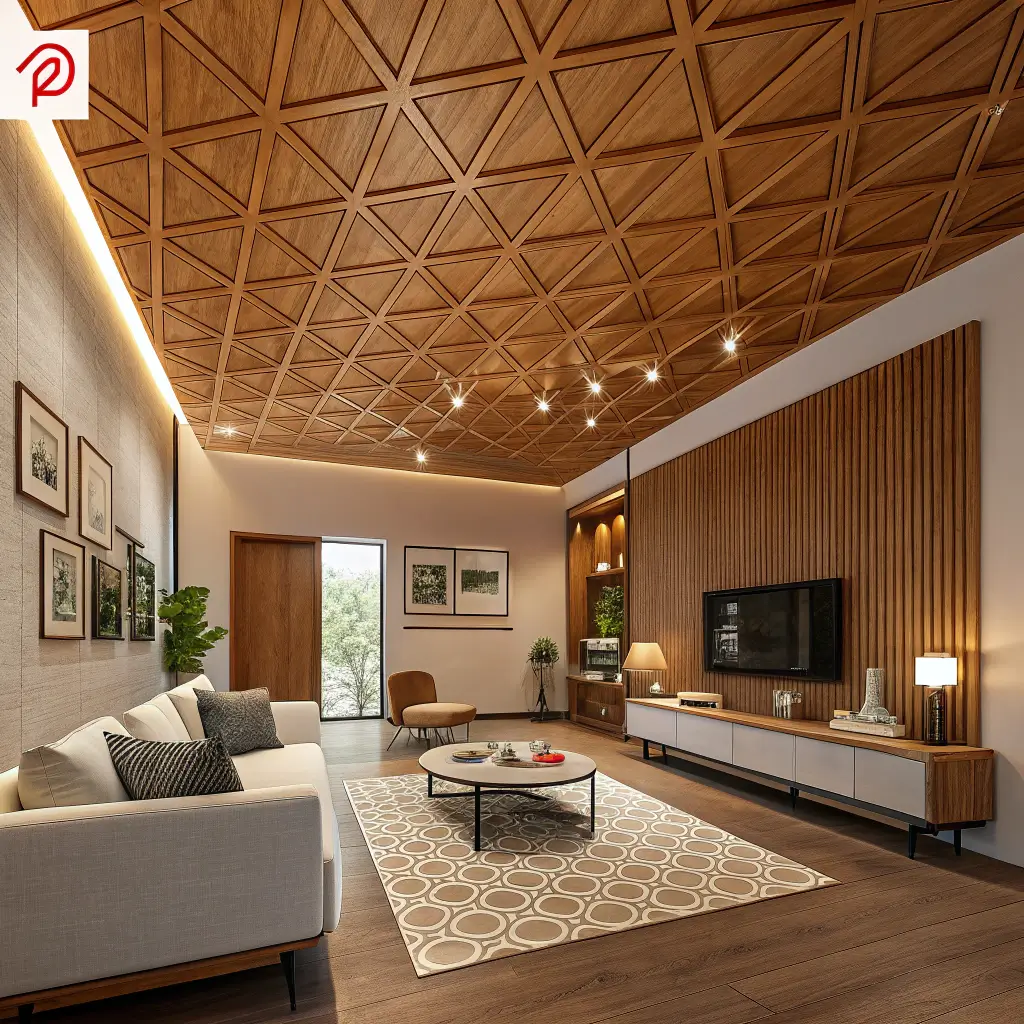
Ready to make a statement? A geometric pattern wood ceiling turns your fifth wall into a work of art. I’ll admit, when my neighbor first described her plan for a chevron pattern ceiling, I thought she’d lost it. But seeing the finished product? Mind. Blown.
Geometric patterns work because they add visual interest without overwhelming the space. You can go bold with herringbone or chevron, or keep it simple with diagonal planking. The pattern creates movement and energy that plain horizontal or vertical boards just can’t match.
Popular Geometric Patterns to Consider
The options here are pretty much endless, but these are the crowd favorites:
• Herringbone – classic and sophisticated
• Chevron – modern and dynamic
• Diamond – unexpected and eye-catching
• Hexagonal – trendy and unique
• Basketweave – traditional with a twist
Fair warning: geometric patterns require more planning and precision than straight planking. You’ll be doing a lot of angle cuts, so invest in a good miter saw (or befriend someone who has one). The extra effort pays off though – visitors won’t stop talking about your ceiling.
Exposed Natural Timber Ceiling
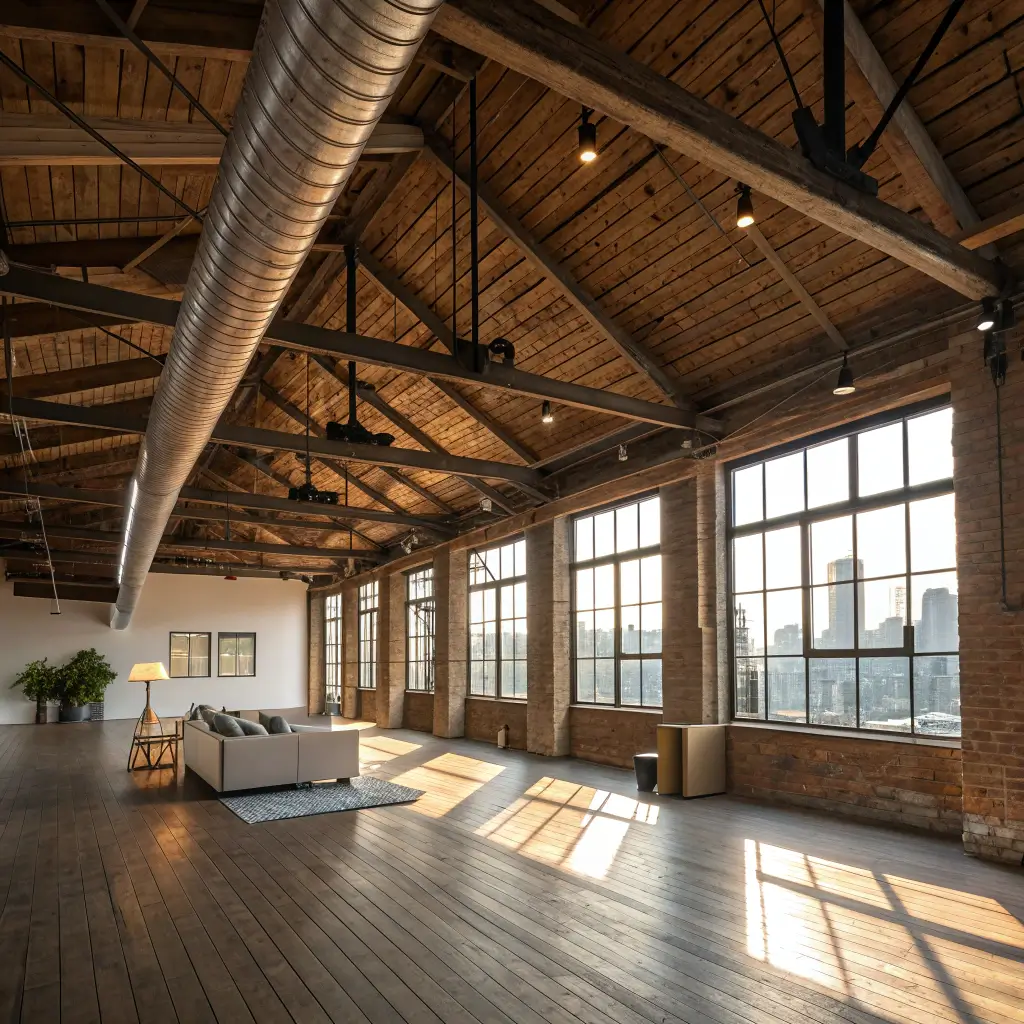
Sometimes the best design choice is letting nature do the heavy lifting. Exposed natural timber ceilings celebrate the raw beauty of wood in all its unpolished glory. This is the style that makes me feel like I’m in a treehouse – in the best possible way.
The key to nailing this look? Choosing timber that tells a story. Look for pieces with interesting grain patterns, natural edges, or even bark remnants. Each plank becomes a piece of natural art. I’ve seen people use everything from reclaimed barn wood to locally sourced timber from fallen trees.
What makes natural timber ceilings so special is their authenticity. You’re not trying to make the wood look like something it’s not – you’re celebrating exactly what it is. The variations in color, the occasional wormhole, the weathered patches – these aren’t flaws, they’re features.
Dark Walnut Luxury Ceiling
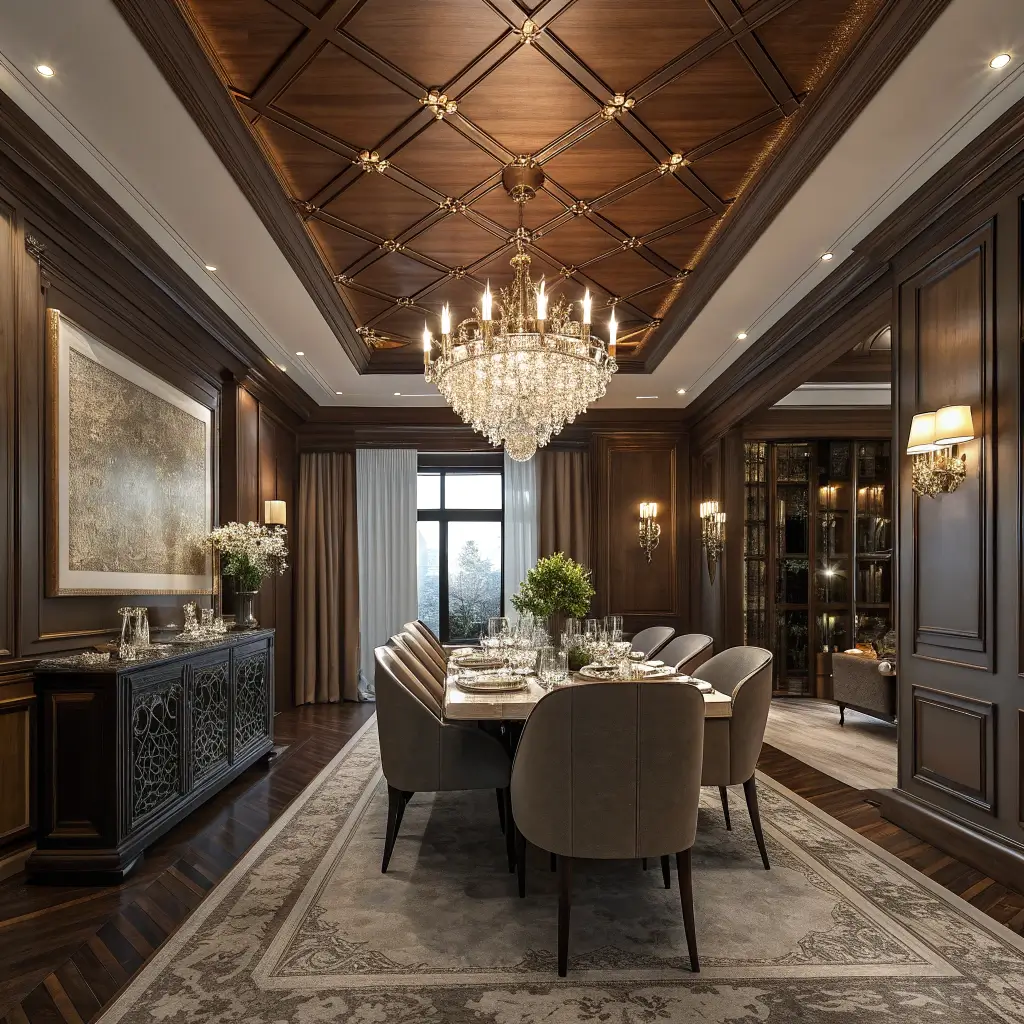
Want to add some serious drama to your space? Enter the dark walnut luxury ceiling. This is the ceiling equivalent of wearing a perfectly tailored black suit – sophisticated, powerful, and undeniably elegant.
I installed a dark walnut ceiling in my home office last spring, and let me tell you, it completely transformed how I feel about the space. There’s something about that rich, chocolate-brown tone that makes everything feel more expensive and refined. Even my cheap IKEA desk looks better underneath it 🙂
Making Dark Ceilings Work
Here’s what you need to know about going dark:
• Lighting is crucial – you’ll need more than you think
• Pair with light walls to avoid the cave effect
• High ceilings work best (8 feet minimum, IMO)
• Add metallic accents for extra glamour
• Consider the room’s natural light before committing
The biggest mistake people make with dark ceilings? Not considering the room’s function. Dark walnut works beautifully in bedrooms, dining rooms, and studies where you want that cozy, intimate feeling. Maybe skip it for the kitchen though – unless you’re going for that moody chef vibe.
Whitewashed Wooden Plank Ceiling
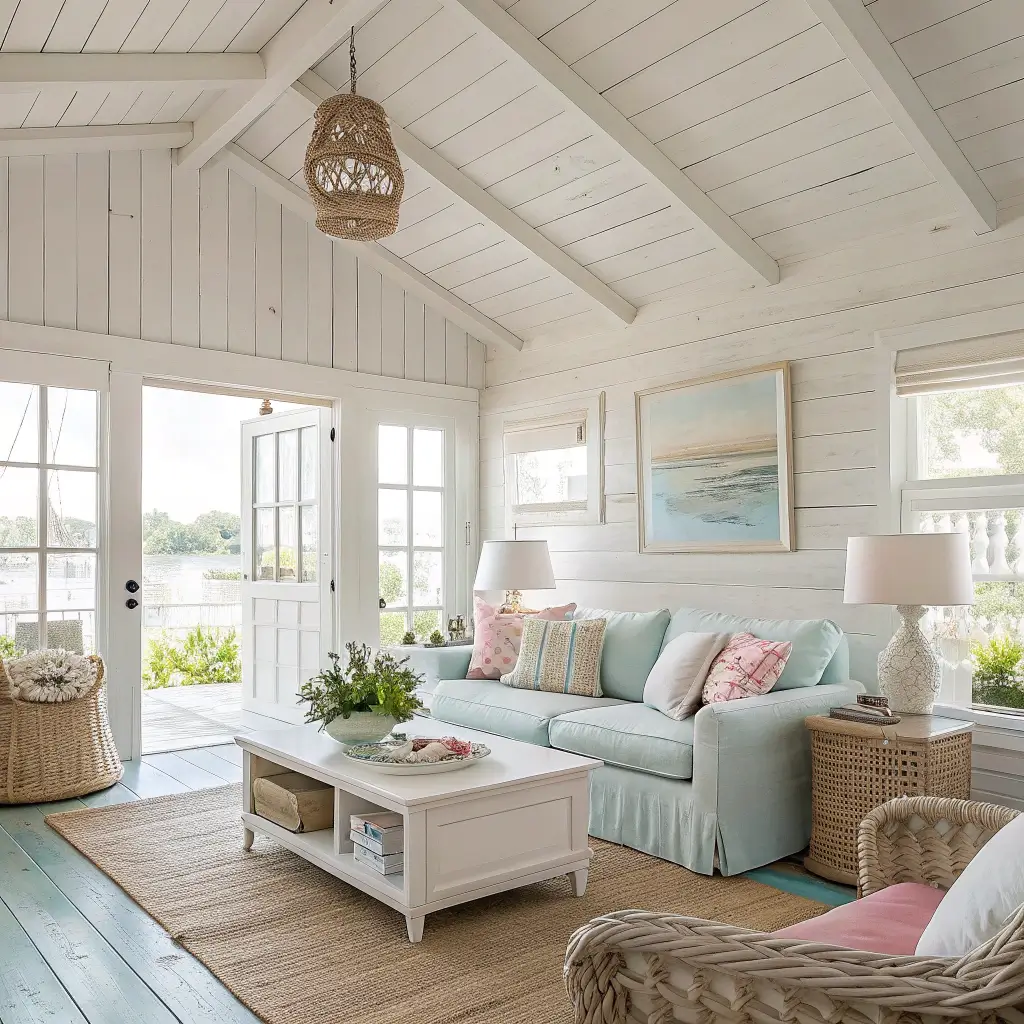
Ah, the whitewashed wooden plank ceiling – the perfect middle ground between rustic charm and bright, airy spaces. This is what I call the “beach house special,” though it works just as well in landlocked locations.
Whitewashing gives you the best of both worlds: you get the texture and character of wood with the light-reflecting properties of white paint. The wood grain still shows through, creating this beautiful, subtle pattern that adds depth without darkness.
I whitewashed the ceiling in my guest bedroom, and it instantly made the room feel twice as big. The technique is ridiculously simple too – just dilute white paint with water (about 1:1 ratio) and brush it on. The wood absorbs it unevenly, creating that perfectly imperfect coastal look.
Also Read: 15 Brilliant Simple Ceiling Design Ideas You Must Try
Wooden Coffered Ceiling Design
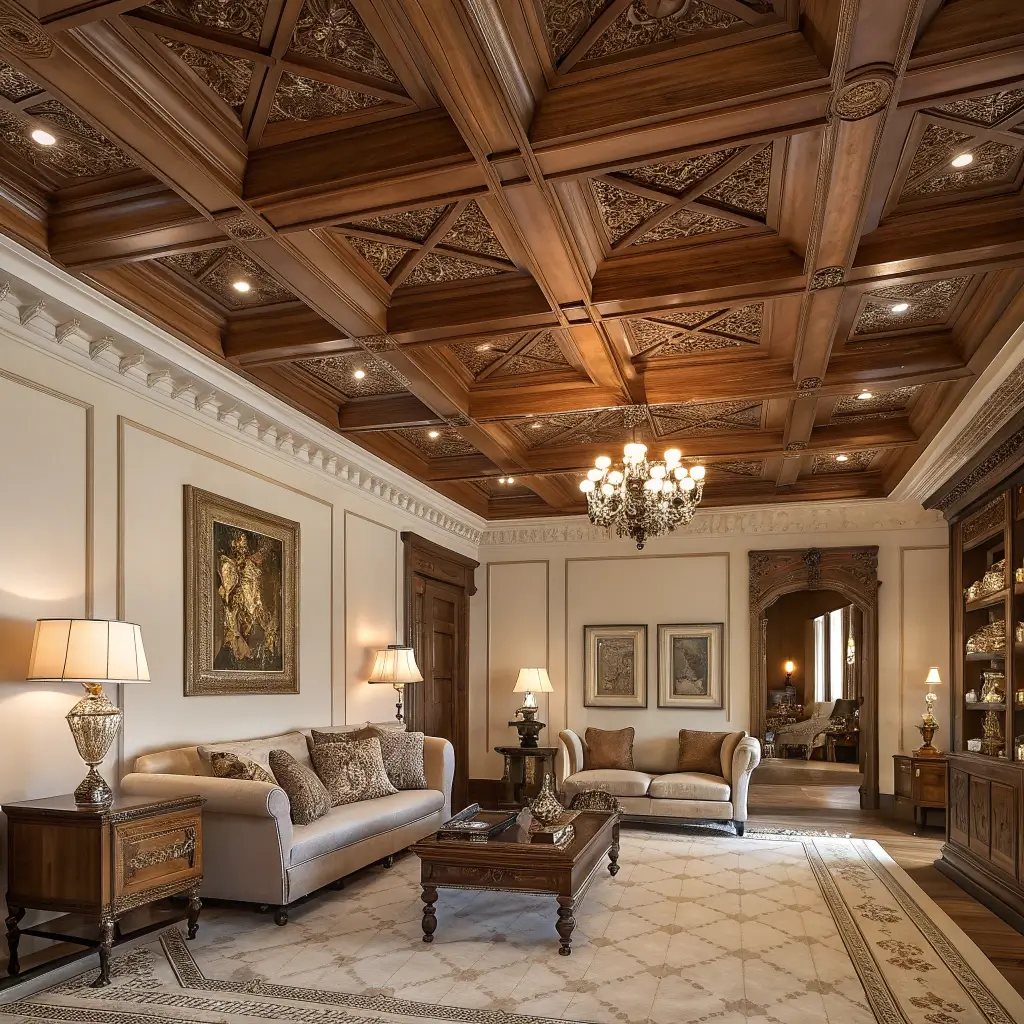
Talk about making a statement – coffered ceilings are like the crown jewels of ceiling design. These recessed panels create a grid pattern that adds incredible architectural detail to any room. Every time someone walks into a room with a coffered ceiling, their eyes immediately go up. Can you blame them?
Creating a coffered ceiling requires more planning and skill than most other wooden ceiling designs, but the payoff is huge. The three-dimensional grid pattern creates shadows and depth that make your ceiling look like it belongs in a luxury estate. Even if you live in a modest ranch home (like I do), coffered ceilings add instant sophistication.
Design Considerations for Coffered Ceilings
Before you commit to coffers, consider these factors:
• Room size matters – small coffers in large rooms look busy
• Ceiling height should be at least 9 feet for best results
• Square rooms work better than rectangular ones
• Dark wood creates drama, light wood keeps it casual
• Budget for professional installation (trust me on this one)
The biggest challenge with coffered ceilings? Getting the proportions right. The beams should be substantial enough to make an impact but not so heavy that they overwhelm the room. Generally, 4-6 inch wide beams work for most residential spaces.
Reclaimed Wood Accent Ceiling
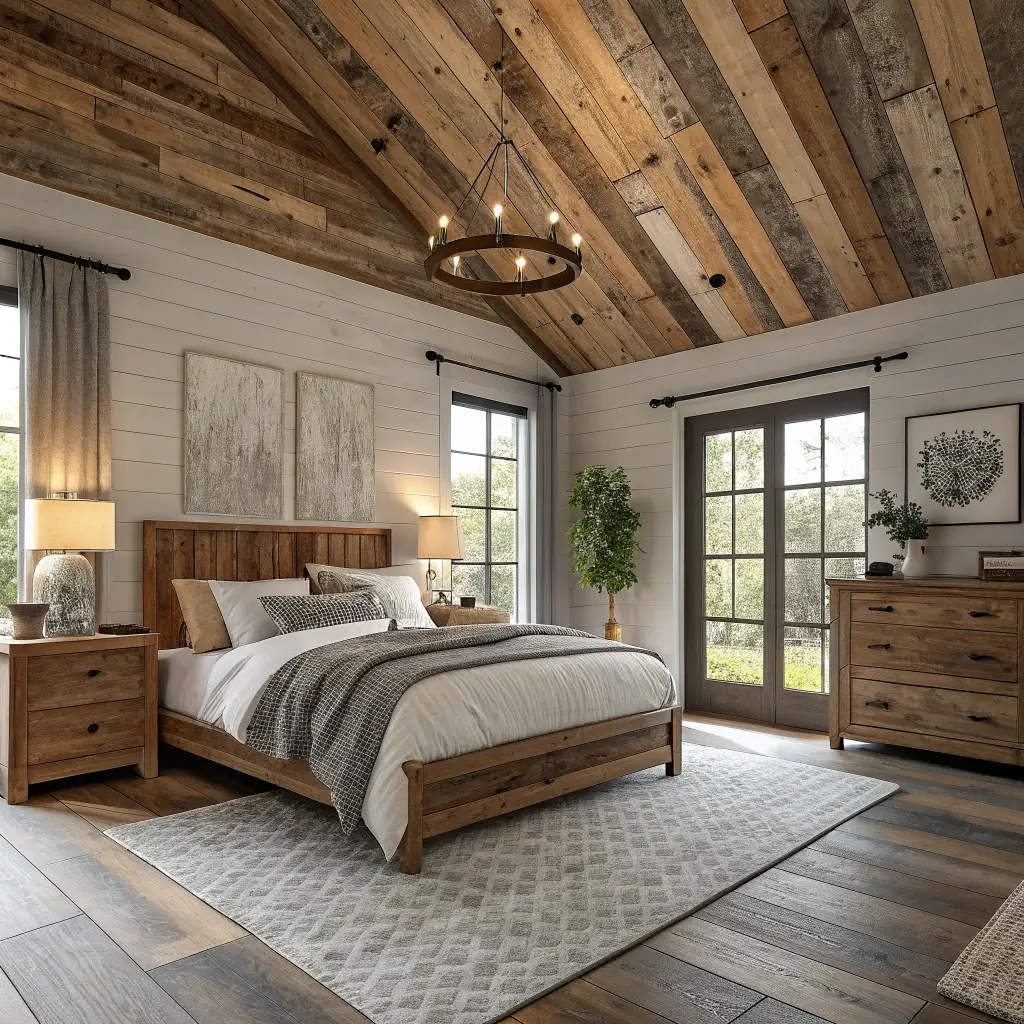
Here’s where things get really interesting – reclaimed wood accent ceilings bring history and character that new wood simply can’t match. Each board comes with its own story, whether it’s from an old barn, a demolished warehouse, or even old wine barrels.
I sourced reclaimed wood from a 100-year-old tobacco barn for my dining room ceiling, and guests always ask about it. The weathered patina, nail holes, and saw marks create texture that would take decades to achieve naturally. Plus, you’re being eco-friendly by giving old wood new life – win-win!
What makes reclaimed wood special is its unpredictability. You might find boards with old paint remnants, unique weathering patterns, or even branded marks from their previous life. These imperfections become the design features that make your ceiling one-of-a-kind.
Slatted Wood Ceiling with Lighting
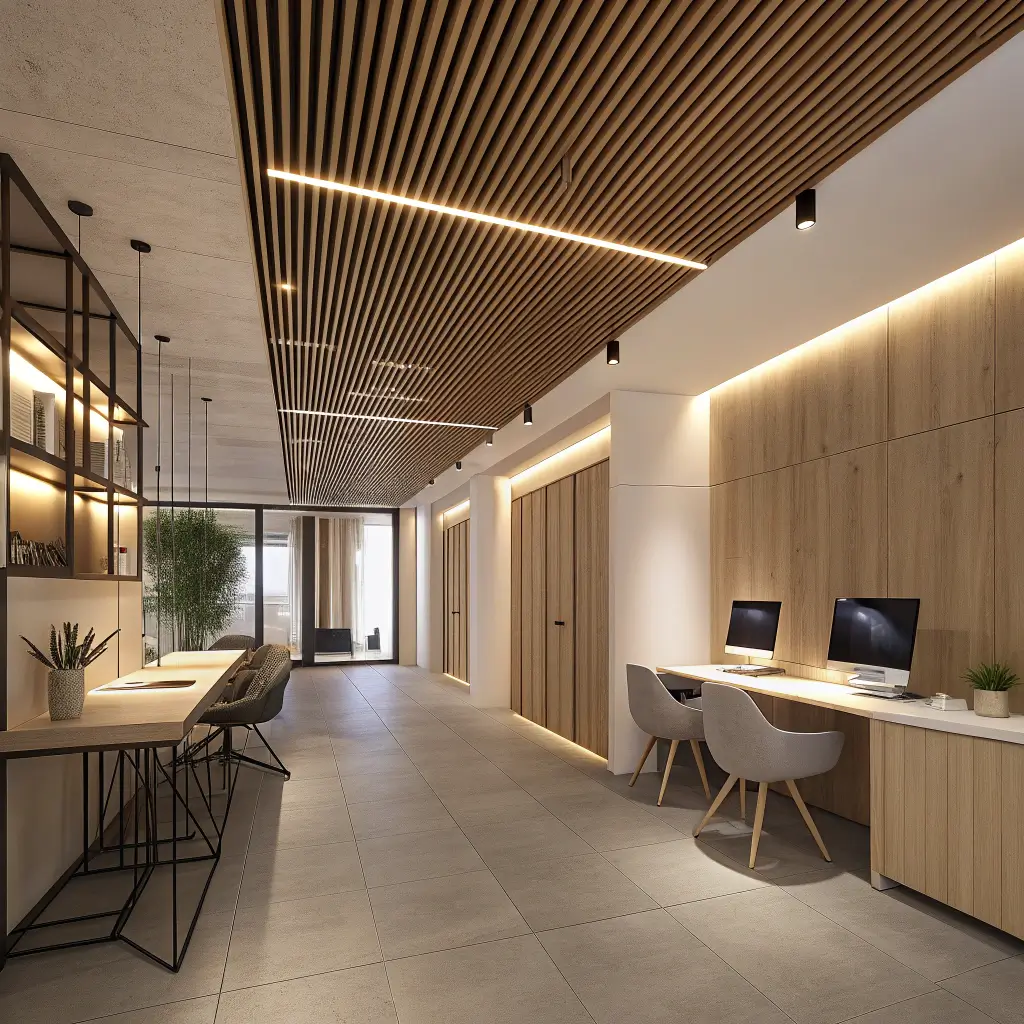
Now we’re talking modern functionality meets rustic aesthetics. Slatted wood ceilings with integrated lighting solve two problems at once – they look amazing and provide incredible ambient lighting. Ever walked into a high-end restaurant and noticed how the lighting seems to come from nowhere? This is often the trick.
The gaps between the slats hide LED strips that create this beautiful, diffused glow. During the day, the slats add architectural interest. At night, they transform into a lighting feature that makes everything (and everyone) look good. I installed this in my bathroom, and my morning routine feels like a spa experience now.
Installation Tips for Slatted Ceilings
Getting this right requires attention to detail:
• Gap spacing should be consistent (usually 1-2 inches)
• Use warm white LEDs (2700-3000K) for cozy vibes
• Install dimmers – non-negotiable for mood lighting
• Consider acoustic benefits – slats can reduce echo
• Plan electrical work before installing slats
The trickiest part? Making sure your LED strips are completely hidden while providing even light distribution. Nobody wants to see hot spots or dark patches.
Also Read: 15 Minimalist Simple False Ceiling Design Ideas for Homes
Scandinavian Light Wood Ceiling
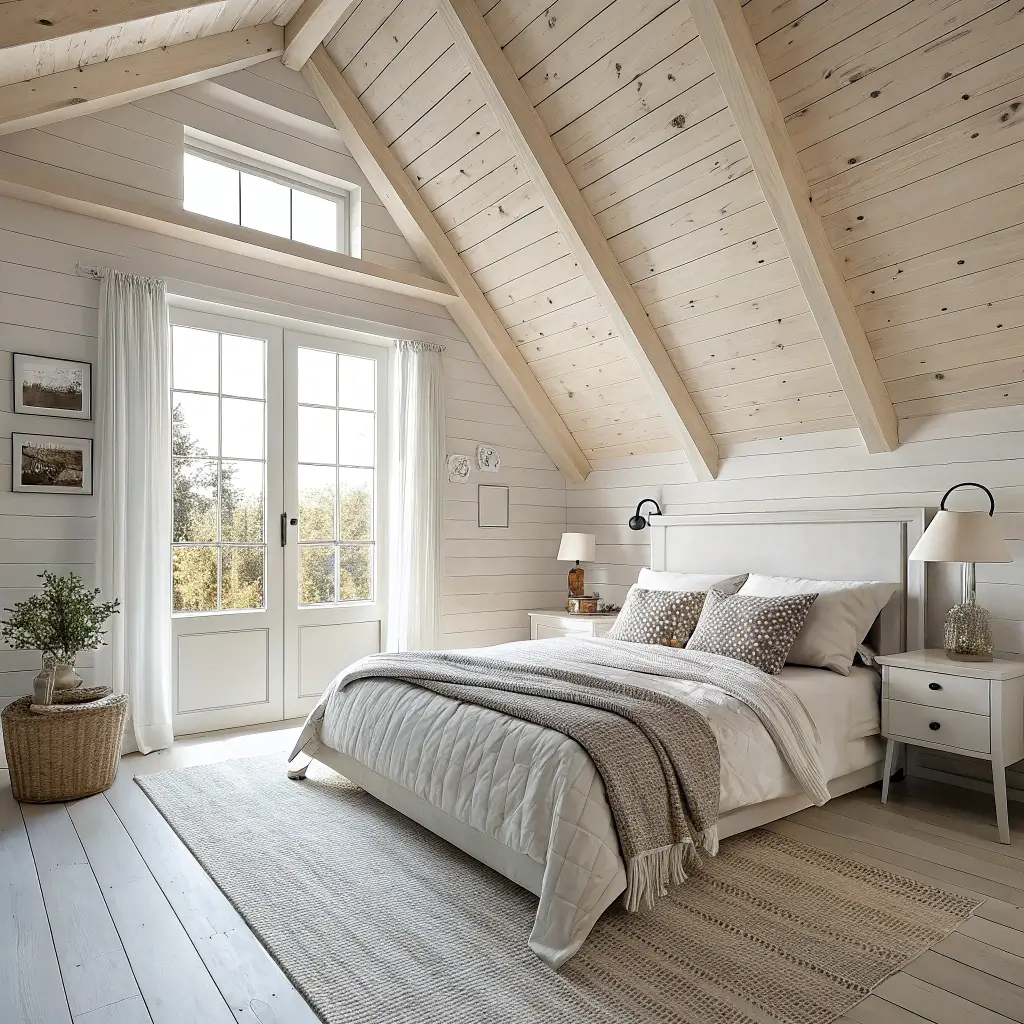
The Scandinavians really know what they’re doing when it comes to cozy, functional design. Scandinavian light wood ceilings embody everything about hygge – that Danish concept of coziness and comfort that we’re all trying to achieve.
These ceilings typically feature pale woods like birch, ash, or white oak with minimal treatment to preserve the natural, blonde color. The result? Rooms that feel bright, calm, and incredibly inviting. It’s like bringing a piece of Nordic forest into your home, minus the snow and freezing temperatures.
What I appreciate most about this style is its simplicity. You’re not trying to make a bold statement or create drama – you’re creating a serene backdrop for living. The light wood reflects natural light beautifully, making rooms feel larger and more open.
Curved Wooden Ceiling Architecture
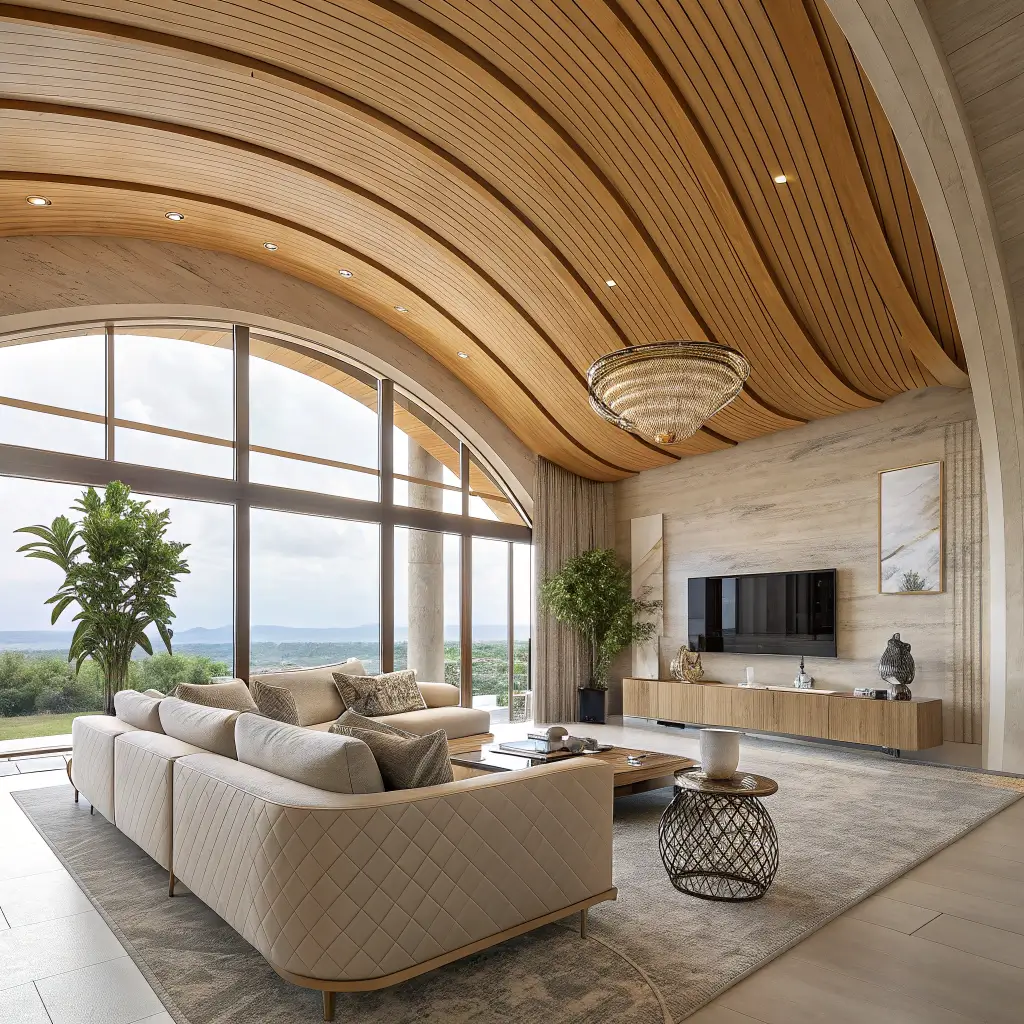
Ready to blow some minds? Curved wooden ceilings are the showstoppers of the ceiling world. They create this incredible sense of flow and movement that flat ceilings just can’t achieve. Walking into a room with a curved wooden ceiling feels like entering a completely different world.
I’ll be honest – this isn’t a DIY weekend project. Creating curves with wood requires serious skill and often custom millwork or steam-bent boards. But if you’ve got the budget and the right space, the impact is absolutely worth it. The curves soften the room’s edges and create this organic, cocoon-like feeling.
Where Curved Ceilings Work Best
Not every room can handle curves, but these spaces love them:
• Barrel vault ceilings in hallways or wine cellars
• Domed ceilings in entryways or dining rooms
• Subtle arches in bedrooms for cocoon effect
• Wave patterns in modern living spaces
• Cathedral-style curves in great rooms
The engineering behind curved wooden ceilings is fascinating. Some use flexible plywood that can bend without breaking, while others use traditional steam-bending techniques that have been around for centuries.
Wooden Ceiling with Skylights
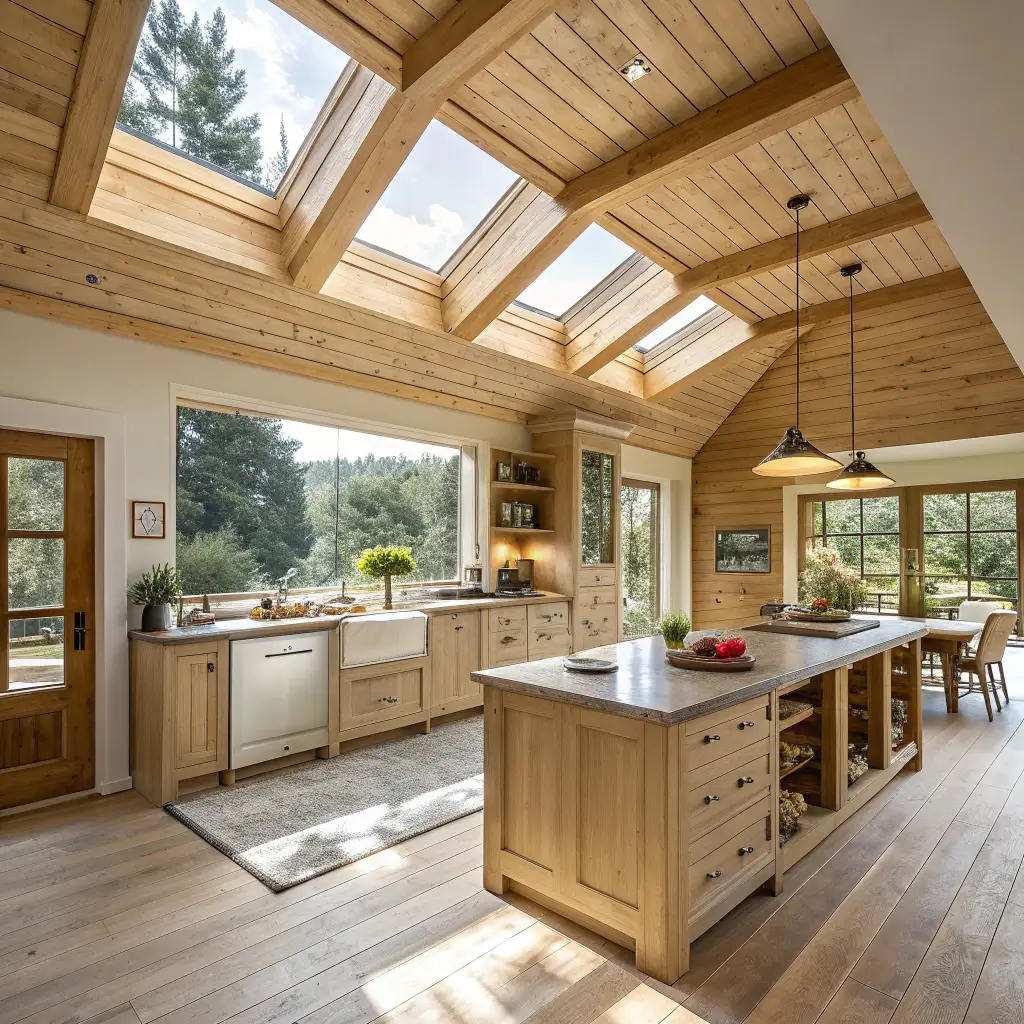
Combining wood ceilings with skylights is like giving your room a double shot of natural beauty. The skylights bring in natural light that plays beautifully across the wood grain, creating shifting patterns throughout the day. It’s Mother Nature’s own light show.
I added two skylights to my wooden kitchen ceiling, and it completely changed how the space feels. Morning coffee under natural light filtering through wood beams? That’s the kind of simple pleasure that makes life better. The combination of wood warmth and natural light creates an atmosphere that artificial lighting just can’t replicate.
The placement of skylights matters more than you might think. Position them to avoid direct afternoon sun (unless you enjoy cooking yourself), and consider operable skylights for ventilation. FYI, the installation is definitely worth hiring pros for – nobody wants a leaky skylight.
Also Read: 15 Elegant Gypsum Ceiling Design Ideas for Dream Interiors
Herringbone Pattern Wood Ceiling
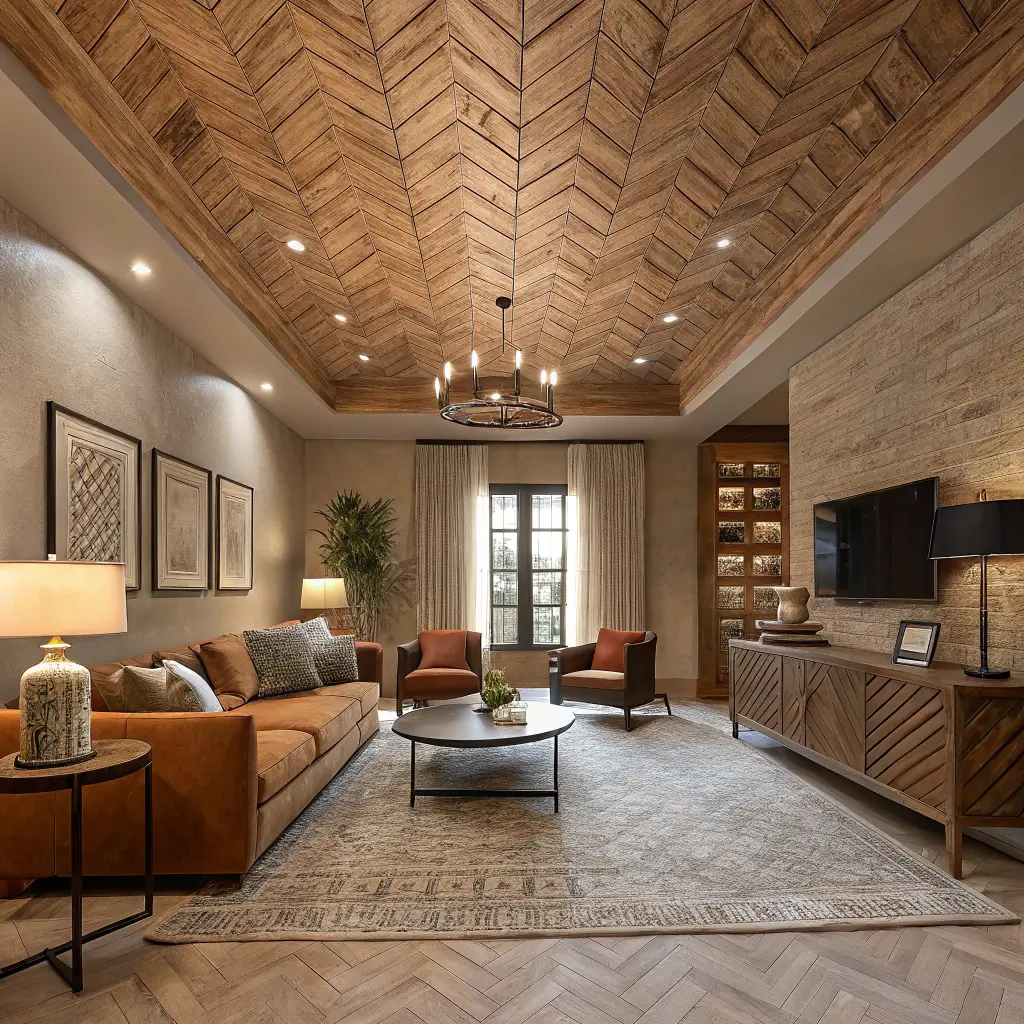
Let’s talk about the herringbone pattern – the ceiling design that makes everyone do a double-take. This classic pattern has been around forever, but it never gets old. The zigzag arrangement creates visual interest that’s sophisticated without being overwhelming.
Installing a herringbone ceiling taught me patience (and improved my geometry skills). Each piece needs to be cut at precise angles and fitted perfectly. One slightly off angle, and the whole pattern starts to look wonky. But when you nail it? The result is absolutely stunning.
Why Herringbone Works So Well
The pattern’s popularity isn’t just about looks:
• Creates visual movement without being dizzying
• Makes rooms appear larger due to the diagonal lines
• Hides imperfections better than straight planking
• Works with any wood type or stain color
• Adds value to your home (seriously, realtors love this stuff)
The herringbone pattern works especially well in smaller rooms where you want to add interest without overwhelming the space. It’s also perfect for highlighting specific areas – like above a kitchen island or in an entryway.
Bamboo-Inspired Wooden Ceiling

Want something different? Bamboo-inspired ceilings bring an exotic, zen-like quality to any space. While not technically wood (bamboo is actually a grass), it offers similar warmth with its own unique character. The linear grain and natural golden color create a look that’s both organic and contemporary.
I used bamboo planking in my yoga room, and it perfectly complements the peaceful vibe I was going for. The material is surprisingly sustainable too – bamboo grows incredibly fast and regenerates without replanting. So you can feel good about your choice environmentally.
What sets bamboo apart is its distinctive node pattern – those ring-like marks where the segments join. These natural markers add visual interest and remind you that you’re working with a living material. Plus, bamboo is naturally resistant to moisture, making it great for bathrooms or covered outdoor spaces.
Floating Wood Panel Ceiling
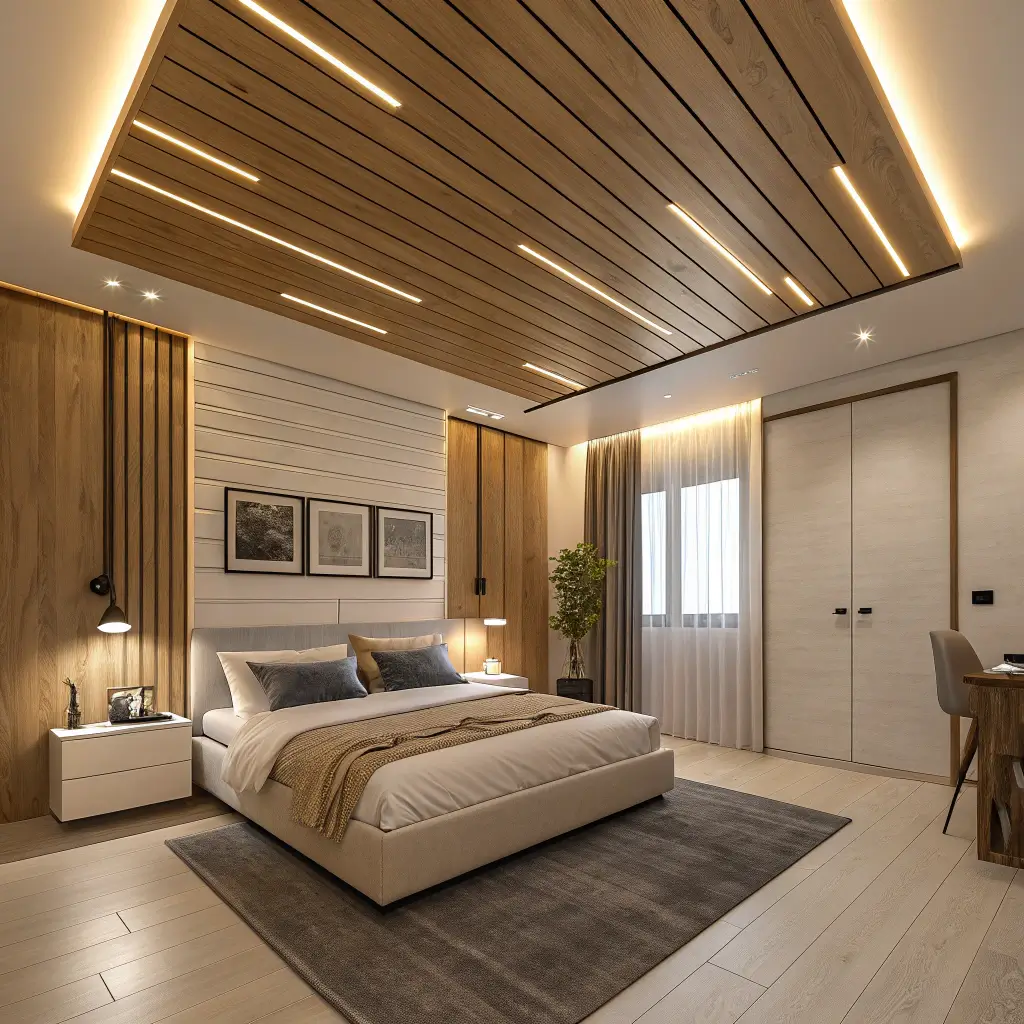
Last but definitely not least, floating wood panel ceilings are the modern answer to traditional wooden ceilings. These panels appear to hover below the actual ceiling, creating a dropped ceiling effect with serious style points. The gap between panels and the real ceiling can hide all sorts of sins – ugly popcorn texture, wiring, ductwork, you name it.
Installing floating panels in my basement completely transformed it from creepy storage space to legit entertainment room. The panels create intimate zones within larger spaces and can dramatically improve acoustics. Ever notice how voices echo in rooms with hard surfaces? Wooden panels absorb sound and eliminate that annoying echo effect.
Design Benefits of Floating Panels
Here’s why floating panels might be perfect for your space:
• Hide imperfections in existing ceilings
• Create space for recessed lighting or speakers
• Improve room acoustics significantly
• Add insulation for better temperature control
• Allow easy access to utilities above
The installation flexibility is amazing too. You can cover the entire ceiling or create floating “clouds” of wood panels for a more artistic approach. Some people even use different wood tones to create patterns or define different areas within open floor plans.
Making Your Choice
So there you have it – fifteen ways to bring rustic wooden charm to your ceiling. Each style offers something unique, whether you’re after drama, simplicity, or something in between. The right choice depends on your space, budget, and personal style.
Remember, your ceiling is the fifth wall of your room – why leave it boring and white? Wooden ceilings add warmth, character, and value to your home. They create that ineffable sense of coziness that makes people want to stay longer and visit more often.
My advice? Start with one room and see how it transforms your space. Once you experience living under a beautiful wooden ceiling, you’ll wonder why you waited so long. Trust me, looking up will never be the same again.
Whether you choose rustic beams, sleek panels, or something completely unique, you’re not just installing a ceiling – you’re creating an atmosphere. And isn’t that what great design is really about? Now excuse me while I go stare at my herringbone ceiling for the hundredth time today. Some things never get old.