10 Amazing Classroom Decor Ideas for Fun Learning Spaces

Remember that first time you walked into your empty classroom? The blank walls stared back at you like a horror movie scene, and you probably thought, “What have I gotten myself into?” Yeah, I’ve been there.
After spending way too many late nights pinning classroom ideas and blowing my budget at the teacher supply store, I’ve finally cracked the code on creating a classroom that actually works – both for you and your students.
Let me share what I’ve learned through years of trial, error, and the occasional craft fail that made my students ask if I needed art lessons.
These 10 classroom decor ideas won’t just make your space Instagram-worthy (though that’s a nice bonus); they’ll actually create an environment where learning happens naturally and you don’t lose your mind by October.
Cozy Reading Nook Ideas
Creating the Perfect Escape Corner
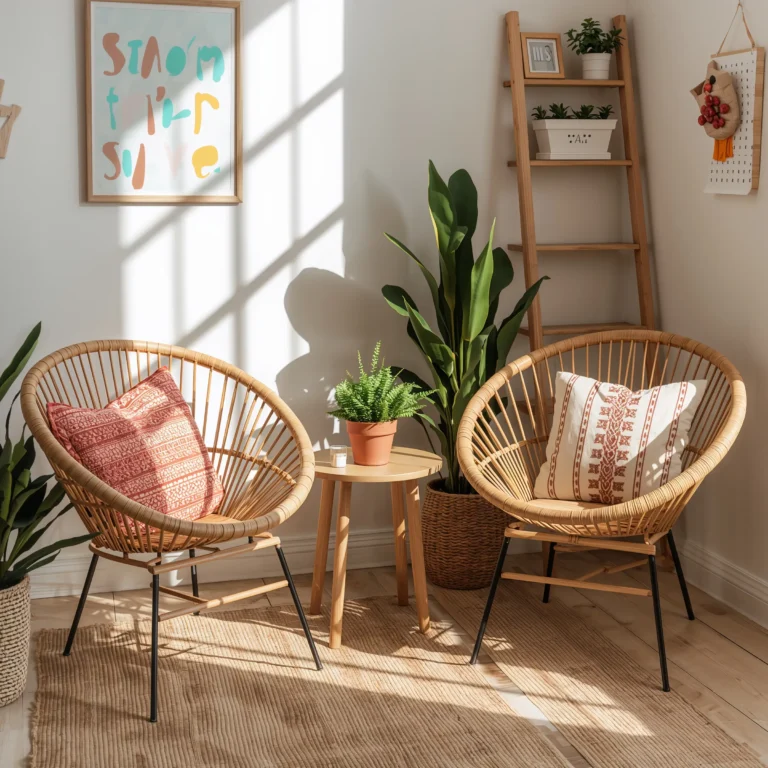
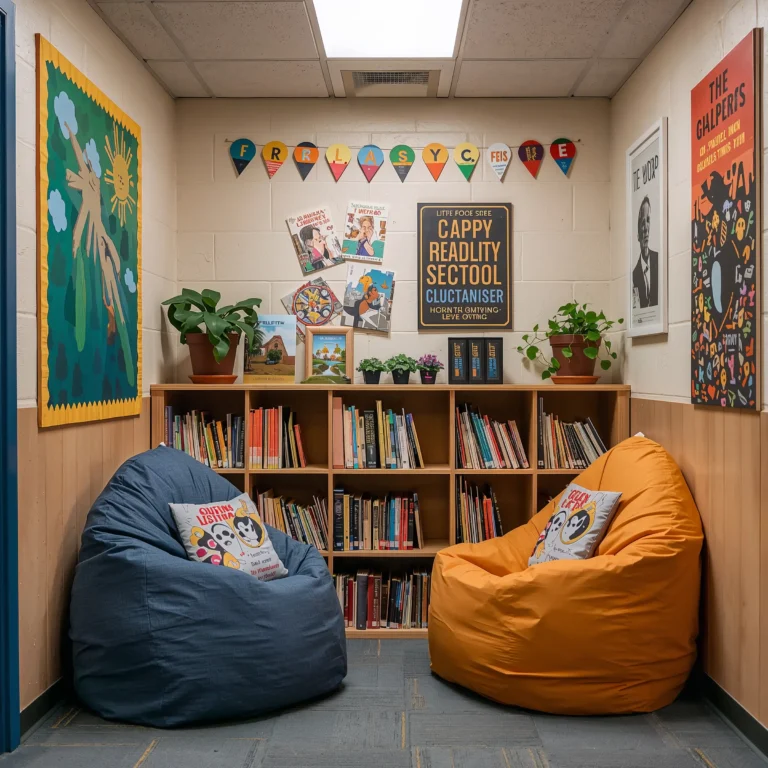
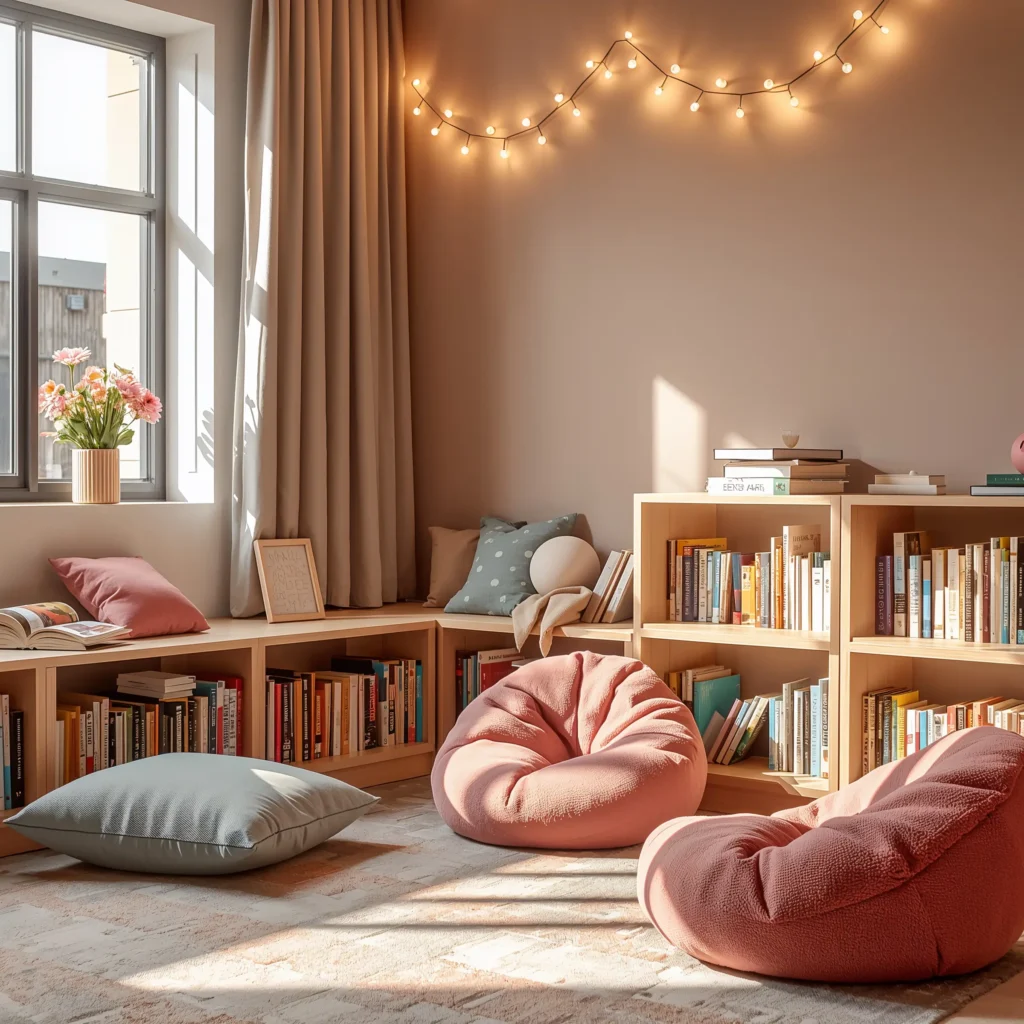
You know what kills me? When teachers create these elaborate reading corners that look amazing but nobody actually uses. I spent three years perfecting my reading nook, and let me tell you – comfort beats aesthetics every single time. Start with the basics: grab some affordable floor cushions from discount stores, throw in a small bookshelf at kid-height, and add soft lighting that won’t give anyone a headache.
The secret sauce? I discovered that kids actually prefer semi-enclosed spaces. String up some sheer curtains or use a pop-up tent to create that cozy cave feeling. My students literally fight over who gets reading nook time now – and honestly, sometimes I sneak in there during lunch for my own five-minute sanity break.
Essential Elements That Actually Matter
Here’s what you really need for a functional reading nook:
- Washable fabrics (trust me on this one – snack crumbs happen)
- Book display shelves that face covers outward
- A small basket for “book hospital” repairs
- Soft battery-operated lights for that magical glow
- Clear rules posted about nook capacity and time limits
I learned the hard way that bean bags seem fun until you’re trying to clean mystery stains off them. Opt for wipeable floor cushions instead. Your future self will thank you when someone inevitably spills their chocolate milk.
Making It Work in Tiny Spaces
Don’t have a corner to spare? I’ve taught in closets masquerading as classrooms, so I get it. Transform a simple area under a lofted desk or behind a bookshelf. Even a repurposed appliance box can become a reading cave if you cut out windows and let kids decorate it. The point isn’t perfection – it’s creating a designated quiet space where books become adventures.
Interactive Learning Wall Ideas
Beyond the Basic Anchor Charts
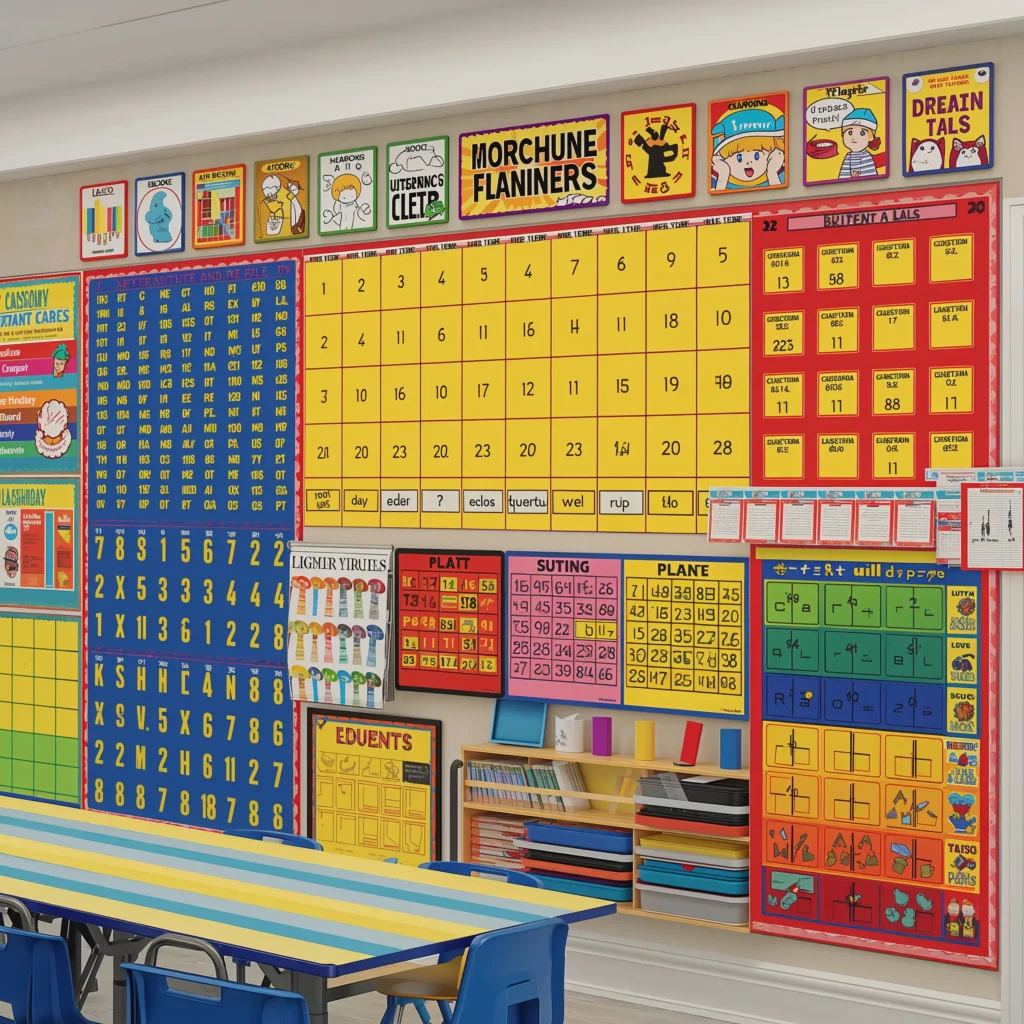
Can we talk about how anchor charts have taken over our lives? I swear, half my weekends used to disappear into creating perfectly lettered charts that kids glanced at once. Now I make my walls work harder than I do. Interactive learning walls engage students actively instead of just decorating the room like educational wallpaper.
Start with a simple question wall where students post their wonderings on sticky notes. Watch how quickly “Why is the sky blue?” turns into genuine scientific inquiry. I keep different colored notes for different subjects, and suddenly you’ve got instant formative assessment data without grading a single paper.
The Game-Changing Velcro Wall
Here’s my favorite hack that nobody talks about: the Velcro learning wall. Cover a section of wall with felt (the adhesive kind works great), then add Velcro dots to laminated pieces. Now you can create endless matching games, sorting activities, and word walls that students actually manipulate. My kids beg to do “wall work” during indoor recess.
What makes this brilliant:
- Pieces store flat in a file folder
- Activities change in seconds
- Students can self-check with answer keys
- Works for every subject and grade level
- Zero prep once initial pieces are made
Digital Integration That Makes Sense
Before you roll your eyes at another tech suggestion, hear me out. QR codes on your interactive walls connect physical learning to digital resources. Stick them next to vocabulary words for pronunciation guides, math problems for video tutorials, or science concepts for virtual experiments. Even my most screen-obsessed students suddenly care about what’s on the walls.
Colorful Bulletin Board Themes
Ditching the Teacher Store Dependency
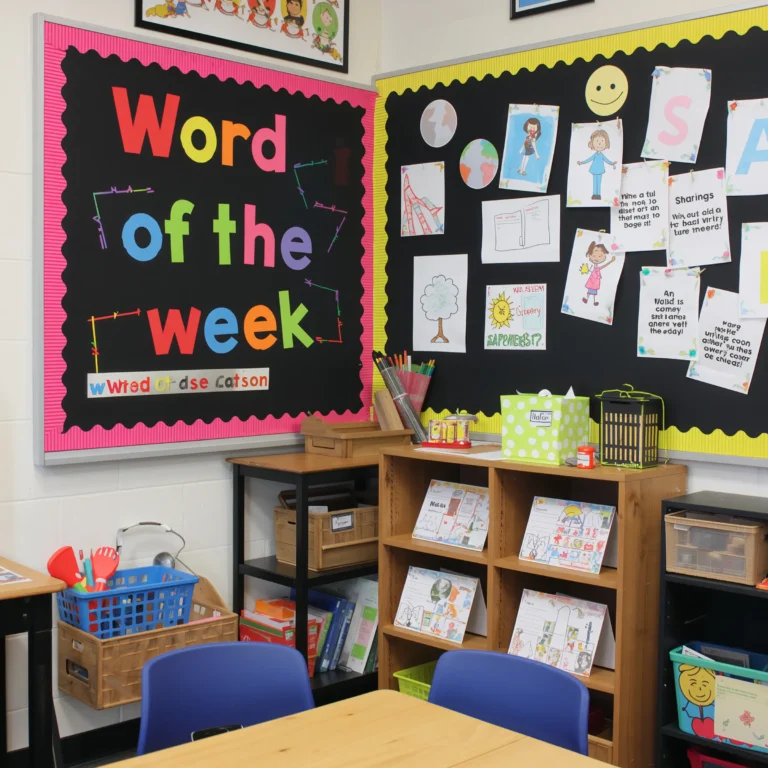
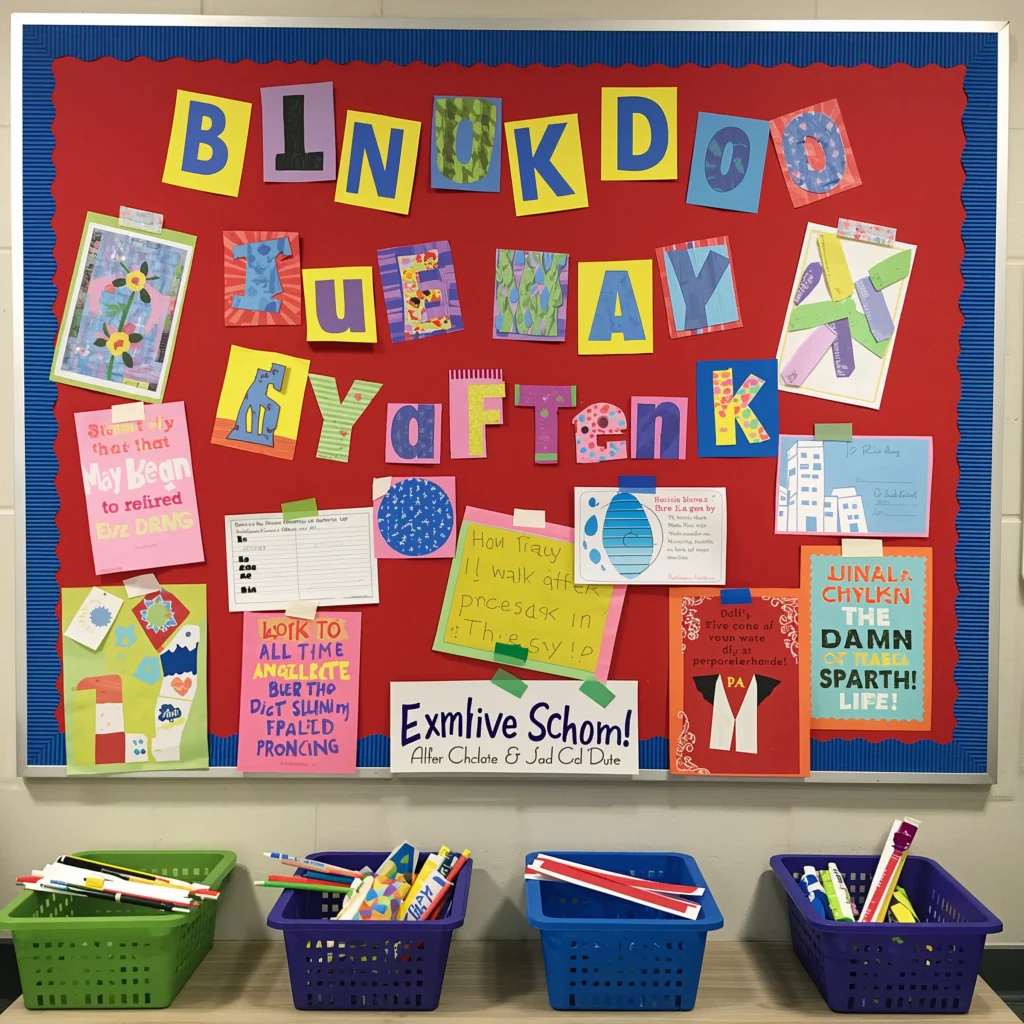
You want to know something ridiculous? I once spent $75 on a pre-made bulletin board set that fell apart by November. Never again. Now I create themed boards using student work as the main attraction, with simple colored paper as backing. The kids love seeing their stuff displayed, and I save both money and weekend hours.
My go-to formula: pick three coordinating colors, use one as the background, another for borders, and the third for accents. Add student work, and boom – you’ve got a bulletin board that looks intentional without the Pinterest pressure.
Bulletin Boards That Teach Themselves
Why should bulletin boards just sit there looking pretty? Make them interactive learning stations. I created a “Grammar Gallery” where students hunt for different parts of speech in posted paragraphs. Another favorite: the “Math Mistake Museum” where we celebrate errors as learning opportunities. Kids actually volunteer to have their mistakes displayed because they get to explain what they learned.
Rotation Systems That Save Your Sanity
Instead of redoing every bulletin board monthly (who has time for that?), I rotate content on the same backgrounds. Keep your base design simple and swap out the featured work or information. I use clear sheet protectors attached to the board – slide new work in, old work out, done in five minutes flat.
Season-proof themes that work all year:
- “Growing Our Knowledge” (tree that gains leaves)
- “Building Our Skills” (construction theme)
- “Navigating Learning” (map/travel theme)
- “Recipe for Success” (cooking theme)
- “Level Up” (video game theme)
Also Read: 10 Genius Basement Kitchen Ideas and Space-Saving Tricks
Nature-Inspired Classroom Decor
Bringing the Outside In (Without the Bugs)
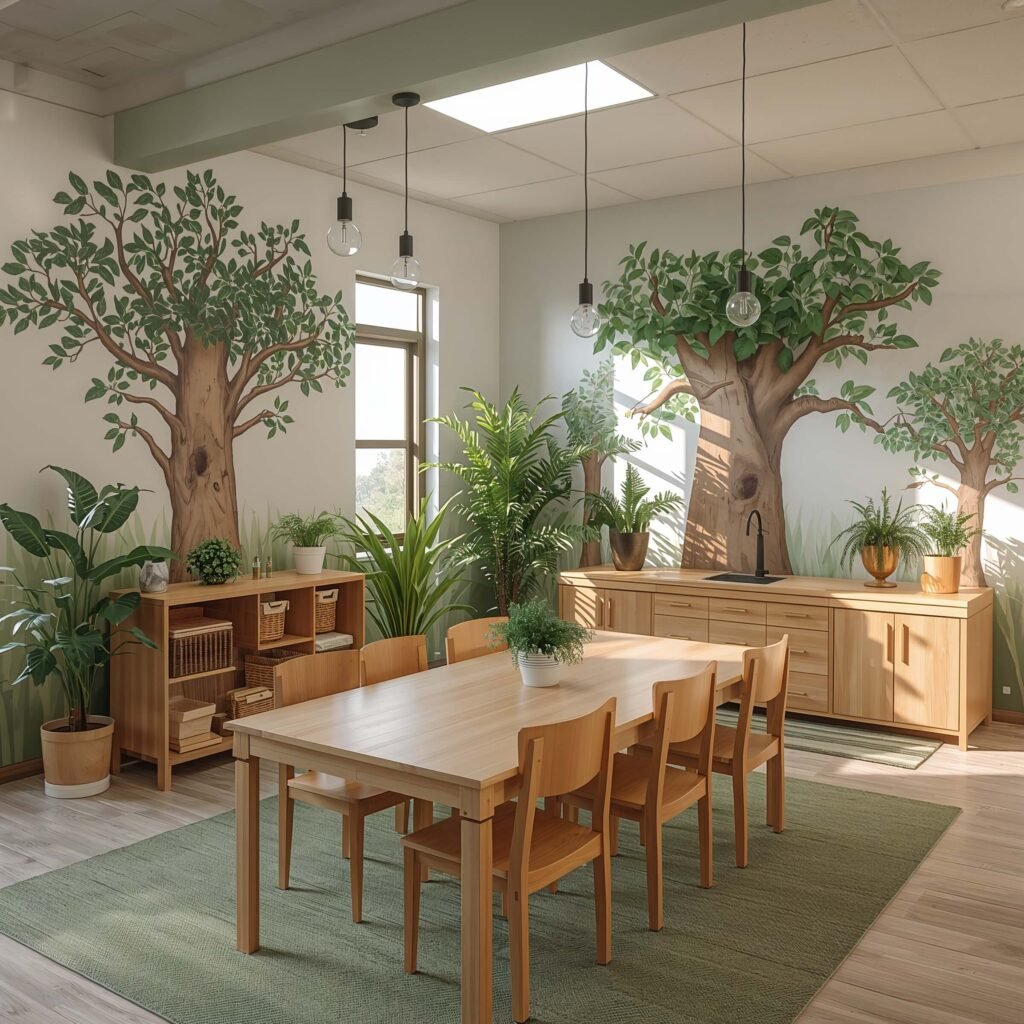
Ever notice how kids instantly calm down outside? I bring that energy indoors with natural elements that don’t require a green thumb. Forget the high-maintenance classroom plants that die over winter break – I’m talking about sustainable nature decor that survives neglect.
Start with branches in a tall vase (free from your backyard), add some battery-operated fairy lights, and hang student work from the branches with mini clothespins. Changes with seasons, costs almost nothing, and creates this magical forest feeling that kids adore.
The Science Behind Natural Decor
Research shows that natural elements reduce stress and improve focus. But who’s got time to water plants? Here’s what actually works:
- Pothos plants (practically indestructible)
- Air plants (mist once a week, done)
- Pressed leaf displays (laminate and forget)
- Rock collections in clear containers
- Nature photography printed large-scale
I learned that fake plants collect dust and look depressing by February. Better to have one real plant that survives than a jungle of plastic sadness. My students take turns being “plant scientists” and honestly, that pothos gets better care than my own houseplants :).
DIY Nature Walls That Don’t Break the Bank
Create a stunning nature wall using free or cheap materials. Collect interesting leaves, press them in heavy books, then arrange them in dollar store frames. Instant art gallery that doubles as science reference. Or try the cloud ceiling – cotton batting stretched across fishing line creates dreamy clouds that kids love lying under during silent reading.
Minimalist Classroom Makeover
Why Less Really Is More
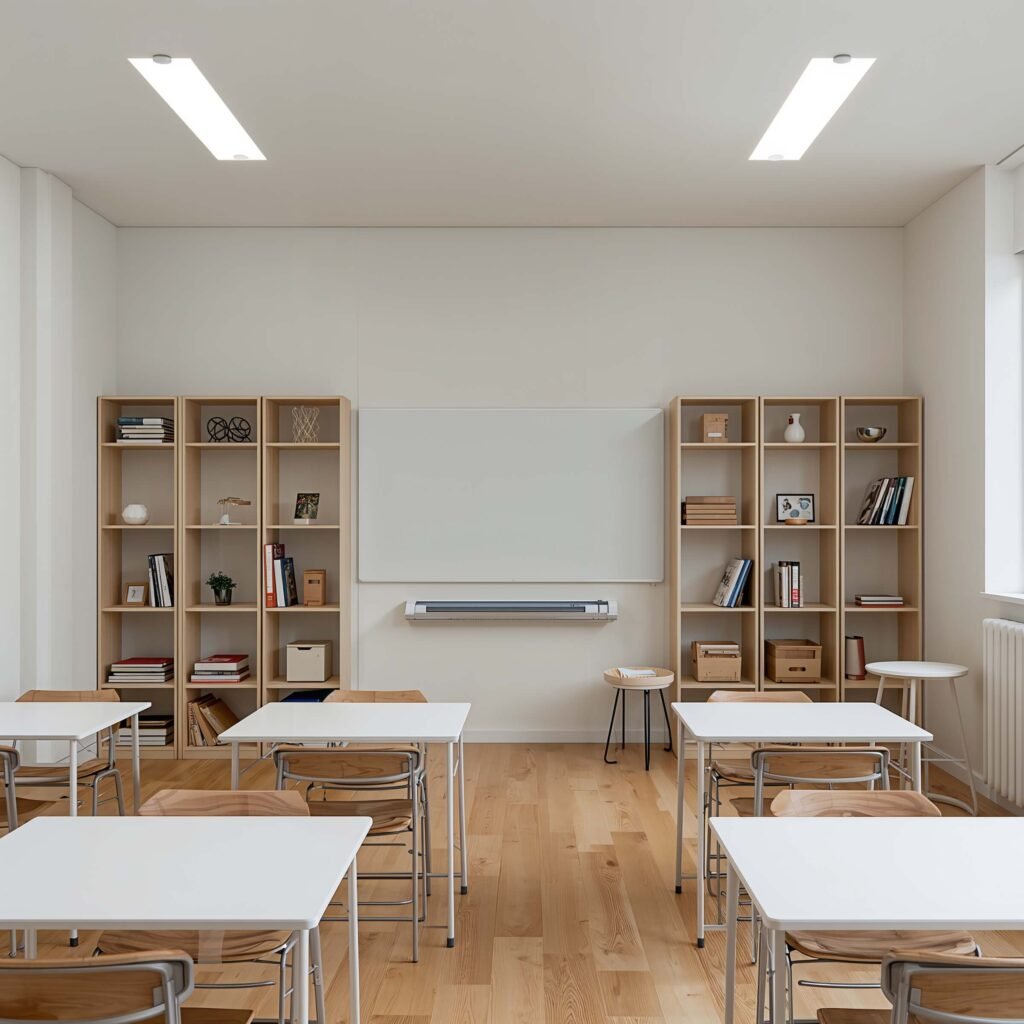
Okay, controversial opinion incoming: most classrooms have way too much stuff on the walls. There, I said it. After years of maximalist decorating, I discovered that my ADHD students literally couldn’t focus with so much visual stimulation. Minimalist classroom design isn’t about being boring – it’s about being intentional.
Strip away the clutter and keep only what serves a purpose. That word wall from three units ago? Take it down. The motivational posters that became invisible wallpaper? Gone. What remains should either teach, organize, or inspire – preferably all three.
The Psychology of Calm Spaces
When I switched to a minimalist approach, behavior problems decreased by about 30%. Not even exaggerating. Here’s the framework that works:
- Neutral base colors (white, grey, beige walls)
- One accent color used strategically
- 75% of wall space left blank
- Organized, labeled storage for everything
- Natural light maximized wherever possible
Students can actually think when they’re not visually overwhelmed. Who would’ve thought, right?
Functional Minimalism That Works
Minimalist doesn’t mean empty. Focus on multi-purpose items that earn their space. That reading nook? It doubles as a calm-down corner. The math manipulatives? Stored in clear containers that become part of the decor. Every item has a home, and suddenly cleanup takes five minutes instead of twenty.
My favorite minimalist hacks:
- Magnetic strips for hanging everything
- Clear pocket organizers on cabinet doors
- Rolling carts that tuck away
- Foldable furniture for flexible spaces
- Digital displays instead of paper everywhere
DIY Classroom Storage Solutions
Storage That Students Actually Use
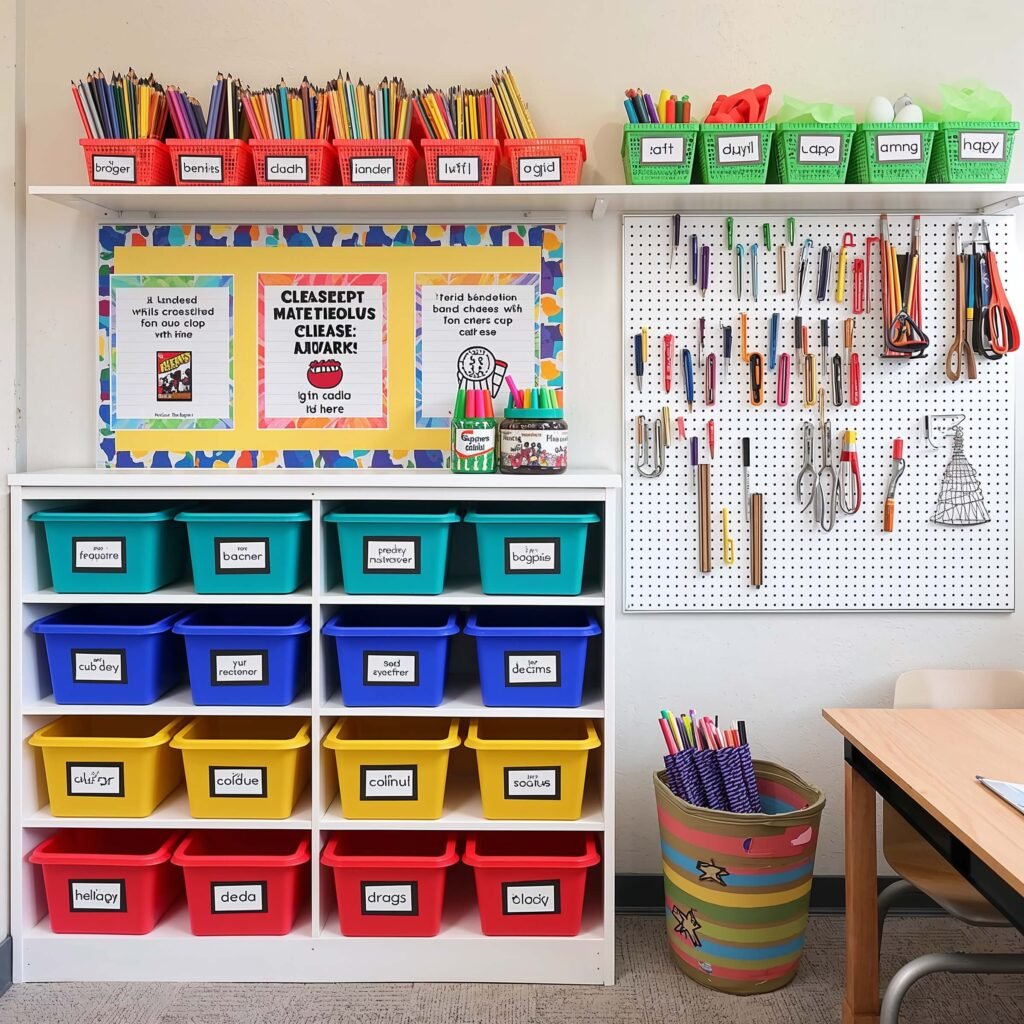
You know what’s pointless? Beautiful storage systems that kids can’t figure out. I spent one whole year labeling everything with cute fonts that my first graders couldn’t read. FYI, pictures work way better than words for young kids – learned that the hard way.
The game-changer: student-designed storage systems. Let them help create the organizational plan, and suddenly they care about maintaining it. We vote on where supplies live, what the labels look like, and who’s responsible for what. Democracy in action, plus I don’t have to nag about cleanup anymore.
Upcycled Storage Gold Mines
Teachers don’t make enough money to buy all those fancy storage solutions. Here’s what I actually use:
- Cardboard boxes covered in contact paper
- Coffee cans wrapped in decorative paper
- Plastic containers from the dollar store
- Shoe organizers for literally everything
- Dish drying racks for file organization
That over-the-door shoe organizer? It holds calculators, glue sticks, markers, and basically every small item that usually disappears into the desk black hole.
The Command Center Approach
Create one central command center where all the important stuff lives. Mine includes turn-in trays, absent work folders, extra supplies, and the sacred pencil sharpener. Everything gets a labeled spot, and I use color-coding like my life depends on it. Blue for math, green for science – you get the idea.
The best part? Students run this system themselves after the first month. I literally don’t touch the turn-in trays anymore. They police each other about putting things in the right spots, and peer pressure works better than any reminder I could give.
Also Read: 10 Modern Basement TV Rooms Ideas You’ll Love to Try
Seasonal Classroom Decorations
Decorations That Evolve, Not Overwhelm
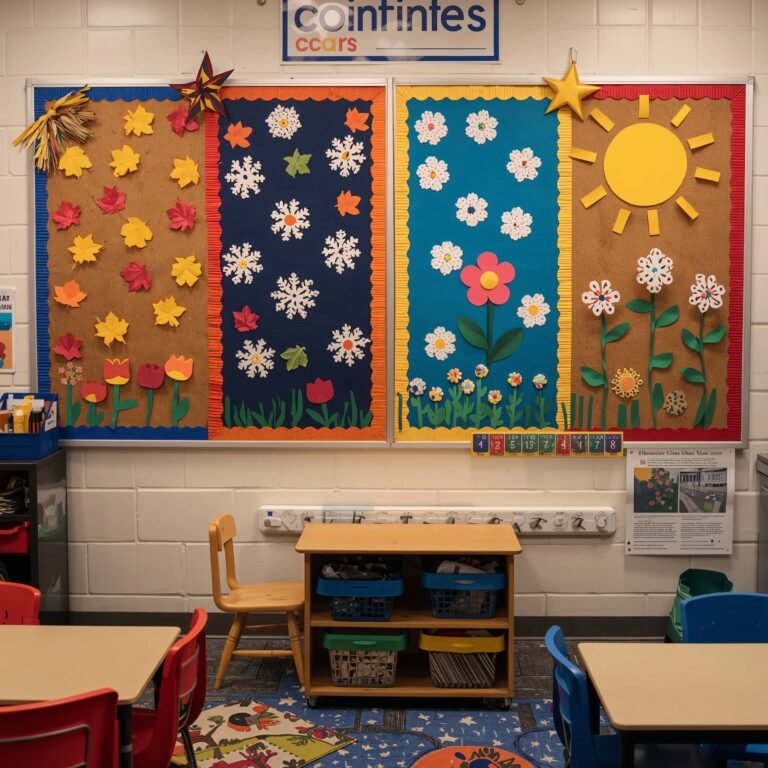
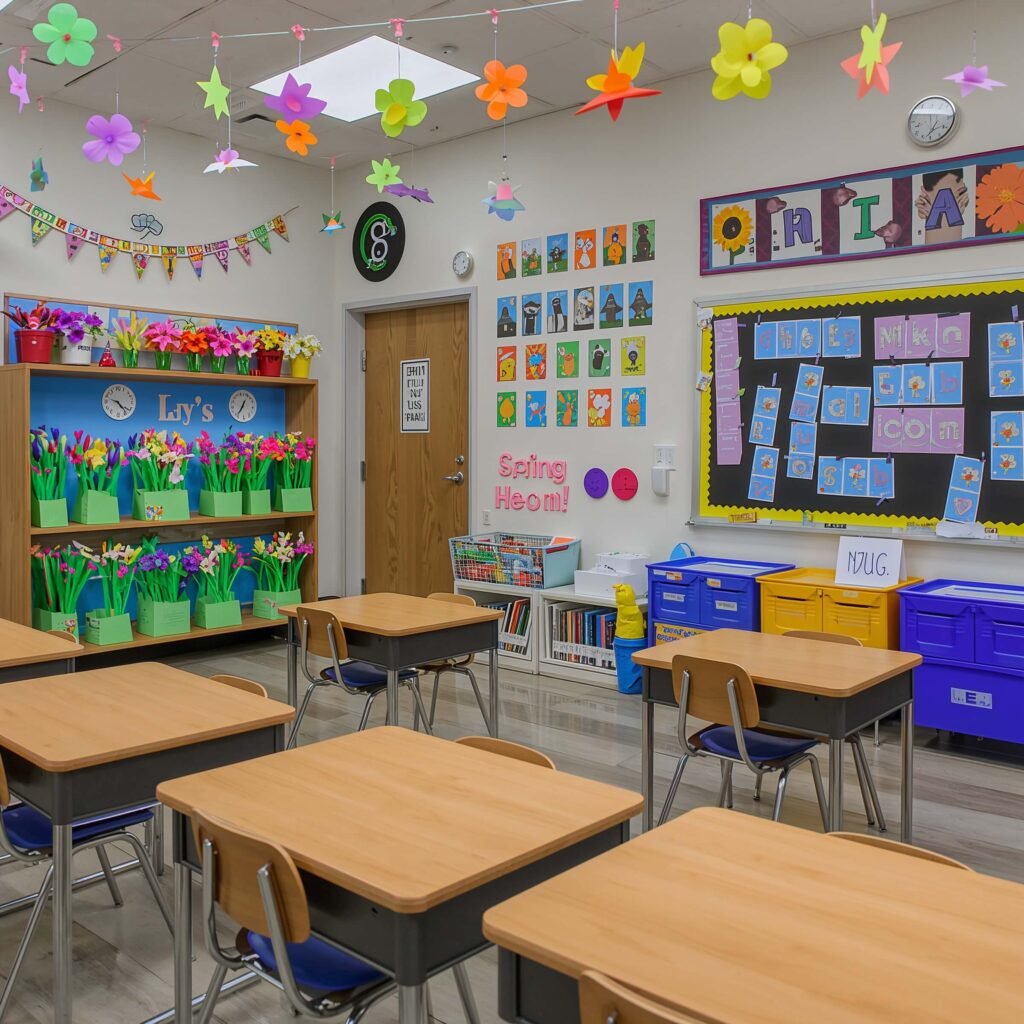
Listen, nobody needs four complete classroom makeovers per year. I keep a neutral base and add seasonal touches that take minutes to swap. Think of it like accessorizing an outfit – you don’t change the whole thing, just add a scarf.
My seasonal decoration kit fits in one storage tub:
- Interchangeable banner letters
- Seasonal book displays
- Window clings (reusable every year)
- Student art galleries featuring seasonal themes
- One statement piece per season
That’s it. No elaborate door decorations that take entire weekends. No ceiling-to-floor transformations that exhaust your budget and energy.
Student-Created Seasonal Art
Why spend money on decorations when you’ve got artists sitting right there? Each season, we create collaborative art pieces that become our decor. Fall leaf printing, winter snowflake geometry, spring flower science diagrams, summer sun catchers – every decoration teaches something.
Plus, parents love seeing their kids’ work displayed. I photograph everything before it comes down, creating a digital portfolio that shows growth throughout the year. Two birds, one stone, zero stress.
The Rotation Station Method
I store seasonal items in labeled clear bins that stack in my closet. When it’s time to change seasons, students help with the transition. They take ownership of the classroom appearance, and I get free labor – er, I mean, valuable leadership opportunities for my helpers.
Pro tip: take photos of your seasonal setups. Next year, you can hand the photo to students and say, “Make it look like this.” They’ll do it better and faster than you would’ve solo.
Alphabet & Number Wall Displays
Beyond the Basic ABC Border
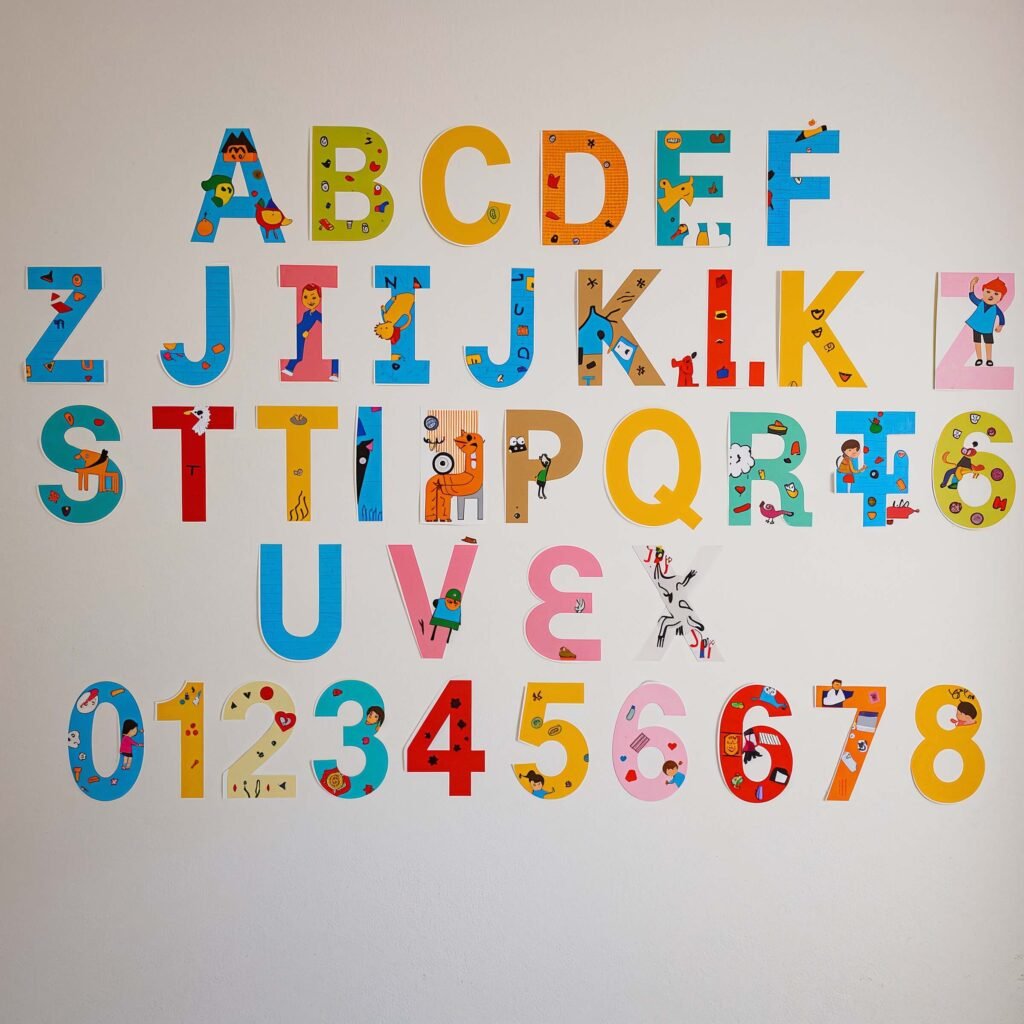
Traditional alphabet strips bore everyone to tears. Instead, create living alphabet walls that grow throughout the year. Start with just the letters, then add student-generated examples, photos, and vocabulary as you learn. By June, you’ve got this rich tapestry of learning that tells your classroom’s story.
My favorite approach: assign each student a letter or number to “adopt.” They become the expert, adding examples, creating artwork, and teaching others about their letter. Watch how invested they become when it’s “their” letter on the wall.
Making Letters and Numbers Meaningful
Here’s what makes alphabet displays actually useful:
- Multiple representations (uppercase, lowercase, cursive, sign language)
- Real-world connections (photos of objects)
- Student names featured with their letters
- Math connections for numbers (arrays, equations, word problems)
- QR codes linking to songs or videos
The multisensory approach means every learning style gets support. Visual learners see it, kinesthetic learners can touch moveable pieces, and auditory learners access songs through QR codes.
Interactive Number Lines That Teach
Forget the store-bought number line that kids ignore after week one. Create a floor number line with vinyl stickers where kids physically jump to solve problems. Add a vertical number line for negative numbers, and suddenly abstract concepts become concrete experiences.
I watched a struggling student finally understand subtraction by literally walking backward on our number line. That moment made every minute of installation worth it.
Creative Student Desk Arrangements
Flexible Seating Without the Chaos
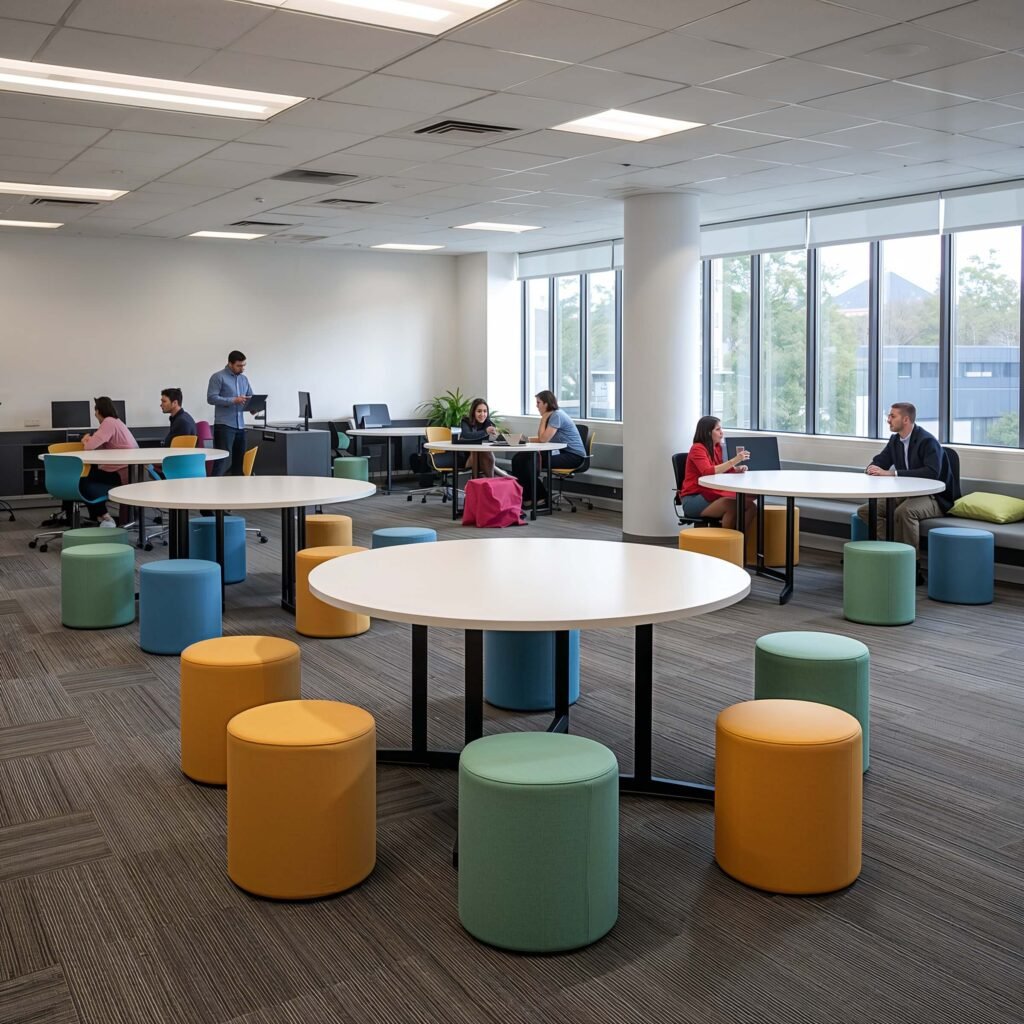
Everyone talks about flexible seating like it’s the holy grail of education. Here’s the truth: it only works with clear systems and expectations. I tried the free-for-all approach and nearly lost my mind by day three.
What actually works:
- Assigned home bases with flexible work spots
- Seating choice menus earned through responsibility
- Timer rotations for popular spots
- Clear voice levels for different areas
- Student input on arrangement changes
Start small with one alternative seating option and build from there. Rome wasn’t built in a day, and neither is a functioning flexible classroom.
Desk Arrangements That Build Community
The traditional rows make me sad. I’ve tried every configuration possible, and table groups of four remain the sweet spot. Close enough for collaboration, far enough to minimize shenanigans.
Here’s my secret: I change arrangements monthly based on data. Not behavior data – learning data. Who needs peer support? Who’s ready to mentor? Who needs proximity to the teacher? The arrangements become strategic learning tools, not just furniture placement.
The Zone Defense Strategy
I divide my classroom into learning zones with different desk arrangements in each:
- Collaboration station (tables pushed together)
- Independent work area (individual desks)
- Small group space (kidney table or carpet area)
- Standing work stations (tall tables or counters)
- Floor work area (clipboards and cushions)
Students know which zone matches their current task. No asking “Where should I work?” – the activity determines the location. This cut down on transition chaos by about 80%.
Also Read: 10 Inspiring Basement Layout Ideas Floor Plans for Modern Homes
Inspiring Quote Wall Ideas
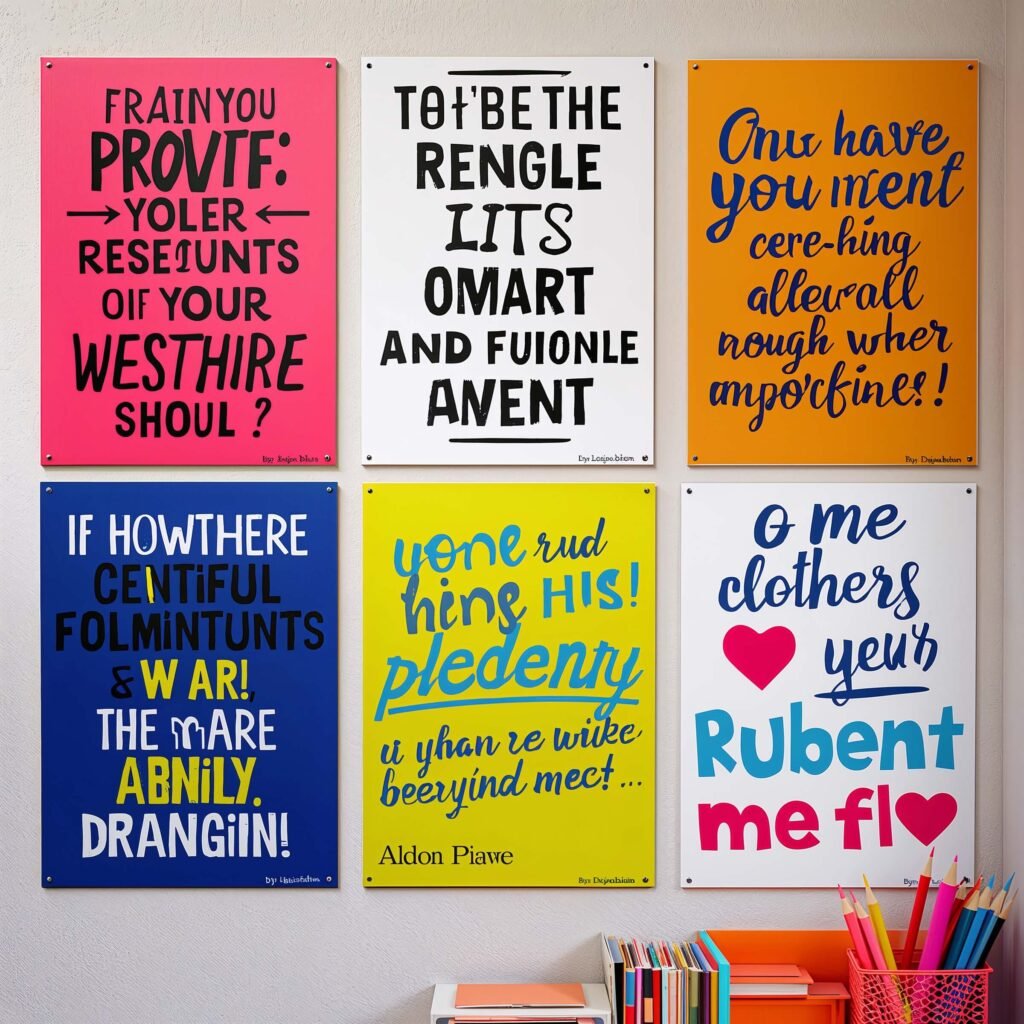
Quotes That Actually Resonate
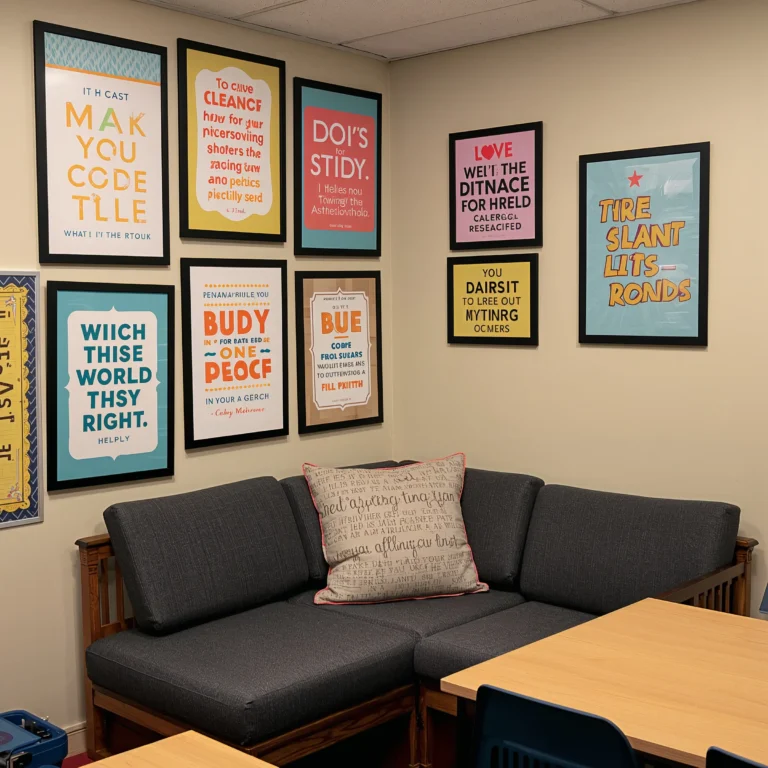
Generic motivational posters make me cringe. “Hang in there, kitty?” Really? Kids see right through that nonsense. Instead, I use quotes from books we’re reading, scientists we’re studying, and even things students say that inspire the class.
My quote wall evolves throughout the year. We add meaningful phrases from our learning, funny things that become class jokes, and wisdom that emerges from discussions. By year’s end, it’s this beautiful collection of our shared experiences.
Student Voice in Inspiration
Here’s what makes quote walls powerful: let students contribute. They submit quotes that inspire them, explain why they matter, and present them to the class. Suddenly you’ve got buy-in that no store-bought poster could create.
We vote on a “Quote of the Week” that gets special placement. The student who submitted it becomes the quote expert, explaining its meaning and leading discussions. Public speaking practice disguised as decoration – teaching win!
Living Quote Galleries
Instead of permanent quotes, create a rotating gallery with these elements:
- Student-illustrated quotes from current reading
- Growth mindset phrases they’ve actually said
- Problem-solving strategies discovered together
- Celebration quotes acknowledging achievements
- Reflection quotes from journal entries
IMO, the best quote walls tell your classroom’s story, not some random Pinterest board’s.
Bringing It All Together
After years of classroom decoration disasters and victories, here’s what I know for sure: your classroom should work for you, not against you. Every single element should either help students learn, help you teach, or help everyone feel welcome. Anything else is just clutter with a cute font.
Start with one idea that excites you most. Maybe it’s that reading nook, or perhaps the interactive learning wall calls your name. Don’t try to implement all ten ideas at once unless you enjoy stress-induced insomnia. Build slowly, involve your students, and remember that the best classroom decor tells the story of the learning happening within those walls.
Your classroom doesn’t need to look like a Pinterest board exploded. It needs to be a space where you can teach effectively and students can learn joyfully. Sometimes that means minimalist calm, sometimes it means controlled chaos with purpose. Find what works for your teaching style and your students’ needs.
The beauty of these ideas? They grow and evolve with your class. That nature wall in September becomes a habitat study in January. The quote wall that starts empty fills with inside jokes and profound moments by June. Your classroom becomes a living document of the year you’ve shared together.
Remember, the best decorated classroom has happy students and a sane teacher. Everything else is just details. So grab some velcro, commandeer some cardboard boxes, and start creating a space that actually serves its purpose – because at the end of the day, it’s not about the decorations. It’s about creating an environment where magic happens, learning sticks, and maybe, just maybe, you make it to June without completely losing your marbles.
Now excuse me while I go reorganize my supply closet for the fifteenth time this year. Some habits die hard, even for a reformed decoration addict like me. But hey, at least now my classroom works as hard as I do, and that’s a decoration win in my book.