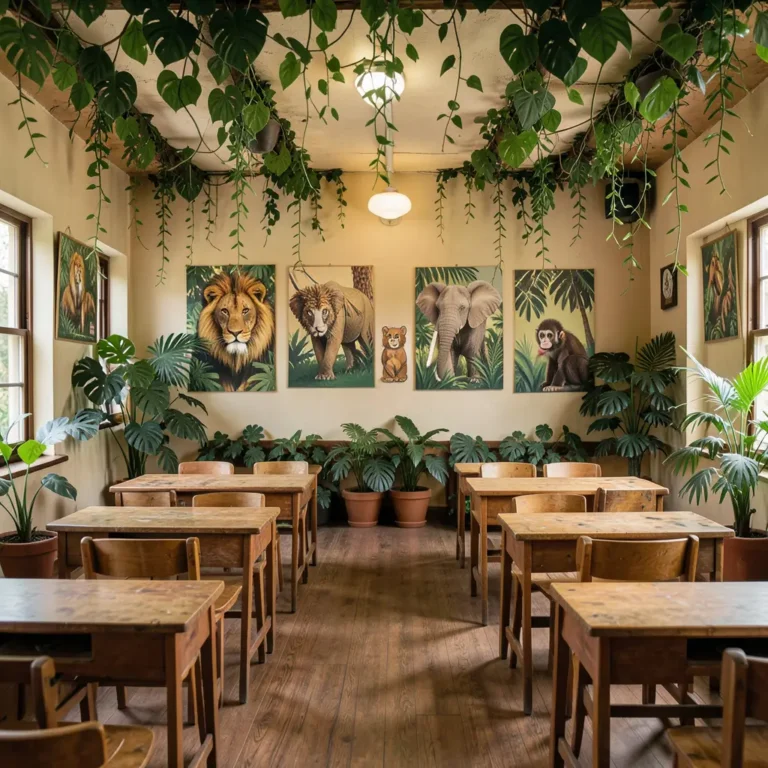
10 Fun Kindergarten Classroom Decor Ideas for Bright Spaces

Remember that feeling when you walked into your kindergarten classroom for the first time? The colors, the cozy corners, that magical sense that anything could happen? Well, guess what – you can create that same wonder for your little learners! After spending years transforming blank classroom walls into learning wonderlands, I’ve picked up some killer decor tricks that actually work.
Let me tell you, creating an engaging kindergarten classroom isn’t just about slapping some alphabet posters on the wall and calling it a day. Your classroom environment directly impacts how kids learn, play, and grow.
And honestly? Setting up a classroom that works for both you and your students can be the difference between surviving the school year and actually loving every minute of it.
Rainbow Reading Nook
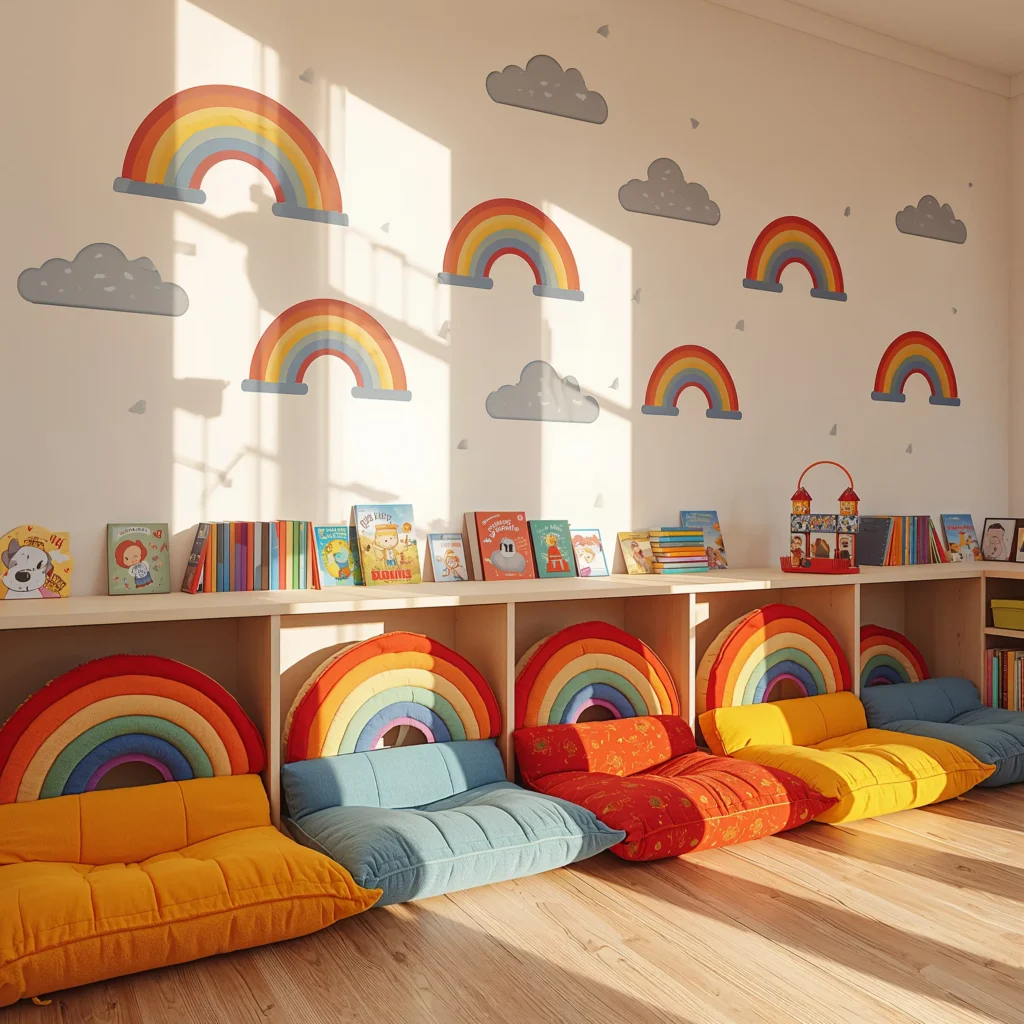
Who says reading corners have to be boring? I stumbled upon the rainbow reading nook idea during my third year of teaching, and it completely changed how my students approached books. Picture this: a corner transformed with cascading rainbow fabric strips, creating a magical cave-like entrance that kids can push through to enter their special reading space.
You start with a corner of your classroom – preferably one with decent natural light. String up some fishing line or use a tension rod across the corner at about 5 feet high. Then hang strips of fabric in rainbow order, starting with red on the outside and working your way to violet. The strips should reach almost to the floor, creating that irresistible walk-through curtain effect.
Inside this rainbow paradise, you’ll want to make things comfy. Throw in some oversized floor pillows, a small bookshelf at kid height, and maybe even some battery-operated string lights. I found these amazing cloud-shaped pillows at a discount store that my kids absolutely adored. The key here is making the space feel special and separate from the rest of the classroom.
Making It Work on a Budget
You don’t need to break the bank for this one. Hit up your local fabric store’s remnant section – you can usually score strips of colorful fabric for pennies on the dollar. Or better yet, ask parents to donate old sheets or curtains in different colors. One year, I had a parent who worked at a theater donate leftover fabric from their productions. Score!
The psychology behind this setup is brilliant. Kids associate rainbows with happiness and magic, so they naturally gravitate toward the space. Plus, the physical act of pushing through the fabric strips creates a transition moment – they’re literally entering a different world when they go to read.
Nature-Inspired Wall Murals
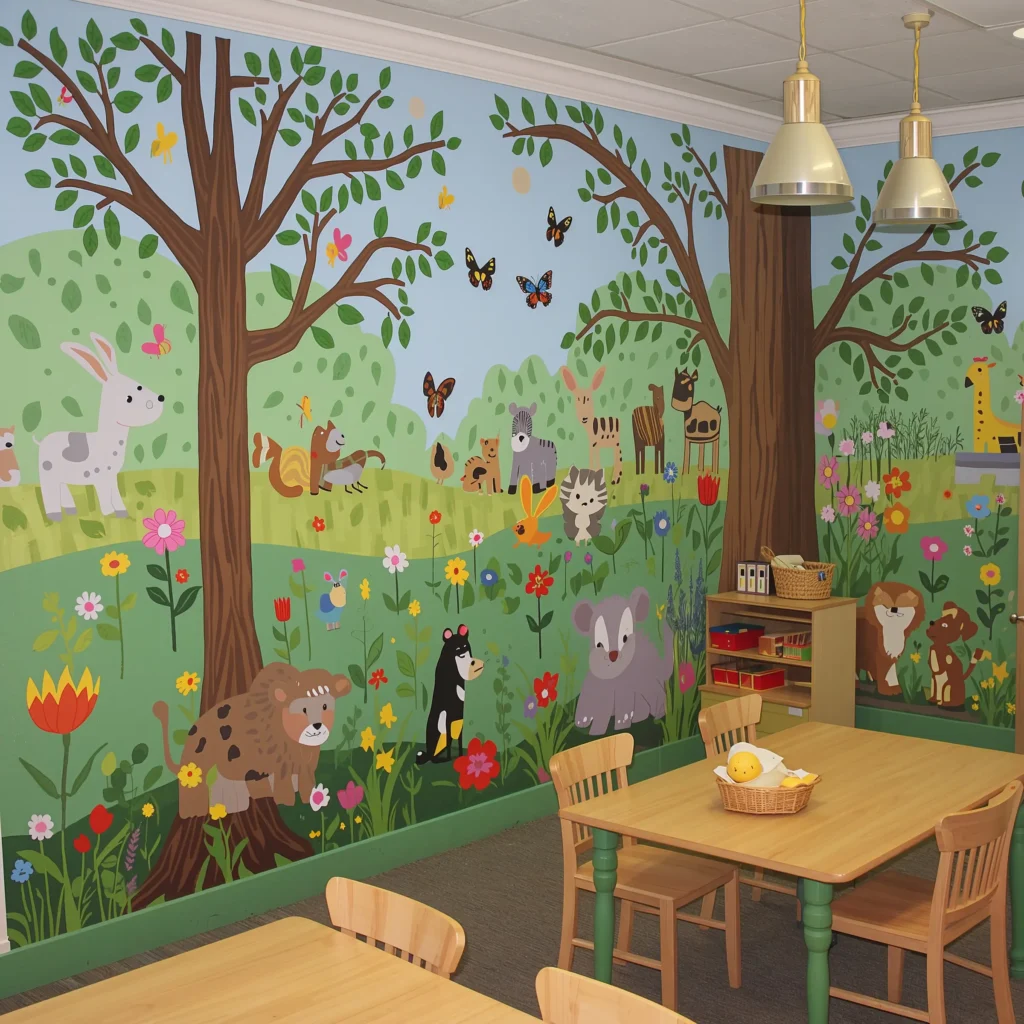
Forget those generic educational posters everyone else has. A nature-inspired wall mural transforms your classroom into an outdoor adventure without the mess of actual dirt and bugs. I learned this the hard way after attempting a “real” nature corner with actual plants – spoiler alert: five-year-olds and delicate ferns don’t mix well.
Start with one focal wall – usually the one kids face most often. You create a forest scene using a combination of painted elements and 3D additions. Paint the bottom third of the wall green for grass, add a blue sky with fluffy clouds up top, and then go wild with trees. But here’s where it gets fun: use real branches (sanitized and sealed, of course) to create 3D trees that pop out from the wall.
Adding Interactive Elements
The genius move? Make parts of your mural functional. Those trees? Perfect for hanging student work. The grass area? Ideal for a growth chart where kids can measure themselves against woodland creatures. I once created pockets in the tree trunk where we’d hide daily surprises or learning challenges.
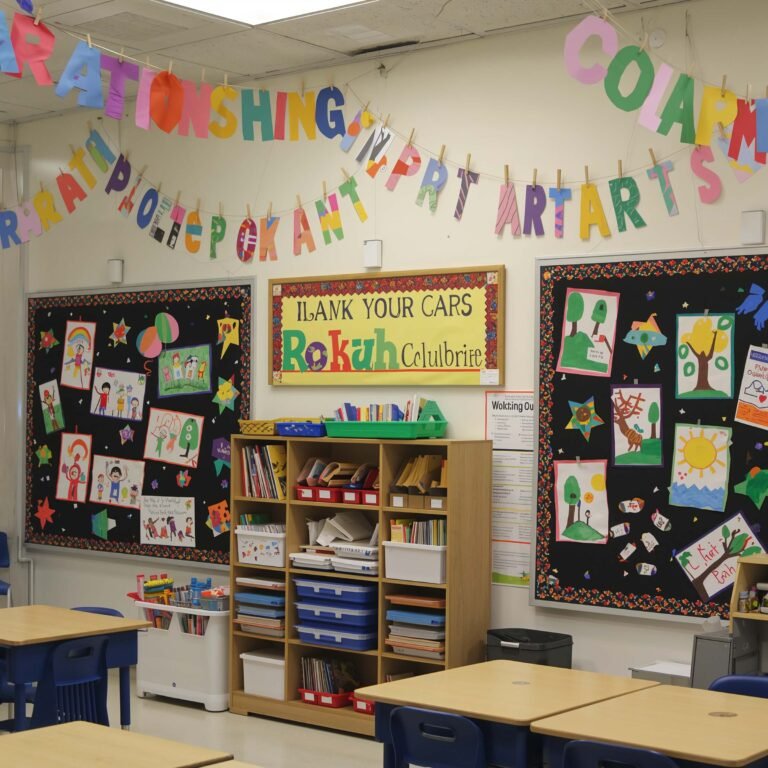
You can involve the kids in creating the mural too. Give each student a paper leaf to decorate at the beginning of the year, then attach them to your tree branches. Watch their faces light up when they spot their personal contribution to the classroom forest. It’s like they’re literally part of the environment.
Weather changes offer perfect teaching moments. Add removable elements like snowflakes in winter or flowers in spring. One particularly creative colleague of mine added a “bear cave” reading nook at the base of her mural. The kids would literally hibernate with their books during quiet time!
Alphabet Animal Gallery
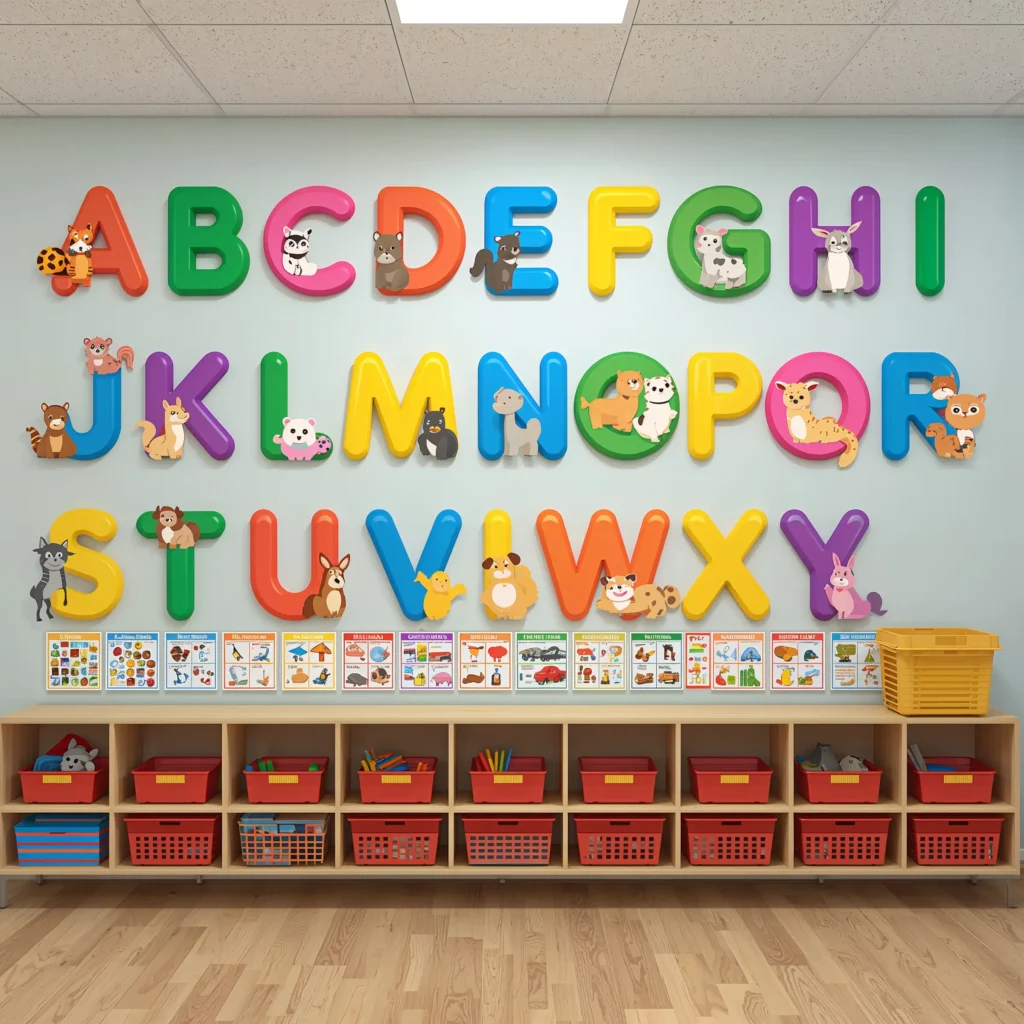
Alphabet walls are kindergarten classics, but who says they have to be snooze-fests? The Alphabet Animal Gallery takes this concept and cranks it up to eleven. Instead of boring letter cards, you create an actual gallery wall featuring hand-drawn or photographed animals that represent each letter.
Here’s how I set mine up: each letter gets its own frame (thrift stores are goldmines for mismatched frames). Inside each frame, you place an animal picture with the corresponding letter prominently displayed. But – and this is crucial – make the animals doing something unexpected or funny. An alligator eating apples, a bear blowing bubbles, a cat driving a car.
Making It Memorable
The trick is creating visual stories that stick in kids’ minds. When little Tommy can’t remember what letter comes after K, he’ll remember the laughing llama and instantly know it’s L. These visual associations are powerful learning tools that work way better than rote memorization.
FYI, you can totally crowdsource this project. Send a letter home asking each family to create one animal-letter combination. You’ll get 26 unique pieces of art that reflect your classroom’s diversity. Plus, parents love being involved in classroom decor – it makes them feel connected to their child’s learning environment.
I arrange my gallery at kid eye-level, wrapping around the room like a real art gallery. Sometimes we do “gallery walks” where kids pretend to be fancy art critics discussing the pieces. “Ah yes, the elephant eating éclairs – simply magnificent!” They crack me up every time.
Also Read: 10 Creative Basement Parking Ideas and Safety Tips
DIY Sensory Corner
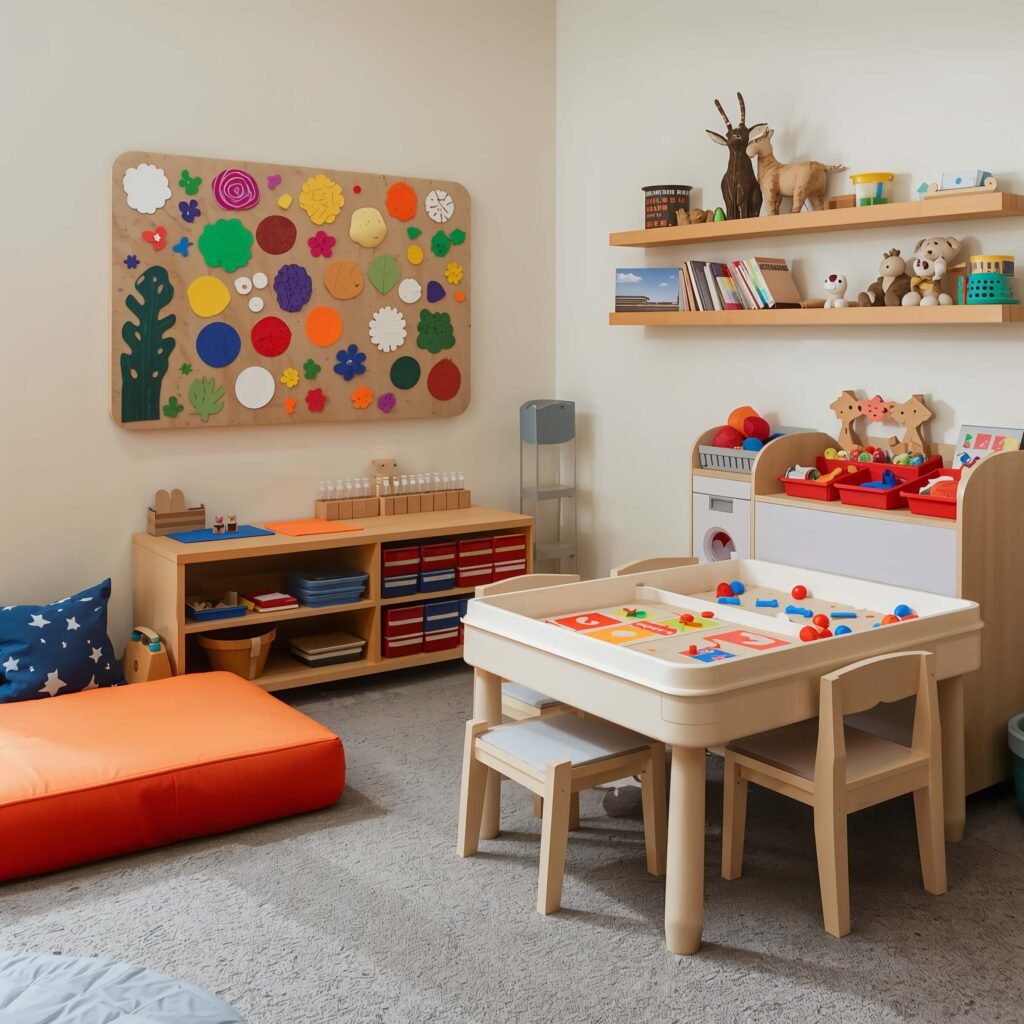
Sensory play isn’t just trendy; it’s essential for kindergarten development. But commercial sensory equipment costs a fortune, and honestly? You can create something way cooler yourself. My DIY sensory corner has become the most popular spot in my classroom, and it cost me less than fifty bucks to set up.
The foundation of any good sensory corner is variety in textures, sounds, and visual elements. Start with a designated area – I use a corner with two walls to create natural boundaries. Hang different textured fabrics at various heights: silk scarves, burlap squares, fuzzy fleece, bumpy corduroy. Kids can walk through, touch, and experience different sensations.
Building Sensory Stations
On one wall, mount several small containers (I use clear plastic boxes from the dollar store) filled with different materials. Rice, dried beans, cotton balls, smooth stones, pasta shapes – anything that provides interesting tactile experiences. Make sure everything is sealed properly because, well, kindergarteners.
Create a sound wall using everyday items. Hang wooden spoons kids can tap against pots, rain sticks made from paper towel tubes and rice, bells on ribbons at different heights. One of my favorite additions is a “whisper phone” – PVC pipes connected in a way that kids can whisper into one end and hear it in the other. Simple? Yes. Mind-blowing for five-year-olds? Absolutely.
The floor of your sensory corner needs attention too. Use different textured mats or carpet squares. I found these interlocking foam tiles with various textures at a toy store clearance sale. Some are smooth, others have raised dots, and a few have a grass-like texture. Kids love taking off their shoes and walking across the different surfaces.
Seasonal Learning Stations
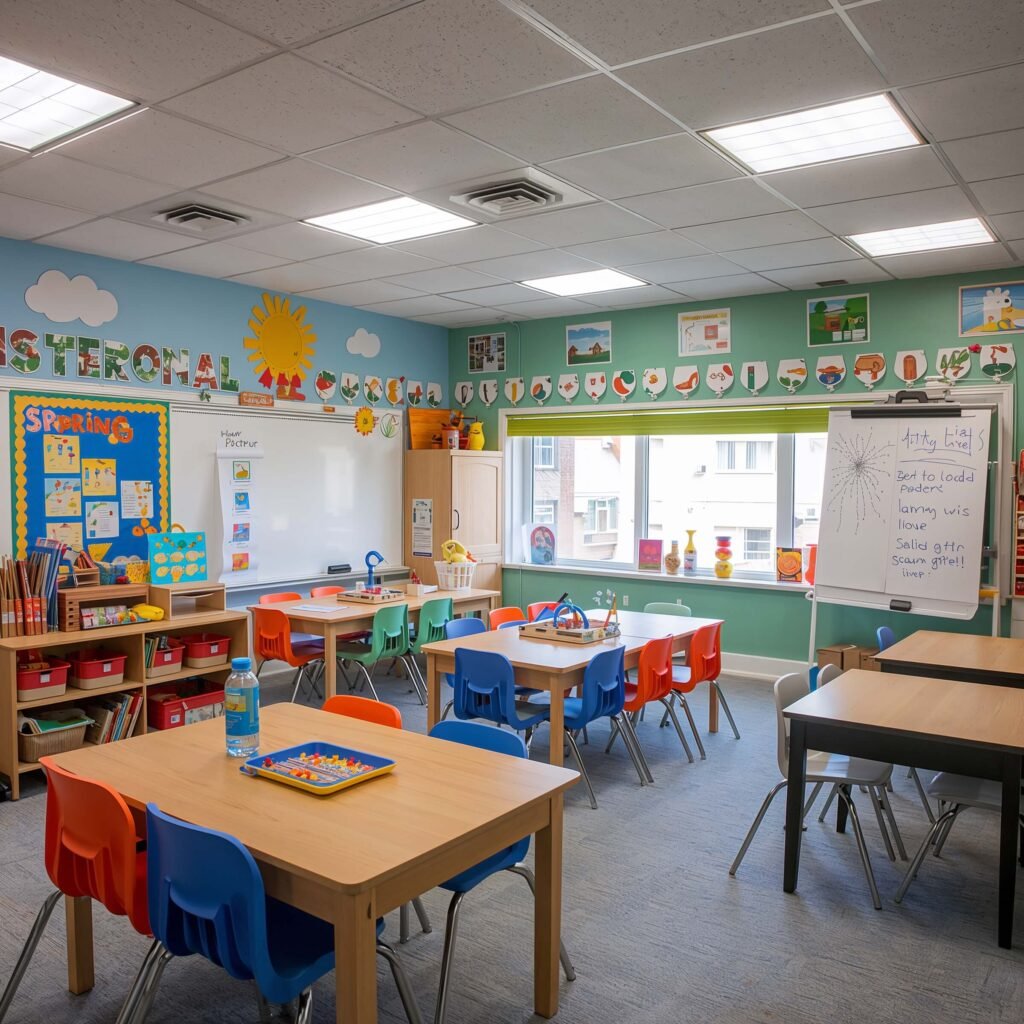
Why redecorate your entire classroom four times a year when you can create one brilliant seasonal station that evolves? This approach saves your sanity and your budget while keeping things fresh for the kiddos. Trust me, after years of climbing on chairs to swap out bulletin boards, this system is a game-changer.
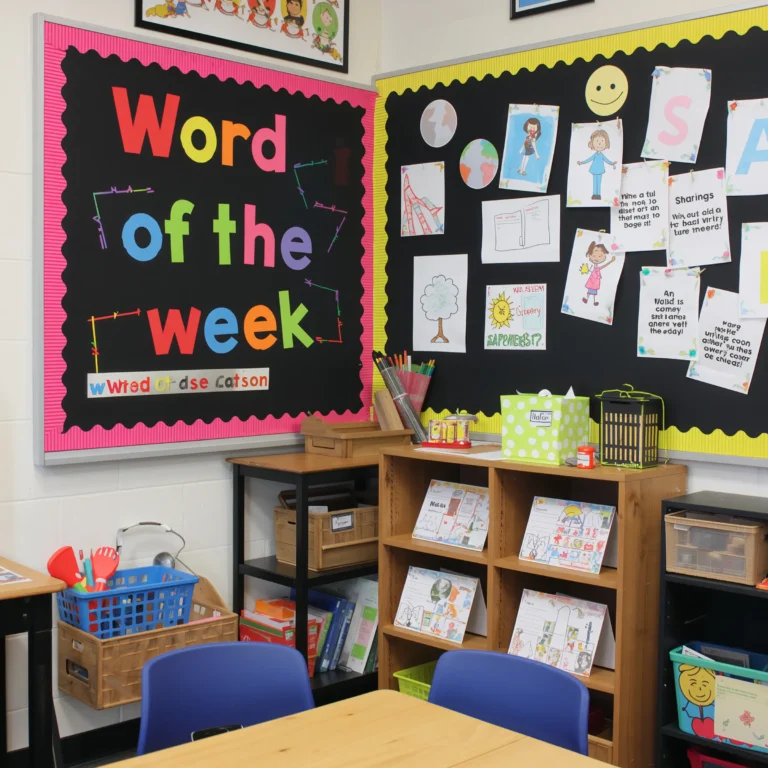
Designate one area as your seasonal learning station. I use a rolling cart with multiple tiers, a small table, and the wall space behind it. The beauty is that you only need to update this one area to give your whole classroom a seasonal refresh. The cart holds seasonal books, themed manipulatives, and activity supplies specific to the current season.
Rotating Through the Seasons
Fall might feature leaves for counting and sorting, pumpkins for measuring, and apple-themed activities. When winter rolls around, swap in snowflake patterns for cutting practice, mittens for matching games, and hot chocolate-themed math problems. The physical setup stays the same; only the materials change.
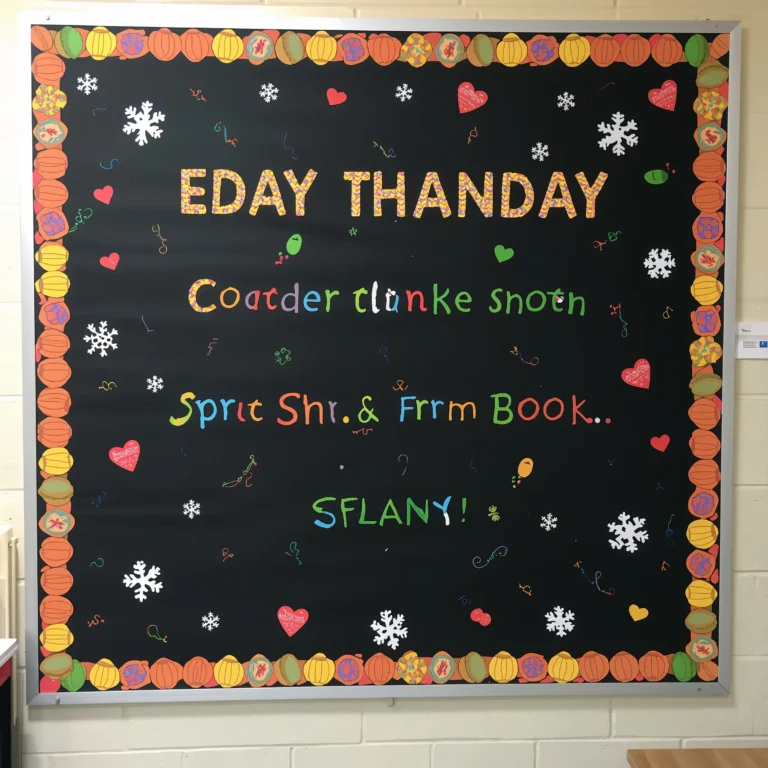
The wall behind becomes your seasonal showcase. Use removable adhesive to create a tree that transforms – bare branches in winter, blossoms in spring, green leaves in summer, and colorful foliage in fall. Kids can add their own seasonal artwork to the display, making it a living, breathing part of the classroom.
What really makes this work is involving kids in the transition. We have a “season celebration” when we switch themes. They help pack away the old season’s materials (great for teaching organization) and excitedly unpack the new supplies. It becomes an event they anticipate rather than just another day in class.
Interactive Number Wall
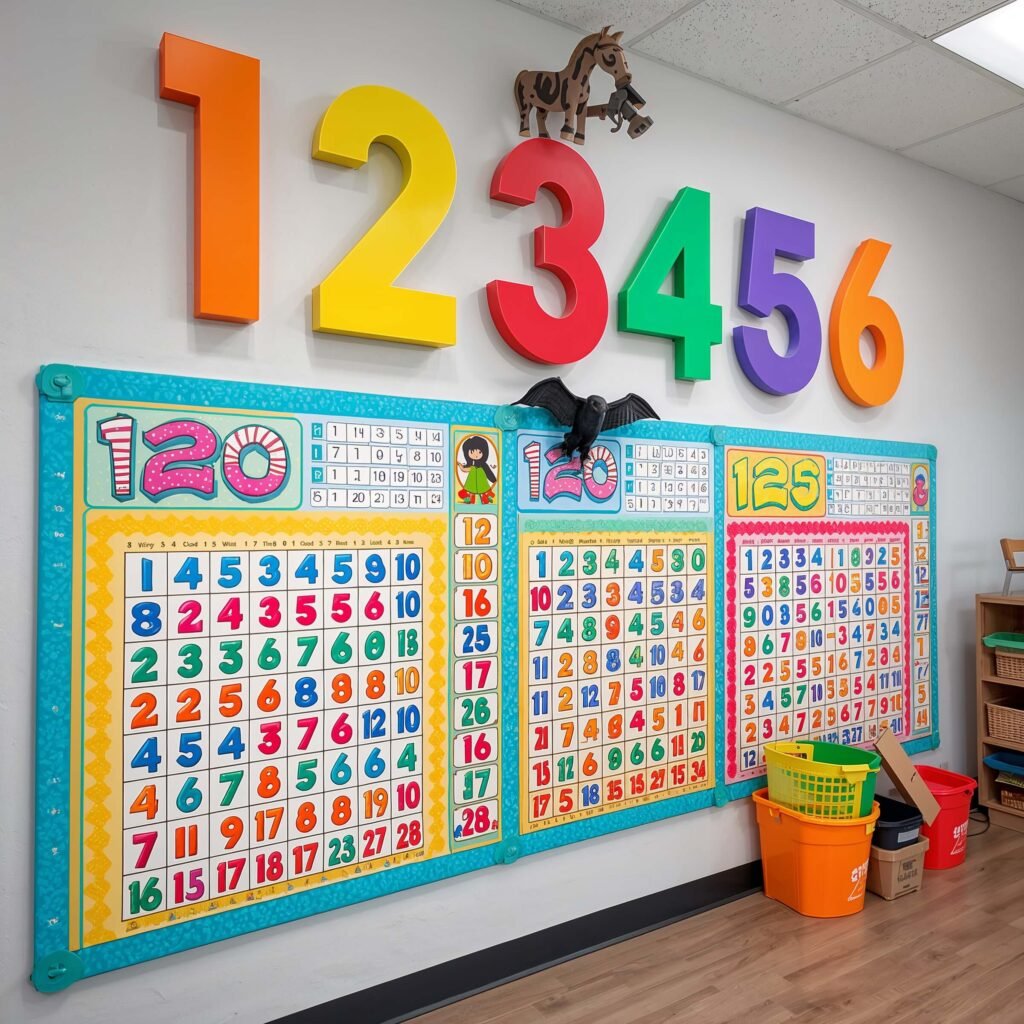
Numbers don’t have to be static, boring displays. My interactive number wall gets kids up and moving while reinforcing mathematical concepts. Picture a wall where every number from 1 to 20 (or higher, depending on your curriculum) becomes a hands-on activity center.
Each number gets its own dedicated space with multiple representations and interactive elements. For the number 5, you might have five textured pockets kids can touch, five bells they can ring, five velcro spots where they can stick five foam shapes, and five clear pouches showing different ways to make 5 (3+2, 4+1, etc.).
Building Mathematical Understanding
The interactive elements serve multiple purposes. Kinesthetic learners get to physically manipulate objects, visual learners see various representations, and auditory learners hear the quantities through bells or squeakers. I noticed kids who struggled with number recognition suddenly “getting it” when they could touch and count simultaneously.
Here’s a pro tip: use different materials for each number to keep things interesting. Number 3 might have three fuzzy pom-poms, number 7 has seven smooth buttons, number 10 has ten rough sandpaper squares. This multi-sensory approach helps cement number concepts in developing minds.
The wall grows throughout the year. We start with numbers 1-10, then gradually add more as kids master the basics. By year’s end, some kids are interacting with numbers up to 100! Parents always comment on how this wall helps reinforce what we’re learning during parent-teacher conferences.
Also Read: 10 Brilliant Walkout Basement Ideas for Bright and Functional Rooms
Cozy Storytime Corner
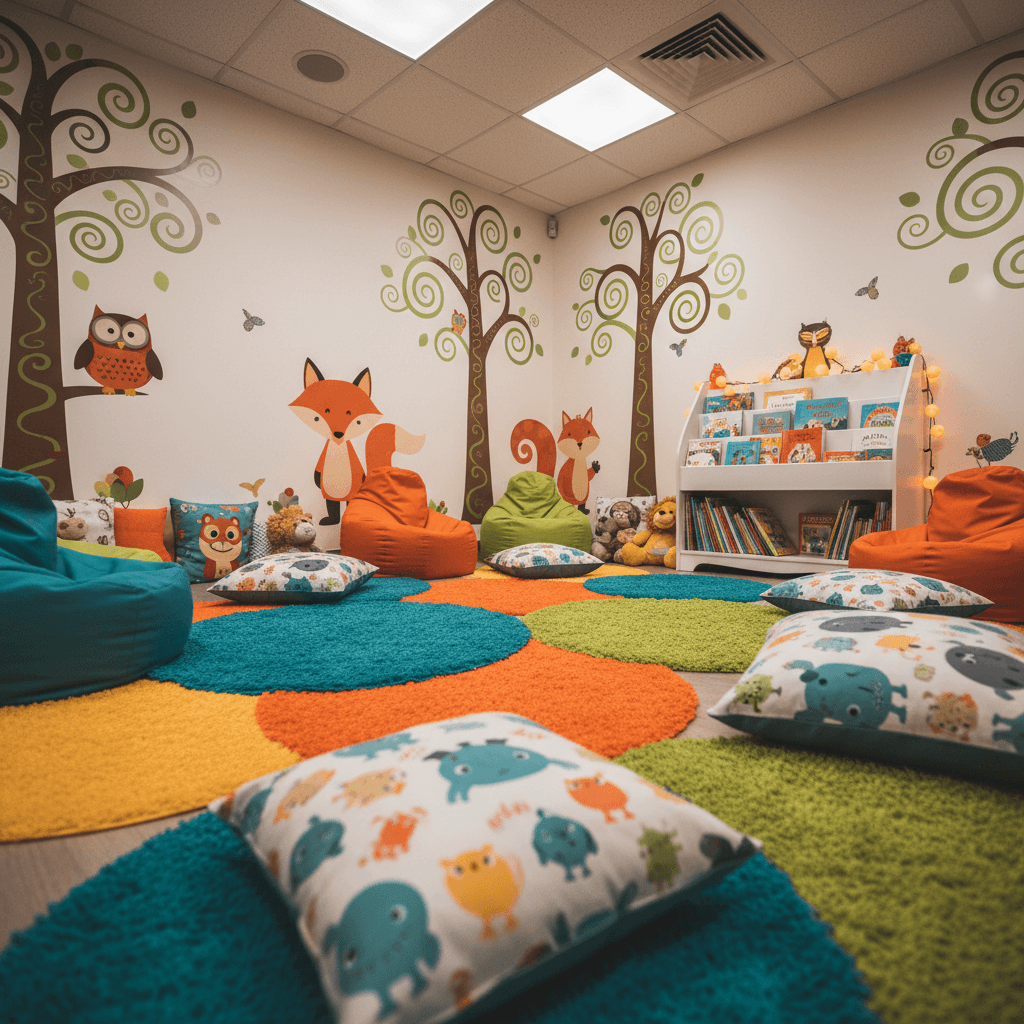
Storytime deserves its own special space, and I’m not talking about kids sitting crisscross-applesauce on a hard floor. A truly cozy storytime corner makes kids actually want to settle down and listen. After years of losing my voice trying to keep kids focused during stories, I realized the environment was half the battle 🙂
Create a defined space using a large area rug – and I mean LARGE. You want every kid to fit comfortably without playing footsie with their neighbor. Above this space, hang a canopy or fabric to create a ceiling effect. I use sheer curtains attached to the ceiling tiles, creating a tent-like atmosphere that immediately signals “special space” to little ones.
Setting the Mood
Lighting makes all the difference. Harsh overhead fluorescents kill the storytime vibe faster than you can say “once upon a time.” Install battery-operated LED string lights around your canopy perimeter. The soft glow creates an intimate atmosphere that naturally calms excited kindergarteners.
Seating needs to be intentional. Sure, the rug is nice, but add some structure with cushions or carpet squares that define individual spaces. I number mine, and kids know exactly where to sit. No more arguments about who’s touching whom or who’s blocking someone’s view.
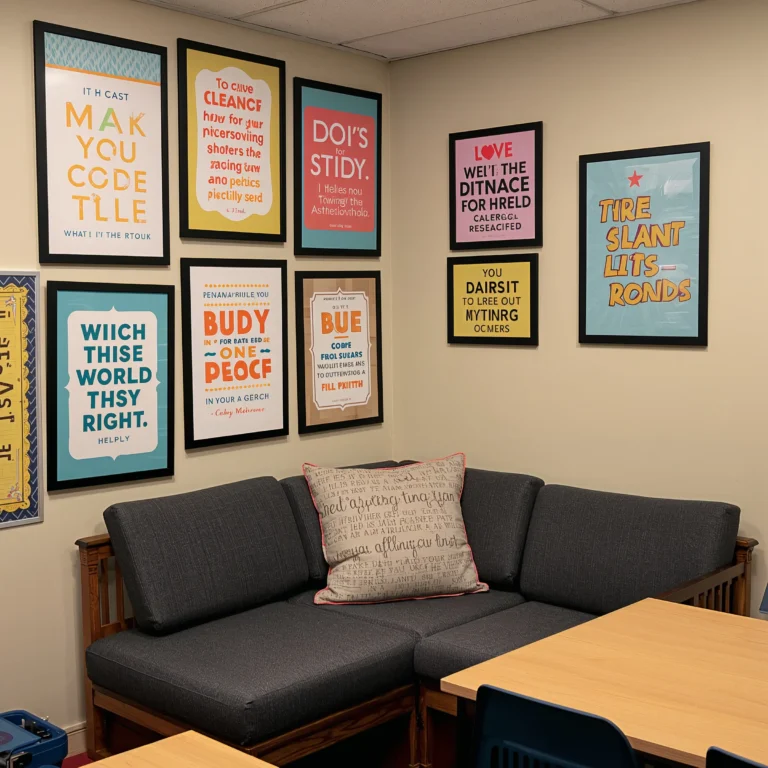
Behind where you’ll sit (because let’s be real, we need back support), create a backdrop that enhances your stories. A felt board wall where you can quickly stick up story elements, a pocket chart for sequencing cards, or even just beautiful book-themed artwork. This backdrop becomes part of the storytelling experience.
Under-the-Sea Theme Area
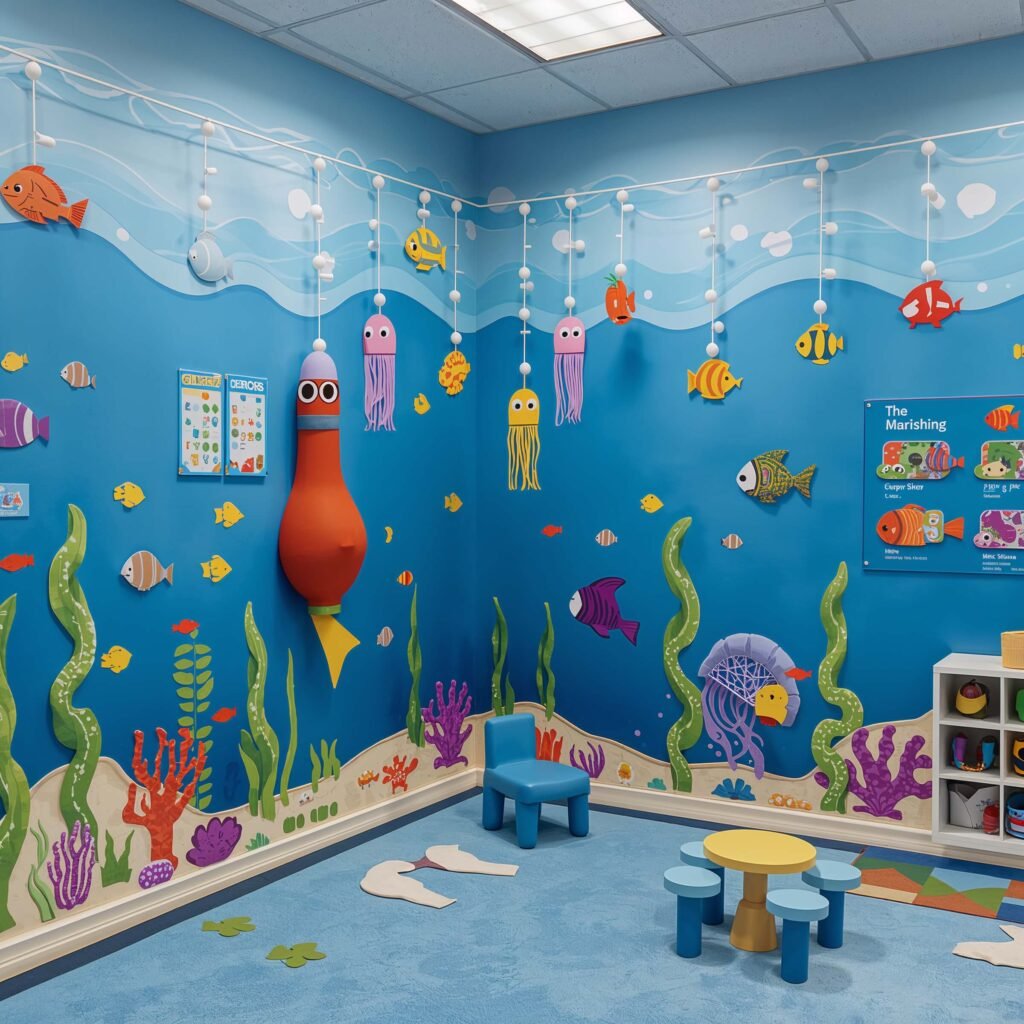
Transform a section of your classroom into an underwater wonderland that serves double duty as a calming space and learning zone. The under-the-sea theme works brilliantly because it naturally lends itself to creating a soothing, blue-green environment that helps regulate emotions while sparking imagination.
Start with the ceiling – this is where the magic happens. Hang blue and green streamers or fabric strips at varying lengths to create the feeling of being underwater. Add some white streamers for bubbles and maybe a few silver ones for fish scales catching the light. The movement of these materials in the air creates that underwater effect kids find mesmerizing.
Creating Ocean Layers
Think about ocean zones when designing your wall space. The top section near the ceiling represents the sunlight zone with bright blues and playful dolphins. Move down to the twilight zone with deeper blues and mysterious creatures. If you’re feeling ambitious, add a small section of the midnight zone at floor level with glow-in-the-dark sea creatures.
IMO, the best part of this theme is how versatile it is for learning activities. Use it for teaching habitats, counting with sea creatures, or even as a calm-down space when kids need to “swim away” from overwhelming situations. I keep a basket of ocean-themed books and sea creature puppets in this area.
The sensory opportunities are endless. Fill clear containers with blue water beads, add plastic sea creatures to a sand table, or create “ocean bottles” with blue-tinted water, glitter, and small shells. These materials do double-duty as learning tools and calming sensory experiences.
Color-Coded Learning Bins
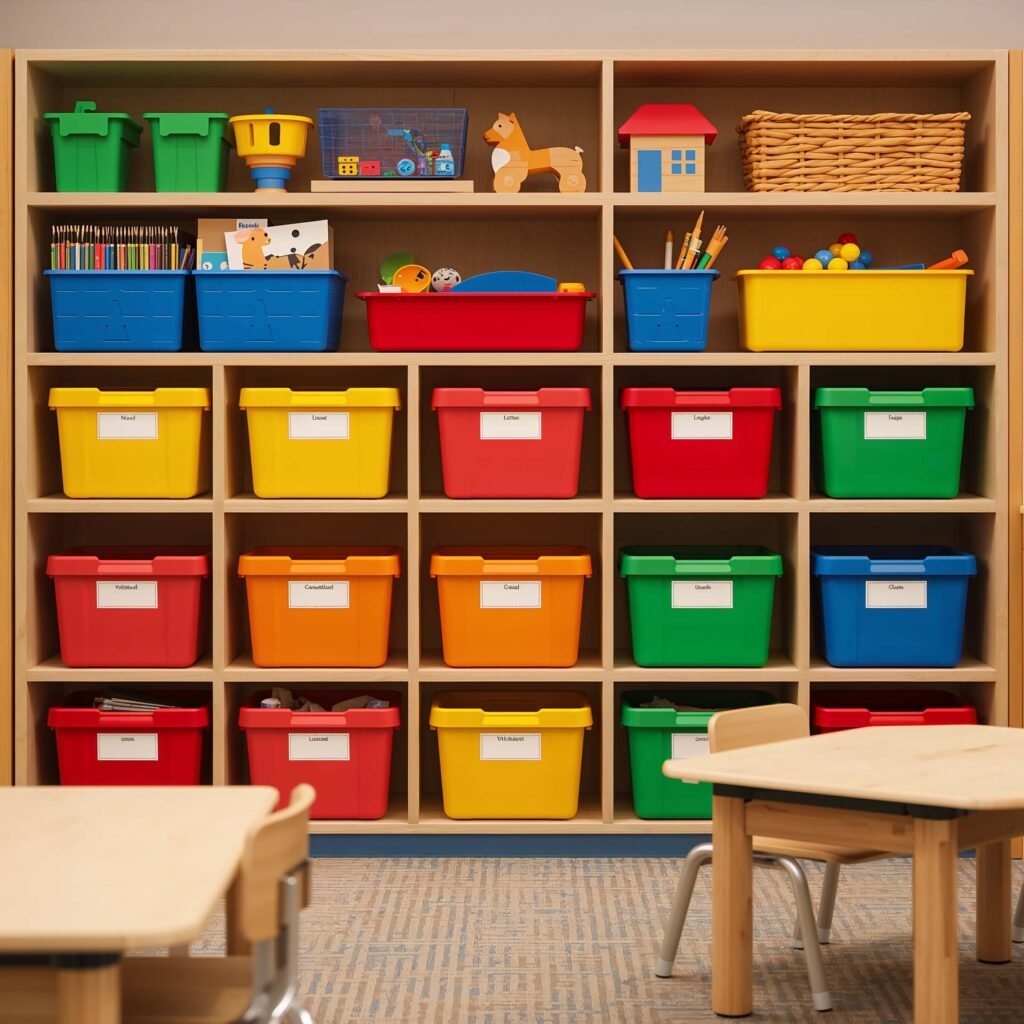
Organization meets education with color-coded learning bins that teach kids independence while keeping your classroom tidy. After years of playing “where did all the crayons go?” I developed this system that actually works because kids understand it intuitively.
Assign each learning area or subject a specific color. Math is red, literacy is blue, science is green, art is purple, and so on. Every bin, folder, and storage container related to that subject gets labeled in that color. But here’s the kicker – make the labels picture-based, not just words.
Implementation That Sticks
The magic happens when you extend the color coding throughout your classroom. The math center has red cushions, the literacy corner has blue bean bags, the science table has a green tablecloth. Kids internalize these associations quickly. “Time for math” means grabbing red bins and heading to the red area.
Each bin contains everything needed for specific activities. No more hunting for supplies mid-lesson. The red pattern blocks bin has the blocks, activity cards, and recording sheets all in one place. Kids learn that everything goes back in the same colored bin when they’re done.
Label the bins with photos of what’s inside, not just words. Take actual pictures of the materials arranged nicely and laminate them to the front. This visual cue helps non-readers identify and properly store materials. Cleanup time becomes a matching game instead of a chore.
Also Read: 10 Beautiful Basement Color Schemes Ideas for Cozy Spaces
Garden-Inspired Classroom Setup
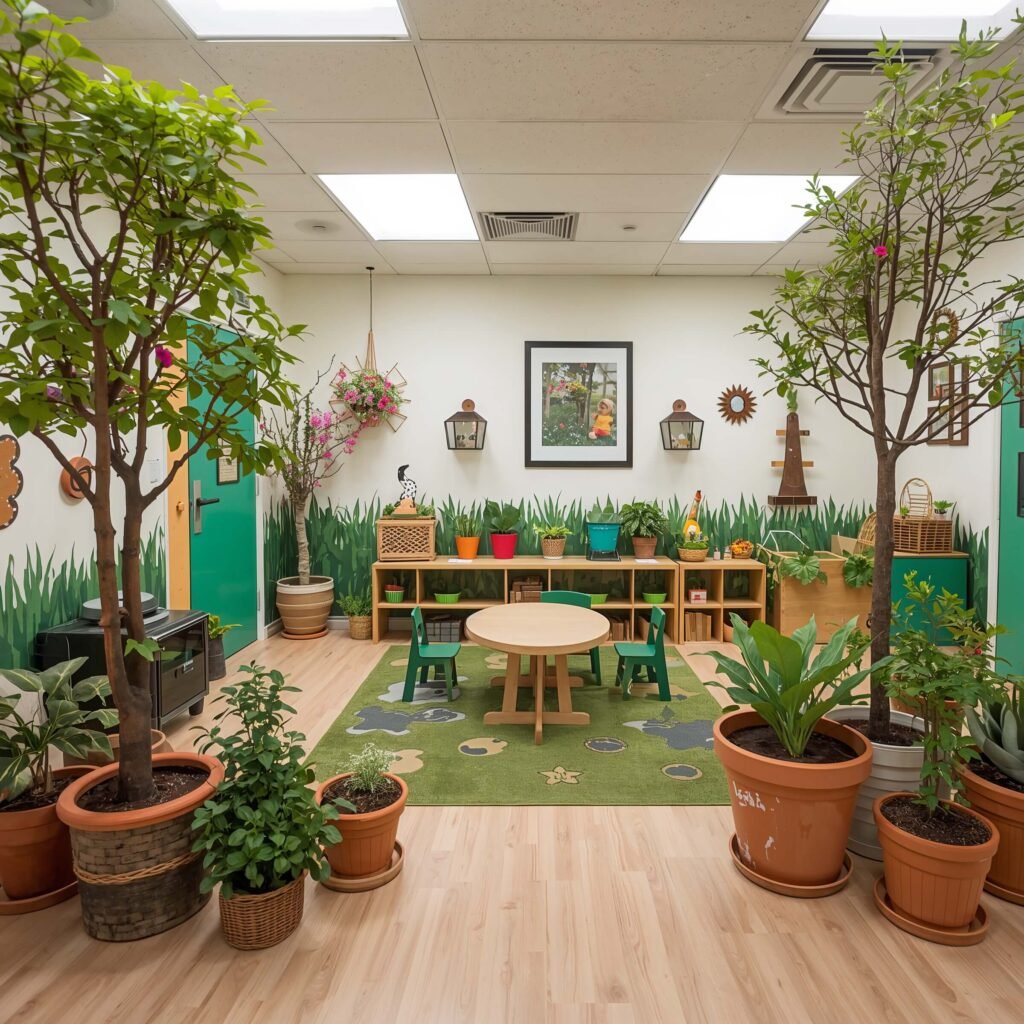
Bringing garden elements into your classroom creates a natural, growth-focused environment that subtly reinforces learning concepts. Plus, it gives you endless metaphors for teaching – seeds of knowledge, growing minds, blooming potential. Cheesy? Maybe. Effective? Absolutely.
Transform your classroom entrance into a garden gate using artificial ivy or paper vines around the door frame. Add paper flowers that showcase student work – each flower center could be a child’s photo with petals containing their achievements or goals. Parents love seeing their child’s “flower” blooming at the classroom entrance.
Growing Academic Skills
Create a classroom garden where learning literally grows. Use wall space to create a large garden mural where different subjects “grow” in different areas. Math problems sprout from number trees, sight words bloom on vocabulary vines, and science concepts grow in discovery gardens. As kids master concepts, they add new growth to the garden.
Set up actual planting stations with grass seeds in clear containers so kids can observe root growth. Use these for teaching sequencing, observation skills, and responsibility. Each child maintains their own small plant, learning that growth takes time and care – just like learning does.
The garden theme extends to classroom jobs too. Instead of line leaders and paper passers, you have garden helpers with roles like “sunshine spreader” (turns on lights), “water bearer” (manages water bottles), and “seed sorter” (organizes supplies). Kids take these nature-inspired roles seriously because they feel important and connected.
Wrapping Up Your Classroom Transformation
Creating an engaging kindergarten classroom doesn’t require an unlimited budget or professional design skills. What it needs is creativity, intentionality, and an understanding of how five-year-olds interact with their environment. Every single one of these ideas can be adapted to your specific space, budget, and teaching style.
Remember, your classroom is where little minds will form their first impressions of formal learning. Make it count! Start with one area that excites you most and build from there. Your enthusiasm will be contagious, and before you know it, you’ll have kids begging to come to school just to spend time in your amazing space.
The best classroom decor serves multiple purposes – it’s beautiful, functional, educational, and emotionally supportive. When kids feel safe, engaged, and excited about their learning environment, magic happens. So grab some supplies, channel your inner kindergartener, and start creating a classroom that’ll make memories for years to come.
Who knows? Twenty years from now, your students might be telling their own kids about that amazing kindergarten classroom where learning felt like play and every corner held a new adventure. Now that’s a legacy worth building, one decoration at a time.