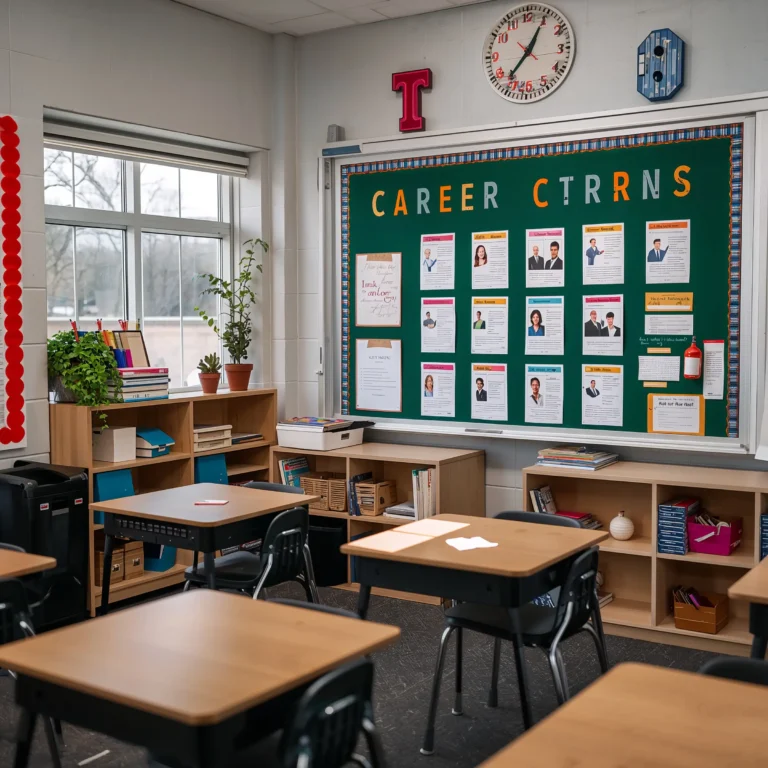
10 Amazing Classroom Wall Decor Ideas That Inspire Learning

Remember walking into that one classroom where you actually wanted to stay? Yeah, the walls had something to do with it.
I’ve spent years tweaking classroom spaces, and let me tell you – blank walls are creativity killers.
Your classroom walls can either inspire kids to dream big or make them count ceiling tiles out of sheer boredom.
I’m sharing my favorite wall decor ideas that transform classrooms from sterile learning boxes into spaces where kids genuinely want to hang out.
These aren’t just pretty Pinterest ideas that look good in photos – they’re practical, engaging setups that actually work in real classrooms with real kids (you know, the ones who touch everything).
Colorful Educational Bulletin Board Wall
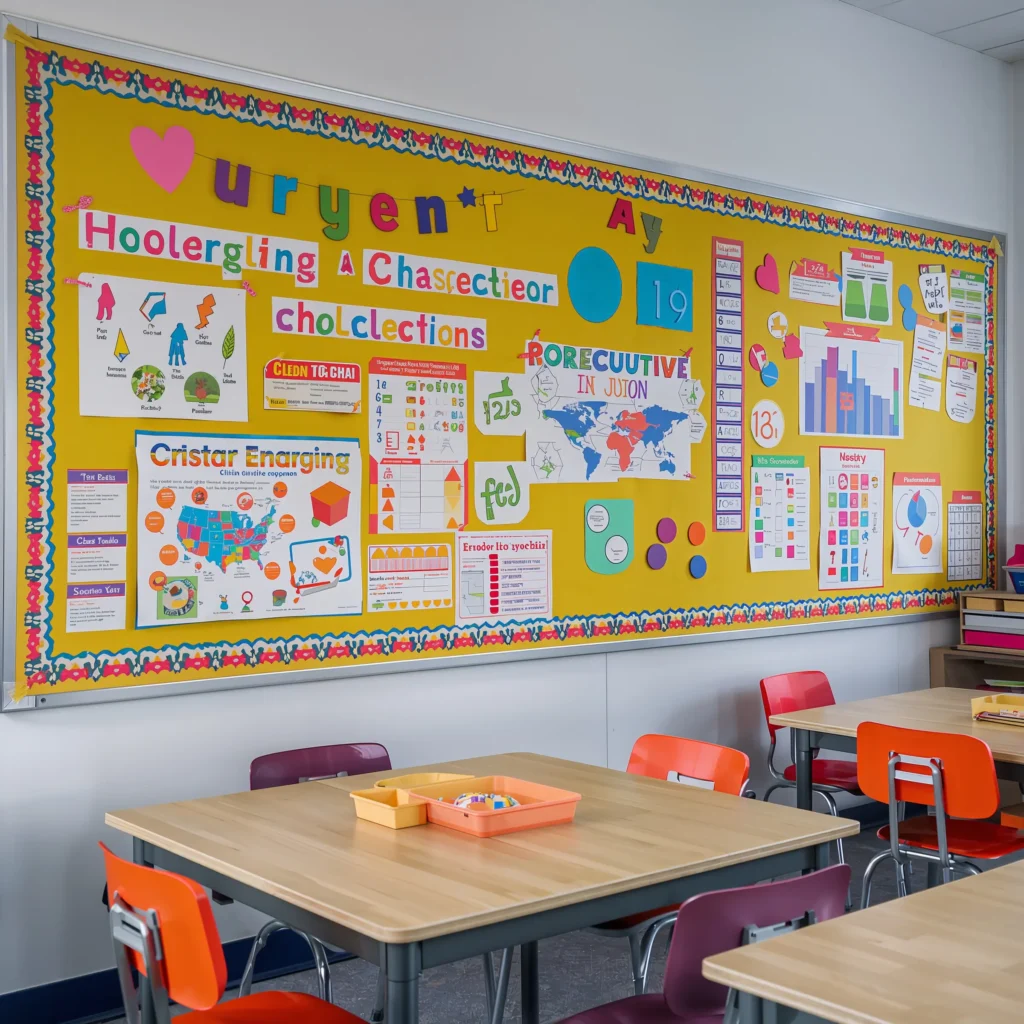
Let’s kick things off with the classic that never gets old – the educational bulletin board wall. But forget those sad, faded borders from 1995. We’re talking vibrant, purposeful displays that make learning stick.
I create different zones on my bulletin boards. One section showcases current learning objectives in bright, bold colors. Another features vocabulary words with visual aids. The trick? Change the content regularly to keep things fresh.
What makes these boards work isn’t just the colors – it’s the strategic placement of information. Eye-level displays grab attention immediately. Higher sections work great for reference materials students need occasionally.
Making It Interactive
Here’s where most teachers miss the mark. Static displays get ignored after day two. Add these elements to keep engagement high:
• Velcro pieces students can move around
• Pocket charts for rotating content
• 3D elements that literally pop off the wall
• QR codes linking to related videos or games
The best part about colorful bulletin boards? They serve double duty as teaching tools and mood boosters. Bright yellows and oranges energize morning lessons. Cool blues and greens create calm during independent work time.
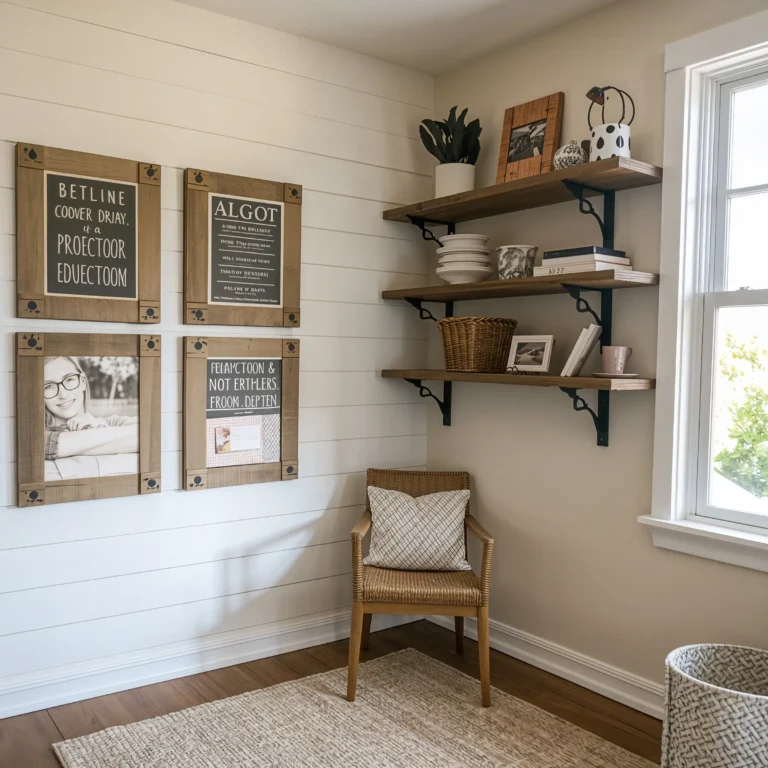
Minimalist Neutral Tone Classroom Wall
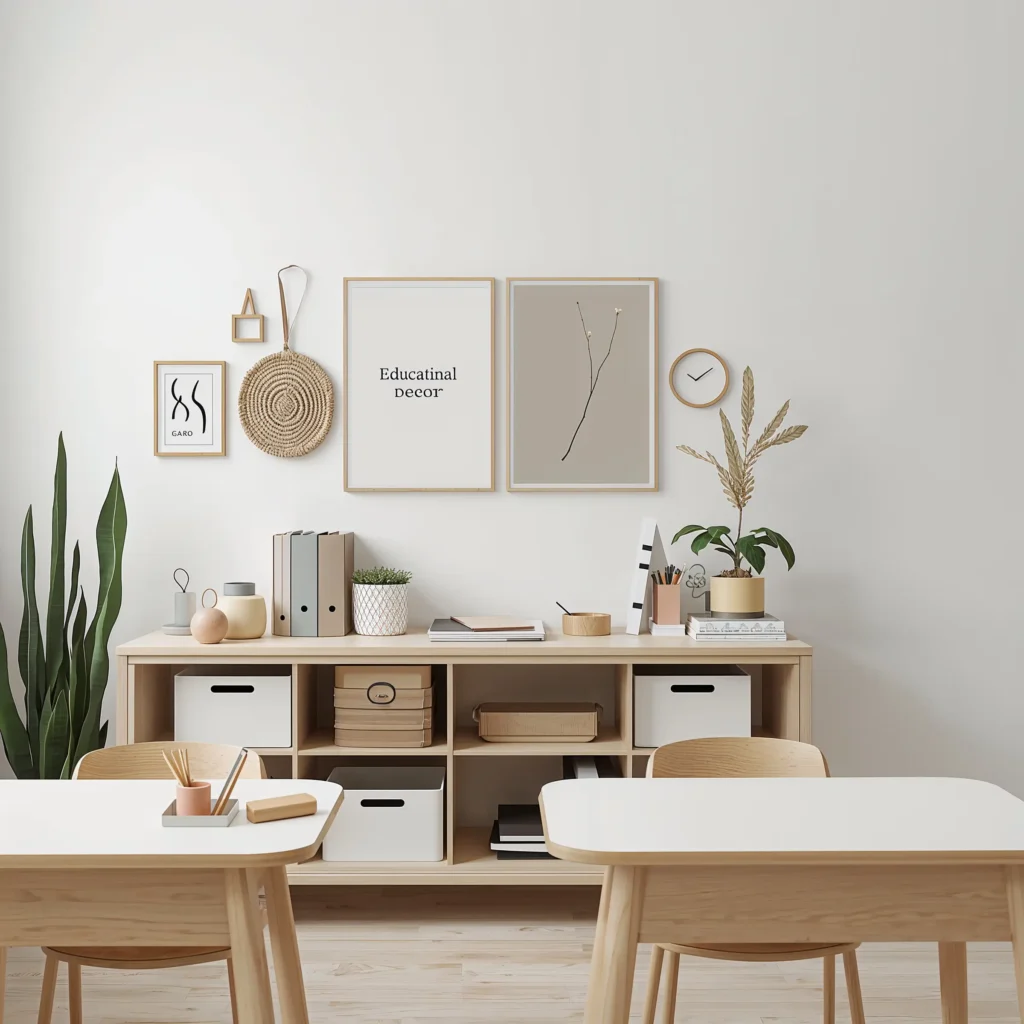
Now, I know what you’re thinking – minimalist classroom? With kids? Hear me out. Sometimes less really is more, especially when you’re dealing with easily distracted learners or sensory-sensitive students.
I discovered this approach after one particularly chaotic year. My classroom looked like a craft store exploded, and half my students couldn’t focus. The switch to neutral tones changed everything.
Beige, cream, soft gray, and white create a calming backdrop that doesn’t compete for attention. Your teaching becomes the star, not the walls. This approach works especially well in upper elementary and middle school classrooms where students need fewer visual distractions.
Strategic Pops of Interest
Going neutral doesn’t mean going boring. Add interest through:
• Natural wood elements like frames or shelving
• Textured fabrics in display areas
• Black and white photography or line art
• Single accent color used sparingly throughout
The minimalist approach also makes classroom management easier. Students find materials faster when they’re not searching through visual chaos. Clean lines and organized spaces promote clearer thinking – seriously, there’s research backing this up.
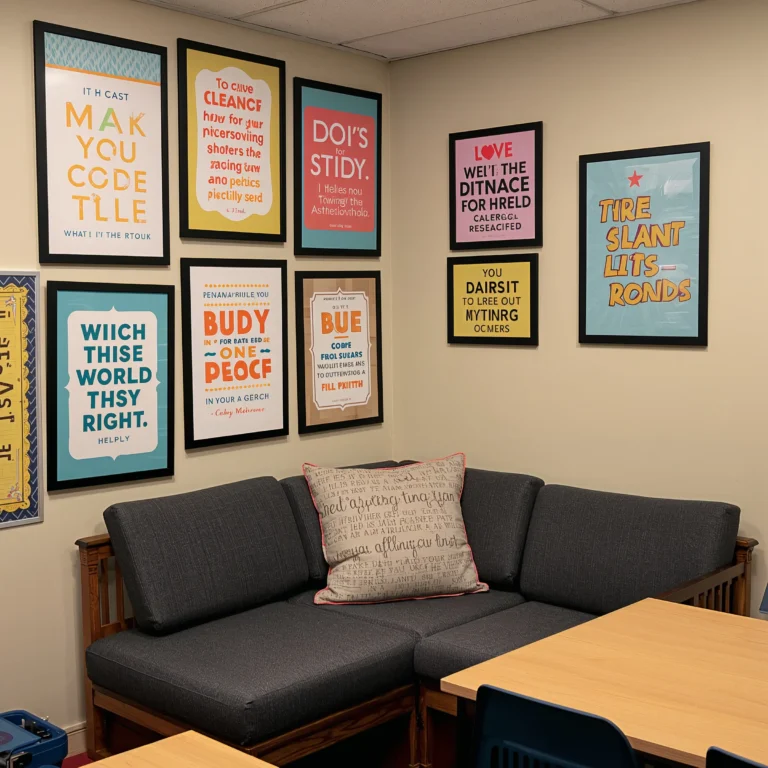
Motivational Quotes Wall Display
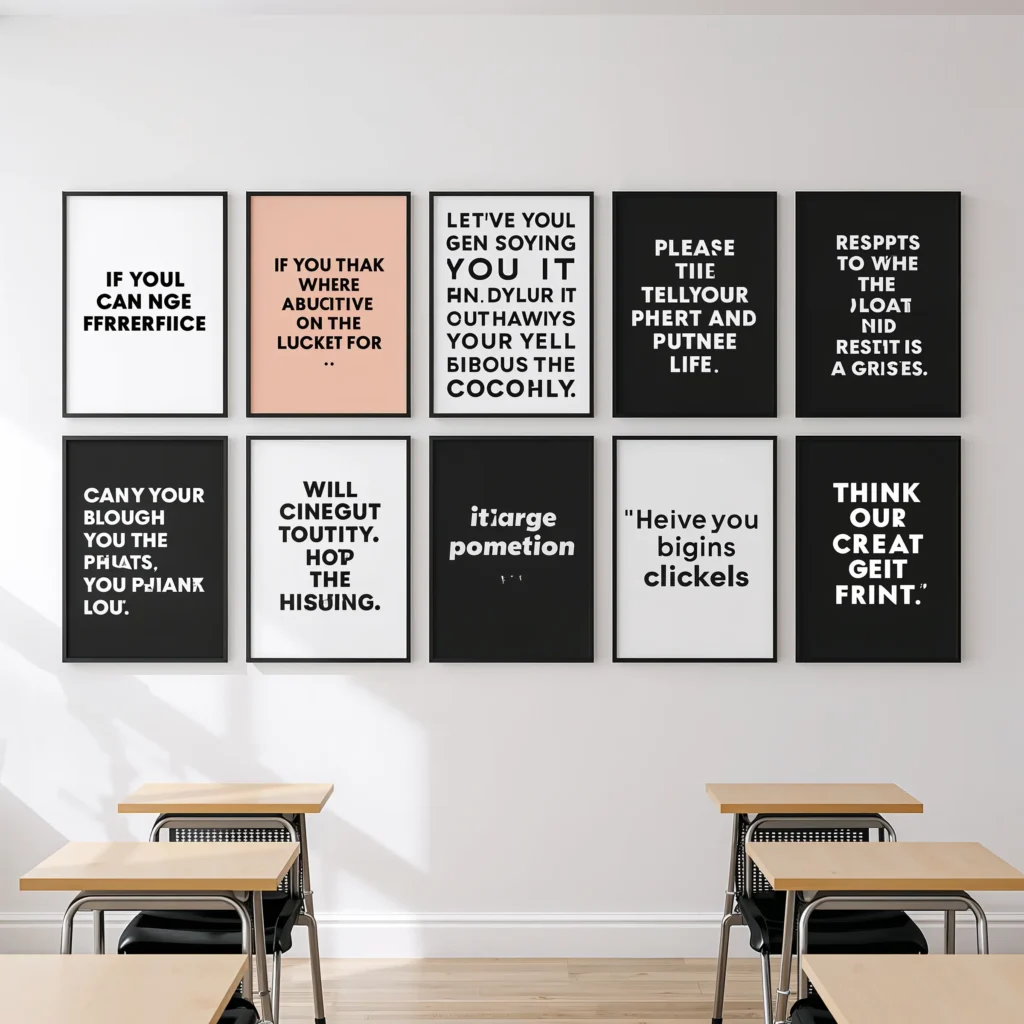
Every classroom needs that one wall that picks kids up when they’re struggling. Enter the motivational quotes display – but please, skip the generic “Hang in There” kitten posters.
I curate quotes that actually resonate with my students’ age group. Third graders connect with different messages than eighth graders. The key is finding quotes that speak to their current challenges and aspirations.
Mix famous quotes with student-generated ones. Kids love seeing their own wisdom on the wall. “Math is hard, but I’m harder” – actual quote from my fourth-grader last year that became our class motto.
Design That Delivers Impact
Your quote wall needs visual punch to make those words stick:
• Large, readable fonts visible from across the room
• Contrasting backgrounds that make text pop
• Varied layouts – some horizontal, some vertical, some diagonal
• Student photos paired with their favorite quotes
I rotate quotes monthly, keeping them relevant to what we’re studying or challenges we’re facing. Testing season? Up go the perseverance quotes. Group project time? Teamwork messages take center stage.
Also Read: 10 Inspiring Classroom Door Decor Ideas to Wow Students
Rainbow Theme Classroom Wall Decor
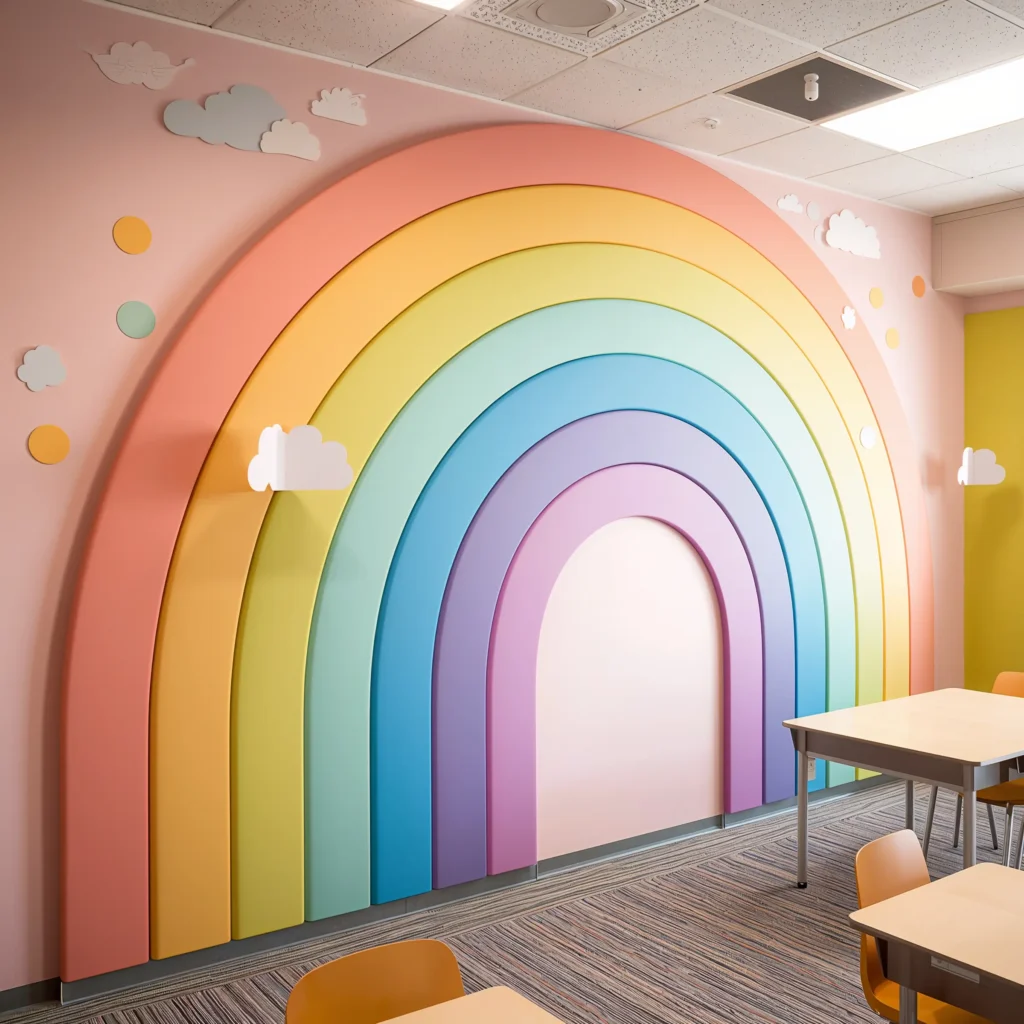
Who doesn’t smile when they see a rainbow? This theme brings instant joy while secretly organizing your entire classroom. Each color zone serves a specific purpose – it’s functional decor at its finest.
Red corner for reading, orange for art, yellow for math stations – you get the idea. Students quickly learn where everything belongs, making cleanup actually happen without constant reminders.
The rainbow theme works brilliantly for teaching color theory, emotions, and even scientific concepts like light refraction. Multi-purpose decor FTW! 🙂
Pulling Off Rainbow Without Chaos
Here’s how to rainbow-ify without creating sensory overload:
• Use muted rainbow tones instead of neon brights
• Incorporate white space between color sections
• Layer different shades of the same color for depth
• Add metallic accents for sophisticated sparkle
The best thing about rainbow themes? They’re naturally inclusive and celebratory. Every student finds their favorite color represented somewhere in the room.
Interactive Learning Wall Stations
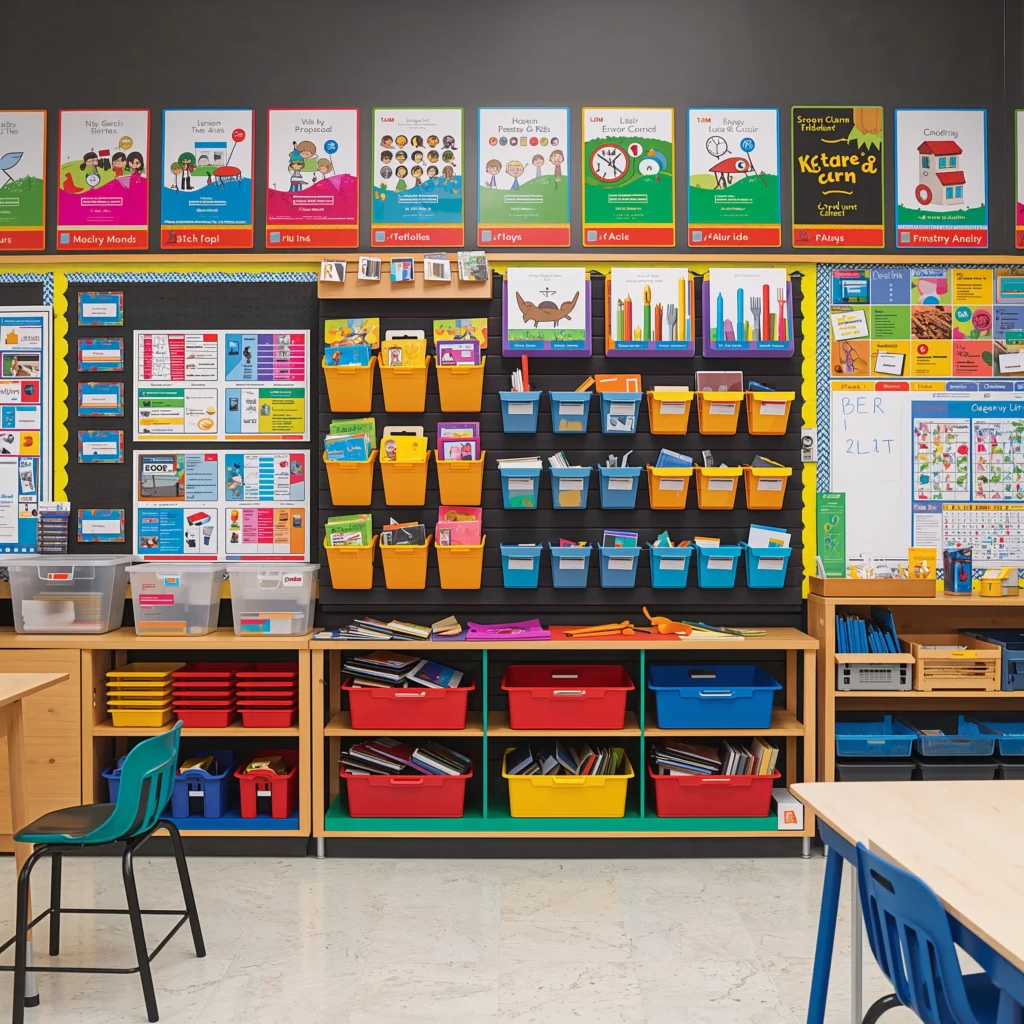
Static walls are so last decade. Interactive learning stations transform walls into hands-on discovery zones that kids actually want to use during free time.
I set up different stations along one wall – math manipulatives in magnetic pockets, word-building stations with moveable letters, science experiment results boards where kids post findings. Each station stays up for a unit, then rotates to keep things fresh.
These stations work because they give students agency. They choose when and how to engage, making learning feel less forced and more like play.
Essential Interactive Elements
Make your walls work harder with these features:
• Magnetic surfaces for endless reconfiguration
• Dry-erase sections for problem-solving
• Texture boards for sensory exploration
• Challenge cards in pockets for early finishers
• Response boards where students post answers
Pro tip: Mount everything at kid height. Seems obvious, but you’d be surprised how many teachers hang interactive elements where only NBA players could reach them.
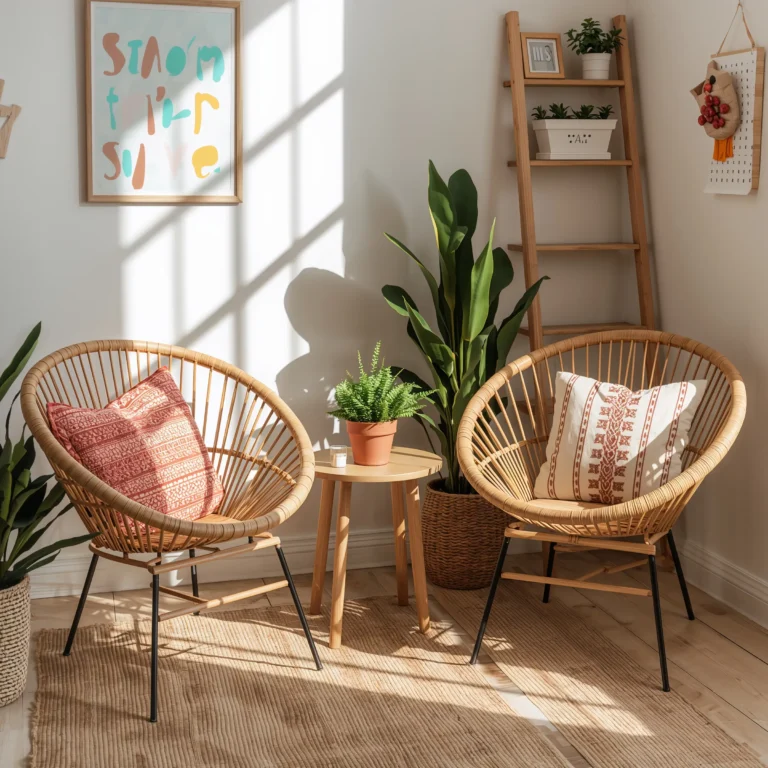
Boho Style Classroom Wall Setup
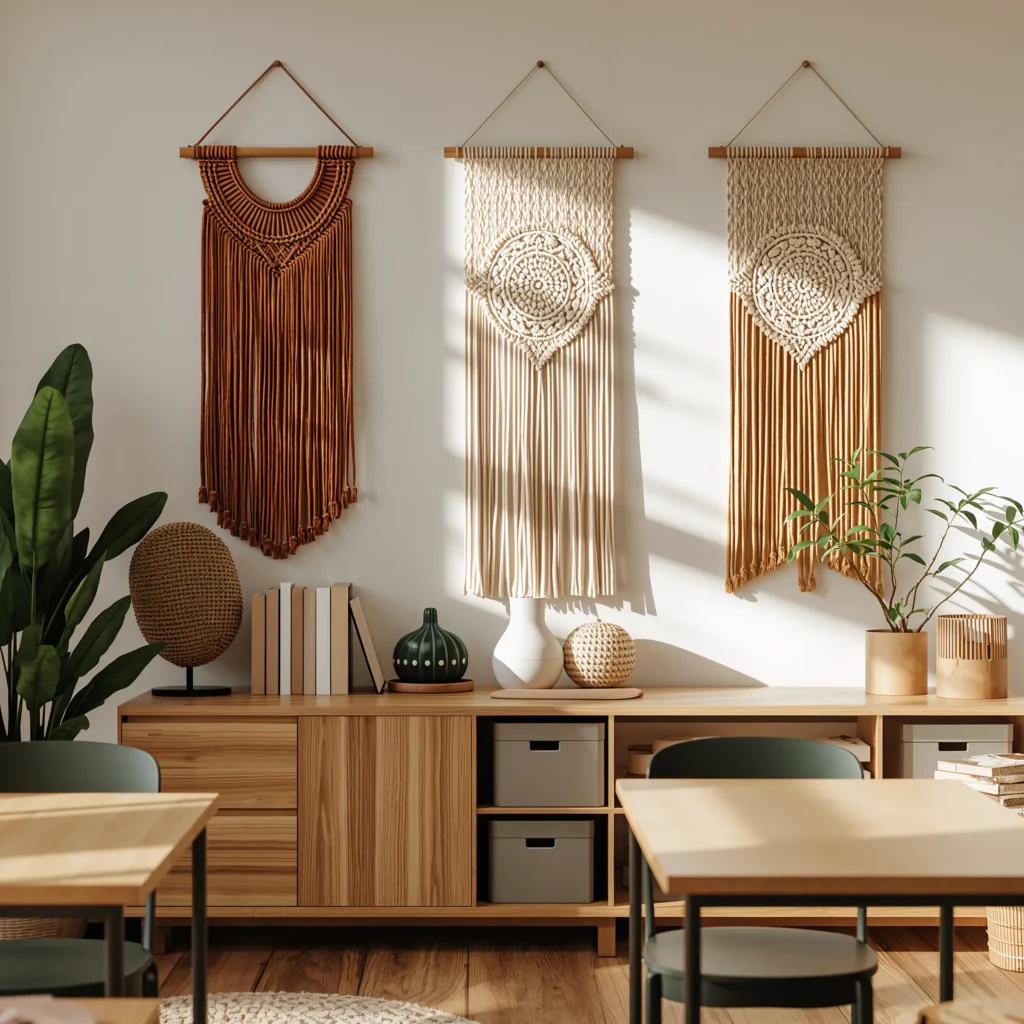
The boho trend isn’t just for coffee shops anymore. This relaxed, natural style creates a cozy learning environment that feels more like a favorite reading nook than a traditional classroom.
I stumbled into boho decor accidentally when I inherited a bunch of macrame wall hangings from my crafty neighbor. Combined with some thrifted tapestries and plants, my classroom transformed into this warm, inviting space where students actually wanted to spend time.
Natural fibers, earth tones, and organic shapes define the boho classroom aesthetic. Woven wall hangings, dried flowers, and wooden elements bring the outdoors in.
Creating Boho on a Budget
You don’t need to raid Anthropologie to achieve this look:
• DIY macrame using inexpensive rope
• Thrifted tapestries and fabric pieces
• Paper lanterns in neutral tones
• Pressed leaves and flowers in simple frames
• String lights for ambient lighting
The boho style particularly resonates with creative learners who thrive in less structured environments. It signals that your classroom values individuality and creative expression.
Also Read: 10 Bright Classroom Decor Themes Ideas That Pop Instantly
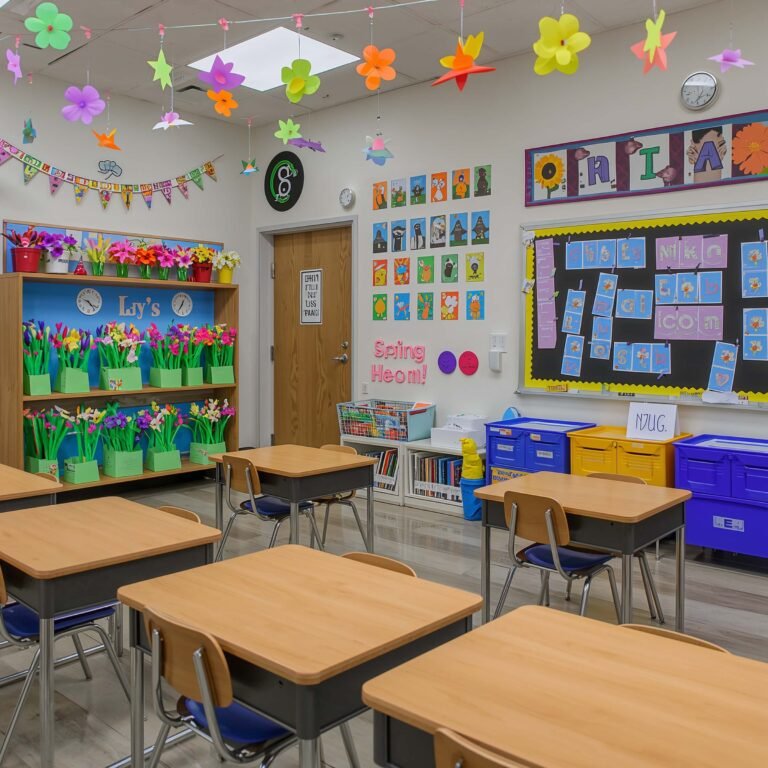
Seasonal Rotating Decor Wall
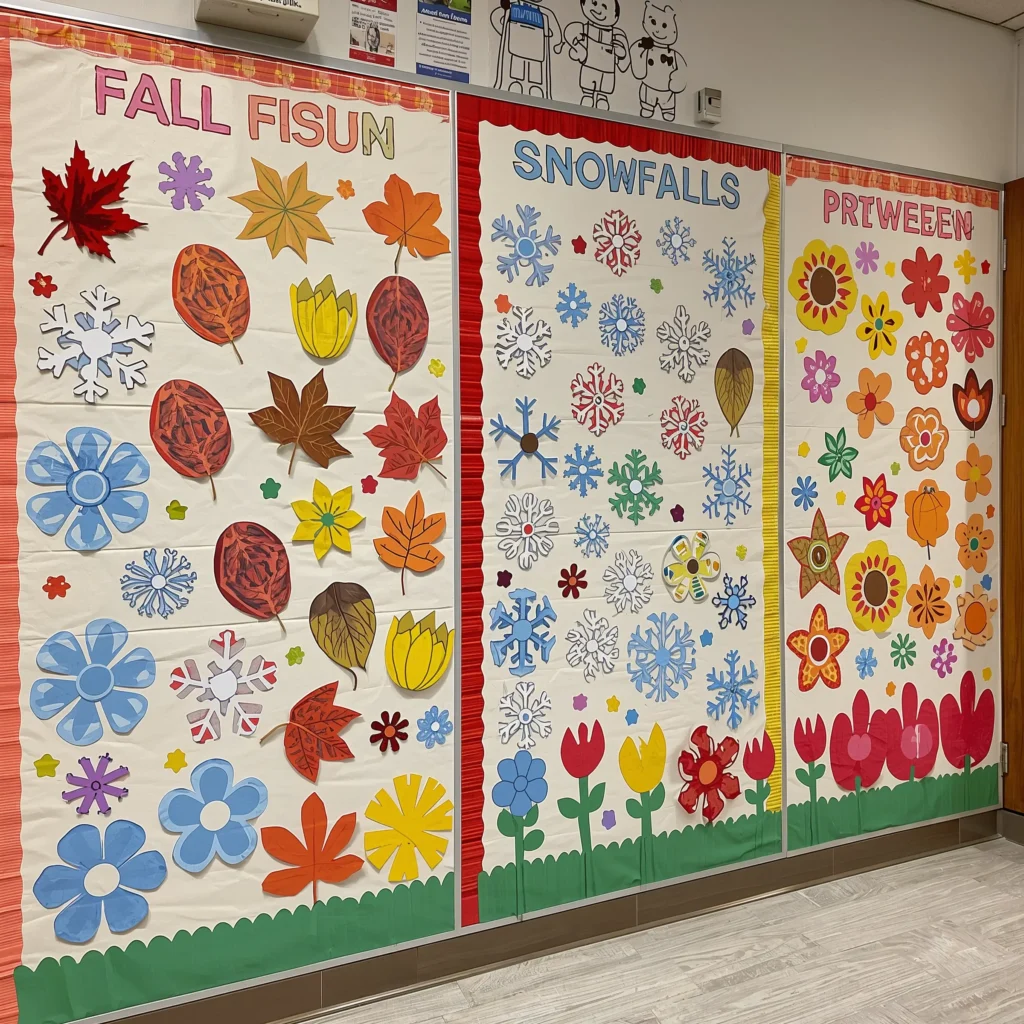
Why commit to one look all year? Seasonal walls keep your classroom feeling fresh and give students something new to explore every few months.
I dedicate one wall to seasonal displays that change four times yearly. Fall brings leaves and harvest themes. Winter showcases snowflakes and cozy reading corners. Spring explodes with flowers and growth charts. Summer celebrates achievements and future dreams.
The anticipation of changing seasons creates excitement. Students actually ask when we’re switching things up – imagine that, kids excited about classroom decor!
Smooth Seasonal Transitions
Make rotations manageable with these strategies:
• Store decorations in labeled bins by season
• Create base elements that work year-round
• Involve students in takedown and setup
• Document each season with photos for next year
• Plan transitions during breaks or weekends
Seasonal walls also provide natural teaching opportunities about weather, cycles, and cultural celebrations. Your decor becomes part of the curriculum, not just background noise.
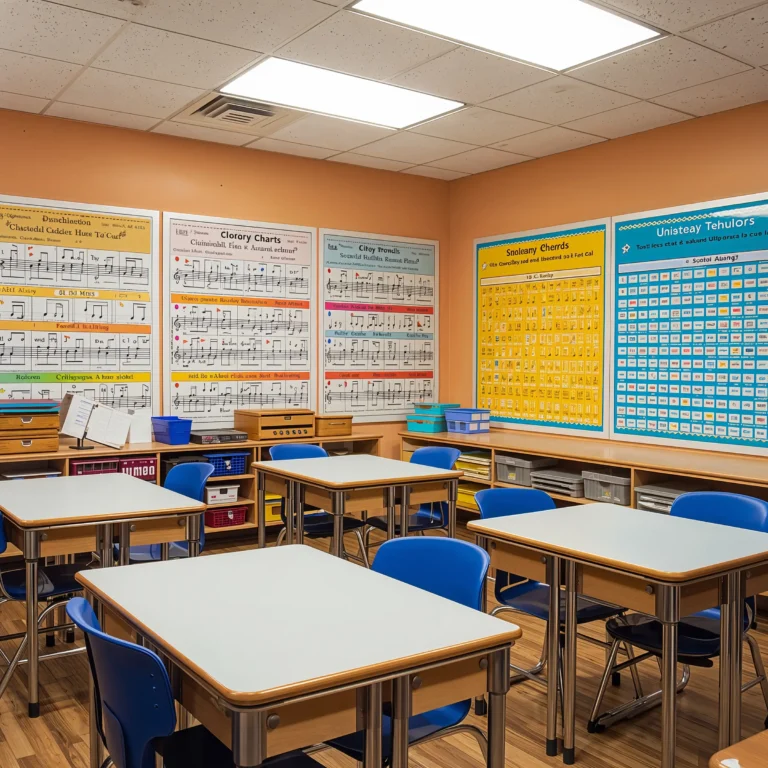
Alphabet and Numbers Learning Wall
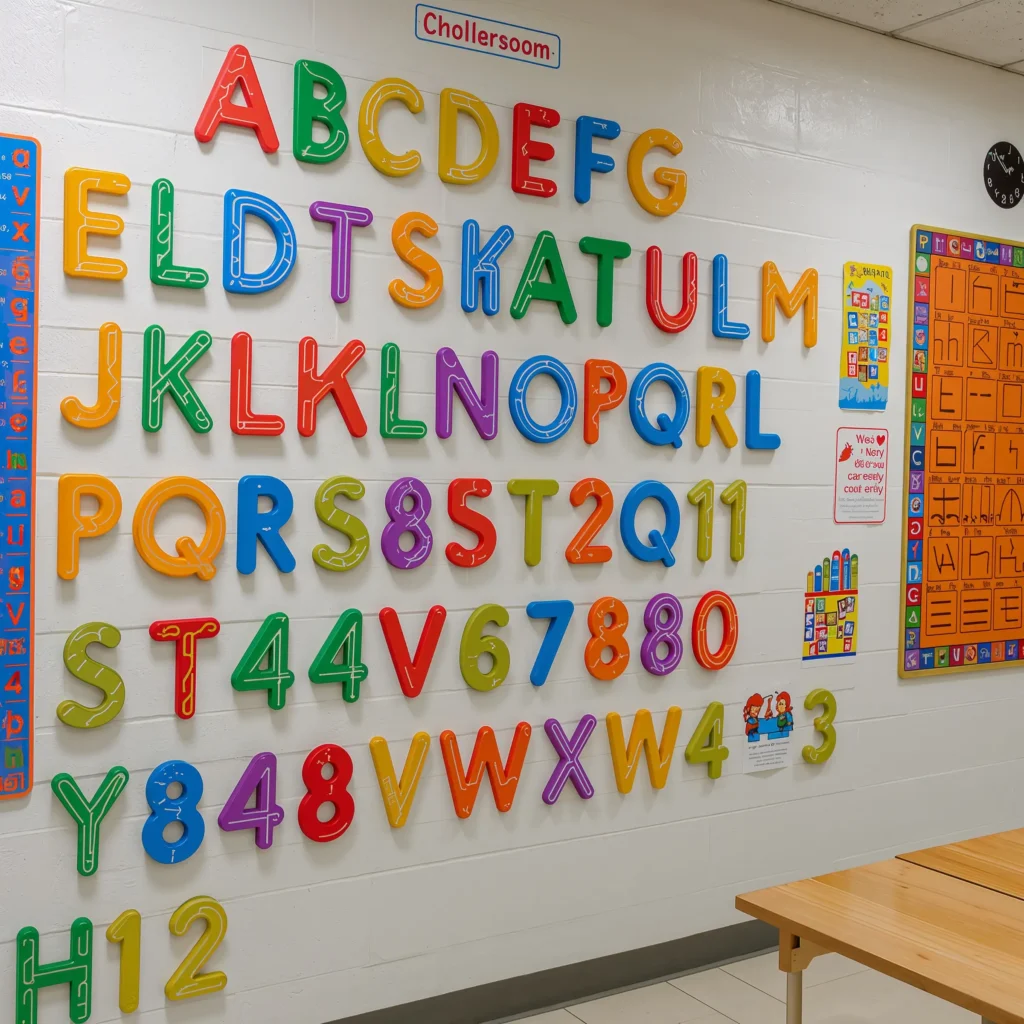
Every early elementary classroom needs a solid alphabet and numbers display, but yours doesn’t have to look like everyone else’s. Think beyond basic letter cards.
I create immersive alphabet walls where each letter connects to current learning themes. Studying ocean life? A is for anemone, B is for barracuda. The connections make letters meaningful, not just shapes to memorize.
Numbers get the same treatment. Instead of plain digits, showcase numbers in context – temperatures, measurements, money, time. Real-world connections make abstract concepts concrete.
Beyond Basic ABCs and 123s
Elevate your fundamental learning walls:
• Textured letters students can trace with fingers
• Number lines extending across entire walls
• Phonics patterns grouped visually
• Math fact families in house-shaped displays
• Sight words at strategic heights for different reading levels
The trick is making these educational walls grow with your students. Start simple in September, add complexity throughout the year. By June, that alphabet wall tells the story of everything you’ve learned together.
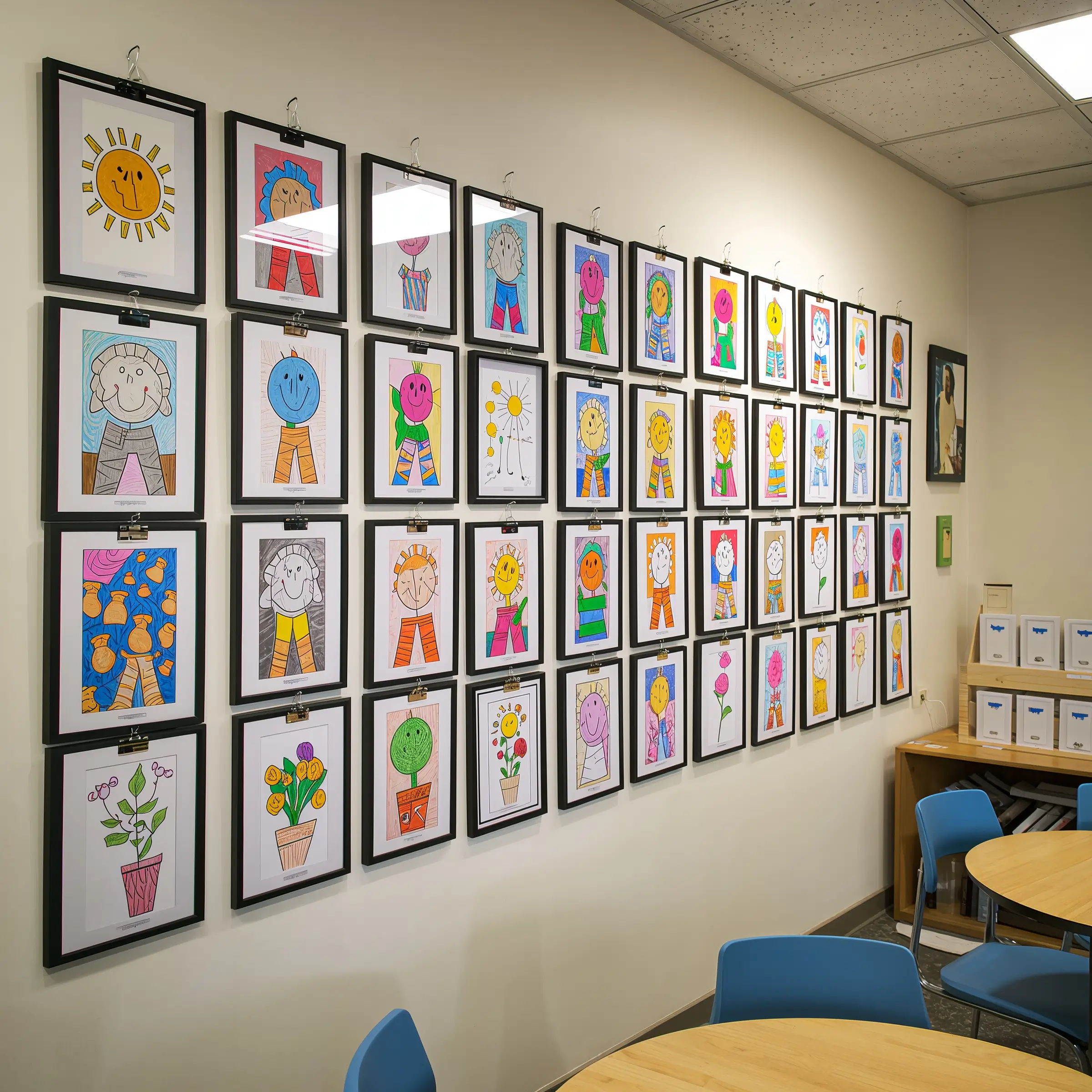
Student Work Showcase Gallery Wall
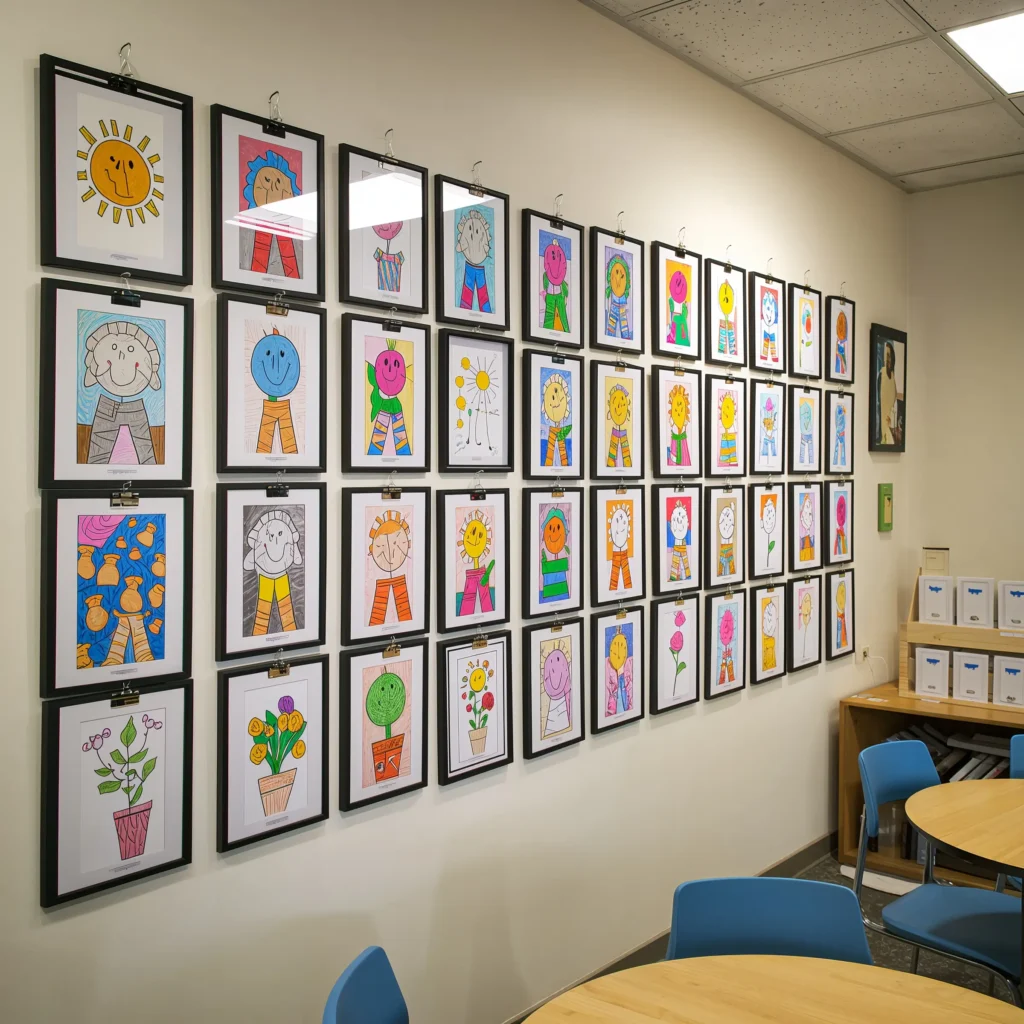
Nothing motivates kids like seeing their own work displayed professionally. A dedicated gallery wall shows students their efforts matter beyond just grades.
I treat student work like art gallery pieces – proper mounting, labels with artist names, even little description cards. Students write artist statements explaining their process or inspiration. Suddenly, that math worksheet becomes worthy of museum treatment.
Rotating displays ensure everyone gets spotlight time. I photograph everything before taking it down, creating digital portfolios students can access later.
Gallery Wall Best Practices
Transform student work into gallery-worthy displays:
• Uniform frames or borders for cohesive look
• Proper lighting (cheap LED strips work great)
• Artist of the Week featured section
• Mixed media displays – not just papers
• QR codes linking to student explanations
• Guest book for peer comments
The gallery approach builds incredible pride and ownership. Students put more effort into work they know will be displayed. Parents love seeing their kids’ work treated with such respect during conferences too.
Also Read: 10 Fun Art Classroom Decor Ideas to Brighten Your Space
Nature-Inspired Classroom Wall Decor
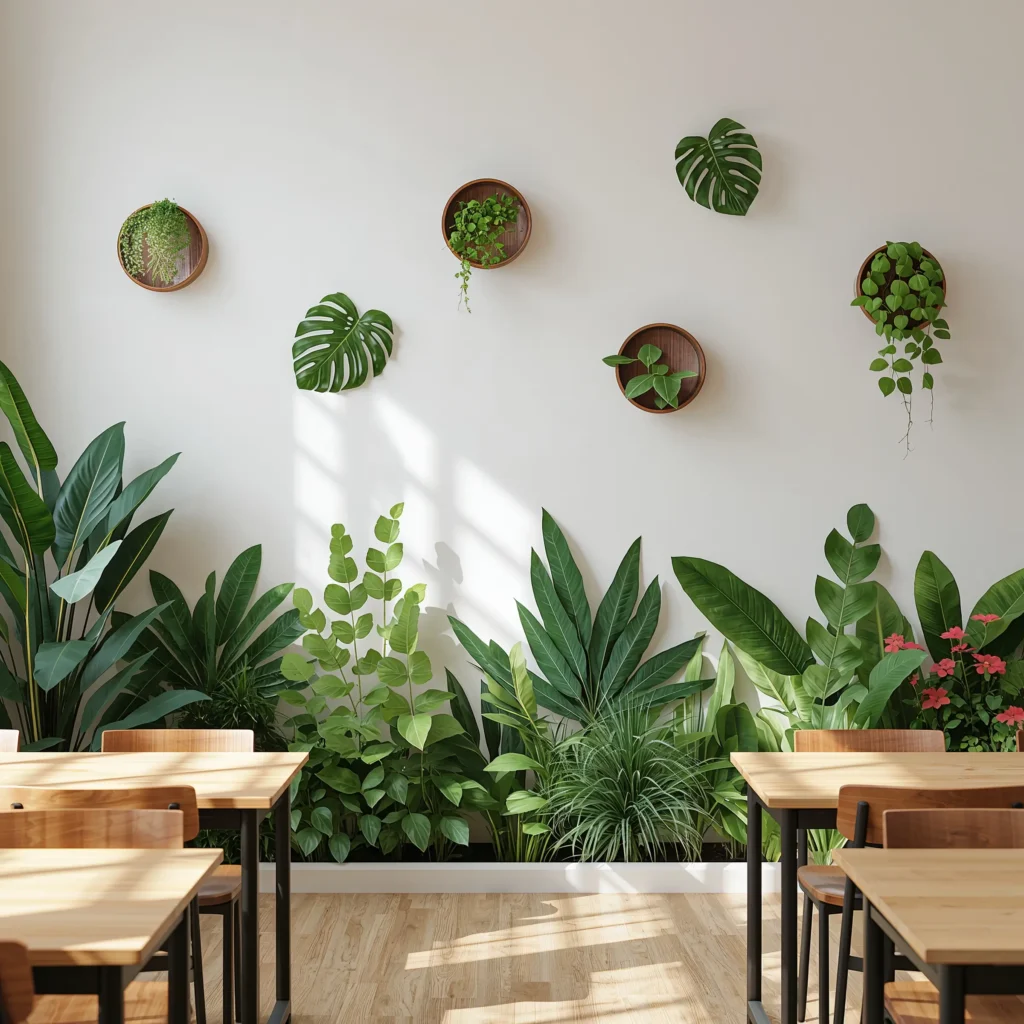
Bringing nature indoors isn’t just trendy – it’s scientifically proven to reduce stress and improve focus. Nature-inspired walls create calm learning environments that help students feel grounded.
I incorporate real plants (the hard-to-kill variety), nature photography, and organic patterns throughout my classroom walls. Branch displays hold student work. Leaf patterns frame bulletin boards. Cloud-shaped acoustic panels reduce noise while adding visual interest.
The nature theme connects perfectly with science curriculum while promoting environmental awareness. Students become caretakers of classroom plants, learning responsibility along the way.
Natural Elements That Work
Bring the outdoors in without the mess:
• Air plants in wall-mounted holders
• Pressed flower displays changed seasonally
• Wood slice bulletin boards for rustic touch
• River rock borders for display edges
• Sky murals on ceilings or upper walls
• Grass wall decals at floor level
IMO, nature-inspired classrooms feel more human and less institutional. Students relax more, collaborate better, and generally seem happier in spaces that remind them there’s a world beyond these four walls.
Making It All Work Together
Here’s the thing about classroom wall decor – you don’t have to pick just one style. The best classrooms blend different approaches to create unique learning environments that work for diverse learners.
Maybe you combine a minimalist base with seasonal interactive stations. Or pair a rainbow organization system with nature elements. The combinations are endless when you understand what each approach offers.
Remember, your walls should work as hard as you do. Every element should either teach, inspire, organize, or calm. If it doesn’t serve at least one of these purposes, it’s just clutter taking up valuable real estate.
The Bottom Line
Your classroom walls set the stage for everything that happens within them. They can inspire creativity, promote calm, celebrate achievements, and support learning – or they can do none of these things. The choice is yours.
Start small if you’re feeling overwhelmed. Pick one wall, one idea, and see how it transforms your space. Watch how students respond, then build from there. Before you know it, you’ll have a classroom that makes everyone – including you – excited to walk through that door each morning.
The best classroom wall decor reflects both you and your students. It grows and changes throughout the year, telling the story of your learning journey together. Make those walls matter – your students will notice, and more importantly, they’ll remember.
Take these ideas, mix them up, make them yours. Your perfect classroom is waiting to be created, one wall at a time. Who knows? You might just create that memorable classroom that students talk about years later. The one where the walls didn’t just surround them – they inspired them to reach higher than they thought possible.