10 Charming Farmhouse Classroom Decor Ideas for Small Spaces

Remember that moment when you walked into a classroom that just felt right? Like someone had bottled up the essence of a cozy coffee shop and sprinkled it all over a learning space? That’s exactly what happened to me last year when I stumbled into my colleague Sarah’s classroom.
She’d completely transformed her boring, institutional space into this warm, inviting farmhouse paradise that made everyone—students and teachers alike—want to hang out there all day.
Let me tell you, creating that farmhouse vibe in your classroom doesn’t require a trust fund or a degree in interior design.
You just need some creativity, a weekend or two, and maybe a slight Pinterest addiction (guilty as charged!). The best part? Your students will actually want to spend time in your classroom instead of counting down the minutes until the bell rings.
So grab your coffee—or wine, I don’t judge—and let’s chat about these 10 game-changing farmhouse classroom decor ideas that’ll transform your teaching space from bland to grand. Trust me, your fellow teachers will be begging for your secrets.
Rustic Wooden Bulletin Boards
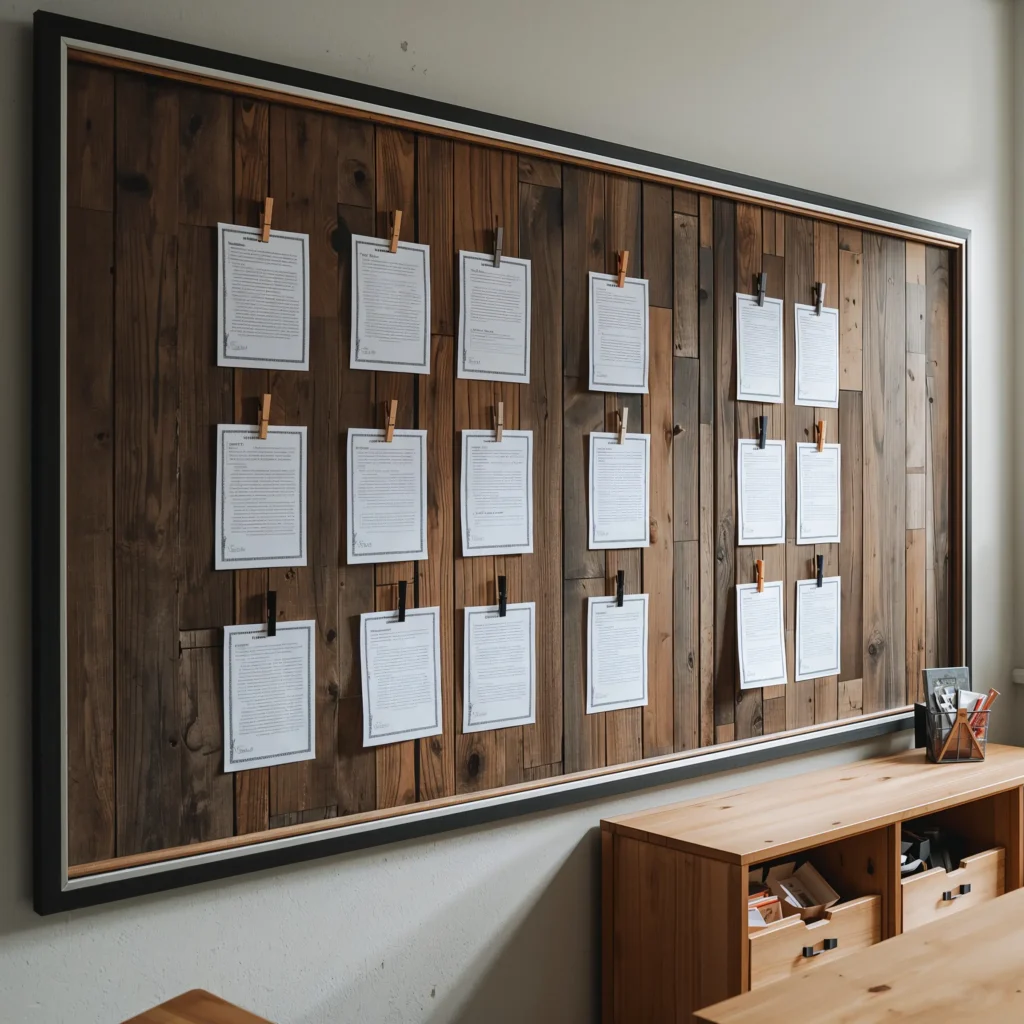
Gone are the days when bulletin boards meant those sad, cork rectangles covered in fading construction paper. Rustic wooden bulletin boards bring instant warmth and character to any classroom wall, and they’re surprisingly easy to create yourself.
I discovered this trick completely by accident when the maintenance guy left some reclaimed wood planks in my room. Instead of waiting for him to pick them up, I grabbed my hot glue gun (a teacher’s best friend, am I right?) and created my first rustic bulletin board frame. The transformation was incredible—suddenly my student work display looked like it belonged in a fancy coffee shop rather than Room 203.
Making Your Own Rustic Bulletin Board
Here’s what makes these boards absolutely perfect for the farmhouse aesthetic:
• Natural wood frames add texture and depth that plastic borders could never achieve
• Mix and match different wood stains for a collected-over-time look
• Add twine or jute rope for hanging student work instead of pushpins
• Incorporate metal accents like vintage-style clips or mini clothespins
The beauty of rustic wooden boards? They make everything you display look intentional and artistic. Even Tommy’s barely-legible essay about his pet turtle suddenly looks gallery-worthy when it’s displayed on weathered wood with a burlap backdrop.
Pro Tips for Maximum Impact
Keep your color palette neutral—think whites, creams, and natural browns. This creates a calming backdrop that won’t compete with student work. Plus, it photographs beautifully for those end-of-year memory books (or your teaching portfolio).
Want to take it up a notch? Add battery-operated fairy lights around the frame. Your students will think you’re the coolest teacher ever, and honestly, who doesn’t love a little ambient lighting?
Mason Jar Supply Holders
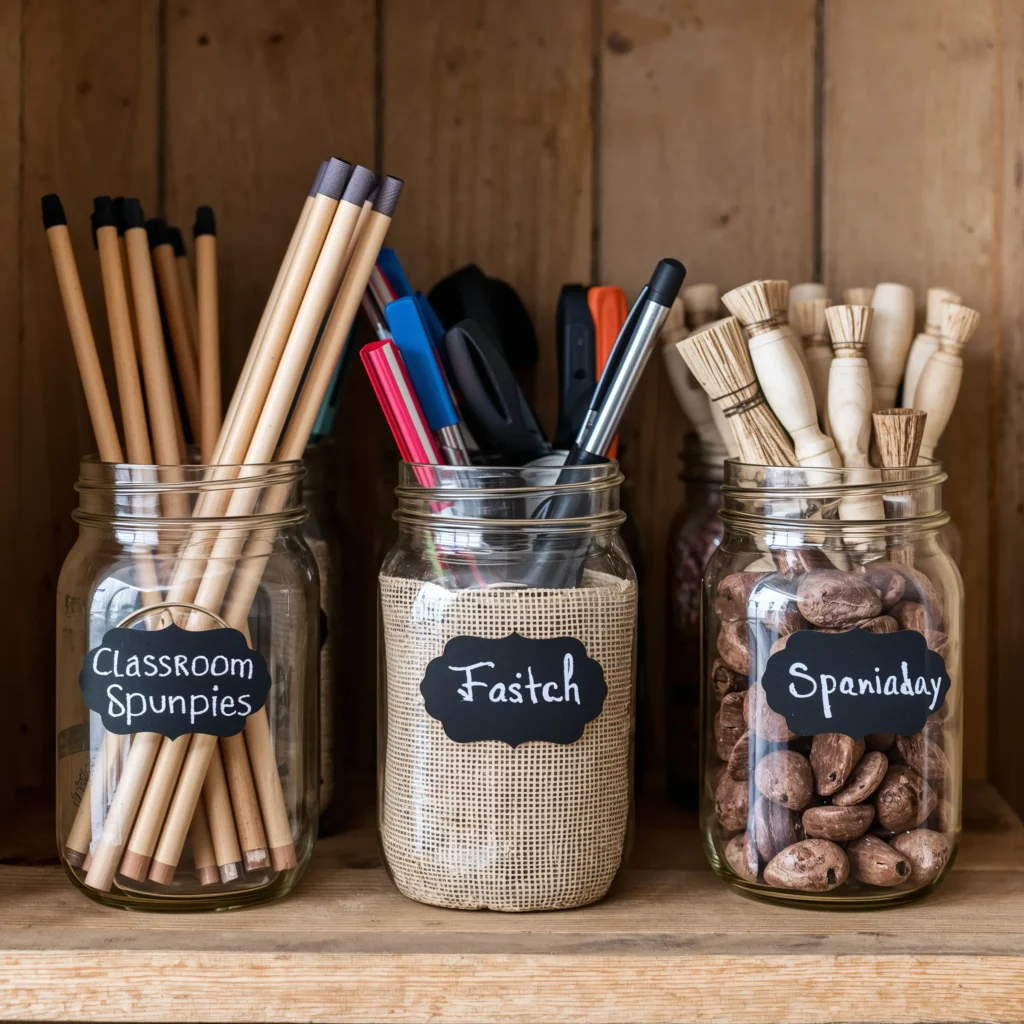
If farmhouse decor had a mascot, it would definitely be the humble mason jar. These versatile glass containers transform from grandma’s canning supplies to chic organizational solutions faster than you can say “Pinterest inspired.”
I started using mason jars in my classroom after inheriting a box of them from my mother-in-law’s garage sale leftovers. What began as a desperate attempt to organize my marker collection turned into a full-blown obsession. Now I use them for everything—pencils, paintbrushes, scissors, and even as tiny flower vases to brighten up group work stations.
Creative Mason Jar Organization Ideas
The possibilities are endless, but here are my favorite ways to incorporate mason jars:
• Create a supply station with different sized jars mounted on a wooden board
• Paint jar lids with chalkboard paint for easy labeling
• Wrap jars in burlap or twine for extra texture
• Use vintage-style wire carriers to create portable supply caddies
FYI, those little pint-sized jars make perfect individual supply holders for student desks. Each kid gets their own personal stash, and suddenly the “someone stole my pencil” drama disappears. You’re welcome.
Budget-Friendly Sourcing
Don’t blow your classroom budget on fancy mason jars from craft stores. Hit up thrift stores, garage sales, or ask parents to donate empty pasta sauce jars. A little soap and water, maybe some Goo Gone for stubborn labels, and you’ve got yourself free decor that looks expensive.
Neutral Burlap Wall Banners
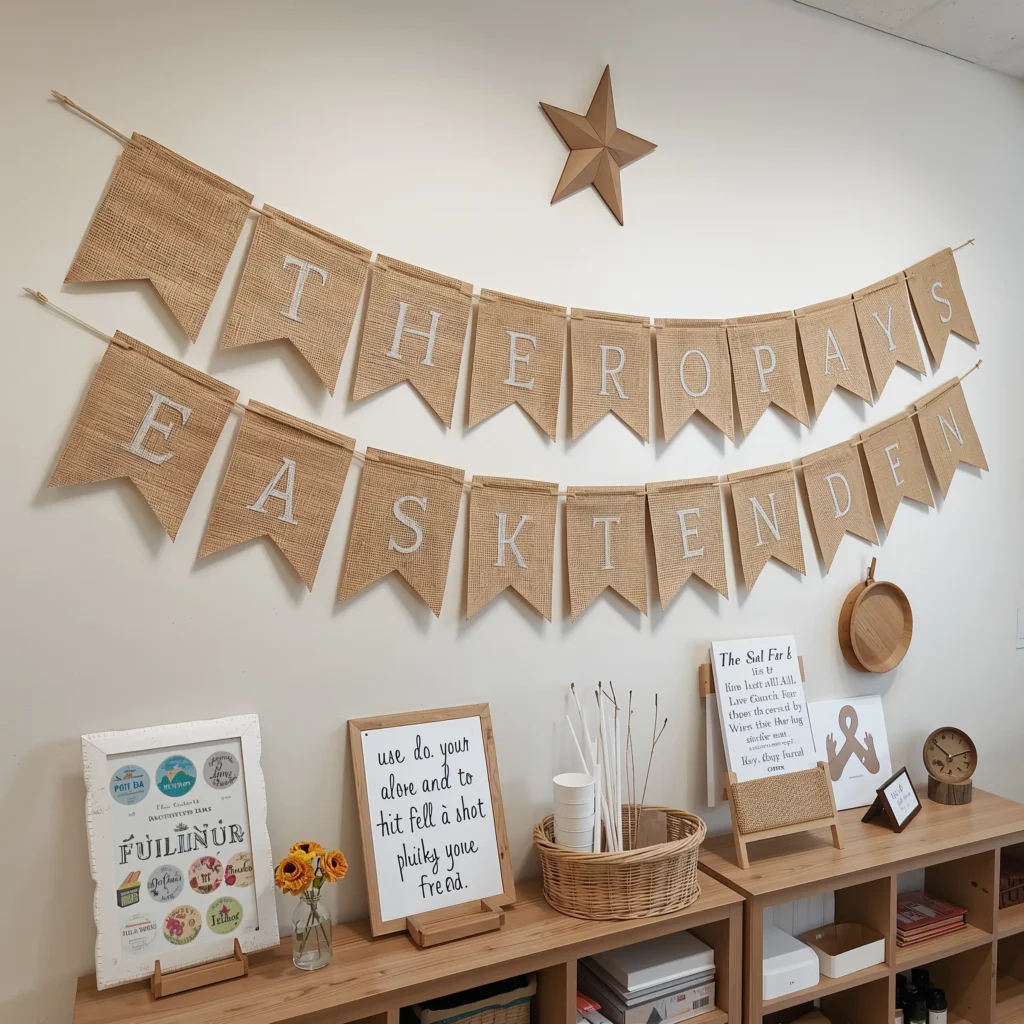
Nothing says farmhouse quite like burlap’s rustic texture, and wall banners made from this material instantly soften those harsh classroom walls. They’re like the classroom equivalent of a warm hug—comforting, inviting, and impossible to ignore.
My first burlap banner attempt was, well, let’s call it “rustic” in the most generous sense. The letters were crooked, the edges frayed like crazy, and it looked more “scarecrow chic” than farmhouse fabulous. But you know what? The kids loved it anyway, and I learned that imperfection actually adds to the charm.
Designing Your Burlap Banners
Here’s how to create banners that look intentional rather than craft-fail:
• Use stencils for consistent lettering—your freehand might not be as steady as you think
• Layer different textures like lace trim or cotton ribbon for visual interest
• Keep messages simple and inspiring—”Choose Kindness” hits different on burlap
• Secure edges with fabric glue to prevent excessive fraying
Strategic Banner Placement
Hang these beauties above your whiteboard, over reading nooks, or along empty wall spaces that need personality. They work especially well in corners where two walls meet—suddenly that awkward space becomes a focal point.
Remember to keep your color scheme cohesive. Natural burlap with white or black lettering maintains that authentic farmhouse feel without overwhelming the space.
Also Read: 10 Beautiful Neutral Classroom Decor Ideas to Inspire Students
Farmhouse Chalkboard Gallery
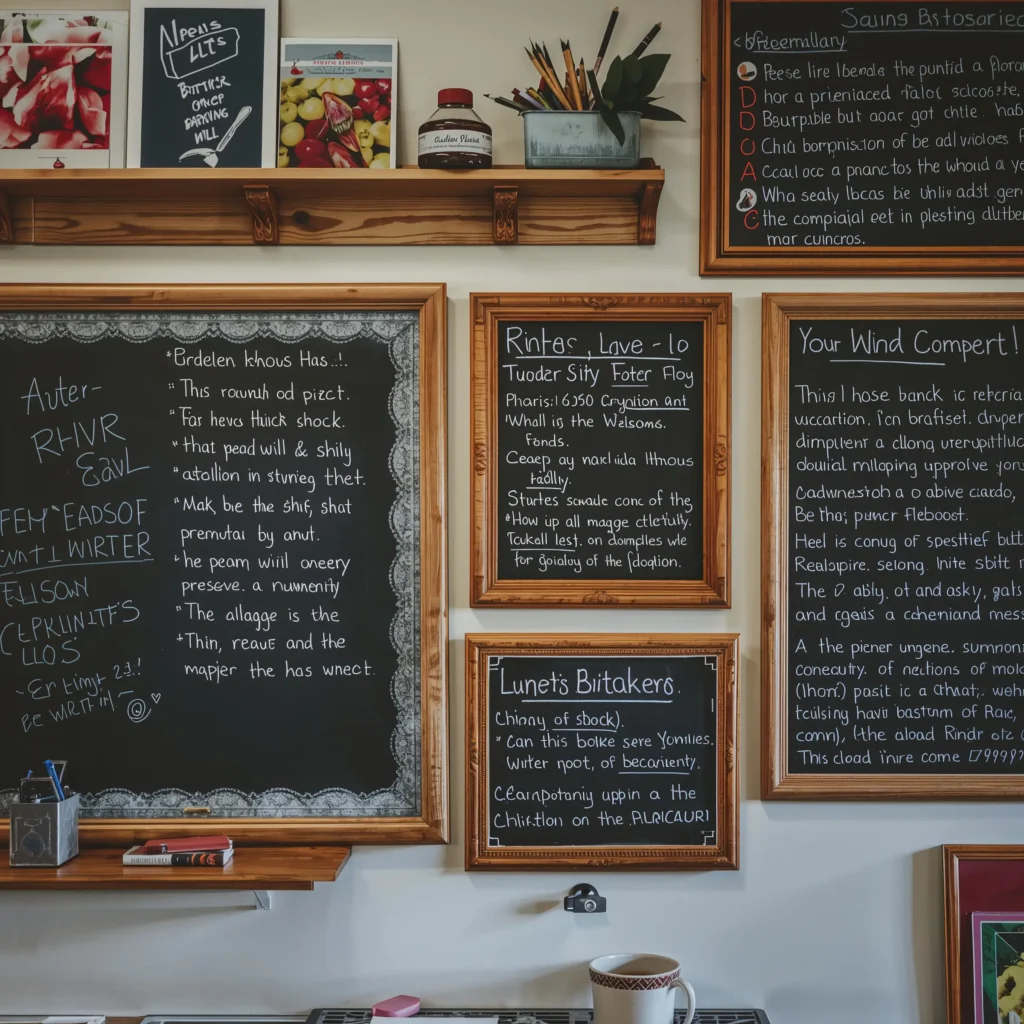
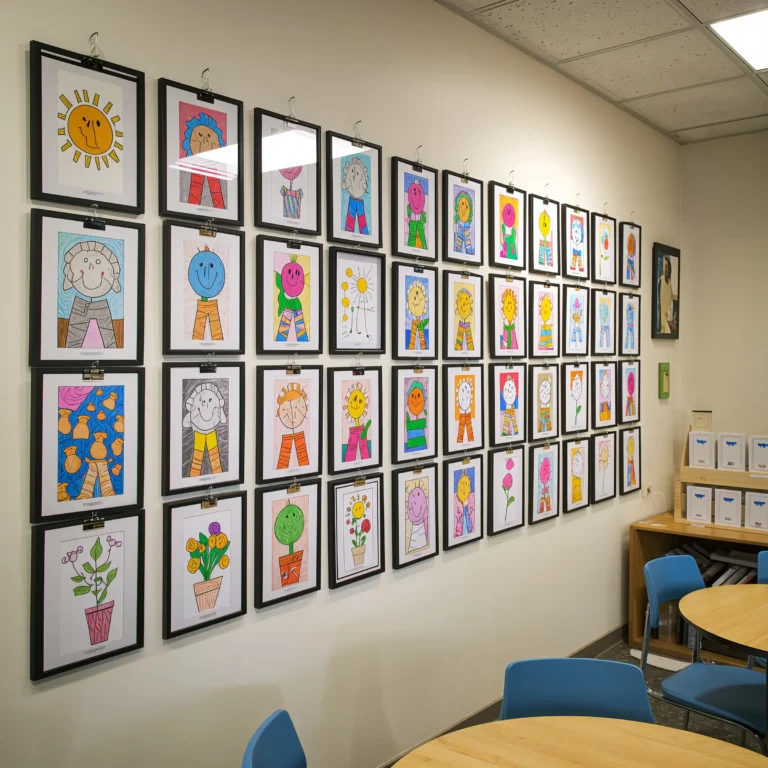
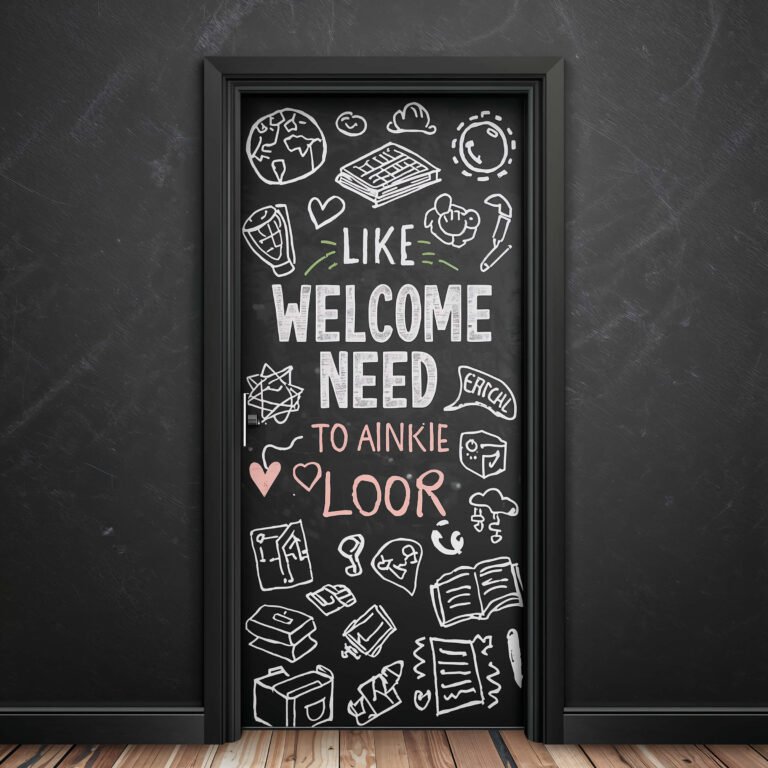
Who decided chalkboards were outdated? Clearly, they never experienced the magic of a farmhouse chalkboard gallery wall. This isn’t your grandmother’s dusty green board—we’re talking about sleek, framed chalkboards arranged artfully to create both functional and beautiful wall space.
I stumbled into this trend when our school was literally throwing away old chalkboards during renovation. With some wood stain, new frames, and a lot of elbow grease, I transformed those rejected boards into the centerpiece of my classroom. Now visiting teachers always ask where I bought them. The answer? The dumpster behind Building C. 🙂
Creating Your Gallery Wall
The key to a stunning chalkboard gallery lies in the arrangement:
• Mix different sizes and shapes for visual interest
• Frame them with distressed wood for that authentic farmhouse feel
• Leave some boards blank for spontaneous student creativity
• Rotate content regularly to keep things fresh
Functional Beauty
What I love most about chalkboard galleries? They’re working decor. Use them for daily schedules, inspiring quotes, student shout-outs, or math problems of the day. The combination of form and function makes every square inch of your classroom work harder.
Pro tip: Invest in quality chalk markers. Regular chalk creates dust that’ll have you sneezing through lesson plans, and nobody wants that.
Wooden Crate Book Display
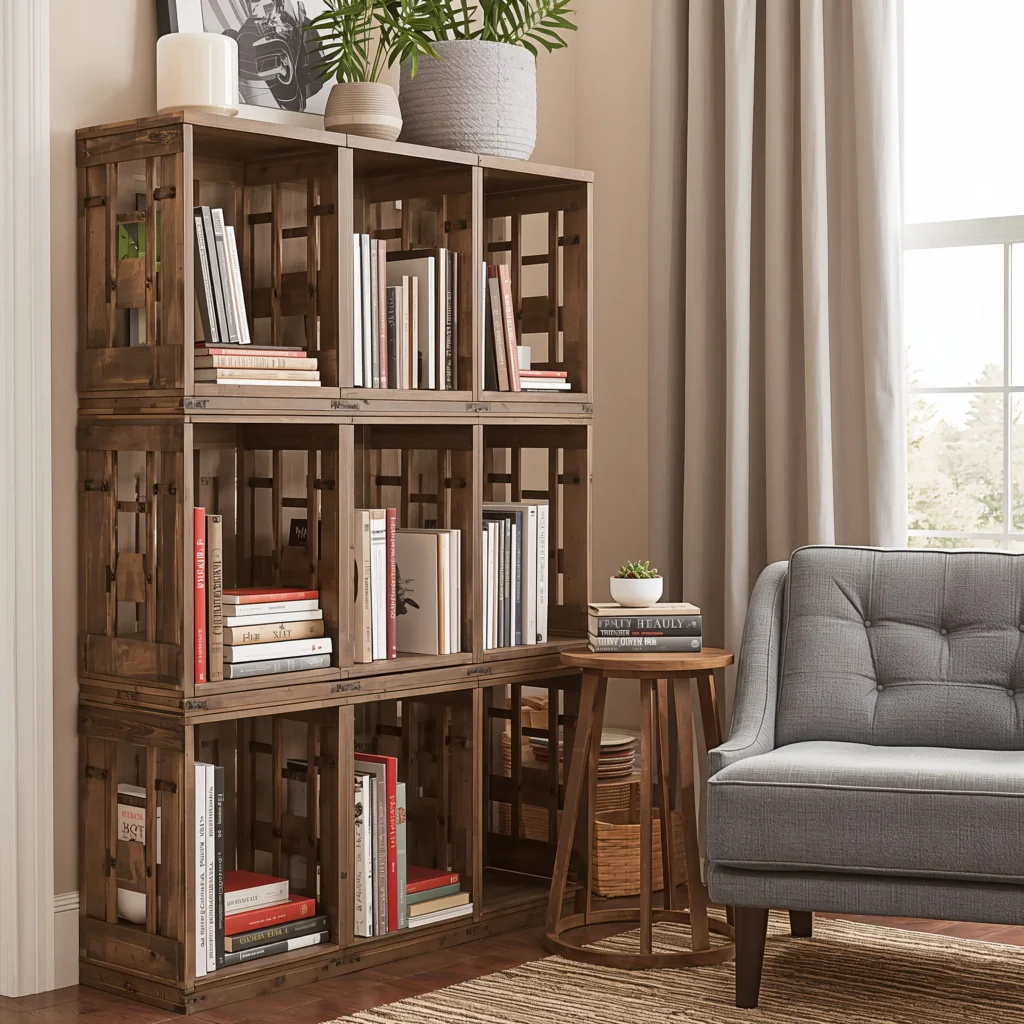
Remember when milk was delivered in wooden crates? Me neither, but these vintage-inspired storage solutions have become the MVP of farmhouse classroom organization. They’re sturdy, stackable, and somehow make even the most worn-out textbooks look intentionally curated.
My wooden crate journey began at a local craft store’s going-out-of-business sale. Twenty dollars later, I had six crates that completely revolutionized my classroom library. Suddenly, my books weren’t just stored—they were displayed like treasures in a boutique bookshop.
Maximizing Crate Potential
Here’s how to make wooden crates work overtime in your classroom:
• Stack them to create custom shelving units
• Mount them on walls for floating book displays
• Add casters to create mobile library stations
• Line with fabric or paper to add pops of pattern
The best part about crate storage? It grows with your needs. Start with a few and add more as you find them. Each crate can have its own purpose—picture books in one, chapter books in another, or organize by reading level.
Styling Your Crate Display
Don’t just throw books in there willy-nilly. Face some covers outward to create visual interest. Add small potted plants (fake ones if you’re like me and kill everything green) or decorative elements between books. Think of it as merchandising your classroom library.
Shiplap Accent Wall Corners
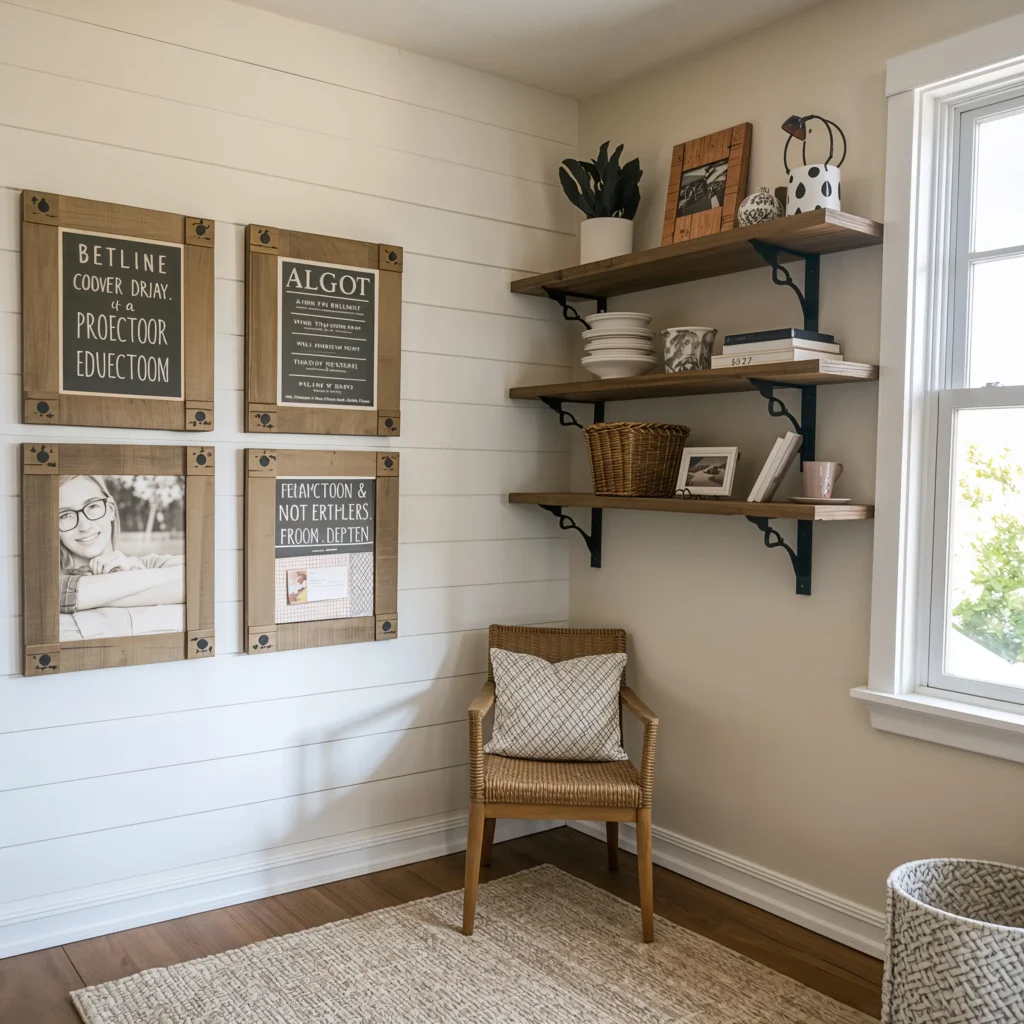
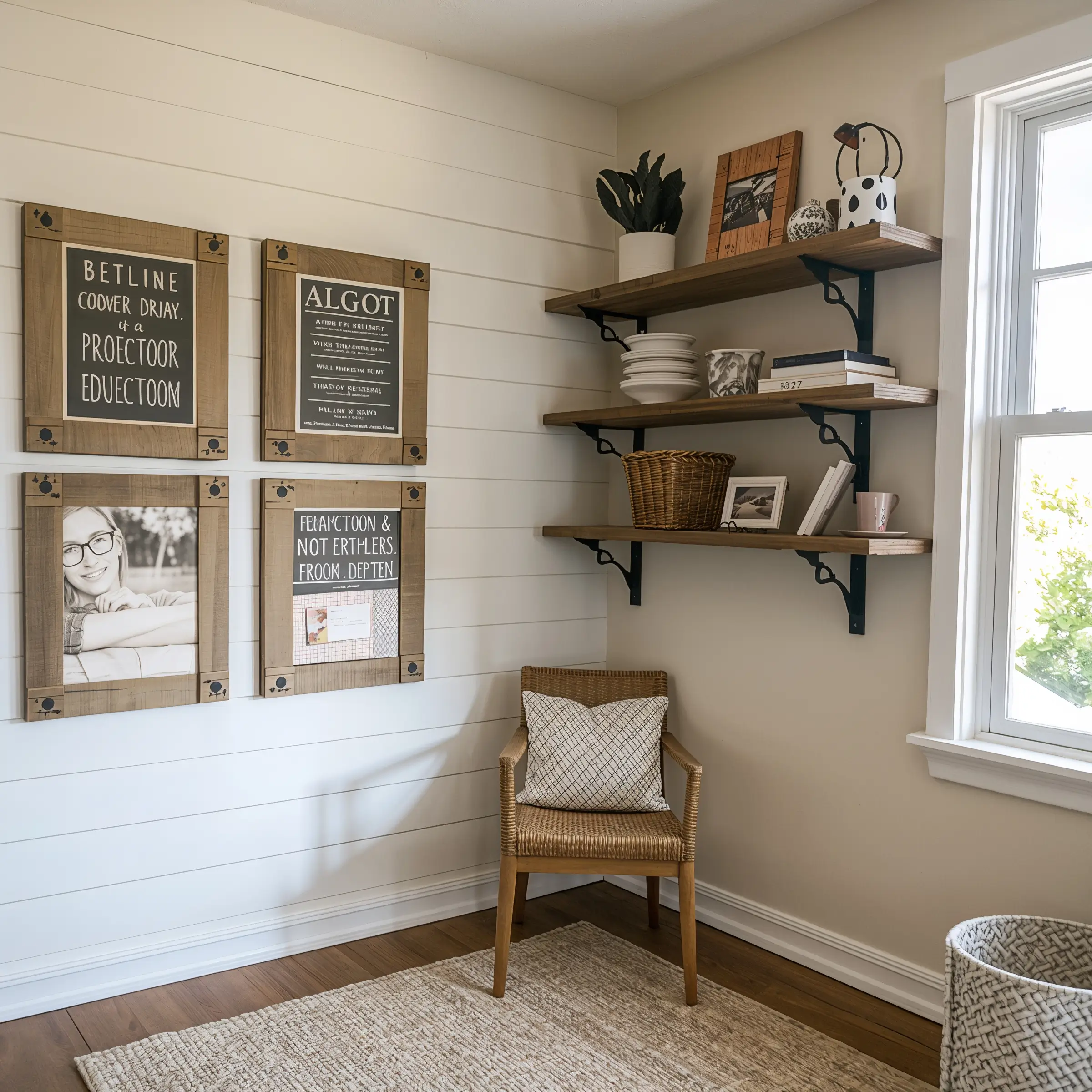
Thanks to certain home improvement TV shows (looking at you, Chip and Joanna), shiplap has become synonymous with farmhouse style. But before you panic about installing real shiplap in your classroom, let me share a secret: faux shiplap wallpaper exists, and it’s a game-changer.
I discovered peel-and-stick shiplap during summer break when I had grand plans to transform my reading corner. Three hours and one minor emotional breakdown later (why are corners so hard?!), I had a Pinterest-worthy accent wall that cost less than fifty bucks.
Strategic Shiplap Placement
You don’t need to cover every wall. In fact, less is more:
• Focus on one corner or small wall section
• Use it as a backdrop for special areas like reading nooks or calm-down spaces
• Create a focal point behind your desk or teaching station
• Frame it with wooden trim for an authentic finish
Installation Without Intimidation
Here’s the truth: installing wallpaper shiplap isn’t rocket science, but it does require patience. Measure twice, stick once. Use a level obsessively. And accept that your first row determines everything—take your time getting it perfect.
IMO, the slight imperfections that come with DIY installation actually add character. Real shiplap isn’t perfect either, right?
Also Read: 10 Stylish High School Classroom Decor Ideas for Modern Classrooms
Vintage Window Frame Displays
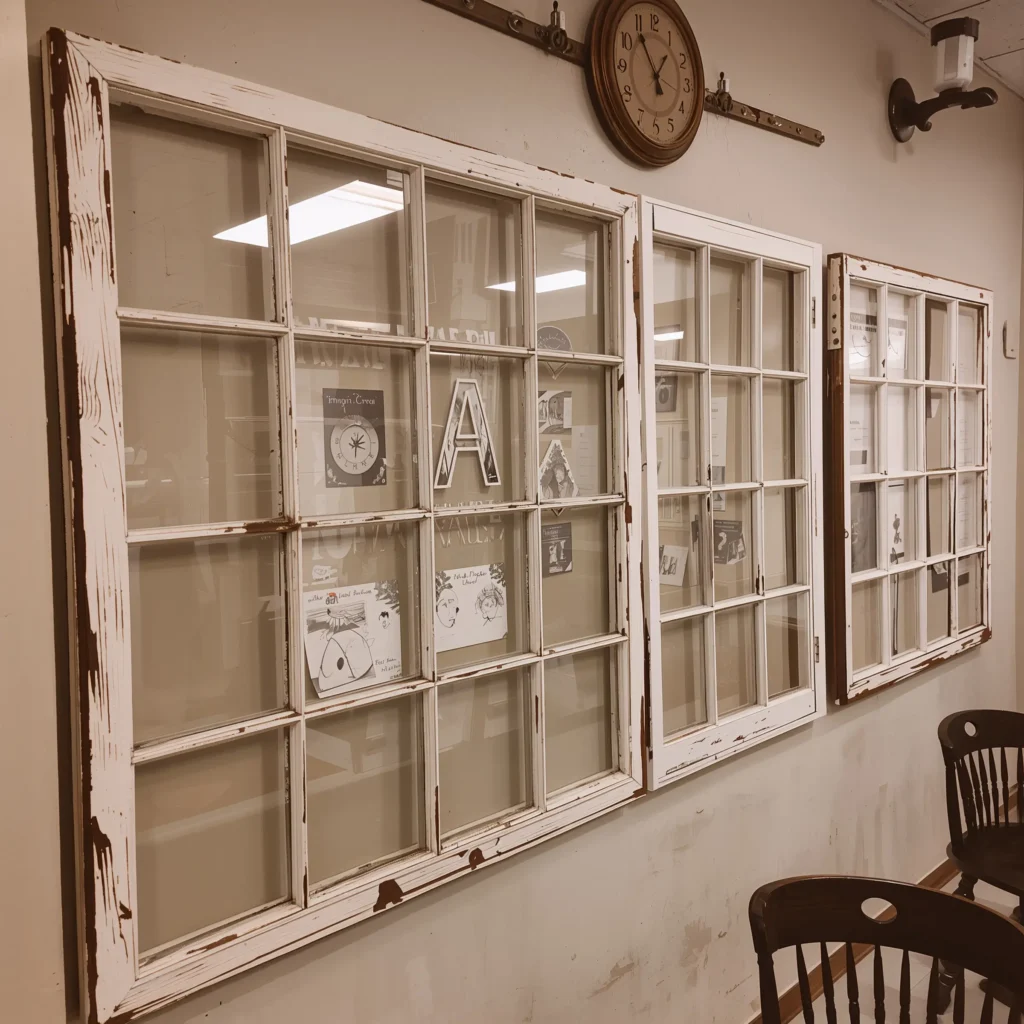
Nothing adds farmhouse charm quite like repurposed vintage window frames. These architectural elements bring instant character and create unique display opportunities that’ll have everyone asking about your decorator.
I found my first window frame at an estate sale for five dollars. It was painted approximately seventeen different colors, had no glass, and looked absolutely tragic. But underneath all that neglect? Pure farmhouse gold. A little sanding, some white chalk paint, and suddenly I had a stunning display piece that became the centerpiece of my classroom.
Window Frame Magic
Transform old windows into functional classroom decor:
• Hang them on walls as frames for student artwork
• Attach chicken wire or string for a creative display system
• Use them as room dividers by hanging from the ceiling
• Create seasonal displays that change throughout the year
The beauty of window frames? Each one tells a story. Those chips, worn spots, and imperfect panes add authenticity you can’t fake. Well, you can try, but trust me, hunting for the real deal is half the fun.
Sourcing Your Frames
Check salvage yards, habitat for humanity restores, and facebook marketplace. Ask friends renovating old homes—they’re usually dying to get rid of old windows. Spring cleaning season and estate sales are goldmines for these pieces.
Cozy Reading Nook with Throw Pillows
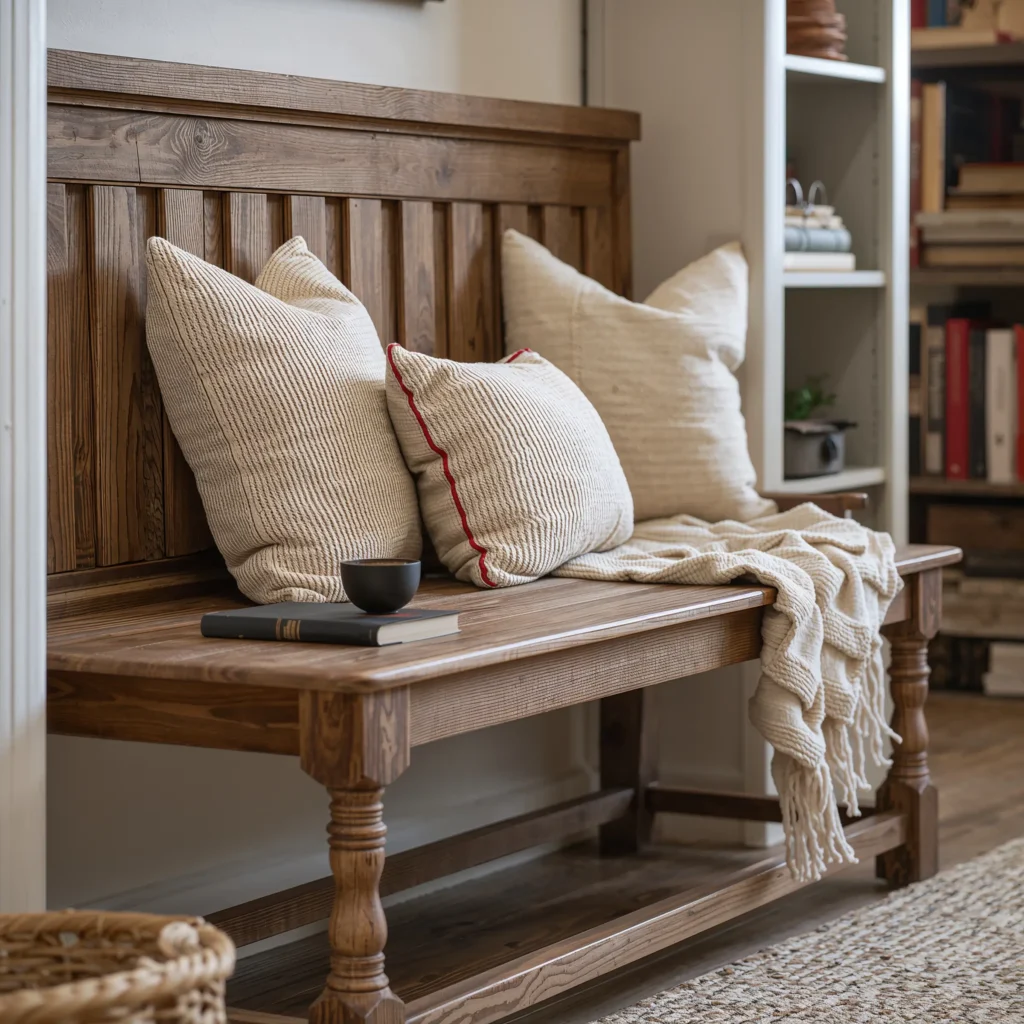
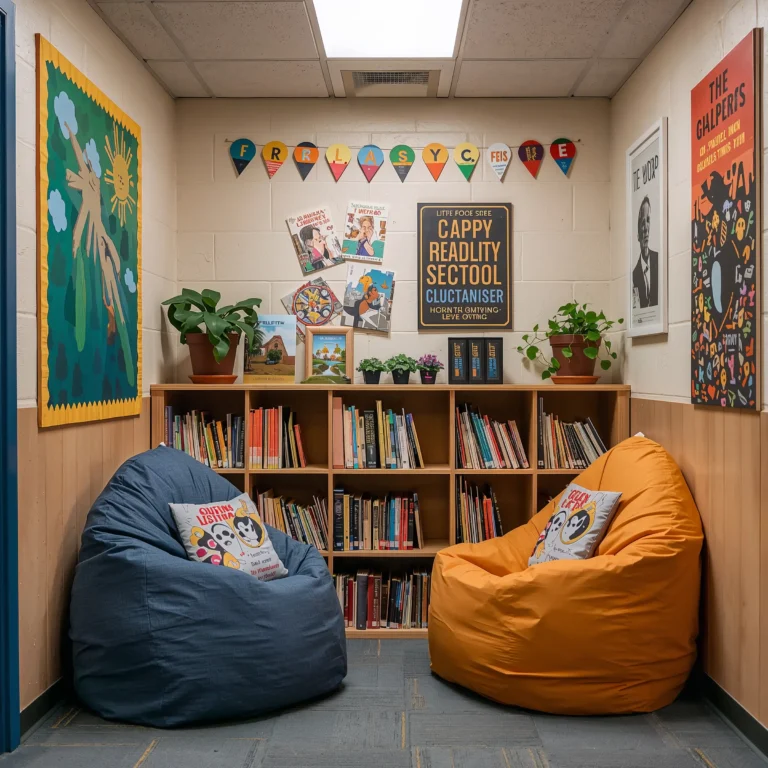
Every farmhouse-inspired classroom needs a cozy corner that beckons students to curl up with a good book. This isn’t just about throwing some pillows on the floor—it’s about creating a space that feels like a warm hug after a long day.
My reading nook started as a sad corner with a threadbare rug and two deflated bean bags. After a weekend transformation involving way too much coffee and a slight shopping addiction at HomeGoods, it became the most coveted spot in school. Kids actually argue about whose turn it is to read there. Mission accomplished!
Building Your Cozy Corner
Essential elements for the perfect farmhouse reading nook:
• Layer different textures with chunky knit blankets and linen pillows
• Add a small bookshelf or crate within arm’s reach
• Include soft lighting with a table lamp or string lights
• Create boundaries with a small area rug to define the space
Pillow Talk
The secret to a magazine-worthy nook? Mix and match pillow patterns while staying within your color palette. Combine solids, subtle patterns, and maybe one statement pillow with a farmhouse saying. “Farm Fresh Learning” anyone?
Keep extra pillow covers on hand to switch out seasonally. It’s like redecorating without the expense or effort. Your reading nook can go from cozy autumn to fresh spring in minutes.
Woven Basket Storage Solutions
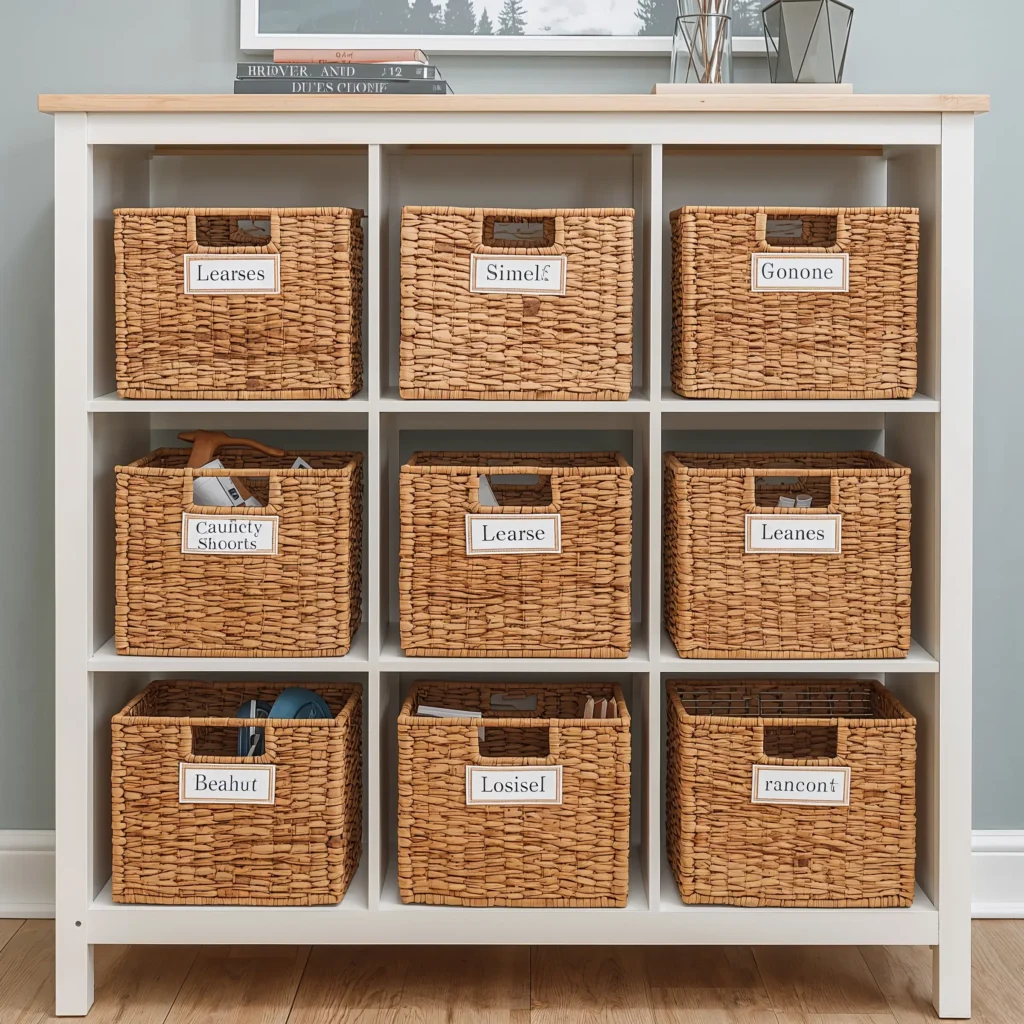
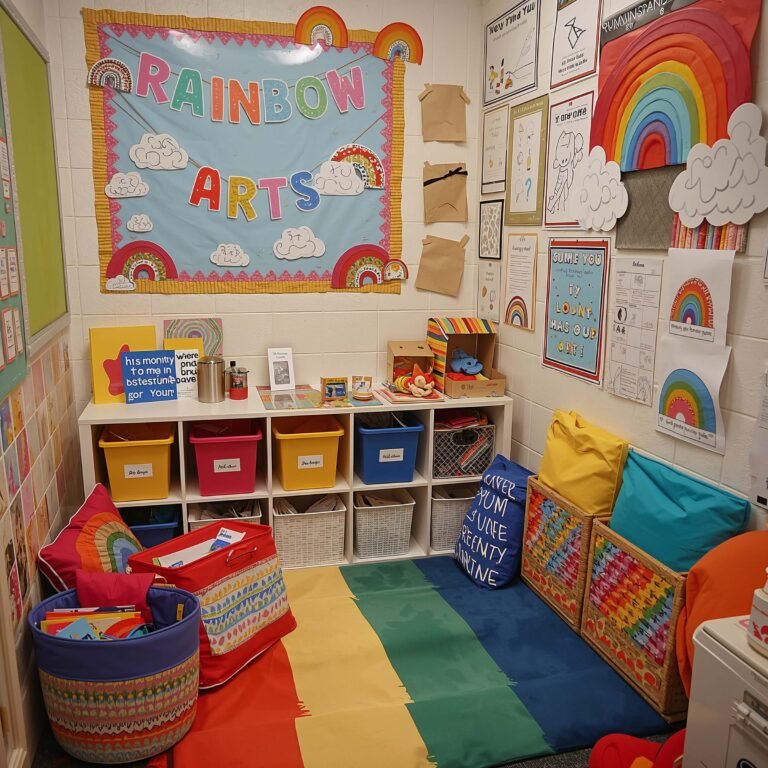
If mason jars are the mascot of farmhouse decor, woven baskets are the unsung heroes. They hide clutter while adding texture and warmth that plastic bins could never achieve. Plus, they make even the messiest classroom corner look intentionally styled.
I became a basket convert after realizing my rainbow-colored plastic bins were killing my farmhouse vibe. One trip to the discount store later, I had replaced every synthetic storage solution with natural woven baskets. The transformation was immediate—suddenly my classroom looked cohesive instead of chaotic.
Basket Organization Systems
Strategic basket placement for maximum impact:
• Use large floor baskets for sports equipment or dramatic play items
• Hang small baskets on hooks for individual student belongings
• Label with kraft paper tags tied with twine for easy identification
• Stack different sizes to create vertical storage solutions
The Right Basket for the Right Job
Not all baskets are created equal. Water hyacinth handles heavy items better than seagrass. Lined baskets work great for art supplies that might poke through. Cotton rope baskets are perfect for softer items like stuffed animals or dress-up clothes.
Here’s a teacher hack: Number your baskets instead of labeling with specific contents. Use a master list you can change as needed. Basket #3 can hold math manipulatives in fall and science materials in spring.
Also Read: 10 Inspiring Middle School Classroom Decor Ideas Kids Will Love
Rustic Farmhouse Clock Wall
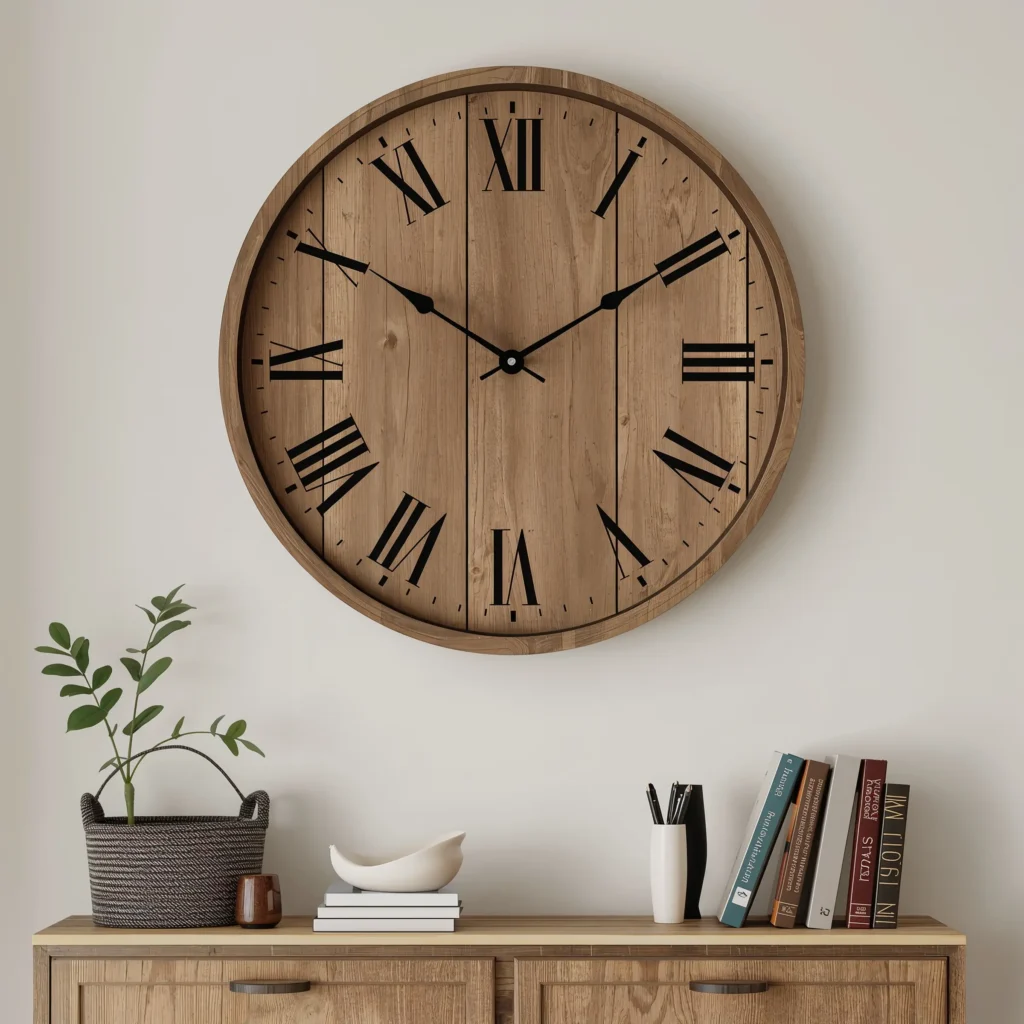
Time flies when you’re having fun, but students still need to know when lunch is. A rustic farmhouse clock doesn’t just tell time—it anchors your decor and creates a focal point that ties everything together.
My clock wall started with one oversized farmhouse clock I found at a garage sale. It didn’t work (naturally), but it looked amazing. Then I added smaller working clocks set to different time zones where we were studying geography. Suddenly, telling time became a global adventure with serious style points.
Creating Your Clock Display
Elements for the perfect farmhouse clock wall:
• Choose one statement clock as your centerpiece
• Mix metals like bronze, copper, and distressed silver
• Add supporting elements like vintage keys or small mirrors
• Include educational clocks showing different time zones or formats
Beyond Basic Timekeeping
Make your clock wall educational and beautiful. Add labels for different time zones your students are studying. Include a digital clock alongside analog for learning opportunities. Every decorative choice can serve a teaching purpose.
Consider the placement carefully. Your clock wall should be visible from most angles but not so prominent it becomes distracting. Above a bookshelf or supply station works perfectly.
Pulling It All Together
Creating a farmhouse classroom isn’t about perfection—it’s about creating a space that feels authentic, welcoming, and conducive to learning. Every weathered board, every mason jar, every carefully chosen basket contributes to an environment where students feel comfortable taking risks and making mistakes.
What surprises me most about this journey? How these simple changes affected my students’ behavior. The calming neutral colors reduced overstimulation. The organized, beautiful storage systems encouraged responsibility. The cozy reading nook became a reward that motivated even reluctant readers.
You don’t need to implement all ten ideas at once. Start with one or two elements that speak to you. Maybe it’s mason jar organizers this month and a burlap banner next month. Build your farmhouse classroom gradually, allowing it to evolve naturally with your teaching style and your students’ needs.
Remember, the goal isn’t to create a Pinterest-perfect space that looks untouchable. You want a living, breathing classroom that embraces the farmhouse philosophy: simple, functional, and beautiful in its imperfection. Let students contribute ideas. Embrace the happy accidents. That crooked banner or slightly wonky shiplap? That’s not a mistake—that’s character.
Your classroom should tell a story—your story, your students’ stories, and the stories you’ll create together in this space. These farmhouse elements aren’t just decor; they’re the backdrop for memories, learning, and growth. So grab that hot glue gun, channel your inner Joanna Gaines, and create a classroom that feels less like an institution and more like home.
After all, when students feel at home, that’s when the real magic happens. And trust me, there’s nothing quite like seeing a kid’s face light up when they walk into your farmhouse oasis Monday morning, ready to learn in a space that actually inspires them.