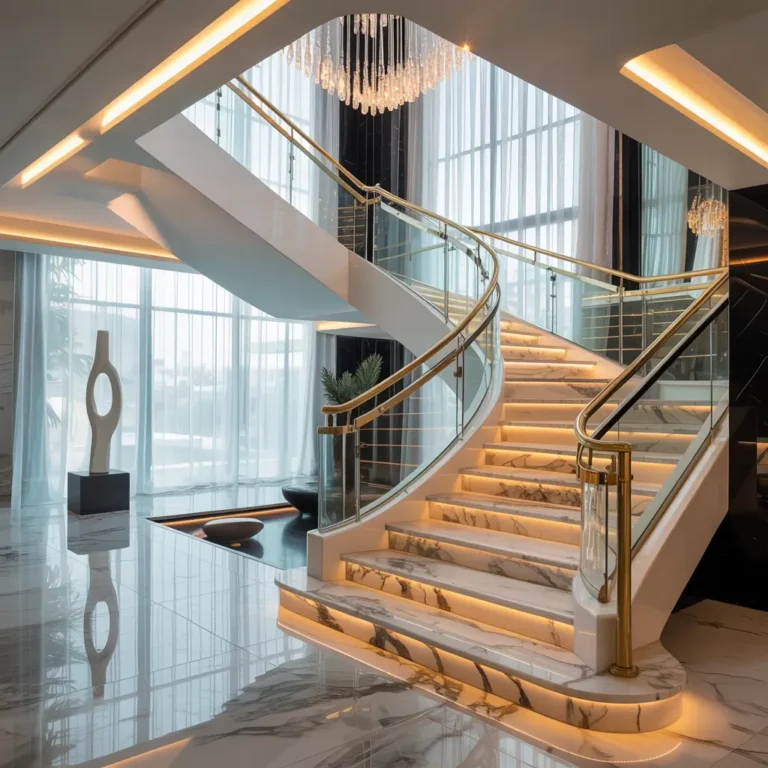
10 Amazing Basement Stairs Ideas Stylish Home Upgrade

You know that feeling when you dread going to your basement because those creaky, outdated stairs make the whole experience feel like you’re descending into a dungeon? Yeah, I’ve been there too.
Your basement stairs don’t have to be an afterthought that screams “1970s builder special.” With the right design approach, they can become a stunning focal point that actually makes you excited to head downstairs.
I’ve spent way too much time obsessing over staircase designs (occupational hazard of being a design enthusiast), and I’m here to share the most jaw-dropping basement stair ideas that’ll transform your space from “meh” to “holy cow, did you hire a designer?” Whether you’re working with a tight budget or ready to splurge on something spectacular, these ideas will give your basement the entrance it deserves.
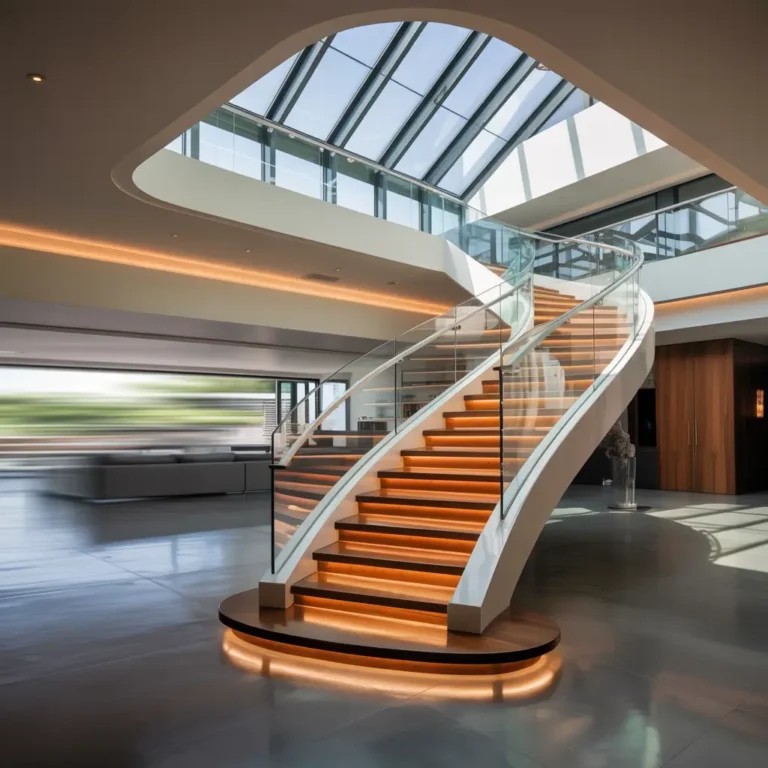
1. Floating Glass Basement Stairs Modern Glow
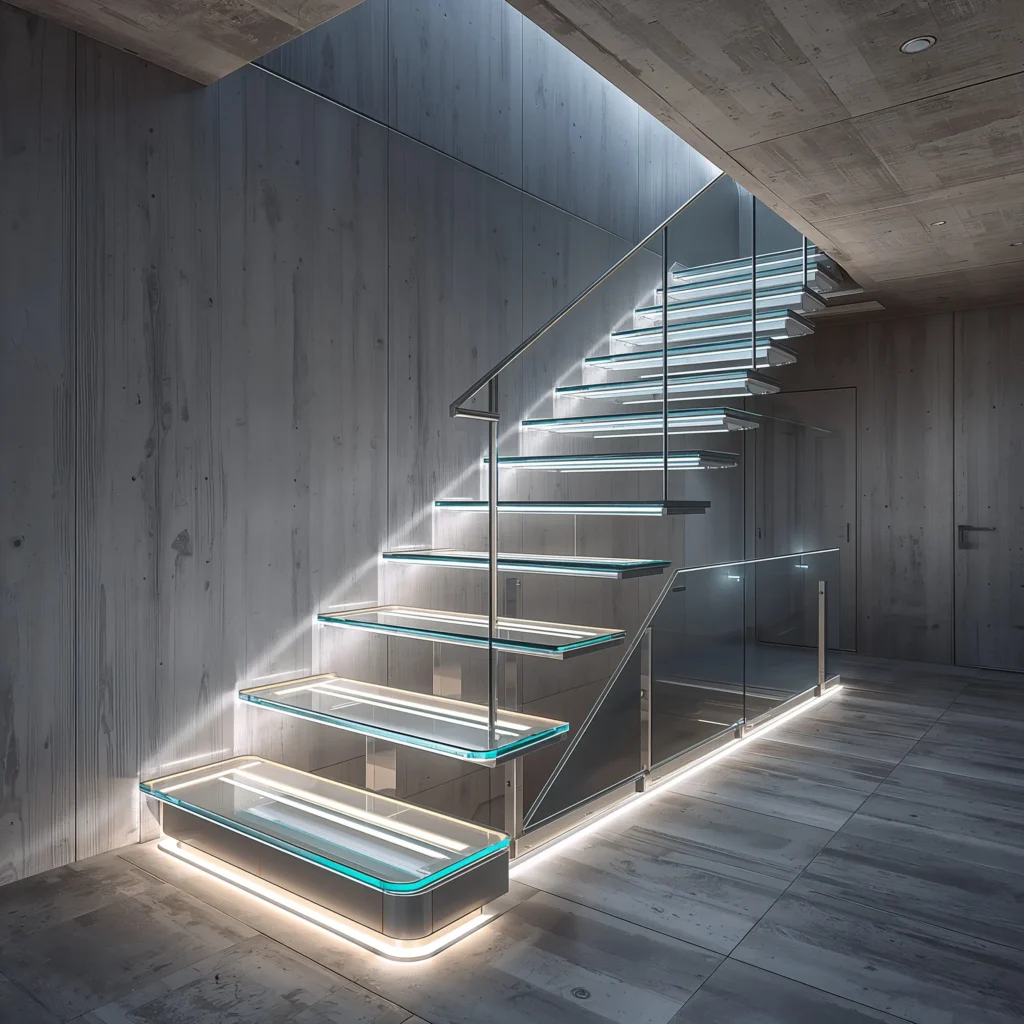
Glass stairs in a basement? Trust me, I know it sounds crazy at first. But hear me out – floating glass stairs create the most incredible modern glow effect that’ll make your basement feel like a high-end gallery space.
I’ve seen these beauties in person, and the way they catch and reflect light is absolutely mesmerizing. The glass treads appear to float against the wall, creating this ethereal effect that makes your basement feel twice as spacious. Tempered glass is your best friend here – it’s incredibly strong and designed to handle daily foot traffic without breaking a sweat.
The secret sauce? LED strip lighting underneath each glass tread. This creates that signature modern glow that makes the entire staircase look like it’s hovering in mid-air. You can even install color-changing LEDs if you’re feeling extra fancy (though I’d stick with warm white for everyday use – trust me on this one).
Key considerations for glass stairs:
- Professional installation is absolutely non-negotiable
- Regular cleaning keeps them looking pristine
- Anti-slip treatments prevent accidents
- Higher upfront cost but incredible visual impact
One thing I love about glass stairs? They work with virtually any basement style. Modern, traditional, industrial – glass has this chameleon-like quality that adapts to its surroundings while still making a statement.
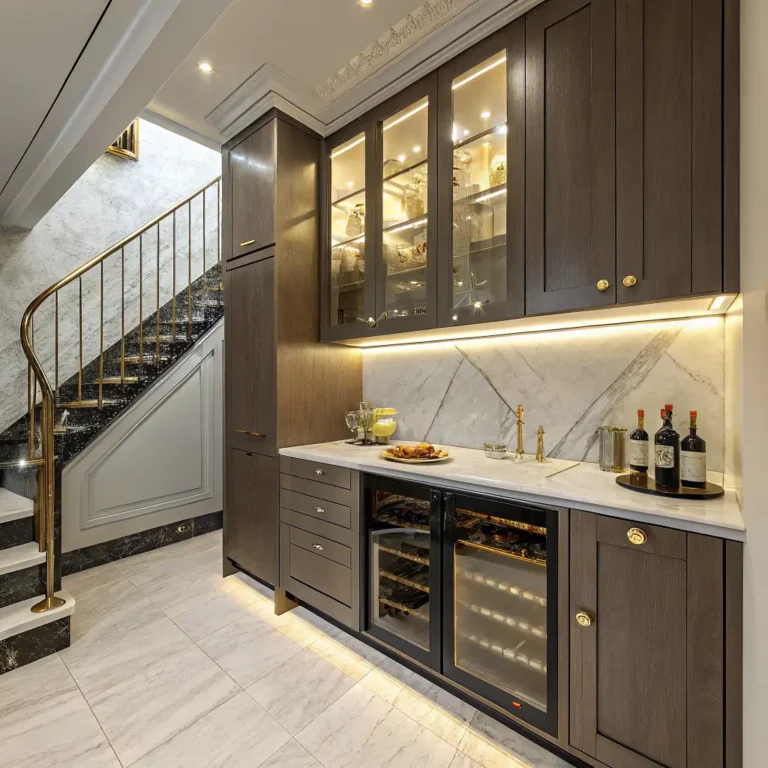
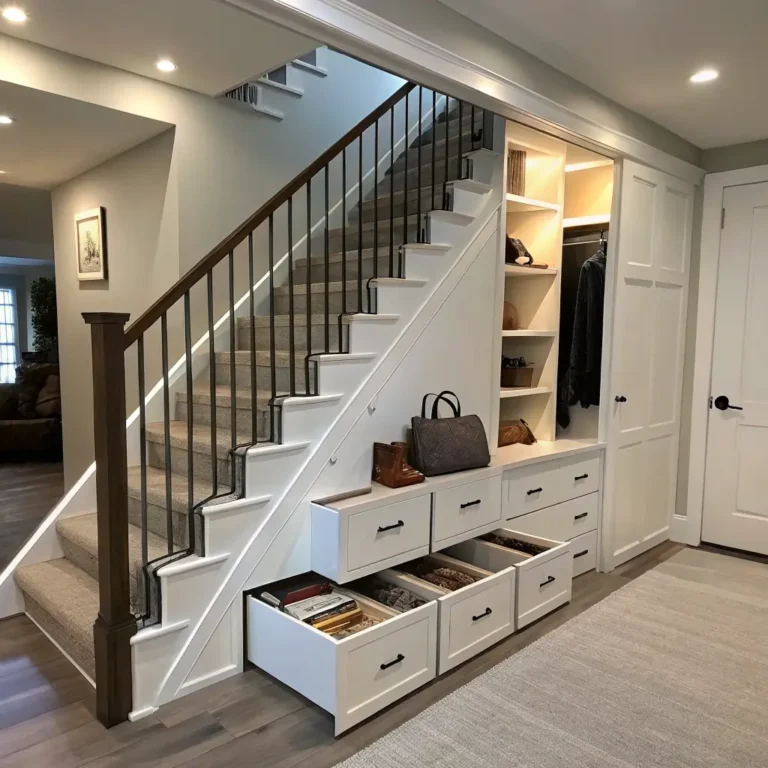
2. Hidden Storage Under Stair Basement Design
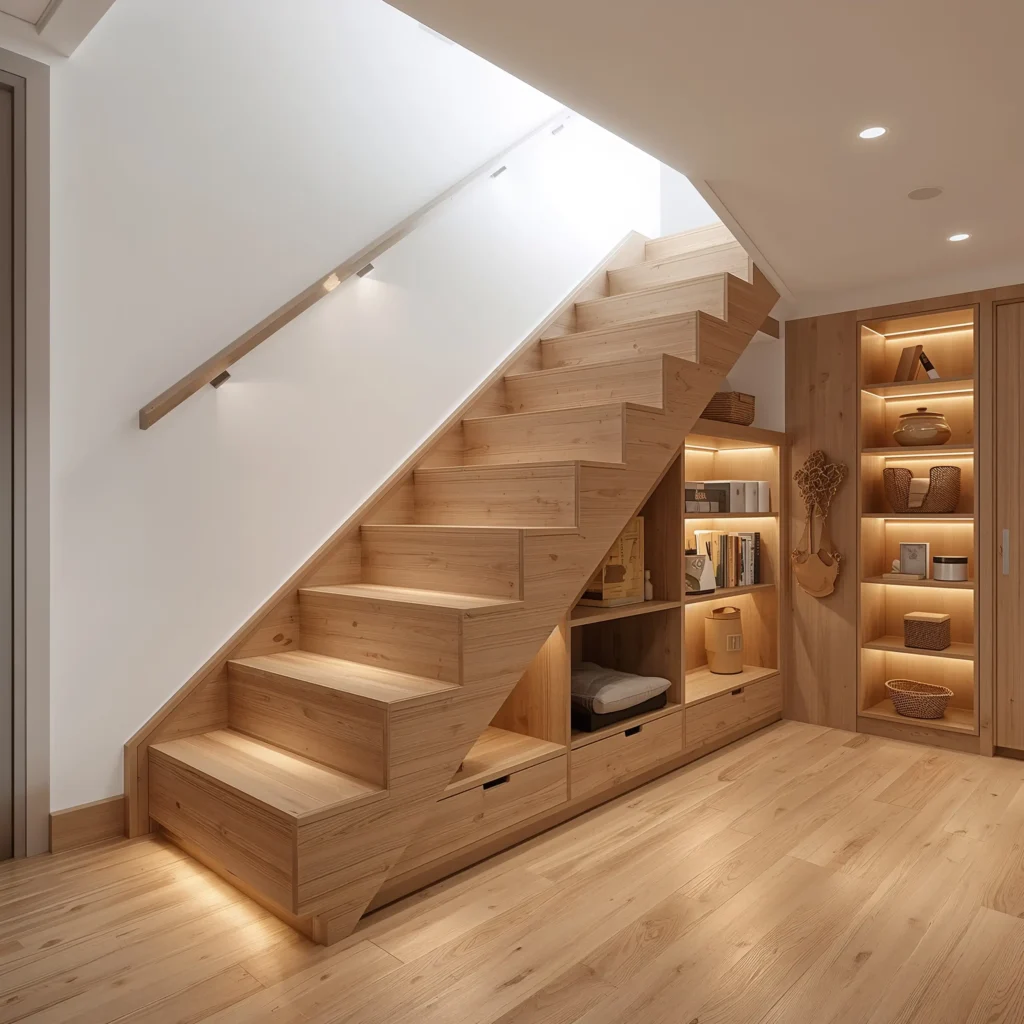
Here’s where we get clever with our basement real estate. Hidden storage under stairs is like finding money in your old jacket pocket – pure genius that you’ll wonder how you ever lived without.
I’m talking about pull-out drawers, wine storage, seasonal decoration hideaways, or even a secret home office nook. Every single step can become a storage opportunity if you plan it right. Picture this: you lift up a stair tread, and boom – there’s your holiday decoration storage that you actually remember exists.
Smart storage ideas under basement stairs:
- Pull-out pantry for extra canned goods
- Shoe storage with individual cubbies
- Home office setup with a built-in desk
- Wine cellar with climate control
- Sports equipment organization system
The beauty of under-stair storage lies in its invisibility. Your guests will never know you’ve got enough storage space to rival a small warehouse tucked away under those seemingly ordinary steps. Custom carpentry makes all the difference – those perfectly fitted drawers and compartments look like they were always meant to be there.
Pro tip from someone who learned the hard way: install soft-close mechanisms on any drawers or doors. The last thing you want is storage compartments slamming shut every time someone uses them. It’s worth the extra cost, IMO.
3. Industrial Metal Frame Basement Stair Look
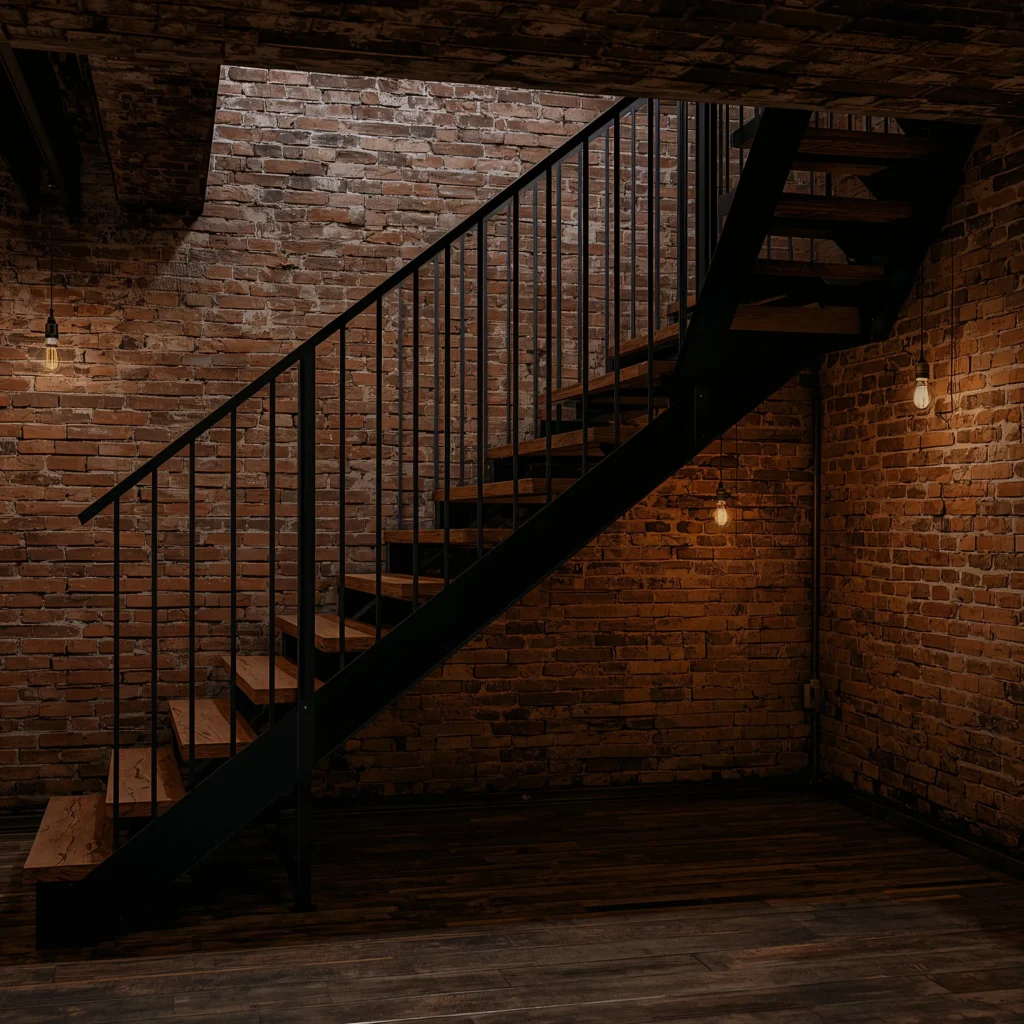
Want to channel some serious urban loft vibes? Industrial metal frame stairs bring that raw, edgy aesthetic that makes your basement feel like a trendy downtown apartment.
I’m obsessed with the combination of black steel frames paired with reclaimed wood treads. It’s this perfect marriage of rough industrial elements with warm, natural textures that keeps the space from feeling too cold or sterile. The metal framework creates these gorgeous geometric lines that add visual interest without overwhelming the space.
What makes industrial stairs work so well:
- Raw steel or powder-coated black frames
- Reclaimed wood or concrete treads
- Minimal railings with cable or pipe details
- Exposed bolts and hardware as design features
- Open risers for that airy industrial feel
The maintenance on these babies is refreshingly simple. Steel frames are practically indestructible, and if your wood treads get dinged up over time, those scratches just add to the authentic industrial character. It’s like buying pre-distressed jeans – the imperfections are part of the charm.
Ever notice how industrial design makes everything feel more substantial? These stairs have this solid, built-to-last quality that gives you confidence with every step. No creaking, no wobbling – just pure structural integrity that’ll outlast probably everything else in your house.
Also Read: 10 Beautiful Stair Railing Design Ideas for Luxury Spaces
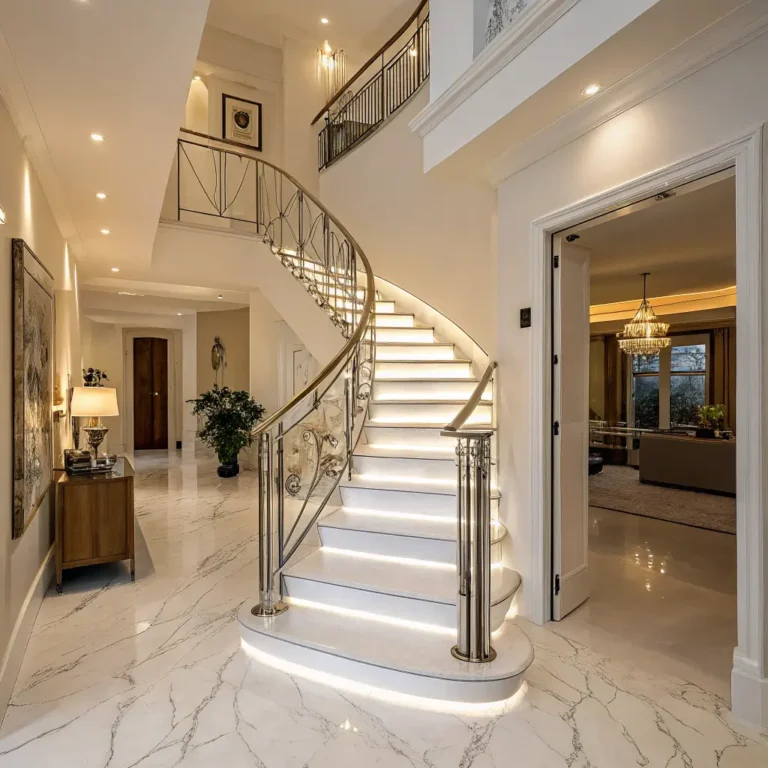
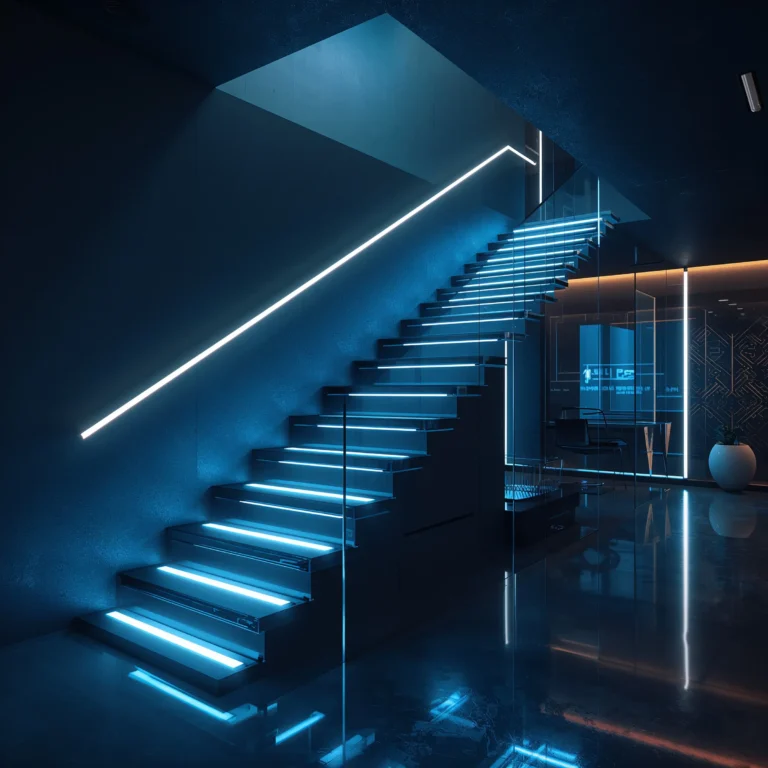
4. LED Lit Basement Staircase Night Style
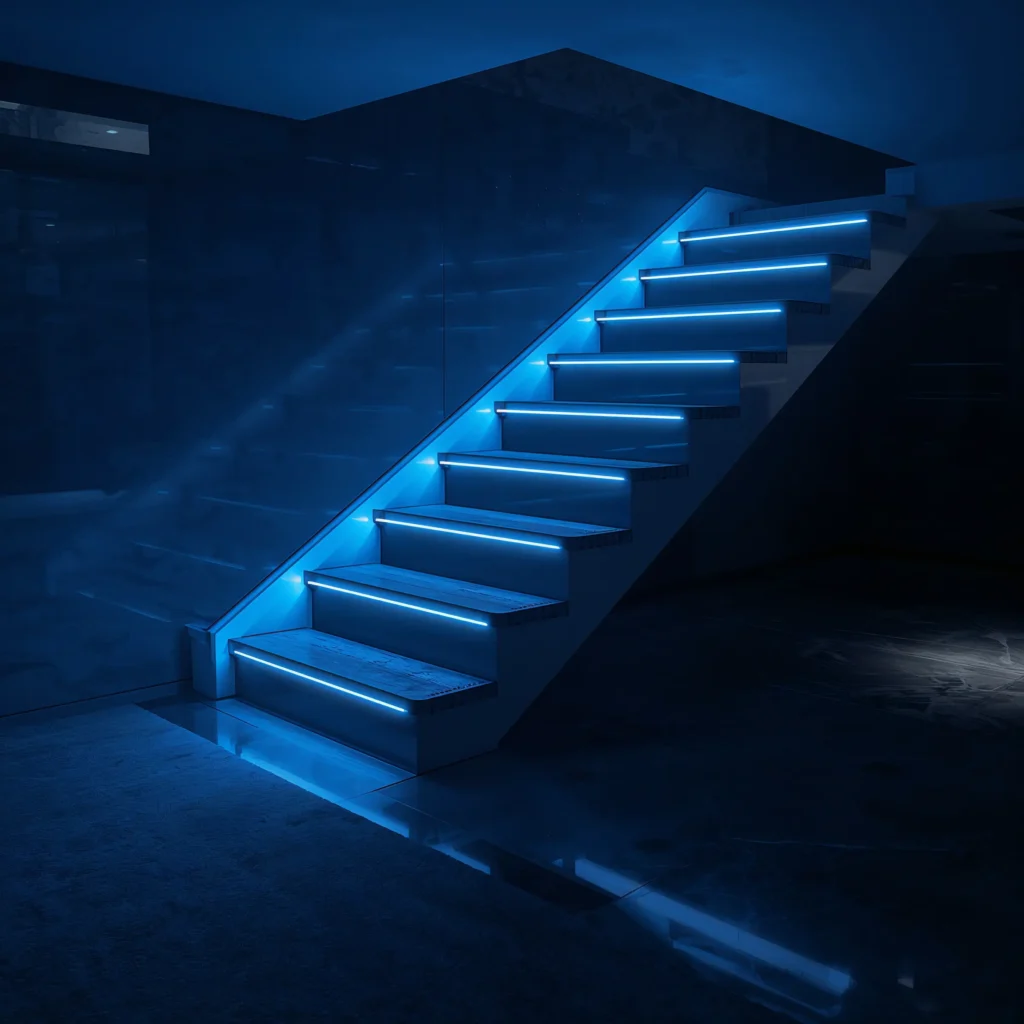
Nighttime navigation in basements can be treacherous territory, but LED-lit staircases turn safety into a spectacular light show. I’ve installed LED strips on basement stairs, and let me tell you – it’s a game-changer for both safety and ambiance.
The trick is strategic LED placement that illuminates without being blinding. Under each tread, along the handrail, or recessed into the wall beside each step – these lights create a gentle pathway that guides you safely downstairs even in complete darkness.
LED lighting placement options:
- Recessed strip lights under each tread
- Handrail-integrated LED strips
- Wall-mounted step lights
- Color-changing smart LED systems
- Motion-activated lighting zones
What I love most? Smart LED systems that you can control with your phone. Imagine adjusting the brightness and color temperature based on the time of day or your mood. Bright white for morning energy, warm amber for evening relaxation, or even fun colors for basement parties.
The energy efficiency is incredible too. LEDs use about 75% less energy than traditional lighting and last roughly 25 times longer. Your electric bill will thank you, and you’ll forget what it’s like to change light bulbs on stairs (which, let’s be honest, is never fun anyway).
5. Minimalist White Basement Stair Design
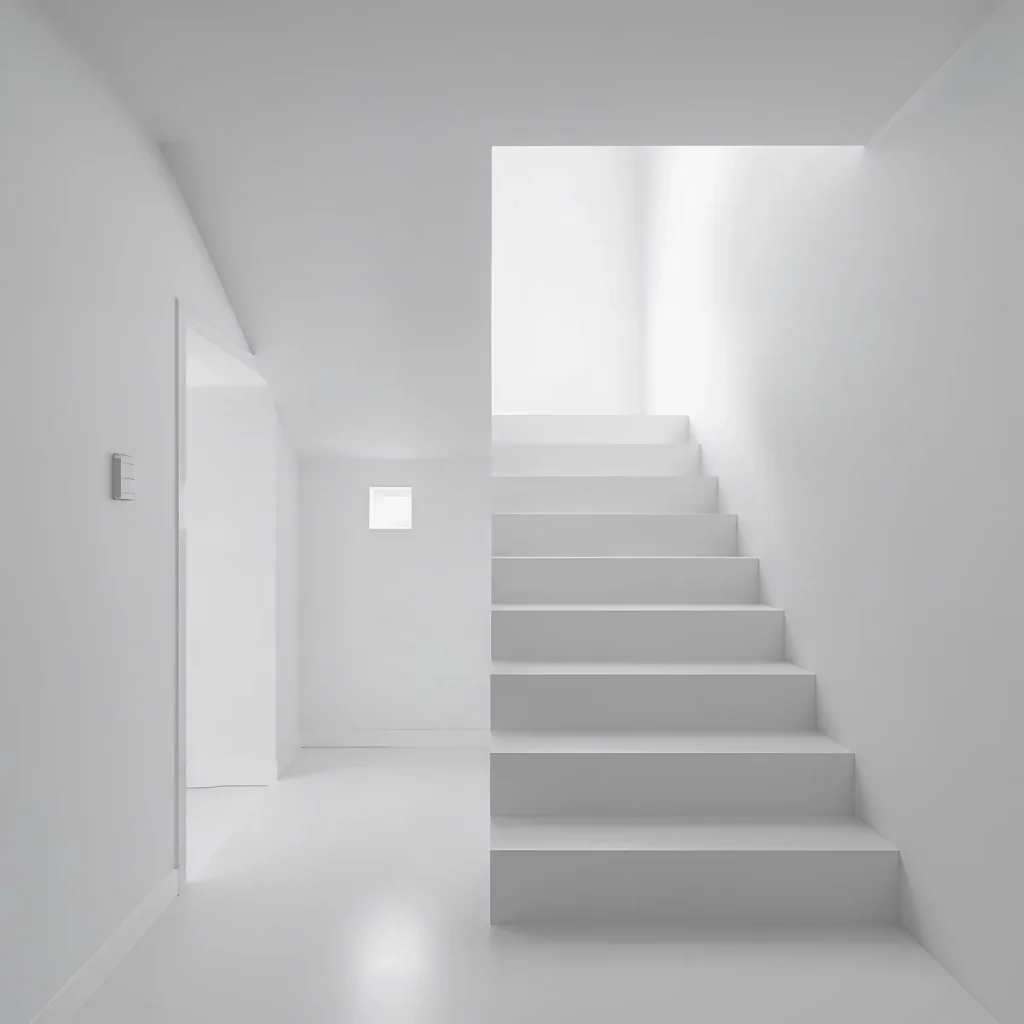
Sometimes less really is more, and minimalist white stairs prove this point beautifully. These stairs create a clean, fresh aesthetic that makes your basement feel like an extension of your main living space rather than a separate, darker area.
I’m talking about crisp white risers, clean lines, and absolutely zero visual clutter. The simplicity is deceptive – achieving this look requires precise craftsmanship and attention to detail that makes every element look effortless.
Elements of minimalist white stair design:
- Sleek white painted or lacquered finishes
- Hidden hardware and support systems
- Simple, geometric handrail designs
- Consistent proportions and spacing
- Seamless integration with surrounding walls
The psychological effect of white stairs amazes me. They instantly brighten the space and create this sense of openness that makes even small basements feel more spacious. It’s like adding windows without actually cutting holes in your foundation.
Maintenance concerns? Yeah, white shows everything. But here’s the thing – high-quality paint finishes are surprisingly durable and easy to clean. A quick wipe-down keeps them looking fresh, and touch-ups are simple when needed. Plus, there’s something satisfying about maintaining something that looks this crisp and clean.
6. Rustic Wooden Basement Stairs Cozy Finish
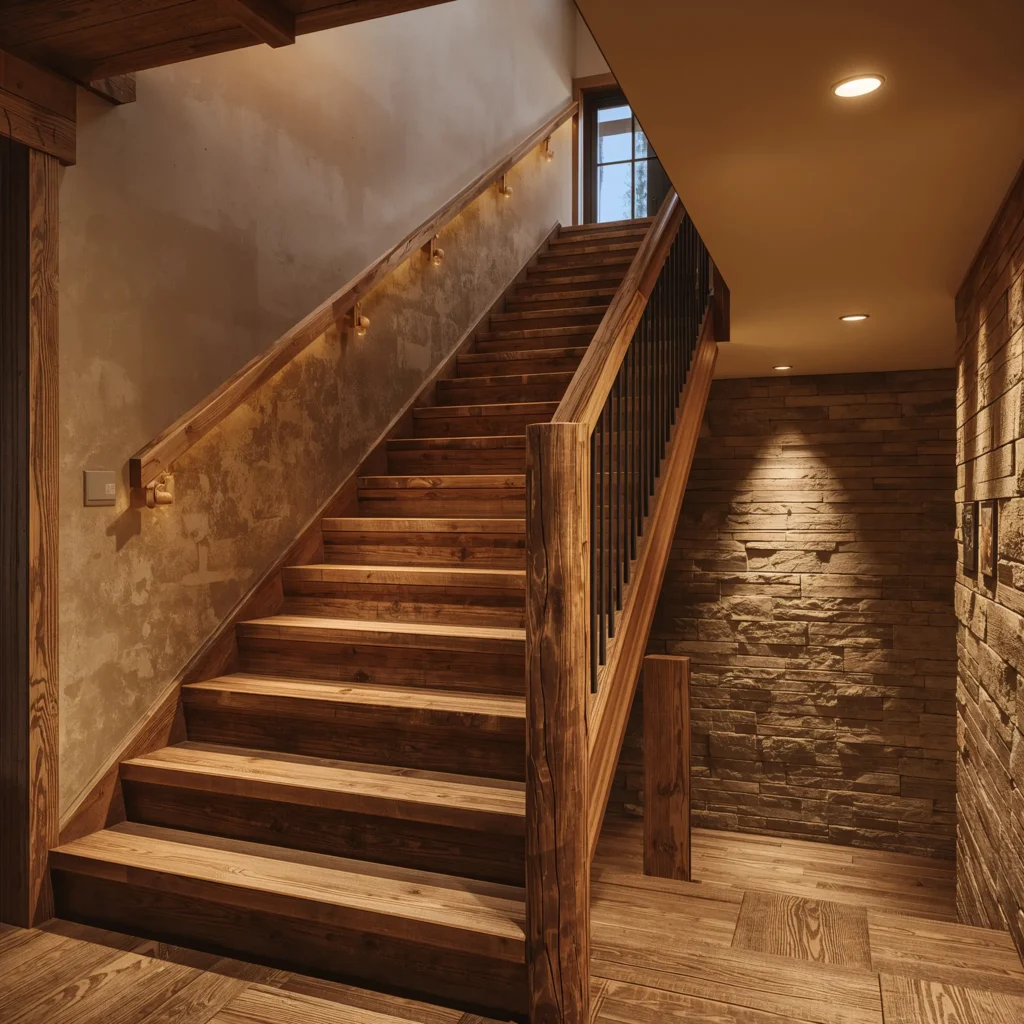
Nothing beats the warmth of natural wood when you want your basement to feel like a cozy retreat. Rustic wooden stairs bring this incredible organic texture that makes the space feel welcoming and lived-in from day one.
I’ve worked with reclaimed barn wood, live-edge slabs, and hand-hewn timbers – each brings its own character and tells a unique story. The imperfections are what make rustic wood so beautiful – those knots, grain patterns, and weathered edges create visual interest that you simply can’t get with manufactured materials.
Rustic wood stair considerations:
- Reclaimed wood for authentic character
- Natural oil finishes that enhance grain patterns
- Hand-forged iron hardware for authentic details
- Chunky proportions that feel substantial
- Warm stain colors that complement basement lighting
The tactile experience of wood stairs is unmatched. That solid, grounded feeling under your feet connects you to natural materials in a way that synthetic alternatives just can’t replicate. There’s also this subtle creaking that’s completely different from the alarming sounds of loose stairs – it’s more like the gentle settling sounds of a cozy cabin.
Durability concerns? Properly treated wood stairs can last decades with minimal maintenance. A yearly oil treatment keeps them looking rich and protected, and any dings or scratches just add to the rustic character. It’s aging gracefully in the best possible way.
Also Read; 10 Stunning Black Stairs Ideas for Modern Luxury Homes
7. Spiral Basement Stair Space Saving Design
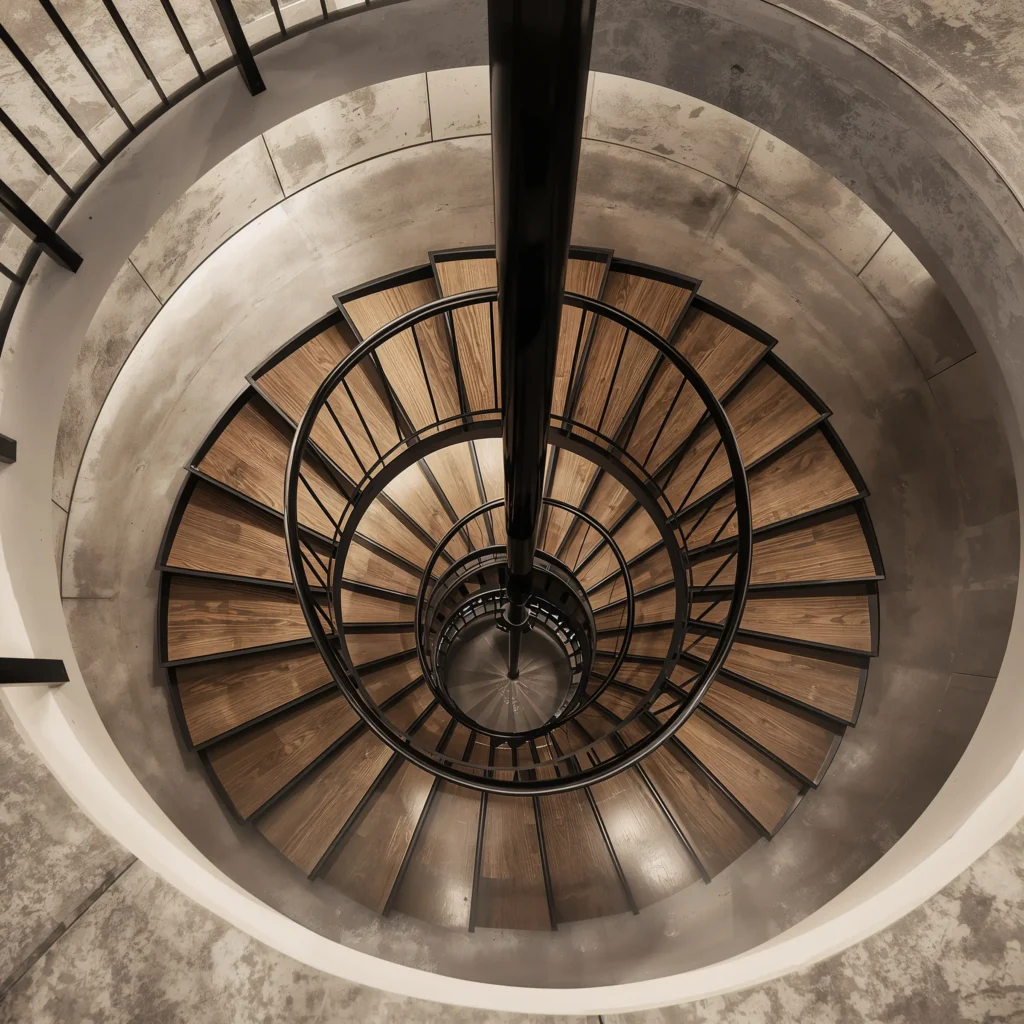
Tight on basement space? Spiral stairs are your secret weapon for maximizing every square foot while creating an absolutely stunning architectural feature. These beauties pack maximum impact into minimum footprint.
I’ve seen spiral stairs transform cramped basement access into dramatic focal points that rival any grand entrance. The curved lines create visual flow that draws your eye upward and makes the entire space feel more dynamic and interesting.
Spiral stair space-saving benefits:
- Compact 4-6 foot diameter footprint
- Dramatic visual impact and architectural interest
- Efficient traffic flow in small spaces
- Customizable materials and finishes
- Central support column maximizes surrounding floor space
The engineering behind spiral stairs fascinates me. That central support post carries all the structural load, which means the surrounding area stays completely open for other uses. You could literally install furniture right up against the base of a spiral staircase.
Safety considerations are crucial though. Consistent tread depth and proper handrail height make all the difference in usability. I always recommend wider spiral stairs (6+ foot diameter) if you have the space – they’re much more comfortable for daily use and feel less cramped.
8. Concrete Modern Basement Stair Industrial Style
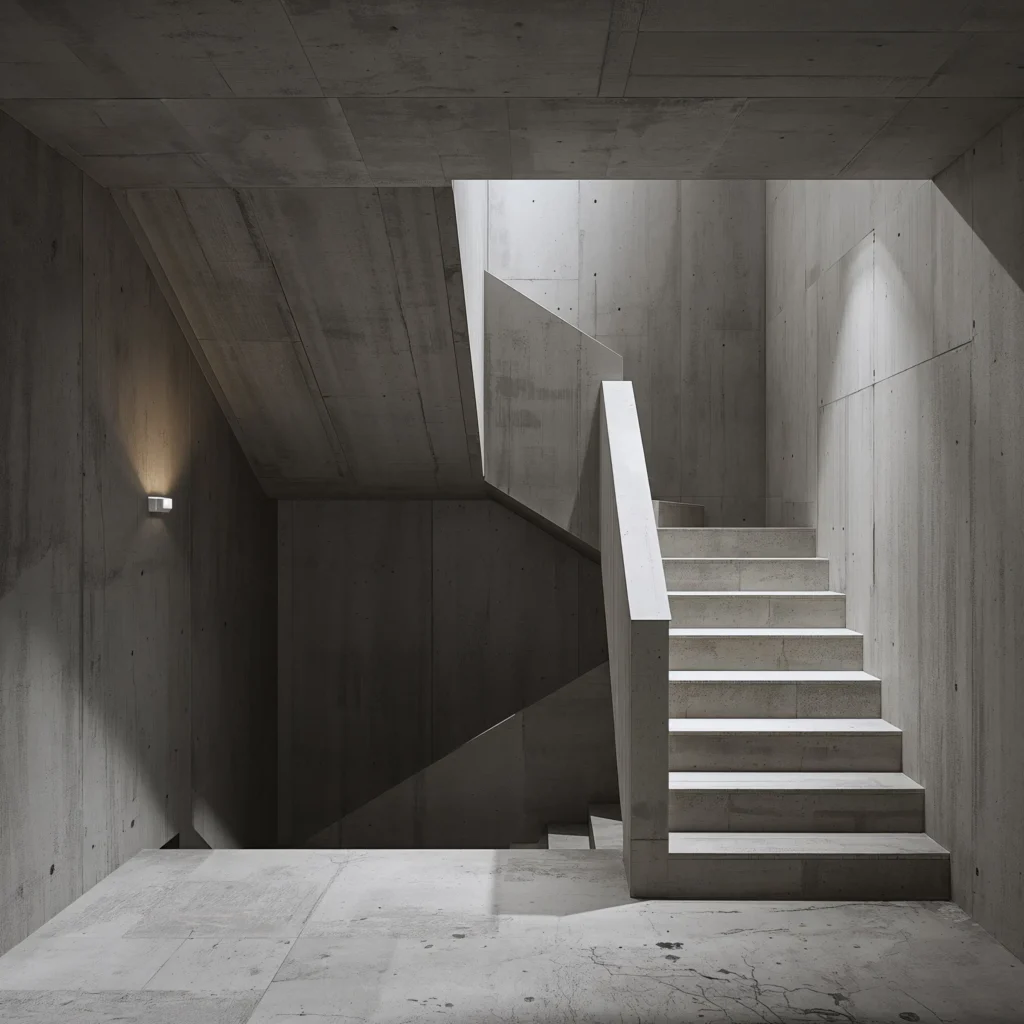
Concrete stairs bring serious architectural gravitas to any basement space. We’re talking about smooth, monolithic surfaces that look like they were carved from a single block of stone – pure modern sculpture that happens to be functional.
I love how concrete stairs integrate seamlessly with modern basement designs. The material continuity between concrete floors and concrete stairs creates this unified, sophisticated look that feels intentional and designed rather than pieced together.
Modern concrete stair features:
- Smooth, polished surfaces with subtle texture
- Integrated LED lighting for dramatic effect
- Floating appearance with hidden support systems
- Acid-stained or colored concrete options
- Seamless transitions between levels
The durability factor is incredible. Concrete stairs are practically indestructible – they’ll outlast probably everything else in your house. No squeaking, no wear patterns, no maintenance headaches. Just solid, reliable performance year after year.
Color options surprise most people. Concrete doesn’t have to be gray 🙂 Acid stains, integral color, and polishing techniques can create surfaces ranging from warm earth tones to dramatic charcoal blacks. The customization possibilities are honestly endless.
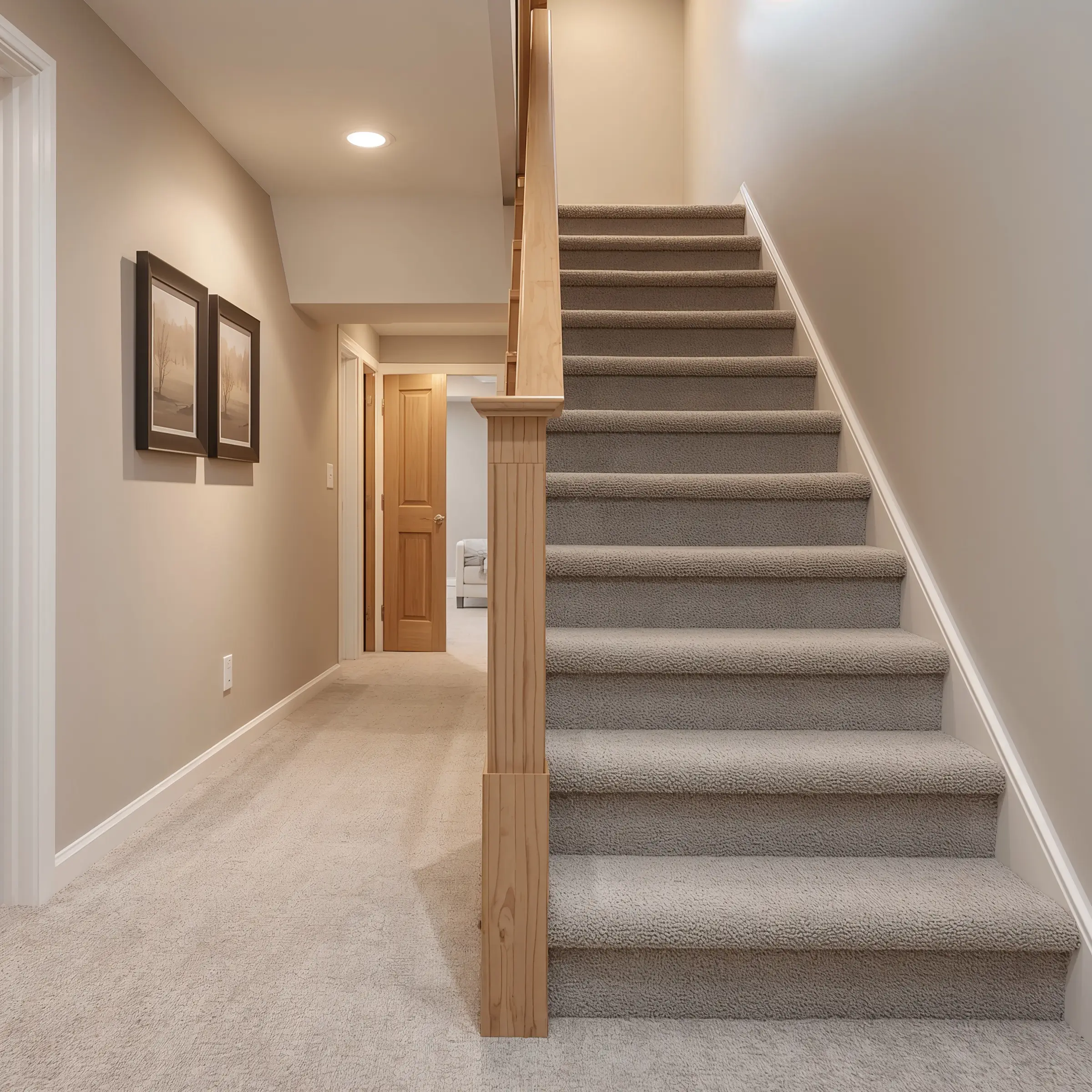
9. Carpeted Safe Basement Stairs Family Friendly
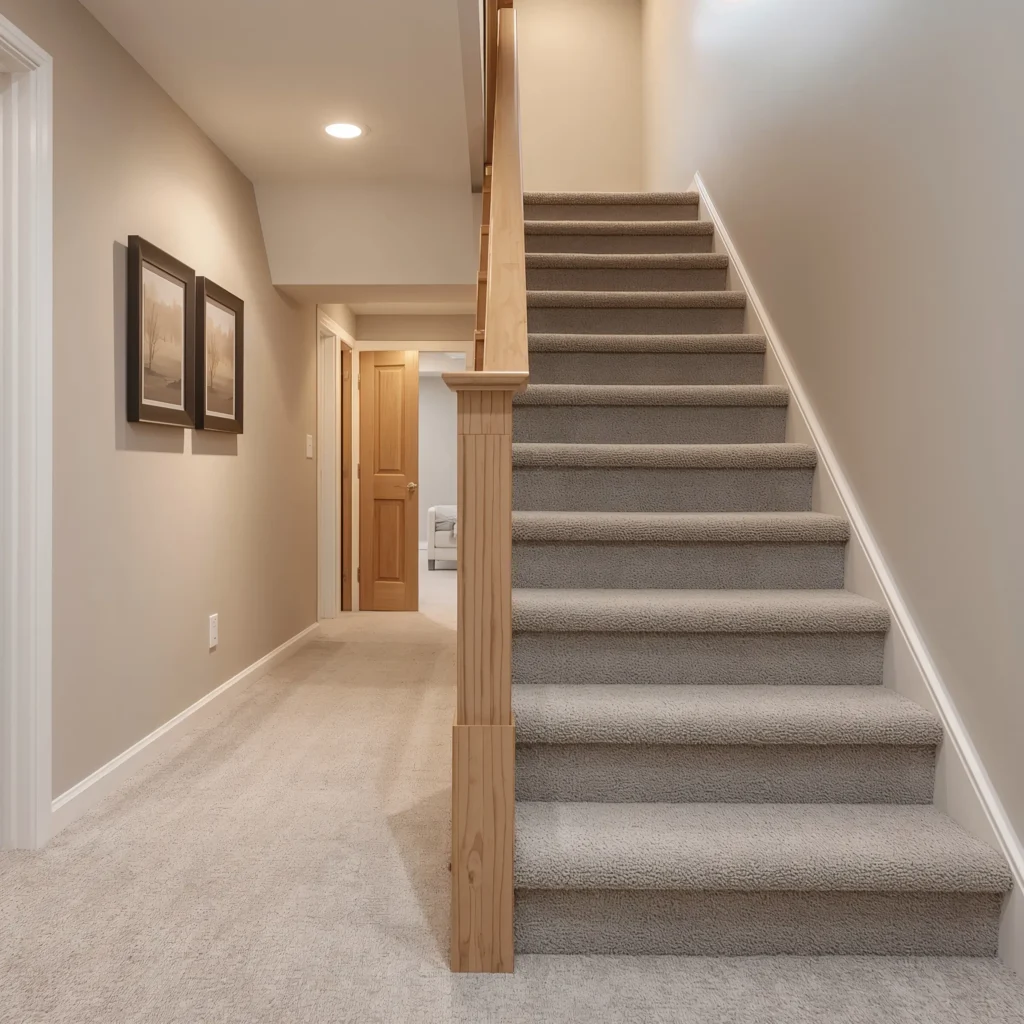
Family safety trumps everything else when you’ve got kids or elderly family members using basement stairs regularly. Carpeted stairs provide that extra grip and cushioning that makes everyone feel more secure.
I’ve seen too many basement accidents on slippery wooden or tile stairs. Carpet adds crucial traction while also providing a softer landing if someone does stumble. Plus, it dramatically reduces noise transmission between floors – your upstairs neighbors (aka family members) will appreciate the quieter foot traffic.
Family-friendly carpeted stair benefits:
- Non-slip surface reduces accident risk
- Sound dampening for quieter movement
- Softer impact if falls do occur
- Warmer feel underfoot in cool basements
- Endless style and color options
Stair-specific carpet makes all the difference. We’re not talking about regular room carpet here – stair carpet is engineered for durability and safety with tighter weaves and better backing systems. It’s designed to handle the concentrated wear patterns that stairs create.
Cleaning concerns? Modern stair carpets are surprisingly easy to maintain. Regular vacuuming and occasional deep cleaning keep them looking fresh, and many options now include stain-resistant treatments that handle everyday spills without permanent damage.
Also Read: 10 Inspiring Outdoor Stairs Design Ideas for Modern Spaces
10. Open Riser Basement Stair Airy Modern Look
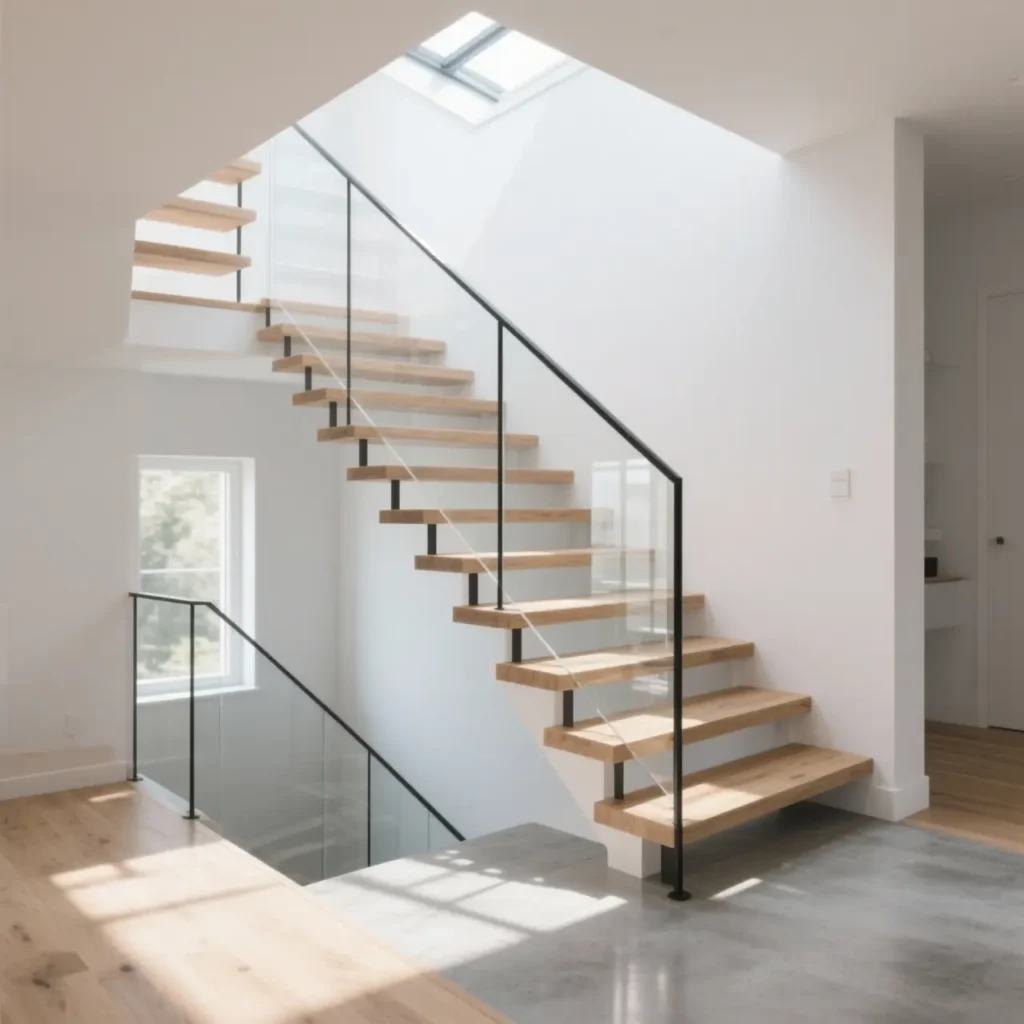
Open riser stairs create this incredible sense of lightness and airiness that makes basements feel more connected to the rest of the house. No solid backs means light flows freely between levels and the space feels more open and integrated.
I’m obsessed with how open risers create interesting shadow patterns and visual depth. The interplay of light and shadow changes throughout the day, making your staircase a dynamic architectural feature rather than just a functional necessity.
Open riser stair advantages:
- Improved light flow between levels
- Visually lighter appearance
- Modern, sophisticated aesthetic
- Better air circulation
- Easier cleaning access
Safety considerations are important with open risers though. Building codes typically require gaps smaller than 4 inches to prevent children from getting stuck, and proper handrail installation becomes even more critical when there’s no solid backing for support.
The maintenance advantage is huge. Dust and debris fall through rather than accumulating on solid risers, which means less cleaning and better air quality. You can literally see through the stairs to spot anything that needs attention underneath.
Conclusion
FYI, choosing the right basement stair design depends on your specific needs, budget, and style preferences. Whether you’re drawn to the dramatic impact of floating glass stairs or the family-friendly practicality of carpeted steps, the key is selecting a design that enhances both the safety and beauty of your basement space.
Your basement stairs don’t have to be an afterthought. With thoughtful design and quality materials, they can become a stunning architectural feature that makes every trip downstairs feel special. The investment in great stairs pays dividends in both daily enjoyment and home value – it’s one of those upgrades that you’ll appreciate every single day.