10 Creative Shop Rack Design Ideas for Better Sales

Look, I get it. You’re staring at your shop space wondering how the heck you’re going to display your products without it looking like a garage sale explosion.
Trust me, I’ve been there – standing in an empty retail space with a measuring tape and zero inspiration. The good news? I’ve learned a thing or two about rack designs that actually work, and I’m about to spill all the details.
After years of helping retailers figure out their display game (and making plenty of mistakes along the way), I’ve narrowed down the most effective shop rack designs that won’t break your budget or your back.
Ready to turn your space into something customers actually want to browse through?
Minimalist Wall-Mounted Metal Shop Racks
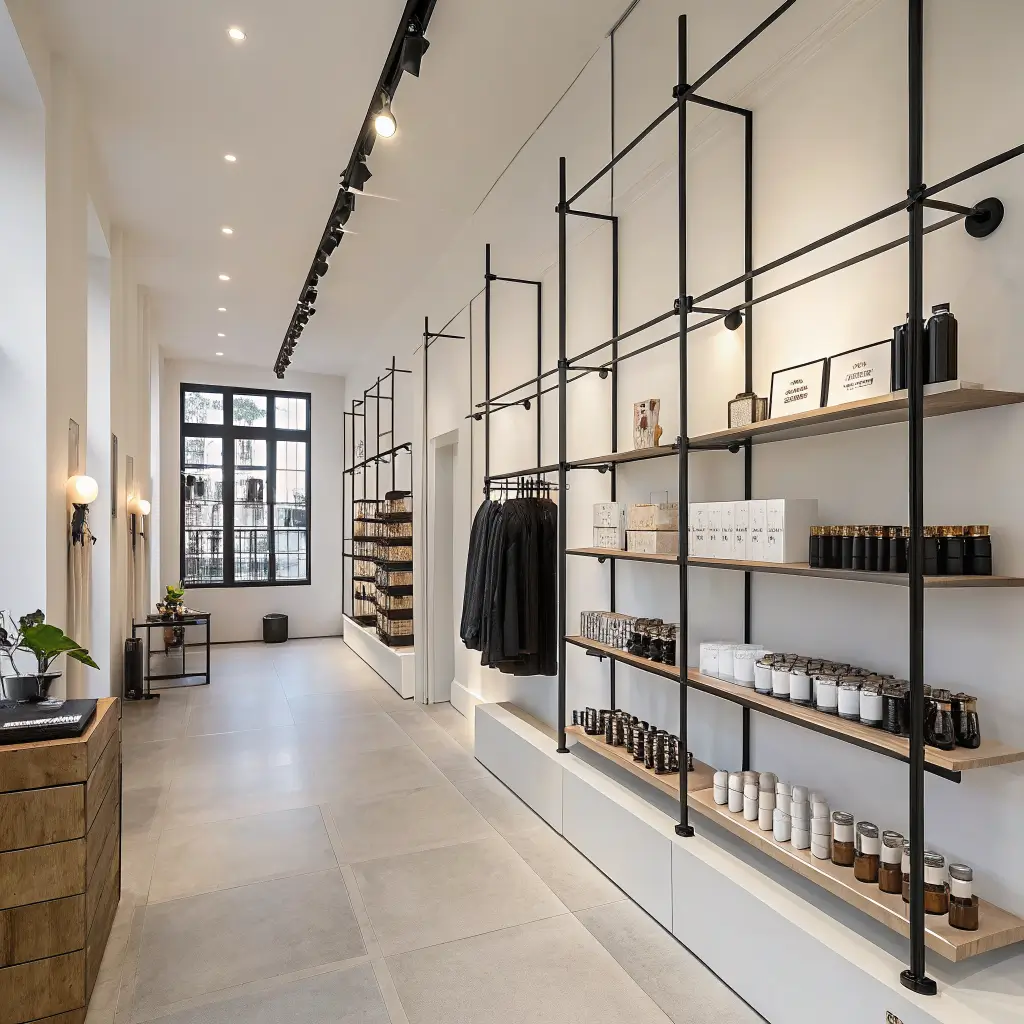
Let’s kick things off with my personal favorite – minimalist wall-mounted metal racks. These bad boys are the Swiss Army knife of retail displays, and honestly, they’ve saved my bacon more times than I can count.
The beauty of metal wall-mounted racks lies in their simplicity. You’re looking at clean lines, maximum space efficiency, and that modern industrial vibe that makes everything look intentionally cool. I’ve used these in clothing stores, bookshops, and even a quirky plant nursery – they work everywhere.
Here’s what makes them special:
• Space maximization: They free up your floor space completely
• Weight capacity: Most quality metal racks can handle 50-100 pounds per linear foot
• Customization options: You can adjust heights, add hooks, or incorporate shelving elements
• Cost-effective: Usually runs between $30-80 per rack depending on size and finish
The installation is pretty straightforward too. You’ll want to hit those wall studs (trust me on this one – I learned the hard way when a rack full of winter coats decided to take a dive). Most systems come with adjustable brackets that let you create different configurations as your inventory changes.
Pro tip: Paint them the same color as your wall for an ultra-clean look, or go with black for that edgy contrast that makes your products pop.
Wooden Slat Grid Display Rack System
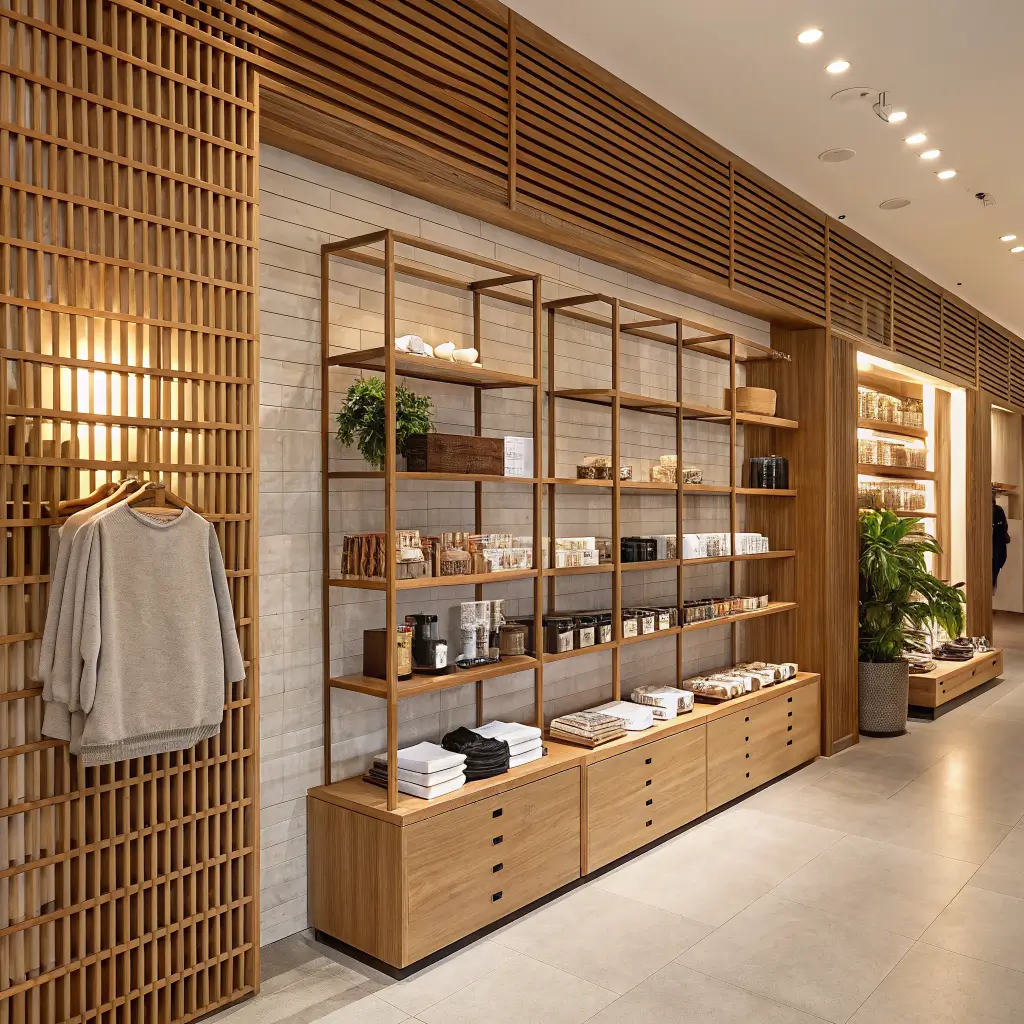
Ever walked into a store and thought, “Wow, this place feels warm and inviting”? Chances are, they’re using wooden slat systems. These racks bring that cozy, artisanal feel that makes customers want to stick around and actually touch your merchandise.
I installed a wooden slat system in a local boutique last year, and the owner told me customer dwell time increased by 40%. That’s the power of natural materials in retail design – people just feel more comfortable.
The slat grid system works on a simple principle: vertical wooden slats with horizontal support beams create endless possibilities for hanging and displaying products. You can add hooks anywhere along the slats, adjust shelf heights on the fly, and even incorporate lighting between the slats for dramatic effect.
Key benefits include:
• Flexibility: Hooks and shelves slide anywhere along the slats
• Aesthetic appeal: Natural wood complements almost any brand aesthetic
• Durability: Quality hardwood systems last decades with minimal maintenance
• Expandability: Add more slat sections as your business grows
The only downside? They’re typically more expensive upfront – expect to pay $150-300 per 8-foot section. But here’s the thing: they’re an investment that pays off in customer experience and brand perception.
Industrial Pipe Frame Retail Rack Design
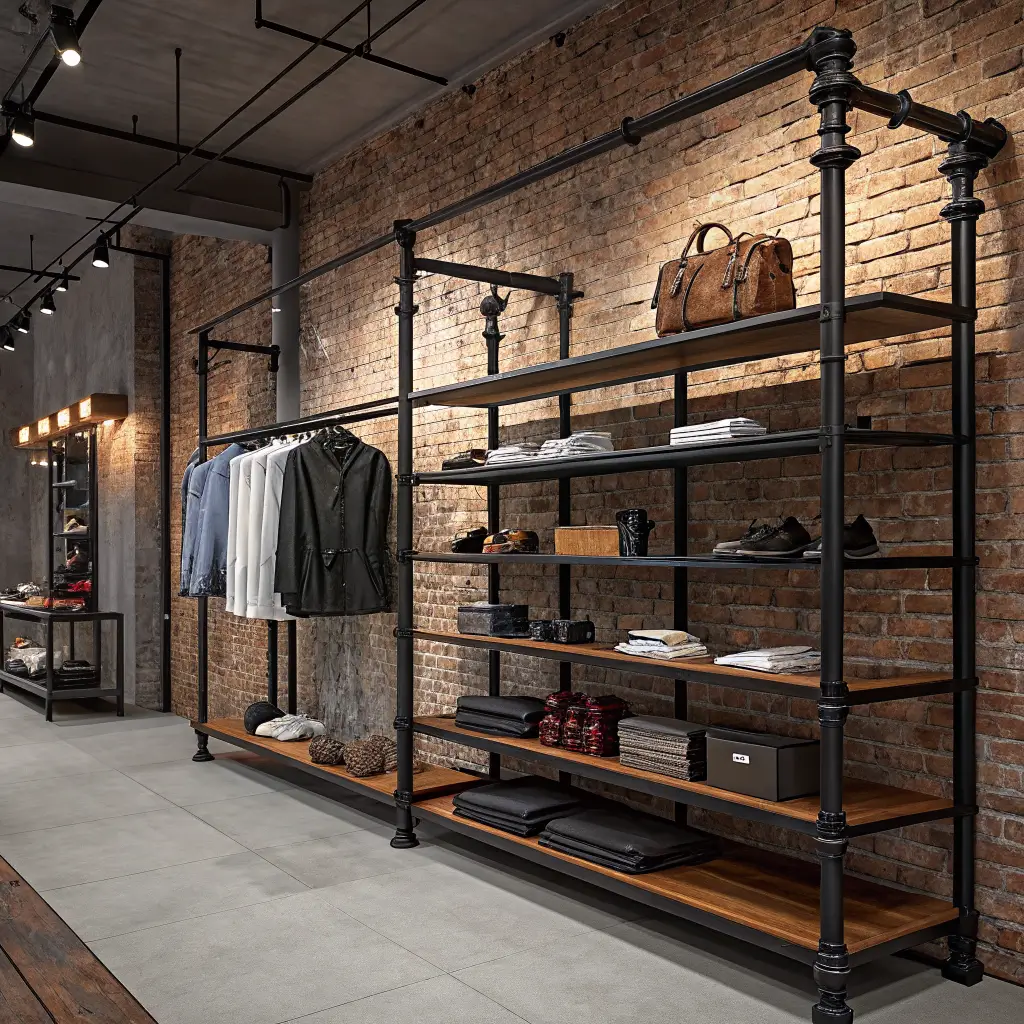
Want to know what screams “authentic” in today’s retail landscape? Industrial pipe frame racks. These aren’t just trendy – they’re practical workhorses that can handle whatever you throw at them.
I’ve built these from scratch using black iron pipe and fittings from the hardware store, and let me tell you, there’s something satisfying about creating a custom rack system for under $100. Plus, your customers will think you hired some fancy designer 🙂
The pipe frame approach gives you incredible structural integrity. We’re talking about racks that can hold heavy denim, winter coats, or even small furniture pieces without breaking a sweat. The modular nature means you can create everything from simple clothing racks to complex multi-level display systems.
What you’ll love about pipe racks:
• Strength: Industrial-grade materials handle serious weight
• Customization: Build exactly the size and shape you need
• Raw aesthetic: Appeals to modern, urban-minded customers
• Easy repairs: Replace individual components instead of entire units
The assembly requires basic plumbing skills – nothing too complicated, but you’ll need a pipe threader or pre-threaded fittings. Most designs use 3/4-inch or 1-inch black iron pipe with floor flanges for stability.
Quick warning: These racks are heavy. Plan your layout carefully because moving a fully loaded pipe rack isn’t exactly a one-person job.
Also Read: 10 Amazing Kitchen Rack Design Ideas for Smart Storage
Floating Glass Shelf Boutique Display Rack
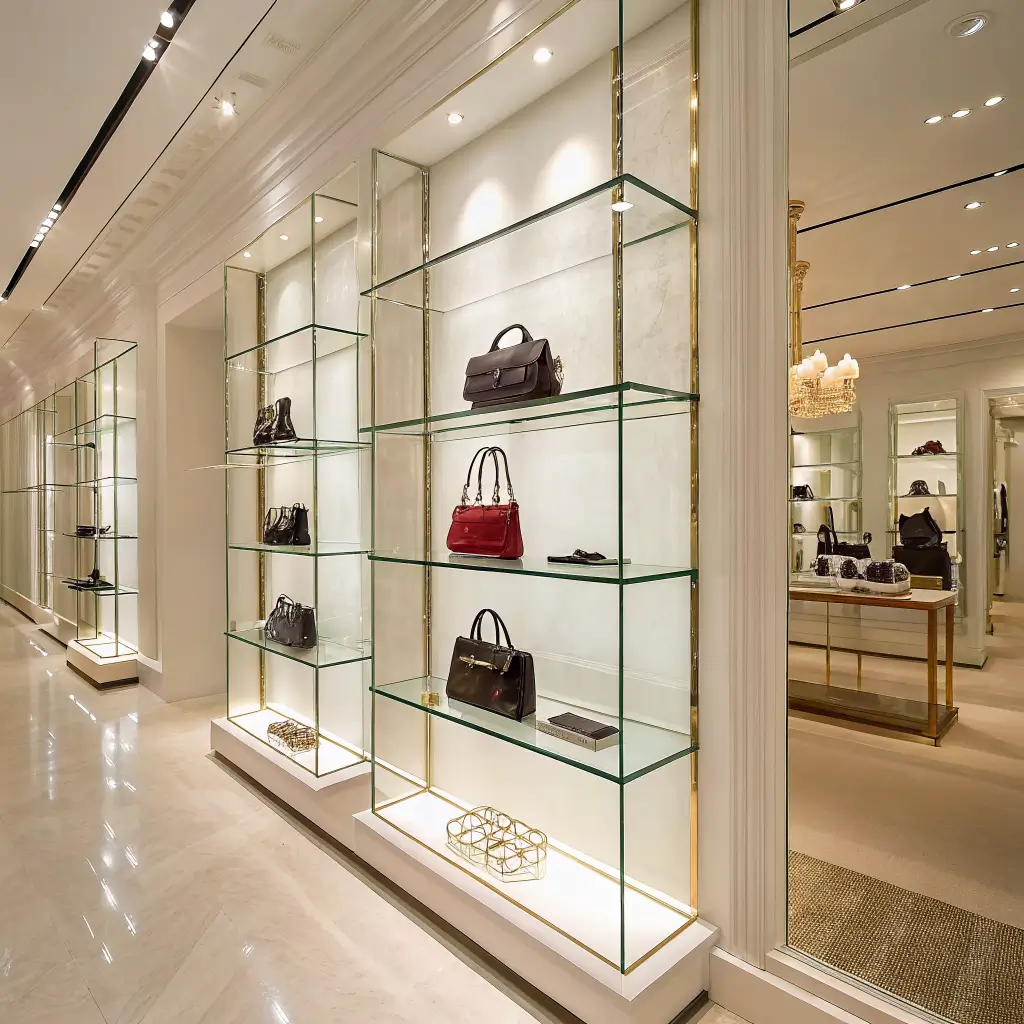
Now we’re getting into luxury territory. Floating glass shelves create this amazing illusion where your products seem to hover in mid-air. It’s like magic, but better – because it actually sells merchandise.
I remember installing these in a high-end jewelry store, and the transformation was incredible. The glass literally disappeared, leaving only the products visible. Customers could see everything from multiple angles without any visual obstruction from the display hardware.
Tempered glass shelving requires proper wall anchoring – we’re talking toggle bolts or wall anchors rated for at least twice the shelf’s intended load. The brackets themselves are usually minimal chrome or brushed steel affairs that blend into the background.
Glass shelf advantages:
• Visual transparency: Products appear to float
• Light reflection: Amplifies your store lighting
• Easy cleaning: Simple wipe-down maintenance
• Upscale perception: Customers associate glass with quality
The investment runs higher – expect $50-150 per shelf depending on size and bracket quality. But for certain products, especially jewelry, cosmetics, or small electronics, the visual impact justifies the cost.
Heads up: Glass shelves aren’t forgiving. One overzealous customer bumping into a shelf can create expensive problems. Consider your customer demographics before committing to an all-glass system.
Corner Space-Saving Vertical Shop Rack
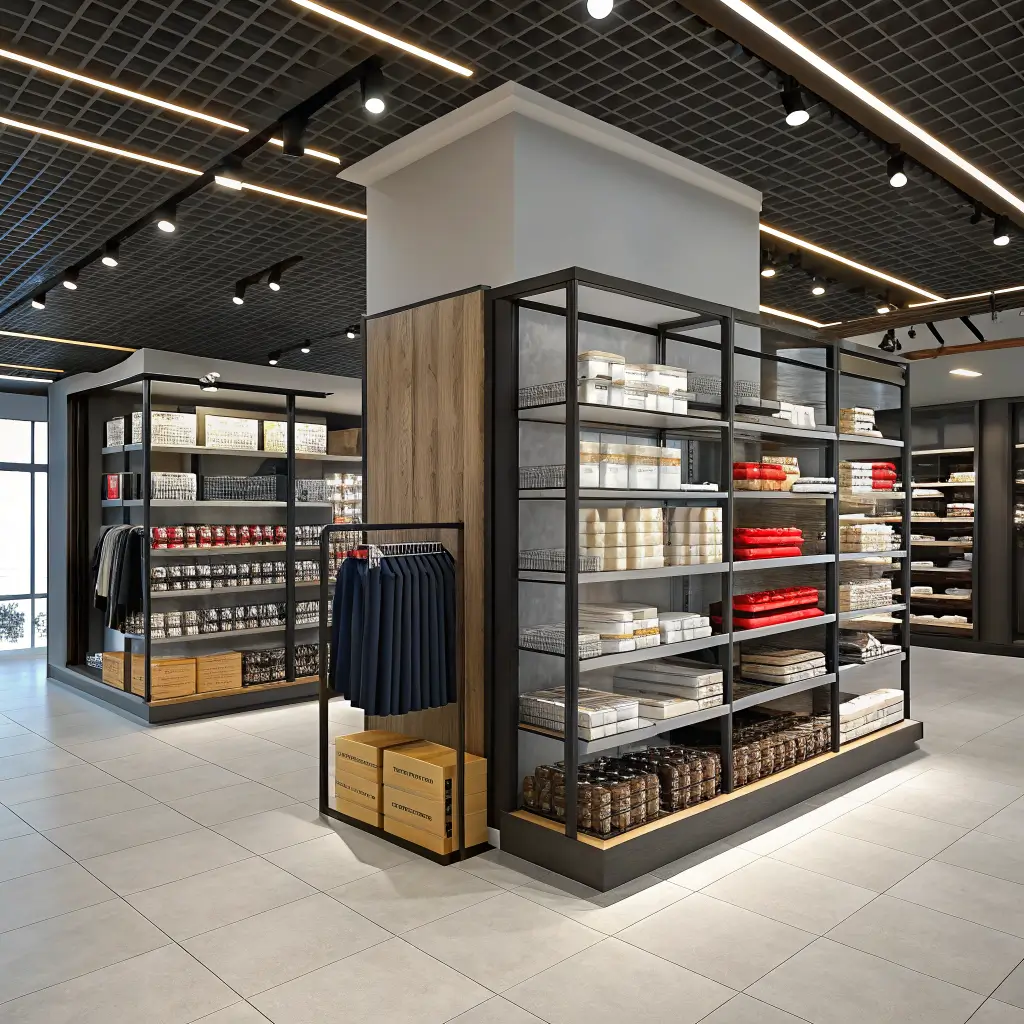
Corners are retail gold mines that most people completely waste. I can’t tell you how many stores I’ve visited where corners are just… empty. Meanwhile, you’re struggling for display space everywhere else. Makes zero sense, right?
Vertical corner racks solve this problem elegantly. They utilize that awkward triangular floor space and draw customers into areas they might otherwise ignore. Plus, they create natural browsing patterns that encourage exploration throughout your store.
The key to corner racks is thinking vertically. You want multiple tiers that step down as customers approach, creating easy access to everything from floor level to eye level. Most successful corner designs incorporate rotating elements or angled shelves that face into the store’s main traffic flow.
Corner rack benefits:
• Space efficiency: Maximizes unused corner areas
• Traffic flow: Draws customers deeper into the store
• Vertical merchandising: Displays more products in less floor space
• Cost-effective: Usually 30-40% less expensive than equivalent linear footage
I’ve built corner systems using everything from repurposed ladders to custom welded steel frames. The material choice depends on your store’s aesthetic and budget, but the principles remain the same: stable base, multiple display levels, and easy customer access.
Modular Cube Storage Display Rack Setup
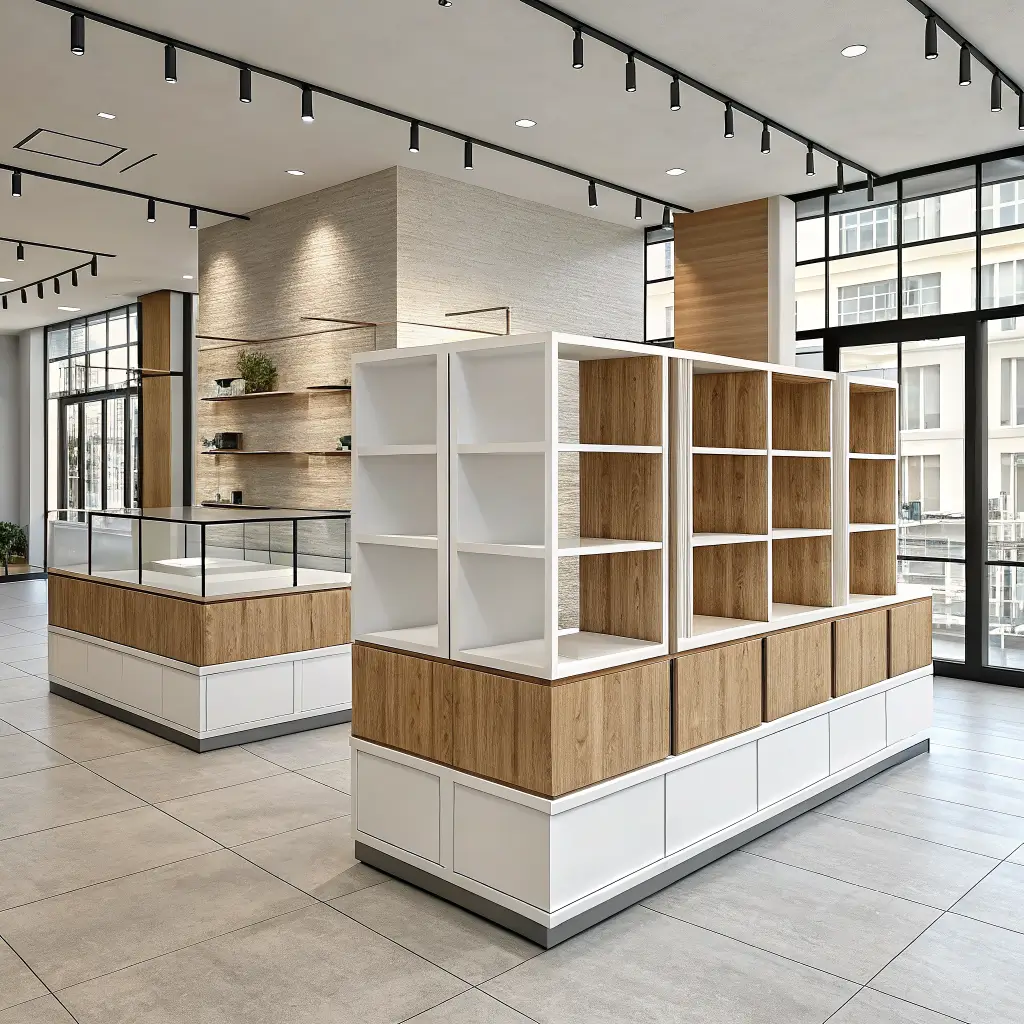
Remember playing with building blocks as a kid? Modular cube systems bring that same creative flexibility to retail displays. These aren’t your college dorm room storage cubes – we’re talking about professional-grade modular systems that grow and change with your inventory.
The genius of cube systems lies in their adaptability. Need more hanging space this month? Stack cubes horizontally and add rods. Holiday season requiring more shelf space? Reconfigure vertically and add shelf inserts. It’s like having a completely new display system whenever you want one.
I’ve watched retailers completely transform their store layout in under two hours using quality modular systems. Try doing that with traditional fixed displays!
Modular system advantages:
• Infinite configurations: Rearrange as often as needed
• Scalability: Add or remove cubes based on inventory levels
• Storage integration: Cubes can hold excess inventory below display level
• Budget-friendly: Start small and expand over time
Most systems use laminated wood or powder-coated metal construction. Quality matters here – cheap particle board cubes will sag and look terrible within months. Invest in solid construction and you’ll have a system that serves you for years.
Pro tip: Establish a basic grid pattern and stick to it. Random cube arrangements look chaotic and confuse customers about where to find specific products.
Also Read: 10 Stunning Clothes Rack Design Ideas for Modern Spaces
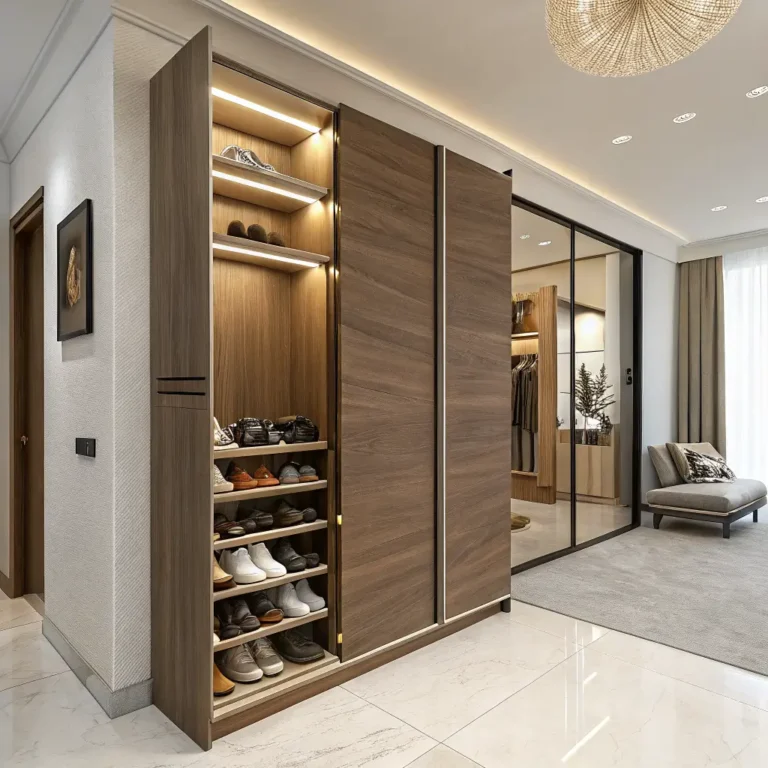
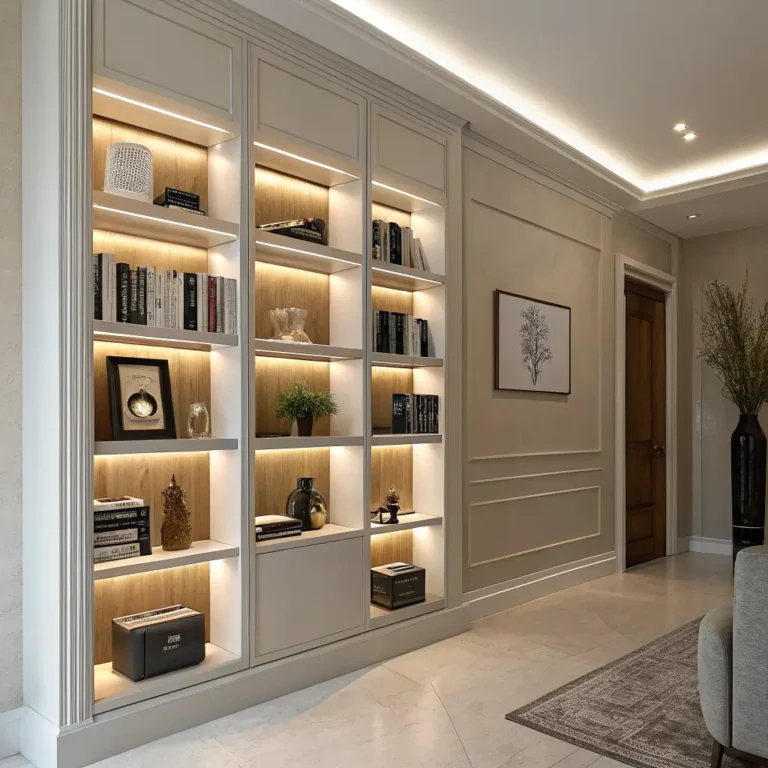
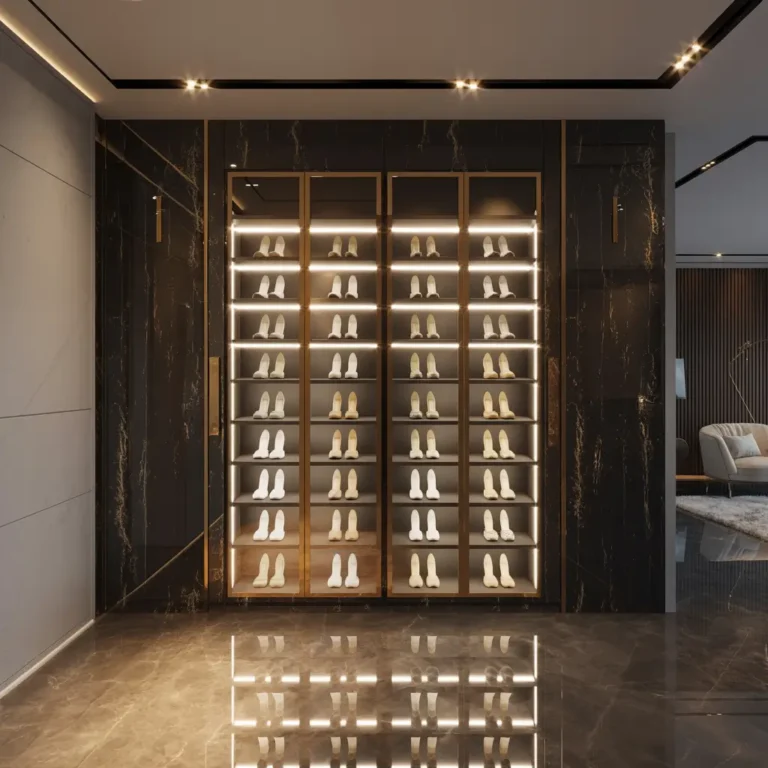
LED Backlit Luxury Product Showcase Rack
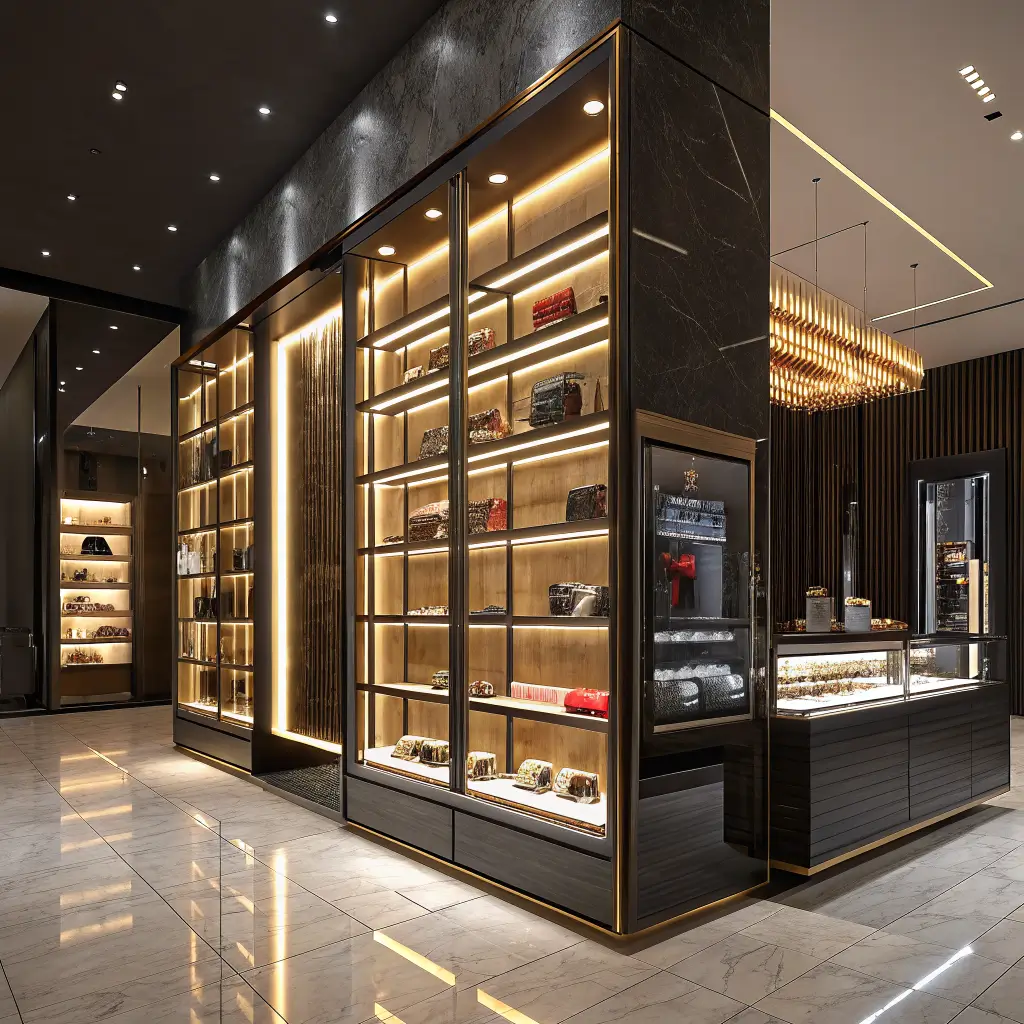
Want to make ordinary products look extraordinary? LED backlighting is your secret weapon. I’ve seen $20 items sell for twice their normal price simply because they were displayed with dramatic backlighting that made them appear premium.
LED strip lighting has revolutionized retail displays because it’s affordable, energy-efficient, and creates professional results without professional installation costs. Most LED strips run on 12-volt systems that are safe for DIY installation and won’t spike your electricity bills.
The trick is understanding light temperature and placement. Warm white (3000K) creates cozy, inviting atmospheres perfect for clothing and home goods. Cool white (4000K-5000K) makes electronics and technical products look crisp and modern. RGB color-changing strips let you adjust the mood for different seasons or promotions.
LED backlighting benefits:
• Product enhancement: Makes everything look more premium
• Energy efficiency: LED strips use 80% less power than traditional lighting
• Easy installation: Most systems plug into standard outlets
• Color customization: Change ambiance instantly with color controls
Installation typically involves mounting LED strips behind translucent panels or inside display cases. The strips themselves cost $15-50 per rack depending on length and features, while controllers and power supplies add another $30-80 to the total investment.
Fair warning: Once you see your products under quality LED backlighting, regular displays will look boring by comparison. It’s addictive!
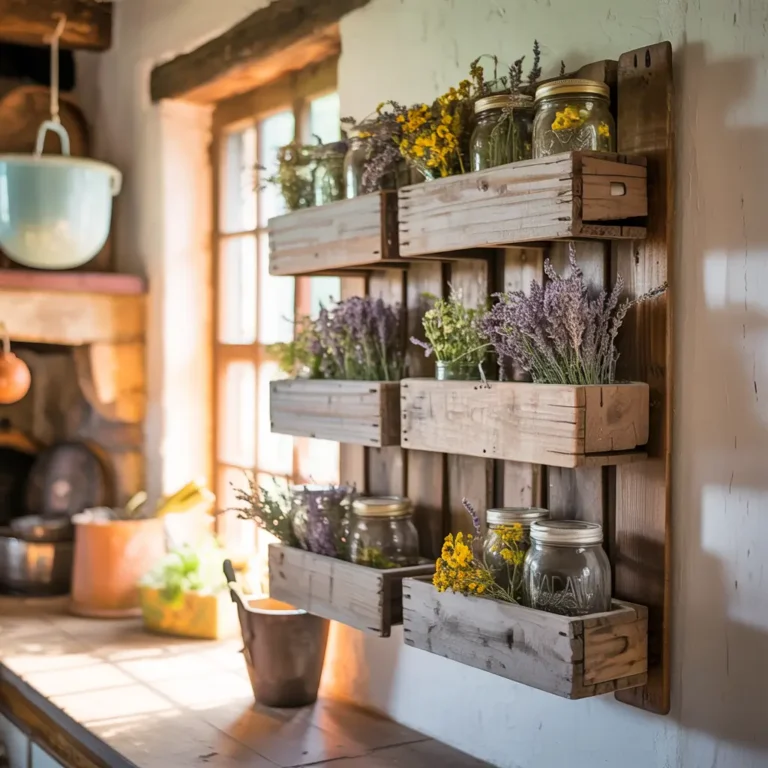
Open Wooden Ladder Style Shop Rack Design
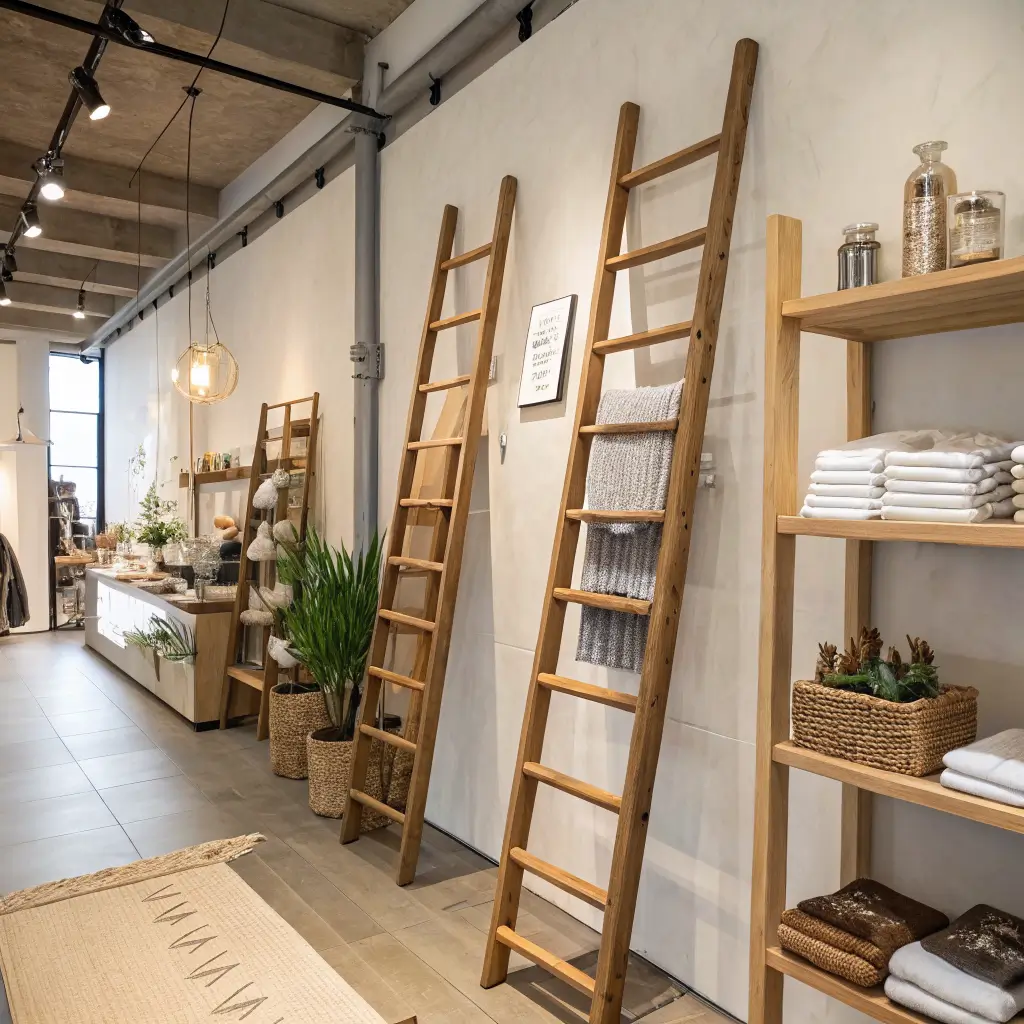
Sometimes the best solutions hide in plain sight. Wooden ladder racks combine rustic charm with practical functionality, and they’re probably the most conversation-starting displays you can install.
I discovered ladder racks by accident when helping a friend move. We had a vintage wooden ladder and started hanging clothes on it while sorting donations. Customers kept asking about items on the ladder, completely ignoring the traditional racks nearby. That’s when I realized we had stumbled onto something special.
The ladder aesthetic works because it feels familiar and approachable. Customers don’t feel intimidated browsing products displayed on what looks like a repurposed household item. Plus, the rungs create natural spacing that prevents overcrowding and makes individual items stand out.
Ladder rack advantages:
• Unique aesthetic: Stands out from typical retail displays
• Conversation starter: Customers remember and talk about unusual displays
• Space efficient: Leans against walls without requiring floor anchoring
• Budget-friendly: Build from scratch or repurpose existing ladders
You can use genuine vintage ladders for authentic character, or build new ones using reclaimed wood for that weathered look. Either way, make sure they’re structurally sound – a collapsing display ruins the rustic charm pretty quickly.
Safety note: Always secure the top of the ladder to prevent tipping. A simple wall cleat or ceiling cable creates stability without destroying the visual appeal.
Adjustable Pegboard Retail Display Wall Rack
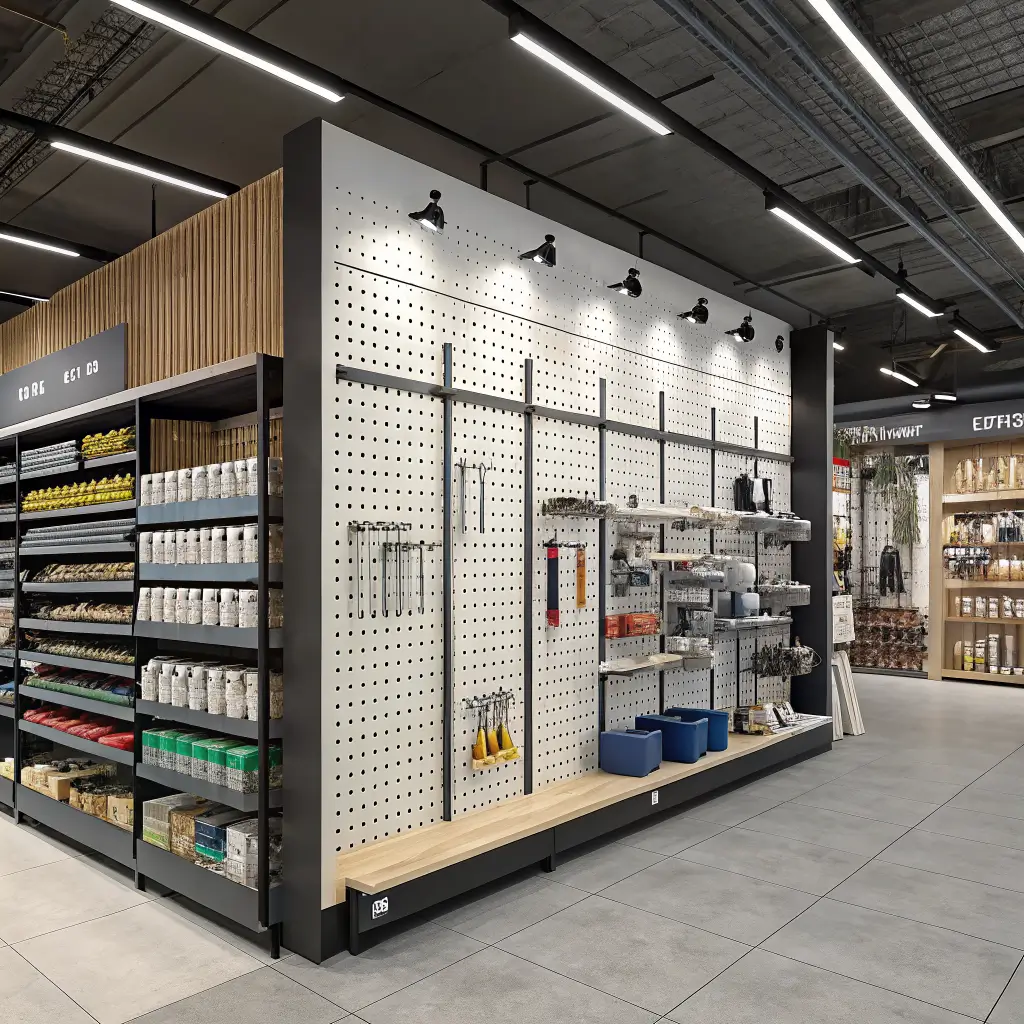
Pegboard systems are the unsung heroes of retail displays. They’re not glamorous, but they’re incredibly practical and offer more flexibility than almost any other display method. Plus, they’ve gotten a serious style upgrade in recent years.
Modern pegboard isn’t the boring industrial stuff from your grandfather’s garage. We’re talking about powder-coated steel, natural wood, and even acrylic versions that blend seamlessly into contemporary retail environments. The accessory ecosystem has exploded too – you can find hooks, shelves, bins, and displays specifically designed for pegboard systems.
I’ve installed pegboard walls in everything from auto parts stores to artisanal soap shops. The key is selecting the right peg spacing and accessory mix for your specific products. Small items need closer peg spacing for support, while larger products can work with standard 1-inch centers.
Pegboard system benefits:
• Ultimate flexibility: Change layouts in minutes, not hours
• Cost-effective: Lower per-square-foot cost than most alternatives
• Easy maintenance: Individual damaged sections replace easily
• Extensive accessories: Thousands of compatible hooks, shelves, and holders
Installation requires hitting wall studs or using appropriate drywall anchors rated for the expected load. Most pegboard systems can handle 20-30 pounds per square foot when properly mounted.
Insider tip: Paint pegboard the same color as your wall for a clean, integrated look, or choose contrasting colors to make the display pop against your store’s backdrop.
Also Read: 10 Brilliant TV Rack Design Ideas for Small Apartments
Island Center Display Table Rack System
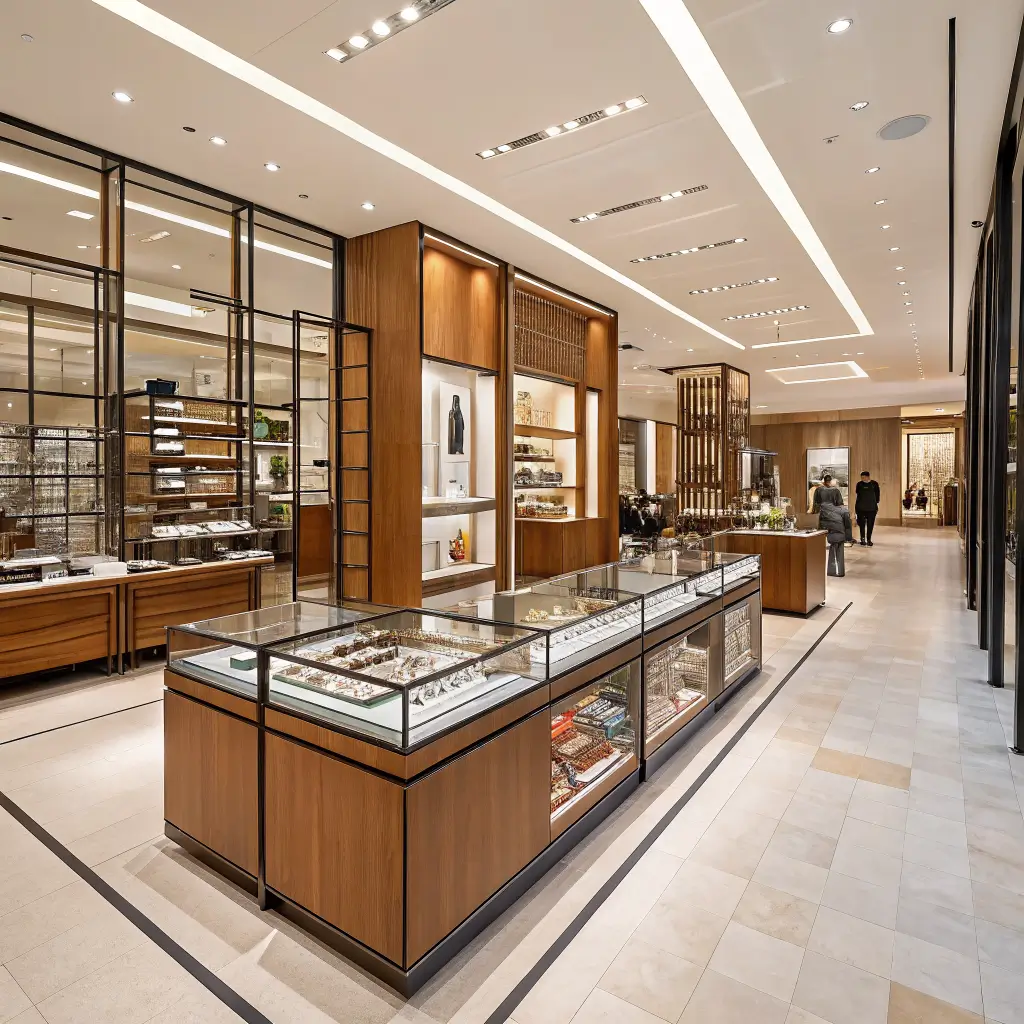
Last but definitely not least, let’s talk about center island displays. These aren’t just tables with stuff on them – done right, they’re customer magnets that encourage exploration and cross-selling like nothing else.
The psychology behind island displays is fascinating. Customers can approach from any direction, which reduces the intimidation factor of wall-mounted displays where they might feel trapped. Islands also create natural gathering spots where customers feel comfortable spending time examining products.
I’ve designed island systems with multiple levels, integrated storage, and even built-in lighting that transforms ordinary merchandise into must-have items. The key is balancing accessibility with visual impact – you want products visible from all angles without creating a cluttered mess.
Island display advantages:
• 360-degree visibility: Products visible from all approaches
• Customer comfort: No feeling trapped against walls
• Cross-selling opportunities: Group complementary products naturally
• Flexible positioning: Move islands to optimize traffic flow
The construction can range from simple table bases with custom tops to complex multi-level systems with integrated storage and lighting. Budget accordingly – a basic island might cost $200-500, while sophisticated multi-level systems can run $1000-3000.
Layout tip: Position islands to create natural walking paths through your store. Avoid placing them where they block sight lines to your checkout area or emergency exits.
Conclusion
There you have it – ten shop rack designs that actually work in real-world retail environments. I’ve tested all of these personally, and each one solves specific display challenges while adding character to your space.
The best part? You don’t need to implement everything at once. Start with one or two systems that address your biggest pain points, then expand as you learn what works for your specific customers and products. Remember, great retail displays aren’t about following trends – they’re about creating environments where your customers feel comfortable exploring and discovering products they didn’t know they needed.
FYI, the most successful shops I’ve worked with combine multiple rack types to create varied, interesting environments that keep customers engaged throughout their visit. Mix industrial with natural materials, combine wall-mounted efficiency with island exploration zones, and always prioritize your customers’ comfort over pure aesthetics.
Your shop’s success depends on more than just great products – it’s about creating spaces where those products can shine. Now go build something amazing!