10 Fun Board Borders Classroom Decor Ideas for a Cheerful Space

Remember that moment when you walked into a classroom and immediately felt inspired? Yeah, that’s the power of good classroom decor, and honestly, board borders make or break the whole vibe.
I’ve spent years decorating (and redecorating) classroom bulletin boards, and let me tell you, choosing the right border can turn a boring announcement board into something students actually want to look at.
You know what’s funny? Teachers spend hundreds on fancy educational posters, but they’ll slap on the same tired scalloped border they’ve had since 2005.
We’re changing that today! Whether you’re a seasoned teacher or someone who just volunteered to help decorate the school library, I’ve got ten killer border ideas that’ll make your boards pop.
Rainbow Patterned Borders
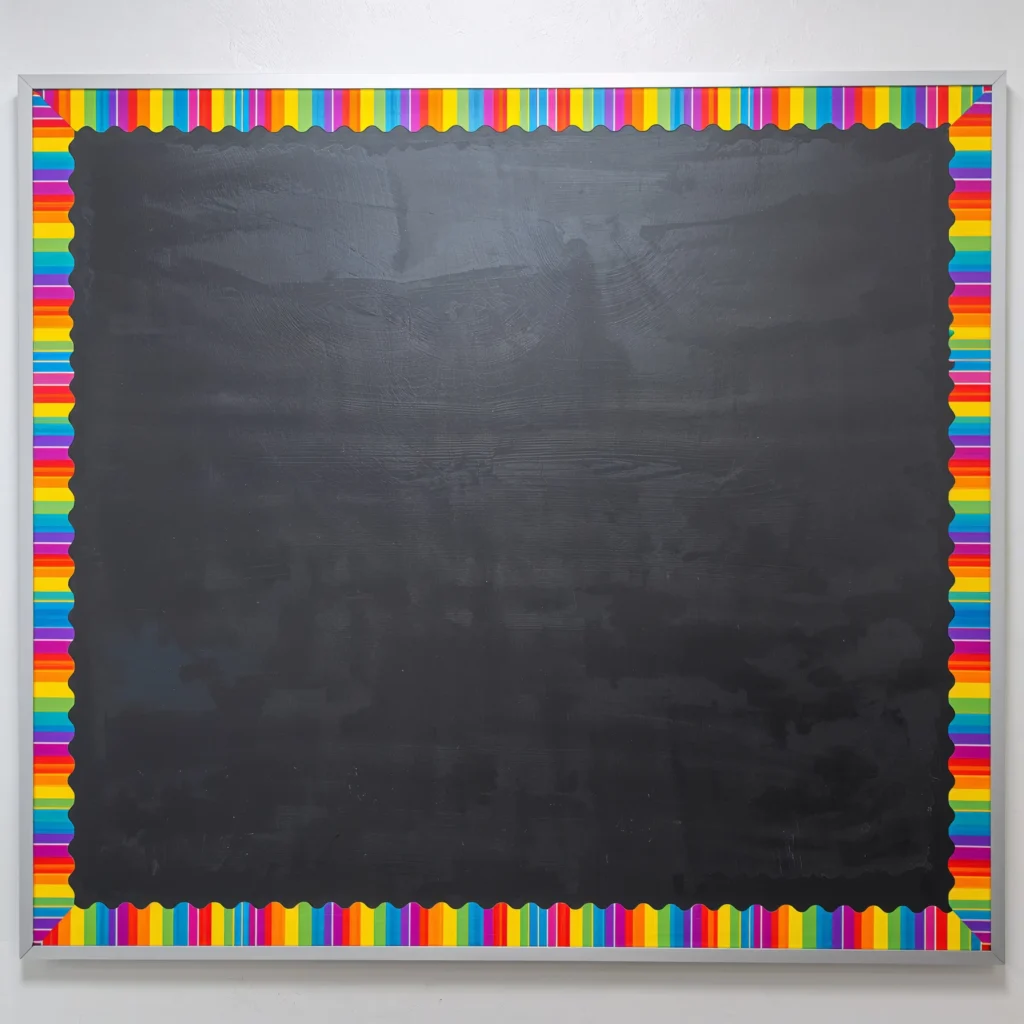
Let’s kick things off with a classic that never gets old – rainbow borders! These babies bring instant energy to any classroom, and trust me, kids absolutely love them. I remember my first year teaching when I thought rainbows were “too childish” for fifth graders. Boy, was I wrong!
Rainbow borders work their magic because they incorporate every color imaginable. You can match literally any display or poster combination without worrying about clashing colors. Plus, they create this natural flow that guides eyes around the board – it’s like visual psychology at work.
Making Rainbow Borders Work for Different Ages
Here’s where things get interesting. For younger kids, go bold with those vibrant, saturated rainbow stripes. But for older students? Try these approaches:
- Watercolor rainbow effects that feel more sophisticated
- Geometric rainbow patterns with triangles or hexagons
- Gradient rainbow designs that blend colors smoothly
- Double rainbow borders with varying widths for depth
Want a pro tip? Layer your rainbow border with a solid black or white border underneath. This creates depth and makes the colors pop even more. I discovered this trick accidentally when I ran out of rainbow border mid-project and had to improvise!
DIY Rainbow Border Options
Who says you need to buy pre-made borders? Creating your own rainbow borders can be therapeutic (seriously, it’s like adult coloring books but productive). Grab some construction paper and cut strips in rainbow order. You can make them wavy, zigzagged, or even create a cool chevron pattern.
Nature-Inspired Leaf Borders
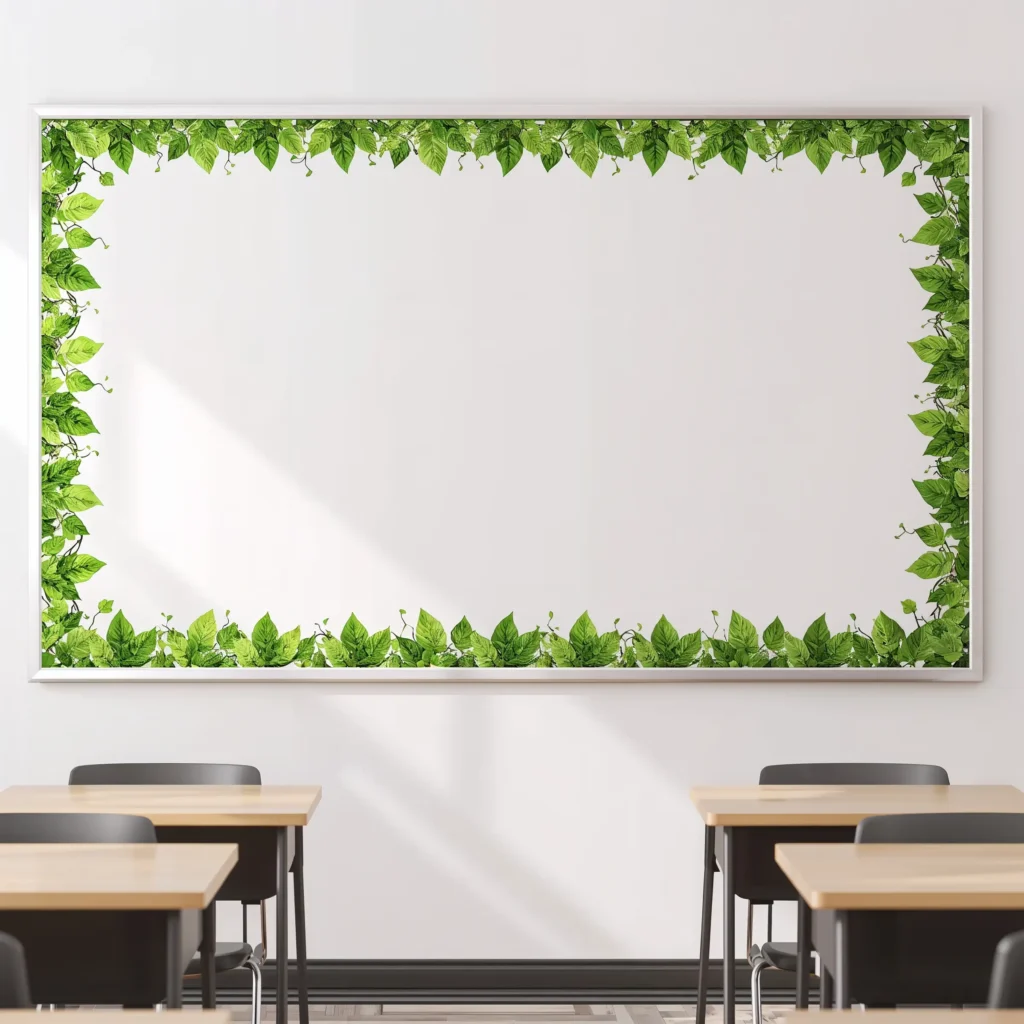
Nature borders bring the outside in, and they’re perfect for creating a calming classroom environment. I’m talking leaves, branches, vines – the whole forest floor experience! These borders make your classroom feel less institutional and more like a cozy learning nook.
Leaf borders work amazingly well for science boards, obviously, but don’t limit yourself. They’re fantastic for poetry displays, reading corners, or anywhere you want to add organic warmth. Ever noticed how students seem more relaxed around natural elements? There’s actual research behind that!
Seasonal Leaf Variations
One of my favorite things about leaf borders? You can switch them up seasonally without completely overhauling your decor:
- Spring: Fresh green leaves with flower accents
- Summer: Tropical leaves and palm fronds
- Fall: Classic autumn leaves in oranges and reds
- Winter: Evergreen branches with pine cones
The best part? You can involve students in creating these borders. Have them collect real leaves, press them, and laminate them for a truly unique border. Kids take ownership when they contribute to classroom decor – it’s beautiful to watch.
Creating Texture with Leaf Borders
Flat paper leaves are fine, but why not add dimension? Try layering different leaf cutouts at various heights. Use foam adhesive dots to make some leaves pop off the board. This creates shadows and depth that make your bulletin board look professionally designed.
Motivational Quote Borders
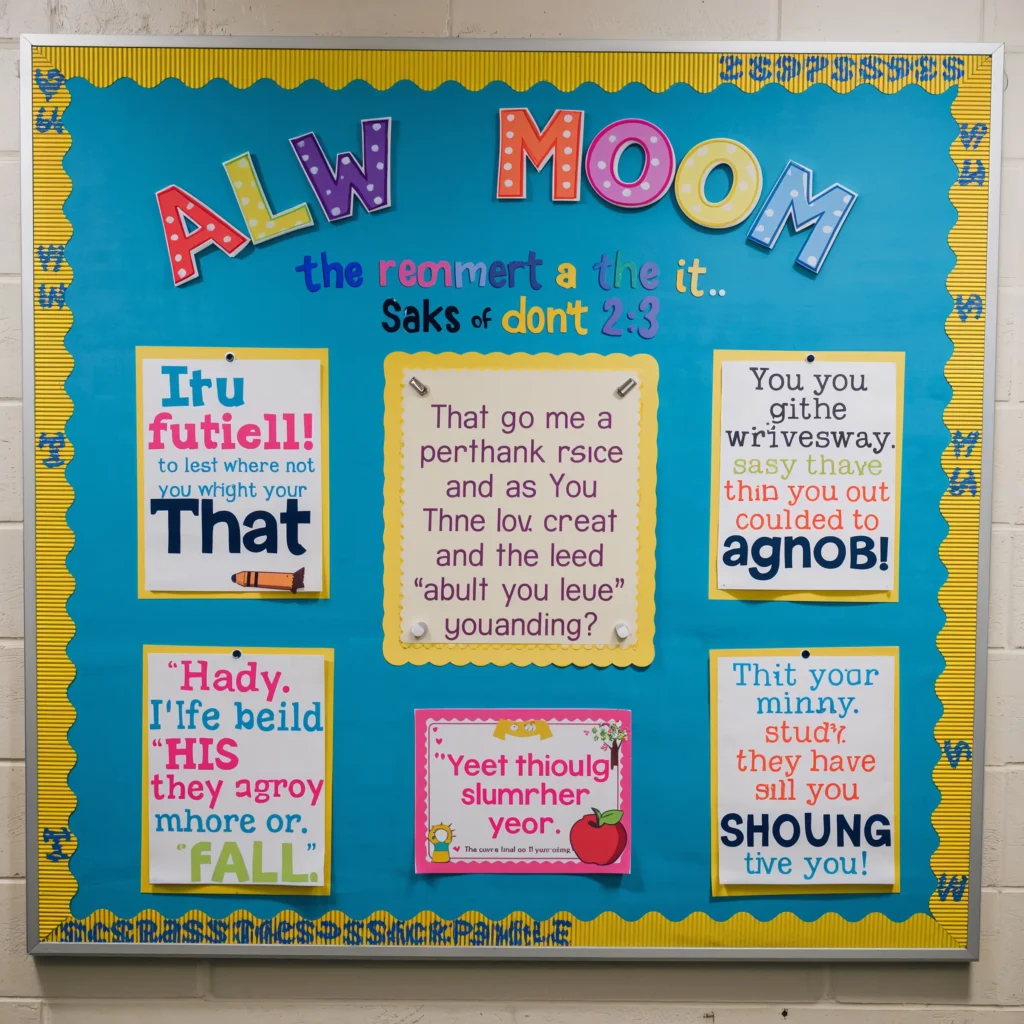
Okay, let’s talk about my personal obsession – quote borders! These aren’t your grandmother’s cursive “Live, Laugh, Love” situations. We’re talking about powerful, student-relevant quotes that actually inspire action.
Quote borders serve double duty: they frame your content while delivering bite-sized wisdom. I once had a student tell me she looked at our “Mistakes are proof you’re trying” border every time she felt frustrated with math. That’s when I knew these borders weren’t just decoration.
Choosing the Right Quotes
Here’s where teachers often mess up – they choose quotes they like instead of quotes students need. Consider these categories:
- Growth mindset quotes about effort and improvement
- Kindness reminders for community building
- Subject-specific quotes from scientists, authors, mathematicians
- Student-submitted quotes (yes, they can be profound!)
Keep the font readable from across the room. Nothing kills motivation faster than squinting at tiny text. Bold, clear lettering is your friend here.
Rotating Quote Borders
Why stick with one quote all year? I rotate mine monthly, and students actually anticipate the change. Create a collection of quote strips you can swap easily. Pro move: let students vote on next month’s border quote. Democracy in action, folks!
Also Read: 10 Stunning Classroom Decor High School Ideas to Inspire Teens
Seasonal Holiday Borders
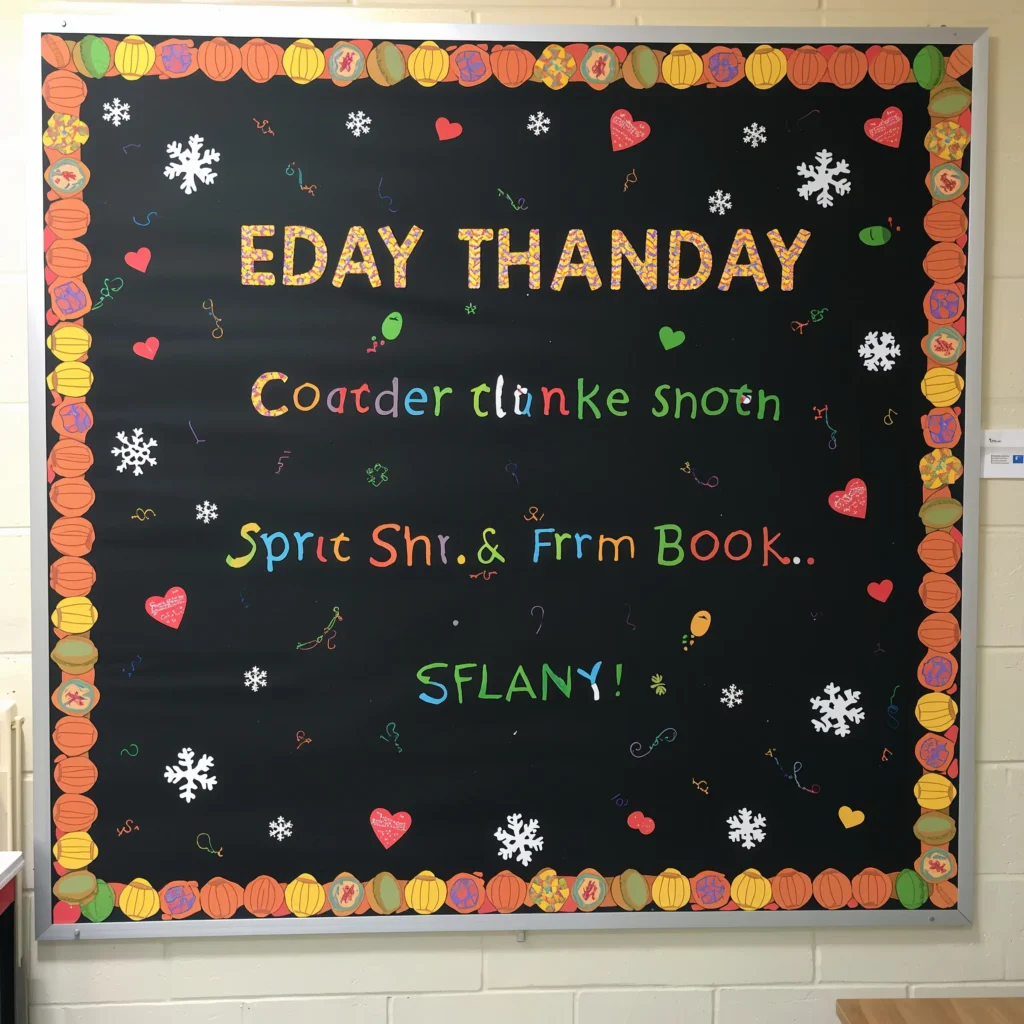
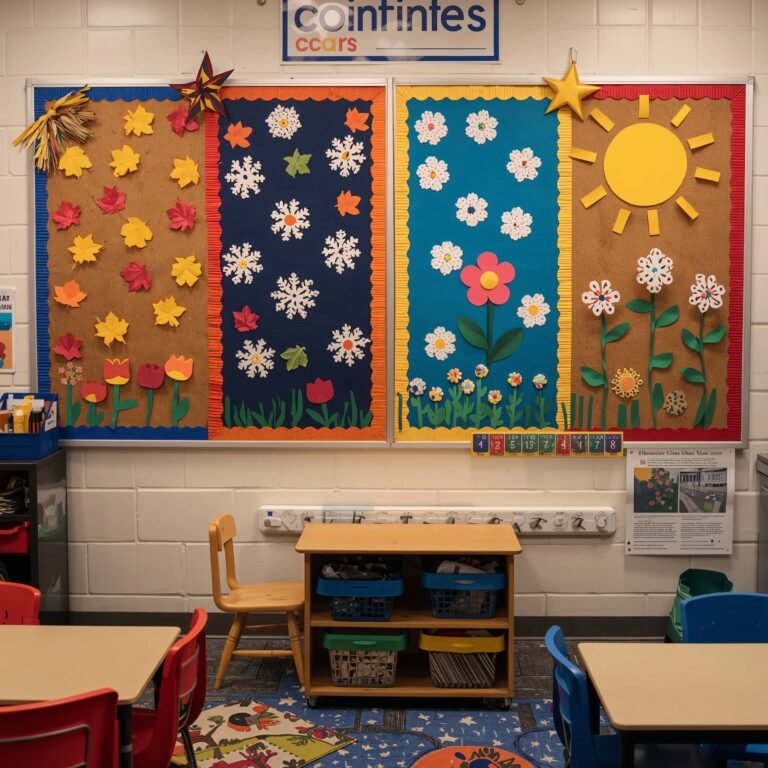
Seasonal borders keep your classroom fresh and give students something to look forward to. But here’s the thing – you don’t need to go overboard with every single holiday. Pick a few meaningful ones and do them well.
I learned this the hard way after spending an entire weekend creating elaborate Valentine’s Day borders only to take them down two weeks later. Now I focus on major seasons and culturally significant celebrations that resonate with my specific student population.
Year-Round Seasonal Planning
Smart teachers plan their seasonal borders in advance. Here’s my tried-and-true rotation:
- September-October: Fall leaves and harvest themes
- November: Gratitude and thanksgiving themes
- December-January: Winter wonderland (not necessarily Christmas)
- February-March: Spring awakening and growth
- April-May: End-of-year celebration themes
Notice how I avoid holiday-specific imagery? This keeps things inclusive while still celebrating the season. Snowflakes are universal; Santa isn’t.
Storage Solutions for Seasonal Borders
Here’s a game-changer: organize your seasonal borders in labeled pizza boxes. Seriously! They’re flat, stackable, and perfect for storing border strips. Label each box clearly and stack them in order of use. You’ll thank me when you’re not digging through crumpled paper in August.
Geometric Shape Borders
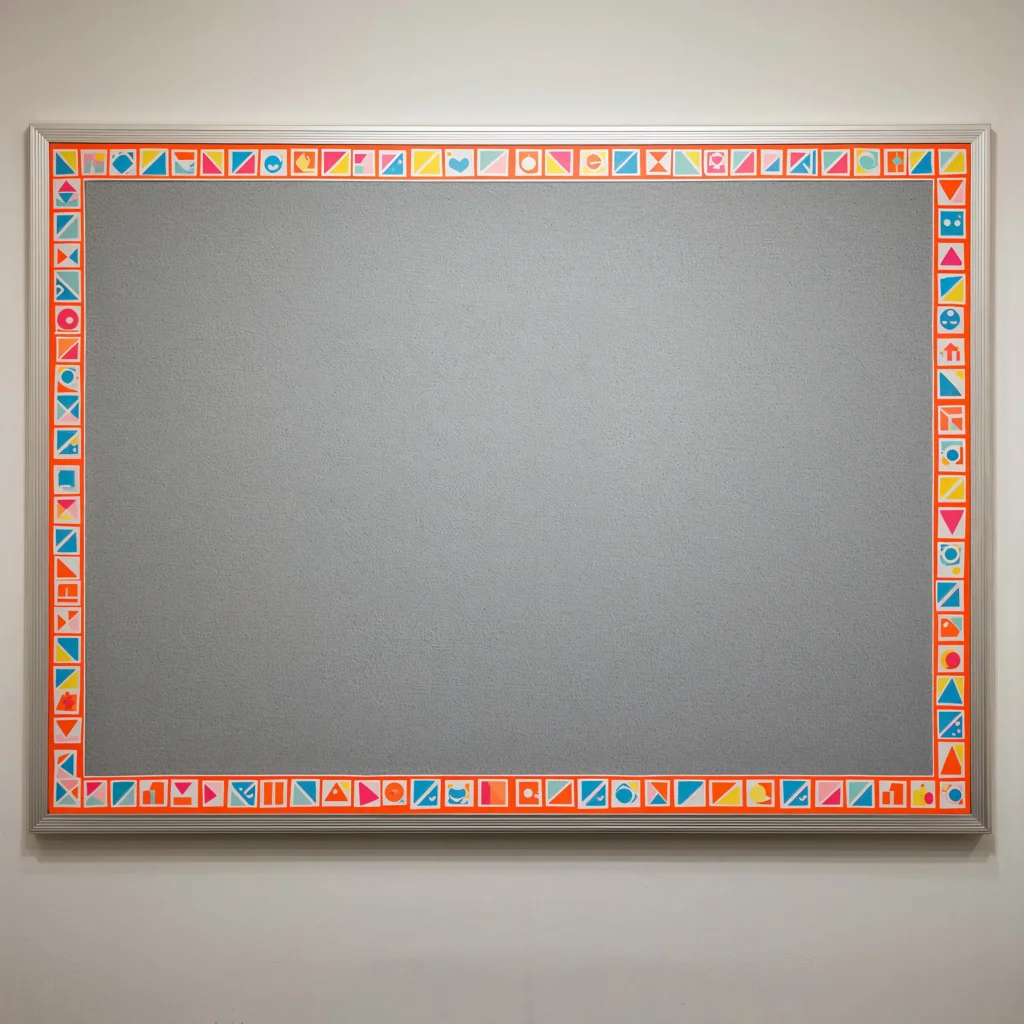
Geometric borders are having a moment, and honestly, they deserve it. These clean, modern designs work especially well in STEM classrooms but don’t underestimate their versatility. Something about those crisp lines and repeating patterns just screams “organized learning environment.”
I stumbled into geometric borders when I needed something that wouldn’t clash with my very busy math word wall. The structured patterns actually helped calm the visual chaos – who knew triangles could be so soothing?
Pattern Combinations That Work
Not all geometric patterns are created equal. Some combinations that consistently look amazing:
- Hexagon honeycomb patterns for a natural-meets-mathematical vibe
- Chevron zigzags for energy and movement
- Overlapping circles creating flower-like patterns
- Triangle tessellations for that M.C. Escher feel
Want to blow minds? Use geometric borders that actually demonstrate mathematical concepts. Fibonacci spirals, anyone? Your math colleagues will love you.
Color Schemes for Geometric Borders
The beauty of geometric borders lies in their color flexibility. You can go monochromatic for sophistication or rainbow bright for energy. My personal favorite? Two-tone geometric patterns using complementary colors. Navy and gold triangles? Chef’s kiss
Animal-Themed Borders
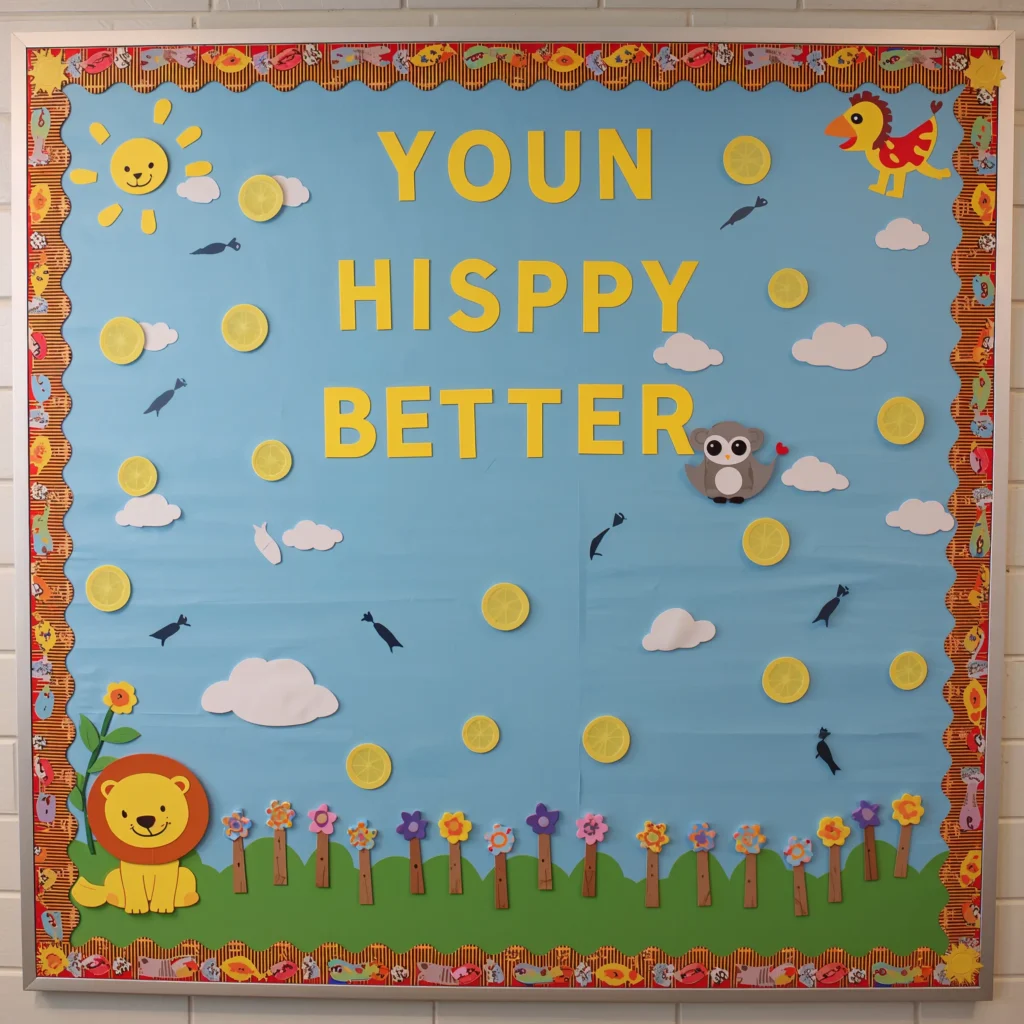
Animal borders might seem elementary, but trust me, even high schoolers secretly love them (they just won’t admit it). The trick is choosing the right animals for your age group and subject matter.
For younger kids, go wild with jungle animals or farm friends. But for older students? Think about more sophisticated options like ocean creatures for marine biology or endangered species for environmental science.
Creating Educational Animal Borders
Here’s where animal borders get really cool – make them educational! Instead of random cute animals, try:
- Habitat-grouped animals (desert, rainforest, arctic)
- Animals demonstrating science concepts (camouflage, adaptation)
- Literary animals from books you’re reading
- Historical animals (dinosaurs for different periods)
I once created a border with animals from every continent for our geography unit. Students would quiz each other on which animal belonged where. Sneaky learning at its finest!
DIY Animal Border Projects
Get students involved in creating animal borders. Have each student research and create their own animal for the border. Include fun facts on the back. This becomes both art project and research assignment – multitasking FTW!
Also Read: 10 Amazing Classroom Wall Decor Ideas That Inspire Learning
Chalkboard-Style Borders
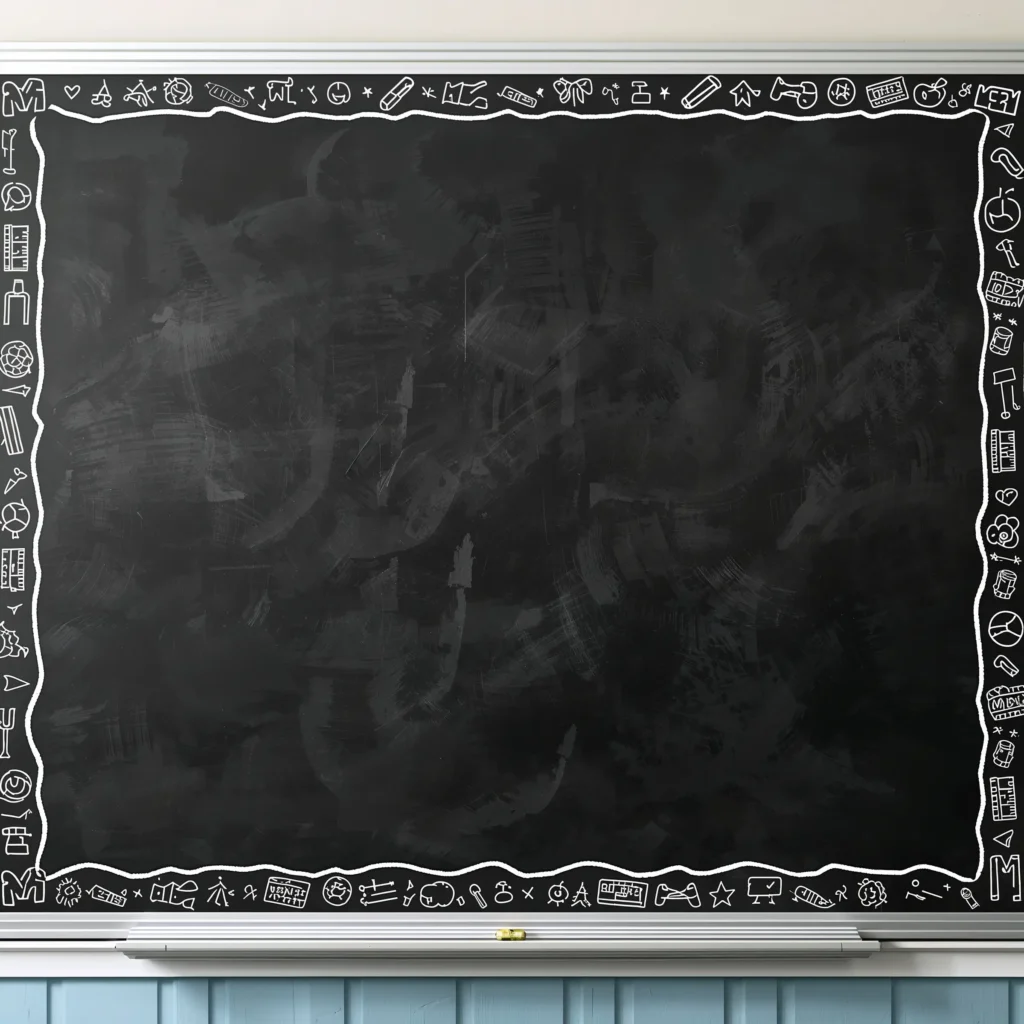
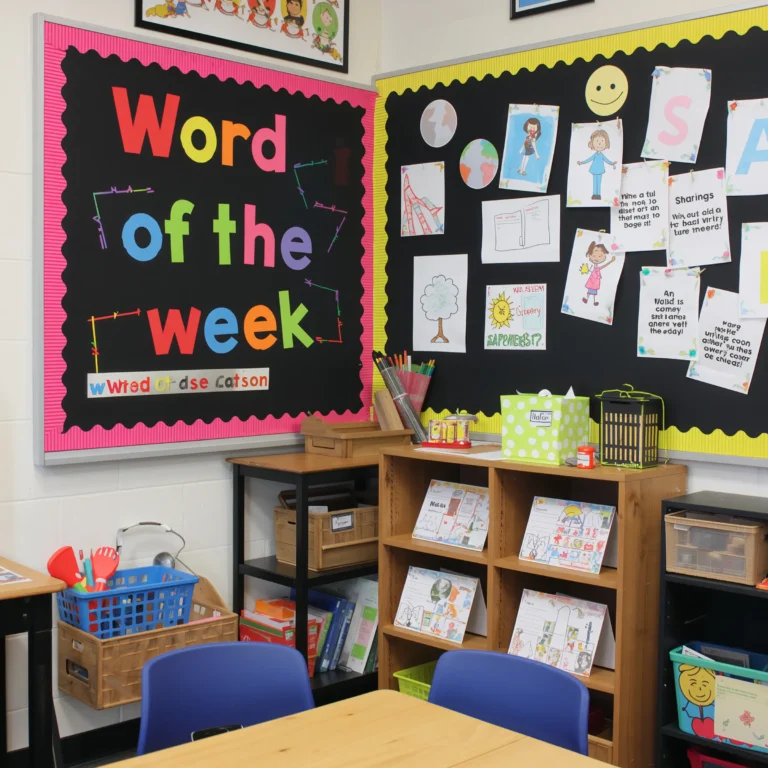
Chalkboard borders are basically the Swiss Army knife of classroom decor. They look sophisticated, they’re endlessly customizable, and they give off those scholarly vibes we’re all after. Plus, you can actually write on many of them with chalk markers!
I discovered chalkboard borders during my minimalist phase (yes, teachers have those too). They added visual interest without overwhelming the space, and the black background makes colors pop like crazy.
Maximizing Chalkboard Border Potential
The real power of chalkboard borders comes from their versatility:
- Add student names for birthday displays
- Write weekly vocabulary words directly on the border
- Create running tallies for class competitions
- Feature rotating student quotes or achievements
Here’s a secret: you can make any black border “chalkboard-style” with chalk markers. Just make sure your border material accepts chalk marker ink. Test first, trust me on this one.
Pairing Chalkboard Borders with Displays
Chalkboard borders work beautifully with bright, colorful displays. They create this frame effect that makes everything look intentional and pulled-together. Try pairing them with neon bright student work or white text on colored paper for maximum impact.
Polka Dot Colorful Borders
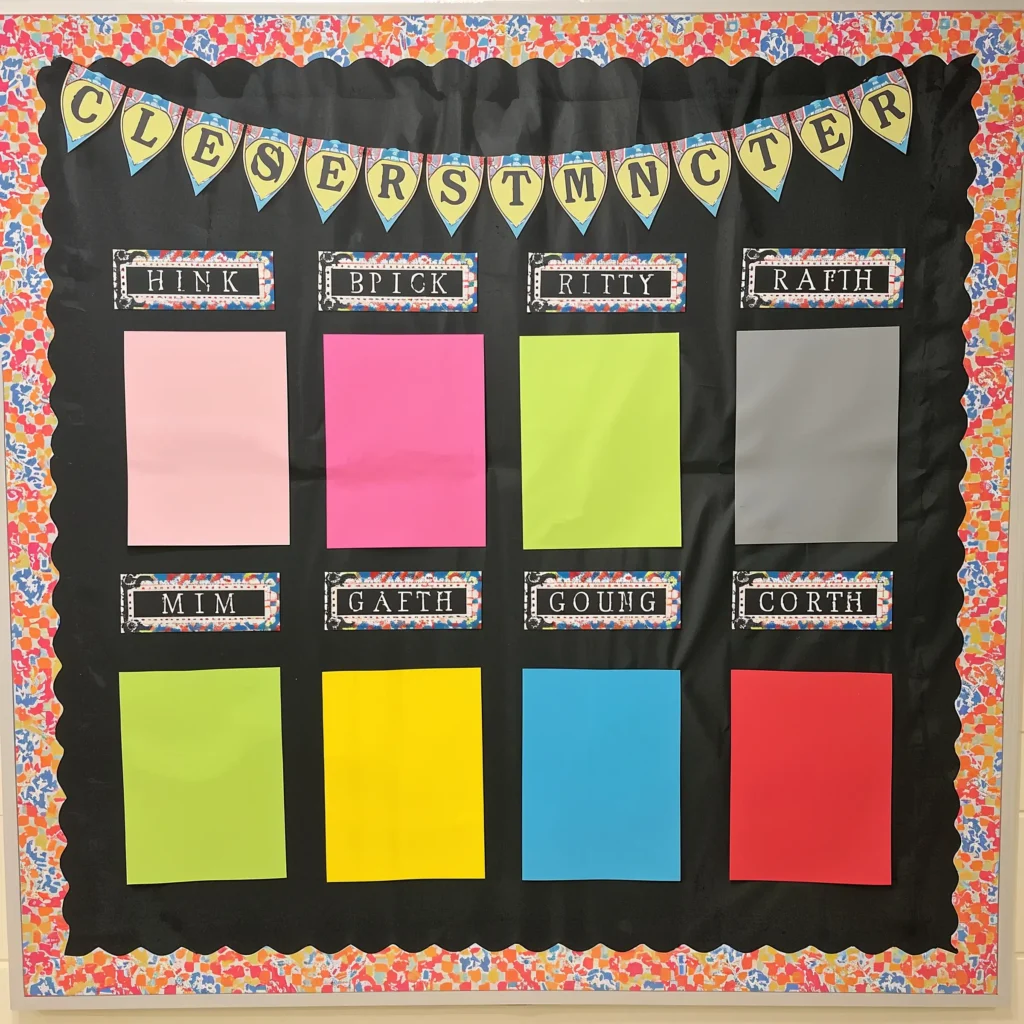
Polka dots are basically happiness in circle form. They’re playful without being childish, and they add movement to static displays. Every classroom needs at least one polka dot border – it’s like a rule or something 🙂
What makes polka dots special? They create rhythm and pattern without being overwhelming. Your eye naturally follows the dots around the board, creating visual flow. It’s surprisingly sophisticated for something so simple.
Creative Polka Dot Variations
Not all polka dots are created equal. Mix things up with:
- Varied dot sizes for visual interest
- Gradient dots that fade from dark to light
- Multicolored dots on neutral backgrounds
- Metallic dots for special displays
My current favorite? Black background with gold and silver dots. It looks expensive and fancy but costs the same as regular border. Your principal will think you have champagne taste on a beer budget!
Making Your Own Polka Dot Borders
Circle punches are your best friend here. Create custom polka dot borders using scrapbook paper and a good hole punch. Layer different sized dots for dimension, or try overlapping transparent dots for a modern look. IMO, handmade borders always get more compliments than store-bought ones.
Student Artwork Display Borders
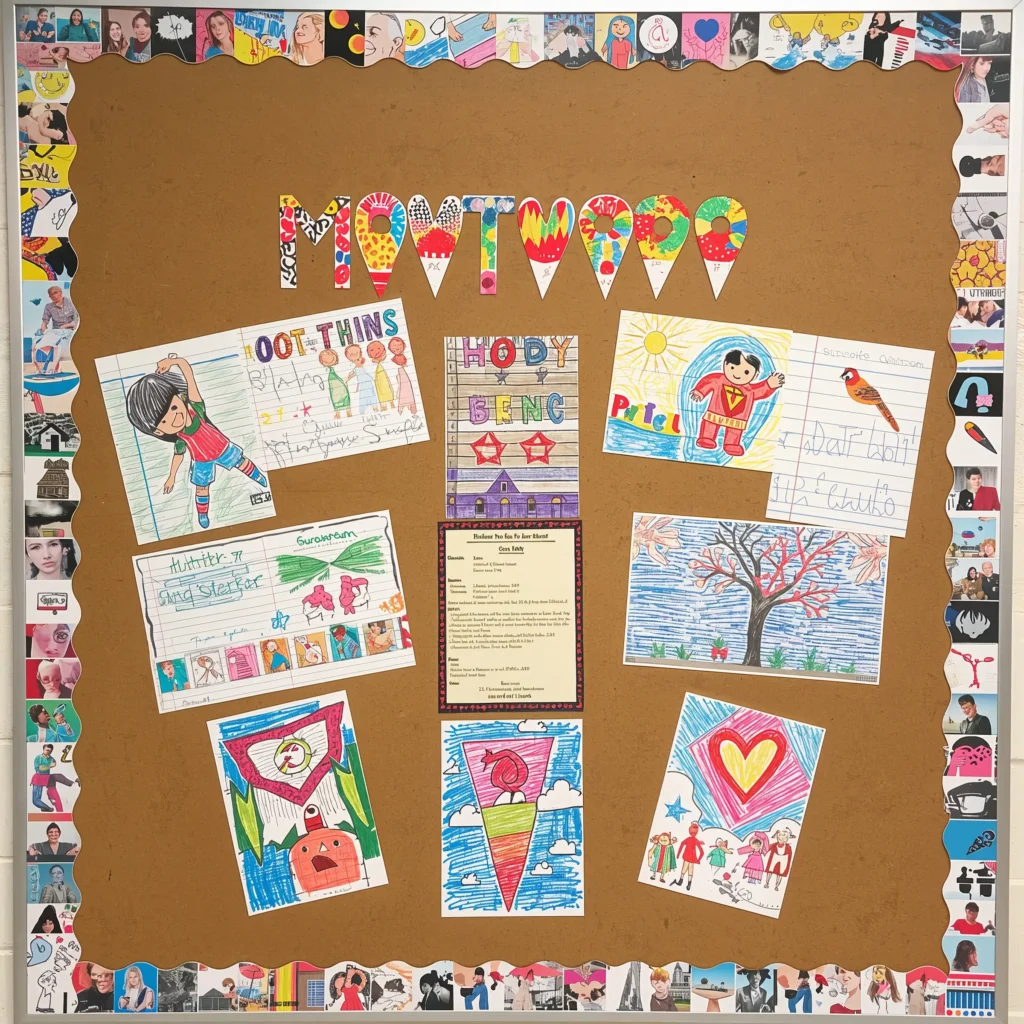
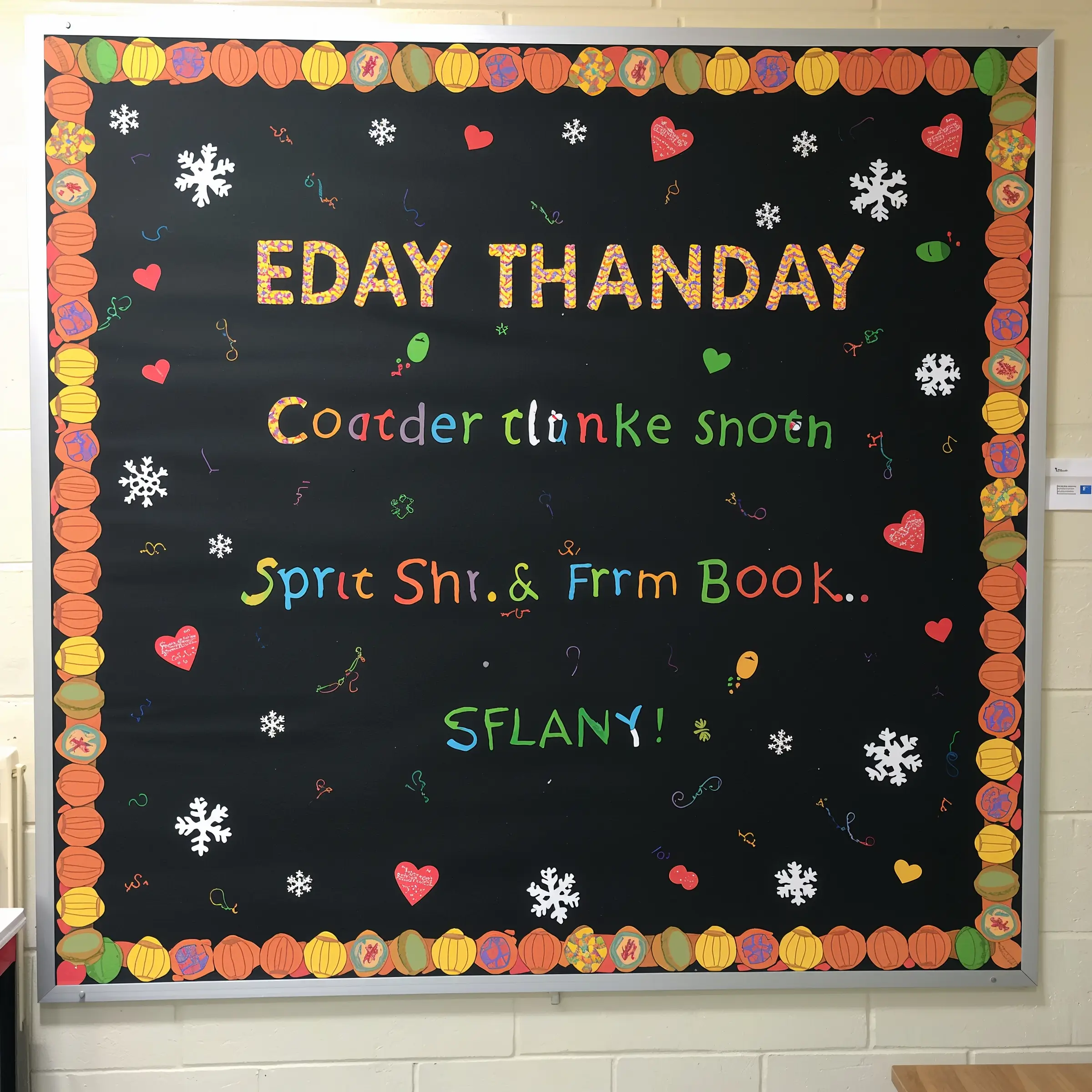
Nothing says “we value creativity” like borders made from actual student artwork. These borders celebrate student achievement while decorating your space. It’s efficient and meaningful – my favorite combination!
I started doing this when I realized I was running out of display space for student art. Why not make the art itself into a border? Students beam with pride seeing their work as permanent classroom decor.
Rotating Student Artwork Borders
Create a system for rotating student work in your borders:
- Monthly featured artists with 3-4 pieces each
- Class collaborative borders where everyone contributes
- Subject-specific art borders (science drawings, math patterns)
- Seasonal student art that changes quarterly
Keep it fair by tracking whose work has been displayed. Nothing creates drama faster than perceived favoritism in displays!
Preserving Student Artwork Borders
Here’s the thing about student artwork – parents want it back eventually. Before using artwork as borders, make color copies or take photos. Laminate the copies for durability. This way, original artwork goes home while displays stay intact.
Also Read: 10 Inspiring Classroom Door Decor Ideas to Wow Students
Minimalist Monochrome Borders
Last but definitely not least, let’s talk minimalist borders. In our Pinterest-perfect world of rainbow everything, sometimes less really is more. Monochrome borders create calm, focused learning environments without sacrificing style.
I turned to minimalist borders when I realized my classroom was giving me sensory overload. Black borders with white boards, or gray borders with black text – suddenly everything looked intentional and sophisticated.
Choosing Your Monochrome Palette
Monochrome doesn’t mean boring. Consider these sophisticated options:
- Shades of gray for ultimate flexibility
- Navy blue variations for a preppy, academic feel
- Earth tone gradients for warmth without color chaos
- Black and white for maximum contrast
The key? Vary your textures and patterns within your chosen color family. Stripes, dots, and solids in the same color create interest without overwhelming.
When Minimalist Borders Work Best
Minimalist borders shine in specific situations:
- Busy hallway displays where you compete with visual noise
- Focus areas like reading nooks or quiet corners
- Professional displays for parent nights or observations
- Sensory-sensitive spaces for students who need calm
Remember, minimalist doesn’t mean boring. It means every element has purpose and nothing distracts from learning.
Making It All Work Together
So there you have it – ten border ideas that’ll transform your classroom from “meh” to “magnificent.” The secret isn’t picking just one style and sticking with it forever. Mix and match based on your content, season, and student needs.
Start with one or two boards and see what resonates with your students. You might surprise yourself with what works! That geometric border you thought was too modern? Students might love how organized it makes them feel. The animal border you worried was too young? Watch your teenagers secretly smile at the penguins.
Remember, classroom decor isn’t just about making things pretty (though that’s definitely a perk). It’s about creating an environment where students feel welcomed, inspired, and ready to learn. The right border frames not just your bulletin board, but the entire learning experience.
Now get out there and start bordering! Your classroom is waiting for its makeover, and honestly, your students deserve a space as awesome as they are. Trust me, when you see their faces light up at your newly decorated boards, all that cutting and stapling will be worth it.
Who knows? You might just inspire the next generation of teachers to care about the details that make classrooms magical. And if nothing else, you’ll have the best-looking boards in the hallway. That’s something, right?