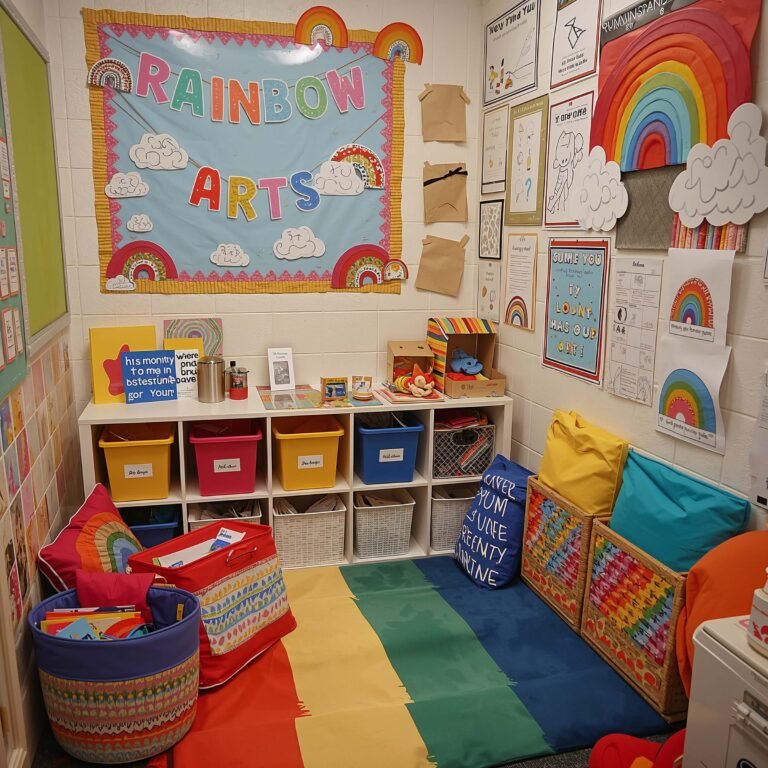
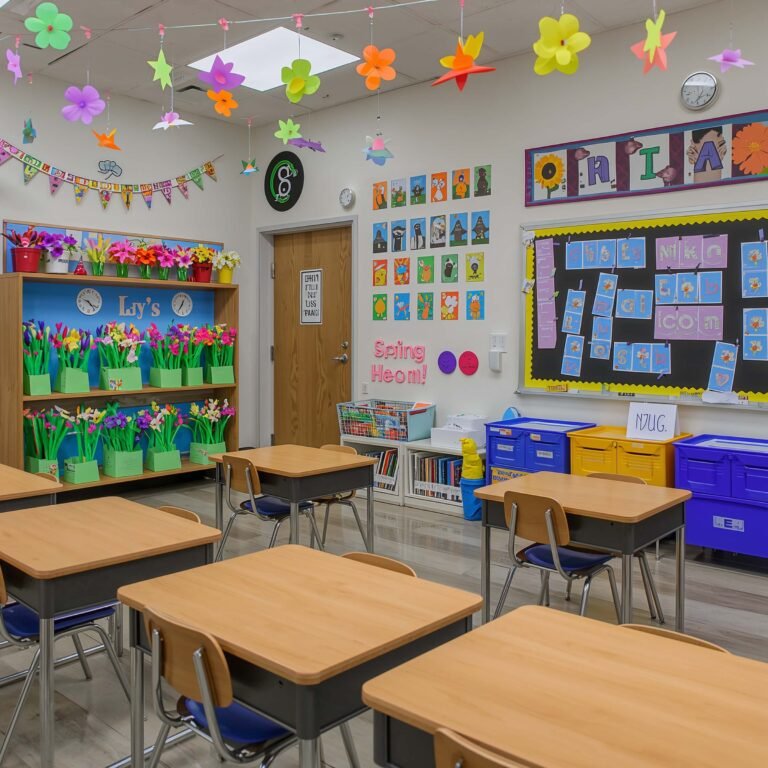
10 Bright Classroom Decor Themes Ideas That Pop Instantly

Remember that moment when you walked into a classroom and thought, “Wow, I wish I could learn here every day”? Yeah, me too. That’s exactly what we’re chasing here – that magical feeling that makes kids actually want to come to school.
I’ve spent years experimenting with classroom themes (and trust me, I’ve had some spectacular fails along the way), but I’ve finally nailed down the ones that actually work. These aren’t just pretty Pinterest boards that look great but fall apart after week two.
These are battle-tested themes that survive sticky fingers, flying paper airplanes, and that one kid who somehow manages to touch everything.
Let’s talk about transforming your classroom from a boring beige box into a learning wonderland that’ll have kids begging to stay after the bell rings. Sound impossible? Just wait.
Rainbow Learning Wonderland
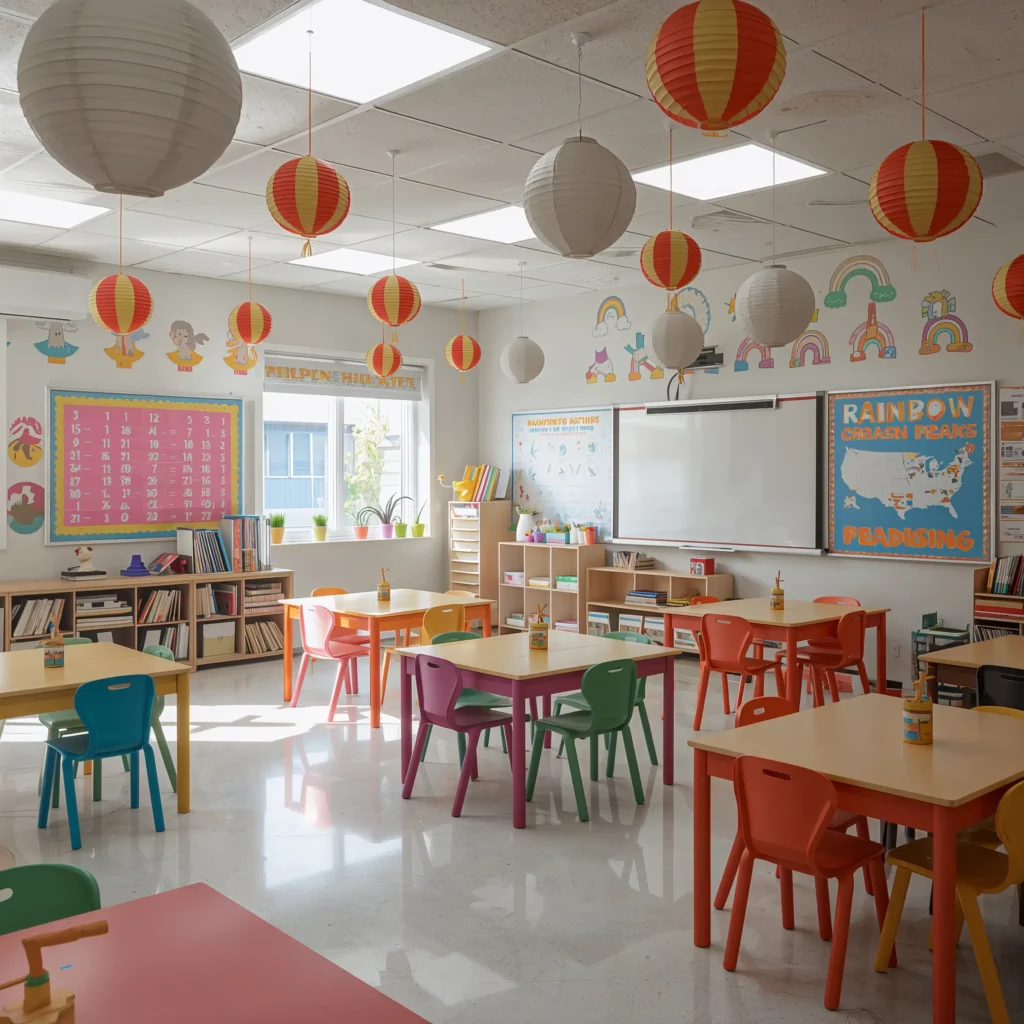
You know what kids love more than anything? Colors. Lots and lots of colors. But here’s the thing – you can’t just throw a rainbow explosion at the walls and call it a day. I learned that the hard way when my first attempt looked more like a unicorn sneezed all over my classroom.
The secret to nailing this theme lies in strategic color placement. Start with neutral walls (I know, boring, but hear me out) and then add rainbow accents through specific zones. Create a rainbow reading corner with colorful cushions arranged in ROYGBIV order. Hang rainbow bunting across the ceiling – but keep it organized, not chaotic.
Making It Educational
Here’s where it gets clever. Use each color to represent different subjects or activities:
- Red for math stations
- Orange for creative writing
- Yellow for science experiments
- Green for quiet reading time
- Blue for group work
- Purple for art projects
I organize my supply bins using this system, and honestly? The kids pick up on it faster than you’d think. “Where do the markers go?” becomes a no-brainer when they know art supplies live in the purple zone.
Want to add some practical magic? Create a rainbow behavior chart where kids move their clips up the rainbow throughout the day. Nothing motivates like seeing your name reach that pot of gold at the top. Plus, parents love the visual feedback during conferences – way better than trying to explain abstract behavior grades.
Space Explorer Classroom
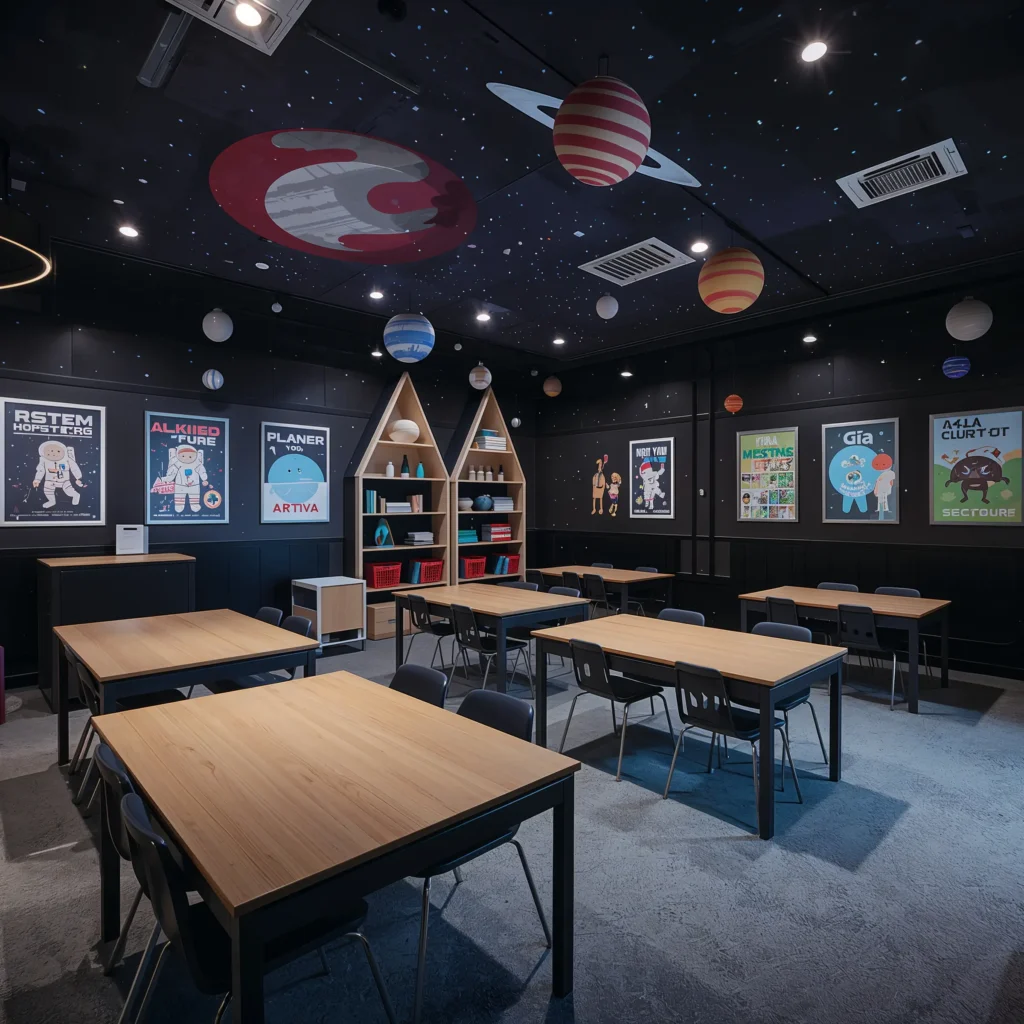
Ever notice how kids’ eyes light up when you mention space? I capitalize on that fascination big time with this theme. Transform your classroom ceiling into the night sky using glow-in-the-dark stars (the good ones, not those cheap stickers that fall off after a week).
Creating the Cosmic Atmosphere
Paint one accent wall dark blue or black – I know it sounds scary, but trust me on this one. Use metallic silver markers to draw constellations directly on the wall. Kids absolutely lose their minds when you turn off the lights and those stars start glowing.
Here’s my favorite trick: hang planets from fishing line at different heights around the room. Use those inflatable beach balls and paint them to look like planets. They’re lightweight, won’t hurt anyone if they fall, and you can deflate them for storage. Genius, right?
Set up mission control in one corner:
- Computer station becomes the “command center”
- Reading area transforms into the “space library”
- Science corner becomes the “research lab”
- Each table group gets named after a different spacecraft or space mission
Interactive Elements That Work
Mount a “Mission of the Week” board where you post learning objectives as space missions. “Mission: Master multiplication tables by Friday” sounds way cooler than regular homework assignments. Create astronaut badges for different achievements – kids wear them on lanyards and collect them throughout the year.
Jungle Safari Adventure
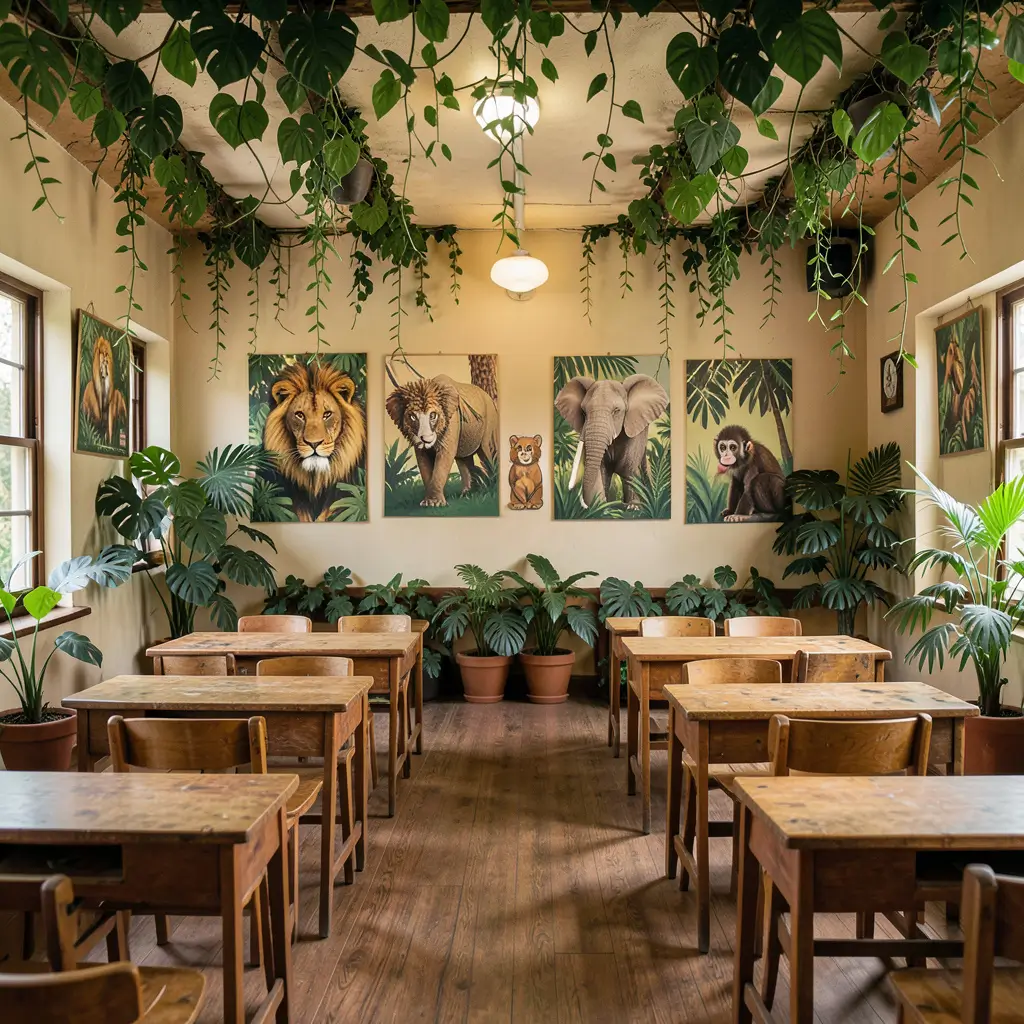
Who says you need an actual jungle to create an adventure? This theme brings the wild right into your classroom, minus the mosquitoes and humidity 🙂
Start with the entrance – wrap your door frame in brown paper to create a tree trunk portal. Add green streamers as vines hanging down. Every morning, kids enter through the “jungle gateway,” and I swear it sets the adventure tone for the entire day.
Building Your Classroom Jungle
Cover bulletin boards with jungle scene backdrops. You can find these pretty cheap online, or better yet, make it a class project. Have kids create different animals and hide them throughout the scenes. Turn it into a year-long “spot the animal” game.
Hang green fabric or plastic tablecloths from the ceiling in strips to create a canopy effect. Space them out enough so they don’t become annoying obstacles, but close enough to give that enclosed jungle feeling. Add some stuffed animals peeking out from unexpected places – on top of bookshelves, behind the teacher’s desk, even in the supply closet.
Create different jungle zones:
- Monkey Math Tree (math center with banana-shaped problems)
- Parrot Perch (reading corner with colorful cushions)
- Explorer’s Base Camp (writing station with safari journals)
- Snake Science Station (science area with a rubber snake mascot)
Making Learning an Adventure
Design safari passports for each student. They get stamps for completing different “expeditions” (aka assignments). Reach ten stamps? You earn the title of Junior Explorer. Twenty stamps? Senior Safari Guide. The competition gets real, and suddenly everyone wants to finish their work.
Also Read: 10 Fun Art Classroom Decor Ideas to Brighten Your Space
Under the Sea Discovery
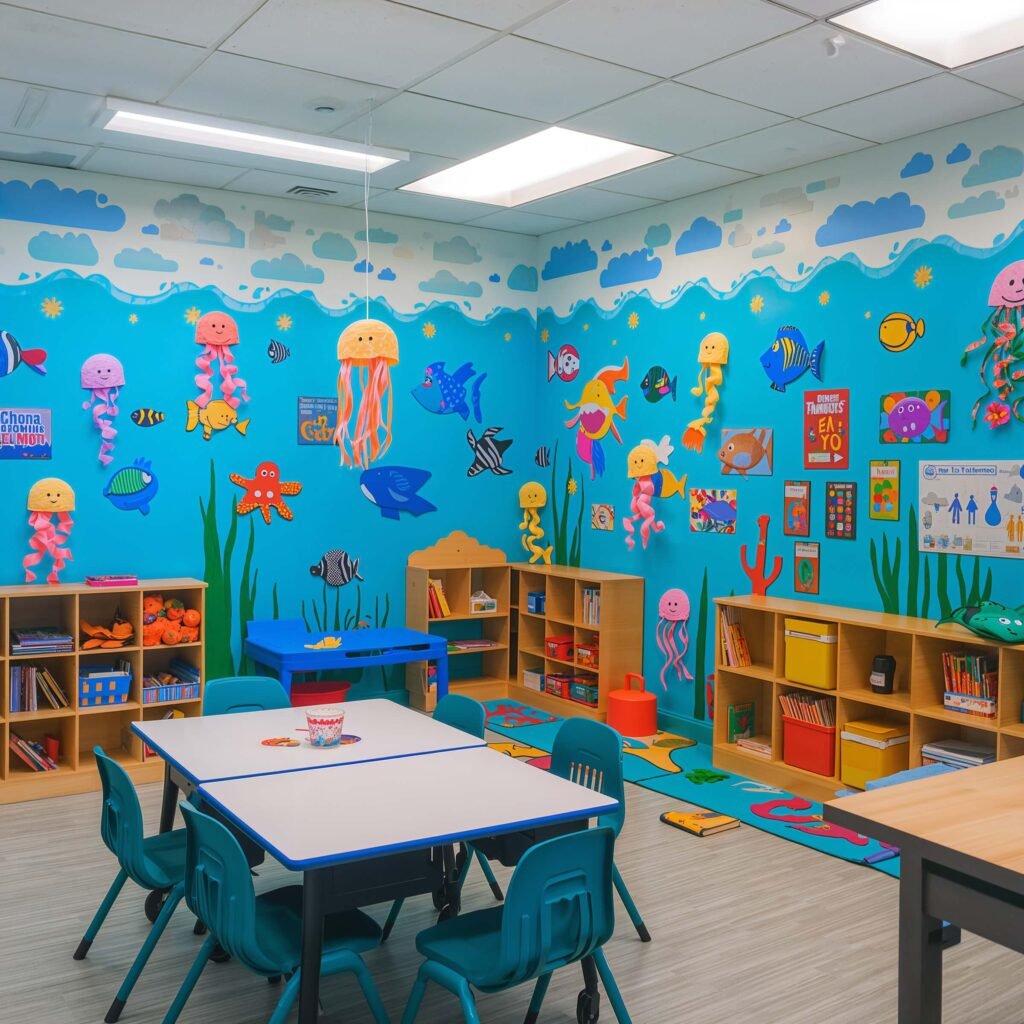
Want to create instant calm in your classroom? Go underwater. This theme naturally encourages quieter voices because “we’re underwater, and sound travels differently down here.” See what I did there?
Creating Ocean Depth
Paint a gradient on one wall – dark blue at the bottom, lighter toward the top. If painting isn’t an option, use fabric or paper in graduating shades. Hang blue cellophane or sheer fabric across fluorescent lights to create that underwater glow. The whole room takes on this peaceful, aquatic atmosphere that actually helps with focus.
String up fishing nets in corners (you can get these super cheap at party stores) and fill them with beach balls painted like puffer fish, paper sea creatures, and even some shiny “treasure.” Kids love spotting new additions throughout the year.
Ocean Zones for Learning
Organize your classroom by ocean depth levels:
- Sunlight Zone (bright area near windows for independent work)
- Twilight Zone (medium lighting for group work)
- Midnight Zone (cozy dark corner for quiet reading)
- Ocean Floor (carpet area for circle time)
Create a submarine reading nook using a large appliance box. Cut out portholes, add some blue cellophane for windows, and boom – instant underwater vessel. Kids sign up for submarine reading time, and slots fill up faster than you can say “nautical.”
Cozy Book Nook Haven
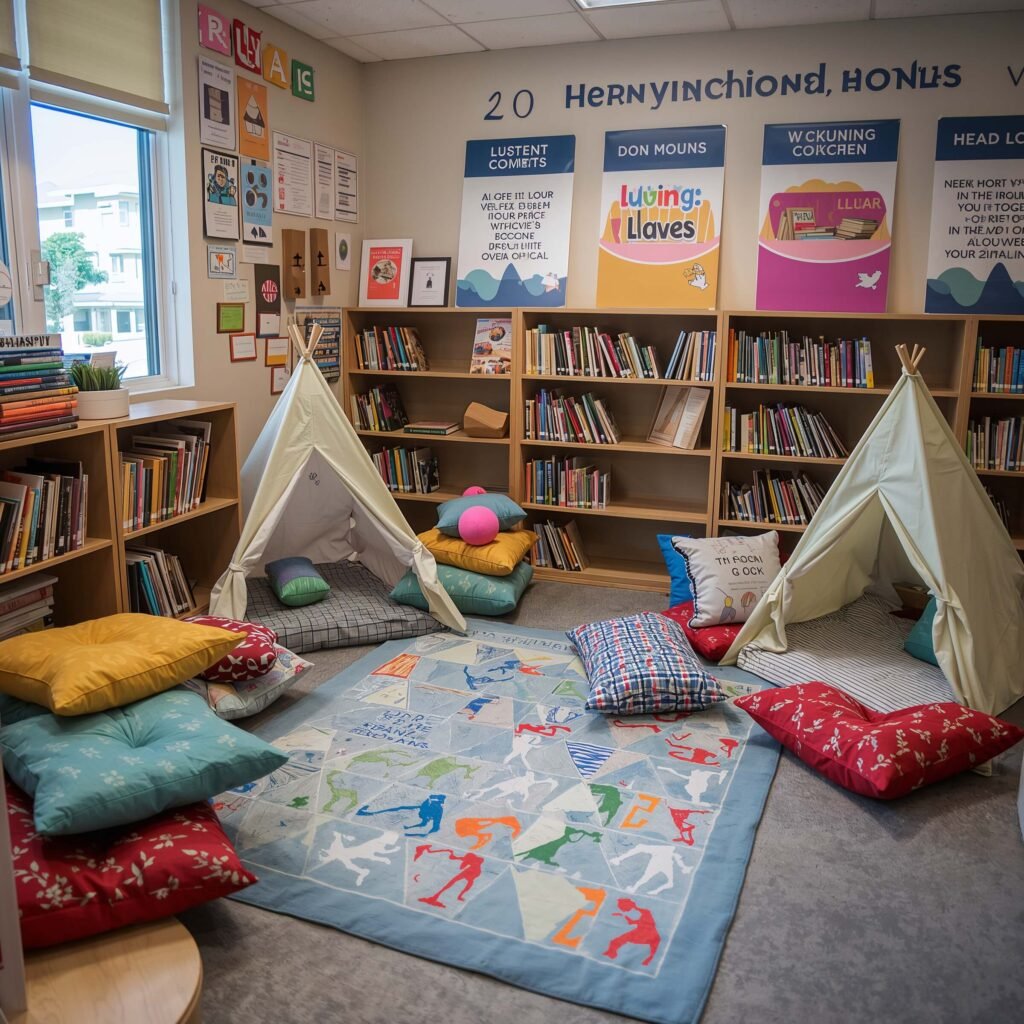
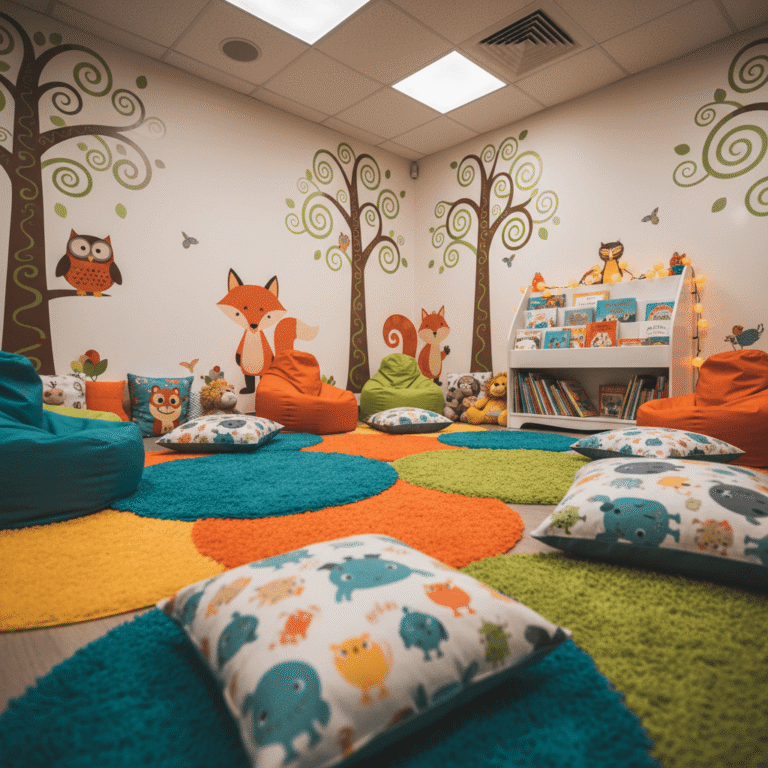
Sometimes you just need to embrace the hygge life, you know? This theme turns your classroom into the coziest place in the entire school. Think less “institutional learning facility” and more “favorite coffee shop where learning happens to occur.”
Building Maximum Cozy
Start with warm lighting – ditch those harsh fluorescents whenever possible. String lights aren’t just for dorm rooms; they create ambiance that makes kids actually want to stay. Add table lamps in corners, use lamp shades to diffuse overhead lighting, and watch the whole mood shift.
Layer textures everywhere:
- Fuzzy rugs on reading areas
- Soft cushions in every corner
- Knitted poufs for flexible seating
- Fleece blankets in a basket for cold days
Create distinct reading zones with different vibes. Set up a tent with fairy lights for adventure reading. Build a fort from PVC pipes and sheets for mystery novels. Arrange bean bags in a circle for book club discussions.
Literary Elements Throughout
Display book spines as wall art – photocopy the spines of favorite class books and create a wallpaper effect. Hang vintage library cards in frames (you can print these from online templates). Create a “Currently Reading” board where everyone posts their book covers.
Here’s my secret weapon: the classroom library checkout system using an old-school date stamp. Kids go absolutely crazy for stamping their own books. It’s like playing librarian, but they’re actually practicing responsibility. FYI, you’ll go through a lot of ink pads, but it’s worth it.
Chalkboard & Rustic Charm
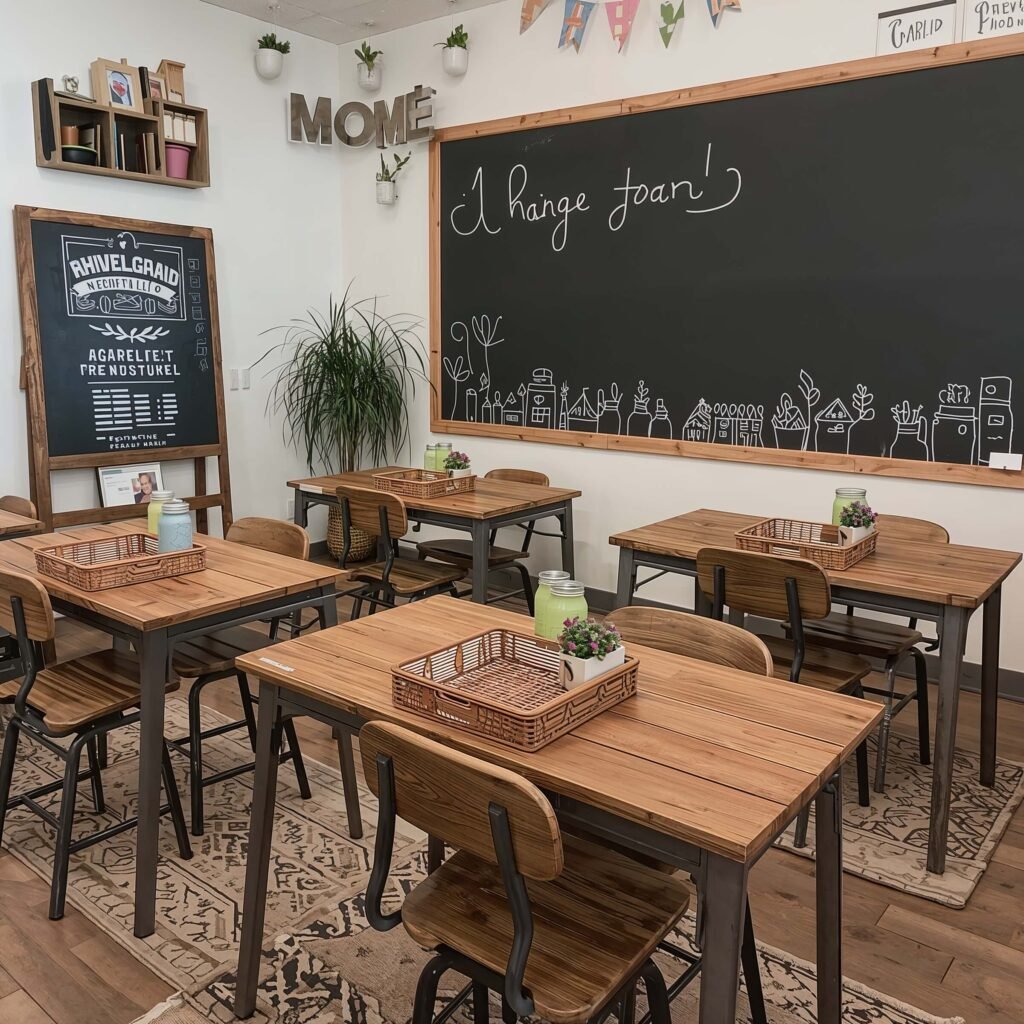
Want that Pinterest-perfect farmhouse classroom that actually functions? This theme brings that rustic charm without requiring you to actually milk cows or churn butter.
Creating Farmhouse Feels
Chalkboard paint everything (well, almost everything). One full chalkboard wall for sure, but also paint:
- Plant pots for labeling herbs or classroom plants
- Storage bins for easy relabeling
- Picture frames for rotating student work displays
- A section of desk for kids to doodle during thinking time
Mix in wood elements wherever possible. Use wooden crates as book storage, mount clipboards on the wall for displaying work, and add a rustic wooden sign with your classroom rules. Hit up garage sales for old wooden frames – paint them white and distress them slightly for that authentic farmhouse look.
Functional Rustic Elements
Install mason jar organizers on a wooden board for supplies. Each jar holds different items – pencils, markers, scissors – and kids can see exactly what’s where. Plus, when the light hits those jars just right? Chef’s kiss.
Create a clothesline display system using twine and tiny clothespins. Rotate student work weekly, and watch kids beam with pride when their paper makes it to the line. Pro tip: use different colored clothespins for different subjects.
Set up a “Market Stand” for your classroom economy system. Use wooden crates, chalkboard price tags, and baskets to create a farmers’ market vibe where kids can “purchase” rewards with their classroom currency.
Also Read: 10 Creative English Classroom Decor Ideas to Brighten Your Room
Magical Fairy Tale Land
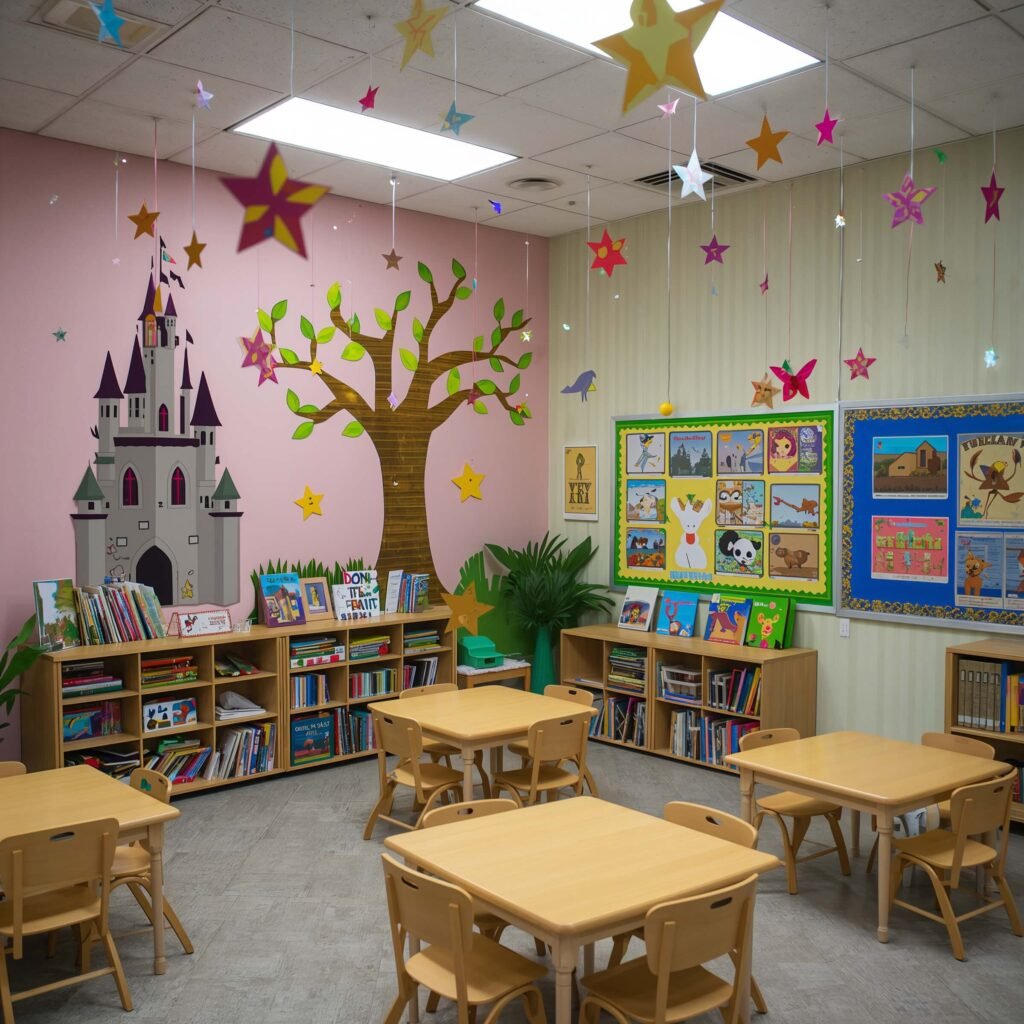
Who says fairy tales are just for kindergarten? Even fifth graders secretly love a bit of magic in their day. This theme brings storybook charm that grows with your students.
Crafting Your Kingdom
Transform your door into a castle entrance using gray paper for stones and black for the outline. Add a paper chain drawbridge that you can raise and lower for special occasions. Kids eat this stuff up.
Create a enchanted forest corner using artificial trees (those Christmas ones on clearance work perfectly). Add twinkling lights, paper butterflies on invisible thread, and maybe a hidden fairy door on the wall. Watch kids check daily to see if the fairies left anything.
Fairy Tale Learning Stations
Design themed areas based on different stories:
- Rapunzel’s Tower (tall bookshelf with a rope ladder for upper shelves)
- Three Bears’ Cottage (three different-sized work stations)
- Wonderland Tea Party Table (group work area with mismatched chairs)
- Magic Mirror Station (self-assessment area with actual mirrors)
Implement a “Quest Board” where learning objectives become epic quests. “Defeat the Division Dragon by Friday” beats “Complete worksheet 3.2” any day. Create character cards for different classroom jobs – suddenly everyone wants to be the Royal Librarian or the Knight of Supplies.
Inspirational Quote Wall
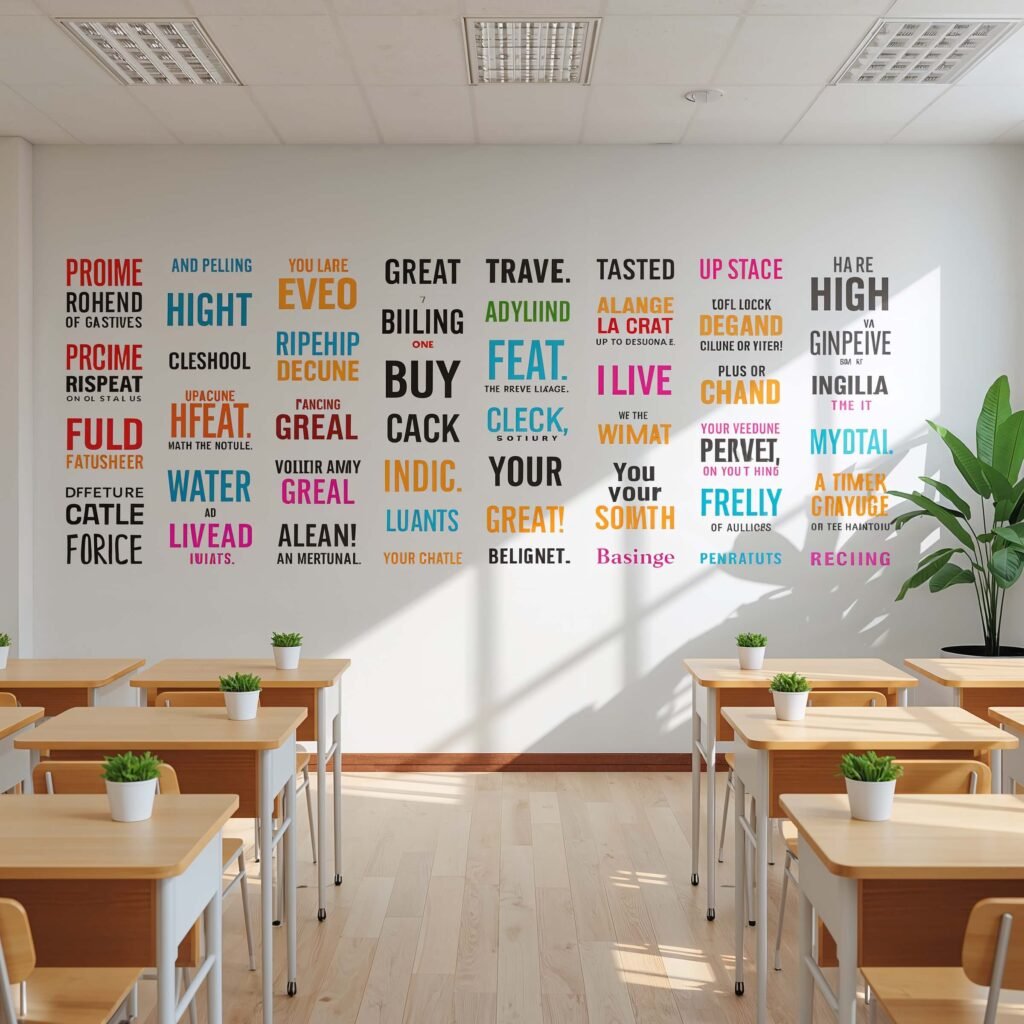
Sometimes you need that daily dose of motivation, and honestly? Kids need it too. But here’s the thing – you can’t just slap some “Live, Laugh, Learn” on the wall and call it done.
Quote Selection That Matters
Choose quotes that actually resonate with your age group. Skip the generic motivational posters and go for:
- Quotes from books they’re reading
- Lyrics from appropriate songs they know
- Words from athletes or YouTubers they admire
- Student-generated quotes from class discussions
Create a living quote wall that changes throughout the year. Start with a few anchor quotes, then add new ones as they become relevant. That quote about perseverance hits different after the class struggles through a tough math unit together.
Making It Interactive
Install a “Quote of the Week” spotlight area. Kids nominate quotes, vote on them, and the winner gets displayed prominently. The student who suggested it becomes the quote ambassador, explaining why they chose it.
Set up a graffiti wall section (using whiteboard material or chalkboard paint) where kids can add their own inspirational thoughts. Set ground rules, obviously, but watch how thoughtful kids get when they know their words will be on display.
Design quote cards that kids can take home. When someone’s having a rough day, they pick a quote card from the jar. It’s like a fortune cookie but with actual helpful advice instead of vague predictions about tall strangers.
Minimalist Modern Classroom
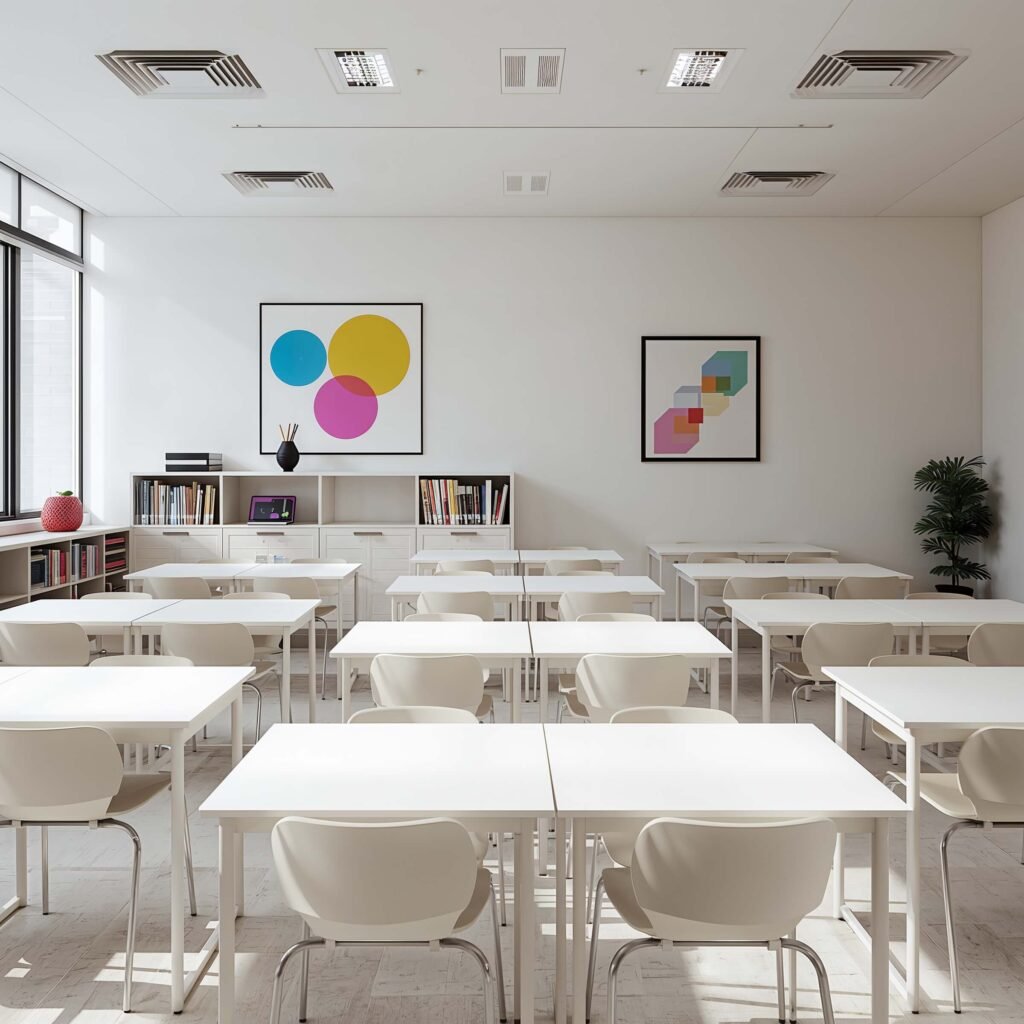
Listen, not everyone wants their classroom to look like a craft store exploded. Sometimes, less really is more, and a clean, modern aesthetic helps kids focus better than any amount of glitter ever could.
Clean Lines, Clear Minds
Stick to a neutral color palette with one or two accent colors max. I go with white, gray, and one pop of color (currently obsessed with sage green). Everything coordinates, nothing clashes, and the visual calm is real.
Use geometric patterns sparingly but effectively:
- Hexagon bulletin board sections
- Triangle pennant banners in your accent color
- Circle cut-outs for displaying student work
- Rectangular frames in varying sizes for a gallery wall
Organized Minimalism
Invest in matching storage solutions. Same color bins, same style labels, everything uniform. It costs a bit upfront, but IMO, the visual cohesion is worth it. Plus, kids learn organization by osmosis when everything has such an obvious place.
Create designated empty space. Not every wall needs something on it. That blank wall isn’t wasted – it’s visual breathing room. Your students’ eyes (and brains) need somewhere to rest.
Implement a “one thing in, one thing out” policy for classroom displays. When new student work goes up, old work comes down. This keeps things fresh without creating clutter. Store the old work in portfolios – parents love seeing the progression at conference time.
Also Read: 10 Amazing Elementary Classroom Decor Ideas That Inspire Learning
Science Lab Explorer
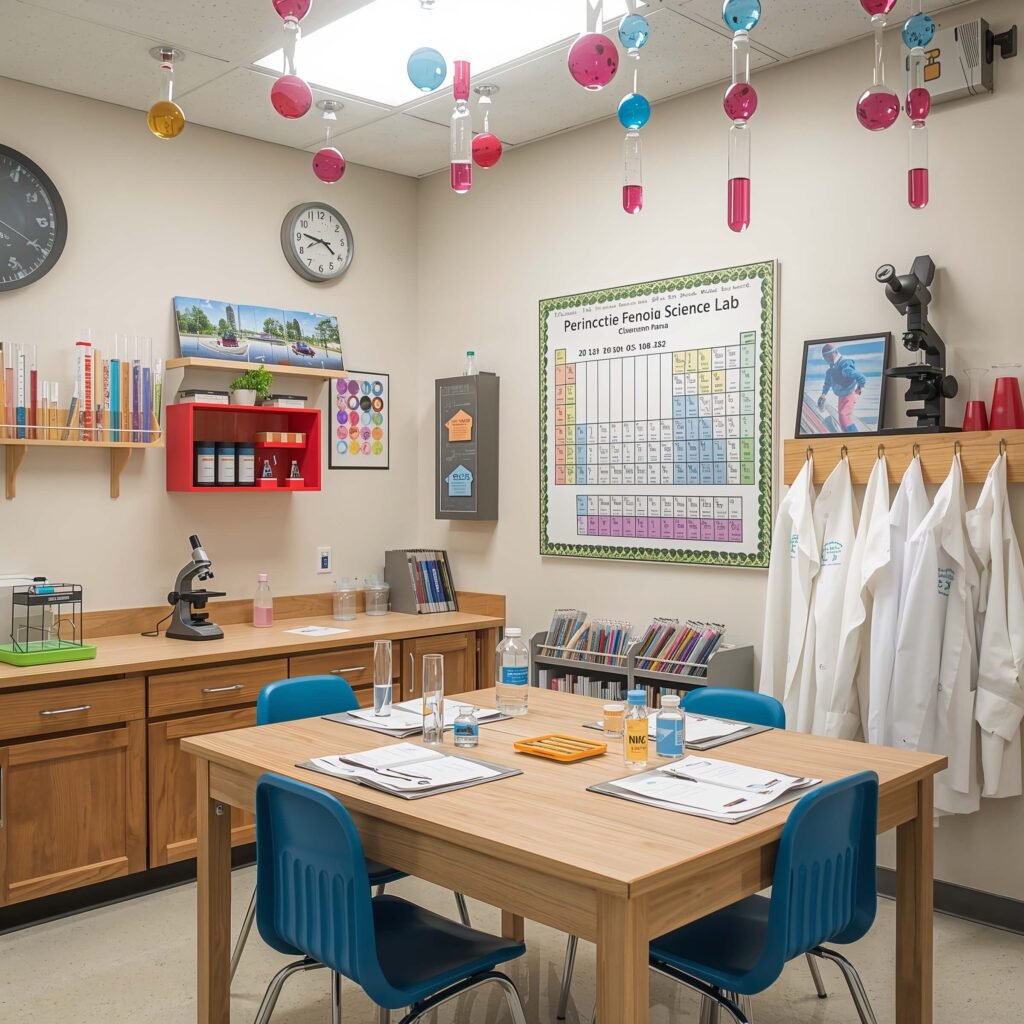
Turn your classroom into a working laboratory where every day brings new discoveries. This theme makes science the star, but honestly? It works for all subjects when you frame everything as an experiment.
Laboratory Setup
Create lab stations around the room using simple materials:
- Observation station with magnifying glasses and microscopes (even toy ones work)
- Experiment corner with safety goggles hanging on hooks
- Data collection area with clipboards and graph paper
- Research library with science books and tablets
Label everything with scientific precision. Use a label maker to mark supplies with their scientific names. “Dihydrogen Monoxide” for the water bottle station never gets old. Add chemical formulas for common classroom items – suddenly cleaning up becomes a chemistry lesson.
Scientific Method Everywhere
Post the scientific method steps prominently, but make them applicable to everything:
- Question (What are we learning?)
- Hypothesis (What do I think will happen?)
- Experiment (Let’s try it!)
- Observation (What happened?)
- Conclusion (What did we learn?)
Create lab notebooks for each student. These aren’t just for science – they record “experiments” in all subjects. Testing whether a different pencil grip improves handwriting? That’s an experiment. Trying a new reading strategy? Document it like a scientist would.
Design “Scientist of the Week” awards for different categories:
- Best hypothesis
- Most careful observations
- Creative problem-solving
- Excellent lab safety
- Outstanding collaboration
Install a periodic table of learning elements where each “element” represents a different skill or subject area. Kids love finding patterns and connections between different types of learning.
Making Your Theme Last All Year
Here’s the real talk – any theme will fail if you don’t maintain it. Pick one that you genuinely connect with, because you’ll be living in it for nine months. The best classroom theme is one that excites you as much as your students.
Remember to involve kids in building and maintaining the theme. When they have ownership, they take care of it. Let them add elements, suggest improvements, and even lead theme-related activities. My jungle classroom once had a student-led “safari guide training” for new students. Completely their idea, and it was brilliant.
Most importantly, your theme should enhance learning, not distract from it. If kids spend more time playing with decorations than focusing on lessons, scale back. The sweet spot exists where environment supports education without overwhelming it.
Whatever theme you choose, make it yours. Add your personality, your teaching style, your humor. Kids can spot fake enthusiasm from a mile away, but they’ll buy into anything you genuinely love. That’s when the magic happens – when your classroom becomes not just a room with a theme, but a living, breathing learning environment that kids never want to leave.
Ready to transform that boring classroom into something amazing? Pick your theme, start small, and build from there. Trust me, once you see kids’ faces light up when they walk into your themed classroom, you’ll never go back to bare walls again. Now get out there and create some classroom magic!