10 Amazing Elementary Classroom Decor Ideas That Inspire Learning

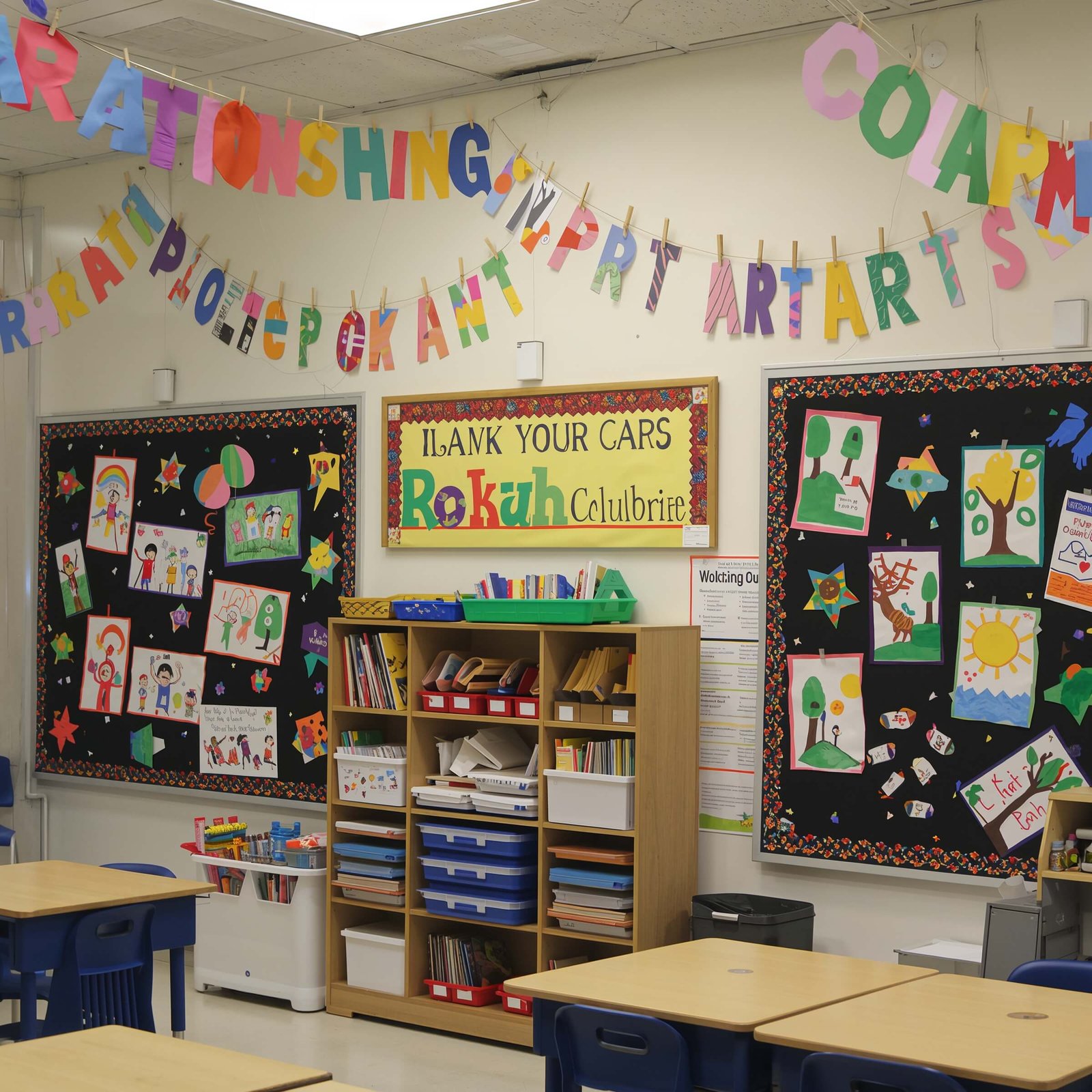
Remember walking into that one classroom as a kid where everything just felt right? The colors popped, the walls talked to you, and somehow learning felt less like work and more like an adventure. Now you’re the teacher, and you want to create that same magic.
Trust me, I’ve been there, staring at blank classroom walls wondering where to even start.
After spending years experimenting with different classroom setups (and making plenty of mistakes along the way), I’ve discovered that the right decor doesn’t just make your room Instagram-worthy – it actually transforms how kids learn and interact.
So grab your coffee, and let’s chat about ten classroom decor ideas that’ll make your students actually excited to walk through your door every morning.
1. Cozy Reading Nook Corner
Creating the Perfect Literary Escape
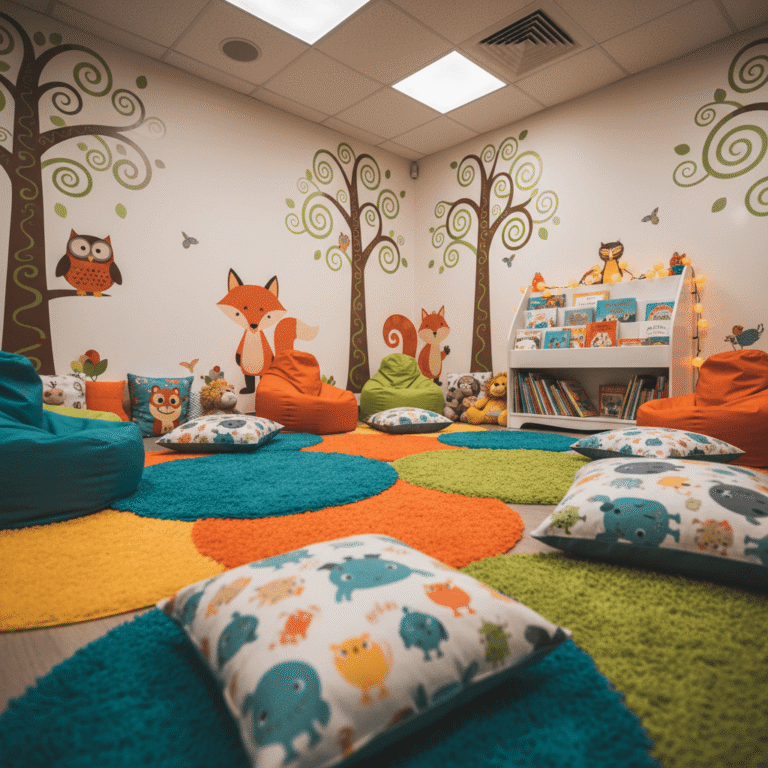
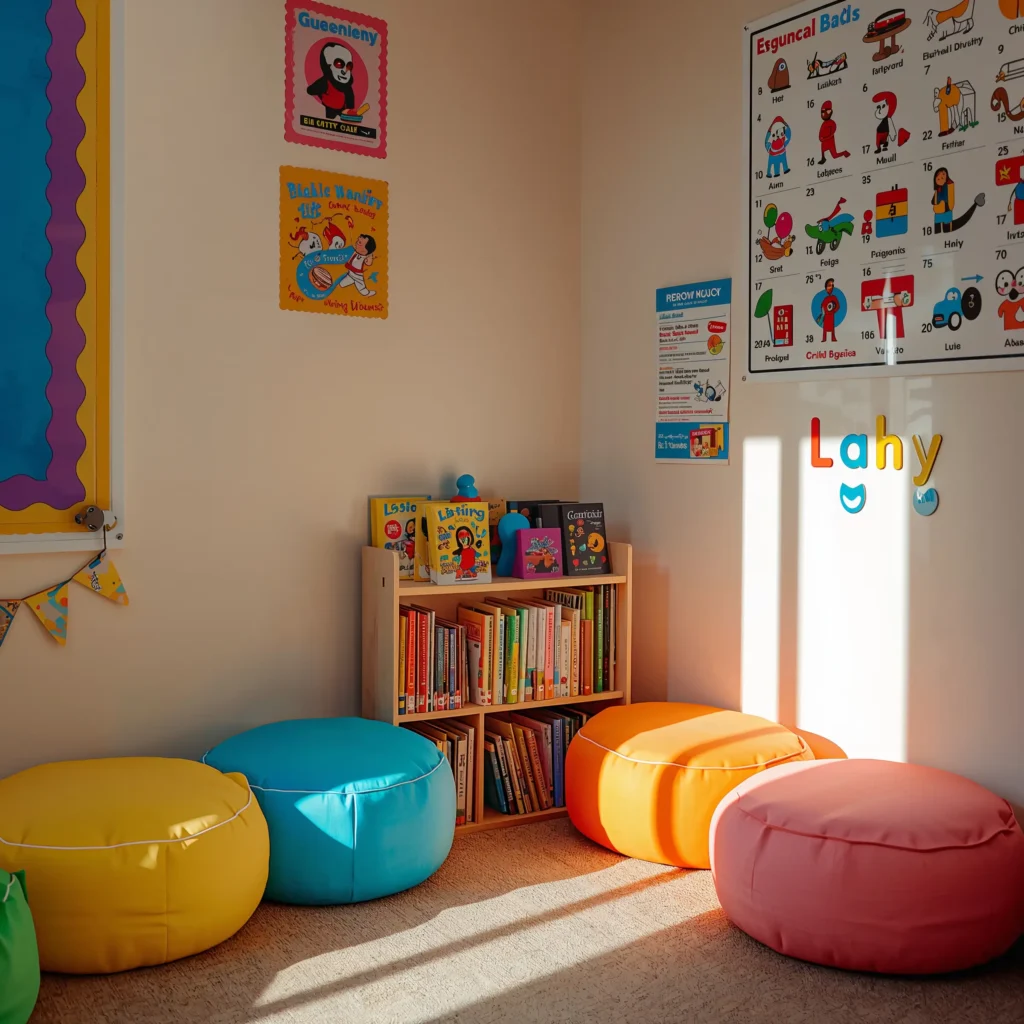
You know what every classroom needs? A spot where kids can literally escape into books. I’m talking about a dedicated reading corner that makes students want to curl up with a good story.
Start by picking the quietest corner of your room – preferably one with natural light if you’re lucky enough to have windows. Throw down a colorful area rug (the fluffier, the better), and add some floor cushions or bean bags. Kids go absolutely crazy for bean bags, and honestly, who can blame them?
Want to make it extra special? String up some fairy lights around the area. I added battery-operated ones to my reading nook last year, and suddenly every student wanted reading time. The soft lighting creates this magical atmosphere that whispers “come read here” without you having to say a word.
Essential Elements for Your Reading Haven
Here’s what you’ll need to nail this setup:
• Comfortable seating options – Mix it up with floor pillows, small chairs, and maybe a tiny couch if you can snag one from a thrift store
• Book display shelves at kid height – Forward-facing displays work better than traditional spines-out shelving
• A canopy or tent structure – Even a simple shower curtain rod with fabric creates that cozy cave feeling
• Soft lighting – Table lamps or string lights beat harsh fluorescents every time
• Storage baskets for different reading levels or genres
Don’t forget to rotate your book displays regularly. I switch mine out every two weeks, and students treat it like a mini book release party. They actually line up to see what’s new – how’s that for encouraging reading?
Making It Work in Small Spaces
No room for a full corner setup? No problem! Even a small nook behind a bookshelf works wonders. I’ve seen teachers transform the space under their desks into reading caves (just add a curtain), and kids love the secretive feel.
Consider vertical space too. Wall-mounted rain gutters make perfect book displays and save floor space. Plus, they’re cheap and easy to install – win-win!
2. Seasonal Bulletin Board Themes
Why Seasonal Boards Matter More Than You Think
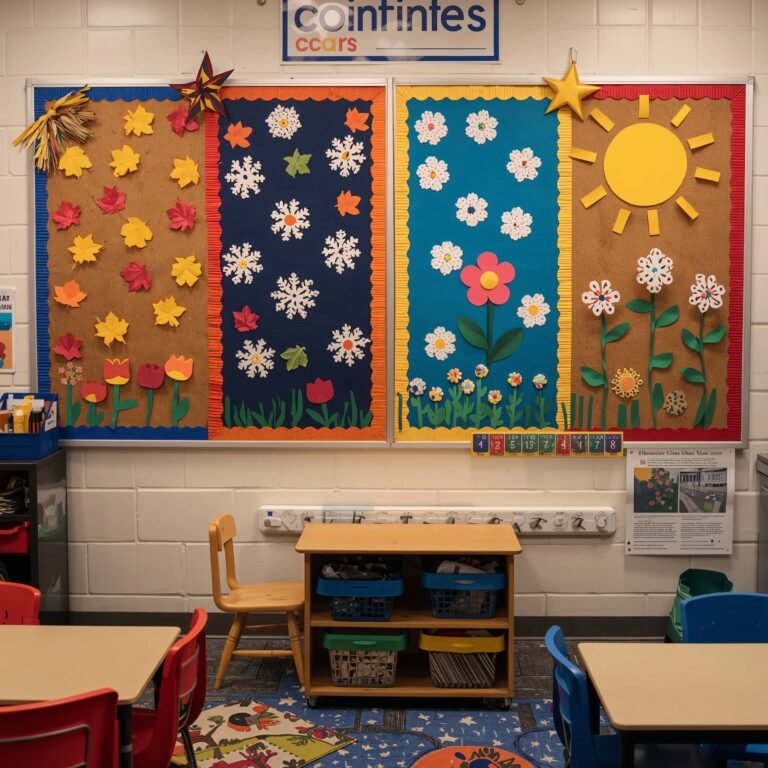
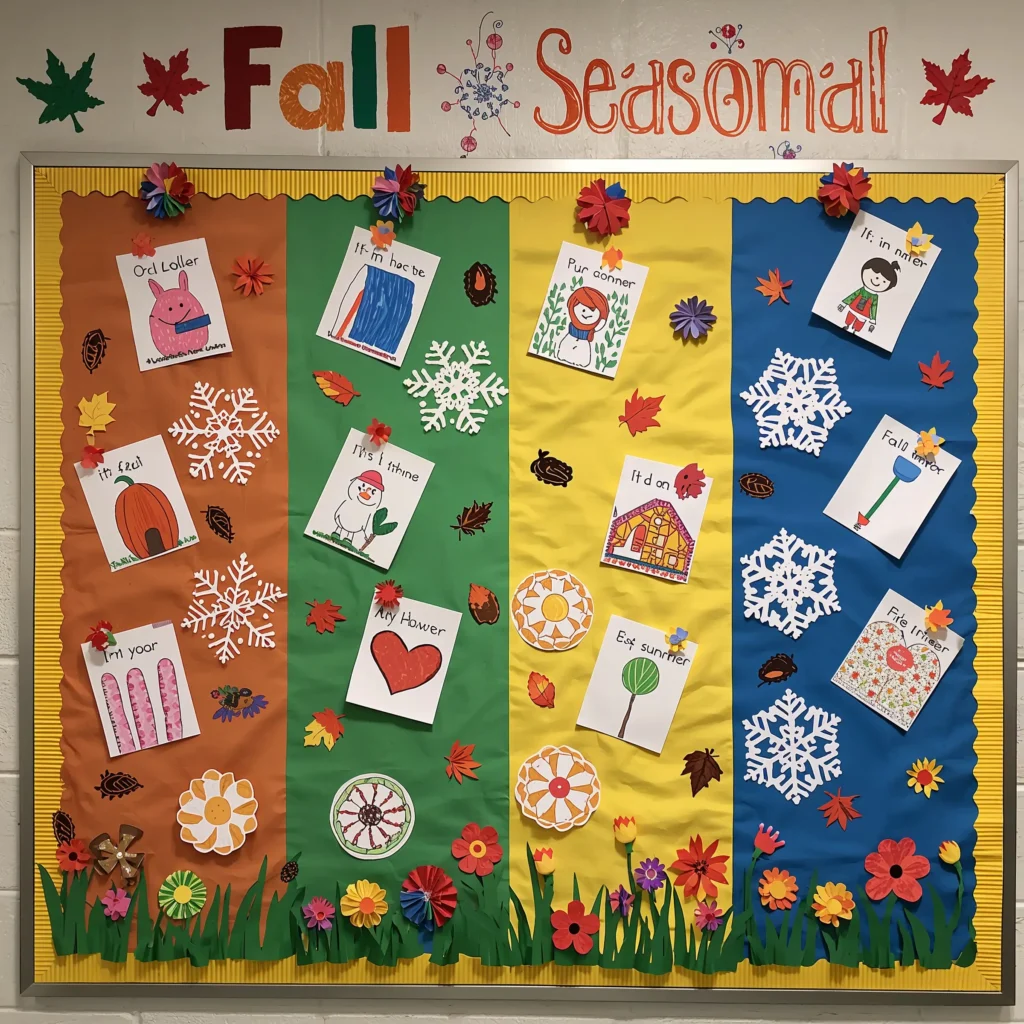
Let’s be real – bulletin boards can either be your best friend or that nagging task you keep putting off. But here’s the thing: seasonal boards keep your classroom feeling fresh without requiring constant updates.
I learned this the hard way after spending entire weekends updating boards every month. Now? I create four solid seasonal displays and call it good. Your sanity matters, people!
Fall Into Learning
Start the school year with a fall theme that grows with your students. Create a “Falling Into Great Books” display where each leaf represents a book students have read. Students add leaves throughout autumn, watching the tree fill up.
For math classes, try “Harvesting Knowledge” with pumpkins displaying math facts or problems students have mastered. The visual progress motivates kids like you wouldn’t believe.
Winter Wonderland of Learning
Winter boards practically design themselves. “Snow Much Learning” displays featuring snowflakes with student work never get old. Each snowflake showcases different achievements or creative writing pieces.
Want something interactive? Create a “Warm Up Your Brain” hot chocolate station on your board. Each marshmallow contains a brain teaser or challenge question. Students love pulling marshmallows to solve during free time.
Spring Into Action
Spring boards celebrate growth – perfect for showing academic progress! Design a garden-themed display where flowers bloom as students meet goals. Each petal represents a milestone achieved.
My personal favorite? “Look How We’ve Grown” – before and after writing samples or math work showing improvement from fall to spring. Parents eat this up during conferences, BTW.
Summer Send-Off Celebrations
End-of-year boards celebrate achievements and memories. Create a “Beach-Bound Learners” display with beach balls containing student signatures and favorite memories. Or go with “Our Year in Snapshots” featuring actual photos from throughout the year.
These boards basically create themselves once you establish the framework. Plus, students love contributing to seasonal displays – free labor, anyone? 🙂
3. Interactive Learning Wall
Building Walls That Teach
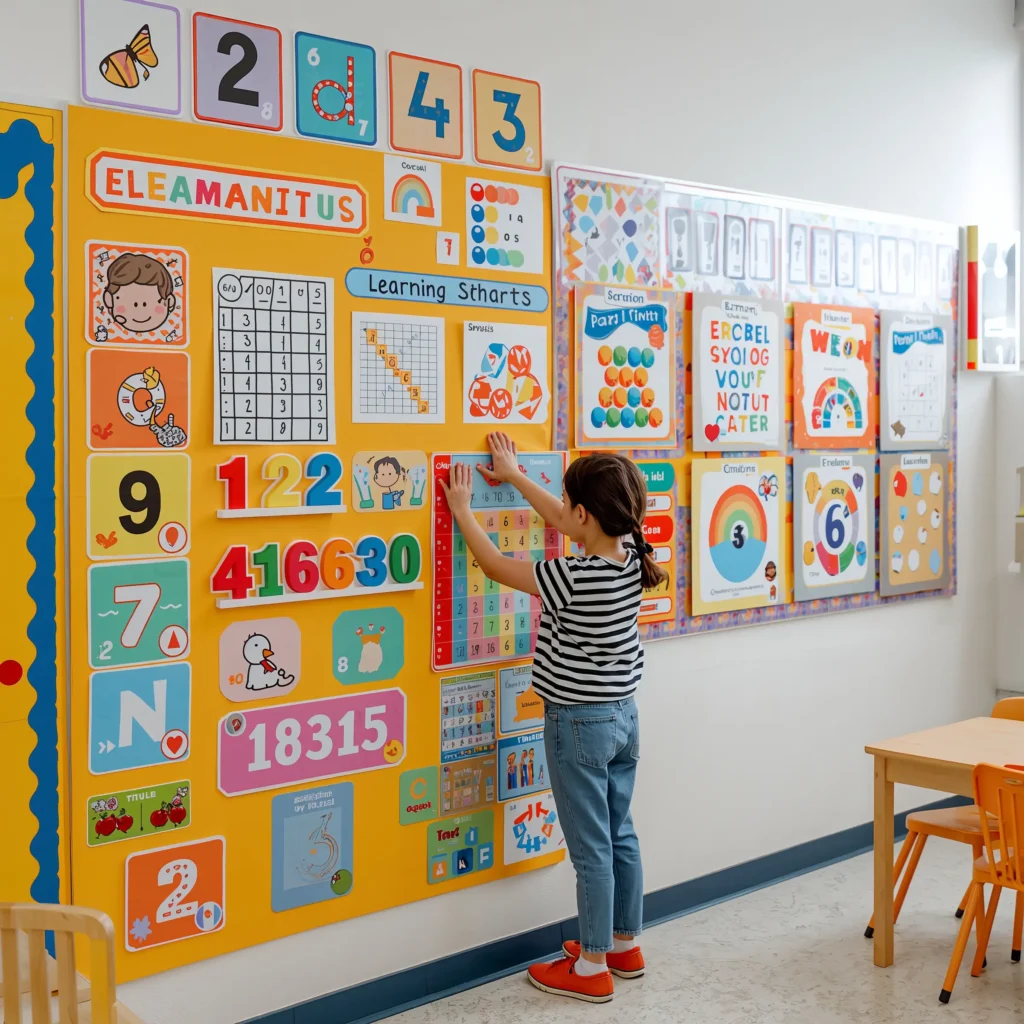
Remember when classroom walls just held posters? Yeah, those days are long gone. Today’s classrooms need walls that students can actually touch, move, and manipulate. Interactive walls turn passive observers into active learners.
I discovered this accidentally when I ran out of table space for a math center. Slapped some Velcro on the wall, added moveable numbers, and boom – instant engagement. Now half my lessons happen on walls!
Math Walls That Actually Work
Create a number line that stretches across your entire wall at student height. Use colorful tape and add Velcro dots every few inches. Students physically move markers to solve problems, making abstract concepts concrete.
Want to blow their minds? Install a multiplication chart using library pockets. Each pocket holds flashcards for that fact family. Students pull cards for practice, and you’ve got instant differentiation since struggling students can peek at answers.
Word Walls With a Twist
Forget static word walls – make them interactive! Use magnetic paint (yes, it exists!) to create a word wall where students build sentences. Paint a section of wall, add magnetic strips to word cards, and watch creativity explode.
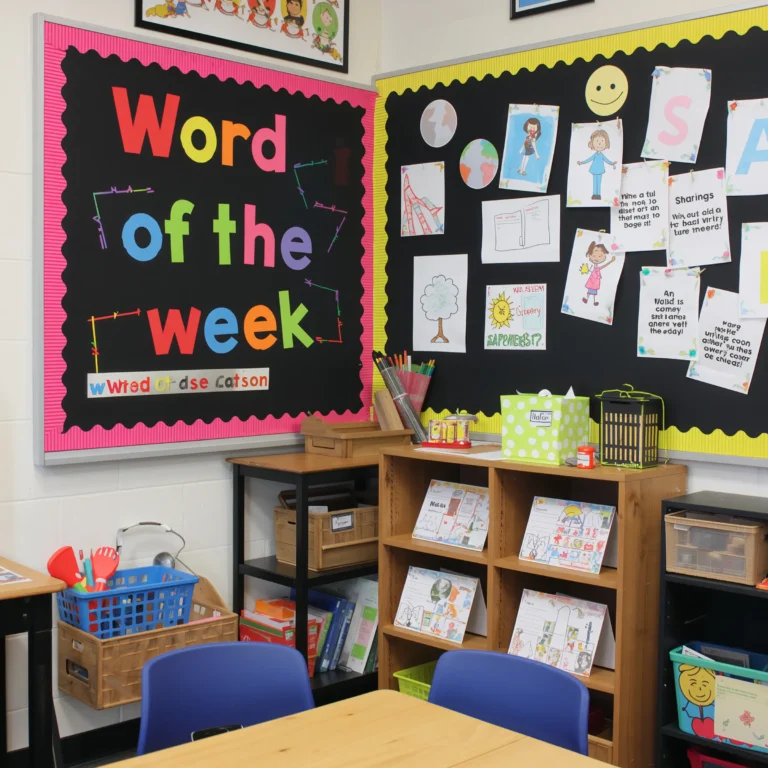
For younger grades, create a “Word of the Day” station with:
• Definition cards students can flip
• Picture examples on rotating display
• Sentence starters kids complete
• Synonym/antonym matches to manipulate
The key here? Everything moves. Static displays become wallpaper after week two, but interactive elements keep engagement high all year.
Science and Social Studies Stations
Transform a wall section into an ever-changing exploration station. Install cork strips at different heights for displaying investigations. Add clear pockets for specimens, photos, or artifacts students bring in.
My favorite addition? A “Wonder Wall” where students post questions on sticky notes. Answer one together each morning – instant engagement and curiosity cultivation. Plus, you’ll learn what actually interests your students (spoiler: it’s rarely what textbooks think).
Also Read: 10 Fun Kindergarten Classroom Decor Ideas for Bright Spaces
4. Colorful Desk Arrangement Ideas
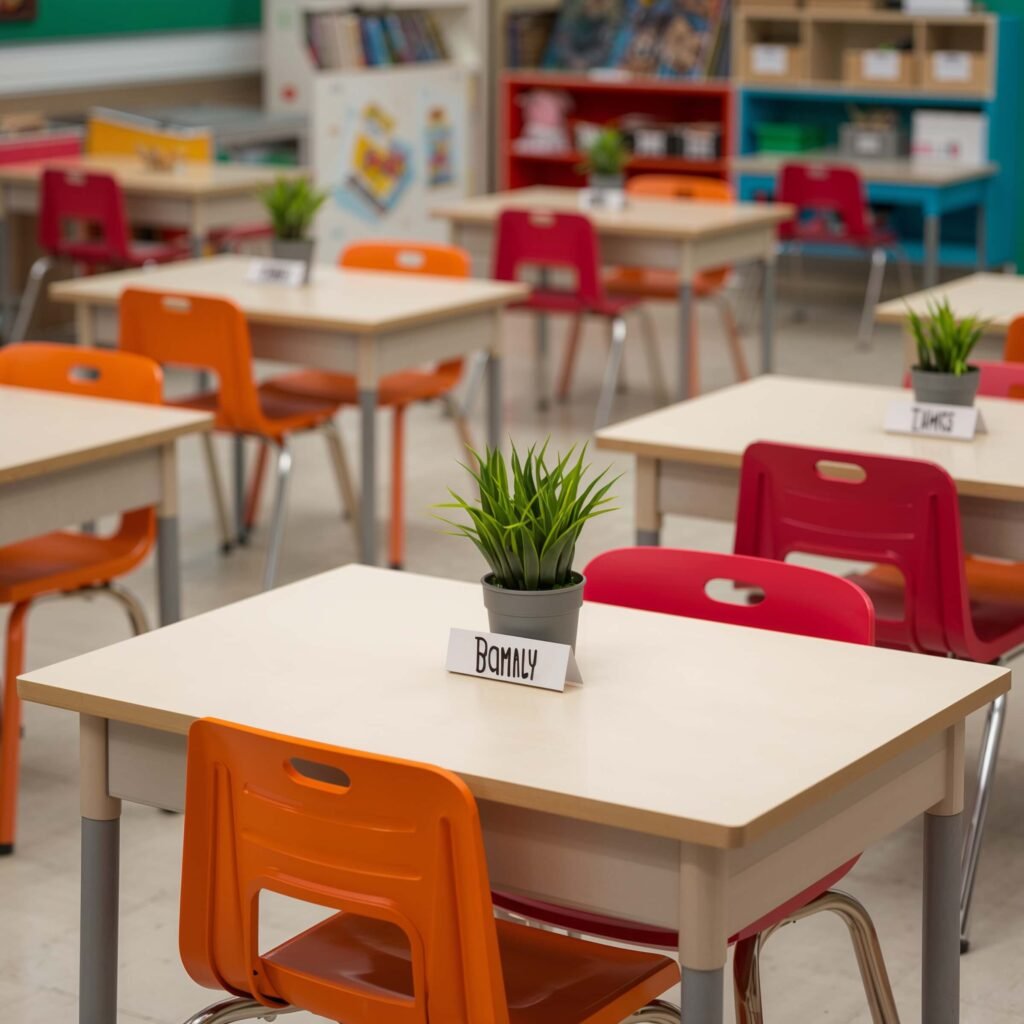
Breaking Free From Rows
Can we talk about how traditional rows kill collaboration? I mean, they work great if you’re training future factory workers, but that’s not really the goal anymore, is it?
Flexible seating arrangements change everything about classroom dynamics. Students interact differently, participate more, and actually enjoy being in your room. The trick is finding arrangements that work for your teaching style AND your students’ needs.
The Cluster Configuration
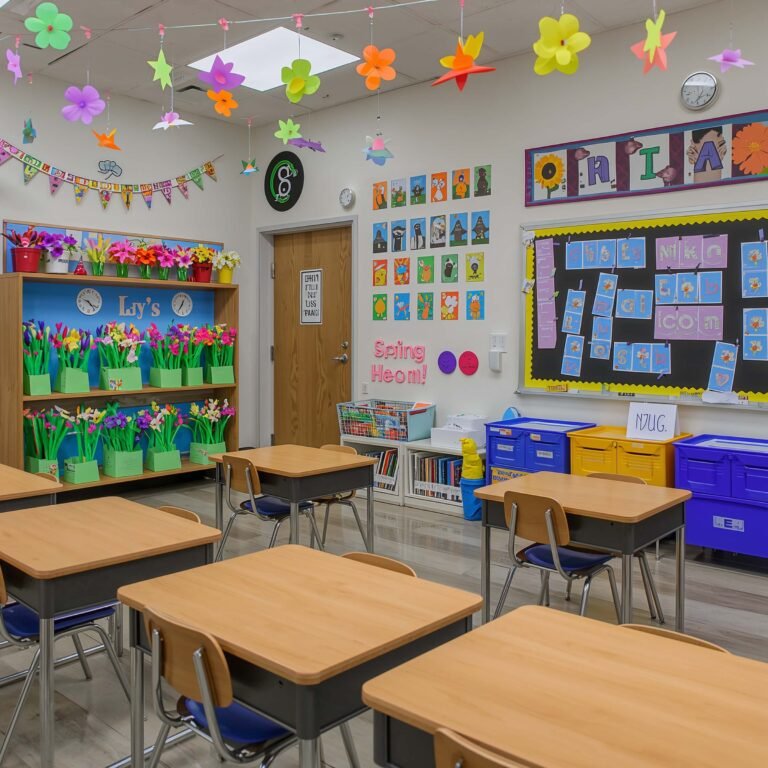
Group desks in clusters of 4-6 for natural collaboration pods. Each cluster gets a color theme – not just for aesthetics, but for practical management. “Blue table, show me your work” beats pointing and confusion every time.
Add a small supply caddy to each cluster’s center. Stock it with basic supplies so nobody’s wandering around “looking for a pencil” (we all know they’re really just socializing). Color-coordinate the caddies with table themes for that Pinterest-worthy look that actually serves a purpose.
U-Shape and Circle Time
The U-shape arrangement creates incredible whole-class discussion opportunities. Everyone sees everyone – no hiding in the back row. I use this for literature circles and science discussions where eye contact and engagement matter.
For younger grades, consider a hybrid approach. Standard seating for work time, but a carpet area for circle discussions. Use colorful tape to mark spots on the carpet – assigned seats without the furniture!
Standing and Alternative Options
Here’s something nobody tells you – some kids focus better standing. Add a standing desk station or two (cheap hack: bed risers under regular desks). Rotate students through these spots, especially your wiggle worms who can’t sit still.
Other alternative seating that actually works:
• Wobble cushions on regular chairs for sensory input
• Lap desks for floor workers
• Clipboards for kids who like moving around
• Counter-height tables along walls for quick collaborations
Remember, the goal isn’t chaos – it’s controlled flexibility that enhances learning.
5. Inspirational Quote Wall
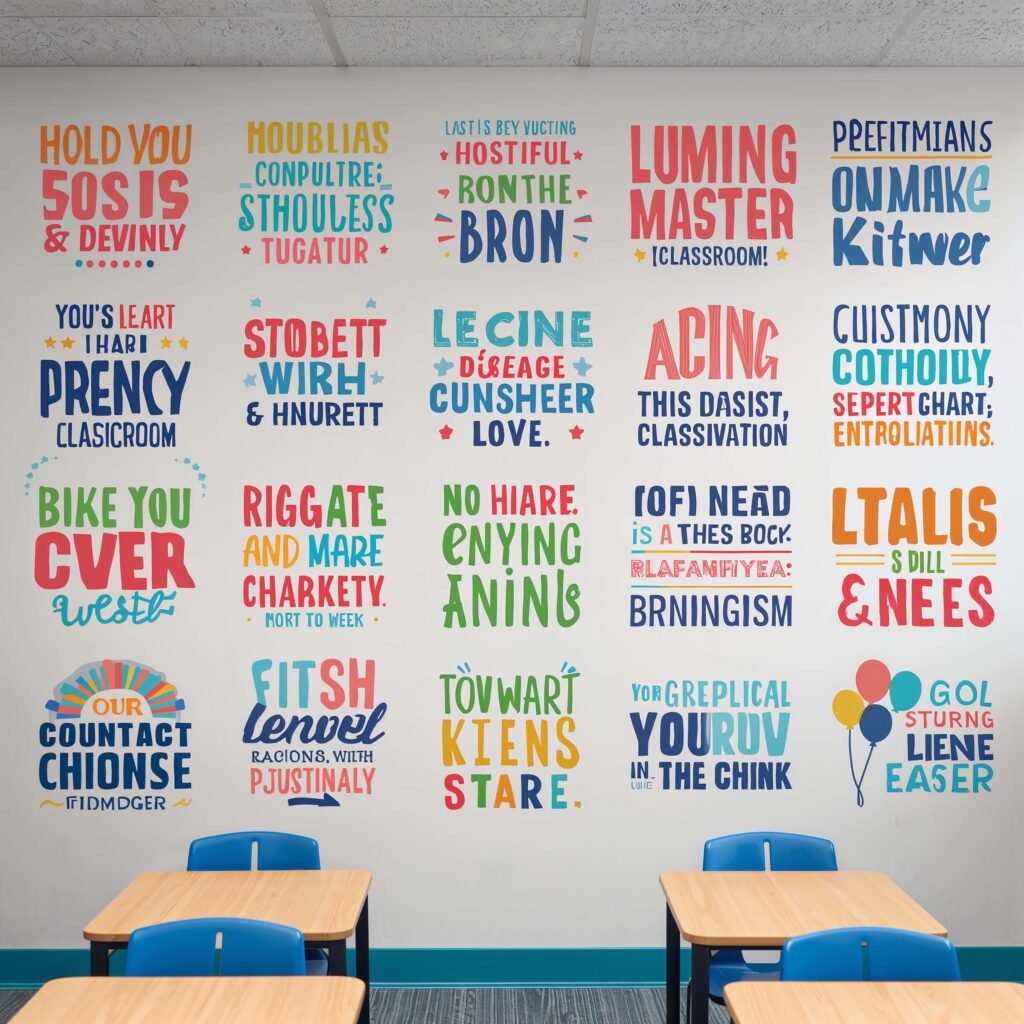
Quotes That Actually Inspire (Not Just Decorate)
We’ve all seen those generic “Shoot for the moon” posters that students ignore after day one. But a thoughtfully curated quote wall that grows and changes? That’s different. That’s powerful.
I started my quote wall after a particularly rough Monday when a student said, “I’m just not smart enough for this.” By Wednesday, she was quoting Maya Angelou back to me during a math struggle. That’s when I knew quotes could be more than decoration.
Choosing Quotes That Connect
Pick quotes that relate to current challenges or celebrations. Struggling with test anxiety? Add “Mistakes are proof you’re trying.” Celebrating improvement? Display “Progress, not perfection.”
Mix sources for maximum impact:
• Student-generated quotes from their writing
• Book quotes from current read-alouds
• Historical figures tied to curriculum
• Modern celebrities kids actually know
• Teacher favorites that tell your story
Change them based on what’s happening in your classroom. Static inspiration becomes invisible, but dynamic messages stay relevant.
Making Quotes Interactive
Don’t just hang quotes – make students engage with them! Create a “Quote of the Week” station where students:
- Read the new quote Monday morning
- Discuss what it means to them
- Write personal connections in a class journal
- Share examples of living the quote by Friday
My students created their own quote books last year, collecting favorites throughout the year. By June, they had personal inspiration libraries. Several parents told me their kids still reference those books in middle school.
Design Elements That Pop
Make your quote wall visually stunning with:
• Consistent fonts but varied sizes for hierarchy
• Color coding by theme (perseverance = blue, kindness = yellow, etc.)
• Mixed media – some printed, some hand-lettered, some student-created
• 3D elements like paper flowers or origami around special quotes
• Spotlights using battery-operated puck lights for featured quotes
The wall should draw eyes naturally. If students aren’t reading them, something needs tweaking.
6. Nature-Inspired Classroom Decor
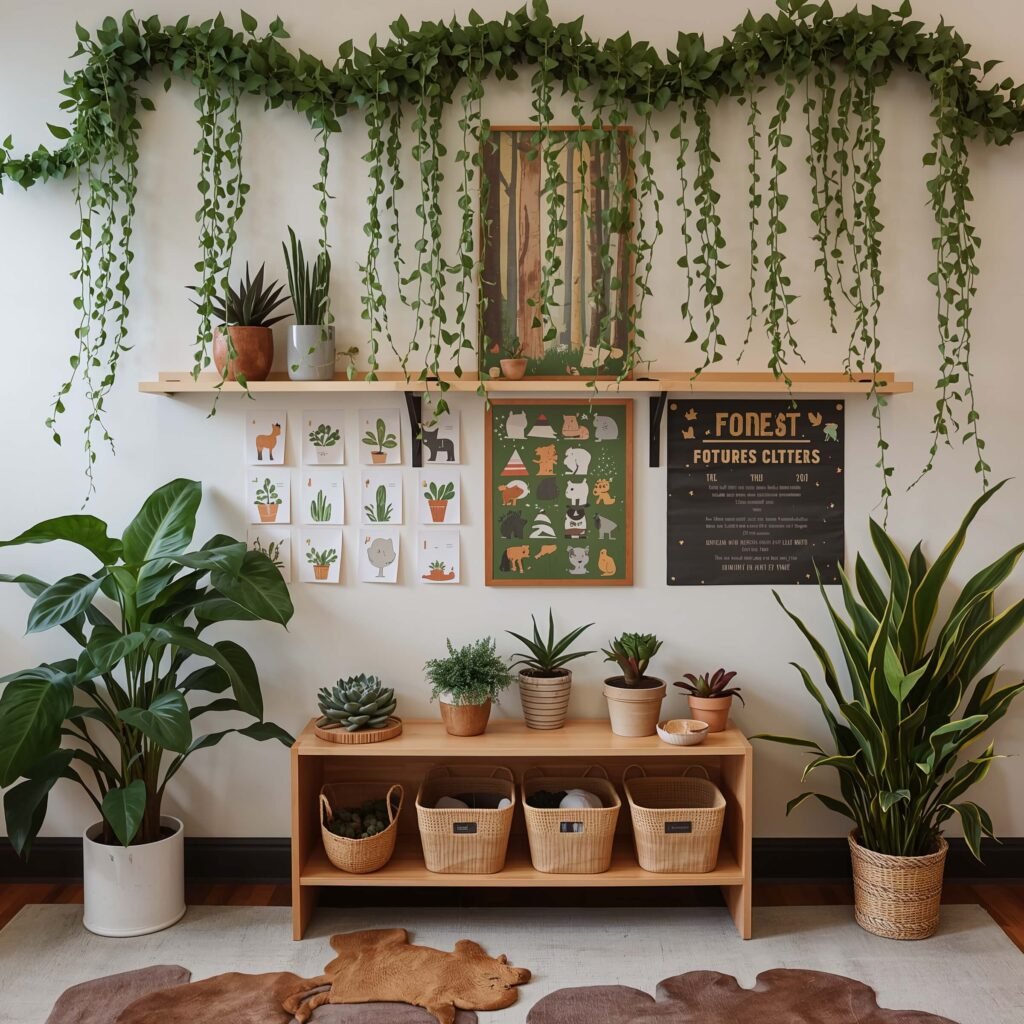
Bringing the Outside In
Ever notice how kids calm down outside? There’s actual science behind that, and we can harness nature’s calming power right in our classrooms. You don’t need a huge budget – nature provides most materials for free!
I started adding natural elements after noticing my afternoon class (post-recess) always seemed more focused. Turns out, those few minutes outside made a difference. So I brought outside inside, and morning classes improved too.
Plants That Survive Classrooms
Let’s be honest – not all plants survive the classroom environment. Between forgotten weekend waterings and curious fingers, you need tough green friends.
Classroom champions include:
• Pothos – Nearly impossible to kill and cleans air
• Snake plants – Tolerate neglect like champs
• Spider plants – Bonus: they make babies for student gifts!
• Succulents – Forget to water? They prefer it!
• Bamboo – Grows in just water, no soil mess
Assign plant monitors for watering duty. Kids take this job seriously when they “own” a plant. Plus, watching things grow reinforces patience and responsibility.
Natural Materials as Learning Tools
Incorporate natural materials into everyday learning. Use river rocks for counting manipulatives, pine cones for sorting activities, and shells for pattern work. These materials feel different than plastic alternatives – more calming, more real.
Create seasonal nature displays that change with outdoor observations. Autumn leaves for color study, winter branches for symmetry lessons, spring flowers for life cycle discussions. Students bring contributions from their own yards, creating ownership and community.
Creating Calm Zones
Designate a “Forest Corner” or “Ocean Oasis”** with nature sounds playing softly. Add nature photos, maybe a small water feature (those desktop fountains work great), and natural textures like smooth stones or soft moss.
This becomes the perfect cool-down spot for overwhelmed students. Sometimes kids just need two minutes with the “forest” to reset. Way better than time-out chairs, IMO.
Also Read: 10 Colorful Preschool Classroom Decor Ideas to Transform Rooms
7. DIY Student Artwork Display
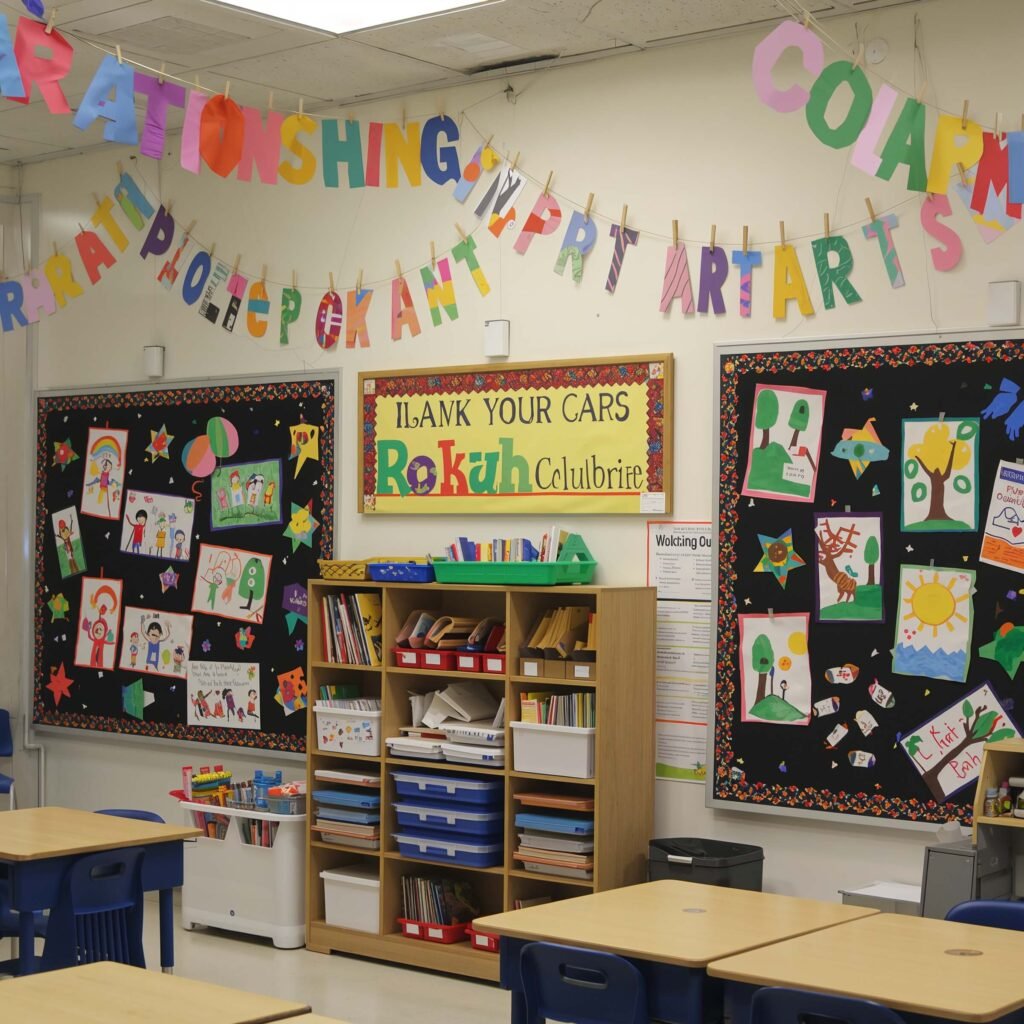
Celebrating Every Artist
Here’s the thing about displaying student work – every kid needs to see their stuff on the wall. Not just the “artists,” but especially the kids who think they can’t draw. That confidence boost from public display? Priceless.
I learned this when my “worst” artist saw his work displayed prominently. His mom cried at conferences, saying he’d never had artwork displayed before. Now he draws constantly. Sometimes we underestimate our power as validators.
Rotating Gallery Systems
Create a dynamic gallery that changes regularly without driving yourself crazy. Install curtain wire along one wall with clips for easy rotation. Students can change displays themselves during arrival time.
Assign each student a permanent spot in your gallery. Use washi tape to create frames directly on walls – cheap, removable, and colorful. Label each frame with student names so everyone knows their space.
Beyond Paper and Crayons
Think beyond traditional artwork:
• Photography projects printed and displayed
• Digital art from tablets or computers
• 3D sculptures on floating shelves
• Collaborative murals that grow throughout the year
• Found object assemblages combining recycled materials
My students created “texture portraits” using fabric scraps and natural materials last year. Parents couldn’t believe their kids made them. Expanding “art” definitions gives every student a chance to shine.
Professional Presentation Tricks
Make student work look gallery-worthy with simple tricks:
• Mount work on colorful paper for instant frames
• Use consistent spacing between pieces
• Add typed labels with artist name and title
• Create “artist statements” where students explain their work
• Install picture lights (battery-operated) above special pieces
When you treat student work like real art, students treat themselves like real artists.
8. Alphabet & Number Wall Art
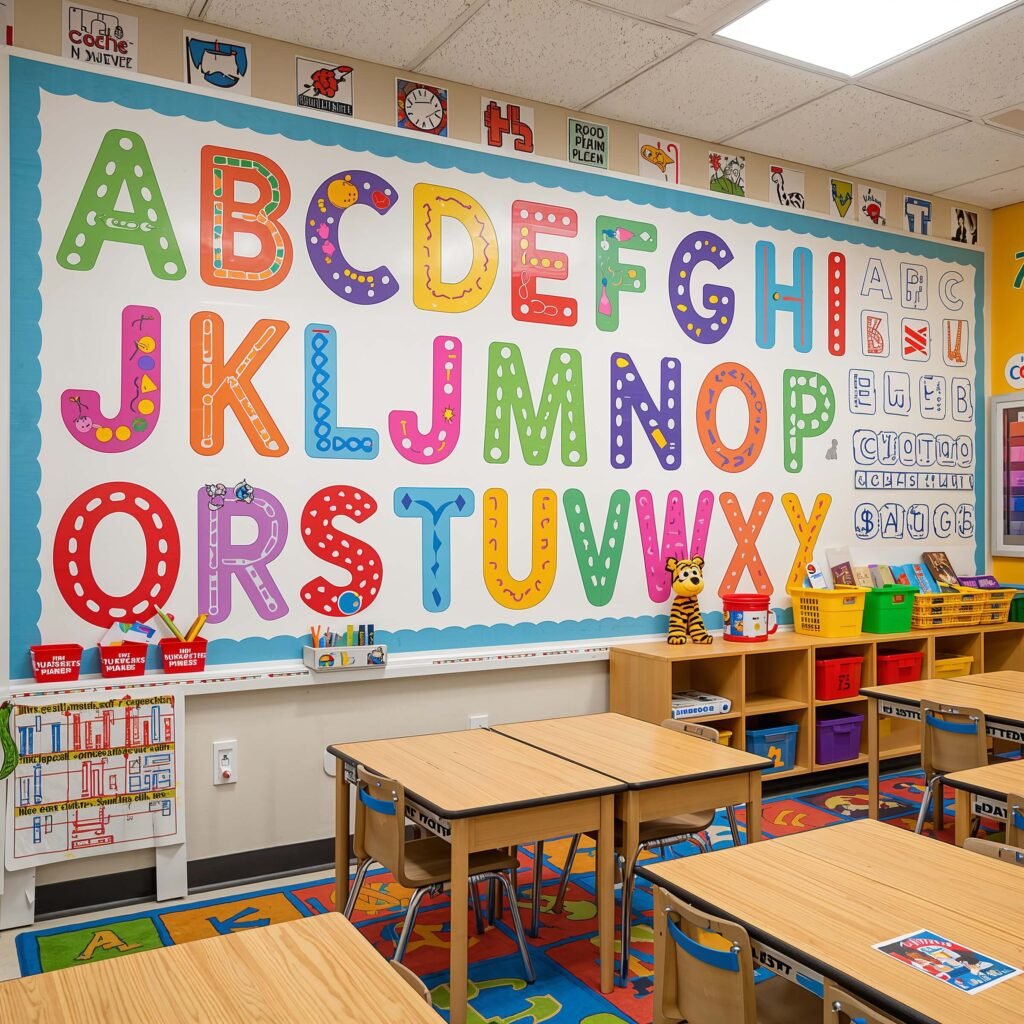
Making Basics Beautiful
Who says alphabet and number displays have to be boring? These foundational elements can become stunning focal points that students actually want to look at.
Gone are the days of store-bought letter strips that yellow with age. Today’s displays combine function with serious style. Plus, when students help create them, they remember better.
Alphabet Walls That Teach
Create an interactive alphabet display where each letter showcases multiple learning elements:
• Letter formation arrows
• Pictures of items starting with that letter
• Sign language representation
• Cursive version (yes, some schools still teach it!)
• Student names beginning with each letter
My favorite addition? QR codes linking to songs or videos for each letter. Students scan with tablets during center time for multi-sensory learning.
Numbers That Make Sense
Number displays should show relationships and patterns, not just symbols. Create a number line that includes:
• Dot patterns for visual counting
• Ten frames showing quantity
• Tally marks for skip counting prep
• Number words in multiple languages (hello, inclusion!)
• Real-world photos showing that number in action
Add Velcro strips under each number for attaching student-made cards throughout the year. “Found 7 pencils in my desk” with a photo becomes part of your living number wall.
Style Meets Function
Make these displays gorgeous with:
• Ombré color schemes flowing through the alphabet
• Mixed textures – felt letters, wooden numbers, fabric backgrounds
• Consistent fonts that are actually readable from student seats
• 3D elements that pop off walls
• Strategic lighting highlighting current focus letters/numbers
Remember, these displays stay up all year. Make them something you’ll enjoy looking at in March when you’re over winter and spring feels forever away.
9. Motivational Door Decorations
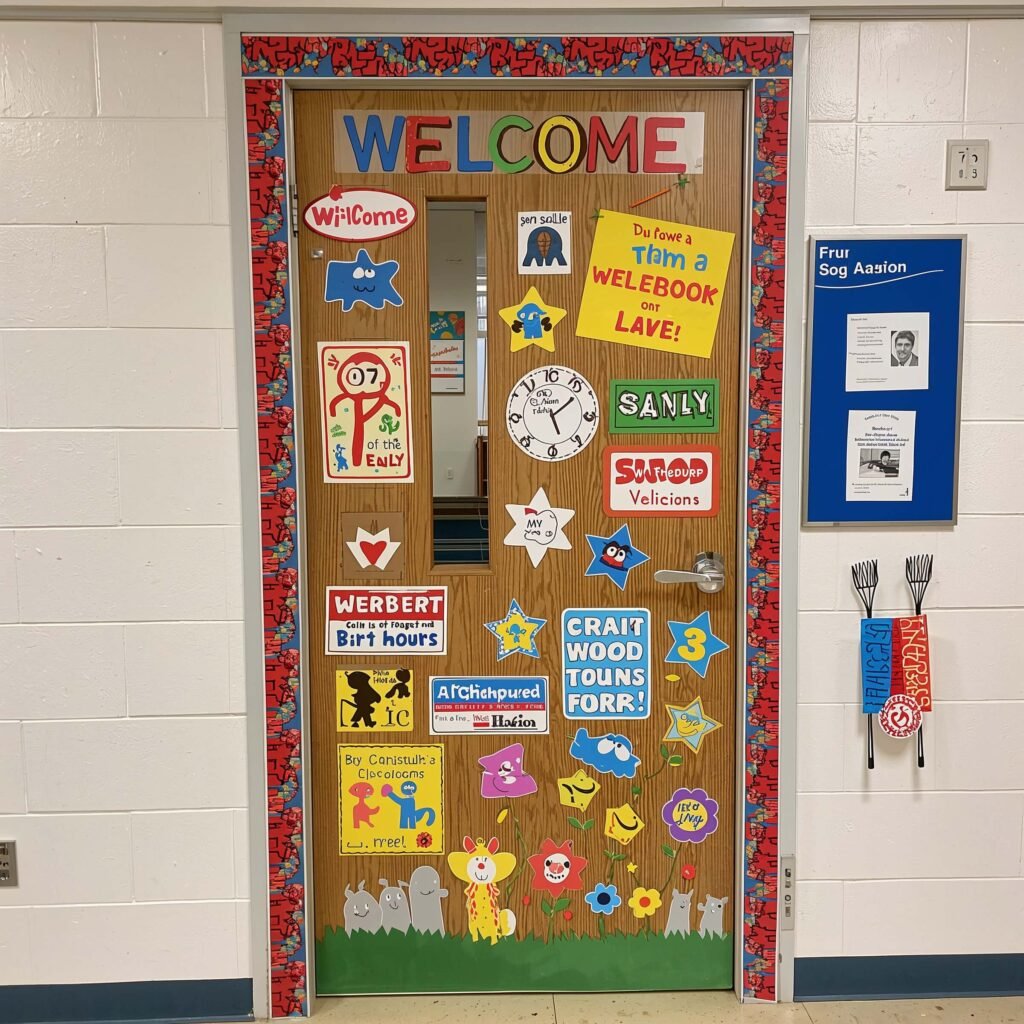
First Impressions Matter
Your classroom door sets the tone before students even enter. A welcoming, motivational door says “good things happen here” without words. It’s basically your classroom’s handshake.
I’ve watched kids literally stop and smile at door displays. Some even bring parents to see them. When your door becomes a destination, you know you’ve nailed it.
Themes That Stick
Create door themes that last beyond the first week:
“This Door Leads to Adventures” with student photos as explorers works all year. Add new “destinations” (units studied) as you go. Kids love seeing themselves as adventurers.
“Welcome to Room [Number]: Where Mistakes Help Us Grow” reminds everyone that perfection isn’t the goal. Add flower cutouts that “grow” throughout the year as students overcome challenges.
Interactive Door Elements
Make doors interactive with elements students manipulate:
• Sliding panels revealing daily schedules
• Pockets holding positive notes for anyone needing encouragement
• Spinners showing class energy levels or noise expectations
• Flip cards with door duties (line leader, door holder)
• Velcro spots for “student of the day” recognition
My door has a “mood meter” where kids move their magnets to show how they’re feeling when entering. Instant emotional check-in that helps me support struggling students.
Seasonal Updates Without Starting Over
Keep a base design that accepts seasonal additions. A tree that gets leaves, snow, blossoms, and sun throughout the year. A rocket ship that visits different planets (units) each month.
This approach saves sanity while keeping things fresh. Plus, students anticipate changes and often offer decoration help. Free creative labor dressed up as “helping teacher” – everybody wins!
Also Read: 10 Amazing Classroom Decor Ideas for Fun Learning Spaces
10. Classroom Jobs & Responsibility Boards
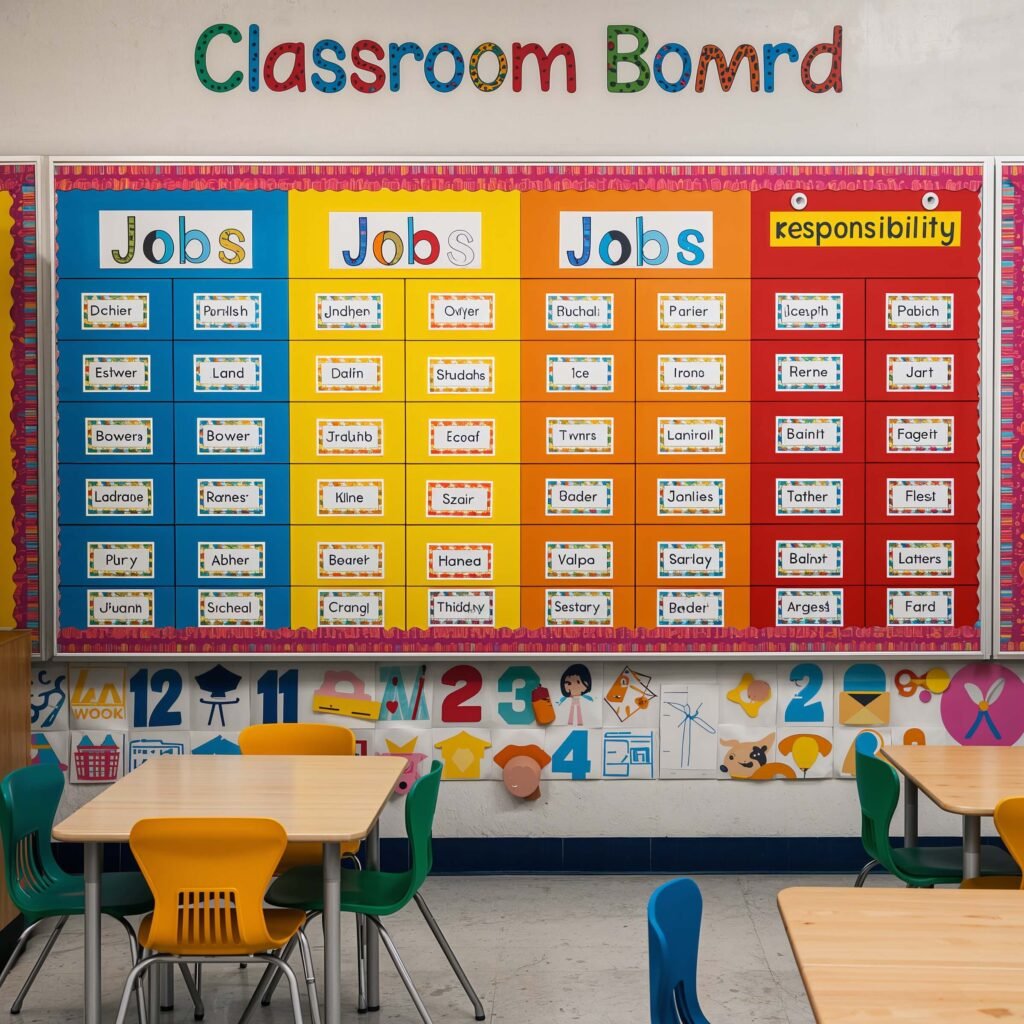
Building Community Through Contribution
Every kid needs to feel needed. Classroom jobs provide that essential sense of belonging and purpose that keeps students invested in our shared space.
But here’s the secret – the jobs board itself needs to be engaging. Nobody gets excited about a pocket chart with index cards. Make it visual, make it special, make it something students check every Monday morning.
Jobs That Actually Matter
Create meaningful roles that genuinely help:
• Tech Support – Because someone always needs login help
• Kindness Reporter – Spots and celebrates good deeds
• Eco Warrior – Monitors recycling and energy use
• Librarian – Manages classroom library organization
• Substitute Teacher – Helps absent students catch up
• Class Photographer – Documents important moments
• Birthday Coordinator – Ensures nobody gets forgotten
Avoid busy work jobs. Kids know when they’re doing meaningless tasks. Every job should contribute to classroom success.
Display Systems That Work
Design a job board that’s both functional and attractive:
Use photo wheels where student pictures rotate through different jobs. Kids love seeing their faces move to new positions each week. Plus, photos eliminate the “I forgot my job” excuse.
Create job badges or lanyards for special positions. The “Line Leader” wearing an actual badge takes that role seriously. Physical symbols of responsibility increase buy-in dramatically.
Making It Student-Owned
Let students apply for preferred jobs with mini-resumes explaining their qualifications. Post these applications around the jobs board. “Marcus for Plant Manager: I have two plants at home that are still alive!”
Hold monthly “employee meetings” where job holders report on their areas. The Librarian shares popular books, the Kindness Reporter celebrates observations. This turns jobs from tasks into leadership roles.
Consider peer evaluations where students nominate excellent job performers for special recognition. When students monitor each other (positively), accountability skyrockets.
Bringing It All Together
The Magic Formula
Here’s what I’ve learned after years of classroom decorating: the best classrooms tell stories. They narrate the journey of learning happening within those walls. Every element should whisper (or sometimes shout) that learning happens here, mistakes are welcome, and every student matters.
You don’t need everything at once. Start with one or two ideas that resonate with your teaching style. Maybe you’re a reading nook person, or perhaps interactive walls call your name. Build from there, adding elements as inspiration strikes and energy allows.
Budget-Friendly Reality
Let’s keep it real – teacher salaries don’t support Pinterest-perfect classrooms. But creativity beats cash every time. Dollar stores, nature walks, and parent donations can supply most materials. Student-created elements often impact more than store-bought perfection anyway.
Join teacher swap groups online or in your district. Someone’s always decluttering what you’re seeking. Plus, borrowing ideas and adapting them to your space often works better than copying exactly.
The Student Voice
Whatever you create, involve your students in decisions. They’ll tell you if the reading nook needs more pillows or if the quote wall feels preachy. Their investment in space design translates to investment in learning.
Hold monthly “classroom committees” where students suggest improvements. You’ll be amazed at their ideas – and their willingness to help implement changes they suggested. Ownership breeds pride, and proud students take better care of shared spaces.
Evolution Not Revolution
Your classroom should grow throughout the year, reflecting the learning journey you’re taking together. September’s room shouldn’t look like June’s room. Let student work, achievements, and memories layer throughout months, creating visual testimony to growth.
Document your classroom’s evolution with photos. That bare August classroom compared to the lived-in, loved-in June version tells a powerful story. Plus, you’ll have references for next year’s setup (and evidence for that Teacher of the Year application).
Final Thoughts
Creating an inspiring elementary classroom isn’t about perfection – it’s about intention. Every choice should support learning, community, and joy. Whether you implement all ten ideas or pick your favorites, remember that your enthusiasm and care matter more than any decoration.
Your classroom becomes a second home for twenty-something kids each year. Make it a place where memories form, confidence builds, and learning feels like an adventure. The walls you decorate today become the backdrops of childhood memories tomorrow.
And hey, when you create that magical classroom where kids actually want to be? Where parents peek in with envy and other teachers “borrow” ideas? That’s when you know you’ve transcended decoration and created an environment. That’s when your classroom becomes not just a room, but a launching pad for young minds.
So grab that hot glue gun, recruit some parent volunteers, and start transforming your space. Your students (and your teaching soul) will thank you. After all, we spend more waking hours in our classrooms than our homes – might as well make them amazing, right?