10 Beautiful Plant Decor Indoor Ideas for Aesthetic Spaces

You know that feeling when you walk into someone’s home and it just feels… alive? Nine times out of ten, they’ve nailed their indoor plant game.
I’ve been obsessing over plant decor for years now, and let me tell you – it’s not just about throwing a random succulent on your windowsill and calling it a day.
Whether you’re working with a tiny studio apartment or a sprawling house, the right plant styling can completely transform your space.
I’ve tried everything from elaborate hanging gardens to simple corner setups, and I’m here to share what actually works (and what doesn’t – trust me, I’ve killed my fair share of plants learning this stuff).
Minimalist Corner Plant Styling
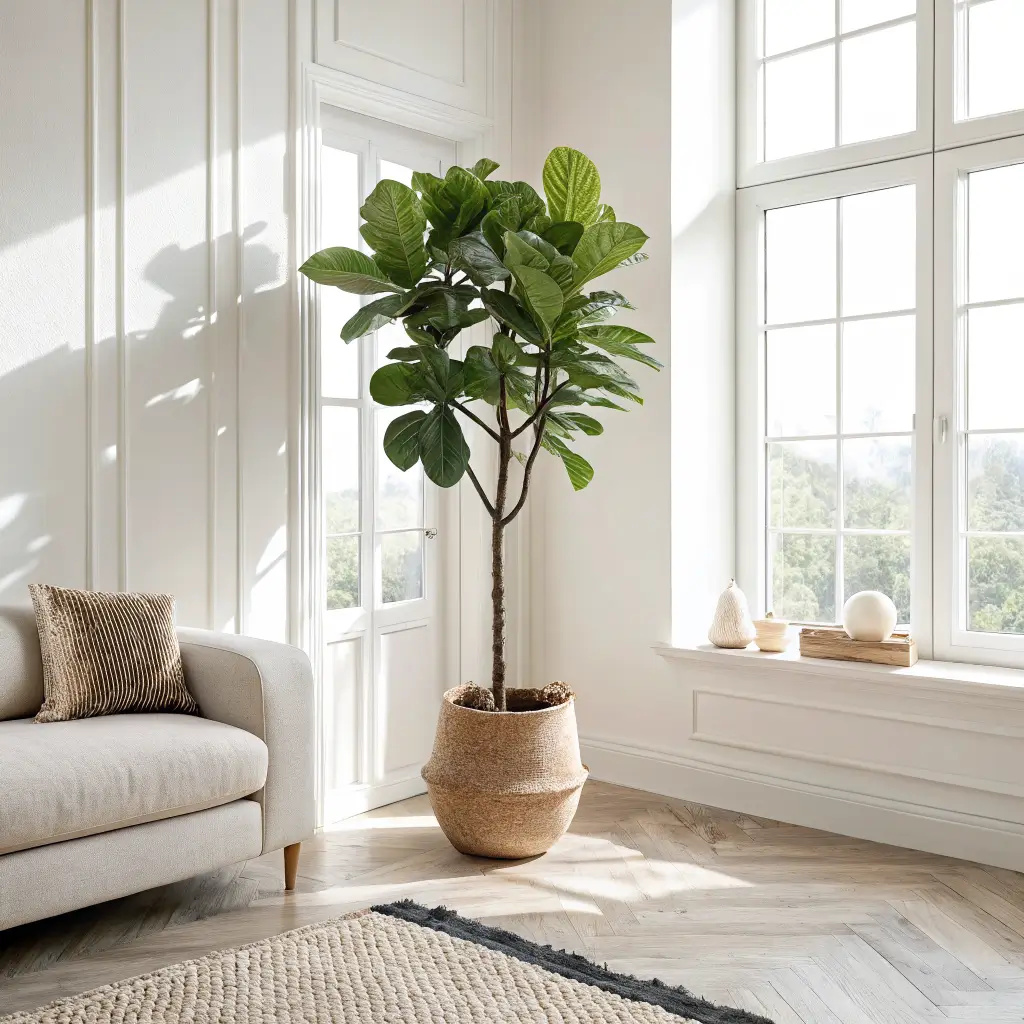
Less is definitely more when it comes to minimalist plant corners. I used to think minimalism meant boring, but boy was I wrong. The trick is choosing one statement plant and giving it the spotlight it deserves.
My go-to setup? A single large snake plant or monstera deliciosa in a sleek white or black ceramic pot, positioned in a corner with good natural light. The beauty lies in the simplicity – no clutter, no competing elements, just pure green goodness.
Here’s what makes this approach work:
- Clean lines: Choose pots with geometric shapes – cylinders, squares, or simple rounded forms
- Neutral colors: Stick to whites, blacks, grays, or natural terracotta
- Strategic placement: Corner spots naturally draw the eye and create focal points
- Scale matters: One large plant beats three small ones every time in minimalist design
The maintenance is pretty straightforward too. Snake plants basically thrive on neglect (perfect for my sometimes chaotic schedule), while monsteras just need consistent watering and decent light.
Pro tip: Add a simple plant stand or wooden stool to elevate your plant slightly. It creates visual interest without breaking the minimalist vibe.
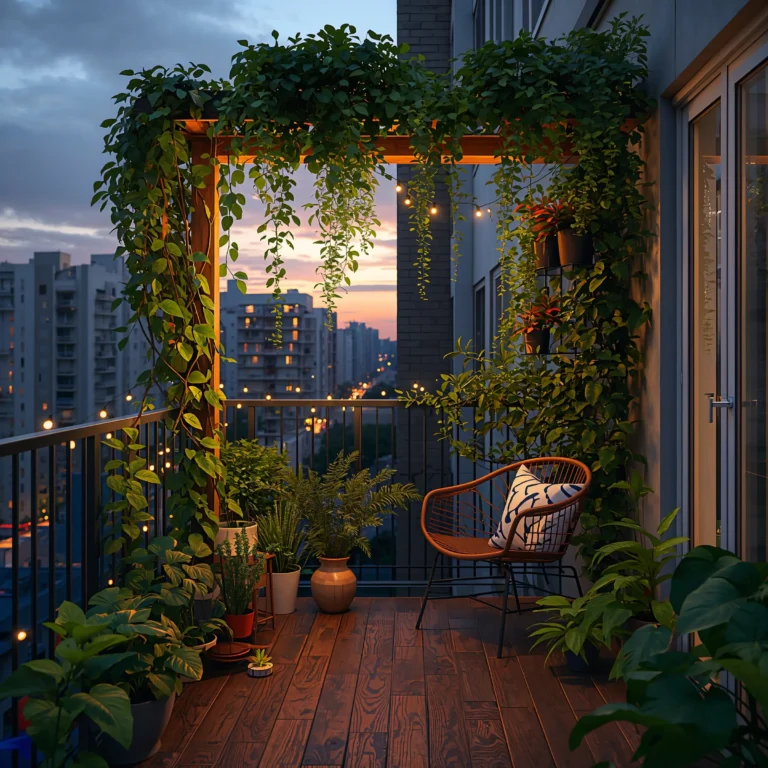
Hanging Jungle Ceiling Setup
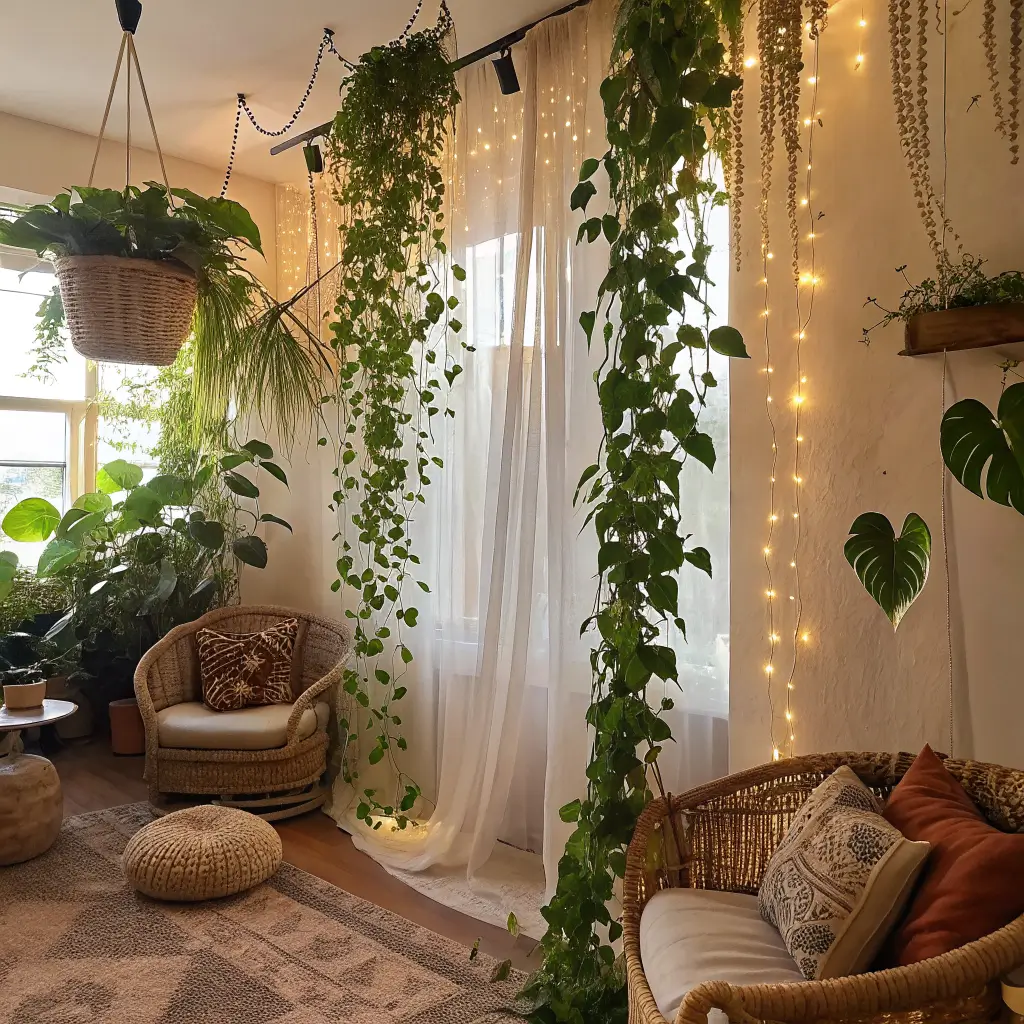
Ever wondered why hanging plants make a room feel so much more dynamic? It’s all about using that vertical space that most people completely ignore. I discovered this when I moved into a place with ridiculously high ceilings and felt like I was living in an echo chamber.
Pothos, string of hearts, and trailing philodendrons are absolute champions for this setup. They cascade beautifully and grow fast enough that you’ll actually see progress (unlike my fiddle leaf fig that seems to mock me with its stubborn growth rate).
Setting up your ceiling jungle requires some planning:
- Weight distribution: Use ceiling hooks rated for at least 20 pounds – trust me on this one
- Watering strategy: Invest in a small step ladder or watering wand with extension
- Light considerations: Hanging plants often get less light, so choose accordingly
- Spacing: Give each plant room to grow and trail without tangling
The watering situation can be tricky. I learned this the hard way when water dripped all over my couch after an overzealous watering session. Now I use saucers with drainage holes and always check them before watering.
What I love most about this setup is how it creates natural room dividers. My hanging plants separate my living area from my dining space without blocking light or making the room feel cramped.
Boho Indoor Plant Shelf Decor
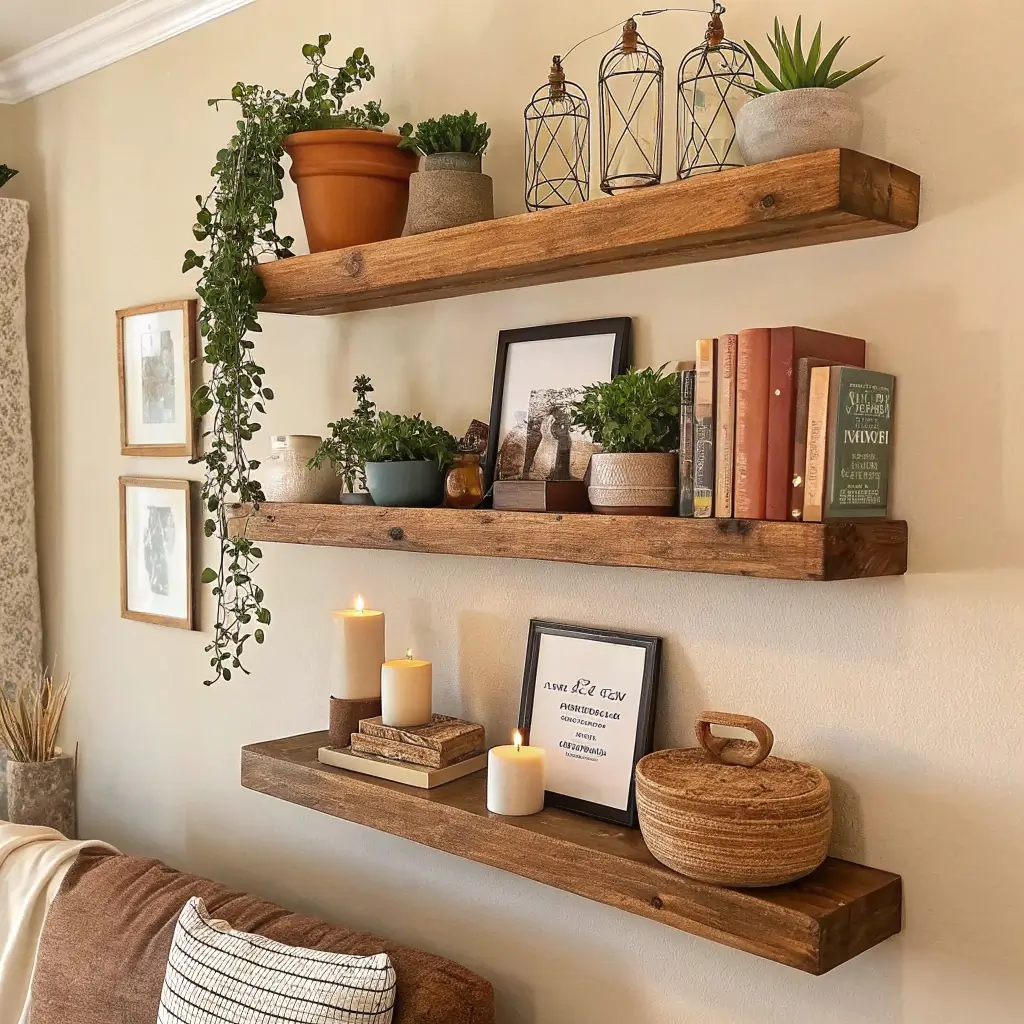
Boho plant styling is where you can really let your personality shine. Think macrame hangers, woven baskets, and plants at every level. It’s organized chaos at its finest, and honestly, it’s my favorite style because it feels so lived-in and cozy.
The key to nailing boho plant decor is layering different textures and heights. I use a mix of:
- Floating shelves at varying heights
- Macrame plant hangers in different lengths
- Woven baskets as decorative pot covers
- Trailing and upright plants for visual variety
My shelf setup includes small succulents, trailing pothos, and medium-sized plants like peace lilies. The trick is creating a collected-over-time feel rather than a bought-all-at-once look.
Texture mixing is crucial here. Combine smooth ceramic pots with rough woven baskets, sleek metal stands with natural wood shelves. The contrast creates visual interest without feeling chaotic.
FYI, this style requires more maintenance than minimalist setups. More plants mean more watering schedules to track, but the lush, jungle-like atmosphere is totally worth it.
Also Read: 10 Stunning Plant Decor Ideas for A Fresh Home Glow
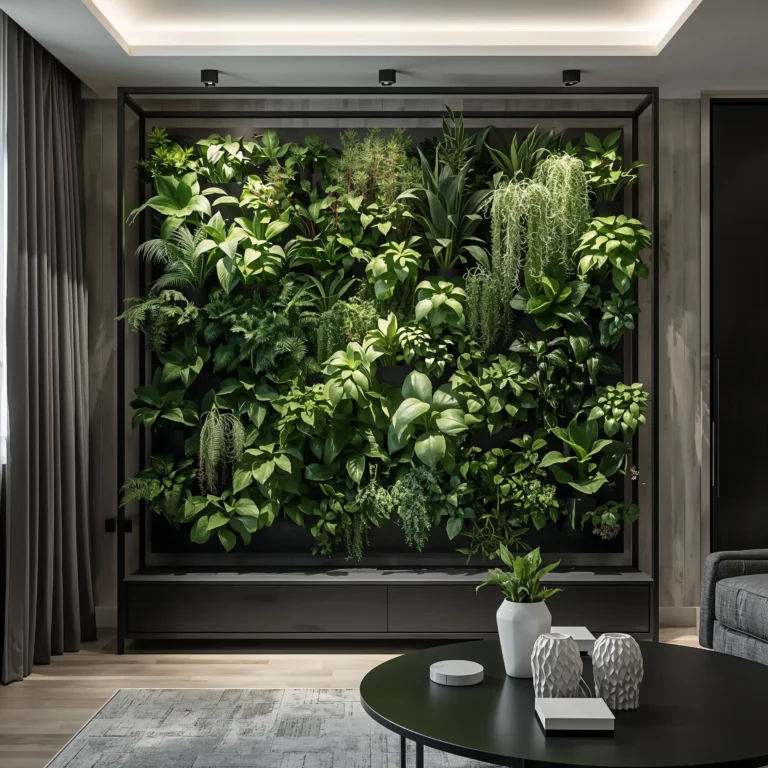
Small Apartment Vertical Plant Wall
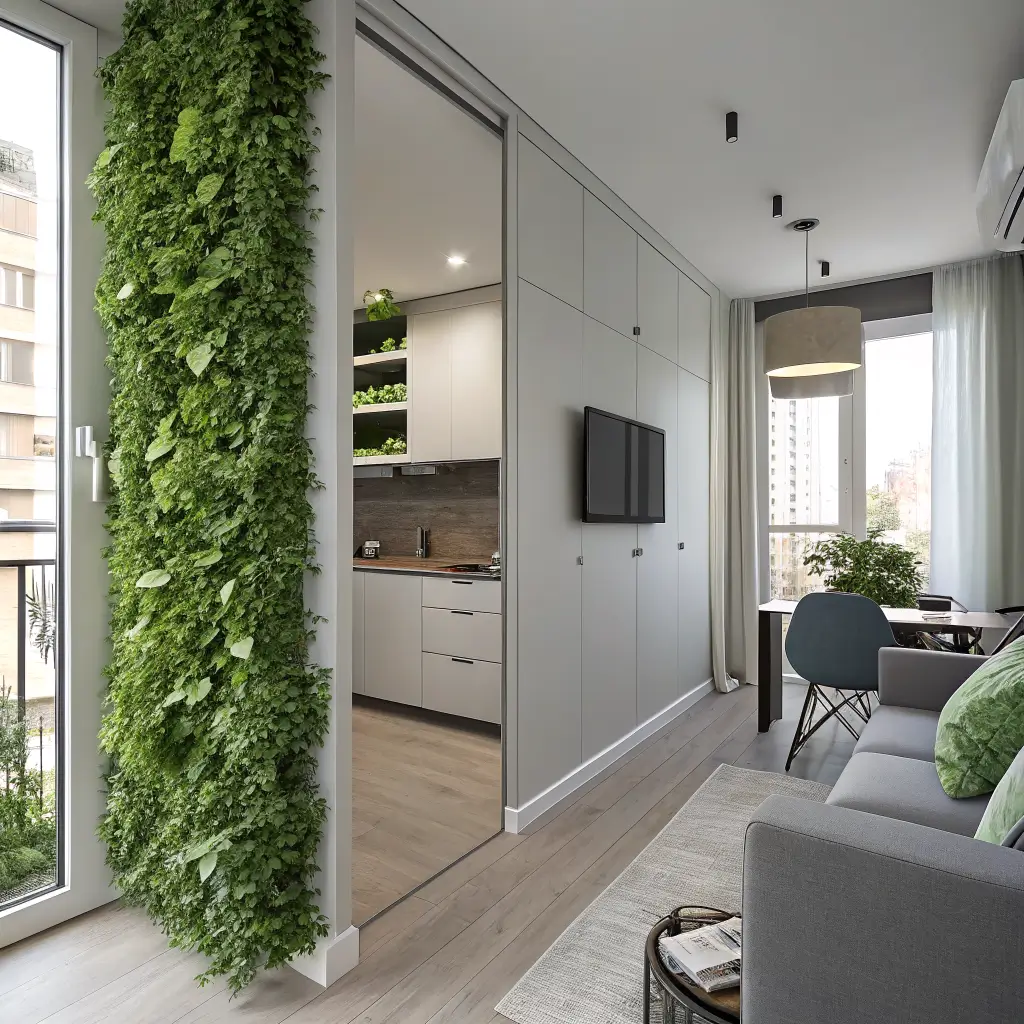
Living in a small space doesn’t mean sacrificing your plant dreams. Vertical plant walls are game-changers for tiny apartments. I created one in my 500-square-foot studio, and it completely transformed the space from cramped to cozy.
The secret is using wall-mounted planters and shelving systems designed specifically for plants. Here’s what works:
- Modular wall planters: These let you add or remove sections as needed
- Ladder-style plant stands: Lean against the wall and provide multiple levels
- Wall-mounted shelves: Simple floating shelves work perfectly
- Pocket planters: Fabric or felt planters that hang on walls
Plant selection is critical for vertical walls. You want plants that won’t outgrow their space quickly. My favorites include:
- Small pothos varieties
- Air plants (tillandsia)
- Small ferns
- Compact succulents
- String of pearls
The watering situation requires some creativity. I use a spray bottle for air plants and small watering can with a long spout for the others. Just be mindful of water dripping down the wall – learned that lesson the expensive way when I damaged my security deposit.
Kitchen Herb Garden Window Display
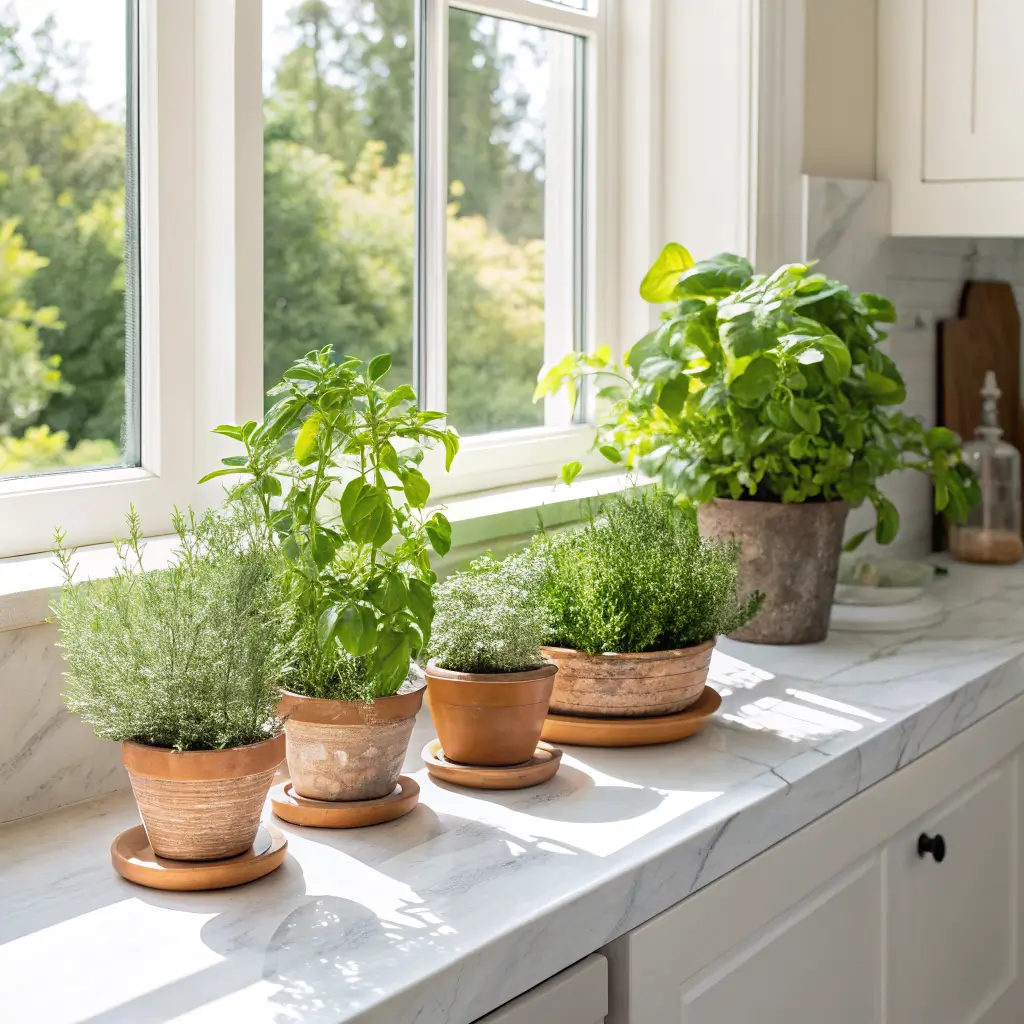
Nothing beats having fresh herbs literally at your fingertips while cooking. My kitchen window herb garden has saved me countless grocery store trips and makes me feel like a proper chef (even when I’m just making scrambled eggs).
Basil, rosemary, thyme, and mint are my go-to herbs. They’re relatively easy to grow indoors and actually get used in my cooking. I tried growing cilantro once, but it bolted faster than I could say “guacamole.”
Setting up your window herb garden:
- South-facing windows work best for most herbs
- Drainage is crucial: Use pots with holes and saucers
- Regular harvesting: Pinch herbs frequently to encourage growth
- Rotation system: Turn pots weekly for even growth
I use a simple wooden window shelf that spans the width of my kitchen window. The herbs get morning sun and are perfectly positioned for grabbing while I cook. Pro tip: Label your herbs if you’re growing multiple varieties – they can look surprisingly similar when young.
The maintenance is pretty minimal. Water when the soil feels dry about an inch down, and harvest regularly. Most herbs actually prefer being trimmed frequently, so don’t be shy about using them.
Luxury Living Room Fiddle Leaf Fig Corner
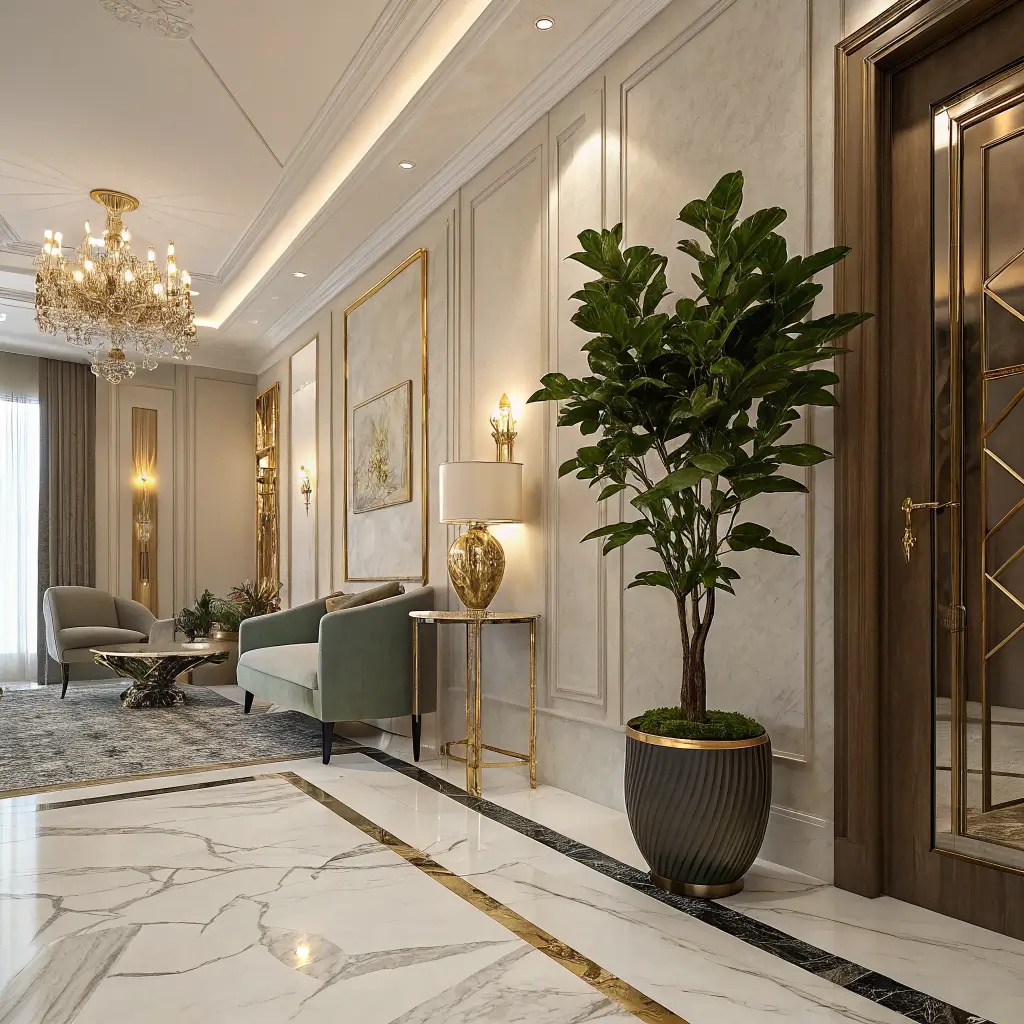
Let’s be real – fiddle leaf figs are the divas of the plant world. They’re gorgeous but finicky, expensive but worth it (when they cooperate). I’ve had a love-hate relationship with mine for three years now, and I’ve finally figured out how to keep it happy.
The luxury factor comes from treating your fiddle leaf fig like the statement piece it is. Position it in a corner with bright, indirect light and give it a beautiful, substantial planter. I use a large white ceramic pot on a wooden plant stand – it looks expensive without actually breaking the bank.
Here’s what I’ve learned about fiddle leaf fig care:
- Consistent watering: They hate being too wet or too dry
- Stable environment: No drafts, temperature fluctuations, or moving around
- Bright, indirect light: Direct sun scorches the leaves
- Regular cleaning: Dust the leaves weekly with a damp cloth
The dramatic, architectural leaves create an instant focal point in any living room. Mine sits in the corner between my couch and window, and guests always comment on it. Just be prepared for some leaf drop when you first bring it home – they’re dramatic about change.
IMO, if you can keep a fiddle leaf fig alive and thriving, you’ve officially graduated from plant parent to plant expert. It’s like the final boss of houseplants 🙂
Also Read: 10 Elegant Over Fireplace Decor Ideas for Dream Living Rooms
Bedroom Calm Green Plant Sanctuary
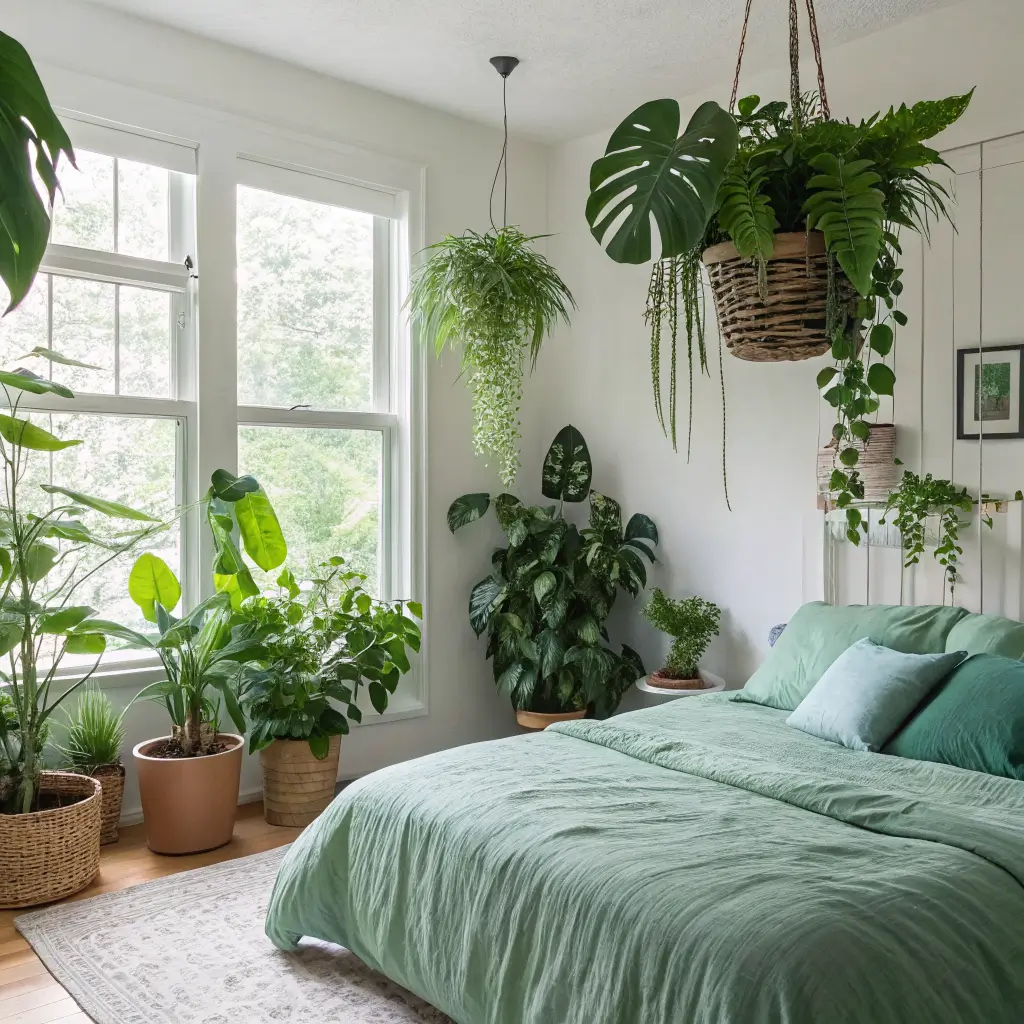
Your bedroom should be your peaceful retreat, and the right plants can enhance that calming atmosphere. I’ve turned my bedroom into a green sanctuary, and it’s honestly improved my sleep quality and morning mood.
Snake plants, peace lilies, and aloe vera are perfect bedroom companions. They’re low-maintenance and actually improve air quality while you sleep. Snake plants even release oxygen at night, unlike most plants that only do it during the day.
Creating a bedroom plant sanctuary:
- Choose low-light tolerant plants: Bedrooms often have less natural light
- Avoid strong fragrances: Some people are sensitive to floral scents at night
- Consider air-purifying varieties: NASA’s list of air-purifying plants is your friend
- Keep it simple: Bedrooms should feel restful, not overwhelming
I have a large snake plant in the corner, a peace lily on my dresser, and small pothos on floating shelves. The green tones create a spa-like atmosphere that makes my bedroom feel like a retreat from the world.
Maintenance tip: Water these plants in the morning so excess moisture doesn’t create humidity issues overnight. Nobody wants to wake up in a swamp.
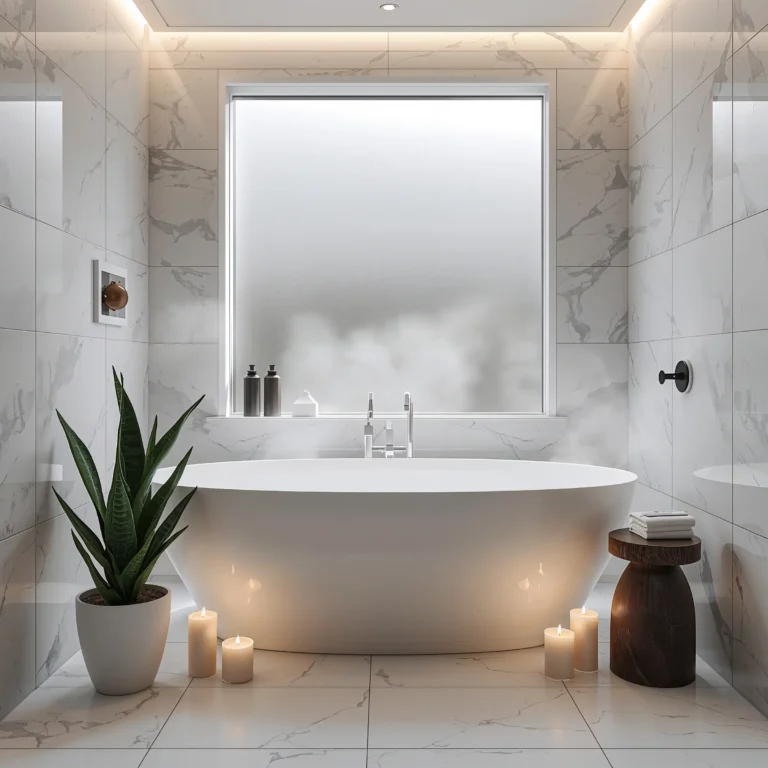
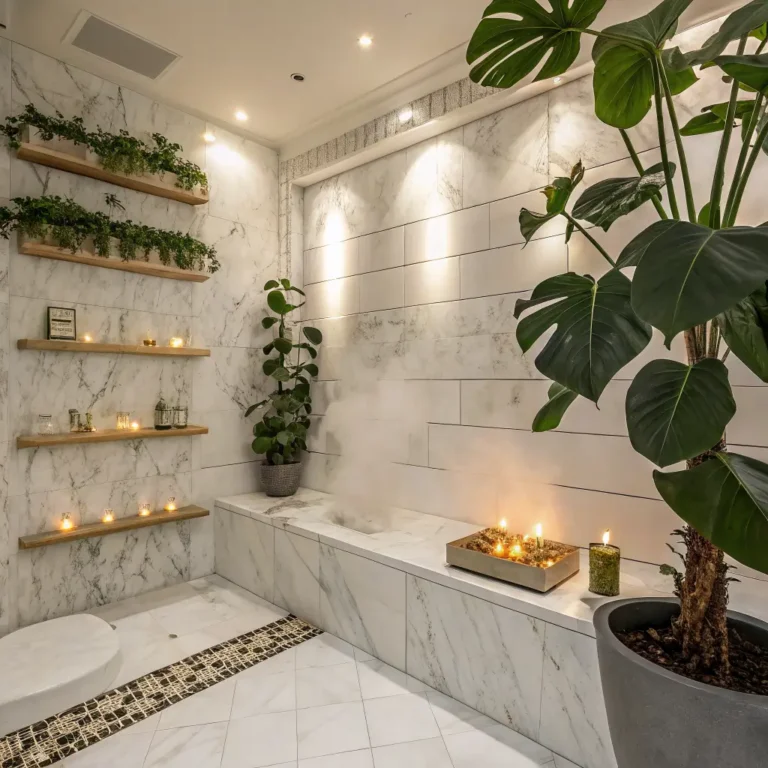
Bathroom Tropical Spa Plant Decor
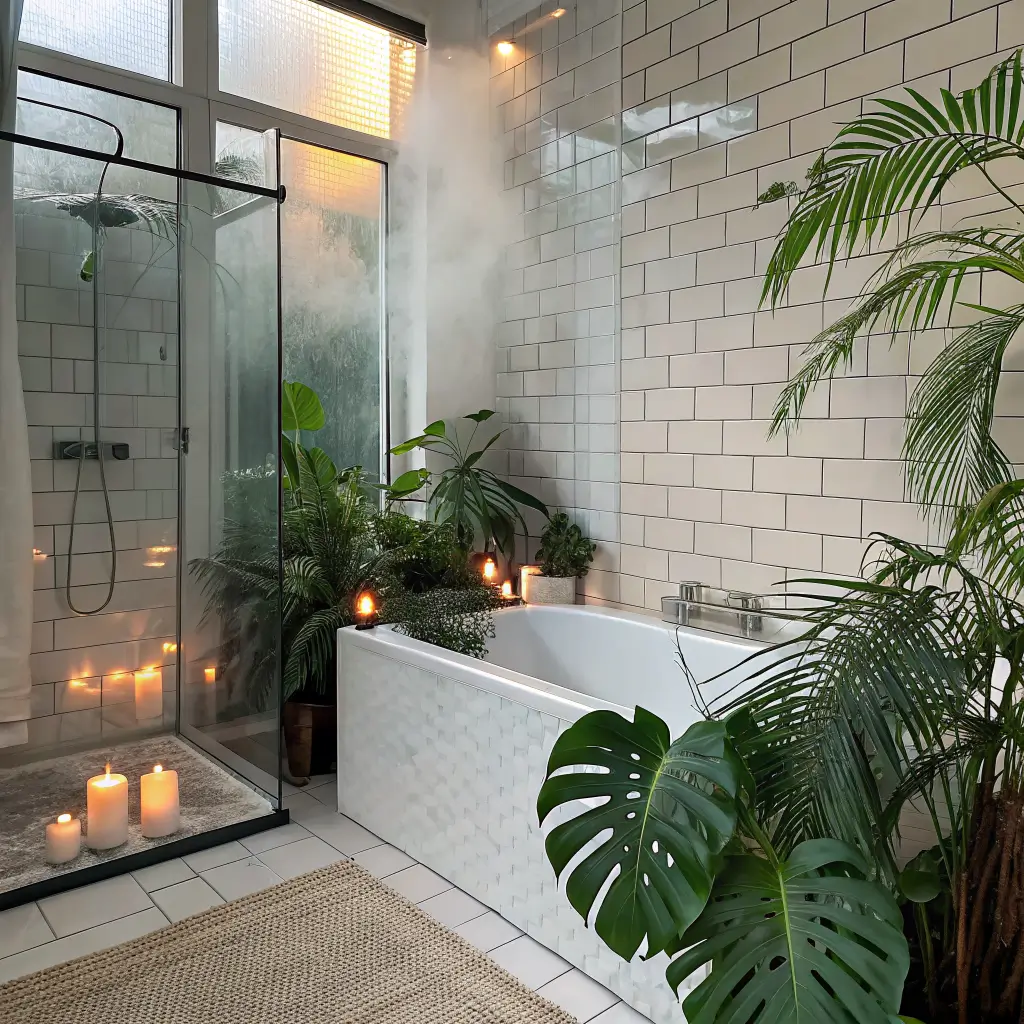
Bathrooms are actually perfect for certain plants – the humidity from showers creates a mini tropical environment. I’ve transformed my boring bathroom into a spa-like oasis with the right plant choices.
Ferns, air plants, and tropical varieties absolutely thrive in bathroom conditions. My Boston fern has never been happier than since I moved it to the bathroom. The steam from hot showers keeps it perfectly humid.
Best bathroom plants include:
- Boston ferns: Love the humidity and indirect light
- Air plants: Absorb moisture from the air
- Pothos: Tolerates low light and high humidity
- ZZ plants: Nearly indestructible and handles bathroom conditions
I use a combination of hanging planters and small shelves to create layers of green. The key is ensuring good air circulation – you don’t want stagnant, humid air that could lead to mold issues.
Lighting considerations are important since many bathrooms have limited natural light. I added a small grow light on a timer to supplement the natural light, and my plants have responded beautifully.
Floating Shelf Plant Layer Arrangement
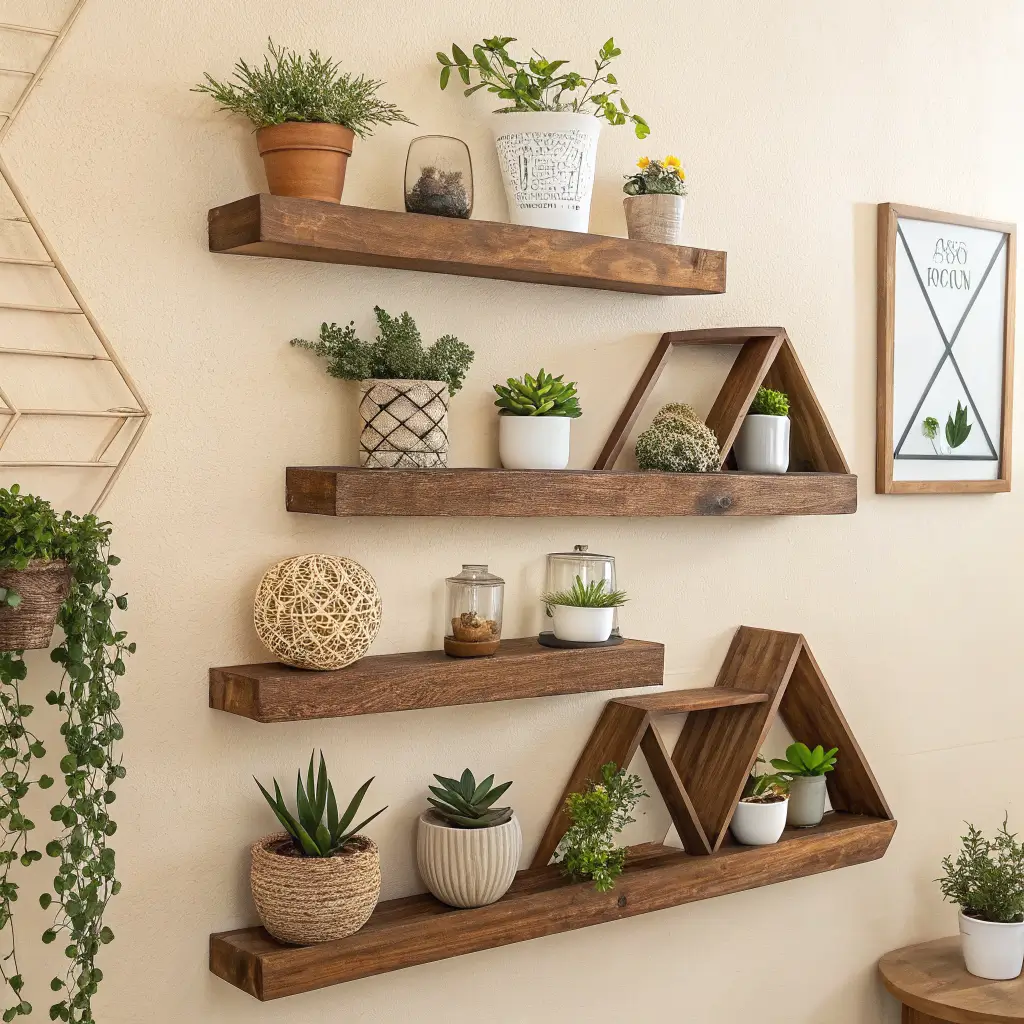
Floating shelves are my secret weapon for creating dynamic plant displays. They let you create layers and levels without taking up floor space, which is crucial in smaller homes.
The trick to successful shelf arrangements is varying the heights, plant sizes, and pot styles. I use a mix of trailing plants that cascade down, upright plants for structure, and small accent plants to fill gaps.
My current setup includes:
- Top shelf: Small trailing plants like string of hearts
- Middle shelf: Medium upright plants like small monsteras
- Bottom shelf: Larger statement plants or collections of small pots
Weight distribution is crucial when loading up floating shelves with plants. I learned this lesson when a shelf full of plants came crashing down at 2 AM (my neighbors were not amused). Always check weight limits and use proper wall anchors.
The layered look creates depth and visual interest that makes any room feel more sophisticated. Plus, it’s easy to rearrange plants as they grow or as your style evolves.
Also READ: 10 Creative Fireplace Wall Decor Ideas for Dream Homes
Staircase Indoor Jungle Pathway
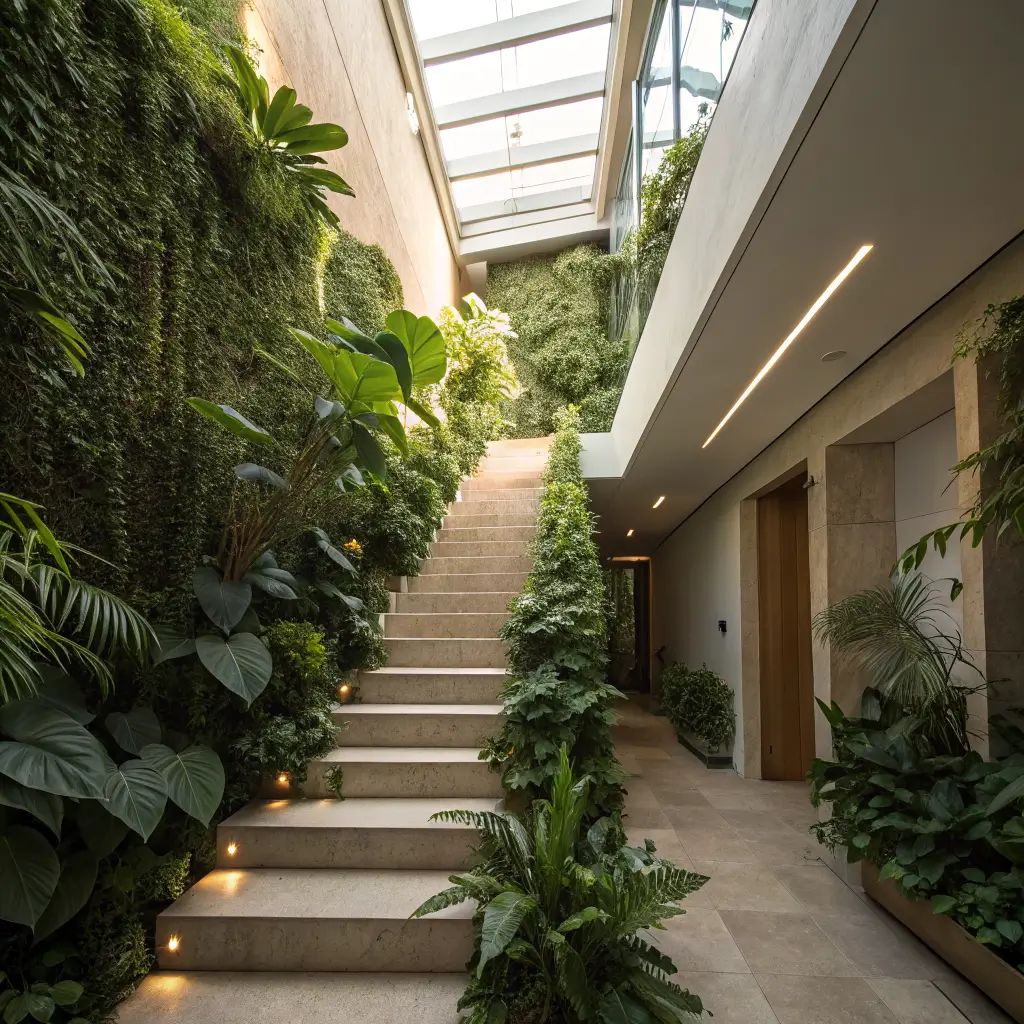
If you have a staircase, you’re sitting on prime plant real estate. Staircase plant styling creates a dramatic jungle pathway that makes going upstairs feel like an adventure.
I line my staircase with a mix of floor plants and hanging varieties. The key is choosing plants that can handle varying light conditions since staircases often have unique lighting situations.
Safety first: Make sure plants don’t obstruct the walkway or create tripping hazards. I keep larger plants against the wall and use hanging plants to add greenery without blocking the path.
My staircase jungle includes:
- Large floor plants at the bottom and top landings
- Hanging plants from the ceiling or wall-mounted brackets
- Small plants on window sills if you have staircase windows
- Trailing plants that cascade down from upper levels
The effect is absolutely stunning – it’s like walking through a greenhouse every time you go upstairs. Guests always comment on how unique and lush it feels.
Maintenance tip: Staircase plants can be tricky to water, so I use a watering can with a long spout and take my time. It’s actually become a meditative part of my weekly routine.
Conclusion
Creating beautiful indoor plant decor isn’t about having a green thumb or spending a fortune. It’s about understanding your space, choosing the right plants for your lifestyle, and having fun with the process. I’ve made plenty of mistakes along the way (RIP to all the plants I’ve accidentally killed), but each failure taught me something valuable.
Start small, experiment with different styles, and don’t be afraid to move plants around until you find what works. Your home should reflect your personality, and plants are one of the best ways to add life, color, and personality to any space. Whether you go full jungle or keep it minimalist, the key is creating something that makes you smile every time you walk through your door.